
FF-Q901 - Polisher Vevor - Free user manual and instructions
Find the device manual for free FF-Q901 Vevor in PDF.
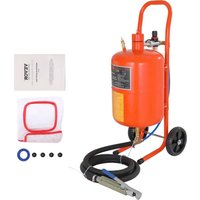


| Product Type | Pressure tank abrasive blaster |
| Brand | Vevor |
| Model | FF-Q901 |
| Tank Capacity | 5 gallons (18.9 liters) |
| Suggested Abrasive Capacity | 10.5 liters |
| Working Pressure | 60-110 PSI (4.1-7.6 bar) |
| Maximum Pressure | 125 PSI (8.6 bar) |
| Air Consumption | 6-25 CFM (0.17-0.71 m³/min) |
| Nozzle Diameter | 3/32" to 9/64" (2.4 to 3.6 mm) |
| Ceramic Nozzles Included | 4 nozzles |
| Power Source | Compressed air (external compressor) |
| Dimensions (approx.) | 80 x 60 x 40 cm (height x width x depth) |
| Weight (approx.) | 15 kg |
| Tank Material | Steel |
| Safety Valve | Yes |
| Dead Man Valve | Yes (safety handle) |
| Water Trap Filter | Included |
| Pressure Gauge | Included |
| Wheels and Handle | 2 wheels, handle for transport |
| Recommended Use | Rust removal, paint stripping, cleaning metal surfaces |
| Routine Maintenance | Drain compressor water, replace worn abrasive hose and nozzles |
| Wear Parts | Abrasive hose, nozzles, seals, seal block |
| Warranty | Electronic warranty certificate at www.vevor.com/support |
Frequently Asked Questions - FF-Q901 Vevor
User questions about FF-Q901 Vevor
0 question about this device. Answer the ones you know or ask your own.
Ask a new question about this device
Download the instructions for your Polisher in PDF format for free! Find your manual FF-Q901 - Vevor and take your electronic device back in hand. On this page are published all the documents necessary for the use of your device. FF-Q901 by Vevor.
USER MANUAL FF-Q901 Vevor
Technical Support and E-Warranty Certificate www.vevor.com/support
ABRASIVE BLASTER TANK
MODEL: FF-Q901
We continue to be committed to provide you tools with competitive price. "Save Half", "Half Price" or any other similar expressions used by us only represent an estimate of savings you might benefit from buying certain tools with us compared to top brands and does not necessarily mean to cover all categories of tools offered by us. You are kindly reminded to verify carefully when you are placing an order with us if you are actually saving half in comparison with the top major brands.
MODEL: FF-Q901
NEED HELP? CONTACT US!
Have product questions? Need technical support? Please feel free to contact us:
Technical Support and E-Warranty Certificate www.vevor.com/support
This is the original instruction, please read all manual instructions carefully before operating. VEVOR reserves a clear interpretation of user manual. The appearance of the product shall be subject to the product you received. Please forgive us that we won't inform you if there are any technology or software updates on our product.
 | Warning-To reduce the risk of injury, user must read instructions manual carefully. |
 | Always wear ANSI approved safety goggles when working with tools and equipment. |
 | Wear eye protection. |
 | Wear ear protection. |
| Wear protective gloves. | |
 | Compliance is a EC & UK security certification. |
Safety Warnings and Precautions
Thank you for using this product. In order to make sure that you can operate the machine correctly, read this instruction carefully before operation and keep it properly for future reference. Please be sure to read the precautions and safety rules in this page to ensure your safe use. The manual will outline safety warnings and precautions, operating, maintenance and cleaning. The warnings and instructions reviewed in this manual cannot cover all possible conditions and situations that may occur. Caution and common sense are not built into this product, since we believe that the users will comply with these codes.
Please read ALL the instructions before using your machine.
- Keep work area clean. Cluttered areas invite injuries.
- Observe work area conditions. Do not use machines in damp or wet locations. Don't expose to rain. Keep work area well lighted. Do not use product in the presence of flammable gasses or liquids.
- Keep children away. Children must never be allowed in the work area. Do not let them handle machines, tools, or extension cords.
- Store idle equipment. When not in use, tools must be stored in a location to inhibit rust. Always lock up tools and keep out of reach of
children.
- Use the right tool for the job. Do not attempt to force a small tool attachment to do the work of a larger industrial tool. There are certain applications for which this tool was designed. It will do the job better and more safely at the rate for which it was intended. Do not modify this tool and do not use this tool for a purpose for which it was not intended.
- Dress properly. Do not wear loose clothing or jewelry as they can be caught in moving parts.
Protective, electrically non-conductive clothes and no-skid footwear are recommended when working. Wear restrictive hair covering to contain long hair.
- Use eye and ear protection. Always wear ANSI approved impact safety goggles.
- Maintain tools with care. Inspect tool cords periodically and if damaged, have them repaired by an authorized technician. The handles must be kept clean, dry, and free from oil and grease at all times. Please power off and unplug before maintenance and cleaning.
- Avoid unintentional starting. Please turn off the air source when not in use.
- Stay alert. Watch what you are doing, use common sense. Do not operate any tool when you are tired.
- Check for damaged parts. Before using any tool, any part that appears damaged should be carefully checked to determine that it will operate properly and perform its intended function. Check for alignment and binding of moving parts; any broken parts or mounting fixtures; and any other condition that may affect proper operation. Any part that is damaged should be properly repaired or replaced by a qualified technician. Do not use the tool if any switch does not turn On and Off properly.
- Replacement parts and accessories. When servicing, use only identical replacement parts. Use of any other parts will void the warranty. Only use accessories intended for use with tool.
- Do not operate tool if under the influence of alcohol or drugs. Read warning labels on prescriptions to determine if your judgment or reflexes are impaired while taking drugs. If there is any doubt, do not
operate the tool.
- Maintenance. For your safety, maintenance should be performed regularly by a qualified technician.
- Never use the machine around flammable materials.
- Do NOT immerse the appliance in water or any other liquid.
- This product cannot be used for other purposes. Not suitable for commercial use. INDOOR USE ONLY.
- Do not use alcohol, gasoline, etc. as coolant.
- Keep bystanders a safe distance away from work area. Anyone entering the work area must wear personal protective equipment.
Fragments of work piece or of a broken accessory may fly away and cause injury beyond immediate area of operation.
- This appliance is not intended for use by young or infirm persons unless supervised by a responsible person to ensure that they can use the appliance safely. Young children should be supervised to ensure that they do not play with the appliance. Children and pets should stay away from the product.
- DO NOT CLEAN IT WITH ANY ABRASIVE MATERIAL.
- Never leave it unattended while in use.
Warning: The warnings, cautions, and instructions discussed in this instruction manual cannot cover possible conditions and situations that may occur. It must be understood by the operator that common sense and caution are factors which cannot be built into this product, but must be supplied by the operator of the tool.
HEALTH RISK WARNING
WARNING!
Do not use an ALLSOURCE Pressure Blaster until you have read this manual and you understand its contents and warnings. These warnings are included for the health and safety of the operator and those in the immediate vicinity. Keep this manual for future reference.
Dust created by power sanding, sawing, grinding, drilling, and other
construction activities may contain chemicals known to cause cancer, birth defects or other reproductive harm and respiratory illnesses. Some examples of the chemicals include:
- Lead from lead based paints
- Crystalline silica from bricks, cement and other masonry products. Arsenic and chromium from chemically-treated lumber.
Your risk from these exposures varies, depending on how often you do this type of work. To reduce your exposure to these chemicals: work in a ventilated area, and work with approved safety equipment, such as dust masks that are specially designed to filter out microscopic particles.
- Abrasive blasting produces harmful dust. Everyone in the blasting area must wear a properly fitted and properly maintained NIOSH-approved supplied-air respirator.
SILICOSIS AND OTHER DUST WARNINGS:
Breathing dust from silica sand may cause silicosis, a fatal lung disease. Breathing dust during blasting operations may also cause asbestosis and/or other serious or fatal diseases. A NIOSH-approved, well-maintained air-supplied abrasive blasting respirator must be used by anyone blasting, anyone handling or using media containing toxic substances or media with more than 0.1% crystalline silica, and anyone in the area of the dust. Harmful dust can remain suspended in the air for long periods of time after blasting has ceased, causing serious injury or death.
Before removing the respirator, use an air monitoring instrument to determine that the atmosphere is safe to breathe. Contact your local OSHA or NIOSH office to determine the proper respirator for your particular application.
Supplied-air respirators do not remove or protect against carbon monoxide (CO) or any other toxic gas. Use a carbon monoxide removal device and monitoring device with the respirator to ensure Grade D quality air. Follow all applicable OSHA standards and OSHA regulation 1910.134(d).
SAVE THESE INSTRUCTIONS
You will need these instructions for the safety instructions, the operating procedures, the parts list, and the warranty. Put them in a safe and dry
place for future reference.
IMPORTANT SAFETY INSTRUCTIONS
WARNING: When using tools such as your air compressor, whether powered by electric motor or gasoline engine, basic safety precautions should always be followed to reduce the risk of fire, electric shock, and personal injury. You should review the safety instructions for your air compressor before beginning abrasive blasting with this tool.
PRODUCT PARAMETERS
| Tank Volume | 5 gallon |
| Working Pressure | 60-110 PSI |
| Air Consumption: | 6-25cfm |
| Suggested abrasive capacity | 10.5 L |
Attention:
- Do not use accessories that are not specifically designed and recommended by the tool manufacturer.
- Drain the water from the air compressor before use to ensure the air is dry and avoid abrasive (media) clumping, otherwise it will not work.
- One of the ceramic nozzles has been installed on the product.
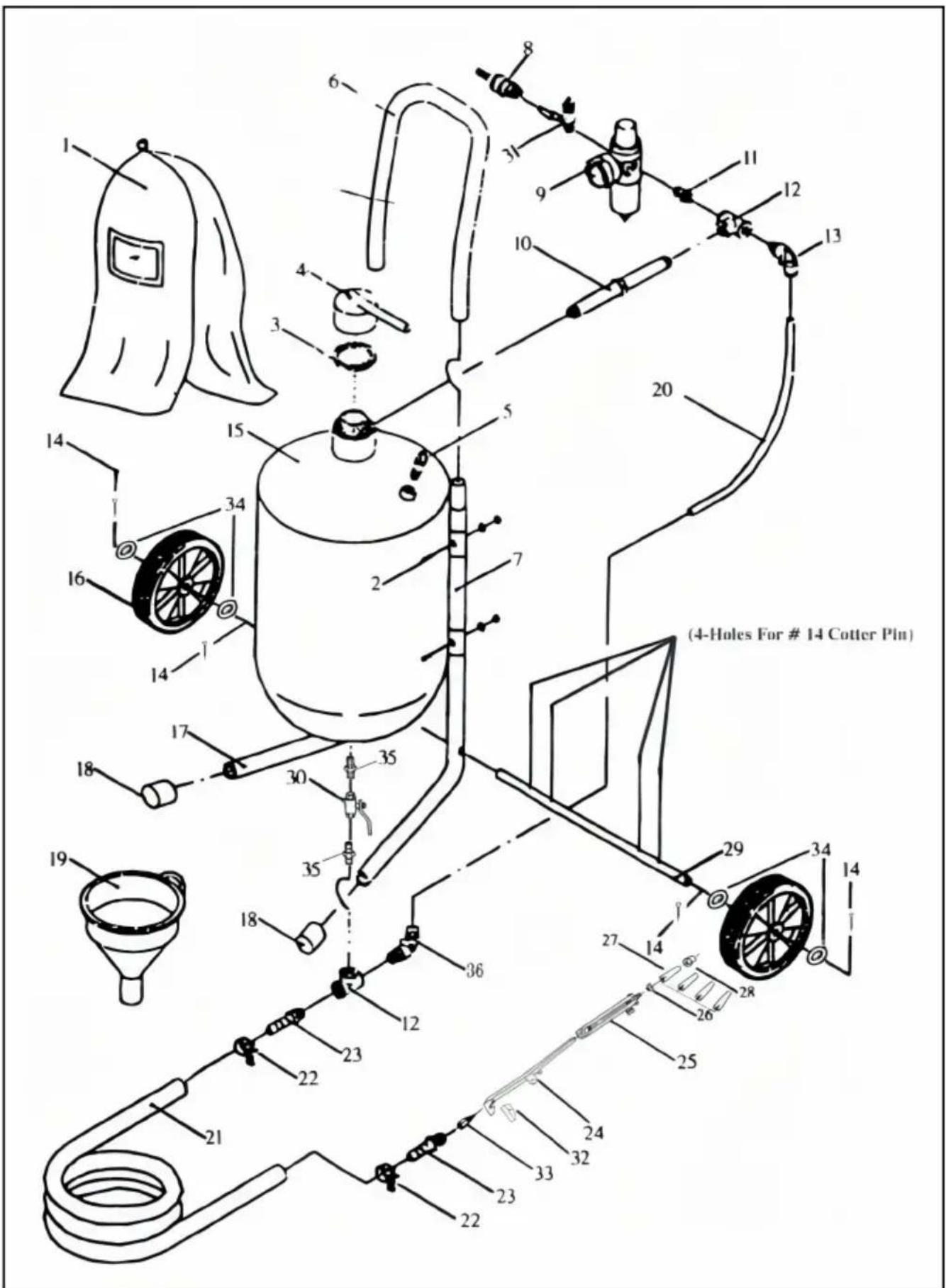
| PARTS LIST | |||||
| Part No | Description | Qty | Part No. | Description | Qty |
| 1 | Hood | 1 | 18 | Leg End Cap | 2 |
| 2 | Screw | 4 | 19 | Funnel | 1 |
| 3 | O-Ring | 1 | 20 | Air Hose | 1 |
| 4 | Tank Filler Cap | 1 | 21 | Abrasive Hose | 1 |
| 5 | Safety Valve | 1 | 22 | Hose Clamp | 2 |
| 6 | Handle Bar | 1 | 23 | Hose Adaptor | 2 |
| 7 | Left leg | 1 | 24 | Trigger Assy | 1 |
| 8 | Connector | 1 | 25 | Deadman Handle | 1 |
| 9 | Air Pressure Adjuster | 1 | 26 | Rubber Gasket | 1 |
| 10 | Joint Pipe | 1 | 27 | Ceramic Nozzle | 4 |
| 11 | Nipple Connector | 1 | 28 | Front Nut | 1 |
| 12 | Intake Manifold | 2 | 29 | Axle | 1 |
| 13 | Elbow Connector | 2 | 30 | Abrasive Metering Valve | 1 |
| 14 | Cotter pin | 4 | 31 | Ball Valve | 1 |
| 15 | Tank | 1 | 32 | Sealing Block | 1 |
| 16 | Wheel | 2 | 33 | Deadman valve adaptor | 1 |
| 17 | Right leg | 1 | 34 | Washer | 4 |
| 35 | NIPPLE CONNECTOR | 2 | |||
NOZZLES: A=9/64” D=3/32” B=1/8” C=7/64”
- Pay particular attention to the ABRASIVE HOSE (#21), the DEADMAN VALVE (#25), and the NOZZLE (#27) as they will wear out much more quickly than the other pieces.
- The ABRASIVE HOSE needs replacing when its sidewalls develop leaks or show blisters in the surface. Do not use if any of these problems are present.
INSTALLATION NOTES
- Please dispose of all plastic bags carefully and keep them away from children and pets.
- Check all components provided according to the list in this manual. Make sure you have all of the parts listed.
- Although paying particular attention when manufacturing this product, you must be careful during the assembly process to avoid being scratched by sharp edges.
- Wear eye-protective goggles and protective gloves during assembly and use.
- The product should be placed on a flat surface.
ASSEMBLY INSTRUCTIONS
- Refer to the drawing for step 1, assembling the intake manifold (12). First, attach the pressure gauge (9) to the top of the intake manifold, turning the gauge so that it can be seen across the top of the tank. Next, attach the throttling valve (31) to the bottom of the manifold. Attach the nipple connector to the throttling valve. Attach the joint pipe (10) to the manifold.
- Refer to the drawing for step 2, to assemble the water trap filter (9). The nipple connector (11) is screwed into each side of the filter. On one side, attach the air supply valve (31) to the nipple connector (10), and then attach the male/female connector (8) to the other side of the air supply valve. When you're ready to operate the abrasive blaster, the air hose from the compressor will fasten to the male/female connector (8).
- Place the tank (15) on a table with the four clips up. Refer to the drain for step 3. Screw the water trap filter (9) and its parts into the hole at the side of the intake manifold. Then screw the open end of the joint pipe (with intake manifold (12) and pressure gauge (9) attached) into the threaded hole on the side of the filler pipe on top of the tank. Again, be sure that the manifold and gauge are vertical.
- Refer to the drawing for step 4, assembly of the abrasive outlet valve into the hole at the bottom of the tank. Attach four parts, in order: nipple connector (11); abrasive metering valve (30); nipple connector (11); and the abrasive outlet pipe (12).
- Refer to the drawing for step 5, assembly of the nozzle DEADMAN valve (25). In this assembly process, you'll select one of the four nozzles (27). This is not a permanent selection, as you may change nozzles according to the job being done. Screw the adapter (23) into the nozzle DEADMAN valve (25). Screw the gasket (26) into the nipple connector, then add a nozzle (27) and the nozzle cap-nut (28).
- Refer to the drawing for step 6, for connecting the abrasive metering valve assembly and the assembly.
Slide the two hose clamps (22) over each end of the abrasive hose (21). Press one end of the hose over the nipple on the abrasive outlet pipe (11) and the other end over the adapter (23). Both hose ends should be firmly seated on the nipples. Slide the hose clamps along the hose to each nipple and tighten the clamps very firmly.
- Fasten the two handlebars (06) to the tank using four pan screws (02), four washers, and four hex nuts. Note: keep the handle curve ends upward.
- Locate the axle (29), and slide it through the holes in the sides of the handlebars (06). Place one wheel (16) at each end of the axle and fasten them into place with cotter pins (14) and washers (34).
- Insert the fixed foot (17) onto the fitting on the bottom of the tank near the edge. Use your last cotter pin (14) to hold the foot to the tank.
- Before beginning operations, go back over each connection, double-checking to ensure that all are tight and properly seated.
WARNING!
Disconnecting hose while unit is under pressure could cause serious injury or death. Use safety lock pins and safety cables in all coupling connections to help prevent hose couplings from accidental disconnection.
If twist-on type air hose couplings are used, they must be secured by safety lock pins or wires to prevent accidental disconnection while under pressure. Hose disconnection while under pressure could cause serious injury.
PRESSURE BLASTER SAFETY PROCEDURES
CAUTION: READ THESE SAFETY PROCEDURES IN THEIR ENTIRETY - PARTS OF THE OPERATING INSTRUCTIONS ARE WITHIN THESE WARNINGS.
These procedures are not intended to be exhaustive due to the many variables in the abrasive blasting field. Therefore, we INSIST that the hands, ears, mouth, nose, and eyes be covered with appropriate safety protection at all times.
- Do not place fingers, any body parts, or any components in the filler seal area when the blast machine is being pressurized. Failure to keep body parts from the filler plug area will result in serious injury.
- Do not exceed maximum working pressure of 125 PSI. Failure to keep maximum working pressure below 125 PSI can cause the blast machine to burst, causing death or serious injury.
- Everyone in the blast area, including the equipment operator, should correctly use and maintain a NIOSH-approved air-supplied respirator, even after blasting has ceased. Harmful dust can remain suspended in the air for long periods of time after blasting has ceased, causing injury or death.
- Before using the pressure blaster: Put on safety glasses, gloves, and a NIOSH-approved respirator. Always wear these protective items when operating and while servicing your abrasive blaster. While a protective hood is provided to help protect you from flying parts as you use the machine, the hood does not provide protection from airborne particles. A well-maintained air-supplied blasting respirator must be used by anyone
blasting.
- Use thick gloves to protect your hands.
- Use backboards to prevent overspray from hitting someone or something else because the dust will travel a long distance. Blast in a large open area to minimize abrasive accumulation in surrounding areas.
- Do not pull the media tank around by the abrasive hose or let the tank fall, as a fitting may break, rendering the machine unsafe. Media and air under 125 PSI have a very high destructive force. Never leave a pressurized machine unattended. If an emergency occurs, such as a burst blast hose, shut down the machine immediately.
- Drain air out of the tank through the inlet valve and disconnect power before maintenance or cleaning of any kind. When removing the nozzle, caution must be exercised as air pressure may still be in the hose if the nozzle is plugged.
- For safe operation, perform recommended preventive maintenance on the blaster tank, remote unit, and accessories. Replace all worn parts before they fail. Immediate replacement of worn components is required. Failure to replace worn components could result in exposing the operator or bystanders to high-speed media and compressed air, causing serious injury.
- Do not use corrosive materials of any type in the unit. Use only clean, dry media.
- Do not splice abrasive hose. The splice will wear out quickly and may violently spray media over the surrounding area. A worn blast hose could suddenly fail by bursting. Couplings and nozzle holders may not adequately grip worn hose, causing them to blow off under pressure. Compressed air and abrasive escaping from a burst hose, or disconnected coupling or nozzle holder, could cause severe injury.
- Welding, grinding, or drilling on the blast machine could weaken the vessel. Compressed air pressure could cause a weakened blast machine to rupture, resulting in death or serious injury. Welding, grinding, or drilling on the blast machine vessel without a National Board R stamp voids the ASME and National Board certification if applicable.
- Always place the machine so that the outlet is pointed away from any objects or persons. Stand clear of the path of exiting abrasive. It may co
out at high velocity. Impact from exiting abrasive could cause severe injury. 14. Do not use electrical adaptors that eliminate the ground prong on 11 volt plugs. Failure to properly ground the machine can cause injury from electric shock and equipment damage. To help reduce the possibility of static electricity and its related hazards, always ground the Blast machine. 15. Do not use this equipment in any area that might be considered hazardous or where flammable gases or liquids are present. Failure to do so may cause an explosion resulting in serious injury. 16. Static electricity can be created by the use of this equipment. Do not use within fifty feet of any explosive, potentially explosive substances, or their vapors as an explosion can occur. 17. Do not overfill tank with media. Do not fill to within 6 inches from top of the tank. 18. BEFORE OPENING THE TANK, release the air pressure on the abrasive tank. To do this, turn off the air supply valve (19), and push down to open the DEADMAN valve (1), to release pressure in the line. Ensure that the tank pressure gauge reads zero, then open the tank. 19. MAINTAIN CORRECT AIR PRESSURE, maximum of 110 PSI is recommended, pressure must not exceed 125 PSI. If pressure exceeds 125 PSI, stop all work immediately, and disconnect the air compressor to reduce the excess pressure. Do not investigate the blaster's pressure problem until the pressure gauge reads zero.
OPERATING INSTRUCTIONS
OPERATING TECHNIQUE:
- Connect air hose to air inlet valve. Manufacturer recommends using minimum incoming air hose of 1/2" I.D. Using an air hose smaller than 1/2" I.D. will restrict air volume and result in poor unit operation. Prior to injection of air, be certain air inlet valve and nozzle valve are in the OFF position. With Deadman Valve closed and filler plug tight, open air inlet valve allowing air to pressurize. Operating range of unit is 40 to 110 PSI. Note: For proper nozzle selection, refer to nozzle selection chart on page 11.
After proper nozzle selection, insert nozzle into retainer base. Set against washer and slide retainer nut over nozzle and tighten by hand.
- The Pressure Blaster is equipped with a unique semi-automatic pull-up closure design. Manufacturer recommends a fine grade abrasive with granular size similar to that of table salt. This assures proper flow and reduces the possibility of nozzle obstruction. When ready to pressurize container, pull up closure and turn on incoming air. The internal air pressure will seal the closure.
- With the blaster pressurized and the abrasive flow regulator valve at the base of the unit closed, open the ball valve to allow air to flow through the bypass hose to the base of the unit. Then, holding the abrasive hose by the nozzle retainer house with the nozzle directed away from the unit and operator, quickly squeeze the Deadman Valve fully open and adjust the regulator valve at the base of the tank to bleed the abrasive into the air flow. Slowly open the regulator valve until abrasive material is slightly visible. Once the regulator flow valve is adjusted to the desired setting, further adjustment should only be required when changing the grade of abrasive material or when a nozzle with a different I.D. is used. Opening the regulator valve too far will result in a clogged hose or nozzle. For best performance, the Deadman Valve should be opened and closed quickly.
WARNING!
Disconnecting the hose while the unit is under pressure could cause serious injury or death. Use safety lock pins and safety cables in all coupling connections to help prevent hose couplings from accidental disconnection.
If twist-on type air hose couplings are used, they must be secured by safety lock pins or wires to prevent accidental disconnection while under pressure. Hose disconnection while under pressure could cause serious injury.
AIR ABRASIVE SUPPLY REQUIREMENTS
Abrasive blasting requires a large volume of air at high pressure. The efficiency of your abrasive blaster can be adversely affected by the use of too small an air supply hose, insufficient air pressure, or an overly large
nozzle.
| Hose ID | Hose Length | Nozzle ID | CFM (110 PSI) | Abrasive Use Per Hour |
| 3/8” | 50ft | 3/32” | 6 | 60 Lbs |
| 3/8” | 25ft | 7/64” | 12 | 100 Lbs |
| 1/2” | 50ft | 1/8” | 15 | 150 Lbs |
| 1/2” | 25ft | 9/64” | 20 | 200 Lbs |
We recommend that air pressure in the range of 60-110 PSI will provide the best results.
LOADING ABRASIVES INTO THE TANK
- Check your abrasive to be sure it's dry, and won't clog the metering valve (30), abrasive outlet pipe (12), hose (21), or other components.
- Put on the protective clothing, full hood, and MSHA/NICOSH approved respirator.
- Turn the air supply valve (31) to the off (horizontal) position.
- Push down to open the nozzle DEADMAN valve (25).
- Watch the pressure gauge (9) and make sure it reads zero pressure.
- Remove the filler cap (4) from the top of the tank.
- Insert the funnel (19), and pour the abrasive into the funnel. Be sure to get enough into the tank to do the job at hand. But if this is a big job, fill the tank only 3/4 full, and reload as needed to finish the work.
TIPS: if the humidity is 90/100%, the water trap (9) won't be able to take care of the moisture in a 3/4 tank. Better to reduce the amount of abrasive, load more frequently, and empty the water trap more often. This will reduce the possibility of clogging the bottom of the tank or the line.
- With the correct amount of abrasive in the tank, close the filler cap (4).
- Close the nozzle shut-off valve (30), and open the air supply valve (31).
- Listen for air leaks at the filler cap as you begin to pressurize the tank from the compressor. Fix any leaks before operating.
AIR COMPRESSOR RECOMMENDATION
To permit efficient operation of your air compressor, follow these guidelines. Use a smaller size nozzle to control the demand of air.
- Do not blast continuously. Stop blasting operation periodically to allow the compressor to cool.
- No compressor is designed to constantly run at full RPM. Use 70% of the rated output. Use a minimum 1/2" air hose or metal piping from your compressor to the blaster. If your
- compressor is creating an excessive amount of moisture, we recommend using a water trap or a moisture separator. Open the bleeder valve until water slowly flows out continuously.
- The air compressor should be drained at the bottom of the supply tank through a drain valve and should be blown down daily. It is not unusual to drain three or four gallons of water from the supply tank on a high humidity day. An additional supply tank will help.
- Keep dust and media created by blasting away from the air compressor unit. Observe maximum air pressure requirements for the blaster and either set your compressor to run within these limits or use a pressure regulator valve to reduce the air pressure to the appropriate range.
ABRASIVE (MEDIA) USAGE
- If moisture is in the media it will eventually damage the blaster tank (plug the system). Keep the media and compressor air dry to avoid this problem.
- If media is moist, screen it and dry it before using.
- Do not leave media in the tank after blasting because it can absorb moisture and impair blasting performance.
- Store media in a dry place; keep media off the ground or concrete floor. Put it on a wooden skid.
- If the humidity is excessively high, it may not be advisable to blast at that time.
- Consider using different grades or different types of media to prevent
nozzle clogging due to high moisture content.
7. Do not use sand.
Warning!
Do not fill the pressure vessel to within six (6) inches of the top of the vessel. If a hose is accidentally disconnected during use, media spray may occur.
See respiratory related WARNINGS at the beginning of the manual. Black Beauty
Black Beauty is used when paint and rust have to be removed from steel, such as car bodies, tanks, or heavy machinery. Black Beauty is superior to silica because it only has 0.1% free silica, is faster cutting, can be re-used, is moisture free, and will not pack or absorb moisture.
Steel Grit
Steel grit is extremely fast cutting on rusty metal and hard-to-remove paint. Steel Grit is popular because it leaves a very smooth finish. It is also comparable in price to most other specialty abrasives. Steel Grit is recommended in reclaim systems or cabinets.
Glass Bead
Glass Bead is used in creating a satin or matte finish. Glass Bead is recommended in reclaim systems or cabinets.
Aluminum Oxide
Aluminum Oxide is a high-quality abrasive that is sharper than sand (not recommended) and cuts twice as fast as sand. It leaves a smooth texture finish with no pits. Aluminum Oxide is rougher than glass bead and can be used over and over again. It is one of the most economical abrasives you can use in any reclaim systems or cabinets.
Plastic Grit
Primarily used to strip aluminum and fiberglass. Great for stripping paint, light oxidation, and surface rust. Recommended for use in blast cabinets because it creates very little dust. Works quickly, lasts a long time, and increases visibility within the cabinet.
TROUBLESHOOTING TIPS
| PROBLEM/CAUSE | POSSIBLE SOLUTION |
| Surging of blast flow: | |
| Air pressure too low | See "Lack of Air Pressure" |
| Too much media | Adjust media valve |
| Excessive media consumption: | |
| Media valve open too far | Close slightly |
| Air pressure too low | Check pressure gauge |
| Clogging and plugging of blast flow: | |
| Debris in media | Purge and screen |
| Media size too large | Use smaller grit size |
| Nozzle plugs | Use larger nozzle |
| Nozzle plugs | Adjust media valve |
| Wet media | Dry media,drain water from a |
| Moisture in abrasive media: | |
| Wet media | Change or use dry media |
| Water in air | Drain water from airlines |
| Water in tank | Empty,dry out and refill |
| Humid weather: | |
| Moderate humidity | Keep media as dry as possit |
| Moderate humidity | Use drier or moisture separator |
| High humidity | Avoid that period of use if possible |
| Overtaxed compressor: | |
| Compressor too small | Restrict time used |
| Nozzle size too large | Use smaller size |
| Too many leaks in plumbing | Seal and tighten plumbing |
| Holes in abrasive hose | Replace hose |
| Air filter on compressor plugged | Clean |
| Lack of air pressure: | |
| Compressor too small | Use smaller nozzle |
| Supply valves not on full position | Open valves |
| Nozzle size too large | Use smaller size |
| Leaks in plumbing | Seal and tighten plumbing |
| Holes in abrasive hose | Replace hose |
| Air filter on compressor plugged | Clean filter |
| Urethane gasket worn or dirty | Clean or replace gasket |
| Lack of abrasive flow: | |
| Blaster tank empty | Fill tank |
| Moisture in media | Dry media |
| Not enough air pressure | Check system |
| Abrasive hose kinked | Straighten hose |
| Debris in media | Clean or screen media |
MAINTENANCE
WARNING!
Failure to observe the following before performing any maintenance could cause serious injury or death from the sudden release of compressed air.
- Depressurize the blast machine.
- Disconnect power supply.
- Lockout and tag out the compressed air supply.
- Bleed the air supply line to the blast gun.
Immediate replacement of worn components is required. Failure to replace
worn components could expose the operator or bystanders to high-speed media and compressed air, which could cause death or serious injury.
Leaks around couplings and nozzle holders indicate worn or loose fitting parts. Nozzle holders and couplings that do not fit tightly on hose and nozzles that do not fit tightly in nozzle holders could disconnect while under pressure. Impact from nozzles, couplings, hoses, or abrasive, and parts disconnected while under pressure could cause severe injury. To ensure long and efficient operational life of the Deadman Handle, it is highly recommended that the following procedures be followed:
- Periodically (after 5-6 months of moderate use or after 10-15 hours of heavy industrial use) replace all hose adaptors that are for abrasive flow use only.
- Replace the rubber sealing block after 7-10 hours of use to maintain proper shut-off.
- Check the abrasive hose when it begins to soften or leaks media or air around the hose or handle area.
- Replace the nozzle when it wears to the next larger size.
- Check the urethane gasket in the pull-up closure when air leaks excessively from the opening (make sure the gasket is free from media).
- You should make every effort to protect your air compressor from any damage it may receive from your abrasive blasting work. Your best option is to keep the compressor upwind from the abrasive blasting, and the greater the distance between them, the better. Other than that, you should continue standard maintenance procedures for the compressor.
Some parts of the abrasive blaster will wear much more rapidly than
- others, the parts needing close attention carry the air/abrasive mixture, starting with the abrasive hose (21) and going through the metal fillings, the DEADMAN valve (25) and the ceramic nozzles (27).
- If air leaks develop in any of these parts, you should stop all work, find what needs to be repaired or replaced. When it's new, the abrasive hose (21) has 2 cord plies and the walls are 1/4" thick. As the interior
diameter is abraded, this wall becomes thinner and thinner. One way to inspect the hose and other parts affected by the blasting is to put on your protective clothing. Then pressurize the system and close the nozzle shut-off valve (31). Listen for air leaks, fix any leaks before operating. You can also spot places in the hose where the wall is getting very thin. These show up as blisters in the hose; if you find such a blister, get a new hose immediately. If that blister breaks, the abrasive will come out of the side of the hose.
| UK | REP |
Preston, United Kingdom
| EC | REP |
SHUNSHUN GmbH
Römeräcker 9 Z2021, 76351
Technical Support and E-Warranty Certificate www.vevor.com/support
VEVOR®
TOUGH TOOLS, HALF PRICE
NEED HELP? CONTACT US!
PRODUCT PARAMETERS
NOZZLES: A=9/64" D=3/32" B=1/8" C=7/64"
Rancho Cucamonga, CA 91730
| REPRÉSENTANT | DU ROYAUME-UNI |
Groupe Pooledas Ltd
NEED HELP? CONTACT US!
NEED HELP? CONTACT US!
NOZZLES: A=9/64" D=3/32" B=1/8" C=7/64"
Imported into Australia: SIHAO PTY LTD, 1 ROKEVA STREET EASTWOOD
NSW 2122 Australia
Anaheim Place, Rancho Cucamonga, CA 91730
| REP. DEL | REGNO UNITO |
Gruppo Pooledas Ltd
NOZZLES: A=9/64" D=3/32" B=1/8" C=7/64"
Place, Rancho Cucamonga, CA 91730
NEED HELP? CONTACT US!
NOZZLES: A=9/64" D=3/32" B=1/8" C=7/64"
Import to AUS: SIHAO PTY LTD, 1 ROKEVA STREET EASTWOOD
NEED HELP? CONTACT US!
HEALTH RISK WARNING
WARNING!
NOZZLES: A=9/64" D=3/32" B=1/8" C=7/64"
NEED HELP? CONTACT US!
NOZZLES: A=9/64" D=3/32" B=1/8" C=7/64"
Unit 5 Albert Edward House, The Pavilions
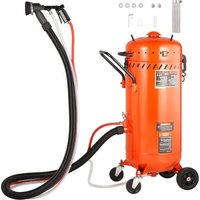
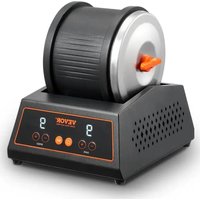
- ABRASIVE BLASTER TANK
- NEED HELP? CONTACT US
- SAFETY WARNINGS AND PRECAUTIONS
- PLEASE READ ALL THE INSTRUCTIONS BEFORE USING YOUR MACHINE
- HEALTH RISK WARNING
- WARNING
- SILICOSIS AND OTHER DUST WARNINGS
- SAVE THESE INSTRUCTIONS
- IMPORTANT SAFETY INSTRUCTIONS
- ATTENTION
- INSTALLATION NOTES
- ASSEMBLY INSTRUCTIONS
- PRESSURE BLASTER SAFETY PROCEDURES
- CAUTION: READ THESE SAFETY PROCEDURES IN THEIR ENTIRETY - PARTS OF THE OPERATING INSTRUCTIONS ARE WITHIN THESE WARNINGS
- OPERATING INSTRUCTIONS
- OPERATING TECHNIQUE
- AIR ABRASIVE SUPPLY REQUIREMENTS
- LOADING ABRASIVES INTO THE TANK
- AIR COMPRESSOR RECOMMENDATION
- ABRASIVE (MEDIA) USAGE
- DO NOT USE SAND
- SEE RESPIRATORY RELATED WARNINGS AT THE BEGINNING OF THE MANUAL. BLACK BEAUTY
- STEEL GRIT
- GLASS BEAD
- ALUMINUM OXIDE
- PLASTIC GRIT
- MAINTENANCE
- VEVOR®
- TOUGH TOOLS, HALF PRICE
Brand : Vevor
Model : FF-Q901
Category : Polisher