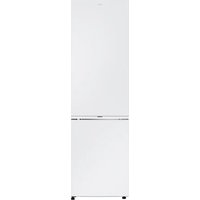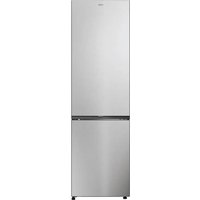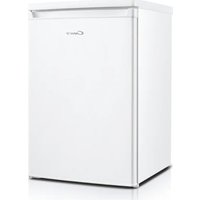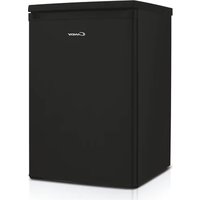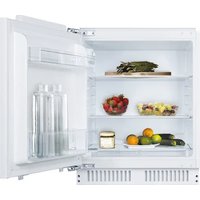
CMLS68EWK - Fridge CANDY - Free user manual and instructions
Find the device manual for free CMLS68EWK CANDY in PDF.


User questions about CMLS68EWK CANDY
0 question about this device. Answer the ones you know or ask your own.
Ask a new question about this device
Download the instructions for your Fridge in PDF format for free! Find your manual CMLS68EWK - CANDY and take your electronic device back in hand. On this page are published all the documents necessary for the use of your device. CMLS68EWK by CANDY.
USER MANUAL CMLS68EWK CANDY
Thankyou for purchasing this product.
Before using your refrigerator, please carefully read this instruction manual in order to maximize its performance. Store all documentation for subsequent use or for other owners. This product is intended solely for household use or similar applications such as:
- the kitchen area for personnel in shops, offices and other working environments
- on farms, by clientele of hotels, motels and other environments of a residential type
- at bed and breakfasts (B&B)
- for catering services and similar applications not for retail sale.
This appliance must be used only for purposes of storage of food, any other use is considered dangerous and the manufacturer will not be responsible for any omissions. Also, it is recommended that you take note of the warranty conditions.
SAFETY INFORMATION
Please read the operating and installation instructions carefully!
They contain important information on how to install, use and maintain the appliance.
The manufacturer is not liable if you fail to comply with the instructions and warnings.
Retain all documents for subsequent use or for the next owner.
- Do not connect the appliance to the electricity supply until all packing and transit protectors have been removed. Keep children away from packaging and its parts.
- Danger of suffocation from folding cartons and plastic film!
- Leave to stand for at least 4 hours before switching on the product, to allow compressor oil to settle if transported horizontally.
- Make sure there is no transport damage.
- Do not damage the refrigerant circuit.
- Maintain the ventilation openings in the appliance enclosure or in the built-in structure, free of obstruction.
-
Never use water to wash the compressor position, wipe it with a dry cloth thoroughly after cleaning to prevent rust.
-
Handle the appliance always with at least two persons because it is heavy.
- Install and level the appliance in an area suitable for its size and use.
- Make sure that the electrical information on the rating plate agrees with the power supply. If it does not, contact an electrician.
- The appliance is operated by a 220-240 VAC/50 Hz power supply. Abnormal voltage fluctuation may cause the appliance to fail to start, or damage to the temperature control or compressor, or there may be an abnormal noise when operating. In such case, an automatic regulator shall be mounted.
- Only for UK: The appliance's power cable is fitted with 3-cord (grounding) plug that fits a standard 3-cord (grounded) socket. Never cut off or dismount the third pin (grounding). After the appliance is installed, the plug should be accessible.
- Make sure that mains cable is not caught under the appliance during and after carrying/moving the appliance, to avoid the mains cable becoming cut or damaged. If the supply cord is damaged, it must be replaced by the manufacturer, its service agent or similarly qualified person in order to avoid a hazard.
- Do not install the appliance in humid, oily or dusty places, nor expose it to direct sunlight and to water.
- Do not install the appliance near heaters or inflammable materials.
FOR appliances with a freezer compartment: if there is a power failure do not open the lid. Frozen
food should not be affected if the failure lasts for less than the hours indicated on the rating label (Temperature rise time). If the failure is longer, then the food should be checked and eaten immediately or cooked and then refrozen.
- If you find that the lid of the appliance is difficult to open just after you have closed it, don't worry. This is due to the pressure difference which will equalize and allow the lid to be opened normally after a few minutes.
- Do not store medicines, bacteria or chemical agents in the appliance. This appliance is a household appliance, it is not recommended to store materials that require strict temperatures.
- Do not excessively pull or fold the power cord or touch the plug with wet hands.
- Do not store products which contain flammable propellant (e.g. spray cans) or explosive substances in the appliance. Risk of explosion!
- Do not place unstable articles (heavy objects, containers filled with water) on top of the refrigerator, to ovoid personal injury caused by falling or electric shock caused by contact with water.
- Do not use electrical appliances inside the food storage compartments, unless they are of the type recommended by the manufacturer.
- Do not touch internal cooling elements, especially with wet hands, to avoid cracks or injuries.
- At risk here are children, people who have limited physical, mental or sensory abilities, as well as
people who have inadequate knowledge concerning safe operation of the appliance.
- Check that children and vulnerable people have understood the hazards. A person responsible for safety must supervise or instruct children and vulnerable people who are using the appliance. Only children aged 8 years and above may use the appliance.
Children should not play with the appliance.
Children aged from 3 to 8 years are allowed to load and unload this appliance.
FOR appliances with a freezer compartment: do not store bottled or canned liquids (especially carbonated drinks) in the freezer compartment. Bottles and cans may burst!
FOR appliances with a freezer compartment: never put frozen food straight from the freezer compartment in your mouth. Risk of low-temperature burns! - Keep plastic parts and the door seal free of oil and grease. Otherwise, plastic parts and the door seal will become porous.
- Before performing any operation, unplug the power cord from the power socket.
- Do not use mechanical devices or other means to accelerate the defrosting process, other than those recommended by the manufacturer.
- Do not use pointed or sharp-edged objects such as knives or forks to remove the frost.
-
Never use hairdryers, electrical heaters or other such electrical appliances for defrosting.
-
It is recommended to keep the plug clean, any excessive dust residues on the plug can be the cause fire.
- Do not try to repair, disassemble or modify the appliance by yourself. In case of repair please contact always our customer service.
Supervise children while the appliance is being cleaned or maintained. - Do not clean the cold glass shelves with hot water. Sudden temperature change may cause the glass to break.
- WARNING: The tubes of the refrigeration circuit convey a small quantity of an environmentally friendly but flammable refrigerant (R600a) and insulating gas (cyclopentane). It does not damage the ozone layer and does not increase the greenhouse effect. If refrigerant escapes, it may injure your eyes or ignite.
- If the refrigerant circuit should be damaged:
-
- Switch off the appliance and pull out the mains plug,
- Keep naked flames and/or ignition sources away from the appliance,
-
- Thoroughly ventilate the room for several minutes,
- Inform customer service.
- WARNING: Do not damage the plug and/or the power cord; this could cause electrical shocks or fires.
- WARNING: Do not use multiple portable socket-outlets or portable power supplies. We do not recommend the use of extension leads and multi-way adapters.
-
Do not attempt to sit or stand on the top of the appliance. You could injure yourself or damage it. This appliance is not designed for stacking with any other ones.
-
The product is designed and built for domestic household use only.
- Only original parts supplied by the manufacturer may be used. The manufacturer guarantees that only these parts satisfy the safety requirements.
- Opening the door for long periods can cause a significant increase of the temperature in the compartments of the appliance.
- Clean regularly surfaces that can come in contact with food and accessible drainage systems.
- Clean water tanks if they have not been used for 48h ; flush the water system connected to a water supply if water has not been drawn for 5 days.
- Store raw meat and fish in suitable containers in the refrigerator, so that it is not in contact with or drip onto other food.
- Two-star frozen-food compartments (if they are presented in the appliance) are suitable for storing pre-frozen food, storing or making ice-cream and making ice cubes.
One-, two- and three -star compartments, if present in the appliance, are not suitable for the freezing of fresh food. - If the appliance is left empty for long periods, switch off, defrost, clean, dry and leave the door open to prevent mould developing within the appliance.
FOR Wine Coolers: this appliance is intended to be used exclusively for the storage of wine
FOR appliances without a 4-star compartment: this refrigerating appliance is not suitable for freezing foodstuffs
SPECIFICATIONS OF YOUR LARDER FRIDGE
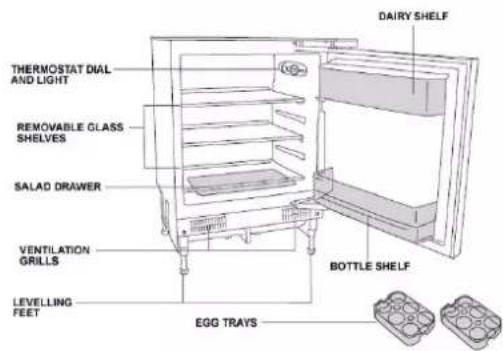
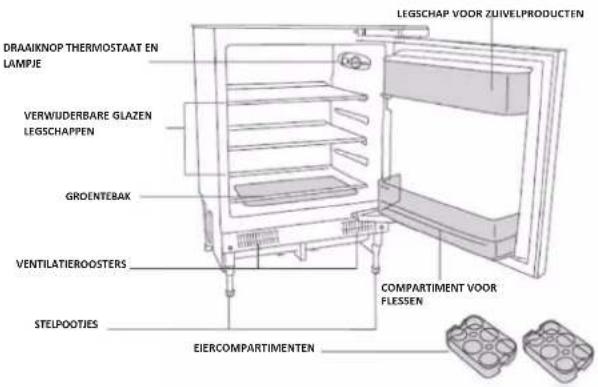
DESCRIPTION OF THE APPLIANCE
NOTE:
Image is for reference only and may differ from your product. The most energy-saving configuration requires drawers, food box and shelves to be positioned in the product, please refer to the above pictures
DESCRIPTION OF THE PRODUCT FEATURES
1) Shelves
The shelves may be placed in any of the guide slots within the interior of the appliance. They are protected from sliding out.
To remove a shelf: Take off all of the items that are stored on the shelf that you want to remove. Then lift the front of the shelf and carefully pull it out of the grooves.
2) Defrost water outlet
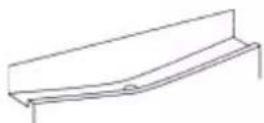
The interior of the refrigerator is cooled by the cooling plate that is on the rear wall. Beneath this there is a channel and an outlet for the defrost water.
It is important that this channel never becomes clogged (see "The defrost drain hole" section for a detailed explanation of how to keep the channel clear).
3) Crisper (salad) drawers and cover
The crisper drawers are in the bottom of your refrigerator and there is a cover that goes over them.
The cover helps to prevent fruit and vegetables from drying out prematurely.
4) Dairy shelf (door rack)
The dairy shelf is suitable for storing eggs, cheese and yogurt. As well as smaller packages, tubes, cans etc.
5) Bottle shelf (bottle door rack)
o The lower shelf should be used for storing reasonably sized bottles.
IMPORTANT: IT IS IMPORTANT THAT NONE OF THE SHELVES THAT SIT IN THE DOOR ARE OVERLOADED, AS THIS WILL DRASTICALLY REDUCE THEIR WORKING LIFE.
USING YOUR LARDER FRIDGE
Before switching on
o Make sure that it has been installed by a suitably qualified person, as per the information contained in Baumatic's installation instructions.
o After delivery, wait for eight hours before connecting the appliance to your mains supply. This will allow any refrigerant gasses that may have been disturbed during the transportation process to settle.
o The outside of the appliance and the removable accessories contained within it, should be cleaned with a solution of liquid detergent and water.
o The interior of the appliance should be cleaned with a solution of sodium bicarbonate dissolved in lukewarm water. The Interior and accessories should be thoroughly dried, after the cleaning process has been completed.
There can be an odour when you first switch on the appliance. It will lessen as the appliance starts to cool.
During first use
o You should set the thermostat dial to its maximum setting for 24 hours after switching on the appliance for the first time.
0 When you first switch on the appliance, the compressor will run continuously for approximately 24 hours or until the fridge freezer reaches a cool enough temperature.
During this period of time, you should try not to open the door frequently or place a large amount of food within the appliance.
o You should then adjust the thermostat dial down to its normal operating position.
If the unit is switched off or unplugged, you must allow at least 5
minutes before restarting the appliance on the thermostat or connecting it to your mains supply.
Switching on the appliance and setting the thermostat
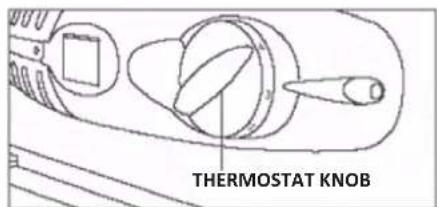
You switch on your appliance by connecting it to your mains supply and setting the thermostat. The thermostat control knob is located on the right hand side of the fridge.
The thermostat automatically regulates the temperature inside of the fridge, depending on what number you have turned the thermostat control knob to:
Position < 0> means that the appliance will not cool. However the light will still function.
o Position < 1> will give you a higher temperature inside of the fridge. o Position < 6> will give you a lower temperature inside of the fridge.
o Ideally the thermostat should be set to a position of between < 3> to < 4> .
o Your refrigerator can maintain a temperature of between 4- 6 degrees centigrade.
IMPORTANT: The ambient temperature of the room, the temperature of the food and the amount of food that has been placed in the appliance and how often the door is opened, will all affect the temperature being maintained by the appliance.
On the maximum setting (position < 6> ), your fridge will work harder to maintain a lower temperature and will increase the energy usage. There is no need to run your appliance on this setting for prolonged periods and you should return the thermostat knob to between < 3> to < 4> .
IMPORTANT: Do not run the appliance with the thermostat above number 5 in normal usage otherwise the defrost drain hole will freeze.
ARRANGING AND STORING FOOD IN YOUR REFRIGERATOR
Position different food in different compartments according to be below table
| Refrigerator compartment | Type of food |
| Door or balconies of fridge compartment | · Foods with natural preservatives, such as jams, juices, drinks, condiments. · Do not store perishable foods |
| Crisper drawers (salad drawer) | · Fruits, herbs and vegetables should be placed separately in the risper bin · Do not store bananas, onions, potatoes, garlic in the refrigerator |
| Fridge shelf – middle | · Dairy products, eggs |
| Fridge shelf – top | · Foods that do no need coocking, such as ready-to-eat foods, deli meats, leftovers. |
o It's suggested to set the temperature at 4^ in the fridge compartment, and, whether possible, at -18^ in the freezer compartment.
For most food categories, the longest storage time in the fridge compartment is achieved with colder temperatures. Since some particular products (as fresh fruits and vegetables) may be damaged with colder temperatures, it is suggested to keep them in the crispier drawers, whenever present. If not present, maintain an average setting of the thermostat.
For frozen food, refer to the storage time written on the food packaging. This storage time is achieved whenever the setting respects the reference temperatures of the compartment (one-star -6^ , two stars -12^ , three stars -18^ )
o Warm food or evaporating liquids should not be stored in your refrigerator, as this will increase the humidity inside of the app
All foods should be wrapped or covered, this is particularly important if the food has a strong flavour. You should use polythene bags or sheets, aluminium foil, wax paper. Liquids should be stored in covered containers or bottles.
To maximise the space inside of your refrigerator, any excessive packaging on the food should be removed.
o Quickly perishable food should be stored at the back of the refrigerator, which is the coldest part of the appliance.
o No food items should be allowed to come into contact with the back wall of the refrigerator.
o Make sure that you arrange food in such a way that the door can close completely. Particular attention should be given to bottles that may protrude when placed on shelves inside the main section of the refrigerator.
o Some organic solutions, such as the oils in lemon/orange peel and acid in butter, can cause damage to the plastic parts contained inside of the refrigerator.
o Do not open the refrigerator door too often or leave the door open for long periods of time, as this will increase the temperature inside of the appliance and will increase the energy usage.
Meat should be wrapped in polythene bags and then placed on the glass shelf above the salad drawer.
(Meat should only be stored in this manner for one or two days at the most).
o Cold dishes/cooked food should be covered and can be placed on any shelf.
o Fruit and vegetables should be cleaned thoroughly and placed in the salad drawer.
o Cheese and butter should be placed in airtight containers, or they can be wrapped in aluminium foil or polythene bags. As much air as possible should be removed from the bags.
o Milk bottles should have a cap on them and be stored on the bottle shelf that sits in the door.
Garlic, potatoes, onions and bananas should only be stored in a refrigerator IF they are stored in airtight containers.
SAVING ENERGY WHEN USING YOUR REFRIGERATOR
Installing:
o Install the appliance in a cool position. If it is placed in direct sunlight or next to an oven or other heat source, the energy consumption can increase substantially.
Ensure the appliance is installed with the correct ventilation
requirements. Restricting ventilation can increase the energy consumption by 15% .
Cleaning and Maintenance:
Occasionally clean the condenser coils (if present) at the back of the appliance to maintain a high performance level.
Clean the door gasket with warm water or a neutral detergent that leaves no residue. A tight-sealing door gasket is critical to the efficiency of your appliance.
Usage:
o Do not open the door repeatedly or more frequently than you have to. o Do not set the thermostat too low. A change of just one degree can effect the energy consumption by 5% . Use a thermometer to check the temperature.
o The refrigerator should operate at around 3 to 4 degrees Celsius. o Allow food to sufficiently cool before putting it in the appliance (but don't let it eat at room temperature for too long).
If you are going away for a long period of time, turn off the appliance, empty and clean it and leave the door ajar.
If you have a second appliance that is not used, make sure that it is stored with the power off and the door left ajar until it is actually required.
Disposing:
If you're going to throw out your old fridge, see if there's a chlorofluorocarbons (CFCs) recycler in your area. The government department which looks after the environment in your area may be able to help you.
CLEANING AND MAINTENANCE
WARNING: PLEASE ENSURE THAT YOUR APPLIANCE IS DISCONNECTED FROM YOUR MAINS SUPPLY BEFORE ATTEMPTING TO CLEAN IT.
o Do not clean the appliance by pouring water onto it or spraying water over it.
The refrigerator compartment should be cleaned periodically, using a solution of bicarbonate of soda and lukewarm water.
Clean the accessories separately with soap and water. Do not clean them in a dishwasher.
o Do not use abrasive products, detergents or soaps.
o After washing the appliance, wipe over the area that you have cleaned with a damp cloth and then dry it thoroughly.
0 When cleaning is complete, dry your hands and then reconnect the plug to your mains supply.
The defrost drain hole
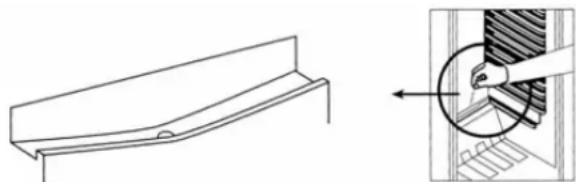
Defrosting occurs automatically in the refrigerator compartment during operation. The defrost water is collected by the evaporating tray and evaporates automatically.
The drain hole should be cleaned periodically with the drain hole cleaner. This will prevent water from collecting in the bottom of the refrigerator, instead of flowing down the defrost drainage channel and drain hole.
IMPORTANT: Please note that the drain hole cleaner should not be left in position permanently. Otherwise this may prevent the defrost water from entering the drain hole.
o You can also pour a small amount of water down the drain hole to clean the defrost drainage channel.
o You should be careful to make sure that food packages do not touch the rear wall of the appliance, as this can interrupt the automatic defrosting process and deflect water into the base of your refrigerator.
Use a solution of bicarbonate of soda and lukewarm water to clean the evaporating tray.
IMPORTANT: It is normal to get some ice droplets forming on the back wall of the appliance. The formation of ice droplets does not indicate an appliance fault.
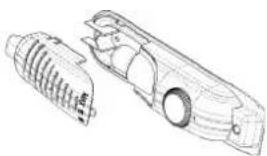
Replacing the light bulb
WARNING: PLEASE ENSURE THAT YOUR APPLIANCE IS DISCONNECTED FROM YOUR MAINS SUPPLY BEFORE ATTEMPTING TO REPLACE THE LIGHT BULB.
o Press the rear end of the bulb cover until the sides release and then lift the bulb cover clear of the bulb.
o Change the present light bulb with a new one. The replacement bulb should not have a greater rating than 15 W; (an E14 15 W bulb should be used).
o Replace the light cover and after waiting five minutes, reconnect your plug to your mains supply.
INSTALLATION
IMPORTANT: Before installation and usage read all the instructions and make sure that the voltage (V) and the frequency (Hz) indicated on the rating plate are exactly the same as the voltage and frequency in your home. The rating plate can be found on the front left edge of the inside of the refrigerator.
The manufacturer declines all responsibility in the event of the installer failing to observe all the accident prevention regulations in force, which are necessary for normal use and the regular operation of the electric system.
Electrical connection
YOUR REFRIGERATOR IS INTENDED FOR FITTED AND PERMANENT INSTALLATION.
We recommend that the appliance is connected by a qualified electrician, who is a member of the N.I.C.E.I.C. and who will comply with the I.E.E. and local regulations.
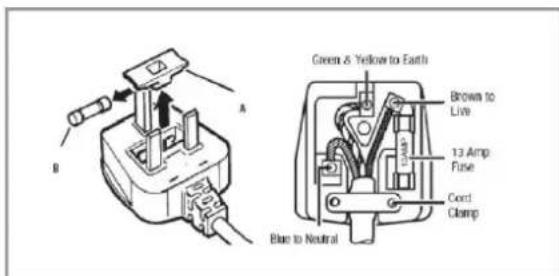
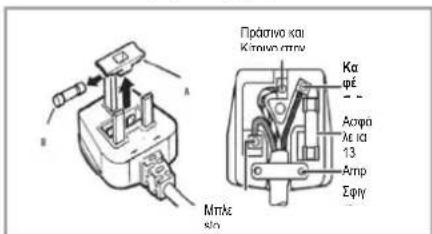
o Your refrigerator comes supplied with a 13 amp plug fitted. If in future you need to change the fuse in this plug, then a 13 amp ASTA approved (BS 1362) fuse must be used.
o The wiring in the mains lead is coloured as follows:
Brown Live
Blue Neutral
Green and yellow Earth
As the colours of the wires in the appliance's mains lead may not correspond with the coloured markings identifying the terminals in your spur box, please proceed as follows:
The brown wire must be connected to the terminal marked "L" (live), or coloured red.
The blue wire must be connected to the terminal marked "N" (neutral), o coloured black.
The green and yellow wire must be connected to the terminal marked "E" (earth), or by the earth symbol, or coloured green and yellow.
When the connection is completed, no stray strands or cut wire should be present. The cord clamp must be secured over the outer sheath.
Positioning
o It is advisable that your appliance is only installed in a location where the ambient temperature of the room, corresponds with the climate classification that is stated on the rating plate of your appliance. Your appliance may not function correctly if the ambient temperature falls outside of the following ranges.
o extended temperate (SN): 'this refrigerating appliance is intended to be used at ambient temperatures ranging from 10°C to 32°C;
o temperate (N): 'this refrigerating appliance is intended to be used at ambient temperatures ranging from 16^ to 32^
o subtropical (ST): 'this refrigerating appliance is intended to be used at ambient temperatures ranging from 16 °C to 38 °C'
o tropical (T): 'this refrigerating appliance is intended to be used at ambient temperatures ranging from 16 °C to 43 °C';
0
o Your appliance should not be located in direct sunlight or exposed to continuous heat or extremes of temperature (e.g. next to a radiator or boiler).
o The door should be able to open completely and freely.
The appliance should be situated so you can easily access the food that is stored in it.
o You should check whether there is an electrical socket available, which will be accessible after your appliance is installed.
Reversing the door of your appliance
This procedure MUST be completed before the furniture door is attached. Any parts that you remove from the appliance whilst reversing the door, should be retained for later use.
WARNING - Take care when opening the hinges, they are sprung loaded and there is the risk of injury if they close on your hand.
Tools required:
o Phillips screwdriver
o Flat bladed screwdriver
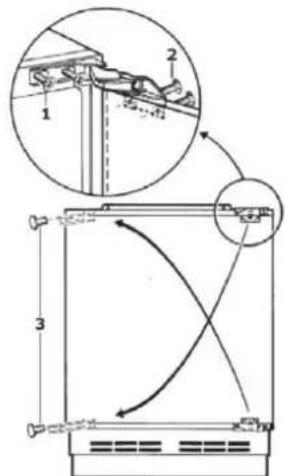
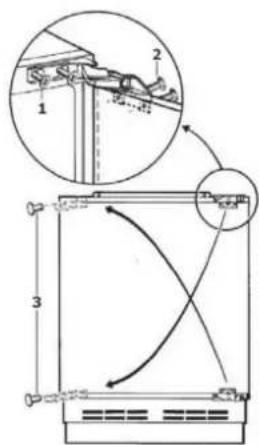
o Slacken the retaining screws (1) on the appliance and then carefully remove the appliance door.
o Place the appliance door on a cushioned surface, so that it does not get damaged.
o Lever off the cover caps (3).
o Insert the retaining screws (1) into the opposite side of the appliance from their original position. These screws should be partially tightened but not fully tightened.
o Remove the door retaining screws (2) and then reverse the position of the top and bottom hinge (as shown in the above diagram).
o Reattach the appliance door and then fully re-tighten the retaining screws (1) and the door retaining screws (2).
o Insert the cover caps (3) into the holes that are now exposed on the right hand side of the cabinet.
IMPORTANT: Check that the door opens and shuts correctly, without fouling, after you have completed the door reversal process.
After the door has been reversed, you should check the door seal of the appliance. The seal should not be creased or crushed; otherwise there will be a gap between it and the inside of the door.
The seal must adhere properly all the way around the door. o If the seal is not adhering to the cabinet properly, then you shouldeither:
- Use a warm damp cloth and manipulate the seal until it does adhere to the cabinet properly, all the way around the door.
Or
- Use a hair dryer on its lowest heat setting and lightly heat the areas of the door seal that are not adhering correctly. The heat will make the seal more pliable and this will allow you to manipulate the seal into the correct position.
IMPORTANT: DO NOT HEAT THE DOOR SEAL ON ANYTHING BUT THE LOWEST HEAT SETTING, OR HEAT THE SEAL FOR A LONG PERIOD OF TIME.
OTHERWISE DAMAGE MAY BE CAUSED TO THE DOOR SEAL, WHICH WOULD NOT BE RECTIFIED UNDER THE GUARantee FREE OF CHARGE.
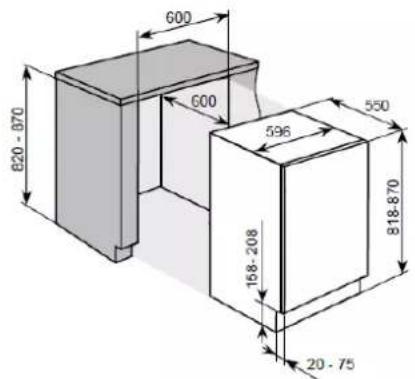
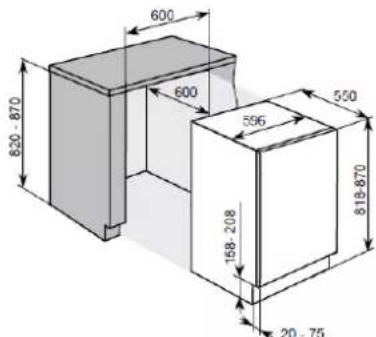
Aperture dimensions
The diagram below shows the aperture size that you will need to be able to install your appliance.
o The appliance must be stood on a level floor. You can use the levelling feet to take into account any minor unevenness in the floor.
Adjusting the plinth/kickboard
When the appliance has been placed underneath the worktop, you may decide to attach a plinth or kickboard to match your existing kitchen units.
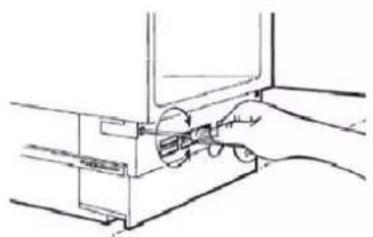
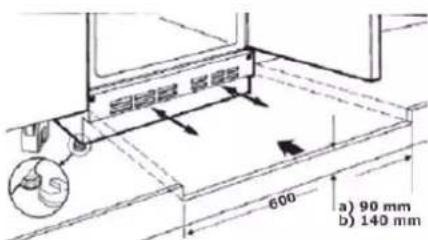
o Remove the grid on the base of the appliance by unscrewing the screws on each side of the grid and then pull the grid towards you.
o Use a spanner to adjust the height of the adjustable feet.
If your aperture has a height of 820mm , then the adjustable feet should be fully tightened.
If your aperture has a height of 870 mm, then the adjustable feet should be set at a height of 50 mm.
o The appliance should be flush with the underside of the worktop and be level.
IMPORTANT: If the appliance is not level, then the door and door seal may be affected.
a A cut out must be made in the plinth/kickboard for ventilation. The cut out should measure 600mm in width, and between 140mm and 90mm in height, depending on the height that you have set your appliance.
o Insert the plinth/kickboard and then refit the grid in its original position to hold it in place.
IMPORTANT: Please note that as shown in the above drawing, an appropriately sized ventilation cut out MUST be made in the furniture plinth/kickboard.
Fitting the furniture door to the appliance
If you need the appliance door to open from the other side, then please reverse the door before commencing the installation process. (See "Reversing the door section").
Tools required:
o Tape measure
o Sharp pencil
o Small flat bladed screwdriver
o Spanner
IMPORTANT: We recommend that two people install this appliance.
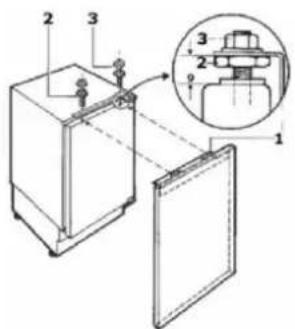
- Undo the screws from the two adjusting bolts that are located on the top of the appliance door and then remove the mounting bracket (1).
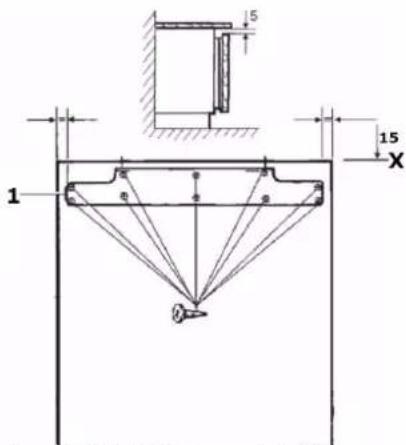
2. Measure the width of the furniture door, at the halfway point mark a line vertically down the Inner surface of the furniture door. You should draw the line from the top of the furniture door to approximately halfway down.
o Place the mounting bracket (1) on the reverse of the furniture door.
The middle of the mounting bracket should be positioned on the line that you have just drawn. Please note the position of the mounting bracket in the above drawing, to ensure that you have the mounting bracket the correct way up.
The top of the mounting bracket should be positioned approximately 15 mm from the top of the furniture door. This will allow you a 5 mm gap from the top of the furniture door, to the underneath of your worktop.
Fix the mounting bracket to the furniture door using the screws provided and a Phillips-head screwdriver. These screws should be fully tightened.
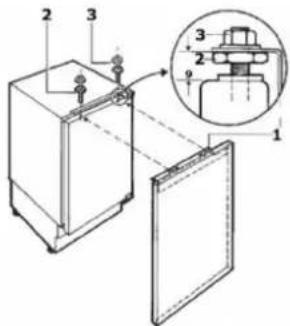
- Hang the furniture door onto the appliance door, making sure that the brackets on the mounting bracket locate over the adjusting bolts.
-
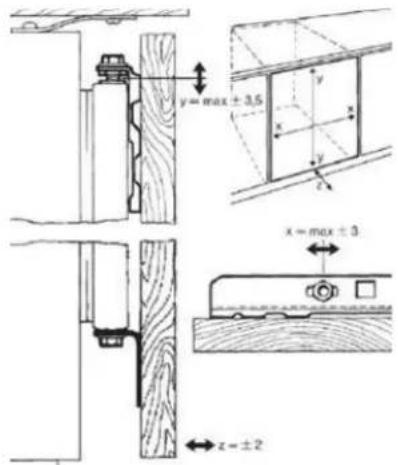
Use a screwdriver to adjust the gap on the lower section of the adjusting bolts. The gap should be set to approximately 9 mm (as shown in the above drawing).
-
Fix the lower bracket to the bottom of the furniture door and the underneath of the appliance door.
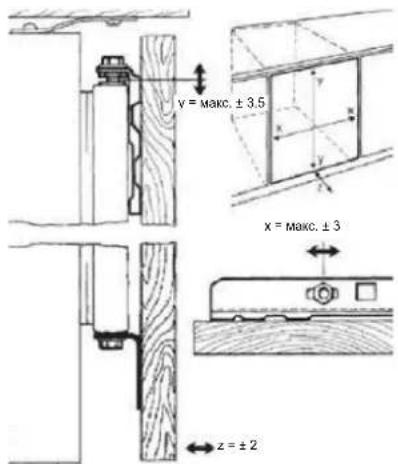
o It is possible to make minor adjustments to the position of the furniture door using the screws on the top and the bottom of the appliance door. You should make these adjustments so that the furniture door is level.
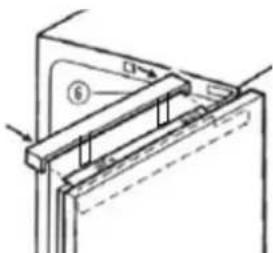
- Insert the cover plate to the top of the appliance, this will just clip into place.
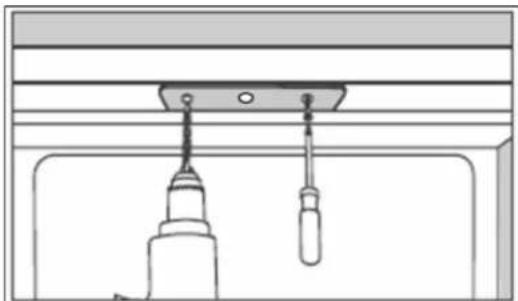
- Open the appliance door.
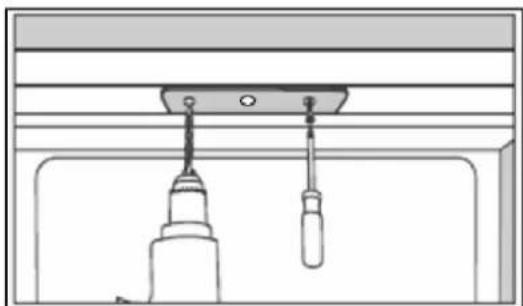
Use a suitably sized drill bit to drill through the holes in the bracket, into the work top.
IMPORTANT: The drill bit should be appropriate for the material that your work top is made from.
o Secure the bracket to the underside of the worktop, using the screws provided.
IMPORTANT: These screws should be fully tightened.
If the appliance is being installed under a granite worktop, use the L shaped brackets provided to secure the fridge to the side of the cabinet. Use a suitably sized drill bit to drill through the three holes in the bracket into the cabinet side on the opposite side to the hinges.
The oval holes rest over the hinge positions which are not being used on the front of the appliance. Use two screws to secure the bracket to the front of the appliance.
Check that the door opens and shuts without snagging, as well as checking that the door is sealing correctly.
TROUBLESHOOTING
IMPORTANT: If your refrigerator appears not to be operating properly, before contacting the Customer Care Department, please refer to the checklist below.
My fridge does not appear to be working/there is no power to my appliance.
o Check that the plug is fully inserted into the power socket.
Check that there is power to your mains supply (e.g. that there hasn't been a power cut or that the fuse hasn't blown).
o Check that the thermostat inside the appliance has not been turned to the off position.
o Check that your mains supply voltage, corresponds to the voltage stated on the rating plate of your appliance.
My fridge appears to be performing poorly
o Check that the appliance isn't overloaded and that food hasn't been packed too tightly into it.
The thermostat setting is too low; you should turn the thermostat up higher.
Ensure that the door is closing properly and that the door has not been opened for a prolonged period in error.
o Ensure that there is adequate ventilation for your appliance.
My fridge is noisy
The refrigerant gas that circulates the pipework of the appliance may make a slight noise, even if the compressor is not running.
If the noise worsens or the appliance gets louder than normal; check that it is levelled off correctly, that nothing is touching the rear of the fridge and that nothing placed inside the appliance is rattling.
Ice has formed on the inner back wall of my fridge
Check that food has not been pushed too far back inside the appliance, so that it is in contact with the inner back wall.
IMPORTANT: It is normal to get some ice droplets forming on the back wall of the appliance. The formation of ice droplets does not indicate an appliance fault.
There is water in the base of the fridge or leaking out of my fridge.
o Follow the "The defrost drain hole" section on page 15.
DO NOT ATTEMPT TO REPAIR THE APPLIANCE YOURSELF.
Please note that if an engineer is asked to attend whilst the product is under guarantee and finds that the problem is not the result of an appliance fault, then you may be liable for the cost of the call out charge.
The appliance must be accessible for the engineer to perform any necessary repair. If your appliance is installed in such a way that an engineer is concerned that damage will be caused to the appliance or your kitchen, then they will not complete a repair.
This includes situations where appliances have been tiled in, sealed in with sealant, have wooden obstructions placed in front of the appliance, like plinths. Or any installation other than the one specified by Baumatic Ltd. has been completed.
Please refer to the conditions of guarantee that appear on the warranty card that you receive with the appliance
To contact the technical assistance, visit our website:
https://corporate.haier-europe.com/en/
Under the section "website", choose the brand of your product and your country. You will be redirected to the specific website where you can find the telephone number and form to contact the technical assistance
Availability of spare parts
Thermostats, temperature sensors, printed circuit boards and light sources are available for a minimum period of seven years after placing the last unit of the model on the market.
Door handles, door hinges, trays and baskets for a minimum period of seven years and door gaskets for a minimum period of 10 year, after placing the last unit of the model on the market
SCRAPPING OLD APPLIANCES
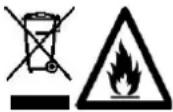
This appliance is marked according to the European directive 2012/19/EU on Waste Electrical and Electronic Equipment (WEEE).
WEEE contains both polluting substances (which can cause negative consequences for the environment) and basic components (which can be reused). It is important to have WEEE subjected to specific treatments, in order to remove and dispose properly all pollutants, and recover and recycle all materials.
Individuals can play an important role in ensuring that WEEE does not become an environmental issue; it is essential to follow some basic rules:
WEEE should not be treated as household waste.
WEEE should be handed over to the relevant collection points managed by the municipality or by registered companies. In many countries, for large WEEE, home collection could be present.
In many countries, when you buy a new appliance, the old one may be returned to the retailer who has to collect it free of charge on a one-to-one basis, as long as the equipment is of equivalent type and has the same functions as the supplied equipment.
Conformity
By placing the mark on this product, we are confirming compliance to all relevant European safety, health and environmental requirements which are applicable in legislation for this product.
Guarantee
Minimum guarantee is: 2 years for EU Countries, 3 years for Turkey, 1 year for UK, 1 year for Russia, 3 years for Sweden, 2 years for Serbia, 5 years for Norway, 1 year for Morocco, 6 months for Algeria, Tunisia no legal warranty required.
For further information about the product, please consult
https://eprel.ec.europa.eu/ or scan the QR on the energy label supplied with the appliance
Français
BESCHRIJVING VAN HET APPARAAT
OPMERKING:
Ppaovo kal Ktpvo fewon
C Eneidj T a xmuata taw kawldiwto doktuo naektpkiuov kaowldiwvtnoukeunv evexetal va uny avvtioxuyue tic yexpuwocnuaovc nouavayuipiou tou akopsektek tou koutaou, npoxupnene cfc:
ToKaΦe KaωδiO npéπi va ouδeθεi με tov akpoδεκη με to Μμa "L" (φασ) n με to xρuμa κόκκινο.
To male kawosio npenei va oovdetheta i e tov akposektn ie to an "N" (oudeltapeo), n e to xpwoa upo.
To npaovo kai kiptivo kaawdo npentv aovdebei me tov axkopo6ekn me to anja "E" (yeiow), n e to ouuolo tn cyeiow, n e to xpua npaovo kai kiptivo.
Otroavolaknpoei n ouvedan,ev npentv unapxouv aoeotata Otoimuata n oupuia o okytnpac kawdiou npentv aafoaicetau naov ano toegwepko nepipBna
ToOnoTeTnO

Uvuiatai n oukeun aac va elav eykateotneyn mvo de ma theon onou n Bepiokpaia nepiBAAovoc tnc aiouoac avitatoei atny taivoumon klaipocn oav aafepetan otny niwakiia xapaktnpiuikuv tncaoukeun cao.h Aoukeun aac evdexetai va mnu ketuayiwota eav n Bepiokpaia nepiBAAovoc dev enapkeiyta npapakawupn tiuow.
EKTETaEvn Eukpatn (SN):KHnapouo apsiuktuovokevn npoopictai yα xpion aeepuokpaniec neipalalovotc ano 10°C ews 32°C,
Eukpatn (N): H npouo a uuktu oaukeu npooipetai yia xpon oe 0epuokpaie cnpaalovtoc an6 C eoc 32C
I notponn (ST): H npouo a quknt oukeun npooipetai yia xphon oe thepokpaie cnpaalovtoac ao 16C EwC 38C,
T potnki (T): H npaooaa quuktuauakeu npooipietai yxpnon oeepokpaoiec nepaalovtoc an6 16°C ewc43°C
Houkeunoc dev npenei va bpcketai oe aean nlaokn aktioBoiia na va kteotai oevxoyr eptnta n akpaiec thepkaipacic (nx. sinaae evaepauvtovua jnaevAeBrtai).
H npotα θ npēπεν α μηορεν ανογίeν εντλως και ελεύθερα.
Houkeun npenei va bioketai etoi wote va mopoeite eukola va exetepo0aon ota tpophiou nou elva anOKeuevae or auty.
Pnei va eEe T av unpxe 6ia0eoun nekpki npiz, noonoi O eivn paoaummu tayn eykataoan tnc oukeuoc.
Avioptpe Te npota tnc ouakeunos
Autn iiaikkaiai PENEIva oakpneI npv an tvnotheon tnc noptacnnu. Ta eapntmuata noo aapeite an to nuokceun evw auotepfete tn npvtba nepei va dastnpovtua ia meauktonxhoyan
IPOEIOIOIHEN -PPOEETKATAOAVUHTWVEVTEOEBW,EVAA YEATcE MAoAaeiaKau unApexe Kivduovoc Tpauaatouu av klaioouvTO XEPaOAC.
Anatouoevaepyaleia:
Kata i Phillips
Kataaβidiio kavovik
Xaapwate tic bidec ouypatnncs (1) otn ouokeun kai otn ouvexia aphipeote npoeektka t n Oupa nC ouakeunic.
ToOnoTeHnOuPaTnCovKeUncemuPooTaeeuEvnEtuAveia, wote va mnu kataoepie.
ByaTe ta kanaKa kau nC (3).
ToOnobTeTnOteBcAuyKpAnonC(1)otnyaneavtnAeupaTNC
ouakeunCto nTv apxikn Touc Bcn. Autec oBisepnei va elau
pepuwocphiyeve cAaAoXnHpuwocphiyeve.
OAdapeote Tc BiEe, auypatnnc nT npotac (2) kai, otu ouveexia, Auvtipse t neon tou avu kalkauveetoe (ntuc faivetal to naparvatduaypaa).
EnavatonaBentane Gava nT Bupa nC oukeunk kA otuouveia ophiE gava naipwic tic BiEe oukpatannc (1) kaltc biieoc oukpatannc nI npotac(2).
OToBcTeNaKArKaKALuPnc(3)OtnconeNouEKTIEvTaTopaO TseiaNepeo Tou VauAnoi.
EHMANTIKO:Bepaowte ot npota aoviek kai kleveio wotd, xwipic punavon, apo ooknpoote ngiaibauoa avitopoohns nopac.
Aou avitatpeet nynoptnpene va eleyeTe nOteyavonoinn Tnnpotac nnc oukeunc.To aatoxpo ophiaylopatoc dev npenel va taalakwtei nva onaei. Aioapotikktheta unapexEva keo meaau autou kai tou EOWTEPIKOU nTn npotac.
To laotxopayiaqatoc npenei va kolaewota oE oN tn diapoun yuo any noa.
Av to Aotyo aophyoiatoc 6ev eva owota tonoetnevo oTo npBna, 8g nepe;
1. Xpouoioote eva zoto uvo navi ka oouniote me to xepi to laartio opayopiaotocxepia va kainoe oowota oto nepiBna, ka kao'0n tn 6iaoboun npieetopakvupovw an tynoata.
H
- Xpnouonjote evaoteywnipaaalwovtnxanlntepnpoBmuon
BepoTnTcKai Bepaivete eAfpwCtic nepioxoc tou Aotxou
Opaoyiauato, nC npotac nou dev npookolawvta owta. H BepoTnTa
Oa kavel to aotixo ophiayiauotoc nEukamto Kau auto Oa oac
eHtpei va tonoetane TExpiote te laotixo ophiayiauato cTn
OWATbBcN
- B cemeHHXOTeH NTH,bed and breakfast" (B & B)
-3aKeTbPnHrYcIyRn HIOO6HN PnIIOxKeHH,HOHeH KaTO 06OpYBaHe Ha o6eKTH 3a IPOdaXoH Ha Ipe6Ho.
To3n ypeI Tp6Ba Da 6b,de H3no13BaH caMo 3a cbxpaHeHHe Ha xpaHa, BC9ka Dpyra yIOTpe6a Ce CHTa 3a OIACHa I pOON3BOJNTeJIrT HMA da 6b,de OTROBPe 3a KaKBHTo N da e IpOnyckN. IIpeOpBcHTeJIHO e CbIO Da 3aNo3HaTe C cyLOBNIHa Ta rapaHIInTa.
INHΦOPMAU3A B6E3OΠACHOCT
MoJIy, npOyeTe BHHMaTeJIHO HNCTpyKuHnTe 3a pa6oTa H MOHTaK!
Te cIbpxkAT BaXHa HOpMaun 3a TOBa KaK Da HHCTaJIHpate, H3IOJI3BaTe H IOJbPkaTe ypeJa.
Ipn Hecnna3BaHe Ha HnCTpyKuHnTe N ppeDynpexKeHnra Ta IpnOHBOIDHT He Hocn OTROBOPHOCT.
3aIa3eTe BcHKN DOKyMeHTN 3a IIOcJIeDBAUO IIOJI3BaHe HJIN 3a CJIeDbaUNC6CTBeHNK.
He cBbP3BaIte ypeDa KbM eJIeKTpHuYeCKOTo 3axpaHbaHe, OkaTo BcNcKII pPeIa3HN eJIeMeHTn OT OIIaKOBKaTa H 3a TpaHCIOpta He 6bJaT IIpeMaxHaTH. He IOnyckaIte OIIaKOBKaTa H HeINHITe CbCTaBHn YacTN Da IIOIaNHaT BpbIeTe Ha Deua.
- OnachocT OT 3aDyUbaHe OT cTbBaEMN KaIIOHN HnHaJIIOHOBO OJNo!
- OctaBeTe ro B IOKoI IOHe 4 yaca IIpeiN Da ro BKJIIOHTe, 3a Da MoKe KOMIIpeCOPHO MacJIo Da ce pa3IIpeDeJIn, aKO e IIpeHaCnXOpH3OHTaJIHO.
- YBepete ce, Ye HЯMa TpaHcIIOpTHN IOBpeIi.
He npnHnBaIe IOBpeHn Ha oxJaIHTeJIHaTa Bepnra.
He 3aIpeuBaIe BeHTnlaIauHOHHTe OTBOpH Ha KopNyca Ha ypeHa HIn Ha BrpaIeHaTa KOHCTpyKIIIA.
Hnkora He n3IOJ3BaIte B0da 3a H3MnBaHeTo Ha MAcTOTO Ha KOMIpecopa, cJeI IOuHCTBaHe n36bPwTe Io6pe cbc cyxo IapYe IIaT, 3a Da IpeDOTBpaHTe pJka.
3a IIpeMeCTBaHeTo Ha ypeJa ca HUJKN IIOHe IBaMa IyIIN, TbI KaTO e TeJkb.
- MoHTnpaIte H IOppaBHeTe ypeHa MЯCTO, IOxOJIo 3a HeROBna pa3Mep H yIOtpe6a.
- YBepete ce, Ye eJleKtpnueckKaTa HHΦopMaunHa Ta6eJkata C daHHN
cBOTBeTCTBa Ha 3axpaHBAHeTo. Ako He cBOTBeTCTBa,06bPHeTe ce KbM eJEKTPoTEXHnK.
- YpeT pa60n np 3axpaHbHe 220240 VAC/50 Hz. Heo6uahnn KOle6aHH B eJIeKtpnueckOTo HaIpeKeHne MoaT da IOBeJaT Do HeycneHNO CTapTnpaHe Ha ypeHa, da IOBpeJr T cNCTeMaTa 3a yIpaBJeHne Ha TeMnepaTypaTa HIn KOMIIpcopa HIn Da IIpHuHrt Heo6uHaen IyM IIpn pa60Ta.
B TaKbB CJIyuaI TpI6Ba Da ce MoHTnpa aBTOMaTHueH perYJaTOP. - Camo 3a 06eHHeHTo KpaJIcTBo: 3axpaHbAunrKa6eHa ypea e cHa6-DeH C TpoEH (3a3eMaBau) IeIceJ, KOHTO OTROBapra Ha CTaHdApTeH TpoEH (3a3eMeH) KOHTAKT. HNKORA He OTP3BaIte HIN DeMOHTnPaIte TpeTna IuΦT (3a3eMaBaHe).CJeI nHcTaJaHpaHETo Ha ypea Tp8Ba Da hMa docTbI Do IeInceJa.
- YBepete ce, Ye 3axpaHbauT Ka6eJI He e 3akJleIeH IOD ypeJa IIO BpeMe Ha H cJeI IpeHacraHeTo/IpemecTbaHeTo My, 3a Da Ce IpeIoTbpaTH IpeKbcBaHe HIn IOBpeKdaHe Ha 3axpaHbauN Ka6eJI. Ako 3axpaHbauNt Ka6eJI e NOBpeIeH, Tp8Ba Da 6bIe 3aMeHen OT IPOH3BOINTeJI, HerOBnRA OcClyKBAII aReHT HIn JInce C IIOO6Ha KBaJIHΦHKaIIIA, 3a Da Ce H36erHe eBEHTyaJIHa ONaCHOCr.
He MoHTnpaTe ypeHa Ha BJaXHH, Ma3HN HJN PpaIHn MeCTa, HHTO rO H3JIaRaTe Ha dHpeKTHa CJIbHYeBa CBETJINHa H BOJa.
He MoHTpaIe ypea 6JIn3o Do OTOpJIInTeJIHN TeJa HJN 3aIIaJIIMMaTepeHaJIH.
3A ypeHn c φpH3ep: aKO TOKbT cnpe, He OTBapHnTe KaIaKa. 3aMpa3eHnTe XpaHn He Tp6Ba Da 6bDaT 3acERHaTHn, aKO IIpeKbCbaHeTo IpoDbJIxN IIo-MaJIko OT YacOBete, IIOcOyeHn Ha Ta6eJaTa C daHHN (BpeMeTO, Heo6XoJHMo 3a IOBnShaBaHe Ha TempePaTypata). AKO JInIcaTa Ha 3axpaHBaHe e IIO-IPoDbJIxHTeJIHa, XpaHaTa Tp6Ba Da 6bDe IpoBepHa N H3JeHa
BéndaHaIIN CROTBeHa H 3aMpa3eHa OTHOBO.
He ce npntecnBaIte, ako yctaHOBHTe, Ye KaIIaKbT Ha ypeJa ce OTBapr TpydHOB BeIHara cJIeI KaTO CTe rO 3aTBOpHJN. ToBa e TaKa IopaIpa3JIHKaTa B'BB B'b3dYHIOTo HAIraHe, KOeTO Ie Ce n3paBHn H Ie IIO3BOJN KaIIaKbT Da 6bJe OTBOpeH CJIeH NAKO MmHyTH.
He cBxpaHraBaTe JIeKapCTBa, 6aKTe-epn HJIN XHMnueckn aReHTN B ypeJa. ToBa e IOMaKnHcKn ypei, He ce IpeIopbYBa Da cBxpaHraBaTe MaTepHaJIH, KOHTO H3HCKBaT CToPn TeMne-paTypn.
HeIbpiNaIte IpeKaJIeHO cNJIHO HJH He IpeTbBaIte 3axpaHbAunia KaBeJ, HJH He DOKocBaIte IeIceJa C MOKpn Pbue.
He cxbxpaHbAaTe Bypea IpoodykTn, KOHTO CbIbPkaT 3aIIaJIHMo ROpHBO (Haip. fJaKOnn IOd HaJraHe) HIN eKcIIIO3HBH BeIecCTBa. PnCK OT eKcIIIO3Hia!
HeIOCTaBMyTe HeCTa6HJHHIpeIMeTH (TeKKn IpeIMeTH, CbIOBe, IIbJIHN c BOJa) BbPxy XlaIINJIHHKa, 3a Ja H36erHeTe HapaHBAHe, IpruHHeHO OT IpaHaHe HIn TOKOB yJap Iprn KOHTaKT C BOJa.
He n3noJ3BaIte eJeKtpnueckn ypeiB OToJeHnTa 3a cbXpaHHe Ha XpaHa,OCBeH aKO He ca OT Bn, IppeOpbuaH OT IpOuN3BOdnteJI.
He IOKocBaIte BbTpEiHn OxJaK- daIeMeHTn, OcObeHo C MOKpn pIe, 3a Ja n36erHete NyKHatHHn HJH HapaHBAHH.
ToBa n3JaRa Ha pNc Kea, Xopa cOrpaHnueHN fN3nueeCKn, yMCTBeHN HIN ceH3OpHN cNoC6HoCTN, KaKTo H Xopa, KOHTO HMaT HeIOCTaTbUHN I03HaHH OTHOCHO 6e3oNaChata ekIIIOaTaIIN Ha ypeIa.
- YBepete ce, Ye Deeta H Xopata B HepaBHOCTOHNIOLOXKeHne pa36n-paT IO6pe ONaCHOCHTte. JHHeTo, OTROBaprao 3a 6e30nacHOCTTa, Tp8Ba Da Ha6JIIOdaBA HJN Da HHCTpyKTHpa DeIaTa H Xopata B HepaBHOCTOHNIOLOXKeHne, KOHTO N3IOJI3BaT ypeHa.
Camo Ieua Ha Bb3pact HaI 8 roHnMOraT Da H3IOJ3BaT ypeJa.
- Deua He 6nBa Ia HrpaT cypeia.
- Deua Ha Bb3pacT ot 3do8 roiHH MoRaT da cIarat n da n3BaXdaT Heua OT To3H ypei.
3A ypei n c φpH3ep: He cIbXpaHbAitTe 6yTHJIHpAHn HJN KOHcePBpaHn TeuHOcTn (Oco6eHO raHpaHn HaHTKn) B OTJeHHeTo Ha φpH3epa. ByTHJIKeTne KOHcepBHTe MoTa T da rpbMaT!
3A ypei n c pni3ep: Hnkora He jkTe 3ampa3eHn XpaHn HaIpaBO ot ppi3epa. Pnck oT n3rapaHn IIpn Hncka TeMnepaTypa! - IopIbpaKeTe IIactMacOBte qactn H yIIbTHHeHHeTo Ha BpaTaTa YHCTn OT Ma3HHN. B IpOTHBeH clyuaI IIacTMacOBte qactn H yIIbTHHeHHeTo Ha BpaTaTa Ie cTaHaT IopeCTn.
- IpeHn Da n3BbPWHTe KaKBaTo H da e onepaun, n3KJIIOye 3axpaHBaunKa6eJ OT KOHTaKTa.
He H3IOJI3BaITe MexaHnHn yCTpoiCTBa HIn dpyrH cpeIcTBA 3a yckOpraBe IpoIeCa Ha pa3Mpa3IbAHe OCBeH Te3N, IIpeIopbUaHH OT IpoH3BODHTeJIa.
He n3noJ3BaIte ocTpH IpeImeTH HIN TaKnBa c peKei np6oBe KaTo HOXOBe HIN BnInu, 3a Da OTcPaHnte Jea.
Hnkora He n3noJ3BaIte 3a pa3mpa-3raBaHeTo ceIIOapn, eJeKtpNueCKn HarpeBaTeJIH nn dpyrn IoO6Hn eJeKtpNueCKn ypeJn. - Ппөрөнгүлө о д a пддрхат eипсела уист,Haтупванго на пркалено много прах по пeпсела може d a прчнн пжар.
He ce OINTBaIte camn da peMOHTnpate,pa3rIIO6BaTe HIN MoHΦHUNpate ypeHa. Iprn Heo6xOIMOCTOT peMOHT,MOJIaBHHcce CBbP3BaIte cHaIIH aOn 3a ObcJyXBAHe Ha KJIHeHTN.
Ha6JIIOJaBAaTeJeCaTa,IOKaTo ypeIbT ce IOuHcTBa HIn OScJyKBa.
HeIOuHCTBaHTe CTyJeHHTe CTbKJIeHN paΦTOBe C ropeua BODa. P3KaTa
IpomHa B TeMIIepaTypaTa MoKeJa IpruHH HaNYKBaHe Ha CTbKJIoTo.
IPEyIPEKJEHNE: Tpb6nte Ha xla- nnHaTa Bepnra OCBO6OxJaBaT MaIKo KOJIneCTBO npnpOIOcBo6pa3eH, Ho 3aIIaJIM XJaIINJeH aReHT (R600a) H N3OJaIINHe Hra3 (IHK-JIoIeHTaH). He yBpeJda O3OHOBnA CIOH He yBeJIInaBA IapHHKOIBNe eΦeKT. OCBO6OxJaBaHeTo Ha xJa- nnIHnA areHT MoKe Da HapaHN OUYTe BN IN Da IIpNCHN Bb3IIaMe-HRAHeTO My.
Ako oxJaIaIteJIHaTa Bepnra ce IOBpeI:
- H3KJIIOUeTe ypeJa H N3ДbPnaITe IeIceJa,
-ДрьжTe Ha pa3CToHHe oTypea OTKpHT IIaMbK H/IN 3aIIaJIIMN IN3TOUHHI,
- -ПюветpeTe Добpe cтаяТа 3a HЯКОЛКо MнHyTN,
- HΦopMpaTe ΚeHTbpa 3a 06cJIyJxBaHe Ha KJIneHTH.
IPEyIPEKDEHNE:HeIOBpeKaIte IeNceJa n/INn 3axpaHbAunKa6eJ; TOBa MoKe Da IIpHuHH ToKOB yIap HJIn IIOxap.
- IPEyIPEJXDEHHE: He n3noJI3BaIte IpeHocmnpa3KIOHHTeJIu IIIn Ipe-HocmN H3TOUHNu Ha 3axpaHBAHe. He npOpbVbame n3noJ3BaHeTo Ha yIbJIIXTeJIu IIpexoHNu-aIaITEpn.
He ce OINTBaIte da cIaTe HJIH Da cTOnTe Bbpxy ypeHa. MoKe da ce HapaHITe HJIN Da ro IOBpeHITe. To3n ypei He e IpEiHa3HaueH 3a IoIpeKJaHe B KOJIOHa c dpyrHupeH.
- IpoIyKTbT e IpeIHa3HaueH n pa3pa6oTeH eINHCTBeHo 3a IOMaIIHa yIIOTpE6a.
- Morat da ce n3noJ3BaT caMo opnHnHaJIHN qactN, IIpeIOCTaBeHn OT IpoH3BOJNTeJI. Ipon3BOJNTeJIr T rapaHTnpa, Ye caMo Te3N qactN OTROBaprTa Ha H3NCKBaHHra 3a 6e3OJaCHoCT.
- OTbapnHeTo Ha BpaTaTa 3a IbJrH IepNoH MoKe Da IOBeJe Do 3Ha-HTeJIHO IOBnIaBaHe Ha Tempea-TypaTbOTdJeHnTa Ha ypeJa.
-Почистваite peIDOBHO IOBbpxHOC-THTe, KOINTOMORaT Da BJIa3aT B KOHTaKT C XpaHa, N DOCTbINHTeДрЕнжнсNTeMH.
-Почистваite pe3epBoapHte 3a BODa, aKO He ca 6HJIH H3IOJ3BaHH B IpoIbJIKeHHe Ha 48 Yaca; IporMnBaIte BOHaTa CnCTeMa, CBbp3aHa KbM BOIOIIpOBOd, aKO BoJaTa He e H3TeJleHa B IpoIbJIKeHne Ha 5 DHN.
CypobO Meo n p6a ce cbxpaHraBb IIOxOJaIc bIOBe B XlaIINHka, TaKa Ye Da He BIn3aT B KOHTaKT C dpyrH xpaHn Jn Da He KaIy T BbpXy dpyrH xpaHn.
- OtdeJeHnTa, ot6eJ3aHn c DBe 3Be3dNcKn (aKO ca HaJIHn IIpn H yCTpOcTBOTo), ca IOxOJaIuN 3a CbXpaHeHne Ha IpeBapHTIoHO 3aMpa3eHn XpaHH, CbXpaHeHne HJIn IpaBeHe Ha cJaIOJIeI n IpaBeHe Ha Ky6YeTa JleI.
- OTДeJIeHЯTa c eɪHa, ДБe И ТрИ 3ВeЗДиЧКи, aKO ca HaJIиЧИпprИ yCtpoIcTBOTO, He ca ПОДхОДяши 3a 3aMpa3ЯBaHe Ha ПpeCHn XpaHn.
BcIyauYeXlaIINHnTypeI ceOCTaBnIpa3eH3aIbJIInIepNoHN, roN3KJIIOUtepe3Mpa3eTe,IOuHC-TeTe,IOdCyIWeTeNOCTaBeTeBpaTaTa OTBOpeHa,3aJaIpeIOTBpaTHTe IOBAtAHaIIleceHBypeHa.
3A OxlaIHTeJH 3a BnHO:To3n ypeIe IpeJHa3HaueH Da ce H3IOJ3Ba H3KJIIOHTeJIHO 3a CbXpaHeHne Ha BnHO
3A ypei6e3 oTJeHne c 4 3Be3n: TO3N XJaIHNJeyPeJ He e IIOxOJaI3a 3aMpa3BaHe Ha xpaHNTeJIHH IpOdykTN
CNEUHKAUN HA BAUNXIAJINHK BE3 OPN3EP
ONICAHNE HA YPEDA
PAΦT 3A MJIeUH N P0DyKTH
TEPMOCTAT
PEYNJATOP
U CEBTINNA
CBANJUH CBTKJEHN PAFOBE
YKMEJXE 3A CANATA
BEHTNIALMOHNHPEUETKIN
PAΦT3AБYTNKN
HIBERINPAUCLI KHPAETLA
NOCTABKN 3A RIMUA
3A6EJIEXKA:
H3o6paKeHHeTo e cAmO 3a cnPbAKu MOnKe Da ce pa3nHaBa o BAuINa npOdyKT. Hai-HepeprocteeBaaQaTO KOHNHyrpaUaN H3NcBA KcMeKMeTAtA, KYTNrTa 3a XpHaA naPafTOBe Ta 6bDat NcCTABEnu B ypeDa, MoN, BmKTe RopHnTe CmHKn
ONICAHNE HA XAPAKTEPNCTIKNTE HA IPODyKTA
1) PaΦTObE
O PaTobeto Morat Da 6bDat NoCTABENI BbB BcENOT HnAPBAIbaaNTe CLOTOBe BbB BuTEPWHOCHTA Ha YpeDA. Te Ca a3uINENTH OINIINBBAE。
0 3a da npemaxheTe paT: I8BaTeDe BCNHN eIeMeHTN, KOITo ce cbxpaH8aT Ha paTa, KOTIo hKcTaDe a npemaxHeTe. CNeTo ToB NOBnTHe TpeDnHaTt Ha paTa n BNIMATEJHO no IdbpnaTe ot KHe6bOte.
2)Изхдэразмразенвда
O BtpeHocCTHa XnAaINHnKa ce OXnJaD oT OXnAInTeHnTa nIOHa, KOrTo e Ha 3aHaTa CteHa. NpO Hero HMa KaHaI N hXoD 3pa3Mp3eHa TBOda.
O BaJHKo e To3n KaHJI NIKORA da He ce 3aunyBaHa (BnKte pa3dena "DpeHKnHrTbOP 3a pMaP3BaBaHe" 3a nOpbo6o 6hCHeHne 3a TOBA KAK da PoNDpBxATE KaHANa YNCT).
3)YekmeJkeTa 3a no-dbIroTppaHa cBeXeCT (3a calata) n kanak
O YekmedkeTata 3a no-DbIroTpma CBeKecCT ca B DoHaTa YaCt Ha BaHn XlaDnHnK H MAn KaNaK, KOTo rN NOKpBa.
O KanakbT nomara 3a npedotpataRbaHe Ha npexdepeMeHHOTo n3cbxBaHnnaIOOBeTe H3eHuyuTe.
4) PaΦT 3a MlueHn npOdykTN (paΦT Ha BpataTa)
O PaTb3a Mmeyn npDyKtn e noDxOanJ3a cbXpaHHeHne Ha nua, Cnpene H KncEJo Mlnko. KaKTo nNo-MaIKn OAnKOBKn, Ty6n, KyTnn n Dp.
MOnTHpHaNe Ha Me6eHnHa TbPaTa KbM ypeDa
AkoHKateBpataHa ypeJa da ce OTBAPrO 1DpyTAta CTPaHa,MOJI, o6bPHTe HApTaI,IIpeHnJa 3aoHHe IpoUca Ha MOHTpuhe. (BVKTe p4aTeJ,,Ob6PuaHe Na Bpata")
Heo6xOaHMMHHCTpyMeHTH:
o PoneTka
OCTbP MOJINB
Majka IIOCKA OTBepTKa
TaeeH KIOH
BAXHO: PpenopbUbaMe Dbama Da ywn Da MOHTnpaT To3nypeA.
- P3BnIe BHTOBETOJbATApeYHpaHUN60JIa, KOHO CEHAMHPATBROPATA 占CT Ha BpATAHa YpeDa H CIED TOBAOTBAOTCPaHETe MOHTAKHATACKoBa(1).
B I P O T H B E H C L Y A M O K E D A B bIe I P I N U H E H A N O B P E D A H A Y I I b T H E H E M E T O H A B P A T A T A, KORTO H R M A D A B bIe I N O P P A B E H A B E3I I L A T H O I N T A P A H L I R T A.
Pa3Mepn Ha otBopa
JaHarpamata No-NOJy NOKA3Ba pa3Mepa Ha OTBopa, KOHTO Hc Bn c Heo6xOHN, 3a Da MoKETe Da MOHTHPate BaHH ypei.
OypeTST Tp86ba Ja cTOH na paBEN nQoMokete Ja H3IOI3NATE HnHEHHPaHTHe KpaHTaTa, 3aJa B3cMECToN BHHMAHHe BCRA Ka NE3AHNTeHa HepaBHOCT Ha nQda.
Perynpane Ha zuokbn/kuK6opd
Korato ypebl e noctaben noid paobTHnI IIO, moKeTe da peuHte da npHKpenHtOkbl Hn HKnBopd, 3a da Ia nache Ha Baunite CbueCTByBaun KxHHeCNK Moyim.
O TcpaHETe peHTKaTAt O cHOBaHa ypeJa, KaTo pa3BHeTe BnHToBeTe 0BCa CtpaHa HpeETKaTAt CJIed TOBa H3IbPnAte KbM Bac.
a) 90 MM
b) 140 MM
O Hn03BaHrTe raceHKnH, 3a da peryHpate BncoHHata na peryHpyeMHTe Kpaeta.
- H3mepete ⅢnHHATA Ha Me6eHATA Bpata, B cpeDara MapkhpAte IHHNBAEHTKNAHO HAIO NO BtPEINHATA NOBpXHOCT Ha Me6eHATA Bpata. TpaBbIaHaHeptAeTO IHHNATA Or rOHPATA qACT Ha Me6eHATA Bpata JIOHN6H3HTEINO CpeDAra HAIOY.
oIOCTABETeMOHTAKHATACKO6a(1)OTOBPAHTA cTpaHaHaMe6eHATAbPaTa. O CpeIgATAHO MHTAKHATACKO6a TpB6aJa6bJeIO3uHOpHApHa bPxy IHHITa, KOITOKY-ⅢcTe HaeptALIN.MOI, O6bPHeTe BHHMaHHe HA N03HITaHA MOHTAKHATACKO6aBOPHNHcTeKPNH, 3aJa cTe CnHyPiN, 4eCTe aNOCTABUNbIPanHATAIOcokaHarope.
o TropHATA qACT Ha MOHTaKHaTcCKOba Tp6Ba Da 6bde IO3NIOHOHPaHa IIp6B3HtEJIHO Ha 15 MM OT TropHATA qACT Ha Me6eJIHATA BpaIa.
ToBaIe Bn Dae 5 MM pa3ctOraHHe O rTOpHata qACT Ha Me6eHaTaBpaTdoDOnHATAqCTHa pa6oTHHIIIOI.
OΦHKCHPATA MOHTAOKHRTCA KCKa KLM MeBHeHATA BpTa C HOMOHTA Ha HpeOCTABEHHITE BHNTOE H KpbCTATA OTBePTKa. Te3H BHNTOBE Tp6Ba Da 6dATnHaTHo 3AOTeHTAH.
- 3aKaueTe Me6eHnata Bpata Ha Bpata Ta Hyaepa KaTo ce yBepuTe, He cKoBnte HA MOHTaHKHATA CKoBa ca pa3noJIOKeHN HaD perylnpaunTe 60ITOBe.
- ⅢnoIaBaeTcOBeTka,3aJa peryInpate np3HHnHATA BdoHHATA cact Ha pyeryIpaunTe 60tope. Ip3aHHnHa Tp6bHa 6bHe dactpoeha HApN6IIInTeHO 9 MM (kaktO e nokazao HA HeptexKa no-rope).
5.ФИКСИРаTeДоЛHATAсКОБaKbMДоЛHATAчAcTHaMe6EJIHATAВpata HdoJIHATAчAcTHaBpATAHaуpeDA.
O B53MOKHO eDA HAPABINTE MAJIKN KOPKEIHN HA N03NIPTA HA Me6BnHATA BPaC T O NOMOTA HA BNTOBTe OTROpe I OTDOny HA BpTaTAt Ha ypeDa HAPABINTe TcN HAcPOKn, TAKA YMe6CbHATA BPaT Da cMbpHEHa.

- NocTabete Kanaka B rophata cact Ha ypea, to npocto ue pakhe HA mCTO.
- OTBopTe BpaTataHa ypcda.
0 N3noN3BaIte CBpeDIO C NOxOAnu pa3MeP, 3a da npo6nTe npe3 OTbOpNT BCKoBATA BpaobTHNIOT.
BAKHO: CbpeIIOTo Tp86Ba Da e NOxOJaIO 3a MaTePnAla, or KOHTo e HAnpaBEN BaaHrT Nnot.
03kpenete cko6ata KbMdoHATA CtpaHa Ha pa6oTHnI nIoT, KATO HIOINBATE PpeOCTABeHTE BINTOBE.
BAJHO:TeaBnBuHTOBe Tp8Ba Da 6bDat HanbNo3aterHaTm.
O Ako ypebI ce moHTnpa noI rpaHIne paBoTe nIOT, hNOnJI3BaTe npEOCTABeHIne L-OBpa3HNCKoBn, 3a da zakpenite XnaJINnHa OKTpaHH HwkaFa. NIOJNAIBE Tcpe IIOXPOuPpA3MeP, 3a da npOBe NTpe OTbOPa B CkOBA Ta CTPaHATA HsKaPAOTNPOTBOJONIOJHnATCtPaH HnHTne. O ObaHIne OTbOPn NEKAT BByx No3uWITE Ha NaHTne, KOHO He CE NIOJ3BAt OTpe Hya Peda. NIOJ3BaIe DBA BNHTA, 3a da zakpenite cKoBa KbM npEHaTa qACT HA YpcDA.
0 PpOBepeTe dAaBpTaTa ce OTBpaH 3aTBpa6e3 npeKn, KaKTo n daNN Bpata Ce yIbTHRa npabHNO.
OTCTPAHRABAHE HA HEN3IPABHOCTN
BAXHO: Ako BaaHr XnaaHnHnr N3rKeHda He pa60TH npabHHo, npde da ce cbbpkeTe cOteLa 3a 0cbnykBaHa H KInHTBnKte CnCbKa No-dony.
H3rnekda,ye xnaaunnnkbt mHe pa60n/ypebT Mn Hama 3axpaHaBahe.
O PpOBepTe DaH NcCenbT E BkapA H OOKpaB KOKTa
O PpOBepTe dannn mHa 3axpaHbHe KbM eNekTpueckata Mpeka
(Hanp.Далн He e npekbcato 3axpaHbAHeto mIy Ne npednaNTeYI He e n3ropl).
O PpOBepeTe DaIITepMOCTaTbTBbTpE BypeJa He e 6n IIN3KNIQUHcN.
O PpOBcpeTe DaHn 3axpaHbAaTO Bn HAnpeXeHne OTROBApHa HAnpeXeHneTo, NOcoHHe Ha TaBeIkata C DaHHn Ha Baun ypeJ.
13rIeJxnaIaIIHHKbT MpaOtn 3ne
O Pnpoepe Taann ypeBn He e npetobapeH n daan xpaHata He e HtbnkaHa TBbpne NbTHo B Hero.
O HAcTpoKkata HA TepMoCTaTa e TBbpDe HnCKa; TpA6Ba Da 3abbpNTe TepMOCTa Tn-BnCOKo.
O Ybepete ce, ye Bpatata ce 3aTbpapn npabnHn Hye bpatae He e 6nla OTbapnHa 3a npdobnkntenepnoD on BpeMe no rpeka.
OyBepTeCe,YeHMaNoDxOJaBaBEHTnlaaIa3aBaAina ype.
XlaHnHKbT Mne Wymen
O XnadHnHnT ra3, KOIT OUpKyInpa B Tpb6oPbOba Ha ypea, MoKe da HzdaBa nek wym, dopn aKO KomnpecopbT he paobtn.
O Ako YMBT ce BLOHINIYpeBt 38yH NO-CNHOOT HOPMAHOTO; npOBepete DaH e HNCJIpaH pBNHIO, DAHNHIO He DOKOCBa 3aHaHTa YCT Ha XLaDNHNAKn DaHNHIO NoCTABeHO BbTe yPeDA He TpKa.
NoBbtpewnata 3aHa cTeHa Ha XlaadinHnKa Mm ce e o6paaybaan nei
O POBepeTe dAnxpaHATA He e H36yTaHa MHOro HasaD BypeA, Taka Ye Da E KOHTAKC C BbTpEwHATA 3aHaCTHa.
BAKHO: HopmaHHe ha 3aHaTa CteHa Ha ypeDa ae O6pa3yBaT KaunuN neD. O6pa3yBaHTo Ha JeEHn KaKN He 03NaYaba, Ye HMa NOBpeDa B ypeDa.
IMa BOda B OCHOBOba Ha XlaDnHnHa Nm H3TuA O XlaDnHnKa MM.
O CneBaIte pa3dJeI, DpeHaeHEn OTBp 3a pa3Mpa3raBaHe" Ha ctpnua 15.
HE CE ONITBAITE CAMN DA PEMOHNTPATE YPEDA.
Molna, mmaTe npdeBn, ye akO nHKepeb 6bJe nomoEn da doJe,doKaTo npOdykTBe T B rapaHmN uCTAHOBn, ye npOBeMbT He e pezHTAT OT nobPeDa HA ypeDa, torabe Moke TaHOCTe OTROBOPcHc3 a cHehata H taKcTa3 a NoceChHcNo. YpeDbT Tp8BaDa e OdcTeBn a HnHexepa, 3a Da N3Bbpu Hne6bOdImata nonpanBaKa. Ako BaunrT ypeD e MOHTnpaH no TaKBb HauH, ye HnKehePbCe pnpTEchRa, ye ue 6bJe npuHnHa NOpeBaHa ypeDa nn BawaTa KxHn, torabe ToHama DA H3Bbpw pEmoHTA. TOBA BKIOUcbrCNYaunH, npn KOto ypeDte Ca oBnObaHH c PNOyKn, 3aneuataH cYIbTHtEnT, MMAT DpbEH npenATCTBn, noctabEH nped ypeDa, kato QOKn. NnE e N3Bbpweh MOHTaK, paanueh ot nocouenH on Baumatic Ltd.
MolB, BnKTe rapaHIOHOHHTe YcIOBn, NocOeHN B rapaHIOHOHaT a KapTa, KOrTo nOlyuBaTe CypeDa
3a da c bcpkete c texnueckata nomou, nocTeTe haun y6caH: https://corperate.haier-europe.com/en/ Iop pa3dela_y6caH', h6epete Mapkata Ha Bauin npodykt n Dpbkabata. 1c6 bDeTe npheacohenn KbM KOHKpeTHNHa y6caH, kTdeTo MOKeJa HAMepnTe TEeFOHHHOHmepnFOpMyIra 3a Bp8kaC oTdeLa 3a Texnuecka NOMOu
HaHnHocT Ha pe3epBHN qactN
Tepmoctatn, TnepepatyHn ceH3OpH, nlaTn H cBeTAAHHN H3TOHnIe Ce npedIaIarTa 3a MmHmMaJIeH IepnoD ot cTeDM rOgHN CJIeH, n3JIa3He Ha NocJIeHNy YpeD OT MOdela Ha Na3apa.
Дьжкma 3a batn, naHTn 3a batn, tabN KnoHmNc ce npdAnarat 3a MnHmMaNeh nepHOd ot ceDEM roDNH, a yNtBHeHnna 3a BpTaN 3a MnHmMaNeh nepHOd ot 10roHNn cneI nHa nOncEhNHa oNecEhNya ypeD ot MoJeda Ha naZapa
N3XBpJIaHE HA CTAPN YPeDIn
To3n ypeE e MapknpaH B cboTBeCTBHe C Ebponeckata DnpeKTHBa 2012/19/EC OTHOHO OTNAdbUHTe OT eLEKTPnuecko N eLEKTPNOHO obOpdyBaHe (OEEO). OEEO cbIbPbXaKTAO zambPCbaUNu BEUeCTBa (KOHO MOrAT da npMnHrT OTRpuAtENoNCleMN 3aOKNtHa cpeDA), Taka N oCHOBHN KOMNOCHTN (KOHO MOrAT da b6dAot NobTOPO H3NO/3BAHN). BaHKHO e OEEO da b6dAOT nDIOJKeHN HcNeuMHNo TpTeHPaHE, 3a Da ceOTCPaHrT U NHNUOkHrT PnABINHO BCNKN 3aMbpcTeJIu IN da Ce cb6epaT n PeuNKlnpaR BCNKN MATEpHaJI.
Bcekn rpaanann MoeJa Hnrrpae Baxna pOa Raaptnpa, ye OEoHma Da ce npBeBpHaB npObIeMa 3a OkOnHata CpeDa; BaKHO e da cne dEbat HkON OCHOBHn npAwna:OEo He Tp6Ba Da ce TcPtHpar Kato BtTOBn OTnAdBu. OEo Tp6Ba Da ce npDebabat Ha cbOTbENTHe nyHKToe 3a cb6PiAne, ynpabAAHn ot o6uHnata Hn ot perncTppanHdpyKeCTBa. 3a roJeMn OEo B MHoro DpbXABn MOeJa HmBA3MOKnHcT 3a BImAme To Doma.
B MHORO Dbprzabn, KORATO 3aKynite HOB ype, CTaprr MTOKe Da bSe De BpHaT Ha TbrOBeca, KOITTO PtRbGa DA rO B3eME Be3nIaTHo HA OCHOBa EHO 3a EDHO, CTHRA O63ABeJcAHeTo Da e OT EKBINBaIeHTC HIN N da IMA cBUnTe PhyHKun KATO pIepOCTABeHO TO TAKOA.
Cb0TBcTbB
C noctabaneHTo HA mapnpobkata C Bpxy To3 npDyKT NotbpbjdaBame cbTberCTBHeTo HcBcNk EbponeeKn HsckBaHna 3a 6e0anacHOCT,3dpabe n ONa3BaHe H OkONHa T cpe, npInokmmn OT 3akOHoDAteJCTBOTo 3a To3 npOdyKT.
TapaHua
MHHMaHnA rapaHnna e: 2 roDnHn 3a dbpHbAnte ot EC, 3 roDnHn 3a Tpynna, 1 roDnHa 3a BeNko6PHTAHn, 1 roDnHa 3a Pycnna, 3 roDnHa 3a WBeCnna, 2 roDnHn 3a Cbp6nna, 5 roDnHa 3a HopBerna, 1 roDnHa 3a Mapoko, 6 Meeca 3a AnKnp, 3a TyHnc He ce n3cKba npBnHa rapaHnna.
3a DOnbHnHTeHa HnΦopMaua OTHoHo IPOdYkTa, MoJIa, BmKTe https://eprel.ec.europa.eu/ nIu cKaHpaTe QR kOda Ha eHeprHnHa erketek, npedoctaben C ypeDa
CANDY HOOVER GROUP S.R.L.
Via Privata Eden Fumagalli
20861 Brugherio Milan Italy