EasyManual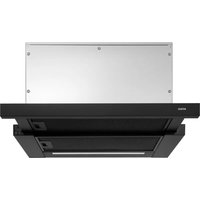
WV6092BM - Basket Atag - Free user manual and instructions
Find the device manual for free WV6092BM Atag in PDF.



User questions about WV6092BM Atag
0 question about this device. Answer the ones you know or ask your own.
Ask a new question about this device
Download the instructions for your Basket in PDF format for free! Find your manual WV6092BM - Atag and take your electronic device back in hand. On this page are published all the documents necessary for the use of your device. WV6092BM by Atag.
USER MANUAL WV6092BM Atag
The cooking vapours extracted by suction are carried outside, once the grease particles have been filtered.
2. As a recirculation hood.
The grease particles and the smell in the extracted vapours are filtered. The air that has been sucked in is not carried outside but recirculates in the kitchen. In this case you must have a carbon filter fitted. Attention! The carbon filter needs to be ordered separately.
5. Switching off and decreasing air extraction capacity
6. Switching the lighting on/off
7. Switching on and increasing air extraction capacity
1. Slide the visor out until the stop.
2. Press ‘+’ button.
▷ The cooker hood switches on at the first setting.
3. If desired, select a higher setting with ‘+’ button.
▷ The indicator shows the choosen setting. ▷ During the intensive mode, level 3 flashes.
4. Press the ‘-’ button to select a lower setting or to switch off the
- If the extractor hood is switched off with the visor, then the hood remembers the last chosen speed setting.
- If you pull the visor fully open again the fan will switch on with the last chosen speed setting. Intensive setting A timer function is automatically used for the intensive setting. The duration is 5 minutes, after which the cooker hood switches to speed setting 3. Switching the lighting on or off
1. Press the lighting button to switch the lighting on or off.
1. Slide the visor out until the stop.
2. Press ‘+’ button to choose a setting.
3. Press the timer button.
▷ Setting 1: the hood remains switched on for 20 minutes. Setting 2: the hood remains switched on for 15 minutes. Setting 3: the hood remains switched on for 10 minutes. ▷ After that, the cooker hood will switch off automatically. USE
intensive setting (3 ashing) 1 2 3EN 7 Cleaning Attention! Before performing any maintenance operation, isolate the hood from the electrical supply by unplugging the appliance or switching off your household’s master switch. The cooker hood should be cleaned regularly (at least as frequently as the grease filters are cleaned) both internally and externally. Do not use abrasive products. Do not use alcohol! Attention! Failure to comply with the basic recommendations for cleaning the cooker hood and cleaning/replacing the filters may lead to a fire. Therefore, we recommend that you observe these instructions. The manufacturer declines all responsibility for any damage to the motor or any fire damage linked to inappropriate maintenance or failure to observe the above safety recommendations. Cooker hood Clean the cooker hood with soapy water and a soft cloth. Then wipe with clean water to rinse. Do not apply aggressive cleaning agents such as caustic soda. The paintwork on the cooker hood will remain shiny if it is periodically rubbed with wax. Stainless steel canopy hoods Do not use any sort of scourer. Treat with a stainless steel care product and polish with the structure of the stainless steel. Metal grease filters Metal grease filters should be cleaned once a month (or when indicated by the filter saturation indication system, if present on your model), using a neutral cleaning agent, preferably by hand or in the dishwasher on a short, low-temperature program. Place the grease filters with the openings facing downwards in the dishwasher so the water can drain out of the filter. Aluminum-colored and black grease filters become dull as a result of dishwasher cleaning agents. This is normal and does not effect the working. The degree of saturation of the filter depends on the intensity of use, the manner of cooking and the regularity with which the grease filters are cleaned. MAINTENANCEEN 8 Removing the grease filters
1. Slide the visor out until the stop.
2. Press the handle slightly and remove the gease filter.
Removing the longlife charcoal filter
1. Slide the visor out until the stop and remove the grease filters.
2. Push the mounting clip on the holder, tilt the holder down and
remove it from the motor housing.
3. Refitting takes place in reverse order.
MAINTENANCEEN 9 MAINTENANCE Longlife charcoal filter The carbon filter must be used if the cooker hood is not connected to a duct (see extraction systems). The functioning:
- More noise is produced when a carbon filter is used than when the cooker hood is used with an exhaust vent.
- A carbon filter functions optimally at a lower motor speed. For this reason, avoid the intensive speed setting.
- Dispose of the old carbon filter properly, with non-recyclable waste. Attention:
- Clean the longlife charcoal filter every 3 months. After up to 3 years (or if the filter is damaged), the filter will need to be replaced.
- Remove the charcoal filter from the holder by pressing the clips on the back (A).
- The longlife charcoal filter can be washed by hand or in the dishwasher at a maximum temperature of 65 °C. The washing cycle must be done without other dishes and without dishwasher detergent. Do not use any cleaning agents!
- Remove excess water. Be careful to avoid damaging the filter.
- Place the filter in the oven to dry for at least 60 minutes at a maximum temperature of 80 °C.EN 10 MAINTENANCE
- After drying, put the odor filter back into the holder. It is important that the odor filter is properly dried before replacing it. Lighting This hood is fitted with a light system. This light system has to be replaced by an authorized technician. Do not attempt to replace it by yourself. The lamp in this household appliance is only suitable for illumination of this appliance. The lamp is not suitable for household room illumination.EN 11 ENVIRONMENT Disposal Disposal of appliance and packaging This appliance was manufactured using sustainable materials. It must be disposed of responsibly at the end of its life cycle. The local authorities can provide you with the relevant information. The packaging of this appliance is recyclable. It may have been made from:
- CFRP-free polystyrene (PS hard foam). You need to dispose of these materials responsibly in accordance with official regulations. To draw attention to the fact that the segregated processing of household electrical appliances is compulsory, this appliance carries the symbol of a crossed-out dustbin. This means that you may not dispose of the appliance as household refuse at the end of its useful life. Instead, it should be taken to a special segregated refuse collection centre run by the local authority or to a dealer providing this service. Segregated processing of household appliances prevents any negative impact on the environment and public health that might otherwise arise. It allows the recovery of the materials used to manufacture this appliance, thus generating considerable savings in terms of raw materials and energy. Declaration of conformity We hereby declare that our products satisfy the applicable European directives, orders and regulations, as well as the requirements stated in the referenced standards.EN 12EN 13887829 / VER 1 / 16-06-2022