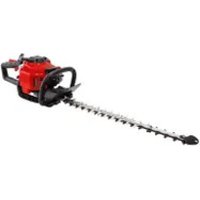
MGT410 - Hedge trimmers SCHEPPACH - Free user manual and instructions
Find the device manual for free MGT410 SCHEPPACH in PDF.



| Product type | Pole pruner (chainsaw on pole) |
| Brand | Scheppach |
| Model | MGT410 |
| Blade length | 240 mm |
| Max cutting length | 200 mm |
| Chain pitch | 3/8" |
| Chain gauge | 1,3 mm |
| Cutting speed | 4 m/s |
| Oil tank capacity | 0,08 L |
| Net weight without accessories | 3,2 kg |
| Battery type | Lithium-ion 18 V DC |
| Battery capacity | 1500 mAh |
| Charging time | 75 min |
| Charger input voltage | 100-240 V AC / 50-60 Hz |
| Sound pressure level | 68,9 dB(A) |
| Guaranteed sound power level | 93 dB(A) |
| Vibration emission value | 1,635 m/s² |
| Charger protection class | II |
| Chain | Oregon 91PX033X |
| Blade | Oregon 080NDEA318 |
| Use | Pruning and branch cutting (non-professional use) |
| Safety devices | Start lock, on/off switch, carry belt, blade guard |
| Maintenance | Regular cleaning, automatic chain lubrication, chain tension check |
| Warranty | Legal duration according to country (defective parts replaced free of charge) |
Frequently Asked Questions - MGT410 SCHEPPACH
User questions about MGT410 SCHEPPACH
0 question about this device. Answer the ones you know or ask your own.
Ask a new question about this device
Download the instructions for your Hedge trimmers in PDF format for free! Find your manual MGT410 - SCHEPPACH and take your electronic device back in hand. On this page are published all the documents necessary for the use of your device. MGT410 by SCHEPPACH.
USER MANUAL MGT410 SCHEPPACH
natural_image
Three black-and-white industrial tools with red and silver end caps, one labeled 'OREGON' (no additional text or symbols visible)MGT410
| DE | Garten HochentasterOriginalbetriebsanleitung |
| GB | Garden Pole SawTranslation of Original Operating Manual |
| FR | Perches élagueuses de jardinTraduction de la notice originale |
DE

Nur für EU-Länder.
Only for EU countries.
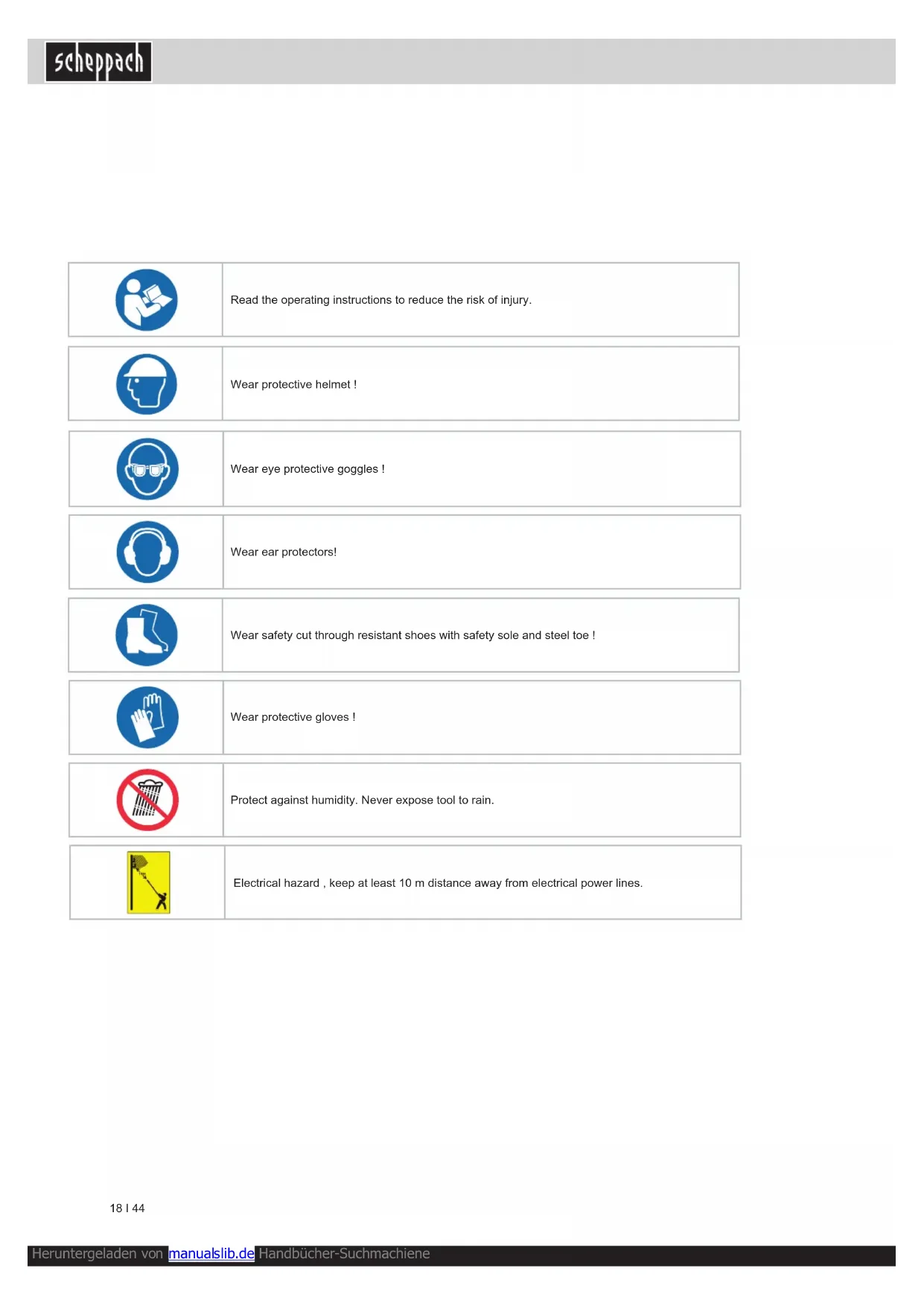
Do not dispose of electric tools together with household waste material! In observance of European directive 2012/19/EU on wasted electrical and electronic equipment and its implementation in accordance with national law, electric tools that have reached the end of their life must be collected separately and returned to an environmentally compatible recycling facility
FR

natural_image
Close-up of a chain-linking gear with labeled part (20), no visible text or symbols beyond the number 5 and label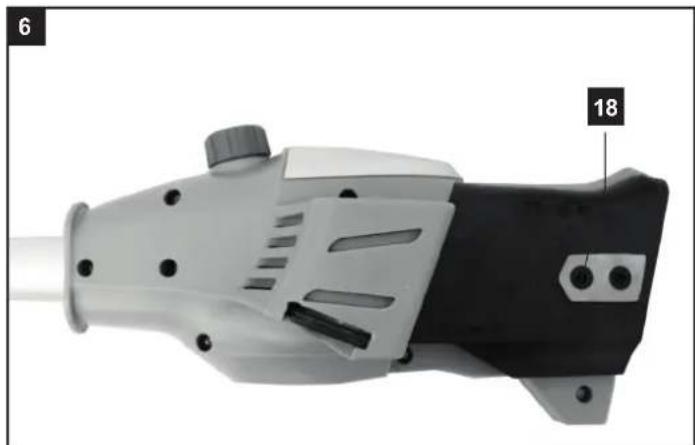
natural_image
Close-up of a handheld electric shaver with labeled parts (no text or symbols beyond numbers)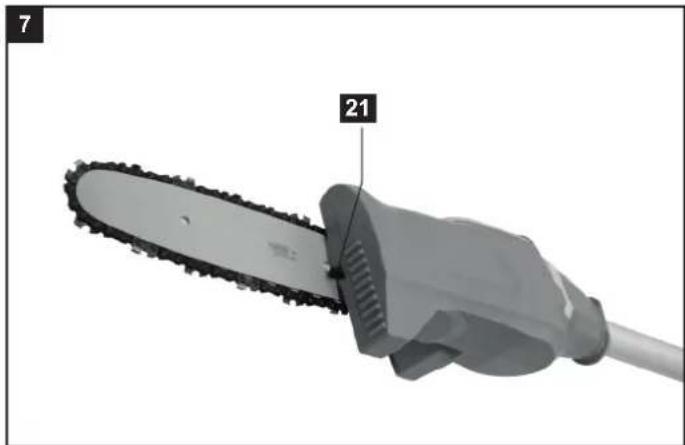
natural_image
Close-up of a hand holding a chain-linking tool, labeled with number 21 (no text or symbols on the tool itself)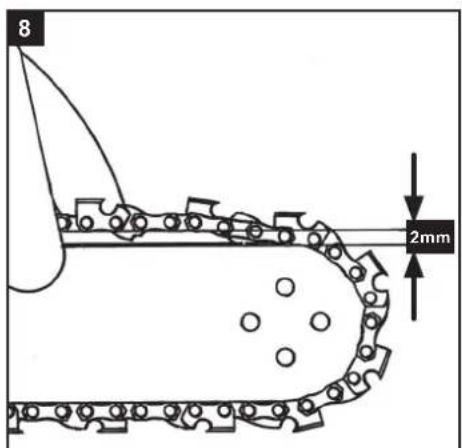
natural_image
Close-up of an electric vehicle charging plug with labeled parts (no text or symbols on body)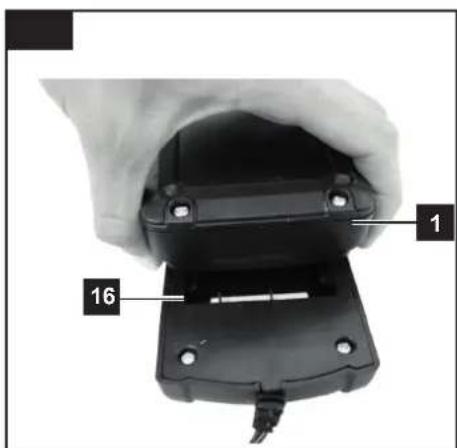
natural_image
Diagram showing a wooden plank with visible grain and a vertical seam, marked with number 16 and an arrow indicating direction (no text or symbols)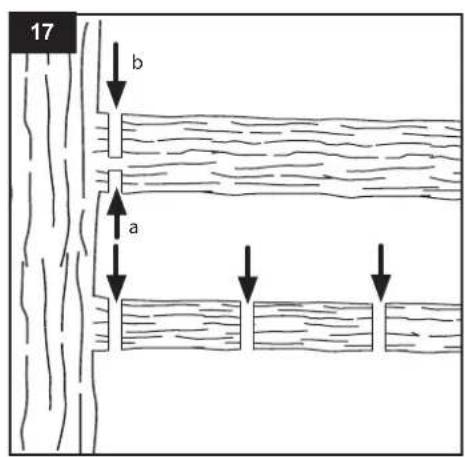













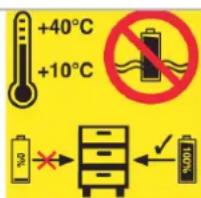
Charger to be used in closed spaces only
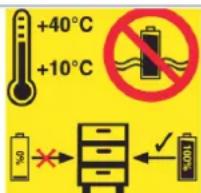
Protect the battery against temperatures above 40°C
Protect the battery against heat and fire
Do not dispose of battery in the aquatic environment
Deliver the batteries to a collection centre of old batteries where they will be recycled in an environmentally friendly way
Appliance protection
Battery-Storage only in charged state
Battery to be used at the ambient temperatures between 10^ C and +40^ C only.
Protect from moisture
Introduction
MANUFACTURER:
scheppach
Günzburger Straße 69
D-89335 Ichenhausen
DEAR CUSTOMER.
We hope your new tool brings you much enjoyment and success.
NOTE:
According to the applicable product liability laws, the manufacturer of the device does not assume liability for damages to the product or damages caused by the product that occurs due to:
- Improper handling,
• Non-compliance of the operating instructions,
- Repairs by third parties, not by authorized service technicians.
• Installation and replacement of non-original spare parts,
• Application other than specified,
- A breakdown of the electrical system that occurs due to the non-compliance of the electric regulations and VDE regulations 0100, DIN 57113 / VDE0113.
WE RECOMMEND:
Read through the complete text in the operating instructions before installing and commissioning the device. The operating instructions are intended to help the user to become familiar with the machine and take advantage of its application possibilities in accordance with the recommendations. The operating instructions contain important information on how to operate the machine safely, professionally and economically, how to avoid danger, costly repairs, reduce downtimes and how to increase reliability and service life of the machine.
In addition to the safety regulations in the operating instructions, you have to meet the applicable regulations that apply for the operation of the machine in your country. Keep the operating instructions package with the machine at all times and store it in a plastic cover to protect it from dirt and moisture. Read the instruction manual each time before operating the machine and carefully follow its information. The machine can only be operated by persons who were instructed concerning the operation of the machine and who are informed about the associated dangers. The minimum age requirement must be complied with. In addition to the safety requirements in these operating instructions and your country's applicable regulations, you should observe the generally recognized technical rules concerning the operation of woodworking machines.
Layout and items supplied (Fig.1)
- Battery
- Handle
- On/Off switch
- Safety lock-off
- Shoulder strap
- Additional handle
- Locking telescopic tube 1
- Telescopic tube
- Locking telescopic tube 2
- Chain saw mounting kit
- Cutter bar
- Saw chain
- Cutter guard
- Charging unit
Unpacking
- Open the packaging and remove the device carefully.
- Remove the packaging material as well as the packaging and transport bracing (if available).
- Check that the delivery is complete.
- Check the device and accessory parts for transport damage.
- If possible, store the packaging until the warranty period has expired.
ATTENTION
The device and packaging materials are not toys! Children must not be allowed to play with plastic bags, fi lm and small parts! There is a risk of swallowing and suffocation!
Proper use
The equipment is to be used only for its prescribed purpose. Any other use is deemed to be a case of misuse. The user / operator and not the manufacturer will be liable for any damage or injuries of any kind caused as a result of this.
Please note that our equipment has not been designed for use in commercial, trade or industrial applications. Our warranty will be voided if the machine is used in commercial, trade or industrial businesses or for equivalent purposes.
Pole-mounted pruner (chainsaw with telescopic handle)
The chain saw mounting kit is allowed to be used only on the supplied motor head.
The chainsaw with telescopic handle is designed for lopping off tree branches. It is not suitable for extensive sawing work, felling trees or sawing any materials other than wood.
General Power Tool Safety Warnings WARNING
Read all safety warnings and all instructions.
Failure to follow the warnings and instructions may result in electric shock, fire and/or serious injury.
Save all warnings and instructions for future reference.
The term „power tool“ in the warnings refers to your mains-operated (cordepower tool or battery-operated (cordless) power tool.
1) Work area safety
a) Keep work area clean and well lit. Cluttered or dark areas invite accidents.
b) Do not operate power tools in explosive atmospheres, such as in the presence of fl ammable liquids, gases or dust. Power tools create sparks which may ignite the dust or fumes
c) Keep children and bystanders away while operating a power tool. Distractions can cause you to lose control.
2) Electrical safety
a) Power tool plugs must match the outlet. Never modify the plug in any way. Do not use any adapter plugs with earthed (groundepower tools.
Unmodifi ed plugs and matching outlets will reduce risk of electric shock.
b) Avoid body contact with earthed or grounded surfaces, such as pipes, radiators, ranges and refrigerators. There is an increased risk of electric
shock if your body is earthed or grounded.
c) Do not expose power tools to rain or wet conditions. Water entering a power tool will increase the risk of electric shock.
d) Do not abuse the cord. Never use the cord for carrying, pulling or unplugging the power tool. Keep cord away from heat, oil, sharp edges or moving parts. Damaged or entangled cords increase the risk of electric shock.
e) When operating a power tool outdoors, use an extension cord suitable for outdoor use. Use of a cord suitable for outdoor use reduces the risk of electric shock.
f) If operating a power tool in a damp location is unavoidable, use a residual current device (RC protected supply. Use of an RCD reduces the risk of electric shock.
3) Personal safety
a) Be alert, be careful what you are doing, and use common sense when operating a power tool. Do not use a power tool while you are tired or under the influence of drugs, alcohol or medication. A moment of inattention while operating power tools may result in serious personal injury.
b) Use personal protective equipment. Always wear eye protection. Protective equipment such as dust mask, non-skid safety shoes, hard hat, or hearing protection used for appropriate conditions will reduce personal injuries.
c) Prevent unintentional starting. Ensure the switch is in the off-position before connecting to power source and/or battery pack, picking up or carrying the tool. Carrying power tools with your finger on the switch or energising power tools that have the switch on invites accidents.
d) Remove any adjusting key or wrench before turning the power tool on. A wrench or a key left attached to a rotating part of the power tool may result in personal injury.
e) Do not overreach. Keep proper footing and balance at all times. This enables better control of the power tool in unexpected situations.
f) Dress properly. Do not wear loose clothing or jewellery. Keep your hair, clothing and gloves away from moving parts. Loose clothes, jewellery or long hair can be caught in moving parts.
g) If devices are provided for the connection of dust extraction and collection facilities, ensure these are connected and properly used. Use of dust collection can reduce dust-related hazards.
4) Power tool use and care
a) Do not force the power tool. Use the correct power tool for your application. The correct power tool will do the job better and safer at the rate for which it was designed.
b) Do not use the power tool if the switch does not turn it on and off. Any power tool that cannot be controlled with the switch is dangerous and must be repaired.
c) Disconnect the plug from the power source and/or the battery pack from the power tool before making any adjustments, changing accessories, or storing power tools. Such preventive safety measures reduce the risk of starting the power tool accidentally.
d) Store idle power tools out of the reach of children and do not allow persons unfamiliar with the power tool or these instructions to operate the power tool. Power tools are dangerous in the hands of untrained users.
e) Treat electric tools carefully. Check whether the
moving parts work perfectly and do not drag, whether not broken or damaged to such an extent that functioning of electric tools could be affected. Have any damaged parts repaired before using the machine. Many accidents are caused by poorly maintained power tools.
f) Keep cutting tools sharp and clean. Properly maintained cutting tools with sharp cutting edges are less likely to bind and are easier to control.
g) Use the power tool, accessories and tool bits etc. in accordance with these instructions, taking into account the working conditions and the work to be performed. Use of the power tool for operations different from those intended could result in a hazardous situation.
5) Using and treatment of cordless tools.
a) Charge the batteries only in chargers recommended by the manufacturer. Risk of fire for a charger suitable only for a certain type of batteries or, as appropriate, accumulators, if used for other accumulators.
b) Use only such accumulators in this electric appliance that have been designed for this appliance. Use of other accumulators may lead to injuries and risk of fire.
c) Do not leave an accumulator not being used near offi ce clips, coins, keys, nails, screws or other small metal items that could cause contact bridging. Short circuit between accumulator contacts may result in burns or fi re.
d) Liquid may leak from an accumulator if used improperly. Prevent contact with such liquid. Rinse an affected body part with water in case of accidental contact. If liquid gets to your eye, seek medical advice. Liquid leaking from a battery may cause skin irritation or burns.
6) Service
a) Have your power tool serviced by a qualified repair person using only identical replacement parts. This ensures that the safety of the device is maintained.
Safety instructions for Electrical branch chainsaw
Keep all parts of your body in safe distance from the saw when running. Before starting the saw, make sure the saw chain does not touch anything. A moment of inattention when working with the chainsaw is able to cause the saw chain to catch your clothes or parts of your body.
Wear protective glasses and ear protectors. Further, wearing head, hand and leg protection equipment is recommended. Suitable protective clothing minimises the risk of injury by thrown-away wood chips and possible contact with the saw chain. Do not work on trees with the chainsaw. There is a risk of injury when working on a tree.
Provide safe posture at all times and use the chainsaw only when standing on a solid, safe and level surface. A slippery or unstable surface, such as ladder, may lead to loss of balance or loss of control over the chainsaw.
When cutting a tense branch, be sure to know that the branch will bounce back. If tension in the wood fi bres gets released, the tense branch may hit the operator and/or cause a loss of control over the chainsaw. Be especially careful when cutting scrubs and sap-
lings. Thin material may get caught in the chainsaw and hit you or you may lose your balance.
Carry the chainsaw by the front handle in a switched-off condition and the saw chain must be deflected from your body. Fit a protection cover on the chainsaw whenever it is transported or stored.
Sorgfältiger Careful chainsaw treatment reduces the likelihood of an accidental contact with the running saw chain.
Other safety instructions
Keep children and other persons including animals in a safe distance when using the appliance. Minimum safe distance is 10 m.
Provide adequate lighting or good lighting conditions when working with the machine.
Wear suitable protective clothing such as sturdy shoes with non-slip sole, robust long trousers, gloves, safety glasses and hearing protection!
Do not wear loose clothing or jewels. Hear, clothing and gloves must be out of reach of moving parts as they could get caught by the rotating parts. Do not use the appliance when barefooted or in open sandals.
Electrical hazard, keep at least 10 m distance away from electrical power lines.
During appliance operation, it is necessary to take a safe and firm posture, especially when steps or a ladder are being used.
⚠ Be careful when going backwards – risk of tripping!
Immediately remove cut branches/knots from the work area to prevent injuries.
Walk! Do not run! As soon as a branch being cut off starts cracking and falling down, move to the side immediately and keep safe distance from the falling wood as it can hurl back up and cause injuries.
Switch the appliance immediately off and remove the replaceable battery from the appliance when the saw chain gets blocked. Remove the blocked object.
When working, keep the appliance firmly with both hands and with a distance from your body.
Make sure the appliance is off before inserting a battery.
The ON/OFF switch and safety switch must not be locked.
△ Before using, check the tightness and proper seating of all screwed and socket joints and protective equipment and if all moving parts are moving smoothly.
⚠ It is strictly prohibited to demount, adjust and alienate the protective equipment on the machine or put other protective equipment on the machine.
Do not use the appliance if damaged or the safety equipment is defective. Replace any worn and damaged parts.
Do not use the device near fl ammable liquids or gases. Risk of fi re and explosion in case of short circuit.
⚠ Before the start, after the failure or shock, be sure to check the machine and make sure that it is in good condition.
⚠ Attention! Local regulations may restrict the using the machine.
⚠ Keep the device, the cutting attachment and the cutting attachment guard in a good state of use.
Note improper maintenance, the use of non-conforming spare parts, or removal or modification of the safety devices can result in damage to the unit and serious injury of so working person.
-It is necessary to change the working positions regularly.
⚠ Disclaimer: This power tool during operation generates a magnetic fi eld. In some circumstances, this fi eld may interfere with some active or passive medical implants. To reduce the risk of serious or fatal injury, we recommend persons with medical implants to consult a physician and the medical implant manufacturer before using the device.
Battery
Vapours may leak out in case of unauthorised use or when using a damaged accumulator. Bring fresh air and seek medical advice if experiencing difficulties. Vapours may irritate the respiratory system.
⚠️ Risk of fire! Risk of explosion!
Never use damaged, defective or deformed accumulators. Never open or damage the accumulator or let it fall on the ground.
Never charge the battery in an environment with acids and easily fl ammable materials.
Protect the battery against heat and fire.
Battery to be used at the ambient temperatures between 10°C and +40°C only.
Never put the battery on heaters and do not expose it to strong sunlight for a long time.
After being subject to heavy load, let the battery cool down first.
Short circuit - do not bridge the accumulator contacts with metal parts.
The battery must be removed before disposal.
The accumulator must be packaged (plastic bag, box) or accumulator contacts must be sealed up for accumulator disposal, transport or storage.
Residual risks
Even when the device is used properly and all safety regulations are complied with, there still may be some residual risks.
- Cutting injury
- Hearing damage
- A longer stay in the immediate vicinity of the running unit may cause hearing damage. Wear ear protectors!
• Damage to health arising from vibrations to hand
and arms if the device is used for a long time or if the device is not guided and evaluated properly.
Despite the observance of the operating instructions there still may be some hidden residual risks.
Technical data
| Pole Saw |
| Cutter bar length 240 mm |
| Max. Cutting length 200 mm |
| Chain pitch 3/8" |
| Chain thickness 1.3 mm |
| Sprocket wheel 6 Teeth, 3/8" |
| Cutting speed at rated rpm: 4 m/s |
| Oil tank capacity 0.08 l |
| Net weight without accessories: 3,2 kg |
| Saw chain Oregon 91PX033X |
| Cutter bar Oregon 080NDEA318 |
| Lithium-ion battery |
| Voltage 18 V DC |
| Capacity 1500 mAh |
| Charging time 75 min |
| Charging unit | |
| Input voltage | 100-240 V AC / 50-60 Hz |
| Power rating | 40 W |
| Output voltage | 21 V DC |
| Output current | 1.5 A (h) |
| Protection Class | II |
Sound and vibration
Sound and vibration values were measured in accordance with ISO 22868.
| Pole Saw | |
| L_pA sound pressure level | 68.9 dB(A) |
| K_WA uncertainty | 3 dB(A) |
| L_WA sound power level measured | 88.9 dB(A) |
| K_WA uncertainty | 3 dB(A) |
| L_WA sound power level guaranteed | 93 dB(A) |
Wear ear-muff s.
The impact of noise can cause damage to hearing.
Total vibration values (vector sum of three directions) determined in accordance with ISO 22867.
| Pole Saw | |
| Vibration emission value a_h | 1.635 m/s ^2 |
| Unsicherheit K uncertainty | 1.5 m/s ^2 |
The specified vibration value was established in ac-
cordance with a standardized testing method. It may change according to how the electric equipment is used and may exceed the specified value in exceptional circumstances.
The specified vibration value can be used to compare the equipment with other electric power tools.
The specified vibration value can be used for initial assessment of a harmful effect.
Keep the noise emissions and vibrations to a minimum.
- Only use appliances which are in perfect working order.
• Service and clean the appliance regularly. - Adapt your working style to suit the appliance.
- Do not overload the appliance.
• Have the appliance serviced whenever necessary. - Switch the appliance off when it is not in use.
- Wear protective gloves.
Before starting the equipment
Caution! Do not fit the battery until the equipment has been fully assembled and all the settings have been actuated. Always wear protective gloves when working on the equipment to protect yourself against injury. Carefully unpack all parts and check that they are complete.
Assembly
Fitting the chain saw mounting kit (for use as a pole-operated pruner)
Assembly of the cutter rail and the saw chain
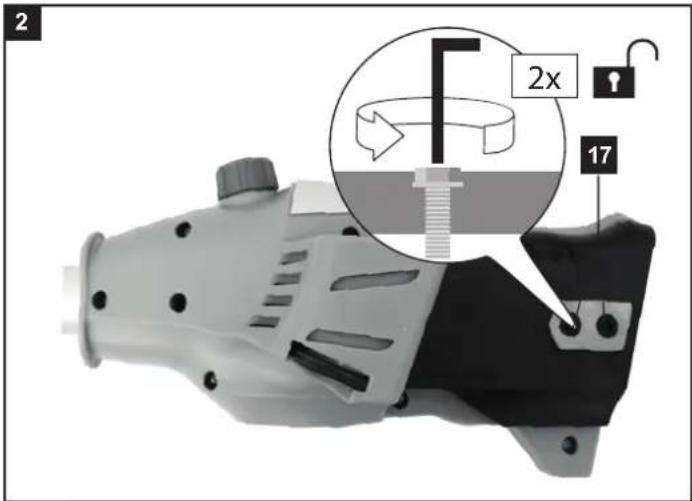
- Undo the fixing screw (17) of the chain wheel
- cover (Fig. 2).
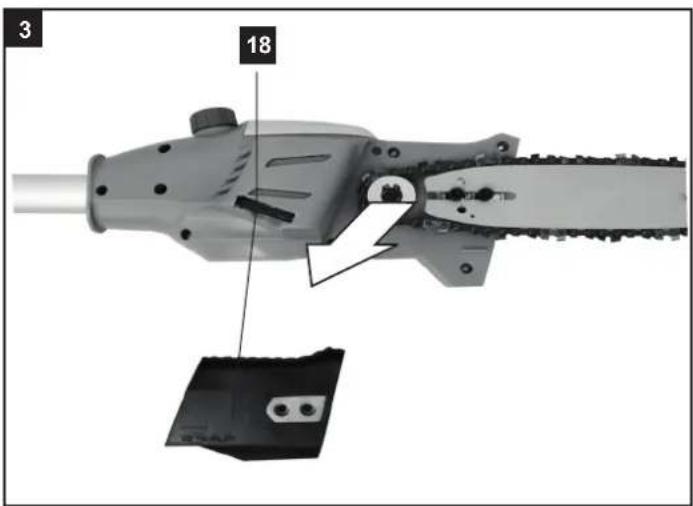
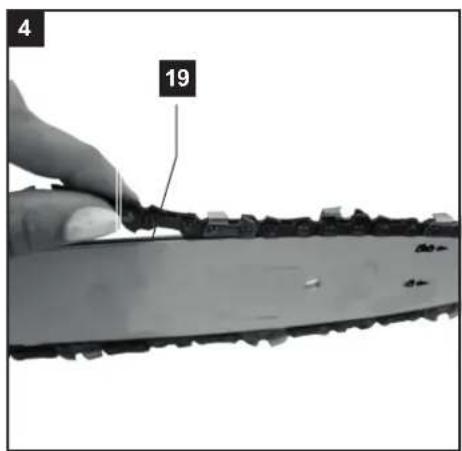
• Take off the chain wheel cover (18). (Fig.3) - Lay the chain as shown in the groove which runs around the cutter rail (Fig. 4/Item 19).
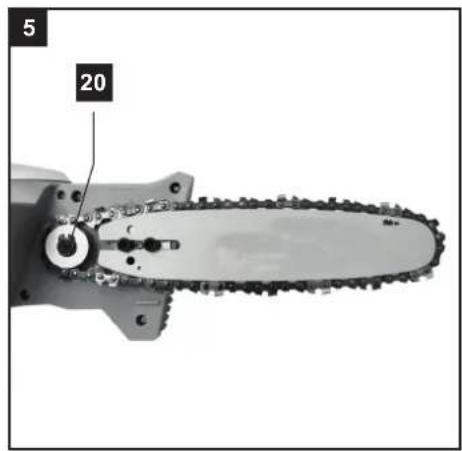
- Insert the cutter rail and chain as shown in the mounting in the chainsaw (Fig. 5).
- At the same time guide the chain around the chain wheel (Fig. 5/Item 20).
- Attach the chain wheel cover (Fig. 6/Item 18) and fasten it hand-tight with the fastening screw.
Important! Do not fully tighten the fastening screw until after you have adjusted the chain tension.
Tensioning the saw chain
Caution! Always remove the battery from the device before inspection and adjustment. Always wear protective gloves when working on the chainsaw to protect yourself against injury.
- Undo the fi xing screw (18) of the chain wheel cover a few turns (Fig. 6).
- Adjust the chain tension with the chain tensioning screw (Fig. 7/Item 21). Turning the screw clockwise increases the chain tension, turning it counter-clockwise decreases the chain tension. The saw chain is correctly tensioned if it can be lifted approx. 2mm in the middle of the cutter rail (Fig. 8).
- Secure the fi xing screw (18) of the chain wheel cover (Fig. 6).
Notice! All the chain links must lie properly in the guide groove of the cutter bar.
Notes on tensioning the chain:
The saw chain must be properly tensioned to ensure
safe operation. You can tell that the chain tension is perfect if the saw chain can be lifted by around 2 mm in the middle of the cutter rail. As the saw chain heats up during cutting and thus changes in length, check the chain tension no less than every 10 minutes and adjust it again as required. This applies in particular to new saw chains. When you have finished working slacken the chain again, as the chain will shorten when it cools down. This will prevent the chain from being damaged.
Saw chain lubrication
Caution! Always remove the battery from the device before inspection and adjustment. Always wear protective gloves when working on the chainsaw to protect yourself against injury.
Important! Never operate the chain if it is not lubricated with saw chain oil. Use of the chainsaw without saw chain oil or if the oil level is below the viewing window will result in damage to the chainsaw!
Important! Be aware of the temperature conditions: different lubricants with completely different viscosities are required at different ambient temperatures. At lower temperatures you will need low viscosity oils in order to achieve a sufficient lubricating film. However, if the same low viscosity oil is used during the summer it will become even thinner due to the ambient temperatures alone, and as a result the lubricating film could break down, causing the chain to overheat and become damaged. In addition, the chain oil would burn and produce unnecessary pollutants.
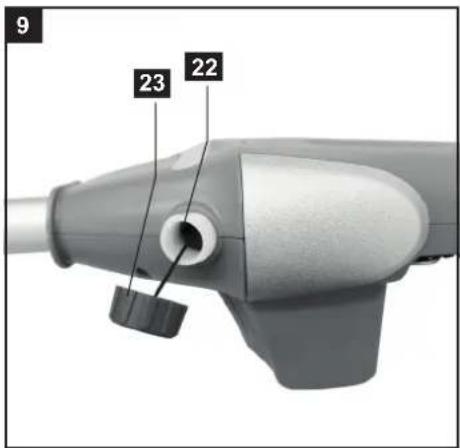
Filling the oil tank (Fig. 9):
- Place the chainsaw on a flat surface.
- Clean the area around the oil tank cover (Item 23) and then clean the oil tank cover.
- Fill the tank (Item 22) with saw chain oil. In the process, make sure that no dirt enters the tank, as this could cause the oil nozzle to become blocked.
- Close the oil tank cover (Item 23).
After the chain saw mounting kit has been fitted and when the equipment is not being used, slip the cutter guard (Fig. 1/Item 13) over the mounted cutter bar with saw chain in order to prevent injuries.
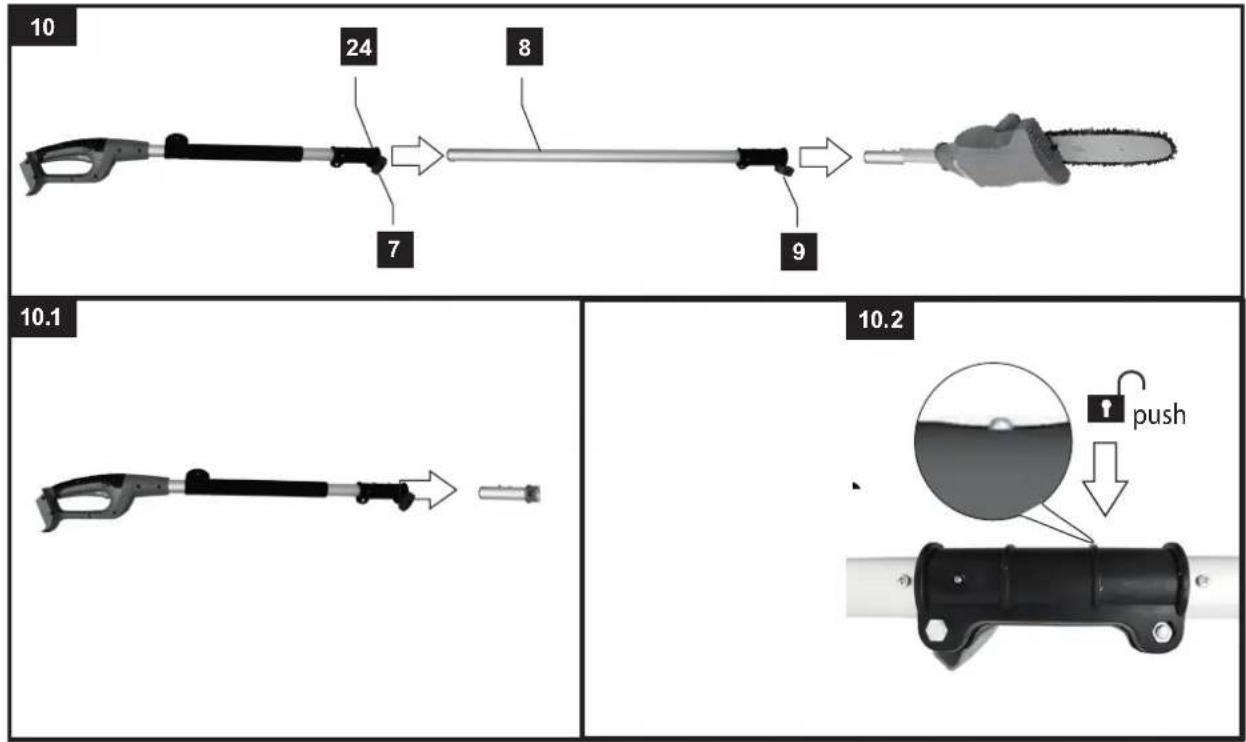
Mounting telescopic tube and attachment (Fig.10)
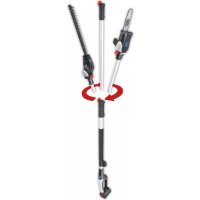
a) Insert the telescopic tube (8) into the tube (24) and lock it with the locking telescoping tube 1 (7).
b) Now insert the desired attachment into the telescopic tube (7) and lock it with the locking telescoping tube 2 (9).
Ensure that the catch button locks in the hole of the respective tube (Fig.10.2)
The desired attachment can also be mounted without telescopic tube. see Fig.10.1
Using the shoulder strap
Warning! Never wear the strap diagonally over the shoulder and chest but only on one shoulder, so you can remove in case of danger the machine quickly from the body. Switch off the equipment before you take off the shoulder strap (risk of injury).
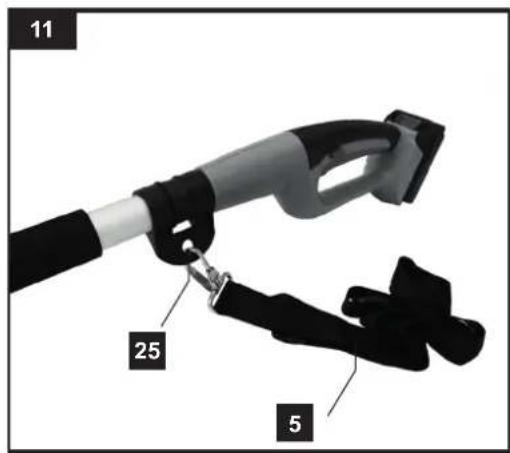
- Hook the carabiner (5) into the strap holder (25). (Fig.11)
- Slip the shoulder strap over your shoulder.
- Adjust the length of the shoulder strap so that the strap attachment is at waist level.
Fitting the battery (Fig. 12)
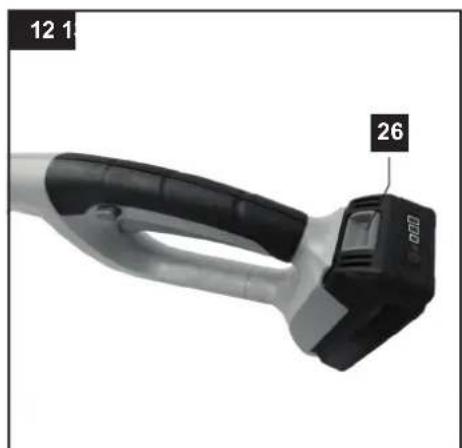
Press the side pushlock button (26) of the battery pack and push the battery pack into the mount provided. When the battery pack is positioned as in Fig. 12, make sure that the pushlock button latches in place! To remove the battery pack, proceed in reverse order.
Charging the battery (Fig. 13)
By pressing the red button on the battery, status can be read based on the green lights.
- Take the battery pack out of the equipment.
- Check that your mains voltage is the same as that marked on the rating plate of the battery charger. Insert the power plug of the charger (14) into the mains socket outlet. The light on the power cord turns green
- Insert the battery into the charger. Green flashing of light on the charger indicates that the battery is in charging mode.
- Depending on the battery charge status lights either 1, 2 or 3 green lights on the battery.
1 green light: battery 1/3 charged
2 green light: Battery 2/3 charged
3 green LED: Battery is fully charged
The battery pack can become a little warm during the charging. This is normal. If the battery pack fails to charge, check:
- whether there is voltage at the socket outlet
- whether there is good contact at the charging contacts.
If the battery pack still fails to charge, send
- the charging unit
• and the battery pack
to our customer service center.
To ensure that the battery pack provides long service, you should take care to recharge it promptly. You must recharge the battery pack when you notice that the power of the cordless equipment drops. Never fully discharge the battery pack. This will cause it to develop a defect.
Operation
Please note that the statutory regulations governing noise abatement may differ from one location to another.
Caution! Always use the shoulder strap when working with the equipment. Always switch off the equipment before you take off the shoulder strap. Otherwise there is a risk of injury.
Put on the shoulder strap as described above, fi t the required mounting kit and adjust the equipment to suit your needs.
Switching on/off
Switching on
- Hold the equipment by the handles with both hands
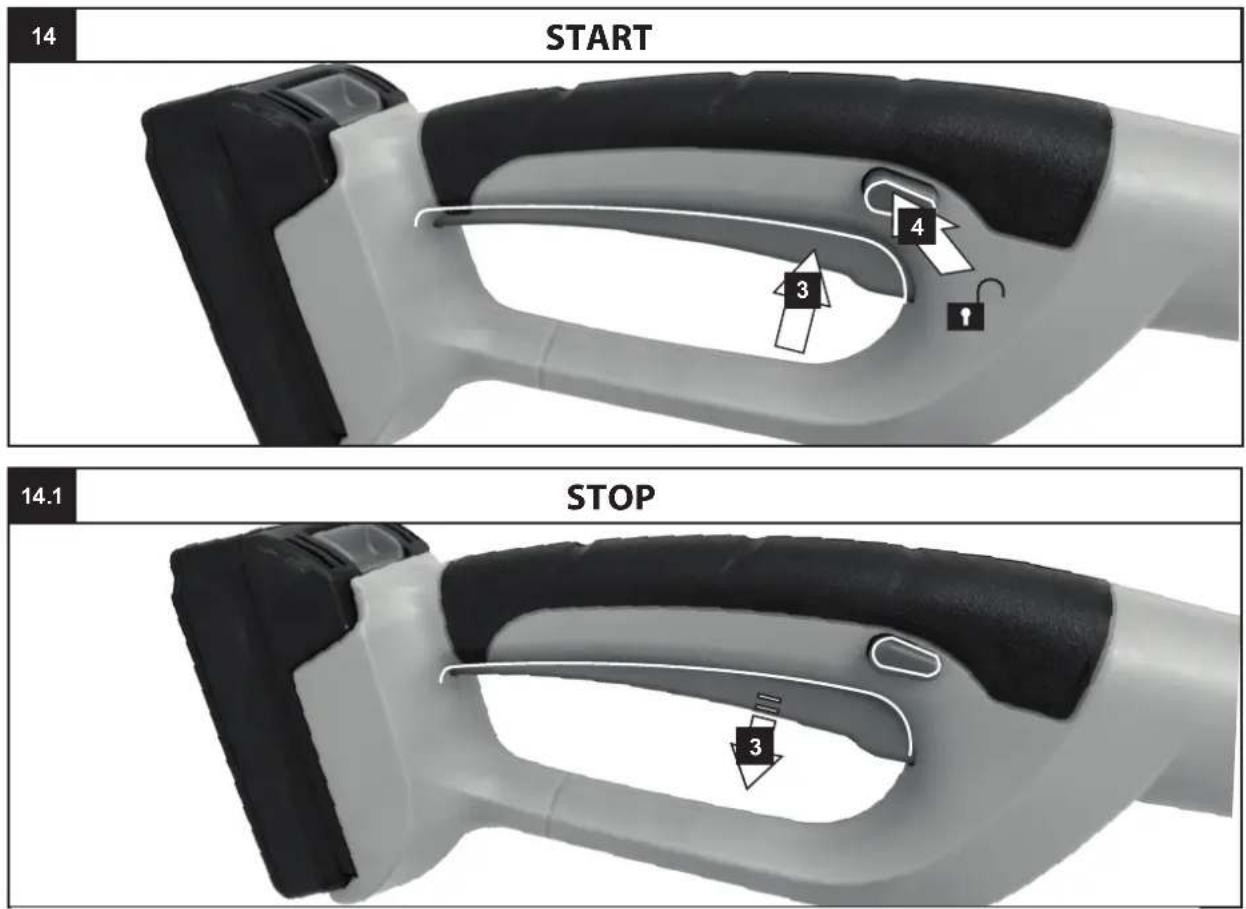
- Push Safety lock-off (Fig.14 / Item 4).
- Switch on the equipment with the On/Off switch (Fig. 14.1/Item 3).
- You can then release the safety lock-off.
Switching off
Release the On/Off switch (Fig. 3/Item 3).
Working with the chainsaw mounting kit Preparations
To ensure that you can work safely, check the following points before every use:
Condition of the chainsaw
Inspect the chainsaw before the start of work for damage to the housing, the power cable, the saw chain and the cutter rail. Never use a chainsaw which is obviously damaged.
Oil container
Fill level of the oil container. Even while working, keep checking that sufficient oil is in the system. To avoid damaging the chainsaw, never run the saw if there is no oil in the system or if the oil drops below the "min" mark. On average, a single fllling will last around 20 minutes depending on the number of pauses in cutting and the loads involved.
Saw chain
Tension of the saw chain, condition of the cutting elements. The sharper the chainsaw, the easier and more controllable it is to operate the chainsaw. The same also applies to the chain tension. Also while working you should check the chain tension no less than every 10 minutes in order to increase your safety. New saw chains in particular often tend to expand more.
Safety clothing
Always wear appropriate tight-fi tting safety clothing like special trousers which protect against cuts, protective gloves and safety shoes.
Hearing protection and protective goggles.
Wear a protective helmet with integral face and hearing protection. This will offer protection against falling branches and any branches if they spring back.
Safe working
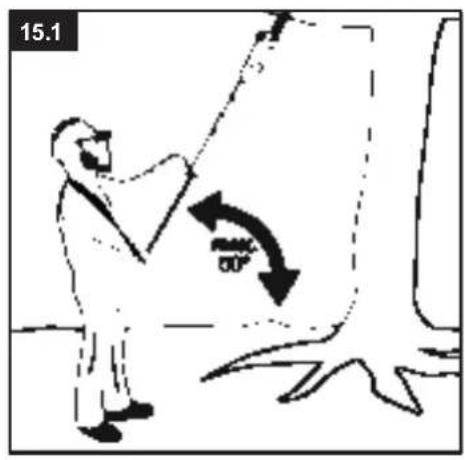
- To ensure that you can work in safety you must use the equipment at a working angle of max. 60^ .
- Never stand under the branch you want to saw.
- Use special caution when working with branches under tension and splintered wood.
- Possible risk of injury caused by falling branches and catapulting pieces of wood.
- When the equipment is in operation keep other persons and animals away from the danger zone.
- The equipment is not protected from electric shock through contact with high-voltage cables. Keep a minimum distance of 10 m from live cables. Electric shock can cause fatal injury.
- When working on slopes always stand to the upper or left or right side of the branch you wish to cut.
- Hold the equipment as close as possible to your body. This will help you to keep your balance.
Cutting techniques
- When removing branches, hold the equipment at an angle of max. 60^ to the horizontal to avoid being hit by a falling branch (Fig. 15.1).
- Start with the bottom branches on the tree. This will make it easier for the cut branches to drop.
- After completing a cut, the weight of the saw will abruptly increase for the operator as the saw is no longer supported by the branch. This can result in you losing control over the saw.
- Remove the saw from the cut only with the saw chain still running. This will prevent the saw from getting jammed.
- Never cut with the tip of the saw.
- Never cut into the bulging branch
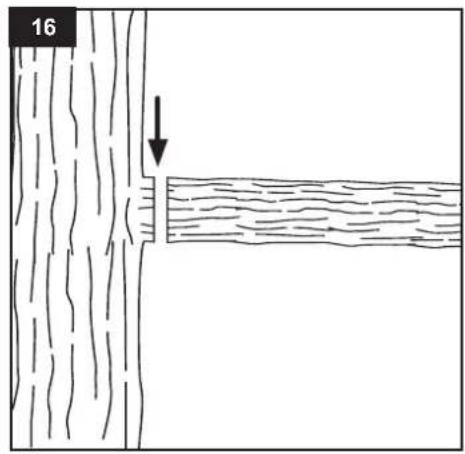
Sawing off smaller branches (Fig. 16):
Place the contact surface of the saw onto the branch. This will prevent the saw from making jerky movements when you begin a cut. Exerting slight pressure, guide the saw from the top to the bottom through the branch.
Sawing off larger and longer branches (Fig. 17):
Carry out a relief cut when working on larger branches. Start by sawing through 1/3 of the branch diameter (a) from the bottom to the top with the top side of the cutter rail. Then saw towards the first cut (b) from the top to the bottom with the bottom side of the cutter rail.
Saw off longer branches in several steps to keep control over the impact location.
Kick-back!
The term “kickback” describes what happens when the running chainsaw suddenly kicks upward and backward. Usually, this is caused by contact between the tip of the cutter rail and the workpiece or the saw chain becoming trapped.
In the event of kickback, large forces occur suddenly and violently. As a result, the chainsaw usually reacts uncontrollably. This can often result in very serious injuries to the worker or persons in the vicinity. The risk of kickback is at its greatest when the saw is positioned for a cut in the region of the tip of the cutter rail, as the leverage effect is greatest there. It is therefore safest to position the saw as fl at as possible.
Important!
- Make sure that the chain tension is always correctly adjusted.
- Only use a chainsaw if it is in perfect working order.
- Only work with a saw chain that has been properly sharpened in accordance with the instructions.
- Never cut with the upper edge or the tip of the cutter rail.
• Always hold the chainsaw firmly with both hands.
Cutting wood which is under tension
Special care is required when cutting wood which is under tension. Wood which is under tension from which it is released by cutting may in some cases react completely unpredictably and uncontrollably. In the worst case this could result in extremely severe or even fatal injuries. This type of work must only be performed by persons who have been specially trained.
Cleaning and maintenance
Danger!
Remove the battery pack before doing any cleaning and maintenance work.
Cleaning
- Regularly clean the clamping mechanism by blowing it out with compressed air or cleaning it with a brush. Do not use tools for cleaning.
- Keep the handles free of grease so that you can maintain a firm grip.
- Clean the equipment as required with a damp cloth and, if necessary, mild washing up liquid.
- If the chainsaw is not to be used for an extended period of time then you should remove the chain oil from the tank. Briefly immerse the saw chain and the cutter rail in an oil bath and then wrap them in oil paper.
- Never immerse the equipment in water or other liquids in order to clean it.
- Use a brush to remove deposits from the safety guards.
- Keep all safety devices, air vents and the motor housing free of dirt and dust as far as possible. Wipe
the equipment with a clean cloth or blow it with compressed air at low pressure.
• We recommend that you clean the device immediately each time you have finished using it.
- Clean the equipment regularly with a moist cloth and some soft soap. Do not use cleaning agents or solvents; these could attack the plastic parts of the equipment. Ensure that no water can seep into the device. The ingress of water into an electric tool increases the risk of an electric shock.
Maintenance
Chainsaw mounting kit
Replacing the saw chain and cutter rail
The cutter rail needs to be replaced if the guide groove of the cutter rail is worn; Proceed as described in the section "Assembly of the cutter rail and the saw chain".
Checking the automatic chain lubrication
You should check the operation of the automatic chain lubrication system on a regular basis in order to guard against overheating and the associated damage to the cutter rail and the saw chain. To do this, point the tip of the cutter rail towards a smooth surface (board, section of a cut tree) and allow the chainsaw to run. If an increasing oil trace becomes evident during this process then the automatic chain lubrication system is working properly. If no clear oil trace is evident then please refer to the corresponding instructions in "Troubleshooting". If the information contained there still fails to remedy the situation then please contact our service department or another similarly qualified workshop.
Important! Do not actually touch the surface with the tip of the cutter rail when performing this test. Keep a safe distance (approx. 20 cm).
Sharpening the saw chain
Effective working with the chainsaw is only possible if the saw chain is in good condition and sharp. This also reduces the risk of kickback. The saw chain can be re-sharpened by any dealer. Do not attempt to sharpen the saw chain yourself unless you have the necessary special tools and experience.
Storage
Perform the cleaning and maintenance before storage. Store the equipment and accessories in a dark and dry place at above freezing temperature. The ideal storage temperature is between 5 and 30 °C. Store the electric tool in its original packaging.
Troubleshooting guide
| Fault Possible cause Remedy | ||
| The equipment does not work | Battery empty Charge battery | |
| Battery is not correctly inserted Remove battery and insert again | ||
| Equipment operates intermittently | Loose connection (external) | Consult a specialist workshop. Loose connection (internal) |
| ON/OFF switch defective | ||
| Saw chain is dry | No oil in the tank Top up with oil | |
| Vent in the oil tank cap is blocked Clean the oil tank cap | ||
| Oil outlet is blocked Clear the oil outlet | ||
| Chain/guide bar is hot | No oil in the tank Top up with oil | |
| Vent in the oil tank cap is blocked Clean the oil tank cap | ||
| Oil outlet is blocked Clear the oil outlet | ||
| Chain is blunt Re-sharpen or replace the chain | ||
| Chain is overtensioned Check the chain tension | ||
| Chainsaw judders, vibrates or does not saw properly | Chain is undertensioned Adjust the chain tension | |
| Chain is blunt Re-sharpen or replace the chain | ||
| Chain is worn | Replace the chain | |
| Saw teeth point in the wrong direction | Refi t the chain with the teeth facing in the correct direction | |
 | Pour réduire le risque de blessures, lisez la notice d'utilisation. | |
 | Portez un casque de protection! | |
 | Portez des lunettes de protection! | |
 | Portez une protection auditive! | |
 | Portez des chaussures de sécurité avec protection contre les coupures, semelle antidérapante et bout en acier | |
 | Portez des gants de protection ! | |
 | Protégez de l'humidité. N'exposez pas la machine à la pluie. | |
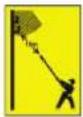 | Risque électrique, conserver une distance d'au moins 10 m par rapport aux lignes électriques. | |






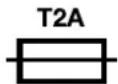
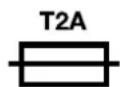
Classe de protection II
Günzburger Straße 69
D-89335 Ichenhausen
CHER CLIENT.
hereby declares the following conformity under the EU Directive and standards for the following article
FR
X 2000/14/EC_2005/88/EC
X Annex V
Annex VI
Noise: measured L_wA = xx dB(A) ; guaranteed L_wA = xx dB(A)
Notified Body:
Notified Body No.:
2004/26/EC
type-approval number:
Standard references: EN 60745-1; EN ISO 11680-1; EN 55014-1; EN 55014-2; EN 60335-1; EN 60335-2-29; EN 61000-3-2; EN 61000-3-3
Subject to change without notice
Documents registar: Thomas Kaufmann
Günzburger Str. 69, D-89335 Ichenhausen
Garantie DE
Apparent defects must be notified within 8 days from the receipt of the goods. Otherwise, the buyeris rights of claim due to such defects are invalidated. We guarantee for our machines in case of proper treatment for the time of the statutory warranty period from delivery in such a way that we replace any machine part free of charge which provably becomes unusable due to faulty material or defects of fabrication within such period of time. With respect to parts not
manufactured by us we only warrant insofar as we are entitled to warranty claims against the upstream suppliers. The costs for the installation of the new parts shall be borne by the buyer. The cancellation of sale or the reduction of purchase price as well as any other claims for damages shall be excluded.