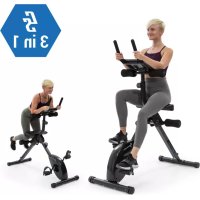
Azura Fusion - Indoor bike trainer Capital Sports - Free user manual and instructions
Find the device manual for free Azura Fusion Capital Sports in PDF.



| Product type | Indoor cycling trainer |
| Brand | Capital Sports |
| Model | Azura Fusion |
| Maximum user weight | 100 kg |
| Power source | Batteries (for the training computer) |
| Training modes | Fitness Bike (seated), Indoor Cycle (standing), AB Trainer (abs) |
| Resistance system | Manual adjustment by knob |
| Heart rate monitor | Integrated (limited accuracy) |
| Display | Training computer |
| Adjustments | Seat height, handlebar height and angle, front frame angle |
| Required safety distance | 0.6 m minimum all around |
| Installation surface | Stable and flat, with a protective mat recommended |
| Usage | Indoors only, in a dry and temperate environment |
| Maintenance | Weekly check of screws and nuts; lubrication of moving parts |
| Cleaning | Damp cloth with mild detergent; avoid solvents and harsh products |
| Wear parts | Brake system, footrests, pedals, seat, handles |
| Transportation | Transport wheels on front stabilizer |
| Mobile device holder | Yes, tablet/smartphone holder included |
| AB Trainer function | Yes, transformation possible (seat free in height) |
Frequently Asked Questions - Azura Fusion Capital Sports
User questions about Azura Fusion Capital Sports
0 question about this device. Answer the ones you know or ask your own.
Ask a new question about this device
Download the instructions for your Indoor bike trainer in PDF format for free! Find your manual Azura Fusion - Capital Sports and take your electronic device back in hand. On this page are published all the documents necessary for the use of your device. Azura Fusion by Capital Sports.
USER MANUAL Azura Fusion Capital Sports
INHALTSVERZEICHNIS
Kleinteile
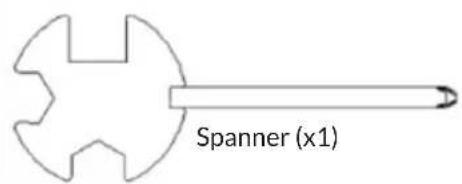
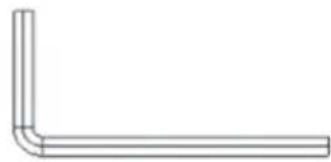
Inbusschlüssel (x1)
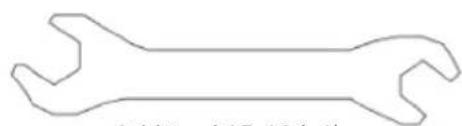
Schlüssel 15-19 (x1)
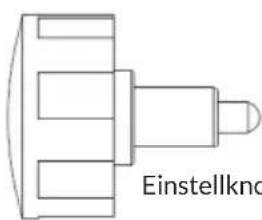
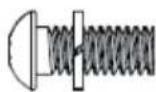
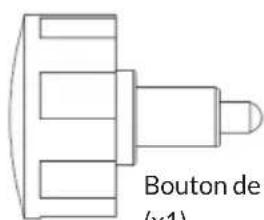
Einstellknopf (x1) Schraube M8*P1.25*20 (x4)
Unterlegscheibe M8 (x4)
Zusammenbau
Position B: Indoor Bike, stehende Position
2. Cardio-Trainingsphase
Congratulations on purchasing this equipment. Please read this manual carefully and take care of the following hints to avoid damages. Any failure caused by ignoring the items and cautions mentioned in the instruction manual is not covered by our warranty and any liability. Scan the QR code to get access to the latest user manual and other information about the product.

CONTENT
Safety Instructions 24
Assembly 26
Training Positions and Conversion 31
Overview of Cardio Training 37
Warming up before a Workout 40
Care and Maintenance 42
PRODUCER
Chal-Tec GmbH, Wallstraße 16, 10179 Berlin, Germany.

WARNING
This stationary training device is not suitable for high accuracy purposes. The heart rate monitoring system may be faulty. Excessive exercise may result in dangerous injury or death. If your performance deteriorates abnormally, stop training immediately.
SAFETY INSTRUCTIONS
Before operating this unit, please read this manual carefully to ensure optimum performance and safety. This is manual should be kept available for future reference. For product improvement, the company reserves the right to change the design and specification at any time without prior notice. Pictures are for reference use only and may differ from the actual product.
- Please keep this manual in a safe place for your reference when necessary.
- Please do not assembly or use this equipment until you read this manual thoroughly & carefully. The safety and efficiency only can be achieved when the equipment is assembled, maintained and used properly. It is your responsibility to ensure that all the users are informed of all the warnings and precautions.
- For totally safe use, a stable, leveled surface is required. Protect your floor with a mat. Do not use the equipment in a damp areas such as swimming pool sauna, etc. For safety space, the equipment must have at least 0.6 meter of free space all around it.
- Before starting any exercise program you must consult your doctor to determine if you have any physical or health conditions that could create a risk to your health and safety, or prevent you from using the equipment properly. Your doctor's advice is essential if you are taking medication that affects your heart rate, blood pressure or cholesterol level.
- Be aware of your body's signals. Incorrect or excessive exercise can damage your health. Stop exercising if you experienced any of the following symptoms: pain, tightness in your chest, irregular heartbeat, extreme shortness of breath, feeling light headed, dizzy or nauseous. If you do experience any of these conditions you must consult your doctor before continuing with your exercise program.
- Do not workout immediately after meals.
- Keep children and pets away from the equipment, the equipment must be assembled and used by adults only.
- The equipment is designed for home use only.
- The equipment is not suitable for therapeutic use, may only be used for exercises indicated in the training instructions
- Wearing proper clothing and athletic shoes while using the equipment, Avoid wearing loose clothing that may get caught in the equipment or that may restrict or prevent movements.
- Keep your back straight while exercising.
- Before using the equipment, check the handle bar, seat, and the nuts & bolts are securely tightened.
- For adjustable parts, bear the maximum position in your mind, do not exceed the mark „stop“, otherwise will cause risk.
- Always use the equipment as indicated. If you find any defective components while assembling or checking the equipment, or if you hear any unusual noises coming from the equipment during use, stop immediately. Do not use the equipment until the problem has been solved.
- Care must be taken when lifting or moving the equipment so as not to injure your back. always use proper lifting techniques and /or seek assistance if necessary.
- All moveable accessories(e.g. pedal, handlebar, saddle...etc.) require weekly maintenance. Check them before use every time. If anything broken or loose, please fix them immediately. You may continue using them only after they return to good conditions.
- Pay attention to the absence of a free wheel system which will cause serious risk.
- Keep power cord away from heat sources.
- Do not insert or drop any object into any opening.
- Unplug exercise bike before moving or cleaning it. To clean, wipe surfaces down with mild detergents and a slightly damp cloth only; never use solvents.
- Do not use the exercise bike in any location that is not temperature controlled, such as, but not limited to, garages, porches, pool rooms, bathrooms, car ports or outdoors.
- Use the bike only as described in this manual.
- Incorrect repair and structural modifications(e.g. removal or replacement of original parts) may endanger the safety of the user.
- The rotating disk flywheel will get hot during the operation.
- Lock the equipment when stop using.
- This product is not designed for use by persons (including children) who have reduced physical, sensory or mental capacities or persons with no experience or knowledge, unless they are instructed and supervised in the use of the appliance by a person responsible for their safety.
- Children should be supervised to ensure that they do not play with the appliance.
- Before use, check the voltage on the rating plate. Only connect the device to sockets that correspond to the voltage of the device.
Note: Maximum weight of the user is 100 kg.
ASSEMBLY
Overview
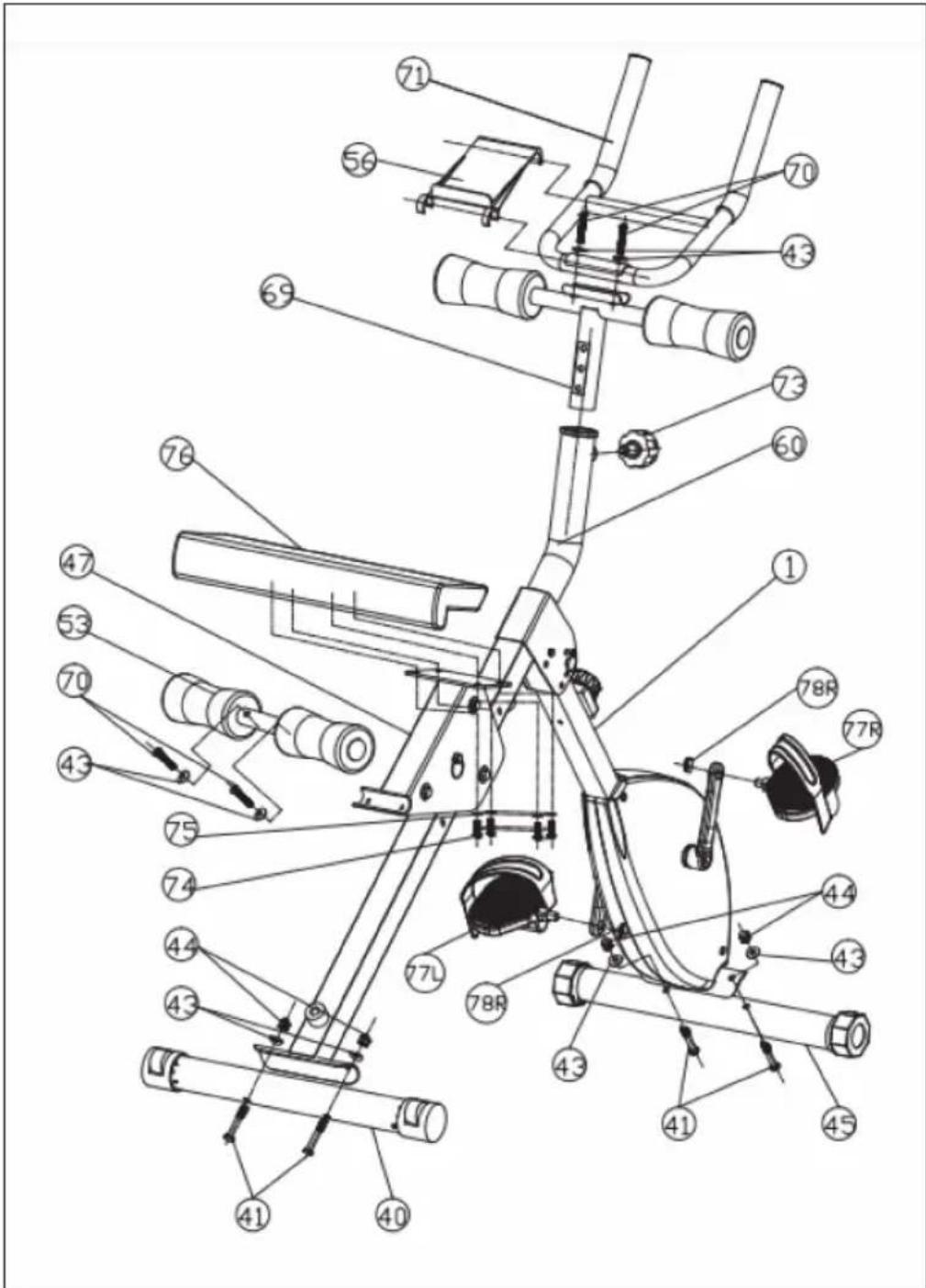
Small Parts
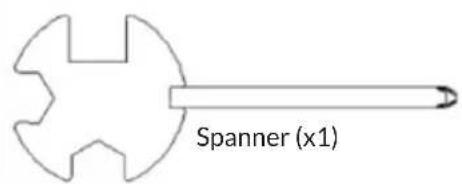
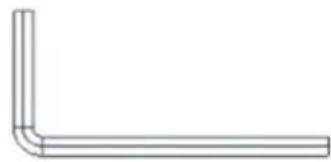
Allen wrench (x1)
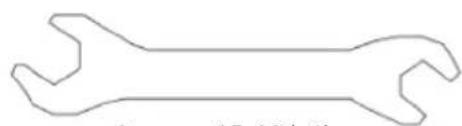
Spanner 15-19 (x1)
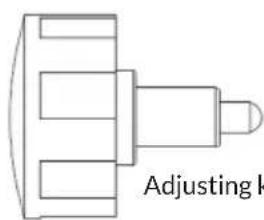
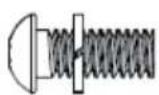
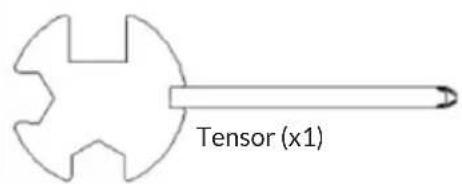
Adjusting knob (x1) Screw M8*P1.25*20 (x4)
Washer M8 (x4)
Assembly
| 1 | Take the frame out of the box and lay it flat on the floor. Check the pin (68) and make sure it is properly fastened in the two holes. Then slowly open the frame. You can adjust the unfolding height by inserting the pin (68) into the right hole as soon as the height is correct. | 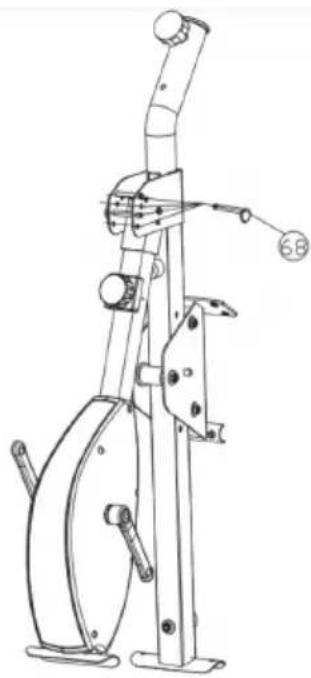 |
| 2 | Remove the cap nuts (44), washers (43) and screws (41) from the front stabilizer (40) and rear stabilizer (45) and keep them in a safe place. Attach the front stabilizer (40) to the main frame (1) using transport rollers and reattach the cap nuts (44), washers (43) and screws (41) to the front stabilizer (40) and rear stabilizer (45). | 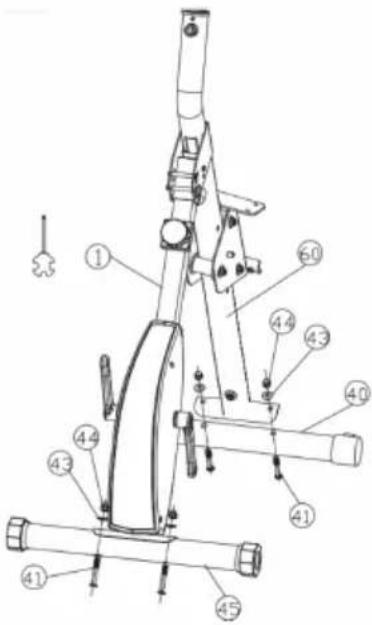 |
| 3 | Secure the seat (76) to the top of the seat post (47) using spring washers (75) and bolts (74). Tighten the bolts with the Allen wrench. | 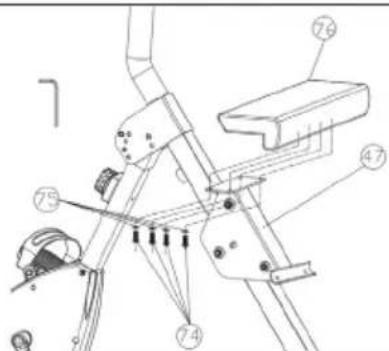 |
| 4 | Use the Allen wrench to remove the bolt (70) and washer (43) from the seat post (47). Then secure the posts (53) to the lower end of the seat post (47) using bolts (70) and washers (43). Tighten the bolts with the Allen wrench. | 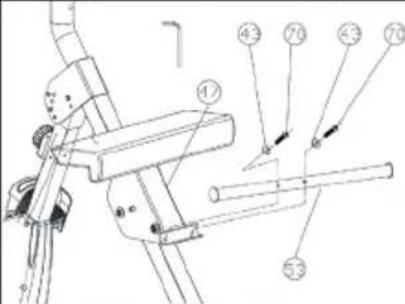 |
| 5 | Adjust the height of the seat post (47) using the pin (55). | 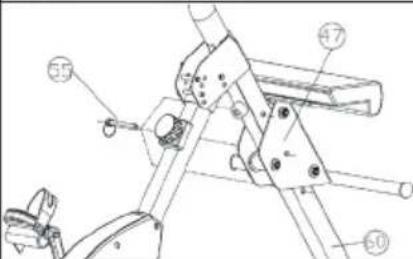 |
| 6 | Slide the handlebar support (69) into the shaft on the main frame (60). Adjust the handlebar support to the desired height and then tighten with the knob (73). Do not exceed the STOP mark! Then attach the handlebar (71) to the handlebar support (69) using screws (70) and washers (43). Tighten the screws with the Allen wrench. | 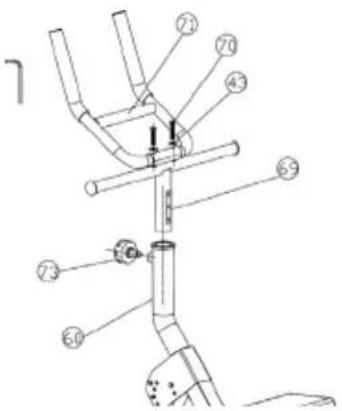 |
| 7 | Turn the pedal (77L) marked LEFT counterclockwise firmly into the crank (37). Screw the lock nut (78L) tightly onto the axle. Turn the pedal (77R) marked RIGHT clockwise firmly into the crank (38). Tighten the lock nut R (78R) tightly. The unit is now fully assembled. Small irregularities can be compensated by adjusting the end plug (46). | 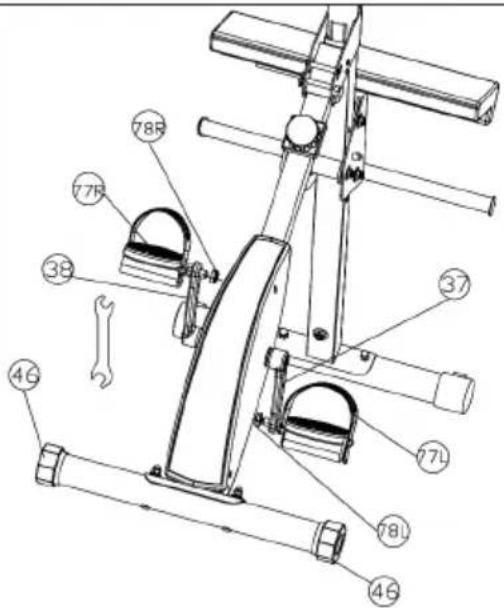 |
| 8 | Please make sure all the plugs (52) are fixed on handle bar support set (69) & bar (82) to be fixed on the seat support set (47) well, then insert the 4 sponge sheathes (51) separately onto the bars through the plug (52) properly as shown. | 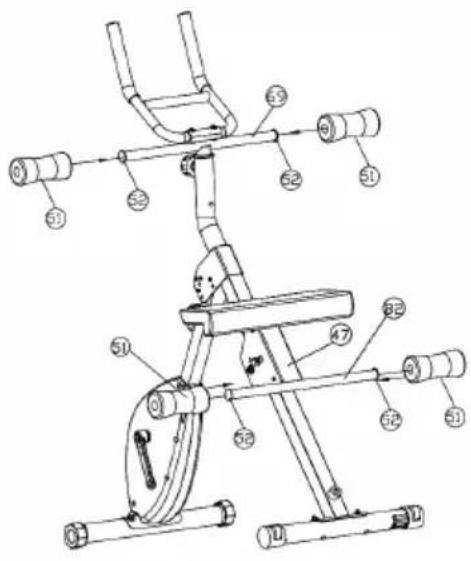 |
| 9 | Finally, attach the Tablet/Smartphone Holder to the unit. | 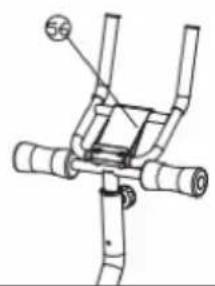 |
TRAINING POSITIONS AND CONVERSION
Position A: Fitness Bike, regular sitting position
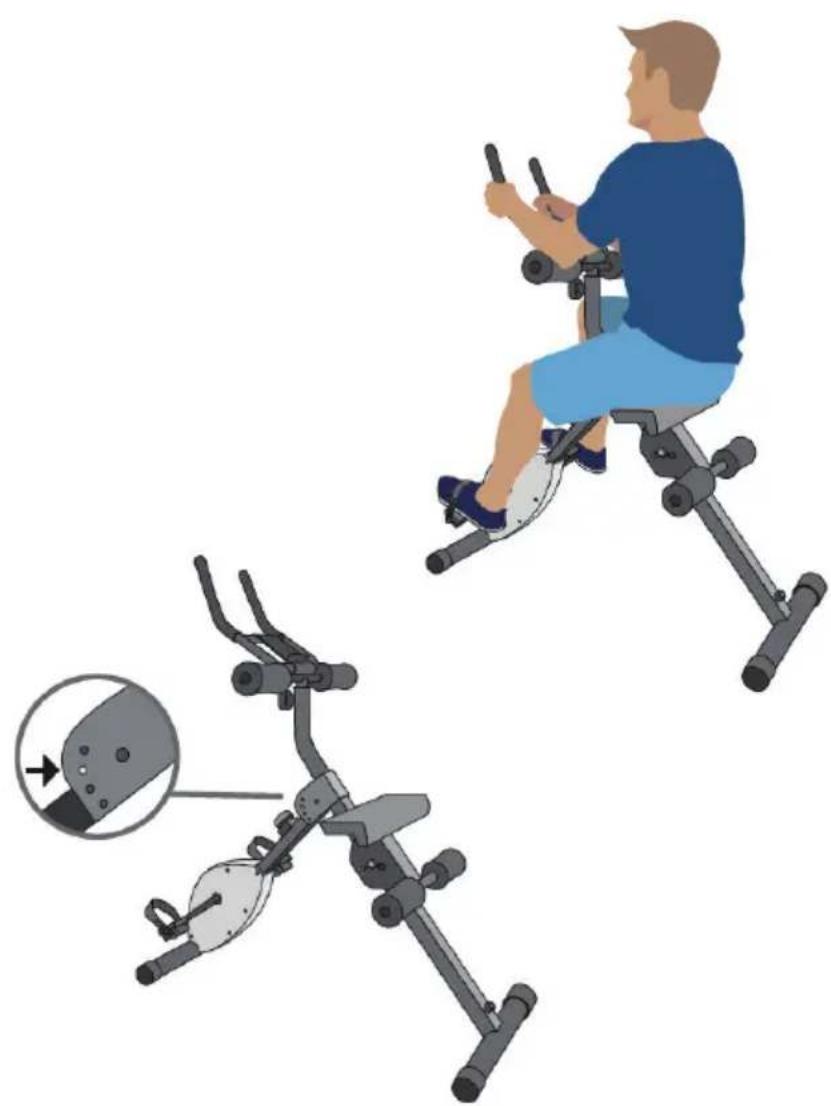
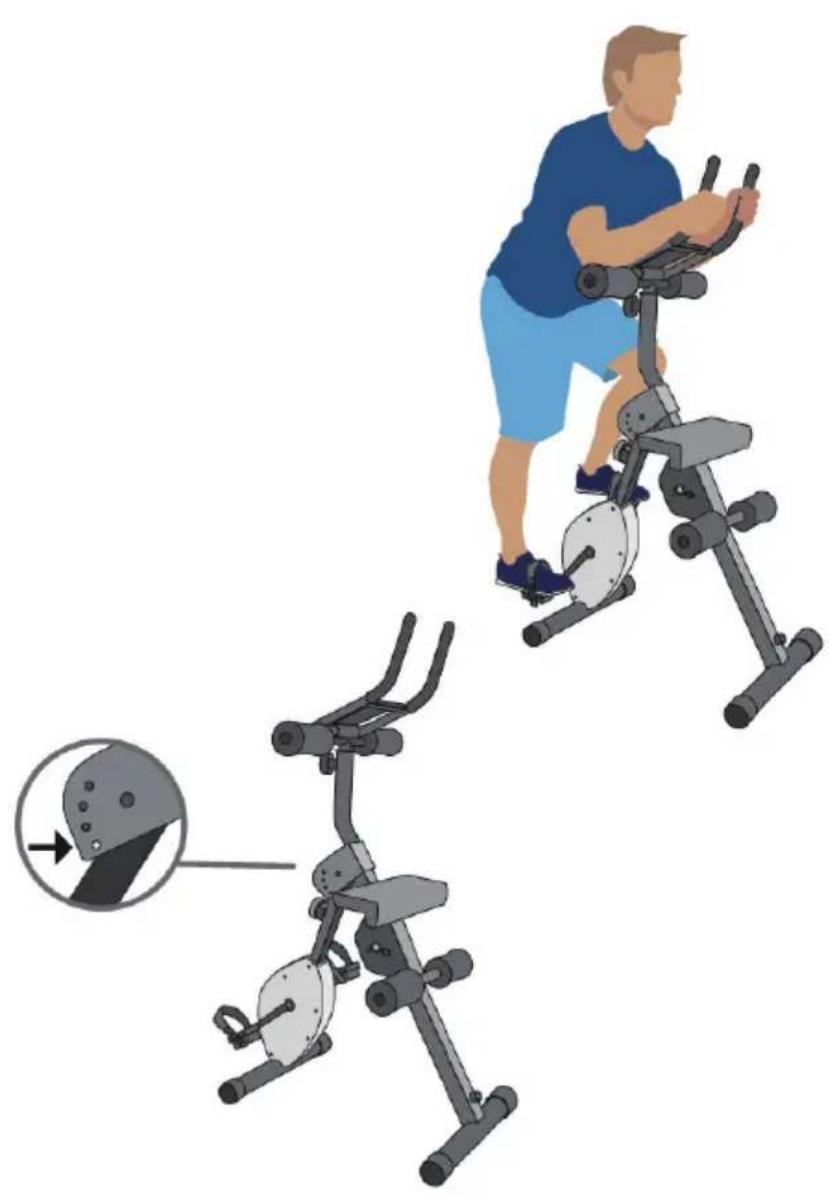
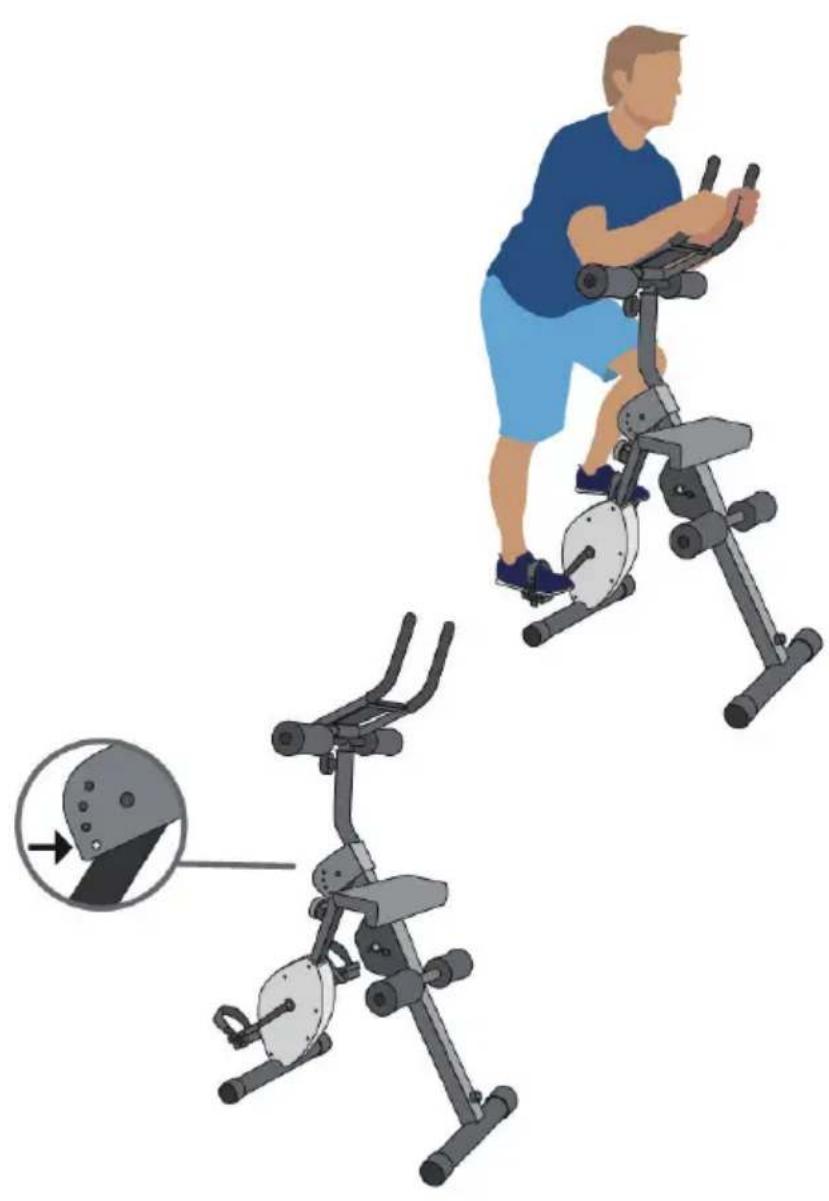
Position B: Indoor Bike, standing position
Position C: AB Trainer, for abdominal muscle training
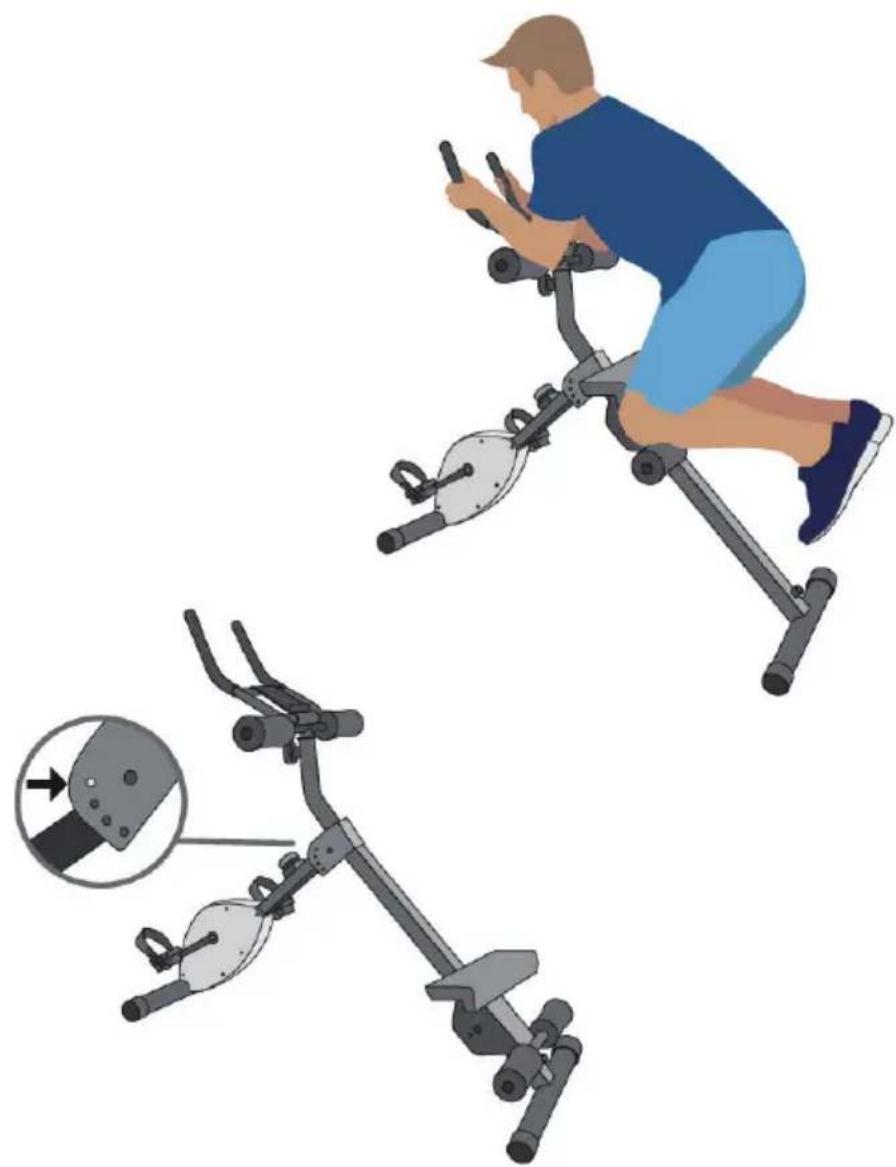
Conversion from Fitness Bike to Indoor Bike
| Fitness Bike A1 A2 | ||
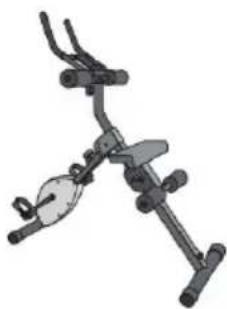 | 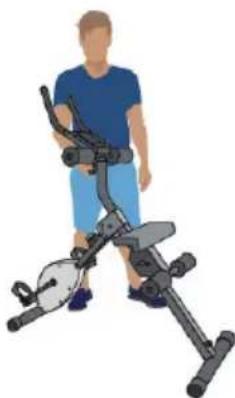 | 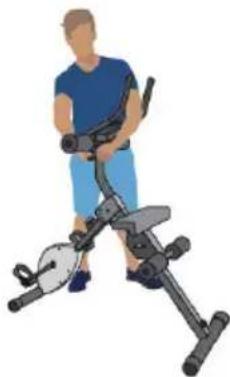 |
| Loosen the handlebar attachment (turning knob). | Turn the handlebar by 180° and fix it again using the knob. | |
| A3 A4 Indoor | Bike | |
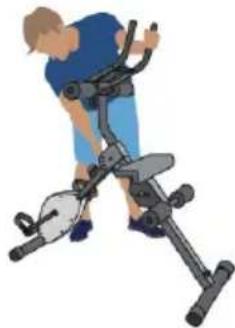 | 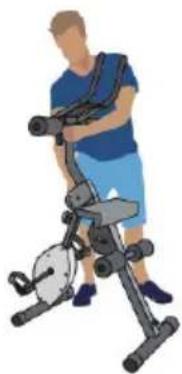 | 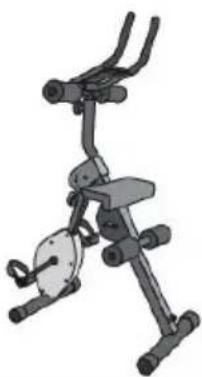 |
| Release the pin for angle adjustment of the front strut. | Choose a steeper angle (3rd or 4th hole) for the indoor bike and fix this position again with the pin. |
Conversion from Indoor Bike to AB Trainer
| Indoor Bike B1 B2 | ||
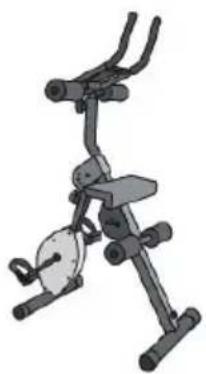 | 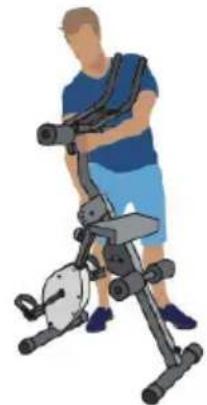 | 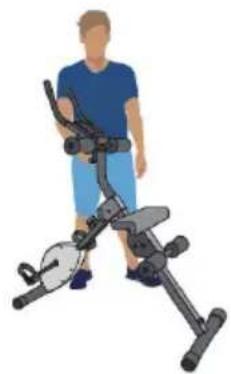 |
| Loosen the handlebar attachment (turning knob). | Turn the handlebar by 180° and fix it again using the knob. | |
| B3 B4 AB-Trainer | Note: Always make sure that the pin is fully inserted and secured so that your Azura Fusion is stable. | |
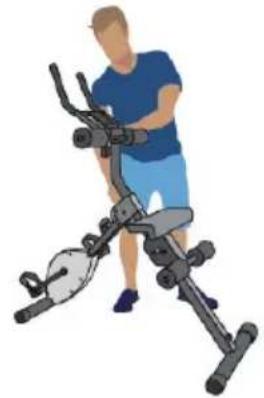 | 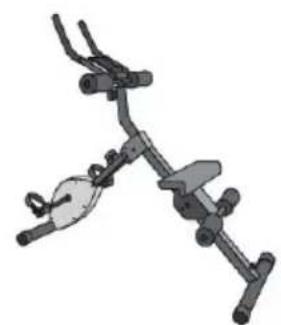 | |
| Release the pin for angle adjustment of the front strut. | Select the flattest angle (1st hole) for the AB Trainer and fix this position again with the pin. | |
| B5 | ||
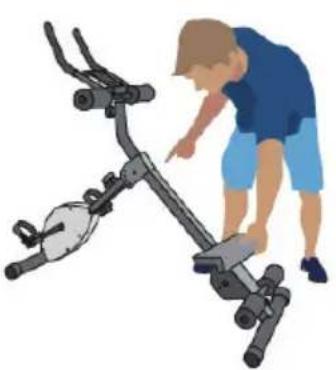 | 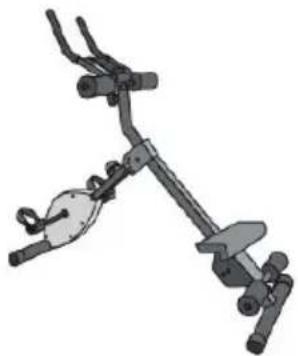 | |
| In order to use the AB Trainer function, the saddle must be able to move freely up and down on the rear seat stay. The pin underneath the seat must be loosened and removed. | ||
| 1. Bracket secured 2. Open bracket (90°) | ||
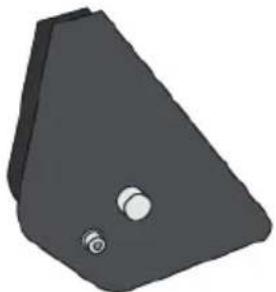 | 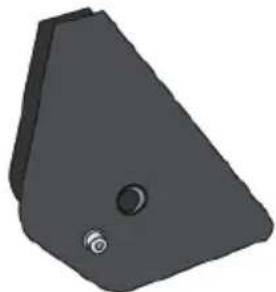 | |
| Note: You can adjust the seat height ergonomically by loosening the pin below the saddle and fixing the saddle at a different height. | ||
Regular cardio training stimulates the cardiovascular (heart and blood vessels) and respiratory system. It improves your general health and helps you to burn fat. It is the recommended workout if you want to lose weight. When exercising, glucose is burned off first, then the fat stored in the body.
Intensive cardio training (e.g. circuit training, training with high resistance and long duration training) requires a greater amount of effort and also trains the muscular system and your endurance. As a rule, the more regular you train, the more effective the training is (even with short training sessions of 20 minutes).
During the Training
The level of resistance used during the workout determines the training intensity and the associated results.
An optimal training session includes (1) a warm-up phase, (2) an intensive cardio training phase and finally (3) a cool down phase. If you want to progress or burn calories, you should go through these 3 phases as well as exercise for at least 20-30 minutes on the ergometer.
1. Warm-up Phase
Always start your training session with a low resistance level. A warm-up phase of 5-10 minutes is important because your muscles need to be warmed up. During the warm-up phase, you should give your circulatory system and muscles time to prepare for the subsequent workout. As a beginner, you can train for the first 3 minutes at the easiest level and then gradually increase the level to where you feel most comfortable.
2. Cardio Training Phase
After about 10 minutes, you can then begin the cardio training phase. When using the interval training program, the computer controls the resistance depending on the type of interval chosen and thus simulates changing intensities.
The cardio training phase is considered aerobic or anaerobic training depending on the energy expenditure. These two types of training are defined as follows:
Aerobic Training Zone
While you are in this zone, you are improving your cardiovascular system and burning fat.
Despite an increased heart rate, deeper breathing and light sweating, the body is not in a very stressed state, breathing is not significantly accelerated—you could still talk to someone without going out of breath—and you feel that you could sustain the physical exertion for a long time. It’s similar to when you briskly walk uphill.
The muscles and heart work more intensely than when the body is at rest and can get most of their energy needs met via aerobic energy production, which utilizes oxygen to facilitate energy production. At the same time, the anaerobic production of energy is also active, but only to a small extent. The lactic acid produced in this process can be broken down to produce energy. Most of your training should be aerobic training.
If you continue to increase the intensity, you will eventually come to the threshold where aerobic energy production is no longer able to increase its output. At this point, there is a shift towards anaerobic energy production being used to a greater extent. You are now doing anaerobic training.
Anaerobic Training
When in this zone, you are improving your performance and speed. When you increase the intensity while in this zone, the training becomes much more strenuous because of the rising lactate level in the body; you start sweating more; your breathing gets faster; and after some time depending on your fitness level, your muscles tire and you feel totally exhausted and that you can no longer continue at this level of intensity.
3. Cool-down Phase
At the end of the cardio training phase, you begin the cool-down phase, which should last for at least 5 minutes. Here, you use low levels of resistance. The recovery or cool-down phase is also helpful with regard to preventing possible muscle soreness. It is also advisable to do active recuperation after an intensive training session, such as a hot bath, a sauna session or a massage.
Training Progress
Each month you can make the training more challenging by extending the duration of the cardio training phase, by using a higher level of resistance within that phase or by doing a more demanding interval training.
Eating and Drinking
- Drink before, during and after training.
- Drink at least 2 sips of water (10 to 20 cl) every 10-15 minutes during a training session.
- If your workout lasts for more than 1 hour, you should drink a sports drink to protect the body from dehydration while training.
- For optimal cardio training, suitable nutrition before and after any physical activity is very important.
Before training, it is best to eat carbohydrates, such as those found in rice and pasta, as they provide the body with an important source of energy.
After training, you need to refuel with proteins, such as those found in eggs, yoghurt and dried fruits. Even if you want to lose weight, it is absolutely necessary to eat after training in order for your body to recuperate.
WARMING UP BEFORE A WORKOUT
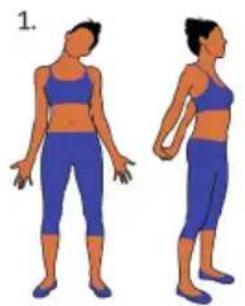
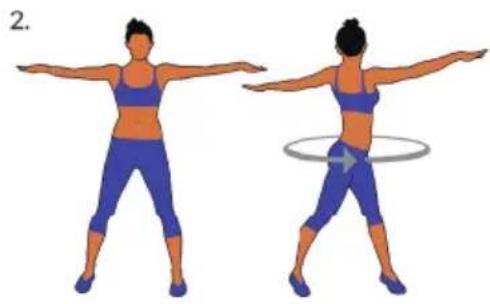
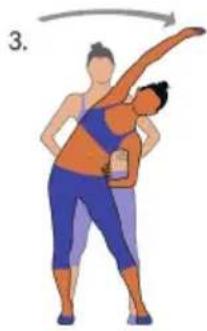
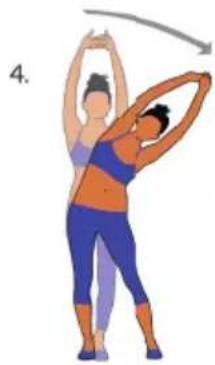
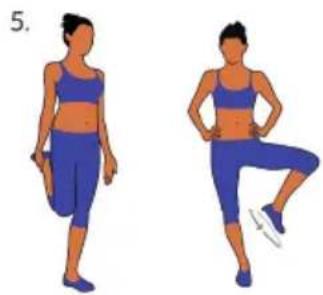
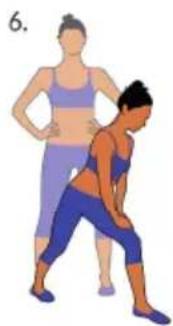
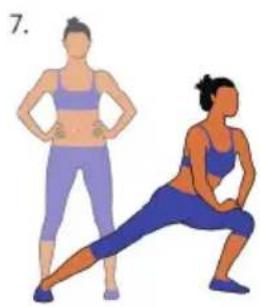
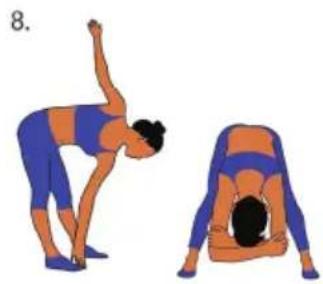
Perform the movements before each workout to mobilize your joints and activate your muscles.
Should a movement be uncomfortable or painful, skip this movement and consult your doctor or fitness instructor about suitable warm-up movements.
Each movement should be repeated (right and left) so that you can start the cardio training relaxed.
Take about 5 minutes to do the following CapitalSports training routine:
- Tilt the head sideways, slowly alternating from right to left. Then mobilize your shoulders (circular movements and shrugging the shoulders).
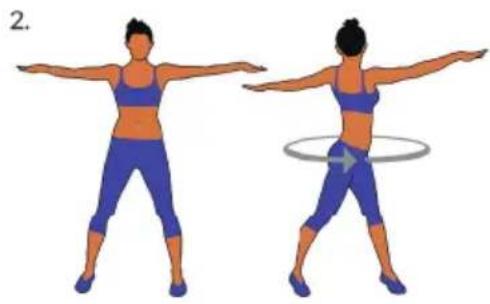
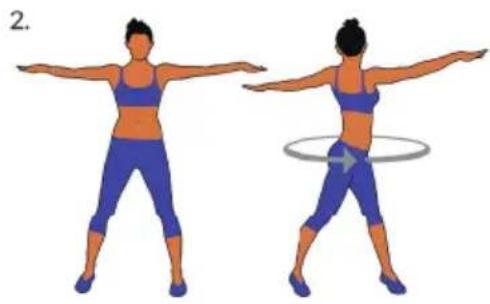
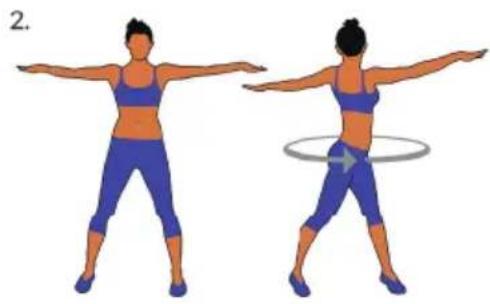
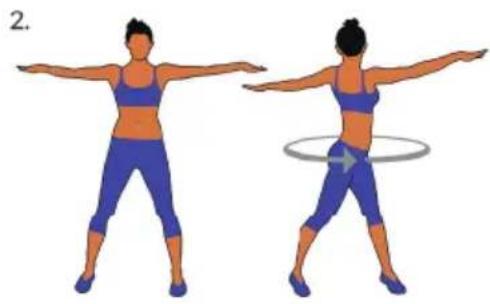
- Turn the hips while the arms are stretched out. The feet are not firmly fixed to the ground (the ankles follow the body's rotation).
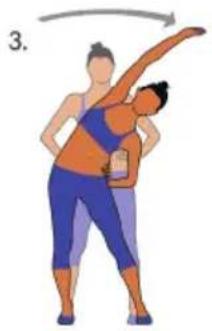
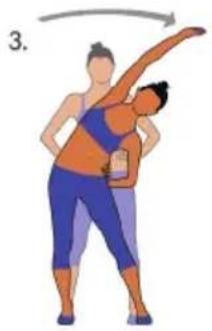
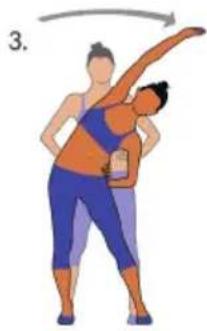
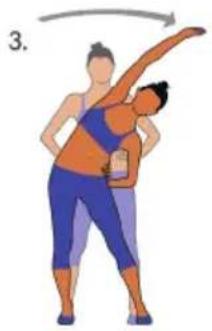
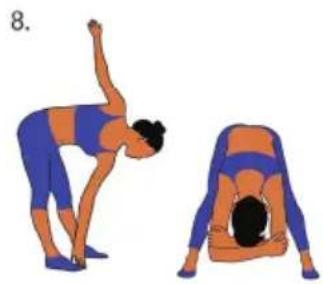
- Bend to the side and raise one arm straight up. Stay in this position for several seconds on each side.
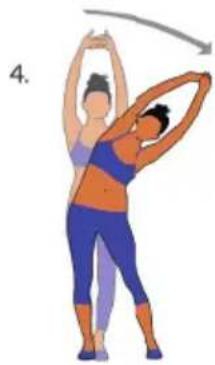
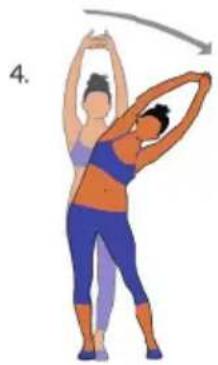
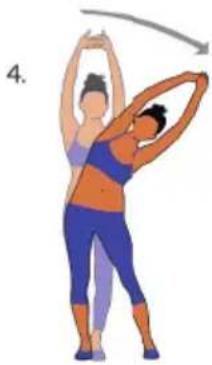
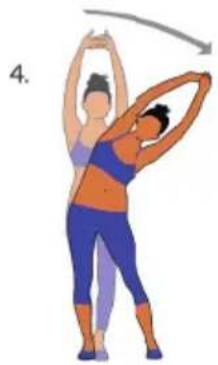
- Bend to the side and raise both arms above your head with palms together. Again, remain on each side for several seconds. The exercise is now a bit more intense with the second arm joining.
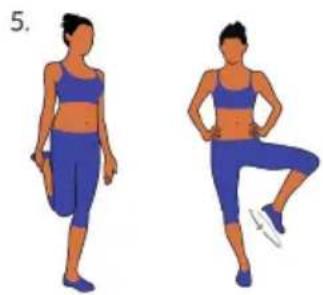
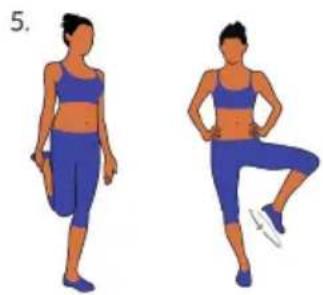
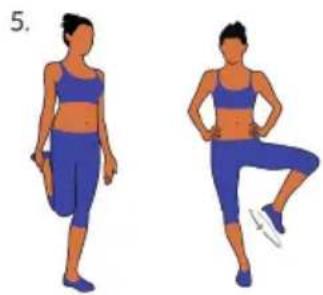
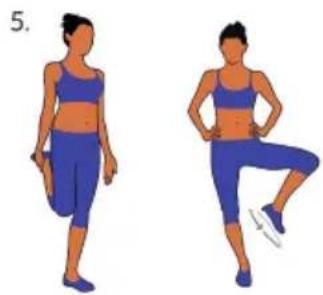
- Stand on one leg and hold the instep of the other foot with your hand. Mobilize it so as to stretch the thigh lightly. If necessary, hold onto something to keep your balance. Stand on one leg and trace a circle with your foot in the air in both directions (counter clockwise and clockwise).
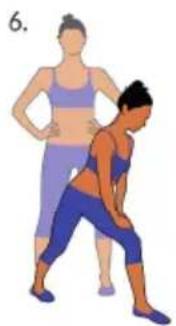
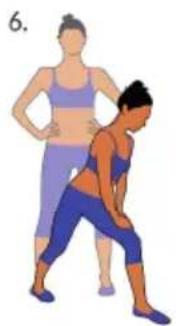
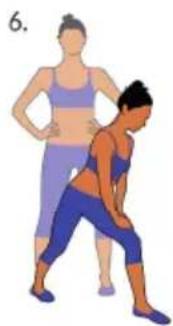
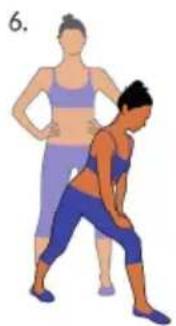
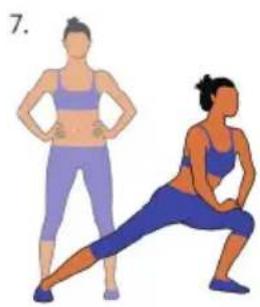
- Put one leg forward and with your arms support the weight of your upper body on your thigh. Position your legs so as to provide a stretch for the rear leg's calf muscles.
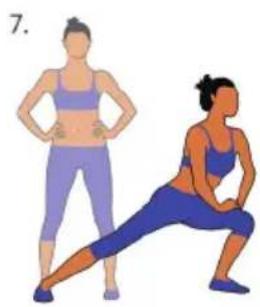
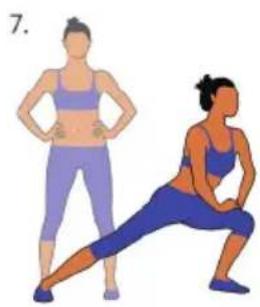
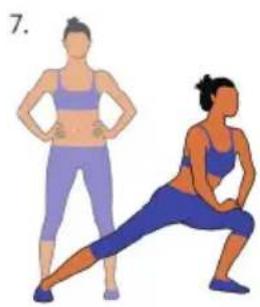
- Repeat the previous exercise with more distance between your feet. The stretch will now be more intense.
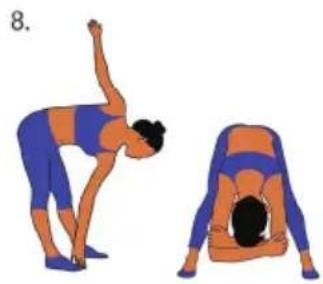
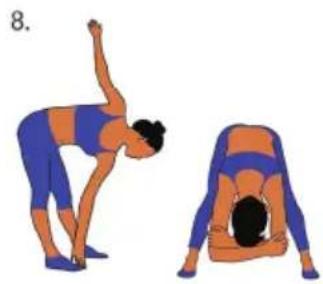
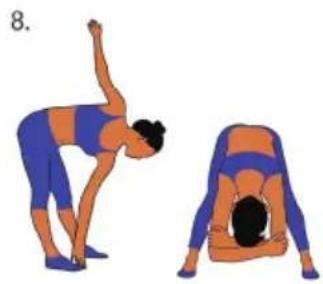
- Bend forward while keeping your legs straight and alternatingly touch each hand to the opposite foot. Finally, let yourself hang down and relax.
CARE AND MAINTENANCE
Note: As with all training machines with mechanical, moving components, screws may loosen due to frequent use. We therefore recommend that you check them regularly and, if necessary, retighten them with a suitable key. Clean your training device regularly with a damp cloth to clean the surfaces from sweat and dust.
- When you don't use the exercise bike for a long time, please take out the console battery to avoid running out of battery.
- Often clean the exercise bike with clean cloth to keep the clean appearance.
- The safety level of the equipment only can be maintained if it is regularly examined for damage and or /wear and tear.(e.g. handle bar, pedals and seat ...etc.).It is vital that any faulty parts are replaced and the it is not used until completed repaired.
- Regularly check that the elements fastened with nuts and bolts are correctly tightened.
- Remember regularly to grease moving parts.
- Special attention to the component, most of them are susceptible to wear like brake system, foot pad etc.
- As sweat is very corrosive, do not allow it to come into contact with the enameled or chromed parts of the equipment, particularly the computer. Immediately wipe the equipment after using. The enameled parts can be cleaned using a damp sponge. All aggressive or corrosive products must be avoided.
- Storing the equipment in a clean and dry environment away from children.
Chère cliente, cher client,
SOMMAIRE
Petits éléments
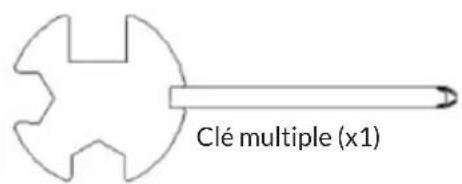
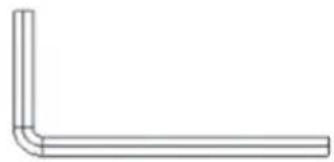
Clé Allen (x1)
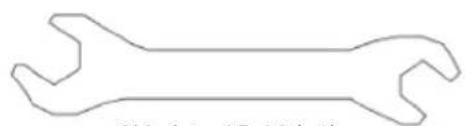
Clé plate 15-19 (x1)
ÍNDICE
Piezas pequeñas
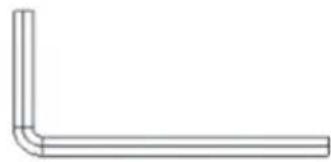
Llave Allen (x1)
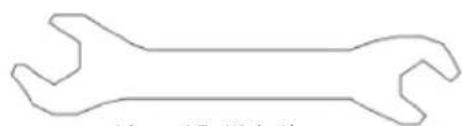
Llave 15-19 (x1)
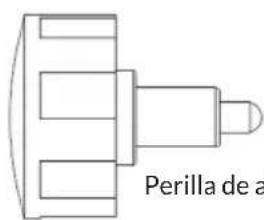
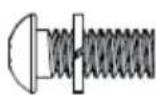
Perilla de ajuste (x1) Tornillo M8*P1.25*20 (x4)
Arandela M8 (x4)
Montaje
INDICE
IT
IT
- INHALTSVERZEICHNIS
- KLEINTEILE
- CARDIO-TRAININGSPHASE
- CONTENT
- PRODUCER
- WARNING
- SAFETY INSTRUCTIONS
- ASSEMBLY
- SMALL PARTS
- TRAINING POSITIONS AND CONVERSION
- CONVERSION FROM FITNESS BIKE TO INDOOR BIKE
- CONVERSION FROM INDOOR BIKE TO AB TRAINER
- DURING THE TRAINING
- WARM-UP PHASE
- CARDIO TRAINING PHASE
- AEROBIC TRAINING ZONE
- ANAEROBIC TRAINING
- COOL-DOWN PHASE
- TRAINING PROGRESS
- EATING AND DRINKING
- WARMING UP BEFORE A WORKOUT
- TAKE ABOUT 5 MINUTES TO DO THE FOLLOWING CAPITALSPORTS TRAINING ROUTINE
- CARE AND MAINTENANCE
- CHÈRE CLIENTE, CHER CLIENT
- SOMMAIRE
- PETITS ÉLÉMENTS
- ÍNDICE
- PIEZAS PEQUEÑAS
- MONTAJE
- INDICE
Brand : Capital Sports
Model : Azura Fusion
Category : Indoor bike trainer