EM 41 - Strap BEURER - Free user manual and instructions
Find the device manual for free EM 41 BEURER in PDF.


| Product type | TENS/EMS/Massage electrostimulation device |
| Brand | Beurer |
| Model | EM 41 |
| Category | Belt |
| Dimensions (with belt clip) | 122 × 59 × 23 mm |
| Weight (without batteries) | 69 g |
| Weight (with belt clip and batteries) | 108 g |
| Power supply | 3 AAA 1.5 V batteries |
| Pulse shape | Biphasic angular pulses |
| Pulse duration | 40 – 250 μs |
| Pulse frequency | 1 – 120 Hz |
| Max. output voltage | 90 Vpp (at 500 ohms) |
| Max. output current | 180 mApp (at 500 ohms) |
| Number of programs | More than 50 (20 TENS, 20 EMS, 10 Massage + custom) |
| Channels | 2 independent channels |
| Included electrodes | 4 self-adhesive electrodes (45 × 45 mm) |
| Included accessories | 2 lead cables, 3 AAA batteries, instruction manual, storage bag |
| Additional options | 8 self-adhesive electrodes (ref. 661.02) |
| Adjustable treatment time | 5 – 90 minutes |
| Adjustable intensity | 0 – 15 levels per channel |
| Doctor's Function | Yes, lock custom settings |
| Operating conditions | 10 °C to 40 °C, relative humidity 30–85% |
| Storage conditions | −10 °C to 50 °C, relative humidity 10–95% |
| Maintenance | Clean the device with a soft, slightly damp cloth; clean electrodes with water and air dry |
| Safety | Automatic shut-off after 3 minutes of inactivity, protection against electrostatic discharge, do not use on the rib cage |
| Repairability | Do not open or repair yourself; contact customer service |
| Standards | EN60601-1, EN60601-1-2, EN60601-2-10; directive 93/42/EC |
| Warranty | 2 years (subject to general conditions) |
Frequently Asked Questions - EM 41 BEURER
User questions about EM 41 BEURER
0 question about this device. Answer the ones you know or ask your own.
Ask a new question about this device
Download the instructions for your Strap in PDF format for free! Find your manual EM 41 - BEURER and take your electronic device back in hand. On this page are published all the documents necessary for the use of your device. EM 41 by BEURER.
USER MANUAL EM 41 BEURER
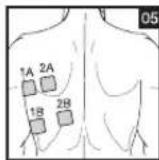
1A-1B/2A-2B 1A-1B/2A-2B
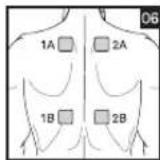
A2AA1BB2BB
1A-1B/2A-2B
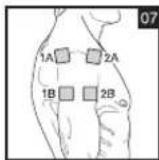
1A-2A/1B-2B
1A-1B/2A-2B
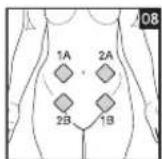
1A-2A/1B-2B
1A-1B/2A-2B
1A-2B/2A-1B
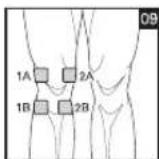
1A-1B/2A-2B
1A-2B/2A-1B
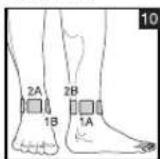
1A-1B/2A-2B
1A-2A/1B-2B
1A-1B/2A-2B
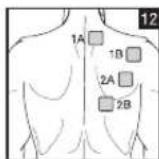
1A-1B/2A-2B
1A-1B/2A-2B
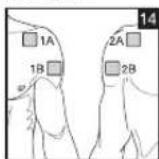
1A-2A/1B-2B
1A-1B/2A-2B
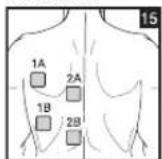
1A-2A/1B-2B
1A-1B/2A-2B

1A-2A/1B-2B
1A-1B/2A-2B
1A-2B/2A-1B
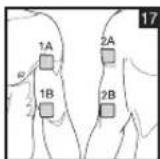
1A-1B/2A-2B
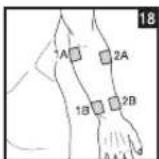
1A-2A/1B-2B
1A-1B/2A-2B
1A-2B/2A-1B
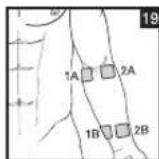
1A-2A/1B-2B
1A-1B/2A-2B
1A-2B/2A-1B
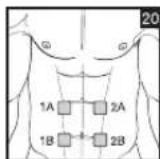
1A-2A/1B-2B
1A-1B/2A-2B
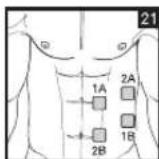
1A-2A/1B-2B
1A-1B/2A-2B
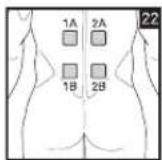
1A-2A/1B-2B
1A-1B/2A-2B
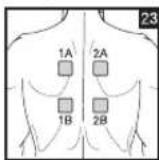
1A-2A/1B-2B
1A-1B/2A-2B
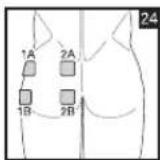
1A-2A/1B-2B
1A-1B/2A-2B
1A-2B/2A-1B
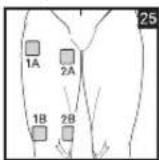
1A-2A/1B-2B
1A-1B/2A-2B
1A-2B/2A-1B
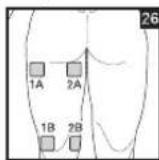
1A-2A/1B-2B
1A-1B/2A-2B
2A-1B/1A-2B
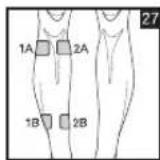
1A-1B/2A-2B
1A-2B/2A-1B
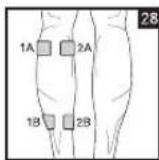
1A-2A/1B-2B
1A-1B/2A-2B
2A-1B/1A-2B
DEUTSCH
Inhaltsverzeichnis
7.5 Doctor's Function
- Getting to know your machine 17
1.1 What is Digital TENS/EMS and what can it do? 17
1.2 Scope of supply 18
- Important information 18
3.Current parameters 20
3.1 Pulse shape 20
3.2 Pulse frequency 20
3.3 Pulse width 20
3.4 Pulse intensity 20
3.5 Cycle-controlled pulse parameter variation 20
- Unit description 21
4.1 Description of components 21
4.2 Key functions 21
5.Start-up 21
- Programme overview 22
6.1 Basic information 22
6.2 TENS programmes 23
6.3 EMS programmes 24
6.4 MASSAGE programmes 25
6.5 Information on placing the electrodes 25
7.Application 26
7.1 Advice on application 26
7.2 Procedure for TENS, EMS and MASSAGE programmes 01-10 .........26
7.3 Procedure for TENS/EMS programmes 11-20 (ind. prog.) 26
7.4 Changes to settings 27
7.5 Doctor's Function 27
- Cleaning and storage 27
- Disposal 27
10.Problems and solutions. 28 - Technical details 28
Dear Customer,
Thank you for choosing one of our products. Our name stands for high-quality, thoroughly tested products for the applications in the areas of heat, weight, blood pressure, body temperature, pulse, gentle therapy, massage and air. Please read these instructions for use carefully and keep them for later use, be sure to make them accessible to other users and observe the information they contain.
Best regards,
Your Beurer Team
1. Getting to know your machine
1.1 What is Digital TENS/EMS and what can it do?
Digital TENS/EMS belongs to the group of electrical stimulation systems. It has three basic functions, which can be used in combination:
- Electrical stimulation of nerve tracts (TENS).
- Electrical stimulation of muscle tissue (EMS).
- A massage effect generated by electrical signals.
For this, the device has two independent stimulation channels and four self-adhesive electrodes. It has various versatile functions in order to increase general wellbeing, alleviate pain, maintain physical fitness, relaxation, revitalise muscles and combat fatigue. You can either select these functions from preset programmes or determine them yourself according to your requirements.
The operating principle of electrical stimulation equipment is based on simulating the body's own pulses which are transmitted transcutaneously to nerve or muscle fibres by means of electrodes. The electrodes can thereby be attached to many parts of the body, whereby the electrical stimuli are safe and practically painless. You merely feel a gentle prickling or vibrating in some applications. The electrical pulses transmitted to the tissue affect the trans mission of stimulation in nerve conductions as well as neural nodes and muscle groups in the field of application.
The effect of electrical stimulation is generally only recognisable after regularly repeated application. Electrical stimulation does not replace regular exercising of the muscle, but is able to reasonably supplement the effect thereof.
TENS, transcutaneous electrical nerve stimulation, means electrical stimuli of nerves through the skin. TENS is recognised as a clinically proven, effective, non-medication method of treating pain from certain causes. It is free from side-effects when used properly, and can also thereby be used as a simple means of self-treatment. The pain-alleviating or suppressing effect is also achieved by preventing pain from being passed on into nerve fibres (above all through high-frequency pulses) and increasing the secretion of the body's own endorphines which reduce awareness of pain through their effect on the central nervous system. The method is scientifically underpinned and medically approved.
Any symptoms indicating TENS application must be clarified with the doctor in charge of your treatment. The latter will also give you information on the respective benefits of TENS self-treatment.
TENS is clinically tested and approved with the following applications:
- Back pain, particularly also lumbar and cervical spine problems
Joint pain (e.g. knee joint, hip joint, shoulder)
Neuralgia - Headaches
Women's period pains - Pain after injuries to musculoskeletal system
- Pain with circulatory problems
- Chronic pain through various causes
Electrical muscle stimulation (EMS) is a widespread and generally recognised method and has been used for years in sports and rehabilitation medicine. In the sports and fitness field, one of the uses of EMS is as a supplement to conventional muscle training, in order to increase the efficiency of muscle groups and adapt physical proportions to the desired aesthetic results. EMS application goes in two directions. On the one hand, a targeted strengthening of musculature can be produced (activating application) and on the other hand a relaxing, resting effect can also be achieved (relaxing application).
Active application includes the following:
- Muscle training to improve endurance performance and/or
- Muscle training to support the strengthening of certain muscles or muscle groups in order to achieve desired changes to body proportions.
Relaxing application includes the following:
-
Muscle relaxation in order to loosen up muscular tension
-
Improving muscular fatigue symptoms
- Accelerating muscle regeneration after high muscular performance (e.g. after a marathon).
Through integrated massage technology, Digital TENS/EMS also offers the possibility of reducing muscular tension and combating fatigue symptoms using a programme based on real massage in terms of sensation and effect.
Using the positioning suggestions and programme charts in this manual, you can determine the machine setting fast and easily for the respective application (depending on the region of the body affected) in order to ensure the desired effect.
Through the two separately adjustable channels, the Digital TENS/EMS has the advantage of adapting the intensity of the pulses independently of each other to two parts of the body to be treated, for example in order to cover both sides of the body or ensure even stimulation of larger areas of tissue. The individual intensity setting of each channel also allows you to treat two different parts of the body at the same time, whereby it is possible to save time compared with individual sequential treatment.
1.2 Scope of supply
- 1x Digital TENS/EMS machine (incl. belt clip)
- 2x connecting cable
- 4x adhesive electrodes (45 x 45 mm)
-3xAABatteries - these instructions for use
- 1x brief instructions (suggestions on placing electrodes and fields of application)
- 1x storage bag
Subsequent purchase articles
8x adhesive electrodes (45× 45mm) Art.no.661.02
4x adhesive electrodes (50× 100mm) Art.no.661.01

2. Important Information
Use of the machine does not replace medical consultation and treatment. In the event of any type of pain or illness, you must therefore always first ask your doctor.
WARNING!
In order to prevent any damage to health, we would urgently advise against using the Digital TENS/EMS in the following cases:
- With any implanted electrical devices (such as pacemakers)
If there are any metal implants - When using an insulin pump
In case of high fever (e.g. >39^ ) - In case of known or acute cardiac arrhythmias and other disorders in stimulus formation and conduction of the heart
- If suffering from attacks (e.g. epilepsy)
If pregnant
In case of cancer - After operations where increased muscle contractions might impair the healing process
- Never use near the heart. Stimulation electrodes should never be placed anywhere on the front of the thorax (marked by ribs and breastbone), but above all not on the two large pectoral muscles. Here it can increase the risk of ventricular fibrillation and lead to cardiac arrest
- On the bony part of the cranium, near the mouth, throat or larynx
Near the throat / carotid artery
Near the genitals - On acutely or chronically diseased (injured or inflamed) skin (e.g. in the event of painful and painless inflammation, reddening, skin rashes (e.g. allergies), burns, bruises, swellings, open wounds and wounds in the process of healing, on operation scars in the process of healing)
- In environments with high humidity such as in the bathroom or when having a bath or shower
- Do not use after consuming alcohol
- When a high frequency surgical device is connected at the same time
Before using the machine, you should consult with the doctor in charge of your treatment in the event of the following:
-
Acute diseases, especially if hypertension is suspected or actually exists, or blood-clotting disorders, tendency to thromboembolic diseases or in case of malignant new masses
All skin diseases -
Chronic pain disorders which have not been clarified, regardless of the region of the body
Diabetes - All sensitivity disorders with reduced pain awareness (such as metabolic disturbances)
Medical treatments carried out simultaneously - Complaints arising as a result of the stimulation treatment
- Constant skin irritation as a result of prolonged stimulation at the same electrode point.
IMPORTANT!
Use the Digital TENS/EMS solely:
- On humans
- For the purpose for which it was developed and in the manner specified in these instructions for use. Any improper use can be hazardous.
- For external application.
- With the original accessory parts which are supplied and can be re-ordered, otherwise the warranty becomes null and void.
PRECAUTIONARY MEASURES:
- Always remove the electrodes from the skin with a moderate pull in order to avoid injury in the event of highly sensitive skin.
- Keep the machine away from heat sources and never use it near ( 1m) short-wave or microwave equipment (e.g. mobile phones), as this may lead to unpleasant current spikes.
- Do not expose the machine to direct sunlight or high temperatures.
- Protect the machine from dust, dirt and humidity. Never submerge the device in water or other liquids.
- The machine is suitable for private use.
- For reasons of hygiene, the electrodes should only be used on one person.
- If the machine is not functioning properly, or if you start feeling unwell or there is any pain, stop the application immediately.
- To remove or move the electrodes, first switch off the machine or the appropriate channel in order to avoid unwanted irritation.
-
Never modify any electrodes (e.g. by cutting). This leads to a higher current density and can be dangerous (max. recommended output value for electrodes: 9mA / cm^2 , an effective current density over 2mA / cm^2 requires greater attention).
-
Do not use when asleep, when driving a vehicle or at the same time as operating machinery.
- Never use with any activities where an unforeseen reaction (e.g. increased muscle contraction despite low intensity) may be dangerous.
- Make sure that no metallic objects such as belt buckles or necklaces can come in contact with the electrodes during stimulation. If you wear any jewellery or piercings (e.g. belly piercing) near the application site, you must remove these before using the machine as burning may otherwise occur at some points.
- Keep the device away from children to prevent any hazards.
- Do not confuse the electrode cables and contacts with your headphones or other devices, and do not connect the electrodes to other devices.
- Do not use this machine at the same time as other equipment which sends electrical pulses to your body.
- Do not use it near any highly flammable substances, gases or explosives.
- Never use accumulators, always use the same types of battery.
- In the initial minutes, carry out the application sitting or lying down in order to avoid any unnecessary risk of injury in the rare event of a vagal reaction (feeling of weakness). If you start feeling weak, switch the machine off immediately and put your legs up (approx. 5-10 minutes).
- It is not advisable to apply any enriching creams or ointments to the skin beforehand, as this greatly increases electrode wear or else unpleasant current spikes may occur here.
Damage:
- If the machine is damaged, do not use it if you are in any doubt but rather contact your dealer or the customer service address indicated.
- Check the device at regular intervals for signs of wear or damage. If you find any such signs or if the device was used improperly, you must bring it to the manufacturer or dealer before it is used again.
- Switch off the device immediately if it is defective or if it is not working properly.
- Do not, under any circumstances, attempt to open or repair the machine yourself! Only have repairs carried out by the customer service department or an authorized dealer. If these instructions are not heeded, the warranty becomes null and void.
- The manufacturer assumes no liability for damage caused through improper or wrong use.
Information on ESD (Electrostatic Discharge)
Please note that jacks marked with the ESD warning label must not be touched.
ESD protective measures:
- Do not touch plugs/jacks marked with the ESD warning label with fingers!
- Do not touch plugs/jacks marked with the ESD warning label with handheld tools!
Further explanations on the ESD warning label, as well as possible training courses and their contents, are available on request from the customer service department.
3. Current parameters
Electrical stimulation machines operate with the following current settings, which will alter the stimulation effect depending on the setting.
3.1 Pulse shape
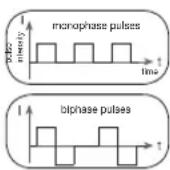
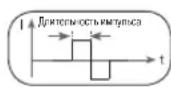
This describes the time function of the excitation current, whereby monophase pulse trains are differentiated from biphasic. In monophase pulse trains the current flows in one direction, in biphasic pulse trains the excitation current changes direction.
In the Digital TENS/EMS unit, there are only biphasic pulse trains, as they reduce the strain on the muscle, leading to less muscle fatigue as well as safer application.
3.2 Pulse frequency
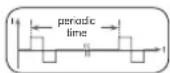
Frequency indicates the number of individual pulses per second, and is indicated in Hz (Hertz). It can be calculated by working out the inverse value of the periodic time. The respective frequency determines which types of muscle
fibre preferably react. Slow-response fibres tend to react to lower pulse frequencies up to 15Hz while fast-response fibres only respond to frequencies over approx. 35Hz .
With pulses of approx. 45 - 70Hz there is permanent tension in the muscle combined with premature muscle fatigue. Higher pulse frequencies can therefore preferably be used for elasticity and maximum strength training.

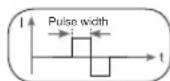
3.3 Pulse width
Pulse width is used to indicate the duration of an individual pulse in microseconds. Pulse width also determines the pene tration depth of the current whereby in general, the following applies: a greater muscle mass requires a greater pulse width.
3.4 Pulse intensity
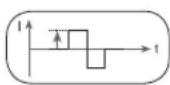
Setting the degree of intensity is individually dependent on the subjective feeling of each individual user and is determined by a number of parameters such as application site,
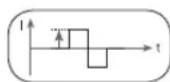
skin circulation, skin thickness as well as quality of electrode contact. The actual setting should be effective but should never produce any unpleasant sensations such as pain at the site of application. While a slight tingling sensation indicates sufficient stimulation energy, any setting which leads to pain must be avoided. With prolonged application, readjustment may be necessary due to time adjustment processes at the site of application.
3.5 Cycle-controlled pulse parameter variation
In many cases it is necessary to cover the entirety of tissue structures at the site of application by using several pulse parameters. With the Digital TENS/EMS unit, this is done by the existing programmes automatically making a cyclical pulse parameter change. This also prevents individual muscle groups at the site of application from getting tired.
With the Digital TENS/EMS unit there are useful presettings for current para meters. During the application, however, you do have the possibility of changing pulse intensity at any time and, with individual programmes, you can also alter pulse frequency beforehand in order to implement the application which is the most comfortable or promises the most success for you.
4. Unit description
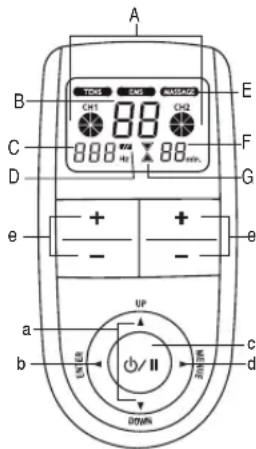
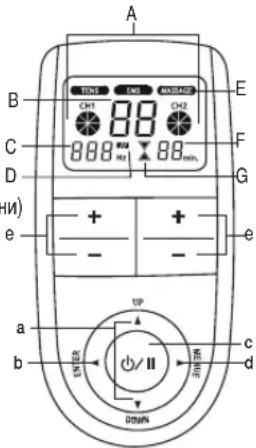
4.1 Description of components
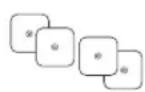
Display (main menu):
A Pulse intensity
B Programme/cycle numbers
C Frequency (Hz)
D Low battery
E TENS/EMS/MASSAGE menus
F Timer function (residual time indicator)
G Operating status display
Keys:
a UP and DOWN selection keys
b ENTER confirmation key
c ON/OFF key
d MENU key
e CH1+, CH1-, CH2+, CH2- intensity keys
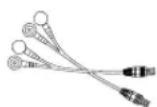
Accessories:
- 2x connection cable
4x adhesive electrodes
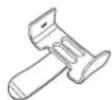
(45 x 45 mm) - 1x belt clip
4.2 Key functions
Every time a key is pressed, this is acknowledged by a signal tone in order to ensure that any unintentional pressing of a key is detected. This signal tone cannot be switched off.
ON/OFF
(1) Hit briefly to switch on the machine. If the key is held down for 10 seconds when switching on, the unit automatically switches off again.
(2) Press once to interrupt stimulation treatment = pause mode.
(3) Hold ON/OFF key down (approx. 3 seconds) to switch off the machine.
and
(1) Select between (A) treatment programme, (B) frequency and (C) treatment time.
(2) The DOWN key is used to reduce pulse intensity for both channels during stimulation.
MENU
(1) Navigation between the submenus TENS, EMS and MASSAGE.
(2) Return to (A) programme selection window or (B) main menu.
ENTER
(1) Menu selection.
(2) To confirm a selection made with UP/DOWN, apart from channel intensity.
CH1+, CH1-, CH2+, CH2-
Setting pulse intensity.
5. Start-up
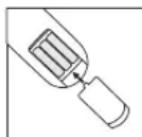
- Remove the belt clip from the machine, if attached.
- Press on the battery cover at the back of the machine and push it to the side.
- Insert three AAA 1.5 V alkaline batteries. Make absolutely sure that you insert the batteries with the correct polarity as marked.
- Replace the battery cover carefully (Fig. 1).
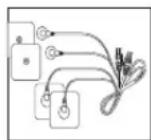
- Attach the connecting cable to the electrodes (Fig. 2).
① Note: The electrodes have a clip fastener to ensure easy connection.
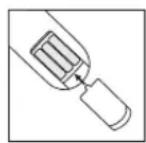
Fig. 1
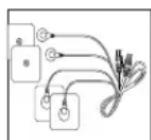
Fig. 2
6. Programme overview
6.1 Basic information
The Digital TENS/EMS unit has a total 50 programmes:
20 TENS programmes
20 EMS programmes
10 MASSAGE programmes
With all programmes, you can set the length of application and (for each of the two channels) pulse intensity separately.
Besides this, with TENS and EMS programmes 11-20, you can also change the pulse frequency of the individual cycles in order to adapt the stimulation effect to the structure of the site of application.
Cycles are the different sequences making up the programmes. They automatically run one after the other and increase the efficacy of stimulation on different types of muscle fibre and combat premature muscle fatigue.
You will find the standard stimulation parameter settings and information on placing the electrodes in the following programme charts for TENS, EMS and MASSAGE.
6.2 TENS programmes
| Prog. No. | Reasonable areas of application Indications | Possible electrode position | Cycle 1 Cycle 2 Cycle 3 Cycle 4 | |||||||||||||||
| Cycle 5 Cycle 6 Cycle 7 Cycle 8 | ||||||||||||||||||
| Width (μs) | Fre-quen-cy (Hz) | On Time (sec.) | Off Time (sec.) | Width (μs) | Fre-quen-cy (Hz) | On Time (sec.) | Off Time (sec.) | Width (μs) | Fre-quen-cy (Hz) | On Time (sec.) | Off Time (sec.) | Width (μs) | Fre-quen-cy (Hz) | On Time (sec.) | Off Time (sec.) | |||
| 1 + 11 | Neck pain, tension headache | 01, 02, 13 250 | 4 30 0 | 250 4 | 30 0 2 | 50 5 30 | 0 250 | 5 30 0 | ||||||||||
| 250 6 | 20 0 25 | 0 6 20 | 0 250 | 8 30 0 | 250 8 30 | 0 | ||||||||||||
| 2 + 12 | Back pain 03, 04, 05, | 06, 15, 23 | 250 6 | 30 0 25 | 0 6 30 | 0 250 | 8 20 0 | 250 8 20 | 0 | |||||||||
| 250 10 | 20 0 2 | 50 10 | 20 0 | |||||||||||||||
| 3 + 13 | Shoulder pain 07, 14 250 | 2 10 0 250 4 | 8 0 250 | 0 6 6 0 | ||||||||||||||
| 4 + 14 | Pain as a result of rheumatoid arthritis | See note 250 | 60 20 | 0 250 7 | 0 20 0 | 250 80 | 30 0 2 | 50 80 3 | 0 | |||||||||
| 5 + 15 | Lumbar pain 22 250 80 | 20 0 250 80 20 | 0 250 | 75 4 0 | 250 10 | 20 0 | ||||||||||||
| 250 70 | 4 0 25 | 0 65 4 | 0 | |||||||||||||||
| 6 + 16 | Menstrual pain 08 250 4 | 0 30 0 250 45 | 30 0 25 | 0 55 3 | 0 250 | 60 30 | 0 | |||||||||||
| 7 + 17 | Pain programme I See note | 250 4 30 0 | 250 4 | 20 0 25 | 0 6 30 | 0 250 | 6 20 0 | |||||||||||
| 250 8 | 30 0 25 | 0 8 20 | 0 250 | 0 30 0 | 250 10 | 20 0 | ||||||||||||
| 8 + 18 | Knee pain Ankle joint pain, capsular injuries | 09, 10 250 40 | 5 0 250 | 0 6 10 | 0 250 | 50 5 0 | ||||||||||||
| 9 + 19 (Burst) | Pain programme II | See note | 250 | 75 | 0,25 | 0,25 | 250 | 2 | 0,5 | 0 | ||||||||
| 10 + 20 (Burst) | Pain programme III See note | note 250 100 | 0,25 | 0,25 | ||||||||||||||
On-Time (sec.) = Cycle switch-on time in seconds (contraction) - Off-Time (sec.) = Cycle switch-off time in seconds (relaxation)
Note: Electrode position is supposed to surround the painful area. With painful muscle groups, the electrodes are grouped round the muscle affected. In case of joint pain, the joint on the front/rear side of the joint and, if electrode distances permit, on the right and left sides of the joint, should be surrounded with electrodes.
Minimal electrode distance should not be less than 5cm and not exceed 15cm . See figure no. 9 an 10 for knee and ankle joint.
Burst programmes are suitable for all sites which should be treated with an alternating signal pattern (to ensure minimum habituation).
6.3 EMS programmes
| Prog. No. | Reasonable areas of application Indications | Possible electrode position | Cycle 1 Cycle 2 Cycle 3 Cycle 4 | ||||||||||||||||
| Cycle 5 Cycle 6 Cycle 7 Cycle 8 | |||||||||||||||||||
| Width (μs) | Fre-quen-oy(±) | On Time (sec.) | Off Time (sec.) | Width (μs) | Fre-quen-oy(±) | On Time (sec.) | Off Time (sec.) | Width (μs) | Fre-quen-oy(±) | On Time (sec.) | Off Time (sec.) | Width (μs) | Fre-quen-oy(±) | On Time (sec.) | Off Time (sec.) | ||||
| 1 + 11 | Shoulder muscles 07, 14 250 | 30 5 1 250 10 | 15 1 2 | 50 50 | 5 1 | ||||||||||||||
| 2 + 12 | Middle and lower trapezius muscle, lattisimus dorsi muscle, neck muscles | 01, 02, 03, 04, 05, 12, 15 | 250 4 | 30 1 2 | 50 4 20 | 1 250 | 5 30 1 | 250 5 | 20 1 | ||||||||||
| 250 6 | 30 1 2 | 50 6 20 | 1 | ||||||||||||||||
| 3 + 13 | Back musculature near spinal column, Prog. I | 03, 06, 22, 23 | 250 2 | 10 1 2 | 50 4 10 | 1 250 | 6 10 1 | ||||||||||||
| 4 + 14 | Front and back upper arm musculature (including biceps), front and back lower arm musculature | 16, 17, 18, 19 | 250 4 | 30 1 2 | 50 4 30 | 1 250 | 4 30 1 | 250 5 | 30 1 | ||||||||||
| 250 5 | 30 1 | ||||||||||||||||||
| 5 + 15 | Straight and transverse abdominal musculature | 11, 20, 21 250 | 6 15 | 1 250 | 8 15 1 | 250 10 | 15 1 | ||||||||||||
| 6 + 16 | Back musculature near spinal column, Prog. II | 03, 06, 22, 23 | 250 2 | 20 1 2 | 50 2 20 | 1 250 | 1 30 1 | 250 1 | 30 1 | ||||||||||
| 7 + 17 | Back musculature near spinal column, Prog. III | 03, 06, 22, 23 | 250 4 | 30 1 2 | 50 4 20 | 1 250 | 6 30 1 | 250 6 | 20 1 | ||||||||||
| 250 8 | 30 1 2 | 50 8 20 | 1 | ||||||||||||||||
| 8 + 18 | Posterior musculature 24 250 | 20 5 1 250 6 | 1 250 | 30 5 1 | |||||||||||||||
| 9 + 19 | Front and back upper thigh musculature | 25, 26 250 20 | 5 1 250 | 6 8 1 | 250 25 5 1 | ||||||||||||||
| 10+2Front and back lower thigh musculature | 27, 28 250 25 | 5 1 250 | 6 8 1 | 250 35 5 1 | |||||||||||||||
On-Time (sec.) = Cycle switch-on time in seconds (contraction) - Off-Time (sec.) = Cycle switch-off time in seconds (relaxation)
6.4 MASSAGE PROGRAMMES
| Prog. no. Massage form |
| 1 Tap and grasp massage |
| 2 Knead and grasp massage |
| 3 Tap massage |
| 4 Side of hand/pressing massage |
| 5 Side of hand/pressing massage |
| 6 Vibratory massage |
| 7 Tap massage (switch between electrodes) |
| 8 Massage jet (switch between electrodes) |
| 9 Pressure massage jet (switch between electrodes) |
| 10 Combination programme (switch between electrodes) |
Electrodes must be placed so that they surround the muscle segments in question. For optimal effect, electrode distance must not be greater than approx. 15cm
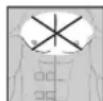
The electrodes should not be applied to the anterior wall of the thorax, i.e. never massage the left or right large pectoral muscle.
6.5 Information on placing the electrodes
For the desired success of any stimulation application, it is important that electrodes are placed sensibly.
We advise you to coordinate with your doctor regarding the best electrode positions for your intended field of application.
The electrode positions suggested inside the cover (Figs. 1-28) serve as a guide. The following applies when choosing electrode positions:
Electrode distance
The greater the electrode distance which is selected, the greater will be the volume of tissue that is stimulated. This applies to the area and the depth of the tissue volume. At the same time, however, the strength of tissue stimulation decreases as the electrode distance becomes greater, which means that, if a greater electrode distance is chosen, a greater volume is stimulated,
but stimulation is weaker. To increase stimulation, pulse intensity must then be increased.
The following guideline holds when selecting electrode distances:
- most reasonable distance: approx. 5 -15 cm
below 5cm it is mainly surface structures which are strongly stimulated - over 15~cm , large-area and deep structures are stimulated very weakly
Electrode relationship to muscle fibre orientation
Choice of current flow direction must be adapted to the muscle fibre orientation according to the desired muscle layer. If surface muscles are to be reached, the electrodes must be placed parallel to the fibre orientation (P. 2, Fig. 16; 1A-1B/2A-2B). If deep tissue layers are to be reached, the electrodes must be placed crosswise to the fibre orientation (P. 2, Fig. 16; 1A-2A/1B-2B). The latter arrangement can, for example, be achieved via the cross electrode arrangement, such as P. 2, Fig. 16; 1A-2B/2A-1B.
Channel allocation:
Channel 1 (CH1): connection left, intensity controller rocker switch left, pulse intensity display left (CH1).
Channel 2 (CH2): connection right, intensity controller rocker switch right, pulse intensity display right (CH2).
① In the treatment of pain (TENS) using the Digital TENS/EMS machine with its 2 separately controllable channels and in each case 2 adhesive elec
trodes, it is advisable to either position the electrodes of one channel so that the pain spot lies between the electrodes or else you position one electrode directly on the pain spot and the other at least 2 - 3 cm away.
The electrodes of the second channel can be used to treat other pain spots simultaneously or else, however, together with the electrodes of the first channel, to surround the pain area (opposite). A cross arrangement is again advisable here.
① Massage function tip: always use all 4 electrodes to ensure optimal treatment.
① In order to extend the durability of the electrodes, use them on clean skin which is as free as possible from hair and grease. If necessary, clean the skin with water before application and remove the hair.
① If an electrode becomes detached during the application, the pulse intensity of both channels goes to the lowest setting. Press the ON/OFF key to enter pause mode, reposition the electrode and continue application by pressing the ON/OFF key again and setting the required pulse intensity.
7. Application
7.1 Advice on application
- If the machine is not used within 3 minutes, it switches off automatically (automatic switch-off function). When it is switched on again, the LCD main menu screen appears, with the last used submenu flashing.
- If an admissible key is pressed, there is one short beep. If an inadmissible key is pressed, there are two short beeps.
7.2 Procedure for TENS, EMS and MASSAGE programmes 01-10 (quick start)
- From the programme charts, select a programme that is suitable for your purpose.
- Place the electrodes in the area selected and connect these to the machine. The corresponding positioning suggestions may help you here.
- Press the ON/OFF key in order to switch on the machine.
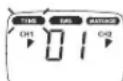
- Press MENU and navigate through the sub-menus (TENS/EMS/MASSAGE) and confirm your selection with ENTER. (Fig. 1, example of TENS display)
- Using the UP/DOWN keys, select the programme you want and confirm with ENTER (Fig. 2, example of display for No. 1 TENS programme).
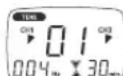
- Using the UP/DOWN keys, select the total treatment time and confirm with ENTER (Fig. 3, example of 30-minute treatment duration).
The machine is in wait status (Fig. 4).
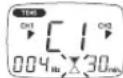
- Press ON/OFF to start the stimulation treatment. The operation status display starts to change (Fig. 5).
- Select the pulse intensity which is the most comfortable for you by pressing the key CH 1+/CH 2+. The pulse intensity display adapts accordingly.
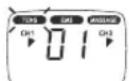

Fig.1
Fig.2
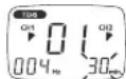
Fig. 3
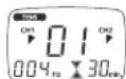
Fig. 4
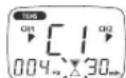
Fig. 5
7.3 Procedure for TENS/EMS programmes 11 to 20 (individual programmes)
Programmes 11 to 20 are preset programmes which you can also individualise. Here you can set pulse frequency.
- From the programme charts, select a programme that is suitable for your purpose.
- Place the electrodes in the area selected and connect these to the machine. The corresponding positioning suggestions may help you here.
- Press the ON/OFF key in order to switch on the machine.
- Press MENU and navigate through the sub-menus (TENS/EMS/MASSAGE) and confirm your selection with ENTER. (Fig. 1, example of TENS display)
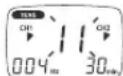
- Using the UP/DOWN keys, select the programme you want and confirm with ENTER (Fig. 2, example of display for No. 11 TENS programme).
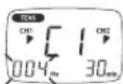
- Using the UP/DOWN keys, select the frequency you want for Cycle 1 (Hz) and confirm with ENTER (Fig. 3). Repeat this process for all subsequent cycles.
- To terminate frequency setting, set the frequency (Hz) after the cycle last required "--0" and press ENTER. All frequency settings of subsequent cycles are then automatically set at "0" and thus not taken into account.
Tip: Hold down the ENTER key for 2 seconds in order to skip frequency settings and access 'treatment time setting'. In the event that you need all 8 cycles, you can also press ENTER for 2 seconds to terminate selection of frequency settings.
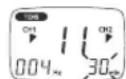
- Using the UP/DOWN keys, select the desired treatment time and confirm with ENTER (Fig. 4, example of 30-minute treatment duration).
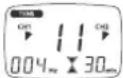
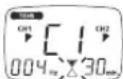
The machine is in wait status (Fig. 5). - Press ON/OFF to start the stimulation treatment. The operation status display starts to flash (Fig. 6).
- Select the pulse intensity which is the most comfortable for you by pressing the key CH 1+/CH 2+. The pulse intensity display adapts accordingly.
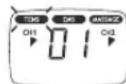
Fig. 1
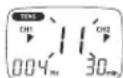
Fig. 2
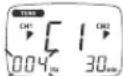
Fig. 3
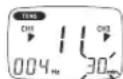
Fig. 4
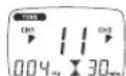
Fig.5
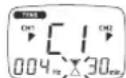
Fig. 6
① Note: Your individualised programme settings are stored and automatically retrieved when you select it next.
7.4 Changes to the settings
Changing intensity (during application)
- CH1+/- and CH2+/+: Changing the intensity for each channel.
DOWN key : the intensity of both channels is reduced.
Interrupting stimulation
Press the ON/OFF button
If you press it again, the application is resumed.
Switching off a complete channel
Press the CH- key until the channel reaches the lowest intensity, then hold the key depressed until the channel no longer appears in the display. Hold down the corresponding key CH + to reactivate the channel.
Changing application (completely or single parameters)
ON/OFF: to interrupt stimulation
- MENU: back to program selection window or main menu
- Set required parameters. Confirm with ENTER. Press ON/OFF to continue application.
7.5 Doctor's Function
Doctor's Function is a specific setting to allow you to call up your specific personal programme even more easily.
Your individual programme setting is immediately retrieved in wait status when you switch on and is activated by simply pressing the ON/OFF key. Settings for this individual programme may, for example, be on the advice of your doctor.
With the Doctor's Function, only pulse intensity can be changed during stimulation treatment. All other parameters and programmes of the Digital TENS/EMS are blocked in this case and cannot be modified or called up.
Setting the Doctor's Function:
- Select your programme and appropriate settings as described under 7.2 or 7.3.
- Before you activate the programme by pressing the ON/OFF key, hold ON/OFF and CH 2+ keys down simultaneously for approximately 5 seconds. Storage in Doctor's Function is confirmed by a long signal tone.
Cancelling Doctor's Function:
To clear the device again and access other programmes, hold down the two keys ON/OFF and CH 2+ once again for approximately 5 seconds (not possible during stimulation). Cancelling of the Doctor's Function is confirmed by a long signal tone.
8. Cleaning and storage
Adhesive electrodes:
- In order to ensure that the electrodes adhere for as long as possible, they should be cleaned carefully with a damp, lint-free cloth.
After use, stick the electrodes onto the backing film.
Cleaning the unit:
- Remove the batteries from the device every time you clean.
- Clean the unit after use with a soft, slightly moistened cloth. In case of more extreme soiling you can also moisten the cloth with mild soapy water.
- Ensure that no water penetrates into the machine. If this should ever happen, only use the machine again once it is completely dry.
- Do not use any chemical cleaners or abrasive agents for cleaning.
Storage:
- Remove the batteries from the unit if you are not going to use it for a longer period. Leaking batteries can damage the unit.
- Do not make any sharp kinks in the connecting leads or electrodes.
- Detach the connecting cable from the electrodes.
After use, stick the electrodes onto the backing film. - Store the machine in a cool, well-ventilated place.
- Never place any heavy objects on the machine.
9. Disposal
Used, fully discharged batteries must be disposed of in a specially labeled collection container, at toxic waste collection points or through an electrical retailer. You are under legal obligation to dispose of batteries correctly.
Note: You will find these markings on batteries containing harmful substances: Pb = battery containing lead, Cd = battery containing cadmium, Hg = battery containing mercury.

Please dispose of the device in accordance with the directive 2002/96/EC - WEEE (Waste Electrical and Electronic Equipment). If you have any queries, please refer to the local authorities responsible for waste disposal.
10. Problems and solutions
The machine does not switch on when the ON/OFF button is pressed. What should I do?
(1) Make sure that the batteries have been inserted correctly and have contact.
(2) Change the batteries if necessary.
(3) Contact customer service.
The electrodes are detaching themselves from the body. What should I do?
(1) Clean the adhesive surface of the electrodes with a damp, lint-free cloth. Then let them dry in the air and attach them again. Should the electrodes still not adhere firmly, they must be replaced.
(2) Before each application, clean the skin, avoiding using any skin cream or oils before treatment. Shaving can increase adhesion of the electrodes.
The machine is giving out abnormal signal tones during treatment. What should I do?
(1) Look at the display. Is any channel flashing? Interrupt the programme by pressing the ON/OFF button. Make sure that the connecting leads are properly connected to the electrodes. Make sure that there is a firm contact between the electrodes and the treatment area.
(2) Make sure that the plug of the connecting lead is firmly connected to the machine.
(3) If the signal tones do not stop and the channel is flashing, change the connecting cable.
(4) The display shows a flashing battery signal. Renew the batteries.
There is no noticeable stimulation. What should I do?
(1) If a warning signal sounds, go through the steps described above.
(2) Press the ON/OFF key to start the programme again.
(3) Check that the electrodes are positioned properly and make sure that the adhesive electrodes are not overlapping.
(4) Increase pulse intensity in stages.
(5) The batteries are almost empty. Replace these.
You are aware that the electrodes feel uncomfortable. What should I do?
(1) The electrodes are badly positioned. Check positioning and if necessary reposition the electrodes.
(2) The electrodes are worn. Due to the fact that current distribution can no longer be guaranteed evenly over the entire surface, these may lead to skin irritation. You must therefore replace these.
The skin in the treatment area becomes red. What should I do?
Stop treatment immediately and wait until the skin has returned to normal. If any redness beneath the electrode soon disappears, this is not dangerous and is due to the increased circulation which has been stimulated locally. If, however, the skin irritation remains and there is possibly itching or inflammation, please consult your doctor before further use. It may possibly be caused by an allergy to the adhesive surface.
The belt clip is not secure. What should I do?
If the clip is fastened to the belt and only then connected to the machine, there is not optimal hold. You should therefore take the machine in your hand. Position the belt clip on the back of the machine. You will notice the correct position of the clip when you hear it click into position. Now secure the machine with belt clip on the belt again.
11. Technical details
Name and model: EM 41
Initial curve shape: biphase square-wave pulse
Pulse duration: 40-250 μs
Pulse frequency: 1-120 Hz
Output voltage: max. 90 Vpp (at 500 Ohm)
Output current: max. 180 mApp (at 500 Ohm)
Power supply: 3x AAA batteries
Treatment time: adjustable from 5 to 90 minutes
Intensity:adjustable from 0 to 15
Operating conditions: 10^ - 40^ (50^ - 104^) with a relative humidity of 30 - 85%
Storage conditions: -10°C - 50°C (14°F - 122°F) with a relative humid of 10-95%
Dimensions: 122 × 59 × 23 ~mm
Weight: 69 g (without batteries), 108 g (incl. belt clip and batteries)
Explanation of symbols: Application part type BF Caution! Read the instructions for Use.

Note: If the machine is not used according to these specifications, perfect functioning is not guaranteed.
We reserve the right to make any technical alterations that are necessary in order to improve and develop the product further.
This unit is in line with European Standards EN60601-1, EN60601-1-2 and EN60601-2-10 and is subject to particular precautions with regard to electromagnetic compatibility (EMC). Please note that portable and mobile HF communication systems may interfere with this unit. For more details, please contact customer service at the address indicated.
The machine meets the requirements of the European Medical Products Directive 93/42/EC and the German Medical Products Act. In accordance with the Operators' Ordinance on Medical Products, regular measurement precision controls must be carried out if the machine is used for commercial or economic purposes. Even in the case of private use, we recommend checking measurement precision at two-yearly intervals at the manufacturers.
FRANÇAIS
Sommaire
1.Premieres experiences 30
Chere clientele, cher client,
4x electrodes auto-adhesives (50 x 100 mm), ref. n° 661.01

2. Remarques importantes
20 programmes EMS
10 programmes MASSAGE
7.5 Doctor's Function
7.5 Doctor's Function
7.5 Doctor's Function
KaKTbNpyUoemyIpIMeHHeHIOOTHOCTCA:
TpeHnPOBkMbIuDnIOBbIeHnBBHOcNBOCTnWm
TpeHnpOBKaMbIu,INrnoNDepkKMyKpEnJIeHNOnpeJeEHbIXMbIuINrpynnMbIu,TO6bIOCTNHyKeNaEMbIXN3MeHENB INpOnpuaXTeia.
K.paccna67nqoemynpmehenIOOTHCATCA:
peNaKcaHMaIuDnYcTpaEHHaPacTaXeHHa3aUeMeHMaBIL
- ynyuheHne npn ABJEnHX MbIeHNOYcTaNCTN
- yckopene perehepaMmbuuc noCne 60bUoMbIeHNo Hapy3Kn (Haepmep, noCne Mapafohckoro 6era).
Kpome toro,mpfpoBn np6op TENS/EMS 6laorap BCTpoEHHO TexHONrMn Maccaxa daet BO3MOXHOCTb C NMOUHIO np6IJIKeHHO NO BOCIPNRTMIO I DeIcTBIO K peAlbHOMy Maccxay npOrpaMMbl yMeHbWAtb pactXeHn 3aueMEnHn MbUu I 60pToBc r cRbNEHMRyCtanoCTn.
Ha ochobAHn peKOMeHdAaH N O3NIOHOHPoBaHIO n TabmI npOrpamM, pNBEeHHbIX B daHOn HcTpykun, Bbl moKeTe b6tPro n npocTo onpeDenItb hactpoKy npBopa dna COOTBeCTByOuero npimeHeHnA (B 3aBNCIMOCTN OT cacttn TeNa) n DnA COOTBeCTByOooero DeiCTBn.
Blaorapn Dym pa3enbno perynnyebm KaHaNAM, uNpboon npnbop TENS/EMS
0ecneuBaet B03MOXHOCTb peynpOBKN INTEHCNBHOCTN IMTNbCOB He3aNCMO
Dpyr OT dpya Ha DBe Cactn TeNa, HApnPmepe, YTObI OXBATNT TEO C 6oexn CTOpOH Nn
paBHomePO CTMUYNPOBAtb BoJbWne UcAChTKaHei. Kpome ToR, ININBUNyabHa
peynpOBKa INHTECNBHOCTn KaKDoR KOAna Daert Bam BO3MOXHOCTb ONDOBpeMeHHoro
npmehenipn6opa B DByx pa3nMbIX cactnx TeNa, 5bnOapar YeMy DoCTnraetc
3KOHOMN BPemHn No CpABHeHIO C NOCEIOBATEbHM pnpMeHHeM.
1.2 06bem nocTabKn
1uФpoBoi np6op TENS/EMS (BkIouyra 3auejky dna pemna)
- 2 coeHnHTenbHbI KaebIb
4camokneuuxc3neKtpoja(45x45MM)
36aTapeKuTuna AAA
JaHHa HHTpyKUma No pImMeHHeHIO
1 KpaTka INHCTpyKUa (peKOMeHaauu no paCnOIOXeHHo 3NeKTPoOB n npIMepb npMHeHH)
1cymka dna xpaheHHA
DOnOHInTeJbHO NOKyNaEmbIe Yactn
8camokneuXcnaektpoob(45x45MM),apt.N661.02
4camokneuixxraJektpoda (50 x 100 MM), apr. N661.01

2.BaKhbIe yKa3aHn
Ppimmehnepn6ophe3aemreBpaue6hixKohcybtaunneeyHn.
No3tomy npn IIO6bIX TINAX 60eI INN 60e3He BcERda npedbapntelbo
npokocybltpyntecb C bpayom!
BHIMAHINE!
Bo n36exAHne Bpea 3doOpBbHn HacToTebHo He peKoMeHyTeTc npMHeTb cnfpboi np6op TENS/EMS B cIeDyUxN cIyAnx:
- pπn mππaHTnpoBaHHbIX ΘeKTpOpiBopax (HaPmEp, CTmUyAToT op nTMa cepua)
PnHaJIyMmMetaJIIMYeCKNXMMJIaHTaTOB - JIIOEIN, INTOJIb3yIOUX INCYINIHOBBe HACOCBI
- pni BbICOKO KeMnepaType (Hapmep, Cbbie 39°C)
- PnI N3BecTbIX ININ OCTpbIX HApUySeHnIX pNTMa cepDua I npTyNx HApUyHeHnIX BO36yKdEHHN INPOBEdEHn IMnyIbCoB B cepDue
- npn npnaKax (HanpmeP, 3nneencm)
BOBpem6epemehHOCTN - npn paKOBbIX 3a6oJIeBaHINrX
nocne onepaun, npu KOTOpbix ycHHeHOe cOKpaueHHe MblUc MOKeT MeaTaB npoueccy Bby3DopOBHeHH
3anpeaaetc npimmeHne npibopa B6n3n cepua. CTmynnpuyoune 3nEeKtpoDbI 3anpeaaetc yctaHaBnBaTb B KaKnx-ny6 Toykax nepeHne qactn rpyHoi KLeTkn (OrpaHHeHHo pe6pamn n rpyHnO), BOCoBeHNocTH Na oboNX BoJbXnRpyDhBx Mbluxax. 3Decb OH MOKeT NOBbUaTb OAnCHocTb MEPaHna JekyduOKOB cepua N Bb3BaTb OCTaHOBY cepua
HaKoCTaXepeNa,BObLnCTn pTa,rrNOTKNnnrOptaHn
B0bnaTnwen/COHHbIXapTePm
B0bactnnoOBbIXopraHOB - PnO OCTpbIX INI XPOHHeCKHX 3a60neBaHHX KoxN (IOBpeKHeHH INI BOCnAeHHN), (HApIMep, PnO 60ne3HeHHbIX INI 6e360ne3HeHHbIX BOCnAeHHX, NOKpacheHHX, KOxHcBcIIIN (HApIMep, aJIePrIN), OOKrax, yJapax, OTEkax, HA OTKpbITbIX INI 3aXnBAoUnx paHax, HA Ipamax NoCne Onpaun, HaxOJauxcx B npocce 3aXnBHeHH)
- pRn BbICOKBnBaXHOCTN BO3Dyxa, HApPIMep, B BaHHbIX KOMHaTAX IIN npn npneMe BAHHbI INI dywa.


He noJIb3OBAtBcnaocne ynoTpe6nHn ankoTOn
PnOJHOBpeHOM PnpcoeHNHeHm K BbICOKoAcToTHOMy XnpyprueckOMy annapaTy.
Ipeed npimmehenem npnbopa npokohcybtpnytecb neaum Bpaohm npn:
OCTpbix 3a60eBbAHnIX, BOC6eHHOCTn PnP NOo3peHmN HAnuHApTePnaIbHOI INepTOHn, HApUSeHnIX CBePTbIBaHnKPOBn, CKIOHOCTn K TpOM603M60INn, aTakKe npi 3nOKaehCTBeHHbIX HOBOOBpa3OBAHnIX
JIIO6bIX KOXHbIX 3a6OeBaHHx
HeBbIaCHeHHbIX XPOHnueCKNX 50Je3HeHHbIX COCToAHnx, He3aBNCmO O T YaCTIn TeJa
- DnaabeTe
- NIO6bIX HApUeHnAX YyBCTBnTeJIbHOCTN C NOHNKeHHO 60JIeBOY YyBCTBnTeJIbHOCTbIO (HaIpIMep, npHapUyeHnAX OMeHa BeueCTB)
ODHOBpeMeHHO IPOBOIDMbIX MeINHCKNXJeueHnX
B03HnKaIOxN pN CTmYJALuX JAno6ax
HENCHe3aOHx pa3dpaXeHHX KOKN B CBA3N C DITNEbHO CTMYIHN C PaCNOJIOKeHmE 3JeKToDOB BOHOM I TOM KE MecTe
BHIMAHHE!
IcnoJb3yIte uΦpOBo np6op TENS/EMS uCKnIOHTeNbHO:
-Дглд
B CEJAX, DIA KOTOpbIX OH 6bl pa3pa6oTaH, IN TOlbKO CnOco6OM, OINCAHHbIM B DaHHoI HNCTpyKUIM NO pPIMHeHIO. JHO6oe HENpaBILbHOE IcONb3ObaHne MOKeT 6blb ONaChbIM
- HApyKHOI pIMHeHH
C BXOJAIMM B O6bEM IOCTaBKN I DOONHINTEIbHO KYPJIeHHbIMN OPINHAJIbHBIMN PnHaJNEKHOCTAMN, B NPOTIBHOM CNYae TepAHT CBOIO CNJY npITRAHNA NO PpeoCTaBJeHne rapaTNI
MEPbI PEPDOCTOPOXHOCTN:
Bcerda chnmaite 3neKtpoDbI C KOxN, He cInuKOM CnHbHO TAHRA 3a HIX, YTO6BI peKnx CnyaXe OHeB CyBCTBntelbHoi KOxN npDeOTBaPVTb ee NOBpeXdHn.
He np6nkaTe np6bOp K nctOHHKAM TeTIIa N He nCtOJIb3yTe erO B6n3n (~1M) KOPOTKo- mIKKPOBOJHOBbIX np6bOpOB (HapnpMeP, MO6NJIbHbIX TeneqPOHOB), T. K. 3TO MOXET PnIBOINbK HENPIAHTbIM CKAqKAM TOKA.
He noDBepraTe npB6Op DeHCTBnIO npAMyix COJHEuHbIX LyueH uIN BbICOKx Tempeatyp.
3aunuaTe np6op ot nbnn, rpa3n n BnaH. Hn B KOem cnyae He norpykaTe np6op B BOy nJIN dpYrne KJIKOCTN.
Pnp60 npdoxOHTnpeoHabHoIcnoJbOBAHn.
-ПОТИЕнчecKMпиИнHam 3JIeKTpOdAMM MoKET NOIb3OBAtbcr TOnIbKO OINH YenOBek.
Ecn np60n H cyHKUHOHpyET OJXHBIM 6pa3OM, NOBIAOTCA HeDMORAHN IIN 60NI, HEaMeIITeNBIO npeBNTe NCNoB3OBAHIE.
IIN CHATN IN CMEUENH NJIeKTOIOB INpeBaNTeJbHO OTKIOHTb PnIOBOP IN COOTBETCTBYUOHN KAHAN, YTO6bl pPeD0TBpaTbHHexeNaTeBHyIO CTMMyIaHIO.
He BnOu3MeHnIe 3NeKtpoBly (HanpMnep, 06pe3aN).3To BeDen K NOBbUHeHH OIOHTOCN TOKA IN MOKET 6bTb ONaCHbIM (MAKC. peKOMeHdyEMOE BbIXoHoe 3HaueHne DnA 3NeKtpoOB: 9 mA/cm², 3ΦΦEKNBHA NIOTHOCTb TOKA CbIe 2 mA/cm² Tpe6yEm NOBbUHeHH BHMATEbHOCTN).
He npimeharbBo Bpema Cha, BoXdHnA ABTOMOBnI INn npu OndOBpeMeHHOM ynpabneHN MaunHann NobopyoBaHmE.
He npimehaTb npn JIOb6x pa6oTax, npK KOtobx HENpeCKa3yemaar peakun (Hapmep, yCINeHHoe COKpaueHne MbUc, HECMOTpa Ha HN3KyIO INTEHCMBHOCTb) MOXET 6b1b OAnCHOI.
Cneinte 3a TEM, yTO6bI BO BpEMr CTmmyn mmetaIIyueckne o6bekTbI, hAnpIMep, npKnn pEmHe nINI cENoHKn, He MOrN BoITB K KOHTAK C3NeKTPoDAMN. EcIn y Bac B 3OHe pImMeHn IMeHOTcYkpaSeHHN INI INPCnHr (HapnpMep, B npNke), To nepe IcNoIb3OBAHnem Pnp60paNX Heo6xOdmo CHRTb, T.K.B IpOTNBOM Cnyae MOXHO NOnyHTb TOChHbE OXKOrn.
Bo n36exaHHe BO3MOXhBix ONaCHoCTe XpaHInTe Pn6Op B HeOcTyHOM dIa DeTe MeCTe.
He npenyTbIaIe KabeN 3neKtpoob N KOHTaKtB C HauyHnKaMn NIN DpyrMM np6opamn H e coedHnIte 3neKtpoBc C DpyrMM np6opamn.
He nCnoJb3yIte 3OT npBOp OndOBpeMeHNO CdpYMMn npBopamK, KOtopbie nepedaioT Tey 3neKTpuueckme IMnylbcbI.
He mncnolb3yIte np60p B6n3n NERKO BOCnlaMeHIOUXCBAeCTB,ra3OB ININ B3pbIBaTbIX BEeCTB.
He nCnoIb3yIte aKkymIITopbi; BCer da nCnoIb3yIte 6aTaapeKeu OndaHakOBOro Tnna.
VcnoIb3yIte np60p B nepBbIe MmHytb I nnoXeHm Iexa nn CnIa, YTO6bI B peKnx Cnyaax BaOBAraJIbHO peAKUIN (YyBCTBO CnaBOCTu) He noDBepraTcN 3nnuHeonacHO tNOyEHHa TpaBM. PnIOABLeHm YyBCTa CnaBOCTn He3ameJInTeBJHO OTKIOUHTe np60p N NOHNMTte HOrn (np6bn3ntelbHO Ha 5-10 MNHT).
- PπeπaBπeTbHασoβOκTka KOKK KHPbIM KpεMaMHe PEKOMEHyETcH. K 3TO BeET K NOBbIeHOMY I3HOcy 3NEKTPOIDOB M0XkTe TAKXe PnBODHTK HENPnRTbM CKaYkAM TOKA.
PobpeKdHn
B Cnyae comHn npn nopeKdneHX np6opa He nCnoB3yIe E O6paTNTecB B Toprobyo opraHn3aun, npOaBwU np6op, n6o no yKa3aHHomy aDpccy cnyXbI TEXMHcckoro 06ceNeHHN.
- PepnoDnueckn npoBepaIe npu6op Ha oTCyTCTBne np3HaKOB nobpejdeHn Hn H3HOca. Pnp 0bnapyeHn nOo6hBix np3HaKOB nN B clyuae He npabInbHoro NcNoJb3OBAHn np6opa nepeD NOBtOpHbIM nCNoJb3OBAHem erO Heo6xOdmo OTnpaBntb n3rTOBnTeJIIO nN B TOPROByIO opraHn3aUIO.
He3aMeIeIbHo BbIKIOHTe npI6Op,ecn OH HeICnPabEn nIM IMeOTc HENONADKIN BpaOte.
Hn B KOem Cnyuae He nblTaanTebc CamOCToAteBHo OTKpbItb H/INN OTPeMOHTnpOBaT np6op. DObepaIte BblONHaTb PcMOHT TOnbKO Cnyx6 TeXHueckOro ObecneHn INn ABTOp3nPOBaHHm TOPROBIM OpraHn3aumAM. HecobnOedHe Meet K Notepe rapaHTn.
- IN3rTOBnTeJIb He HecET OTBETCTBeHHOCTN 3a yUepe6, Bbl3BaHbHbI HeKBaJIuΦmIUPoBAHbIM UIN HENpaBUNbHbIM IcONlOB3OBAHMeM.
HnΦopmaun 063CP (əJIeKtpocTaTnueckom pa3pae)
UyTne, YTO 3aNPeaaetcnpKacatbC K THe3dAm, KOtOpBle 063NaHEnbl npdeynpekdaiooie TaBnukkO «3CP».
Mepb no 3aunte ot 3CP:
He npikacatbca naIbIaMIM K WTekepaIrHe3dAM, KOtOpIe 0603HaehBnpeDynpexkDaIOue T6bnuKoN «3CP»!
He npinkacatbca haxoJnHMMNCB pykax nHCTpyMeHTAMK WTEkepaTHe3dAm, KOtOpBle 0603aueHbI npedynpejdaioe TaBnUcK 一 C P ^
JaIbHeHmne NoIcHHeHn, KacaHOmeCn pnpynpeXdaHOe Ta6NHyK N“3CP”, a TAKKe nepeHb BO3MOxHbIX OObaHOuNX KycPoB IN IX COpePxAHne MOxHO nOlyuHTb IIO 3Anpocy B cIyKBeTexHnCeCKOr oOecneHHeN.
3. NapameTpbi Toka
3NeKTPoCtMmYIaTOpb pa6OtaIc CO CnElyouImHn HAcTpoKaMn ToKa, KOTopBle, B 3aBNCIMOCn OT pErynIpOBKn, OTKa3bIbAoiT Pa3NlHuOe DeiCTBne Ha 3ΦpKeKT CTMyIaLIu:
3.1ΦopMa HmnyIbCoB
OHaOnCbBaetfHKUIO BpeMeHn TOKa BO36yJKeHn.
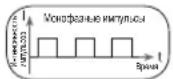
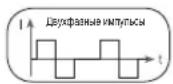
PpN 3OM pa3IuHAIOT MOHO-N IbYXpa3HbIe IMNpyJIbChIbe TOKN.PpN MOHO43HbIX IMNpyCBax TOK TEcET B ODHOM HAnpABNeHn, PpN DBYXpa3HbIX-TOK BO36yJKeHn MEHaER CBOE HAnpABNeHne.
B UqpoBbIX pnp6opax TENS/EMS pnpMeHnTcTolkbO
DByXpa3HbIX NmPyIbChbTe K,T.K.OHn pa3rpXkaIOT MbluB,
BeUYT K MeHbUeMy YTOmLnHeMIO MbIuN ObecneYBaIot BoJeE
HaJExKHO E630NAChOE pPmMeHne.
3.2Hactota HmnynbcoB
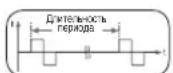
Ykactota yka3bIaet YcNTo eDHHHbIX MMyIbCoB BcekyHy, Oha n3MepReTcB ΓU (repax). Ee MoXHO paccHTaTb, B3AB 6oPahoe OT dInTeJIbHOCTn nepIOda. COOTBTCTBYIOuaJyactota ONpeJeIeRET, KaKne TINbMbIeHbIX BOIOKH peAripyIOT.
MeIeHNO pearpyoUmeMbIeHBeBONOKhapearpyetCKopeeHa Hn3KHe qactotbIMybcobdo15T, a6bIcpo pearpyoUme BONOKHaHnHaOTpearnpoBaTTObKO cACTOTb 60Jee 35T. PnIMybcax C qactOTOn 45-70 TpOncxOaT DnITENbHOe HnprXeHMe MBIuCohTeAHmC b6bIcTPOMbIeHNo yctAnocTbIO. PO3OMy BvICOKA qACTOTa IMMybcOB pEmmyeCTBO pImMeHReTCdI TpeHINPOBKn CKOPoCTHO mAKCMmaHbOH Cnbl
3.3ДинтьбовьИМульса
Iod Hei NoHimaOT dInntelbHOCTb eHNHHTO IIMNylbCa B MnKPOCEkyuHaC.Pede npOeero,dInntelbHOCTb IMNylbCa onpeJeTRe TnyBHy npOnHKHOBeHHaToKa, pInyem B O6eM cnuae DeTcByet CneDyooee npAynlo: 60bnlaMbiueHna MACCA Tpe6yEt 60bnEe NInntelbHOCTn IMNylcoB.
3.4 INHTEHCBHBOCTb MMNYLBCOB
Peynpobka ypOBHn INTEHCNBHOCT 3aBcNt OT INHMBNUYaNBHORO cybEKNBHO OoUyueHNA KAXDOROTENbBOrno NOnb3OBaTeHn ONpeJeIeTc8oJIbmm YCNOM BELINH, KaK, HApIMep, ObnaTb npMHeHn, KpOB0o6paueHne B KOKe, TOnuHaKOxN,
a TAKKKe KaHecTBo KOHTaC 3JIeKToPdAmn. Ha npakTKke HAcToPoiKa DoJNKhA b6bIb 3OfEKTUBHO, HO H N B KOEM CUYae He DOJNKh A Bb3bIBaTB HENPIA THbX OUyueHn, HApIMep, BooneB 0bNaCTn PnpMeHEnHn. B TO BpEm, Ka JERKn 3yD yka3bBaet Ha DOCTATOHyIO 3HEprnIO CTMyIaUM, 3anpeuaTcR npImeHrTa HAcToPkn, KOTOpBle Bbl3bIAoT 60lb.
PnDInTeBHom NcNtB3OBAHm MOxET NOTpe6oBaTbCperyuNipOBKa B CBA3n CBpeMeHHbIMnpoCEcAMn aAnTAtuK OblaCTn pIpMeHeHn.
3.5 LmKlnHoe HmMehHe npametpo mnyIbcoB
BO MHORIX CNYAAX Tpe6yeTcH NyTEM pImMeHENH HeckOblkHX npaMeTPOB MMnyIbCOB OXBATNb BCE COBOKyHnOCTb CTpyKtyp TKAHN B oBlaCTn pImMeHENH. B uHFPBOOM np6ope TENS/EMS 3TO cOyUeCTbLnEeTcB sNaOapar TOMy, YTO npEJaRaemble npOrpaMMbl ABTOMaTHeCKN BblNOJIHaOT ZIKNJueCeKoe N3MeHENHe npaMeTPOB MMnuIbCoB. TEM CAMbIM TaKxpePeoTbPaauaetcY cTaNoctb OTdEBhIx rpyPiM MbIuC B oBlaCTn pImMeHENH.
B Umpobom npnbope TENS/EMS mHeOTc paMOHaNbHbIe npedBaPntelhbIe HacptoKnnapaMetpoToka.Ho Bbl MoKeTe B NIO60M MOMENT BO BPemnIMMeHnI3MeHnITb INTEHCINBHOCTb IMNpyLcob,a,KpOme TORO,BOTDeHbIX nporpaMax Bbl MoKeTe npedBaPntelbHO n3MeHnTB YactOTy IMNpyLcob, YTO6bl npOBectn 60nee npnATHoe IIN cyJueee 60bnw ycnex npimHeHne.
4. Onicanhe npnbopa
4.1 06o3haeHne KOMTOHEHTOB
Диспл徝 (тлавhoe MeHo):
A INHTEHCMBHOCTb IMNITyIbCOB
B Homepa nporpaMMUKNIOB
C yactota(T)
D Hm3knyoBBeH 3apraDa 6aTaapeek
E MeHIO TENS/EMS/MACCAX
F ΦyHKUaTaNMepe (HnDnKauNcOCTaBweroCBApeMeH)
G INHINKauia pekimama paobotb
KhoNk:
a KhoNKn BbIbopa AP (BBePx) DOWNN (Bn3)
b Khonka noDTBepxdeHn ENTER
c Khonka BKJI/BbIKI
d KhoNka MEHIO
e KHOKNK INHTEHCMBHOCTM CH1+, CH1-, CH2+, CH2-
PpHaadJnxHocTn:
2coeHNHTbHbIXKa6eIa
4camoknehouxxcj
3neKtpoda(45x45MM)
13aueKAnrpeMnH
4.2Функшн KhoHOK
KaJIOe HaxaTne KHOKN NOITBepKJaETCA3BYKOBBIM CnHAnOM, YTObI O6paNTb BHMaHHe NaCnyaHoe HaxaTne KHOON. 3TOT 3ByKOBoI CNrHan He MoXet 6blt BBIKIOUey.
BKJ/BbIKJ
(1) KopoTko HaxaTB DnB BKIOUeHn np6opa.EcJN KHOJa npB BKIOUeHm 0CTaETCA Haxato10 cekyH, np6oap ABOMATueckn OTKIOuAetca.
(2) IpepbBaHne CTMyIaMOnOHOKpaTHbIM HaxKaTHeM = pexm nay3bl
(3) BbIKIOHHeI np6opa IINTeIbHbIM HkaTneM (OK. 3 cekyHd)
#
(1) Bb6op (A) nporpaMmbi, (B) yactoTbI n (C) dnttehOCTn Bo3dJeCTBn
(2)KhONkOuDOWN VBO BpeMa CTmMyIaMm yMeHbWaeTcA HHTeHCNBHOCTb MMnyIbCOB 1nR oboX KahanOB.
MEHIO
(1) HambraMekdy noMeHIO TENS, EMS mMASSAGE
(2) Bo3BpaT B (A) OKHO Bb6opapnporpaMM NmB (B) rnaBHe MeH0
ENTER
(1) BbI6Op MEHIO
(2) PoiTBePjXeHHe CcIeHaHOrO KHOJaMn UP/DOWN bIbOpa, 3a IckJIoueHHeM INHTEHCBHOCrN KaHANOB
CH1+, CH1-, CH2+, CH2-
PerynpobkA HHTeHCMBHOIIMNpIbCOB
5.BBODB3KcNpyTaunio
- CHINMITE c npnbopa 3auekeny dna pemn, ecn OHa yctaHOBneHa.
- HaxMMTE Ha KpbIaKy OTeKa DnI GaTaapeek, PaCNOLoXeHHyU Ha 3aDHe CTOpOHe PnpBopa, N CmEcTne ee B CTOpOHy.
- Bnokhte 3 bataeKtna Alkaline AAA 1,5 B. BknaDbBaIte 6bataeKn Tolbko COOTBETCTBEHNO IN NOIrpHOCTN mApKIpOBKe.
Pnc.1
- TúaténbHo 3aKpOte KpbIbKy OTeKa DaBatapeek. (Puc.1)
- CoeHInTe coeHNInTeNbHb Ka6enbc 3neKtpoamn.(Pnc.2) ① YkaaHHe:Ipa npedeBn npocTo ro coeHNHeHn 3neKtpoabOchauHb 3axmmamn.
PNC.2
6.ПерецьnpогамM
6.1 067aHnΦopMaun
Ldppobn npnbop TENS/EMS nmeet 50 nporpamM:
20 nporpaMM TENS
20 nporpamM EMS
10 nporpammm MASSAGE
Bo Bex nporpamMax Bbl mokeye yctahabnBaTb dntenbHocb Bo3deIcTBnA a nKaKdoI 3 DBy KaHaoB -pa3dEhBO HHTeHCNBHOCTb mNpybcOB.
Kpome toro, B nporpaamMax TENS n EMS 11-20 Bby moKeTe TaKke N3MeHArTb YaCTOty MMyIbCOB OTdEJIbHIX UKNIOB, YTO6bl aadantnpobat DeiCTBne CTmMyIaMn K CTpoEHIO Obnactn PImMeHINr.
Lkbl-3TO pa3HnHbIe NOcneObaTeIbHOCTN, IN KOToPbIX COCTOR IporpaMMbl. OHn ABOMATUeCKN BbINONHJOTCg OINH 3a DpyrIM N NOBbIaOT 9DfpeKTMBHOCTb CTMyIaUN pa3HnHbIX TINOBMbIeHbIX BOLOKOH INPOTIBoEJeCTBYOT 6bICTPOYCTAOCTM MbIu.
Ctahapthhe hactpoknnapaMetpoB CTmynaHnyka3aHno paacnoIooKeHHIO 3neKtpoob npbeDehbl Ccdeyuuxx Tabniuax nporpaamTENS, EMS n MASSAGE.
6.2 PporpaMMbI TENS
BbIbepeHn60eepn4THyDnBaBacHTeHCMBHOCTbIMNtYbcOB HAXaTMEMKONKCH1+/CH2+
INHINHTHEHCBOCTNMMYNLBCOB COOTBETCTBYOUM 06pa3OM N3MEHRETCA.
Pnc.4
Pnc.5
7.3 Iopraok DeiCtBn Dna nporpamm TENS/EMS 11-20 (HnDnBnuaJbHbIe nporpambl)
Iporpamm11-20-3to npedBapntenbHO hAcTpoehHbIe nporpammbl, kToOpble Bm MoKETe HNDnBuYan3NpuoBaTb. BblMOKETe HAcTPOtB HaCTOTy MMnylcoB.
Bb6epnte n3 tabnus nporpamm noxdoyno gn Baunx ceen nporpammy.
PacnoIoknTe 3neKtpOdbI Tpe6yEmoB oBnaCTu COeHNHTe Hx C npHOpom. B 3TOM Bam moryt nomoy pekomehdaun no pacnoIokhenho.
-ДЯВКПIOUeHn npIbopa HaxMNTe KhoNky BKNI/BblKJI.
- HaxaTnEM KhoNk MEHIO BbINONHe HABIRaIIO MExJy NOmEHOTENS/EMS/MASSAGE) n noTBePnTe BaW Bb6p HaxaTnEMKhoNk ENTER. (Pnc. 1, npImep: INdkaIuaHa Ha dncnnee TENS)
BbIbePnte KhoNkAMn UP/DOWN Tpe6yEmy npOrpAmMy nOoTBePnTe BbIbOp KhoNkoN ENTER (Pnc.2, npIMep: INdkaun Ha dncnnee, nporpamMa TENS No 11).
Bb6epnte KhoNkamm UP/DOWN Tpe6yemyo tactoy (T) nIa NKla 1nnoTBePnTe Bb6op KhoNkoI ENTER (Pnc.3).Piobtpe 3ty npoeDpy DnR BCEx NocJeDyoHux uKNOB.
-ДЯ OKOHANHЯ HAcTPOKn YAcTeTObI yCTaHObIte YAcTeOTy (Tc) NocJeHrero Tpe6yEmo rLkna Ha ,-0" n HaxMnte KhoNky ENTER, BCE HAcTPOKn YAcTeTObI NocEeDHyOuNX LKKnIOB ABtOMaTHeCKn YCTaHaBnBaIOTcHa "0" n, TAKIM OpbazOM, He yHTbIbAOTcR.
① Cobet: yedepxnbai Te KhoNky ENTER haxaToI 2 cekyHbI, YTO6bi npOpyCTnTb HactpoKy TactObl Npeptu K hactpoKe BpemEH Bo3deCTBna. B Cnyae, ecn Bam Tpe6yOTc BCE 8 uKKnOB, TaKke 3akOHHTe Bb6Op HactpoKN HAcT0bl 2-CEkyHdbm HaxaTne M KHONKI ENTER.
Pnc.1
Pnc.2
Pnc.3
3aTeM bIbepnte KhoNkamU UP/DOWN tpe6yemyo dInTeNbHOCTb BO3dEChTBn INoTBePNTe BbIbOp KhoNkoI ENTER (Pnc.4, npIMep: dInTeBHOCTb BO3dEChTBn 30 MmHT).
- Pn6bop HaxoDntcB COCTOHN OXuDaHna(Pnc.5).
-ДяТOrO,TTO6bIHaaytBCTMmYnHIO,HaxMITEKhONkY BkJI/BblKl.HaHnaeTcMrratbHnDnKaUmaIpaOyeroCoCToHMR(Pnc.6).
- BbIepeTHe HAn6OJIe NpMaTHyIO DnBac INTeHcNBHOCTb MMnyIbCOB HaxaTHEM KOnKn CH 1+/CH 2+.
- INdInKaUINHTeHCMBHOCTN MMnyIbCOB COOTBETCTByIOUM O6pa3OM N3MeHaETCtA.
③ Ппимецчиме:ИндиВиуаллзюрваньгьБамн Исторкnporpamm COхраняOTсВПа照明и abTomatUHECKN Bb3bBAIOTc npn CneDyIOSeM BbIbope.
7.4 N3MeHeHHaCTpoek
N3meHeHHe HHTeHCnBHOCTn (BO BpeMa NcNoJIb3OBaHnA)
CH1+/-n CH2+/: N3MeHeHne INHTeHCNBHOCTN KaJDO KAHaJa
KHONkaDOWNV:HTHeCNBHOCTbO6NXKaHAnOByMeHbTaetc
IpepbBaHne CTmMyAunu
HaxaTb KhoNky BKJI/BykJI.
PnIOBTOPHOM HaxKaTm CTmMyJyAur HAUYHaeTC CHOBA.
OTKJIIOUeHHe Bcero KaHaJa
Haxmmb KhoNky CH- do Tex nop, noka KaHaI He DoCTMHTeH HAMMeHBwe INTEHCMBHOCTM, 3aTEM ydepKmbatb KhoNky Haxkato I do Tex nop, noka OH 60nbHe 6byet NOKa3bBaTcBHa DCnPee.
EcmBbyyepkmbaete haxkato cootbetctbyuoy KhoNky CH+,to KaHAn CHOba AKTNBNpyETCA.
I3MeHeHne IcNoB3OBaHHn (NONHOCTbIO Hnn OTdJIbHbIX napameTpob)
BKJI/BbIKJI:PpepbIbAHneCTMMyJrHm
MEHIO:Bo3BpaT BOKHO Bb60pa nporpammblnnrnaBHOe MEHIO
Hactpoika Tpe6yembix napametpoB IoTBePnte HaxkaTMEM ENTER. BKJI/BblKJI DnI npdoJOnKeHH INpIMHeHH.
7.5 Doctor's Function
Doctor's Function -3to cneuaIbHaN hAcToPka, C nOmoBIO KOTopo BBy epe npoee NcEHeHapBHeHNe MoKeTe Bb3BaTb abCoiIOTHo NepcoHaJIbHyIO npOrpAMMy.
PwC.4
Pnc.5
Pnc.6
BaAa INHnBnUyabHaN HAcTpoKa npOrpAmB B3bBaetc Cpa3y Je npn BKIoueHN B COCTOAHne OxNdaHn N AKTNBpyETc PocTbIM HaxKaTMEM KHOKN BKJI/BblKJI. HAcTpoKa 3ToN INHnBnUyabHoN npOrpAmMb MoKET BbINOHHTbc, HanpMep, no COBety BaWero Bpaqa.
PnA kTMBNPOBaHHO Doctor's Function BO BPMA CTMMyAUMMOXHO m3MeHHTb TOnBko INTHENHBOCTB MMyNbCOB.BceApYrne npaAMETpbI nporpAmMbI uOFPBOrO pnp60a TENS/EMS B 3OTM CNYae 3abNOKIPoBaHbI H Me MOrY 6bIT b3MEHeHbI N Bb3BaHbI.
HactpoiKa Doctor's Function:
Bb6epitBeaHpynpoPammyNcoTBeTcByOuueHacTpoKn,kaKOnmcaHoBn.7.2n7.3.
IpeXJe,EmAKTNBPoBaTB npoPammy HaxaTneM KHOKNBKL/Bblk,OnOBpemHeydepKbaTe HaxaTbIMKHOKNBKL/BlbIKnCH2+BTeHne5ceKn.CoXpaHeB B Doctor's Function noTBePckdaetCnnteNbHbIM 3ByKObBIM CnHaJOM.
Ydalenne Doctor's Function:
TTO, T06bI CHoBa pa36nKIpOBaTb np6Op nNoynHtB 0BmOxHocTB opaueHn KdpymnporpaMMam, yepkmbaTe obe knoKn BkJI/BblKN i CH 2+ haxatbIMn B TeueHne 5 cekyH (He Bo3MOxHO BO BPema CTmyrau). Ydaene Hme Doctor's Function NOdTBePxxdAeTC dNInTeMbHbIM 3ByKObIM CnHaHOM.
8. yxod xpaHene
Camokkneuocn3nKtpoDb:
-ДЯ obecneueHЯ KAK MOxHo 6oJIe eIITeIbHorO cIeNHeHrA IJIeKTpOBo,IX CNeDyET OCHUATB BlaXHOr, HE BONOKHCTO TpRnKO.
- Pocne Hcnonb3oBaHn npKneBnBaTe 3JeKToDpObl CHOBA K nIeHKe.
UncKa npn60pa:
- Papek kaxdou cTKoB bItacknBaTe 6aTaepKn n3 npnbopa.
OuHaaTe np6Op mKo, cnerKa CMOeHHo TpAkn. Pn CInbHom 3aqrAHeHm Bbl MoKeTe CMOHTb TpAky JERKM MbJbHbIM pactBOPOM.
Cneinte 3a TEM, TTo6bI BOa He nOpana BHytpb npmbopa. EcnI 30 cnyHnocb, nOJb3yIte np6op nobTOBpHO TOBJKO NOcNE TOR, KAK OH NOnHOCTBIO BbcOX. - JIyHCTKHe IepmehTe XMMueckne Hn a6pa3NBhle cpeDCTBa.
XpAHHeHc:
- Bbtaunte 6atapeKn, ecnBbl dntelbHoe Bpema He nolbsyeTecb np6opom. Bbtekun m3 6atapeek 3neKtpoNT moKet noBpeDtB np6op.
He npereH6aIte coeHNHTeNbIe npoBa n 3neKtpoIbI. - OToCoeINHInTe CoeINHInTeIbIbe npOBoa OT3neKtpoIOB.
- Nocne nCnoJb3OBAHn npNKneHBaTe 3JeKtpoDbI CHOBa K PJIeHKe.
XpaHnTe npin60B npoxJaHOM, npOBetpnaEMOM MeCTe.
HE cTaBbTe Ha npB6op TaKxeBle npEpmetbl.
9. YTNIN3aUN
NcnoB30BaHbIe,nonHOCTbO pa3pXeHbIe 6bataeKn N AKKyMnyTOpbI DOnKbI yTNIN3IPOBaTBcNOMeUeHNEM B CNEuaJIbHO 6o3HaueHbIe KOHTHePbI, NyHKtBc6opa CneuaJIbHbIX OTxOIOB INI Hepe3 TOpROBcE 3NeKTPOTobApAM. Bbl O83aHbNo 3aKOHy yTNIN3IPOBaTB 6bataeKn.
VHfopMaJH:3nO603aHuHcTaBraTcHa 6bataeKax,coepKaauX BpeHbIe MaTePnaJIb: Pb = B 6bataeKe coepkntcCBHeu, C_d = B 6bataeKe coepKNTc KaDMn,Hg=B 6bataeKe coepKNTc pTyb.
YtINH3aHnPn6bopaOJOLXHaOcUyIeCTBnTbCBA CootBTCTBmC Tpe6oBaHNM DInpeKTHBbI 200/96/EC «CTapBie 3NeKtpnp6bpI IN 3NeKtpo6OpbyoDaHHe». (WEEE, Waste Electrical and Electronic Equipment).ДЯ NOIyEHN Heo6xOIMbIX CBeDeHn O6paauTeCb B COOTBeTCTByOuHn OprAH MEcTHoro CaMOynpaBHeHn.
HnkaKoUyBCTBtJeBHO CTmMyAaM He npOnCxOaNT. 70 denatb?
(1) Ecnn 38yun npdeynpekjaoum CnHan, BblnoHNb ONcaHHble Bbwe Onpaum.
(2)Дия nobTOpHorO 3aNycka nporpaMbI HaxKaTb KOnky BKI/BblKI.
(3) PpOBeBpTe paCnIOxHHe 3eKtpoOB n CneIte 3a TEM, YTo6bl 3JeKtpoBl He nepeKpbBaIINCb.
(4) 1ar3a warom NOBbICHTb HHTeHCNBHOCTb IMNpyIbCOB.
(5) BaTapeKn noTH na3pa3XKeHb. 3aMeHnte nx.
HenpntbIe OuyueHH BOKpy 3neKtpoDOb. 4To deLaTb?
(1)3neKtpoDbI nnoxo paonoloxeHbI. PpOBepTe paonoloxeHne I, npH Heo6xOIMOCTN 3aHOBO paONOLOXITE neKTPoDbI.
(2) 3NeKtpoDbI N3HOWeHb. OHn BOnBWe He MoryT ObecneHTB CTMyJNIO H3-3a HEBO3MOXHOCTn paBHOMEPHO NOBepxHOCTHO pacnpedeneHnToKa. I03TOMY 3aMeHnTe IX.
B o6nactn npmeneHHKpacheet Koxa. YTo deNaTb?
He3aMeIInTeBHO npepBaTb MCnOJIb3OBaHne I NOOJXdAe, NOKa He HopMaIN3yETcCocToHHe KOKN. BicTpo NCHe3aIOoee NOKpACHeHne KOKN IOE 3JEKTOpaAMn HE ONaCHO mOket 6bITb OBaRcHEno NOKaJIbHO INTEHCnPikKaUeN KPOBOObPaUeHnI.
Ho ecn nokpachene HKeH He NcHe3aET N Bo3HnKaET BocnaeHne HIn 3yD, nepeI daJIbeHNIIM npImeHEnEM npOKOHcyIbTIpOBaTBc C bpaHOM.Bo3MOxHO, npUHMa 3akJIOHaetcB aIIIeprN K KNeKoN NOBepxHOctn.
3aueIka dIpaemHHe depKHTc. 4To deIaTb?
EcHn BnAaIe 3aueKKa KpennTcRa HpeMHe, a TOnbko 3aTeM yctaHaBnBaTc npmbop, TO ONTMalbHOe KpennHe He oBeCneuBaTcR. Bo3bMtpe np6op Byky. UCTaHOBtE 3aJeKy Ha 3aDIOU CTOpOHy np6opba. 3aueKLa DOnJHa 3aФNKCuPoBaTbcra C xapaKTePbHIM UeJIyKom.Tenepb NOBtPOH 3akpenTe np6op Bmecte C 3aueKoHa peMHe.
11. TexHHueckne daHHbIe
HaMeHOBaHne HMOeJIb: EM 41
ΦopMa BbXoHoi KpBOn: DByxΦa3HbIe pRmOyrohBHe IMpylbcbI
TnBHOCTb MMNyNbca: 40-250 MkC
Yactota MMnyIbcoB: 1-120
BbXoHoe HapxKeHHe: MaKc. 90 Bpp (npn 500 OM)
BbIXOHN TOK: mAc.180 mApp (npn 500 OM)
3neKtponntaHHe: 36aTaapeiKn Tnna AAA
TnntenbHOCTB03dEeCTBn: perynnpyEmaOn 5 do 90 MNHT
HTeHCnBHOCTb: perynnpyemaon 0 15
YcnoBn3Kcnnyatau: 10°C-40°C (50°F-104°F) npn OTHOCHTeHbHO BnaXHoCTn Bo3dyxa 30-85%
YcnoBxApaHHeH: -10°C-50°C (-10,00°C-85,56°C) npO tHOCTeHbHO
BlnaxHoCTN Bo3dyxa 10-95%
Pa3Mepbl: 122x59x23 MM
Bec: 69 r (6e3 6aapeek), 108 r (BkIIOyA 3aueJky dIa
pemHn 6aTapeiKn)
PONCHEHnE CnMBOJOB: AKNBHy y3eI TnPa BF BHMaHHe! POnyEcTb INcTppyKuHIO NO 3KcNpyTaUIN.
PmmeHne: PnncnoB3ObaHnn np60pa Bne npedeNoCneuKauHn He rapaHTpyETc ero 63ynpueHa pa6ota!
Mbl octabnem 3a cobno npaba H BHeceHne TexHnecknx n3MeHn, cnJyKaunx yCOBepueHCTBOBaHNIO np6opa.
DaHbI np6Op COOTBETCTBye EBPOneckm CAndaptam EN60601-1 n EN60601-1-2, a TaKke EN60601-2-10 n ABnTeCn PpeMeTOM OCObIX MEP npeOcTOPOXHOCTN B OTHOEN 3NEKTPOMaHHTHO CoMBeCTMIOCTN. PnE 3TOM yHTbIAuTE, YTO nepeHOChbIe I MO6INbHbIe cpeCTBa BY-CB3n MOry T BnAITb Ha daHbI np6Op. ToHyHO INFopMaHIO Bbl MoKeTe nOlyuHTB B cepBICbIX ceHTpax.
Pn6bop COOTBETCTBYET Tpe6oBaHnM EBponeNCKoro HOpMaTINBHOrO aKTA no MeDnUHCKHM N3dEeHnM 93/42/EC,3aKohy O MeDnUHCKHX N3dEeHnX. CornAcho "IpaBnI 3KcNpyaTaun MeDnUHCKHX N3dEeHn" Heo6xOIMmo peryIrpHo npOBoDnTB MeTpONIOUHECKN KOHTPOnB,ecnn Annapat PnpMEHaETC DnI PnpOMblJeHHbIX INI XO3AICCTBEHHbIX ceneJ.Dae npu NUnHom NcOnNoB3OBAHm Mbl peKOMHeMy KaxkDbie 2 rOda nepeDaBaTb annapat B cepBnCHyO cnYk6y DnI MeTpONIOUHeCKORO KOHTPOnIa.
12. TapaHTn
MbI npEOCTaBnEM rapAHTNIO Ha DepeKtBi MaTePnaNoB m3rTOBHeHn HA cpoK12 MecuEe CO Hn IPOdaxn Ypeep 0p3HMHyO Cetb.
IapaTnHe paCnpOCTpaHReTcA:
-
Na Cnyan yuepe6a, Bb3BaHHoro HnpepaBnHbIM NcNoJIb3OBAHNEM
-
Ha 6bICTPON3HaUNBaIOUINCECR HACTN (HacaIK, 3NEKTPOdbi, 6aTapeMn)
HaDepeKtbl,O KOTOpbIX NOKyNaTeNb 3HaJI B MOMeHT NOKyKNI
- Na Cnyan CO6CTBENHO BINHb IOKyNaTeIa.
ToBap cepTnФuNipOBaH: 6bITOBbIe MaCCaXepbI -LHeTp
CepTnФикaци,NePOCC DE.AE10.B04305 cpoK DeiCTBnC 24.02.2009 no 23.02.2012r
Cpok 3KcnnyaatauMn3dEInrM MmN 3 roda
ΦnρMa n3rθOBuTBeMb: Bɔmpep Γm6x, CoΦnIHrep uTpacce 218
89077-улм, Германя
CepBnchbIeHTp: 109451 r. MockBa, yI. IpepeBa, 62, Kopn.2
Ten(panc) 495-658 54 90
Дата п的对象и
Iopnnncb npodabua
Utamn mara3nha
Iodnncb nokynatena

AE 10
POLSKI
Spistresci
- Zapoznanie 98