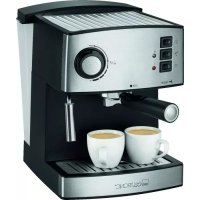
ES 3643 - Coffee machine CLATRONIC - Free user manual and instructions
Find the device manual for free ES 3643 CLATRONIC in PDF.



| Product Type | Espresso machine |
| Brand | Clatronic |
| Model | ES 3643 |
| Dimensions (approx.) | 31 x 25 x 30 cm (L x W x H) |
| Net weight | 3.1 kg |
| Power supply | 220-240 V ~, 50 Hz |
| Power consumption | 850 W |
| Pressure | 15 bar |
| Protection class | I |
| Water tank capacity | 1 L (approx.) |
| Functions | Single/double espresso, cappuccino, steam, hot water for tea |
| Coffee types | Ground (single dose or pre-ground) |
| Portafilter | Removable, with 1-cup and 2-cup filter baskets |
| Steam wand | Rotating, for frothing milk |
| Heating plate | Integrated, for preheating cups |
| Auto shut-off | Yes, after 30 minutes (eco-design compliance) |
| Materials | Plastic body, stainless steel parts |
| Color | Black and brushed steel (typical) |
| Cleaning | Steam wand to clean after each use; regular descaling recommended |
| Safety | Overheat protection, auto shut-off, portafilter locking |
| Supplied accessories | Portafilter, 2 filter baskets, tamper spoon, drip tray, grid, steam wand cover |
| Spare parts and repairability | Available from the manufacturer; replaceable filter, gasket, reservoir |
| Warranty | 2 years (standard) |
Frequently Asked Questions - ES 3643 CLATRONIC
User questions about ES 3643 CLATRONIC
0 question about this device. Answer the ones you know or ask your own.
Ask a new question about this device
Download the instructions for your Coffee machine in PDF format for free! Find your manual ES 3643 - CLATRONIC and take your electronic device back in hand. On this page are published all the documents necessary for the use of your device. ES 3643 by CLATRONIC.
USER MANUAL ES 3643 CLATRONIC
- A Anything's gonna be a good idea to do it, too.
Thank you for choosing our product. We hope you will enjoy using the appliance.
Symbols in these Instructions for Use
Important information for your safety is specially marked. It is essential to comply with these instructions in order to avoid accidents and prevent damage to the machine:

WARNING:
This warns you of dangers to your health and indicates possible injury risks.

CAUTION:
This refers to possible hazards to the machine or other objects.

NOTE: This highlights tips and information.
Contents
Overview of the Components 3
General Notes. 52
Special Safety Instructions for this Device 52
Supplied Parts 54
Unpacking the Appliance 54
Description of the Components 54
Notes on Use 54
Placement 54
Switches (8/9/10) and Steam Volume Control (3) 54
Electric Connection 55
On/Off 55
European Regulations on Energy Saving 55
Operation 55
Attach/ Detach Filter Holder. 55
Inserting the Drip Tray/Drip Tray Grid 55
First Use/Bleeding 55
Making Espresso. 56
Making Cappuccino 56
Cleaning 57
Group Head and Rubber Seal. 57
Accessories 57
Decalcification 58
Storage 58
Troubleshooting 58
Technical Data 59
Disposal 60
Meaning of the "Dustbin" Symbol 60
General Notes
Read the operating instructions carefully before putting the appliance into operation and keep the instructions including the warranty, the receipt and, if possible, the box with the internal packing. If you give this device to other people, please also pass on the operating instructions.
- The appliance is designed exclusively for private use and for the envisaged purpose. This appliance is not fit for commercial use.
- Do not use it outdoors. Keep it away from sources of heat, direct sunlight, humidity (never dip it into any liquid) and sharp edges. Do not use the appliance with wet hands. If the appliance is humid or wet, unplug it immediately.
- When cleaning or putting it away, switch off the appliance and always pull out the plug from the socket (pull the plug itself, not the lead) if the appliance is not being used and remove the attached accessories.
- Do not operate the machine without supervision. If you leave the room you should always turn the device off. Remove the plug from the socket.
- The device and the mains lead have to be checked regularly for signs of damage. If damage is found the device must not be used.
- Use only original spare parts.
- In order to ensure your children's safety, please keep all packaging (plastic bags, boxes, polystyrene etc.) out of their reach.

WARNING:
Do not allow small children to play with the foil. There is a danger of suffocation!
Special Safety Instructions for this Device

WARNING: Risk of burns!
Group head, filter holder, steam nozzle and cup tray get very hot during operation.
- Take hold of the filter holder only at the handle.
- Do not touch group head, steam nozzle and cup tray! Let these parts cool down before cleaning.

WARNING: Risk of burns!
- Do not point the steam jet towards yourself or other persons. Place a container under the steam nozzle (4).

WARNING:
Ensure that no humidity enters the casing. Risk of electric shock.

CAUTION:
- Fill the water tank (2) only with cold water.
-
Only use potable water. Do not use carbonated water (sparkling mineral water).
-
Ensure that the filter holder (16) is secure and properly locked during operation, since this appliance works under pressure.
- Use the appliance only on a level work surface.
- Only use the appliance when water is filled into the water container.
- Do not move the appliance when it is in operation.
- This appliance can be used by children aged from 8 years and above if they have been given supervision or instruction concerning the safe use of the appliance understand the hazards involved.
- Cleaning and maintenance by the user shall not be made by children unless they are older 8 years and supervised.
- Keep the appliance and its cord out of reach of children less than 8 years.
Children shall not play with the appliance. - Appliances can be used by persons with reduced physical, sensory or mental capabilities or lack of experience and knowledge if they have been given supervision or instruction concerning use of the appliance in a safe way and if they understand the hazards involved.
-
Do not try to repair the appliance on your own. Always contact an
-
authorized technician. If the supply cord is damaged, it must be replaced by the manufacturer, its service agent or similarly qualified persons in order to avoid a hazard.
- This appliance is intended to make espresso and cappuccino.
-
Only use the appliance in a dry, indoor area. It is intended for domestic use and similar areas of use such as e.g.
-
In staff kitchens in shops, offices and other commercial areas. It is not intended for use in farm accommodation or Bed & Breakfast establishments or by guests in hotels, motels and other accommodation facilities.

CAUTION:
The appliance must not be immersed in water for cleaning. Refer to the instructions provided in the chapter "Cleaning".
Supplied Parts
1 Espresso machine
1 Removable water tank
1 Steam nozzle cover
1 Filter holder
1 1-cup filter insert
1 2-cup filter insert
1 Drip tray grid
1 Drip tray
1 Measuring spoon / tamper
Unpacking the Appliance
- Remove the packaging of the appliance.
- Remove all packaging material such as plastic film, filler material, cable ties and box packaging.
- Check that all the parts are in the box.

NOTE:
There may still be dust or production residues on the appliance. We recommend that you clean the appliance as described under "Cleaning".
Description of the Components
Figure A
1 Water tank lid
2 Removable water tank
3 Steam control knob
4 Steam nozzle with cover
5 Drip tray compartment
6 Drip tray grid
7 Drip tray
8 Power switch
9 Switch (Pump)
10 Switch (Steam)
11 Heater indicator lamp "ok"
12 Status indicator lamp "I"
13 Warming plate / cup tray
14 Filter insert for 1 cup
15 Filter insert for 2 cups
16 Filter holder
17 Filter safeguard
18 Measuring spoon / tamper (1 part, 2 functions)
Notes on Use
Placement
- Place the appliance on a stable and level surface.
- Due to rising heat and vapours do not operate the appliance under wall cabinets.
- Do not place the appliance in close proximity to a gas or electric stove or any other heat source.
Switches (8 / 9 / 10) and Steam Volume Control (3)
The controls have the following functions:
Switches 8/9/10 position ^ 己 Off
| Switch | Position „“ | Position of the steam volume control |
| 8 | The appliance is then ready for use. | OFF |
| 9 | Venting and cleaning the appliance | to + |
| 9 | Pumping for preparation of espresso | OFF |
| 10 | Steam for frothing of milk | to + |
Electric Connection
- Ensure that your mains power corresponds with the specifications of the appliance. The specifications are printed on the type label.
- Check the switch settings! Set all switches to the position "O" and the steam volume control to the position "OFF".
- Connect the mains cable to a properly installed and earthed wall outlet.
On/Off
To turn on the appliance, set the power switch (8) to the position " -".
- The Indicator lamp "ok" lights up as soon as the necessary brewing temperature is reached.
NOTE:
The indicator lamp "ok" turns on and off during operation. This is normal and indicates that the temperature is thermostat-controlled and maintained.
To turn off the appliance, set all switches to the position "O". Then disconnect the mains plug from the socket.
European Regulations on Energy Saving
NOTE:
The European Directive 2009/125/EC (Ecodesign Directive) incorporates measurements for energy saving. The following applies to coffee makers: The keep-warm period is limited to max. 30 minutes. The appliance then turns off automatically, even if the power switch still is set to the position " - . The pilot lamp " I " goes out. You benefit from better safety and lower energy consumption. You can use the appliance again only after setting the power switch to the position "O".
Operation
WARNING: Important!
Before use, always check the button settings! Before connecting the appliance to a correctly grounded outlet, all switches must be set to the position "O" and the steam volume control must be set to the position "OFF!"
Attach/Detach Filter Holder
- Hold the handle at the left edge of the appliance to attach the filter holder (see Fig. B on page 3). Insert the three guide tabs in the group head recesses. With the handle pull the filter holder to the right hand side to the middle of the appliance. Ensure that the filter holder is well secured in the group head.
- Pull the filter holder to the left to detach from the group head.
WARNING: Danger of burns!
After brewing the metal parts of filter holder and filter insert are hot.
Inserting the Drip Tray / Drip Tray Grid
- Slide the drip tray for the residual water (7) into the compartment (5).
- Place the drip tray grid (6) onto the compartment as a cover.
First Use/Bleeding
CAUTION:
Bleed the appliance before first use and after a longer period of non-use. Do not use coffee grounds during this process!
- Make sure that the drip tray (7) and the drip tray grid (6) are inserted.
- Fill the water tank with clean, fresh water to the MAX marking. Close the lid again.
- Remove the filter holder (16) from the group head.
- Use the power switch (8) to turn on the appliance.
- Swivel out the steam nozzle (4).
- Place a suitable container (heat-resistant / approx. 500 ml) under the steam nozzle.
- Turn the steam control knob (3) all the way towards "+"
- Turn on the pump with the switch (9). Pumping starts.
- Turn off the pump after water is evenly emitted from the steam nozzle. The switch (9) is in "O" position.
- Close the steam control knob towards "OFF".
- Empty the container and place it under the group head.
- Turn on the pump with the switch (9). The water flow starts. Let all water from the water tank run through. Turn off the pump to empty the container.
WARNING: Danger of burns!
The water inside the container is hot.
- The appliance now is vented and ready for operation.
Making Espresso

CAUTION:
Do not brew an espresso when the appliance is still under pressure (for example when milk has been frothed earlier). With too much pressure in the appliance, espresso leaks at the edge of the brewing head. That may lead to a faster wearing of the rubber seal.
- Switch the appliance on. The status indicator lamp "I" lights up. The appliance starts heating up. The warming plate (13) heats up.

NOTE:
- Use the warming plate to pre-heat your cup(s).
-
If you want to pre-heat the cup(s) more rapidly, rinse them with hot water.
-
Make sure that the drip tray (7) and the drip tray grid (6) are inserted.
- Fill the water tank with the desired amount of clean, fresh water. The water level must be between the MIN and MAX markings. Close the lid again.
- If you frothed milk earlier, completely release the pressure from the appliance:
4.1. The switches (9) and (10) must be set to the position "O".
4.2. Set a suitable vessel under the steam nozzle.
4.3. Turn the steam volume control (3) slowly in the direction + + until no steam comes out any longer.
4.4. Close the steam volume control by turning it in the direction "OFF".
- Select a filter insert (14 / 15). Place the insert in the filter holder. Ensure that the filter safeguard is not upright.
- Fill the filter insert with espresso grounds. Use the supplied measuring spoon (18). Observe the MAX marking in the filter insert. Spread the espresso grounds evenly and push down slightly with the tamper (18). Clean the edge of the filter holder.
- Attach the filter holder to the group head. Ensure that the filter holder is properly attached in the group head.
- The necessary brewing temperature is reached as soon as the indicator lamp "ok" lights up. Place your pre-heated cup(s) under the group head exactly on the two holes you can see in the drip tray grid.
- Turn on the pump with the switch (9). The hot water is forced through the filter.

NOTE:
This process does not end automatically!
- Stop the brewing process by turning off the pump when the desired amount of espresso is in your cup(s).
- Remove the cup(s).

NOTE:
Remove the filter holder every time after making es- presso. In this way you extend the lifetime of the group head's rubber seal.
- Remove the filter holder from the group head.
- Empty and refill the filter to brew another cup of espresso:

WARNING:
Metal parts of filter holder and filter insert are hot.

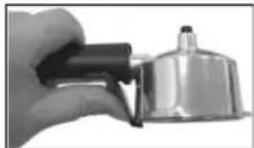
a) Flap the filter safeguard (17) up. Push the filter safeguard with your thu towards the filter insert while turning the filter holder around (see Fig.
b) Tap the coffee grounds out of the filter insert. Use a spoon, if necessary. Rinse the remaining coffee grounds with hot water out of the filter insert.
14. To prepare the next cup(s) of espresso, proceed as described above.
Making Cappuccino
Generally cappuccino consists of one-third coffee, one-third hot milk and one-third frothed milk.
The milk froth should not be firm enough to be shaped with a spoon. It should be creamy, such as not completely whipped cream, of a viscous texture.
For the preparation you need in addition
- a larger, bellied cup (approx. 180ml ), in which you make the espresso,
a small frothing jug with spout (e.g. 0.3 l),
- a small, heat-resistant container,
- cold milk with at least 3.5% fat content.

CAUTION: Observe the sequence!
- Brewing of espresso.
- Frothing milk.
For preparation of cappuccino, proceed as described under "Making Espresso".
Froth the milk as follows:

WARNING: Danger of scalding!
Escaping steam can cause injuries. During the heating process hot steam / water can escape from group head and/or steam nozzle!
- Ensure that the steam control knob (3) is set to "OFF" position before activating the steam function.
-
Do not direct the steam nozzle towards persons.
Always place a container under the steam nozzle (4). -
Ensure that the switch (9) is in "O" position.
- Swivel out the steam nozzle (4). Attach the steam nozzle cover all the way on the steam nozzle.
- Place a heat-resistant container under the steam nozzle.
- Fill the jug half with cold milk.
-
Set the switch (10) to the position " = . Wait until the indicator lamp "ok" lights up.
-
Briefly open the steam control knob (3) towards ^+ every time before using the frothing function to drain collected condensate. The appliance is ready to use if only steam escapes.
- Place your milk jug with the milk under the steam nozzle.
- Lift the jug so that the steam nozzle sits just under the milk surface.
NOTE:
Do not place the steam nozzle in the centre of the jug but close to the inner wall. This position is important for the milk to get into whirling motion. We recommend using the spout as guide for the steam nozzle.
- Slowly open the steam control knob (3) towards ^+ until the desired amount of steam is set. Slightly move the jug up and down. Close the steam control knob towards "OFF" after the milk has frothed to the desired volume approx. 50%
NOTE:
- To further heat up the milk insert the steam nozzle all the way to the bottom of the jug. Ensure that the milk does not start boiling. In this case the foam will collapse.
-
The water is no longer hot enough if the indicator lamp (11) turns off during frothing. Turn the steam control knob towards "OFF". Wait until the indicator lamp "ok" lights up again. Now continue frothing the milk.
-
To remove the last coarse air bubbles knock the milk jug after frothing carefully on the tabletop (as if you would set it down a bit hard). Swivel the milk jug slightly around. This helps to mix the foam after frothing. Now waste no time. Pour the frothed milk slowly into the espresso.
- Swivel the milk jug slightly around while pouring the frothed milk slowly into the espresso.
NOTE:
- With a few artful movements you can draw designs into the foam.
-
Sprinkle cocoa powder or cinnamon to taste on the foam.
-
IMPORTANT: Clean the steam nozzle immediately after every use! When closing the steam control knob a vacuum is created within seconds, which draws some milk into the steam nozzle. Place your heat-resistant container under the steam nozzle. Open the steam control knob briefly for a shot of steam to flush milk residue out of the steam nozzle. Wipe the steam nozzle with a damp cloth.
- Turn off the steam function by setting the switch (10) to the position "O".
Cleaning
WARNING:
- Before cleaning, always remove the mains plug and wait until the device has cooled down.
- Do not immerse the device in water. Otherwise this might result in an electric shock or fire.
- The steam nozzle is hot immediately after use!
CAUTION:
- Do not use a wire brush or any abrasive items.
-
Do not use any acidic or abrasive detergents.
-
Clean the casing with a slightly damp cloth without detergents.
Group Head and Rubber Seal
Wipe group head and rubber seal with a damp cloth. Use a soft nylon brush to remove stubborn residues. Dry with a soft cloth.
Accessories
Wash filter holder, filter inserts, drip tray grid, drip tray, measuring spoon, water tank and steam nozzle cover in warm sudsy water. Use a soft nylon brush, if necessary. Rinse with clean water. Dry all parts with a soft cloth.
CAUTION:
These parts are not dishwasher-safe. Heat and aggressive detergents can cause distortion and decolouration.
Water Tank
- Open the lid to remove the water tank. Pull the tank with both hands up and out. Replace the tank after cleaning and drying.

NOTE:
The water tank has two hooks.
- Hook the water tank into the two eyelets of the appliance.
- Press the water tank slightly down for the valve to open.
Steam Nozzle
Clean steam nozzle and cover immediately after use. Dry milk residue is difficult to clean.
- Remove the cover. Turn slightly for easy removal. Use a damp cloth to hold the steam nozzle with one hand!
- Leave cover for some time in the warm sudsy water. In this way milk residue is easily removed.
- Wipe the steam nozzle on the appliance with a damp cloth.

NOTE:
Fill a container with hot water to remove dry residue. Place the container under the steam nozzle, so that it is submerged.
- After cleaning replace cover on the steam nozzle. Place a heat-resistant empty container under the steam nozzle. Operate the appliance as instructed under "Making Cappuccino" points 5 and 6. After cleaning the steam nozzle is again ready to use.
Decalcification
Scale deposits put the functionality of your appliance at risk. It is necessary to decalcify the appliance regularly. The intervals depend on use frequency and water hardness.
Decalcify with a commercial decalcifier for coffee machines.
- Dose as instructed on the packaging or on the instruction leaflet.
- Operate the appliance as instructed for making espresso until the tank is empty. Let the solution flow through the group head (without filter holder).

WARNING:
- Rinse the water tank and let one full tank fresh water flow through the group head to rinse out the decalcifier residues.
- Do not use this water for making espresso.
Storage
- Clean the appliance as instructed. Let the accessories dry completely.
- We recommend that you keep the appliance in the original packaging if the appliance will be not used for long periods.
- Always keep the appliance out of the reach of children in a dry, well ventilated place.
Troubleshooting
| Problem Possible cause Solution | ||
| The appliance does not function. | The appliance has no power supply. | Test the socket with another appliance. |
| Plug in the mains plug correctly. | ||
| Check the main circuit breaker. | ||
| The appliance has not been bled before first-time use. | Bleed the appliance as instructed under "First Use / Bleed-ing". | |
| The appliance is faulty. | Contact our service center or a specialist. | |
| No coffee output. | Switch the appliance off! | |
| The water tank is empty. | Fill the water tank with fresh water. | |
| The water tank is not properly attached; the valve is not open. | Press the tank slightly down for the valve to open. | |
| The holes in the filter holder and the group head outlet are blocked. | Clean filter holder, filter and group head outlet. | |
| Air entrapped in the heating circuit. | Generate steam as instructed under "Making Cappuccino". Open the steam control knob all the way towards "+" . | |
| The coffee grounds are too fine or compressed too much. | Loosen the coffee grounds. Spread it evenly and only slightly compress with the tamper. | |
| Scale deposits in the appliance. | Decalcify the appli-ance as instructed. | |
| The pump is noisy. | Switch the appliance off. | |
| The water tank is empty. | Fill the water tank with fresh water. | |
| The water tank is not properly attached; the valve is not open. | Press the tank slightly down for the valve to open. | |
| Air entrapped in the water circuit. | Bleed the appliance as instructed under "First Use / Bleeding". | |
| Espresso escapes at the filter holder edge. | Stop the brewing process! | |
| The filter holder is not properly attached or is not enough closed. | Attach the filter holder properly as instructed under "Attach / Detach Filter Holder". | |
| Too much coffee grounds in the filter insert. | Remove excess coffee grounds. Observe the MAX marking in the filter insert. | |
| Coffee grounds residues on the rubber seal of the group head. | Switch the appliance off and let it cool down. | |
| Clean the rubber seal as instructed. | ||
| After preparing milk foam, the appliance is still under pressure. | Release the pressure completely. Pay attention to item 4 of the chapter "Making Espresso". | |
| Espresso is too cold. | The cups were not pre-heated. | Rinse the cups with hot water. |
| Indicator lamp "ok" does not light up during the brewing process. | Wait until the indicator lamp "ok" lights up. | |
| Coffee crema is slightly discoloured (coffee runs out fast). | The coffee grounds are too coarse or are not evenly spread. | Use the supplied tamper. |
| Too little coffee grounds in the filter insert. | Fill coffee grounds only to MAX marking in the filter insert. | |
| Problem Possible cause Solution | ||
| Coffee crema is dark discoured (coffee runs out slowly). | The coffee grounds are too fine or compressed too much. | Loosen the coffee grounds. Spread it evenly and only slightly compress with the tamper. |
| Too much coffee grounds in the filter insert. | Use less coffee grounds. Observe the MAX marking in the filter insert. | |
| No crema on the espresso. | The espresso grounds are not suitable. | Change the brand, if necessary. |
| The milk does not froth. | The milk is not suitable. | Use milk with at least 3.5 % fat content. |
| The milk is not cold enough. | Use refrigerated milk. | |
| The steam nozzle is dirty. | Clean the steam nozzle as instructed. | |
| The appliance turns off auto- matically. | This is not a malfunction of the apppliance. In order to comply with the Ecodesign Directive (2009/125/EC), the apppliance turns off automatically after max. 30 minutes after the brewing process has finished. | |
Technical Data
Model: ES 3643
Power supply: 220-240V\~,50Hz
Power consumption: .850 W
Protection class: I
Pressure: 15 bar
Net weight: approx 3.1 kg
The right to make technical and design modifications in the course of continuous product development remains reserved.
This device has been tested according to all relevant current CE guidelines, such as electromagnetic compatibility and low voltage directives, and has been constructed in accordance with the latest regulations.
Disposal
Meaning of the "Dustbin" Symbol
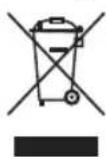
Protect our environment: do not dispose of electrical equipment in the domestic waste.
Please return any electrical equipment that you will no longer use to the collection points provided for their disposal.
This helps avoid the potential effects of incorrect disposal on the environment and human health.
This will contribute to the recycling and other forms of reutilisation of electrical and electronic equipment.
Information concerning where the equipment can be disposed of can be obtained from your local authority.
Instrukcja obslugi
He no3BOJnIe TeTm Ipratb c nOIN3TNHeHOBOn nJIeHKO. OnaCHOCT ydysb!
Oco6bIe yka3aHnI NO TexHnke 6e3OpacHOCTN DJIa 3TOrO yCTpoiCtBa

BcTabka noDoHa / peweTkn noDoHa
BCTaBbTe nOIOH dIra ocTbAeCBAoBb7)BOTcEk(5).
- PocTabbTe peWetky noDoHa (6) BOTCEK B BnDE KpbIuKn. KpaC bBIEMKoI DoJKeH 6bITb ObaaueH K KopnyCy yCTpoiCTBa.
NepBoe nCNoJIb3OBAHne / CnVB

BHIMAHHE:
CInBaIte BDOy N3 yCTPOINCTBA nepei nepBbIM nCnOJIb- 3OBaHHeM IN NOcne DOJnIX nepepbIOB. He nCNOJIb3yIte KOpEnHyIO rUy BO Bpemr 3TOro npouceca!
- Y6eIITecb B TOM, YTO BCTaBHeN NOIDOH (7) IN peWetKa NOIDOna (6).
- HanoJIHnIte pe3ePbYap YNCToI, CBExKe BOIo Do OTMeTKn MAX. ChOba 3aKpOte KpbIshky.
3.ИЗБЕКITEDEPЖATEJIbФИЛТРа(16)и3 roNoBKn rpynbl. - IcnoIb3yIte CeTeBOB BbIKIOUaTeJIb (8) IINBAKIIIOUeHnAnnapapata.
5.ПовернITE napOBoe coNIO (4).Y6eIITecb,уTOpy6kaДЯnapa npICoeINHeHa DoJIKNbIM O6pa3OM. - NocTabbTe KakyoJIn6o EMcOCTb (KaponpoHyU / npMepHo 500 mN) no napOBoe conno.
7.ПОЛНOCtblIO NOBepHnTe pyuKy KOHTpOJa napa (3)do OTMeTKn "+".
8.Испобьтейпегеклочаель(9),чTo6bl BKlnoHTb hacoc.HaHHeTc HakaKa. -
BbIKIOHHTe HAcOC NocNE TORO KAK BOa paBHOmePHo HAHTET BbIXOAnITb IN3 napOBORO CONIIa. YcTAHOBNTe nepeKIOUcATEIb (9) B NOIOXKeHne "O".
-
Повернite рунукю контюпа нара К OTмтke "OFF".
- Onopoxhnte emkoctb u yctahOBHTe ee noD roNobKo npnbl.
12.Испльзугпе поеклочаел (9),чTo6bl BKIOHHTb Hacoc.HaHHeT TeYb BOa.BcBa BOdaДоJIXHa BbIteYb 3pe3epByapa.BbIKIOUHTe HAcoc,чTo6bl OOnopoXHNTb EMKOCTb.

PENEYNPEXKDEHNE:Onachoctb oxora!
a B E M K O C T N T O P R A Y.
13.AnnapatdoJxKHe6bITbNyCTbIMIroTOBbIMnpa6oTbI.
PnirroTOBnHeHne 3cnpecco

BHIMAHHE:
He roTOBbTe 3cnpceco, KOrda annapaT BCE eue HaxoHITcR NOd daBnEHmE (HaNPmep, ecn nepeD 3Tm BCneHNBaIOCb MOlOKO). Pn cNtKOM 60JIbWOM daBnEHM N annapate 3cnpceco nepeINBaETC Ype3 KpaI BapOHOr ROIOKn. 3To MoKet npINBOITb K 6bICTpOMy n3HOCy pe3HOBOrO yIIOHTHeHr.
- BkHouTe np6Op. 3aorupTcraHnIkaTocToHnIy YcTpoiCTBO hauHET haPeBaTbc. Pa3oRpeeTcnoDOrpeBaIOUaA nnactHa (13).

ПРИМЕЧАНО:
- IcnoIb3yIte noDorpeBaHOuI pIacTHHy, YTO6bl noDorpeTb yaIky (yaIkn).
-
Ecnx xoTnte 6bIcTpee npedBapnteIbno noIogptb Yawky (yawkn), onoNoCHnTe ee (nx) ropey BDOJ.
-
Y6eIHTecb TOM, YTO BCTaBHeH NOIOH (7) INpeWetKa NOIOHa (6).
- HanonHnTe pe3epByap JeIaembIM KOINueCTBOM YNCTO, CBKeEN BObl. YPOBeH BObl DOJIKeH HAXODNTCA MEJNY OTMeTKamMIN MAX. CHOba 3akpoTne KpbliKy.
- Ecni nepei 3TIM Bbl BCNEHBAANI MOIOKO, IIOHOCTbO c6pocTe daBJeHne B annapate:
4.1.пекночаети(9)и(10)ДОЛKHы6ытьуctанов-лесьВ NOLOЖЕНe“O".
4.2. NocTaBbTe nOxOJaun cocSyI noJ napOBoe conNo.
4.3. 3aTeM MeIeHNOBOpaHbAtepeyIaTOp DaJIeHnnaPapa (3) B HappaBHeHn "+", noka He npEkpATNTcBbIXoNnapa.
4.4.3akpoTepeyIaTOpIabIeHnnaPapa,noBepHyBeroB HappaBneHn "OFF".
- BbIbepnte fIbIbtpyOuIzIeIeMENT (14 / 15). BcTaBbTe IeIeMENT B dEpxaTeJIb fIbIbTpA. Y6eIITecb, yTO fIKCaTOp fIbIbTpA He HaxoIITcB B BepTKaJIbHOM IIOJKeHH.
-
HanonHnTe fNbTyOuIe 3JIeMeHT KoPeHOn Iyuee. NcnoJb3yIte MePhyIO JoxKy (18), IMeHOUocB KOMIIeKeTe. Co6HJaTe OTMeTKy MAX fNbTpYooero 3JIeMeHa. PaBHomePHO paCppeJeNTe KoPeHHyo ryu y n CnErKa HndABInTe BHN3 TpaM6oBky (18). NocHCTNe KpaI depKatae fNbTpa.
-
PnncoeHnHTe DeepKaTeB fNtpa K rONoBKe rpynnbl. Y6eHntecb, yTo dEepKaTeB fNtpa PnpcoeHnEH K rONoBKe rpynnbl DOJXHbIM o6pa30m.
- KaK TOnbKO 6yJET DOCTHryTA Heo6xOIMma TeMnepaTpya BapKN,3arOpNTcN HmIKaTOp "ok".IocTaBbTeNoDOrpeTuO YAwky (uaWKn) NOrToNOBKy rpynnbl npraMoHa IBA OTBepCTN, KOToPbIE Bbl BUnITE Ha peWetKe NoDOnHa.
- IcnoIb3yIte nepeKIOHateJIb (9), YTO6bI BKNIOHHTb Hacoc. Upee3 qINbTp HaHET NITR OPRaYBa BOJa.

ПРIMEЧАнЯ:
3TOT npoucecc He npekpauaeTcA ABTOMATueckn!
10.OctaHOBtpe npoucc BapKn, BbIKIOuHnHacoc, KOrDa B uKke (uaKkax) 6ydt XeNaemoe konHecTBO 3cnpecco.
11. YsepiTe yauKu (yauKn).

ПРIMEЧАнЯ:
N3BnkeaTe depkaTeIb fIbTpaKaKdb pa3 nocne npiroTOBHeHna 3cnpceco.Tak MoKHO npOdInb cpoK cnJx6bl pe3HOBo IpOKnAkn rONOBKn rpynnbl.
- IV3BnKeKInTe DepeKaTeIb 0nIbTpA n3 roNoBkn rpynnbl.
- Onopoxhnte n CHOBa hAnOpHnTe pInIbTp, YTo6bl 3aBapuTB eue Ody uawky 3cnpecco:

PENEYIPPEXDEHNE:
MetaJIInueckne yactn depkatae n pfIbtpa n pfIb-tpyUoTe rAnemeta ouHb torpAye.
a) POnHnMHTe QnKCaTOp
PnIbTpTa (17) BBepx.
IpotoNkHnTe QnKCaTOp
PnIbTpTa 6oNbUIM
naIbCem NO HapnbEne
HNIO K PnIbTpYIOUcEmy 3
Ke Bpem, DpeXaTeNb

b) BbCTyUHTe KOFeHHyI ruyu I3 fNtpyUoJero 3nEmHa. PnH HeOBxOaIMOCt NcNoIb3yTe loKky. CMOITe OCTabWineCra YactNuBbl KoFe n3 cNtbyIO- Ue OMeHTa ropey BOOn.
14.Длпрг�тoblenясдуюшeyчк/NчажкЗспесcoBbINOJIHNTeONICAHHbIEBbIe DeICTBNJ.
PnpiroTOBnHeHne kanyuHo
ObIyHOn KaynuHn CoCToNt Ha TpeTb Nx KoFe, Ha TpeTb N3 ropaHrO MOJOKa, Hn HA TpeTb N3 BCHeHeHHOrO MOJOKa.
Monouha neHa He doJXHa 6bITb CnUHKOM TBepDo, YTO6bl ee MoXHO 6blIO foOpMupoBaTb IoxKo. OHa doJXHa 6blTB CmTaHoo6pa3Ho, HAnpIMep, TAKO KAK HE NOHOCbBO B3bTbIe CnIBKn B3KO TEKCTypbl.
ДяприroTOBHeNЯ KanyuHnTo TAKKe NoHaNoBaTc:
-
60JIbIaI, BbIpyKIIaIyIaIIka (IpiIpeHIO 180 Mn), B KOTOpoi Bbl DeJaTe 3cnpcecco;
He60JIbIou KByUINH IJIBA BcNEHUBaHnC HOCIKOM (HaNPIMep,0,3 n); -
He60JIb7aJ XapOpPouHaA eMKoCTb;
- XOLOHoe MOJOKOCoepKaHnEM Knpa, NO KpaHne Mepe, 3,5%.

BHIMAHHE: Co6nOaIte nocJeDoBaTeBHoCTb!
1.Пи���нгеленеЗпесcco.
2. BcneHbAHnE MoIoka.
Длгпри�OTOBнЯктунHOсLEdnyTe peKOMeHdaцЯMa3dena“При�OTOBнЕне 3cnpccco”
BcneHnTe moIOKo cneIyoUIM o6pa30m:

PPEyIPEKJEHNE:Onachoctb6BapuBaHnA!
BbIbIBaHcNc np MoKET cTaTb npuHOn TpaMbbl.Bo Bpem pa30rpeBaHHraopnnap / Boa MoKET BbIbBAbTcN 13 rONOBKn rpynnb n / nn napoBOrO conla!
- Y6eHntecb, yTo pyuKa KOHTpOJI npa (3) yCTaHOBJIeHa B IIOJoxKeHne "OFF", nepeI TEM, KaK aKTINBnPOBaTb φyHKUIO npa.
-
He napiabnyte napoboe coIIO ha IIOe.
Bcerda noctabnTe kkyIOI6o EMKocTb nO napOBoe conno (4). -
Y6eIntecb, yTO nepeKIOUaTeInb (9) HaxoIITcB IIOJoxeHH "O".
- NopepHnte napoBoe conno (4).NonHocTbIO hacaIte KpbIky napoBOrO conna Ha napoBoe conno.
3.Подставытkaкуюлбожаронрочию emkoctbпад napoboe conno. - HanoJIHInTe KByuIN HAnOIOBHy XOnIOHbIM MoIOKOM.
- YctaHOBnTe nepeKlnOuateJIb (10) B noJIOxHeNe " - . PooJOnTe, noka 3arOpntcN HnDnKaTOp ok".
- CnErKa NOBOpaHbAte pyKu KOHTpOJa npa (3) B HApBaJIeHIM OTMeTKN *kaxdIbI pa3 nepeI NCIOJIb3OBaHHeM fYHKUIN BCNEHbAHnIyTObI cInTb 6pa3OBaBbIcKoHEHCAT.YCTPOJCTBO rOTOB K NCIOJIb3OBaHnIO TOnbKO TOrDa, KOrDa n3 Hero 6yDet BbIXOJITb nap.
- NocTAbTe KByUHH C MoNOKOM NOI napOBoe CoIIIO.
- Пдимпе КУВшн ТА, YTOбI паобоe соно haboи-nocь кад раз поюрхонсг молoka.

ПРИМЕЧАНО:
He pa3meaaiTe napoBoe conIIO no ceHTpy KyBUnHa, OHO DOJIKNHO 6bITb 6bnXe K BHyTpEHHe NOBepxHocTn erO CTeHN. 3TO NOIOKeHne IMeET BaXHOe 3NaueHne DnTg TOrO, YTO6bl MOJOKO NOnyUInNO BnXpeBOe DBNKeHne. PekomeHdyTeCnONb30BaTb HOCNK B KaueCTBe HanpaBIAIOSe nIra napoBOrO conJa.
- MeDneHNO NOBopauNBAIte pyKy KOHTpOra napa (3) B HApapBHeHn OTMeTKn " + " , Noka He 6yDet yCTAHOBHeo KEJaEMoe KOnIYeCTBO BbIXoJzero npa. JERka DnraTe KyBUnH BBepx n BH3. NObepHnTe pyKy KOHTpOra npa B HApapBHeHn OTMeTKn "OFF", Nocne TOrO, KaK MONOKo BCNEHInOCb Do JeJaemoro obbema (npimepHO 50%
IINPIMEYAHNA:
TO6bI PpOONKHTb NOOrpeBaHne MOIOKA, BCTaBbTe napoBoe cOnllo KaK MoXHO Tny6Ke B KyBUnH, K CAMOMy dHy. Y6eINTecb, YTO MOIOKO He HaunHaet 3aKnIaNb. B 3TOM cIyuae BcR NeHa CnAeT.
- EcIN INHINKATOP (11) NORaCHET BO BPEM BAENBAHNIA, 3NaHT BOa CTaNA He DOCTaTOUHO rOpauyI. NOBePHIne pykky KOHTpOJa napa K OTMeTke "OFF". IIOOXnTe, NOKA INHINKATOP "ok" He 3aROpNTcA CHOba. TeNepb MOXHO pOdoJIKnTB BCNEHINBaHHe MOnoka.
10.уды удалгь поедниwo 60ьшипузьк BO3dya, OCTOPOKHO CTyKHITE KByuHOM C MOJOKOM NOCNE BCHEHBAHNA O NOBepxHOCTb CTOna (Kak ecnbl Bbl HEMHOrO JecTko NOCTaBUNI erHa CTOn).Clerka NOKpyTte KByuH C MOJOKOM.3To nOMoraet nepemeMaTb NeHy NOcNe BCHEHBAHNA.Tenerb He TepaTe BpeMeHi. MeDneHNO BCHEHeHHOe MOLOKB 3cnpecco.
- CnEka NOKpyuBaIte KyBUnH C MoIokom, KOrda 6ynde HAnIBaTb BCNEHeHHoe MOLOKO B 3Cnpecco.
IINPIMEYAHNA:
HeckoJIbKIMNIOBKMnDINBxKeHnMaHa neHE MOXKHO HApICOBaTb y3Opbl.
- NocbIbTe neHy npoWkOM kakao nn KOpuεn Bkycy.
- BAXHO: YIcHTte napOBoe conno cpa3y je nocne KaKdoRo NcNoJIb3OBAHn! Pn 3aKpbITm pyuKn KOHTPOJ npa, B TeueHne HeCKoJIbKnx CekyHd O6pa3yeTc8 BaKyyM, KOTOpBn BTaINBaET HeKOTOpOE KOINcHCTBO MOJOKa BHytbp napOBoro conJa. NocTaBbTe JapOpnpOHyo EMKOCTb NOd napOBoe conNO. PnOtTKpoiTe pUky KOHTPOJ npa Ha KOPoTKoe BpeM, YTObbl BbInyCTtB octATkn MoJOKa n3 napOBoro conJa. Ipotpnte napOBoe CONIO BLnXHO BetoMbIO.
- OtklnoHTe cyHKnIO npaoOpa3oBaHnY, yCTaHOVB nepeKIOuATEIb (10) B noIOxKeHne "O".
UncTka
I PEPdUYPeXKeHne:
- Перацьков BCERda OTcoeINHЯITE yCTPOIcTBO OT cETN эл ekТрОПИТАня ИжДITE, NOKA OHO NOJIHOCTbIO OCTbIHET.
He norpykaite yctpoiCTBO B BODy, TaK KaK 3TO MOxET npINBeCTN K ydapy 3JIeKTPOTOKOM IJIN POnkapy. - Парове солно оуень горяquee сра3у послбзовая!
BHIMAHHE:
He nCnoB3yIte npoBOIoHHyU 8eTky IIN KaKeJIIn6O dpyrIne a6pa3nBbIe IHCTpyMeHTbl.
He nCnoJIb3yIte KaKMeIIN6o KICNoTbI IIN a6pa3NHBHbIE BEEcCTBa.
- Ucntte Kopnyc yctpoiCTBa cIeKa BnaXHOB BeToHbO 6e3 do6abJIeHnMoUoJnx CpeIcTB.
TOnOBKa rpynnbI n pe3nHOBaB npoklaJaKa
PpTRe roBky rpynnbI np3HNOby npoklaKy BnaKHOBToob. Haninuie octaTK ydaJnTe MmKo HeNoHOB OeKo. 3aTEM npOTne DetanMmKo BeToobho.
Akecccyapbi
IomOte depKaTeIb fIbtpa, fIbtpyIOue 3JeMeENTblpeWETky NODHOHa, NODOH, MEPHyIOJoxKBy, pe3epByap DIOBdoI IN KpbIuKy npoBOrO cONla B TeNIOMblNBHOBoE.
PnHHeo6xOaIMoCTN NcIb3yTe MReKyo HEnIOHOByU OteKy. PpOnoONuTE BCE uCTo BOJOn. BbITpTe hAcxyo BCE DetAIN MRAKO BETOsbHO.
BHIMAHNE:
3Tn DeTann HeBb3MaBb B NocydomooeHNO MaunHe.
Kap n arpeccnBhie MOIOUe cpeCTBa MOrY T cTaTb npuHNO NCKaKeHnФopMbI N OecuCBeuBaHn.
Pe3epeyap dno 80dbj
- OtkpoTe KpbIkiKy, YTO6bI n3BneUb pe3epByap dny BoDbI. BbITAHTE pe3epByap DByM pykAmn BBepx HapyKy. IocTabTe erO Ha MeCTO nocTe NcTkn BbICyWBaHn.
IINPIMEUYAHNA:
Pe3epByap nIy BOdy IMeET DBA KpOka.
- 3açeniTE KpIOKn pe3epByapa IJI BODI 3a IBA OTBepCTIy yCTpoiCTBa.
- Cnerka npnxmnte pe3epByap nna BOnBn3, yTo6bl OTKpbITb Klanah.
Papoeo conno
YnCTNTe napoBoe conIIO n KpbIuKy cpa3y Je nocIe IcNoIb- 3OBAHn. 3acoxwne octaTKM OJOKa NOTOM 6yDet TpydHO CnuaTb.
- CHIMITE KpbIUKy.CnERka NOBepHInTe ee, YTO6bl ObnerHTb CHTne.IcNOJIb3yIte BIAJXHy BOToUb,YTO6blB3rTb ODHOI pyKoI napOBoe cOnIO!
- OctabTe KpbIuKy Ha HeKOTOpoe Bpemr B TeNIOm MbIbHOH BOe.Tak MOxHO 6yDet JIeKO ydaNTb OCTaTKMOnoka.
- Постпге napoboe coлно hy ctrpoicTBe BnaKHOB BOUbIO.

ПОНМЕЧАЙ:
HaONHHTe EMKOCbTROPaey BOOy, YTO6bI ydaNITb 3acoXuhe OCTaTK. NocTaBbTe EMKOCbT NOI napOBbIM CONlOM TAK, YTO6bIOHO6bIO norgyKeHO B OBody.
gill gll lalll CE gll gll gll gll gll gll
Aa
ale all aieall alal alal alal alal alal
olalol ojai jia jia iiai jai
4
aia 65 5 bll"siil
yolololololololololololololololololololololololololololololololololololololololololololololololololololololololol
#
jlll jll l 11. jlll jlll jlll jll
eall juc g pddiin 1 sii 1 ddi aiaa .pblilly jie
iLsl aaiiaai ayjial all jI algo hsiily uill all jI p
1
()
y = - 12x + 3 A_1
aillie gaii aaiall oal lai jil al all cie 1ai
#
sLg jai jia jia jia jia jia jia jia jia jia jia jia jia jia jia jia jia jia jia jia jia jia jia jia jia jia jia jia jia jia jia jia jia jia jia jia jia jia jia jia jia jia jia jia jia jia jia jia jia jia jia j
111 111 111 111 111 111 111 111 111 111
10
. 10
. 10
. 10
. 10
g 11
S OBC = S AOB + S_ BOC
1 1
8
8
8
8
8
8
8
abla 1
a. gall 111
- S ACD = S COD + S_ CDA
11 (w)
i
Jae Jgab g. gssjll Jae 2e jg znall jj
12.
: 13
y = - 12x + 3 A^ C
ii 1
(17)
S OBC = S AOB + S_ BOC
Caiyaliolalyaloy
.
(1)
1 1
11 14
gii
y 1
.
yueillie
J180 180
(jil3,0)a#ydoja
clll 1 (9) jj jie baii .8
Jdall 1000000000000000000000000000000000000000000
wlll jaii gao oie 11
d jil. alal gdi yasail (9) jil le bial.12
eell 1
1.Ai Aj Ak Al
aiee
Jaiill jalj jg jag a 13
y
中
aaii i 1y jieall n jieai yjai jieai jieai jieai jieai jieai jieai jieai jieai jieai jieai jieai jieai jieai jieai jieai jieai jieai jieai jieai jieai jieai jieai jieai jieai jieai jieai jieai jieai jieai jieai jieai jieai jieai jieAI J
J.1
.(13)
S OBC = S COD + S_ BOC
a()yS1)yS1
()
Jusluclay
.6) 1a,2
aill aall, aill bll oall no ay glll aiee 3
sI MAXMINn
A
a aalaaal al aal aal
J 1
"0" 15
aalll aalll aalll
:
(1) EC/2009/125
aill
jaiia jaiyai yaiyai yaiyai
-
- wJg jai jai jai jai jai
·jail)
将 a1^2 + a2^2 + a_3^2 称为 的平方和
1.(2) a5 = 4,a6 = 3,a_7 = 2
a 1
S ACD = S COD + S_ DCE
auii auii /uiii
(5) (7)
6)
1/
a1 = 2,a2 = - 4
a 1
aal ool eol gseell gaae piai y aolilipn pa
7 ...jIyIaIbIgJyIeJyIeJyIeJyIeJyIeJyIeJyIeJy
$$ \because \bullet \text {j i a l} p $$
$$ : J i a l l o a l j S l o y 1 \dot {s} p d i s w L g b $$
$$ - \ddot {a} _ {i j} \dot {a} _ {j k} \dot {a} _ {k l} $$
J 1 J
aal 1
:d
"..."
1 14
2 15
yall 16
17
(2.1 a.b) 18
L
1
susus
4k = 3
$$ \left. \right.\left. \right.\left. \right.\left. \right.\left. \right.\left.\left.\left.\left.\left.\left.\left.\left.\left.\left.\left.\left.\left.\left.\left.\left.\left.\left.\left.\left.\left.\left.\left.\left.\left.\left.\left.\left.\left.\right.\right.\right.\right.\right.\right.\right.\right.\right.\right.\right.\right.\right.\right.\right.\right.\right.\right.\right.\right.\right.\right.\right.\right.\right.\right.\right.\right.\right\rangle_ {0} ^ {1} = 0 $$
$$ \therefore \frac {1}{2} \frac {1}{2} \frac {1}{2} \frac {1}{2} $$
$$ . \Delta l g i n 8 \text {o} \text {i} j _ {l} b _ {l} ^ {\prime} \text {i} j _ {l} g l i i i j e l y a b s a l l j k l g j l g a l l b i d i a l $$
$$ j _ {i j} \text {g a l l} j _ {i j} \text {g a l l} j _ {i j} \text {g a l l} j _ {i j} \text {g a l l} j _ {i j} \text {g a l l} j _ {i j} \text {g a l l} j _ {i j} \text {g a l l} j _ {i j} \text {g a l l} j _ {\cdot \cdot \cdot} $$
$$ \left. \right.\left. \right.\left. \right.\left.\left.\left.\left.\left.\left.\left.\left.\left.\left.\left.\left.\left.\left.\left.\left.\left.\left.\left.\left.\left.\left.\left.\left.\left.\left.\left.\left.\left.\left.\left.\right.\right.\right.\right.\right.\right.\right.\right.\right.\right.\right.\right.\right.\right.\right.\right.\right.\right.\right.\right.\right.\right.\right.\right.\right.\right.\right.\right.\right.\right.\right. $$
$$ \left. \int_ {0} ^ {1} \frac {\mathrm {d} y}{y} \right| _ {0} ^ {1} \geqslant \int_ {1} ^ {2} \frac {\mathrm {d} y}{y} \geqslant 1, \quad \left. \int_ {1} ^ {2} \frac {\mathrm {d} y}{y} \right| _ {0} ^ {1} = 1, $$
$$ \therefore \text {a l o a n d} \text {j b i s o l l} 1 \& 2 \& 3 \& 4 \& 5 \& 6 \& 7 \& 8 \& 9 \& 1 0 \& 1 1 \& 1 2 \& 1 3 \& 1 4 \& 1 5 \& 1 6 \& 1 7 \& 1 8 \& 1 9 \& 2 0 $$
$$ \text {d o j e c t i o n} \left. \int_ {0} ^ {1} \int_ {0} ^ {1} \int_ {0} ^ {1} \int_ {0} ^ {1} \int_ {0} ^ {1} \int_ {0} ^ {1} \int_ {0} ^ {1} \int_ {0} ^ {1} \int_ {0} ^ {1} \int_ {0} ^ {1} \int_ {0} ^ {1}\right) $$
$$ \left. \int_ {0} ^ {1} \frac {d x}{x - 1} \right| _ {0} ^ {1} \left. \int_ {0} ^ {1} \frac {d x}{x - 1} \right| _ {0} ^ {1} $$
$$ . j b i s l i j i j i j i j i j i j i j i j i j i j i j i j i j i j i j i j i j i j i j i j i j i j i j i j i j i j i j i j i j i j i j i j $$
$$ \therefore \text {i g i} _ {1} \text {i} _ {2} \text {i} _ {3} \text {i} _ {4} \text {i} _ {5} \text {i} _ {6} \text {i} _ {7} \text {i} _ {8} \text {i} _ {9} \text {i} _ {1 0} $$
92
92
92
92
92
91
90 2
#
Lai Lai Jai Li jie jie jie jie jie jie jie jie jie jie jie jie jie jie jie jie jie jie jie jie jie jie jie jie jie jie jie jie jie jie jie jie jie jie jie jie jie jie jie jie jie jie jie jie jie jie jie jie jie jie jies
1
()aagggsallaaagsslll 15 11 11 11 11 11
[1](Jusgill JwJg,aaai jaiai)Laii yjSll juii
jill uao jua wllg jil. 4jill s jlae lai jall
e 1
Jglia 112y (la yie g jsiuill gill, gjliuall, aS
:
L
jiei pldiuuiy piui jol lii iui jai iie
pki 1i
sI liaii Iaiai iaiai ciaiaai oia sI ciaic gao ai 10g E g jinil ciaiaill oai Jnai jia .
i 1
A
Lae 12yabai jyjll slay jy jyall aie
#
3 3
97
97
95
95
95
12x - 1 > 3 - 12x ②
95
95 × ( 10/9/8) = ( 10) ( 9/8)
94
94
94
94
94
94 1/0yJp
94
93
jglg jglg aalil aolll lalai
!J:
GARANTIEKARTE
warranty card · garantiekaart · carte de garantie · scheda di garanzia · tarjeta de garantia · cartao de garantia · garantikort karta gwarancyjna · zaručni list · karta jamstva · carte de garantie · fapaunnoHa KapTa · zaručný list · garancijski list · garanciajegy · rapaHTHmΦOpMynrp · fapaHTHmTbI TANOH
ES 3643
24 Monate Garantie gemäß Garantieerklarung - 24 months warranty according to warranty declaration - 24 maanden garantie volgens garantieverklaring - 24 mois de garantie selon la déclaration de garantie - 24 mesi de garania seconda la dichiarazione di garania - 24 meses de garantia de accordo con la déclaration de garantia - 24 manedors garanti
1 henhold til garantibetingensene - 24 misescagrarancjna podstawtie owiadzcnia gwarancjnego - zaruka 24 mescu podle prohlaseni o zaruke - 24 meseeno jamstvo u skladu s jamstvenom déclaracijom - 24 luni garantie conform déclaratiei de garantie - 24 mecua rapanu h cboTCTBNE c rapanuHHATA deknapau n - 24-mesca nara koda pavhylasenia o zaruke - 24-mesecnacGarancija, skladno z garancjsko izavo - 24 honap garancia a garancifeltetelekben leirtak szerint - rapanuHa 24 Mnci iBDIOHIOI 3aII npo rapanio - rapanrN 24 mecua cornACHO BANENHBM rapanTHHMnpaAMnA
Kaufdatum, Handlsterwert, Unterschied - date of purchase, dealer stamp, signature - sankoepdatum, dealerwert, handelkening - date d'achat, tampon du concessionaire, signature - data de acquiste, timbre del rivenditore,irma - fecha de compa, sella del distribuidor, firma - data de compa, carimbo do distribuidor, assinatura - kopsdata, forhandsterwert, signature - data zakupi, piezec spredawcy, podis - datum zakupenl, naziko projezej, podis - datum kapovine, zig trovica, potis - datum ochichny, jstampia furnizuriol, semnaturia - da na knokmara, lueva na Ijogosana, Iopnac - datum nakuki, pebstika obchodnika/ predajcu, podis - datum napka, zig trovica, podis - vassanas datuma, kserkeiod beleyegjde, alaisra - da para npkodnae, ne-ata npndaugne, pinkic - da npnnpobertenik, ulamn nposablaa, ulanica.

CATRONIC INTERNATIONAL GMBH
www.clatronic.com