KG32U123GB - Fridge SIEMENS - Free user manual and instructions
Find the device manual for free KG32U123GB SIEMENS in PDF.


| Product type | Fridge-freezer |
| Brand | Siemens |
| Model | KG32U123GB |
| Climate class | SN (10°C to 32°C), N (16°C to 32°C), ST (18°C to 38°C), T (18°C to 43°C) |
| Electrical supply | 220-240 V / 50 Hz |
| Maximum freezing capacity | 12 kg in 24 hours |
| Refrigerant | R600a (isobutane) |
| Main functions | Super cooling, Super freezing, Audible alarm, Digital temperature display |
| Maintenance and cleaning | Warm water with mild detergent; do not use steam cleaner or abrasive products |
| Safety | Avoid flames and sources of ignition in case of leakage; mechanical defrosting prohibited |
| Repairability | Repairs exclusively by after-sales service; spare parts available |
| General information | Domestic use; warranty according to legal conditions |
Frequently Asked Questions - KG32U123GB SIEMENS
User questions about KG32U123GB SIEMENS
0 question about this device. Answer the ones you know or ask your own.
Ask a new question about this device
Download the instructions for your Fridge in PDF format for free! Find your manual KG32U123GB - SIEMENS and take your electronic device back in hand. On this page are published all the documents necessary for the use of your device. KG32U123GB by SIEMENS.
USER MANUAL KG32U123GB SIEMENS
Subject to modification
Tnpoue to dkaalwa aalayov
Disposal and safety Information 19, 20
Regulations Ozone ambient temperature
Coven't ambient temperature Installation
Getting to know your appliance
Switching ON and setting temperatures
Switching OFF and longer periods of disuse feed amngement
Freezing and storing
Cleaning
Power saving tips
Information about operating noises 31
Mines problems and how to certify the
Mlior problems and how to recy them yourself 31, 32 Customer Service 32
Catalyst Composition
fr Sommalre
Disposal and safety information
Notes on disposal
Old appliances still have some residual value. An environment-friendly method of disposal will ensure that valuable raw materials can be recovered and used again.
Unplug your old appliance, cut through the mains cable and throw away cable and plug together.
Remove the door lock so that children at play cannot become trapped inside and risk suffocation.
The refrigerant used in fridge/freezers and the gases in the insulation material require special disposal procedures. Ensure that none of the pipes on the back of the appliance are damaged prior to disposal.
Your new appliance was protected by adequate packaging while it was on its way to you. All materials used for this purpose are environment-friendly and suitable for recycling. Please contribute to protecting the environment by disposing of the packaging appropriately.
Do not allow children to play with any parts of the packaging. There is a risk of suffocation by the cardboard boxes and plastic wrapping.
Up-to-date information concerning options for disposing of your old appliance and the packaging from the new one can be obtained from your retailer or local council office.
Safety information
Before starting the appliance for the first time, you should read the information contained in the operating and installation instructions carefully. This information is vital for the installation, operation and servicing of the appliance.
Keep the operating and installation instructions in a safe place and remember to hand them over to any subsequent owner.
The manufacturer shall not be liable if the following instructions are not observed:
- Never start up an appliance showing any signs of damage. If in doubt, consult your dealer.
Installation and connection of the appliance must be carried out according to the Installation Instructions. Supply conditions and data must coincide with the data on the rating plate.
Do not under any circumstances use a steam cleaner on this appliance. The steam could come into contact with live parts of the appliance and cause a short-circuit or electric shock.
Electrical safety of the appliance is only guaranteed if the household earthing system has been installed in compliance with regulations. - Disconnect appliance from the mains in case of malfunction and when cleaning or servicing the appliance. Either withdraw the plug or turn off at the fuse. Pull the plug itself and not the cable.
Repairs and maintenance of the appliance should only be performed by a qualified technician. Incorrect repairs carried out by someone unqualified are a potential source of danger that may have critical consequences for the user of the appliance.
Bottles containing high-proof alcoholic drinks should be properly sealed and stored standing up. Products that make use of a flammable propellant gas (e.g. whipped cream sprays, aerosols) and explosive substances should not be stored inside this appliance - explosion hazard!
Liquids in bottles and cans, in particular carbonated drinks, should never be stored in the freezer as the bottles and cans will burst.
Do not cover or block the vents or grilles of your appliance.
Do not use the base panel, pull-out parts, doors etc, to stand or lean on.
Disposal and safety information
Do not allow children to play with this appliance.
If the appliance is fitted with a lock, keep the key in a safe place out of the reach of children.
- Never put ice cubes or ice lollies straight from the freezer into your mouth. (The low temperature may cause "freezer burns.")
- Never touch any frozen food if your hands are wet, as they may stick to it.
This unit contains the coolant isobutane (R 600a), a natural gas which is very environmentally friendly but also combustible. When transporting and installing the unit care must be taken to ensure that none of the refrigeration circuit components become damaged. In the event of damage avoid naked flames or ignition sources and ventilate the room in which the unit is placed for a few minutes.
Warning - Do not use mechanical devices or other artificial means to accelerate the defrosting process, other than those recommended by the manufacturer.
Regulations
The appliance is suitable for refrigerating and freezing food, and making ice cubes.
It is designed for domestic use.
If using the appliance for commercial purposes, please observe the statutory regulations applicable for the trade sector in question.
The appliance adheres to current German regulations for the prevention of accidents caused by refrigerating equipment (VBG 20).
This product meets all the relevant safety regulations applicable to electrical appliances.
The refrigerating circuit has been leak-tested.
Observe ambient temperature
Depending on the "climatic category" (see rating plate), the appliance can be operated at the following ambient temperatures. (The rating plate can be found inside the appliance at the bottom left-hand side, Fig. ⑥).
Climatic Ambient category from ... to
temperature
SN+10°C to 32°C
N+16°C to 32°C
S + 18^ t 38^ T+18°C to 43°C
If the temperature drops below the ambient-temperature range, the refrigerator compartment will become too cold. If the temperature exceeds the ambient-temperature range, the freezer compartment will become too warm.
If the ambient temperature drops below the set temperature in the refrigerator, the latter will drop to the ambient temperature.
At ambient temperatures below +10^ , functional irregularities may occur during automatic defrosting of the refrigerator interior.
As a contribution to environmental protection, we use recycled paper.
Installation
Siting
A dry and adequately ventilated room is the best location for installing the appliance. Remember that the appliance should not be exposed to direct sunlight, nor should it be close to a direct source of heat such as a cooker, radiator, etc. Where installation close to a heat source is unavoidable, ensure that a suitable insulating panel is used or maintain the following minimum clearances between the appliance and the heat source:
3 cm clearance (electric cookers)
30 cm clearance (oil or coal-fired stoves).
If the appliance is placed next to another refrigerator or freezer, keep a minimum 2 cm clearance at the side in order to prevent condensation.
The appliance must be stable and level. To compensate for an uneven floor, use the two height-adjustable feet at the front of the appliance, Fig. ⑨.
Two castors at the rear of the appliance facilitate installation into a recess.
Changing over door hinges
Proceed in numerical sequence (Fig. 13).
Electrical connection
Only connect appliances to a 220-240 V/50 Hz a.c. supply by means of a safety socket installed in accordance with regulations.
Make sure that the socket is protected by a 10 amp fuse or higher.
With appliances destined for non-European countries, check the rating plate to make sure that supply voltage and type of current indicated coincide with the values of your power supply. The rating plate is located at the bottom left of the refrigerator. Figure 6.
In the event that the mains cable needs to be replaced, this must only be carried out by a service technician of the manufacturer.
Warning! NEVER connect the appliance to electronic energy saver plugs (e.g. Sava plug) or to power inverters which convert the direct current to 230V alternating current (e.g. solar equipment, power supplies on ships).
Ventilation
Figure 9
The warm air generated at the back of the appliance must be allowed to escape unhindered. Otherwise the refrigerating machine will have to work harder which in turn increases energy consumption. For this reason, never cover up the vents and grilles.
After shipping ...
Before switching on for the first time, allow the appliance to set vertically for approximately 1/2 hour.
Getting to know your appliance
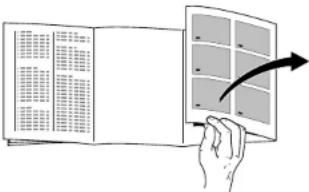
Before reading on, please unfold the pages at the back of this manual featuring the illustrations.
These operating instructions apply to various models. It is possible that some details of the illustrations do not coincide exactly with the particular characteristics of your appliance.
General view
Figure 1
1-12 Control panel
13 Fridge fan
14 Interior light
15 Crystal shelf (wire grid)
16 Yogurt box
17 Bottle rack
18 Discharge gutter for fridge
defrosting water
19 Discharge outlet
20 Vegetable and fruit container
21 Tray for small cans, tubes
22 Butter and cheese compartment
23 Egg rack
24 Bottler holder
25 Bottle shelf
26 Frozen food container
27 Freezer calender
28 Freezer tray
29 Shelf divider
30 Shelf
A Fridge section
B Freezer section
Not on all models
22
Control panel (Quick guide)
Figure 2
1 B@ton
Appliance main switch for on/off
2Bolton
Main on/off switch for fridge
3 "super" button
Maximum capacity for Refrigerator Compartment
4 Temperature selection button for
Refrigerator Compartment
Colder/Warmer
5 Display for Refrigerator Compartment:
a) Current temperature
b) Selected temperature
6 "super" display of Refrigerator
Compartment
7 "super display of Freezer
Compartment
8 Display for Freezer Compartment
a) Current temperature
b) Selected temperature
c) "warmest" temperature
9"alarm"display
10 Temperature selection button for
Freezer Compartment
Colder/Wamer
11 "super" button
Maximum capacity for Freezer
Compartment
12 "alarm" button ("alarm off" switch)
a) For switching off the warning buzzer
b) For displaying the warmest
temperature which has prevailed in the
freezer compartment (only if display 9 flashes).
Getting to know your appliance
Description of control functions
Figure 2
1 B@ton
Appliance main switch, serves for switching on and off the entire appliance.
2Bolton
Used for switching on/off the refrigerator compartment. (The refrigerator compartment will not function until the main switch 1 has been switched on.)
3 "Fast freeze" button for refrigerator compartment
Used for switching on/off "fast cooling". Illuminated display 6 indicates that "fast cooling" is on. When "fast cooling has been switched on, the refrigerator compartment is cooled for 6 hours at the coldest temperature selector setting. The temperature in the refrigerator compartment is then switched back to the set temperature. "Fast cooling" is ideal for the rapid cooling of beverages.
4 Button for selecting temperature in refrigerator compartment
(The temperature in the refrigerator compartment can be selected from +2^ to +11^ )
Press C button
The preset temperature is displayed for 5 seconds in display 5.
Press the selection button repeatedly or
continuously until the desired
temperature is displayed. (The
temperature selection is displayedconversatively from 11^ to -8^
consecutive from +11^ to +2^ . +11^ is redisplayed after +2^ .
5 Display for refrigerator compartment
Illuminates only when the main switch 2 for the refrigerator compartment has been switched on and displays two functions:
a) Current temperature in refrigerator compartment
No need to press a button - the current
temperature in the refrigerator
compartment is displayed here
b) Setting the temperature in the
refrigerator compartment
When selection button 4 is pressed, the temperature selection is displayed for 5 seconds.
Then the "current temperature in the refrigerator compartment" is redisplayed.
6 "super" display (cool)
Illuminates only if "fast cooling" is on.
7 "super" display (freeze)
Illuminates only if "fast freeze" is on.
8 Temperature display for freezer
compartment
displays 3 different temperatures)
a) Current temperature in freezer
compartment
The current temperature in the freezer compartment is displayed here, without any buttons having been pressed.
b) Temperature selection for freezer compartment
When selection button 10 is pressed, the temperature selection is displayed for five seconds. Then the "current temperature in the freezer compartment" is redisplayed.
c) "Warmest temperature" in the
freezer compartment
If display 8 flashes, the freezer
compartment became too warm due
to a power failure or a malfunction.
When the pressed, the warmest
temperature reached in the freezer
compartment is indicated on display 8 for 5 seconds.
9 The "alarm" display
Illuminates and the warning tone sounds
simultaneously, when it becomes too
warm in the freezer compartment.
This extinguishes when the freezer
compartment has reached its operation temperature.
Getting to know your appliance
10
C Button for selecting
erature in freezer compartment 1/ ℃ button 10.
The preset temperature is displayed for 5 seconds in display 8.
Press the selection button repeatedly or continuously until the desired temperature is displayed. The value last selected is stored. (The temperature selection is displayed consecutively from -16^ to -26^ . -16^ is redisplayed after -26^ ).
11 "super" button
Serves to switch fast-freeze on and off. Operation is indicated via display 7, "super". The fast freezing serves for freezing of large quantities of fresh food and should be switched on up to 24 hours before placing the fresh food in the freezer compartment.
The refrigerating unit operates continually after being switched on, a very low temperature is achieved in the freezer compartment.
12
"alarn
button
Serves for switching off the warning buzzer.
The warning buzzer sounds if the freezer temperature is too warm, i.e. if the frozen-food is in danger (display 9 flashes simultaneously).
There are occasions when the warning buzzer may sound without the frozen-food being in any danger:
- when you start up the appliance
- when placing fresh food in the freezer without switching on fast freezing
- and if the freezer compartment door is open too long.
Once the warning buzzer has been switched off, the "acoustic warning" automatically returns to stand-by, if the freezer compartment has reached its operating temperature again.
Switching ON and setting temperatures
Fig. 2
Put the plug in the socket.
When the buttons are pressed, an acknowledgement signal is emitted.
- Press the appliance main switch 1. Warning signal is emitted, "alarm" display 9 and "current temperature in refrigerator compartment" display 5 illuminate.
- "Current temperature in freezer compartment" display 8 flashes.
Press "alarm" button 12. Display 8 stops flashing. The appliance is now operating.
Set the temperature for the freezer compartment.
Press the selection button 10 repeatedly or continuously until the desired temperature is displayed. The value last selected is stored. (The temperature selection is displayed continuously from -16^ to -26^ . -16^ is redisplayed after -26^ . We recommend setting the temperature of the freezer compartment at -18^ .
- Set the temperature for the refrigerator compartment.
Press the selection button 4 repeatedly or continuously until the desired temperature is displayed. The value last selected is stored. (The temperature selection is displayed continuously from +11^ to +2^ . +11^ is redisplayed after +2^ ). We recommend setting the temperature of the refrigerator compartment at 4^ .
The temperature setting can also be corrected slowly.
en
Switching ON and setting temperatures
Note
The temperature in the refrigerator compartment may fluctuate because:
The appliance door is opened frequently
Large quantities of fresh food are placed in the refrigerator compartment and/or freezer compartment
The ambient temperature changes
- The temperature selector setting for the freezer compartment changes or
"super" freeze has been activated.
- If no temperature is displayed when starting the appliance, It is still too warm in the refrigerator or freezer compartment.
To prevent condensation in the area of the door seal, the slides of the housing are partially heated. - You may notice that the door of the freezer sometimes refuses to open again directly after having been closed. If this does happen, wait two or three minutes for the vacuum to equilibrate.
While the refrigerating machine is running, water droplets of frost will form on the rear panel of the refrigerator, simply caused by the refrigerating machine functioning. It is not necessary to scrape off the frost or wipe off the water. The rear panel defrosts automatically. The defrosting water collects in the gutter (Fig. 1B), and then routed to the refrigerating machine where it evaporates.
The temperature display of the refrigerator compartment or/and the freezer compartment changes slowly depending on the quantity of food we put in the fridge. The temperature display doesn't change even if the door of the refrigerator or the freezer compartment is open for a few minutes.
Switching OFF and longer periods of disuse
Switching OFF
Press the main switch, Figure 3/1. The whole appliance is then switched off.
Disconnecting the refrigerator compartment
If only the refrigerator compartment is disconnected, press the main switch for the refrigerator compartment (Fig. 2/2) until the display (Fig 2/5) goes out.
Longer periods of disuse
If the appliance is not going to be used for a longer period of time: Press the main switch, Figure 2/1, clean the appliance and leave the doors open.
Note
If you want to clean the refrigerator compartment and you want to switch off the interior light simply press the main switch off (Fig. 1).
Food arrangement Food arrangement
Fan inside refrigerator compartment
Fig. 1/13
The fan at the top of the refrigerator compartment increases the speed at which air circulates.
The results are...
a uniform temperature throughout the refrigerator compartment
After the door has been opened, the original temperature is restored rapidly.
When the temperature setting is altered, the new level is reached more quickly
Fresh food can be kept for a longer period of time due to decreased air humidity.
When loading the food, note the following:
Allow warm food and beverages to cool down before storing inside the appliance.
- Ensure that food is well wrapped or covered before it is stored. This will prevent food from dehydrating, deteriorating in colour or losing in taste and will help maintain freshness. It will also prevent cross-flavouring. Vegetables, fruit and salad need not be wrapped provided they are stored in the vegetable bins of the refrigerator.
- Never let any oil or grease come into contact with plastic fittings or the door seal as these materials easily become porous.
- Never store any explosive substances inside the appliance. High-proof alcohol should only be stored upright in tightly sealed containers. Danger of explosion!
Glass bottles containing liquid that can freeze should never be stored in the freezer as the glass bursts when the contents freeze.
Example of food arrangement
Fig. 1
Refrigerator compartment (A)
Bread, cakes and pastries, ready-made meals and dairy products, from top to bottom on the shelves (15).
Cheese, sausages and yoghurt in the drawer (16).
Fruit, vegetables and salads in the vegetable container (20).
Small bottles and cans on the shelf (21).
Butter and cheese in the compartment (22).
Large bottles on the bottle shelf (25)
Freezer compartment (B)
Use the top frozen goods containers (26) to store frozen foods.
- Use the freezer tray (28) to store small frozen goods and make ice cubes.
Interior fittings
The shelves in the refrigerator compartment can be re-arranged when the door is opened at a 90^ angle. Pull the shelf forwards, lower, pull out and re-insert in the desired position (Fig. 6).
* Bottle rack
Bottles can be placed and stacked securely in the recesses (Fig. ⑤, ⑥).
The underside of the bottle rack is smooth.
not on all models
The small drawer can be taken out to facilitate insertion and removal of food. The drawer holder for yoghurt cartons can be moved to the left or right on the shelf plate, Figure 6.
The egg racks inserted into the door shelves can be folded up to enable tubes, small tins, etc. to be stacked in their place.
The bottle rack is provided with a retainer to prevent bottles from falling over when the door is opened or closed, Figure 10/A.
All trays, racks and containers attached to the door can be removed for cleaning purposes.
To remove, simply lift them up, Fig. 8/A
The small accessories holder, (Figure 6) is used to store small objects (bottles, medicines, etc.). It can be moved to the left or right side of the door shelf. Remove the small accessories holder by pulling it up.
not on all models
Freezing and storing
Note the following when buying frozen food
Inspect packaging: it should not be damaged in any way.
Make sure the "Best before ..." date has not expired.
- Check thermometer of the vendor's freezer. It should read -18^ or colder.
- Ensure that the frozen foods are the last items to be bought. Wrap in several layers of newspaper or place in a thermo-insulated bag and take home at once. Store frozen products in the freezer without delay.
Freezing at home
If freezing at home, use only foodstuffs which are absolutely fresh and in perfect condition.
Foodstuffs that freeze well
Meat, cold slices and sausage, poultry and game, fish, vegetables, aromatic herbs, fruit, bread and pastries, pizza, precooked meals, leftovers, egg yolks and whites.
Foodstuffs not suitable for freezing
Whole eggs in their shells, soured cream and mayonnaise, lettuces, radishes, horseradish and onions.
Blanching vegetables and fruit
It is advisable to blanch vegetables and fruit before freezing in order to preserve colour, flavour, aroma and vitamin C.
(To blanch, bring a large saucepan of water to a fast boil and completely immerse fruit or vegetables briefly. Most book stores offer a wide selection of literature on freezing which will also deal with blanching.)
Wrapping food
Pack the food in portions suitable for your household.
Vegetable and fruit portions should be no heavier than 1kg while meat portions can
be up to 2.5kg Smaller portions freeze through more quickly and the quality is thereby maintained better when defrosting and preparing the food.
It is important to seal food airtight before freezing to prevent it from losing its taste or dehydrating.
Suitable wrapping materials:
plastic foil, polyethylene tubular film, aluminium foil and freezing containers. These items are available from any dealer.
Unsuitable wrapping materials: wrapping paper, greaseproof paper, cellophane, bin bags or used carrier bags.
Place food in the wrapping, press out any air and seal it airtight.
Suitable sealing materials:
rubber bands, plastic clips, string, freezer tape or similar. Polyethylene tubular film and bags may be heat-sealed using a special sealing iron or press.
Before placing in the freezer, each package should be clearly labelled with the contents and date of freezing.
Maximum freezing capacity
Foodstuffs should be frozen right through as quickly as possible. Only in this way it is possible to retain vitamins, nutrients, appearance and taste. You should therefore never exceed your appliance's maximum freezing capacity.
Within 24h a max 12kg of food for 60~cm width appliances, can be frozen at once in the upper compartments.
Food that is already frozen should never come into contact with fresh food about to be frozen.
Allow hot food and drinks to cool down to room temperature before placing in the freezer.
Super cooling
If you are going to buy fresh food you should switch on super cooling 3-4 hours before or at the latest when placing fresh food in the refrigerator. To switch on "super cooling" simply press the "super cooling" button (Fig. 9/3). "Super cooling" reduces the temperature in the refrigerator compartment for 6 hours. Then the appliance automatically switches to the temperature, which was selected prior to "super cooling."
Fast freezing
If frozen food is already being stored in the freezer, you should switch on fast freeze several hours before putting in fresh food to freeze.
Normally, it will suffice to switch on fast freeze 4-6 hours ahead. If you are planning to make full use of maximum freezing capacity, switch on 24 hours in advance. Smaller quantities of food (up to 2kg ) can be frozen without the fast freeze facility. To switch on "super" freeze, simply press the "super" freeze button, Fig. ⑧/11.
The "super" indicator lights up to show that the fast freeze function is operating. After switching on, a very low temperature is achieved in the freezer compartment. Fast-freezing switches off automatically approximately 53 hours after being switched on.
Storage of food
Make sure that all the frozen goods containers are pushed in as far as they will go. This is important so that the air inside the freezer can circulate properly.
Frozen food calendar
Figure 3/27
It is important not to exceed maximum permissible storage times in order to avoid impairing the quality of the frozen goods. The actual storage time depends on the type of food. The numbers next to the symbols indicate the permissible storage time in
Freezing and storing Freezing a@destirigg
months. In the case of frozen goods purchased from a shop, observe the production date or 'Best before ...' date.
* Freezer tray
Fig. 7
The freezer tray is suitable for storing ice cube trays and for freezing individual berries, pieces of fruit, herbs and vegetables. To freeze individual items of food, distribute the produce uniformly on the freezer tray and leave to freeze for approx. 10-12 hours. Then transfer the produce into freezer bags or containers.
To thaw, spread out the individual items of food.
Thawing frozen food
Depending on the nature of the food and the preparation or cooking method you are going to employ, you may choose one of the following thawing methods:
at room temperature,
in the refrigerator,
in an electric oven,
tan-assisted or not, in the microwave of
Food that has been partially or completely defrosted can be refrozen provided that these items are stored at temperatures below +3^ and for no longer than one day where meat and fish is involved, or no longer than 3 days for other items.
Otherwise, provided that taste, smell and appearance remain unchanged, you can boil, fry or process the food further into a ready-made dish and then refreeze.
Observe that in this case the admissible shelf-life will be shorter than normal.
Making ice-cubes
Fill the ice-cube tray three-quarters full with water and place it in the freezer.
Twist the tray slightly to remove the ice-cubes. (Fig. 9)
You should clean the appliance twice annually.
Before cleaning, you should always unplug the appliance and/or switch off or disengage the household fuse.
Do not use a steam cleaner. The hot steam could damage the surface of the appliance or the electrical components - electric shock hazard!
Ensure that cleaning water does not get into the control panel or any of the lights. Lukewarm water with a little mildly disinfectant detergent such as washing-up liquid is ideal for cleaning the entire appliance, except the door seal. Never use cleaning agents containing abrasives, acids, chemical solvents or polishers.
Simply clean the door seal with clear water and dry thoroughly afterwards.
If possible, the heat exchanger (black grid) at the back of the appliance should be cleaned with a brush or vacuum cleaner every two years. This will maintain the full efficiency of the appliance and helps to save electricity.
Clean the refrigerator gutter (Fig. / and drainage outlet (Fig. / more frequently to ensure that defrosting water can always drain.
not on all models
Cleaning
*Important information for the care of stainless steel surfaces
A trial pack of "Chromol" cleaning agent is enclosed with the appliance.
TO RETAIN THE HIGH-QUALITY APPEARANCE OF YOUR APPLIANCE, TREAT THE STAINLESS STEEL SURFACES OF THE APPLIANCE IMMEDIATELY AFTER INSTALLATION WITH THE LIQUID CLEANING AGENT "CHROMOL". REPEAT THIS TREATMENT AT REGULAR INTERVALS.
This cleaning agent is available on the market under the name "Chromol" or from your customer service under
Ident. no. 310359 as a 500 ml spray can
To prevent damage to surfaces, under no circumstances use abrasive sponges, metal brushes, sharp-edged implements or scouring agents. Chemically aggressive cleaning agents, such as defrosting sprays, oven sprays, solvents or stain removers must not be used either.
not on all models
30
Power saving tips Information about
Install the appliance in a cool, dry room with adequate ventilation. Ensure that it is not exposed to direct sunlight and never put it near a direct source of heat (raditor, etc.).
- Never block any vents or grilles on the appliance.
-Allow warm food to cool down before placing in the appliance.
- Put frozen food in the refrigerator to thaw. You can then use the low temperatures of the frozen products to cool food in the refrigerator.
Do not keep the door of the appliance open for too long when loading or taking out food. The shorter the time that the door is opened, the less ice will form on the freezer grids.
Clean the heat exchanger (black grid) at the back of the appliance every two years.
operating noises
Operating noises
In order to maintain the pre-set temperature at a constant level, the appliance compressor switches on from time to time.
The noises that can be heard while it is running are perfectly normal.
The noise reduces automatically when the appliance reaches its operating temperature.
The humming noise is emitted by the motor (compressor). When the motor switches ON, the noise may briefly increase in volume.
The bubbling, gurgling or whirring noise is emitted by the refrigerant as it flows through the pipes.
The clicking noise can always be heard when the thermostat switches ON/OFF the motor.
Cracking noises may occur if ..
- the automatic defrosting is operating.
- the appliance is cooling down or warming up (material expansion).
A multi-zone or No-Frost appliance may cause a low hissing noise emitted by the air flow inside the appliance.
If these noises are excessively loud, the causes are probably not serious and are usually very easy to eliminate.
The appliance is not level
Please level the appliance with the aid of a spirit level. Use the height-adjustable feet or place packing under the feet.
The appliance is not free-standing
Please move the appliance away from kitchen units or other appliances.
Drawers, baskets or shelves are loose or stick
Please check the detachable components and, if required, refit them.
Bottles and/or receptacles are touching each other
Please move bottles and/or receptacles away from each other.
Minor problems and how to rectify them yourself
Customer service should NOT be contacted for every fault. Most faults are minor. Therefore, before you call customer service, please check whether you can eliminate the fault yourself based on the following information.
A technician who is called out to rectify a minor fault will charge the customer, even if the appliance is still under guarantee.
If the display, Fig. 5-8, does not illuminate:
check that the power is ON, that the plug is correctly inserted in the socket and that the appliance is switched ON.
If "E1" (flashing), Fig. 3/5, is displayed while starting the appliance:
A high temperature prevails in the refrigerator compartment. The current temperature of the refrigerator compartment is displayed a few minutes after starting the appliance.
If "E2" (flashing), Fig. ⑧/8, is displayed while starting the appliance:
A high temperature prevails in the freezer compartment. The current temperature of the freezer compartment is displayed a few minutes after starting the appliance.
If the refrigerator-compartment light does not function:
- The light bulb is defective. Pull out the mains plug and remove the cover (Fig. 8/A). Replace the defective light bulb with a light bulb of the same type (max. 15 W, 230 V, E14 holder).
- The light switch is sticking (Fig. 9/B). Check whether it can be moved. If not, please call customer service.
If the display, Fig. 3/8, flashes but the acoustic signal is not emitted:
the freezer compartment was too warm due to a power failure or a fault.
31
Minor problems and how to rectify them yourself
After pressing the alarm button, the warmest temperature which has prevailed in the freezer compartment is displayed for
5 seconds on display 8 (not flashing). Afterward, this value is cancelled. Then display 8 displays the current temperature in the freezer compartment without flashing.
If a temperature greater than +3^ is displayed, check the frozen food.
If flavour, odour and appearance have changed, make a ready-made meal out of the food and refreeze.
No longer store the frozen produce for the max. storage period.
If the display flashes, Fig. 8/8, and the warning buzzer sounds following prolonged operation of the appliance:
Fault, it is still too warm in the freezer compartment! The warmest temperature of the freezer compartment is displayed. To switch off the warning buzzer, press the
"alarm" button. The warmest temperature reached is then displayed. Possible causes of the fault:
-
The clearance at the top of the appliance or in the base is blocked.
-
The freezer-compartment door has not been closed correctly.
-
Fresh food was frozen without Fast freeze,
- Too much fresh food was frozen at once,
- High ambient temperature.
After eliminating the fault, press the alarm button the display stops flashing when the freezer compartment has reached its operating temperature again.
If the freezer section door has been kept open for a long time and the temperature inside now no longer reaches the pre-set level,
so much ice has formed on the evaporator (source of cold temperature) that it cannot be defrosted by the fully automatic defrosting system. In this case take the frozen goods out of the freezer, wrap them well to keep them cold and store them
somewhere cool.
Switch off the appliance and open the freezer section door. After about 12 hours the ice on the cooling system will have thawed. Switch the appliance on again and put the frozen goods back inside.
If you are not able to rectify the problem with the help of the suggestions listed here, please call Customer Service.
Do not open the door more often than necessary, so that the cold temperature inside is retained for as long as possible.
Do not take any further action, especially with regard to the electrical parts of the appliance.
Customer Service
Rating plate
Figure 1
When you call Customer Service you will be asked for the 'E' number and 'FD' number for your appliance.
Both numbers are shown in a box with a black border on the rating plate. This is located inside the fridge section, at the bottom left-hand side next to the vegetable container.
The address and telephone number of your nearest Customer Service is listed in the customer service directory or else in any telephone directory.
(De temperatur in de koeluiimte is
18 Yoppon vepw ouuukwoang kai
anoyu
19 Onn anoortpaayyionc vepou anojuyns
20 Doxio axavikw kai poutw
21 Papi yia mikpa koutia, oWAnvapia
22 Θκη BOUTUPOKAI TUPIOU
23 Auyo@kn
24 Suykpatnon piaaw
25 Papi yia meyadae qiaea, xaptiveu uaukeuaei yaiakot KTA.
26 EuptapikateyuuyevwTpoipuw
6 EvSeIe "super" Yia to Xwpo TnS ouytnpnns
VevSEn"super"Yia to xwoTNS katawuEn
Ev6eIgYiTaXoPnTcKATaUeIgN;
) etikapnBeepokpaia
B) enyevnBeepokpaia
Y) uOJIoAeTnBeepokpaia
9 Evεiξη "alarm"
10 PAnktpo pOuBianc 8epkoPaaic yia To Xapo Tn KATAUEn CuXpoTepa /BepoTepa
11 PAnkToo "super"
Tn meytn anofoon nKatauEn
12 Panktoo"alarm
(ngvoyonolgn"alarm")
a)Ia my aneyvpyonoinou
poEoONIOINIKOUxou
β)IaTIV eNTH TNC UINAOTePNG
BepKpaiaeN NOE XeJNApeAEIO STO
XoO TNC KATAUeN (MOVO aY N
EvEeN 9V avoa@yHeiye
oxtoe ola ta movtea
Vwpiotn oukeun
H aeitoupyia twv stoixeiwpuoiankai eayxou
Eikova
1Πηκτρο (Off)
AUTO EIVAL O KEVTIPKOC DAOKONTTJC TNC OAKUKEC KAI XINPAUEI YIA TNI BTHO OAKJANTCN OAKUKEC OE KA EKTOG LEIOUPYAC.
2IJIaIKTpo ①
Xpndjnoiotaia via thy evpeyoioin / anepeyoioinou you xapou auynmctane (anapaittn npountoea vexetne nntae TnAnkto 1)
3Плкtpo "super"
Xpnaueiye iya Tn eon nTc Unpauvtanncn aek toc
Aetoupyias.
H eveyponoiin nC u npauvtanpc
Eionuavetai otyn evdoen 6 super.
Oat evyponoiinae n u npauvtanpc
xupoc nTc ouvntanpc quyxeta 7a 6 wpc
otyn qumtoepen bepuokpaia nou unopei va emkyBei Eetta, n Bepuokpaia
enavapepetai ottn pubuoyen.
H u npauvtanpciv iiva idavik y ta Tnyyopn oynotw.
4 PAnktpo p0uioncepkoapiaq ia to
xao nT uunnpnnc (H Bepokpaia oTo xwpo auvtpnane npoei va puuiprnta ano +2^ euc +11^ .Piote to nAnkpto 4 C. H nponyouevn puuonm epauvicieta via neve TeuepeoplaenrtnvEvEeis E5. Pntrto TnAnkpto enyOnyaue n ouovxouvaepxvi pa evapuovtien n emBumnn Bepokpaia. (H puuaevn Bepokpaia eupavicieta er ouoxyh oeia ano +2^ euc +11^ .Meta touc +11^ evpuivovrtaai +2^
5 EvEiY Via to xopo Tc auvtipnnc: Avaej mvo otav exe evpyonoei to nktpo 2 kai paviace!
a) Tny enikaipn Bepokpaia sto Xapo Tysuynpns
Ae xpoiaTei va natnoTe oonodjtoTne NankTeo
8) Tny emleeyevn Bepuokpacia oTo xwpo TNC auvtnpncs Otav npiBei To Nktpo 4, n Elnioyn TNC Bepuokpaciae eapavizetai yia neve
Seutepoenenta. Eneita omv evdsen eapavitea n enikcapnepkoepa tou xawpuovmpnpj
6 EvEEn "super" via to Xupo tsuouvnponns Avoeoovvovivvovvovv
Avapeo povo de evat eveponipvni
76 EvSeIEn "super" yia to xipo tnc KaratoeNc AvaBojovo av eiva eveyorionn UrepekaraiuEn.
EvEiEn yia To xwpoTnq katouEn: (euovicie3 1eepotetkec Bepoekpaieec) e)
e Eepiaeaetai va nataoe otiooohnne nkipto yia va eapaviotei n enkapiip Bepokpacia
6) emLeuynBepkoiao 10A TAV narnate To nAnkpo 10eApviteaiya SekaSeutepeaIe nBeepokiaoa nu npotee va enleEeTe. Enerita omyevieiApviceiTn enikapnepbokiaea stxwpoTnc katauuefnc.
y)uOaTeep 8epkoopa Av avo0o3neiv eovdo 8, 0to xwpo tnc katauuec exel aevbae yeaaln Bepkaopaa laoy biakonie peuatoc n aaanLouaetoupiac.
Otav nathetoe nntktoe 8y
ev5e6 eupavietai en neve
seutooeAeita nnuonot
Bepokaoia nou avnle 0e To xpo TNC katauEgNc.
9'Evocicn"alarm
EepaivzTcai kai Toxopova Kooyetai O npoeiToanTIOK XOCToA TnT KaujaUeN avLeAe Myaayn Bepokpaia. EapavzTcai n ot katauue AnokrTey TNY mduunr Bepokpaia.
10 PanTropo puijians Bepuokpadiya via to
(H Bepuokpaoia OTO xipo auvtipnO
muoi pa upuatane 1o-16C euc-26°C).
Piote to nAkppto 10 C.
H npouoyuev puoiu empuavcTaia yia
neve Teubpaosaa tnay EvbEi8 N.
Piote to nAkppto Eumoyi
enavaaBapavova n ouxovoeva meya va
eapavotai n emuiunT Bepuokpaoia. (H
puoiuev Bepuokpaoia eupauvctae o
euoxn epao ano -16C euc-26°C.Meta
FVwpiTe n ouokean
BaalTe To qic Otny npia
Otro nizete Ta mIkpTa, aKouyTeiEvac npoEoiOniTikoNqoXo.
Pntote ToV KeYptiko BiaKontn TnC
O npoeoiontukoc xoc kntepneta kai avoav otnv evEeN 9 to alarm kal otiv evSeE n enikapn Bepuopaia cto XpoTNC ouvtipnnc, TmV evEeN8 aovooaee ne enikapn Bepuopaia tou Xpouu kataquene
Piote to nAiktope 12"alarm
H Ev6e1E 8 Seva0a0pa7re iHa H oukeun Leiaoupey.
PUBiTe Tn EePkoKaPaia Tou Xawou KaTuAuEuaE
Ieote to naKpO 10 ouxoyeva n
envalaiauavoeva eepaVt Eupaviotei n
enntnHepuopaia. H TeuaTaei
Enyov ano aBnkeTuE. (H Bepuopaia
ou n o npoeite va enleEe Tepuivetai n
ouxyea oepa ano- 16^ Eauc-26°C.Meta
TOUC-26°C upeviovotai nti 16-16°C).
Zac ouunvoua vpuuuiue TEPUOPAIA TOX WPOU KATUUECN OTOUC -18°C.
Pbuiote TNI Bepuokpaia Tou Xpwou auynnnp
Ieate to naKpto 4 ouxoeva n
envalaiauavouve ma xvi aeuaviotei n
enbuntn bepuokpaia. H teueiata
enluyoac anbokeuteai. (H epukpaia
tou npoueipe va emeEe tepuivcetai o
uevohxneoao+2°C EwC +11°C. Meta
toc+11°C eupaviciovta nai O +2°C).
Zac auonnuovae u pubuiee Tce
Bepukpaia Tou xipou katuae; otouc +4^
H BepoKaOaOia metaOaAeaTaa Oxetuka apya.
Oeon eIoupyia kai EMIoyn OepokpaiaC
YnodEiEs
Heepoekopoe oto xapo tnc ouvtmnpoc nopei vaetaaataa yoo
Tou ouyou avoymuac Tne noptac nucuukce
Tn tonoBtnc meyAkw nootntw vwnv npouw oTO xpo n Tcunmnc kta 0xuov tKatu
MetaboWvTcBepokpaoiaoc Tou nipbAaovtcc
HpuuonTNC eniaync Bepukpaacaiq ia yuao kntaataueAalaaei ne everpyoanbke n aeitouyia TNC upekatauaeNc.
AV kata TIV eveyoioian TIO oukeune Sev evapiaate kaiia BepiopaiaotnEvdoien,oi XwpoTIO oukeuneEoxuv unjnnBepoopaiaea.
Oipnooepoe TOp eepAnotoc TNC oukeuep Bepauivovt Eepeiaaepaa, yia va eonoiIctai etoi Oxynatios cepou oemukwucn otny nepoxi Tnouxacns npctac.
E nepiwnnou nou meta to Kaiojuo TNC npact tou xupou kataunc dev uopeite va tvv aoivcetaeuocu npakaiaeiie va nepiueveteto eua pia Aenpiexvi Eaiooppnei unionieu npnoekoe
OAtov douAeUToI qukTKu jxavnua, axmuatCovTaI OTo oniIO BoTjaua Tou xawpu ouvTtnpOnCToayovec vepu nIyam, npayua toOnio anotaleX aqaktniTuKIO TNC teAUOTyAvic TNC oukeune, Euaiau ToAtpauatoCnc Tn paxnuN, nKouinua TuayoVvovpu de Xpeiaetai.2To onioBIO ToJuaua TNC oukeune yivetautoaunoiuE Ta vepu TNC aoJueNepriauAUEovauTaN tviUpooP (Eikova B) KAI bIOxTeuovrA kATONIVTO uqkTko mXavnua, ONOU KEA EsatiuovTaY
H evsEiN Tn BepuKpOaiai Tou wOpou Tn auvTpnAn n / kai Tou xwOpou Katoaueq an aalQeApya avoAoya me Tnv nooTnra TpoPiyuWouToMeBETe. H evsEiN Tn BepuKpOaiaic dev aaleQa akoi Ka av aonote Tnv npota Tou xwOpou Katoaueq n auTpnAn aoivxT yia peipka Lcrt.
Oeon EKToC aeitoupyiac, paKpoxpvia Toeon TnC oukeunc EKToC AEIToupyiac
OeON EKTOs λEIToupyias
H oukeiuhaiTeiaketokEaouTayouc,otay TaeHefoKevpikoc Klaqorimtc, ekika
OeTouXwpou ouvtnpnons EKTOIoupyias
Iia va anepeytonoje Tn letoupyia Tn ouvtnpnnc, nntotre ToV tekrpi kdoiKoTn Tou xoiou ouvtnpnc (Eik.2) xevi po 03aegn e6vdi (Eik.5).
MaKpOxPoVia 0eON Tns ouKeun EKToC AIToupyias
O'Atv n oukeN deV npoketai va
XpouonoiBe ia ToAu Kaipo;
PnoteTv keptiakdiokntn, Eikova 1/1,
Kabapiotn th oukeun kapi phtote tic noptec
avoxtce.
Yn68e1Eη
Av ete va kabapiaetoe xwapo TNC auvtipnKai kei ve aBHTeT ovatepiko qwtio, anla niteoTve Kevtikok diakottin (Euk. 61)
Aeviotnpac tou xwpou ouvtnpoc
Eikova 1/13
O aveiopae otneivaupeocouxupou ouvtipnon auavai tvaxuteta kukaoepoiaocu aepa.
Auto exaov anoteAepa:
TIVIETIEU OIOUIOOPN CEPIOKPAICA. 10000
Tay taxa evnakactn Tn pduuovvnc Deepkaacia meta to ovvatya ntoptac
Tnyopn nteuien Tc kauovpyiaeepkaiae meta an aalayn Tc pubuong
Tduvatomta diatmpnc varw Tpogiuwa viaeayutexpovkoi daiaema loync meoane tnc ypaacic Tou aepa.
TonoEETnon TpOpiuW
Kata tv tonoetnon npoeE:
Apynthetata ceaatayata kai nota v kaipauoewEw amtuaoukeun.
TOnBeTeiTa TOpHiaKa ta To SuVAtov
Qukeuaeva n KaA OKeTaueva. EToai
DiIepTeiAt To apOa, To xpaia, N ypaia
kai N ppeKaTaTOC, ETOc auto
Anoeuyetai KAI n AALnAcTeaDo0
yeuEvw. XpOic Oukkaia Ga Tpei va
anBKeouvTa Mavov Laxavik, qoPuta
Kai oalatika mea Osigma Doxieia Axayivak.
Pnoaexetva mny Eae enapn kai Ainaoc me Ta nnaotikpe npk ta TAYOuaX TNC noptac (SIOI SIAPoepiKa auta 8a mnpouov av yivoo npow).
Mn qulate mea at oukneu EKNTKEU uae kai anoekuee ta oivoneeuataon nota meyane npektkotntaa aeokaoan movoe opbae ean kaikeeva no la kaka.
-KivovocekpnEeNc!
Mny anoNKeuei eua otov xapo katauuec,phiae,ue yupa,ta oia iivai biuvatov atpeonoiouvot katauoubov. Kata nV katauue onave ou diaac.
Napáðειγμa Tonoθέτηος Eikova ①
Xwoc ouvtphponc (A)
Sta padi (15) ano nvo npoc ta kato: aptoKeuaaouata Ka Luka,payeupeva qaynty, yalaktoKoioka npoiovta.
ΣTo ouptapi (16) tupi, aλλavtká, γiaoupti.
Σιθο δαξείολλαχανικών (20) λαχανίας, φρούτα, σαλαιτία.
ΣT0 pΦI (21) μiKpε φiλΕΚ KAI KVOεβΕΩ.
Σm ΘnKn (22) bouTuPo KaI tuPi.
20to paoi qiaaw (25) eeyalec qiaalec. Xwpooc katayuEs (B)
etanvuauptia Kateuuyevu TpOivu (26) aenuekuovTuT Kateuuyiue npOvTuA
*STovIkoKaTuApUeNc (28) anoBnKeuuovTai kpa KATEuyuva TpOpuia npaokaueKovTai yayoku (mayuka).
H eawTepiK diappuOmuon
Ta papiia oioa ouvmnpn jnupov
va mpatotamotou, enioc ovav npota elvai
avoaxo) 0c 90. Tia tvnv patotanotnnpahtene to papiipnoc ta umpoc, katebaote To,
apapate To kai tonoetto To ek veu ony
enlunbnt Bcn (ekova 4).
Papipiaawv
2a okafoeio papuaomegauapoeie vaiaoaeke kai vaoiabe e me aopaaie Tc piace (ekova 0.
To kipoo ouptapj nioepi va apaipeBei yia tvn tono8etn kai tvn apaipecn tropiuov. (cikova)
Mitropeite va to metakivee apiotepa ka iia oto pki.
Qi ayboyokne mea otta papia napoupo va onkawu npoc ta nava, oute wote va napoupo va atrobnkeutovou oultvapda, mikpa kouta kTA.
FVa va mv neptouv o iiaee otav aoviyete ka KAEivEtT NIOPTa, autec mioopuv va aapaiotouv me Tuykpatm niaaw (Akova A)
OLe o hkeK kai ta oxiae 10v nopta umoov pa aouapeiov tv ao TBapaou.
Tia Tny aapaien Touc iaiaoc avaonkovete Ta doxaekia ta cncn (EkoVAaA)
*Sta diapnti papov (Ekoova) uiponeite va aotnkeueta kpa atvktieua vou xepiaovatui uen oncuokalakda, papaka k.a.To eaptnmauto evia petaknuao npoc ta apotiopa ka ta deja. Ia va to apapeoet e, onkwee to poc ta naivw.
KaTuEg kai anoThekeuon
Kata nvyap
KATEeuyevwTPOoipowv TPOOExETaEIs:
EAeYETe Tm oukeuaia, autm SeV 8a nTne i vai aepuyn.
H npouynla anEnc 5ev entepentai va exelnpaeB
H v6e5iE Bepkaopaia taou katauokn taou kataaetaoc 9a npereia vaexievi Tepkaopaia taov -18 ^ C n iua xunolotepn eepkaopaia.
Aoyate ta kateyuueva troepua navtoe toteleoc taetaapepeynyopa oto otitac taulyeva ka aoeepnepia n eoae de ioktaayyoia kal ta tonoetee ie aouw meoa stov xapo katauucn trc oukeue.
IwocKaatauEeTe OI idies/OI TpOPIa
Av Belete va katoaueTe oI iEco/oi TOpipia, Xpnoanouite moov Ppeoka KAI apoTnic NIOITAC TOpipia.
KaTaaanla yia katauuein eivai:
Kepata, kepatoedukajata kai AaAvtkia, Naoulepiaki kauynyi, apaqiva, aayakiva, apuajatika xopta, pooata, aptoekudajata, nitra, ayapejeveva qaynta, nepoeejutada qayntwv, kpoki kai anadia abyw.
AkaTaaanla yia katauEyn eivai:
Olaokpna aBya me To oooai Touc, Evi kpeia yalaktoKai mayovzca, oalaatikai panavkia, youia kai kpeuuaia.