ZCP 275 S - Refrigerator ZEROWATT - Free user manual and instructions
Find the device manual for free ZCP 275 S ZEROWATT in PDF.



| Product type | Refrigerator with freezer compartment |
| Brand | Zerowatt |
| Model | ZCP 275 S |
| Total net capacity | 275 L (estimate) |
| Climate class | SN, N, ST, T (see rating plate) |
| Dimensions (H x W x D) | 1850 x 600 x 650 mm (estimate) |
| Net weight | 60 kg (estimate) |
| Power supply | 230-240 V ~ 50 Hz |
| Refrigerant gas | R600a (isobutane) |
| Refrigerator defrosting | Automatic |
| Freezer defrosting | Manual (static models) or automatic (No Frost depending on version) |
| Interior lighting | Incandescent lamp (replaceable) or LED depending on version |
| Temperature setting | Mechanical thermostat (without display) or electronic with display (depending on version) |
| Special functions | Eco, Holiday (No Frost), Smart Cool, Super Freezing, key lock (depending on version) |
| Door reversibility | Yes, by qualified personnel |
| Spare parts | Bulb, door gaskets, shelves, bins (available from after-sales service) |
| Reparability | Lamp replacement by user; other repairs by qualified personnel |
| Cleaning | Warm water and baking soda or neutral soap; avoid solvents and abrasives |
| Safety | Child lock (depending on version), automatic shutdown in case of overheating |
| Energy consumption | Energy class not specified; eco-friendly use recommended |
Frequently Asked Questions - ZCP 275 S ZEROWATT
User questions about ZCP 275 S ZEROWATT
0 question about this device. Answer the ones you know or ask your own.
Ask a new question about this device
Download the instructions for your Refrigerator in PDF format for free! Find your manual ZCP 275 S - ZEROWATT and take your electronic device back in hand. On this page are published all the documents necessary for the use of your device. ZCP 275 S by ZEROWATT.
USER MANUAL ZCP 275 S ZEROWATT
| GUIDA RAPIDA DI MANUTENZIONE E D'USO | IT |
| MAINTENANCE AND USER'S GUIDE | EN |
| GUIA RAPIDA DE USO Y MANTENIMIENTO | ES |
| MANUEL D'ENTRETIEN ET D'UTILISATION | FR |
| BEDIENUNGSANLEITUNG | DE |
| GUIA RAPIDO DE MANUTENÇAO E DE USO | PT |
| HANDLEIDING VOOR ONDERHOUD EN GEBRUK | NL |
| ΓΗΓΟΡΟΣ ΜΑΗΓΟΣ ΣΥΝΤΡΗΞΗΚΑΙ XΡΗΞΗΣ | EL |
| KROTKA INSTRUKCJA KONSERWACJI I UŽYTKOWANIA | PL |
| RYCHLY PRÜVODCE PRO POUŽITΙ A UDRŽBU | CZ |
| NAVOD NA OBSLUHU | SK |
ITALIANO
pag.1-11
Congratulations on purchasing this refrigerator, which has been designed using the latest technology for an easy-to-use, environmentally friendly appliance.
We recommend you read this guide and the technical datasheet carefully to find out everything you need to know about your new purchase.
NEDERLANDS
blz.68-78
Thank you for purchasing this product.
Before using your refrigerator, please carefully read this instruction manual in order to maximize its performance.
Store all documentation for subsequent use or for other owners.
This product is intended solely for household use or similar applications such as:
-
the kitchen area for personnel in shops, offices and other working environments
-
on farms, by clientele of hotels, motels and other environments of a residential type
-
at bed and breakfasts (B & B)
-
for catering services and similar applications not for retail sale.
This appliance must be used only for purposes of storage of food, any other use is considered dangerous and the manufacturer will not be responsible for any omissions.
Also, it is recommended that you take note of the warranty conditions.
SAFETY INFORMATION
- Before performing any operation, unplug the power cord from the power socket.
- The refrigeration system positioned behind and inside the refrigerator contains refrigerant. Therefore, avoid damaging the tubes.
- If in the refrigeration system a leak is noted, do not touch the wall outlet and do not use open flames.
pen the window and let air into the room. Then call a service centre to ask for repair.
- Do not scrape with a knife or sharp object to remove frost or ice that occurs. With these, the refrigerant
circuit can be damaged, the spill from which can cause a fire or damage your eyes. - Do not install the appliance in humid, oily or dusty places, nor expose it to direct sunlight and to water.
- Do not install the appliance near heaters or inflammable materials.
- Do not use extension cords or adapters.
- Do not excessively pull or fold the power cord or touch the plug with wet hands.
- Do not damage the plug and/or the power cord; this could cause electrical shocks or fires.
- It is recommended to keep the plug clean, any excessive dust residues on the plug can be the cause fire.
- Do not use mechanical devices or other e'uipment to hasten the defrosting process.
- (bsolutely avoid the use of open flame or electrical e'uipment, such as heaters, steam cleaners, candles, oil lamps and the like in order to speed up the defrosting phase.
- Do not use or store inflammable sprays, such as spray paint, near the refrigerator. It could cause an explosion or fire.
- Do not use electrical appliances inside the food storage compartments, unless they are of the type recommended by the manufacturer.
-
Do not place or store inflammable and highly volatile materials such as ether, petrol, P^+ , propane gas, aerosol spray cans, adhesives, pure alcohol, etc. These materials may cause an explosion.
-
Do not store medicine or research materials in the refrigerator. When the material that re'uires a strict
control of storage temperatures is to be stored, it is possible that it will deteriorate or an uncontrolled reaction may occur that can cause risks. - Oaintain the ventilation openings in the appliance enclosure or in the built-in structure, free of obstruction.
- Do not place objects and/or containers filled with water on the top of the appliance.
- Do not perform repairs on this refrigerator. (II interventions must be performed solely by qualified personnel.
This appliance can be used by children aged from 8 years and above and by persons with reduced physical, sensory or mental capabilities or with a lack of experience and knowledge; provided that they have been given adequate supervision or instruction concerning how to use the appliance in a safe way and understand the ha1ards involved.
Children should not play with the appliance. Cleaning and user maintenance should not be made by children without supervision.
Turning the knob fully counterclockwise, you will hear a click which corresponds to the switch-off of the product.
When the appliance is installed, the electrical cord and the current socket must be easily reached.
The socket is compatible with the plug of the appliance. If not, request replacement of the plug by an authorized technician; do not use extension cords and/or multiple connectors.
Do not touch the internal parts or fro1en food with moist or wet hands as it can cause burns.
(bsolutely avoid the use of open fl ames or electrical appliances, such as heaters, steam cleaners, candles, oil lamps and the like to accelerate the defrosting phase.
Do not scrape with a knife or sharp ob"ect to remove frost or ice present. These can damage the refrigerant circuit, the leakage of which can cause a fire or damage your eyes.
This appliance contains a UV emitter. Do not stare directly at the light source.
Scrapping old appliance
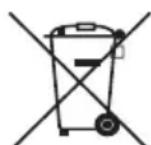
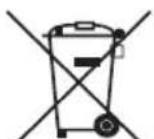
This appliance is marked according to the European directive 2012/19/EU on Waste Electrical and Electronic Equipment (WEEE).
WEEE contains both polluting substances (which can cause negative consequences for the environment) and basic components (which can be re-used). It is important to have WEEE subjected to specific treatments, in order to remove and dispose
properly all pollutants, and recover and recycle all materials.
Individuals can play an important role in ensuring that WEEE does not become an environmental issue; it is essential to follow some basic rules:
- WEEE should not be treated as household waste;
- WEEE should be handed over to the relevant collection points managed by the municipality or by registered companies. In many countries, for large WEEE, home collection could be present.
In many countries, when you buy a new appliance, the old one may be returned to the retailer who has to collect it free of charge on a one-to-one basis, as long as the equipment is of equivalent type and has the same functions as the supplied equipment.
Conformity
By placing the mark on this product, we are confirming compliance to all relevant European safety, health and environmental requirements which are applicable in legislation for this product.
INSTALLATION
WARNING:
- Do not install the appliance in a damp or wet location as this could compromise the insulation and result in leakage. Furthermore, condensation could accumulate on the exterior of the appliance.
- Do not place the appliance in locations outside or near sources of heat or exposed to direct sunlight. The appliance operates properly within the range of environmental temperatures indicated:
+10 +32°C for the climatic class SN
+16 +32°C for the climatic class N
+16 +38°C for the climatic class ST
+16 +43°C for the climatic class T
(See the nameplate of the product)
- Do not place containers with liquids on top of the appliance.
- Wait at least 3 hours after final placement before placing the appliance in operation.
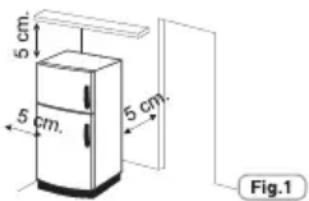
1 Make sure that the space around the refrigerator is adequate for ventilation. The illustration (fig. 1) shows the minimum space required for the installation of the refrigerator.
Maintaining a wider space from the wall, results in reduced electrical energy consumption.
The use of the refrigerator in a space the size less than those indicated in the illustration below (fig. 1) could result in improper operation, loud noises and breakdowns.
2 If present, install the wall spacer in a central position at the rear of the appliance.(Fig.2)
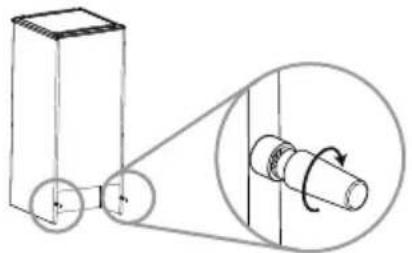
Fig.2
3 Adjust the feet to ensure the stability of the appliance and prevent vibrations and noise (fig. 3). If the front part is higher than the rear, the door can be closed more easily.
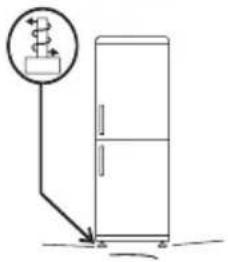
Fig.3
After the installation, wait 2 - 3 hours to allow time for the refrigerator/ freezer to stabilize at normal working temperature, before placing fresh or frozen foods inside.
If the power cord becomes disconnected, wait at least five minutes before restarting the refrigerator/ freezer. At this point, the appliance is ready for use.
OPERATION
Turning On/Off (no display)
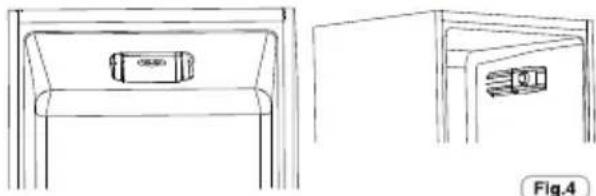
- The thermostat unit for control of the appliance is located inside of the refrigerator compartment (Fig.4).
Rotate the thermostat knob of the thermostat beyond the "0" position. The light is on when the refrigerator door is open. Turning the knob to "0" completely turns off the product.
Turning the knob to "0" completely turns off the product
Temperature adjustment (no display)
NOTE:
If your refrigerator is in stainless steel or other special finish, it might come with a peel-off coating that protects the surface.
Do not use sharp objects to remove this protection as it could damage it.
Electrical connection
After shipping, place the appliance vertical and wait at least 2 - 3 hours before connecting it to the electrical system. Before inserting the plug into the electrical socket, make sure that:
The socket is earthed and in compliance with the law.
The socket can withstand the maximum power load of the appliance, as indicated on the nameplate of the refrigerator.
The power supply voltage is within the amounts indicated on the nameplate of the refrigerator.
The cord must not be folded or compressed.
- The cord must be checked regularly and replaced solely by authorised technicians.
The manufacturer declines any liability whenever these safety measures are not respected.
Electrical connection (for U.K. only)
Plug your appliance into the power socket. If the plug we supply does not fit :
CUT IT OFF AND DESTROY IT!
You can't use iton other appliances, and
the exposed wires could be dangerous if anyone plugged it in.
Fit a suitable plug, as follows:
| Connect to the terminal in the plug | |
| Green and yellow wire | Marked with theletter E,OR marked with the Earth symbol, OR coloured green, OR coloured green and yellow. |
| Blue wire | Marked N, OR coloured black. |
| Brown wire | Marked L, OR coloured red. |
Appliance start-up
Remove all wrapping/packaging present inside the appliance and clean with water and baking soda or neutral soap.
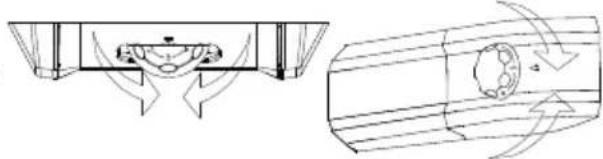
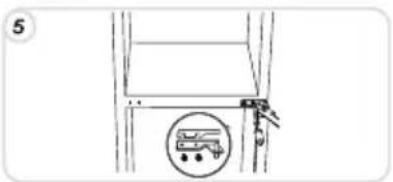
Fig.5
The temperature adjustment of both compartments is effected by rotating the thermostat knob (fig. 5).
Select the desired position:
- For colder temperature in the refrigerator and in the freezer, by turning towards MAX*-
- For temperature less cold in the refrigerator and in the freezer, by rotating in the direction of 0.
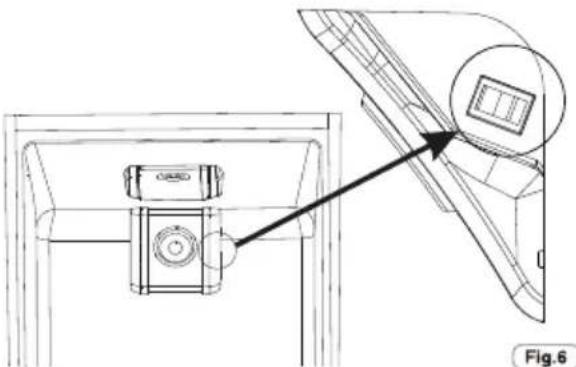
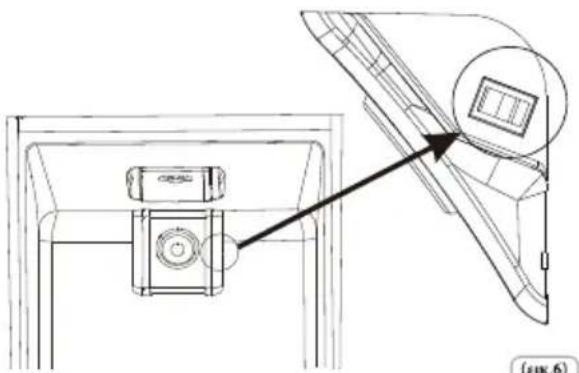
Refrigerator Compartment Fan (if present)
The fan is preset to OFF.
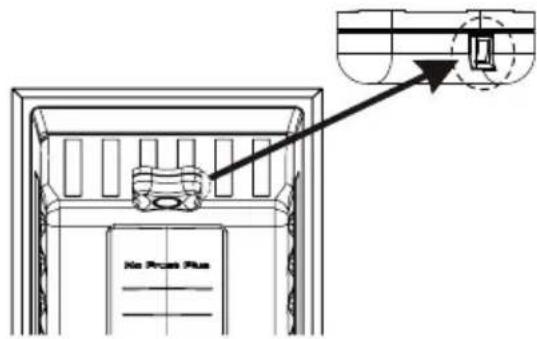
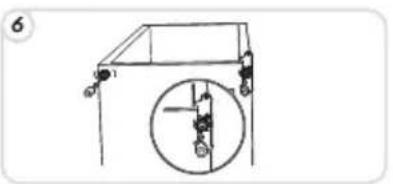
To activate, press the switch (fig. 6)
To optimize energy consumption, it is recommended that you turn the fan on only when the ambient air temperature exceeds 28/30^ .
LED UVA Lights
(if present)
LED UV Lights activate a Titanium filter producing a «photocalysis» reaction which will destroy bacteria within the refrigerator air.
This reaction works fwhen the refrigerator fdoor fis fclosed to favoid Refrigerator purified air leakage. Pressing the
In ventilated products(Static fand Frost fFree) it is integrated in the sky fan and it works every time the compressor works.
In Total No Frost products, it is inserted in sky box and it works every time the compressor works
Filter is permanent and therefore does not need changing.
The antibacterial system has to be turned off during the energy consumption test.
Turning ON/Off (with display)
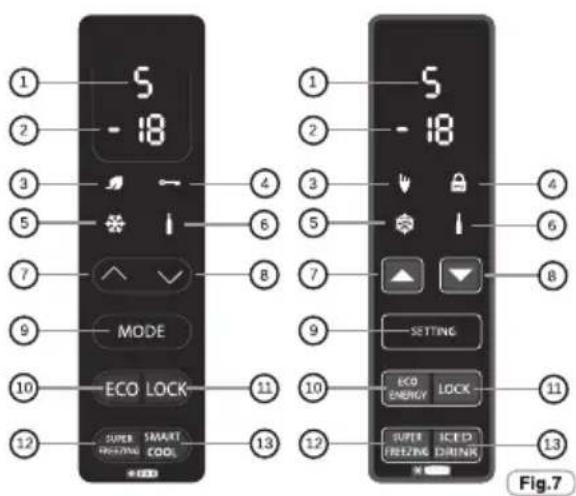
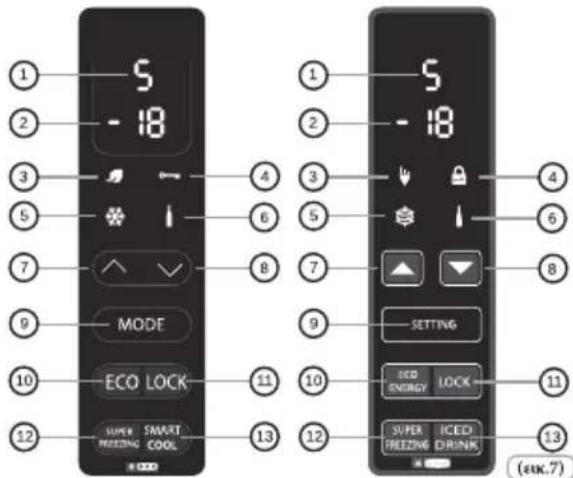
PRODUCT IN STANDBY: For shuttling off the TOTAL NO FROST products, select the freezer function by the MODE button and utilise the arrows 7-8 to visualize the symbol -. For all other products, select the refrigerator function by the MODE button and use the arrows 7-8 to visualize the symbol -.
NOTICE:
The product remains powered up until the removal of the power cord.
Temperature adjustment (with display)
The preset values are: +5 (range +1 ++7) for the refrigerator, and -18 (range -16 -22) for the freezer.
After switching off or an extended off period, the product restarts with the previously set temperature.
- FUNCTION MODE

Pressing the Mode button, it is possible to adjust the temperatures of the refrigerator and freezer.
Pressing the Mode button once, you adjust the refrigerator temperature. It is possible to set the desired position using the arrows 7, 8.
Position 1: the coldest setting; position 7 least cold setting.
If the appliance is a Total No Frost type, after the reading 1, H (Holiday) will be displayed.
Freezer
Pressing the Mode button 2 times, the desired position for the freezer can be adjusted: -16, less cold, -22, colder; select the desired reading and wait 3 seconds and the temperature will be set.
For all products, with the exception of Total No Frost, the temperature between the refrigerator and freezer is set simultaneously, if you increase/decrease the refrigerator temperature by 2 or more degrees, then the freezer temperature will automatically increase/decrease by the same value. If the temperature change is less than 2 degrees, then the automatic temperature adjustment will not occur.
FUNCTION ECO


By activating this function, the appliance optimizes energy efficiency by automatically setting the ideal temperature for ensuring food preservation with lowest energy consumption.
To turn off the Eco function, press the button again.
- LOCK FUNCTION


Pressing the Lock button, lock of the buttons is activated (any other command will be ignored). To deactivate, press the Lock button again.
- SUPER FREEZING FUNCTION


To freeze a large amount of food, activating the Super Freezing function is recommended. To activate the function, press the Super Freezing button. This function will be activated for 26 to 34 hours (depending on model). The function automatically deactivates or by again pressing the Super Freezing button.
SMART COOL/1


To rapidly cool drinks, put the bottle in the freezer compartment and activate the function by pressing smart cool/iced drink button.
A countdown of 30 minutes starts, after which a 15^ acoustic signal indicates that the bottle has reached ideal cooling. The function can be turned off by again pressing the button.
HOLIDAY FUNCTION (only on TOTAL NO FROST PRODUCTS)
In the case of prolonged absences, it is possible to use the Holiday function.
This function allows you to turn off the refrigerator compartment, but the freezer compartment will remain on. Be sure to remove food from the refrigerator compartment before using this function. To activate see the refrigerator function Mode. To deactivate this function, reset the temperature of the refrigerator.
- REFRIGERATOR DOOR ALARM
If the door remains open for more than a minute, the appliance emits an acoustic signal. Press the MODE button if you want to muffle it.
CONSERVATION
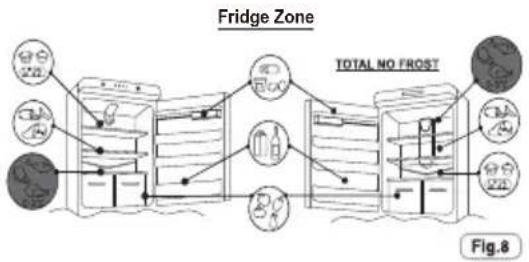
To maintain the best flavour, nourishment and freshness of foods, it is advisable to store them in the refrigerator compartment as shown in fig. 8 below, making sure to wrap them in aluminium or plastic sheets or in appropriate covered containers to avoid cross-contamination.
Refrigerator zone
Fruit / Vegetables
To decrease fruit and vegetable moisture losses they must be wrapped in plastic materials such as, for example, films or bags and then inserted in the fruit/vegetable zone. In this way rapid deterioration is avoided.
Refrigerated section - Chill
not all models)
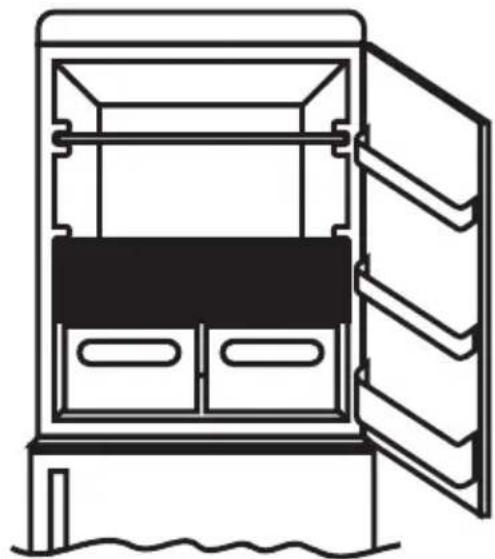
The zone shown below is recommended for meat, fish, poultry, etc.; do not store fruit and vegetables because they can freeze;
Indicator of the temperature in the coldest zone (not all models)
Some models are equipped with an indicator of the temperature in the refrigerator compartment in the coldest zone, for you to be able to control the average temperature. This symbol indicates the coldest zone of the refrigerator. (fig. 9)
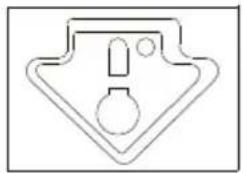
Fig.9
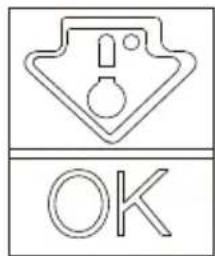
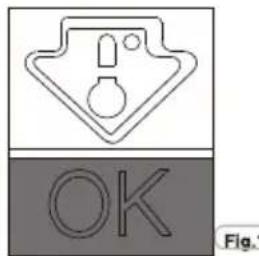
Check that on the indicator of the temperature, the word OK is clearly shown. (fig. 10)
If the word does not appear, this means that the temperature is too high:
adjust the temperature to a cooler setting and wait for about 10 hours.
Recheck the indicator if necessary, proceed with a new adjustment.
0
NOTE: If large quantities of food are inserted or the refrigerator door frequently opened, it is normal for the indicator fails to show OK. Wait at least 10 h before adjusting the knob to a higher setting.
Freezer zone
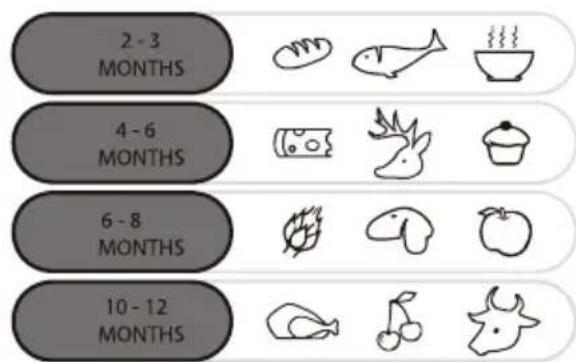
The storage of frozen food is for about a month in the compartments.
Use the table below for the compartments.

Freezing process can only occur in the compartments.
Practical recommendations
Place food on the shelves in a homogeneous manner to allow air to circulate properly and to cool it.
- Avoid contact between the food and the far end walls of the refrigerator compartment.
- Do not introduce hot foods as they can cause deterioration of existing ones and increase energy consumption.
- Remove the wrappings of foods before inserting them.
- Do not put in dishes or other containers unless previously washed.
Do not obstruct the cold air ventilator openings with food. - Do not cover the glass shelf of the vegetable bin to allow for proper air circulation.
- Do not store bottles in the freezer compartment as they can burst when frozen.
In the case of prolonged power outage, keep the doors closed so that foods remain cold as long as possible. - The installation of the appliance in a hot and humid location, with frequent door openings and storing large amounts of vegetables can cause the formation of condensation and affect the performance of the unit itself.
- To prevent excessive energy consumption, the frequent or prolonged opening of the doors is not recommended.
FREEZING
- Foods must be fresh.
- Freeze small amounts of food at a time in order to freeze quickly. Never exceed the maximum amount indicated on the nameplate.
- During freezing, do not open the freezer door.
Food must be sealed, airtight. - Separate food to be frozen by those already frozen.
- Label bags or containers to keep an inventory of frozen foods.
- Once defrosted, consume food promptly. Do not ever refreeze foods.
NOTE:
-PRODUCTS WITHOUT DISPLAY
Normally it is not necessary to intervene with the thermostat knob. If you find excessive cooling of the products contained in the refrigerator compartment, gently turn the thermostat knob toward 0. (fig. 11)
On completion of freezing, return the knob to the usual position.
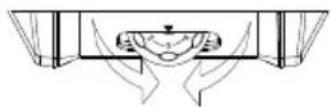
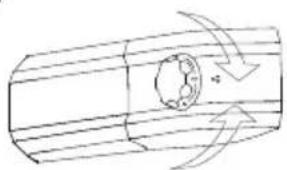
Fig.11
Products with display
See Turn ON / OFF Display
For products with a NO FROST freezer compartment, activate the SUPER FREEZING function 8 hours before introducing the foods.
For the other products, activate the SUPER FREEZING function at the time of introduction of the foods.
DEFROSTING
Defrosting the refrigerator compartment
During normal functioning, the refrigerator is automatically defrosted. There is no need to dry the drops of water present on the rear wall or to eliminate the frost (depending on functioning).
The water is conveyed to the rear part through the drain hole found there and the heat of the compressor causes it to evaporate.
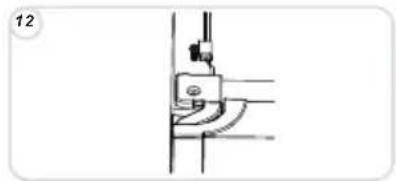
- Keep the drainage pipe (fig.12) clean in the refrigerator compartment to keep it free of water.
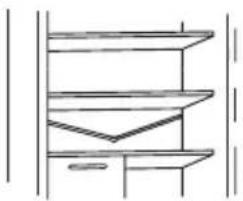
Fig.12
Defrosting the freezer compartment
(Static products without NO-FROST technology)
When the layer of frost present in the freezer compartment exceeds 3mm , it is recommended to proceed with the defrosting as it increases energy consumption.
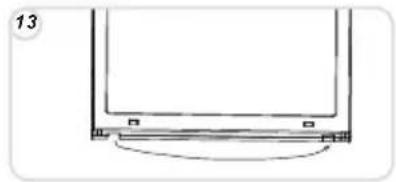
1) Rotate the knob to the "0" position (fig.13)
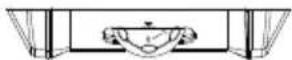
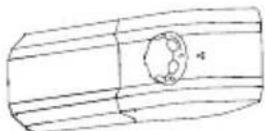
Fig.13
2) Disconnect the power cord.
3) Remove the frozen food and temporarily place them in a cool place.
4) Leave the freezer door open to speed defrosting.
5) Collect the water on the bottom of the product.
6) Dry the freezer.
7) Reconnect the power cord and set the thermostat knob to the desired position.
8) Wait a moment and reintroduce the frozen foods.
WARNING:
Absolutely avoid the use of open flames or electrical appliances, such as heaters, steam cleaners, candles, oil lamps and the like to accelerate the defrosting phase.
Do not scrape with a knife or sharp object to remove frost or ice present. These can damage the refrigerant circuit, the leakage of which can cause a fire or damage your eyes.
Defrosting the freezer compartment
(NO-FROST products)
Defrosting is automatic.
MAINTENANCE AND CLEANING
Lighting (according to model)
Bulb Replacement
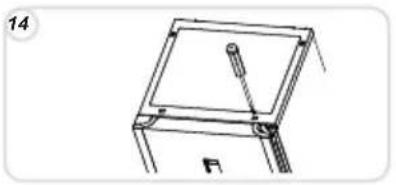
To replace the lamp bulb, place the thermostat knob on 0 and disconnect the power cord. Remove the protective cover (fig.14), replace the bulb with a power rating analogous with that indicated on the protective cover.(Fig.14)
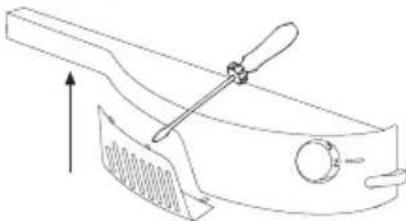
Fig.14
WARNING:
- The light bulb supplied with this appliance is a "special use lamp bulb" usable only with the appliance supplied This "special use lamp" is not usable for domestic lighting.
- Do not touch the light bulb if it has been on for a long period of time because it could be very hot.
LED lighting (Where present)
If the product is equipped with LED lights, please contact the Technical Assistance Service in case of replacement.
Compared to traditional light bulbs, the LEDs last longer and are environmentally friendly.
Cleaning
NOTICE:
- Before each operation, remove the refrigerator plug from the power socket to prevent electric shocks.
- Do not pour water directly on the outside or inside of the refrigerator itself. This could lead to oxidation and damaging of the electrical insulation.
IMPORTANT:
To prevent cracking of the inside surfaces and plastic parts, follow these suggestions:
Wipe away any food oils adhered to plastic components.
- The internal parts, gaskets and external parts can be cleaned with a cloth with warm water and baking soda or a neutral soap. Do not use solvents, ammonia, bleach or abrasives.
- Remove the accessories, for example, the shelves, from the refrigerator and from the door. Wash in hot soapy water. Rinse and thoroughly dry.
- The back of the appliance tends to accumulate dust which can be eliminated with the use of a vacuum cleaner, after having switched off and disconnected the appliance from the electrical outlet. This provides greater energy efficiency.
ENERGY SAVINGS
For better energy savings, we suggest:
- Installing the appliance away from heat sources and not exposed to direct sunlight and in a well ventilated room.
- Avoid putting hot food into the refrigerator to avoid increasing the internal temperature and therefore causing continuous functioning of the compressor.
- Do not excessively stuff foods so as to ensure proper air circulation.
- Defrost the appliance in case there is ice (see DEFROSTING) to facilitate the transfer of cold.
- In case of absence of electrical energy, it is advisable to keep the refrigerator door closed.
- Open or keep the doors of the appliance open as little as possible
- Avoid adjusting the thermostat to temperatures too cold.
- Remove dust present on the rear of the appliance (see CLEANING).
- For static products tests must be done without freezer drawers, for the others the drawers must be left in the freezer.
AVOIDING NOISES
During its operation, the refrigerator emits some normal noises, such as:
HUMMING, the compressor is running.
RUMBLINGS, RUSTLINGS and HISSING, the refrigerant is flowing
through the tubes
- TICKS and Clicks, the operation shutdown of the compressor.
Small measures to reduce the vibration noises:
- THE APPLIANCE IS NOT LEVEL: Adjust the feet so the appliance is level.
- Containers touch each other: Avoid contact between containers and glass receptacles.
- Appliance in contact: Install the appliance away from other furniture or electrical appliances.
- Drawers, shelves, bins vibrate: Check the proper installation of internal accessories.
NOTE:
The refrigerant gas produces noise even when the compressor is off; it is not a defect, it is normal.
If you hear a clicking sound inside the appliance, it is normal as due to expansion of the various materials.
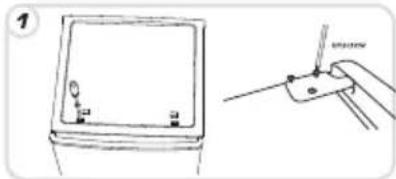
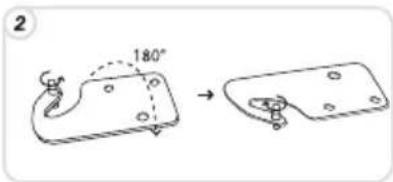
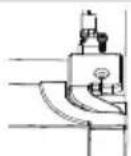
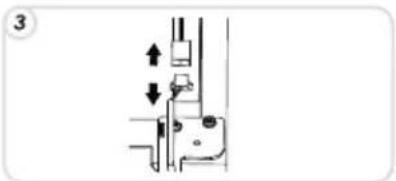
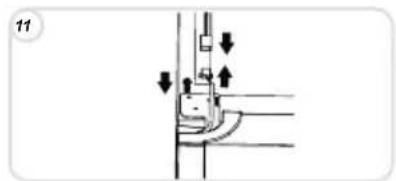
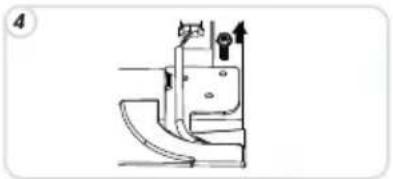
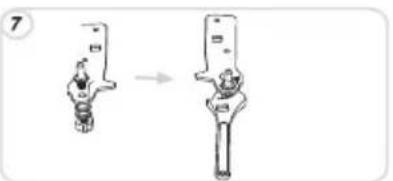
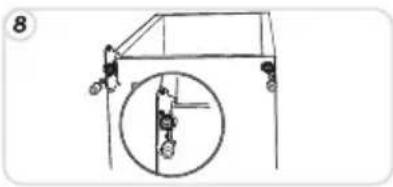
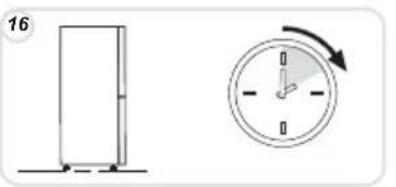
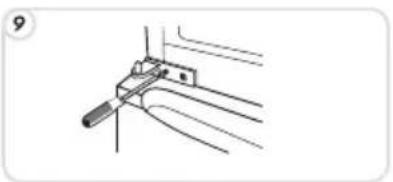
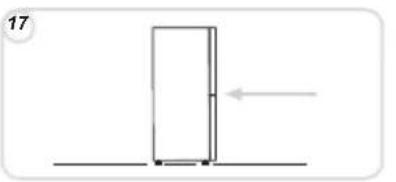
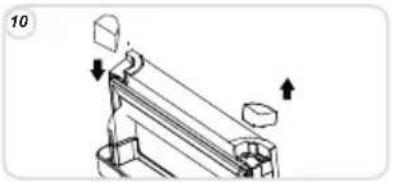
REVERSIBILITY OF THE DOOR (MECHANICAL)
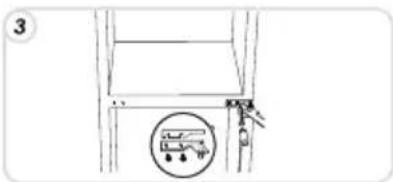
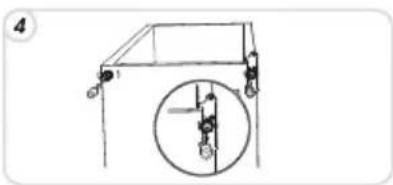
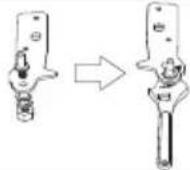
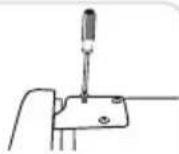
The doors of the appliance can be reversed so as to allow the opening to the right or left according to exigency.
NOTICE:
- Inversion of the doors must be performed by qualified technical personnel.
Inversion of the doors is not covered by the warranty.
5
6

7
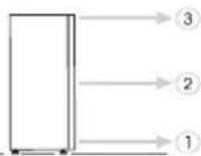
8
9
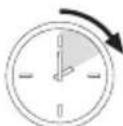
1 hour
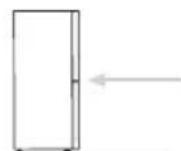
10
REVERSIBILITY OF THE DOOR (ELECTRONIC)
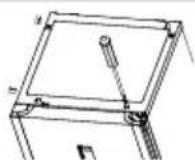
1
2
SUSPENDING USE OF THE APPLIANCE
If the appliance is not to be used for a long time:
1) Turn the appliance OFF (see Operation)
2) Extract the plug or remove the safety device.
3) Clean the appliance
4) Leave the doors of the appliance open.
TROUBLESHOOTING
| PROBLEM | CAUSE | REMEDY |
| The inside illumination light bulb does not turn on. | ·The light bulb is burned out. ·Electricity absence. | ·Replace the lamp bulb (see lighting). ·The power cord is not properly plugged in. ·Check whether the appliance is switched off. (see Temperature Adjustment). ·Ensure that there is a current in the house. |
| ·Door switch is blocked. | ·Check that it is active. | |
| The refrigerator and freezer do not sufficiently cool. | ·The doors are not closed. | ·Check that the door and gaskets close properly. |
| ·The doors are frequently opened | ·Avoid unnecessary opening of the doors for a period of time. ·Check the position of the knob or temperature setting and, if it is possible, cool even more (see Temperature adjustment) | |
| ·Erroneous setting of the temperature. | ||
| ·The refrigerator and freezer have been excessively filled. | ·Wait for the stabilization of the temperature of the refrigerator or freezer. | |
| ·Surrounding temperature is too low. | ·Check that the ambient temperature is in accordance with what is indicated on the nameplate (see Installation). | |
| ·No electrical power. | ·The power cord is not properly plugged in. ·Check whether the appliance is switched off (see Temperature adjustment) ·Ensure that in the home there is current. | |
| ·The rear of the appliance is too close to the wall. | ·Move the appliance away from the wall (see installation). | |
| The food in the refrigerator freezes. | ·Erroneous setting of the temperature. | ·Check the position of the knob or temperature setting (see Temperature Adjustment) and, if possible, decrease temperature setting. |
| ·Food in contact with the back wall. | ·Separate the food from the back wall of the refrigerator. | |
| ·The freezing of too much fresh food causes a lowering of the temperature of the refrigerator | ·Do not exceed the maximum amount to be frozen (see Freezing). | |
| The bottom of the refrigerator compartment is wet or droplets are present. | ·Products that are not NoFrost: the drain tube could be clogged. | ·Clean the drain tube with a cotton-bud or the like to allow the discharge of water. |
| Presence of drops or water on the back wall of the refrigerator. | ·Normal operation of the refrigerator. | ·It is not a defect (see Defrosting). |
| Presence of water in the vegetable drawer. | ·Lack of air circulation. | ·Check that there is no obstruction on the glass shelf which will prevent air circulation. |
| ·Vegetables and fruits with too much moisture. | ·Place fruit and vegetables in plastic, such as films, bags or containers. | |
| The motor runs continuously. | ·The doors are not closed. | ·Make sure the doors are closed and if the seals close properly. |
| ·The doors are opened frequently. | ·Avoid unnecessary open ports for a certain period. | |
| ·Ambient temperature is very high. | ·Verify that the ambient temperature is in accordance with the specifications on the nameplate (see Installation). ·Set the thermostat knob on low numbers / Set the display a warmer temperature. | |
| ·Thickness of frost than 3mm. | ·Defrost the unit (see Defrosting). | |
| The temperature of some external parts is high. | ·Presence of the condensate drain pipe. | ·It is normal: temperatures are high to prevent the formation of condensation on certain parts. |
| The frozen food is thawing. | ·The ambient temperature range below climate class of the product. The compressor starts rarely | ·Move the unit to a warmer or heat the room. |
| ·The freezer door is not closed. | ·Make sure the door is closed and that the gasket is sealing properly. | |
| Condensation on the outside. | ·Environment too moist. | ·Move the unit in a less humid. |
IF YOU ARE NOT SOLVED THE PROBLEM, CONTACT THE SERVICE CENTER, PLEASE GIVE THE TYPE OF FAULT AND THE INFORMATION ON THE PLATE OF THIS APPARATUS TO INSIDE THE REFRIGERATOR COMPARTMENT:
The model of equipment.
The number of series.
INFORMACION DE SEGURIDAD 25
INSTALACION 27
FUNCTIONAMENTO 28
CONSERVACION 29
CONGELACION 30
DESCONGELACION 31
MANTENIMIENTO Y LIMPIEZA 31
AHORRO ENERGÉTICO 31
EVITAR RUIDOS 32
REVERSIBILIDAD DE LA PUERTA 32
SUSPENSION DEL USO DEL APARATO 33
ANOMALIAS Y SOLUCIONES 34
-in Bed and Breakfasts
-KUHLSCHRANKTÜRALARM
aexuapioTOU EIIAEgate auto to poiov pa
AIOAOTE TPOOECTIKA TIG ONDYIECS TOU TEPIEIXI TO BIAIO ONDYIOVTV KpatATE OTA XEPIA OAC, TIPV DOKIJAeTe va AIEIOUTOpyNt ETOUKEAE.
AkoouwVtacnoyies aeitoupyias eaaaaietetis myiotes etidoeic.
DuaTe To 3iAio oyniw yia eAovtikn xpon n yia va to npaadoe taqi me tn oukeun tov etoEv ioktntn.
H oukeun autn npoipetai anokkia iia oikiax xpon n yia nappooe TPOs autnv xphoeis otws:
-
xpon on eX wpo eoTiaoNs TPOOWTIKOU e KATAOTnmuata KAI aALouc Xwpuoc EpyaiaC
-
oé aypotiká kataλúpuata n ξevoboxεia yα xρηση απο touc πελατες, oε ξevuves (B & B)
-
aio eiaepieicatering kai napepepeic aaaa oxi yia xpnon oenueia wlnonc.
H oukeun autn kataoKEuaoTKe aTOKAEIOTKa yia thy ouvtnpon TpOpiW n xpon tns oukeun yia diaopetiko oKOto pItopei
va atoBcEi ETKivouyn kai o kataokueaotns dev pepia eunovn yia tuxov znuiec Tpuptoe va TpokAnBouV.
TIA TIV DIKI OAS EGAOPAION DIAAPOTPOEKTKA TO KEIEVTO Wv OPWY EYYUNONS.
IIAHPOΦOPIE ΠA THN A ΣΑAΕΙΑ
To yeyio Tepiexei aepio yuengs (R600a: 1ooboutavio) kai aepio movwong (Kukloentavio), Tou evai piaikacipoc to Tepiabalov, aaE uFpAekta.
Suviotatai va akoloutheite touc e ncs kavovioous, etoi wote va atopuyete kataotaceis ETTIKIVUVEYIa TnV Uyeia oac:
- Pniv dEgayete OTIOAONITOTE AENoupyia, ByaALTE TO yuyeio aTO tv Tpica.
To ouotnua yngnc tou eivai totoeetnevo triow kai eo a oTO yuyeio Tepieexi uuktiko.
ETIOUeVwS, aTOOPOUYETIg BIAEgKAI OOpEs OTIS OAANVWOEIS.
Eav onmuieiwei diappo n oTo ouotma uEsns, mnu ayicTe TnV pia kai mnu xpnoioTOIEAvoiktc
AvoiTe To TnpaOUpo Kai apnoTe va TEI aepac oTo p . Katotiv kaleote eva keVtpo Eutnpetnong yia ETIOKEun.
Mnv Euvete e aaxaiip n e aixnpo avtkeieevo yia va aphaipoeet ToV TAYO TIOU MTOpei va exei ouoawpeutheta. Me auta, to kukwma
(\psi \mu kTikO\mu TopEi va KATAOTpaΦe, Ka n δiappo n va TpokaLéσει TUPKAYI a n βλαβn σa μαπia σας.
Mny Eykaotate tn oukeun oE uepoc uypaia,adia n okovn, kai mny tnv ekhetete oE niakn aktivofoia kai vepo.
Mny Eykaotate n oukeun Kovta oE thepaoptcns e ukekta ulika.
Mny xnpoiotoiEITE kaiowia Tpoektaonc n Tpoopapooitik.
Mny tpaBATE UTEPBoIAkA n DITLWVETo KAALWIO TPOPOOoiac n ayyizTe TIV TpiCa ME Bpeyueva Xepia.
Mny kataotpepete To buo ma n/kai To kaawio Tpoopodoc, diotu auto uTopei va TPOKAeoi nEKTPOTTnla n TUPKAYIc. - uviotatai va diatnpieTnV uogaa Kaapó, ka6oov utepoiká kataloitaa oKovnc mTopei va Tpoka6ouv Tupkayia.
MnV xnpoiotioite unxavikcs ouokuecs n aalov eotlaioyia va etinaxuveTe th diaikacia atouusns. - ATTOPUYE EVTEAUS CT Xpnoan avoikns FOyacn n AEKTPIKWV OOUKEUW, OTIWCS EEPaOTpeS KAthapiotika ME atuO, Kepia, AantcLs Aaidou KAI ta ouvapn yia va ETITAXUVETe TIV aTTOUgN.
MnV xnpoiotoiite n attoekeute eupkcta oTpei, otwos mToviec, kovta oTO yuyio. Oa TIOPOUoe va npokanthekpnngn n TUPKAYI.
MnV xnpoiotoiite nAekpiKc sOukEue c Hc oTouc OaIauou TpOipuW, EKTc EAV Eivai Tou TUTOU TTO uviota o KATAOKeuaotns.
Mny toTIOOteTe n aTOoTHKEUeTE EUPAekTa n TIOAU TTNTIKA uIAK, OTWCSaHEpa, BEvzivn, Uypaepio
n TPOTTAVIO, KOUTIa ME OTPIE, OUYKOANIKa, Kaapo oivotveu, kT. Ta uAikau auta mTopei va TpokaEouv EKpnSg.
MnV aTIOeEte IATPKa n eEvntka uika ma oTo yuyio. OTV TPOKEITai va aTIOeKEUoUv UIAI KIOAIIAOUAV AUOTnp EAEyO n 8epOKpaieC aTOIOHKeUOns, EvEXeAI VA ETEALaei AALoiOnn n thavov un EAEyoxpevn aviopaan Tou va TPOKAeEIKivouoc.
- DiatnpnoTe Ta avoiyuata Eaepioou oTo TepiBnaTnG oukeunc n otC eowtepiKes doeCxwipKaia Tapeutioian.
MnV toTOeTEITE avTkeiEva n/kai doxia yepa t epeo TAVW OTN OOKeun.
Mny dieyete etiokeuec oTo yyeio auto. Oaes oI Tapemuoeic TpeTtva dieyoyovra mto texviok TPOOWTIKO Tou diaheTei Katalnnk EKTAAIDeuon.
H ouakeun aannabopeueetai va xnpoiotointhetai anto paiaia katw twv 8 etuv kaowc kai ato
aToMa u e iWevn oWatikn kai vontik n avotnta n eAeian npieipiack viwns xpns
tns ouakeuncs, xpiic n xwiic va touc exouv dothei aoqns oni cXpns nts
ouakeunc me aopalaia.Ata opeueta oTa paiaia va xnpoiotioov tn ouakeun w s taixvi. O kaBapiaooc kai n ouvtnpon tnc ouakeunc dev pentie va ivetai ano paiaia xwpic tnv
ETIeyn evnlikou.
Iepiopepovtac tov eepootatn apotepoptpoqa aakoueEva kAIK TO oTIO 8Nawvei OTI n oukeun otapata i va AIToup Ei.
Oti n taon tns npoxn c avtoiox e o Ta e thn Tou ava povtai oTO Tivakiak Tns oukeunc.
Hpiia eivaoubeta n e to qic tnc ouokueuc, oavthetn piptwn znteote n v avikataaon tnc aio eva eouoiobotnevo texvikó, mny xnpoiotoeite Tnoutpiac n naavtec.
Mny aountate Tc eoTepikec eTIPaVIEc TnC OoKEUns Kai Ta TpOPIa uE Bpemu xepia Iati μTOpεi va πθετε κauμa.
Mnv doikiaote va etiataxuvete nTv diaikaoia atouuugns nTv botheia uvmg o s nEKTPIKc oukeunc otwC eepaotpa kai aaaa Tapopoia,kaatipntpecs atpuo,keia, AaTtCTe PteAaiou kai npaeepn avtikeiEv.
Mnv doikipaeTe va aqaipeoeTe e maiaip i n allo aixmu npo avtkeieevo tov ta o Tou exe Oxnuataei.
Me auta ta avtkeiieva mTpei va kataoTppeyTe to yuktko kukawma, aTOTeAeou n diappon tou vepou va TpokaEoi i n Znua Ota aia oac.
Autn n ouokcun npiey eva nou uTepiowoc aktivooiaac. Mv koitate a' euthetaia c tnv nnyn
Anopptn nnc naiaocovkevns
Autn n oukeun exi onuavon oupwva me Tnv Eupwniaikn obnyia 2012/19/EE, oxetik a ta atoBnnta nektpiko kai nektpovikou eoiioou (AHHE). Ta AHHE tepixouv putoyoe osiec (Tou mtopei va tpokalaeouv apvtikcs auveTIEc yia to Tneipalauov) kai baoika eaptnmuata (Tou mtopouv va gavaxpnoiptonoou). Eiva onuavtko va utrobaoue ta AHHE oe iDikn
ETEepyaoia, TPOKEiEvou va apaiopouvtai kai evatnoetovtai ootá oAeC oi putoyoeC ouieC kai va diatnpouvtai ola ta avakukawoiu uiká.
O1 iWTEc mTIOPOUV va diaapauatioouv onmaVTko pIo oTn diaopaiaion oTI TA AHHE dEv 8a aTOTeAeouv eva TepiBaALovTKo Zntnua, aKoLauoWVtacpeikouc BaIKOUc kavovc:
-Ta AHHE aTpeTie vaavTIeTOWtioVToi oIKiaKa aTIOBaa.
-Ta AHHE 0a TpEeIva TnpadobovTAt Oa oxetikac onuia TepiuAloyng nou diaxepicovTai o Enoi n yekepievo opyaviooi. Z e TnAec xwpe, ia uya A HHE, diatthetaai utnpoeia Tepiaauoync aio to otiti.
Ea aatovpyia ncaovkevnc.
Apaipote ola ta vika ovokeviaac nou pikovtai oto owtepiok tov oukecn kai kabapite ngokuv me vepo kal oda h odetepo anovu.
Iepiivte 2-3 wpc npokuvov va otaepooinOe i n oepokpiaia Ieioupyla cnc ovkeu, piv bokmaote va tonoBethoe ppeka n kateyvva tpoja.
Eav aovsBei to kalawio aphe v anepaoov touaoyotov 5eia npiv anaalatoupyoets m oukevun.
Tpa n oovkeiv civa tao npoc xphon.
AEITOYPTIA
Evapn /iaikon nAerovpyiac (wopic aaneKovion)
Oeepoostatncnov atyextnv thepokpaia nncovkevcnpkctar totoehneivocoto eupcipko tov thalauovuvtnpncc (ek.4).Iepiaptye To emloyaeta Tnv thion "0".To qocto balaopavbetaotav npota Tou vuyicivai avoknt. Me tv emloyia stny thion "0" noukev tietata ekcoietoupyiac.
Aveiotnpac OaIauou Suvttnpnonc (epoov unapxet)
Oaveiotnpac eviaiputhetaevoc oEeONOFF.
Tia nvy evpyonoinou, nathote tov diaokntn (EK6)
Ia Iiotonoinon tnc katavawong, npoteivetai va evpyonoite
Tovaveiotnpa,movo otav n 0epkoopaia tou nepiBaAovtocEeepvae Touc 28/30 C
Aeviotnpac 0aIauov Suvtnpnnc (ota uovtla nov npoBentai)
O luxvies LED UVA evpyoiaov eva iippo Titaviou 8nmuoyawtac ia avilpaan otoakaiuong, noiola eovtuve ta Kaikpnia Tou pkiakovtai ota aepu tau yuvou.
Evpyoioin/2nnooOovc (Me0ov)
Zuoevn de letortopyia ayauovn: Ta nyn artevepyoioiOn Tuv npoiovT ov TOTAL NO FROST, enilte me ty tonpoia tv anktpov MODE ny letortopyia nov avntotoxi otov kataykn (freezer) xnpoioponotra biAn 7-8 iuyx va eupavaiobto ouvpolo.
Ia ola ra aaaa npoiovra eniie te nynbogia rou naekpou MODE, Tny laitoupyia ouvtipnoc kai xpnoonnoe ta biin 7-8 mexpi va eapavioei to oepo.. IPOOXH:
H ovokun npauiye taonmuipri tyo otiyu noov thy anouvbsieet a nno npaoyn kekpckc eveyepia
BEZNE PROVOZNI HLUKY

- ITALIANO
- pag.1-11
- NEDERLANDS
- blz.68-78
- SAFETY INFORMATION
- Scrapping old appliance
- Conformity
- INSTALLATION
- WARNING:
- OPERATION
- Turning On/Off (no display)
- Temperature adjustment (no display)
- NOTE:
- Electrical connection
- Electrical connection (for U.K. only)
- CUT IT OFF AND DESTROY IT!
- Appliance start-up
- Refrigerator Compartment Fan (if present)
- LED UVA Lights
- (if present)
- Turning ON/Off (with display)
- NOTICE:
- Temperature adjustment (with display)
- - FUNCTION MODE
- Freezer
- FUNCTION ECO
- - LOCK FUNCTION
- - SUPER FREEZING FUNCTION
- SMART COOL/1
- HOLIDAY FUNCTION (only on TOTAL NO FROST PRODUCTS)
- - REFRIGERATOR DOOR ALARM
- CONSERVATION
- Refrigerator zone
- Fruit / Vegetables
- Refrigerated section - Chill
- Indicator of the temperature in the coldest zone (not all models)
- Freezer zone
- Practical recommendations
- FREEZING
- -PRODUCTS WITHOUT DISPLAY
- Products with display
- DEFROSTING
- Defrosting the refrigerator compartment
- Defrosting the freezer compartment
- MAINTENANCE AND CLEANING
- Lighting (according to model)
- Bulb Replacement
- LED lighting (Where present)
- Cleaning
- IMPORTANT:
- ENERGY SAVINGS
- AVOIDING NOISES
- REVERSIBILITY OF THE DOOR (MECHANICAL)
- REVERSIBILITY OF THE DOOR (ELECTRONIC)
- SUSPENDING USE OF THE APPLIANCE
- TROUBLESHOOTING
- -KUHLSCHRANKTÜRALARM
- IIAHPOΦOPIE ΠA THN A ΣΑAΕΙΑ
- Anopptn nnc naiaocovkevns
- Ea aatovpyia ncaovkevnc.
- AEITOYPTIA
- Evapn /iaikon nAerovpyiac (wopic aaneKovion)
- Aveiotnpac OaIauou Suvttnpnonc (epoov unapxet)
- Aeviotnpac 0aIauov Suvtnpnnc (ota uovtla nov npoBentai)
- Evpyoioin/2nnooOovc (Me0ov)
- BEZNE PROVOZNI HLUKY
Brand : ZEROWATT
Model : ZCP 275 S
Category : Refrigerator