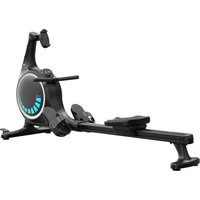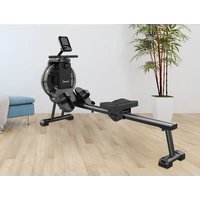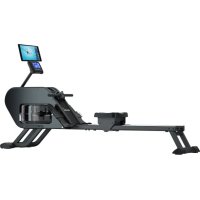
Nemo III Hybrid - Rowing Machine Skandika - Free user manual and instructions
Find the device manual for free Nemo III Hybrid Skandika in PDF.



| Product type | Hybrid resistance rowing machine (water and magnetic) |
| Brand | Skandika |
| Model | Nemo III Hybrid |
| Maximum user weight | 130 kg |
| Water resistance | 6 water levels (1-6), from 8.2 to 11.2 liters of water |
| Magnetic resistance | 32 adjustable levels via the computer or buttons on the handle |
| Display | Time, distance, strokes, calories, heart rate (with optional chest strap), SPM, time/500m |
| Connectivity | Bluetooth 2.4 GHz, compatible with Kinomap app |
| Power supply | Power adapter (included) |
| Training programs | Manual, 12 preset programs, heart rate control (HRC), race against computer, user program |
| Tank material | Plastic, do not expose to sunlight |
| Water maintenance | Replace water every 6 months maximum, use distilled water, purification tablets recommended |
| Usage | Home use only |
| Warranty | 24 months, does not cover normal wear or damage due to misuse |
| Included accessories | Allen keys, water pump, funnel, power adapter |
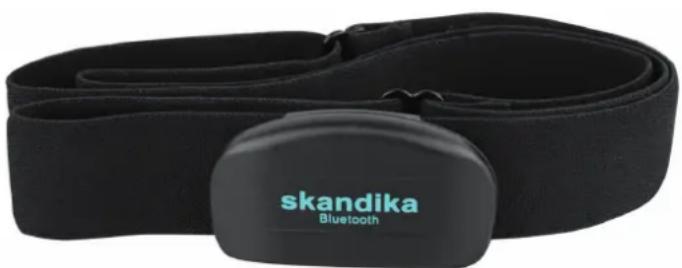
| Options | Optional Bluetooth chest strap (SKANDIKA) |
Frequently Asked Questions - Nemo III Hybrid Skandika
User questions about Nemo III Hybrid Skandika
0 question about this device. Answer the ones you know or ask your own.
Ask a new question about this device
Download the instructions for your Rowing Machine in PDF format for free! Find your manual Nemo III Hybrid - Skandika and take your electronic device back in hand. On this page are published all the documents necessary for the use of your device. Nemo III Hybrid by Skandika.
USER MANUAL Nemo III Hybrid Skandika
natural_image
Black self-balancing machine with articulated arm and digital head (no visible text or symbols)Nemo III Hybrid
Inhalt

skandika.com/service
text_image
Exploded view diagram of a smart airship with numbered components and Chinese annotations indicating part numbers and parts.A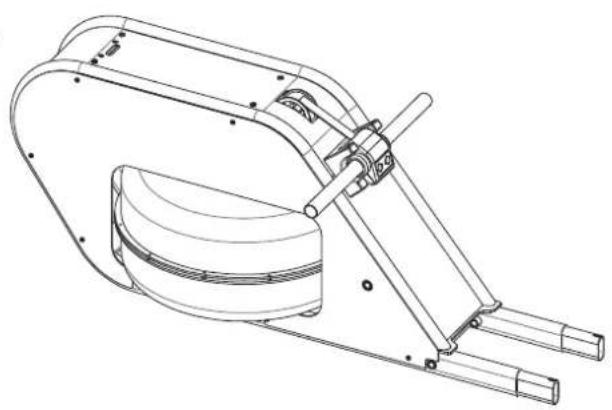 | -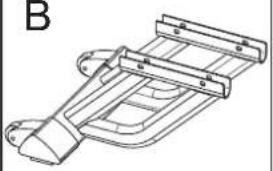 | 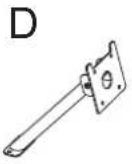 | 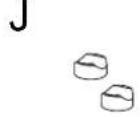 | ||
C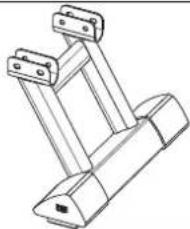 | E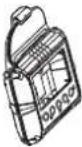 | K | |||
| Q[W82H] | |||||
F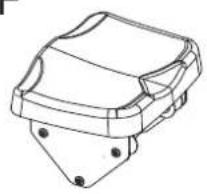 | G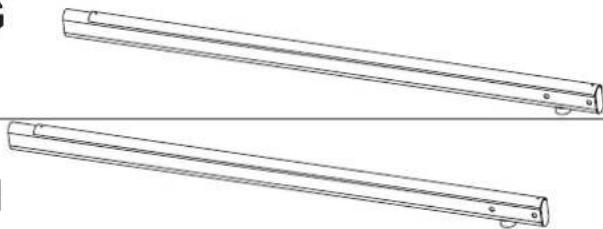 | I | 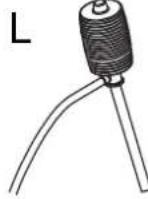 | ||
| H | |||||
- | S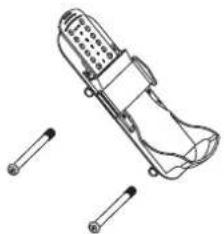 | ||||
Schraubenbeutel:
natural_image
Pure diagram of seven identical cylindrical objects arranged in a row (no text or symbols)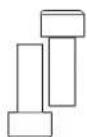
③

⑧
text_image
④ ⑪ ⑫ ⑬ ⑭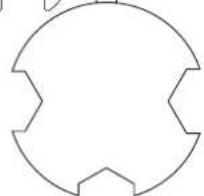
natural_image
Abstract geometric shape with curved, angular forms (no text or symbols)Schritt 1:
natural_image
Technical line drawing of a mechanical assembly with an arrow indicating transformation (no text or symbols present)Schritt 3:
text_image
Technical diagram of a mechanical assembly with labeled parts and numbered annotationsSchritt 4:
natural_image
Technical line drawing of a mechanical support structure with mounting feet and vertical railings (no text or symbols)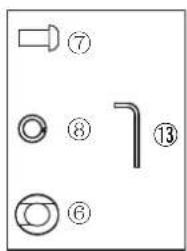
text_image
⑦ ⑧ ⑬ ⑥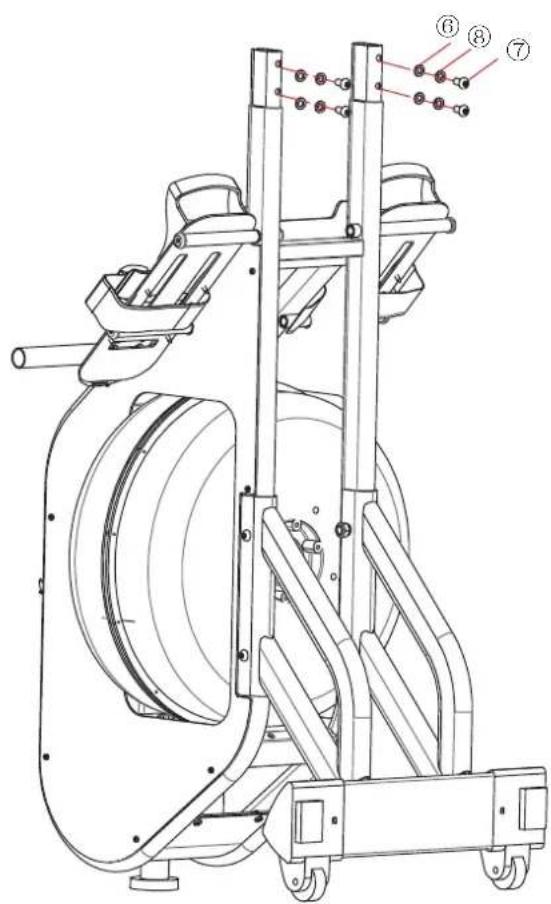
text_image
Technical diagram of a mechanical device with numbered components, likely an engine or pump assembly.Schritt 8:
natural_image
Technical line drawing of a robotic device with articulated arms and wiring (no text or symbols)WASSERTANK BEFÜLLEN / ENTLEEREN
55% Max H.R.C. -- Zielherzrate = (220 - ALTER) x 55%
75% Max H.R.C. -- Zielherzrate = (220 - ALTER) x 75%
90% Max H.R.C. -- Zielherzrate = (220 - ALTER) x 90%
natural_image
Technical line drawing of a stationary exercise machine with an inset showing its control panel (no text or symbols present)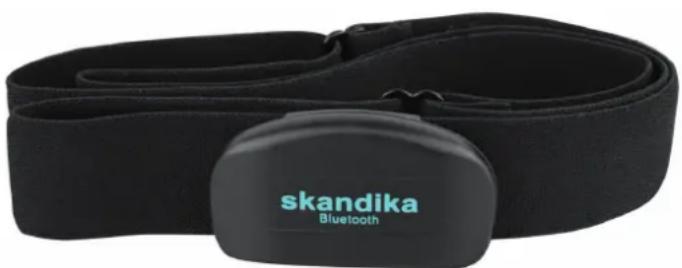
natural_image
Black Bluetooth device with a strap and logo, no visible text or symbols on the device itself.SKANDIKA
Brustgurt Bluetooth
25 Safety precautions
26 Explosion drawing
27 Parts list
28 Set-up instructions
35 How to fill/empty the tank
36 Computer operation
39 Bluetooth connection
40 Connecting to Kinomap app
41 Resistance levels
42 Warm-up and cool-down
42 Exercise instructions
44 Guarantee conditions

skandika.com/service
Please visit the Skandika Service portal on our website for setup & help videos, FAQs and downloadable instructions. For more information about Skandika, simply visit our main page www.skandika.com

WARNING
To reduce risk of injury, read and understand this instruction manual before using the device! This machine is intended for home use only in accordance with the instructions provided in this manual. Read the instruction manual carefully before using this device and keep the instruction manual for future use.
SAFETY PRECAUTIONS
-
Only use the unit in enclosed spaces!
-
Place the device on a solid and level and surface only. Use a floor protection to avoid traces through the device's feet.
-
Only assemble the unit as specified in these instructions. The unit must not be modified.
-
The unit must not be fixed to the floor (e.g. with screws). This could lead to frame damage.
-
Only use in cool, dry environments. Do not store in extreme cold, hot or damp places or in direct sunlight.
-
Cleaning and user maintenance may not be carried out by children without supervision.
-
Before starting any exercise program, consult your physician to determine if you have any medical or physical conditions that could put your health and safety at risk or prevent you from using the equipment properly. Your physician's advice is essential if you are taking any medication that may affect your heart rate, blood pressure or cholesterol level.
-
Your health can be affected by incorrect or excessive training. Consult a doctor before beginning a training program. If you experience dizziness, nausea, chest pain or any other abnormal symptoms, STOP the workout immediately. CONSULT A PHYSICIAN IMMEDIATELY.
-
Keep children and pets away from the appliance. This device is suitable for adult use only.
-
Do not leave children unattended in the same room with the machine.
-
Before using the unit, check all parts (such as screws, nuts, cable pulls) for function and correct fit. The safety of the equipment can only be maintained if it is regularly examined for damage and/or wear and tear.
-
Never use the unit if it is damaged.
-
Do not place fingers or objects in the range of moving parts of the device.
-
Before using the machine to exercise, always do stretching exercises to properly warm up.
-
Do not twist the cable pull and always pull the handle with both hands according to the training instructions.
-
The HC class unit may only be used by one person at a time (max. weight load = 130 kg).
-
Do not use this device directly after meals or drinks. Never use the device under the influence of drugs, alcohol or medication that causes disorientation.
-
This device is not suitable for therapeutically or commercial use. Only use this unit according to the intended purpose and as directed in the instruction manual.
-
Please do not attempt to repair the unit yourself in the event of malfunctions, since this will void all warranty claims. Only have repairs carried out by authorised service centres. Only original spare parts may be used.
-
Ropes, pulleys and connecting parts are wearing parts and should be checked regularly. When parts of the rower are worn or defective, they should be replaced in a timely manner to ensure normal operation of the rower and safe use.
-
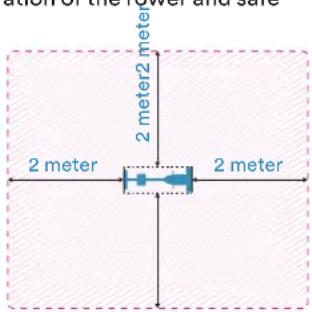
Please only exercise with a minimum clearance area of 2 meters around the device.
-
Always wear appropriate clothing and shoes which are suitable for your workout on the device. The clothes must be designed in a way so that
text_image
2 meter 2 meter2 meter 2 meter 2 meterthey will not get caught in any part of the device during the work-out due to their form (for example, length). Be sure to wear appropriate shoes which are suitable for the work-out, firmly support the feet and which are provided with a non-slip sole.
text_image
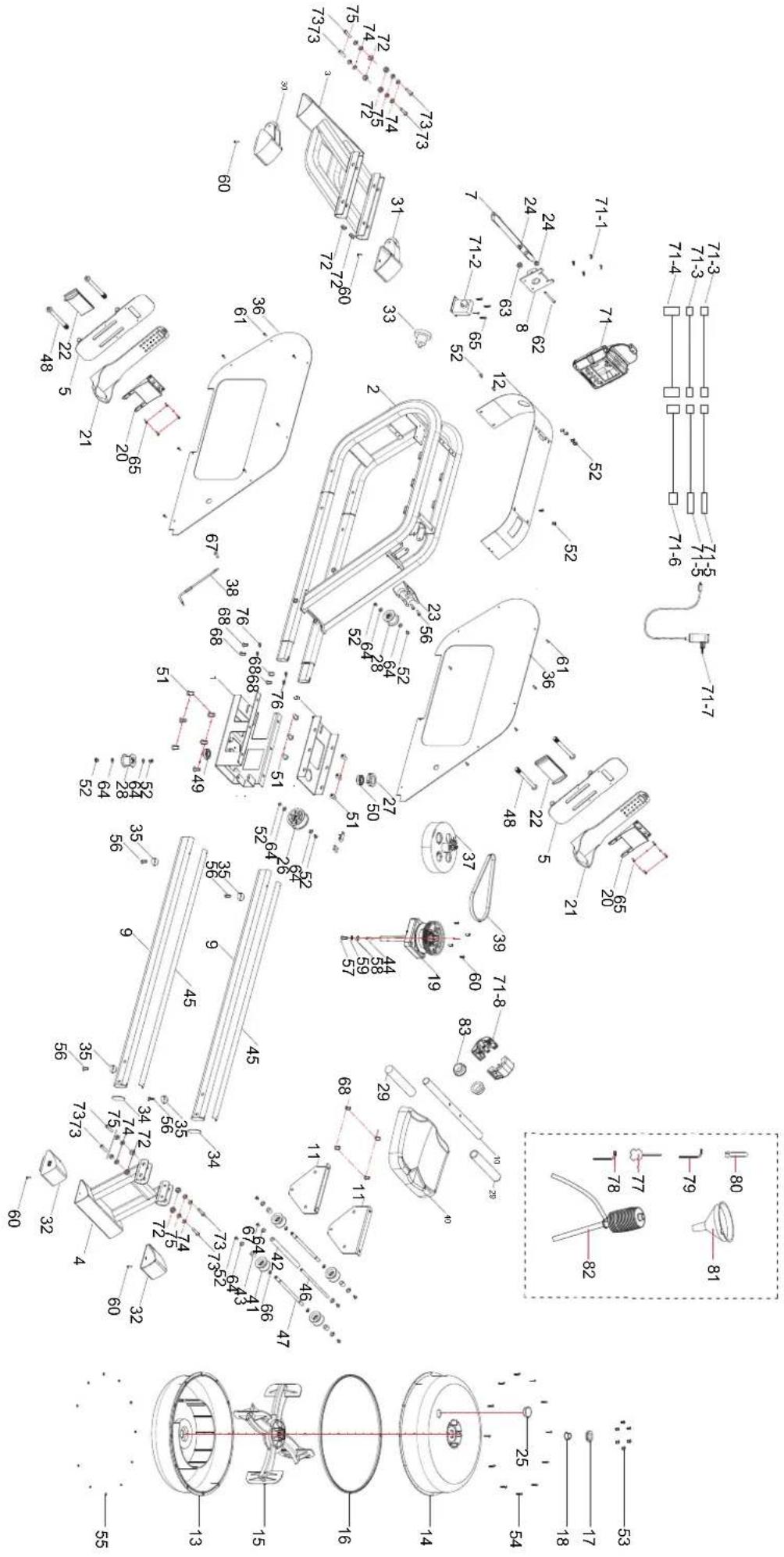
Exploded view diagram of a refrigerator with numbered parts and Chinese labels indicating component names and part numbers.| Part no. | Description Qty | |
| 1 | Pulling wheel fixing plate 1 | |
| 2 | Main frame 1 | |
| 3 | Front stabilizer 1 | |
| 4 | Rear stabilizer 1 | |
| 5 | Pedal support unit 2 | |
| 6 | Upper fixing plate 1 | |
| 7 | Computer supporting tube 1 | |
| 8 | Computer fixing bracket 1 | |
| 9 | Sliding rail 2 | |
| 10 | Handlebar | 1 |
| 11 | Seat supporting plate | 2 |
| 12 | Upper plate | 1 |
| 13 | Lower water tank cover | 1 |
| 14 | Upper water tank cover | 1 |
| 15 | paddle | 1 |
| 16 | water tank seal | 1 |
| 17 | Rubber gasket | 1 |
| 18 | Axle cover | 1 |
| 19 | Pulling wheel | 1 |
| 20 | Pedal adjustable plate | 2 |
| 21 | Pedal | 2 |
| 22 | Strap | 2 |
| 23 | Handlebar support bracket | 1 |
| 24 | Axle cover | 2 |
| 25 | Plug | 1 |
| 26 | Pulley | 1 |
| 27 | Axle cover | 1 |
| 28 | Pulley | 2 |
| 29 | Handle grip | 2 |
| 30 | Front adjustable foot cap (left) | 1 |
| 31 | Front adjustable foot cap (right) | 1 |
| 32 | Rear foot cap | 2 |
| 33 | Rubber supporting cap | 1 |
| 34 | Oval cap | 2 |
| 35 | Limit washer | 4 |
| 36 | Side plate | 2 |
| 37 | Flywheel | 1 |
| 38 | Motor cable | 1 |
| 39 | Belt | 1 |
| 40 | Seat | 1 |
| 41 | Wheels | 4 |
| 42 | PVC tube | 1 |
| 43 | PVC tube | 4 |
| 44 | Pin | 1 |
| 45 | Sliding rail plate | 2 |
| 46 | Axle | 1 |
| 47 | Seat axle | 2 |
| 48 | Pedal axle | 4 |
| 49 | Bearing 6904ZZ | 1 |
| Part no. | Description Qty | |
| 50 | Bearing | 1 |
| 51 | Allen screw M8×10×S5 12 | |
| 52 | Allen screw M6×10×S4 | 14 |
| 53 | Allen screw M6×15×S4 | 6 |
| 54 | Screw M3×20×∅6 | 12 |
| 55 | Nylon nut M3×H3.8×S6 | 12 |
| 56 | Allen screw M6*16 | 4 |
| 57 | Allen screw M8×20×S5 | 1 |
| 58 | Flat washer d8×∅16×1.5 | 1 |
| 59 | Spring washer d8 1 | |
| 60 | Screw ST4.2×16 | 8 |
| 61 | Screw ST4.2×16 | 16 |
| 62 | Allen screw ST4.2×16 | 1 |
| 63 | Nylon nut M6 | 1 |
| 64 | Flat washer d6×∅12×1.6 11 | |
| 65 | Screw M4*8 | 8 |
| 66 | Spacer D10 4 | |
| 67 | Screw M5*10 | 3 |
| 68 | Allen screw M8×15×S5 | 4 |
| 69 | Waved washer ∅8 | 8 |
| 70 | Flat washer ∅10.4×∅16×1.5 4 | |
| 71 | Computer | 1 |
| 71-1 | Screw | 4 |
| 71-2 | Motor | 1 |
| 71-3 | Cable | 1 |
| 71-4 | Cable | 1 |
| 71-5 | Cable | 1 |
| 71-6 | Power cable | 1 |
| 71-7 | Adaptor | 1 |
| 71-8 | Remotor control case | 1 |
| 72 | Nylon nut M8×H7.5×S14 8 | |
| 73 | Allen screw M8×45×25×S5 8 | |
| 74 | Flat washer d8×∅16×1.5 | 8 |
| 75 | Spring washer d8 12 | |
| 76 | Curved washer ∅8 | 4 |
| 77 | Spanner | 1 |
| 78 | Allen spanner S5 | 1 |
| 79 | Allen spannerS4 | 1 |
| 80 | Spanner | 1 |
| 81 | Funnel | 1 |
| 82 | Manual water pump | 1 |
| 83 | Decorative ring | 1 |
In the course of continuous product improvement, we reserve the right to make technical and design changes.
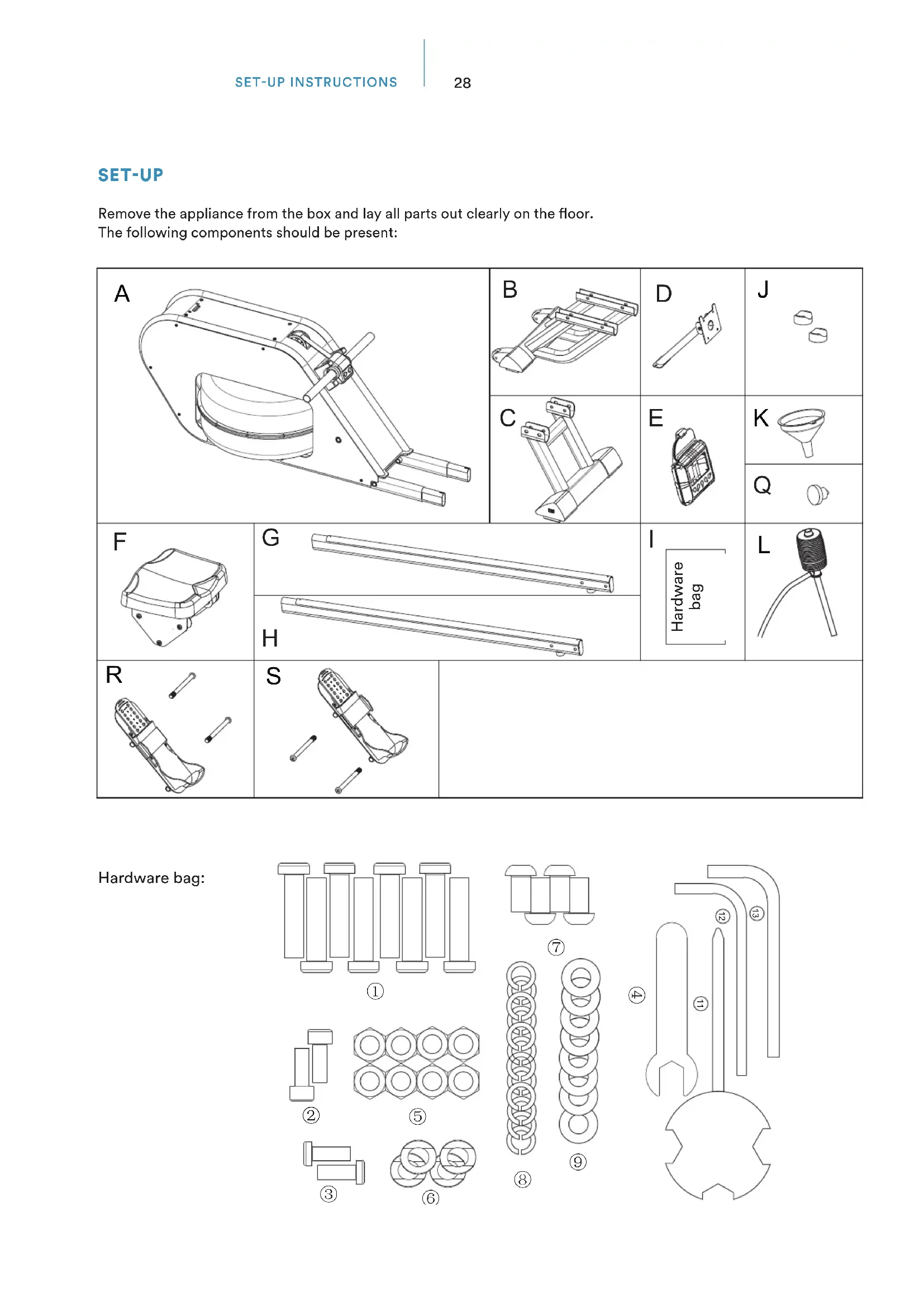
SET-UP
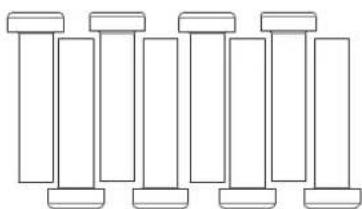
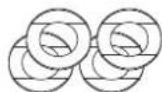
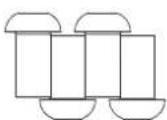
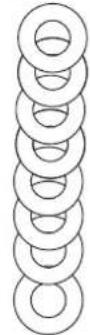
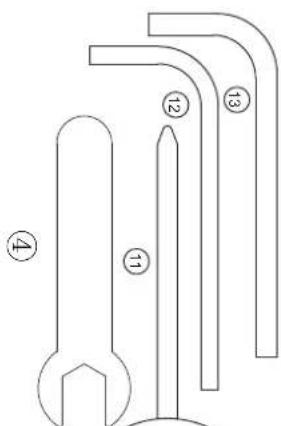
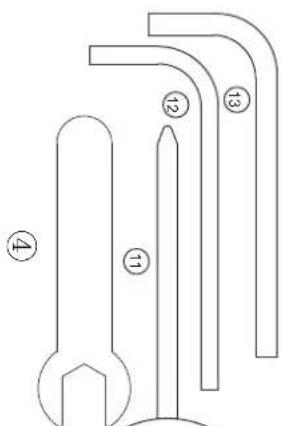
Remove the appliance from the box and lay all parts out clearly on the floor. The following components should be present:
| A | -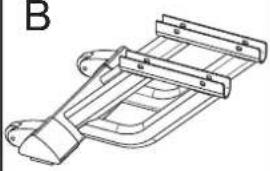 | | | ||
| C | E | K | |||
| Q[TSAW] | |||||
| F | G | I | | ||
| H | |||||
| - | S | ||||
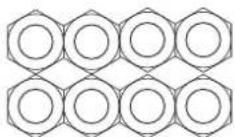
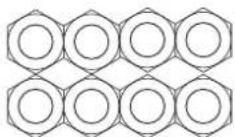
Hardware bag:
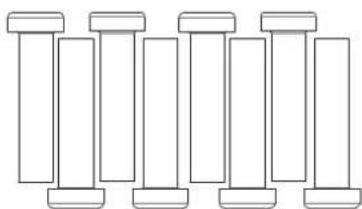
natural_image
Pure diagram of seven identical cylindrical objects arranged in a row (no text or symbols)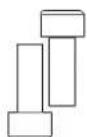
⑥

text_image
4 11 12 13
natural_image
Abstract geometric shape with curved, angular forms (no text or symbols)Step 1:
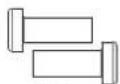
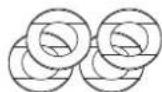
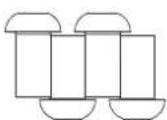
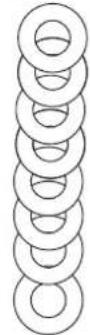
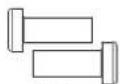
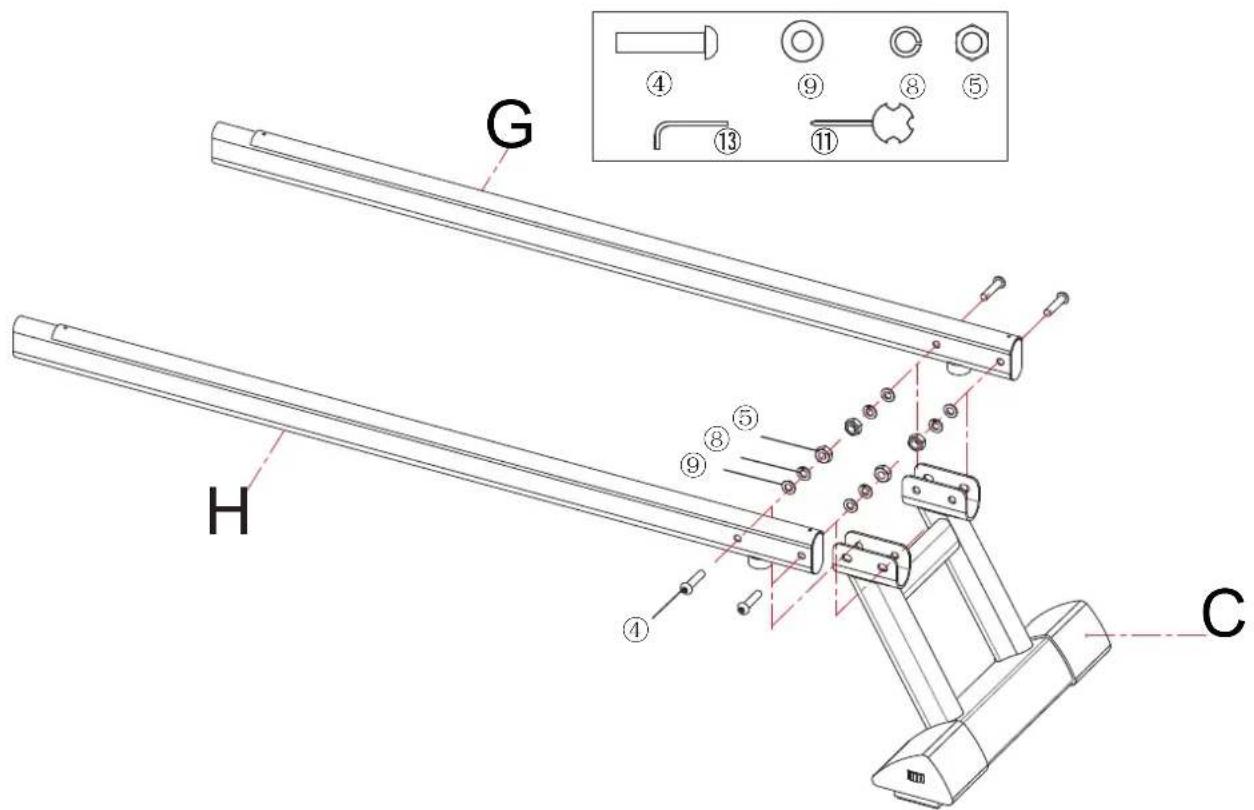
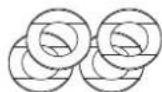
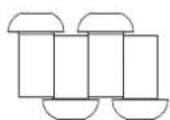
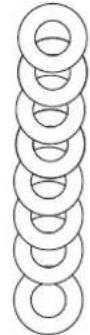
The two running rails (H&G) must be fitted with 2 screws (4), spring washers (8), washers (9) and nuts (5) on each side. Please screw the parts on hand-tight only and do not tighten them yet!
text_image
G H C ④ ⑤ ⑧ ⑨ ⑪ ⑫ ⑬ ⑭ ⑮ ⑯ ⑰ ⑱ ⑲ ⑳ ⑴ ⑵ ⑶ ⑷ ⑧ ⑨ ⑩ ⑪ ⑫ ⑬ ⑭ ⑮ ⑯ ⑰ ⑱ ⑲ ⑳ ㉑ ㉒ ㉓ ㉔ ㉕ ㉖ ㉗ ㉘ ㉙ ㉚ ㉛ ㉜ ㉝ ㉞ ㉟ ㉟a ㉟b ㉟c ㉟d ㉟e ㉟f ㉟g ㉟h ㉟i ㉟j ㉟k ㉟l ㉟m ㉟n ㉟o ㉟p ㉟q ㉟r ㉟s ㉟t ㉟u ㉟v ㉟w ㉟x ㉟y ㉟zStep 2:
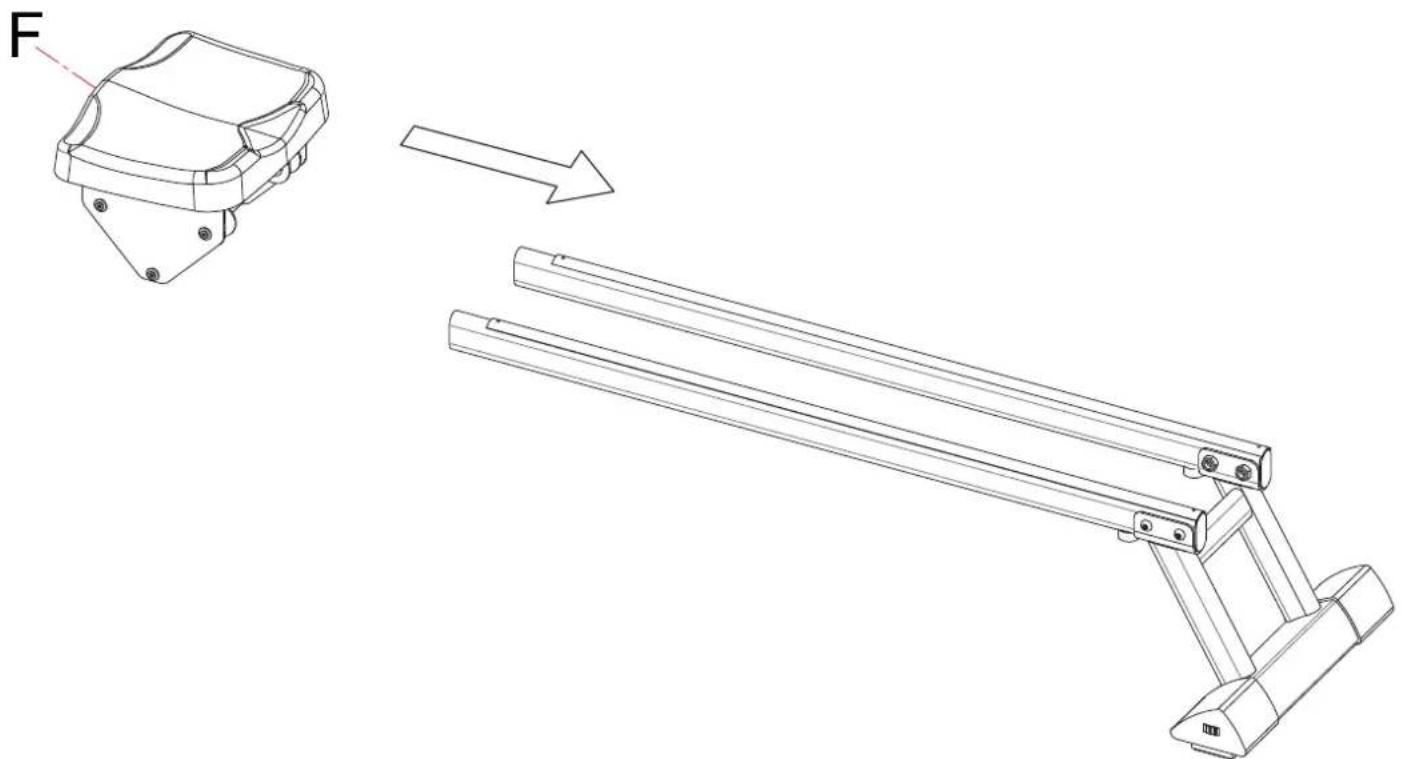
Then slide the seat (F) on as shown.
natural_image
Technical line drawing of a mechanical assembly with a component labeled 'F' and an arrow indicating transformation (no text or symbols beyond label)Step 3:
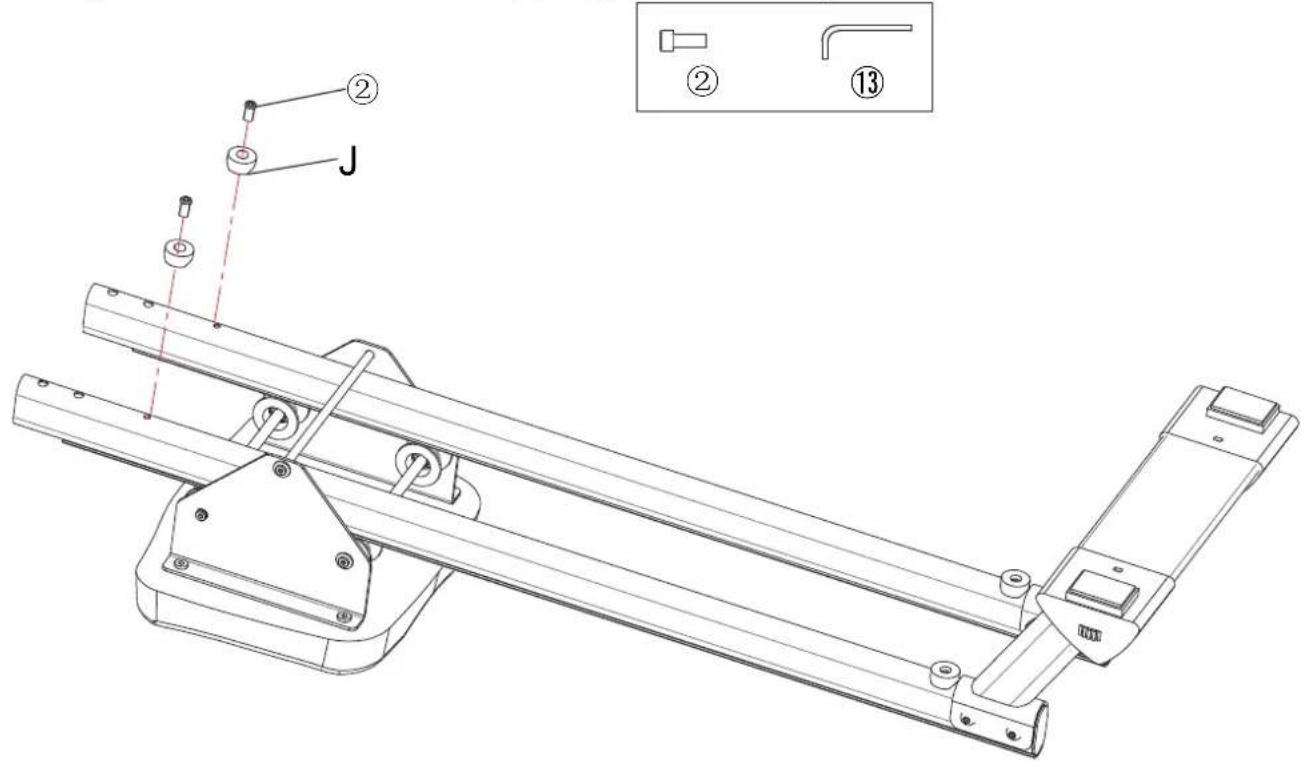
Turn the appliance over and secure the two stoppers (J) with the screws (2).
text_image
Technical diagram of a mechanical assembly with labeled parts and numbered annotationsStep 4:
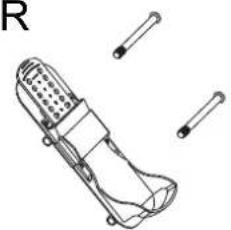
Now fit the two pedals (R&S).
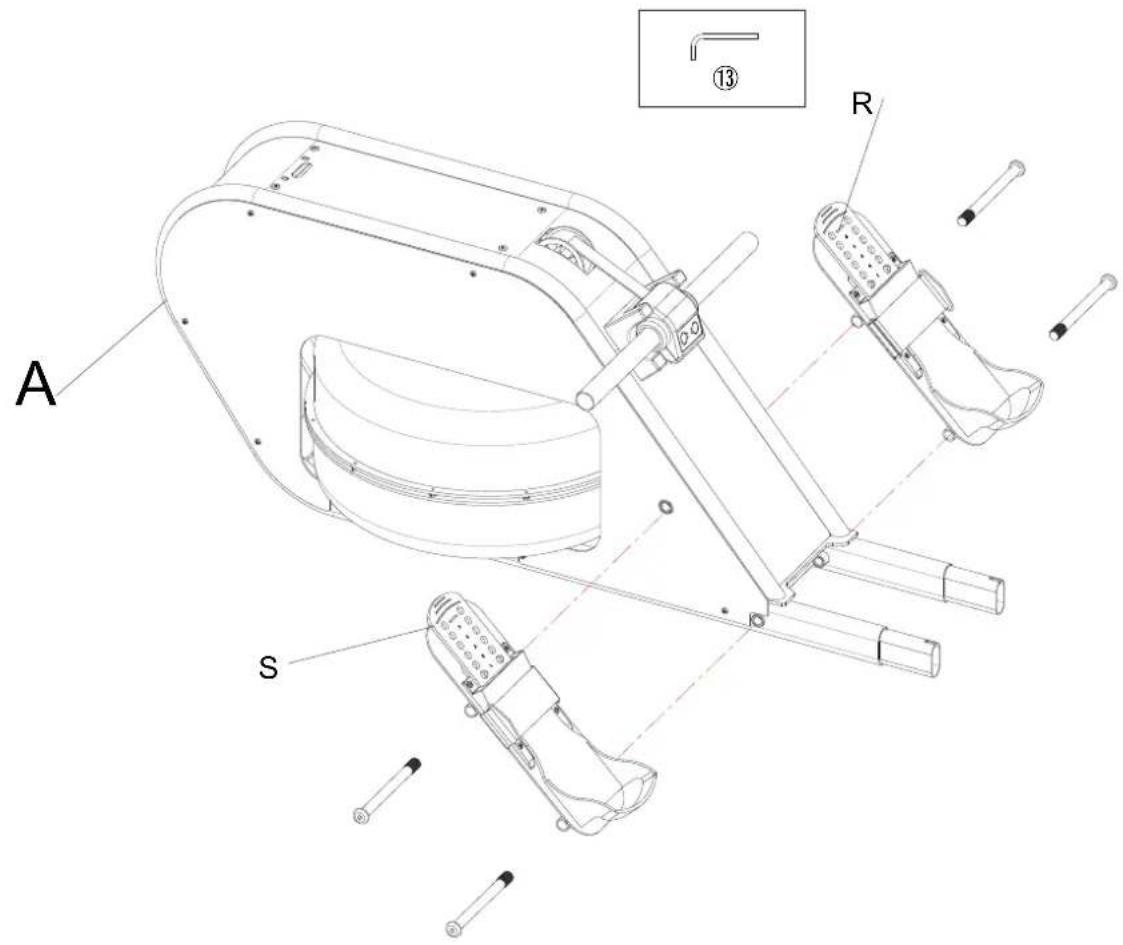
text_image
A S R ⑬Step 5:
Now mount the appliance unit with the front stand (B) using the screws (1), spring washers (8), washers (9) and nuts (5) as shown.
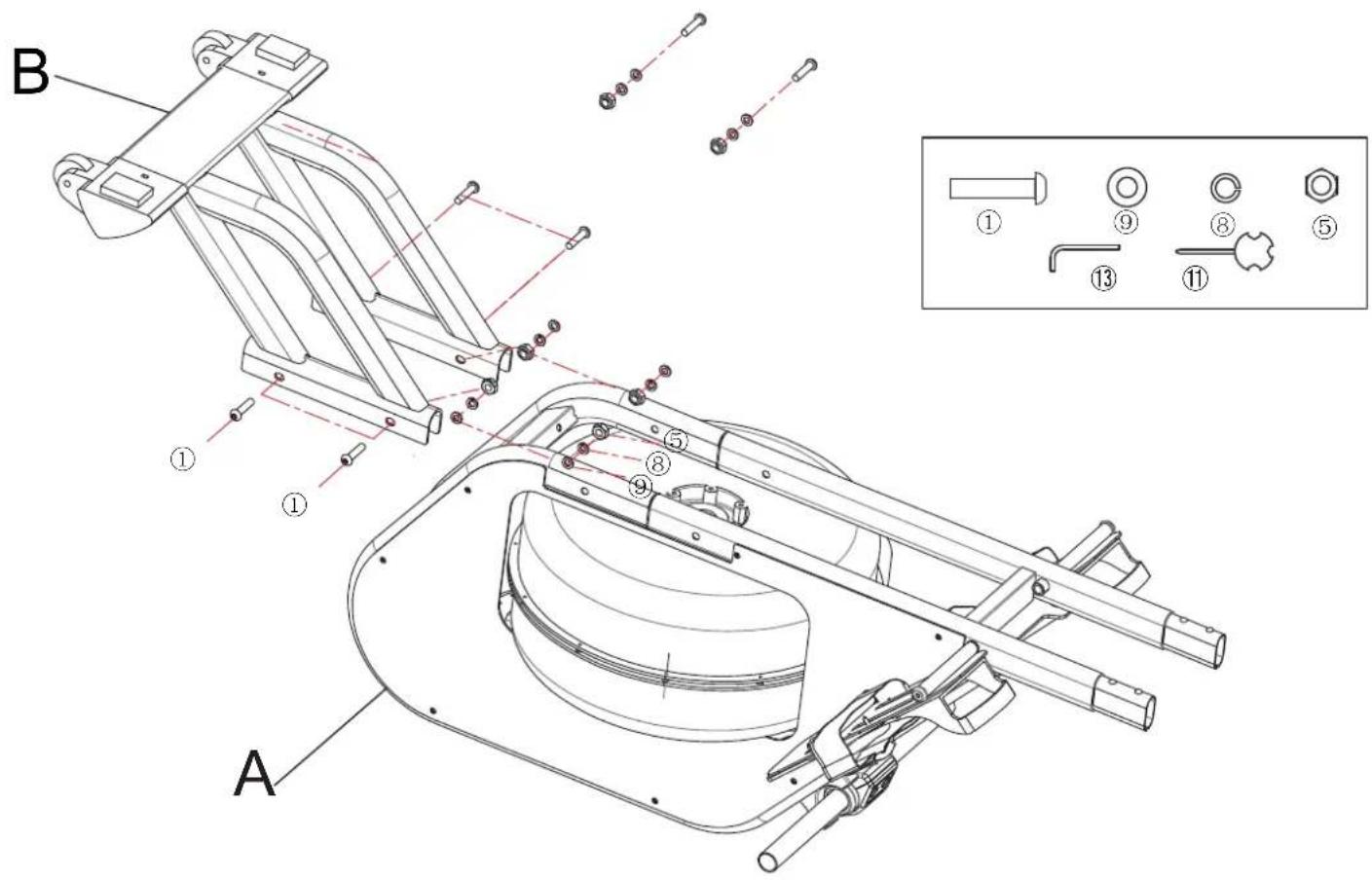
text_image
B ① ① A ⑤ ⑧ ⑨ ⑪ ⑬ ⑮ ⑯ ⑰ ⑱ ⑲Step 6:
Press the rubber cap (Q) into the recess on the frame.
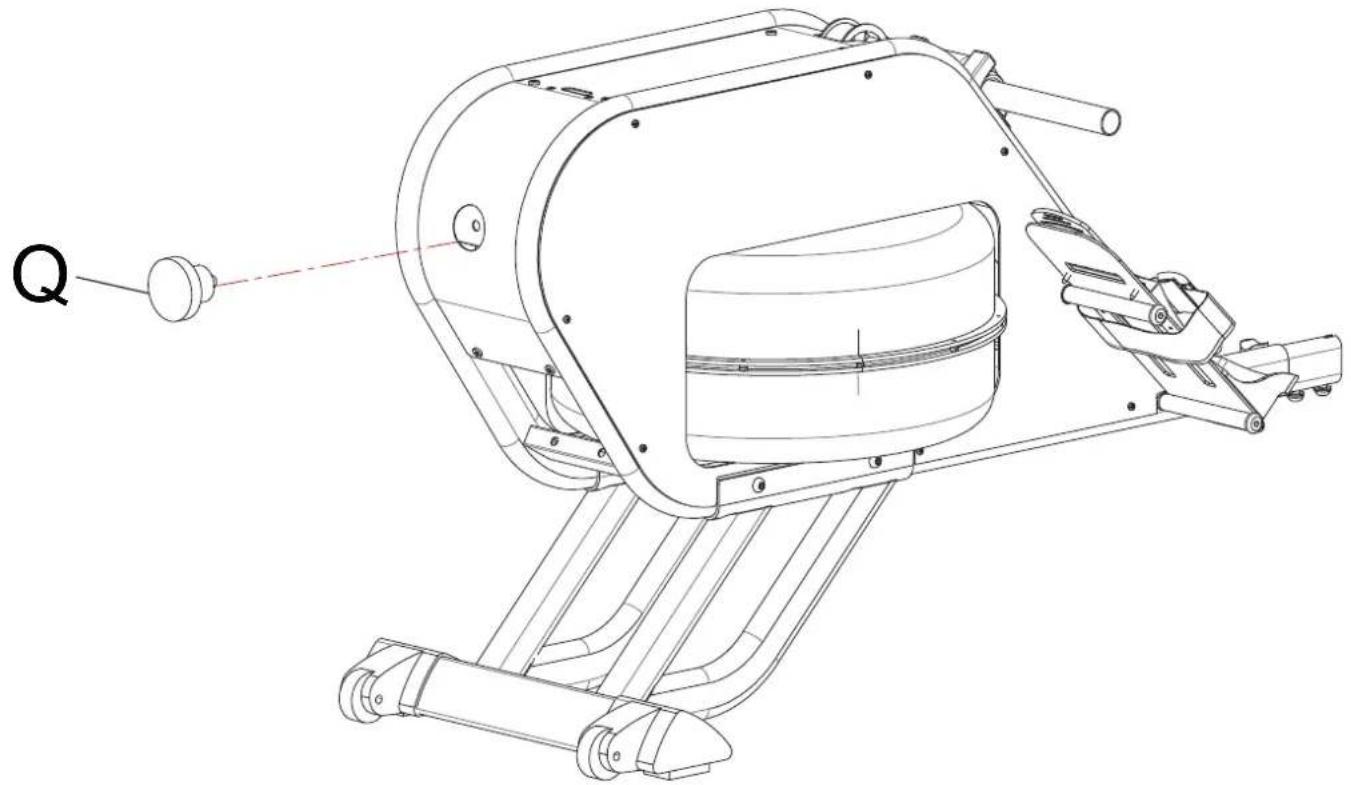
text_image
QStep 7:
Connect the front and rear sections of the appliance using 4 screws (7), 4 spring washers (8) and 4 washers (6) as shown.
Then tighten all the screws from step 1.
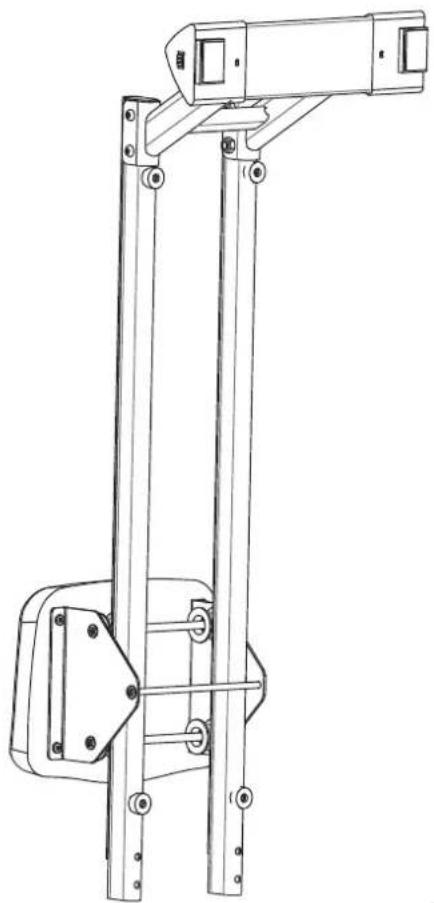
natural_image
Technical line drawing of a mechanical support structure with mounting feet and vertical railings (no text or symbols)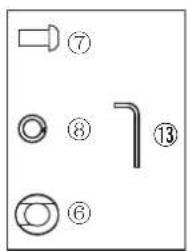
text_image
⑦ ⑧ ⑬ ⑥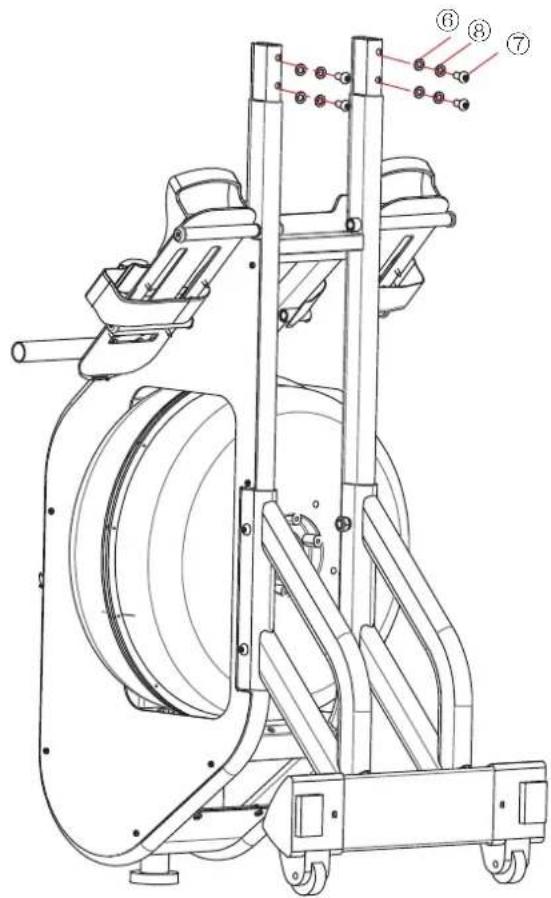
text_image
Technical diagram of a mechanical device with numbered components labeled ⑥, ⑧, and ⑦Step 8:
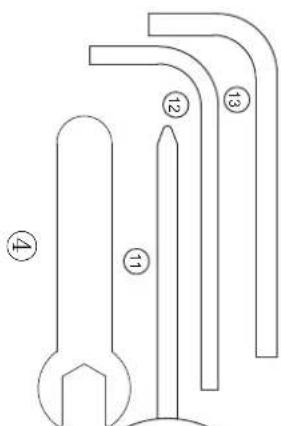
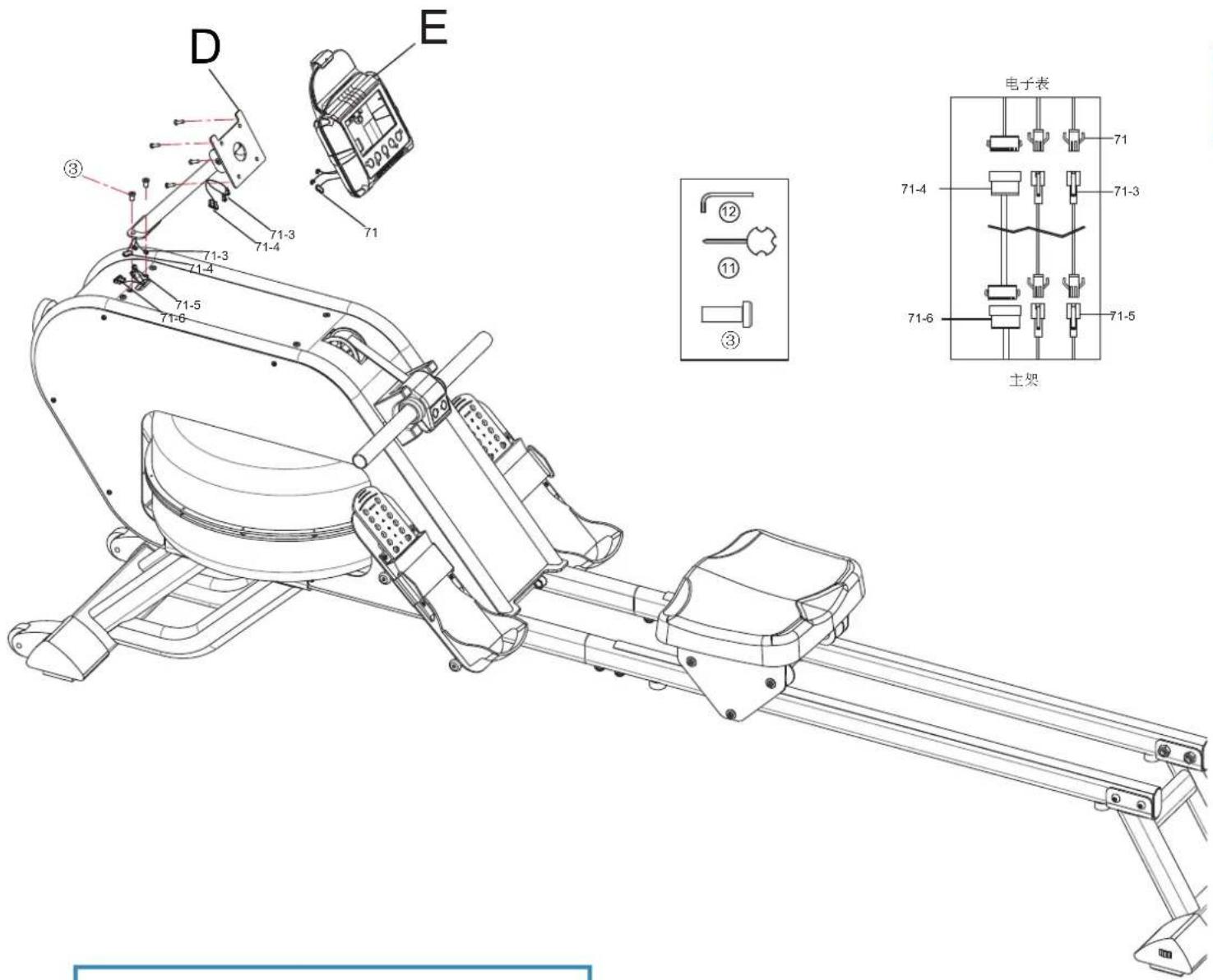
Connect the cables and place them inside the computer support. Then mount the computer (5) using the screws (80) as shown.
CHECK IF ALL BOLTS AND NUTS ARE TIGHTENED BEFORE USING THE DEVICE!
Step 9:
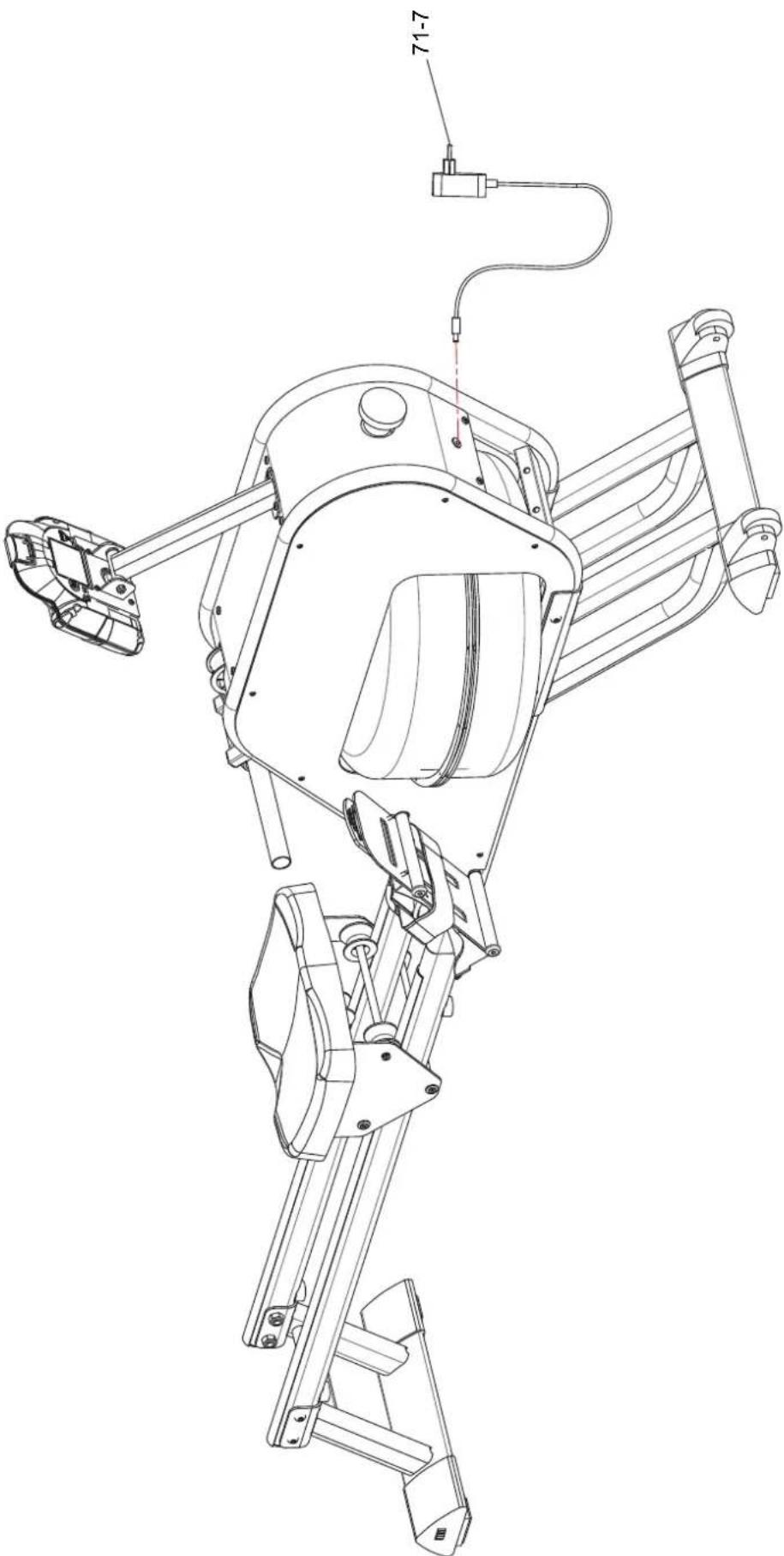
Connect the device to a power source (socket) using the power adaptor (71-7).
natural_image
Technical line drawing of a robotic device with articulated arms and wiring (no text or symbols)HOW TO FILL AND EMPTY THE TANK
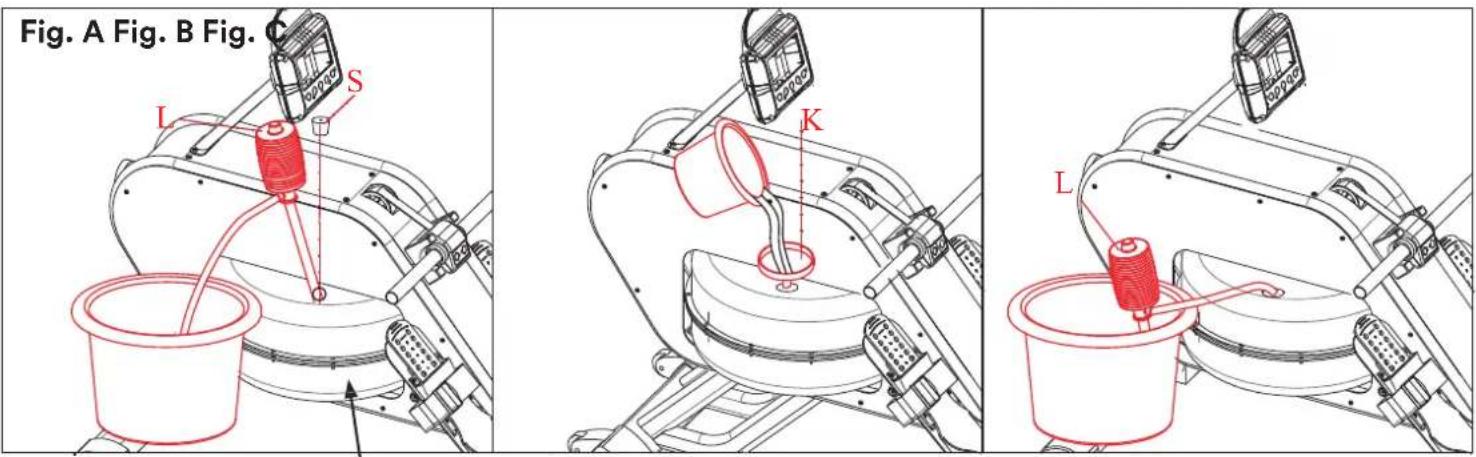
- Remove the plug (S) from upper tank side.
- Figure A shows how to empty the tank. Place a bucket near the appliance. Use the siphon pump (L) to pump water from the tank into the bucket.
- Figures B and C show how water is filled with a bucket and funnel (K) or with the aid of the pump (L). Use a cup or the siphon pump (L) and a bucket to fill the tank. Observe the fill level indicator on the side of the tank to measure the correct fill level.
- Place the plug (S) back in its position on the upper tank. Wipe off any excess water from the frame.
HINTS:
- The tank may be filled with tap water or distilled water. If necessary, add a water treatment tablet. Never use chlorine or chlorine bleach - this could damage the tank and invalidate the guarantee.
- Depending on the environment of the installation site and the frequency of use, the water should be changed regularly, but at least every 6 months or if there are signs of discolouration, bacteria or algae, etc. If possible, use distilled water!
- Never expose the tank to direct sunlight and empty it if it will not be used for a long period of time.
- Suitable water purification tablets are suitable for keeping the water clean. One tablet is sufficient for the maximum filled water tank. Stir the water well after adding a tablet. Add a tablet to the tank approximately every 2 - 3 months.
• The water from the tank is not suitable for consumption. After emptying, pour the water away.
The water level
- The fill level indicator is located on the side of the tank. The maximum fill level must not exceed 6. The tank must not be overfilled! This would invalidate the warranty.
- The strength of the resistance depends on the fill level in the tank and the set motor resistance (see chapter "Computer operation"). For example, the resistance is comparatively low if the fill level is low - a high fill level results in a higher resistance when rowing.
text_image
Fig. A Fig. B Fig. C L S K L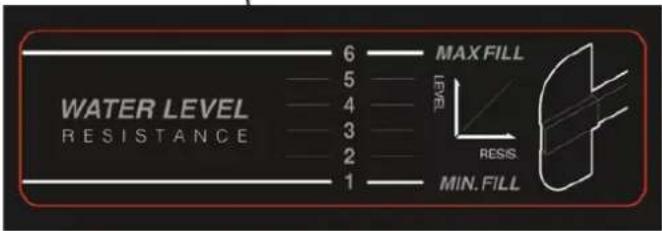
text_image
WATER LEVEL RESISTANCE 6 5 4 3 2 1 MAX FILL LEVEL RESIS. MIN. FILLWater level indicator (filling volume):
Level 1 = approx. 8.2 litres / Level 2 = approx. 8.8 litres Level 3 = approx. 9.0 litres / Level 4 = approx. 9.4 litres / Level 5 = approx. 10.6 litres / Level 6 = approx. 11.2 litres
text_image
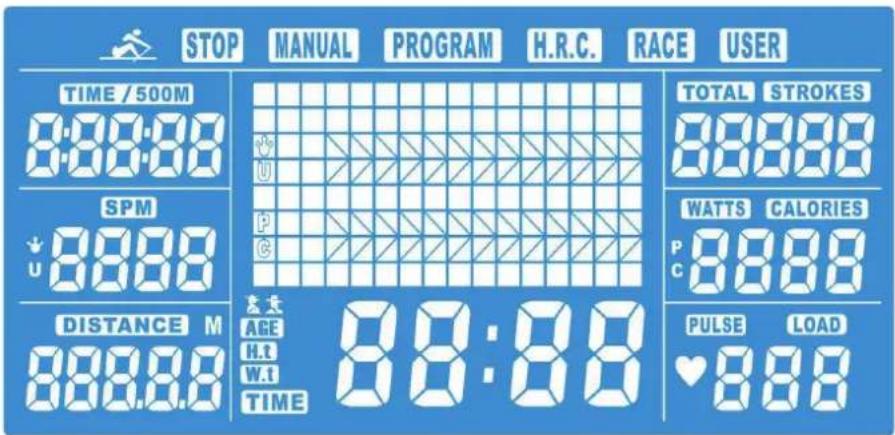
STOP MANUAL PROGRAM H.R.C. RACE USER TIME / 500M 8:88:88 SPM U 8888 DISTANCE M 888.88 TOTAL STROKES 88888 WATTS CALORIES P C 8888 PULSE LOAD ♥ 888FUNCTIONS
TIME: Displays the training time. You can set a target time (from 1 to 99 minutes) by pressing the UP and/or DOWN buttons (steps of 1 minute). Press ENTER to confirm.
TIME / 500M: Displays the average time for 500 metres of rowing, alternating with TIME for approx. 6 seconds.
SPM: Rowing strokes per minute (stroke frequency from 0 to 999).
DISTANCE: Displays the distance in metres (from 0 to 99,999). Enter a target value by pressing the UP and/or DOWN and ENTER buttons.
Note: Time and distance cannot be specified together
STROKES: Displays the number of strokes in the current training session (from 0 to 99,999). Set a target value by pressing the UP and/or DOWN and ENTER buttons.
TOTAL STROKES: Displays the total number of strokes (displayed automatically every 6 seconds, alternating with STROKES).
CALORIES: Displays the approx. calorie consumption. Set a target value by pressing the UP and/or DOWN and ENTER buttons (0\~9,990 kcal).
PULSE: The computer displays the user's pulse rate during training (a suitable, optional Bluetooth chest strap must be worn for this). A heart rate setting of 30 to 230 beats per minute is possible (H.R.C. mode) - when the set heart rate is reached, the computer will emit a corresponding acoustic signal. Follow the instructions for the chest strap.
WARNING! Heart rate monitoring may not be very accurate. Overexertion during training can lead to health problems or even death. If you feel weak, stop training immediately. If „P“ appears, the system cannot detect a pulse.
KEY FUNCTIONS
RESET: Press this button to return to the main menu or to set the value to 0 during an input process. Hold and press for approx. 2 seconds to reset all function values.
START / STOP: Starts or stops a training session.
ENTER: Confirms a selection or a default value.
UP/DOWN: Press these two buttons to increase/decrease the resistance. You can also use these buttons to set function values.
COMPUTER INSTRUCTIONS
When the device is connected to the power source, you will hear a sound signal and the LCD display will be fully displayed for 2 seconds (see previous page). It is generally not necessary to set any functions. If you only want to use the rowing machine for occasional training, you can use it without any further or special settings. The computer automatically switches to energy-saving mode if there is no signal input (no training) for more than 4 minutes..
Quick start / Manual mode
After selecting manual mode (MANUAL) with UP / DOWN / ENTER, you can either start training directly (press START) or you can set target values for certain functions (with UP/DOWN/ENTER). However, you can only set a target value for ONE function and not for several function values at the same time. Press START to begin training. When a target value has been reached or when you press STOP, the training is ended. During training, press UP/DOWN to adjust the resistance to your requirements. The newly set resistance value is shown on the display (default value is 1, highest resistance = level 32). Press START/STOP to end the training session. All training values are saved. Press RESET to return to the training mode selection. The resistance can also be adjusted using the „+“ - „-” buttons on the front of the handle cover (see chapter „Bluetooth connection“).
Program mode
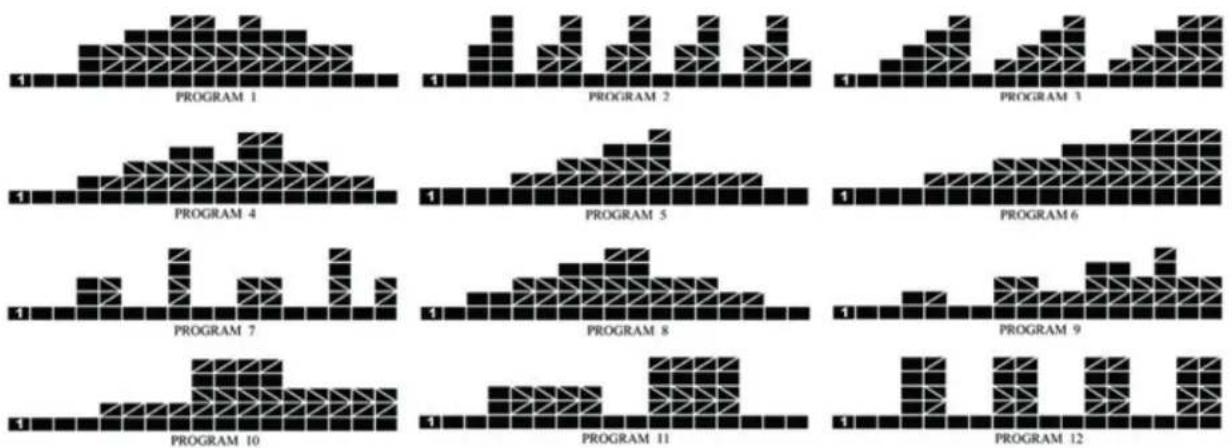
In this mode, you can train with a programme profile (predefined profiles). After selecting the programme mode („PROGRAM“) and pressing „ENTER“ to confirm, „P01“ appears on the display. Select one of the 12 programmes (P1 to P12, see illustration below). Press the „ENTER“ button and enter values for resistance (level 1 to 32) and time (if required). Press „START/STOP“ to start the training session. You can change the resistance at any time during the training session using „UP“ and „DOWN“. To pause your training, press the „START/STOP“ button again. Press „RESET“ to return to the mode selection.
The preset programmes are specially designed for aerobic training. We recommend that beginners start with the lowest resistance setting. After a few training sessions, you can gradually increase the resistance. The programmes P2 - P3 - P7 - P12 are more suitable for advanced athletes.
H.R.C. Mode
Select „H.R.C.“ (press „ENTER“ to confirm) to perform an automatically controlled workout depending on your heart rate (you must use a chest strap to use this mode correctly). Press „UP“ or „DOWN“ (and „ENTER“ to confirm) to select one of the following alternatives:
55% Max H.R.C. -- Target heart rate = (220 - AGE) x 55%
75% Max H.R.C. -- Target heart rate = (220 - AGE) x 75%
90% Max H.R.C. -- Target heart rate = (220 - AGE) x 90%
TAG = Target H.R.C. (target heart rate) -- Training depending on your target heart rate value. Use the „UP/
DOWN" buttons to directly enter the target heart rate value (between 30 and 240 beats/min).
You can now use „UP“, „DOWN“ and „ENTER“ to specify a target value for „TIME“. Press „START“ to start the training session. If your heart rate is below the target heart rate, the resistance will automatically increase by 1 level every 30 seconds. If your heart rate is above the target heart rate, the resistance automatically decreases by 1 level every 15 seconds. If the lowest level 1 is reached and your heart rate is still above the preset target value, an alarm signal will sound after 30 seconds and the computer will automatically end the training programme. To interrupt or end your training programme manually, press the „STOP“ button. Press RESET to return to the training mode selection.
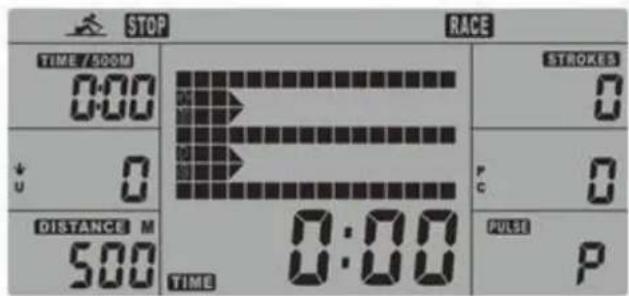
Race mode
In this mode, you can compete against a computer opponent.
- Press UP/DOWN to select „RACE“ and then press ENTER to confirm.
- Press UP/DOWN to set SPM (beat frequency) and press ENTER to confirm.
- Press UP/DOWN to set DISTANCE (length of the race track) (press ENTER to confirm).
- Press UP/DOWN to set the resistance.
- Press START/STOP to start training. „USER“ and „PC“ are displayed.
- When the preset distance has been completed, the computer displays the winner (PC or USER) and stops the race.
| STOP | RACE | ||
| SPM 20 | |||
| DISTANCE M 500 | |||
text_image
STOP RACE TIME / 500M 0:00 0 0 0 0 0 0 STROKES 0 U 0 P C 0 DISTANCE M 500 TIME 0:00 PULSE PTo pause or stop your training manually, press the „START/STOP“ button. Press RESET to return to the training mode selection.
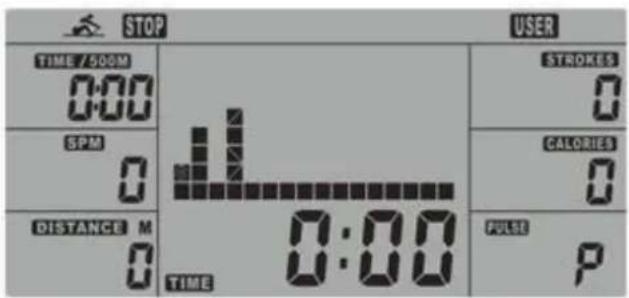
User mode
After selecting USER mode with UP and DOWN (ENTER to confirm), you can create your own training programme.
text_image
STOP USER TIME /500M 0:00 SPM 0 DISTANCE M 0 TIME STROKES 0 CALORIES 0 PULSE P- Press UP/DOWN to set the resistance and ENTER to confirm the setting and move on to the next step.
- Set the resistance for all 16 segments.
- Press and hold ENTER to finalise or end the setting process.
- Set a target time with UP/DOWN/ENTER.
- Press START/STOP to start training.
- When a set target value is reached, the computer emits an alarm tone and stops the training.
- Press UP/DOWN to adjust the resistance during training.
- Press the START/STOP button to end the training session. All training values are saved.
- Press the RESET button to return to training selection mode.
Troubleshooting
Error E-2: Motor load outside the normal values. Disconnect and reconnect the power supply and restart.
Error E-7: Check all cable connections for correct connection.
Hints:
1) All saved / set data will be lost if you disconnect the power supply.
2) If these instructions do not help to solve the problem, contact customer service.
Bluetooth connection
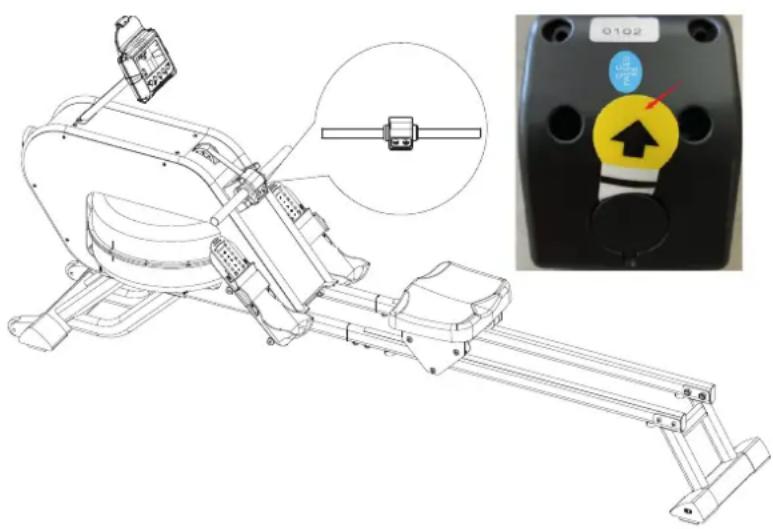
There is a Bluetooth module on the handle. On the front of the cover there is a „+“ and a „-“ button with which you can adjust the rudder resistance of the magnetic brake (32 levels).
The yellow insulating strip on the back must be removed before commissioning. Then wait 5 seconds. There is a CR2032 button cell battery inside, which is required for the Bluetooth functionality (computer, chest strap and app connection). The printed code appears when connecting to the device computer. To connect to a chest strap, you need an optional, compatible chest strap, such as the SKANDIKA chest strap (see QR code below).
text_image
Technical diagram of a stationary exercise machine with labeled control panel and directional indicator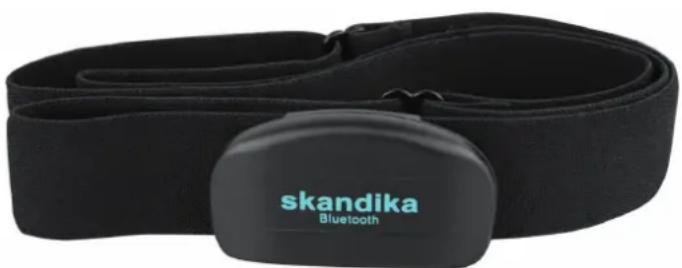
natural_image
Black wristband with a skandika Bluetooth device attached (no text or symbols on the device itself)SKANDIKA
Bluetooth chest strap
For goal-orientated and heart rate-controlled cardio training (HRC), it is important to keep a constant eye on your heart rate during the workout and adjust your performance if necessary.
- Bluetooth interface
- adjustable in size
- Suitable for use with the Kinomap app
You can order this product via
the following QR code
to purchase this product:

KINOMAP
The device computer can be connected to the „KinoMap“ app via Bluetooth (frequency: 2.4 GHz). The free KinoMap app turns your device into a powerful and fun fitness product! Choose from the geotagged video on Kinomap and go! Your position is shown in the video and as icon on the map. Download the Kinomap Fitness app in the app or play store by searching for ‘Kinomap Fitness’ or follow one of the links below.
Install and open the app and register resp. log in. Activate Bluetooth. Now add the training device as follows:
Apple Store

Google Play


text_image
Buchen Kinomap Kinomap SAS AUTOLIMERS 4,3 ★★★★☆ #53 4+ 4+ New Funktionen Thanks for training on Kinomap. Our daily concern is offering you the best experience there is. Versionverlauf Vor 1 W Version 8.4.16 Vorschau
text_image
Kinomap FOLGT SIE Kinomap Gesponsert STAVANGER, LIMBURG & HONG KONG RACES JOIN THE CHALLENGE HAMMER SERIES in ASSOCIATION WITH wahoo Mehr erfahren >-
- Tap „+“ 3. Rowing machine
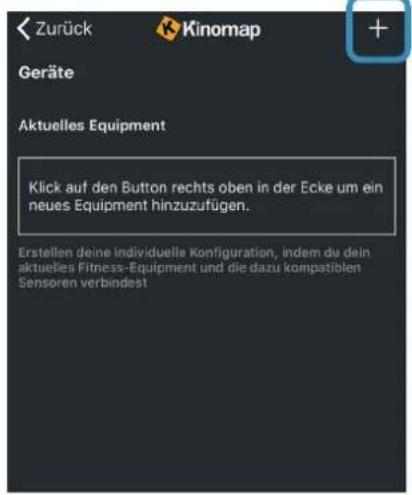
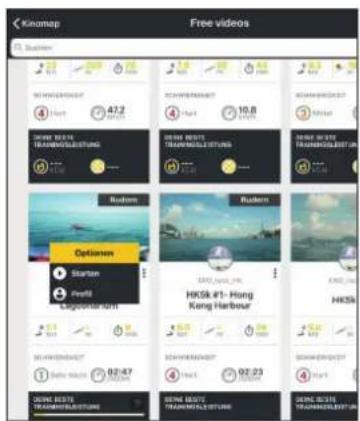
Now tap on OK and return to main menu. You can now choose a course for your exercise (depending on your type of KinoMap account maybe only some free courses). Press Start and begin to exercise!
text_image
Free videos Kanamap Sudien 1 Start 47.2 2 Mid 10.8 3 End 10.8 4 End 10.8 5 End 10.8 6 End 10.8 7 End 10.8 8 End 10.8 9 End 10.8 10 End 10.8 11 End 10.8 12 End 10.8 13 End 10.8 14 End 10.8 15 End 10.8 16 End 10.8 17 End 10.8 18 End 10.8 19 End 10.8 20 End 10.8 21 End 10.8 22 End 10.8 23 End 10.8 24 End 10.8 25 End 10.8 26 End 10.8 27 End 10.8 28 End 10.8 29 End 10.8 30 End 10.8 31 End 10.8 32 End 10.8 33 End 10.8 34 End 10.8 35 End 10.8 36 End 10.8 37 End 10.8 38 End 10.8 39 End 10.8 40 End 10.8 41 End 10.8 42 End 10.8 43 End 10.8 44 End 10.8 45 End 10.8 46 End 10.8 47 End 10.8 48 End 10.8 49 End 10.8 50 End 10.8 51 End 10.8 52 End 10.8 53 End 10.8 54 End 10.8 55 End 10.8 56 End 10.8 57 End 10.8 58 End 10.8 59 End 10.8 60 End 10.8 61 End 10.8 62 End 10.8 63 End 10.8 64 End 10.8 65 End 10.8 66 End 10.8 67 End 10.8 68 End 10.8 69 End 10.8 70 End 10.8 71 End 10.8 72 End 10.8 73 End 10.8 74 End 10.8 75 End 10.8 76 End 10.8 77 End 10.8 78 End 10.8 79 End 10.8 80 End 10.8 81 End 10.8 82 End 10.8 83 End 10.8 84 End 10.8 85 End 10.8 86 End 10.8 87 End 10.8 88 End 10.8 89 End 10.8 90 End 10.8 91 End 10.8 92 End 10.8 93 End 10.8 94 End 10.8 95 End 10.8 96 End 10.8 97 End 10.8 98 End 10.8 99 End 10.8Resistance levels
The hybrid technology of this device allows the rowing resistance to be adjusted using the water fill level (levels 1 to 6) and the setting on the computer or handle module (32 levels). This results in different resistance loads (in kg) according to the following tables. To determine your resistance load, you must add together both rowing resistances in kg (water filling level + resistance level).
Water fill level
| Water fill level appr. litres Rowing resistance in kg | |
| 1 8.2 18 | |
| 2 8.8 19 | |
| 3 9.0 20.5 | |
| 4 9.4 21.5 | |
| 5 10.6 22.5 | |
| 6 11.2 23.5 | |
Resistance level
| Set resistance level Rowing resistance in kg | |
| 1 | 5 |
| 2 5,5 | |
| 3 | 6 |
| 4 6,5 | |
| 5 | 7 |
| 6 7,5 | |
| 7 | 8 |
| 8 8,5 | |
| 9 | 9 |
| 10 9,5 | |
| 11 10 | |
| 12 | 10,5 |
| 13 | 11 |
| 14 | 11,5 |
| 15 | 12 |
| 16 | 12,5 |
| 17 | 13 |
| 18 | 13,5 |
| 19 | 14 |
| 20 | 14,5 |
| 21 | 15 |
| 22 | 16 |
| 23 | 17 |
| 24 | 18 |
| 25 | 19 |
| 26 | 20 |
| 27 | 21 |
| 28 | 22 |
| 29 | 23 |
| 30 | 24 |
| 31 | 25 |
| 32 | 26 |
WARM-UP and COOL-DOWN
A successful exercise program consists of a warm-up, aerobic exercise and a cool-down. Exercise for at least two or preferably three times a week, resting for a day between workouts. After several months, you may increase the frequency to four or five times per week.
WARM-UP
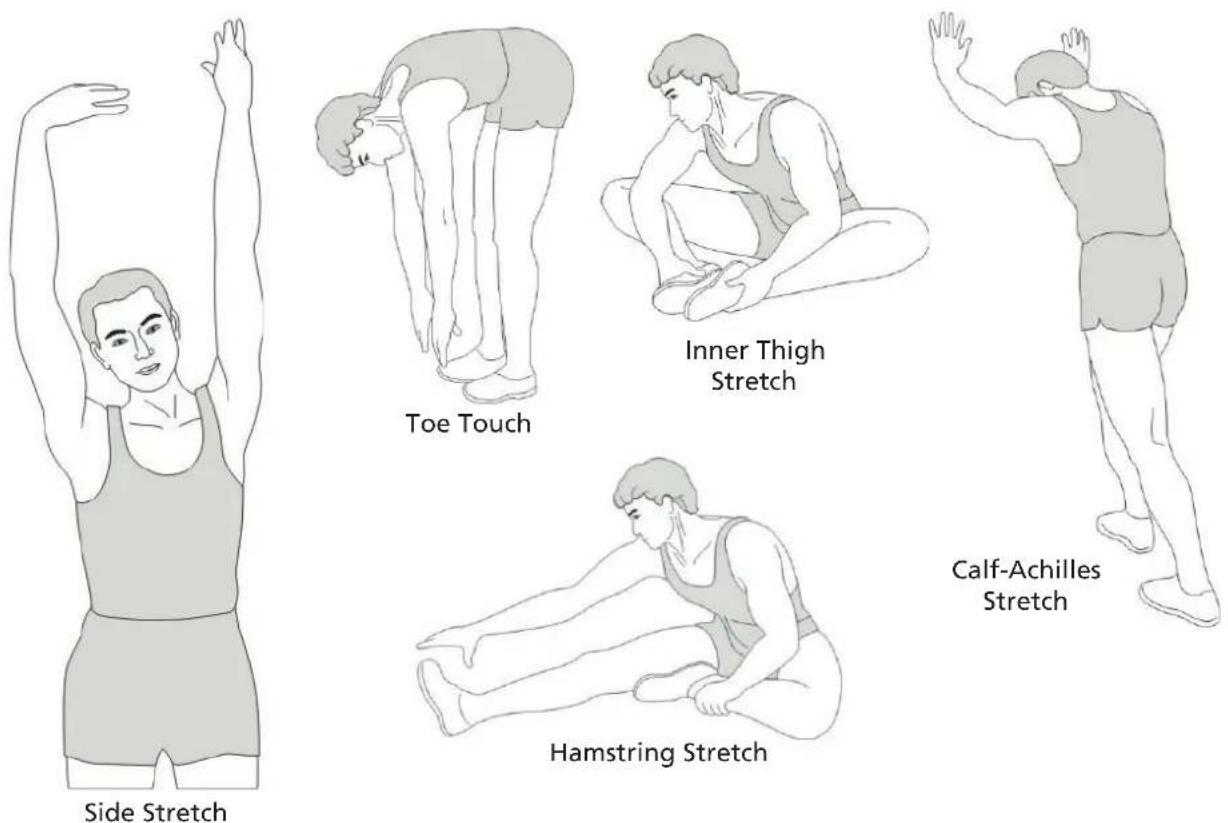
This stage helps to improve the blood circulation and prepares the muscles for your workout. It additionally helps to reduce the risk of injury or cramps. It is recommended to do some stretching exercises as shown here below. Hold each stretching position for approximately 30 seconds. Never force or jerk yourself into a stretching position – if you feel pain, STOP immediately. Warm-up exercises may also include brisk walking, jogging, jumping jacks, jump rope exercises or running in place.
STRETCHING
Muscles can be stretched more easily when these are warm. This reduces the risk of injury. DO NOT BOUNCE.
text_image
Side Stretch Toe Touch Inner Thigh Stretch Calf-Achilles Stretch Hamstring StretchRemember always to check with your physician before starting any exercise program.
COOL-DOWN
This stage helps to soothe your muscles and your cardiovascular system after your workout. At the end of your workout, reduce the speed and exercise for approximately 5 minutes at this lower speed level. Afterwards, repeat the warm-up exercises as described above.
Exercise instructions
Rowing is a very effective form of exercise. It strengthens the heart and circulation as well as all the major muscle groups: The back, abdomen, arms, shoulders, buttocks and legs.
Rowing is a very effective way of training. It strengthens the heart and circulation as well as all major muscle groups: The back, abdomen, arms, shoulders, buttocks and legs.
Rowing essential moves
- Seat on the seat and place your feet on the pedals. Use the Velcro to secure your feet and grasp the rowing handles.
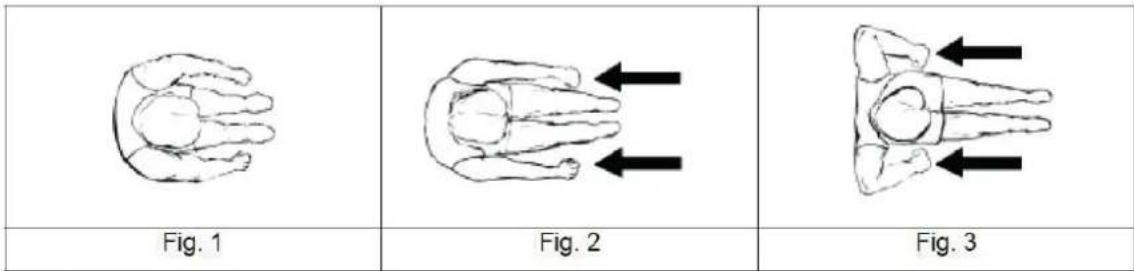
- For the starting position, lean forward with arms outstretched and bend your knees as shown in figure 1.
- Move your arms backwards while stretching your back and legs (see figure 2).
- Continue this movement until you are in a lean-back position. Your elbows should point outwards (figure 3). Now continue as described under point 2 to repeat the movement.
Exercise time
Rowing is relatively exhausting - we therefore recommend starting with a short and easy workout program. You should increase the challenges for further workouts. Start with a 5-minute workout for your first training session and increase the time slowly with further workouts until you reach 15 to 20 minutes. Take your time to increase and try to do a workout every second day or three times a week. Your muscles should get enough time to relax between different workouts.
Rowing with the arms only
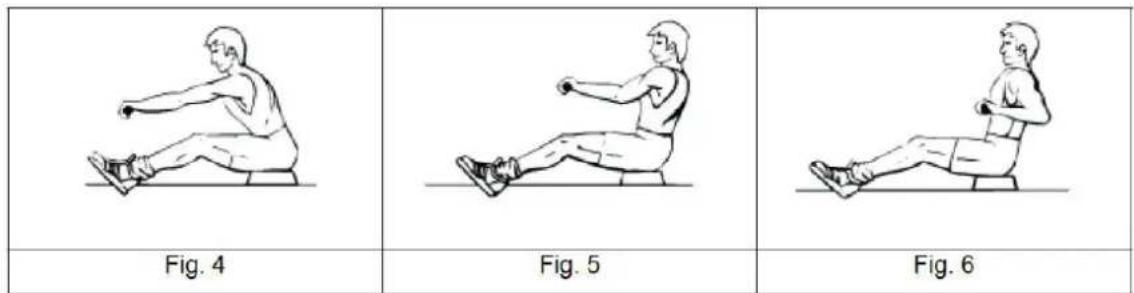
With this exercise, you can improve your arm and shoulder muscles, as well as the back and abdominal muscles. Start the movement with legs straight as shown in figure 4, lean forward and grasp the handles. Move your upper body slowly to the rear side until you reach a position as shown in figure 6, while pulling the handles in direction of your upper body. Repeat this movement.
Rowing with the legs only
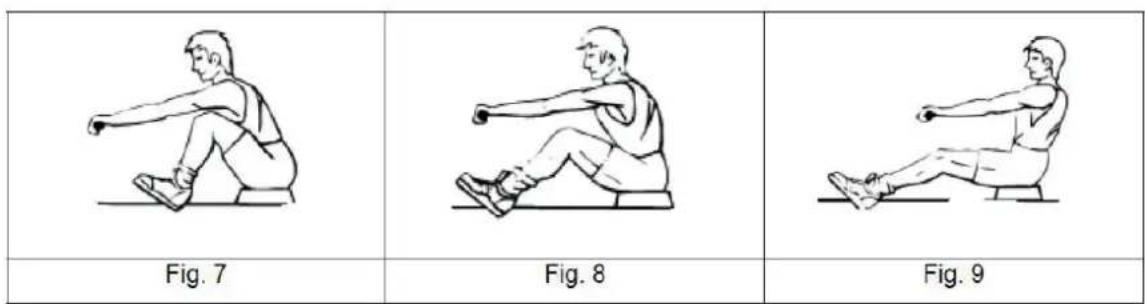
With this exercise, you can improve your leg and back muscles. With straight back and extended legs, bend your knees until you reach the handles as shown in figure 7. Now stretch your legs, what moves your body backwards. Arms and Back stay straight. Repeat this movement.
Using your rower will provide you with several benefits, e.g. it will improve your physical fitness, tone your muscles and - in conjunction with a calorie-controlled diet - help you to reduce weight.
GUARANTEE CONDITIONS
For our devices we provide a warranty as defined below.
- In accordance with the following conditions (numbers 2-5) we repair defect or damage to the device free of charge, if the cause is a manufacturing defect. Therefore, these defects / damages need to be reported to us without delay after appearance and within the warranty period of 24 months after delivery to the end user. The warranty does not cover parts, which easily break (e.g. glass or plastic). The warranty does not cover slight deviations of the product, which are insignificant for usability and value of the device and damage caused by chemical or electrochemical effects and damages caused by penetration of water or generally force majeure damage.
- The warranty achievement is the replacement or repair of defective parts, depending on our decision. The cost of material and labor will be borne by us. Repairs at customer site cannot be demanded. The proof of purchase along with the date of purchase and / or delivery is required. Replaced parts become our property.
- The warranty is void if repairs or adjustments are made,
which are not authorized by us or if our devices are equipped with additional parts or accessories that are not adapted to our devices. Furthermore, the warranty is void if the device is damaged or destroyed by force majeure or due to environmental influences and in case of improper handling / maintenance (e.g. due to non-observance of the instruction manual) or mechanical damages. The customer service may authorize you to replace or repair defective parts after telephone consultation. In this case, the warranty is not void.
- Warranty services do not extend the warranty period nor do they initiate a new warranty period.
- Further demands, especially claims for damages which occurred outside the device, are excluded as long as a liability is not obligatory legal.
- Our warranty terms - which cover the requirements and scope of our warranty conditions - do not affect the contractual warranty obligations of the seller.
- Parts of wear and tear are not included in the warranty.
- The warranty is void if not used properly or if used in gyms, rehabilitation centers and hotels. Even if most of our units are suitable for a professional use, this requires a separate agreement.
ENVIRONMENTAL PROTECTION
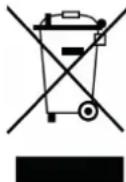
The symbol of the crossed-out dustbin on batteries or accumulators indicates that they must not be disposed of in household waste at the end of their life. If batteries or accumulators contain mercury (Hg), cadmium (Cd) or lead (Pb), you will find the respective chemical symbol below the symbol of the crossed-out dustbin. You are legally obliged to return old batteries and accumulators after use. You can do this free of charge at a retail outlet or at another collection point near you. You can obtain addresses of suitable collection points from your city or local government. Batteries may contain substances that are harmful to the environment and human
health. Particular care should be taken when handling batteries containing lithium because of the special risks involved. The separate collection and recycling of old batteries and accumulators is intended to avoid negative impacts on the environment and human health. Please avoid the generation of waste from old batteries as far as possible, e.g. by giving preference to batteries with a longer life or rechargeable batteries. Please avoid littering public spaces by not carelessly leaving batteries or electrical and electronic equipment containing batteries. Please consider ways to reuse a battery instead of disposing of it, for example by reconditioning or repairing the battery.
In accordance with our policy of continual product improvement, we reserve the right to make technical and visual changes without notice.
For spare parts please contact: service@skandika.de Service centre: MAX Trader GmbH, Wilhelm-Beckmann-Straße 19, 45307 Essen, Germany
NOTES

Contenu

skandika.com/service
text_image
Exploded view diagram of a smart home control panel with numbered components and Chinese labels indicating part numbers.| A | -G576 | | | ||
| C | E | K | |||
Q | |||||
| F | G | I | | ||
| H | |||||
| - | S | ||||
natural_image
Pure diagram of seven identical cylindrical objects arranged in a row (no text or symbols)
⑥

text_image
4 11 12 13
natural_image
Abstract geometric shape with curved, angular forms (no text or symbols)Étape 1:
natural_image
Technical line drawing of a mechanical assembly with a component labeled 'F' and an arrow indicating transformation (no text or symbols present)Étape 3:
text_image
Technical diagram of a mechanical assembly with labeled parts and numbered annotationsÉtape 6:
natural_image
Technical line drawing of a mechanical support structure with mounting feet and vertical railings (no text or symbols)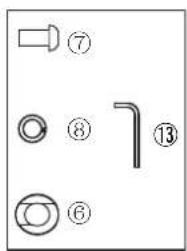
text_image
⑦ ⑧ ⑬ ⑥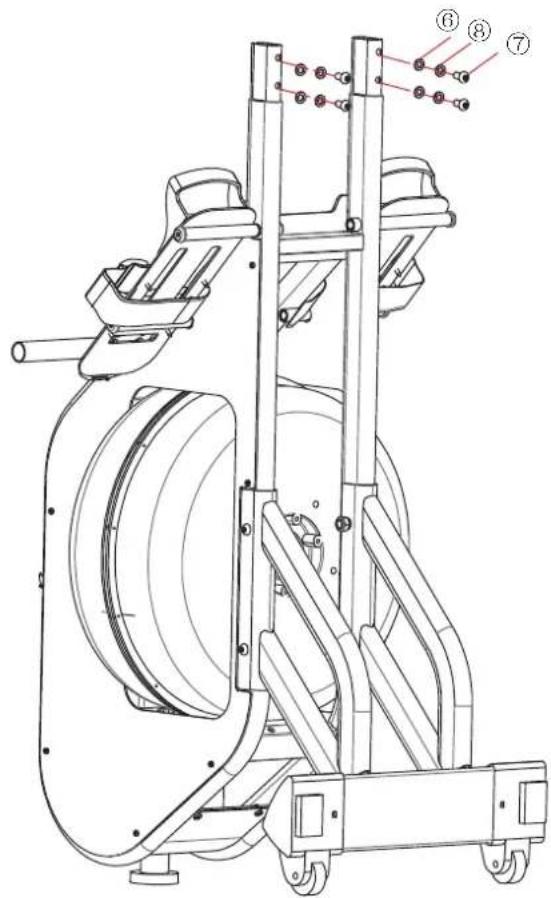
text_image
Technical diagram of a mechanical device with numbered components labeled ⑥, ⑧, and ⑦Étape 8:
natural_image
Technical line drawing of a robotic device with articulated arms and wiring (no text or symbols)COMMENT REMPLIR ET VIDER LE RÉSERVOIR
55% Max H.R.C. -- Fréquence cardiaque cible = (220 - ÂGE) x 55%
75% Max H.R.C. -- fréquence cardiaque cible = (220 - ÂGE) x 75%
90% Max H.R.C. -- fréquence cardiaque cible = (220 - ÂGE) x 90%
natural_image
Technical line drawing of a stationary exercise machine with an inset showing its control panel (no text or symbols on the device itself)