EasyManual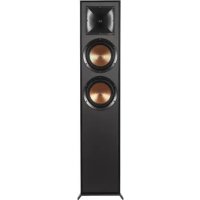
Reference R625FA - Speaker KLIPSCH - Free user manual and instructions
Find the device manual for free Reference R625FA KLIPSCH in PDF.



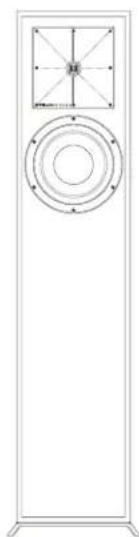
| Technical Features | Column speaker with built-in speaker for Dolby Atmos, power of 100W, impedance of 8 ohms, frequency response from 38 Hz to 21 kHz. |
|---|---|
| Usage | Designed for home theater and music use, ideal for surround sound systems. |
| Maintenance and Repair | Regularly clean with a soft cloth, avoid exposure to moisture, consult a professional for repairs. |
| Safety | Do not expose to extreme temperatures, avoid physical shocks, use with a compatible amplifier. |
| General Information | Dimensions: 102 cm (height) x 25 cm (width) x 38 cm (depth), weight: 19 kg, black wood finish. |
Frequently Asked Questions - Reference R625FA KLIPSCH
User questions about Reference R625FA KLIPSCH
0 question about this device. Answer the ones you know or ask your own.
Ask a new question about this device
Download the instructions for your Speaker in PDF format for free! Find your manual Reference R625FA - KLIPSCH and take your electronic device back in hand. On this page are published all the documents necessary for the use of your device. Reference R625FA by KLIPSCH.
USER MANUAL Reference R625FA KLIPSCH
text_image
P EST. 1946 HOPE, AROWNERS MANUAL
Klipsch®
REFERENCE
REFERENCE (n):
1) the standard, the benchmark, the point used for comparison
2) the embodiment of the legendary Klipsch sound
LOUD AND PROUD SINCE 1946
In 1946, Paul W. Klipsch revolutionized the audio industry by creating our proprietary horn technology and the acoustic principles that are the driving force behind our highly acclaimed signature sound.
Today, we remain true to PWK's vision and pack the better part of a century's worth of sweat and genius into every product we make. These speakers are the result of our obsession with that aural perfection.
Experience the power, detail and emotion of Klipsch Reference. We are the Keepers of the Sound ^® .
ENGLISH
natural_image
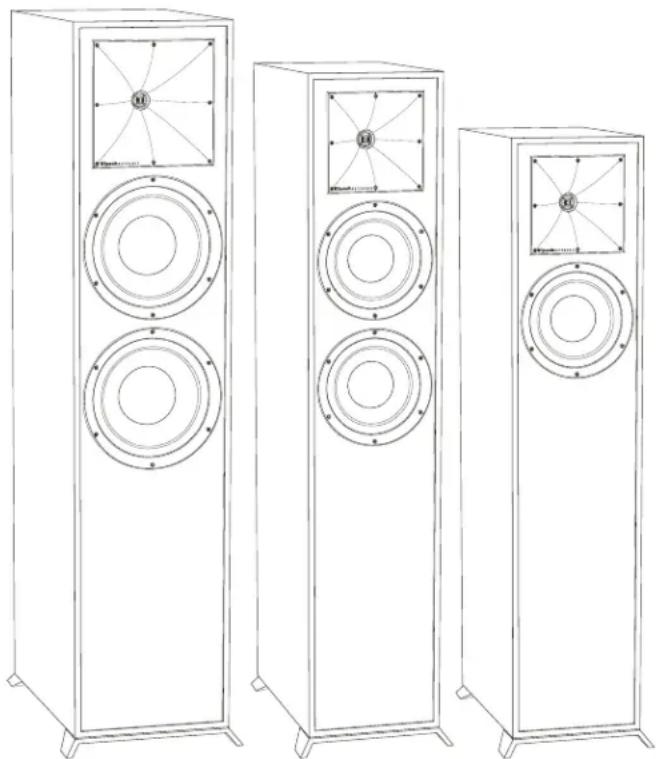
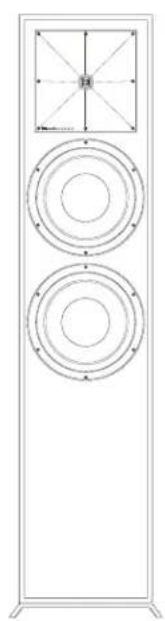
Line drawing of three identical multi-tiered speakers with circular speaker holes and grid-patterned front panels (no text or symbols)REFERENCE SPEAKERS
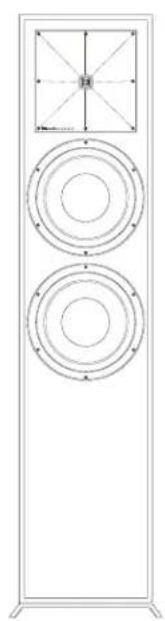
natural_image
Diagram of a two-tiered speaker tower with circular components and a central grid element (no text or symbols)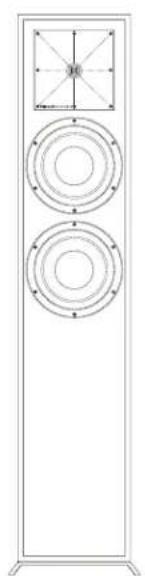
natural_image
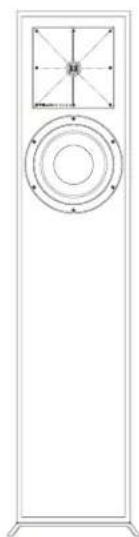
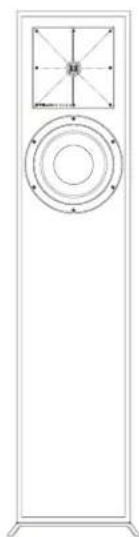
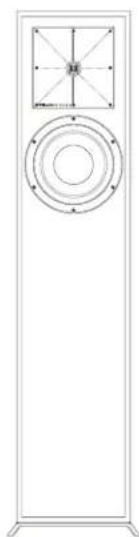
Diagram of a tall speaker tower with two circular speakers and a central square component (no text or symbols)R-620F
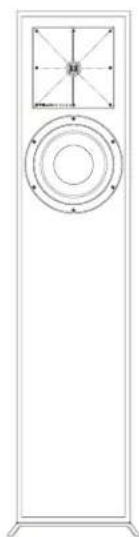
natural_image
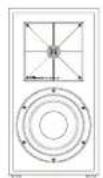
Line drawing of a vertical speaker with circular components and a square top (no text or symbols)R-610FR-820F
R-51M
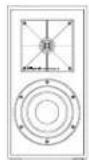
R-41M
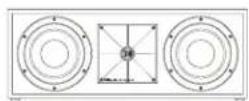
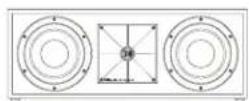
R-52C
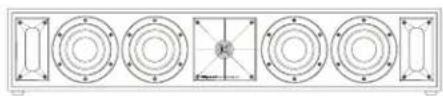
natural_image
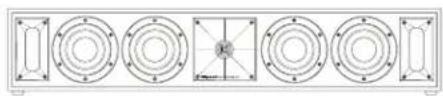
Pure diagram of eight circular mechanical components with mounting holes and a central square, no text or symbols present.R-34C
DOLBY ATMOS®
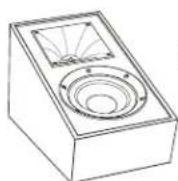
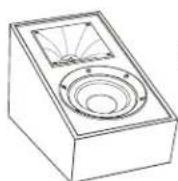
R-41SA
natural_image
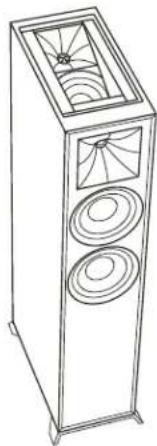
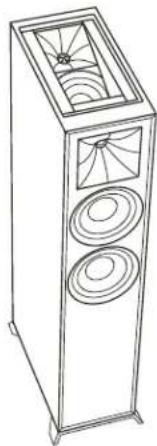
Line drawing of a multi-tiered speaker tower with three speakers and a front panel (no text or symbols)R-625FA
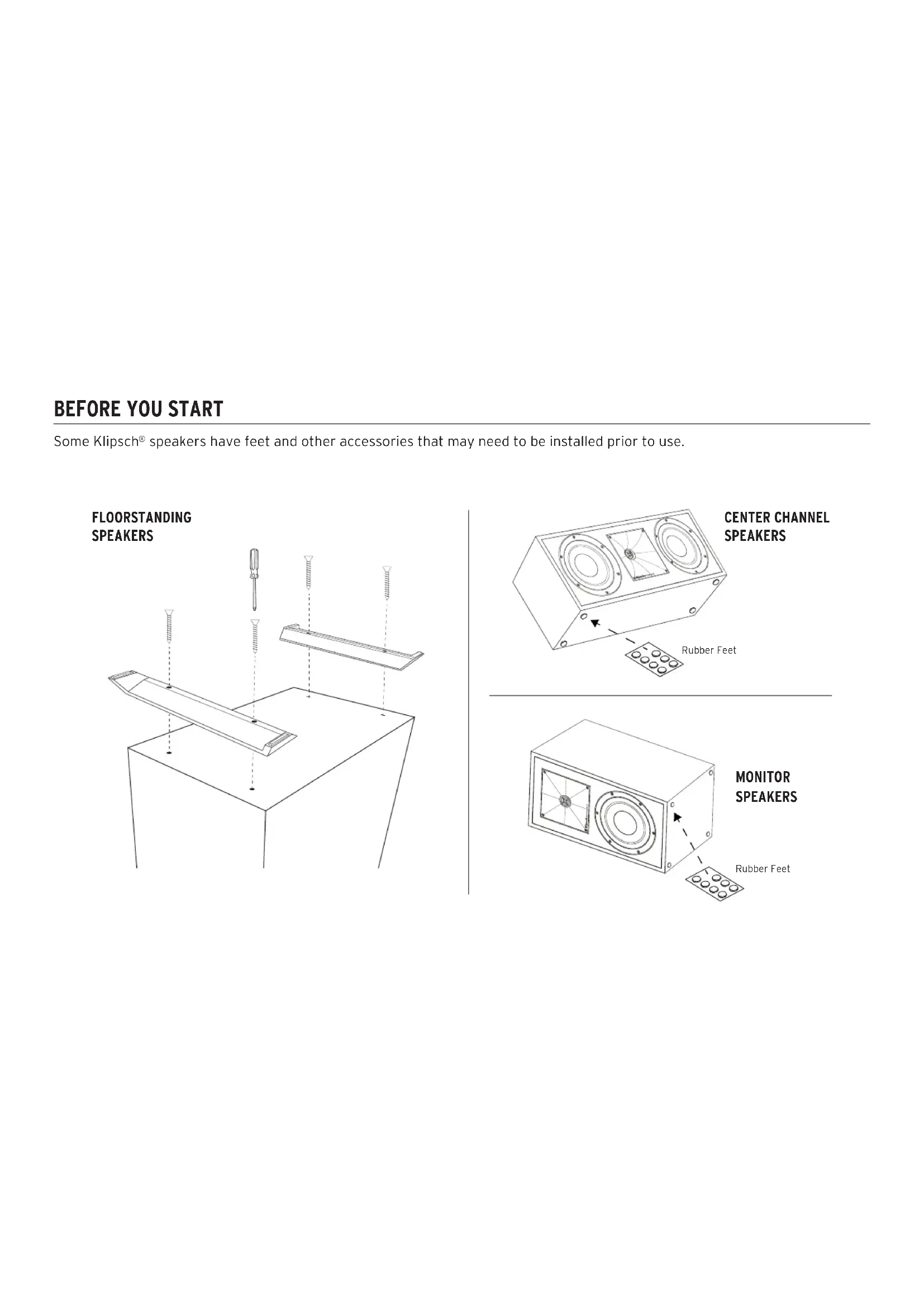
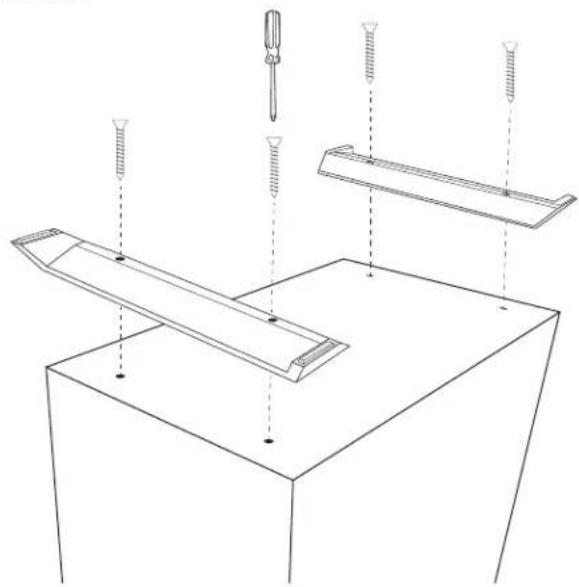
BEFORE YOU START
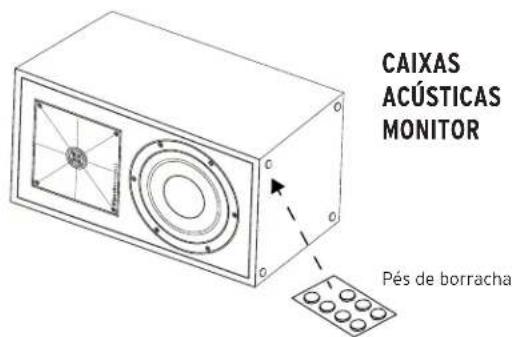
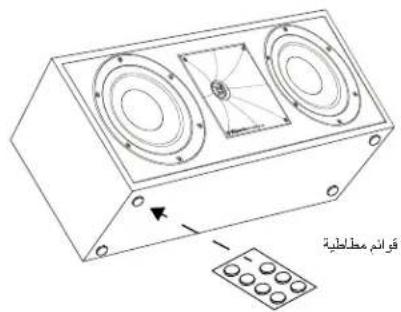
Some Klipsch ^® speakers have feet and other accessories that may need to be installed prior to use.
FLOORSTANDING
SPEAKERS
natural_image
Technical line drawing of a mechanical assembly with screws and a bracket (no text or symbols)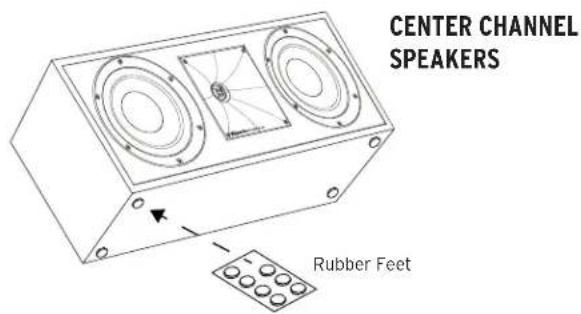
text_image
CENTER CHANNEL SPEAKERS Rubber Feet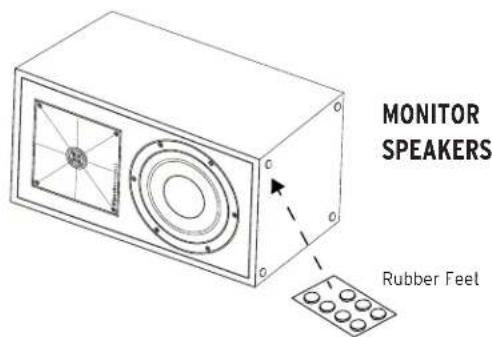
text_image
MONITOR SPEAKERS Rubber FeetROOM PLACEMENT CONNECTION
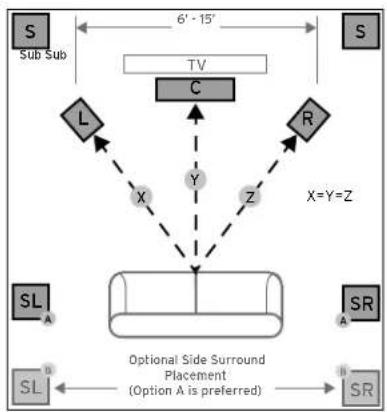
Left and Right Main Channel Speakers – For optimum performance, Klipsch Group, Inc. (KGI) suggests placing your speakers 6 to 15 feet (1.8 to 4.6m) apart. They may also be toed-in slightly for better stereo imaging. The listening position should be about 1 to 1.5 times the distance separating the speakers. Refer to Figures 1 and 3 for connection and placement.
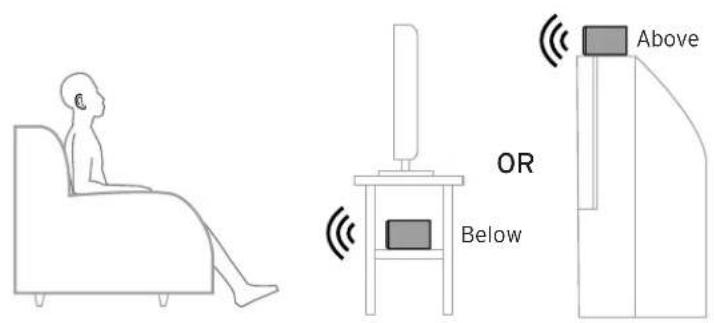
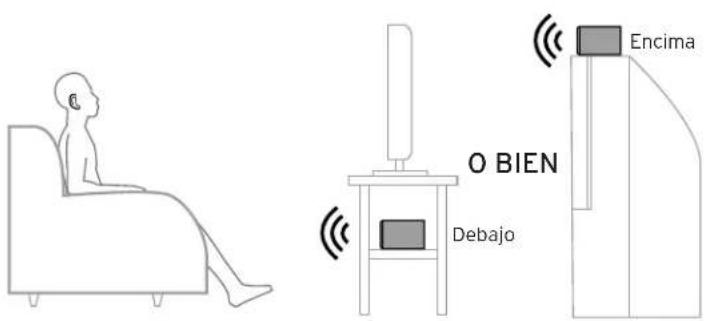
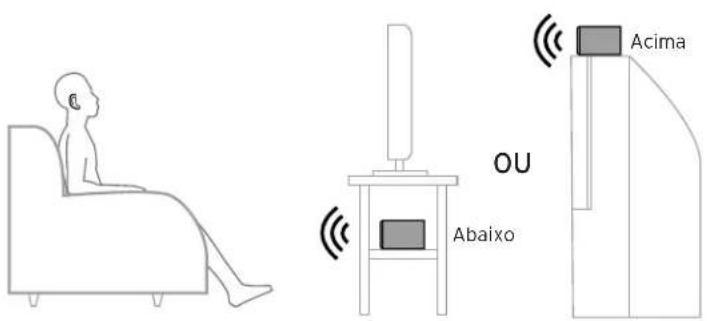
Center Channel Speakers – Center channel speakers are designed to place dialogue and primary sounds so that they appear to come from the video screen. The speakers should therefore be placed as close to the screen as possible, preferably directly on top of or below the screen. Refer to Figures 1, 2 and 3 for connection and placement.
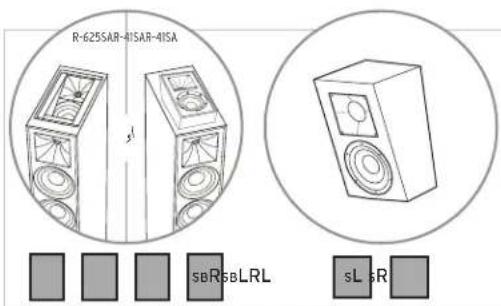
Rear Surround Channel Speakers – Klipsch surround speakers should be placed approximately 2 feet above the listening position. Typically this will be about 5-7 feet above the floor. The surrounds should be placed on the walls directly adjacent to the listening position. Another option would be on the wall behind the listening position. The final surround speaker placement depends on your room's characteristics. They are designed to recreate the sense of space and ambience that many of today's surround sound technologies provide. Refer to Figures 1, 3 and 4 for connection and placement.
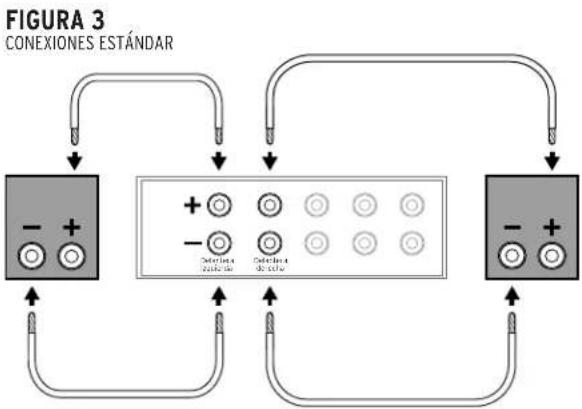
Conventional Connection – Using 16-12 gauge speaker wire, connect the RED "positive" (+) terminal of the LEFT speaker to the RED "positive" (+) terminal of your amplifier's LEFT channel. Connect the BLACK "negative" (-) terminal of the LEFT speaker to the BLACK "negative" (-) terminal of your amplifier's LEFT channel.
Repeat the above procedure for connecting all remaining speakers to the appropriate amplifier channels. Refer to Figure 3. Make sure that no bare wires from any of the connections touch any other terminals as this could cause a short and damage your equipment.
Some Klipsch Reference speakers come with dual binding posts that are connected by a metal strip. Do not remove this strip or your speakers will not function correctly. Keep this strip in place and connect your speaker wire to the top set of the binding posts. It is possible to "Bi-wire" a speaker that has two sets of binding posts. Please see your receiver's manual for further instructions.
Amplifier Requirements – Klipsch speakers are highly efficient and will operate easily on a wide variety of amplifiers. All Klipsch speakers are 8-ohm compatible and can be driven to very high levels with low distortion. Due to the high output levels Klipsch speakers are capable of reproducing, exercise caution with the volume control. Excessive volume over long periods can permanently damage your hearing. Overdriving your amplifier could also damage your speakers. Check with your dealer or amplifier manual to make sure your particular amplifier is best suited to your application. We want you listening for a lifetime.
FIGURE 1
SPEAKER PLACEMENT IN LISTENING AREA
flowchart
graph TD
    A["Sub Sub"] --> B["TV"]
    B --> C["C"]
    C --> D["L"]
    C --> E["R"]
    D --> F["X"]
    E --> G["Z"]
    F --> H["SL_A"]
    G --> I["SL_B"]
    H --> J["Optional Side Surround Placement (Option A is preferred)"]
    I --> K["SR_A"]
    J --> L["SR_B"]
    style A fill:#f9f,stroke:#333
    style B fill:#ccf,stroke:#333
    style C fill:#cfc,stroke:#333
    style D fill:#fcc,stroke:#333
    style E fill:#cff,stroke:#333
    style F fill:#ffc,stroke:#333
    style G fill:#ffc,stroke:#333
    style H fill:#cfc,stroke:#333
    style I fill:#cfc,stroke:#333
    style J fill:#cfc,stroke:#333
    style K fill:#cfc,stroke:#333
FIGURE 2
CENTER CHANNEL
text_image
Above OR Below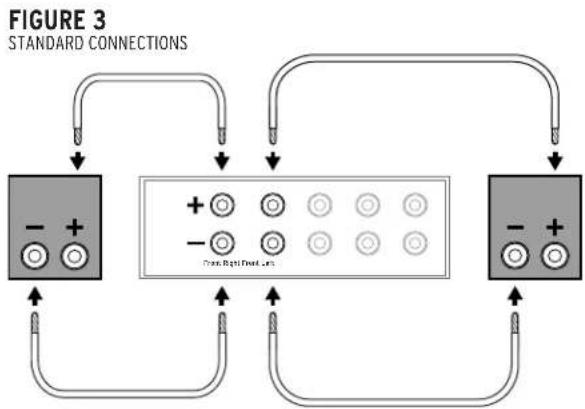
flowchart
graph TD
    A["Terminal Block 1"] --> B["Standard Connection"]
    B --> C["Terminal Block 2"]
    C --> D["Standard Connection"]
    D --> E["Terminal Block 3"]
    E --> F["Standard Connection"]
    style A fill:#f9f,stroke:#333
    style C fill:#ccf,stroke:#333
    style E fill:#cfc,stroke:#333
text_image
CAUTION! Do not use keyhole for ceiling mounting!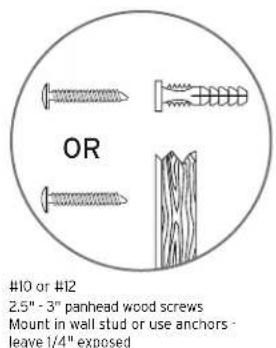
text_image
OR #10 or #12 2.5" - 3" panhead wood screws Mount in wall stud or use anchors - leave 1/4" exposedREFERENCE WITH DOLBY ATMOS® TECHNOLOGY
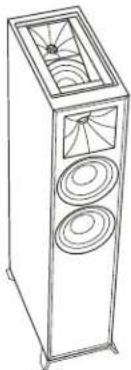
natural_image
Line drawing of a multi-tiered speaker tower with two circular speakers and a top panel (no text or symbols)
natural_image
Line drawing of a box with a speaker grille and fan blade (no text or symbols)R-41SAR-625FA
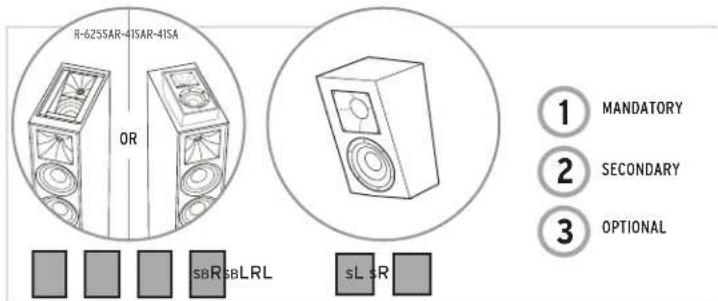
text_image
R-625SAR-41SAR-41SA OR sBRsBLRL sL $R ① MANDATORY ② SECONDARY ③ OPTIONAL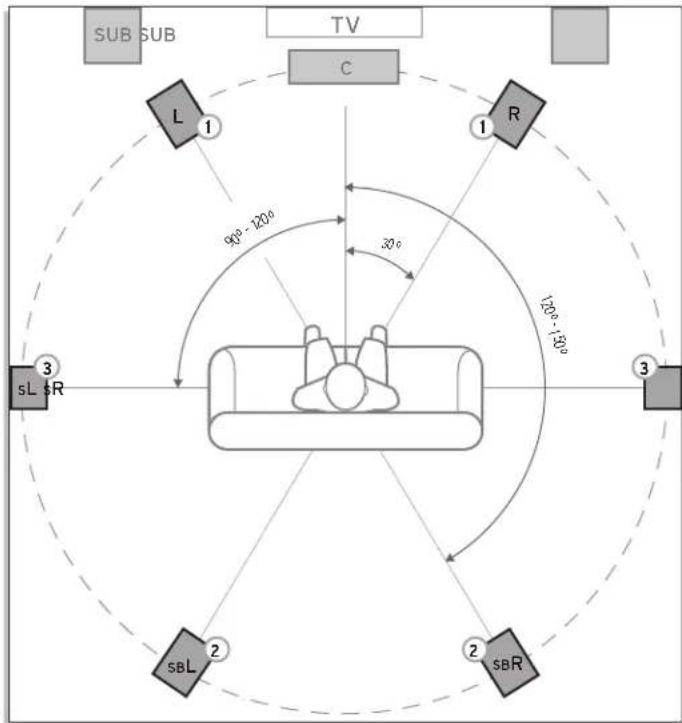
flowchart
graph TD
    A["TV"] --> B["C"]
    B --> C["L"]
    C --> D["R"]
    D --> E["sL + R"]
    E --> F["sB L"]
    F --> G["sB R"]
    G --> H["3"]
    H --> I["120° - 130°"]
    I --> J["30°"]
    J --> K["90° - 120°"]
    K --> L["SUB SUB"]
    style A fill:#f9f,stroke:#333
    style B fill:#ccf,stroke:#333
    style C fill:#cfc,stroke:#333
    style D fill:#fcc,stroke:#333
    style E fill:#cff,stroke:#333
    style F fill:#ffc,stroke:#333
    style G fill:#cfc,stroke:#333
    style H fill:#fcc,stroke:#333
    style I fill:#ffc,stroke:#333
    style J fill:#cfc,stroke:#333
    style K fill:#fcc,stroke:#333
    style L fill:#ffc,stroke:#333
SPEAKER PLACEMENT IN LISTENING AREA
CARE AND CLEANING
The only thing you should ever need to do to your speakers is dust them occasionally. Never apply any abrasive or solvent-based cleaner or any harsh detergent. You can clean the grilles with the brush attachment of a vacuum cleaner.
PRODUCT REGISTRATION
Register your product online at www.klipsch.com/register
- Keep up-to-date on new products and promotions.
- Your personal information will never be resold.
- This registration information is not used for warranty purposes. Please retain your receipt for warranty claims.
REFERENCE
natural_image
Line drawing of three identical multi-tiered speakers with circular speaker holes and grid-patterned front panels (no text or symbols)FRENCH
ENCEINTES REFERENCE
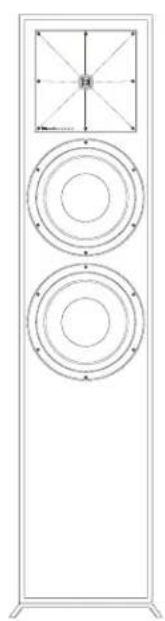
natural_image
Diagram of a two-tiered speaker tower with circular components and a central grid element (no text or symbols)
natural_image
Diagram of a tall speaker tower with two circular speakers and a central square component (no text or symbols)R-620F
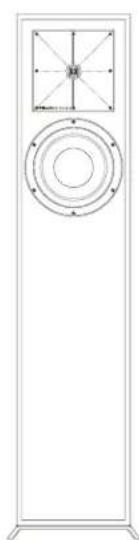
natural_image
Line drawing of a vertical stand with circular components and a central square grid (no text or symbols)R-610FR-820F
R-51M
R-41M
R-52C
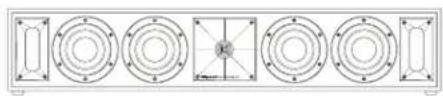
natural_image
Pure diagram of eight circular mechanical components with mounting holes and a central square, no text or symbols present.R-34C
DOLBY ATMOS®
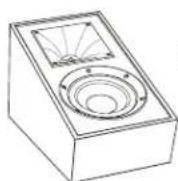
R-41SA
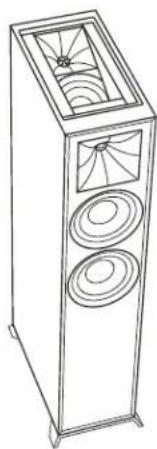
natural_image
Line drawing of a multi-tiered speaker tower with visible sound waves and ventilation grilles (no text or symbols)R-625FA
AVANT DE COMMENCER
natural_image
Line drawing of three identical multi-tiered speakers with circular speaker holes and a grid-patterned top panel (no text or symbols)REFERENCE-LAUTSPRECHER
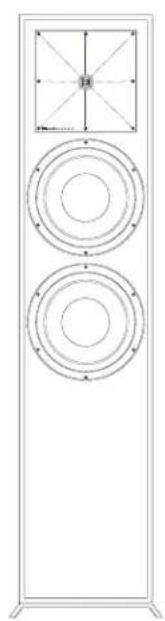
natural_image
Diagram of a two-tiered speaker tower with circular components and a central grid element (no text or symbols)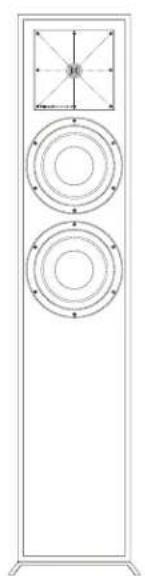
natural_image
Diagram of a tall speaker tower with two circular speakers and a central square component (no text or symbols)R-620F
natural_image
Line drawing of a vertical speaker with circular components and a square top (no text or symbols)R-610FR-820F
R-51M
R-41M
R-52C
natural_image
Pure diagram of eight circular mechanical components with mounting holes and a central square, no text or symbols present.R-34C
DOLBY ATMOS®
R-41SA
natural_image
Line drawing of a multi-tiered speaker tower with three speakers and a front panel (no text or symbols)R-625FA
ERSTE SCHRITTE
natural_image
Technical line drawing of a mechanical assembly with screws and a bracket (no text or symbols)CENTER-KANAL
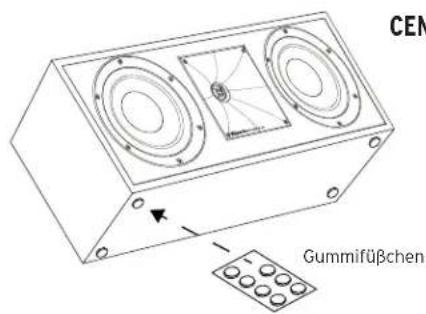
text_image
CEN GummifüßchenMONITORLAUTSPRECHER
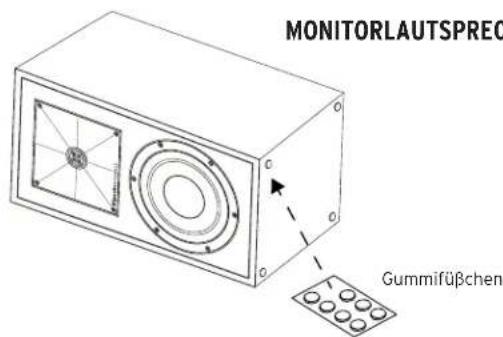
text_image
MONITORLAUTSPREC Gummifüßchennatural_image
Line drawing of a multi-tiered speaker tower with two circular speakers and a top-mounted fan (no text or symbols)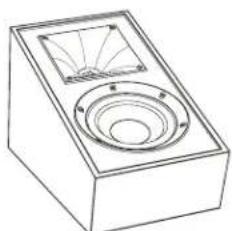
natural_image
Line drawing of a box with a speaker grille and antenna (no text or symbols)R-14SAR-26FA
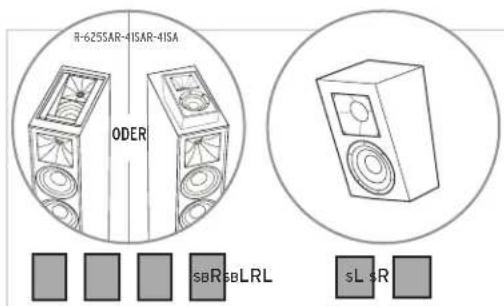
text_image
R-625SAR-41SAR-41SA ODER sbR sbLRL sL $R1 NOTWENDIG
2 SEKUNDÄR
3 OPTIONAL
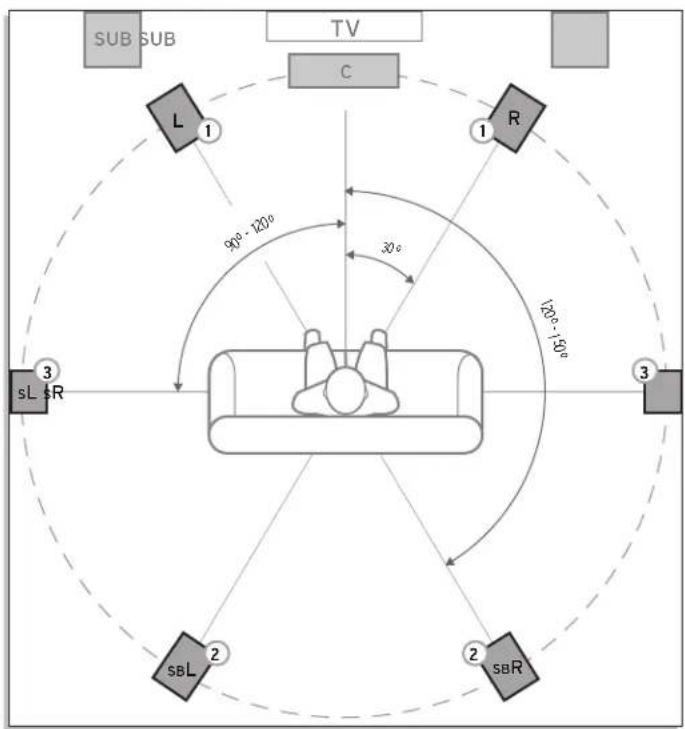
text_image
SUB SUB TV C L 1 1 R 3 sL +R 3 90° - 120° 30° 120° - 150° sBL 2 2 sBRnatural_image
Line drawing of three identical outdoor speakers with circular speaker holes and front-mounted screens (no text or symbols)ALTAVOCES REFERENCE
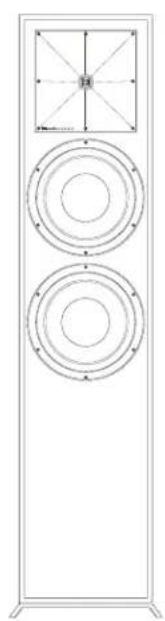
natural_image
Diagram of a two-tiered speaker tower with circular components and a central grid element (no text or symbols)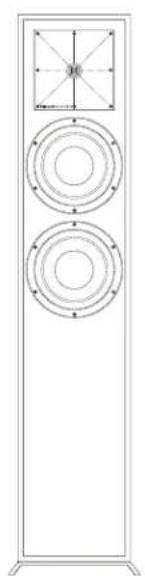
natural_image
Diagram of a tall speaker tower with two circular speakers and a central square component (no text or symbols)R-620F
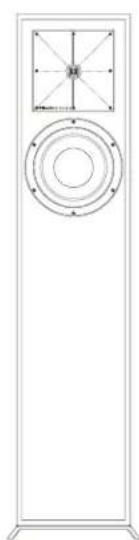
natural_image
Line drawing of a vertical speaker with circular components and a square top (no text or symbols)R-610FR-820F
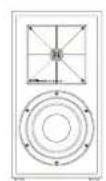
R-51M
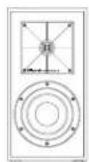
R-41M
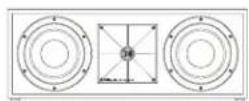
R-52C
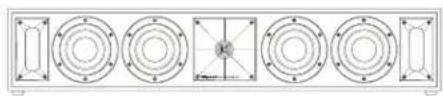
natural_image
Pure diagram of eight circular mechanical components with mounting holes and a central square, no text or symbols present.R-34C
DOLBY ATMOS®
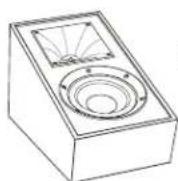
R-41SA
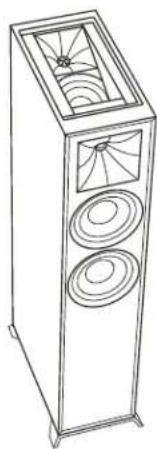
natural_image
Line drawing of a multi-tiered speaker tower with visible sound waves and ventilation grilles (no text or symbols)R-625FA
ANTES DE EMPEZAR
natural_image
Technical line drawing of a mechanical assembly with screws and a base plate (no text or symbols)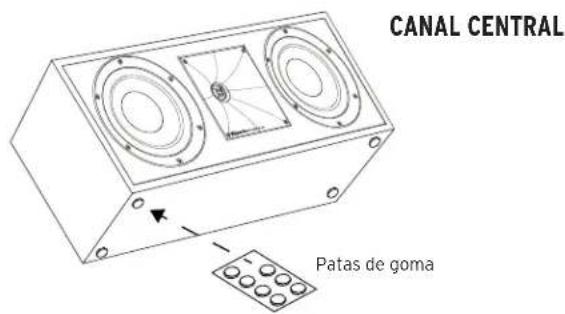
text_image
CANAL CENTRAL Patas de goma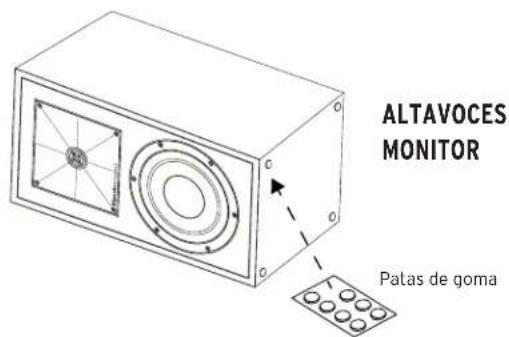
text_image
ALTAVOCES MONITOR Patas de gomaflowchart
graph TD
    subgraph TV
        S["Sub (Subwoofer)"]
        L["L"]
        C["C"]
        R["R"]
    end
    subgraph Radio
        X["X"]
        Y["Y"]
        Z["Z"]
    end
    subgraph SL
        SL["A"]
        SR["A"]
    end
    subgraph SR
        SR["S"]
        SLn["SL"]
        SRn["SR"]
    end
    subgraph X=Y,Z
        X2["X=Y=Z"]
    end
    subgraph Y
        Y2["Y"]
        Y3["Z"]
    end
    subgraph Z
        Z2["Z"]
        Z3["Z"]
    end
    subgraph SR
        SRn["SR"]
        SRn2["SR"]
    end
    subgraph SLn
        SLn2["SL"]
        SRn2["SR"]
    end
    subgraph SRn
        SRn2n["SR"]
        SLn2n["SL"]
        SRn2n2["SR"]
    end
    subgraph Y
        Y2["Y"]
        Y3["Z"]
    end
    subgraph Z
        Z2["Z"]
        Z3["Z"]
    end
    subgraph SR
        SRn2n2["SR"]
        SRn2n3["SR"]
        SLn3n2["SL"]
        SRn3n3["SR"]
    end
    subgraph SLn
        SLn1["SL"]
        SRn1n2["SR"]
        SLn1n3["SL"]
        SRn1n4["SR"]
    end
    subgraph SRn
        SRn1n3["SR"]
        SRn1n4["SR"]
        SLn1n5["SL"]
        SRn1n6["SR"]
        SLn1n7["SL"]
        SRn1n8["SR"]
    end
    subgraph SL
        SLn1n7["SL"]
        SRn1n8["SR"]
        SLn1n9["SL"]
        SRn1n9n8["SR"]
        SLn1n10["SL"]
        SRn1n10n7["SR"]
        SLn1n11["SL"]
        SRn1n11n6["SR"]
        SLn1n12["SL"]
        SRn1n12n5["SR"]
        SLn1n13["SL"]
        SRn1n13n4["SR"]
        SLn1n14["SL"]
        SRn1n14n3["SR"]
        SLn1n15["SL"]
        SRn1n15n2["SR"]
        SLn1n16["SL"]
        SRn1n16n1["SR"]
        SLn1n17["SL"]
        SRn1n17n1["SR"]
        SLn1n18["SL"]
        SRn1n18n1["SR"]
        SLn1n19["SL"]
        SRn1n19n1["SR"]
        SLn1n20["SL"]
        SRn1n20n1["SR"]
        SLn1n21["SL"]
        SRn1n21n1["SR"]
        SLn1n22["SL"]
        SRn1n22n1["SR"]
        SLn1n23["SL"]
        SRn1n23n1["SR"]
        SLn1n24["SL"]
        SRn1n24n1["SR"]
        SLn1n25["SL"]
        SRn1n25n1["SR"]
        SLn1n26["SL"]
        SRn1n26n1["SR"]
        SLn1n27["SL"]
        SRn1n27n1["SR"]
        SLn1n28["SL"]
        SRn1n28n1["SR"]
        SLn1n29["SL"]
        SRn1n29n1["SR"]
        SLn1n30["SL"]
        SRn1n30n1["SR"]
        SLn1n31["SL"]
        SRn1n31n1["SR"]
        SLn1n32["SL"]
        SRn1n32n1["SR"]
        SLn1n33["SL"]
        SRn1n33n1["SR"]
        SLn1n34["SL"]
        SRn1n34n1["SR"]
        SLn1n35["SL"]
        SRn1n35n1["SR"]
        SLn1n36["SL"]
        SRn1n36n1["SR"]
        SLn1n37["SL"]
        SRn1n37n1["SR"]
        SLn1n38["SL"]
        SRn1n38n1["SR"]
        SL_n["n"] --> SL["n"] --> SL["n"] --> SL["n"] --> SL["n"] --> SL["n"] --> SL["n"] --> SL["n"] --> SL["n"] --> SL["n"] --> SL["n"] --> SL["n"] --> SL["n"] --> SL["n"] --> SL["n"] --> SL["n"] --> SL["n"] --> SL["n"] --> SL["n"] --> SL["n"] --> SL["n"] --> SL["n"] --> SL["n"] --> SL["n"] --> SL["n"] --> SL["n"] --> EL
    end
flowchart
graph TD
    A["CONEXIONES ESTÁNDAR"] --> B["+"]
    A --> C["-"]
    B --> D["Conexiones Estandar"]
    C --> D
    D --> E["Conexiones Estandar"]
    E --> F["Conexiones Estandar"]
    F --> G["Conexiones Estandar"]
    G --> H["Conexiones Estandar"]
FIGURA 2
CANAL CENTRAL
text_image
Encima O BIEN DebajoFIGURA 4
MONTAJE DE LOS ALTAVOCES SURROUND EN LA PARED
natural_image
Line drawing of three identical multi-tiered speakers with circular speaker holes and a grid-patterned top panel (no text or symbols)CAIXAS ACÚSTICAS REFERENCE
natural_image
Diagram of a multi-tiered speaker tower with circular components and a central grid element (no text or symbols)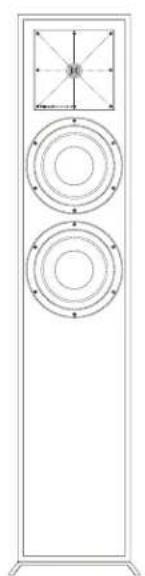
natural_image
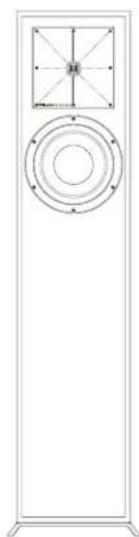
Diagram of a tall speaker tower with two circular speakers and a central square component (no text or symbols)R-620F
natural_image
Line drawing of a vertical speaker with circular components and a square top (no text or symbols)R-610FR-820F
R-51M
R-41M
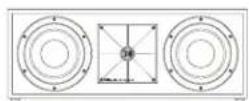
R-52C
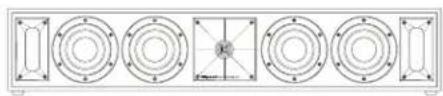
natural_image
Pure diagram of eight circular mechanical components with mounting holes and a central square, no text or symbols present.R-34C
DOLBY ATMOS®
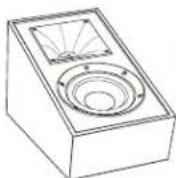
R-41SA
natural_image
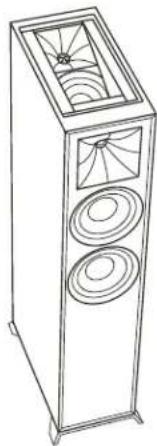
Line drawing of a multi-tiered speaker tower with three speakers and a front panel (no text or symbols)R-625FA
ANTES DE COMEÇAR
natural_image
Technical line drawing of a mechanical assembly with screws and a bracket (no text or symbols)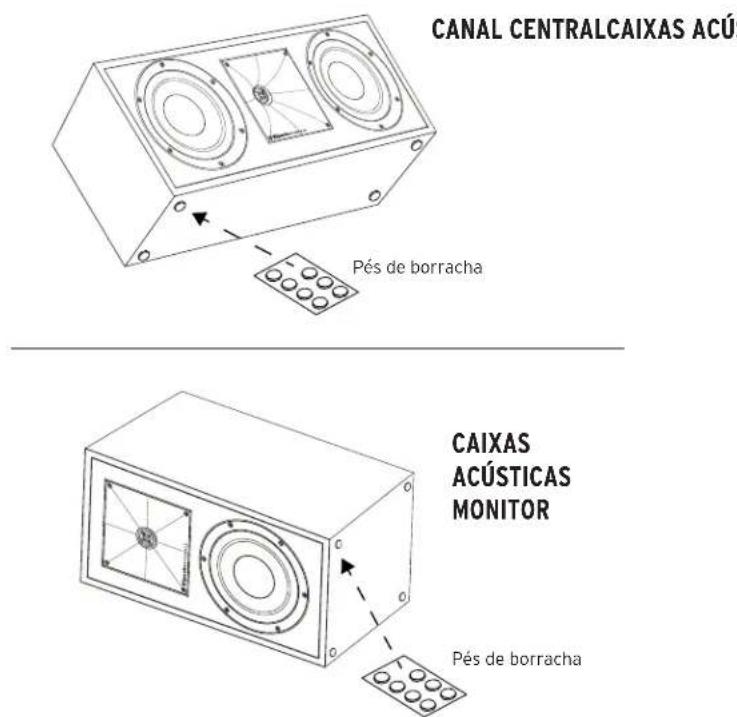
text_image
CANAL CENTRALCAIXAS ACÚ Pés de borracha CAIXAS ACÚSTICAS MONITOR Pés de borrachaCANAL CENTRALCAIXAS ACÚ:
text_image
CAIXAS ACÚSTICAS MONITOR Pés de borrachaFIGURA 2
CANAL CENTRAL
natural_image
Diagram showing four types of screws and a wooden block, labeled 'OU' (no text or symbols on the diagram itself)Parafusos de cabeça chata para madeira no 10 ou 12 de 63 a 76 mm de comprimento Montar na viga de parede ou usar buchas - deixar 64 mm expostos
REFERENCE COM TECNOLOGIA DOLBY ATMOS®
natural_image
Line drawing of a multi-tiered speaker tower with two speakers and a front panel (no text or symbols)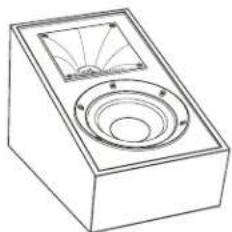
natural_image
Line drawing of a box with a speaker grille and antenna (no text or symbols)R-14SAR-26FA
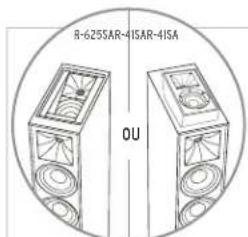
text_image
R-62SSAR-4ISAR-4ISA OU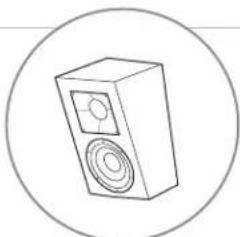
natural_image
Line drawing of a speaker with two speakers, enclosed in a circle (no text or symbols)1
OBRIGATÓRIO
2
SECUNDÁRIO
3
OPCIONAL


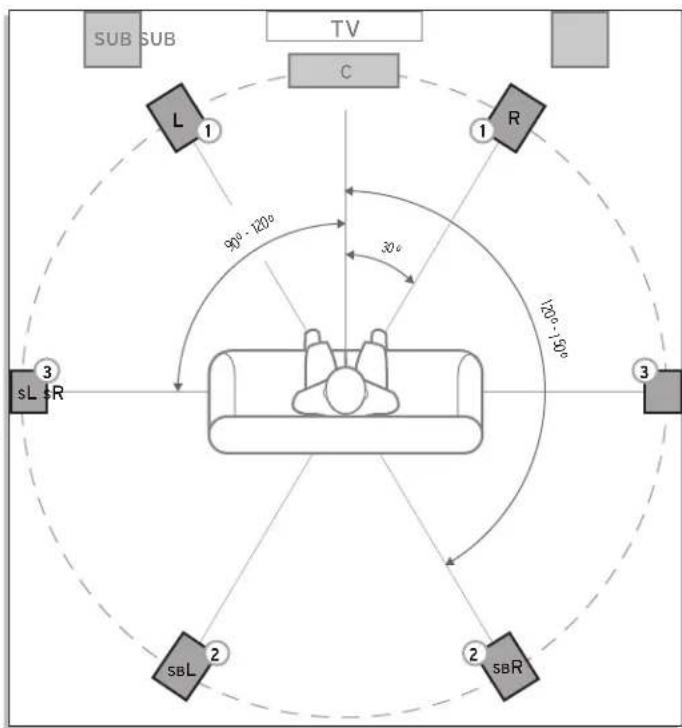
flowchart
graph TD
    A["TV"] --> B["C"]
    B --> C["L"]
    C --> D["R"]
    D --> E["sB"]
    E --> F["sB"]
    F --> G["sL"]
    G --> H["R"]
    H --> I["Sub Sub"]
    style A fill:#f9f,stroke:#333
    style B fill:#ccf,stroke:#333
    style C fill:#cfc,stroke:#333
    style D fill:#fcc,stroke:#333
    style E fill:#cff,stroke:#333
    style F fill:#ffc,stroke:#333
    style G fill:#fcc,stroke:#333
    style H fill:#ffc,stroke:#333
    style I fill:#fcc,stroke:#333
natural_image
Line drawing of three identical multi-tiered speakers with circular speaker holes and grid-patterned front panels (no text or symbols)ALTOPARLANTI REFERENCE
natural_image
Diagram of a two-tiered speaker tower with circular components and a central grid element (no text or symbols)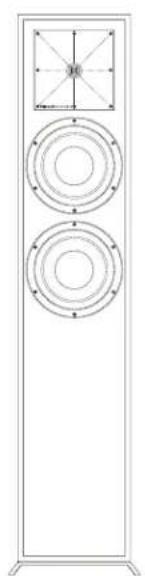
natural_image
Diagram of a tall speaker tower with two circular speakers and a central square component (no text or symbols)R-620F
natural_image
Line drawing of a vertical speaker with circular components and a square top (no text or symbols)R-610FR-820F
R-51M
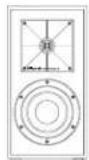
R-41M
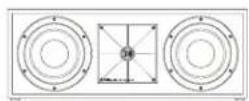
R-52C
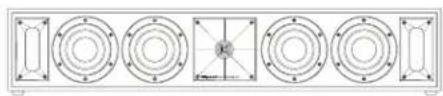
natural_image
Pure diagram of eight circular mechanical components with mounting holes and a central square, no text or symbols present.R-34C
DOLBY ATMOS®
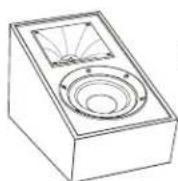
R-41SA
natural_image
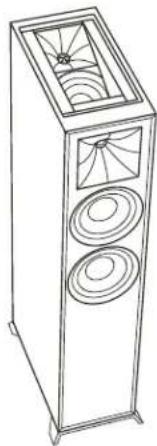
Line drawing of a multi-tiered speaker tower with three speakers and a front panel (no text or symbols)R-625FA
OPERAZIONI PRELIMINARI
natural_image
Technical line drawing of a mechanical assembly with screws and a bracket (no text or symbols)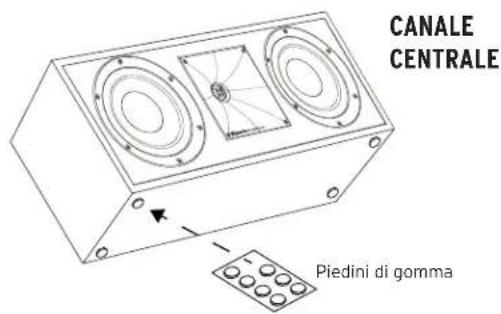
natural_image
Line drawing of three identical multi-tiered speakers with circular speaker holes and a grid-patterned front panel (no text or symbols)参考系列扬声器
natural_image
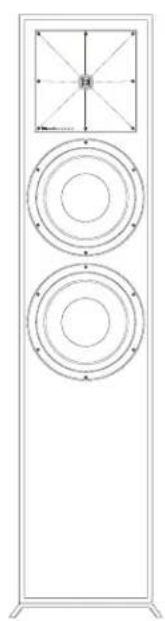
Diagram of a two-tiered speaker tower with circular components and a central grid element (no text or symbols)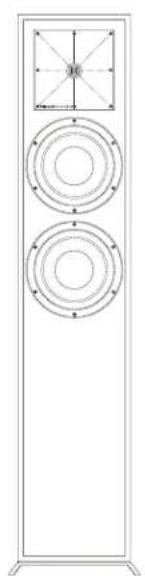
natural_image
Diagram of a tall speaker tower with two circular speakers and a central square component (no text or symbols)R-620F
natural_image
Line drawing of a vertical speaker with circular components and a square top (no text or symbols)R-610FR-820F
R-51M
R-41M
R-52C
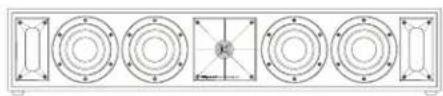
natural_image
Pure diagram of eight circular mechanical components with mounting holes and a central square, no text or symbols present.R-34C
DOLBY ATMOS®
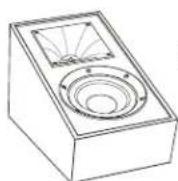
R-41SA
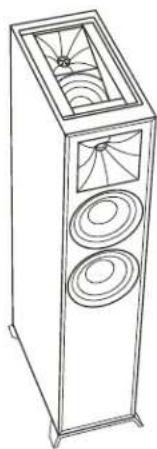
natural_image
Line drawing of a multi-tiered speaker tower with visible sound waves and ventilation grilles (no text or symbols)R-625FA
开始使用之前
natural_image
Technical line drawing of a mechanical assembly with screws and a bracket (no text or symbols)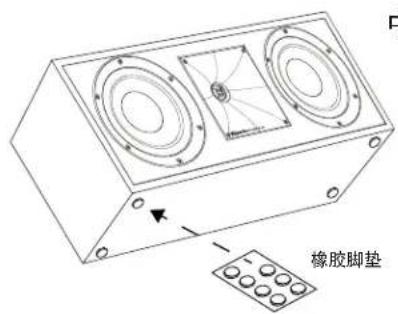
text_image
橡胶脚垫中间声道
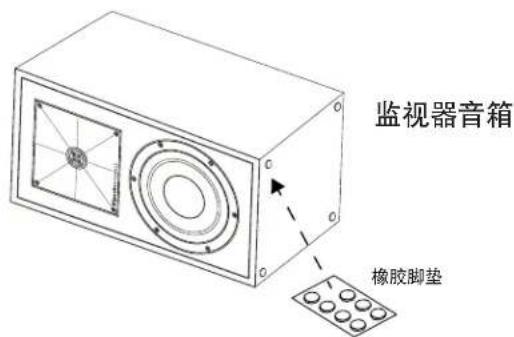
text_image
监视器音箱 橡胶脚垫室内音箱的布放 电气连接
natural_image
Line drawing of a human figure seated in a chair, viewed from the side (no text or symbols)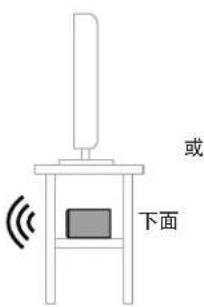
text_image
或 下面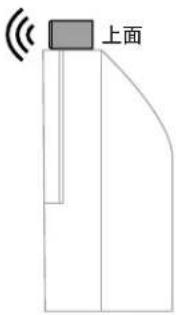
text_image
上面图4
墙面安装环绕音箱
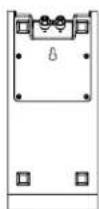
natural_image
Line drawing of three identical multi-tiered speakers with speaker holes and front-mounted screens (no text or symbols)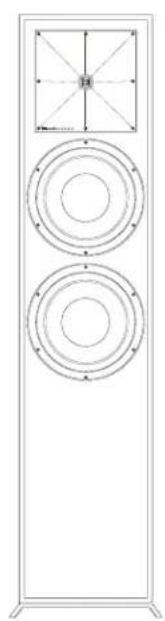
natural_image
Diagram of a vertical speaker tower with two circular speakers and a central square grid (no text or symbols)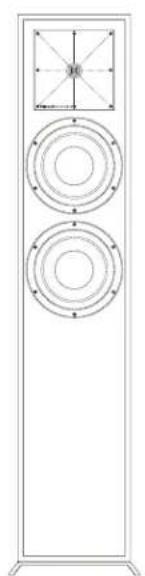
natural_image
Diagram of a tall speaker tower with two circular speakers and a central square component (no text or symbols)R-620F
natural_image
Line drawing of a vertical speaker with circular components and a square top (no text or symbols)R-610FR-820F
R-51M
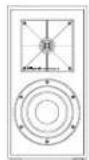
R-41M
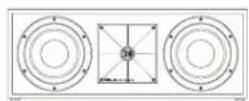
R-52C
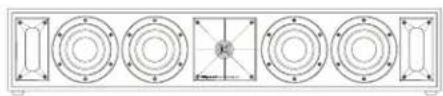
natural_image
Pure diagram of eight circular mechanical components with mounting holes and a central square, no text or symbols present.R-34C
DOLBY ATMOS®
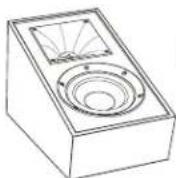
R-41SA
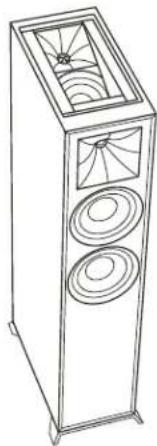
natural_image
Line drawing of a multi-tiered speaker tower with three speakers and a front panel (no text or symbols)R-625FA
أدېت نأ لېق
natural_image
Technical line drawing of a mechanical assembly with screws and a base plate (no text or symbols)الFranة碾زية
natural_image
Line drawing of a seated human figure in profile view, no text or symbols present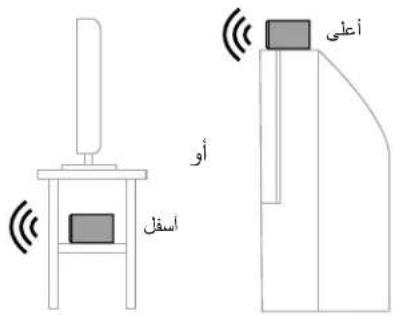
natural_image
Line drawing of a multi-tiered speaker tower with two speakers and a front panel (no text or symbols)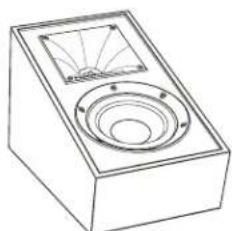
natural_image
Line drawing of a rectangular electronic device with a speaker grille and antenna (no text or symbols)R-14SAR-26FA
text_image
R-625SAR-41SAR-41SA s1 sbRsbLRL sL sRtext_image
SUB SUB TV C L 1 1 R 90° -120° 30° 120° -130° sL sR 3 sB L 2 2 sB Rعَابتُسَا قَطْنِم يَف شَوْصِلَا تَارِبِكُم عَضُو
العناية والتنظيف
تسجيل المنتج
KEEPERS OF THE SOUND
3502 WOODVIEW TRACE, INDIANAPOLIS, IN, USA
KLIPSCH.COM
DOLBY ATMOS
Manufactured under license from Dolby Laboratories, Dolby, Dolby Atmos and the double-D symbol are registered trademarks of Dolby Laboratories.
©2018, Klipsch Group, Inc. Klipsch Group, Inc. is a wholly-owned subsidiary of Vox International Corporation.
Klipsch and Keepers of the Sound are trademarks of Klipsch Group, Inc., registered in the United States and other countries.