For Bentley Motors - Watch Breitling - Free user manual and instructions
Find the device manual for free For Bentley Motors Breitling in PDF.


Frequently Asked Questions - For Bentley Motors Breitling
User questions about For Bentley Motors Breitling
0 question about this device. Answer the ones you know or ask your own.
Ask a new question about this device
Download the instructions for your Watch in PDF format for free! Find your manual For Bentley Motors - Breitling and take your electronic device back in hand. On this page are published all the documents necessary for the use of your device. For Bentley Motors by Breitling.
USER MANUAL For Bentley Motors Breitling
text_image
BRETTLING BENTLEY AVG SPEED 1 2 3 A B C D E F G H I J K L M N O P Q R S T U V W X Y Z A B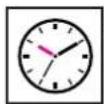
Aiguille des heures Hour hand Stundenzeiger Lancetta delle ore Aguja de horas Ponteiro das horas Yaconan cpe.ika
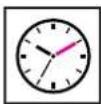
Aiguille des minutes Minute hand Minutenzeiger Lancetta dei minuti Aguja de minutos Ponteiro dos minutos Munythani ctrpenka 分 针 分 针
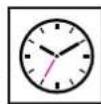
Aiguille des secondes Seconds hand Sekundenzeiger Lancetta dei secondi Aguja de segundos Ponteiro dos segundos Cekynjuman crpelta
Compteur des heures du chronographe Chronograph's hours totalizer Chronograph-Stundenzähler Totalizzatore delle ore del cronografo Contador de horas del cronógrafo Contador das horas du cronografo Xponorapaf - estntink часов クロノグラフ時検査計 計時検査小時累計書
Poussoir Start / Stop Pushpiece Start / Stop Drücker Start / Stop Pulsante Start / Stop Pulsador Start / Stop Botão Start/Stop (início/paragem) Khonka cstart / stop スタート / ストップ・ボタン 激励 / 停止接钮
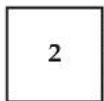
Compteur des minutes du chronographe Chronograph's minutes totalizer Chronograph-Minutenzähler Totalizzatore dei minuti del cronografo Contador de minutos del cronografo Contador dos minutos do cronografo Хронограф - счетник минут クロノグラフ分析算法 計時除締分割累計器
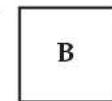
Poussoir Reset Pushpiece Reset Drücker Reset Pulsante Reset Pulsador Reset Botão Reset (reposição) Klnonka cópoca リセット・ボタン 射水按钮
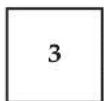
Aiguille des secondes du chronographe Chronograph's seconds hand Chronograph-Sekundenzeiger Lancetta dei secondi del cronografo Aguja de segundos del cronógrafo Ponteiro dos segundos do cronógrafo Xpnooruph — секунднан стрелка クロノグラフ移計 計時施鉱移計
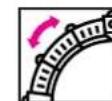
text_image
Technical diagram showing three mechanical components labeled A and B with directional arrows indicating movement or force.II. MESURE D'UN TEMPS COURT AVEC INTERRUPTION
text_image
BRECHING 10:30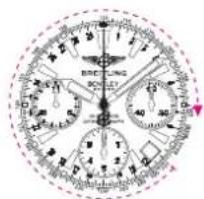
text_image
BROCK LING 12:00-13:00 40 50 60 70 80 90 100 110 120 130 140 150 160 170 180 190 200 210 220 230 240 250 260 270 280 290 300 310 320 330 340 350 360 370 380 390 4002. TACHYMÈTRE VARIABLE
natural_image
Technical line drawing of a mechanical clamp or bracket with no visible text or symbols①
natural_image
Technical line drawing of a mechanical component with no visible text or symbols③
natural_image
Mechanical assembly diagram showing a component with arrows indicating direction (no text or symbols)②
text_image
click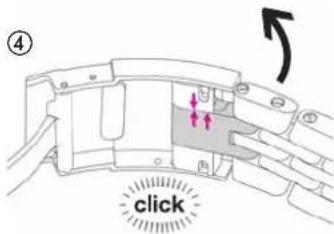
text_image
④ clickMAINTENANCE
A chronometer is a high-precision instrument that has successfully passed the entire battery of tests imposed by the COSC (Swiss Official Chronometer testing Institute), a neutral and independent body which individually tests each movement according to the prescriptions in force.
the certification test for wristwatches with sprung balance oscillators, according to the ISO 3159 norm, consists of observing each movement for 15 days and 15 nights, in 5 positions and at 3 different temperatures (8°, 23°C, 38°C). In order to earn the prestigious chronometer label, a movement's performances must meet 7 very strict criteria, including a daily variation in rate ranging between only -4/+6 seconds.
the term "chronometer" should not be confused with that of "chronograph", which is a complicated watch fitted with an additional mechanism enabling the measurement of the duration of an event. A chronograph is not necessarily chronometer-certified, but all Brell Ling chronographs carry the much-coveted title of "chronometers".
PREPARING THE WATCH FOR USE
WINDING - TIME-SETTING
Nota bene: mechanical watches endowed with a date, day, month or moon-phase indicator are equipped with a complex mechanism that is set into motion between 8 pm and 3 am. It is therefore vital to avoid adjusting the calendar or moving the time backwards during this period.

-
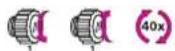
Unscrew the water-resistant crown in an anti-clockwise direction. Wind the watch h by 40 clockwise turns of the crown.
-
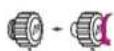
Pull the crown out to position 2, turn it anti-clockwise to adjust the calendar to the day prior to the date when it is set into operation.
-
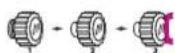
Pull the crown out to position 3. turn the hands so as to make the calendar jump once when the hands pass through midnight, then adjust the hour and minute.
-
Push the crown back to position 1. Press it gently, turning it gently in a clockwise direction, then tighten it again until you feel some resistance. Do not force!
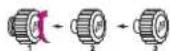
USING THE CHRONOGRAPH
- MEASURING A SINGLE SHORT TIME
Your chronograph is equipped with an exclusive seconds indication device. Contrary to a conventional chronograph, the seconds hand spins round the dial in 30 seconds instead of 60. This distinctive feature enables fractions of a second (in this case 1/8 of a second) to be read off effortlessly.
-
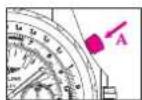
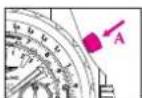
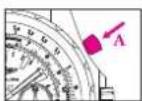
Press pushpiece A to start the chronograph. Hand 3 shows the measurement in seconds.
-
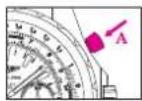
Stop the measurement by pressing pushpiece A once more. The measurement is done in hours (totalizer 1), minutes (totalizer 2), seconds and 1/8 of a second (hand 3).
-
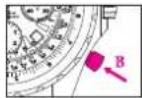
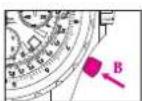
r return the chronograph to zero by pressing push-piece B.
II. MEASURING AN INTERRUPTED SHORT TIME
- Press pushpiece A to start the chronograph. Hand 3 allows you to follow the measurement in seconds.
- to interrupt the measurement, press pushpiece A once more. to restart the time measurement, press pushpiece A. this procedure makes it possible to add several short times.
- t he chronograph is reset to zero by pressing push-piece B, once the final measurement has been stopped.
SPECIAL CHARACTERISTICS


USING THE TACHOMETER
Your chronograph is equipped with two different tachometric devices enabling one to determine the average speed of a vehicle.
1. FIXED TACHOMETER
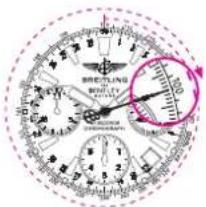
the tachometric scale makes it possible to determine an average speed calculated on the basis of the time required to cover a fixed distance of 1 kilometer or 1 mile. The place on the scale where the seconds have had been stopped after the measurement indicates the average speed in km/h (if the distance covered is one kilometer) or in mph (if the distance covered is one mile).
Example 1: if it takes 20 seconds to cover one kilometer or one mile, the average speed is 180 km/h or 180 mph respectively.
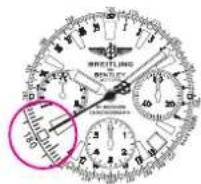
Example 2: if it takes 36 seconds to cover one kilometer or one mile, the average speed is 100 km/h or 100 mph respectively.
text_image
BRECYCLING BEETLY 12:00 12:00 12:00 12:00 12:00 12:00 12:00 12:00 12:00 12:00 12:00 12:00 12:00 12:00 12:00 12:00 12:00 12.00 12.00 12.00 12.00 12.00 12.00 12.00 12.00 12.00 12.00 12.00 12.00 12.00 12.00 12.00 12.00 12.00n.B. this tachometric scale, used in conjunction with the 30-seconds chronograph function, is especially suited to measuring high speeds ranging between 95km / h (or mph) and 320km / h (or mph). Consequently, the observation time is limited to between 11 and 38 seconds.
text_image
BEEF LING SUN LIX2. VARIABLE TACHOMETER
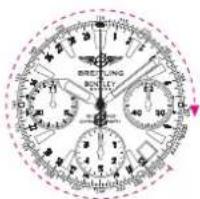
the variable tachometer enables one to determine an average speed whatever the distance covered, the time elapsed or the speed reached. It is however an approximate measurement device.
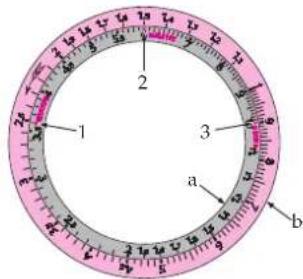
t he variable tachometer is composed of a fixed scale (a) and a mobile scale or disc (b). t he fixed scale is read off clockwise, and the mobile disc in the opposite direction. t he graduations between two numbers represent tenths of units. t o read off a result, the decimal point must be placed correctly. For example, the figure 3.2 may represent 0.32, 3.2, 32, 320, etc. t he fixed scale comprises three reference marks:
- Se COn DS (1) on the figure 3.6 (one hour equals 3,600 seconds);
- MIn Ut eS (2) on the figure 6 (one hour equals 60 minutes);
- HOUr S (3) on the figure 1 (one hour is the base unit for all calculations).
text_image
1 2 3 a b
(a) Fixed scale

(b) Mobile scale (disc)
2.1 Mode of operation
Always place the distance covered opposite the reference mark serving as the basis for the calculation:
- on SECONDSif the interval is measured in seconds;
- on MINUTES if the interval is measured in minutes;
- on HOURSif the interval is measured in hours.
n.B. the time measured using the chronograph must be converted if necessary into seconds, minutes or hours to correspond to one of the three reference marks on the fixed scale. For example: 1 minute 20 seconds = 80 seconds; 1 hour 10 minutes = 70 minutes, etc.
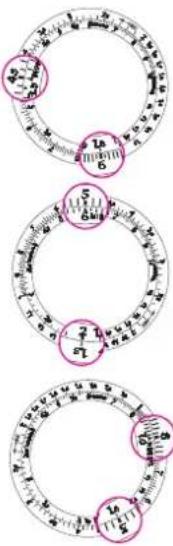
Example 1: if a vehicle covers 1.5 km (or 1.5 miles) in 45 seconds, what is its average speed?
Solution: place the figure 1.5 (distance covered) on the SECONDSmark of the fixed scale, then read off the result opposite the figure 45 (interval measured); in this case 120 km/h (or 120 mph).
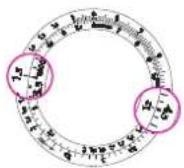
Example 2: if a vehicle covers 4.5km (or 4.5 miles) in 1 minute 30 seconds (-90 seconds), what is its average speed? Solution: place the figure 4.5 (distance covered) on the SECONDSmark on the fixed scale, then read off the result opposite the figure 90 (= 1 minute 30 seconds); in this case 180km / h (or 180~mph ).
Example 3: if a vehicle covers 50km (or 50 miles) in 15 minutes, what is its average speed? Solution: place the figure 50 (distance traveled) on the MINUTESmark on the fixed scale, then read off the result opposite the figure 15; in this case 200km / h (or 200mph ).
Example 4: if a vehicle covers 800 km (or 800 miles) in 5 hours, what is its average speed?
Solution: place the figure 800 (distance covered) on the HOURSmark on the fixed scale, then read off the result opposite the figure 5; in this case 1 - 60 km/h (or 160 mph).
text_image
Three circular analog rulers with measurement scales and pointer readings, showing numerical markings and scale markings.2.2 Other uses
Variable tachometric scales can be used for performing other calculations: multi-plications, divisions, rules of three, hourly production rates, hourly consumption or flow rates, heartbeats/minute (pulsometer), etc.
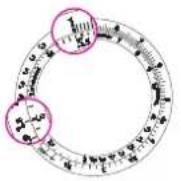
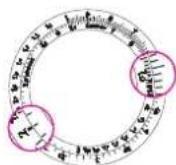
Multiplication: to multiply 3 x 18, place the figure 18 on the fixed scale or the mobile scale opposite the figure 3. t he HOURSmark on the fixed scale and figure 1 on the mobile disc both indicate the result, which is 54.
Division: division works in the opposite way to the previous example. t o divide 54 by 2, one need only place the figure 54 opposite the HOURSmark on the fixed scale or figure 1 on the mobile disc. t he result is read off opposite figure 2 on one or other of the scales. t his single operation produces a complete division table of the figure 54:
54:2=27
54:3=18
54:18=3,etc.
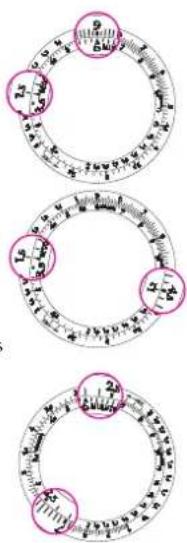
Rule of three: both scales enable one to perform a multiplication and then a division in just one operation. For example, to determine the price of 6 meters of cable, if 1.5 meters costs £9, one places the number 9 opposite the figure 6. The result is shown opposite the figure 1.5; in this case £36.
Hourly production or consumption rate: measuring a production rate or an hourly consumption rate follows the same principle as the measurement of an average speed. For example, if a machine produces 15 units in 45 seconds, what is its hourly production?
Solution: place the figure 15 (the quantity produced) on the SECONDSmark on the fixed scale, then read off the result opposite figure 45 (interval measured); in this case 1,200 units per hour.
Pulsometer: the pulsometer enables fast calculation of pulse rate. For example, if 27 beats are measured over a 24-second period, one need only place the figure 27 (number of heart -beats) opposite the MINUTESmarker, and then read off the result opposite figure 24 (length of observation); in this case 67 beats per minute.
text_image
Three circular diagrams showing measurement scales with pink circles highlighting specific points, likely for a scientific or educational context.
SUN COMPASS
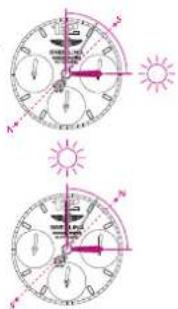
Your Brel Ling chronometer may be used as a sun compass, thus enabling you to determine the n ortherly-Southerly direction. For regions that have instated daylight saving time, subtract one hour when directing the watch.
In the Northern hemisphere
Point the hour hand precisely towards the sun. In relation to the watch dial, the point located midway between the current time and 12 o'clock in . indicates the South, the north being exactly opposite.
In the Southern hemisphere
Point the hour-marker located at 12 o'clock on the dial precisely towards the sun. In relation to the watch dial, the point located midway between the current time and 12 o'clock indicates the north, the South being exactly opposite.
text_image
Diagram showing two circular clocks with directional arrows and sun symbols, likely illustrating a weather or solar cycle.SPEED BRACELET
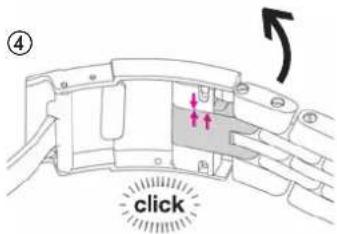
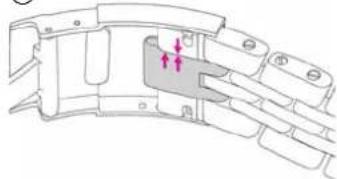
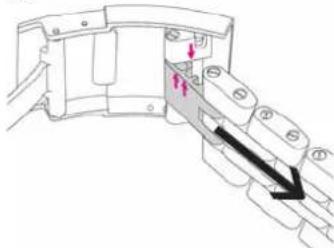
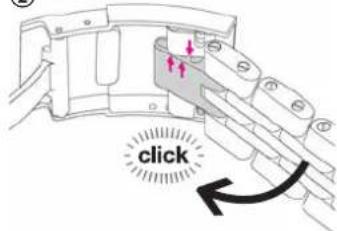
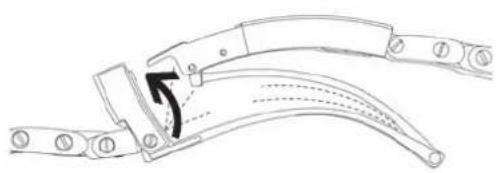
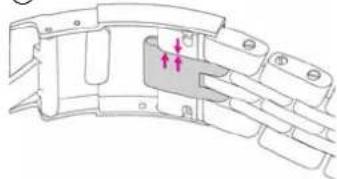
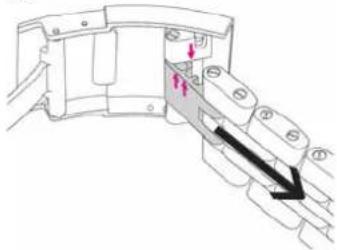
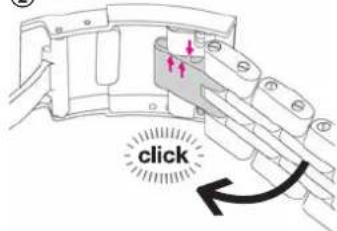
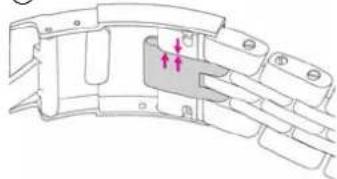
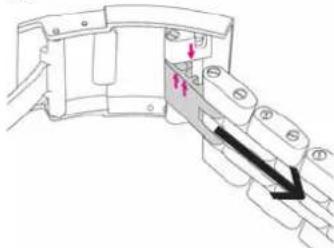
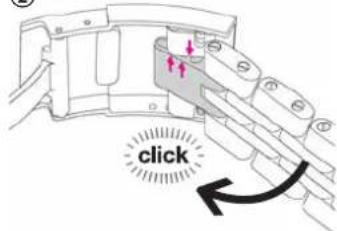
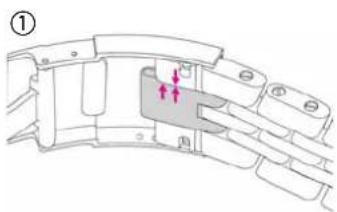
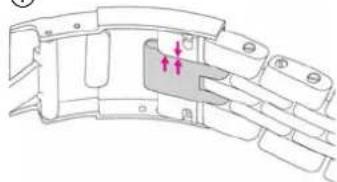
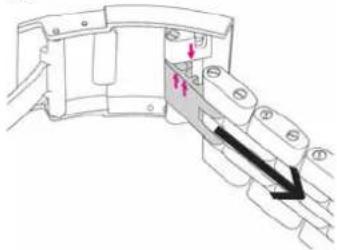
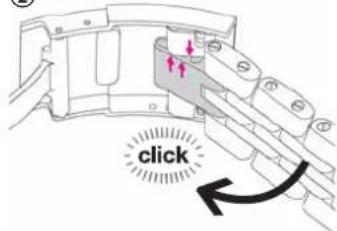
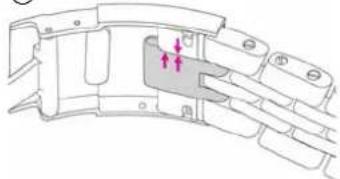
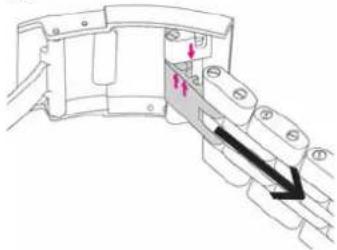
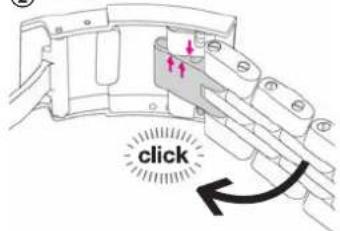
the Speed bracelet is equipped with an instantly adjustable comfort extension built into the clasp, a device that is greatly appreciated in hot weather or during long plane journeys.
N.B. At the time of purchase, the bracelet length adjustment must be done with the extension in position 1.
natural_image
Technical line drawing of a mechanical clamp or bracket with a black arrow indicating force direction (no text or symbols)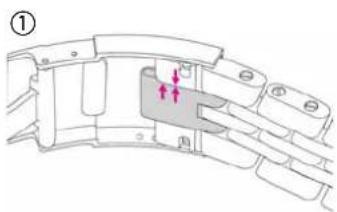
natural_image
Technical line drawing of a mechanical component with highlighted internal area and red arrows indicating features (no text or symbols)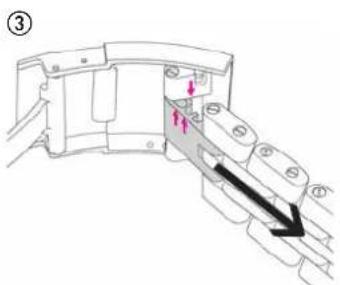
natural_image
Technical diagram of a mechanical component with arrows indicating direction (no text or symbols)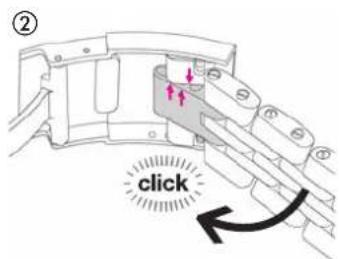
text_image
② click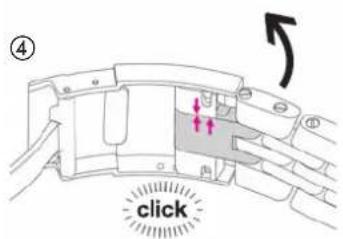
text_image
④ clickMAINTENANCE
Your Breitling chronometer is a sophisticated instrument which is constantly subjected to a wide variety of stresses and strains. Within a very small volume, a large number of components contribute to handling all the functions. their mechanical action inevitably leads to a certain amount of wear and tear, which may be controlled by maintenance consisting of renewing the lubrication and replacing worn components. Like any precision measurement instrument, your watch must be regularly maintained in order to function at its highest level of potential: we recommend a regular service every two years, while the complete overhaul should be scheduled about every five years. Your authorized B reitling dealer will be pleased to handle this for you.
WATER-RESISTANCE
the movement of your chronome ter is protected by a complex case fitted with gaskets to ensure its water-resistance. Under the influence of various external agents – perspiration, chlorinated or salt water, cosmetics, fragrances or dust – these gaskets gradually deteriorate and must be regularly replaced. If used intensively in water, we recommend that this be done once a year as part of a service. If the watch is only occasional ly used in water, this operation may be carried out every two years. Moreover, a
water-resistance test should be done every year; it takes only a few minutes and can be performed by your authorized B re lt Ling dealer.
Brelt Ling models are water-resistant to varying degrees. The extent of the water-resistance, expressed in meters (M) is a standard value and does not indicate an absolute depth of immersion. The crown and pushpieces must not under any circumstances be operated under water or when the watch is wet. The table below indicates the conditions in which your watch may reasonably be used, according to its degree of water-resistance.
| ACTIVITIES / DEGREE OF WATER-RESISTANCE | 3bars/30M/100FT 5bars | 50M/16FT 10bars/10 | M/330FT 50bars/500MT | 1,650FT+ |
| Splashing | ||||
| Shower, swimming, surface water sports | ||||
| Water-skiing, dives, snorkeling | ||||
| Diving |
USEFUL TIPS
Breit Ling genuine leather straps are crafted with the most refined materials and represent extremely high-quality products. Like all objects in natural skin (shoes, gloves, etc.), their length of life varies considerably,
according to the conditions in which they are worn. In particular, water, cosmetics and perspiration accelerate the aging process. A metal or synthetic Brelling bracelet is thus better suited to activities involving frequent contact with water or humidity.
Breit Ling metal cases and bracelets are made from the finest alloys and guarantee sturdiness and wearer comfort. r egular cleaning by rinsing and brushing in clear water will keep your watch shiny. t his operation is strongly recommended after each immersion in salty or chlorinated water. For watches fitted with a leather strap, proceed in the same manner, while avoiding getting the strap wet.
WHAT TO AVOID
Like any valuable objects, B relt LIn g chronometers deserve special care. It is important to protect them from jarring and knocks by hard objects, and not to expose them to chemical products, solvents, dangerous gases, or magnetic fields. Moreover, your B relt LIn g chronometer is designed to run smoothly at temperatures ranging between 0°C and 50°C.
IHR BREITLING CHRONOMETER
text_image
Diagram showing three mechanical components labeled A and B with directional arrows indicating movement or force direction.natural_image
Technical line drawing of a mechanical clamp or bracket assembly (no text or symbols)50
①
natural_image
Technical line drawing of a mechanical component with no visible text or symbols③
natural_image
Mechanical assembly diagram showing a bracket with mounting holes and a directional arrow indicating motion (no text or symbols)②
text_image
click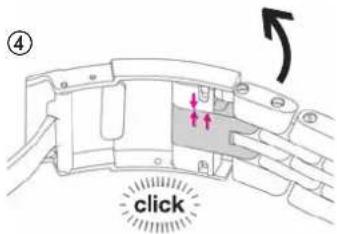
text_image
④ click51
WARTUNG
text_image
Diagram showing three mechanical components labeled A and B with directional arrows indicating movement or force vectors.II. MISURA DI UN TEMPO BREVE CON INTERRUZIONE
text_image
BEEF LING SUN LIX2. TACHIMETRO VARIABILE
text_image
Three circular analog meters with measurement markings and numerical labels, likely for a scientific or educational context.2.2 Altri impieghi
text_image
Three circular analog rulers with measurement markings and pink circles highlighting specific positions on each.
BUSSOLA SOLARE
natural_image
Technical line drawing of a mechanical clamp or bracket with a black arrow indicating force direction (no text or symbols)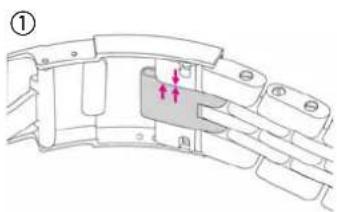
natural_image
Technical line drawing of a mechanical component with highlighted internal area and red arrows indicating features (no text or symbols)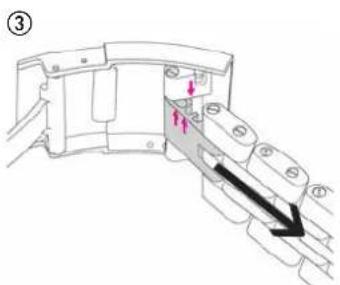
natural_image
Technical diagram of a mechanical component with arrows indicating direction (no text or symbols)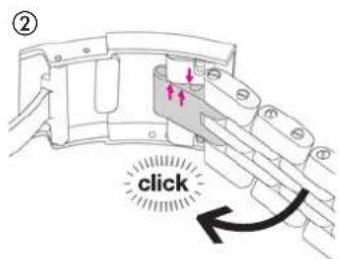
text_image
② click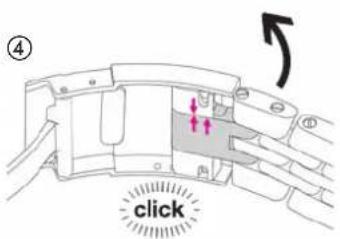
text_image
④ click68 69
MANUTENZIONE
text_image
Technical diagram showing three mechanical components labeled A and B with directional arrows indicating movement or force.text_image
BREET LING 1200000000000000000000000000000000000000000000000000000000000000000000000000000000000000000000000000002. TAQUÉMETRO VARIABLE
natural_image
Technical line drawing of a mechanical clamp or bracket with no visible text or symbols84
①
natural_image
Technical line drawing of a mechanical component with no visible text or symbols③
natural_image
Mechanical assembly diagram showing a component with arrows indicating direction (no text or symbols)②
text_image
click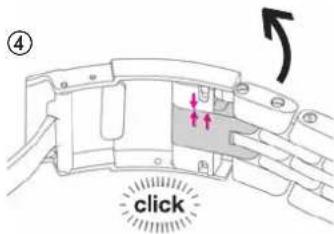
text_image
④ click85
MANTENIMIENTO
text_image
Technical diagram showing three views of a mechanical component with labeled points A and B, likely illustrating a step or alignment process.text_image
BEEF LING SUN LIX2. TAQUÍMETRO VARIÁVEL
text_image
Three circular analog rulers with measurement markings and pink circular indicators showing readings around them.natural_image
Technical line drawing of a mechanical clamp or bracket with a black arrow indicating force direction (no text or symbols)101100
natural_image
Technical line drawing of a mechanical component with highlighted internal area and red arrows indicating features (no text or symbols)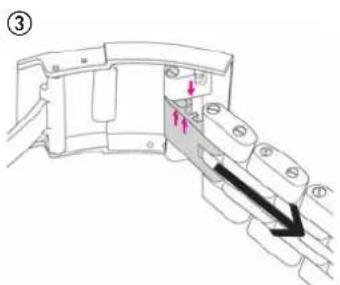
natural_image
Technical diagram of a mechanical component with arrows indicating direction (no text or symbols)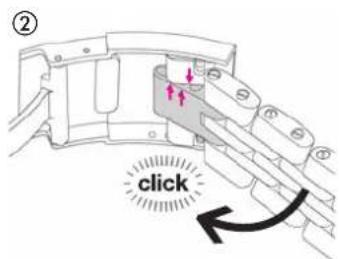
text_image
② click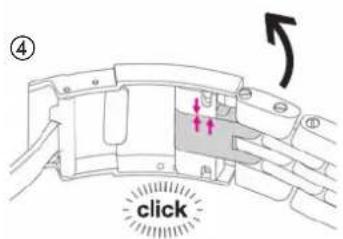
text_image
④ click102 103
MANUTENÇÃO
text_image
WRESTLING BISLEY 120mm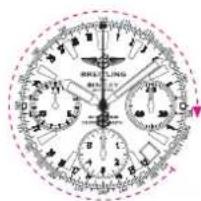
text_image
BRAELING 0:15 0:25 0:35 0:45 0:55 0:65 0:75 0:85 0:95 0:105 0:115 0:125 0:135 0:145 0:155 0:165 0:175 0:185 0:195 0:205 0:215 0:225 0:235 0:245 0:255 0:265 0:275 0:285 0:295 0:305 0:315 0:325 0:335 0:345 0:355 0:365 0:375 0:385 0:395 0:405 0:415 0:425 0:435 0:445 0:455 0:465 0:475 0:485 0:495 0:505 0:515 0:525 0:535 0:545 0:555 0:565 0:575 0:585 0:595 0:605 0:615 0:625 0:635 0:645 0:655 0:665 0:675 0:685 0:695 0:705 0:715 0:725 0:735 0:745 0:755 0:765 0:775 0:785 0:795 0:805 0:815 0:825 0:835 0:845 0:855 0:865 0:875 0:885 0:895 0:905 0:915 0:925 0:935 0:945 0:955 0:965 0:975 0:985 0:995 1.00natural_image
Technical line drawing of a mechanical clamp or bracket with a black arrow indicating force or movement (no text or symbols)①
natural_image
Technical line drawing of a mechanical component with no visible text or symbols③
natural_image
Mechanical assembly diagram showing a bracket with mounting holes and a directional arrow indicating force or movement (no text or symbols present)②
text_image
click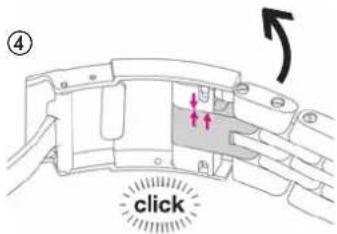
text_image
④ click119118
PEMOHT
text_image
Technical diagram showing three mechanical components labeled A and B with directional arrows and measurement markings.text_image
Three circular gauges with measurement markings and pink circular annotations highlighting specific measurements.
太陽コンパス
text_image
Diagram showing two analog clocks with directional arrows and sun symbols, likely illustrating solar or wind patterns.スピード・ブレスレット
natural_image
Technical line drawing of a mechanical clamp or bracket assembly (no text or symbols)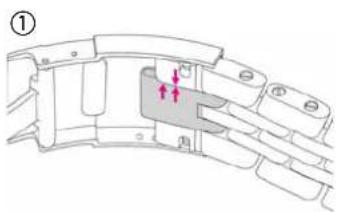
natural_image
Technical diagram of a mechanical component with highlighted internal area and red arrows indicating force or movement (no text or symbols)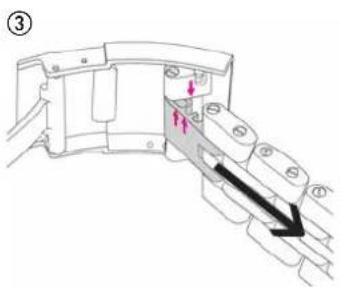
natural_image
Mechanical assembly diagram showing a bracket with mounting holes and a directional arrow (no text or symbols)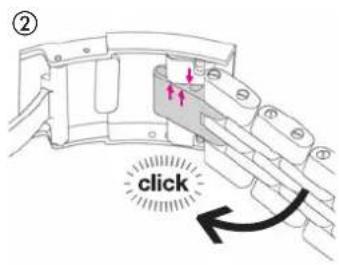
text_image
② click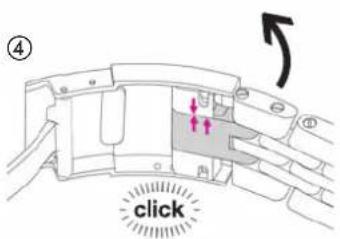
text_image
④ clickメンテナンス
text_image
Technical diagram showing three mechanical components labeled A and B with directional arrows indicating motion or force directions.二、累計多次短時間測量
text_image
Three circular analog rulers with measurement markings and pink circular indicators for reading or measurement.2.2 其他用途
natural_image
Technical line drawing of a mechanical clamp or bracket assembly (no text or symbols)①
natural_image
Technical line drawing of a mechanical component with no visible text or symbols③
natural_image
Mechanical assembly diagram showing a component with arrows indicating direction (no text or labels)②
text_image
click