
CDH 901AX - Basket CORBERO - Free user manual and instructions
Find the device manual for free CDH 901AX CORBERO in PDF.



| Product type | Decorative hood |
| Brand | Corbero |
| Model | CDH 901AX |
| Width | 90 cm |
| Depth | 50 cm |
| Height (telescopic) | 60 to 130 cm |
| Weight | Approximately 18 kg |
| Power supply | 220-240 V / 50 Hz |
| Motor power | 200 W |
| Lighting | Integrated LED |
| Number of speeds | 3 speeds |
| Evacuation type | Ducted (external evacuation) or recirculation (charcoal filter) |
| Grease filter | Dishwasher-safe metal |
| Charcoal filter | Optional, replace every 3-4 months |
| Minimum safety distance (electric cooking) | 50 cm |
| Minimum safety distance (gas/mixed cooking) | 65 cm |
| Maintenance | Monthly cleaning of grease filter; exterior cleaning with damp cloth and neutral detergent |
| Noise level | Approximately 65 dB(A) at max speed |
| Annual energy consumption | Approximately 50 kWh |
| Repairability index | Spare parts available via after-sales service |
Frequently Asked Questions - CDH 901AX CORBERO
User questions about CDH 901AX CORBERO
0 question about this device. Answer the ones you know or ask your own.
Ask a new question about this device
Download the instructions for your Basket in PDF format for free! Find your manual CDH 901AX - CORBERO and take your electronic device back in hand. On this page are published all the documents necessary for the use of your device. CDH 901AX by CORBERO.
USER MANUAL CDH 901AX CORBERO
EN - Instruction on mounting and use
Closely follow the instructions set out in this manual. All responsibility, for any eventual inconveniences, damages or fires caused by not complying with the instructions in this manual, is declined. The hood is conceived for the suction of cooking fumes and steam and is destined only for domestic use.
! It is important to conserve this booklet for consultation at any moment. In the case of sale, cession or move, make sure it is together with the product.
! Read the instructions carefully: there is important information about installation, use and safety.
! Do not carry out electrical or mechanical variations on the product or on the discharge conduits.
! Before proceeding with the installation of the appliance verify that there are no damaged all components. Otherwise contact your dealer and do not proceed with the installation.
The hood can look different to that illustrated in the drawings in this booklet. The instructions for use, maintenance and installation, however, remain the same.
Note: the elements marked with the symbol () are optional accessories supplied only with some models or elements to purchase, not supplied.

Caution
WARNING! Do not connect the appliance to the mains until the installation is fully complete.
Before any cleaning or maintenance operation, disconnect hood from the mains by removing the plug or disconnecting the mains electrical supply.
Always wear work gloves for all installation and maintenance operations.
The appliance is not intended for use by children or persons with impaired physical, sensorial or mental faculties, or if lacking in experience or knowledge, unless they are under supervision or have been trained in the use of the appliance by a person responsible for their safety.
This appliance is designed to be operated by adults, children should be monitored to ensure that they do not play with the appliance.
This appliance is designed to be operated by adults. Children should not be allowed to tamper with the controls or play with the appliance.
Never use the hood without effectively mounted grating!
The hood must NEVER be used as a support surface unless specifically indicated.
The premises where the appliance is installed must be sufficiently ventilated, when the kitchen hood is used together with other gas combustion devices or other fuels.
The ducting system for this appliance must not be connected to any existing ventilation system which is being used for any other purpose such as discharging exhaust fumes from appliances burning gas or other fuels.
The flaming of foods beneath the hood itself is severely prohibited.
The use of exposed flames is detrimental to the filters and
may cause a fire risk, and must therefore be avoided in all circumstances.
Any frying must be done with care in order to make sure that the oil does not overheat and ignite.
Accessible parts of the hood may became hot when used with cooking appliance.
With regards to the technical and safety measures to be adopted for fume discharging it is important to closely follow the regulations provided by the local authorities.
The hood must be regularly cleaned on both the inside and outside (AT LEAST ONCE A MONTH).
This must be completed in accordance with the maintenance instructions provided in this manual). Failure to follow the instructions provided in this user guide regarding the cleaning of the hood and filters will lead to the risk of fires.
Do not use or leave the hood without the lamp correctly mounted due to the possible risk of electric shocks.
We will not accept any responsibility for any faults, damage or fires caused to the appliance as a result of the non-observation of the instructions included in this manual.
This appliance is marked according to the European directive 2002/96/EC on Waste Electrical and Electronic Equipment (WEEE). By ensuring this product is disposed of correctly, you will help prevent potential negative consequences for the environment and human health, which could otherwise be caused by inappropriate waste handling of this product.
The symbol on the product, or on the documents accompanying the product, indicates that this appliance may not be treated as household waste. Instead it should be taken to the appropriate collection point for the recycling of electrical and electronic equipment. Disposal must be carried out in accordance with local environmental regulations for waste disposal.
For further detailed information regarding the process, collection and recycling of this product, please contact the appropriate department of your local authorities or the local department for household waste or the shop where you purchased this product.
Appliance designed, tested and manufactured according to:
- Safety: EN/IEC 60335-1; EN/IEC 60335-2-31, EN/IEC 62233.
- Performance: EN/IEC 61591; ISO 5167-1; ISO 5167-3; ISO 5168; EN/IEC 60704-1; EN/IEC 60704-2-13; ISO 3741; EN 50564; IEC 62301.
- EMC: EN 55014-1; CISPR 14-1; EN 55014-2; CISPR 14-2; EN/IEC 61000-3-2; EN/IEC 61000-3-3. Suggestions for a correct use in order to reduce the environmental impact: Switch ON the hood at minimum speed when you start cooking and kept it running for few minutes after cooking is finished. Increase the speed only in case of large amount of smoke and vapour and use boost speed(s) only in extreme situations. Replace the charcoal filter(s) when necessary to maintain a good odour reduction efficiency. Clean the grease
filter(s) when necessary to maintain a good grease filter efficiency. Use the maximum diameter of the ducting system indicated in this manual to optimize efficiency and minimize noise.
Use
The hood is designed to be used either for exhausting or filter version.
Ducting version
The hood is equipped with a top air outlet B for discharge of fumes to the outside (exhaust pipe and pipe fixing clamps not provided). Connect the hood and discharge holes on the walls with a diameter equivalent to the air outlet (connection flange). Using the tubes and discharge holes on walls with smaller dimensions will cause a diminution of the suction performance and a drastic increase in noise.
Any responsibility in the matter is therefore declined.
Attention! If the hood is supplied with carbon filter, then it must be removed.
Filter version
Should it not be possible to discharge cooking fumes and vapour to the outside, the hood can be used in the filter version, fitting an activated carbon filter and the deflector F on the support (bracket) G, fumes and vapours are recycled through the top grille H by means of an exhaust pipe connected to the top air outlet B and the connection ring mounted on the deflector F (exhaust pipe and pipe fixing clamps not provided).
Attention! If the hood is not supplied with carbon filter, then it must be ordered and mounted.
Installation
The minimum distance between the supporting surface for the cooking equipment on the hob and the lowest part of the range hood must be not less than 50cm from electric cookers and 65cm from gas or mixed cookers.
If the instructions for installation for the gas hob specify a greater distance, this must be adhered to.

Electrical connection
The mains power supply must correspond to the rating indicated on the plate situated inside the hood. If provided with a plug connect the hood to a socket in compliance with current regulations and positioned in an accessible area, after installation. If it not fitted with a plug (direct mains connection) or if the plug is not located in an accessible area, after installation, apply a double pole switch in accordance with standards which assures the complete disconnection of the mains under conditions relating to over-current category III, in accordance with installation instructions.
Warning! Before re-connecting the hood circuit to the mains supply and checking the efficient function, always check that the mains cable is correctly assembled.
Mounting
Before beginning installation:
- Check that the product purchased is of a suitable size for
the chosen installation area.
- Remove the charcoal (*) filter/s if supplied (see also relative paragraph). This/these is/are to be mounted only if you want to use the hood in the filtering version.
- Check (for transport reasons) that there is no other supplied material inside the hood (e.g. packets with screws (^) , guarantees (^) , etc.), eventually removing them and keeping them.
- If possible, disconnect and move freestanding or slide-in range from cabinet opening to provide easier access to rear wall/ceiling. Otherwise put a thick, protective covering over countertop, cooktop or range to protect from damage and debris. Select a flat surface for assembling the unit. Cover that surface with a protective covering and place all canopy hood parts and hardware in it.
- In addition check whether near the installation area of the hood (in the area accessible also with the hood mounted) an electric socket is available and it is possible to connect a fumes discharge device to the outside (only suction version).
- Carry out all the masonry work necessary (e.g. installation of an electric socket and/or a hole for the passage of the discharge tube).
Expansion wall plugs are provided to secure the hood to most types of walls/ceilings. However, a qualified technician must verify suitability of the materials in accordance with the type of wall/ceiling. The wall/ceiling must be strong enough to take the weight of the hood. Do not tile, grout or silicone this appliance to the wall. Surface mounting only.
The electric connection box must be assembled as shown in
Fig.A-B-C.
Fig. 5
- Drawing a line on the wall with a pencil up to the ceiling, corresponding to the centre line, will make the installation operations easier.
- Apply the perforation diagram to the wall: the vertical centre line printed on the perforation diagram should correspond to the centre line drawn on the wall. In addition, the lower edge of the perforation diagram corresponds to the lower edge of the hood.
- Make holes as indicated on the template, insert the wall dowels and screw 2 screws into the upper holes, leaving a space of about 1cm between the head of the screw and the wall.
Note: Always make the holes indicated on the template.
The upper 2 are for hooking the hood up while the lower holes (generally 1 central or more lateral) are for the definitive and safety fixing.
- Apply flues support bracket ^ to the wall touching the ceiling. Use the flues support bracket as a perforation diagram (the small slot in the support must coincide with the line previously drawn on the wall, if present), and mark two holes with a pencil. Make the holes and insert 2 dowels.
- Fix the flues support bracket to the wall with 2 screws.
- Hang the hood to the two upper screws (see installation
phase 3).
- Introduce and screw the screws (and washer(s)) up into the hole(s) for the definitive fixing (COMPULSORY!!). Then, having checked the setting of the hood, TIGHTEN ALL THE upper and lower SCREWS.
Note: the lower fixing points are visible removing the fats filters and they are at the sides and/or at the centre of the hood (after having removed the frame of the carbon filter, if present, in the latter case).
In any case, we recommend using the lateral holes, when available, to increase the stability of the hood.
- Connect a tube (tube and bands for fixing not supplied, to be purchased) for discharging the fumes to the connection ring placed over the aspiration motor unit.
The other end of the tube should be connected to a device for expelling fumes on the outside of the hood in the aspiration version. If you want to use the filtering version, fix deflector F to flues support bracket G and connect the other end of the tube to the connection ring placed on deflector F. - Connect the electricity.
- Apply the flues and fix them above with 2 screws (10a) to flues support bracket „G“ (10b).
- Slide the lower section of the flue down to cover the aspiration set until inserting it completely into the apposite housing over the hood. Remount the carbon filter frame and the fat/s filter/s and check the perfect functioning of the hood.
Description of the hood
Fig. 1
- Control panel
- Grease filter
- Grease filter release handle
- Halogen lamp
- Vapour catcher
- Telescopic chimney
- Air outlet (used for filter version only)
Operation
The hood is fitted with a control panel with aspiration speed selection control and a light switch to control cooking area lights.
Use the high suction speed in cases of concentrated kitchen vapours. It is recommended that the cooker hood suction is switched on for 5 minutes prior to cooking and to leave in operation during cooking and for another 15 minutes approximately after terminating cooking.
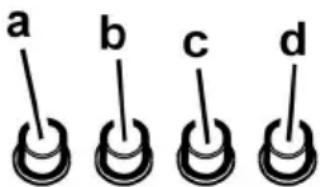
a. ON/OFF light switch
b. Speed 1/OFF switch
c. 2-speed selection
d. 3-speed selection
Maintenance
ATTENTION! Before performing any maintenance operation, isolate the hood from the electrical supply by switching off at the connector and removing the connector fuse.
Or if the appliance has been connected through a plug and socket, then the plug must be removed from the socket.
Cleaning
The cooker hood should be cleaned regularly (at least with the same frequency with which you carry out maintenance of the fat filters) internally and externally. Clean using the cloth dampened with neutral liquid detergent. Do not use abrasive products. DO NOT USE ALCOHOL!
WARNING: Failure to carry out the basic cleaning recommendations of the cooker hood and replacement of the filters may cause fire risks.
Therefore, we recommend observing these instructions.
The manufacturer declines all responsibility for any damage to the motor or any fire damage linked to inappropriate maintenance or failure to observe the above safety recommendations.
Grease filter
Fig. 2
Traps cooking grease particles.
The grease filter must be cleaned once a month using non aggressive detergents, either by hand or in the dishwasher, which must be set to a low temperature and a short cycle. When washed in a dishwasher, the grease filter may discolour slightly, but this does not affect its filtering capacity.
To remove the grease filter, pull the spring release handle.
Charcoal filter (filter version only)
Fig. 3
It absorbs unpleasant odours caused by cooking.
The saturation of the charcoal filter occurs after more or less prolonged use, depending on the type of cooking and the regularity of cleaning of the grease filter.
In any case it is necessary to replace the cartridge at least every four months.
The charcoal filter may NOT be washed or regenerated.
Remove the filter holder frame by turning the knobs (g) 90^ that affix the chimney to the cooker hood.
Insert the pad (i) of activated carbon into the frame (h) and fit the whole back into its housing (j).
It is possible to use a traditional carbon filter, neither washable nor regenerable, to be replaced every 3 - 4 months.
The filter holder frame of the carbon filter is welded together; the eventual frame supplied with the hood is not, therefore, to be used.
Insert it into its housing and fix it turning the 2 plastic knobs.
Replacing lamps
The hood is equipped with a lighting system based on LED technology.
The LEDs guarantee an optimum lighting, a duration up to 10 times as long as the traditional lamps and allow to save 90% electrical energy.
For replacement, contact the technical service.
BHHMaHHe! He noKJIuOaIte np6op K 3JIeKtpUecko cTeN, noka onepaunno yCTaHOBKe noJIHOCTbIO He 3aBepeHbI.
PpeJe Yem npctyntb K onepaunm NO Ounchke IIN yOxy OTcoeHNHTe BbITJkKy OT cETN, BbHb BNk Ky INI BbIKIOuNB 6uN BbIKIOUaTeJIb 3NEKTPueeCKo CETN.
IyBbIOJIHeHbCEX Oepaun no yCTaHOBKe I yOxy NCIOJIb3yIte pa6oue nepaTkn.
TeN INB3pOcIbIe He DoJIKHbI NOB3OBaTbC BByTAKKoEcnNo CBOEmyΦn3UeCKOMy INN PCNXuueCKOMy COCTOHNHO B COCTOHN 3TOrO DeNaT, INN ECIN OHN He O6NaAHT3AHmIMN ONbITOM He06XODMbIMn DnI npabUNbHOrO n6e3onachoro ynpabJIeHn np6Opom.
He octabnayTe DeTei 6e3 npncmOTpa, YTo6bl OHn He nrgpann c npnbopom.
He nCnoNb3yIe BblTgKky, ecn peWetka HnpaBnBHO yctaHObnHa!
Kateropnueeckn 3anpeaetcN cnoNb3OBaTb BbITkky BaqueCTBe ONOPHO nnockoctn, eCNI 3TO CneuNaBHo He orOBOpeHo.
ObecneYbTe HndnexKaUm Bo3dyXoo6MeH nOmeuHn, KOrda
BbI nCIOJIb3yTe BbITaKky B KyXHe OJHOBpeMeHc C npYrMn np6opam Ha ra3y nn Ha dpYrom rOpUeHm.
BbITraBaEmbI BO3dyX He DoJxHbBb6paCbBaTbCn HApxy Yepe3 BO3dyXoBOd, NcNoB3yEmbI DnB Bb16pOcA DbIMOB OT np6opOB C r30BBbIM CxNraHnEM nIN C nNTaHnEM dpYHMN Tropuymn.
Kateropueckn 3anpeuaeTcra roTOBHTb 6IIOHaHnnameHem, nCKoJIbky CBO6OJHoe IJaMa r MOKe T NOBpeDHTbΦIbTpbl n CTaTb npuHHoN NoXapa; N03tOMy, BO3depKJBauTEcb OT 3TOro B IIO6OM clyae.
KapeHbe B 60nbom KOJIueCTBe Macna DOJXHO npOn3BOuNTbCn IOI NOCTOARHbIM KOHTpOJeM, IMeB BVNy, YTO NepepeToe MACNO MOKeT BOCnJaMeHrTaC.
Pn nCnoB3OBaHm BMeCTe C npOuHM annapaTaMn DnBapKn,OTKpbITbIe Yactn np60pa MoYr CnBHo HArpeBaTcR.
YTO KacaetcayTexHnuecknx Mep u yCNOBn no TexHnke 6e3oNaChOCTn npo OTBODe NbIMOB, TO npiJeprKnBaNTecb CTPOrO npaBnI, npedyCMOTpeHHbIX perlameHTOM MeCThblX KOMNTeHTbIX BlaCTe.
Ipon3BOJNTe nepnoDnueckyUO OuNCTky BByTjKKn KaK BHTpn, TaK n ChapyKn (IO KPAHHeM MEPE, PA3 B MECaL c co6JIIODeHMe yCNOBn, KOtOpbIe CneuaNbHO npedymOTpeHb I HnCTpyKunx No 06cnyKmbAHNo DaHHoro np6opa).
HecobnIOHe HNCTpyKuI No YcTKe BbITJxKn I NO 3aMeHe N YcTKe QnlbTpOB MoKet CTaTb npUHHoN IOkapa.
He nCnoJb3yIte Hn He ocTabIaIe BbITaKky 6e3 npabunbHO yCTaHOBJIeHHbIX JAMIOueK B CBr3N C BO3MOXHbIM pNCKOM yDapa 3JIeKTPuYeCKM TOKOM.
Mbl CHMaem C ce6y BCaykyo OTBeTCTBHeHOctb 3a HenoJaKn, yuep6 nnn cropanhe npnbopa BCneDCTBnE HecobJIOeHnHnCTpyKni, npMBeDEHHbIX B daHHOM pyKOBOdCTBe.
DahHoe n3dJIne npomapKnpoBaHO B COOTBETCTBnC Ebponecko DnpeKtboB 2002/96/EC no ytnu3aunn 3JNEKtpueckoro n3JKeKtpoHHoro obopyoBaHn (WEEE).
ObecneuB npabnlbHyu ytnn3aunDaHHoro n3denn, Bblomokete npedotbpaTntb NOTeHuaNbHbIe HeraTNBbIe NocleDCTBnI dno OKpykaUoien cpebl 3doopbBy qeNoBeKa.

CnMBOI Ha cAMOM n3dEJIIN NJIN COpOBoIteJIbHOJ DOKyMeHtAaUN yKa3bIbAE, YTO pN yTNI3aUN daHHOR N3dEJIIN C HNM HeJIb3O obpaUaTbCg KaK C 06blHbIMN 6blTOBbIMN OTXoAMn. BmecTo 3TOTO, eO cJeDyET cDaBaTb B COOTBeTCTByOuIN NyHKT npneMkn 3JeKtpnueckoro n 3JEktpoHrO ObOpyDoBaHnra dnn PocNe dyUoien yTNI3aUN.
CdaHa HcnoMdoJnKHa npOn3BOIDtbcB CootBetCTBnC MeCTHbIMN pabuNAMN NO yTUN3aUIN OTXoOB.
3a 60nee noDpo6HOn nHΦopMaueNe O npabnax o6paune Hc TaKMM N3dEeNMAuMn, IN yTnIN3aUu N nepepa6OTKn O6paauTeCb B MeCTbIe OprAhl Bnactn, B Cnyk6y NO yTnIN3aUu OTXoOBo INB Mara3HH, B KOtOpom Bbl npno6peJn daHHe e N3dEne.
YcTpoIcTBo pa3pa6OtaHO, nCnblTaHO u N3rTOBJeHO B COOTBETCTBUN C:
- Be3onachocTB: EN/IEC 60335-1; EN/IEC 60335-2-31,
EN/IEC 62233.
- 3KcπnyatauHnbIe xapaTepeNCTnKn: EN/IEC 61591; ISO 5167-1; ISO 5167-3; ISO 5168; EN/IEC 60704-1; EN/IEC 60704-2-13; ISO 3741; EN 50564; IEC 62301.
- 3MC: EN 55014-1; CISPR 14-1; EN 55014-2; CISPR 14-2; EN/IEC 61000-3-2; EN/IEC 61000-3-3. Празвлбного Испльзовая В селях снжени Воздем ctrьни На okружканую срedy: Вklочte Вытгхов Колпak Ha Мнимальног 斯 Корoc'tи, Когда Начиае ТOTOBNTь, И OCTавп Te erо pa6OTaB b Teчене HeckолькIMNHyT NOСТЕ TOTO,ΚΑΚЗОнчTE ROTOBNTь.УБELИЧАВЕТСКОРOCТь TOLьКВ CNYuae 6OLьшОTO KOLNUCHEТBAДБИМ a Napa,И пибerte K INСПЛБЗОВАHNO NOБИSUHNBIX СКОРOCTeI TOLьКВ EKCTpeMaJIbHbIX CNTyaцnx.ЗаменITE уrolьнblй Флtp(bI), KOrda 3TO Heo6xOДМО,ДЯ NoDDEPkaHn XopoWeJ 3ФФeKTINBHOCTN UMeHbUHeHNA 3anaxOB.OuNiauite JxpoBoI/bleФnlTp(bI),KOrda 3TO Hoe6xOДМО,ДЯ NoDDEPkaHn XopoWeJ 3ФФeKTINBHOCTN XipoBOrOФлtpa.ИспльзуITE MaKcIMaJIbHbIДnAmETp CnCTeMbI BO3dYxOBOID,Уka3aHHb I B daHHOM pyKOBODCTBE, ДЯ ONTUMN3aUNI 3ФФeKTINBHOCTN MInHMm3aUNI yPOBHA шуma.
Пользоване
BbITaKa cKoHcTpyuPoBaHa dna pa6Otbl B peXmE oTbOda BO3dyxa HApKy UIn peUrkyIauN BO3dyxa.
IcnoJIHeHne cOTbOdom Bo3dyXa
BbIaKa Cha6KeHa BepXHM BbIOHbIM OTBepCTnEM B IJIbIbPoCa DbIMOB HapKy (VcnoJIHeHne C OTBOOM BO3Dyxa HapKy - BbIOHna Tpy6a N XOMyTbI KpeJIeHnR He BXoJrB KOMNJIeKT). POnCOeINHtB BbITAKK Ky K BbIOHOH Tpy6e c dAmEtPOM COOTBeTCTByOuIm OTBepCTnO BbIXOa BO3Dyxa (coeINHInTeJIbHbIФJIaHeU).
YctahOBka Tpyb C MeHbIIM DnAmETpOM DaCT yMeHbIeHne MOUHOCTN BCaCbIBAHN B03dYxa N pe3Koe yBEnuHHe yPOBHa WyMa.
PpON3BODNTeNBCHNMAET C Ce6yBCaKyIO OTBeTCTBeHHOCTb NO OTHOWEHNI BbIe Cka3aHHOR.
BHHMaHHe! Ecnn BbITaKka Cha6KeHa yroJIbHbIM cnIbTpom, to y6epnte ero.
IcnoJIHeHne COTBODOM BO3dyXa
EcnIO TBOD DbIMOB IN napOB HApyKHy HeBO3MOxH Bbl MoXeTe NOIb3OBAbCSB bITAKKOIN B pexnme C peuPKyJaunei npn NOMOu yroIbHbIX PnIbTPOB uYCTAHOBKn DePKeKTopa F Ha KPOHHTEN G. TaKIM O6pa3OM OUYUeHHBI ON DBIMOBbIX napOB BO3dYx BO3BpaaaetcB NOMEueHHe uepe3 BepxHIOpeWetky H n BbIBoNDHyTO Tpy6y, NOCDoeDInHReMyK BepxHemy BblOHDomy OTBepCTNBO, npn NOMOu COeHNHTeJIbHOrOKoNbca, CMOHTpOBaHHORo HA DePKeKTope F (BbIBoHDaTpyBa IN XOMyTbIKpeIIeHNe HE BXoJAT B KOMPiKeT NoCTABKN).
BHHMaHHe! EcIn BbITaXka He Cha6XeHa yroIbHbIM ΦnIbTpom, To 3aKaXnTe n YcTaHOBnTe ero nepei NCNoJIb3OBAHHeM.
YctaHObKa
PacctoHne HxKHe IpaH NbITJxKn HaOnopHo nnocckoctbIO NOcOcyDbI HA KxyOHHO pInTe DOJXHO 6bITb He
Mehee 50cm -ДяЗлЕКТРУECHIX ПЛNT, И He Mehee 65cm ДЯ RA3OBbIX IIN KOM6HnHPOBaHHbIX ПЛNT.
EcnB INHCTpykunxNo yCTaHOBKe r3OBOI nINTbI OROBpeHO 6oJIbwee pacctOraHne,To yUTnTe 3TO.

3neKtpnueckoe coeHHeHne
HapjxHHe cTn DoJxHo COOTBcTCTBOaTb HApjxHHeH, yKa3aHHOMy Ha Tabnue TeXnuecknx DaHHbIX, KOtopa pa3MeueHa BHTpn np6opa. Ecn BBtJka Ch6KeHa BNko, NOKIOUHTe BtJkky K wTeNCJIbHOMy pa3bemy. OH DOJxH EtBeuATb DeCTByOuNIM npabnam N 6bIb pacNOLOxH e JERKOIOCTynHom MeTe. BKIOUHTb B po3ETKY MOxHO NocJe yCTaHOBKn. Ecn Je BbITJka He Ch6KeHa BNko (npAoe NOKIOUChEnr K cTeN), nNn WTeNCJIbHbI pa3bEm He pACNOLOxH e BDCTynHom MceTe, TAKKe I NOcJe YCTaHOBKn, TO NCNoB3yTE HADNEKAuN DByXIOJIIOCHbI BIKIOUATEJIb, ObecneuBaIOUsn NOJIHOe pa3MbikHne cTeN npN BO3NHKOHEHm YCNOBn NepeHAnpJxKeHn 3-eKaterOpMn, B COOTBcTCTBn C INCTpyKqurnMn NO yCTaHOBKe.
BhImaHne! npexJe Yem NOKJIHOuHTb K CETn NITaHn 3NeKtpnueckyIO CNTeMy BblTJXKN I NpOBepNTb NCnpaBHOe cyHKUHOHPOBaHne ee yBeIDTEcB TOM, YTO KaBeIb NITaHn IpaBUNbHO CMOHTnpoBaH.
YctaHOBka
Ipeed Haayajom MoHTaxa:
IpoBepbTe, cyo6pa3Mepbl npno6peTeHHoro Bamn 3dEINr NOxOINK BbIbpaHOMy MeCTy erO MOHTaxa.
- CHIMITE yroIbHbI ΦIbTp/bI, eCIN OH N IMeOTcR (CMOTPte TAKKe COOTBETCTByOuN pa3deJ). FIObp/bI yctAnaBnBaIoTcR 6oPaTHo, TOIbKO ecN Bbl XOTNe HcNoJIb30BaTb BbITaKKy B peXIMpeUpKpyIaIiN.
IpoBepbTe, YTO6bI BHyTpN BbITaXKn He octBaJIOcb npEdMeTob, NOMeUeHHbIX Tyda Ha Bpemr ee TpaHcnpTnPOBk) (HaNPmEp, NaKeTNKOB C uypyNaMn, JNCTKOB rapaHTnn N T.D.), ecn OHN IMeOTcR, BblbTe IN X N COxpaHNTe.
IIO BO3MOXHOCTN OTCOeHNHtE N OTOBUNHBTE KXYOHHbIE 3JIeMeHTbl, paCNOLOXKeHHbIE NOI BbITJIKoN I PdOM C 30HO ee MOHTaKa, DnIg OBecneueHn6 BoeE CBO6OHorO DoCTyna K NOTOKy/CTeHaM, K KOtOpbIM 6yET KpeINTBcRA BbITJkKa. ECLN 3TO HeBO3MOxHo, KaK MoXHOTaeJIbHee IpeDOxpaHtE Me6JIb N IpOuHne IpeDMetbl Ha Bpem MOHTaKa. Bb16epnte POBHyO IOBepxHOCTb, IOKPOte ee 3aUHTNbIM IOKpbITnEM n pa3IOXHTe Ha He BbITJKKy IN KpeENXHbIE DeTAlN.
- Поверп te TAKKE, YTO6bI PdOM C 30HOJ MOHTaKa BbITXKKN (B 3OHe, DOCTyHON TAKKE NocNe MOHTaKa BbITXKKN) IMeJIacb CeTeBaJ po3ETKa n OTBePCTne DnA DbIMOXoJa, OTBOJaUee DbIM Ha yNtUy (ToNbKO B peKIme OTbOJa).
BbINOHnTe Bce Heo6xOaMbIe pa60TbI (HaNPmep: yCTaHOBka ceTeBOI PO3ETKN I/IIIN PpOeJIbIBaHne OTBepCTNr IJRA DblMOXODHO Tpy6bl).
BbIgKc Ch6xeha I06eMaMn DnKpennHee B 60JIbHnHCTBe CTeH/NOTOKOB. OdHako, Heo6xoJIMMo 6paTntbcr K BaJIuΦmUPOBaHHOMy TexHky uY6eHTbcr B TOM, YTO MATEpnaJIbI npiroDhl DnJa DAHHORO TnNa CTehbl/
NtOJka. CteHa/NToJIOK DOJIKNbI O6NaJaTaB DoCTaTOHOn IpoUHOCTbIO C yUeTOM MaccBi np6opa.
Kopobka 3neKtpnueckoro coeHHeHn KpeHnTc, KaK noka3aHo Ha Pnc. A-B-C.
Pnc.5
- IcnoIb3yra KapaHdaa npoBeCTn HINHIO Ha CTeHe K cpe3y noToJka. OHa dOnJHa COOTBETCTBOBaTb reOMeTpnueCKoO cN, 3TO o6NeRHT pOueCC yCTaHOBKn.
2.ПиJOxNtB Cxemy CBepHeHn OTBepCTnK CTHe: BepTKaJIbHa JINHn REOMTpueeCKoO OCN, HaneuataHHa Ha CXeMe CBepHeHn DOJXHa COOTBeTCTBOBaTReOMTpueeCKoO OCN, HapUCOBaHHoH Na CTHe, KpOME TOrO, HxHKn KpaI Cxembl CBepHeHn DOJXKeH COOTBeTCTBOBaT HxHHeMу KpaIO BbITaKKn. - IpocBepnTb, kak yka3aHo Ha TpaapapeTe. BcTaBnTb 1IO6eJI B BepxHne OTBepCTna CTeHbI N 3aBnHTb2 Wypyna, OCTabJra npocTpaHCTBO MExdy roJIOBkoB BNHTa n CTeho npu6n3ntelbHO Ha 1 cm.
PpmeHHe: PpOeNaTb BCE OTBepCTnYka3aHHbIe Ha Tpaapape: 2 BepXHne OTBepCTnCnyKAT nIyNIOBBeWuBaHn KOnnaka, a HxKnEOTBepCTn (oc6eHHo 1 cHTpaNbHbI nn SoJIbWe 60kbE) CnyKAT dJa KOHeUHO N 6eONacOH qKcaUN.
- YCTaHOBt b yNOPbI KPOHTeH KAMHOB G Ha CTHe, npJIerAHOSeK NOTOKy, NCIOb3OBaTb yNOPbI KPOHTeH KAMHOB, KaK 3TO NOKa3aHO Ha CXMe CBepHeHr OTBepCTn (ecnnpucytCTByet MaJeHbKoe OTBepCTne Ha ONope, OHO DOJIXHO COBnaDaTb C npexDeBpeMeHHo HapncOBAHHo JINHei Ha CTHe) n 0603HaHTb KapaHdaWOM 2 OTBepCTn, npOdenaTb OTBepCTn, BCTaBHb 2 DIO6JIa.
- 3aФИКСИРОВаТ bYnOpHbI KPOHHTeH KAMHOB Ha CTeHe c NOMOJIbIO 2 WypyNoB.
- IoBecntb BbITaKky Ha 2 BepxHnx Wypyna (CMOTpeTb ON.MOHTaKa 3).
- BCTaBnTb 3aBepHyt b Hx B HnKHne OTBePCTne/ra (TaKaKe 7aN6y/bI!) dJa OKOHaTeNbHOJ FnKCaunn (OB3ATEbHO!!) nocne TOrO, KaK 6yJeT IpOKoHTpoJInpoBaHO npaBnIbHOCT yCTaHOBKn BbITAAKKn, 3ABuHTNTb DO YNOPA BCE 5UPyPi - HnKHne n BepXHne.
PnmuueaHHe HxKHe ToQKn KCaun BnHbI npn ChTnn 0nBtpa 3aepKKn XnpoB n HaxoJrTc n 6okam n/nnn B ceHTpe BbITXKKn (B 3tOM, NocJeHem Cnyae nocne CHTn paMKn yroNbHOrO fNbTpA, eCNI TAKOBn BHaJIuNN).
B KaKdOM Cnyae peKoMeHdyEcra NcNoIb3OBaTb,ecnNecT B HAnuH,60KOBbIe OTBepCTna DnToro,HTo6blyBeJIuNTb yCTOnuHBOCTb BbitaKKn.
- PnncOeINHnTb Tpy6y (BbIBODHaer Tpy6a n XOMyTbI KpeJIeHnA He BxOaRt B KOMNKeKT, INX HUxHO KyNTb) DnA OTBOda DbIMa B COeINHteJIbHOE KOJIbO, KOTOpoe HaxoITcRa Ha 6nOke OTCacBaIOJero DBIrataTeIa.
Дуroy Конц Трубд Должени Бытн посоeинен КстюпctBy BbIbpoCa DbIMOB HapyкуВ cnyuaeИСПЛБ3OBaHЯ NыТЖКС OTBODOM Bo3dya.В cNYaeeCIN HUxKHO ИСПЛБ3OBaTb BыТЖКС peuRPyIaNei
Heo6xOIMO 3aΦHKcnpoBaTb K yOpHOMy KpoHHTeHy KamnHOB G DeΦJIeKTop F n npCoeHNHT bDpyToi KoHeu Tpy6bl K COeINHInTeNbHOMy KOJbUy, KOTOpoe HaxODNTca Ha deΦJIeKtope F.
- OcyuecTBnTb NODKlnOHeHne 3NeKtpoPpOBOKn
- 3aKpeNTb KaMHbI 3aΦnKcnpoBaT b x CBepx y c nOMOuH 2 wypnoB (10a) k ynopHomy KoHOHTeHy KaMHOB, G" (10b).
- HApbItb HxKHeu AcTbIO KamHa BcAcBIAOuyo rpynny TaK, YTO6bl OHa BOJNA B COOTBeTCTByUoJe e MecTo Ha BBITJXKE.
YcTaHOBnTe BHOb DepeKaTeIb yrOJIbHOro 0uNbTpau N
0uNbTp/bl 3aIepKKn Xnpa n npOBepBe NCnPabHoe
0yHKUHOHnpOBaHne BblTAAKKN.
OnncahHe BbITXKn
Pnc.1
- NaheJIb ynpaBneHnA
- Φι NBtp 3aDépЖижра
- Pyka otcenneHna 7aepKKn Knpa
- TanaoreHHaJ lamna
- OTKnDHOH 3kpaH
- KamHH TeJIeCKOnIuYeCKn
- BbIOB Bo3dyxa (ToIbKO B peKIMpeuNpkyJau)
Функуновозане
BbITXKa OCHAeHa UYrOM ynpabHeHnA DnKoHTpOJIckOpOCTN BbITXHO BOEHTNJrTopa N 3axnraHnCBeTa DnOcBeUeHHa paOoye NOBepxHOCTn PNTbl.
IOnb3yntecb INTEHCNBHbIM pexHMOM pa6oTbI BbITXKIN B cnlyae oc06o BblcOKO KoHcHTpaun KyxOHhbIX NcnapeHN. Mbl pekomeHdyem BKIOuHTb BblrKky 3a 5 MNHT do Hauana npocceca npiroTOBnEHn PNsN n OCTabNTb ee BKIOUeHHoB TteueHne 15 MNHT no OKOHuaHN npocceca.
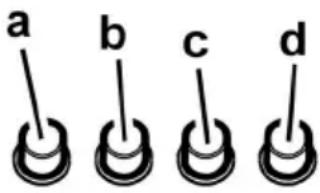
a. BbIKIIOUATEJIb OCBeueHnA ON/OFF.
b. BbiklnoyateIb OFF/ckopoctb 1
c. IpekeKIOUaTeJIb ckOPOCTN 2
d. IpeeknouateIb ckopocTn 3
yxo
BHHMaHHe! PpexKe Yem BbINOHNHTb IIO6yO onepaunio no YnCTKe nn TexHNueCKomy 06cnyKnBaHnIO, OTcoeHNHTe BblTAAKKy OT 3JIeKTPocetN, OTcoeHNJBAKNKy nnn rnaBHbI BbIKNIOuateJe NOMEueHn.
OuInCTka
BbTJXKa DOnKHa NOpBepratbCra YactoT OChCTKe KaB BHTPn, TAK IN CHAPyKn (IO KpaHHe Mpe C ToT JKe NepNoDInuHocTbO, YTO IN yXOD 3a QnIbTpAmN DnA 3aDepxKn Xnpa). IINcTKn NCNOJIb3yUte CneuaJIbHyO TpRnKy, CMOeHHyO HeITPaIbHbIM XnIDKIM MOUm CpeCTBOM. He npImeHЯTe cpeCTBa, CoedePKaUme a6pa3NBhIe MaTePnaJIbl.
HE IPIPUMEHJNTE CNIPT!
BHHMaHHe: He c6bIIODeHHe npaBnI qNCTKn npN6opa n 3aMeHbI pINbTPOB MOKeT npNBecTN K PnCKy BO3HNKHOBeHnnoXapa. NToTMy peKOMeHdyem c6JIIODaTb npNBedeHHbIe HnHCTpyKUIn.
CHMaTeCnIIO6aOTBETCTBeHHOCTbBCB3N CBO3MOXHbIMN NOBpeJDeHnAMn DBrTaTeJI N C NOxapAMN, BO3HNKUHMN BCNEcTBe HnPaBnIbHO rpoemOnTA nnn Heco6NoJeHn BblweONcaHbIX npedynpeJdeHn.
ΦnJIbTpbl 3aIepKKn Knpa
Pnc.2
YdepKnBaet YactuBj Xnpa, nCxOJaune OTnnTbI.
Фиьтспдуетчнгь exeMeCryH HearpeccnBbIMM MOUIMN CpeICTBaMn, BpyHyO IIN B NocydomoeyHO MaHHe Pn H3KoTempeaType n 3KOHOMuHOM cNKJIe MbITb.
PnMbIbE B NocydomoeyHOn MaWInHe MoXeT HMeTb MecTo HeKOTOpoe ObEcUBeuBaHne FmJbTpTa 3aepxKn Knpa, Ho Ero FmNbTpuyOua XapaKTepnCTnKa OCTaETcA abCoNtHO Hen3MeHHo.
IЯ ChTMyФиNbTppa 3aepKKn Knpa NotHnTe K c6eNoDnpyKHeHHyO pyKy OTcenJIeHnAФиNbTppa.
YroIbHbI ΦnIbTp (TolbKO B peXnMepeunpkyJauu)
Pnc.3
YdaanrHnnpnTHbIe 3aaxn KxHn.
HacbIeHHe yroJIbHorO fIbItpa npOnCxOJIT no nCTeueHH 6oJIe IIN MeHee dIITeJIbHorO nepNoJa 3KcNpyaTauH, npedoppeJeIeMOrO TINOM KuxHN I nepNoDnUHocTbO OuNCTKI FInbTpOB 3aIepxKn Jnpa. B NIObom cnyae, 3aMeHnTe KapTpIXn No KpaHHei Mepe Upe3 KaXdble 4 Mecya.
YroIbHbI ΦnIbTp HE noIeXHT MoKe nnpeReHaepaun.
CHMnTe onOpHyo paMy nOd fHbTp, noBepHyBa 90° pyKoRTKn (g), KOTOpbIe KpeIaT erO K BbITaRkKe.
Bctabte ry6aTabi 3IeMeHt yroIbHoro qnIbTp a (i) BpaMy (h) nOBTOpHO yCTaHOBtne IOcO6paHbIy3eN BrHe3do (j).
Bo3MOxH0 HcNoB3OBaTb yOrIbHbI ΦnIbTp TpaNtioHOHOrToNa, He NpOJIeXaUπPOMbIBKe n pereHepaun, 3aMeHReMbI KaxDbIe 3-4 Meca.
Pama n yroIbHbI ΦnIbTp npnbapeHb Ipyr K dpyry; no3Tomy paMa, eCNI OHa NoCTaBJIeHa BmEcTe C BblTJIKoN He DoXHa NCIOJIb3OBAtbcra.
Дя установки, BCTаБТe ФильтВ COOTBETCTBYUошee rHe3do n 3akpeNTe erO, DeIcTBya Ha COOTBETCTBYUoUne yCtpoiCTBa.
3aMeHa Iamn
BbIyKa o6OpyDoBaHa ocBeUeHEm Ha cBeToOnoJax LED.
CBeToIIObI OeCneHBAOT ONTImaJIbHOE OCBESeHHe, IX cPOK cnJX6bl B 10 pa3 npEBbIaAet cPOK pa6oTbI TpaNtioHHbIX NaMNoYek, N IO3BOJIaOT 3KOHOMITb 90% 3JIeKTpo3Heprnn.
IⅡI 3aMeHbI CBeToIONoOB O6paUaTbC8 B CnyK6y TEXHueCKOrO 06cnyKuBaHH.