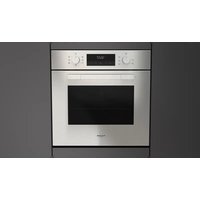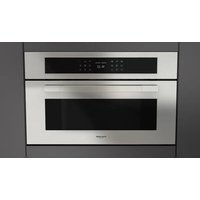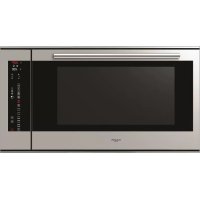
CO 9014 TC X - Oven Fulgor Milano - Free user manual and instructions
Find the device manual for free CO 9014 TC X Fulgor Milano in PDF.



User questions about CO 9014 TC X Fulgor Milano
0 question about this device. Answer the ones you know or ask your own.
Ask a new question about this device
Download the instructions for your Oven in PDF format for free! Find your manual CO 9014 TC X - Fulgor Milano and take your electronic device back in hand. On this page are published all the documents necessary for the use of your device. CO 9014 TC X by Fulgor Milano.
USER MANUAL CO 9014 TC X Fulgor Milano
natural_image
Technical line drawing of a rectangular cabinet or enclosure with internal door and mounting holes (no text or symbols)IMPORTANTE
natural_image
Technical line drawing of a refrigerator interior showing structural components and mounting brackets (no text or symbols)Importante:
natural_image
Interior view of a refrigerator with visible grilles and metal grilles (no text or symbols)PANNELLI AUTOPULENTI
natural_image
Abstract circular arrow symbol composed of five curved arrows forming a ring (no text or labels)
natural_image
Diagram of a room interior with airflow arrows and a circular vent, no text or symbols presentCottura ventilato


natural_image
Diagram of a rectangular electronic device with internal circuitry and ventilation flow arrows (no text or symbols)Cottura al grill


natural_image
Cross-sectional diagram of a room with airflow and ventilation system (no text or labels)RAFFREDDAMENTO TANGENZIALE
text_image
CLEAN BOOST 5 sec!! ①text_image
Hand interacting with a touchscreen display showing various function icons and a dial indicator.text_image
CLEAN ROCKET !
text_image
CLEAN RESET ① ②
natural_image
Interior view of a mechanical assembly with metal frame and wiring (no visible text or symbols)SONDA TEMPERATURE
natural_image
Line drawing of a medical or electrical device with two leads and a curved tube (no text or symbols)natural_image
Medical illustration showing a surgical procedure with an arrow and catheter (no text or symbols)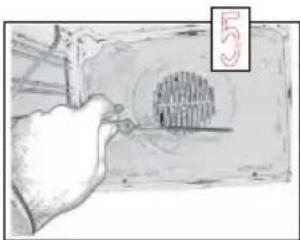
natural_image
Hand holding a pen and scissors over a circular object, with a number 5 in the top-right corner (no text or symbols on the diagram itself)text_image
CLEAN ROCKET 1
Accendete il forno!
text_image
Hand interacting with a black screen displaying various camera icons and symbols, including zoom, lock, and display.natural_image
Hand holding a tool near a door with an arrow pointing to the handle (no text or symbols visible)Funzioni speciali
Boost (rapido preriscaldo)

text_image
BOOSTtext_image
CLEAN BOOST ① CLEAN BOOST ①text_image
Hand interacting with a touchscreen device displaying icons for settings, navigation, and control buttonstext_image
CLEAN BOOST 1 5 sec!!natural_image
Technical line drawing of a mechanical component with top and side views, showing internal rotation and assembly (no text or symbols)natural_image
Technical line drawing showing two views of a door frame with a hand adjusting the handle (no text or symbols present)text_image
Technical diagram of an electrical switch mechanism with labeled components and a magnified inset showing internal structure.we would like to thank you and congratulate you on your choice.
This new product has been carefully designed and built using top quality materials, and meticulously tested to ensure that it meets all your culinary requirements.
Please read and observe these simple instructions, which will enable you to achieve excellent results from the very first time you use it. This state-of-the-art appliance comes to you with our very best wishes.
THE MANUFACTURER
I Italiano
GB English
FR Français
DE Deutsch
ES Español
PT Português
THIS PRODUCT IS DESIGNED FOR DOMESTIC USE.
THE MANUFACTURER DECLINES ALL RESPONSIBILITY FOR DAMAGES TO THINGS OR PEOPLE DERIVING FROM INCORRECT INSTALLATION OR IMPROPER, ERRONEOUS OR UNSUITABLE USE.
THE APPLIANCE MUST NOT BE USED BY PEOPLE (INCLUDING CHILDREN) WITH PHYSICAL, SENSORIAL OR MENTAL IMPAIRMENTS, OR BY PEOPLE WITHOUT THE NECESSARY EXPERIENCE OR KNOWLEDGE, UNLESS THEY ARE SUPERVISED OR INSTRUCTED IN THE USE OF THE APPLIANCE
BY A PERSON RESPONSIBLE FOR THEIR SAFETY.
CHILDREN MUST BE SUPERVISED TO ENSURE THAT THEY DO NOT PLAY WITH THE APPLIANCE.
DO NOT PLACE TIN FOIL, PANS OR SIMILAR IN CONTACT WITH THE INNER BASE OF THE OVEN TO COOK. THE HEATING ACTION OF THE LOWER RESISTANCE CAUSES THE LOWER PART OF THE OVEN TO OVERHEAT, LEADING TO DAMAGE AND EVEN SERIOUS CONSEQUENCES (FIRE RISK) ALSO TO THE UNIT IN WHICH THE OVEN IS INSTALLED.
Contents
User instructions, 21
First use, 21
GB
Self-cleaning catalytic panels, 21
Respect for the environment, 21
Control panel functions, 22
Instructions for use:
- conventional cooking, 22
- fan cooking, 22
- Defrosting, 22
- grill cooking, 23
Cooling fan, 23
Oven presentation, 23
Demo mode, 23
Regulating the clock, 24
Switching on the oven, 24
Main Functions, 24
View of front console, 24
Cooking functions, 24
Simple gestures for cooking, 25
Regulating the cooking temperature, 24
Residual heat, 26
The food probe, 26
Using the food probe, 26
Special functions: turbo heat and turbo clean, 30
Special functions, 28
Oven light control, 29
Programming the oven, 29
Programming the timer: cooking time, 29
Programming the timer: cooking end time, 30
Programming the timer: delayed cooking, 30
Programming the timer: minute counter, 31
Programming the timer: cancelling the programme, 31
Safety, 31
Over lock function, 31
Light replacement, 32
Removing the oven door, 32
Installation instructions, 33
Flush fitting, 33
Electrical connections, 34
Technical features, 34
natural_image
Isometric line drawing of a rectangular cabinet or enclosure with internal compartments and mounting holes (no text or symbols)IMPORTANT
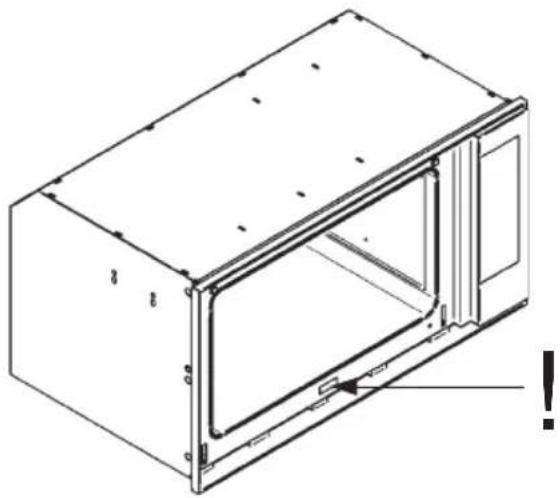
The oven's data plate is accessible even with the oven fully installed. The plate is visible simply by opening the door. Always quote the details from it to identify the appliance when ordering spare parts.
The appliance becomes very hot during use. Take great care not to touch the heating elements inside the oven.
User instructions
The first time you use the oven
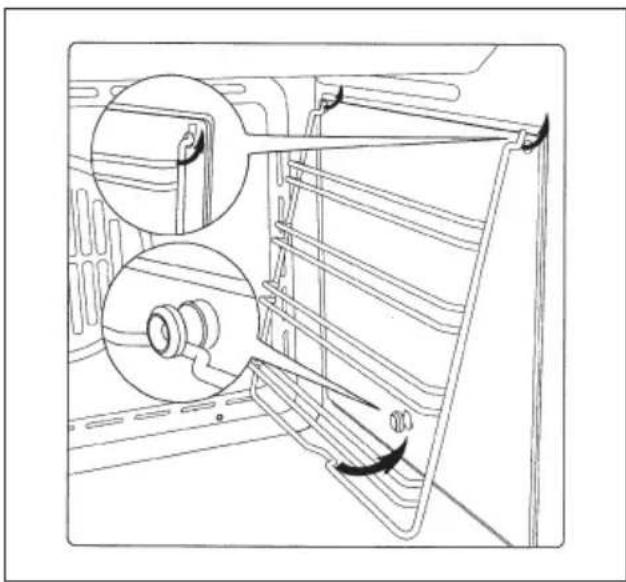
Clean the oven thoroughly with soapy water and rinse well. To remove the lateral frames from smooth-walled ovens, proceed as shown in the figure.
Operate the oven for about 30 minutes at maximum temperature to burn off all traces of grease which might otherwise create unpleasant smells when cooking.
natural_image
Technical line drawing of a refrigerator interior showing structural components and mounting brackets (no text or symbols)Important:
As a safety precaution, before cleaning the oven, always disconnect the plug from the power socket or the power cable from the oven. Do not use acid or alkaline substances to clean the oven (lemon juice, vinegar, salt, tomatoes etc.). Do not use chlorine based products, acids or abrasive products to clean the painted surfaces of the oven.
DO NOT USE STEAM CLEANERS TO CLEAN THE OVEN.
Self-cleaning catalytic panels
natural_image
Interior view of an oven with metal grilles and a rack, showing no visible text or symbols.SELF-CLEANING PANELS
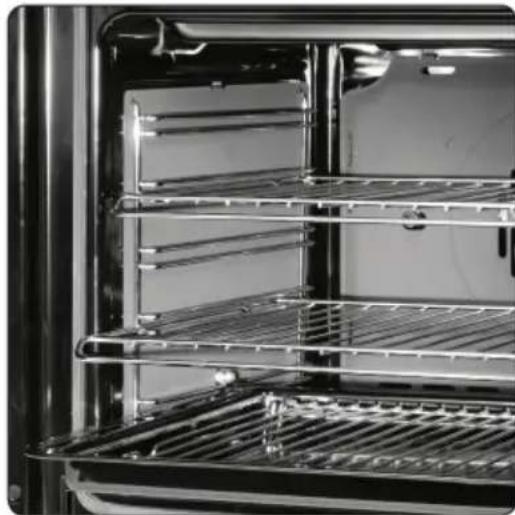
The CLEAN function activates the reaction that causes cleaning
Our smooth walled ovens can be fitted with selfcleaning panels to cover the inside walls.
These special panels are simply hooked on to the walls before the side frames are fitted. They are coated in a special, micro-porous catalytic enamel which oxidises and gradually vaporises splashes of grease and oil at cooking temperatures above 200°C.
If the oven is not clean after cooking fatty foods, operate the empty oven for 60 minutes (max.) at maximum temperature. Never wash or clean selfcleaning panels with abrasive, acid, or alkaline products.
Respect for the environment
natural_image
Circular diagram with five curved arrows forming a cycle, no text or symbols presentControl panel functions
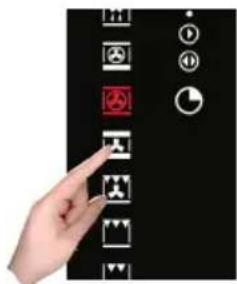
Function symbols on the selector
GB

Oven light (stays on while oven is in use).

Top and bottom heating elements. Thermostat setting from 50°C to MAX.

Top heating element (small, low power grill). Thermostat setting from 50°C to 200°C.

Bottom heating element. Thermostat setting from 50°C to MAX.

Top heating element (small, low)

Double top heating element (large area grill). Thermostat setting from 50°C to 200°C.

Double top heating element with fan (large area grill). Thermostat setting from 50°C to 200°C.

Top and bottom heating elements with fan. Thermostat setting from 50°C to MAX.

Circular heating element with fan. Thermostat setting from 50°C to MAX.

Bottom heating element + Circular heating element with fan. Thermostat setting from 50°C to MAX.

Fan for defrosting. Thermostat setting at 0°C.

Double top heating element (large area grill). Thermostat setting from 50°C to 200°C. Bottom heating element. Thermostat setting from 50°C to MAX.
Instructions for use
Conventional cooking


Conventional cooking uses top and bottom heat to cook a single dish.
Place the food in the oven only once cooking temperature has been reached, i.e. when the heating indicator goes out.
If you want to increase top or bottom temperature towards the end of the cooking cycle, set the temperature control to the right position. It is advisable to open the oven door as little as possible during cooking.
natural_image
Diagram of a room interior with airflow arrows and a circular vent, no text or symbols presentFan cooking


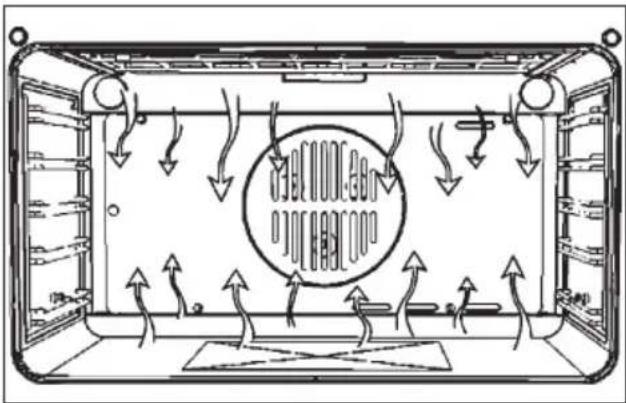
For this type of cooking a fan positioned at the back allows the circulation of hot air inside the oven, creating uniform heat. In this way cooking is more rapid than conventional cooking. It is a suitable method for cooking dishes on more than one shelf, especially when the food is of different types (fish, meat etc.).
Defrosting

By selecting one of the fan cooking functions and setting the thermostat to zero, the fan allows cold air to circulate inside the oven. In this way frozen food can be rapidly defrosted.
It is not essential to preheat the oven, but you are advised to do so when cooking pastries.
natural_image
Technical line drawing of a rectangular device with internal air circulation and ventilation slots (no text or symbols)Grill cooking


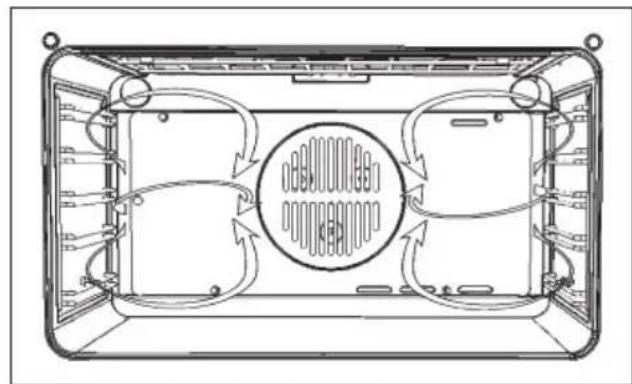
Use the grill to grill or brown foods. Some ovens may be equipped with an electric motor, spit and skewers for turning on the spit.
Place the shelf with the food to be cooked in the 1st or 2nd position from the top.
Pre-heat the oven for 5 minutes. Turn the thermostat to a temperature between 50° and 200.
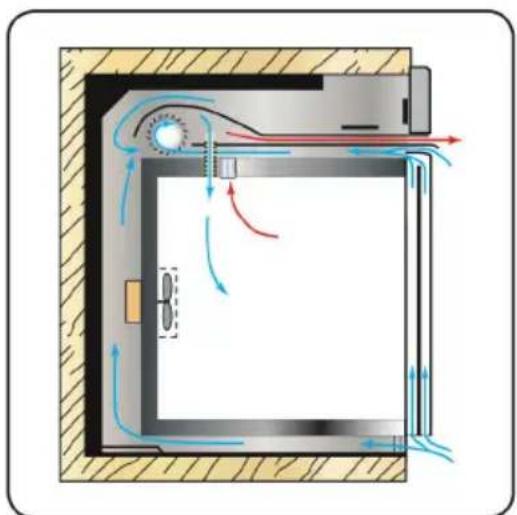
Cooling fan
natural_image
Cross-sectional diagram of a room with airflow and ventilation system (no text or labels)TANGENTIAL COOLING
A forced air circulation system which contributes to reducing the heat exchange temperature in the front and lateral areas of the ovens.
The fan is positioned on the upper part of the oven and create a circle of cooling air on the inside of the furniture and through the door of the oven. It is turned on when the temperature of the outer shell of the oven reaches 60^ .
By switching on the oven with the thermostat at 200^ C the fan starts working after approx.10 min.
It is turned off when the temperature of the outer shell of the oven descends under 60^ C.
By switching off the oven with the thermostat at 200°C the fan stops working after approx. 30 min.
Oven presentation
Your new oven is managed by an electronic card which constantly monitors its operation in order to improve its all-round performance.
The state-of-the-art, reliable and precise touch control system. The elegant, orderly and discreet interface, more user-friendly than ever before!
Just a few buttons, lots of functions and no difficult combination or sequence of buttons. Simply concentrate on following the recipe and the oven is ready with two movements!!!
Demo mode
This is the name of the mode usually implemented by the oven every time the electricity supply fails and also when the oven is first connected.
The aim is to display all the control potentials with a recorded sequence of commands.

In this mode the oven is NEVER really activated, as the heating elements are not switched on!!
The control panel is NOT ACTIVE so the oven does not respond to commands!
text_image
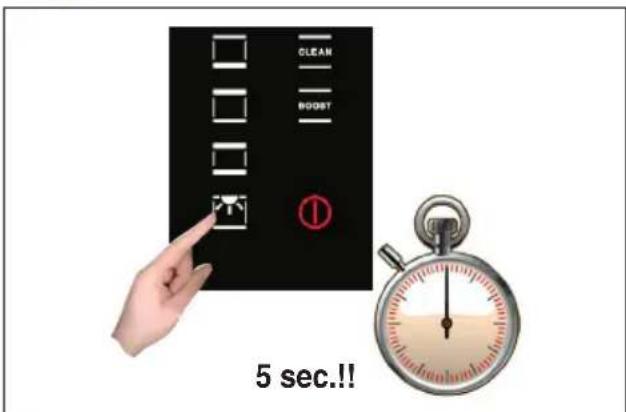
CLEAN BOOST 5 sec!! ①To disable the demo mode, touch the light symbol for five seconds: the controls will enter into standard operational mode and the oven is ready to be switched on.

Regulating the clock
text_image
Hand interacting with a control panel displaying various function icons and a dial indicator.The oven signals the connection to the electricity main with a double beep.
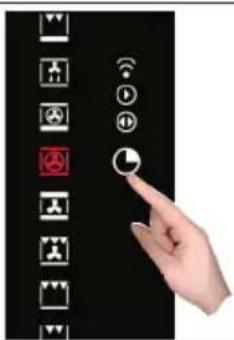
To regulate the system time, press the TIMER FUNCTIONS button for 5 sec.

Every control used is confirmed by a beep.
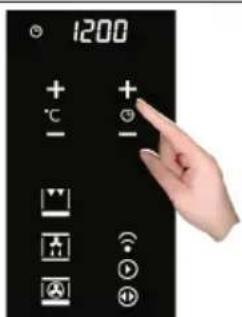
Regulate the clock using the + and - buttons: the dividing dots flash while the time is being set and stop flashing when the time has been acquired.
text_image
1200 + + - - + - + - + - + - + - + - + - + - + - + - + - + - + - + - + - + - + - + - + - + - + - + - + - + - + - + - + - + - + - + - + - + - + - +Switching on the oven
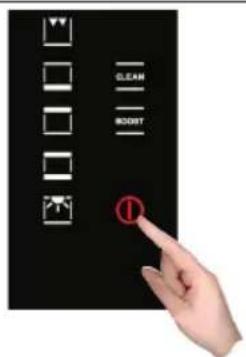
The oven is switched on using the ON/OFF symbol shown in the figure.
The control activates all the symbols, illuminating the background.
text_image
CLEAN ROSET I
The control will wait eight seconds after switch-on for a cooking function to be chosen. Otherwise it interprets the switch-on as accidental and automatically switches off the oven for safety reasons.
Main Functions
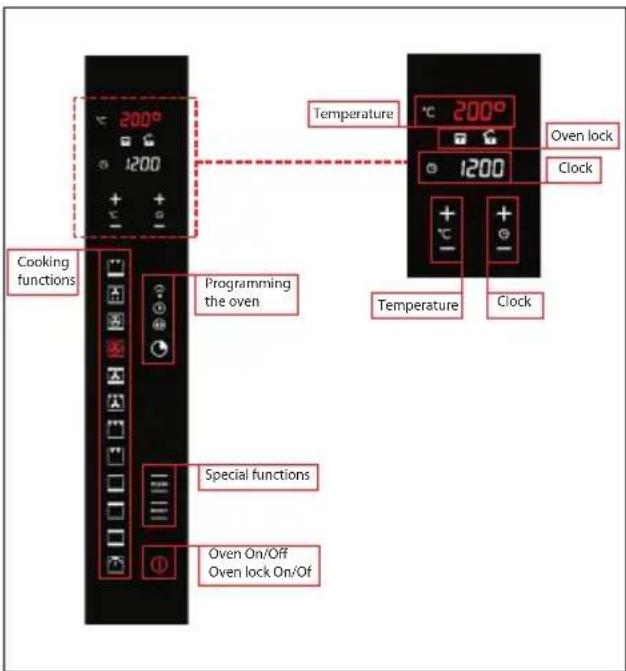
View of front console
text_image
200° 1200 Cooking functions Programming the oven Special functions Oven On/Off Oven lock On/Of Temperature 200° 1200 Oven lock Clock Temperature ClockCooking functions
The control makes a total of twelve specific cooking functions available!
Every function has a set temperature chosen on the basis of cooking tests using frequently used recipes and can easily be adjusted to suit personal preference.
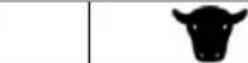
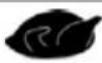
The following table contains the results of the cooking tests carried out in our laboratories by a professional chef. However, this is merely a guide and the values indicated are simply to help you get started and try our your own recipes, always achieving the best results!
| F | ||||||||
| °C | 160-200 | 160-180 | 140-160 | 200-230 | 210-220 | 160-180 | 190 | 230-250 |
| 2-3 | 2 | 2 | 1-3 | 2 | 2-3 | 2-3 | 4-5 | |
| 30'-50' | 20'-40' | 10'-40' | 10'-20' | 45'-60' | 45'-60' | 60'-70' | 14'-18' |
 |  |  |  | ||||||
| F | |||||||||
| °C | 225-250 | 160-180 | 210-230 | 160-190 | 200-220 | 160-180 | 175-190 | 190-210 | 170-190 |
| 2 | 2 | 2 | 2 | 2-3 | 2 | 2 | 2 | 3 | |
| 120'- 150' | 120'- 160' | 90'- 120' | 90'- 120' | 50'- 60' | 45'- 60' | 60'- 70' | 40'- 50' | 40'- 50' | |
Simple gestures for cooking
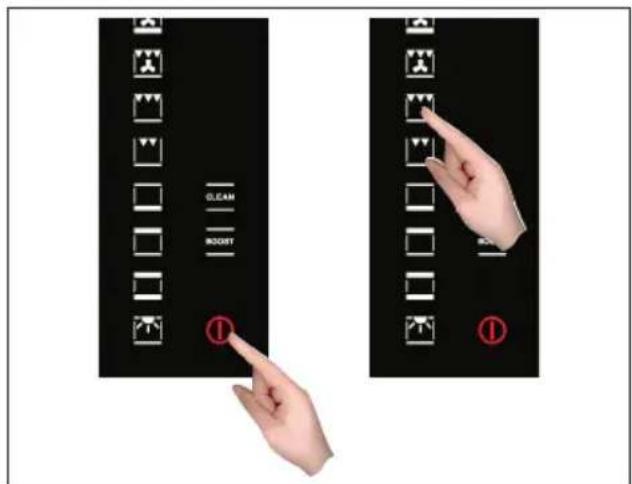
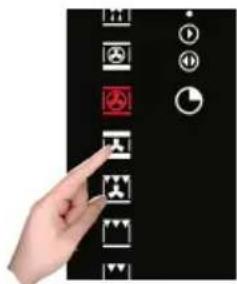
Two simple movements are all it takes to set a cooking programme, thanks to the state-of-the-art control logic: switch on the oven and select the best function for the dish you are preparing. Simply select it and touch it!
text_image
CLEAN BOOST 1
The control proposes a temperature for every function. It is possible to change it t any time, but if you are happy with it, you don't need to do anything else. The oven will be automatically activated in a few seconds!
Temperature Regulation
The control makes use of a temperature probe with a level of precision of ±5^ offering maximum reliability of the cooking times required.
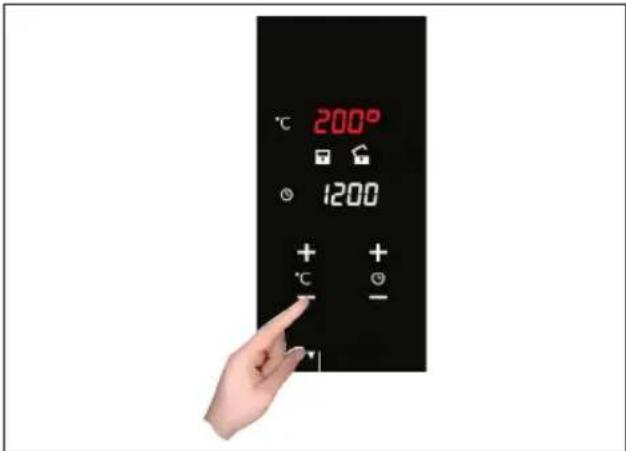
To change the temperature simply use the plus and minus symbols. The range of regulation varies from +50°C to +250°C. It isn't necessary to confirm the change, as the control is automatically activated after just a few seconds.
text_image
200° 1200 + + - - -During the heating process, the degrees centigrade symbol (°C) symbol flashes,
indicating that the heat is being regulating to reach the temperature required.
When the correct temperature is reached, you will hear a beep.
Residual heat
While cooking food, the structure of the oven stores heat. This heat is kept isolated from the rest of the kitchen thanks to an excellent insulation system and certain construction details.
The heat is gradually dispersed can be used as a further cooking resource if managed appropriately: the control indicates the interior temperature, after the oven has been switched off, until it reaches 50°C.

use this feature to keep food warm or to gently complete the cooking process.
Food probe (or probe thermometer)
natural_image
Interior view of a mechanical assembly with transparent plates and wiring (no visible text or symbols)TEMPERATURE PROBE
Tenderness, taste and flavour are the result of precise ad functional control.
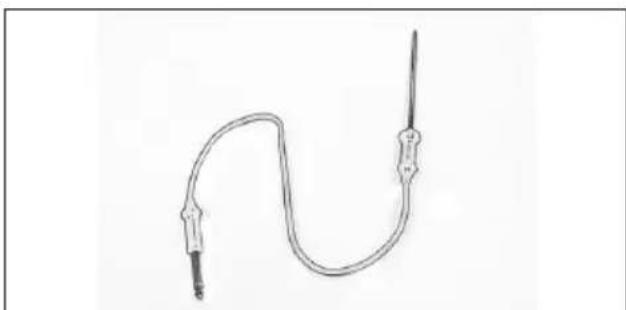
The food probe is a thermometer which, when inserted into the food, makes it possible to check the internal temperature and use it to establish the end of cooking.
For example, meat may look like it is cooked on the outside, but still be pink on the inside!
natural_image
Line drawing of a medical or laboratory probe with two probes and a curved tube (no text or symbols)The temperature reached by food during cooking is closely linked to problems relating to health and hygiene. Bacteria can be contained in every kind of meat, poultry and fish, as well
as raw eggs.
Certain types of bacteria make food go off, while others, such as Salmonella, Campylobacter jejuni, Listeria monocytogenes, Escherichia coli and Staphylococcus aureus can be seriously harmful to human health.
Bacteria multiply very quickly above a temperature of 4.4° up to 60°C. Mince is particularly at risk from this point of view.
To prevent bacteria from multiplying, it is necessary to take the following measures:
- Do not defrost food at room temperature, always in the fridge or in the oven using the specific function. In the latter case, cook the food immediately afterwards.
- Stuff chicken just before eating it. Never buy pre-packed ready-stuffed chicken and only buy ready-cooked stuffed chicken when you intend to eat it within 2 hours.
• Marinate food in the fridge, not at room temperature. - Use a food probe to check the temperature of meat, fish and poultry if they are more than 5 cm thick, to ensure that the minimum cooking temperatures are reached.
The greatest hazards are posed by poorly cooked chicken, particularly at risk from Salmonella.
- Avoid interrupting the cooking process, i.e., partially cooking food, storing it and completing the cooking process later. This sequence encourages the growth of bacteria due to the "warm" temperatures reached inside the food.
- Roast meat and poultry in the oven at temperatures of at least 165^ .
Using the food probe
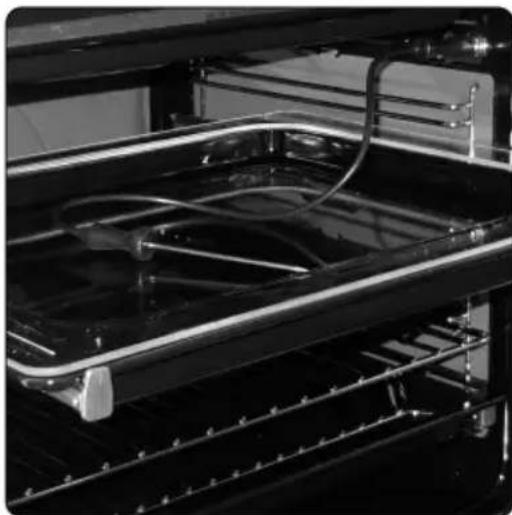
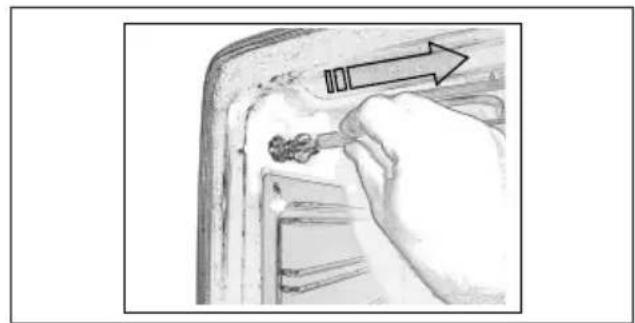
The food probe socket is situated in the top front corner of the oven cavity, protected by a metal cover.
Push the plug in as far as it will go. If it is correctly inserted, the control will give off a double beep.

natural_image
Medical illustration showing a surgical procedure with an arrow and catheter (no text or symbols)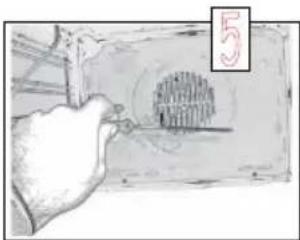
natural_image
Hand holding a pen and scissors cutting a circular object with a grid pattern (no text or symbols)Push the probe into the centre of the food, avoiding touching bones or fatty areas.

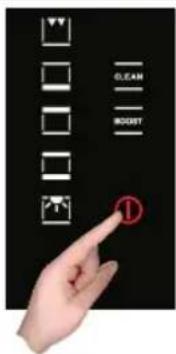
Remember that the probe will not work if it is connected when the oven is already switched on!
text_image
CLEAN ROUGHT 1
Switch on the oven!
text_image
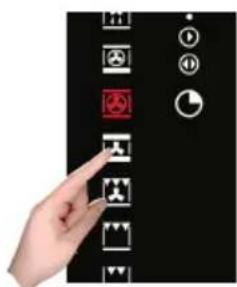
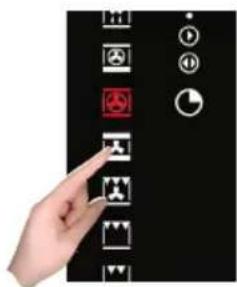
Hand interacting with a black control panel displaying icons for camera, alarm, and display functionsSelect the best cooking function for your recipe.
After 5 sec. the temperature display switches to indicate the temperature of the food probe, i.e., the temperature which must be reached inside the food.

You can change the minimum internal temperature value to suit requirements within an interval of +30°C to +99°C, but we recommend that you consult the table below, taken from THE NATIONAL FOOD SAFETY DATABASE (USA).
| FOOD | MINIMUM INTERNAL TEMPERATURE |
| Mince | |
| Hamburger 71°C | |
| Beef, veal, lamb, pork 74°C | |
| Chicken, turkey 74°C | |
| Beef, veal, lamb | |
| Roasts and steaks: | |
| Rare | The cooking temperature for rare meat is not indicated by the NFSD as it is unsafe for health reasons |
| Medium-rare 63°C | |
| Medium 71°C | |
| Well done 77°C | |
| Pork | |
| Chops, roasts, ribs: | |
| Medium 71°C | |
| Well done 77°C | |
| Fresh ham 71°C | |
| Fresh sausages 71°C | |
| Poultry | |
| Whole chicken or chicken pieces | 82°C |
| Duck 82°C | |
| Whole turkey (not stuffed) | 82°C |
| Turkey breast 77°C | |
text_image
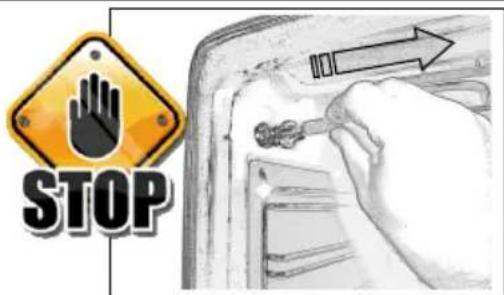
STOPIf the plug is removed after cooking begins, the control blocks the oven and signals the error by beeping: plug the probe in again to resume cooking!


When cooking with the aid of the food probe, all the pre-set temperatures are changed, to maintain consistency with the philosophy of use, to 165°C: they can be varied from a minimum of 120°C to a maximum of 250°C. For the same reason, the defrosting function is deactivated.

The end of cooking, established by reaching the internal temperature set for the food probe. All the oven programming functions (timer functions) are stopped, apart from the beeper (minute counter).
When the food probe senses the temperature for which it has been set, the oven is automatically deactivated and you will hear a beep!
When the cooking time is up, remember to disconnect the food probe and remove it from the oven.
CAUTION: the probe is very hot after cooking.
If the probe is left connected to the oven but not inside the food, an error may be generated (ERR3) on the timer display. The error will disappear when the probe is disconnected from the oven.
natural_image
Hand holding a tool near a small object, with an arrow pointing to it (no text or symbols visible)Special functions
Boost (quick preheat)
text_image
BOOSTBOOST - FAST TIMES
To shorten cooking times with fast pre-heating
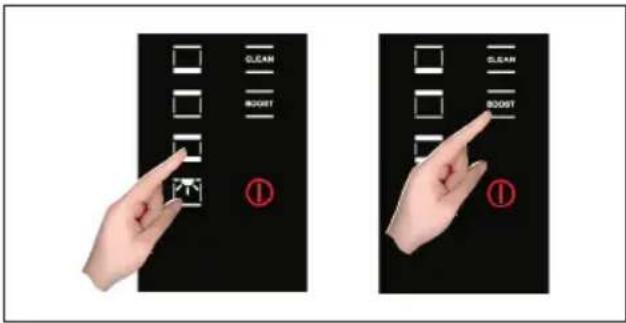
This special function can be activated after selecting a cooking function and is used to reduce the time required to reach the set cooking temperature.
This period of time is known as preheating, and is required in practically all recipes.
text_image
GREEN BOOST ① GREEN BOOST ①It is possible to disconnect the turbo heat function or change cooking function at any time.
Clean (quick cleaning)

text_image
CLEANASSISTED CLEANING
High temperature cycle (250°C), combined with self-cleaning panels for gentle, non-invasive cleaning of the cooking chamber.
Correct operation is combined with the use of the lateral panels and catalytic fan cover: the oven is treated with special enamel with a micro-porous structure, which breaks down the fat projected thanks to a catalytic oxidisation process which transforms residues into gaseous products.
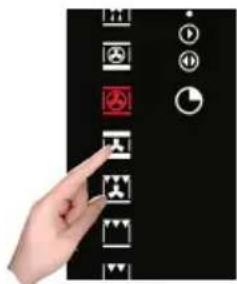
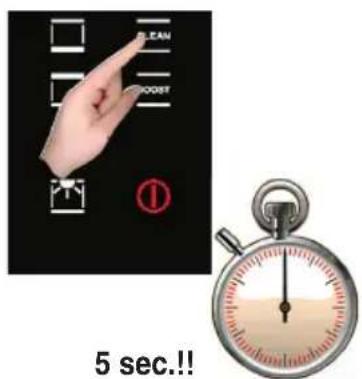
The turbo clean function is only activated when no cooking function has been selected, so: switch on the oven and touch the symbol as shown in the figure for five seconds.
text_image
5 sec.!!
The cleaning process takes place at a temperature of 250°C and lasts one hour. Do not use it for cooking food!!
The oven light is activated and can be switched off and on again at any time.
All the self-cleaning panels will perform effectively for thirty cleaning processes, after this limit the panels must be replaced. The panels should be cleaned exclusively with tap water and replacements can be ordered from your specialised dealer.
Oven light control
The light control is active on all the cooking functions and is independent, meaning that it can be switched on or off to suit your requirements, when you want!
The oven light is usually kept on throughout the heating time and then for three minutes after reaching the temperature set. From then on, the oven light switches off to save power.
To check the cooking, it may be necessary to switch on the internal light. All you have to do is touch the light symbol: the light will stay on for three minutes and then switch off automatically. Naturally you can switch it off immediately by touching the light symbol again.
Some models are equipped with a door control. This feature uses sensor technology to detect the position of the door to control the oven light: the opening of the door is indicated by a beep and the light comes on. It switches off when the door is closed again.
Programming the oven
The programming of the oven offers three modes for controlling the cooking time. They are available with the standard cooking functions. When the food probe is used, they are deactivated (see specific chapter).
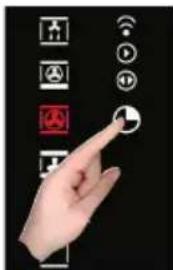
text_image
Hand interacting with a touchscreen display showing icons for home, car, and phone controlThe functions can be selected in sequence, from left to right, by touching the clock symbol: every time it is touched, a symbol lights up in sequence.
Programming the timer: cooking time
Touch the timer symbol once. The relative symbol lights up. The clock display will replace the indication of the current time: The dividing dots flash to indicate that it is possible to programme the cooking time.
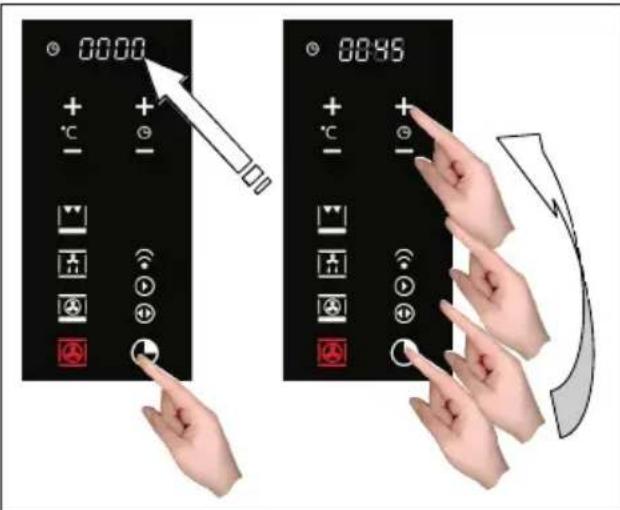
text_image
00:00 + + - - - - + - - + - - + - - + - - + - - + - - + - - + - - + - - + - - + - -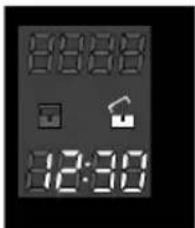
text_image
8:30 12:30Once the cooking time has been set, the display will show the current time again and the cooking time symbol will be lit.
The count begins now. When the time is up, the oven will make a beeping sound, the heating elements will be switched off and cooking will stop.
The special symbol will flash, as will the duration which was
set on the clock display. Press any button to stop the beeping sound.
After eight seconds, the oven switches off automatically unless other cooking functions are programmed.
GB
Programming the timer: cooking end time
Touch the timer symbol twice. The relative symbol lights up.
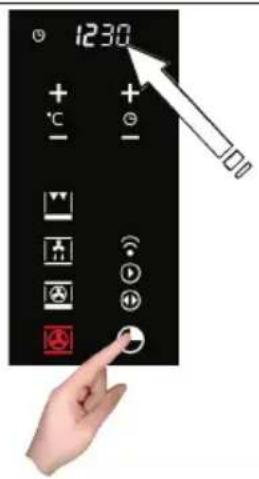
text_image
1230 + + - - + + - + ✓ ✓ ✓ ✓ ✓ ✓ ✓ ✓ ✓ ✓ ✓ ✓ ✓ ✓ ✓ ✓ ✓ ✓ ✓ ✓ ✓ ✓ ✓ ✓ ✓ ✓ ✓ ✓ ✓ ✓ ✓ ✓ ✓ ✓ ✓ ✓ ✓ ✓ ✓ ✓ ✓ ✓ ✓ ✓ ✓ ✓ ✓ ✓ ✓ ✓ ✓ ✉ ✓ ↗ ↙ ↖ ↗ ↘ ↙ ↗ ↙ ↙ ↙ ↙ ↙ ↙ ↙ ↙ ↙ ↙ ↙ ↙ ↙ ↙ ↙ ↙ ↙ ↙ ↙ ↙ ↙ ↙ ↙ ↙ ↙ ↙ ↙ ↙ ↙ ↙ ↙ ↙ ↙ ↙ + C + - - - - - - - - - - - - - - - - - - - - - - - - - - - - - - - - - - - - - - - - - - - - - - - - - - + C + + + + + + + + + + + + + + + + + + + + + + + + + + + + + + + + + + + + + + + + + + + + + + + + + +The dividing dots flash to indicate that it is possible to programme the cooking end time.
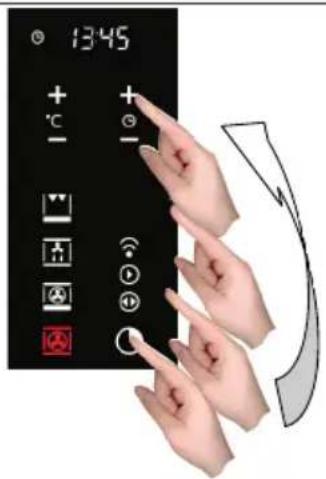
text_image
13:45 + - + - - -Set the cooking end time by touching the + and - symbols.
Once the cooking end time has been set, the display will show the current time again and the cooking end symbol will be lit.
The count begins now. When the set time is reached, the oven will give off a beep, the heating elements will be switched off and cooking will stop.
The special symbol will flash, as will the cooking end time which was set on the clock display: press any button to stop
the beeping sound.
After eight seconds, the oven switches off automatically unless other cooking functions are programmed.
Programming the timer: delayed cooking
Using the combination of the two cooking time and cooking end time modes, it is possible to programme the oven to start cooking at a later time than the current time.
For example, it is 8.30 a.m. and you're about to leave home, but you would like a roast to be ready for 1.00 p.m.. Here's what to do:
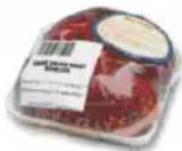
Prepare the roast for cooking and place it in the oven.
Switch on the oven, select the cooking function and set the temperature.
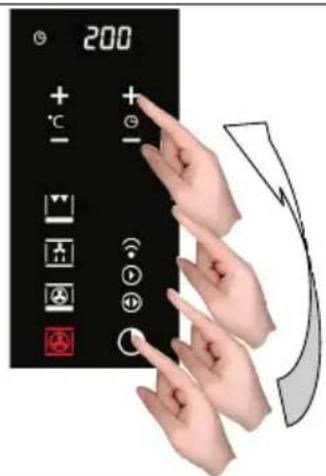
text_image
200 + - - °C + - + -Now set the cooking time, let's say two hours.
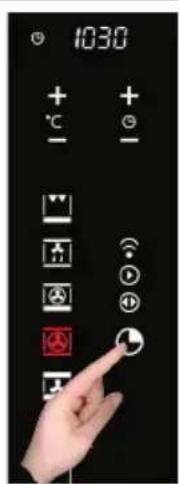
text_image
1030 + + - - + - + - + - + - + - + - + - + - + - + - + - + - + - + - + - + - + - + - + - + - + - + - + - + - + - + - + - + - + - + - + - + - + - +
Now set the cooking end time: the control usually adds the cooking time to the current time and proposes the result as the cooking end time. In our case it will propose 10:30 (8:30+2 hours).
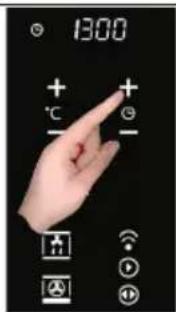
text_image
1300 + + - - ↑ ↑ ↑ ↑ ↑ ↑Change the cooking end time to make it coincide with the time you require. In our example this is 1.00 p.m.
The oven now enters into stand-by and the oven light switches off. When it is time to start cooking, the light will not be automatically switched on because it is logical to assume that the delayed start coincides with your absence, so it is pointless to leave the light on for no reason.
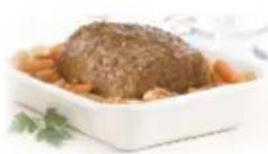
natural_image
Close-up of a white square dish with a textured food item and nuts, garnished with parsley (no text or symbols visible)The control will automatically activate the oven at 11:00 (1:00 p.m. -2 hours) and will switch it off at 1.00 p.m., meaning that the roast will be ready when you arrive home!
Programming the timer: minute counter
The minute counter is a function of the timer which is independent of the operation of the oven, meaning that it does not block the cooking and does not switch off the oven, but acts as a beeper. You can set it at any time, as a reminder to check cooking on the hob, as well as the oven, or for other cooking activities.
This can also be used with the oven switched off. In this case all you have to do is touch the timer function symbol.
If you use it with the oven switched on, you must touch the time function symbol three times in a row.
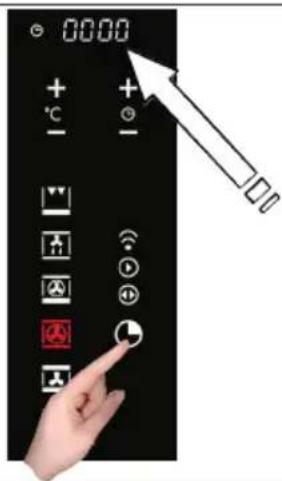
text_image
00:00 + + + - -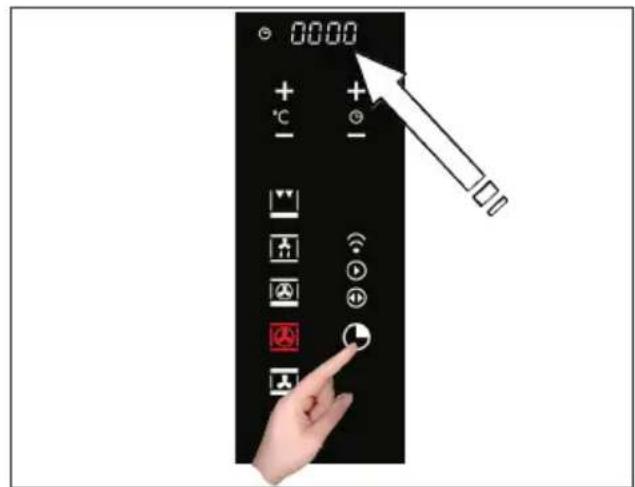
text_image
0000 + + - - -The dividing dots flash to indicate that it is possible to set the value.
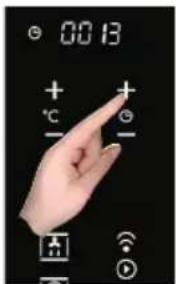
text_image
0013 + - + -Set the minutes using the + and - symbols.
The count begins now. When the time indicated is up, the oven will make a beeping sound and the special symbol will flash. Press any button to interrupt the beeping sound.
Programming the timer: cancelling the programme
To cancel a programme, it is necessary to take the value assigned previously to zero or switch off the oven.
Safety: oven switch-on lock
The control males a lock available on the console to prevent the oven from being switched on or the cooking settings from being interfered with.
It can be activated and deactivated at any time using the on/off button.
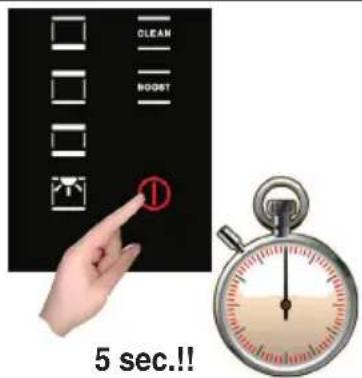
text_image
CLEAN MOOST 1 5 sec!!Touch the on/off symbol for at least three seconds to activate or deactivate, alternately, the oven lock.
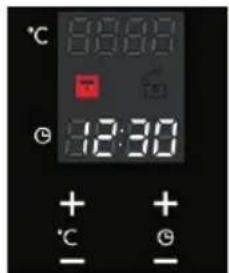
text_image
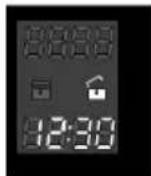
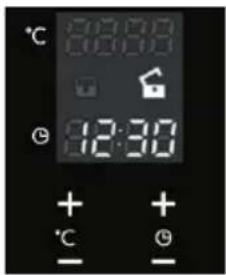
℃ 89:00 + - ECU 12:30 + +Lock activated:
red padlock closed symbol on the display Every action linked to cooking is disabled.

text_image
℃ 8:30 00:00 + - 12:30 + - ℃ +Lock deactivated: white padlock open symbol on the display.
Replacing the oven light
IMPORTANT:
The oven light must have these precise features: a) it must be able to resist high temperatures (up to 300°C)
b) power supply: see V/Hz indicated on data plate.
c) power 25W.
d) E 14 connection. Before proceeding, disconnect the appliance from the main electricity supply.
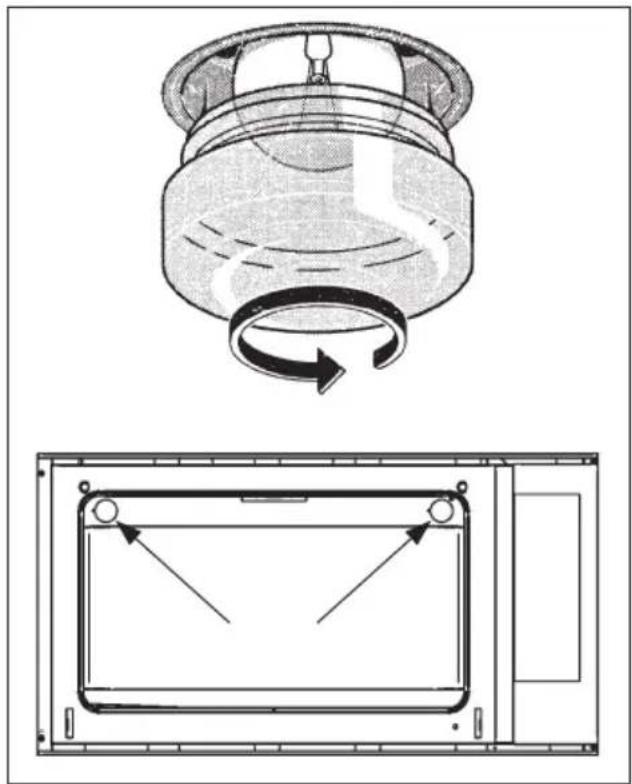
- To prevent damage, place a tea cloth in the oven;
- unscrew the glass cover of the light;
- unscrew the old light bulb and replace it with the new one;
- put back the glass cover and remove the tea cloth;
- connect the appliance to the main electricity supply;
natural_image
Technical diagram showing a top-down view of a mechanical component with rotational arrows, and a side-view internal structure with arrows indicating flow or movement (no text or symbols present)Removing the oven door
The oven door can be removed quickly and easily. To do so, proceed as follows:
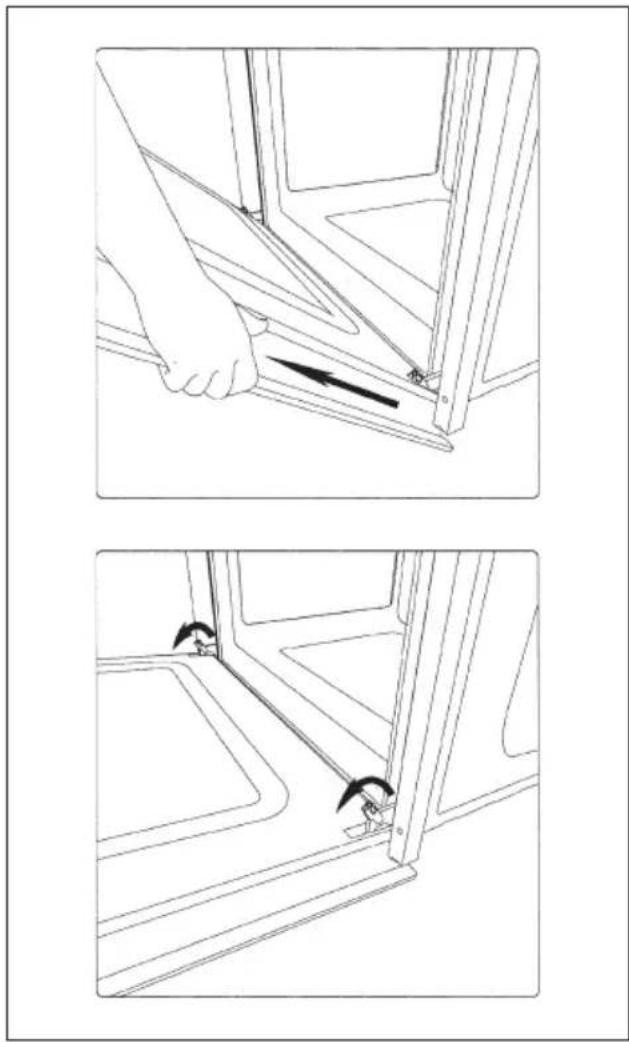
- Open the door fully.
- Lift the two levers shown in fig.
- Close the door as far as the first stop (caused by the raised levers).
- Lift the door upwards and outwards to remove it from its mountings.
To replace fit the door, fit the hinges in their mountings and lower the two levers.
natural_image
Technical line drawing showing two views of a door frame with a hand adjusting the handle (no text or symbols present)Installation instructions
Flush fitting
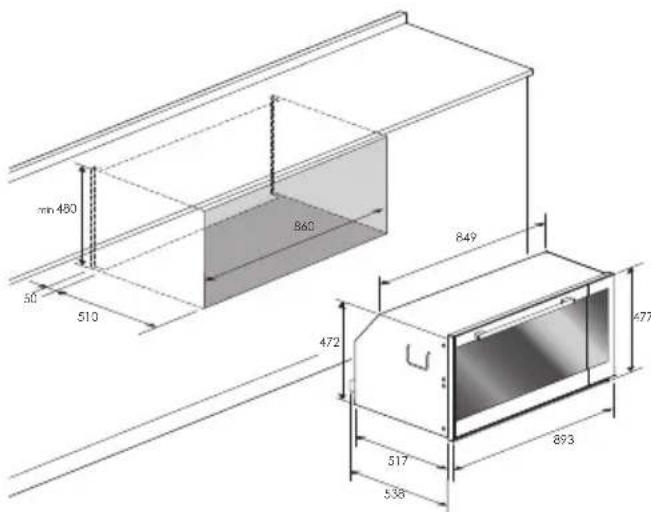
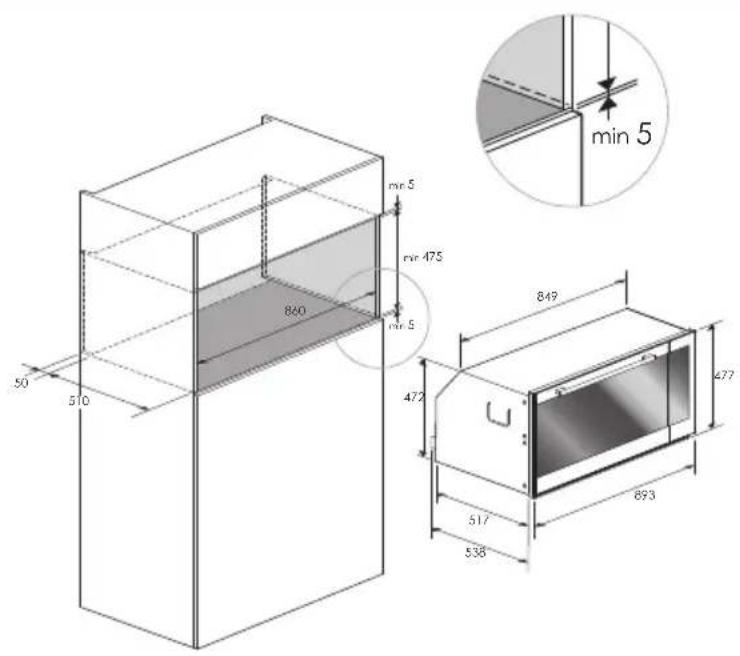
The oven can be installed under a work top or in a cooking column. Figure shows the installation dimensions. Make sure that surrounding materials are heat resistant. Align the oven centrally with respect to the side walls of the units surrounding it and fix it in place with the screws and Allen screws provided.
Built-under type

text_image
min 5 860 min 5 849 472 477 517 538 893 50 510Vertical type
text_image
70.480 50 510 860 849 472 517 538 477 893Electrical connections
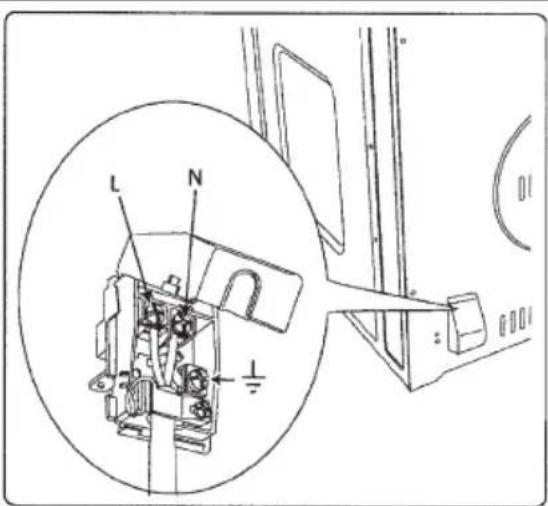
Before connecting the oven to the mains power supply, make sure that:
- The supply voltage corresponds to the specifications on the data plate on the front of the oven.
- The mains supply has an efficient earth (ground) connection complying with all applicable laws and regulations. Correct earthing (grounding) is a legal requirement.
The power cable should never reach a temperature 50^ C above ambient temperature at any point along its length.
If a fixed appliance is not provided with a power cable and plug, or some other device permitting it to be disconnected from the mains electricity supply, with a gap between the contacts big enough to guarantee class III overvoltage protection, then such a device must be fitted to the power supply in compliance with the regulations governing electrical installations.
The socket or switch must be easily reachable with the oven fully installed.
N.B. The manufacturer declines all responsibility for damage or injury if the above instructionsntinfortunistiche non vengano rispettate.
| CABLE TYPES AND MINIMAL DIAMETERS | |
| SASO | |
| H05RR-F 3x1,5 mm ^2 | H05RR-F 3x2,5 mm ^2 |
| H05VV-F 3x1,5 mm ^2 | H05VV-F 3x2,5 mm ^2 |
| H05RN-F 3x1,5 mm ^2 | H05RN-F 3x2,5 mm ^2 |
| H05V2V2-F 3x1,5 mm ^2 | H05V2V2-F 3x2,5 mm ^2 |
text_image
Technical diagram of an electrical switch mechanism with labeled components and a magnified inset showing internal structure.| TECHNICAL FEATURES | |||
| MUFFLE SIZE | Length (mm) 607 Height (mm) 335 Depth (mm) 390 | CAVITY VOLUME (conventional/fan assisted) | 75 litres |
| HEATING ELEMENT POWER RATING | |||
| Roof element, external 1100 W | |||
| Roof element, internal 1750 W | |||
| Circular element 2300 W | |||
| Bottom element 1300 W | |||
Cher Client,
natural_image
Isometric line drawing of a rectangular cabinet or enclosure with internal compartments and mounting holes (no text or symbols)IMPORTANT
natural_image
Technical line drawing of a refrigerator interior showing structural components and mounting brackets (no text or symbols)Important:
natural_image
Interior view of a refrigerator with visible grilles and ventilation grilles (no text or symbols)PANNEAUX AUTONETTOYANTS
natural_image
Simple circular diagram with five curved arrows forming a ring (no text or symbols)natural_image
Diagram of a room interior with airflow arrows and a circular vent, no text or symbols presentCuisson ventilee


natural_image
Technical line drawing of a rectangular device with internal air circulation and ventilation slots (no text or symbols)Cuisson au gril


natural_image
Cross-sectional diagram of a room with airflow and ventilation system (no text or labels)REFROIDISSEMENT TANGENTIEL
text_image
CLEAN BOOST 5 sec!! ①text_image
Hand interacting with a touchscreen display showing various icons and control buttonstext_image
CLEAN ROSET I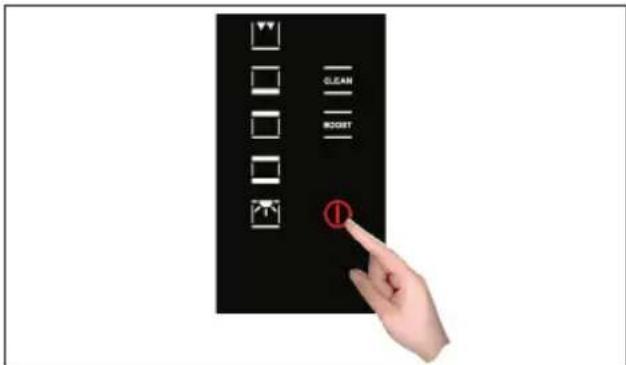
text_image
CLEAN ROSET 1
text_image
CLEAN BOOST ①
natural_image
Interior view of a mechanical assembly with visible wiring and structural components (no text or symbols)SONDE DE TEMPERATURE
natural_image
Line drawing of a medical or surgical instrument with a curved, looped body and two protruding pins (no text or symbols)natural_image
Medical illustration showing a surgical procedure with an arrow and catheter (no text or symbols)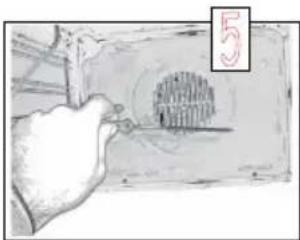
natural_image
Hand holding a pen and scissors cutting a circular object with a textured surface (no text or symbols visible)text_image
CLEAN BOOST 1
Allumez le four!
text_image
Hand interacting with a black screen displaying various camera icons and control buttonsnatural_image
Hand holding a tool near a device with an arrow pointing to it (no text or symbols visible)Fonctions spéciales
natural_image
Hand interacting with a touchscreen device displaying various icons (no text or labels visible)text_image
0000 + + - - ✓ ✓ ✓ ✓ ✓ ✓ ✓ ✓ ✓ ✓ ✓ ✓ ✓ ✓ ✓ ✓ ✓ ✓ ✓ ✓ ✓ ✓ ✓ ✓ ✓ ✓ ✓ ✓ ✓ ✓ ✓ ✓ ✓ ✓ ✓ ✓ ✓ ✓ ✓ ✓ ✓ ✓ ✓ ✓ ✓ ✓ ✓ ✓ ✓ ✓ ✓ ✓text_image
CLEAN BOOST 1 5 sec!!text_image
CLEAN MOOST 1 5 sec!!natural_image
Diagram of a mechanical component with a rotating arrow indicating rotational motion (no text or symbols)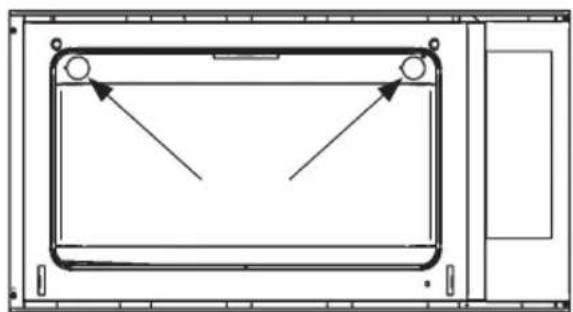
natural_image
Technical line drawing of a rectangular device with two circular ports and directional arrows indicating flow or movement (no text or symbols)natural_image
Line drawing of a hand holding a tool near a window frame (no text or symbols)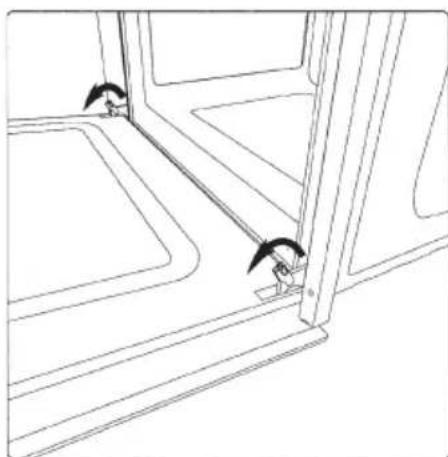
natural_image
Line drawing of a window with two hanging objects, no text or symbols presentPour l'installateur
Encastrable Built-under
text_image
min 5 860 min 5 849 472 477 517 538 893 50 510text_image
Technical diagram of an electrical component with labeled parts and a magnified inset showing internal structure.natural_image
Technical line drawing of a rectangular cabinet or enclosure with internal doors and mounting holes (no text or symbols)WICHTIG
natural_image
Technical line drawing of a refrigerator interior showing structural components and mounting brackets (no text or symbols)Wichtig:
natural_image
Interior view of a refrigerator with visible grilles and metal grilles (no text or symbols)SELBSTREINIGENDE PANEELE
natural_image
Abstract circular arrow diagram with no text or symbolsnatural_image
Diagram of a room interior with airflow arrows and a circular vent, no text or symbols presentUmluft backen


natural_image
Technical line drawing of a rectangular electronic device with internal circuitry and ventilation loops (no text or symbols)Grillen


natural_image
Cross-sectional diagram of a door with airflow indicators and internal components (no text or symbols)TANGENTE KÜHLUNG
text_image
CLEAN MOUST 5 sec!! ①text_image
Hand interacting with a touchscreen display showing various function icons and a circular buttonDE
text_image
CLEAN RIGHT OK
text_image
CLEAN BOOST 1
natural_image
Interior view of a mechanical assembly with transparent plates and wiring (no visible text or symbols)TEMPERATURSONDEN
natural_image
Line drawing of a medical or surgical instrument with two pins and a curved body (no text or symbols)natural_image
Illustration of a bird perched on a surface with an inset showing a numbered figure (no text or symbols present)
natural_image
Hand holding a pen and pen applying material to a circular object, with no visible text or symbolstext_image
CLEAN BOOST 1
text_image
Hand pointing at a black interface with icons for camera, alarm, and function buttons
natural_image
Hand holding a tool near a device with an arrow indicating direction (no text or symbols)Sonderfunktionen
text_image
ELEAN BOOST ① 5 sec!!
text_image
Hand interacting with a touchscreen display showing icons for location, navigation, and control buttonsnatural_image
Close-up of a textured, brown food item in a white square bowl with nuts and herbs (no text or symbols visible)text_image
CLEAN BOOST ① 5 sec!!natural_image
Technical line drawing of a mechanical component with top and side views, showing rotational motion (no text or symbols)natural_image
Technical line drawing showing two steps of a hand holding a bracket with a tool, no text or symbols presenttext_image
Technical diagram of an electrical contactor with labeled components and a magnified inset showing internal structure.natural_image
Technical line drawing of a rectangular cabinet or enclosure with internal compartments and mounting holes (no text or symbols)IMPORTANTE
natural_image
Line drawing of a refrigerator interior showing structural components and a close-up of the door (no text or symbols)Importante:
natural_image
Interior view of a refrigerator with visible grilles and metal shelves (no text or symbols)natural_image
Simple circular arrow diagram with no text or symbolsnatural_image
Diagram of a room interior with airflow arrows and a circular vent, no text or symbols presentCocción ventilada:


natural_image
Diagram of a rectangular device with internal air circulation and ventilation slots, no text or symbols presentCocción al grill


natural_image
Diagram of airflow around a door frame with directional arrows indicating movement (no text or symbols)ENFRIAMIENTO TANGENCIAL
text_image
CLEAN BOOST 5 sec!! ①text_image
Hand interacting with a touchscreen display showing various function icons and a dial indicator.text_image
CLEAN ROOT
text_image
CLEAN BOOST ①
natural_image
Interior view of a mechanical assembly with metal frames and wiring (no visible text or symbols)SONDA TEMPERATURAS
natural_image
Simple line drawing of a medical or laboratory probe with two probes and a curved tube (no text or symbols)natural_image
Illustration of a bird perched near a vehicle, with a numbered label '4' in the top-left corner (no text or symbols on the bird or vehicle)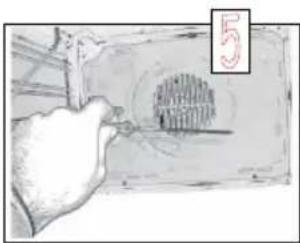
natural_image
Hand holding a tool near a circular object with internal patterns (no text or symbols visible)text_image
CLEAN MOUNT 1
¡Encienda el horno!
text_image
Hand interacting with a black interface panel displaying icons for camera, battery, and function buttonsnatural_image
Hand holding a small object with an arrow pointing to it, next to a device panel (no text or symbols visible)text_image
Hand interacting with a touchscreen device displaying icons for settings, navigation, and connectivity.natural_image
Close-up of a white rectangular dish containing a meat-like food item with nuts and herbs (no visible text or symbols)text_image
CLEAN BOOST 1 5 sec!!natural_image
Technical line drawing of a ceiling-mounted device with internal components and directional arrows indicating rotation (no text or symbols)natural_image
Technical line drawing showing two views of a door frame with a hand adjusting the handle (no text or symbols present)Para el instalador
Encastre del horno
text_image
Technical diagram of an electrical switch mechanism with labeled components and a magnified inset showing internal structure.natural_image
Technical line drawing of a rectangular cabinet or enclosure with internal compartments and mounting holes (no text or symbols)IMPORTANTE
natural_image
Line drawing of a refrigerator interior showing structural components and a close-up of the door frame (no text or symbols)Importante:
natural_image
Interior view of a refrigerator with visible grilles and metal shelves (no text or symbols)PAINÉIS AUTOLIMPANTES
natural_image
Circular arrow diagram with five directional arrows forming a cycle (no text or symbols)natural_image
Diagram of a room interior with airflow arrows and a circular vent, no text or symbols presentModo ventilado


natural_image
Technical line drawing of a rectangular device with internal air circulation and ventilation slots (no text or symbols)Modo gril


natural_image
Cross-sectional diagram of a room with airflow and ventilation system (no text or labels)ARREFECIMENTO TANGENCIAL
text_image
CLEAN BOOST 5 sec!! ①text_image
Hand interacting with a touchscreen display showing various icons and control buttonstext_image
CLEAN ROSET !
text_image
CLEAN ROUNT
natural_image
Interior view of a mechanical assembly with visible wiring and structural components (no text or symbols)SONDA DE TEMPERATURAS
natural_image
Line drawing of a medical or laboratory catheter with two leads and a curved tube (no text or symbols)natural_image
Illustration of a car interior with visible engine and dashboard components (no text or symbols)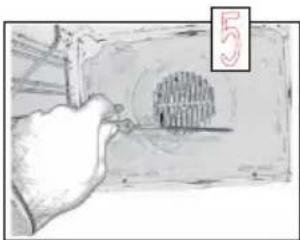
natural_image
Hand holding a pen and drawing a circular object with a grid pattern, no visible text or symbolsInserir a sonda no centro do alimento, evitando de tocar ossos ou partes gordurosas

text_image
CLEAN BOOST 1
Ligar o forno!