SOM 1650 A - Fridge BLOMBERG - Free user manual and instructions
Find the device manual for free SOM 1650 A BLOMBERG in PDF.


| Product Type | Refrigerator |
| Brand | Blomberg |
| Model | SOM 1650 A |
| Power supply | 220-240 V, 50 Hz |
| Earthing | Mandatory |
| Operating ambient temperature | +10 °C to +32 °C |
| 0 °C compartment | Yes, for meats and fish |
| Defrosting | Automatic |
| Interior lighting | Screw bulb E14, 15 W max |
| Shelves | Removable and tiltable |
| Door bins | Adjustable and removable |
| Vegetable drawer | Yes |
| Dairy compartment | Yes |
| Bottle holder | Yes |
| Reversible door | Yes |
| Adjustable feet | Yes, two at the front |
| Refrigerant | R600a (isobutane) |
| Insulation | Cyclopentane |
| Condenser cleaning | Recommended once a year with a vacuum cleaner |
| Child safety | Door with lock to be removed during disposal |
| Number of pages in the manual | 100 pages (FR) |
Frequently Asked Questions - SOM 1650 A BLOMBERG
User questions about SOM 1650 A BLOMBERG
0 question about this device. Answer the ones you know or ask your own.
Ask a new question about this device
Download the instructions for your Fridge in PDF format for free! Find your manual SOM 1650 A - BLOMBERG and take your electronic device back in hand. On this page are published all the documents necessary for the use of your device. SOM 1650 A by BLOMBERG.
USER MANUAL SOM 1650 A BLOMBERG
Electrical requirements/2
Transportation instructions/2
Installation instructions/2
Suggested arrangement of food in the larder fridge/3
Temperature control and adjustment/4
Before operating/4
Getting to know your appliance/5
Defrosting/5
Replacing the interior light bulb/6
Cleaning and care/6-
Repositioning the door/7
Do's and don'ts/7-8
Trouble - shooting/8
D
Inhalt
09-17
HCTpyKuNN no TpaHCnOpTnpOBKe/70
HnCTpyKuNN no yCTaHoBKe/70
PekomEnyemoe paonoloxhen npoaykToB xonnoHnke/71
KoHTponb HAcTpoKa Temnepatypbl/72
Neped Hauanom 3KcnjnyatauW/72
O3HaKOMJIeHnC npH6p0m/73
Pa3mopaxWahHe/73
3aMeHa nAmnoK BHyTpHHeRo OcBeHn/74
YnCTKa n yxo/75
NepecTaHOBKa DBePm/75
YTO HxKHO Hero Heh3a Denatb/75
YctpaHHeHHeHnonaoK/76
PT Indice 77-84
Congratulations on your choice of a Blomberg
Appliance, designed to give you many years of service.
Safety first!
Do not connect your appliance to the electricity supply until all packing and transit protectors have been removed.
-
Leave to stand for at least 4 hours before switching on, to allow compressor oil to settle, if transported horizontally.
-
If you are discarding an old appliance with a lock or latch fitted to the door, ensure that it is left in a safe condition to prevent the entrapment of children.
-
This appliance must only be used for its intended purpose i.e. the storing and freezing of edible foodstuff.
-
Do not dispose of the appliance on a fire. Your appliance contains non CFC substances in the insulation which are flammable. We suggest you contact your local authority for information on disposal and available facilities.
-
We do not recommend use of this appliance in an unbeated, cold room. (e.g. garage, conservatory, annex, shed, out-house etc.)
To obtain the best possible performance and trouble free operation from your appliance it is very important to read these instructions carefully. Failure to observe these instructions may invalidate your right to free service during the guarantee period.
Please keep these instructions in a safe place for easy reference.
Electrical requirements
Before inserting the plug into the wall socket make sure that the voltage and the frequency shown in the rating plate inside the appliance corresponds to your electricity supply. Ensure that the plug remains readily accessible. Do not use multiple adapter bar or extension cable.
Warning! This appliance must be earthed.
Repairs to electrical equipment should only be performed by a qualified technician. Incorrect repairs carried out by an unqualified person are carry risks that may have critical consequences for the user of the appliance.
- Do not dispose of the appliance on a fire.
At Blomberg, the care and protection of our environment is an ongoing commitment. This appliance which is among the latest range introduced is particularly environment friendly. Your appliance contains non CFC/HFC natural substances in the cooling system (called R600a) and the insulation (called cyclopentane) which are potentially flammable if exposed to fire. Therefore, take care not to damage, the cooling circuit/ pipes of the appliance in transportation and in use. In case of a damage do not expose the appliance to fire, potential ignition source and immediately ventilate the room where the appliance is situated.
- We suggest you contact your local authority for disposal information and facilities available.
WARNING- Keep ventilation openings, in the appliance enclosure or in the built-in structure, clear of obstruction.
WARNING- Do not use mechanical devices or other means to accelerate the defrosting process, other than those recommended by the manufacturer.
WARNING- Do not damage the refrigerant circuit.
WARNING- Do not use electrical appliances
inside the food storage compartments of the appliance, unless they are of the type recommended by the manufacturer.
Transportation instructions
- The appliance should be transported only in upright position. The packing as supplied must be intact during transportation.
- If during the course of transport the appliance has been positioned horizontally, it must not be operated for at least 4 hours, to allow the system to settle.
- Failure to comply with the above instructions could result in damage to the appliance, for which the manufacturer will not be liable for.
- The appliance must be protected against rain, moisture and other atmospheric influences.
Important!
- Care must be taken while cleaning/carrying the appliance not to touch the bottom of the condenser metal wires at the back of the appliance, as this could cause injury to fingers and hands.
- Do not attempt to sit or stand on top of your appliance as it is not designed for such use. You could injure yourself or damage the appliance.
- Make sure that the mains cable is not caught under the appliance during and after moving, as this could damage the cable.
- Do not allow children to play with the appliance or tamper with the controls.
Installation instructions
- Do not keep your appliance in a room where the temperature is likely to fall below 10^ (50^) at night and/or especially in winter, as it is designed to operate in ambient temperatures between +10 and +32^ (50 and 90^ ). At lower temperatures the appliance may not operate, resulting in a reduction in the storage life of the food.
- Do not place the appliance near cookers
or radiators or in direct sunlight, as this will cause extra strain on the appliance's functions. If installed next to a source of heat or freezer, maintain the following minimum side clearances: From Cookers 30 mm From Radiators 300 mm From Freezers 25 mm
3. Make sure that sufficient room is provided around the appliance to ensure free air circulation.
- Put the back airing lid to the back of your refrigerator to set the distance between the refrigerator and the wall.
- The appliance should be positioned on a smooth surface. The two front feet can be adjusted as required. To ensure that your appliance is standing upright adjust the two front feet by turning clockwise or anti-clockwise, until firm contact is secured with the floor. Correct adjustment of feet prevents excessive vibration and noise.
-
Refer to "Cleaning and Care" section to prepare your appliance for use.
-
Bottles can be kept in the door section.
- By the help of 0^ compartment you can keep your meat, fish and wrapped food 2-3 times longer than a standard fridge compartment. Air inside this compartment is drier than other zones.
The average temperature inside this compartment is around 0^
Do not store fruits and vegetables in this compartment.
- The shelves are fitted with rear stops and tilting for storing bottles. Lift shelf clear of grooves when adjusting.
- To tilt a shelf, place the back of the shelf one level below the front of the shelf. To remove a tilted shelf, first release the back from the grooves and then pull.
- Do not keep vegetable oil on door shelves. Keep food packed, wrapped or covered. Allow hot food and beverages to cool before refrigerating. Do not store explosive substances in the refrigerator. High proof alcohol must be stored upright in sealed containers. Leftover canned food should not be stored in the can.
- Some fruit and vegetables suffer damage if kept at temperatures near 0 degrees centigrade. Therefore wrap pineapples, melon, cucumbers, tomatoes and similar produce in polythene bags.
Suggested arrangement of food in the larder fridge
Guidelines for obtaining optimum storage and hygiene:
- This appliance for the short-term storage of fresh food and drinks.
- Dairy products should be stored in the special compartment provided in the door liner.
- Cooked dishes should be stored in airtight containers and are best kept on either of the removable shelves.
- Fresh wrapped produce can be kept on the shelf. Fresh fruit and vegetables should be cleaned and stored in the crisper bins.
Temperature control and adjustment
Operating temperatures are controlled by the thermostat knob (Fig. 2) and may be set between 1 and 5, the coldest position.
When the appliance is switched on for the first time, the thermostat should be adjusted so that, after 24 hours, the average fridge temperature is no higher than +5^ (+41^) .
We recommend setting the thermostat half-way between the 1 and 5 setting and monitoring to obtain the desired temperature i.e. towards 5 you will obtain a lower temperature and vice versa. Some sections of the fridge may be cooler or warmer ( such as the salad crispers and the top part of the cabinet ) which is quite normal.
In ambient temperatures above 25^ (77^) especially in summer, turn the thermostat knob towards 5. In ambient temperatures below 25^ (77^) turn the thermostat knob to a half way position.
Frequent door opening causes internal temperatures to rise, so it is advisable to close as soon as possible after use.
Before operating
Final Check
Before you start using the appliance check that:
- The feet have been adjusted for perfect levelling.
- The interior is dry and air can circulate freely at the rear.
- The interior is clean as recommended under "Cleaning and care."
- The plug has been inserted into the wall socket and the electricity is switched on. When the door is open the interior light will come on.
And note that:
- You will hear a noise as the compressor starts up. The liquid and gases sealed within the refrigeration system may also make some (noise), whether the compressor is running or not. This is quite normal.
- Slight undulation of the top of the cabinet is quite normal due to the manufacturing process used; it is not a defect.
- We recommend setting the thermostat knob midway and monitor the temperature to ensure the appliance maintains desired storage temperatures (See section Temperature Control and Adjustment).
- Do not load the appliance immediately it is switched on. Wait until the correct storage temperature has been reached. We recommend checking the temperature with an accurate thermometer (see; Temperature Control and Adjustment).
Getting to know your appliance
(Fig. 1)
- Front plastic trim
- Interior light
- Thermostat knob
- Movable shelves
5.Wine rack - 0^ Compartment cover
7.0 ^ C Compartment - Crisper
-
Air grille
-
Adjustable front feet
- Dairy compartment
- Adjustable door shelves
- Egg compartment
- Bottle shelves
- Bottle holder
- Wire frame
Defrosting
The larder refrigerator defrosts automatically. The defrosting water runs to the drain tube via a collection channel and is evaporated in a special container at the back of the appliance. During defrosting, water droplets may form at the back of the larder refrigerator where a concealed evaporator is located. Some droplets may remain on the liner and refreeze when defrosting is completed. Do not use pointed or sharp-edged objects such as knives or forks to remove the droplets which have refrozen. If, at any time, the defrost water does not drain from the collection channel, check that no food particles have blocked the drain tube. The drain tube can be cleared by pushing the special plastic plunger provided down the drain tube (Fig. 3).
Replacing the interior light bulb
Should the light fail, switch off at the socket outlet and pull out the mains plug.
Then ensure the bulb is screwed securely in the bulb holder. Replace the plug and switch on. If the light still fails, obtain a replacement E14 screw-cap type 15 Watt (Max) bulb from your local electrical store and then fit it
(Fig. 4). Carefully dispose of the burnt-out light bulb immediately.
Cleaning and care
- We recommend that you switch off the appliance at the socket outlet and pull out the mains plug before cleaning.
- Never use any sharp instruments or abrasive substances, soap, household cleaner, detergent or wax polish for cleaning.
- Use lukewarm water to clean the cabinet of the appliance and wipe it dry.
- Use a damp cloth wrung out in a solution of one teaspoon of bicarbonate of soda to one pint of water to clean the interior and wipe it dry.
- Make sure that no water enters the temperature control box.
- If the appliance is not going to be used for a long period of time, switch it off, remove all food, clean it and leave the door ajar.
- We recommend that you polish the metal parts of the product (i.e. door exterior, cabinet sides) with a silicone wax (car polish) to protect the high quality paint finish.
- Any dust that gathers on the condenser, which is located at the back of the appliance, should be removed once a year with a vacuum cleaner.
- Check door seals regularly to ensure they are clean and free from food particles.
10. Never:
-
Clean the appliance with unsuitable material; e.g. petroleum based products.
-
Subject it to high temperatures in any way,
-
Scour, rub etc., with abrasive material.
-
Removal of dairy cover and door tray :
-
To remove the dairy cover, first lift the cover
up by about an inch and pull it off from the side where there is an opening on the cover.
-
To remove a door tray, remove all the contents and then simply push the door tray upwards from the base.
-
Make sure that the special plastic container at the back of the appliance which collects defrost water is clean at all times. If you want to remove the tray to clean it, follow the instructions below:
-
Switch off at the socket outlet and pull out the mains plug
- Gently uncrimp the stud on the compressor, using a pair of pliers, so that the tray can be removed
- Lift it up.
- Clean and wipe it dry
- Reassemble, reversing the sequence and operations
Repositioning the door
Proceed in numerical order (Fig. 5).
Do's and don'ts
Do- Clean your larder refrigerator regularly.
Do- Keep raw meat and poultry below cooked food and dairy products.
Do- Keep food for as short a time as possible and adhere to 'Best Before' and "Use By" dates.
Do- Take off any unusable leaves on vegetables and wipe off any soil.
Do-Leave lettuce, cabbage, parsley and cauliflower on the stem.
Do- Wrap cheese firstly in greaseproof paper and then in a polythene bag, excluding as much air as possible. For best results, take out of the refrigerator compartment an hour before eating.
Do- Wrap raw meat and poultry loosely in polythene or aluminium foil. This prevents drying.
Do- Wrap fish and offal in polythene bags.
Do- Wrap food with a strong odour or which may dry out, in polythene bags or aluminium foil or place in airtight container.
Do- Wrap bread well to keep it fresh.
Do- Chill white wines, beer, lager and mineral water before serving.
Don't- Store bananas in your fridge.
Don't- Store melon in your fridge. It can be chilled for short periods as long as it is wrapped to prevent it flavouring other food.
Don't- Leave the door open for long periods as this will make the larder refrigerator more costly to run.
Don't- Cover the shelves with any protective materials which may obstruct air circulation.
Don't- Store poisonous or any dangerous substances in the larder refrigerator. Your larder refrigerator has been designed for the storage of edible foodstuffs only.
Don't- Consume food which has been refrigerated for an excessive length of time.
Don't- Store cooked and fresh food together in the same container. They should be packaged and stored separately.
Don't- Let defrosting food or food juices drip onto food in your larder refrigerator.
Trouble - shooting
If the appliance does not operate when switched on, check;
- That the plug is inserted properly in the socket and that the power supply is on. (To check the power supply to the socket, plug in another appliance)
- Whether the fuse has blown/circuit breaker has tripped/main distribution switch has been turned off.
- That the temperature control has been set correctly.
- That the new plug is wired correctly, if you have changed the fitted, moulded plug.
If the appliance is still not operating at all after above checks, contact the dealer from whom you purchased the unit.
Please ensure that above checks have been done, as a charge will be made if no fault is found.
Bestilling of reservedele
Fax servicebestilling
Fax reservedelsbestilling
E-mail servicebestilling
E-mail reservedelsbestilling
He nodknouaTe BaU np6op K 3neKtpocetN Do nolHOro ydaJIeHnnyaKOBKn TpaHCnOpTbIx 3aUHTbIx 3JeMeHTOB.
-
Ecnn np6op TpaHcnpTnpoBaNcB rOpn30HTaJIbHOM nOIOXeHN, To nepeB BKIOUeHNEM BbIepKNTe erO B pa6OeM nOIOXeHN MHNmym 4 yaca, YTO6bl MORNo pacppeJNTbcr KOMPpeccopHoe Macno.
-
Ecnn Bbl BbIbpaBbAeTe CTapbXoNoHbHcK C 3aMKOM HIN 3aueKoH Na DBepn, y6eNTecb, YTO OHN HAXOJrC8 Be30NaChOM COCTOHH, YTO6bI Detn He CMOrnn 3axNONHyTb Ce6r BHyTPN.
-3TOT np60p DoJKeH nCnOJIb3OBAtbcra TOnbKO nO npAOMy Ha3HaueHHo, T.e. JIaXpaHeHn 3aMopaxnBaHn INuZeBbIX npOdyKToB.
- He ytni3npyTe np6op B orHe. B n30nHOHHbIX MaTePnaJax np6opa coepkataC orHeonacHbIe BeuecTBA, He OTHocuNecK rpynn E XOFY (xlopfTopyrIepoDob). DnI noIyehn CbeDeHn 06 ytni3aun I npedpnaTnx, 3AHMaHOxxCr ytni3aunei peKomeHdyem Bam o6paTntbc R MeCThbl OprAhbl Bnactn.
MbI He peKOMeHnyem nCNoB3OBaTb 3TO T np6Op B HeOTanINBaEMbIX XoIOndbIX NOMeueHNx. (HaNPmep, B rapaxkax, CKnadax, npICrpoKax, texax, Ha OTKpbITOM BO3dyxe nT.n.) Dnra ONTMaNbHO NKcNpyatauNN BaWero np60pa n ero 6ecpe6oHoro fYHKUHOHPOBaHNO OeyH BaxHO BHMaTeNbHO npOHTaH HAcToJUee pyKOBOdCTBO. HecO6JIHODeHne yka3aHn B DaHHOM pyKOBOdCTBe MOXET npNBecTN K aHHyInpOBAHNO npaba Ha 6ecnlaTHoe rapaHTnHoe 06CnyXnBaHne B TeueHne rapaHTnHoro nepnoDa.
XpaHHTe HAcToIuee pyKOBoDCTBO B 6e3oNaChOM, IeKo DoCTyINHom MecTe.
3neKtpnueckne Tpe6oBaHna
IpeTeM, KaB BCTaBnTb BNkky B po3eKy, y6eNTecb, YTO HAnpRaeHne N YaCTOta, npNBeDeHHbIe Ha Ta6Ntue C TexHnueCKmN DaHHbIMn Ha np6ope, COOTBeTCTBYOT XapaKTepNCtKam BaWeJ 3JIeKTPocETn.
MbI COBeTyEm npncOeHnHrTb npn6Op K 3neKTpocTeN Yepe3 COOTBeTCTByIOUyIO CTEHHyIO PO3ETKy C nIaBKM NpeDOxpaHnTeJEM, paCNOJOKeHHyIO B JERKO DOCTYINOM MecTe.
BHHMaHHe! Pn6Op DoJXeH 6bItb 3a3EmHe.
PemOH TJIeKTPnueCKOrO O6OpUOBAHnI DoJXeH
PON3BOINTBcR TOJIbKO KBaIIuΦNtPOBaHHbIM
CNEuaJIInCTOM. HeKBaIIuΦNtPOBaHHbI PeMOHT MoXeT
HMTe b ONaCHbIe NocJeDCTBnI dIg IOnb3OBaTeJIa
Pn6Opa.
He ytnn3npyte np6op B orHe. B komnaHn Blomberg 3a60Ta o6 okpykaohue cpe n ee oxpana YBnIOTc3aDaayamn nepBOCTeEHHO BaxKHOCTn. Pn pa3pa6OTke DaHHORo np6Opa, KOtOpbY RBAIEcTc OndHn N3 NocJeHNX MoDeJIe, 3aUNTA OKpykaHOse cpebl 6bla npOpHTHO 3aDAye. B BaWeM np6ope coedePKATcN npPOHbE BeUecTBa, He BKIOuAIOUne rNDpo- HxNOPfTOpyrJepoOB, B CnCTeme OxJaXKeHnra (T. H. R600a) n 3OJIaCm (UKNIOENTAH), KOTOpbIE NOTeHuaJIbHO OrHeONaChbI, ecNI POBEBPraOTc BO3DeIcTBHIO ORH. NoTOMy npIMTE Mepbl, TTo6bl He NOBpeNTb ceNB n Tpy6Kn OXIAkDeHn BO Bpemr TpaHCnOpTupOBKn I EKcnIyataun. B cnUyae NobpeXdeHnry He noDBepraTe np6Op BO3DeIcTBHIO ORH, noteHuaJIbHbIX NCTOCHIKOB BOCnIaMeHEHnA, a HEmeJIeHNO npOBETpnte NOMEueHne, rHe hAXODITc np6Op.
-Дяпolyeня cbeDeHn 06 yTuIn3aun n npednpraTnx,3aHmaoUxxCra yTuIn3auene peKoMeHnyem Bam ObaTbCRA B MeCThble opraHb BlaCTn.
BHIMAHNE-BeHTnJIaHIOHHbIe OTBepCTNBA BHyTpeHHx YactTx np6opa nHa eTo KOpnyce He DOJXHBi HnYe3aropaxKuBaTbcr.
BHIMAHNE-He nCnoJb3yIe Tn yckopeHnnaPPOuecca pa3mOpaxKuBaHnMexaHnueckNe yCTpoiCTBaNIN DpyrIne CpeDCTBA, KpOme peKoMeHdyEmbIXPON3BOUInTeJIem.
BHIMAHHE-He noBpeIte CnCTemy 6paueHnOxnaJdaUoJe KnKocTn.
BHIMAHHE-He nCnoB3yITe 3neKtpnueckne np6opbl BOTdeneHnX DnXpaHEnn IpoDyKTOB, KpOme np6opOB,peKoMeHDoBaHHbIX PPOIN3BOIDNTeEM
HctpyKuHn no TpaHcnpTnpOBKe
1.Пибор сеуET TpaHcnpTupoBaTb TOnbkoВ BeptnKaIbHOM nOToXeHm. OpunHaJIbHaYnaKOBka BO BpeM TaPcHcnpTupoBKn DoJxHaOCTaBaTbCHeNoBpeXdHHO
2. EcnB Bo Bpem TpaHcnpTnpOBKn np6op HaxoJnC8 B rOpN3OHTaIbHOM NIOXKeHH, He 3KcNpyaTpyNe erHa npotXKeHH, KaK MHNMyM, YeTbipex Yacob, YTo6bl CnCTema MOrJa VCTOraTbcR.
3. PpOn3BODntelb He Hecet OTBeTCTBeHHOCTN 3a BO3MOXHbIe NOBpeKdEHNr Ipn6Opa, Bbl3BaHHbIe Heco6JIIODeHMe BblwePnPBeDEHHbIX NHCtpyKm.
4.ПиборdoJxKeH6bTb3aunueHOTBo3dEYCTBnA DOKDA,BlaHmNIMDpynxatMOCΦephbxRABJIeHn.
BaXHo!
CJIeIte 3a TeM, TTO6bI BO BpeM qNCTKn/NEpeMeueHn np6opa He KacaTbc HNXHe Yactm MetaJIHuecko npOBOK KOHeHCATopa Ha 3aHHe NaHeN np6opa,Tak Ka3 3To MoKeT npBecTu K TpaBMnpOBaHIO NaIbceB n pyK.
3anpeaaetca caHTbcn nnn ctaHOBNTbcn Ha np6op. Pnp6op He npedha3hauen dna 3toro. Bmy MoKeTe noJyHTb TpaBMy nn nobpeHb np6op.
-6eHnTecb,HTO BO BpMa HIN Nocne nepemeeHH np6opa nTaoun KabeH He 6bl3axat NOHm,Tak KaK 3TO MOKeT npNBecTN K IOBpeKdHNO Ka6eJ.
He pa3pewaIte TeTAM HrpaTb c np6opom nTPOrTaB PVyKN YnpabLeHn.
HctpyKnn no yctaHOBKe
1.He yctahabnbaIte np6op B nomeueHnx, rHe HocbIO n/nn Oco6eHHo 3m0n Tempepatypa MoKet naatb Hxke 10°C (50°F); OH npedHa3NaeH dna pa60tbpn Tempepatype OkpykaOuSei Cpebl OT +10do +32°C (50-90°F).PpN 60Jee Hn3KnX
TemnepaTypax MoKeT npOn3oTu c60B B yHKuHOHPOBaHH np6opa, B pe3yNbTaTe Yero cOKpaaeTc npK XpaHeHH npOdyKTob.
2.He ycTaHaBnBaIte np6Op Bo3e ra3oBoi nnTbI nn paDnAtopa OTonLeHHa, N6o B MeCTe, rDe OH MOKeT NOBBePraTbC8 BO3eNcTBHIO pRmBIX coNHeuHbIX nyueB. B npOTNBHom cnyae yBeHnHTcH Harpy3ka Ha cyHKunn np6Opa. PpU ycTaHOBKe PAnOM C nCTouHnKOM TeNa nn Mopo3nHbOH Kamepo Co6JIoJaTe cNeDuOuNe Tpe6OBaHHa K MNHMaJIbHbIM pacCTOHAHMA: OT nnTbI 30 MM
OTpaHaTopa300MM OTMopO3HbHOKaMepb125MM
-
Y6eHNTecb, yTO BOKpyr npn6opa DocTaTOHOpocTpaHCTBa IJI CBO6OHDH OINPKyIaUNB03dyxa.
-
YcTaHOBnTe 3aHIOU BeHTnIaNHOHHyIO KpbIiKBy Ha 3aHei NaHei XoIoDnIbHnKa dJIy YcTaHOBKn pacCTOHHMeJdy XoIoDnIbHnKOM nCTeHOH.
4.ПиборdoJxHcH6bIb yCTaHOBHeHaPoBHOn NOBepxHocTn.DBe nepeHHe HOKMOXHO OTperynpoBaTbNo Heo6xoDMOCn.DnO obecneueHnBepTKaJIbHOrO NIOXKeHn np6opao OTperynpyTe nepeHHe HOKK,NOBopaunBaHX No YacOBN CTpeNkE Hn NpOTNB YacOBN CTpeKN Do DOCTNXeHnYcToHnBOrO KOHTaKTA C NOlOM. IpaBnblhA perynpOBKa HOKe NpeDoTBpaUaet NOBHeHne Ype3MepHOB Bn6paunn Wyma.
5.Пи поgroTOBKe np6Opa K ekCnIyatauHn npoHTaIte pa3dEIn "UncTka n yXoD".
PeKomeHnyeMoepacnoJoxKeHne npOdyKTOB BXoJOnIbHNke
PekomeHdaunnoonTmambHomyxpaHeHIOIgmeHe:
1.Даньпnp60рnpedha3haeHдЯ НерpoДОЛЖИТьHOrOхpaHEnHЯ CBexKnx npOdyKTOB ИHaNTKOB.
- MoIouHbIe npOdyKtbl DOJXHbI xpaHnTbcB CneuaJIbHOM OTDeJeHHN B DBePHO CEKcHn.
3.При�罗TOBNEHbIe 6JIIOJa DOJXHbIXpaHHTbcB R repMeTnUHO 3aKpbITOn Nocyde,И 6ydyT JnyWe Bcero COxpaHrTcHa OJHOIN 3CbEMhBXI NOLOYek.
4.Cbexne npOdykTbMOxHO xpaHnTB B3aBepHyTOM BnDE Ha nonkax.Cbexne ppykTb n OBOuN cNe dyET OOnuTaB OT 3aPra3HeHn IN XpaHnTB B KOHTeHepax DnA ppyKTOB n OBOuEi.
5.Бутблк MOXH0 XpaHbT b DBepHoI cekm.
- B kamepe c TemnepaTypoi 0°C Bbl MoXeTe XpaHHTb MRCO, pbl6y n npOdyKtBi B o6ePTke B 2-3 pa3a DonbIwe, CEM B O6bUHOn XoJIoNJIbHOJ Kamepe.
Bo3dyxBHytpn 3ToN KamepbI cywe, yem B npyHx 6bnaT8x xOIOINbHnka.
CpeHra TemnepaTpa BHyTpN 3Toi KaMepbl ABTomatUneCKN NOdEprKbAeTcR Ha ypoBHe O ^ C He xpaHnte fpykTbI N OBOuN B 3Toi Kamepe.
7.ПОЛКИ OCHaSeHbI 3aДнHMn yNopAMn,6laRoaJaPЯemynxMOxHObHApTbДЯхpaHeHn6yTBInOK.PpnperyuNPOBKe BbInbTe NOkY n3 na3OB.
8.ДЯн KaIOHa NOIKN yCTaHOBnTe 3aHIO Yo aCt b NOIK Ha OIN YPOBEHB HIXe NpeDHeN YaCTN NOIK. I3BJeHn HAKIOHHo NOIK, ChaJaIa OCBO6OHTe ee 3aHIO Yo aCt b N3 Na3OB, a 3aTeM NOTAHITE.
9.He xpaHnTe pactnteHoe MacNo Ha DBepHBIX noIOyKax. IpOdyKTbI DOJXHbI 6bITb yNaKOBaHbI, 3aBepHytbI IINo HApkBTbI. Ipeed Tem KaK NOCTaBNbTb ropayne 6NHOa N HAHTKN B XONODINbHNK, DaITe NM OCTbITb. HeIb3r XpaHnTB B XONODINbHNKe B3pbIBOONacHbIE BeUecTba. KpenKne CnnpTHbie HAnNTKN XpaHnTE B BePTNKaJIbHOM NIOXKeHN B INOTHO 3aKpBTbIX EMKOCTx. He XpaHnTE OCTaTKN KOHCepBnPoBaHHbIX IpOdyKTOB B JxecTaNbIX 6aHKax.
- HeKOTOpBie 6pykTbI N OBOUIM MOrYT NcNOpTnTbcra, ecnnx xpaHnTB npu TemnepaTypax OKoNo 0°C. IOnToM y3aBopauHBaTe aHaHacbl, dBiHN, OrypuBl, NOMIOpbl IN DpyrHe NOO6HbI pOPOyKTbl B IOnIN3TNJIeHOBBle NaKeTbl.
KoHTpoNb N HacTpoNka TeMnepaTypbl
Pa6oaya TemnepaTpa perynupeTcra c noMoUbO pyuKn TepMocTaTa (pnc. 2) n MoXeT 6bITb ycTAHOBHeA B IIO6oe noLoXeHne ot 1 do 5 (noLoXeHne HAn6oJIbIeO oxJaXeHnra).
Pn nepBOM BKNIOUeHNn np60pa Heo6xOIMo HAcTPONTb TepMOCTa TaKm O6pa3OM, yTO6bl Ype3 cyTKn CpeHNr A TeMnepaTpy B XoIoNtBuHKe He npeBbIwana +5^(+41^) PeKomeHdyETcra yCTaHOBHTb pyuKy TepMOCTata B CpeHne noLoXeHne MeJdy 1 n 5 n npOBepaTb TemnepaTpy, yTO6bl DocTnB Heo6xOIMoN
TemnepaTpyb xpaHHeN, To eCTb, KOrDa pyuKa TepMOCTata YcTAHOBHeA B NoLoXeHne 5,
TemnepaTpa NOHHKaETcra, n HAO6OpOT.
TemnepaTpa B HeKOTopbIX OTdeJeHnx
XoIoNtBuHnka MOXeT 6bITb BblE nn Hxke (HaNPmEp, B OTdeJeHnn dIra CanaTOB nnBepxHey AcTHn Kopnyca), YTO He RbJIeTcR HeNCnPABHOCTBIO.
Pn TemnepaType OkpyXaIOSei CpeBbl Bblwe 25^ (77^) , oObeHNO JeTOM, yCTaHOBITE pyuKy TepMOCTata B noLoXeHne 5. Pn TemnepaType OkpyXaIOSei CpeBbl Hxke 25^ (77^) yCTaHOBITE pyuKy TepMOCTata B CpeDHee noLoXeHne.
Pn qactom OTKpbIBAHn DBepr XoIoNtBuHnKa NOBbIaeeTcBAHypENHRA TemnepaTpya, no3ToMy, BOCNoJIb30BaBUnCb XoIoNtBuHNKOM, 3aKpbIBaIte DBepk Ka MOnHO CKopee.
Ipeed hauanom 3KcnpyaatauN
3aknouHTeHna npoBepKa
IpeH hauJOM 3KcNpyatauIN np6opa y6eNTecb, YTO:
1.HoxKn OtperynpoBaHbI IJIyIealbHorOBbipaBHHBaHn.
2.BHytpn np6opa cyxo, IN BO3dyx MOXeT CBO6oHNOUHPKyIINPOBaTb C3aN.
3.BHytpn xoJOnHbHnK OuHcH B COOTBeTCTBnC peKOMeHdaunma pa3deNa "NCTKa n yxO".
4. BnIka BCTaBneHa B po3eTKy, n NOdkHoyeHO 3JIeKTPoNITaHHe. Ipn OTkpBtIN DBePn 3aropaetc BHYTpEHJrJaMNoUKa.
06paHTe BHHMaHHe, YTO:
- Korda kompeccop hahe pa6oTaB, Bby ycbluHte Wym. XnKocb n ra3bI, HaxOJaUneCBAHTPN XOIOINbHO CNCTeMbI, TaXKe MOyT RAJIaTbcr NCTOCHKOM Wyma, He3aBNCmO OT TORo, pa6oTaet KOMpeccop nn Het. 3TO He YBnReTcR HeCNpabHOCTbIO.
- JIeRka HepOBHocTb BepxHeu qactn Kopnyca RJIeTcHOPMaJIbHbIM pe3yJIbTaTOM IPOUN3BODCTBeHHORO npocecca; 3TO He JeDepeKT.
- PekomeHdyetc yctaHOBntb pyky TepMocTaTb CpeiHee noIOXKeHne n IpoBepNTb TempepaTypy, YTO6bl y6eINtbcR, yTO np6Op nOdEprKnBaet XeNaemyo TemnepaTypy xpaHEnn (cm. pa3dJe "KoHTpOJb HAcTpoKa TemnpaTypbI).
8.He 3arpykaTe npOyKbI B npi6op cpa3y Je nocne BKIOueHn. DoXINTEcB DOCTNXeHn HxHNOI TempeatypbIXpAHN. PeKOMEHdyETc npOBepntb TempeatypC NOMOUsbTOUHoro TepMometpa (CM. pa3dEn "KoHTpoJI b HAcTPOJka Tempeatypbl).
O3HaKOMJIeHne c np6Opom (Pnc.1)
- NpeHnnaTkoBaa nHaKa
- JAmnoUka BHyTppeHHero OCBeIeHn
- Pyka Tepmoctata
- NpeBnKHbIe noNoCHN
- NOKa DnBnH
- KpbIuKa KaMepbI C TeMnepaTpyoN O°C
- Kamepa C TemnepaTpyo0 0^
-
OTdeneHne IJRA pkyKTOB N OBOUe
9.Bo3dyxopacnpedeHnTeIbHapeWetKa -
PerynpemybIe nepaHne HOKKN
- OTdeneHne dna MOJOnyHbIX npOdyKTOB
- Perynipyemble DBebphe IonoHKn
- OTeJeHne IJIaIu
14.ПолочдябутвлOK - DepeKaTeB 6yTbIOK
- Kapkac
Pa3MopaxKNaHne
XoIodnIbHnK pa3MopaxkNBAeTcA aBTOMaTuYeCKn. TaIa BODa cTeKaet K dpehAxHoN Tpy6Ke uepe3 KaHAn KOJIeKTopa N IcnapaETcB CneuaJIbHOM KOHTeHHepe B 3aDHeN qactn 3JeKTPoPnp6opa.
B npouecce pa3mopaxnBaHna Ha 3aHne cTeHke KaMepbI xoIOJNbHnKa, rpe paONOKeH cKpbITbI NcnapnteIb, MoryT 6pa3OBaTbcra KanJIbKn BObl.
KanebKn Moryt ocTaTbcHa BHyTpehHei 06WnBKe n 3aMep3HyTb, KOrJa Ipocecc pa3MopaxHBaHn8 6yTe 3aBepWeH. He nCnoIb3yIte octpokOHeHbIe nnocTpble npEdMeTbl (HOxNnn BNkN) dIy ydaJeHn8 3aMep3xix Kanelb.
Ecn TaJb B0a nepeTana cTeKaTb no KOnJIeKToPcHOMy KaHany, npOBepbTe, He 3a6nta Jn DpeHaxHra Tpy6ka KycOcKamn Niu. DpeHaxHyo Tpy6ky MoXHO IpOuNCTnTb C NOMOUsBIO CneuaJIbHOr O INaCTIKOBOrO nOpShra, BXOJaUeRBO KOMJIeKT NoCTaBKn (pnc.3).
3ameHa lamnockn BHyTpeHHeRo OCBeueHn
EcnI naMnoUka neperopeNa, oTKIOuHTe np6Op Ha po3eTKe N BbInbTe BNkky.
Iocne 3TOrO y6eHntEcB, yTO IaMnOuKa npaBnIbHo BkpyueHa B natoH. BcTaBbTe BnKy N BKnHouHte npn6op.
EcnOcBeueHHe Bce JKe OTCyTCTByeT, KynTe B MaRa3nHe 3neKtpoTOBapOB IN BKpyTnte B NaTPOH HObyIO IamnoKy Tnna E14 c MmHaTOpHbIM 6aILOHOM mAKCImaJIbHOJ MOUHOCtBu 15 BT.
(Pnc.4).HemeJeHNO yTnIIN3npyTe cropeBwyo lamnooy, co6IIOda MepbI npedocTopoxHoCTN.
Ynctka n yxoA
- EcnBbI He co6npaTeEc bncnoB3oBaTb np6op Ha npotXKeHN dNITeHbHO nepNoDa BpeMeHN, OTKIOHTe erO, n3BNEKNTe BCE npOdyKTbl, npOBeINTe YnCTky n OCTaBBte DBep npnotKpbItOn.
7.уTo6bI 3aunTntb BbICOKOKaueCTBeHHyIO OKpacky, peKOMeHdyEtCn NOIpOBAtB MeTaIIuYeCKne YactN XOIoDnJIbHnka (HapxHyIO YAcTb DBePn, NaHeJN KOpnyca), npIMeHra CNIInKOHObBI BOCK (cpeDCTBO dJIr NOIpOBKn ABTomO6nJe).
8.Пьл,СКОПИБУHOCHA KOHDeHCATope,KOTOpbI HaxODITcHa 3aДнe ПаHelen np6opa,HaO pa3В rOd ydaJIrTc NOMOUbIO nbJIecocca.
- Perynphno npoBepaTe, He 3arp3HeH nI H3OJIauHOHHbI CIOI Ha DBePN KycOyKaMn NIIuN.
10. Hnkorda:
He nCTnTe np6Op C NOMOuB HeNoDxOaNX MaTePnaIOB, HApPmEp, BeueCTb Ha OCHOBe HeFTEnpoDyKTOB.
- He noDBepraTe npi6op BO3deIcTBnIO BbICOKNX Tempepatyp.
He cko6nnte, He TpuTe n T.d. npnbop a6pa3NBbIMMaTePnaJAmN.
11.CHrTHe KpbIiKn OTdEJIeHnA DnA MOnOuHbIX npOdyKTOB n DBepHO rO NotKa:
-ДЯСТЯКрБИKKOТДЕLEHINДЯ MONOуньIX npODYKTOB CHaJaNoDHMnTe ee npIMePHO Ha DIOm (OKoJIO 2,5cm) nNotAHnTe CO CTOpOHbI, rDe eCTb OTBepCTne.
-ДЯСНТИДВЕРΗΟΝΟΤΑΝΟΥСΤБΟ pa3rpy3nteero,иЗATEMПОCTO TONKHHTe y OCHOBAHNA BBepx.
12. Y6eHnTeCb, yTo CneuHaBbI nIaCTNKOBbl KOHTeHep dIra c6opAp TaIOB BoDbI c3aIN Ha np6ope BcERda uNCT. YTo6bI ChrTb IOTOK dIra OUHCTKN, CNeDyIte HIXKePnPBEdEHbIM INHCTpyKUJAM:
- OTKIIOUHTe npH6Op Ha po3EKe N BbITaUNTe BnIKy.
MraKo OcBo6OAnTe WTHa KOMnpeCope C NOMOuHO NIOCKOry6ueB, YTO6bMOxH0 6bIIO CHrTb JOTOK
-ПОДнHMnTe erO.
-ПочиТЕ И ВБITРЕ HAcyxo.
-Прон3ВeДITE c6opky, BbINOJIHnB DeIcTBnB O6paTHOM nOpyKe.
HTO HxKHO uero HeIb3aDeNaTb
Hyxho-peyrnapnoPOBOnTbHCTkyXoNoIbHnKa.
Hyxho- xpaHnTb cbipoe MRCO INNTNUy HNXe npiroTOBJIeHHoIN NIOUNMOJIOUHbIX npodKyTOB.
Hyxho- xpaHnTb npOyKTbI KaK MOxHO MeHbWee KOINueCTBO BpeMeHN I npNepXNBaTbcr yKa3aHHbIX CpOKOB XpaHeHn.
Hyxho- ydaTb HeHxHbIe JnCTbI N OCTaTKI rpyHTa C OBOUeI.
Hyxho-oCTaBnTb canaT-natyK, KanycTy, netpyuKy nCBETHyo Kanycty Ha cTe6ne.
Hyxho- chaana 3abopauHBaTb cbip B KInpoHnpoHncaemyo 6yMaIy, a 3aTeM B IIOIN3TNJIeHOBbI NaKeT, TEMcMbIM MaKcImaIbHo npepaXdA JocTyN BO3dyxy. IpynyuWeHn BKycOBbIX KaueCTB CneDyET BbiHmAtb IpOdyKTbI N3 XOJIoNlNbHnka 3a Yacdo ebl.
Hyxho- cIpoe MRCO 3aBopaNBaTb HENIOTHOB IINH3TNJIeH INAIIOMNHHeByo FOJbry. 3TNMBblpeDTBpauaeteero Bbcixhane.
Hyxho- 3aBopayBaTb pb6y nnoTpoxa B noIN3TNHeHOBBie NaKeTbl.
Hyxho- 3aBopayBaTb npOyKtbl CnIbHbIM 3aIaxom N npOyKtbl, KOTOpbIe MOrY TnepeCOXHyTb, B NOIN3TNIEHOBbIe NaKeTb IIN aIIOHMHNBEyIO oIbry INI NOMEuTaB INB repMeTuHbIKoHTeHep.
Hyxho- xopo0o 3aBopauBaTb Xne6, yTO6bl OH coXpaHn CBOO CBExeCTb.
Hyxho-oxnaKdaTb 6eNoe BnHO, INBO MmHepaIbHyo BOy nepeD noDaey Ha cToI.
IpectaHOBkaDbepn
IeHCTByIte B yka3aHHOM npraKe (Pnc. 5).
HEnb3r-XpaHHTb 6aHaHbI B XoNoDnJIbHOH Kamepe.
HEnb3xpaHHTb DbIHn B XOJOnMbHO Kamepe. Hx MOXHO IOMECTNTb DJIaOXJaXDeHN Ha KOpOTKn PpOMeKyTOk BpemeHn B 3aBepHyTOM BnIe, YTo6bl 3aIax He nepeJanc npOyKTam.
Helenb38- OCTaBnTb DBepb HAdoNro OTKpbIToi, TaK KaK 3TO npuBeTeK NOBbIeHIO pacxOIOB Ha 3KcNpyaTaUHO XOJOnDnBnKa.
HEnb3a-NOKpbIBaTb NOLKNIIO6bIM MaTePnaJOM, KOToPbI npenrTCTBye TcNpKyLnqn BO3dyxa.
HEnb3x-xpaHTb BXOIOINbHNke rIOBtbie INI INpyrne onaChbte BeuecTba.XoIOINbHNK npedHa3NaueH ToIbKO dN XpaHeHnnpoDyKTOB NITAHN.
Heb3-ecTbpOdyKtbl,KOTOpbIe XpaHnInCb B XoJODINbHNKe CmNWKOM DOJIO.
Helenb3xpaHTb 06pa6oTaHHbIe n CBexne npOdyKtbl BmecTe B ODHOM KOHTeHpe. Ix CneDyeT ynaKOBaTb XpaHTb OTdEJIbHO.
Helenb3a- Donyckatb, TTo6bTaIOu7a Nnua nnNnIeBle COK KanaHn Ha npOdyKtbI BXoJOnNbHnke.
YcTpaHHe HEnoJaOK
Ecn np6op He pa6oTaet nocne BknHoueHnna, npOBepbTe:
-ПраВиьно Ль Вставлеса ВИнka B po3eTKy, И ecTь Ль В сети habрженье. (Дя поверки налични habрженья подкючпс К тои лу ругов пибор.)
- He neperopen Jn npedoxpaHnte/He cpa6oTaN 3aunTHbBbIKIOyate/He BbIKIOueH Jn rAABhI paCnpedeJIteHBHpy6uJbHNK.
-ПраиьнглпнНЯн HabТpoEHaTeMпepaТура.
- PpaBnIbHO nnpcoeHHeHa HOBa BnIka, eCnB bbl 3ameHnIcneuaJIbHyIO, NITyIO BNIKy.
Ecnnoocne 3TOro np6op BCE JHe pa60Taet, CBXNTecb C npOaBcOm np6opa.
He 3a6ydbTe BbINONHHTb ONncaHHyO BblIe npOBepKy, TaK KaK eCNI HeNCnPpABHOCTb He 6yTe O6HApYKeHa, Bam pNIDTCB BO3MeCTNb N3dEpxkN.
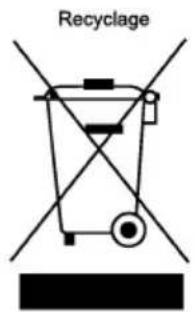
This product bears the selective sorting symbol for waste electrical and electronic equipment (WEEE).
This means that this product must be handled pursuant to European Directive 2002/96/EC in order to be recycled or dismantled to minimize its impact on the environment.
For further information, please contact your local or regional authorities.
Electronic products not included in the selective sorting process are potentially dangerous for the environment and human health due to the presence of hazardous substances.