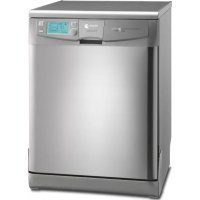
1LF020 SX - Dishwasher FAGOR - Free user manual and instructions
Find the device manual for free 1LF020 SX FAGOR in PDF.



| Product Type | Dishwasher |
| Brand | Fagor |
| Model | 1LF020 SX |
| Capacity | 12 place settings |
| Wash programs | Pre-wash, Hygienizer 75°C, Double Intensive 70°C, Intensive 70°C, Auto 55-65°C, Eco 50°C, Rapid 55°C, Express 40°C, Mixed 50°C, Delicate 45°C |
| Additional options | Upper basket, Lower basket, Time reduction, 4 in 1 (combined products), Stop time (delayed start up to 24h) |
| Water pressure | 0.5 - 10 bar (0.05 - 1 MPa) |
| Power supply | 230 V, 50 Hz, max power as per rating label |
| Display type | LCD screen with rotary selector |
| Basket adjustment | Upper basket adjustable to 2 heights |
| Water softener | With regenerating salt reservoir, hardness adjustment (4 levels) |
| Rinse aid dispenser | Yes, 4-position dispenser |
| Detergent dispenser | Yes, with compartment for extra dose |
| Water consumption (Eco program) | 14 liters (according to EN-50242) |
| Duration of Eco program | 171 minutes (according to EN-50242) |
| Energy consumption (Eco program) | 1.05 kWh (according to EN-50242) |
| Cleaning and maintenance | Filters, spray arms, interior and exterior (every 3 months) |
| Safety | Automatic stop if door opened, flood protection (drain hose secured) |
| Reference standard | EN-50242 |
| Disposal | Selective collection at end of life (WEEE) |
Frequently Asked Questions - 1LF020 SX FAGOR
User questions about 1LF020 SX FAGOR
0 question about this device. Answer the ones you know or ask your own.
Ask a new question about this device
Download the instructions for your Dishwasher in PDF format for free! Find your manual 1LF020 SX - FAGOR and take your electronic device back in hand. On this page are published all the documents necessary for the use of your device. 1LF020 SX by FAGOR.
USER MANUAL 1LF020 SX FAGOR
Installation manual and instructions for use for the LCD appliance
APPLIANCE MAINTENANCE AND CLEANING 70
TROUBLESHOOTING 72
INSTALLATION MEASUREMENTS 148
INHALT / INDEX / INHOUDSOPGAVE
DEUTSCH
INSTALLATION UND MONTAGE 76
Vire o commando selector.
Confirma a lingua seleccionada.
Prima o commande selector.
AVISO FIM DE PROGRAMA

Seleciona opao:
Vire o commando selector.
Vire o commando selector.
Vire o commando selector.
Vire o commando selector.
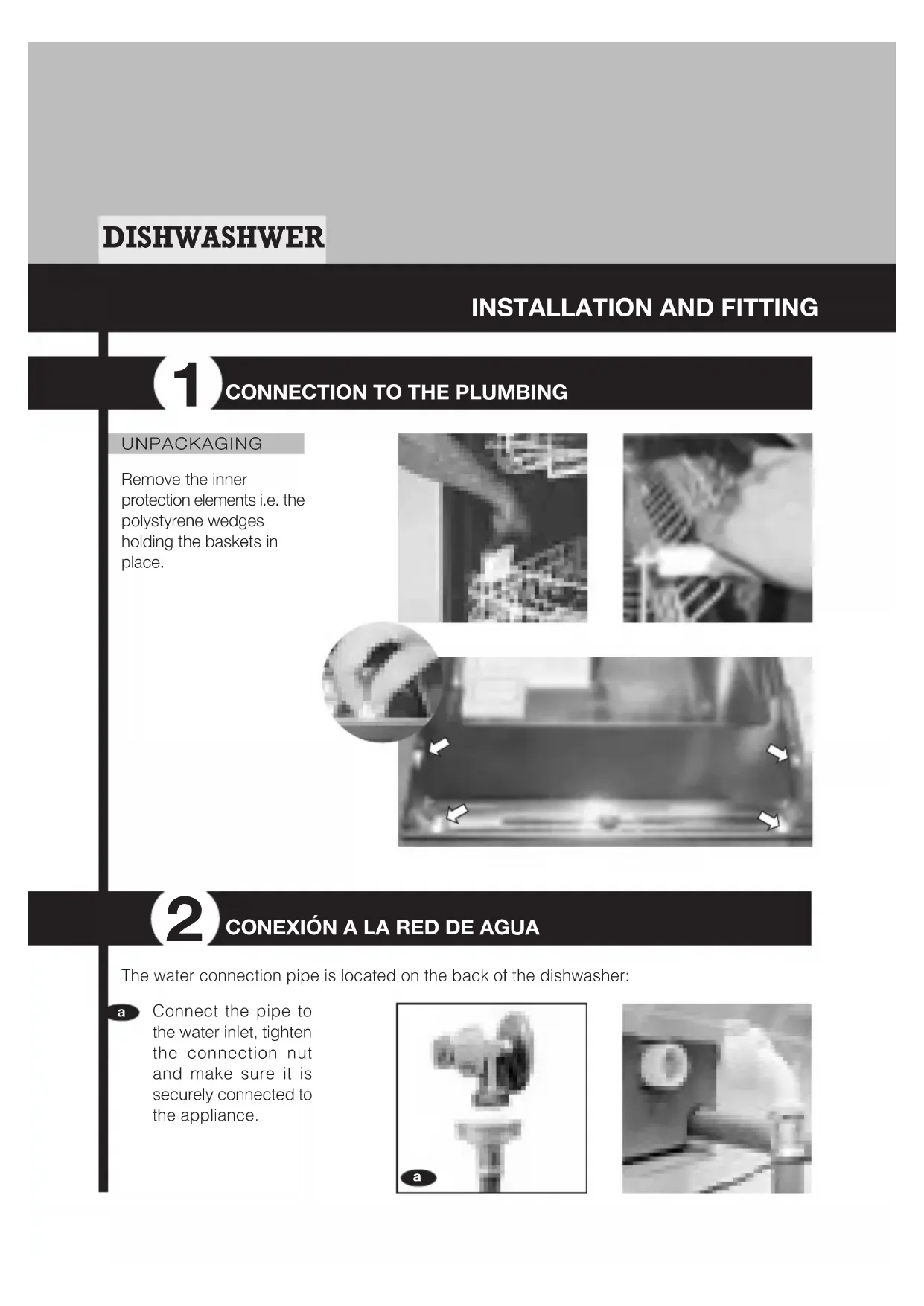
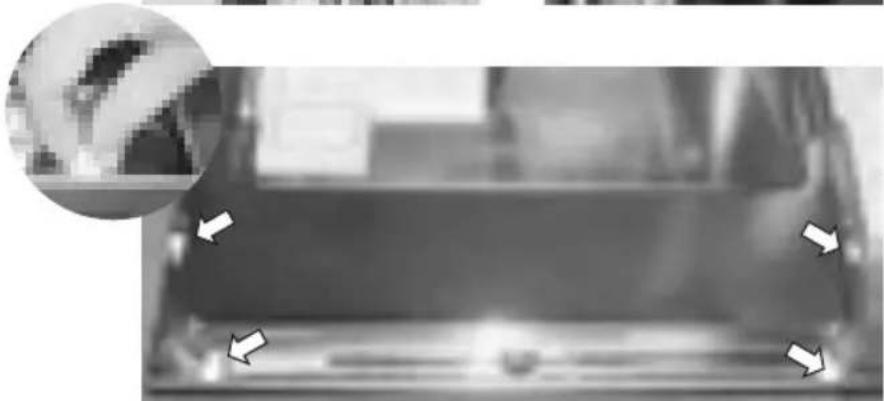
Remove the inner protection elements i.e. the polystyrene wedges holding the baskets in place.
2 CONEXION A LA RED DE AGUA
The water connection pipe is located on the back of the dishwasher:
a
Connect the pipe to the water inlet, tighten the connection nut and make sure it is securely connected to the appliance.

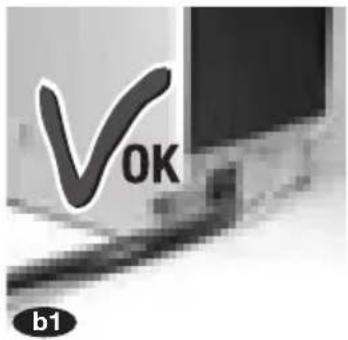
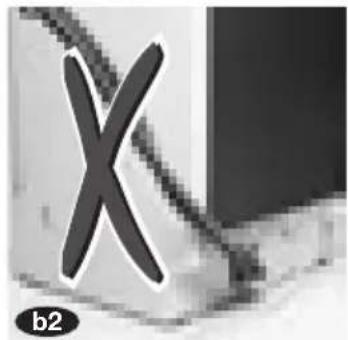
The hose must run between the wall and the bottom space at the back of the dishwasher (b1) so that it is not squashed or overstretched.
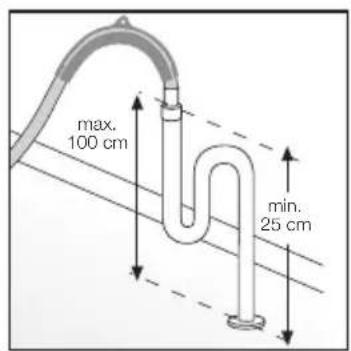
There should be a fixed water outlet drain at a distance of between 25 and 100cm from the floor. Make sure that the outlet pipe is not too rigid, bent or squashed.
If your dishwasher has a hot water inlet, connect the pipe to the hot water tap. In this case, the maximum temperature must not exceed 60^ . Bear in mind that this type of water supply may affect the washing and drying capacity of the appliance.
IMPORTANT
It is very important for the bend pipe of the outlet hose is located securely in water outlet so that it cannot disconnect. The operating water pressure (minimum and maximum) must be between 0,5-10 bar (0,05-1 MPa).

ELECTRICAL CONNECTION
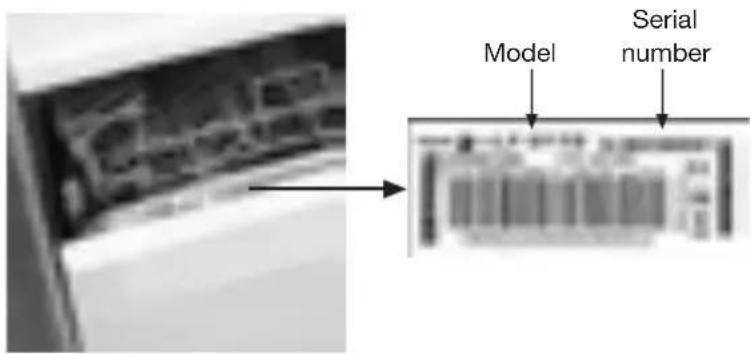
Please refer to the specification label on the top edge of the door before making the electrical connections. Make sure that the power voltage connected to the plug socket is as shown on the label.
It is very important for the dishwasher to be connected to an earthed plug socket. The electrical installation, plug, socket, fuses or circuit breaker and meter must be capable of the maximum power shown on the specifications label. If the power cable is damaged, it must be replaced exclusively by the manufacturers, aftersales service (TAS) or authorised personnel. If the appliance is to be recessmounted and integrated, the plug must be accessible after installation.
IMPORTANT
The specifications label is on the top edge of the interior of the door. This label must never be removed, since it provides information about the exact model of the dishwasher, required power supply, serial number and warranty.
LEVELLING
It is important for the dishwasher to rest firmly on the floor, in a perfectly upright position. It should then be levelled to rectify the effect of any unevenness of the floor. Use a spirit level.
POSITIONING
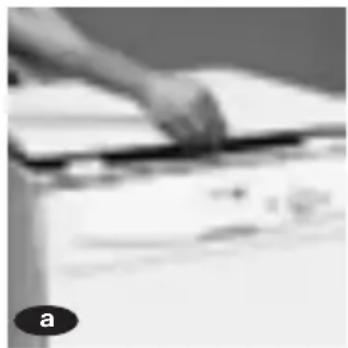
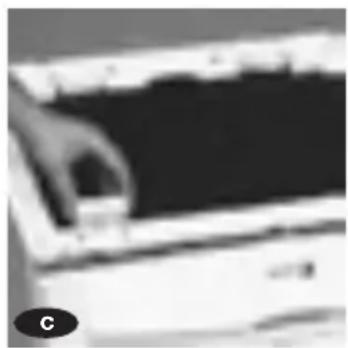
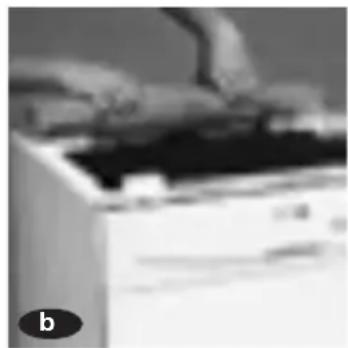
If the appliance is to be positioned under a worktop, top can be removed or left in position.

If you wish to remove the cover, you may do this by detaching the rear part of the same.

Remove the rear counterweight and pull out the insulating blanket, if the model has one.

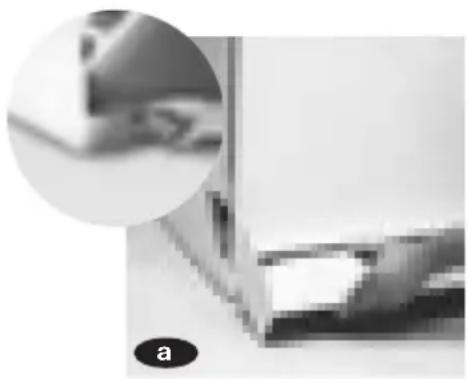
Then pull the support blocks for the cover outwards and backwards.
Fitting a dishwasher into a row of cupboards.
When fitting the dishwasher into a row of kitchen cupboards with a continuos plinth:

Unscrew and remove the base.

Loosen and remove support legs.

Screw the adjustable legs into the dishwasher.

Refit the base to the cupboards and, if necessary, make any hight adjustment to plinth to the required height to allow the dishwasher to fit properly behind.
Fit the dishwasher into the space. Adjust it to the worktop until the top part of the dishwasher is touching the lower part of the cabinet worktop.
GENERAL SPECIFICATIONS: DISHWASHER OPERATION

A configuration beep will sound when the buttons are pressed. You should release the buttons when it sounds.
(1)
CONFIGURING THE MAIN MENU
On LCD dishwashers, the main menu should be configured first of all. It includes the following features:
- Language Selection;
- End of Programme Notice;
- Clock Time;
- Water Hardness.
Action Message on display
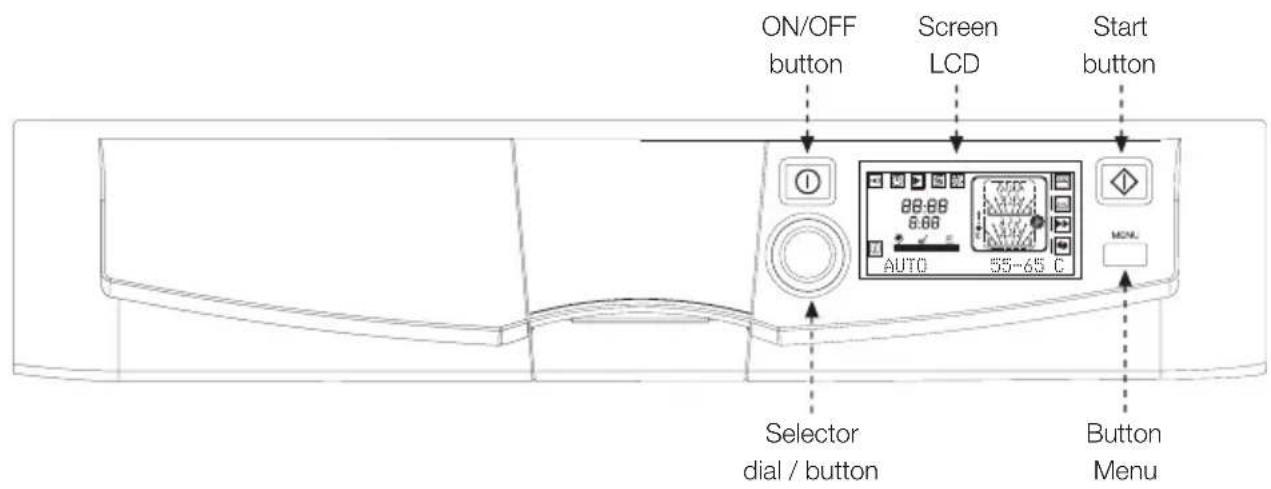
Switch on the appliance. Press the ON/OFF

and hold it down for 2 seconds.


AUTO
55-65°
LANGUAGE SELECTION

Action Message on display
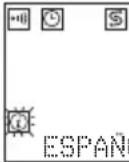
Select the language.
Press the button MENU and hold it down for 3 seconds.
MENU
Change or choose the language.
Turn the selector dial.


ESPANOL
Validate the language chosen.
Press the selector dial
END OF PROGRAMME NOTICE

Action Message on display
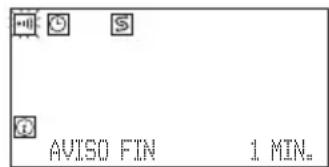
Select option:
- no ()
- beep for 1 min.
- beep for 5 min.
- beep for 10 min.
- beep for 15 min.
Turn the selector dial.


AVISO FIN 1 MIN.
Validate the desired option.
Press the selector dial.
() If you choose the "No sound" option the sound indicator will never appear on the display
(^*) If you choose any of these options, the sound indicator will appear on the display. When the programme ends, a beep will sound for three seconds and repeat every 30 seconds.
CLOCK TIME

Action Message on display
| Adjust the hour on the clock. | Turn the selector dial. | HORA REL0J 10:00 |
| Validate the hour. Press the selector dial. | HORA REL0J 11:00 | |
| Adjust the minutes. | Turn the selector dial. | HORA REL0J 11:30 |
Validate the minutes. Press the selector dial.
WATER HARDNESS
Water hardness adjustment. Water contains scale. The more scale, the harder the water. To prevent the scale in the water from damaging the dishwasher, it is equipped with a descaler to reduce the scale and leave it perfectly clean for washing. The descaler uses salt to function.
Before starting up the dishwasher, you will need to know the water hardness in your area. You can find this out by either:
1^ Consulting the local Water Board,
2^ consulting the T.A.S. (Technical Assistance Service), or
3^ using the Aquadur strip included in the accessories bag, following the instructions below.
To find out the water hardness:
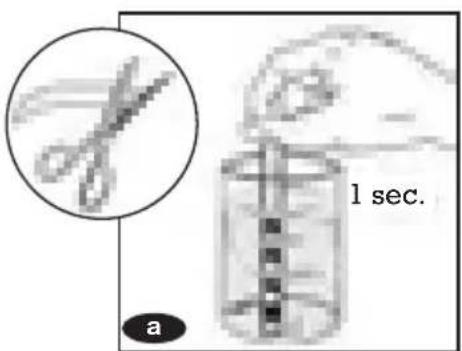
Place the strip in a glass of water for one second, and then take it out.
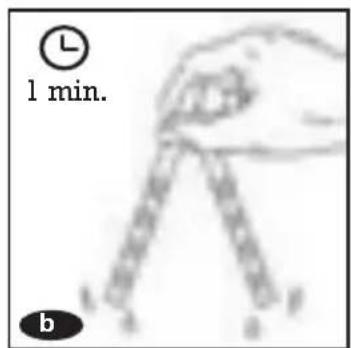
b Shake it and wait for one minute.
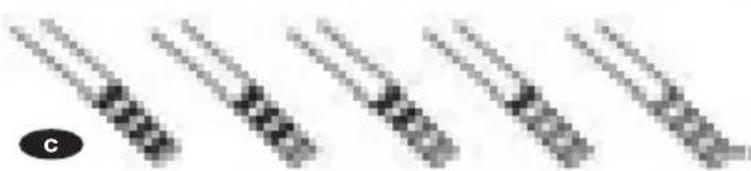
The strip will show the water hardness. Check the result of the test against the table below. You will probably need to adjust your dishwasher.
| Scale level (HF) | HF 14-38 HF 39-50 HF 51-63 HF Over 63 HF | ||||
| Scale level (DH) | H 8-21 DH 22-28 DH 29-35 DH Over 35 DH | ||||
| Test result | Green 1 Red stripe 2 Red stripe 3 Red stripe 4 Red stripe | ||||
| Salt regulator | 1 | 2 | 3 | 4 | |
| Hardness | Soft | Standard | Medium | Hard | Very hard |
HF: Water hardness (French system) DH: Water hardness (German system).
Action Message on display
| Select the correct water hardness position. | Turn the selector dial. | DUREZA AGUA |
| Validate the water hardness position selected. | Press the selector dial. | AUTO 55-65°C |
| The main menu is now configured. | ||
2 SALT, RINSE-AID AND DETERGENT
SALT
Where to put the salt
The dishwasher has a salt container in the bottom of the tub.
The first time you fill the salt container, you must:

Pour in the salt but do not fill the container to the top.

Top it up with water.
Stir with a spoon.

Close the lid tight and clean the salt around the container.

When the salt container needs filling, you should always do it before a wash and not afterwards.
IMPORTANT
You should not use salt if your dishwasher does not need it. In this case, the pilot light will remain on at all times.
When does the salt need replacing?
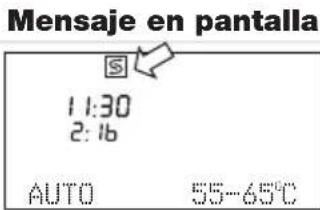
When salt is needed, the salt indicator will light up steadily on the display. When the salt has been added, the indicator light will switch off.
RINSE-AID
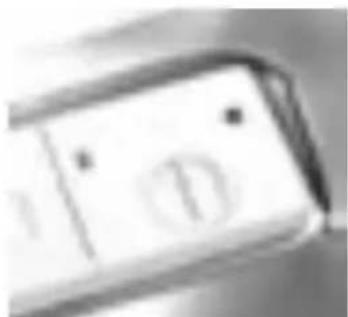
The rinse-aid helps drying and prevents drops of water from clinging to utensils after washing. The rinse-aid container is located on the inside of the door, next to the detergent container.
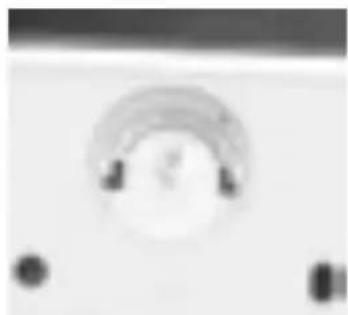
It has a 4-position dispenser for adjusting the amount of rinse-aid to the water quality (the dispenser is set at position 2 at the factory).
If you notice drops of water on utensils, increase the position of the rinse-aid dispenser. If the utensils have white or sticky lines, lower the position.

Once the level of the dispenser has been set, fill the container to the top, but do not overfill it. If this occurs, clean the spillage with a cloth.
RINSE-AID CONTAINER
DISPENSER
IMPORTANT
A greater amount of rinse-aid does not necessarily mean better results. In fact, too much rinse-aid can lead to water marks.
When does the rinse-aid need replacing?
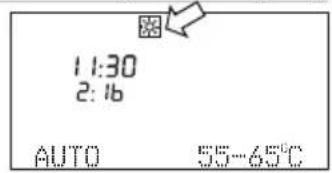
When salt is needed, the rinse aid indicator will light up steadily on the display. When rinse-aid has been added, the indicator light will switch off.
Message on display
PRE-WASH
When the dishwasher has been correctly installed, we recommend you clean it before use. This process is to be carried out with no dishes in the dishwasher, and no detergent. The procedure is as follows:

Action Message on display



IMPORTANT
This is to check the installation, the connections and the drain outlet, as well as to completely wash the interior before running a wash programme.
DETERGENT
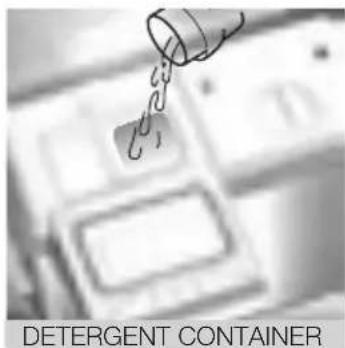
The detergent is poured into a tank on the inside of the door, beside the rinse aid tank.

Pour in the detergent, then close the tank cap.

Some programmes also require part of the dose of detergent to be poured into the tank cap compartment.
Detergent comes in tablet, powder and liquid form.
You can consult the amount of detergent needed on the programme chart.
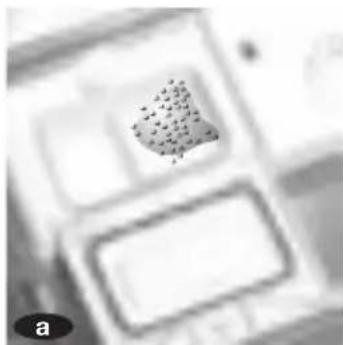

If you use detergent tablets instead of traditional products (granulated salt, powder detergent, liquid rinse aid), you may notice a loss of efficiency, particularly in the case of short programmes and/or programmes with low wash temperatures.
If you notice any performance problems with your dishwasher, e.g. there is a white film on the tank or on the dishes, an accumulation of scale or poor drying efficiency, you should go back to using traditional products.
We would remind you that if you go back to using traditional granulated salt, you will need to run a few programmes before the dishwasher performs perfectly again, and there may still be some residue left on the tank and dishes.
If you wish to use combined tablet products, read the instructions and indications for use on the packet carefully.
In case of doubt, consult the cleaning product manufacturer.
We provide no guarantee for any complaints directly related to the use of this type of products.
Types of dishes
Not all utensils can be washed in a dishwasher. Do not attempt to wash items made of wood or earthenware or plastic that is not heat resistant.
Stainless steel cutlery can be washed easily; however, ensure that silver cutlery does not come into contact as they may stain.
Items made of aluminium may fade in time.
Patterns on decorated porcelain may wear off if the quality is not good. Check with the manufacturer of China. Only wash glasses that are dishwasher-compatible.

Please make sure your utensils are dishwasher-compatible.
Placing the utensils in the dishwasher
It is very important to place the utensils correctly in the racks to guarantee a perfect wash.

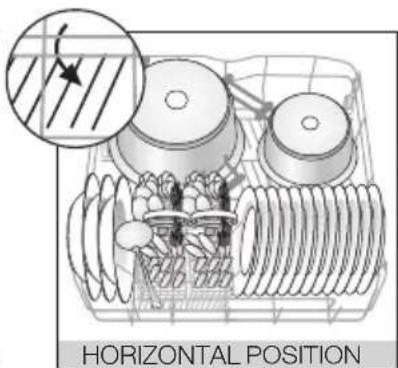
The lower rack is for dirtier, more resistant items: pans, oven dishes and plates. Make sure there is sufficient space between each one for the jet of water. Pots must be placed upside down.

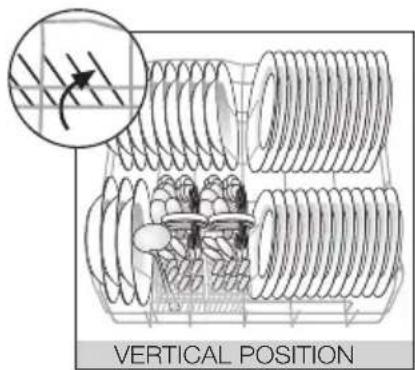
If your model has folddown racks, you can use them in vertical position for washing plates or in horizontal position for large items such as saucepans
EN-50242
IMPORTANT
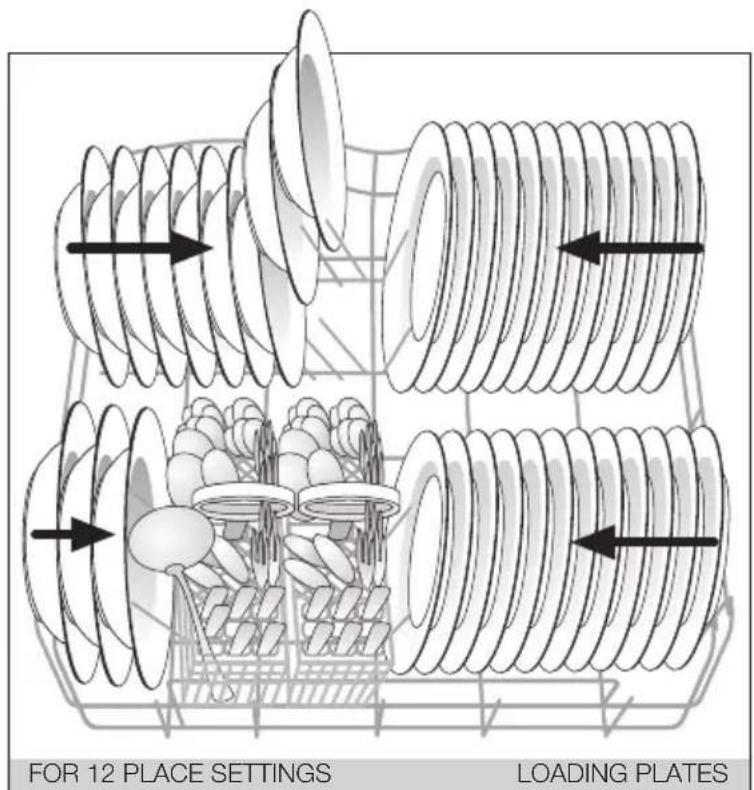
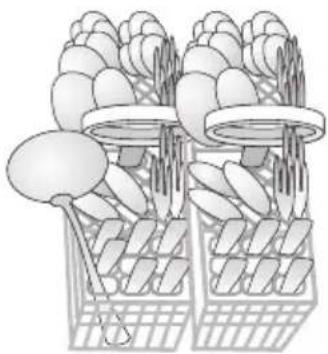
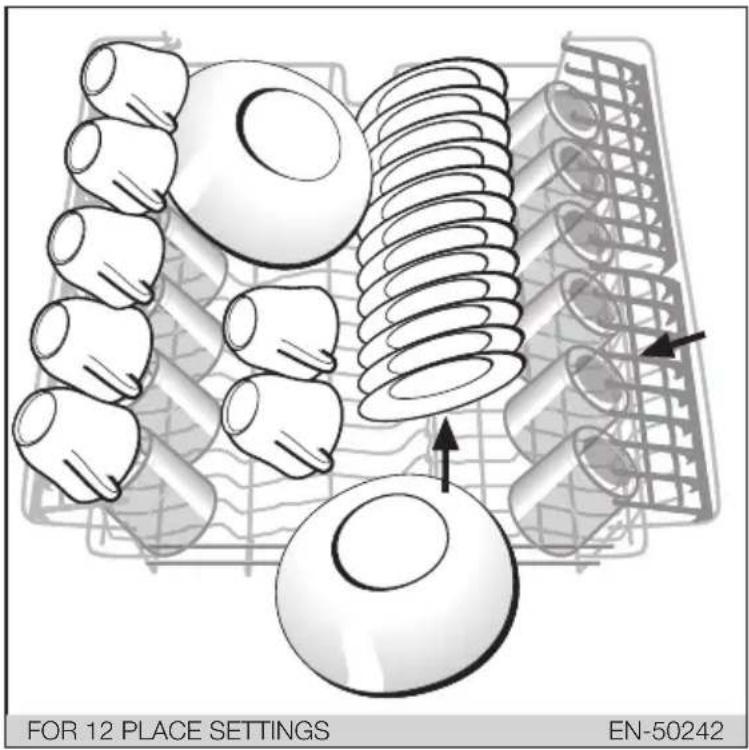
Bowls are placed on the left and plates on the right. Start loading plates from the outside of the rack to the inside. Plates should not be touching.

Les couverts,
Except for knives, cutlery should be placed in the cutlery rack, with the handles at the bottom.

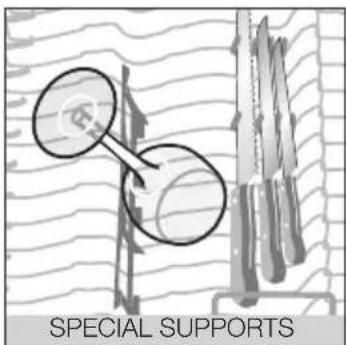
Place the more delicate items, such as cups, glasses, porcelain or crystal, and standard-size plates in the top rack. Long cutlery has a special place. There are also racks which, when vertical, are for holding wine glasses.
If you have selected the Express programme or the Top Load function, the dishes are to be loaded into the top basket only.
If you have selected the Bottom Load function, you should load the lower basket only.
IMPORTANT
When you have loaded the dishwasher, make sure the sprinklers can spin freely and that the cutlery will not prevent the detergent tank cap from opening.
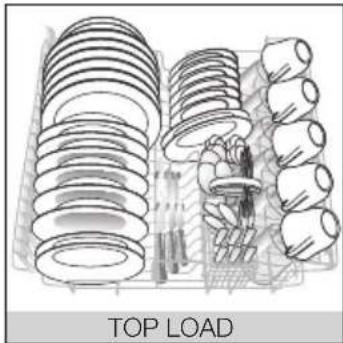
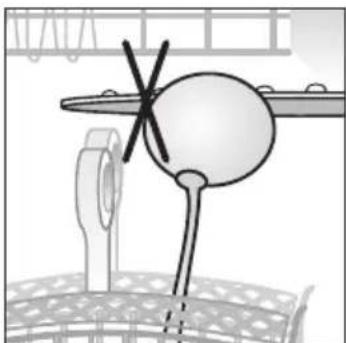
Adjusting the racks
The racks can be adjusted in accord with the load.
The top rack can be placed at two different heights for washing different-sized plates.
In the upper position, the top rack holds standard-size plates of up to 19cm and the bottom rack holds plates of up to 31cm . In the lower position, the top rack holds plates of up to 24cm and the bottom rack holds plates of up to 26cm .
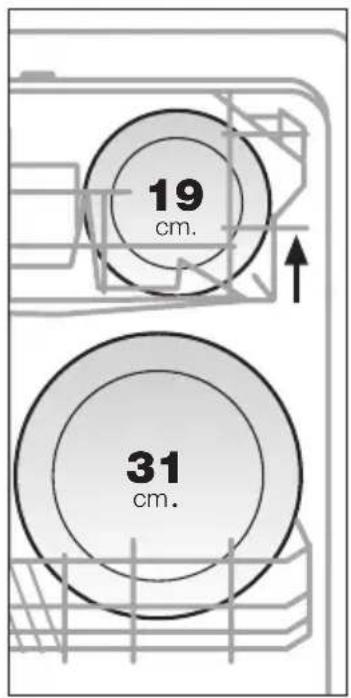
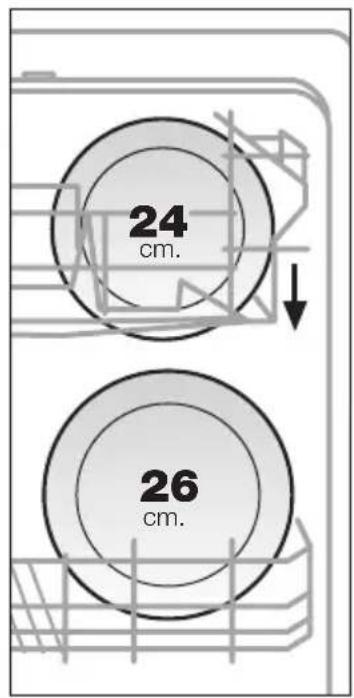

Top rack:
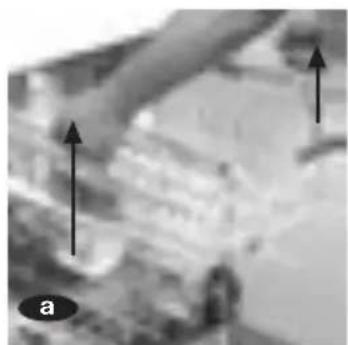
This can be adjusted without being removed from its rails, even when loaded with utensils. To raise or lower its position, pull the rack upwards by the side handles. Check that both sides are at the same height. If not, make them level.

SELECTING THE WASH PROGRAMME
4.1. Selecting the wash programme
To select a wash programme, proceed as follows:
Action Message on display
| Switch on the dishwasher. | Press the ON/OFF button ①. The last programme used will appear on the display. | →→ 1:30 2:16 AUTO 55-65℃ |
| Select the desired wash programme (see the programme table). | Turn the selector dial. | →→ 1:30 1:34 MIXTO 50℃ |
It is very important to choose the wash programme in accordance with the type and amount of utensils and level of soiling.
| PROGRAMME | MESSAGE ON DISPLAY | TYPES OF DISHES | AMOUNT OF DETERGENT (gr)***** | |
| Prewash | PREWASH | For dishesnot to be washed immediately | No detergent | |
| Hygienizer | HYGIENIEZER 75°C | For more efficient bacteria elimination | 25+5 | |
| Double Intensive | 2XINTENSIVE 70°C | A more intensive wash for particularly dirty dishes | 25+15 | |
| Intensive | INTENSIVE 70°C | For very dirty dishes and pans | 25+15 | |
| Automatic | AUTO 55-65°C | For dirty dishes | 25+5 | |
| Economy** | ECO 50°C | For slightly dirty dishes | 25+5 | |
| Quick | QUICK 55°C | For very slightly dirty dishes | 25 | |
| Express***15 min. | EXPRESS 40°C | For very slightly dirty dishes places in top basket only | 20 | |
| Mixed | MIXED 50°C | For dirty delicate dishes | 25+5 | |
| Delicate*** | DELICATE 45°C | Special glass | 25 | |
25 gr. of non-concentrated powder detergent is equivalent to one-and-a-half level soup spoons or one detergent tablet.
- Figures for a 60W motor.
The economy programme, standardised in accordance with EN-50242, lasts 171 minutes and consumes 1.05 kW/h and 14 litres (it is the most environment-friendly).
Powder or liquid detergent should be used for the Express programme and the Delicate programme, as they dissolve better.
**** If you are using combined detergent products (4-in-1 and 3-in-1 tablets), you should bear in mind that they may alter the consumption and programme duration parameters.

After selecting the programme, press the Start button to switch on the dishwasher.
4.2. Selection of options additionels
When you have selected the wash programme, you may activate 1 - 5 additional functions. Not all the options are compatible with all the programmes. To view the options for the programme you have chosen, press the selector dial:
- Upper basket
- Lower basket
- Short wash
-4-in-1 - Stop time

When you have selected the options, press the Start button to switch on the dishwasher. If you wish to cancel it, press the ON/OFF button ①.
UPPER BASKET

Only half the dishwasher's capacity is used. Load the most delicate items into the upper basket.
Action Message on display
| Select the upper basket option. | Turn the selector dial. | 2:1b CESTILLO ARRIBA |
| Validate the upper basket option. | Press the selector dial. | 2:1b CESTILLO ARRIBA |
LOWER BASKET

Only half the dishwasher's capacity is used. Load the pans or very dirty dishes into the lower basket.
Action Message on display
| Select the lower basket option. | Turn the selector dial. | 2:1bCESTILLO ABAJO |
| Validate the lower basket option. | Press the selector dial. | 2:1bCESTILLO ABAJO |
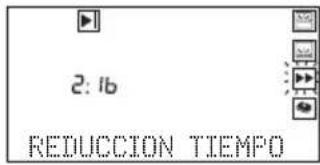
SHORT WASH

Shortens the washing and drying times.
Action Message on display
| Select the short wash option. | Turn the selector dial. | 2:16 REDUCCION TIEMPO |
| Validate the short wash option. | Press the selector dial. | 1:42 REDUCCION TIEMPO |

When the option is activated, you will see on the screen that the programme duration is shorter.
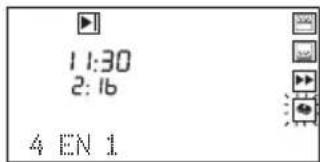
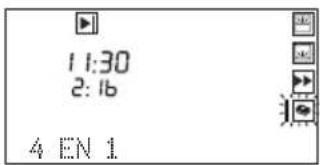
4-IN-1

Select this additional function if you are using combined washing products (4-in-1, 3-in-1).
Action Message on display
| Select the 4-in-1 option. | Turn the selector dial. |
| 1:30 2:16 4 EN 1 |
Validate the 4-in-1 option. Press the selector dial.
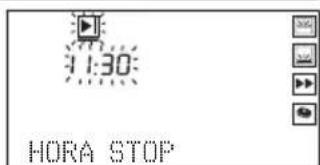
STOP TIME

You can select a delay of up to 24 hours. Select the delay after having chosen the wash programme and any other additional functions. It is the last selection made before the dishwasher starts up.
Action Message on display
| Select the stop time option. | Turn the selector dial. | HORA STOP |
Programme the stop time option.
Press the selector dial.
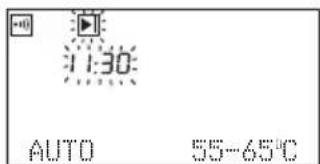
Select the time you want the wash programme to END.
Turn the selector dial clockwise. Adjustment is by half-hour intervals.
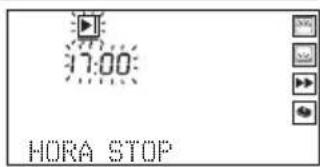
Validate the stop time and start up the dishwasher.
Press the selector dial or press the Start button
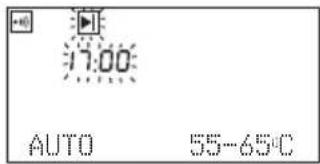
Cancelling the delay.
To cancel the delay, switch off the dishwasher by pressing the ON/OFF button and holding it down for one second.
4.3. Programme Phases
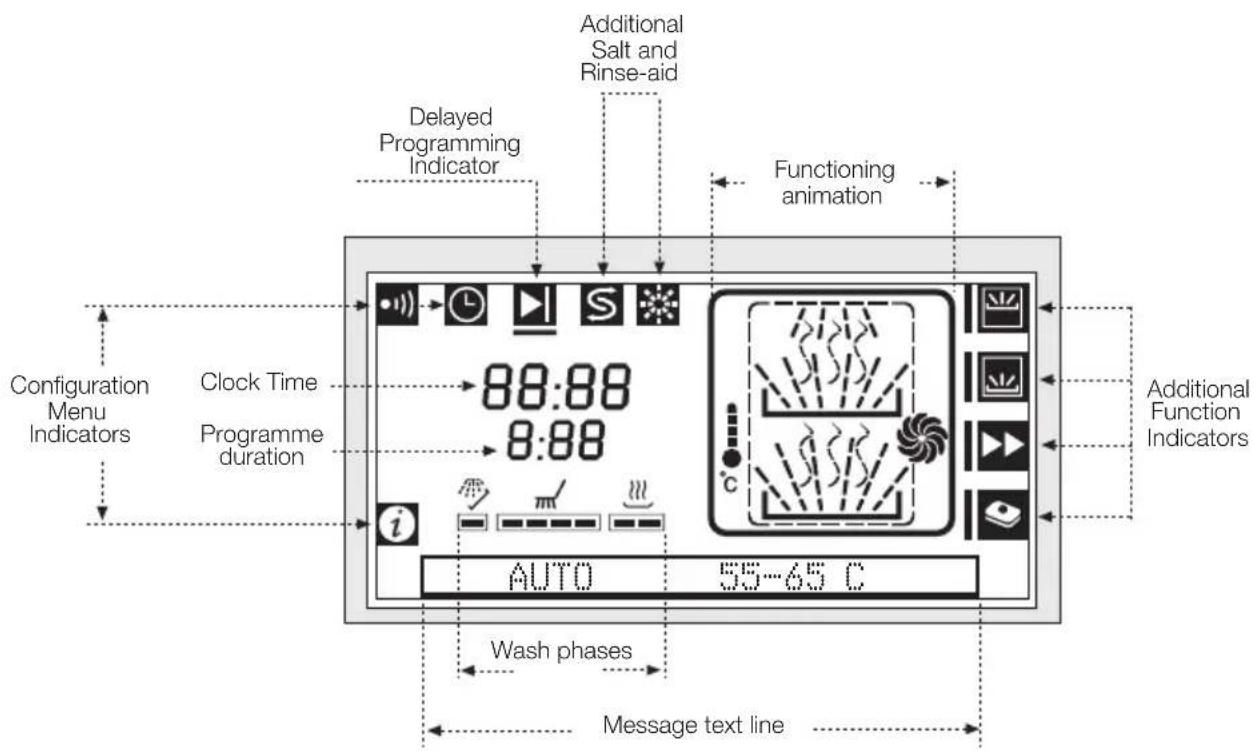
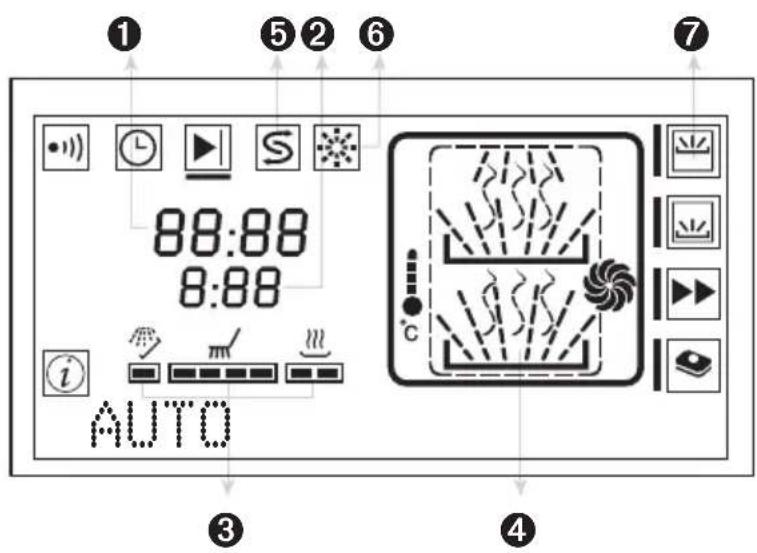
All the washing information appears on the display:
1 Clock time: the present time.
Time remaining for the wash programme to end.
Programme phases: prewash, wash and dry.
More detailed animation of the programme phase.
Salt indicator.
6Rinse aid indicator.
Additional function indicators.
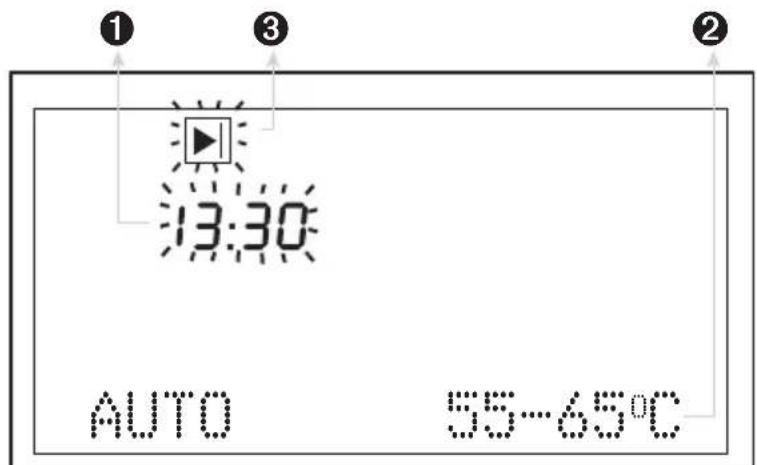
If you have selected a stop time, the information appearing on the display before the programme begins will be as follows:
Stop time option selected flashing.
2 Programme.
Delayed programming indicator.
If the dishwasher is functioning and you wish to place another dish in the dishwasher:
- Carefully open the dishwasher door.
- Place the dish in the dishwasher.
- Close the dishwasher door (a long three-second beep will sound).

For safety reasons, in some cases a certain time needs to elapse before the programme starts up again.
5 END OF PROGRAMME
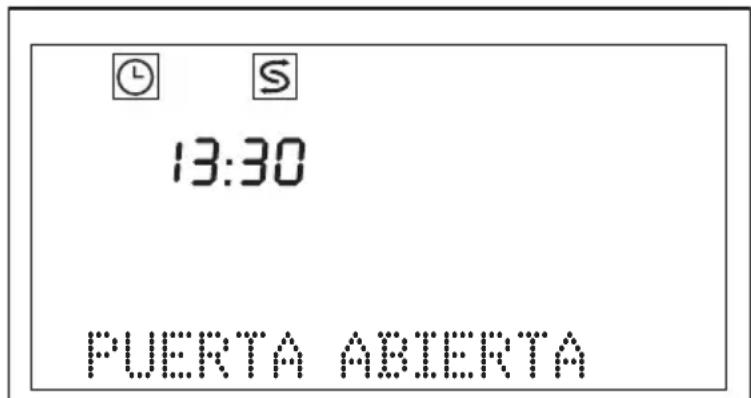
When the wash programme ends, "End of Programme" will appear on the display, and a beep will sound if you have configured the dishwasher to hear one.
The dishes can then be removed from the dishwasher.

13:30
FIN PROGRAMA
6 POWER CUTS
If a power cut should occur, when the electricity comes back on the dishwasher will continue to run from where it left off.
7 BASIC TIPS
There a few things you should always bear in mind. If you do, your dishwasher will last longer and be more efficient.
a Fill the dishwasher: Try to make the most of your dishwasher's capacity. This will help you reduce water and electricity consumption and lead to quieter operation and be more economical.
b Position utensils correctly. For best quality washes, the spray arms should be able to spin freely. Likewise, the utensils should be positioned correctly to ensure that they are reached by the jet of water.
c Programme selection. Select the correct wash programme and additional functions as required. (See the programme chart on page 65).
APPLIANCE MAINTENANCE AND CLEANING
You should perform the cleaning operations regularly so that your dishwasher will last longer. You should do the following every three months:
- Clean the filter.
- Clean the spray arms.
Clean the inside.
Clean the outside.
This will make your dishwasher last longer.
IMPORTANT
If you are planning to be away for a long period, leave the dishwasher door open so that the air can circulate freely inside the machine.
(1)
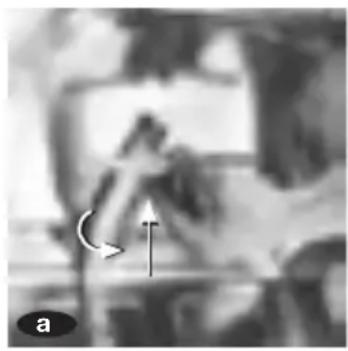
CLEANING THE WASH FILTER
The filter is made up of two or three parts (depending on model type): interior filter, exterior filter and filter protector. It is located at the bottom of the dishwasher under the bottom rack.
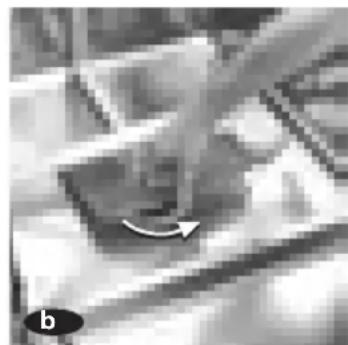
a
Take out the bottom rack, remove the interior filter by turning it anticlockwise and pulling it upwards.
b
Remove the exterior filter.
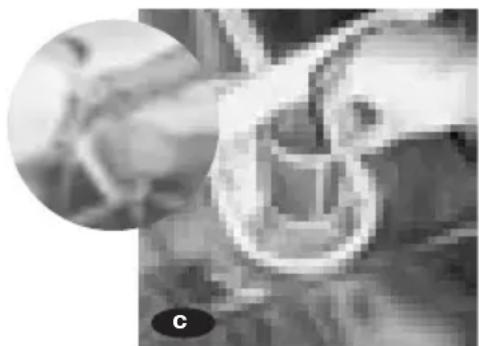
C
Remove the filter protector (some models).
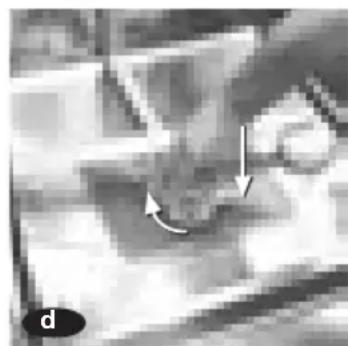
d
It is essential that filters are put back in place correctly.
Make sure the filter protector is in place. The exterior filter fits into position.
Put the interior filter in position and turn it clockwise as far as it will go.
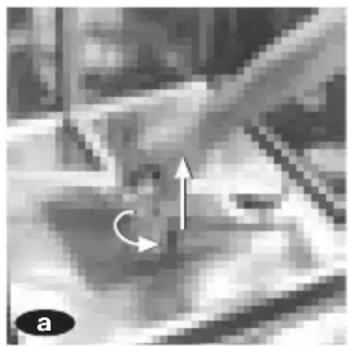
2 CLEANING THE SPRINKLERS
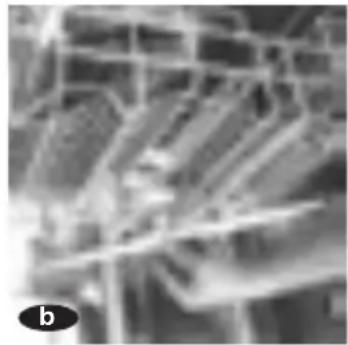
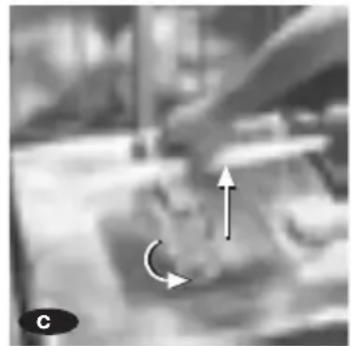
The third sprinkler (depending on the model), the top sprinkler and the bottom sprinkler should be cleaned every three months. To remove the sprinklers for cleaning:
a The third sprinkler is removed by pressing upwards on it and then unscrewing it.
The top sprinkler is fitted to the top basket. It should be totally unscrewed to remove it.
removed by turning the lower screw to the left to loosen it and then pulling upwards on the sprinkler.
Rinse the sprinklers under the tap and clean them with a non-scratch sponge.
The water outlet holes must be kept clean. Unblock any holes that are obstructed. Then put the sprinklers back.
IMPORTANT
Before any cleaning or maintenance operations, unplug the dishwasher from the mains.
3 CLEANING THE INSIDE OF THE DISHWASHER
The dishwasher should be cleaned every three months to remove any dirt from the inside of the machine. You will need to use machine cleaner and specific products for cleaning dishwashers (follow the manufacturer's instructions for use).
4 CLEANING THE OUTSIDE OF THE APPLIANCE
Clean the outside with a cloth and soapy water.
Use non-scratch and non-abrasive products. Dry with a cloth.
IMPORTANT
For safety reasons, make sure the appliance is not in operation while it is being cleaned.
TROUBLESHOOTING
If you find a problem when using your dishwasher, you will probably be able to solve it by consulting the following section.
If this is not so, please contact the TECHNICAL ASSISTANCE SERVICE and be ready to provide as much information as possible.
1 TECHNICAL OR FUNCTIONAL PROBLEMS
If the dishwasher detects an anomaly, it will inform you by means of beeps or visual warning signals.
For the dishwasher to stop beeping, press the start button.
If you wish to hear the beeps again, press the start button.
Depending on the type of malfunction, contact the TAS and inform them of the problem.

The series of beeps and the malfunction can be cancelled by pressing the on/off button.

- Why won't the dishwasher start?
This may be because:
- There is no power.
- It isn't plugged in correctly.
- The power fuses have blown.
- The dishwasher is not connected to the mains.
- You haven't pressed the On/Off button (the pilot light for this button must be on continuously).
- The dishwasher door is not closed correctly.
- You have not pressed the Start button.
- The dishwasher starts up but no water comes into the appliance
This may be because:
- There is no water supply.
- The stop tap is off.
The water inlet electrovalve filter is blocked.
- The water does not drain off and stays in the dishwasher
This may be because:
- The drain is blocked or badly fitted.
- The drainage pipe is blocked or kinked.
- The filters are blocked.
- The selected programme has not ended. Wait until it finishes.
- The low salt level pilot light does not go off
This may be because:
- A low salt level. Add salt and stir with a spoon.
- The water hardness is below 7DH, which means that salt is not necessary. In this case, the light will always be on.
- Traces of detergent are left in the dispenser or on the door.
This may be because:
- One of the utensils is preventing the dispenser from opening.
- The detergent is past its expiry date or is not appropriate.
- The spray arms rub on a dish.
- The spray arm nozzles are blocked.
- The detergent container was damp when the detergent was added. The container must be dry.
- Unusual foam appears:
- You have used detergent for washing dishes by hand instead of special detergent for dishwashers.
- The dishwashers uses a lot of salt.
This may be because:
- The lid to the salt container is not closed correctly.
- The water hardness level is not correctly adjusted.
- The dishwasher makes strange noises.
This may be because:
- The dishwasher was not installed correctly.
- The spray arms rub on a dish.
- Remains of dirt or food on the utensils
This may be because:
- The wash filter is dirty, blocked or not correctly in place.
- The spray arm nozzles are dirty or the arms are blocked by a utensil.
- The detergent is inappropriate or there is an insufficient amount.
- The utensils are not positioned correctly. Some utensils are in contact with others.
- There are too many utensils in the racks.
- The wash programme is inappropriate.
- The drain is blocked.
- The food remains on the utensils were too old and dry.
This may be because:
- There was not enough detergent or rinse-aid.
- The salt container lid is not closed correctly.
- The salt container has no water or salt.
- The water softener is not correctly adjusted to the water hardness level.
- You have used a phosphate-free detergent. Try with detergent containing phosphate.
This may be because:
- There is no rinse-aid.
- The rinse-aid control is not set correctly.
- The utensils are positioned incorrectly.
- The utensils have been taken out too soon.
- The wash programme is inappropriate.
- Glass or crystal comes out with a milky appearance or scratched.
This may be because:
- They are not dishwasher-compatible.
- The detergent is inappropriate.
Glass or crystal comes out looking opaque
- There is not enough rinse-aid.
- The glasses and cutlery have a dull appearance and the glasses have a metallic shine.
- Too much rinse-aid.
- Utensils made of stainless or fine steel come out stained.
This may be because:
-They are not dishwasher-compatible.
- The utensils are positioned incorrectly.
- You have used too much detergent.
- The steel is low quality.
- There is too much salt in the wash water. Close the salt container lid correctly.
FURTHER INFORMATION
INFORMATION FOR THE CORRECT DISPOSAL OF ELECTRICAL AND ELECTRONIC APPLIANCES
When the appliance reaches the end of its service life, you should not dispose of it with the general domestic waste.
It can be taken free of charge to the local administrations' specific selective collection centres, or to distributors who provide this service.
Separating a domestic appliance before disposing of it means you will prevent possible negative consequences for the environment and health which may be given rise to by incorrect disposal, and it means the materials making it up can be treated and recycled, obtaining important savings on energy and resources.
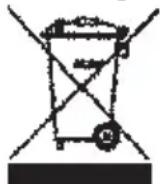
To remind you that you must collaborate with a selective collection scheme, there is a symbol on the product warning you not to dispose of it in traditional refuse containers.
For further information, contact your local authority or the shop where you bought the product.
INSTALLATION UND MONTAGE
1 AUSPACKEN DES GESCHIRRSPÜLERS
WAARSCHUWING EINDE PROGRAMMA

- INHALT / INDEX / INHOUDSOPGAVE
- DEUTSCH
- AVISO FIM DE PROGRAMA
- CONEXION A LA RED DE AGUA
- a
- IMPORTANT
- ELECTRICAL CONNECTION
- LEVELLING
- POSITIONING
- Fitting a dishwasher into a row of cupboards.
- (1)
- CONFIGURING THE MAIN MENU
- Action Message on display
- LANGUAGE SELECTION
- END OF PROGRAMME NOTICE
- CLOCK TIME
- WATER HARDNESS
- SALT, RINSE-AID AND DETERGENT
- SALT
- Where to put the salt
- When does the salt need replacing?
- RINSE-AID
- When does the rinse-aid need replacing?
- PRE-WASH
- DETERGENT
- Types of dishes
- Placing the utensils in the dishwasher
- Les couverts,
- Adjusting the racks
- Top rack:
- SELECTING THE WASH PROGRAMME
- Selecting the wash programme
- Selection of options additionels
- UPPER BASKET
- LOWER BASKET
- SHORT WASH
- 4-IN-1
- STOP TIME
- Cancelling the delay.
- Programme Phases
- END OF PROGRAMME
- POWER CUTS
- BASIC TIPS
- APPLIANCE MAINTENANCE AND CLEANING
- CLEANING THE WASH FILTER
- b
- C
- d
- CLEANING THE SPRINKLERS
- CLEANING THE INSIDE OF THE DISHWASHER
- CLEANING THE OUTSIDE OF THE APPLIANCE
- TROUBLESHOOTING
- TECHNICAL OR FUNCTIONAL PROBLEMS
- - Why won't the dishwasher start?
- - The dishwasher starts up but no water comes into the appliance
- - The water does not drain off and stays in the dishwasher
- - The low salt level pilot light does not go off
- - Traces of detergent are left in the dispenser or on the door.
- - Unusual foam appears:
- - The dishwashers uses a lot of salt.
- - The dishwasher makes strange noises.
- - Remains of dirt or food on the utensils
- - Glass or crystal comes out with a milky appearance or scratched.
- Glass or crystal comes out looking opaque
- - The glasses and cutlery have a dull appearance and the glasses have a metallic shine.
- - Utensils made of stainless or fine steel come out stained.
- FURTHER INFORMATION
- INFORMATION FOR THE CORRECT DISPOSAL OF ELECTRICAL AND ELECTRONIC APPLIANCES
- INSTALLATION UND MONTAGE
- AUSPACKEN DES GESCHIRRSPÜLERS
- WAARSCHUWING EINDE PROGRAMMA
Brand : FAGOR
Model : 1LF020 SX
Category : Dishwasher