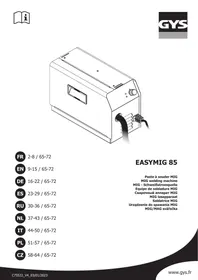
EASYMIG85 - Welding machine GYS - Free user manual and instructions
Find the device manual for free EASYMIG85 GYS in PDF.



User questions about EASYMIG85 GYS
0 question about this device. Answer the ones you know or ask your own.
Ask a new question about this device
Download the instructions for your Welding machine in PDF format for free! Find your manual EASYMIG85 - GYS and take your electronic device back in hand. On this page are published all the documents necessary for the use of your device. EASYMIG85 by GYS.
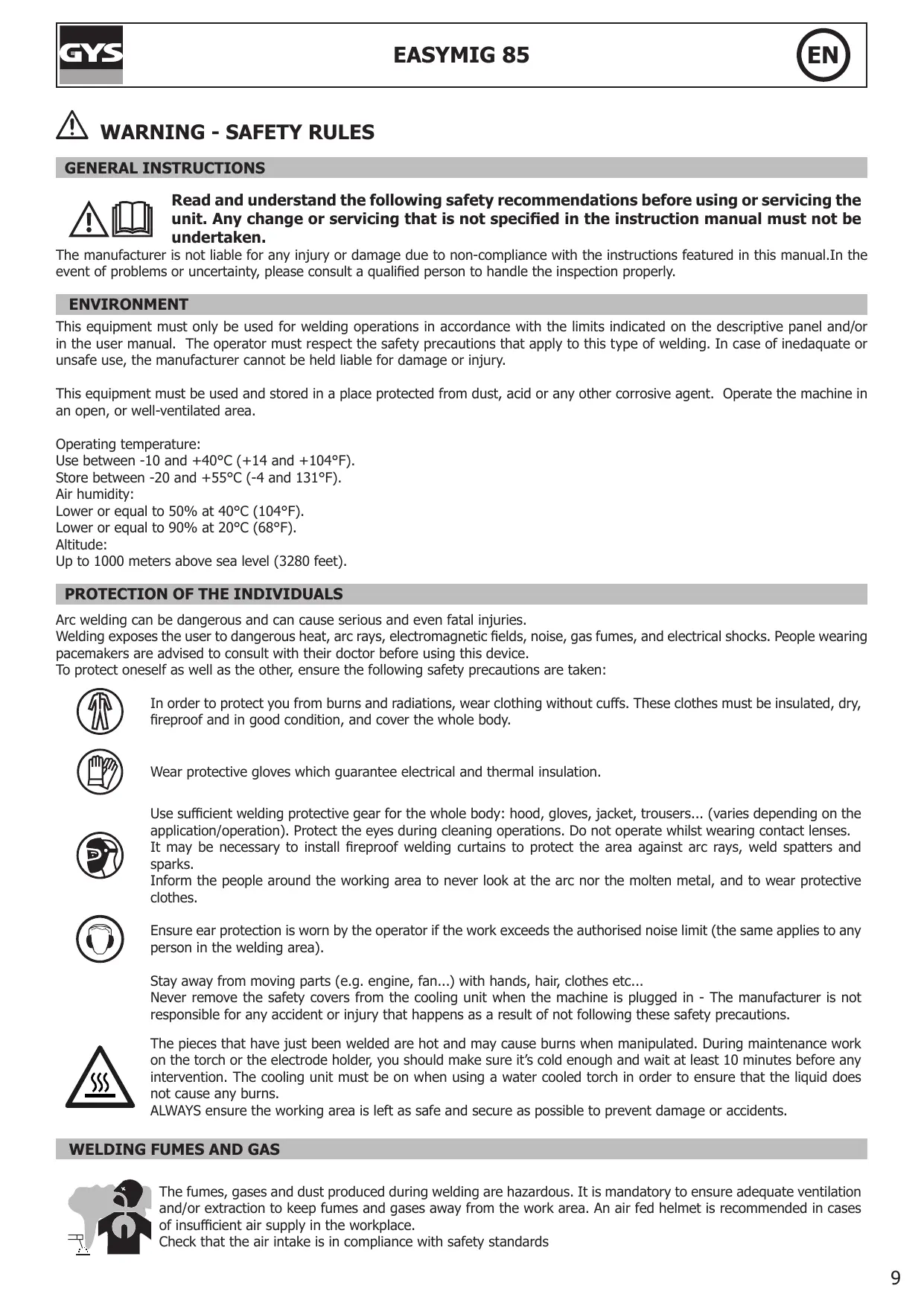
USER MANUAL EASYMIG85 GYS
INSTALLATION - FONCTIONNEMENT PRODUIT
INTERFACE HOMME MACHINE (IHM) (FIG. III)
ANOMALIES, CAUSES, REMÉDES
Read and understand the following safety recommendations before using or servicing the unit. Any change or servicing that is not specified in the instruction manual must not be undertaken.
The manufacturer is not liable for any injury or damage due to non-compliance with the instructions featured in this manual. In the event of problems or uncertainty, please consult a qualified person to handle the inspection properly.
ENVIRONMENT
This equipment must only be used for welding operations in accordance with the limits indicated on the descriptive panel and/or in the user manual. The operator must respect the safety precautions that apply to this type of welding. In case of inadequate or unsafe use, the manufacturer cannot be held liable for damage or injury.
This equipment must be used and stored in a place protected from dust, acid or any other corrosive agent. Operate the machine in an open, or well-ventilated area.
Operating temperature:
Use between -10 and +40^ (+14 and +104^)
Store between -20 and +55^ (-4 and 131^ ).
Air humidity:
Lower or equal to 50% at 40^ (104^)
Lower or equal to 90% at 20^ (68^)
Altitude:
Up to 1000 meters above sea level (3280 feet).
PROTECTION OF THE INDIVIDUALS
Arc welding can be dangerous and can cause serious and even fatal injuries.
Welding exposes the user to dangerous heat, arc rays, electromagnetic fields, noise, gas fumes, and electrical shocks. People wearing pacemakers are advised to consult with their doctor before using this device.
To protect oneself as well as the other, ensure the following safety precautions are taken:

In order to protect you from burns and radiations, wear clothing without cuffs. These clothes must be insulated, dry, fireproof and in good condition, and cover the whole body.

Wear protective gloves which guarantee electrical and thermal insulation.

Use sufficient welding protective gear for the whole body: hood, gloves, jacket, trousers... (varies depending on the application/operation). Protect the eyes during cleaning operations. Do not operate whilst wearing contact lenses.
It may be necessary to install fireproof welding curtains to protect the area against arc rays, weld spatters and sparks.
Inform the people around the working area to never look at the arc nor the molten metal, and to wear protective clothes.

Ensure ear protection is worn by the operator if the work exceeds the authorised noise limit (the same applies to any person in the welding area).
Stay away from moving parts (e.g. engine, fan...) with hands, hair, clothes etc...
Never remove the safety covers from the cooling unit when the machine is plugged in - The manufacturer is not responsible for any accident or injury that happens as a result of not following these safety precautions.
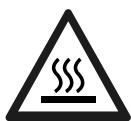
The pieces that have just been welded are hot and may cause burns when manipulated. During maintenance work on the torch or the electrode holder, you should make sure it's cold enough and wait at least 10 minutes before any intervention. The cooling unit must be on when using a water cooled torch in order to ensure that the liquid does not cause any burns.
ALWAYS ensure the working area is left as safe and secure as possible to prevent damage or accidents.
WELDING FUMES AND GAS
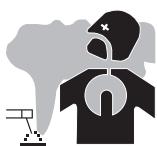
The fumes, gases and dust produced during welding are hazardous. It is mandatory to ensure adequate ventilation and/or extraction to keep fumes and gases away from the work area. An air fed helmet is recommended in cases of insufficient air supply in the workplace.
Check that the air intake is in compliance with safety standards
Care must be taken when welding in small areas, and the operator will need supervision from a safe distance. Welding certain pieces of metal containing lead, cadmium, zinc, mercury or beryllium can be extremely toxic. The user will also need to degrease the workpiece before welding.
Gas cylinders must be stored in an open or ventilated area. The cylinders must be in a vertical position secured to a support or trolley. Do not weld in areas where grease or paint are stored.
FIRE AND EXPLOSIONS RISKS

Protect the entire welding area. Compressed gas containers and other inflammable material must be moved to a minimum safe distance of 11 meters.
A fire extinguisher must be readily available.
Be careful of spatter and sparks, even through cracks. It can be the source of a fire or an explosion.
Keep people, flammable objects and containers under pressure at a safe distance.
Welding of sealed containers or closed pipes should not be undertaken, and if opened, the operator must remove any inflammable or explosive materials (oil, petrol, gas...).
Grinding operations should not be directed towards the device itself, the power supply or any flammable materials.
ELECTRIC SAFETY
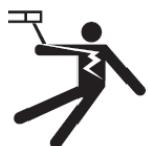
The machine must be connected to an earthed electrical supply. Use the recommended fuse size. An electrical discharge can directly or indirectly cause serious or deadly accidents.
Do not touch any live part of the machine (inside or outside) when it is plugged in (Torches, earth cable, cables, electrodes) because they are connected to the welding circuit.
Before opening the device, it is imperative to disconnect it from the mains and wait 2 minutes, so that all the capacitors are discharged. Do not touch the torch or electrode holder and earth clamp at the same time.
Damaged cables and torches must be changed by a qualified and skilled professional. Make sure that the cable cross section is adequate with the usage (extensions and welding cables). Always wear dry clothes in good condition, in order to be insulated from the electrical circuit. Wear insulating shoes, regardless of the environment in which you work in.
EMC CLASSIFICATION

These Class A devices are not intended to be used on a residential site where the electric current is supplied by the public network, with a low voltage power supply. There may be potential difficulties in ensuring electromagnetic compatibility on these sites, because of the interferences, as well as radio frequencies.
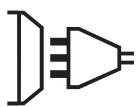
This equipment does not comply with IEC 61000-3-12 and is intended to be connected to private low-voltage systems interfacing with the public supply only at the medium- or high-voltage level. On a public low-voltage power grid, it is the responsibility of the installer or user of the device to ensure, by checking with the operator of the distribution network, which device can be connected.

This equipment complies with the IEC 61000-3-11 standard.
ELECTROMAGNETIC INTERFERENCES
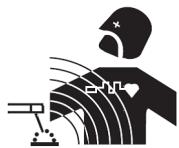
The electric currents flowing through a conductor cause electrical and magnetic fields (EMF). The welding current generates an EMF field around the welding circuit and the welding equipment.
The EMF fields may disrupt some medical implants, such as pacemakers. Protection measures should be taken for people wearing medical implants. For example, access restrictions for passers-by or an individual risk evaluation for the welders.
All welders should take the following precautions in order to minimise exposure to the electromagnetic fields (EMF) generated by the welding circuit:
- position the welding cables together – if possible, attach them;
- keep your head and torso as far as possible from the welding circuit;
- never enroll the cables around your body;
- never position your body between the welding cables. Hold both welding cables on the same side of your body;
- connect the earth clamp as close as possible to the area being welded;
- do not work too close to, do not lean and do not sit on the welding machine
- do not weld when you're carrying the welding machine or its wire feeder.

People wearing pacemakers are advised to consult their doctor before using this device.
Exposure to electromagnetic fields while welding may have other health effects which are not yet known.
RECOMMANDATIONS TO ASSES THE AREA AND WELDING INSTALLATION
Overview
The user is responsible for installing and using the arc welding equipment in accordance with the manufacturer's instructions. If electromagnetic disturbances are detected, it is the responsibility of the user of the arc welding equipment to resolve the situation with the manufacturer's technical assistance. In some cases, this remedial action may be as simple as earthing the welding circuit. In other cases, it may be necessary to construct an electromagnetic shield around the welding power source and around the entire piece by fitting input filters. In all cases, electromagnetic interferences must be reduced until they are no longer bothersome.
Welding area assessment
Before installing the machine, the user must evaluate the possible electromagnetic problems that may arise in the area where the installation is planned.
In particular, it should consider the following:
a) the presence of other power cables (power supply cables, telephone cables, command cable, etc...) above, below and on the sides of the arc welding machine.
b) television transmitters and receivers;
c) computers and other hardware;
d) critical safety equipment such as industrial machine protections;
e) the health and safety of the people in the area such as people with pacemakers or hearing aids;
f) calibration and measuring equipment
g) the isolation of the equipment from other machinery.
The user will have to make sure that the devices and equipments that are in the same room are compatible with each other. This may require extra precautions;
h) make sure of the exact hour when the welding and/or other operations will take place.
The surface of the area to be considered around the device depends on the the building's structure and other activities that take place there. The area taken in consideration can be larger than the limits determined by the companies.
Welding area assessment
Besides the welding area, the assessment of the arc welding systems installation itself can be used to identify and resolve cases of disturbances. The assessment of emissions must include in situ measurements as specified in Article 10 of CISPR 11. In situ measurements can also be used to confirm the effectiveness of mitigation measures.
RECOMMENDATION ON METHODS OF ELECTROMAGNETIC EMISSIONS REDUCTION
a. National power grid : The arc welding machine must be connected to the national power grid in accordance with the manufacturer's recommendation. If interferences occur, it may be necessary to take additional preventive measures such as the filtering of the power supply network. Consideration should be given to shielding the power supply cable in a metal conduit. It is necessary to ensure the shielding's electrical continuity along the cable's entire length. The shielding should be connected to the welding current's source to ensure good electrical contact between the conduct and the casing of the welding current source.
b. Maintenance of the arc welding equipment : The arc welding machine should be be submitted to a routine maintenance check according to the manufacturer's recommendations. All accesses, service doors and covers should be closed and properly locked when the arc welding equipment is on. The arc welding equipment must not be modified in any way, except for the changes and settings outlined in the manufacturer's instructions. The spark gap of the arc start and arc stabilization devices must be adjusted and maintained according to the manufacturer's recommendations.
c. Welding cables : Cables must be as short as possible, close to each other and close to the ground, if not on the ground.
d. Electrical bonding : consideration should be given to bonding all metal objects in the surrounding area. However, metal objects connected to the workpiece increase the risk of electric shock if the operator touches both these metal elements and the electrode. It is necessary to insulate the operator from such metal objects.
e. Earthing of the welded part : When the part is not earthed - due to electrical safety reasons or because of its size and its location (which is the case with ship hulls or metallic building structures), the earthing of the part can, in some cases but not systematically, reduce emissions It is preferable to avoid the earthing of parts that could increase the risk of injury to the users or damage other electrical equipment. If necessary, it is appropriate that the earthing of the part is done directly, but in some countries that do not allow such a direct connection, it is appropriate that the connection is made with a capacitor selected according to national regulations.
f. Protection and plating : The selective protection and plating of other cables and devices in the area can reduce perturbation issues. The protection of the entire welding area can be considered for specific situations.
TRANSPORT AND TRANSIT OF THE WELDING MACHINE

This welding power source comes equipped with a top strap so that it can be carried by hand. Be careful not to underestimate its weight. The strap is not intended to be used to suspend or hang the device.
Do not use the cables or torch to move the welding power source. It should be moved in an upright position. Do not carry or transport the power source overhead of people or objects. It is advisable to remove the wire-feed spool before lifting or transporting the welding power source.
EQUIPMENT INSTALLATION
- Put the machine on the floor (maximum incline of 10^ ).
- Ensure the work area has sufficient ventilation for welding, and that there is easy access to the control panel.
- The machine must not be used in an area with conductive metal dusts.
- The machine must be placed in a sheltered area away from rain or direct sunlight.
- The machine protection level is IP21, which means :
- Protection against access to dangerous parts from solid bodies of a ≥ 12.5mm diameter and,
- Protection against vertically falling drops.
The power cables, extensions and welding cables must be fully uncoiled to prevent overheating.

The manufacturer does not incur any responsibility regarding damages to both objects and persons that result from an incorrect and/or dangerous use of the machine.

Stray welding currents/voltages may destroy earth conductors, damage electrical equipment or cause components to warm up which may cause a fire.
- All welding connections must be firmly secured, check regularly!
- Check that the metal piece fixation is strong and without any electrical problems !
- Attach or hang all the electrically conductive elements, such as the trolley in order to insulate them.
- Do not place any electrical equipment such as drills on top of the welding machine without insulating them !
- Always place welding torches or electrodes holders on an insulated surface when they're not in use !
MAINTENANCE / RECOMMENDATIONS
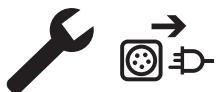
- Maintenance should only be carried out by a qualified person. Annual maintenance is recommended.
- Ensure the machine is unplugged from the mains, and wait for two minutes before carrying out maintenance work. DANGER High Voltage and Currents inside the machine.
- Remove the casing 2 or 3 times a year to remove any excess dust. Take this opportunity to have the electrical connections checked by a qualified person, with an insulated tool.
- Regularly check the condition of the power supply cable. If the power cable is damaged, it must be replaced by the manufacturer, its after sales service or an equally qualified person.
- Ensure the ventilation holes of the device are not blocked to allow adequate air circulation.
- Do not use this equipment to thaw pipes, to charge batteries, or to start any engine.
INSTALLATION - USING THE PRODUCT
Only experienced personnel, authorised by the manufacturer, may carry out the machine's set-up. During set-up, ensure that the power source is unplugged from the mains. It is recommended to use the welding cables supplied with the unit in order to obtain the optimum product settings.
DESCRIPTION
Thank you for choosing GYS! In order to get the most out of your machine, please read the following carefully:
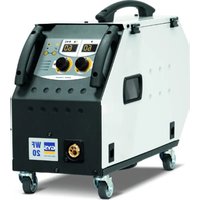
The EASYMIG 85 is a semi-automatic, gasless, welding machine for use with flux-cored wires. It is manually adjustable and aided by the calibration table present on the product. This machine is recommended for welding steel.
ITEMS SUPPLIED WITH THE MACHINE
| EASYMIG 85 065536 | |
| 2 m - 10 mm² | ✓ |
| 1.6 m - 10 mm² | ✓ |
| ∅ 0.6 - 1 kg - D100 | ✓ Flux-cored wire - E71T-GS |
| ✓ |
It is advisable to use the welding cables that come supplied with the product in order to ensure the optimum product settings.
POWER SUPPLY
This equipment is supplied with a 16 A CEE7/7 plug and must be connected to a single-phase, 230V (50-60 Hz), three-wire electrical system with an earthed neutral connection. The actual absorbed current (I1eff) for optimal operating conditions is indicated on the equipment. Check that the power supply and its safeguards (fuse and/or circuit breaker) are compatible with the electric current being used. In some countries, changing the plug may be necessary to ensure the machine's optimum performance.
During intensive use (> duty cycle) a thermal overload may be triggered, in which case the arc will be extinguished and the overload indicator light will light up.
USING EXTENSION LEADS
All extension leads must be of a size and cross-section appropriate for the equipment's voltage. Use an extension lead that complies with national safety regulations.
| Input voltage | Extension-lead length (<45 m) |
| 230 V - 1~ | 1.5 mm² |
WELDING MACHINE DESCRIPTION (FIG. I)
1- Spool holder (Ø100 mm)
2-Motorised wire-feed reel
3- Fixed torch
4- Fixed earth cable
5- Potentiometer for wire speed adjustments
6- Power cable (2 m)
7- ON/OFF switch
HUMAN-MACHINE INTERFACE (HMI) (FIG. III)
| 1 | ON | Green «ON» light: - When the appliance is turned on, the light comes on. - In the event of an electrical fault, the green light turns off but the machine remains live until the power cable is disconnected. |
| 2 | Orange «WARNING» light: - The machine is overheating; wait a few minutes until the light goes out and the machine restarts. - The current is too high on the primary circuit; switch off the machine (using the main switch), then switch it on again. | |
| 3 | 4 m/min 3 5 2 6 1 7 | Allows the wire-feed speed to be adjusted according to the thickness of the parts being welded. |
Advice:
Adjusting the wire speed is often done «by ear»; the arc should be stable and not crackle very much.
If the speed is too low, the arc is not continuous.
If the speed is too high, the arc will crackle and the wire will tend to push the torch away.
INSTALLATION
When the unit is turned on, the switch on the back of the product lights up (FIG I-7) and the ON indicator light on the front of the device lights up green (FIG III-4).
«NO GAS» WIRE WELDING
Select the wire speed according to the guidelines in the table shown on the appliance in accordance with the thickness of the parts to be welded (fig. III - 4).
This equipment can only weld 0.6mm (ref. 086425) and 0.9mm (ref. 086104) flux-cored wire without gas.
This machine is supplied to work with a 0.6 no gas wire. The contact tip, the rollers, the torch liner are made for this use.
The product is equipped with a two grooves roller : Ø0.6 and Ø0.9 .
Should you wish to use 0.9mm wire, you will need to change the contact tip (ref. 041929).
SETTING UP THE SPOOL AND THE WELDING WIRE (FIG. II)
This equipment can only accommodate 0.100mm spools.
- Remove the contact tube from the torch (fig. D) as well as the nozzle (fig. E).
Fig A :
- Open the machine's cover.
- Position the spool on its holder (1).
- Adjust the brake (2) to prevent the wire from tangling when the welding is stopped and the spool stops moving. Do not over tighten as this will cause the power source to overheat. Then screw on the spool support (3).
Fig B :
The rollers supplied are double grooved (Ø 0.6 mm and Ø 0.9 mm notched groove):
- For 0.9mm flux-cored wire, use the 0.9mm groove.
Fig C:
To adjust the pressure of the motorised wire-feed roller, do the following:
- Loosen the knob (4) as far as possible and then lower it, insert the wire and loosely close the motorised wire-feed roller.
- Start the power source by pulling the torch's trigger.
- Tighten the knob while holding the torch's trigger. When the thread starts to be drawn in, release the trigger.
- Pull the wire out of the torch by about 5cm , then attach the contact tube and the nozzle to the end of the torch (fig. E).
RISK OF INJURY FROM MOVING PARTS!

The motorised wire-feed rollers have moving parts that can catch on hands, hair, clothing or tools and may result in injuries!
- Do not touch rotating parts, moving parts or powered component parts.
- Ensure that the housing covers or protective covers remain fully closed when in operation.
- Do not wear gloves when threading the filler wire or changing the filler-wire spool.
THERMAL PROTECTION AND ADVICE
This welding machine is fitted with a ventilation system that is regulated by the machine's temperature. When the welding machine goes into thermal protection, it no longer supplies an electric current. The orange LED (fig. III-2) will light up until the temperature of the welding machine has returned to normal.
- Ensure the device's air vents are open for the intake and outtake of air.
- Leave the device plugged in after welding and during thermal protection to allow the equipment to cool.
General comments:
- Respect the standard welding regulations.
- Make sure there is sufficient ventilation.
- Do not work on a wet surface.
TROUBLESHOOTING
| OPERATIONAL ISSUES | POSSIBLE CAUSES | SOLUTIONS |
| The flow rate of the welding wire is not constant. | Spatter is obstructing the opening. | Clean or replace the contact tube and re-ap-ply the anti-sticking agent (ref. 041806). |
| The wire is slipping on the rollers. | Check the rollers' pressure or replace them. · Wire diameter does not match that of the roller. · Wire-guide sheath in the torch not suitable for use. | |
| The unwinding mechanism is not working. | The spool's brake or roller is too tight. | Release the brake and the rollers. |
| Power supply problem. | Check that the start button is in the ON position. | |
| Incorrect unwinding of the wire. | Dirty or damaged wire-guide sheath. | Clean or replace. |
| Pressure roller not tight enough. | Further tighten the roller. | |
| Spool's brake is too tight. | Release the brake. | |
| No welding current. | Incorrect mains outlet connection. | Check the socket's connection and verify that the socket is supplied with 230 V (1PH). |
| Poor earth connection. | Check the earth wire (the condition of the clamp). | |
| Power switch not working. | Check the torch's trigger. | |
| The wire gets jammed after passing through the rollers. | Compressed wire-guide sheath. | Check the wire-guide sheath and body of the torch. |
| Wire blockage in the torch. | Replace or clean. | |
| No capillary tube. | Check that the capillary tube is present. | |
| Wire speed too high. | Reduce the wire speed. | |
| The weld bead is porous. | Air circulation or wind influence. | Avoid draughts and protect the welding area. |
| Gas nozzle is too clogged. | Clean or replace the gas nozzle. | |
| Bad wire quality. | Use a wire suitable for NO GAS welding | |
| Poor quality of the welding surface (rust, etc.). | Clean the part before welding. |
WARRANTY
The warranty covers faulty workmanship for 2 years from the date of purchase (parts and labour).
The warranty does not cover:
- Transit damage.
- Normal wear of parts (eg.: cables, clamps, etc..).
- Damages due to misuse (power supply error, dropping of equipment, disassembling).
- Environment related failures (pollution, rust, dust).
In case of failure, return the unit to your distributor together with:
- The proof of purchase (receipt etc ...)
- A description of the fault reported.

OKPYXKAHOUJIAR CPEDA
3To 60bOBAHn D0JIKHO 6bIT NcIIOB3OBAHO NCKIIOUHTeJIbHO DJI CBAPoOHbIX pa60T, OrpaHNUBaRcB yka3aHnM 3aBOJCKo T6JIuHKn I/INN INCTpyKcHn. Heo6XoIMMo CO6JIIODaT bIpeKTHbbl NO mepam 6e3OnacHocTn. B clyuae HeHaJnxKaJero nnn OnaCHOrO NcIIOB3OBAHn IPOUN3BOIDTeH He HecET OTBETCTBeHHOCtN.
Annapat dOJxhen 6bIb yCTaHOBlen B nOMEeHn 6e3 nbIn, KcNtBt, Bo3rpaembx r3OB, nn Dpynx Koppo3n HbIX BeueCTB. TaKne JyCIOBnA DoJXhbl 6bITb coJIIOHeHbI Ira erO xpaHEnHry. Y6eINTEcb B npncytCTBn BEHTnlaunn npn nCNOJb30BaHm annapapata.
Tempepatypnbie ppeJebl:
IcnoJIb3OBAHnE: oT -10 do +40°C (oT +14 do +104°F).
XpaHeHHe: oT -20 do +55°C (oT -4 do 131°F).
BlaJxHocTb Bo3dUxa:
50% nii nHXke npn 40^ (104^)
90% nii nixe npn 20^ (68^)
BbICota NaI yPObHem MOpA:
1000M BbICToBHaD yPoBHeM MOp8 (3280 cyTob).
INHINBNUDAJbHA 3AUNTA N 3AUNTA OKPYXKAIOUX
DyroBa CbapKa MoKet 6bIb OaCHO N Bb3BaT b TaXe I daXe CMePTeNbHbI paHeHn.
Cbapouhble pa60tbl noDBepraHOT nolb3OBateIg Bo3dECTBnIO onaCHORIO hCTOuHnka TeNla, CBETOBORIO n3JlyueHnry dYrN, 3JIeKtpOMarHnTHbIX nOJIe (OCo6oe BHNMaHHe IIncAm, IMeIoUIm 3JIeKTPOKApDIOCTMMyJrTOp), CNJIbHOMy 7UMy, BblJeHnM ra3a, a TAKKe MOrYT cTaTB npuHHo NopaxeHnry 3JIeKTPnueCKm TOKOM.
YTo 6bl npabnIbHO 3aunITnb ce6n 3aunITnb OkpykaIoUx, co6nOdaJte cneDyIoune npabuna 6e3oNaChocnt:

YTo6bI 3aunTb Ce6r OTOXOROB N O6nyehn npn pa6ote c annapatom, HadeBaTe cyxuipo 6ooyuo 3aunTHyO ODexdy (B XopoWeem COCTOAHN) n3 orHeynopHOn TkaHN, 6e3 OTBOPOTOB, KOtopa NOKpbIBaET NlHOCTbIO BCE TeNo.

Pa6oTaIe B 3aUHTbIX pyKABuIax, o6ecneUHBAIOJIue 3JeKtro- I TepMOH3OJIaIIO.

IcnoJIb3yIte cpeCTBa 3aIITbI dIg CBapKn I/IIIN IJIeM dIg CBapKn COOTBeTCTBYIOSeO yPoBHa 3aIITbI (B 3aBVCIMOCtNtncIOJIb3OBAHnI).3aIITeTJIa3aIprNoIepaunoxOuNCTkn.HoWeHneKoHTaKTHbIXJINH3BOCnPseAaETc. B HeKOTOpbIX ClyuaX He06XODIMO OKpyxNtB 3OHy ORHeYIpOBbIMU 7TOPaMI,
yTO6bI 3aunITb 30Hy CBAPKn OT lyuei, 6pbI3r n HakaJIeHHoro 7Jlaka. IpeDynpTe OkpykaIOxH He cMOptb Ha nyu o6pa6aTbIBaEMbIe deTaII n HaJeBaTb 3aunTHyo pa6Ouyo odexdy.

Hocnte HauhNKn npotnB yMa, cCNI CBAPOnhI npOceC DoCTnraet 3ByKOBOrO yPOBHr BblIe D03BOJIeHHOrO (3TO XE OTHOCNTcKo BCem IInCaM, HaxOJaUIMcR B 3OHe CBapKn).
Держпente pykn, BOLOCbl, Odжду NOdaJIbIe OT NOdBnKHbIX YaCTe (DbngaTeIb, BeHTNJIaTOp...). HNKoIgIa He ChIMaIte 3aUHTbI KOpNc C CnCTeMbl OxlaJxDeHna, KOrDa IcTOUHNI KIOd HapPjaKeHneM. PpOIN3BOaNTeIb He Hecet OTBETCBENHOCTN B Clyuae HeCuaCTHOrO Clyuay.
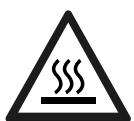
ToIbKO uTo CBapeHHbIe DeTaNr ropAun N MOryT Bbl3BaTb OXoRn npN KOHTaKTe C HIMN. Bo BpeMraTexO6cnykuaHnra RopeJIkn nn 3JeKtpoJodepkaTeIaY6eIntecb, yTO OHN DoCTaTOUHO OxJaUNLNCb INoOxJdnte KaK MnHmym 10 MNHy T nepeh Naalom pa6OT. PnIN cNoIb3OBAHn nropeJIkn c KInDKoCTbIM OXlaJckHeHnem CNCTema OxJaKeHnna DOnkHa 6bITb BKIOUeHa, yTO6bI He O6KeUc8 KInDKoCTbIO.
Oueh baxho 0e3oanacntb pa6oyu 3ohy nepei tem, kak ee noknhyt, yTo6bl 3aunTnTb IIOde N IMyuecCTBO.
CBAPOHbIe IdbIM nTg3
BbIbTe BnHMaTeJIbHbI: CBapka B He6oJIbXnx NOMEuEHNx Tpe6yeT Ha6JIHOeHnHa 6e3OaHOM paCtOHaHm. Kpome toro, CBapka HekOTopbIX MeTALIOB, COePkaUx CBnHeU, KaDMn, UINK, pTyTB nII IN daxe 6epNJIn, MoKeT 6bITb Upe3BbUaHNo BpeHNO. CneDyET OChNTb OT Jnpa DeTAlN nepe CBAPKOi.
ГаэовыббгдгьхьххрнгсьВOTКьTGИXINxopoшОпpoBeTpNBaEmbIXnomeшен.ОиdoJxHb6bTBВВepTikalbHOM pIoJoxeHnN3akpeNJIeHbHa StOKeIINTeJexKke.
Hn B Koem Cnyuae He Bapntb 6bn3n Kupa nn Kpaackn.
PNUCKIPOXKAPA INB3PbIBA

POnHocTbIO 3aunntte 30Hy CBapKn. Bo3rOpaemble MaTePnaIbI doJXhbl 6bITb YdaJIeHbI KaK MHNmym Ha 11 MeTpOB. PpOTnBOIpoxkapHoe 6OpuyoBaHne DoJXHO HaxoDITbcra B6JInn IpoBeJeHnra CBapOchbIX pa6Ot.
OcToPoxHo C 6pbI3ramn ropJrero MaTeepnana nInn Nckp, daJe chepe3 uen. OHN MOrT NOBLeuB 3a co6oN noXap nn B3pbIB. YdaJInte IIOeH, Bo3ropaemblne PpeMeTb IN BCE emKocTn IOd daBHeHm H a 6e3onacHoe paCCToHHe.
Hn B KOem clyuae He Bapnte B KOHTeiHepax IIN 3aKpbIbIX Tpy6ax. B cnyuae, ecIn OHI OTKpbITbl, To neped CBAPKO INx HUJHO OCBO6OHTb OT BCEX B3pbIBHaTbIX IIN BO3rOpaEmbIX BeIeCTB (MaCNo, TOJIINBO, OCTaTOHble ra3bl ...).
Bo Bpem Oepaunn IInIfoBaHnne HnnpabTte INCTpyMeHT B CTOPOHy NCTOCHNka CBapOHoro Toka nn Bo3ropaembIX MaTePnaJIOB.
3JIeKTPnueCKa B3OnACHOCTb
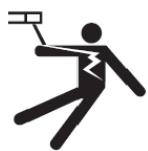
IcnoIb3yeMaJ 3eKtpnuecka CeT bDolxHa o63aTeBHO 6bTb 3a3emHeHNo. Co6JIIOaTe KaII6p npEdoXpaHnteY kA3aHHbI Ha aannapate. 3eKtpnueckn pa3prd MoKeT Bbl3BaTb pRmble IIN KOCBeHHbI paHeHn, n daxKe Cmeptb.
HnkOrda He doTpaNbainTeB do cacte NOD HapJxKeHnEM KAK BHTPN, TAK IN ChApYKIN ICTOCHNka, KOrda OH NOd HapJxKeHnEM (ropeKN, 3aXIMbl, Ka6en, 3JeKTPoDb), T.K. OHN IOndKJIIOUChEBK CBAPoHOn ZeIN.
Ipeen TeM, kak OTkpblb nCTOCHNK, ero HxKHO OTKIOUHTb OT cETn I NOOXdaTb 2 MInHytbl dJa TOrO, YTO6bl BCE KOHdeHcaTopbl pa3prdnilncb.
HnkOrda He doTpaBaiTecb OndHOBpeMeHHo Do ropeJIKN nn 3JeKtpoDoepKaTeIaN Do 3axIma MaCCbl.
Ecn Kabei, RopEnKn NOBpeXdeHbI, NopPocIne KBaInNfUncPOBaHHbx IN yNOIHOmOeHHbx CneuaJIACTOB IN 3aMeHNTb. Pa3MepbI ceHHeNka6BeNe IOnJhBi COOTBeTCTBOBaTb PnpMeHHeHIO. Bcerda HocIne cyxuy OdekDy B XopoWem CoCToHIN INI30JIaCIN OT CBAPouHNo CEHN. HocTe n3OInpyUoiyU o6yBb He3aBNCIMO OT ToI cpeBb, rDe Bbl pa6oTaete.
KJIACCINKALZNA 3JEKTPOMARHHTHOI COBMECTMIOCTN
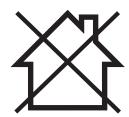
3To 6obopydOBaHne Klacca A He NODXoDIT IINCNoJIb3OBAHnB XJINbIX KBapTaJax, rIe 3JeKTPnueckn TOK NOdaTcR 6ObIeCTBeHHoN CInTeMoN PNTaHn Hn3KOrO HAnpJxKeHn. B TaKnx KBapTaJax MOrYT Bo3HNkHyTb TpydHOCTn OBeCpeHnE hJEKTpOMaHHTHyIO COBMecTlMOCTb I3-3a KOHdyKTtBbIX INHdyKTtBbIX NOMex Ha paIIOuactOTE.
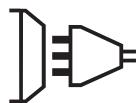
3TOT annapat He cootBcTbBye DnpeKtBce CEI 61000-3-12 n npedHa3NaueH dny pa6oTbO t OacThbIX 3NeKtpocTei, NOBdeHHbIX K ObseCTBeHHbIM 3NeKtpocTeaM TOnbKO CpeHero N BbICOKO HapJxHeN. CneuaJIcT, yctahOBuBwI aannapat, nnIOJb3OBAteIb, doJXhbl y6eITbcra, o6paTNBwncb npn HADObHocTN K opraHn3aun, OTbeauIoee 3a EKnIpyatauio CnCTembl NTaHna, B TOM, YTO OH MOKeT K He IPODKluOHTbcra.

3TOT annapat COOTBeTCTByET HopMe CEI 61000-3-11.
MAGHINTHbIe NOJIa
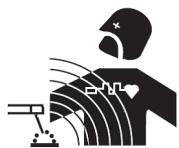
3NeKtpnueckn TOK, npoxoJHm chpe3 IIO60 npOBODNk Bbl3bIbaet IOKaIN3OBAHHbIe 3JIeKtpOMaHHTHbIe nOJa (EMF). CBapouhBn TOK Bbl3bIBaET 3JIeKtpOMaHHTHOe nOJe BOKpyr CBapOCHOn cENn N CBapOCHOrO o6OpyDobAHn.
3JekpomarHHTbIe noIy EMF Moryt co3daTb Iomexn dIy HeKOToPbIX MeINuHNCKNX IMNJaHTaTOB, HApnpMep 3JIeKtpokapDIOCTmmyIaTOpOB. Mepbl 6e3ONaCHOCTn DOJXHBbl 6bITb PnHHaTbI dIy IIODeH, HOcAUX MeINuHNCKNE IMNJaHTaTbI. HanpMep: orpaHnueHne doCTyndI pyoXoxnx, nIi OueHKa INDNBIDyaJIbHOrO pNCKa dIy CBAPsika.
YTO6bI CBECTN K MHNIMy My BO3JeCTBnE 3JIeKTPomarHHTbIX POJei CBAPoHbIX Zpei, CBAPuKN DoJxHbI CJIeOBAt CJIeDyUOaM Yka3aHnA M:
- CBapOchIbe Ka6eIIN DoJXHbI HxOuITbcB BMeCTe; eCIn BO3MOKHO CoEiHNHTe IX XOMYTOM;
BaIe TUYOBuIe I rOJIOBa DOnKbI HxOJITbcra KaK MoXHO DaJIbIe OTe CBapOChNo cenN; - He 6MaTbIaIe CBaOpHbIe Ka6eJI N BOKpyr BaIero TeJa;
BaIe TeIO He DoJIKHO 6bITb paCnoIoxKeH MExkU cbApOHyIMn Ka6eJAMn. O6a cbApOHyIX Ka6eJr DoJIxKbI 6bITb paCnoIoxKeHb
IIO ONDHY CTOPOHY OT BaUero TeLa;
- 3aKpeHnTe Ka6eIb 3a3eMneHnHa CBapuBaemOJ DeTaJI KAK MoXHO 6JIxKe C 3OHe CBapKn;
- He pa6oTaTe p4oM, He cnDInTe H He o6IokaunBaIteCb Ha nCTOuHnK CBAPoHOrO ToKa;
- He BapNTe, KOrDa Bbl IpeHocInTe NcToUHnK CBapOuHOro TOKa IINN UcTpoIcTB ONoaUn NpOBoJIoKn.

LInca, nCnoB3yIOUe 3JeKTPoKapDIOCTMMyJATOpbI, DOnJXHbI npOKOHcyJIbTIpOBAtbcra y Bpaupepepa60ToC daHHbIM o6OpYDoBaHnEM.
Bo3dEICTBnE 3JNEKTPomarHHTHO nOJI B IpoUeCE CBapKn MoKe T MeTb N DpyrHe, eIe He N3BeCTHbIe HayKe, PocJeCTBnI dIy 3DopOBbI.
PEKOMEHDAUINI JIA OULEHKN 3OHBi CBAPKN I CBAPOHOU YCTAHOBKN
06une noIoxeHn
Пользовател OTBEчaelуETа yCTAHOBkyИСПОЛьзовинуCTAHOBКpyЧHоДУROВCBAPKN,СLEДуУKAЗAHIMпрИЗВODITIEL. ПпОБнаружени ЗлЕктомаггнIHbIXи3LnyeHINи ПОьзовател annapaT pyCHоДУROВ CBAPKNdoJXENpa3peWHTb np6JIemy C nOMOшьI TeXnUeCKOПОДерЖКИпОИЗВODITIEL.В HeKOTOpBX cIyAayx 3TO KOPPEKTIPyIOUeE DeIcTBNE MOKeT 6bIb DOCTaTOH0 npocstbIM,HanPIMeP3aEMJIeHne CBAPOHNo CEHI.NBdpyHX cIyuaX BO3MOxHO NOTpe6ByTCsC O3DAHNe ZlEKeTpOMaHRNTHORO ekpaHa BOKpyr IVSTOCHNka CBAPOCHOro TOKa I BCeI CBAPINBaemOnDEtaII NPyTeM MoHTIpOBAHry BXODhIXФINbTPOB.B LIO6OM cIyuae ZlEKeTpOMaHRNTHbIe IN3LnyeHIn yOLKhbl6bITb YMeHbSeHbI TaK,чTObI OH N6BJbeHe CO3DaBAnI NOMex.
OueHka 30HbI CBapKn
Ipeed yctaHOBko O6OpyDobAHnry DyrBOB CBAPKn N0JIb3OBeTb DOJIXeH OUeHNr BO3MOXHbE 3NeKTPOMarHHTbIe Ipo6JIeMbI, KOToPbIE MOry BO3HnKHyTb B OKpyKaIOSe CpeIe. CneDuOUIne MOMeHTb DoJHXbI 6bIT npINrTaBI BO BHMaHHe:
a) Hajiue Hei, Poi nn pRdOM c o6OpDobAHnEM dIyroBo CBapKn, Dpyrnx Ka6eJe nITaHnry, ynpabLeHnry, cnHaJIu3aunn I TelefoHa;
b) npneMHnki n nepeaTchnk paadno n TeJeBndenHia;
c) KOMTbIeTePOB IN dpyrInx yCTpoiCTB ynpaBHeHnra;
d) 606pyoobahnne IJy 6e3OanachocTn, HapnpMep, 3aunTa npomblJeHHoro 606pyoobAHn;
e) 3dopobbe HaxoJxnxCno-6n3OCTn IIOde, HapnpMep, nCNoB3yUoXN KApDIOCTMMyTOpbI N UcTpoiCTBa O T rIyXOTbI;
f) INHCTpymeHT, INCNoIb3yEmblДЯ KaJIIN6pOBKn IIN I3MepenHn;
g) nomexoyctoynBOCTb dpyrOTo 6OpdyoBaHn, HaxoJaIeOc np6bn30ctn.
Iolb30BaTeB dOJIKeH y6eITbC B TOM, YTO BCE aAnpaTbI B NOMEuEHN COBMeCTmbl dpYr C dpYrom. 3To MoKet nOTpe6oBaTb Co6JIIODeHnN DOONHHTeBHyIx Mep 3aunTbI:
h) onpeeneHHoe Bpem dH, KOrda CBapka IIN dpytne pa60tb MoxHO 6yET BbIOnHnTb.
Pa3mepbI paccMaTpmbAemO 30Hb CBAPKn 3aBnCt OT cTpyKTypbI 3daHn I npYrNx pa6OT, KOtOpbI B HEM npOBoJTCs. PaccMaTpnaBaemar 30Ha MoKET npoctnpaTbcra 3a npedeJIbI pa3MeuHn yCTaHOBKn.
OueHka CBapoHnoyCTaHOBKn
POMIMO OueHKn 30HbI, OueHka annapaTOB pyHOn dyROBO CBAPKN MOKeT NOMOy ONpeJeINb IN peWInb ClyuAn 3JIeKTPomarHHTbIX POMex. OueHka n3JIyuHEn IOnkHa yUHTbIBaTB N3MepEHn B YCIOBnX 3KcNllyaTaUuN, KAK 3To yKa3aHO B CtaTbe 10 CISPR 11. N3MepEHnB Y CIOBnX 3KcNllyaTaUuN MOryt TakaKe IIO3BOJInb IIOITBePep KeTNBHOCTb MeP IO CMrYeHnIO BO3DeIcTBnI.
PEKOMEHNDAUINI PO METOДIKE CHUNKEHIN 3JIEKTPOMAHTHTOI N3JIYUHINIA
a. 06eCTBeHHa nHTAHn: annapaT pyHOn dyROBo CBapKn HxKHO NOkJIIOHTb K O6eCTBeHHo Cetn PNTAHn, cIeYra peKOMeHaaJm npON3BOiNTeJr. B clyuae BO3NtKHOBEHn NOMEX BO3MOXHO 6yET Heo6xoJIMO pInHrTb DOONHTeBHe bie npEynpeDITelhBle MepbI, TAKne KaK fNtPtaun o6eCTBeHHo CNCTeMbl PNTAHn. Bo3MOXHO 3aunITb shHypr nTahn aannapTa C nOmoBIO kpaHn3NpyUoSe onlETkn, IINbO IOXoXM npCnOc6JIeHem (B clyuae eCIn annapat pyHou DyROB CBAPKn NOCToAHNO HaxOHTcRa ONPeDeHNHom pa6oHem MceTe). Heo6xoJIMO o6ecneuTb 3JeKTPnuCeKYo HnpepbHBnOCTb 3KpaHn3NpyUoSe onlETkn no Bce dInHe. Heo6xoJIMO NOcoEduHnTb 3KpaHn3NpyUoUo ONlETky K INTOCHNY CBAPOUHOro TOka dJa o6ecneueHn XopoWeRo 3JeKTPnuCeCKOrO KOHTaMeJdy ShyPOM NOPyCOM NCTOCHNA CBAPOUHOro TOka.
b. Texo6cnyxnbAHne annapaTa pyuHoi dYuroBo CBapKn: annapaT pyuHoi dYuroBo CBapKn HxKHO Heo6xoDIMO nepnoOnueckn 06cIyXNBATb corgaCHO peKOMeHaZaunm npOn3BODnteJI. Heo6xoDIMO, yTo6bl Ce DoCTynbl, IIOKN i OTKnDbBaOUnceC qAcTN KOpTyCa 6bl 3akpytbl n npabNtBHO 3akpePnIeHbl, kOrda annapat pyuHoi dYuroBo CBapKn rOtOB K pa6ote Nn HaxoDITcB B pa6oohem coCToHnn. Heo6xoDIMO, yTo6bl aannapat pyuHoi dYuroBo CBapKn He 6bl nepeDeJaan KaKIM 6bl To Hn 6blIO o6pa30M, 3a NCKLIouHeHnEM HacTpoE, yKa3aHHbIX B pkyoBOdCTBe npOn3BODnteJI. B qactHocTn, cIeJeT otpeRyInpObaTb n O6cLyXNBaTB NCKPOBn IpomexyTok dUgN uCTpoiCTB NOxKnra n CTaBnIm3aunn DyTG B COOTBEcTCBNI C peKOMeHaZaunm npOn3BODnteJI.
c. CbapoHbIe Ka6eN : Ka6eN DoJXHbI 6bITb KaK MoXHo KopoYe I NOMEuEhbl Dpyr PraDM C dpYROM B6JIu3n OT IOna IIn Ha nOly.
d. 3KBHnOteHcnaIbHbIe CoeINHeHn: Heo6xOIMO o6ecneHTb CoeINHeHne Bcex MeaJIInuecknx PpeIMTeOB OkpyKaIOUeT O3NoI. Tem He MeHee, MeaJIInueckne PpeIMTebl, CoeINHeHHbIe CO CBapINBaEMoJ DeTaIbIO, yBEniUnBAIoT PnCK dIra IOnlb3ObaTeJIyDapa 3JeKTPuueckm TOKOM, eCIn OH OndHOBeMeHHo KOCHeTcR 3TINx MeaJIInuecknx PpeIMTeOB n 3JeKTPoJa. OepaTop doJlxKeH 6bItb 30JInpOBaH OH TaKIX MeaJIInuecknx PpeIMTeOB.
e. 3a3emJeHne CBapnBaemoiTeAIn: B cnlyae, eCNI CBAPnBaemai DeTajb He 3a3emHe Na COo6paKeHHm EJIeKTPnueckOi Be3OpacnOCTn IIN B CNIy CBOUX pa3MePOB IN CBOEIO paCNOLOXeHHN, KaK, HApPIMep, BCJYae KOPnyCa CyDHa IIN MeTAJIIOKOHCTpyKcIMn PpOMblIeHNHO6BeKtA, TO CoEOINHeHne DeTajn C 3Emei, MoKeT B HeKOToPbIX CNUayx, HO He CNCTeMaTHueCKN, COKpaNTtB
Bb6pocb. Heo6xOIMO n36eraTb 3a3emIeHne DeTaJe, KOToPbIe MOrIi 6bl yBeJIuHTb IJRA NOL30BaTeJIe PnCKn paHeHNI JINI Xe NOBpeHtB dpyrHe 3JeKtpOuyCTAHOBKn. PIn HAno6HOCTn, CNeDyET HAnpMyIO NODCoEHNHTb DeTaJIb K 3eMJIe, HO B HEKOToPbIX CTPaHax, KOToPbIe He pa3peWauOT pIqmoe IOdCOeDNHeHne, ERO HUxHO CDeJaTc NOMOUsIO NDOXODJeERO KOHDeHCaTOPa, BB6paHHORO B 3aBNCIMOCtN OT HAQUHOHaJIbHOro 3aKOHODaTEJIbCTBa.
f. 3auneta n 3kpann3npuoua onlletka: Bb6opounha 3aunta n 3kpann3npuoua onlletka dpyrnx ka6enei n o6opuydoBaHna, HaxoJiauxcB 6nI3nlexaue m pa6oem yuaCTke, nomoxet orpaHnHTb np6JIeMbI, CBraHHbIe c nomexamN. 3aunTa BCEnCBapOchno 30Hb MOxET paccMaTpmbaTcB N HeKOTOpbIX Oocbix CnyaX.
TPAHCPIOPTNPOBKA IN TPAH3NT ICTOCHNKA CBAPOHOTO TOKA

Cbapouhbl nctouhnik nntanra ochauepehem dna obleuerhen pyuho nepeHocKn. BybTe BnImaTeIbHbl: He HeDOOeHNBaIte Bec aannapaT. Pemehb He MOKET 6bITb NCIOJb3OBaH dla CTponOBKn.
He noIb3yIeTcB ka6eIamn nnropeJIko nIra nepeHoc a nCTOuHnka CBapoHoro ToKa. Ero moKHO nepeHocHT bToIbKO B BeptnKaJIbHOM noLOXKeHH. He nepeHocIT b nCTOuHnK na IIOdbm nn npEaMeTaMn. XeJaTeJIbHO cHrTb 606Hny npOBolOKn nepeD TeM, KaK noDnHMaTb nnI nepeHocIT b nCTOuHnK CBapoHoro ToKa.
YCTAHOBKA ANIAPATA
- Поставыгся NGСВAPОнOrO TOKa Hа NOJ, MaKcIMaJIbHbIЯ NaKJOH KOtOporo 10°.
- ПпсдусмOTРиTe ДОCTaTOUHо 60Льшоe пocTpahCTBO ДЯ Xopoшero пobetpmbaHnЯ nctOchNka CBapOCHOrO TOKa IdoCTyNa K ynpabJIeHnIO.
- He nCnoJb3OBA Tb B cpeDe coDepKaaSei MeTaJIInueckyU O bIb- IpoBOoHnK.
- IVCTOuHnK CBAPoUHOrO ToKa DoJIxKeH 6bITb YkPbI T O pOJIuNbHOrO DoJxJa N He CToRb Ha COJIHcE.
- 06opuyoBaHne Imeet 3aunTy IP21,чTo o3Nauaet:
- 3aunty OT nonadaHnB ONaChbIe 30hbl TBepdbIX TeI DnaMeTpom >12,5 MM
- 3auntyOTBepTnKaJIbHbIXKanEl BODbl
IHyp nHTaHnry, ydInHHteB n CBapOChbI Ke6eI dOJIxKbI 6bIT bIOJHOCTbIO paCKpyeHb BO I36exKaHne nepeperpeBa.

Ipn3BDOINTeJb He Hecet OTBETCTBeHHOCTN OTHOCIneJbHO uep6a,HaHeceHHOro IInzam NIn npEmdTaM, n3-3a HnnpAinbHoro INOnCHOro INcNoJIb3OBaHnI 3TOrO 6OpUdoBaHnI.

Блуждаюше CBAPOчьг TOKIMORYt pa3pyuINb 3a3eMЯJOUиne npoBOda, NOBpeNTb o6OpydoBaHne n 3JIeKtpnueckne npi6Opby IN Bbl3BaTb HArpeBaHne KOMIIeKTyIOUx, YTO MOKeT npiVeCTN K IOXapy.
- Bce cbapoHbIe coeHNHeHn IOnXKnbl KpeNko DepeKaTbcra. IpoBepaTe nX peRyIpaHO!
- Y6eɪntεcB TOM, yTO KpeŋJIeHne DeTaJIn pOuHoe n 6e3 npo6JIem ηIeKtpiKn!
- CoeHnIte BmecTe IIN NIOBBeCtBE BCE 3JIeMeHTb CBAPoUHOrO NCTOChNka, nPoBoJrIe 3JIeKTPuYeCTBO, TaKHe, KaK IaCCN, TeJeKKa I IOBemHbIe 3JIeMeHTb, UTo6bl I3OJIuPobAbaT bIX!
- He klaadnte Ha cbapouhbl nctouhkn, Ha Telejcky nlln Ha noDbemhble 3JeMeHbI TaKne np6opbl, KaK dpeln, TOnHbIe MaunHKn n T.d., eCIn OHn He n3OJInpoBaHbl1
- Bcerda knaDnTe cBapOchIe ropeKIn nIIN 3neKToPOdoepXkaTeJi Ha n3OJInpoBaHHyIO NOBepxHOCTb, KOrDa Bblnx He NCnOlb3yeTe!
ОБСЛУЖИBAHAЕ / COBETы

- TexHnuecko 06cnyxnbAHne DoJXHO npOn3BODntbCra TObko KBaINΦnIcnpoBaHHbIM CneuaJIncTOM. Cobetyetc npOBDoNTb exeRdoHoe texo6cnyxnbAHne.
- OTKHouHTe PINTaHHe, BbIepHyB BUNKy I3 po3ETK, IN POIOxJNTe 2 MHNyTbI nepei TeM, KaK pNCTyINrB K Texo6cnyKINBaHHo. BHyTpIn annapaTa BbICOKne In onaChbIe HAnpJxKeHne n TOK.
- Perylaepno OTKpbIbaiTe annapat n npOdyBaIte ero, yTo6bl oUHCTnTb OT nbJIIn. Heo6xOIMo TAKKe npOBepaTb BCE 3JIeKTPnueckne CoeINHeHnC nOMOuBIO n3OJInpOBAHHOrO nHCTpyMeHTa. IpOBepKa dONXHa OCyIeCTBIAIbTcR KBAJIINΦNtIPOBaHHbIM CNEUJIINCTOM.
- Perylarpno npobepre Te coctoHne shhpy nitaHn. EcIn uHyp nitaHn noBpeJdeH, OH doJKeH 6bItb 3aMeHn npOn3BOiTeIeM, erO cepBnCHO cnjX60n nn KBaIIuNpOpOBaHHbIM cneuaJIncTOM BO n36exHaHne onaCHOCTn.
- Octablayte OTBepctna nCTouHnka CBapOHHo TOKa CBO6OHNbIMn IJI npoxOXKeHnBa 03dyxa.
- He nCnoJIb3OBAt b daHHbI aannapat dIy pa3MOp03Kn Tpy6, 3aApIkn 6aTapei/akKymyIaTOPOB nn 3aNycKa dBnIaTeJIe.
YCTAHOBKA IN PPNHUNI DEICTBNA
ToIbKO OINbTHB N yIPOJIHOMOeHHb I pON3BOIDTeJem CneuaJInc T MoKeT OcyueeCTBIArTB yCTaHOBky. Bo BpeM yCTaHOBKn Y6eIITcB, yTO ICTOCHNK OKKIIIOUeH OT CeTI. PeKOMeHNyETcR IcNoJIb3OBaTb CBapOChbE Ka6eN INDUzne B KOMnJIeKTe C anPapaTOM dJa ONTMaJIbHOH NaCTpOKN MaIINHbl.
ONHCAHNE
PnCnIuKOM Hn3KoN CKOpOCTyra He 6yTeHenpepbIBHO.
HENCPABHOCTN, PIPNUHbI N YCTPAHEHNE
WAARSCHUWINGEN - VEILIGHEIDSINSTRUCTIES
ALGEMENE INSTRUCTIES

APPARAAT WORDT GELEVERD MET
| EASYMIG 85 065536 | |
| 2 m - 10 mm² | ✓ |
| 1.6 m - 10 mm² | ✓ |
| ∅ 0.6 - 1 kg - D100 | Gevuld draad zonder gas - E71T-GS |
| ✓ |
BESCHRIJVING VAN HET APPARAAT (FIG I)
1-Spoelhouser ( 100mm)
2- Draadaanvoersysteme
3-Vaste toorts
4-Vaste massakabel
MAN MACHINE INTERACTION (MMI) (FIG. III)
INTERFACCIA UOMO MACCHINA (IHM) (FIG. III)