
XL 300 - Electric sander SKIL - Free user manual and instructions
Find the device manual for free XL 300 SKIL in PDF.

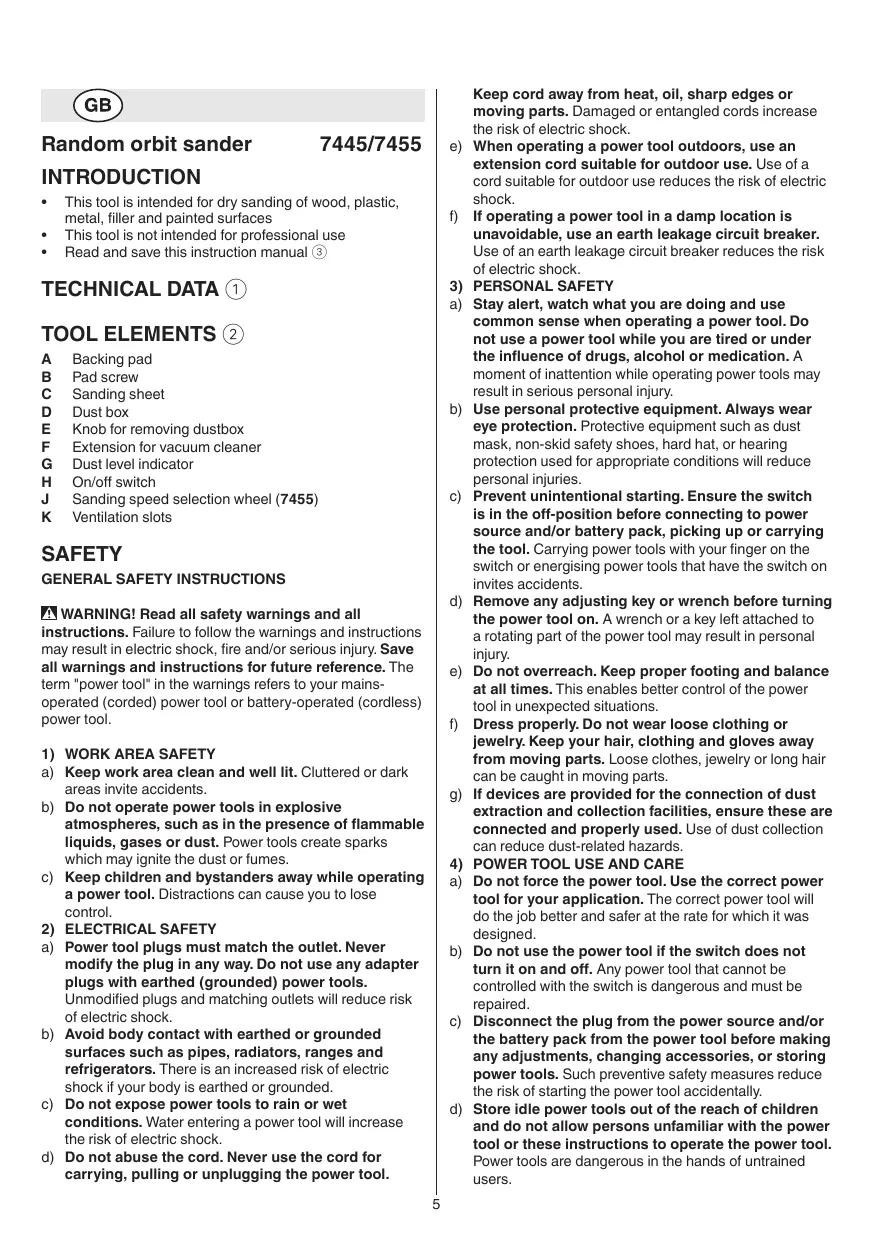


| Product type | Random orbital sander |
| Brand | SKIL |
| Model | XL 300 (7445/7455) |
| Power supply | Corded electric |
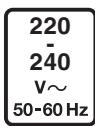
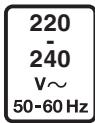
| Rated voltage | 230 V ~ 50 Hz |
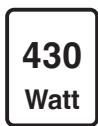
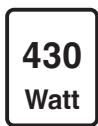
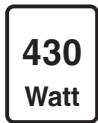
| Power consumption | 300 W |
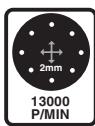
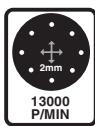
| No-load speed | 12,000 – 14,000 rpm (variable depending on model) |
| Sanding pad diameter | 125 mm |
| Abrasive attachment type | Hook-and-loop (Velcro) |
| Sound pressure level (LpA) | 82 dB(A) |
| Sound power level (LwA) | 93 dB(A) |
| Vibration (total value) | 7.8 m/s² (uncertainty K = 1.5 m/s²) |
| Weight | Approx. 1.5 kg |
| Dust canister capacity | Approx. 0.5 L |
| Main functions | Variable speed control (model 7455), dust level indicator, external extraction possible |
| Maintenance and cleaning | Clean ventilation slots, empty dust canister regularly, change abrasives |
| Safety | On/off switch, disconnect before adjustment, wear PPE |
| Spare parts and repairability | Parts available via SKIL after-sales network, repair by qualified professional |
| General information | Compliant with standards EN 60745, EN 61000, EN 55014; directives 2014/30/EU, 2006/42/EC, 2011/65/EU |
Frequently Asked Questions - XL 300 SKIL
User questions about XL 300 SKIL
0 question about this device. Answer the ones you know or ask your own.
Ask a new question about this device
Download the instructions for your Electric sander in PDF format for free! Find your manual XL 300 - SKIL and take your electronic device back in hand. On this page are published all the documents necessary for the use of your device. XL 300 by SKIL.
USER MANUAL XL 300 SKIL
natural_image
Illustration of a SKL electric power shaver with visible brand mark and mounting base (no text or symbols on the device itself)
natural_image
Illustration of a SKL electric iron shaver with visible branding and mounting base (no text or symbols beyond brand name)GB ORIGINAL INSTRUCTIONS 5
F NOTICE ORIGINALE 7
D ORIGINALBETRIEBSANLEITUNG 11
NL ORIGINELE GEBRUIKSAANWIJZING 14
S BRUKSANVISNING I ORIGINAL 17
DK ORIGINAL BRUGSANVISNING 20
N ORIGINAL BRUKSANVISNING 23
FIN ALKUPERÄISET OHJEET 26
E MANUAL ORIGINAL 28
P MANUAL ORIGINAL 32
I ISTRUZIONI ORIGINALI 35
H EREDETI HASZNÁLATI UTASÍTÁS 38
CZ PŮVODNÍM NÁVODEM K POUŽÍVÁNÍ 41
TR ORİJINAL İŞLETME TALİMATI 44
PL INSTRUKCJA ORYGINALNA 47
UA ОРИГІНАЛЬНА ІНСТРУКЦІЯ
З ЕКСПЛУАТАЦІЇ 50
GR ΠΡΩΤΟΥΠΟ ΟΔΗΓΙΩΝ ΧΡΗΣΗΣ 54
RO INSTRUCTIUNI DE FOLOSIRE ORIGINALE 57
BG ОРИГИНАЛНО РЪКОВОДСТВО
ЗА ЕКСПЛОАТАЦИЯ 60
SK PÔVODNÝ NÁVOD NA POUŽITIE 64
HR ORIGINALNE UPUTE ZA RAD 67
SRB ORIGINALNO UPUTSTVO ZA RAD 70
SLO IZVIRNA NAVODILA 73
EST ALGUPÄRANE KASUTUSJUHEND 76
LV ORIGINĀLĀ LIETOŠANAS PAMĀCĪBA 79
LT ORIGINALI INSTRUKCIJA 82
МК ИЗВОРНО УПАТСТВО ЗА РАБОТА 85
AL UDHËZIMET ORIGJINALE 88
AR دليل الاستعمال 96
④ RAHENMAI AUSLI 94
www.skil.com

① 7445




7455





②
natural_image
Simple icon of a person reading a book inside a circle, no text or symbols present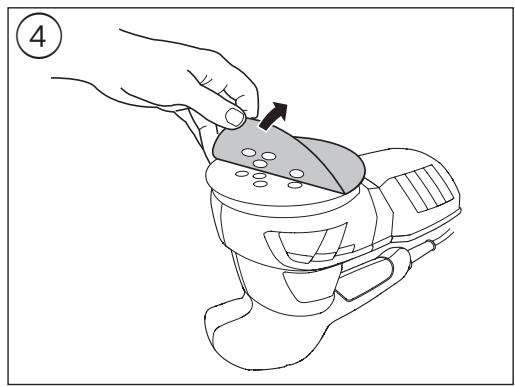
natural_image
Illustration of a hand using a tool to cut or remove a device component (no text or symbols visible)
| 9 | ||
| 40 - 60 | 5 | |
| 120 - 240 | 6 | |
| 40 - 60 | 5 | |
| 120 - 240 | 5 | |
| ALU | 4 | |
| 80 | 4 | |
| 120 - 240 | 5 |


Random orbit sander 7445/7455
INTRODUCTION
- This tool is intended for dry sanding of wood, plastic, metal, filler and painted surfaces
• This tool is not intended for professional use - Read and save this instruction manual ③
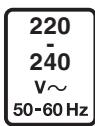
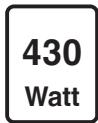
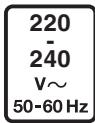
TECHNICAL DATA ①
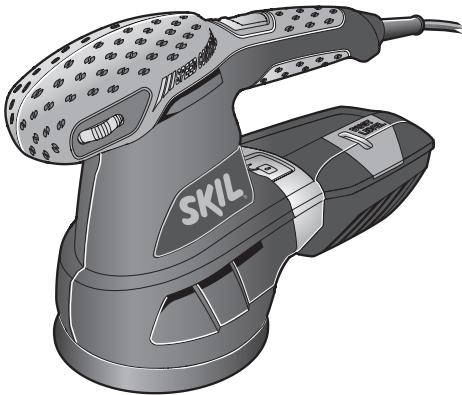
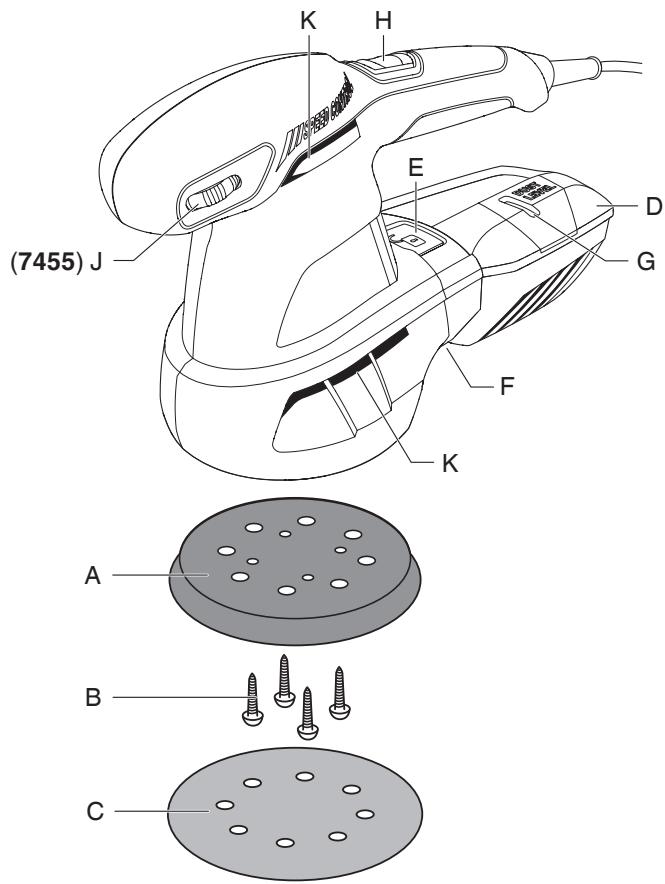
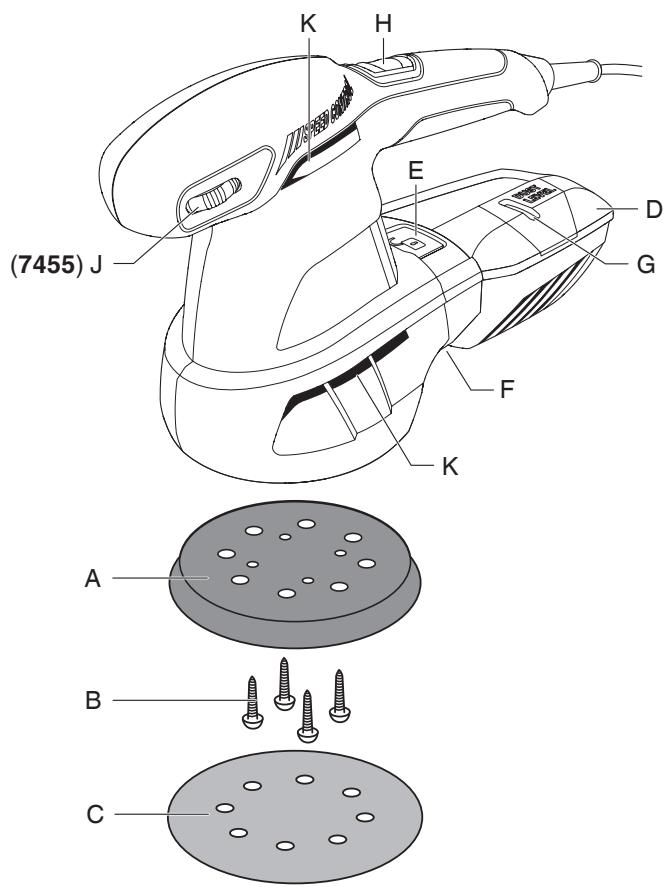
TOOL ELEMENTS ②
A Backing pad
B Pad screw
C Sanding sheet
D Dust box
E Knob for removing dustbox
F Extension for vacuum cleaner
G Dust level indicator
H On/off switch
J Sanding speed selection wheel (7455)
K Ventilation slots
SAFETY
GENERAL SAFETY INSTRUCTIONS
WARNING! Read all safety warnings and all
instructions. Failure to follow the warnings and instructions may result in electric shock, fire and/or serious injury. Save all warnings and instructions for future reference. The term "power tool" in the warnings refers to your mains-operated (corded) power tool or battery-operated (cordless) power tool.
1) WORK AREA SAFETY
a) Keep work area clean and well lit. Cluttered or dark areas invite accidents.
b) Do not operate power tools in explosive atmospheres, such as in the presence of flammable liquids, gases or dust. Power tools create sparks which may ignite the dust or fumes.
c) Keep children and bystanders away while operating a power tool. Distractions can cause you to lose control.
2) ELECTRICAL SAFETY
a) Power tool plugs must match the outlet. Never modify the plug in any way. Do not use any adapter plugs with earthed (grounded) power tools.
Unmodified plugs and matching outlets will reduce risk of electric shock.
b) Avoid body contact with earthed or grounded surfaces such as pipes, radiators, ranges and refrigerators. There is an increased risk of electric shock if your body is earthed or grounded.
c) Do not expose power tools to rain or wet conditions. Water entering a power tool will increase the risk of electric shock.
d) Do not abuse the cord. Never use the cord for carrying, pulling or unplugging the power tool.
Keep cord away from heat, oil, sharp edges or moving parts. Damaged or entangled cords increase the risk of electric shock.
e) When operating a power tool outdoors, use an extension cord suitable for outdoor use. Use of a cord suitable for outdoor use reduces the risk of electric shock.
f) If operating a power tool in a damp location is unavoidable, use an earth leakage circuit breaker. Use of an earth leakage circuit breaker reduces the risk of electric shock.
3) PERSONAL SAFETY
a) Stay alert, watch what you are doing and use common sense when operating a power tool. Do not use a power tool while you are tired or under the influence of drugs, alcohol or medication. A moment of inattention while operating power tools may result in serious personal injury.
b) Use personal protective equipment. Always wear eye protection. Protective equipment such as dust mask, non-skid safety shoes, hard hat, or hearing protection used for appropriate conditions will reduce personal injuries.
c) Prevent unintentional starting. Ensure the switch is in the off-position before connecting to power source and/or battery pack, picking up or carrying the tool. Carrying power tools with your finger on the switch or energising power tools that have the switch on invites accidents.
d) Remove any adjusting key or wrench before turning the power tool on. A wrench or a key left attached to a rotating part of the power tool may result in personal injury.
e) Do not overreach. Keep proper footing and balance at all times. This enables better control of the power tool in unexpected situations.
f) Dress properly. Do not wear loose clothing or jewelry. Keep your hair, clothing and gloves away from moving parts. Loose clothes, jewelry or long hair can be caught in moving parts.
g) If devices are provided for the connection of dust extraction and collection facilities, ensure these are connected and properly used. Use of dust collection can reduce dust-related hazards.
4) POWER TOOL USE AND CARE
a) Do not force the power tool. Use the correct power tool for your application. The correct power tool will do the job better and safer at the rate for which it was designed.
b) Do not use the power tool if the switch does not turn it on and off. Any power tool that cannot be controlled with the switch is dangerous and must be repaired.
c) Disconnect the plug from the power source and/or the battery pack from the power tool before making any adjustments, changing accessories, or storing power tools. Such preventive safety measures reduce the risk of starting the power tool accidentally.
d) Store idle power tools out of the reach of children and do not allow persons unfamiliar with the power tool or these instructions to operate the power tool. Power tools are dangerous in the hands of untrained users.
e) Maintain power tools. Check for misalignment or binding of moving parts, breakage of parts and any other condition that may affect the power tool's operation. If damaged, have the power tool repaired before use. Many accidents are caused by poorly maintained power tools.
f) Keep cutting tools sharp and clean. Properly maintained cutting tools with sharp cutting edges are less likely to bind and are easier to control.
g) Use the power tool, accessories and tool bits etc., in accordance with these instructions, taking into account the working conditions and the work to be performed. Use of the power tool for operations different from those intended could result in a hazardous situation.
5) SERVICE
a) Have your power tool serviced by a qualified repair person using only identical replacement parts.
This will ensure that the safety of the power tool is maintained.
SAFETY INSTRUCTIONS FOR SANDERS
GENERAL
- This tool should not be used by people under the age of 16 years
• This tool is not suitable for wet sanding - Never use the tool when cord is damaged; have it replaced by a qualified person
- Do not work materials containing asbestos (asbestos is considered carcinogenic)
• Always disconnect plug from power source before making any adjustment or changing any accessory
ACCESSORIES
- SKIL can assure flawless functioning of the tool only when original accessories are used
- Do not continue to use worn, torn or heavily clogged sanding discs
BEFORE USE
- Always check that the supply voltage is the same as the voltage indicated on the nameplate of the tool
- Avoid damage that can be caused by screws, nails and other elements in your workpiece; remove them before you start working
- Use completely unrolled and safe extension cords with a capacity of 16 Amps (U.K. 13 Amps)
- The noise level when working can exceed 85 dB(A); wear ear protection
- Dust from material such as paint containing lead, some wood species, minerals and metal may be harmful (contact with or inhalation of the dust may cause allergic reactions and/or respiratory diseases to the operator or bystanders); wear a dust mask and work with a dust extraction device when connectable
- Certain kinds of dust are classified as carcinogenic (such as oak and beech dust) especially in conjunction with additives for wood conditioning; wear a dust mask and work with a dust extraction device when connectable
- Follow the dust-related national requirements for the materials you want to work with
-
Wear protective gloves, safety glasses, close-fitting clothes and hair protection (for long hair)
-
Secure the workpiece (a workpiece clamped with clamping devices or in a vice is held more securely than by hand)
- When sanding metal, sparks are generated; do not use dust box and keep other persons and combustible material from work area
DURING USE
- Always keep the cord away from moving parts of the tool; direct the cord to the rear, away from the tool
- Do not touch the moving sanding disc
- In case of electrical or mechanical malfunction, immediately switch off the tool and disconnect the plug
- If the cord is damaged or cut through while working, do not touch the cord, but immediately disconnect the plug
AFTER USE
- When you put away the tool, switch off the motor and ensure that all moving parts have come to a complete standstill
WHEN CONNECTING NEW 3-PIN PLUG (U.K. ONLY):
- Do not connect the blue (= neutral) or brown (= live) wire in the cord of this tool to the earth terminal of the plug
- If for any reason the old plug is cut off the cord of this tool, it must be disposed of safely and not left unattended
USE
- Backing pads
- never run the tool without backing pad A
! replace damaged backing pads immediately (loosen/fasten 4 pad screws B)
! unplug tool before removing/mounting backing pads
• Mounting of sanding sheet ④
- mount VELCRO sanding sheet C as illustrated
- if necessary, clean backing pad first
! perforation in sanding sheet should correspond with perforation in sanding foot
! the dust suction requires the use of perforated sanding sheets
! replace worn sanding sheets in time
- Dust suction ⑤
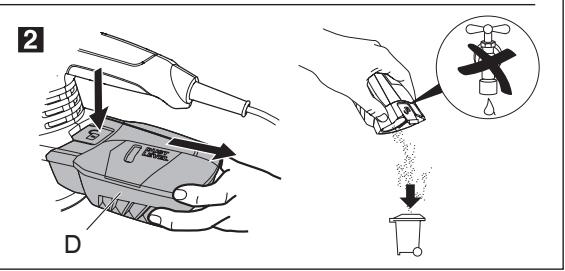
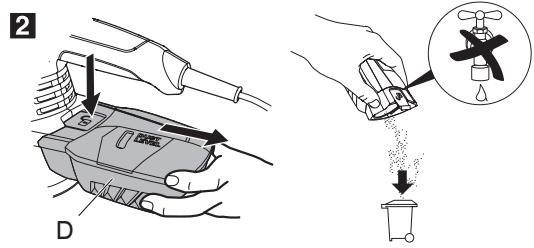
- empty dust box D regularly for optimal dust pick-up performance
For using vacuum cleaner
- remove dust box D by pushing knob E to the left and hold it in that position while pulling dust box D backwards
- connect vacuum cleaner to extension F
! do not use dust box/vacuum cleaner when sanding metal
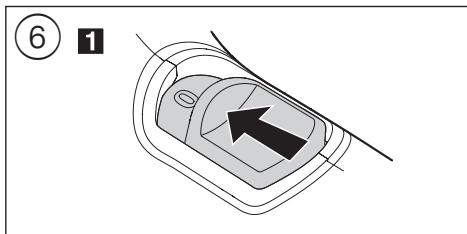
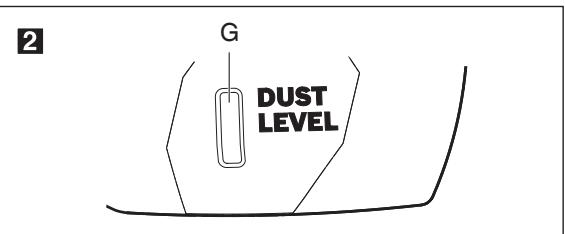
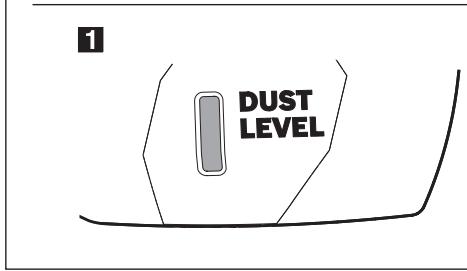
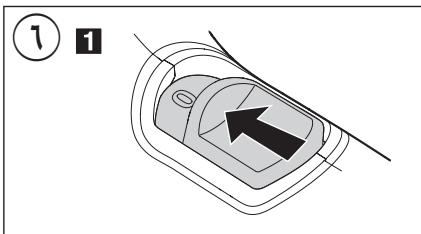
• Dust level indicator ⑥
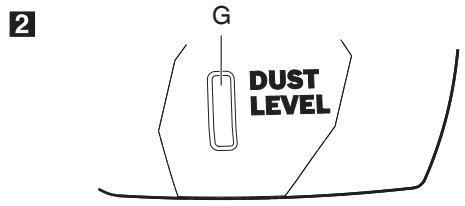
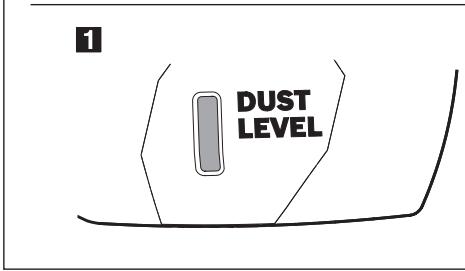
- empty dust box D when indicator G turns RED
- indicator G only functions when tool is switched on
- be aware that the working of the dust level indicator is not guaranteed when sanding at lower speed settings (7455)
- On/off switch
- switch on/off the tool by pushing switch H ② forward/backwards
! before the sanding surface reaches the workpiece, you should switch on the tool
! be aware of the sudden impact when the tool is switched on
! before switching off the tool, you should lift it from the workpiece
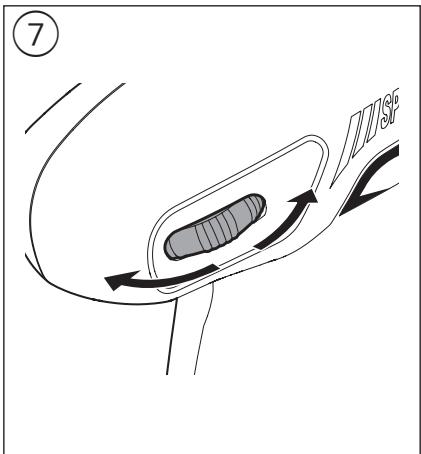
• Speed control ⑦ (7455)
For optimal sanding results on different materials
- with wheel J ② you can set the desired sanding speed
- always adjust speed to grit size used
- before starting a job, find the optimal speed and grit by testing out on spare material
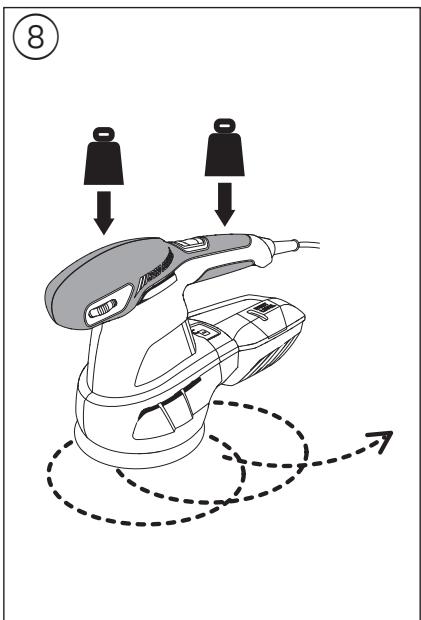
Holding and guiding the tool ⑧
! while working, always hold the tool at the grey-coloured grip area(s)
- guide the tool parallel to the working surface and move it in circles or in a cross pattern
- do not apply too much pressure on the tool; let the tool do the work for you
- do not tilt the tool in order to avoid unwanted sanding marks
- keep ventilation slots K ② uncovered
- Sanding
- the amount of material removed is determined by the selection of the sanding sheet, the preselected sanding speed and the applied pressure
! intensifying the sanding pressure does not lead to an increase of the sanding capacity, but to increased wear of the tool and the sanding sheet
! never use the same sanding sheet for wood and metal
APPLICATION ADVICE
- For determining the optimal grit (and speed), table ⑨ can be used as reference
! always test out first on a piece of scrap material
• For more tips see www.skil.com
MAINTENANCE / SERVICE
• This tool is not intended for professional use
- Always keep tool and cord clean (especially ventilation slots K ②)
- remove adhering sanding dust with a brush
! disconnect the plug before cleaning
- If the tool should fail despite the care taken in manufacturing and testing procedures, repair should be carried out by an after-sales service centre for SKIL power tools
- send the tool undismantled together with proof of purchase to your dealer or the nearest SKIL service station (addresses as well as the service diagram of the tool are listed on www.skil.com)
ENVIRONMENT
- Do not dispose of electric tools, accessories and packaging together with household waste material (only for EU countries)
- in observance of European Directive 2012/19/EC on waste of electric and electronic equipment and its implementation in accordance with national law, electric tools that have reached the end of their life must be collected separately and returned to an environmentally compatible recycling facility
- symbol ⑩ will remind you of this when the need for disposing occurs
C€ DECLARATION OF CONFORMITY
Orbital sander 7445/7455
Technical data ①
- We declare under our sole responsibility that the product described under “Technical data” is in conformity with the following standards or standardization documents: EN 60745, EN 61000, EN 55014, in accordance with the provisions of the directives 2014/30/EU, 2006/42/EC, 2011/65/EU
• Technical file at: SKIL Europe BV (PT-SEU/ENG1), 4825 BD Breda, NL
Operations & Engineering
Olaf Dijkgraaf
Approvals Manager

SKIL Europe BV, 4825 BD Breda, NL
19.09.2014
NOISE/VIBRATION
- Measured in accordance with EN 60745 the sound pressure level of this tool is 82 dB(A) and the sound power level 93 dB(A) (standard deviation: 3 dB), and the vibration 7.8 m/s ^2 (triax vector sum; uncertainty K = 1.5 m/s ^2 )
-
The vibration emission level has been measured in accordance with a standardised test given in EN 60745; it may be used to compare one tool with another and as a preliminary assessment of exposure to vibration when using the tool for the applications mentioned
-
using the tool for different applications, or with different or poorly maintained accessories, may significantly increase the exposure level
- the times when the tool is switched off or when it is running but not actually doing the job, may significantly reduce the exposure level
! protect yourself against the effects of vibration by maintaining the tool and its accessories, keeping your hands warm, and organizing your work patterns
F
Operations & Engineering
Olaf Dijkgraaf
Approvals Manager

SKIL Europe BV, 4825 BD Breda, NL 19.09.2014
BRUIT/VIBRATION
Operations & Engineering

Olaf Dijkgraaf
Approvals Manager
SKIL Europe BV, 4825 BD Breda, NL
19.09.2014
LJUD/VIBRATION
Operations & Engineering
Olaf Dijkgraaf
Approvals Manager

SKIL Europe BV, 4825 BD Breda, NL
19.09.2014
ST∅J/VIBRATION
VEDLIKEHOLD / SERVICE
Operations & Engineering
Olaf Dijkgraaf
Approvals Manager

SKIL Europe BV, 4825 BD Breda, NL
19.09.2014
ST∅Y/VIBRASJON
Operations & Engineering
Olaf Dijkgraaf
Approvals Manager

SKIL Europe BV, 4825 BD Breda, NL 19.09.2014
MELU/TÄRINÄ
- Interruptor On/Off
Operations & Engineering
Olaf Dijkgraaf
Approvals Manager

SKIL Europe BV, 4825 BD Breda, NL
19.09.2014
RUIDOS/VIBRACIONES
Operations & Engineering
Olaf Dijkgraaf
Approvals Manager

SKIL Europe BV, 4825 BD Breda, NL
19.09.2014
RUÍDO/VIBRAÇÕES
Operations & Engineering

Olaf Dijkgraaf
Approvals Manager
SKIL Europe BV, 4825 BD Breda, NL
19.09.2014
Operations & Engineering

Olaf Dijkgraaf
Approvals Manager
SKIL Europe BV, 4825 BD Breda, NL 19.09.2014
ШУМ/ВІБРАЦІЯ
Operations & Engineering
Olaf Dijkgraaf
Approvals Manager

SKIL Europe BV, 4825 BD Breda, NL
19.09.2014
HLUKU/VIBRÁCIÁCH
Operations & Engineering
Olaf Dijkgraaf
Approvals Manager

SKIL Europe BV, 4825 BD Breda, NL
19.09.2014
BUCI/VIBRACIJAMA
OPŠTA UPUTSTVA O SIGURNOSTI
A PAŽNJA! Čitajte sva upozorenja i uputstva. Propusti kod pridržavanja upozorenja i uputstava mogu imati za posledicu električni udar, požar i/ili teške povrede. Čuvajte sva upozorenja i uputstva za budućnost. Pojam upotrebljen u upozorenjima "električni alat" odnosi se na električne alate sa radom na mreži (sa mrežnim kablom) i na električne alate sa radom na akumulator (bez mrežnog kabla).
1) SIGURNOST NA RADNOM MESTU
a) Držite Vaše područje rada čisto i pospremljeno. Nered ili neosvetljena radna područja mogu voditi nesrećama.
b) Ne radite sa aparatom u okolini ugroženoj od eksplozija u kojoj se nalaze zapaljive tečnosti, gasovi ili prašine. Električni alati proizvode varnice, koje mogu zapaliti prašinu ili isparenja.
c) Za vreme korišćenja električnog alata držite podalje decu i druge osobe. Kod skretanja možete izgubiti kontrolu nad aparatom.
2) ELEKTRIČNA SIGURNOST
a) Utikač za priključak aparata mora odgovarati utičnoj kutijici. Utikač se nesme nikako menjati. Ne upotrebljavajte adaptere utikača zajedno sa aparatima sa uzemljenom zaštitom. Ne promenjeni utikači i odgovarajuće utičnice smanjuju rizik od električnog udara.
b) Izbegavajte telesni kontakt sa uzemljenim gornjim površinama, kao što su cevi, grejanja, šporeti i rashladni ormani. Postoji povećani rizik od električnog udara, ako je Vaše telo uzemljeno.
c) Držite aparat podalje od kiše ili vlage. Prodiranje vode u električni aparat povećava rizik od električnog udara.
d) Ne koristite kabl da bi aparat nosili, obesili ili ga izvlačili iz utičnice. Držite kabl dalje od vreline, ulja, oštrih ivica ili pokretnih delova aparata. Oštećeni ili zamršeni kablovi povećavaju rizik od elektrinog udara.
e) Ako sa nekim električnim alatom radite u prirodi, upotrebljavajte samo produžne kablove koji su dozvoljeni za spoljno područje. Upotreba produžnog kabla pogodnog za spoljno područje smanjuje rizik od električnog udara.
f) Ako rad električnog alata ne može da se izbegne u vlažnoj okolini, koristite prekidač strujne zaštite pri kvaru. Upotreba prekidača strujne zaštite pri kvaru smanjuje rizik od električnog udara.
3) SIGURNOST OSOBA
a) Budite pažljivi, pazite na to, šta radite i idite razumno na posao sa električnim alatom. Ne upotrebljavajte aparat, kada ste umorni ili pod uticajem droga, alkohola ili lekova. Momenat nepažnje kod upotrebe aparata može voditi do ozbiljnih povreda.
b) Nosite ličnu zaštitnu opremu i uvek zaštitne naočare. Nošenje lične zaštitne opreme, kao maske za prašinu, sigurnosne cipele koje ne klizaju, zaštitni šlem ili zaštitu za sluh, zavisno od vrste i upotrebe električnog alata, smanjujete rizik od povreda.
c) Izbegavajte nenamerno puštanje u rad. Uverite se da je električni alat isključen, pre nego što ga priključite na struju i/ili na akumulator, uzmete ga ili nosite. Ako prilikom nošenja električnog alata držite prst na prekidaču ili aparat uključen priključujete na struju, može ovo voditi nesrećama.
d) Uklonite alate za podešavanje ili ključeve za zavrtnje, pre nego što uključite aparat. Alat ili ključ koji se nalazi u delu aparata koji se okreće, može voditi povredama.
e) Ne precenjujte sebe. Pobrinite se da sigurno stojite i održavajte u svako doba ravnotežu. Na taj način možete bolje kontrolisati aparat u neočekivanim situacijama.
f) Nosite pogodno odelo. Ne nosite široko odelo ili nakit. Držite kosu, odelo i rukavice podalje od pokretnih delova. Opušteno odelo, nakit ili duža kosa mogu biti zahvaćeni od rotirajućih delova.
g) Ako se mogu montirati uredjaji za usisavanje prašine i uredjaji za hvatanje prašine, uverite se da li su priključeni i ispravno koriste. Upotreba usisavanja prašine može smanjiti opasnosti od prašine.
4) BRIŽLJIVO OPHODJENJE I KORIŠĆENJE ELEKTRIČNIH ALATA
a) Ne preopterećujte aparat. Upotrebljavajte za Vaš posao električni alat odredjen za to. Sa odgovarajućim električnim alatom radićete bolje i sigurnije u navedenom području rada.
b) Ne upotrebljavajte električni alat, čiji je prekidač u kvaru. Električni alat koji više ne može da se uključi ili isključi je opasan i mora da se popravi.
c) Izvucite utikač iz utičnice i/ili uklonite akumulator pre nego što preduzmete podešavanja na aparatu, promenu delova pribora ili ostavite aparat. Ova mera opreza sprečava nenameran start aparata.
d) Čuvajte nekorišćene električne alate izvan domašaja dece. Ne dopustite osobama da koriste aparat, koje ga ne poznaju ili nisu pročitali ova uputstva. Električni alati su opasni, ako ih koriste neiskusne osobe.
e) Održavajte aparat brižljivo. Kontrolišite, da li pokretni delovi aparata funkcionišu besprekorno i ne slepljuju, da li su delovi slomljeni ili tako oštećeni, da je funkcija aparata oštećena. Popravite oštećene delove pre upotrebe aparata. Mnoge nesreće imaju svoj uzrok u loše održavanim električnim alatima.
f) Držirte alate za sečenja oštre i čiste. Brižljivo negovani alati za sečenje sa oštrim sečivima manje slepljuju i lakše se vode.
g) Upotrebljavajte električne alate, pribor, alate koji se umeću itd. prema ovim uputstvima. Obratite pažnju pritom na uputstva za rad i posao koji treba izvesti. Upotreba električnih alata za druge od propisanih namena može voditi opasnim situacijama.
5) SERVIS
a) Neka Vam Vaš aparat popravlja samo kvalifikovano stručno osoblje i samo sa originalnim rezervnim delovima. Na taj način se obezbedjuje da ostane sačuvana sigurnost aparata.
UPUTSTVA O SIGURNOSTI SA BRUSILICOM
OPŠTA
ÜLDISED OHUTUSJUHISED
APKALPOŠANA / APKOPE
Operations & Engineering
Olaf Dijkgraaf
Approvals Manager

SKIL Europe BV, 4825 BD Breda, NL
19.09.2014
TROKSNIS/VIBRĀCIJA
Operations & Engineering
Olaf Dijkgraaf
Approvals Manager

SKIL Europe BV, 4825 BD Breda, NL 19.09.2014
TRIUKŠMINGUMAS/VIBRACIJA
• Thithja e pluhurave ⑤
natural_image
Simple line drawing of a pencil (no text or symbols)
natural_image
Simple line drawing of a pencil (no text or symbols)
natural_image
Simple line drawing of a pencil (no text or symbols)ال CONDITION/ALABETRAZ
ال Ratings Impact: That is a great deal in the world. It is a good deal that is a good deal.
natural_image
Diagram of a hairdryer with two hanging weights and a dashed circular motion path (no text or symbols)

natural_image
Simple icon showing a person reading a book inside a circle, with a small circular symbol above (no text or symbols present)
natural_image
Line drawing of a hand using a tool to cut a device component (no text or symbols)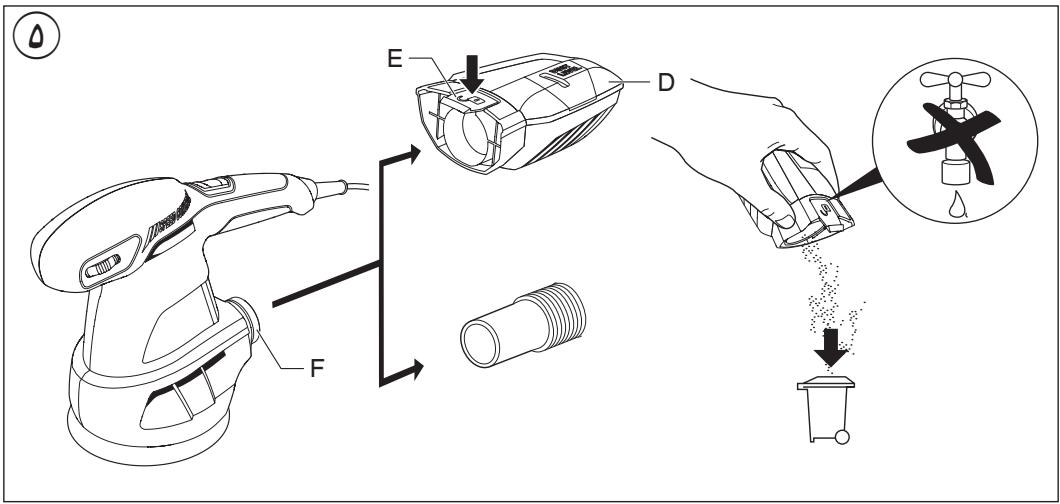
7445




7455





①
natural_image
Illustration of two SKIL electric shaver machines shown from top and side views (no text or symbols)دليل الاستعمال
AR
راهنماي اصلی
FA


www.skil.com

- Random orbit sander 7445/7455
- INTRODUCTION
- TECHNICAL DATA ①
- TOOL ELEMENTS ②
- SAFETY
- GENERAL SAFETY INSTRUCTIONS
- WARNING! Read all safety warnings and all
- 1) WORK AREA SAFETY
- 2) ELECTRICAL SAFETY
- 3) PERSONAL SAFETY
- 4) POWER TOOL USE AND CARE
- 5) SERVICE
- SAFETY INSTRUCTIONS FOR SANDERS
- GENERAL
- ACCESSORIES
- BEFORE USE
- DURING USE
- AFTER USE
- USE
- APPLICATION ADVICE
- MAINTENANCE / SERVICE
- ENVIRONMENT
- C€ DECLARATION OF CONFORMITY
- Orbital sander 7445/7455
- NOISE/VIBRATION
- F
- BRUIT/VIBRATION
- LJUD/VIBRATION
- ST∅J/VIBRATION
- VEDLIKEHOLD / SERVICE
- ST∅Y/VIBRASJON
- MELU/TÄRINÄ
- RUIDOS/VIBRACIONES
- RUÍDO/VIBRAÇÕES
- ШУМ/ВІБРАЦІЯ
- HLUKU/VIBRÁCIÁCH
- BUCI/VIBRACIJAMA
- OPŠTA UPUTSTVA O SIGURNOSTI
- 5) SERVIS
- UPUTSTVA O SIGURNOSTI SA BRUSILICOM
- OPŠTA
- ÜLDISED OHUTUSJUHISED
- APKALPOŠANA / APKOPE
- TROKSNIS/VIBRĀCIJA
- TRIUKŠMINGUMAS/VIBRACIJA
Brand : SKIL
Model : XL 300
Category : Electric sander