
Avent SCF355 - Bottle Warmer PHILIPS - Free user manual and instructions
Find the device manual for free Avent SCF355 PHILIPS in PDF.


| Product Type | Steam Bottle Warmer |
| Brand | Philips |
| Model | Avent SCF355 |
| Dimensions (L x W x H) | 18 x 18 x 35 cm |
| Weight | 1 kg |
| Power Supply | Mains, 220-240 V, 50-60 Hz |
| Power | 400 W |
| Water Tank Capacity | 120 ml |
| Main Functions | Fast heating, defrosting, keep warm |
| Compatible Bottle Types | Philips Avent bottles and other standard brands |
| Heating Time (240 ml bottle) | Approximately 4 minutes |
| Auto Shut-off | Yes |
| Keep Warm | Yes, up to 30 minutes |
| Cleaning | Wash accessories by hand or in the dishwasher (top rack) |
| Descaling | Recommended regularly with white vinegar or descaler |
| Safety | Auto shut-off in case of overheating or lack of water |
| Spare Parts | Tank, basket, lid, seal (available online) |
| Repairability | Repairability index available on Philips website |
| Usage | Bottle warmer and food warmer for baby food jars |
| Colour | White and blue (depending on model) |
Frequently Asked Questions - Avent SCF355 PHILIPS
User questions about Avent SCF355 PHILIPS
0 question about this device. Answer the ones you know or ask your own.
Ask a new question about this device
Download the instructions for your Bottle Warmer in PDF format for free! Find your manual Avent SCF355 - PHILIPS and take your electronic device back in hand. On this page are published all the documents necessary for the use of your device. Avent SCF355 by PHILIPS.
USER MANUAL Avent SCF355 PHILIPS
natural_image
White Philips AVENT baby bottle with control knob and infant-shaped lid (no visible text or symbols on body)English 3
Dansk 16
Deutsch 30
Español 45
Suomi 62
Français 75
Indonesia 89
Italiano 104
Nederlands 119
Norsk 133
Português 146
Svenska 160
Türkçe 173
Tiếng Việt 186
199
العربية 212
Important
Read this user manual carefully before you use the bottle warmer and save it for future reference.
Danger
- Do not immerse the cord, plug or appliance in water or other liquid.
Warning
- Only use the appliance indoors.
- Do not let the mains cord hang over the edge of a table or worktop. Excess cord can be stored in the base of the bottle warmer.
- Keep the mains cord away from hot surfaces.
- Only connect the appliance to an earthed wall socket. Always make sure that the plug is inserted into the wall socket properly.
- Check if the voltage indicated on the bottom of the appliance corresponds to the local mains voltage before you connect the appliance.
- If you need to use an extension cord, make sure it is an earthed extension cord with a rating of at least 13 amperes.
- Do not use the appliance if the plug, the mains cord or the appliance itself is damaged. If the mains cord is damaged, you must have it replaced by Philips, a service centre authorised by Philips or similarly qualified persons in order to avoid a hazard.
- Do not place the appliance on or near a hot gas or electric cooker, or in a heated oven.
- This appliances can be used by persons with reduced physical, sensory or mental capabilities or lack of experience and knowledge if they have been given supervision or instruction concerning use of the appliance in a safe way and understand the hazards involved.
- Cleaning and user maintenance shall not be made by children.
- This appliance shall not be used by children. Keep the appliance and its cord out of reach of children.
- Children shall not play with the appliance.
- Do not spill water on the mains plug.
- Only use the appliance as described in the user manual to avoid potential injury due to misuse.
- Do not preheat the appliance.
- Always place a fully assembled bottle with cap in the bottle warmer before you add water.
4 ENGLISH
- Make sure you add water before you switch on the bottle warmer.
- Hot water can cause serious burns. Be careful when the bottle warmer contains hot water.
- The accessible surfaces of the appliance may become hot during use and are subject to residual heat after use.
- Do not move the appliance when it contains hot water.
- When the food or milk has reached the required temperature, remove the bottle or container from the bottle warmer. If you leave food or milk in the bottle warmer, the temperature of the food or milk increases.
- Always check the food temperature before you feed your child. Gently swirl the bottle and check by sprinkling a few drops on the inside of your wrist.
Caution
- This appliance is intended to be used in household and similar applications such as farm houses, bed and breakfast type environments, staff kitchen areas in shops, offices and other working environments, and by clients in hotels, motels and other residential type environments.
- Unplug the appliance when it is not in use.
- The surface of the heating element is subject to residual heat after use.
- Let the appliance cool down before you clean it.
- Follow the descaling instructions to avoid irreparable damage.
- Do not try to open or repair the appliance yourself. You can contact the Philips Consumer Care Center in your country (see www.philips.com/support).
- The food should not be heated for too long.
The production date code YYWW is located in the cord storage compartment in the base of the bottle warmer.
Electromagnetic fields (EMF)
This Philips appliance complies with all applicable standards and regulations regarding exposure to electromagnetic fields.
Introduction
Congratulations on your purchase and welcome to Philips Avent! To fully benefit from the support that Philips Avent offers, register your product at www.philips.com/welcome.
With this bottle warmer, you can safely warm all Philips Avent feeding bottles and milk/baby food in containers and other baby food jars.
Note: Philips Avent breast milk bags and Philips Avent 2 oz/60 ml bottles cannot be used in this bottle warmer.
Using the bottle warmer
Product overview
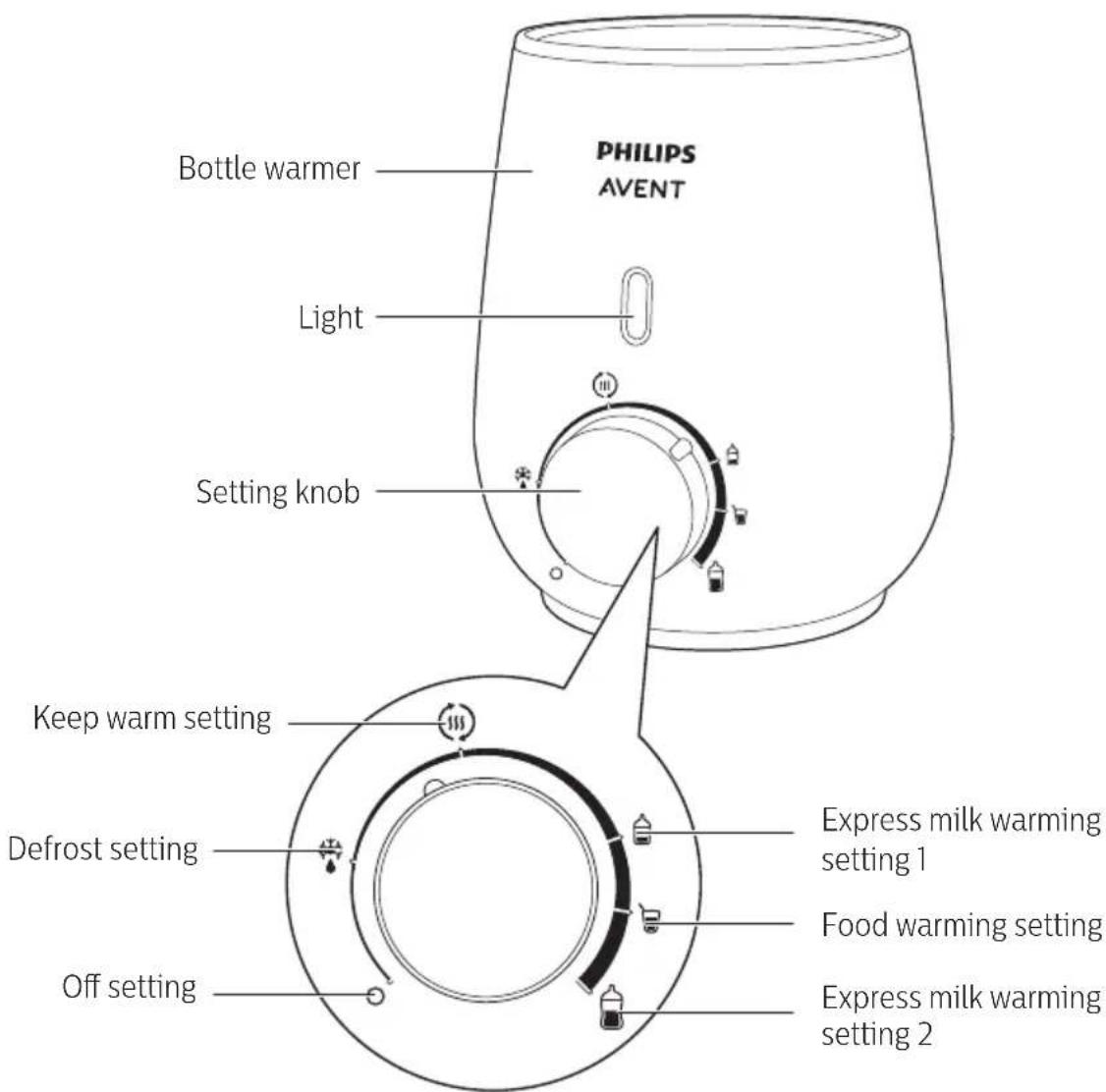
Explanation of settings
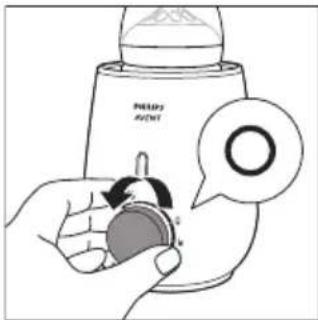
 | The bottle warmer is switched off and the light is off. On every other setting, the appliance is switched on and the light is lit. |
 | Select this setting when you want to quickly warm a bottle of milk at room temperature (22 °C/72 °F) with a content from 60 ml/2 oz to 330 ml/11 oz or at cold temperature (5 °C/40 °F) with a content from 60 ml/2 oz to 240 ml/8 oz. The bottle has to be taken out immediately after warming to the right temperature, otherwise the milk will be overheated. |
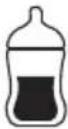 | Select this setting when you want to quickly warm a bottle of milk at cold temperature (5°C/40°F) with a content from 270 ml/9 oz to 330 ml/11 oz. The bottle has to be taken out immediately after warming to the right temperature, otherwise the milk will be overheated. |
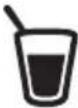 | Select this setting when you want to warm a container/jar of baby food. |
 | This setting warms milk at a slower speed and then keeps it warm. |
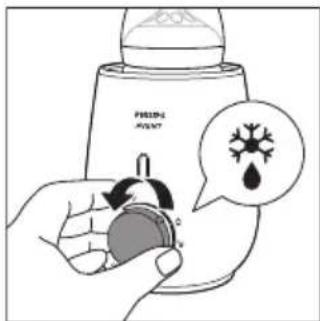
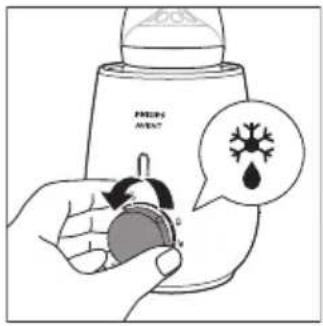
 | Defrost a bottle/container of milk/baby food to liquid state. No Warming occurs. |
Using the bottle warmer with express milk warming setting
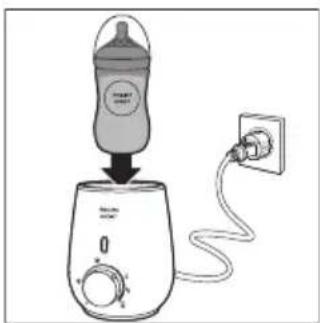
1 Put the mains plug in the wall socket. Place a bottle in the bottle warmer.

natural_image
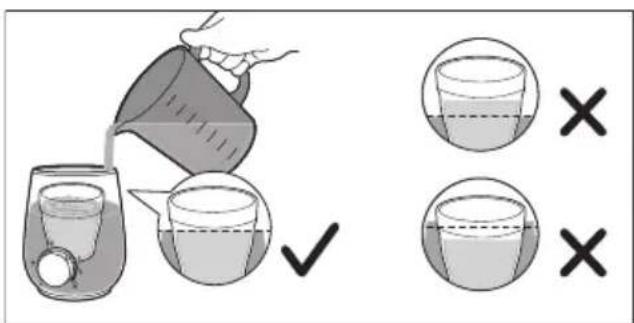
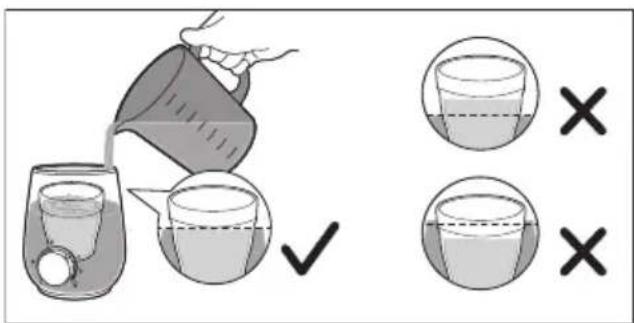
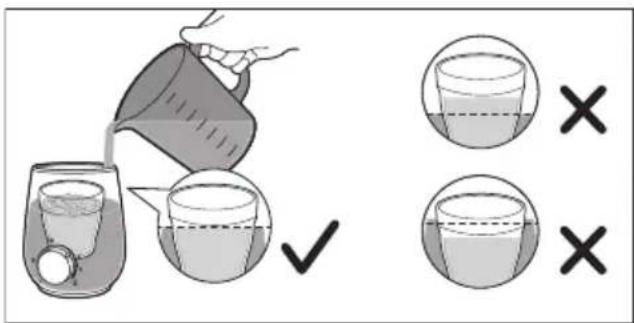
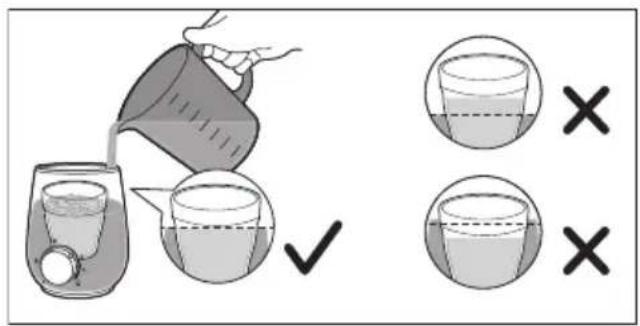
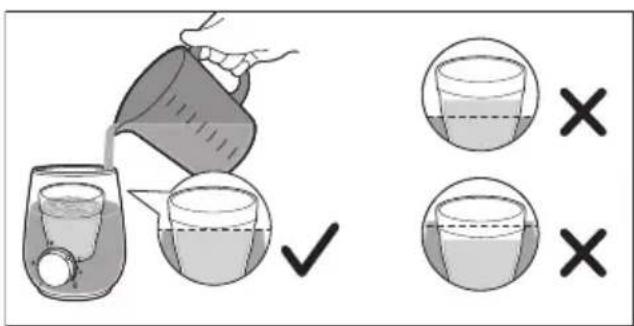
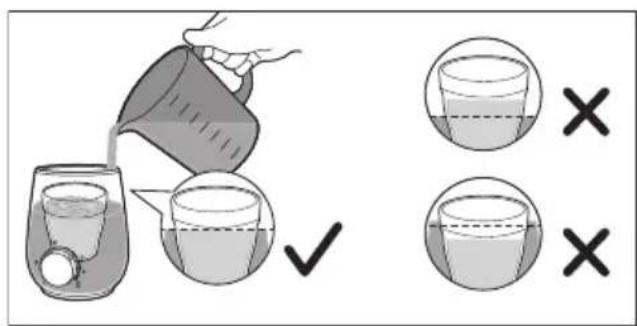
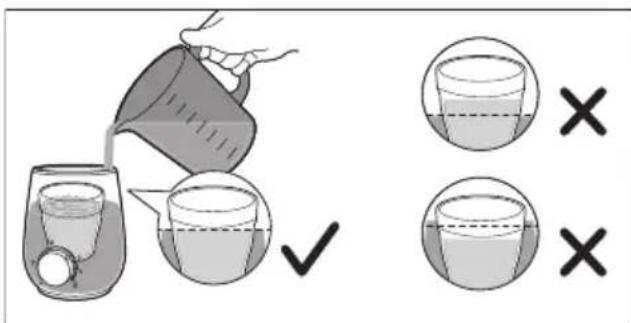
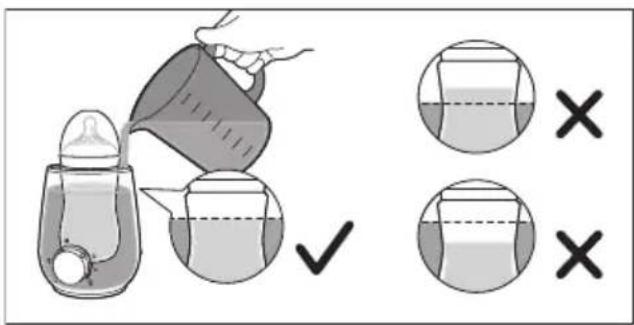
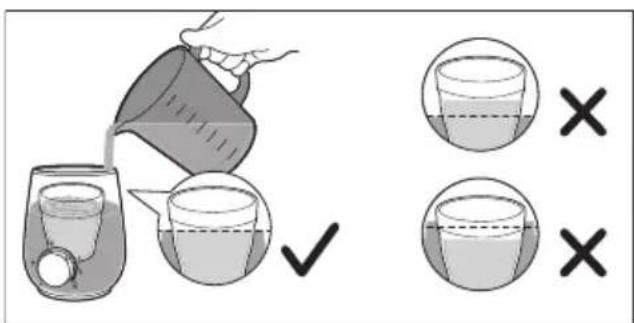
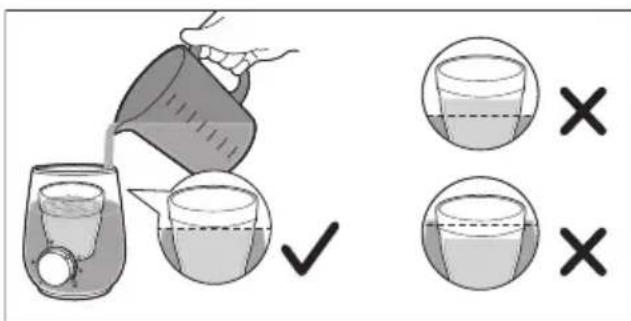
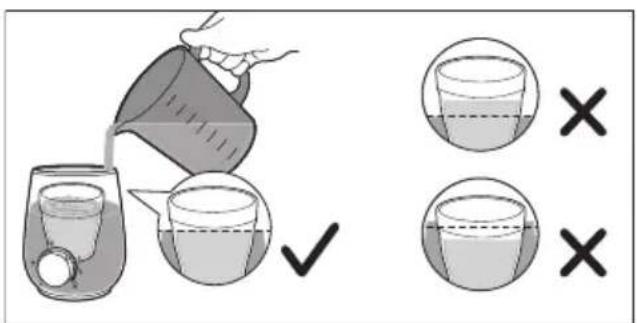
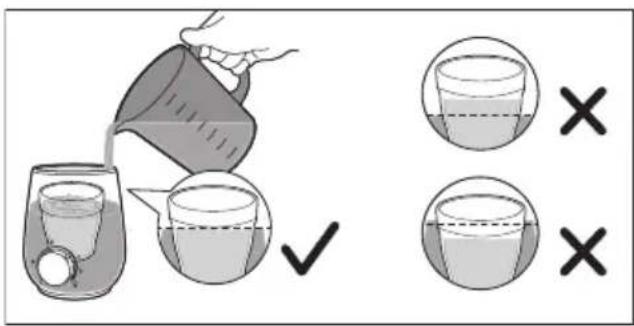
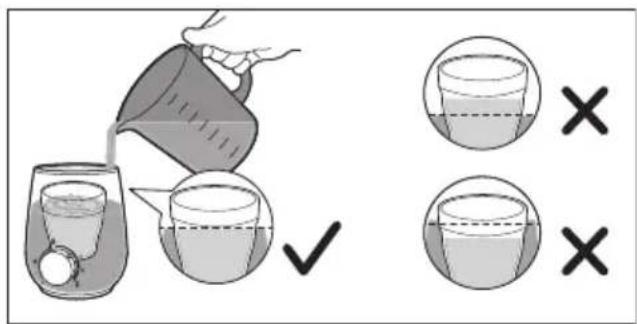
Illustration of a baby bottle connected to a power outlet with a cable (no text or symbols)2 Fill the bottle warmer with drinking water up to the level of the milk in the bottle. In case of large amounts of milk, the maximum level of water is approximately 1 cm below the top of the bottle warmer. An accurate water level ensures correct warming performance.

3 Select the desired setting based on the milk volume. See the express warming reference table at the end of this chapter to check how long the milk needs to be warmed in the selected setting.


Note
- The speed of warming milk depending on the amount of the milk warmed and on its initial temperature, i.e. room temperature (22 °C) or fridge temperature (5 °C).
4 The orange light goes on when you select a setting. This indicates that the bottle warmer is on.


Note
- Whilst warming the milk circulates and heats evenly.
5 Check the express warming reference table for the time required to warm the milk. After the time indicated in the express warming reference table has passed, remove the bottle for feeding or turn the knob to "Keep Warm" to keep milk warm at a right temperature.

natural_image
Simple line drawing of an eye and a clock with a second eye icon (no text or symbols)
8 ENGLISH

Tip
- When you find the milk is not warm enough, you can place the bottle back into the appliance for a maximum of 30 seconds of extra warming. This will create a slightly warmer result but without overheating.

Caution
- If you leave the bottle in the bottle warmer longer than the time indicated in the settings table, the milk may become overheated.
• If you overheat breast milk, valuable nutrients and vitamins may be lost.
6 Always check the temperature before you feed your baby. Gently shake the bottle or milk storage container and check the temperature of the milk by sprinkling a few drops on the inside of your wrist.

natural_image
Illustration of a hand holding a bottle with liquid, no text or symbols present7 Turn the knob back to the 'off' position.


Caution
- The water in the bottle warmer might be hot after finishing warming milk / baby food. Be careful that hot water can cause serious burns.
- If you do not turn the knob back to the 'off' position, the water keeps heating up and will reach a very high temperature.
Express warming reference table
| ml/oz |  |  | |
| 22°C/72°F 5°C/40°F 5°C/40°F | |||
| min min min | |||
| 60 ml/2 oz - <150 ml/5 oz 2 - 35 - 6 - | |||
| 150 ml/5 oz - <210 ml/7 oz 3 - 46 - 7 - | |||
| 210 ml/7 oz - <270 ml/9 oz 4 - 57 - 9 - | |||
| 270 ml/9 oz - 330 ml/11 oz 5 - 6 - 8 - 10 | |||

Note
- Indicated warming times are based on Philips Avent Natural and Classic + polypropylene bottles. Be aware that warming times of Philips Avent Anti-colic with AirFree vent polypropylene bottles and Natural glass bottles deviate from these indications. In addition to bottle type and material, characteristics like thickness may also impact warming time. Therefore it may take less time to warm a larger volume of milk.
• The milk may feel cool to you, but for a newborn baby its temperature is very pleasant.
Using the bottle warmer to warm baby food
1 Follow the same steps as indicated in the previous chapter.
2 Make sure to stir the baby food during warming as it does not circulate automatically. Be careful not to burn your fingers when holding the container/jar while stirring.

After warming test the baby food with a spoon to ensure it is not too hot. If the baby food is not warm enough, put the container back into the bottle warmer and warm the baby food until it has the desired temperature.

Note
- Due to the high variety of baby food consistencies, it is strongly recommended to continuously stir and check while you are warming the baby food for an optimal result.
- Due to the high variety of baby food consistencies, it is not possible to indicate warming timings for baby food.
Using the keep warm setting to warm milk
1 Put the mains plug in the wall socket. Place the bottle or container in the bottle warmer.

natural_image
Illustration of a baby bottle connected to a power outlet with a cable (no text or symbols)
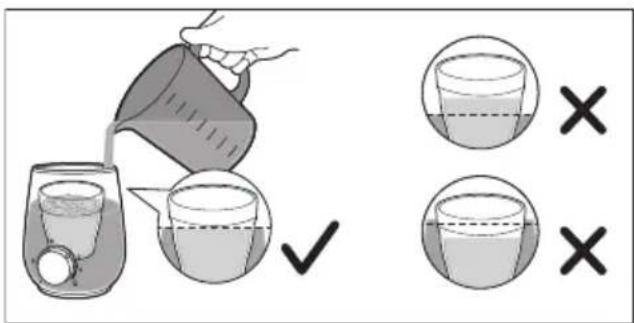
2 Fill the bottle warmer with drinking water up to the level of the milk in the bottle/container. In case of large amounts of milk, the maximum level of water is approximately 1 cm below the top of the bottle warmer.

3 Select the position of keep warm.
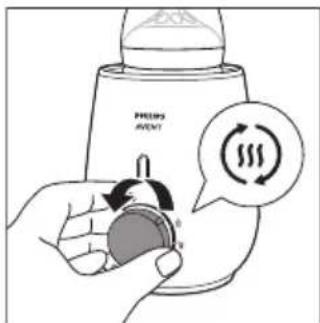
At this setting, you can warm your milk at a slow pace and keep it warm at the right end temperature. E.g. to warm a bottle of 4 oz milk starting from room temperature, it will take 15-20 minutes. The warming time may be longer or shorter depending on the milk volumes and starting temperature.

Note
• Philips Avent recommends you feed your baby as soon as possible after the milk is warmed. We advise not to reheat the milk after it has cooled down again.
• Always check the temperature before you feed your baby.
4 Turn the knob back to the 'off' position when the bottle/container is removed from the bottle warmer.
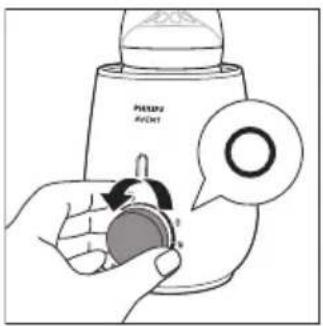
Using the bottle warmer with defrost setting
1 Put the appliance plug in the wall outlet. Place the bottle or container in the bottle warmer.

natural_image
Illustration of a baby bottle connected to a power outlet with a cable (no text or symbols)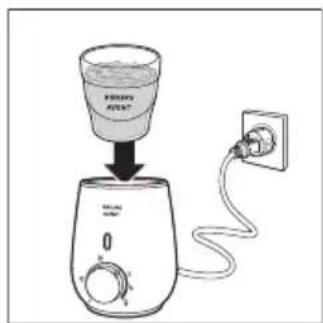
2 Fill the bottle warmer with drinking water up to the level of the milk/baby food in the bottle/container. In case of large amounts of milk/baby food, the maximum level of water is approximately 1 cm below the top of the bottle warmer.


12 ENGLISH
3 Select the position of defrost.
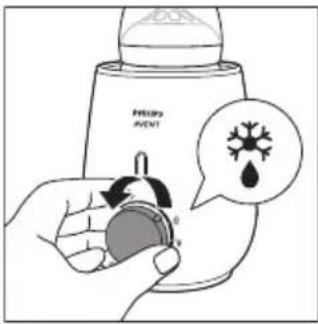
At this setting, your frozen milk/baby food can be defrosted to liquid state.
For frozen milk, check the warming reference table for the expected defrost timings. After your milk is defrosted, choose express warming setting or keep warm setting to warm your milk. Please refer to the previous chapters for usage instructions. Consider the start temperature of your milk around fridge temperature for the warming timings as rough guideline.
| ml/oz hours | ||
 | 60 ml/2 oz-90 ml/3 oz 1-1.5 | |
| 120 ml/4 oz-150 ml/5 oz 1.5-2 | ||
| 180 ml/6 oz-210 ml/7 oz 1.5-2.5 | ||
4 You may also defrost baby food in Philips Avent food container with this setting. After your baby food is defrosted, choose food warming setting to warm it. Please refer to the previous chapter for usage instruction.

Note
- Due to the high variety of baby food consistencies, it is strongly recommended to continuously stir and check while you are warming the baby food for an optimal result.
- Due to the high variety of baby food consistencies, it is not possible to indicate warming timings for baby food.
Cleaning and descaling
Cleaning
1 After each use, unplug the bottle warmer and let it cool down.
2 Remove the water from the bottle warmer for hygienic reasons.
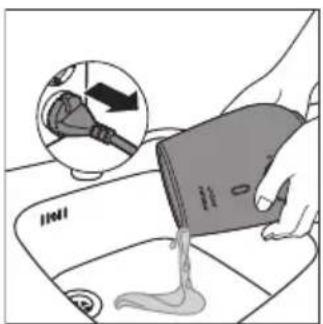
natural_image
Illustration of a hand pouring liquid into a kitchen sink with a magnified inset showing a tool (no text or symbols)3 Wipe the outside and inside of the bottle warmer with a moist cloth.
Do not use abrasive, antibacterial cleaning agents, chemical solvents or sharp tools to clean the bottle warmer.

natural_image
Illustration of hands cleaning a cup and a blender with a cloth (no text or symbols)
Note
- If you used the bottle warmer to warm baby food, make sure that no spilled baby food remains at the bottom of the bottle warmer.
14 ENGLISH
Descaling
It is recommended to descale the bottle warmer every four weeks to ensure it works efficiently.
1 Mix 50 ml/1.7 oz of white vinegar with 100 ml/3.4 oz of cold water to descale the bottle warmer. Switch on the bottle warmer, select the express milk warming setting 1 and let the appliance operate for 10 minutes. Leave the solution in the bottle warmer until all scale has dissolved.
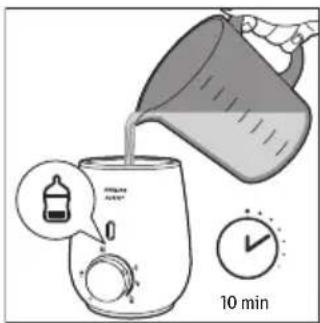

Note
- You can also use citric acid based descalers.
- Do not use other types of descalers.
2 Unplug the bottle warmer before you empty it.

natural_image
Illustration of a hand pouring liquid into a container with a magnified inset showing a device (no text or symbols)3 Empty the bottle warmer and rinse its inside thoroughly. If you still see traces of scale after rinsing, repeat the descaling procedure.

natural_image
Illustration of hands cleaning a cup and a blender with a cloth (no text or symbols)Recycling
Do not throw away the product with the normal household waste at the end of its life, but hand it in at an official collection point for recycling. By doing this, you help to preserve the environment. Follow your country's rules for the separate collection of electrical and electronic products. Correct disposal helps prevent negative consequences for the environment and human health.
Guarantee and support
If you need information or support, please visit www.philips.com/support or read the separate worldwide guarantee leaflet.
Troubleshooting
This chapter summarizes the most common problems you could encounter with the appliance. If you are unable to resolve the problem with the information below, contact the Consumer Care Center in your country.
ProblemSolution
The milk is too hot. You may have selected an incorrect setting or have left the bottle in the bottle warmer longer than the time indicated in the settings table.
Select the setting and check the time required to warm the milk according to the “Express warming reference table”. After the time indicated in the express warming reference table has passed, take out the bottle immediately or turn the knob to “Keep Warm” to keep the milk warm, otherwise the milk will be overheated.
The milk is still cold. You may have selected an incorrect setting or have used a silicone bottle.
Select the setting and check the time required to warm the milk according to the “Express warming reference table”. After the time indicated in the express warming reference table has passed, take out the bottle immediately or turn the knob to “Keep Warm” to keep the milk warm, otherwise the milk will be overheated.
If you are using a silicone bottle, after the time indicated in the express warming reference table has passed, wait for 30-60 seconds to ensure the milk is warm.
The bottle warmer defrosts milk too slowly. The milk should never be defrosted at a high temperature because it will lead to loss of nutrients. Due to the gentle temperature at which the milk is being defrosted, it might take longer time than expected to melt the milk.
The bottle warmer stops working during the warming process. The bottom of the bottle warmer may be blocked by the limescale. The bottle warmer should be descaled at least every four weeks. See section “Descaling”.
I cannot turn on the bottle warmer.
Vigtigt
natural_image
Illustration of a baby bottle being inserted into a washing machine with a power outlet (no text or symbols)
Bemærk
natural_image
Simple line drawing of an eye and a clock with a speech bubble (no text or symbols)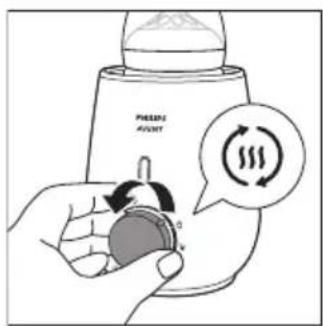

Tip
natural_image
Illustration of a hand holding a bottle with liquid, no text or symbols present
Forsigtig
natural_image
Illustration of a baby bottle connected to a power outlet with a cable (no text or symbols)

3 Vælg Hold varm-positionen.

natural_image
Illustration of a baby bottle connected to a power outlet with a cable (no text or symbols)
26 DANSK
3 Vælg positionen for optioning.

natural_image
Illustration of a hand pouring liquid into a basin with an inset showing a tool interacting with a valve (no text or symbols)natural_image
Illustration of hands cleaning a cup and a blender with a cloth (no text or symbols)
Bemaerk
natural_image
Illustration of a hand pouring liquid into a kitchen sink with a tool in the background (no text or symbols)natural_image
Illustration of two hands cleaning a cup and a blender with a cloth (no text or symbols)Genbrug
natural_image
Illustration of a baby bottle connected to a power outlet with a coiled cable (no text or symbols)
Hinweis
natural_image
Simple line drawing of an eye and a clock, no text or symbols present

Tipp
natural_image
Illustration of a hand pouring liquid from a bottle onto a foot (no text or symbols)
Vorsicht
natural_image
Illustration of a baby bottle being inserted into a washing machine with an electrical outlet (no text or symbols)

natural_image
Illustration of a baby bottle connected to a power outlet with a cable (no text or symbols)
40 DEUTSCH
natural_image
Illustration of a hand pouring liquid into a basin with an inset showing a tool interacting with the water (no text or symbols)natural_image
Illustration of two hands cleaning a cup and a blender with a cloth (no text or symbols)
Hinweis
natural_image
Illustration of a hand pouring liquid into a basin with an inset showing a tool interacting with a container (no text or symbols)natural_image
Illustration of two handwashing a cup and a blender with cleaning filter (no text or symbols)Recycling
natural_image
Illustration of a baby bottle being inserted into a washing machine with a power outlet (no text or symbols)
Nota:
natural_image
Simple line drawing of an eye and a clock, no text or symbols present

Consejo
natural_image
Illustration of a hand holding a bottle with liquid, no text or symbols present
Precaución
natural_image
Illustration of a baby bottle being inserted into a washing machine with an electrical outlet (no text or symbols)
natural_image
Illustration of a baby bottle being inserted into a washing machine with an electrical outlet (no text or symbols)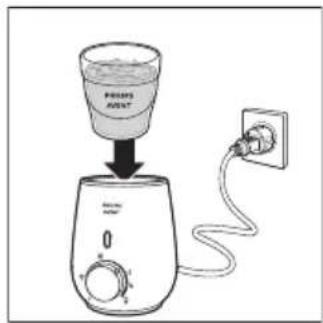

natural_image
Illustration of a hand pouring liquid into a container with a tool inside (no text or symbols)natural_image
Illustration of hands cleaning a cup and a blender with a cloth (no text or symbols)
Nota:
natural_image
Illustration of a hand pouring liquid into a basin with an inset showing a tool interacting with a container (no text or symbols)natural_image
Illustration of two handwashing a cup with cleaning cloth, showing the lid and handle (no text or symbols)Reciclaje
natural_image
Illustration of a baby bottle connected to a power outlet with a cable (no text or symbols)66 SUOMI

Huomautus
natural_image
Simple line drawing of an eye and a clock with hour and minute hands (no text or symbols)

Vinkki
natural_image
Illustration of a hand pouring liquid from a bottle onto a foot (no text or symbols)natural_image
Illustration of a baby bottle connected to a power outlet with a cable (no text or symbols)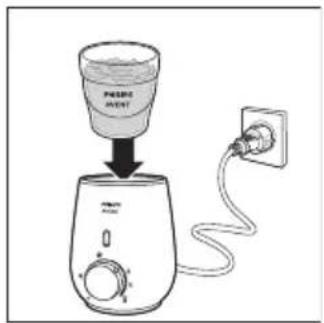

natural_image
Illustration of a baby bottle connected to a power outlet with a cord (no text or symbols)
3 Valitse sulatusasento.

natural_image
Illustration of a hand pouring liquid into a basin with an inset showing a tool interacting with a valve (no text or symbols)natural_image
Illustration of hands cleaning a cup and a blender with a cloth (no text or symbols)
Huomautus
natural_image
Illustration of hands cleaning a cup and a blender with a cloth (no text or symbols)Kierrätys
natural_image
Illustration of a baby bottle connected to a power outlet with a cable (no text or symbols)80 FRANÇAIS

Remarque

Remarque
natural_image
Simple line drawing of an eye and a clock with a speech bubble (no text or symbols)

Conseil
natural_image
Illustration of a hand pouring liquid from a bottle onto a foot (no text or symbols)natural_image
Illustration of a baby bottle being inserted into a washing machine with an electrical outlet (no text or symbols)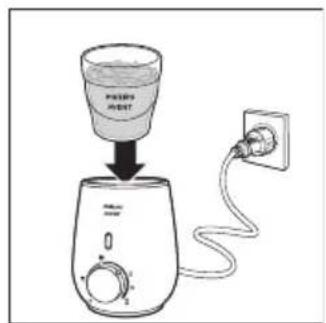
84 FRANÇAIS
natural_image
Illustration of a baby bottle connected to a power outlet with a cable (no text or symbols)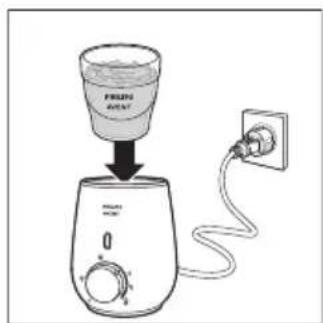

natural_image
Illustration of a hand pouring liquid into a basin with an inset showing a tool interacting with a pipe (no text or symbols)natural_image
Illustration of two handwashing cans on a surface, one covering the other with a cloth (no text or symbols)
Remarque
natural_image
Illustration of a hand pouring liquid into a basin with an inset showing a tool interacting with a container (no text or symbols)natural_image
Illustration of two handwashing a cup and a blender with cleaning filter (no text or symbols)Recyclage
natural_image
Illustration of a baby bottle connected to a power outlet with a cable (no text or symbols)
Catatan

Catatan
natural_image
Simple line drawing of an eye and a clock with hour and minute hands (no text or symbols)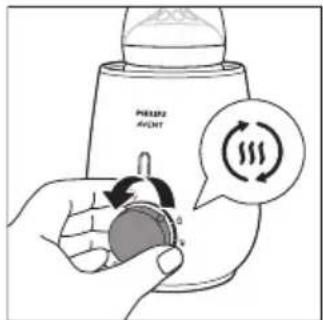

Kiat
natural_image
Illustration of a hand holding a bottle with liquid, no text or symbols present7 Putar kenop kembali ke posisi 'off'.

Perhatian
natural_image
Illustration of a baby bottle being inserted into a washing machine with an electrical outlet (no text or symbols)

natural_image
Illustration of a baby bottle connected to a power outlet with a cable (no text or symbols)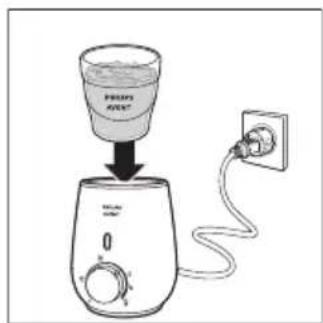

100 INDONESIA
natural_image
Illustration of a hand pouring liquid into a basin with an inset showing a tool interacting with a valve (no text or symbols)natural_image
Illustration of hands cleaning a cup and a blender with a cloth (no text or symbols)
Catatan
natural_image
Illustration of a hand pouring liquid into a basin with an inset showing a tool interacting with a container (no text or symbols)natural_image
Illustration of two hands cleaning a cup and a blender with a cloth (no text or symbols)Daur ulang
natural_image
Illustration of a baby bottle being inserted into a washing machine with an electrical outlet (no text or symbols)natural_image
Simple line drawing of an eye and a clock, no text or symbols present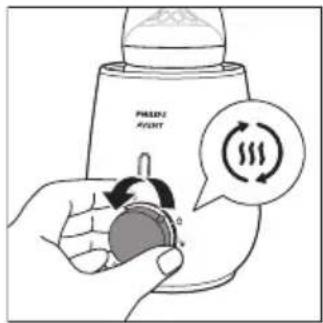

Suggerimento
natural_image
Illustration of a hand holding a bottle over a foot, with no visible text or symbols
Attenzione
natural_image
Illustration of a baby bottle being inserted into a blender with an electrical outlet (no text or symbols)
natural_image
Illustration of a baby bottle connected to a power outlet with a cable (no text or symbols)
114 ITALIANO

natural_image
Illustration of a hand pouring liquid into a basin with an inset showing a tool interacting with a pipe (no text or symbols)natural_image
Illustration of two handwashing cans on a surface, one covering the other with a cloth (no text or symbols)
Nota
natural_image
Illustration of a hand pouring liquid into a basin with an inset showing a tool (no text or symbols)natural_image
Illustration of two hands cleaning a cup and a water heater (no text or symbols)Riciclaggio
natural_image
Illustration of a baby bottle being inserted into a washing machine with a power outlet (no text or symbols)124 NEDERLANDS

Opmerking
natural_image
Simple line drawing of an eye and a clock with a pointer, no text or symbols present

Tip
natural_image
Illustration of a hand holding a bottle with liquid, no text or symbols present
Let op
natural_image
Illustration of a baby bottle connected to an electrical outlet (no text or symbols)

128 NEDERLANDS
natural_image
Illustration of a baby bottle connected to a power outlet with a cable (no text or symbols)
3 Kies de ontdooistand.
natural_image
Illustration of two hands cleaning a cup and a blender with a cloth (no text or symbols)
Opmerking
natural_image
Illustration of a hand pouring liquid into a sink with a device, showing a magnified view of the drain (no text or symbols present)natural_image
Illustration of a hand cleaning a cup with a cloth, separated by a diagonal line (no text or symbols)Recycling
natural_image
Illustration of a baby bottle being inserted into a washing machine with a power outlet (no text or symbols)2 Fyll flaskevarmeren med springvann opp til nivået for melk i flasken. Hvis du skal varme mye melk, er det hoyeste nivået for vann omtrent 1 cm nedenfor toppen av flaskevarmeren. Et noyaktig vannivå sikrer effektiv oppvarming.

3 Velg onsket innstilling basert på melkevolumet. Se referansetabellen for ekspressoppvarming på slutten av dette kapittelet for å se hvor lenge melken må varmes opp med den valgte innstillingen.


Merk
- Hvor raskt melk varmes opp, avhenger av hvor mye melk som varmes opp, og av temperaturen den varmes opp fra, f.eks. romtemperatur (22 °C) eller kjoleskapstemperatur (5 °C).
natural_image
Simple line drawing of an eye and a clock with a speech bubble (no text or symbols)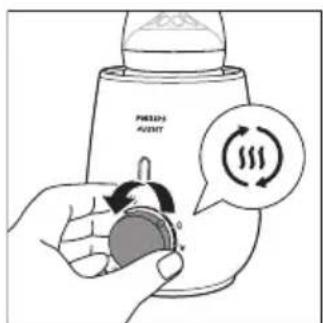

Tips
natural_image
Illustration of a hand holding a bottle with liquid, no text or symbols present
Forsiktig
Tabell for rask oppvarming
| ml/oz |  |  | |
| 22 °C/72 °F 5 °C/40 °F 5 °C/40 °F | |||
| min min min | |||
| 60 ml (2 oz) – < 150 ml (5 oz) 2–3 5–6 – | |||
| 150 ml (5 oz) – < 210 ml (7 oz) 3–4 6–7 – | |||
| 210 ml (7 oz) – < 270 ml (9 oz) 4–5 7–9 – | |||
| 270 ml (9 oz) – 330 ml (11 oz) 5–6 – 8–10 | |||

Merk
natural_image
Illustration of a baby bottle connected to a power outlet with a cable (no text or symbols)
2 Fyll flaskevarmeren med springvann opp til nivået for melk i flasken/ beholderen. Hvis du skal varme mye melk, er det høyeste nivået for vann omtrent 1 cm nedenfor toppen av flaskevarmeren.
natural_image
Illustration of a baby bottle connected to a power outlet with a cord (no text or symbols)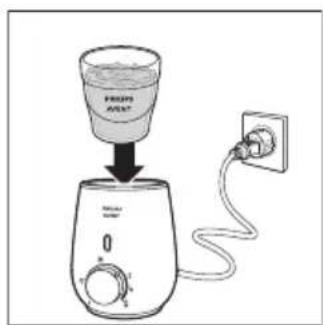
2 Fyll flaskevarmeren med springvann opp til nivået for melk/babymat i flasken/eholderen. Hvis du skal varme mye melk/babymat, er det hoyeste nivået for vann omtrent 1 cm nedenfor toppen av flaskevarmeren.


142 NORSK
På denne innstillingen tines den frosne melken/babymaten til flytende tilstand.
natural_image
Illustration of a hand pouring liquid into a basin with an inset showing a tool interacting with a valve (no text or symbols)natural_image
Illustration of hands cleaning a cup and a blender with a cloth (no text or symbols)
Merk
- Hvis du har brukt flaskevarmeren til å varme opp babymat, må du kontrollere at matrester ikke blir liggende i bunnen av flaskevarmeren.
Avkalking
natural_image
Illustration of a hand pouring liquid into a basin with an inset showing a tool interacting with the basin (no text or symbols)natural_image
Illustration of hands cleaning a cup and a blender with a cloth (no text or symbols)Resirkulering
natural_image
Illustration of a baby bottle connected to a power outlet with a coiled cable (no text or symbols)150 PORTUGUÊS
natural_image
Simple line drawing of an eye and a clock with a speech bubble (no text or symbols)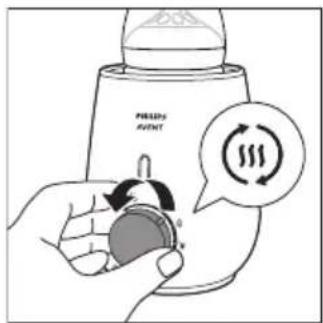

Dica
natural_image
Illustration of a hand holding a bottle with liquid, no text or symbols present
Atenção
natural_image
Illustration of a baby bottle connected to a power outlet with a cord (no text or symbols)
154 PORTUGUÊS
natural_image
Illustration of a baby bottle connected to a power outlet with a cable (no text or symbols)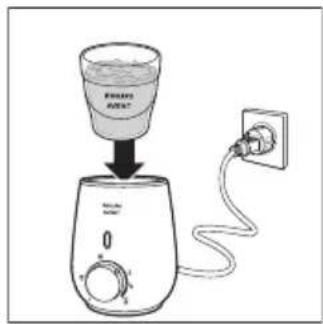

natural_image
Illustration of a hand cleaning a cup and a blender with a cloth (no text or symbols)
Note
natural_image
Illustration of a hand pouring liquid into a basin with an inset showing a tool interacting with a container (no text or symbols)natural_image
Illustration of two handwashing a cup and a blender with cleaning filter (no text or symbols)Reciclagem
natural_image
Illustration of a baby bottle being inserted into a washing machine with a power outlet (no text or symbols)164 SVENSKA

Obs!
natural_image
Simple line drawing of an eye and a clock, no text or symbols present

Tips!
natural_image
Illustration of a hand holding a bottle with liquid, no text or symbols present
Varning
natural_image
Illustration of a baby bottle connected to a power outlet with a cable (no text or symbols)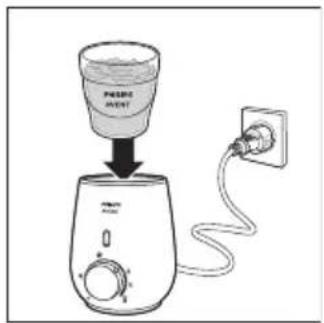

natural_image
Illustration of a baby bottle connected to a power outlet with a cable (no text or symbols)

natural_image
Illustration of a hand pouring liquid into a basin with an inset showing a tool interacting with a valve (no text or symbols)natural_image
Illustration of hands cleaning a cup and a blender with a cloth (no text or symbols)
Obs!
natural_image
Illustration of a hand pouring liquid into a basin with an inset showing a tool interacting with the basin (no text or symbols)natural_image
Illustration of hands cleaning a cup and a blender with a cloth (no text or symbols)Återvinning
natural_image
Illustration of a baby bottle connected to a power outlet with a coiled cable (no text or symbols)natural_image
Simple line drawing of an eye and a clock, no text or symbols present
178 TÜRKÇE

ipucu
natural_image
Illustration of a hand pouring liquid from a bottle onto a foot (no text or symbols)
Dikkat
natural_image
Illustration of a baby bottle connected to a power outlet with a cable (no text or symbols)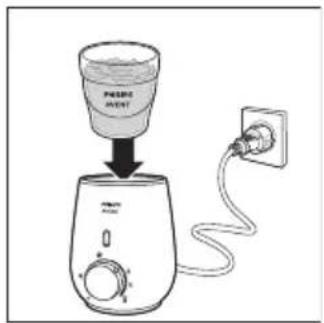
natural_image
Illustration of a baby bottle connected to a power outlet with a cable (no text or symbols)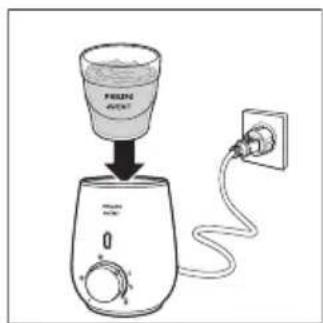
182 TÜRKÇE
natural_image
Illustration of a hand pouring liquid into a basin with an inset showing a tool interacting with a valve (no text or symbols)natural_image
Illustration of hands cleaning a cup and a blender with a cloth (no text or symbols)
Not
natural_image
Illustration of a hand pouring liquid into a basin with an inset showing a tool interacting with a container (no text or symbols)natural_image
Illustration of two handwashing a cup with cleaning cloth, showing the lid and handle (no text or symbols)Geri dönüşüm
natural_image
Illustration of a baby bottle connected to a power outlet with a coiled cable (no text or symbols)190 TIÊNG VIÊT
natural_image
Simple line drawing of an eye and a clock with a hand pointing to it (no text or symbols)

Meo
natural_image
Illustration of a hand holding a bottle pouring liquid into a foot (no text or symbols)
Chú y
natural_image
Illustration of a baby bottle connected to a power outlet with a cable (no text or symbols)

194 TIÊNG VIÊT
natural_image
Illustration of a baby bottle connected to a power outlet with a coiled cable (no text or symbols)

natural_image
Illustration of a hand pouring liquid into a basin with an inset showing a tool interacting with the basin (no text or symbols)natural_image
Illustration of two handwashing cleaning a cup and a blender (no text or symbols)
Lưu ý
natural_image
Illustration of a hand pouring liquid into a basin with an inset showing a tool (no text or symbols)natural_image
Illustration of two hands cleaning a cup and a blender with a cloth (no text or symbols)Tái chê
natural_image
Illustration of a baby bottle connected to a power outlet with a cable (no text or symbols)1
2

natural_image
Simple line drawing of an eye and a clock with hour and minute hands (no text or symbols)תַעָ

natural_image
Illustration of a hand pouring liquid from a bottle onto a foot (no text or symbols).
7

תְרָה

natural_image
Illustration of a baby bottle being inserted into a washing machine with a power outlet (no text or symbols)
natural_image
Illustration of a baby bottle connected to a power outlet with a cable (no text or symbols)2

.הכלהה כרִים הַעָה
3
natural_image
Illustration of a hand pouring liquid into a kitchen sink with an inset showing a tool interacting with the surface (no text or symbols)natural_image
Illustration of two hands cleaning a cup and a water bottle (no text or symbols)הכלה

natural_image
Illustration of a hand pouring liquid into a basin with an inset showing a tool interacting with a valve (no text or symbols)natural_image
Illustration of two hands cleaning a cup and a blender with a cloth (no text or symbols)תְרָה

natural_image
Illustration of a baby bottle connected to a power outlet with a cable (no text or symbols)2
natural_image
Simple line drawing of an eye and a clock with hour and minute hands (no text or symbols)تلميح

natural_image
Illustration of a hand pouring liquid from a bottle into a foot (no text or symbols)تنبيه

• .
• .
• .
• . .
• . .
• . .
• . .
• . .
• . .
• . .
• . .
• . .
• . .
• . .
• . .
• . .
• . .
• . .
• . .
• . .
• . .
• . .
• . .
• . .
• . .
• . .
• . .
• . .
• . .
• . .
• . .
• . .
• . .
• . .
• . .
• . .
• ..
• . .
• . .
• . .
• . .
• . .
• . .
• . .
• . .
• . .
• . .
• . .
• . .
• . .
• . .
• . .
• . .
• . .
• . .
• . .
• . .
• . .
• . .
• . .
• . .
• . .
• . .
• . .
• . .
• . .
• . .
• . .
• . .
• . .
•
natural_image
Illustration of a baby bottle connected to a power outlet with a coiled cable (no text or symbols)1

natural_image
Illustration of a hand pouring liquid into a container with a magnified inset showing a tool (no text or symbols)ملاحظة

natural_image
Illustration of a hand pouring liquid into a container with a magnified inset showing a tool interacting with the lid (no text or symbols)natural_image
Illustration of hands cleaning a cup and a blender with a cloth (no text or symbols)إعادة التدوير


- Important
- Danger
- Warning
- ENGLISH
- Caution
- Electromagnetic fields (EMF)
- Introduction
- Using the bottle warmer
- Product overview
- Explanation of settings
- Using the bottle warmer with express milk warming setting
- Note
- ENGLISH
- Tip
- Express warming reference table
- Using the bottle warmer to warm baby food
- Using the keep warm setting to warm milk
- Using the bottle warmer with defrost setting
- ENGLISH
- Select the position of defrost.
- Cleaning and descaling
- Cleaning
- ENGLISH
- Descaling
- Recycling
- Guarantee and support
- Troubleshooting
- ProblemSolution
- Vigtigt
- Bemærk
- Forsigtig
- DANSK
- Vælg positionen for optioning.
- Bemaerk
- Genbrug
- Hinweis
- Tipp
- Vorsicht
- DEUTSCH
- Nota:
- Consejo
- Precaución
- Reciclaje
- SUOMI
- Huomautus
- Vinkki
- Valitse sulatusasento.
- Kierrätys
- FRANÇAIS
- Remarque
- Conseil
- FRANÇAIS
- Recyclage
- Catatan
- Kiat
- Putar kenop kembali ke posisi 'off'.
- Perhatian
- INDONESIA
- Daur ulang
- Suggerimento
- Attenzione
- ITALIANO
- Nota
- Riciclaggio
- NEDERLANDS
- Opmerking
- Let op
- NEDERLANDS
- Merk
- Tips
- Forsiktig
- Tabell for rask oppvarming
- NORSK
- Avkalking
- Resirkulering
- PORTUGUÊS
- Dica
- Atenção
- PORTUGUÊS
- Reciclagem
- SVENSKA
- Obs!
- Tips!
- Varning
- Återvinning
- TÜRKÇE
- ipucu
- Dikkat
- TÜRKÇE
- Not
- Geri dönüşüm
- TIÊNG VIÊT
- Meo
- Chú y
- TIÊNG VIÊT
- Lưu ý
- Tái chê
- תְרָה
- إعادة التدوير
Brand : PHILIPS
Model : Avent SCF355
Category : Bottle Warmer