
WS 12-125 XE - Power tool AEG - Free user manual and instructions
Find the device manual for free WS 12-125 XE AEG in PDF.



| Product type | Angle grinder |
| Brand | AEG |
| Model | WS 12-125 XE |
| Rated power | 1200 W |
| No-load speed | 2800 - 11000 min⁻¹ (variable) |
| Max. wheel diameter | 125 mm |
| Spindle thread | M14 |
| Weight (according to EPTA 01/2003) | 2.4 kg |
| Mains voltage | 220 - 240 V / 50-60 Hz |
| Sound pressure level (K=3 dB) | 90.0 dB(A) |
| Sound power level (K=3 dB) | 101.0 dB(A) |
| Vibration (cutting/rough grinding) | 6.4 m/s² (uncertainty K=1.5 m/s²) |
| Vibration (sanding with plastic disc) | 1.9 m/s² (uncertainty K=1.5 m/s²) |
| Electronics | Constant speed control, speed reduction under overload |
| Main functions | Grinding, cutting, sanding, metal brushing |
| Protection | Adjustable guard, additional handle |
| Safety | Mandatory hearing protection (≥ 90 dB), kickback stop, disc brake not specified |
| Maintenance | Clean ventilation slots regularly |
| Spare parts | Recommended AEG accessories, AEG after-sales service |
| Compliance | EN 60745, EN 55014, CE, Protection class II |
Frequently Asked Questions - WS 12-125 XE AEG
User questions about WS 12-125 XE AEG
0 question about this device. Answer the ones you know or ask your own.
Ask a new question about this device
Download the instructions for your Power tool in PDF format for free! Find your manual WS 12-125 XE - AEG and take your electronic device back in hand. On this page are published all the documents necessary for the use of your device. WS 12-125 XE by AEG.
USER MANUAL WS 12-125 XE AEG
Original instructions
For cutting-off operations!
For cutting-off operations!
| WS 9-100 | WS 9-115 | WS 9-125 | ||||
| 220 - 240 V | 110 V | |||||
| Rated input | .900 W | .900 W | .900 W | .900 W | .900 W | .900 W |
| Rated speed | .11000 min-1 | .11000 min-1 | .11000 min-1 | .11000 min-1 | .11000 min-1 | .11000 min-1 |
| Grinding disk diameter | .100 mm | .115 mm | .115 mm | .115 mm | .125 mm | .125 mm |
| Thread of work spindle | . M | .10 | .14 | .14 | .14 | .14 |
| Weight according EPTA-Procedure 01/2003 | .2,0 kg | .2,0 kg | .2,0 kg | .2,0 kg | .2,0 kg | .2,0 kg |
Noise/Vibration Information
Measured values determined according to EN 60745.
Typically, the A-weighted noise levels of the tool are:
Sound pressure level (K=3 dB(A)) 90.5 dB (A) 90.5 dB (A) ..... 89.0 dB (A) ..... 90.5 dB (A)
Sound power level (K=3 dB(A)) 101.5 dB (A) 101.5 dB (A) ... 100.0 dB (A) 101.5 dB (A)
Wear ear protectors!
Total vibration values (vector sum in the three axes) determined according to EN 60745.
Surface grinding: vibration emission value a_h 5.8 m/s² 5.8 m/s² 5.6 m/s² 5.8 m/s²
Uncertainty K. 1.5 m/s² 1.5 m/s² 1.5 m/s² 1.5 m/s²
Disk sanding: vibration emission level a_h 1.9 m/s² 1.9 m/s² 2.9 m/s² 1.9 m/s²
Uncertainty K. 1.5 m/s² 1.5 m/s² 1.5 m/s² 1.5 m/s²
| WS 11-115 | WS 11-125 | WS 12-125 XE | |||
| Rated input | 1100 | W | 1100 | W | 1200 W |
| Rated speed | 11000 | min-1 | 11000 | min-1 | 2800 - 11000 min-1 |
| Grinding disk diameter | 115 | mm | 125 | mm | 125 mm |
| Thread of work spindle | M | 14. | M | 14. | M 14 |
| Weight according EPTA-Procedure 01/2003 | 2,3 | kg | 2,3 | kg | 2,4 kg |
Noise/Vibration Information
Measured values determined according to EN 60745.
Typically, the A-weighted noise levels of the tool are:
Sound pressure level (K=3 dB(A)) 90.5 dB(A) 90.5 dB(A) 90.0 dB(A)
Sound power level (K=3 dB(A)) 101.5 dB(A) 101.5 dB(A) 101.0 dB(A)
Wear ear protectors!
Total vibration values (vector sum in the three axes) determined according to EN 60745.
Surface grinding: vibration emission value a_h 5.8 m/s² 5.8 m/s² 6.4 m/s²
Uncertainty K: 1.5 m/s² 1.5 m/s² 1.5 m/s²
Disk sanding: vibration emission level a_h 1.9 m/s² 1.9 m/s² 1.9 m/s²
Uncertainty K: 1.5 m/s² 1.5 m/s² 1.5 m/s²
For other applications, e.g. abrasive cutting-off operations or wire brushing, other vibration values could occur.

WARNING
The vibration emission level given in this information sheet has been measured in accordance with a standardised test given in EN 60745 and may be used to compare one tool with another. It may be used for a preliminary assessment of exposure.
The declared vibration emission level represents the main applications of the tool. However, if the tool is used for different applications, with different accessories or poorly maintained, the vibration emission may differ. This may significantly increase the exposure level over the total working period.
An estimation of the level of exposure to vibration should also take into account the times when the tool is switched off or when it is running but not actually doing the job. This may significantly reduce the exposure level over the total working period.
Identify additional safety measures to protect the operator from the effects of vibration, such as: maintaining the tool and accessories, keeping the hands warm, and organizing work patterns.


WARNING!
Read all safety warnings and all instructions, including those given in the accompanying brochure. Failure to follow the warnings and instructions may result in electric shock, fire and/or serious injury.
Save all warnings and instructions for future reference.
SAFETY INSTRUCTIONS
Safety Warnings Common for Grinding, Sanding, Wire Brushing or Abrasive Cutting-Off Operations:
a) This power tool is intended to function as a grinder, sander, wire brush, or cut-off tool. Read all safety warnings, instructions, illustrations and specifications provided with this power tool. Failure to follow all instructions listed below may result in electric shock, fire and/or serious injury. b) Operations such as polishing are not recommended to be performed with this power tool. Operations for which the power tool was not designed may create a hazard and cause personal injury. c) Do not use accessories which are not specifically designed and recommended by the tool manufacturer. Just because the accessory can be attached to your power tool, it does not assure safe operation. d) The rated speed of the accessory must be at least equal to the maximum speed marked on the power tool. Accessories running faster than their rated speed can break and fly apart. e) The outside diameter and the thickness of your accessory must be within the capacity rating of your power tool. Incorrectly sized accessories cannot be adequately guarded or controlled. f) The arbour size of wheels, flanges, backing pads or any other accessory must properly fit the spindle of the power tool. Accessories with arbour holes that do not match the mounting hardware of the power tool will run out of balance, vibrate excessively and may cause loss of control. g) Do not use a damaged accessory. Before each use inspect the accessory such as abrasive wheels for chips and cracks, backing pad for cracks, tear or excess wear, wire brush for loose or cracked wires. If power tool or accessory is dropped, inspect for damage or install an undamaged accessory. After inspecting and installing an accessory, position yourself and bystanders away from the plane of the rotating accessory and run the power tool at maximum no-load speed for one minute. Damaged accessories will normally break apart during this test time. h) Wear personal protective equipment. Depending on application, use face shield, safety goggles or safety glasses. As appropriate, wear dust mask, hearing protectors, gloves and shop apron capable of stopping small abrasive or workpiece fragments. The eye protection must be capable of stopping flying debris generated by various operations. The dust mask or respirator must be capable of filtrating particles generated by your operation. Prolonged exposure to high intensity noise may cause hearing loss.
i) Keep bystanders a safe distance away from the work area. Anyone entering the work area must wear personal protective equipment. Fragments of the workpiece or of a broken accessory may fly away and cause injury beyond the immediate area of operation. j) Hold the power tool by insulated gripping surfaces when performing an operation where the cutting accessory may contact hidden wiring or its own cord. Cutting accessory contacting a "live" wire may make exposed metal parts of the power tool "live" and could give the operator an electric shock. k) Position the cord clear of the spinning accessory. If you lose control, the cord may be cut or snagged and your hand or arm may be pulled into the spinning accessory. l) Never lay the power tool down until the accessory has come to a complete stop. The spinning accessory may grab the surface and pull the power tool out of your control. m) Do not run the power tool while carrying it at your side. Accidental contact with the spinning accessory could snag your clothing, pulling the accessory into your body. n) Regularly clean the power tool's air vents. The motor's fan will draw the dust inside the housing and excessive accumulation of powdered metal may cause electrical hazards. o) Do not operate the power tool near flammable materials. Sparks could ignite these materials. p) Do not use accessories that require liquid coolants. Using water or other liquid coolants may result in electrocution or shock.
Kickback and related warnings
Kickback is a sudden reaction to a pinched or snagged rotating wheel. Pinching or snagging causes rapid stalling of the rotating wheel, which in turn causes the uncontrolled power tool to be forced in the direction opposite to the wheel's rotation at the point of the binding. For example, if an abrasive wheel is snagged or pinched by the workpiece, the edge of the wheel that is entering into the pinch point can dig into the surface of the material, causing the wheel to climb out or kick out. The wheel may either jump toward or away from the operator, depending on the direction of the wheel's movement at the point of pinching. Abrasive wheels may also break under these conditions.
Kickback is the result of saw misuse and/or incorrect operating procedures or conditions and can be avoided by taking proper precautions as given below.
a) Maintain a firm grip on the power tool and position your body and arm to allow you to resist kickback forces. Always use the auxiliary handle, if provided, for maximum control over kickback or torque reaction during start-up. The operator can control torque reactions or kickback forces if proper precautions are taken. b) Never place your hand near the rotating accessory.
The accessory may kick back over your hand.
c) Do not position your body in the area where the power tool will move if kickback occurs. Kickback will propel the tool in the direction opposite to the wheel's movement at the point of snagging.
English
d) Use special care when working corners, sharp edges, etc. Avoid bouncing and snagging the accessory. Corners, sharp edges or bouncing have a tendency to snag the rotating accessory and cause loss of control or kickback. e) Do not attach a saw chain, woodcarving blade or toothed saw blade. Such blades create frequent kickback and loss of control.
Safety Warnings Specific for Grinding and Abrasive Cutting-Off Operations:
a) Use only wheel types that are recommended for your power tool and the specific guard designed for the selected wheel. Wheels for which the power tool was not designed cannot be adequately guarded and are unsafe. b) The guard must be securely attached to the power tool and positioned for maximum safety, so the least amount of wheel is exposed towards the operator. The guard helps to protect operator from broken wheel fragments and accidental contact with wheel.
c) Wheels must be used only for recommended applications. For example: do not grind with the side of cut-off wheel. Abrasive cut-off wheels are intended for peripheral grinding, side forces applied to these wheels may cause them to shatter. d) Always use undamaged wheel flanges that are of correct size and shape for your selected wheel. Proper wheel flanges support the wheel thus reducing the possibility of wheel breakage. Flanges for cut-off wheels may be different from grinding wheel flanges. e) Do not use worn down wheels from larger power tools. Wheel intended for larger power tool is not suitable for the higher speed of a smaller tool and may burst.
Additional Safety Warnings Specific for Abrasive Cutting-Off Operations:
a) Do not "jam" the cut-off wheel or apply excessive pressure. Do not attempt to make an excessive depth of cut. Overstressing the wheel increases the loading and susceptibility to twisting or binding of the wheel in the cut and the possibility of kickback or wheel breakage. b) Do not position your body in line with and behind the rotating wheel. When the wheel, at the point of operation, is moving away from your body, the possible kickback may propel the spinning wheel and the power tool directly at you. c) When wheel is binding or when interrupting a cut for any reason, switch off the power tool and hold the power tool motionless until the wheel comes to a complete stop. Never attempt to remove the cut-off wheel from the cut while the wheel is in motion otherwise kickback may occur. Investigate and take corrective action to eliminate the cause of wheel binding. d) Do not restart the cutting operation in the workpiece. Let the wheel reach full speed and carefully reenter the cut. The wheel may bind, walk up or kickback if the power tool is restarted in the workpiece.
e) Support panels or any oversized workpiece to minimize the risk of wheel pinching and kickback. Large workpieces tend to sag under their own weight. Supports must be placed under the workpiece near the line of cut and near the edge of the workpiece on both sides of the wheel. f) Use extra caution when making a "pocket cut" into existing walls or other blind areas. The protruding wheel may cut gas or water pipes, electrical wiring or objects that can cause kickback.
Safety Warnings Specific for Sanding Operations:
a) Do not use excessively oversized sanding disc paper. Follow manufacturers recommendations when selecting sanding paper. Larger sanding paper extending beyond the sanding pad presents a laceration hazard and may cause snagging, tearing of the disc or kickback.
Safety Warnings Specific for Wire Brushing Operations:
a) Be aware that wire bristles are thrown by the brush even during ordinary operation. Do not overstress the wires by applying excessive load to the brush. The wire bristles can easily penetrate light clothing and/or skin. b) If the use of a guard is recommended for wire brushing, do not allow any interference of the wire wheel or brush with the guard. Wire wheel or brush may expand in diameter due to work load and centrifugal forces.
Appliances used at many different locations including open air should be connected via a residual current device (FI, RCD, PRCD) of 30 mA or less.
Sawdust and splinters must not be removed while the machine is running.
Only plug in when machine is switched off.
Never reach into the danger area of the plane when it is running.
Always use the auxiliary handle.
Always use the protecting cap when roughing-down and separating. Immediately switch off the machine in case of considerable vibrations or if other malfunctions occur. Check the machine in order to find out the cause.
Always use and store the grinding disks according to the manufacturer's instructions.
When grinding metal, flying sparks are produced. Take care that no persons are endangered. Because of the danger of fire, no combustible materials should be located in the vicinity (spark flight zone). Do not use dust extraction.
Due care should be taken that no sparks or sanding dust flying from the workpiece come into contact with you.
When separating stone the guide shoe must be used!
The adjusting nut must be tightened before starting to work with the machine.
The workpiece must be fixed if it is not heavy enough to be steady.

Never lead the workpiece to the grinding disk with your hand.
Under extreme conditions (e.g. smooth-grinding metals with the armour and vulcanized fibre grinding wheel), significant contamination can build up on the inside of the angle grinder. For safety reasons, in such conditions the inside should be cleaned thoroughly of metal deposits and a residual current device (FI, RCD, PRCD) must be connected in series. If the residual current device responds, the machine must be sent for repair.
For accessories intended to be fitted with threaded hole wheel, ensure that the thread in the wheel is long enough to accept the spindle length.
When cutting-off material, use the closed safety guard from the accessories range.
SPECIFIED CONDITIONS OF USE

The angle grinder may be used for cutting, grinding, sanding and wire brushing a wide range of materials, such as metal or stone. If you have any doubts, please refer to the instructions supplied by the accessory manufacturer.
Do not use this product in any other way as stated for normal use.
MAINS CONNECTION

Connect only to single-phase AC current and only to the system voltage indicated on the rating plate. It is also possible to connect to sockets without an earthing contact as the design conforms to safety class II.
EC-DECLARATION OF CONFORMITY
We declare under our sole responsibility that this product is in conformity with the following standards or standardized documents. EN 60745, EN 55014-1, EN 55014-2, EN 61000-3-2, EN 61000-3-3, in accordance with the regulations 2006/42/EC, 2004/108/EC

Winnenden, 2010-12-09
Rainer Kumpf
Manager Product Development
Authorized to compile the technical file
MAINTENANCE
The ventilation slots of the machine must be kept clear at all times.
Do not let any metal parts enter the airing slots - danger of short circuit!
Use only AEG accessories and spare parts. Should components need to be replaced which have not been described, please contact one of our AEG service agents (see our list of guarantee/service addresses).
If needed, an exploded view of the tool can be ordered. Please state the Article No. as well as the machine type printed on the label and order the drawing at your local service agents or directly at: AEG Elektrowerkzeuge, Max-Eyth-Straße 10, D-71364 Winnenden, Germany.
ELECTRONICS WS 12-125 XE
The built-in electronic will keep a constant speed even under increased load.
Should the machine be overloaded, the rotational speed is being reduced to standstill.
SYMBOLS

Please read the instructions carefully before starting the machine.

CAUTION! WARNING! DANGER!

Always wear goggles when using the machine.

Always disconnect the plug from the socket before carrying out any work on the machine.

Accessory - Not included in standard equipment, available as an accessory.

Do not dispose of electric tools together with household waste material! In observance of European Directive 2002/96/EC on waste electrical and electronic equipment and its implementation in accordance with national law, electric tools that have reached the end of their life must be collected separately and returned to an environmentally compatible recycling facility.
English
Winnenden, 2010-12-09
Rainer Kumpf
Manager Product Development
Winnenden, 2010-12-09
Rainer Kumpf
Manager Product Development
Winnenden, 2010-12-09
Rainer Kumpf
Winnenden, 2010-12-09
Rainer Kumpf Manager Product Development Authorized for the drafting of technical documents.
MAINTENANCE
Winnenden, 2010-12-09
Rainer Kumpf Manager Product Development Authorized to compile technical documentation.
MAINTENANCE
Winnenden, 2010-12-09
Rainer Kumpf
Manager Product Development
CAUTION! WARNING! DANGER!

Winnenden, 2010-12-09
Rainer Kumpf
Manager Product Development
Winnenden, 2010-12-09
Rainer Kumpf
Manager Product Development
Winnenden, 2010-12-09
Rainer Kumpf
Manager Product Development Authorized to compile technical documentation.
MAINTENANCE
Winnenden, 2010-12-09
Rainer Kumpf
Manager Product Development
Winnenden, 2010-12-09
Rainer Kumpf
Manager Product Development Authorized to compile technical documentation.
CONNECTION TO THE ELECTRICAL NETWORK
Connect the machine only to a single-phase AC power supply with a voltage that matches the value indicated on the rating plate. The machine is double insulated and can be connected to sockets without an earth wire.
MAINTENANCE
Keep the machine and ventilation slots clean. Due to the risk of injury, do not insert objects into the ventilation slots.
Use only original AEG accessories and spare parts. If the replacement of parts is not described, contact the AEG service center (see list of service centers).
If necessary, you can request an exploded view of the tool, stating the machine type and the serial number on the rating plate, from the customer service center or from AEG Elektrowerkzeuge, Max-Eyth-Straße 10, D-71364 Winnenden, Germany.
ELECTRONIC SPEED CONTROL WS 12-125 XE
Winnenden, 2010-12-09
Rainer Kumpf
Manager Product Development
Authorized to compile technical documentation.
MAINTENANCE
Winnenden, 2010-12-09
P
Rainer Kumpf
Manager Product Development
Authorized to compile technical documentation.
MAINTENANCE
Keep ventilation slots clean at all times.
Due to the risk of short circuit, metal objects must not enter the ventilation gap.
CE - DECLARATION OF CONFORMITY
We declare under our sole responsibility that this product conforms to the following standards or normative documents: EN 60745, EN 55014-1, EN 55014-2, EN 61000-3-2, EN 61000-3-3, in accordance with the provisions of Directives 2006/42/EC, 2004/108/EC.

Winnenden, 2010-12-09
Rainer Kumpf
Manager Product Development
Winnenden, 2010-12-09
Rainer Kumpf
Manager Product Development
Authorized for compilation of technical data
Winnenden, 2010-12-09
Rainer Kumpf
Manager Product Development
USE IN ACCORDANCE WITH INTENDED PURPOSE
Winnenden, 2010-12-09
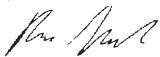
Rainer Kumpf
Manager Product Development
Winnenden, 2010-12-09
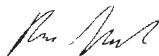
Rainer Kumpf
Manager Product Development
Authorized for the compilation of technical documentation.
MAINTENANCE
Winnenden, 2010-12-09
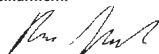
Rainer Kumpf
Manager Product Development
Authorized for the compilation of technical documentation.
MAINTENANCE
Always ensure that the cooling vents are kept clean.
Due to the risk of electric shock, no metal objects should be inserted into the cooling vents.
Use only AEG accessories and AEG spare parts. Have parts replaced that are not described in the instructions by an AEG customer service center. (See brochure "Warranty/Customer Service.")
If necessary, the customer service staff at AEG Elektrowerkzeuge, Max-Eyth-Straße 10, D-71364 Winnenden, Germany, can provide an exploded view of the tool. For this purpose, please state the machine type and the ten-digit number indicated on the rating plate.
ELECTRONICS WS 12-125 XE
The electronics maintain a constant speed under load conditions.
Winnenden, 2010-12-09
Rainer Kumpf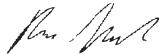
Manager Product Development
Prepared to provide technical documentation.
MAINTENANCE
The device's ventilation openings must always be kept clear.
Ensure that metal parts do not enter the ventilation openings – risk of short circuit.
Use only AEG accessories and spare parts. Parts whose replacement is not described may only be replaced by AEG customer service departments (see warranty/customer service addresses in the brochure).
If necessary, quoting the device type and the ten-digit number on the specification plate, assembly drawings of the device can be ordered from the customer service department or directly from AEG Elektrowerkzeuge, Max-Eyth-Straße 10, D-71364 Winnenden, Germany.
ELECTRONIC CONTROL WS 12-125 XE
The electronic control maintains a constant speed as the load increases.
In the event of device overload, the speed is reduced until the device comes to a complete stop.
SYMBOLS

SPECIAL SAFETY INSTRUCTIONS
Winnenden, 2010-12-09
Rainer Kumpf
Manager Product Development
Information manual/Instructions
Values measured in accordance with standard EN 60745.
The noise level of the device, determined according to indicator A, is usually:
Sound pressure level (K=3 dB(A)) .90.5 dB(A) .90.5 dB(A) ..90.0 dB(A)
Sound power level (K=3 dB(A)) 101.5 dB (A) 101.5 dB (A) 101.0 dB (A)
Wear hearing protection.
Total vibration values (vector sum of three directions) determined in accordance with EN 60745.
Splitting and rough planing:
Vibration emission value a. .5.8 m/s2. .5.8 m/s2. .6.4 m/s2
Uncertainty K. 1.5 m/s² .1.5 m/s² .1.5 m/s²
Sanding with plastic sanding plate:
Vibration emission value a..1.9 m/s2. 1.9 m/s2. 1.9 m/s2
Uncertainty K. 1.5 m/s² 1.5 m/s² 1.5 m/s²
Pnpnpimmehenm Bdpnix zenjax, KaK, Happ., abpa3NBHOe Otp3aHne mnn 10n nnfoBAnHe cTalbHn PpOBOLOuHO n eTKoMguyT noluyatbc npytne noka3aTeIN N6paun!
WARNING
The vibration level given in this manual has been measured in accordance with the standard EN 60745 and may be used for comparison with other power tools. It is also suitable for a preliminary assessment of vibration exposure.
The stated vibration level represents the main applications of the power tool. However, if the power tool is used for other applications, with different accessories or poorly maintained, the vibration level may differ. This may significantly increase the vibration exposure over the total working period.
For an accurate assessment of vibration exposure, the time when the tool is switched off or running but not actually in use should also be taken into account. This may significantly reduce the vibration exposure over the total working period.



WARNING!
Read all safety warnings and all instructions, including those in the accompanying brochure. Failure to follow the warnings and instructions may result in electric shock, fire and/or serious injury. Save all warnings and instructions for future reference.
SAFETY INSTRUCTIONS FOR GRINDING
General safety warnings for grinding, sanding, wire brushing, and abrasive cutting-off operations:
a) The data in this manual is intended for use with the power tool in accordance with the instructions and technical characteristics included in the delivery package. Failure to follow the instructions may result in electric shock, fire, and/or serious injury. b) The power tool is not intended for use by persons (including children) with reduced physical, sensory, or mental capabilities, or lack of experience and knowledge, unless they have been given supervision or instruction concerning use of the appliance by a person responsible for their safety. Children should be supervised to ensure that they do not play with the appliance. c) Do not use accessories that are not specifically designed and recommended by the tool manufacturer. Just because the accessory can be attached to your power tool, it does not assure safe operation. d) The rated speed of the accessory must be at least equal to the maximum speed marked on the power tool. Accessories running faster than their rated speed can fly apart and cause injury. e) The outside diameter and the thickness of your accessory must be within the capacity rating of your power tool. Incorrectly sized accessories cannot be adequately guarded or controlled. f) The arbor size of wheels, flanges, backing pads, or any other accessory must properly fit the spindle of the power tool. Accessories with arbor holes that do not match the mounting hardware of the power tool will run out of balance, vibrate excessively, and may cause loss of control. g) Do not use damaged accessories. Before each use, inspect the accessory such as abrasive wheels for chips and cracks, grinding wheel for cracks, tear or excessive wear, and wire brush for loose or broken wires. If the power tool or accessory is dropped, inspect for damage or install an undamaged accessory. After inspecting and installing an accessory, position yourself and bystanders away from the plane of the rotating accessory and run the power tool at maximum no-load speed for one minute. Damaged accessories will normally break apart during this test time. h) Use personal protective equipment. Depending on application, use face shield, safety goggles or safety glasses. As appropriate, wear dust mask, hearing protectors, gloves and workshop apron capable of stopping small abrasive or workpiece fragments. The eye protection must be capable of stopping flying debris generated by various operations. The dust mask or respirator must be capable of filtrating particles generated by your operation. Prolonged exposure to high intensity noise may cause hearing loss.
The dust mask or respirator must be capable of filtrating particles generated by your operation. Prolonged exposure to high intensity noise may cause hearing loss.
i) Stay alert, watch what you are doing, and use common sense when operating a power tool. Do not use a power tool while you are tired or under the influence of drugs, alcohol, or medication. A moment of inattention while operating power tools may result in serious personal injury. j) Use personal protective equipment. Always wear eye protection. Protective equipment such as dust mask, non-skid safety shoes, hard hat, or hearing protection used for appropriate conditions will reduce personal injuries. k) Prevent unintentional starting. Ensure the switch is in the off-position before connecting to power source, picking up or carrying the tool. Carrying power tools with your finger on the switch or energizing power tools that have the switch on invites accidents. l) Remove any adjusting key or wrench before turning the power tool on. A wrench or a key left attached to a rotating part of the power tool may result in personal injury. m) Do not overreach. Keep proper footing and balance at all times. This enables better control of the power tool in unexpected situations. n) Dress properly. Do not wear loose clothing or jewelry. Keep your hair, clothing and gloves away from moving parts. Loose clothes, jewelry or long hair can be caught in moving parts. o) If devices are provided for the connection of dust extraction and collection facilities, ensure these are connected and properly used. Use of dust collection can reduce dust-related hazards.
Additional safety instructions for power tools:
Kickback is a sudden reaction to a pinched or snagged rotating accessory, such as a grinding wheel, sanding disc, wire brush, etc. Pinching or snagging causes rapid stalling of the rotating accessory, which in turn forces the uncontrolled power tool to be pushed in the direction opposite to the accessory's rotation at the point of binding.
If a grinding wheel becomes pinched or snagged in the workpiece, the edge of the wheel entering the workpiece can dig in, causing the wheel to climb out or kick back. The wheel may then jump toward or away from the operator, depending on the direction of rotation at the point of binding. In this situation, the wheel may also break.
In Russian
Kickback can be prevented by taking proper precautions as described below.
a) Hold the power tool by insulated gripping surfaces when performing an operation where the cutting accessory may contact hidden wiring or its own cord. Cutting accessory contacting a "live" wire may make exposed metal parts of the power tool "live" and could give the operator an electric shock. b) Never hold the tool near the rotating accessory. The accessory may kick back and strike your hand. c) Avoid body contact with grounded surfaces such as pipes, radiators, ranges and refrigerators. There is an increased risk of electric shock if your body is earthed or grounded. d) Use extra care when working in corners, on sharp edges, etc. Do not bounce or snag the accessory. A rotating accessory that is bouncing or snagging can cause loss of control or kickback. e) Do not use a damaged accessory. Before each use, inspect the accessory such as abrasive wheels for chips and cracks. If the power tool or accessory is dropped, inspect for damage or install a new accessory. After inspecting and placing an accessory, position yourself and bystanders away from the plane of the rotating accessory and run the power tool at maximum no-load speed for one minute.
Additional safety warnings for grinding operations
a) Use only accessory types that are recommended for your power tool and that are designed for the specific accessory. Accessories not designed for this power tool may not be adequately shielded and are unsafe. b) The guard provided with the tool must be securely attached to the power tool and positioned for maximum safety, so the least amount of wheel is exposed towards the operator. The guard helps to protect the operator from broken wheel fragments and accidental contact with the wheel. c) Accessories must be used only for recommended applications. For example: do not grind with the side of cut-off wheel. Abrasive cut-off wheels are intended for peripheral grinding. Side forces applied to these wheels may cause them to shatter. d) Always use undamaged wheel flanges that are of correct size and shape for the selected wheel. Proper wheel flanges support the wheel thus reducing the possibility of wheel breakage. Flanges for cut-off wheels may be different from those for grinding wheels. e) Do not use worn down wheels from larger power tools. Wheels intended for larger power tools are not suitable for the higher speed of a smaller tool and may burst.
Additional safety warnings for grinding operations
a) Avoid using the cutting disc for cutting large workpieces. Do not exceed the maximum depth of cut. Cutting increases the load on the disc and its tendency to bind or jam, thereby increasing the possibility of kickback or disc breakage. b) Be careful before and behind the rotating cutting disc. If you hold the tool close to your body, in the event of a kickback the power tool may jump directly towards you. c) If the cutting disc becomes jammed or if you interrupt the work, switch off the power tool and hold it still until the disc has come to a complete stop. Never attempt to pull the still rotating cutting disc out of the cut, as this may cause kickback. Determine and eliminate the cause of the jamming. d) Do not switch the power tool on again until the disc is completely at rest. Let the cutting disc run at full speed before continuing the cut. Otherwise, the disc may catch, jump out, or cause kickback. e) Support panels or large workpieces to reduce the risk of the cutting disc jamming. Large workpieces may sag under their own weight. The workpiece must be supported on both sides, both near the cut and at the edge. f) Take special care when cutting "pockets" in existing walls or other hidden areas. The protruding cutting disc may cut into gas or water pipes, electrical wiring, or other objects and cause kickback.
Special safety instructions for grinding and cutting-off operations
a) Do not use abrasive discs with dimensions larger than specified; follow the manufacturer's instructions for abrasive disc dimensions. Abrasive discs that extend beyond the backing pad may cause binding, tearing, or kickback.
Special safety instructions for wire brushing operations
a) Be aware that wire bristles are thrown off even during normal operation. Do not overload the wires by applying excessive pressure. Flying wire fragments can easily penetrate thin clothing and/or skin. b) If the use of a guard is recommended, avoid contact of the wire brush with the guard. Disc and cup brushes may increase their diameter under the influence of centrifugal force.


Power tools used in many different places, including outdoors, must be connected to a device that prevents sudden voltage surges (FI, RCD, PRCD).
Remove the plug from the socket before making any adjustments or changing accessories.
Insert the battery only when the power tool is switched off.
Never touch the dangerous cutting zone while the tool is running.
Always use the additional handle.
Immediately switch off the machine if you notice unusual vibration or other malfunctions. Check the power tool to identify the cause of the malfunction.
Always store and handle abrasive discs in accordance with the manufacturer's instructions.
He66xodmIcNEiTb3aTeM, Tc6bIHCkbl, BbIeTaIOUme cO6paBaTbIAeMoNIOBepXHCTn, He nonaIaN Ha BOCINNAHREIOUNECaMATEpNai.
CnndeTTObI Mckbl mnn oBpa3yooaacr npri pafoe Tbn he nonadana h BaC.
Pn pe3ke KAMHBAcerdaNoB3yTeCb hnapabriaoieonopoi! PepeB KBNIOeHMMe INCTpyMeNTa 3aTAHNHTaaxMHNYraKy.
Ecnu n3dene He noctatoHn TaeKeOne HneyeCTouMbOe,To eno heo6xodmo 3aKepenntb. HmKorDa He noDnOcnte n3dene K shnfoBaIbHMoy dmcky,depka ero by pkyac.
PnpnpeendbHexycNobHX3Kcnnyataaunn (Hapnp, npn rnaekoynufoBckeMTANBOCNOpOBHMIDNCKOMUNuHINFOBANbHM KpyrOmUBykNAHIMPOBANHOHNOf6bM)MOKETOBpa30BaTc CnIbHOe 3aqrA3HeHMe BO BHyTPHeHNe CTACTyTIOBOLO uNFOBANbHO MauuHNKm. Pnp TaKxUCNobHX3KcNpyATAaunn N3coobpaKeHHe 63oNaACHOtHe Heo6XOnMa OCHOBaTeBnHaB ONUCTKa BHYTPHeHNe CTACTO OTNIOKeHHe MTanLA m npnHyDntENoHpepeDbapNTeBHO BKNIOUeHne 3aunTHoro BbIKIOUaTeTOKa TyeKK (FI).TOncpe cpa6abTBaHnry 3aunTHoro BbIKIOUaTeTFLcneYetOTnpabNTMaunHky BpeMTON.
IpeHa3HauaTcIyIHHCTpyMeHTOB,KOTOpbIeMOrYt IcNoJIb3OBAbTaC Kpyrami, OCHaUeHbIMn Pe3bObIM OTBepCTmE, pIyIeDMInHa pe3bObl DoJNkHa COOTBTCTBOBaTb DInHHe WInHdEm.
Дя pa6ot no pa3deneHnO nCIOJIb3OBAt b 3aKpbIbI 3aUHTbI KoxyIx IINpOgPAMMbI pInHaNDJNEXHOCTe.
NCITIOJIb3OBAHME
YIrnoBaI ShmPMAShnI pRnMHeTcI rIaI OTPe3AHnI, IINIOPOBAnHn Io6paOToH nPoBOIoTHbIMn UTeKAMn pA3NHybIX MATEpHaiLoB, HApNIpeMep KAMHa NII MTeaJIa. PIn BO3HNIOHOBeOM CmEHNeO BO3MOXHOCTN cNIOJIb3OBAHnC M. yKa33AHn pO3MBoDITeJI pRnHaJIeXHOCTeJ.
He noJIb3yIteCb daHbIM INCHTpymeHTOM cnOcOBm,OTnUHbIM OYka3aHHOrO dJa HOpMaJIbHoro npImMeHEnH.
DEKTIAPALIMO COOTBETCTBNN CTAHJAPTAMEC
Mb3aBnBnEMTOOTPNOyKTCOOTBETCTBYET CNEduOuIMCTaHdaptam:EN60745,EN55014-1,EN55014-2,EN61000-3-2,EN61000-3-3,BcoOTBCTBnC npabnAmm2006/42/EC,2004/108/EC.

Winnenden, 2010-12-09
Rainer Kumpf
Manager Product Development YonlHOMOChen Ha CoCTaBNeHMe TEXHmEeCKD ODKYMENTAUcM.
IIOKJIIOUeHHeN K-3JEKTPOCETN

IoIcOeINHnTb TOnbKO OndHOa3HoN CETn nepemehoro
TOKA C HANPRAJKEHEMC, COOTBETCTBYUOIMM YK3A3AHOMY HA INHTCPMMEHE. 3NeKTPOHNCTPMMEeT BTOPOI KNAcC 3aunltby, TcO N03BOJNIE NTQKIIOHbTe ERO K P03eTKAM 3NeKTPOINITAHNI 6e3 3a3EMJIHOUoEO BbVbOa.
O5CITYKINBAHME
Bcerda depknte oxnaKdaoune OTEBepCTNq YCbIMn. He np6nKjaTe MetaIInuueckne npedMeTb K BEHTINHIOHHbM OTBepCTNm 13-3a ONaCHOCTN KOPO T 3ambKaHAn!
TIOJIb3yITeB acKeCCyapamIM 3aNaChbIMn cactrMn AEG . B cnyae B03HKnOBHeHn HeO6OxIDMOCTN b3AmeH , KOTOPAR He bSiAna OniCnACA, ObaaaiTeB b OINH 3 cepBcHbXb IeHTPOB no 6cbNyBaHnHO 3eKpONHcTpyMeHtOB AEG (cM. CInCNOC KepBcHbXb IprOAnH3aun).
Пг ИБОБXODIMOCKТМОКЕББЛЗЗАСКЕТЕИНСТРМЕNTA cтспЕМЕньи МИЗOBAPSEКЕМДETANEI. ПокаяNYCTA,УжAKITEDEСТИЗHAHINМОΥЕРИНСТРМЕТЕИ NЗАСКЕТЕИСТРМЕТЕ YBaUAXMecTHbIX aRETOB INIIN HENOCPEDCTBEHNO O AEG Elektrowerkeuge,Max-Eyth-Straße 10,D-71364 Winnenden, Germany.
3JNEKTPOHNAWS12-125XE
BCTPOENHAA 3nKETPOHNA o6eCneuBaAet NOCTOHHy CKoPoctB daKe pnp NoboiuHHO HaryKe3y.
Ппenerperузke ckopoctь bpaацень сokрааetсь BnIoTbdo octaHOBKи.
CIMBOJIbI

Iokaynta, BHIMATEbHNo npOHTHne IHCTpyKUNo no Icnpb30BaHnIO neOpE HauanOM IHObIX onepaC n IHCTpyMENTH.

BHHMaHHe!OcToPoJxHo!ONACHOCTb!

PnIpaBote CInHCTpyMENTOM BCERda HAdEBaYte 3auINTHbE OChK.

Пелед Влобнон electem kakx-пбо pa60Т NO OBcTуЖиВанMu INCHTpymeHTA BcTeДа BbHIMaTe BbNKU m3 pOsetKm.

It is not included in the standard delivery, but is available as an additional accessory.

Do not dispose of power tools with household waste! In accordance with the European Directive 2002/96/EC on waste electrical and electronic equipment and corresponding national regulations, power tools that have been used must be collected separately and disposed of in an environmentally friendly manner for recycling.

CONFORMITY WITH TECHNICAL REGULATIONS
Russian
| WS 9-100 | WS 9-115 | WS 9-125 | ||||
| 220 - 240 V | 110 V | |||||
| HommaHaHa KaHcyMpaHa MoUHocT... | .900 | W... | .900 | W... | .900 | W |
| HommaHaHa ChKorocT Ha BbPtHe... | .11000 | min-1 | .11000 | min-1 | .11000 | min-1 |
| ø Ha a6ba3aBmHite DnckObe... | .100 | mm... | .115 | mm... | .115 | mm... |
| Pez6a Ha uPinHdela... | M | 10... | M | 14... | M | 14 |
| TeIgo cIbIaNo pnoeDypaTa EPTA 01/2003 | 2,0 | kg... | 2,0 | kg... | 2,0 | kg... |
Information on noise/vibration
Measured values determined in accordance with EN 60745.
The noise level was assessed in accordance with:
Sound power level (K=3 dB(A)) ...90.5 dB(A) ...90.5 dB(A) ...89.0 dB(A) ...90.5 dB(A)
Sound power level (K=3 dB(A))... ...101.5 dB(A) ... ...101.5 dB(A) ... ...100.0 dB(A) ... ...101.5 dB(A)
Wear hearing protection!
The total vibration values (vector sum of three directions) were determined in accordance with EN 60745.
Connect only to the voltage specified on the rating plate. It is possible to connect to a socket that is not protected, but the circuit must be protected by a residual current device.
Winnenden, 2010-12-09
Rainer Kumpf
Manager Product Development
DOCUMENTATION
SUPPORT
Ventilation: The device must be kept clean and free of obstructions.
When ventilating, do not allow metal parts to come into contact with the fan, as this poses a danger of electric shock.
Only use accessories from AEG original spare parts. Elements that are part of the device should be sent for repair or service to AEG (see the brochure, warranty, and service address).
If necessary, you can send the device to AEG Elektrowerzeuge, Max-Eyth-Straße 10, D-71364 Winnenden, Germany, for repair. Please include the device type and serial number from the rating plate.
ELECTRONICS WS 12-125 XE
The electronic speed control maintains a constant speed under load.
When the speed is set, it is maintained even under full load.
SYMBOL

Before using the device, read the operating instructions carefully.

WARNING! DANGER!

When working with the machine, wear protective goggles.

Before any work on the machine, remove the plug from the socket.

Accessories - See the delivery scope, the accessories program is subject to change.

Do not dispose of power tools with household waste! In accordance with European Directive 2002/96/EC on waste electrical and electronic equipment and its implementation in national legislation, power tools that are no longer usable must be collected separately and disposed of in an environmentally friendly recycling center.
| WS 9-100 | WS 9-115 | WS 9-125 | ||||
| 220 - 240 V | 110 V | |||||
| Putere nomină de iesire | .900 | W | .900 | W | .900 | W |
| Turaitie nomină | .11000 | min-1 | .11000 | min-1 | .11000 | min-1 |
| Diametr disc de rectificare | .100 | mm | .115 | mm | .115 | mm |
| Filetul axului de lucru | M | 10 | M | 14 | M | 14 |
| Greutatea conform „EPTA procedure 01/2003" | 2,0 | kg | 2,0 | kg | 2,0 | kg |
Information on noise/vibration
Measured values determined according to EN 60745.
determined according to EN 60745.
Cutting and trimming grinding:
vibration emission value ah . 5.8 m/s2. 5.8 m/s2. 5.6 m/s2. 5.8 m/s2
Uncertainty K. 1.5 m/s2 1.5 m/s2 1.5 m/s2 1.5 m/s2
determined according to EN 60745.
Cutting and rough grinding:
vibration emission value ah . 5.8 m/s2. 5.8 m/s2. 6.4 m/s2
Uncertainty K. 1.5 m/s2. 1.5 m/s2. 1.5 m/s2
Winnenden, 2010-12-09
Rainer Kumpf
Manager Product Development
Authorized to elaborate the technical documentation.
MAINTENANCE
The ventilation slots of the machine must be kept free at all times.
Vibration emission values (vector sum for three axes) determined according to EN 60745.
Typical noise level.
Vibration emission value a. 5.8 m/s² 5.8 m/s² 5.6 m/s² 5.8 m/s²
Uncertainty K. 1.5 m/s² 1.5 m/s² 1.5 m/s² 1.5 m/s²
Lubricate with the supplied lubricant:
Vibration emission value a.. 1.9 m/s². 1.9 m/s². 2.9 m/s². 1.9 m/s²
Uncertainty K. 1.5 m/s² 1.5 m/s² 1.5 m/s² 1.5 m/s²
| WS 11-115 | WS 11-125 | WS 12-125 XE | |
| Опреелен bhec. | 1100 W | 1100 W | 1200 W |
| Мамк.брени бez отоваруbahev. | 11000 min-1 | 11000 min-1 | 2800 - 11000 min-1 |
| ДиJMетар на дисота рлдачe. | 115 mm | 125 mm | 125 mm |
| Сразе на рабочта оcka. | M 14 | M 14 | M 14 |
| Текина сюpeедЕПТА-nproцедуразао 01/2003 | 2,3 kg | 2,3 kg | 2,4 kg |
Information about noise/vibration
The emission values are determined according to standard EN 60745.
The A-weighted noise level of the device typically does not exceed:
Sound pressure level. (K=3 dB(A)). .90.5 dB (A) .90.5 dB (A). .90.0 dB (A)
Sound power level. (K=3 dB(A)) .101.5 dB(A) .101.5 dB(A). .101.0 dB(A)
HocTe wHTTHNK 3a ywn.
BkyuHn Bnu6paunckn BpeDnoCTn (BeKToPcKn 36Inp Ha TpuTe HAcOKn) npecMetaHn cornacho EN 60745.
TINNUH OOyEkyBaHn HNBoa Ha 3ByK.
Bn6paunca emncnoHa BpeHocTa .5,8 m/s2. 5,8 m/s2.6,4 m/s2
Hecurphocr K. 1,5 m/s² 1,5 m/s² 1,5 m/s²
Ma3HeBe co npDnora 3a Ma3HeBe pIaCTnka:
Bn6pauncka emncnoHa BpeHoct a.1,9 m/s2 1,9 m/s2 1,9 m/s2
Hecurphoc K. 1,5 m/s² 1,5 m/s² 1,5 m/s²
Kajdpun anpikkaun, kaoHa npimep 6pcebe co deJebe uin 6pcebe co yeKaTa co ueuHau Xnca MoKat da ce nojBat dpytn Bn6paunckn BpeHoctn!
IPEyIpyEYBAHbE
HbOTo H a O cunuaJHa HabeJeHO BO bue IHcTpyKUe I eMpeHo BO cOrnAChOT CO MEPHITE NoCTANKI HOpMIpaHb BO EN 60745 u MoKe Da bHe yIopeHb a cnepeBa h aeIeKTo-alaTm. Oba HbO MoKe da ce yIopTeBn 3a pInbpMeHa npoceHa ha ONtobpaYbAbeTo Ha ocunuJaTa.
HabeEeHOTn HbO h OcunauuJr Tnepe3ENTnpra IraBnHTme HAMHeN a ENEKTO-anatot. Ho,doKny eekTo-anatot ce ynotpe6yBa 3a Dpyn HAmEni, coOTCTANByaKnIOdoATOnu INI c HeoCooBTeHO OpRjYBaHe, HbTOH o Hcunauuia MoKe Da OTCTAn. Toa MKe 3NaUHTEN da fo 3rOfEMn OHOTOBAPBuHaTeO h OcunauuJaT a 3Ba PEmh a CEINOT pabOTen nepND.
3a pneuizna hnouekHa no OTOBAPyBaHeto Ha ocunuaJATA npEbnIpe6a da bndAT 3eMHn H BPmHbata, BO KOMHTo anapatOT e NcKnyen Hn paobTo, Ho kTNUKHe He ce yNtpe6yBa. Toa moke 3NaHTeHIO da rOHAMnn ONTOBAPyBaHTo Ho ocunuaJata 3a BpeMe Ha CEINTO paobTe nepNO.
Ybpe TdoonHnTeHH 636eDnCHmepKHa 3aHTHa h OnepatotOp 0B BImJaHMeTo Ha ocunlaunite, KaKo Ha npimep: odjxvahe Ha enektpo-anatoT n H a doataoOn KOH enektpo-anatot, oDpXyBaHe toTnI paue, oprannaaJha pa6OthnTe npoccn.


PNEUYPNEDYBAHbE! PnoHTajte rntc 6e36eHocnnyatCTBa nHCTpyKun.3a6opabaHe naouHTybaheToHa 6e36eHocnhtye natCTBa nHCTpyKun moxat da npedn3Bkaat enektpuueh ynap, noxapn/nnn Teukn nobpeyn. Cuybajte rn cTne 6e36eHocnnyatCTBa nHCTpyKun 3a BO nDnna.
Safety instructions for grinders, grinding with abrasive discs, working with wire brushes, polishing and sanding:
a) This power tool is intended to function as a grinder, sander, wire brush, or polisher. Read all safety warnings, instructions, illustrations, and specifications provided with this power tool. Failure to follow all instructions listed below may result in electric shock, fire, and/or serious injury. b) This power tool is not intended for polishing. Do not use this power tool for operations for which it was not intended. c) Do not use accessories that are not specifically designed and recommended by the tool manufacturer. Just because an accessory can be attached to your power tool, it does not assure safe operation. d) The rated speed of the accessory must be at least equal to the maximum speed marked on the power tool. Accessories running faster than their rated speed can fly apart and cause injury. e) The outside diameter and the thickness of your accessory must be within the capacity rating of your power tool. Incorrectly sized accessories cannot be adequately guarded or controlled. f) The arbor size of wheels, flanges, backing pads, or any other accessory must properly fit the spindle of the power tool. Accessories with arbor holes that do not match the mounting hardware of the power tool will run out of balance, vibrate excessively, and may cause loss of control. g) Do not use a damaged accessory. Before each use, inspect the accessory, such as abrasive wheels for chips and cracks, backing pad for cracks, tear, or excess wear, and wire brush for loose or cracked wires. If the power tool or accessory is dropped, inspect for damage or install an undamaged accessory. After inspecting and placing an accessory, position yourself and bystanders away from the plane of the rotating accessory and run the power tool at maximum no-load speed for one minute. Damaged accessories will normally break apart during this test time. h) Wear personal protective equipment. Depending on application, use face shield, safety goggles, or safety glasses. As appropriate, wear dust mask, hearing protectors, gloves, and workshop apron capable of stopping small abrasive or workpiece fragments. The eye protection must be capable of stopping flying debris generated by various operations. The dust mask or respirator must be capable of filtrating particles generated by your operation. Prolonged exposure to high intensity noise may cause hearing loss.
i) Always stand at a safe distance from your work area. Whenever you stop working, you must wear personal protective equipment. You may be exposed to loose work material or hidden debris, which can be dangerous even outside the immediate work area. j) Keep the electric tool away from wet surfaces when performing operations where the tool for cutting may come into contact with hidden wires or its own cord. Contact with a live wire will also make the metal parts of the tool live and will give the operator an electric shock. k) Guide the power cord away from the tool while it is running. If you lose control of the power tool, the power cord may be cut or caught, and your hand or arm may be pulled into the running tool. l) Never leave the power tool until it has come to a complete stop. A running power tool can come into contact with the surface on which it is left, and you may lose control of the power tool. m) Do not leave the power tool running while you carry it. Your clothing may become caught by the running tool, and it may come into contact with your body. n) Regularly clean the air vents of your power tool. The fan motor draws dust into the housing, and excessive accumulation of metal dust may create an electrical hazard. o) Do not use the power tool near flammable materials. Sparks may ignite these materials. p) Do not use accessories that require liquid coolants. Using water or other liquid coolants may result in electric shock.
Good user and safety instructions
Good user is a necessary condition as a result of the correct use of the tool for grinding, cutting, brushing, polishing, or sanding. Improper use of the tool can lead to dangerous situations. This includes the use of the power tool for purposes other than those intended.
If, for example, the grinding disc is intended for grinding and cutting, the operation of the grinding disc in the material may cause it to jam and lead to the disc breaking or causing kickback. In such a case, the grinding disc should always be operated by the operator at a safe distance from the point of contact, depending on the direction of rotation of the disc. The grinding discs may also be stored in this way.
The correct effect is a result of the proper use of the tool. Incorrect work procedures or misuse may cause injury. This can be avoided by following the safety instructions provided below.
a) Always hold the power tool and the accessory firmly in the position where you can control the reaction torque or kickback. Always use the auxiliary handle, if provided, to have maximum control over kickback or reaction torque in case of sudden start. The user can control kickback and reaction forces with appropriate safety measures. b) Never place your hand near the rotating accessory when it is in use. In case of kickback, the accessory could jump over your hand or arm. c) Avoid positioning your body in the area where the power tool would move if kickback occurs. Kickback will propel the tool in the direction opposite to the movement of the accessory at the point of engagement. d) Work carefully with corners, sharp edges, etc. Avoid bouncing and snagging of the accessory. Rotating accessories tend to snag on corners, sharp edges, or when they bounce, which can cause loss of control or kickback.
When using the power tool with accessories like grinding discs, sanding discs, or wire brushes, be careful not to let them snag. This can cause loss of control or kickback.
e) Do not use chainsaw or toothed saw blades. Such blades create frequent kickback and loss of control over the power tool.
Special safety instructions for grinding and cutting with abrasive discs
a) Use exclusively the grinding discs that are specified for your power tool and the protective guard that is intended for these discs. Grinding discs that are not intended for the power tool cannot be adequately protected and are unsafe. b) Always use the protective guard. The protective guard must be attached to the power tool and positioned so that the maximum safety is achieved, meaning the smallest part of the disc is exposed towards the operator. The protective guard should protect the operator from broken disc fragments and accidental contact with the disc. c) The discs must be used only for the recommended applications. For example: never grind with the side surface of a cutting disc. Cutting discs are designed for cutting with the edge of the disc. Applying side force to these discs can cause them to shatter. d) Always use undamaged disc flanges that are of the correct size for the disc you have chosen. Proper flanges support the disc and thus reduce the risk of disc breakage. Flanges for cutting discs may differ from flanges for other grinding discs. e) Do not use worn-out discs from larger power tools. Discs for larger power tools are not suitable for the higher speeds of smaller power tools and may burst.
Other special safety instructions for cutting with abrasive discs:
a) Avoid blocking the split sole. The sole is designed to flex, so do not restrict its movement. Increasing the split sole's flexibility enhances its natural responsiveness and allows for better energy return or kick-off from the ground. b) Avoid using the shoe for braking or stopping. Since the sole is made of rubber material, in the event of a sudden stop or kick, it may cause the shoe to slip or detach from the foot. c) If the split sole becomes worn or damaged, stop using the shoe and keep it away from heat sources until the sole has completely cooled. Do not attempt to remove the split sole from the shoe while it is still in use, as this may cause damage. Follow the manufacturer's instructions for maintenance. d) Never activate the electric motor while the shoe is in contact with the material being processed. Allow the circular saw to reach its full speed before cutting. Otherwise, the blade may bind, kick back, or cause the shoe to jump. e) Use sharp or properly maintained blades to reduce the risk of kickback and to ensure clean cuts. Dull blades can cause the shoe to jump or kick back. The blade guard must be in place on both sides of the cut, both near the split sole and at the rear. f) Pay special attention when cutting into walls, floors, or other areas where hidden objects may be present. The split sole may come into contact with water, gas pipes, electrical wiring, or other objects, which could cause kickback.
Special safety instructions for lubricating and cleaning:
a) Do not use solvents or cleaning agents for lubrication. Follow the manufacturer's instructions regarding the use of lubricants. Solvents for cleaning may damage the shoe if they come into contact with it, or they may cause kickback.
Special safety instructions when working with a circular saw:
a) Be aware that the saw blade may come into contact with the shoe during operation. Do not apply excessive pressure to the shoe. Parts of the shoe that are worn may break off and cause injury. b) Since the shoe is a protective guard, ensure that it is not possible for the guard to come into contact with the blade. When the shoe is used for cutting, it may cause the blade to bind or kick back due to friction and centrifugal forces.


The shoe may have different connection options depending on the model, and it must be connected to the tool according to the connection instructions (FI, RCD, PRCD).
The guard and the shoe must not be removed while the machine is in operation.
Turning on the machine is done exclusively by the machine being turned on.
Never reach into the danger zone of the working surface while the machine is on.
Always use the auxiliary handle.
Stop the machine immediately if you notice unusual vibrations or other irregularities, and turn it off before checking the cause.
Always use the appropriate discs according to the manufacturer's recommendations.
When cutting metal, sparks are created. Ensure that no flammable materials are nearby. Risk of fire, keep flammable materials and debris at a safe distance (spark zone). Do not use for cutting.
Appropriate protective equipment for cutting or grinding must be worn to prevent contact with flying particles.
When cutting stone, a water supply must be used!
The machine must be started only after it has been properly set up.
The auxiliary handle must be tightened securely, but not too tight to be able to adjust it. Always hold the machine with both hands on the handles provided.
In extreme conditions (e.g., cutting metal with a grinding disc or prolonged use with abrasive materials), significant dust may be generated. For safety reasons, in such conditions, the interior must be completely cleaned of metal residues, and the motor fan must be regularly checked. If the motor fan is damaged, the machine must be repaired.
For all other applications with the tool, ensure that the disc in the tool is sufficiently tightened to prevent it from slipping.
For work with dust extraction, use the protective hood and the dust extraction system.
SPECIFIC OPERATING CONDITIONS
The angle grinder is used for cutting and grinding (rough grinding) of a large number of materials such as metal or stone, as well as for polishing and sanding with appropriate accessories. In any case, follow the manufacturer's instructions for the tool.
The product is designed for normal use.
HEADER

Connect the device to a gas cylinder and place it on the main.
FILL THE DEVICE WITH FUEL. IT IS ALSO POSSIBLE TO CONNECT A PUMP FOR FILLING, WHICH MUST COMPLY WITH SAFETY CLASS 2.
DECLARATION OF CONFORMITY
We declare under our sole responsibility that this product is in conformity with the following standards and standardizing documents: EN 60745, EN 55014-1, EN 55014-2, EN 61000-3-2, EN 61000-3-3, and in accordance with directives 2006/42/EC, 2004/108/EC
Winnenden, 2010-12-09
Rainer Kumpf
Manager Product Development
INFORMATION FOR COMPOSITION AND TECHNICAL DATA.
MAINTENANCE
The ventilation openings of the machine must be kept clean at all times.
Do not allow any metal parts to enter the ventilation openings for cooling air!
Use only AEG original spare parts. If any components need to be replaced, please contact the AEG service center (see address).
If necessary, a detailed view of the product can be provided. Please state the model number and type of machine as indicated on the rating plate, or contact the service center directly at: AEG Elektrowerkzeuge, Max-Eyth-Straße 10, D-71364 Winnenden, Germany.
ELECTRONICS WS 12-125 XE
The power tool is equipped with constant speed electronics for convenient operation.
When operating at no load, the speed is regulated according to the load condition.
SYMBOL

Before starting the machine, please read the operating instructions carefully.

WARNING! DANGER!

Always disconnect the machine from the power supply before carrying out any work on it.

Always disconnect the machine from the power supply before carrying out any work on it.

Supplementary information - not included in the standard, but provided as an addition.

Do not dispose of electrical appliances together with household waste! In accordance with European Directive 2002/96/EC on waste electrical and electronic equipment and its implementation in national legislation, electrical appliances that have reached the end of their life must be collected separately and taken to an appropriate recycling facility.
| WS 9-100 | WS 9-115 | WS 9-125 | ||||
| 220 - 240 V | 110 V | |||||
| 输入功率 | .900 | W | .900 | W | .900 | W |
| 额定转速 | .11000 | min-1 | .11000 | min-1 | .11000 | min-1 |
| 磨片直径 | .100 | mm | .115 | mm | .115 | mm |
| 主轴螺纹 | M | 10 | M | 14 | M | 14 |
| 重量符合EPTA - Procedure01 / 2003 | 2,0 | kg | 2,0 | kg | 2,0 | kg |
Noise/Vibration Information
The measured values comply with the provisions of EN60745.
The standard A-weighted noise levels of the machine are:
Sound pressure level (K = 3 dB(A)): 90.5 dB(A), 90.5 dB(A), 89.0 dB(A), 90.5 dB(A)
Sound power level (K = 3 dB(A)): 101.5 dB(A), 101.5 dB(A), 100.0 dB(A), 101.5 dB(A)
Please wear ear protection!
- NOISE/VIBRATION INFORMATION
- WEAR EAR PROTECTORS
- WARNING
- SAFETY INSTRUCTIONS
- KICKBACK AND RELATED WARNINGS
- ENGLISH
- SAFETY WARNINGS SPECIFIC FOR GRINDING AND ABRASIVE CUTTING-OFF OPERATIONS
- ADDITIONAL SAFETY WARNINGS SPECIFIC FOR ABRASIVE CUTTING-OFF OPERATIONS
- SAFETY WARNINGS SPECIFIC FOR SANDING OPERATIONS
- SAFETY WARNINGS SPECIFIC FOR WIRE BRUSHING OPERATIONS
- SPECIFIED CONDITIONS OF USE
- MAINS CONNECTION
- EC-DECLARATION OF CONFORMITY
- MAINTENANCE
- SYMBOLS
- CONNECTION TO THE ELECTRICAL NETWORK
- ELECTRONIC SPEED CONTROL WS 12-125 XE
- CE - DECLARATION OF CONFORMITY
- USE IN ACCORDANCE WITH INTENDED PURPOSE
- ELECTRONICS WS 12-125 XE
- ELECTRONIC CONTROL WS 12-125 XE
- SPECIAL SAFETY INSTRUCTIONS
- INFORMATION MANUAL/INSTRUCTIONS
- WEAR HEARING PROTECTION
- SAFETY INSTRUCTIONS FOR GRINDING
- ADDITIONAL SAFETY INSTRUCTIONS FOR POWER TOOLS
- IN RUSSIAN
- ADDITIONAL SAFETY WARNINGS FOR GRINDING OPERATIONS
- SPECIAL SAFETY INSTRUCTIONS FOR GRINDING AND CUTTING-OFF OPERATIONS
- SPECIAL SAFETY INSTRUCTIONS FOR WIRE BRUSHING OPERATIONS
- NCITIOJIB3OBAHME
- DEKTIAPALIMO COOTBETCTBNN CTAHJAPTAMEC
- IIOKJIIOUEHHEN K-3JEKTPOCETN
- O5CITYKINBAHME
- JNEKTPOHNAWS12-125XE
- CIMBOJIBI
- RUSSIAN
- INFORMATION ON NOISE/VIBRATION
- SUPPORT
- SYMBOL
- INFORMATION ABOUT NOISE/VIBRATION
- HOCTE WHTTHNK 3A YWN
- IPEYIPYEYBAHBE
- GOOD USER AND SAFETY INSTRUCTIONS
- SPECIAL SAFETY INSTRUCTIONS FOR GRINDING AND CUTTING WITH ABRASIVE DISCS
- SPECIAL SAFETY INSTRUCTIONS FOR LUBRICATING AND CLEANING
- SPECIAL SAFETY INSTRUCTIONS WHEN WORKING WITH A CIRCULAR SAW
- SPECIFIC OPERATING CONDITIONS
- HEADER
- DECLARATION OF CONFORMITY
- PLEASE WEAR EAR PROTECTION
Brand : AEG
Model : WS 12-125 XE
Category : Power tool