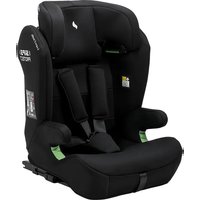
Lupo 2 Isofix - Child car seat Osann - Free user manual and instructions
Find the device manual for free Lupo 2 Isofix Osann in PDF.


| Brand | Osann |
| Model | Lupo 2 Isofix |
| Category | Child car seat (booster with harness) |
| Approval | Regulation No. 129 (i-Size) |
| Child height | 76 to 150 cm |
| Maximum weight with harness | 23 kg (up to 105 cm) |
| Minimum age | 15 months (forward-facing) |
| Mounting direction | Forward-facing only |
| Vehicle attachment (76-105 cm) | Isofix + Top Tether |
| Vehicle attachment (100-150 cm) | Isofix (recommended) or 3-point seat belt |
| Child safety (76-105 cm) | Integrated 5-point harness |
| Child safety (100-150 cm) | Vehicle's 3-point seat belt |
| Headrest | Height adjustable |
| Locking indicators | Isofix and Top Tether (green visual indicators) |
| Cover cleaning | Machine wash at 30°C, delicate cycle; no bleach, no dry cleaning; low temperature drying |
| Maintenance | Regular condition check; replace after an accident |
| Customer service | OSANN: +49 (0)7731 970077 |
Frequently Asked Questions - Lupo 2 Isofix Osann
User questions about Lupo 2 Isofix Osann
0 question about this device. Answer the ones you know or ask your own.
Ask a new question about this device
Download the instructions for your Child car seat in PDF format for free! Find your manual Lupo 2 Isofix - Osann and take your electronic device back in hand. On this page are published all the documents necessary for the use of your device. Lupo 2 Isofix by Osann.
USER MANUAL Lupo 2 Isofix Osann
natural_image
Illustration of a hand pressing down on a mechanical component with an upward arrow (no text or symbols)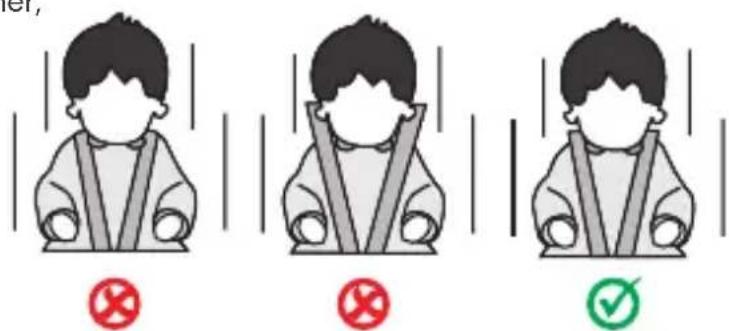
Isofi x-Konnektoren
natural_image
Illustration of a hand using a cable to lift a cable, with a red arrow indicating compression (no text or symbols)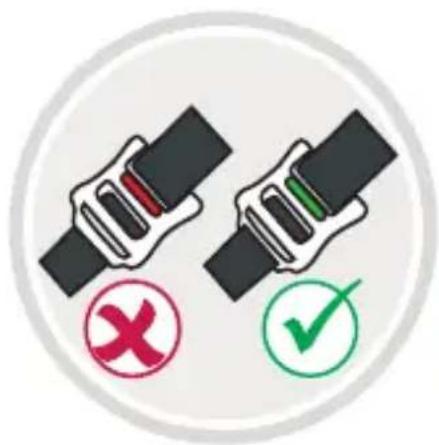
natural_image
Two black car seats with green-labeled buttons and a close-up inset showing internal components (no text or symbols)Thank you for choosing our Lupo 2 Isofi x child car seat. If you need help with this product, please contact our customer service.
USE
- This product is suitable for children of a height of 76 to 150~cm .
- Forward-facing installation for children 76 to 105cm in height and a minimum age of 15 months is carried out using the Isofix connectors and the top tether strap. The child is strapped in with the 5-point harness of the child car seat.
- Forward-facing installation for children 100 to 150 cm in height is carried out using the Isofix connectors. The top tether strap is not needed in this height range. The child is strapped in with the 3-point car seat belt Alternatively, the child car seat can also be fitted with the 3-point car seat belt only for children 100–150 cm in height. Attaching the seat with the Isofix connectors is not absolutely essential but is recommended.
ATTENTION
USE ONLY FROM THE AGE OF 15 MONTHS.
PLEASE NOTE
NOTE (76–105 cm):
This is an i-Size child restraint system. It is approved under Regulation No. 129 for use on "i-Size compatible" vehicle seats as specified by the vehicle manufacturer in the vehicle manual. In cases of doubt, please contact the manufacturer of the child restraint system or your retailer.
The child restraint system can be used on all Isofi x seats as long as there is also an attachment hook for the top tether.
NOTE (100 - 150 cm):
This is an optimised i-Size children's booster seat. It is approved under Regulation No. 129 for use primarily on "i-Size vehicle seats" as specified by vehicle manufacturers in the vehicle manual. If in doubt, contact either the manufacturer of the extended child restraint system or the retailer.
The optimised i-Size booster seat can also be used on all seats in the "universal" category, as long as this does not conflict with the vehicle interior.
If in doubt, please contact the car seat manufacturer or the retailer.
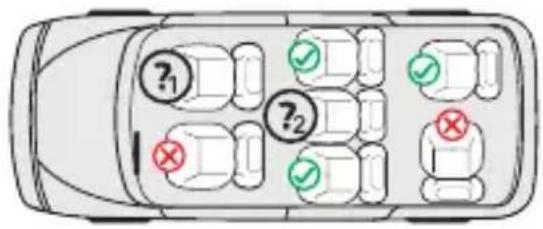
- & 2.:
76-105 cm: Only if Isofi x connectors and a fastening hook for the top tether are available.
100-150 cm: Only if at least a 3-point car seat belt that complies with ECE R16 is available. If Isofi x connectors are available, these can also be used. Securing the child only with a 2-point harness is not approved.
The following table provides information about the fastening devices and methods:
| Height range | Installation direction | Installation Type Child safety device | ||
| 76–105 cm | Forward-facing | Isofi x connectors & top tether | i-Size | 5-point harness on the child seat |
| 100–150 cm | Forward-facing | Isofi x connectors & 3-point car seat belt | i-Size booster seat | 3-point car seat belt |
| 100–150 cm | Forward-facing | 3-point car seat belt | i-Size booster seat | 3-point car seat belt |
WARNING
- Please read through these instructions carefully before use in order to guarantee the safety of your child. Retain the instructions. Non-compliance with the instructions in this manual may result in serious injuries to your child.
- The child seat can only be used with its own 5-point harness system for children under a body weight of 23 kg and a height of up to 105 cm.
- The child seat can NOT be used with the 5-point harness system for children over a body weight of 23kg and a height of over 105cm .
- The child seat can be installed forward-facing with the Isofix connectors and the top tether strap.
- For Isofi x installation: Be sure to read the car manufacturer's manual.
- Do not use load-bearing contact points other than those described in the instructions and indicated in the child restraint system.
- Do not use this child car seat at home. It has been designed exclusively for use in a car.
- Do not leave your child unsupervised in the seat at any time.
- The child seat must be replaced if it has been subject to severe mechanical stress in an accident.
- For safety reasons, the child car seat must be secured in the vehicle even when there is no child sitting in the child car seat.
- Always make sure that all belts that attach the child car seat to the vehicle are secure and that all belts that restrain the child are adjusted to fit the child's body. Ensure that the belts are not twisted.
- Items of luggage and other objects that could cause injury in the event of a collision must be properly secured.
- The rigid elements and plastic parts of a child restraint system must be positioned and installed so that they cannot become jammed by a movable seat or a vehicle door.
- It is important that belts that sit low hold the child's pelvis firmly in place. Your child should always be fastened in to stop them falling out.
- It is dangerous to make changes or additions to the product without approval from the responsible authority. Non-compliance with the installation instructions provided by the manufacturer of the child restraint system may also present risks to the safety of your child.
- This child seat is designed for children with a maximum height of 150 cm. Never overload the child seat by transporting more than one child or additional loads in it.
- The child restraint system must not be used without the seat cover.
- The seat cover must not be replaced by a cover other than that recommended by the manufacturer, as this seat cover is an important component of the restraint system.
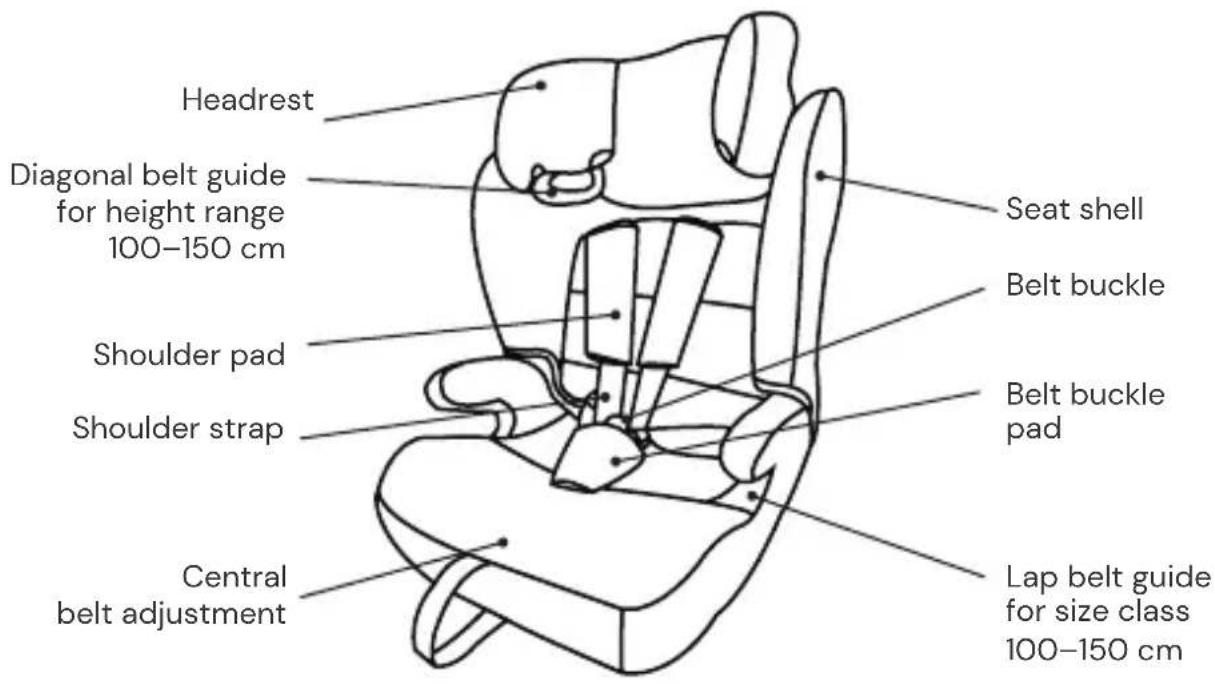
SEAT PARTS
Front view
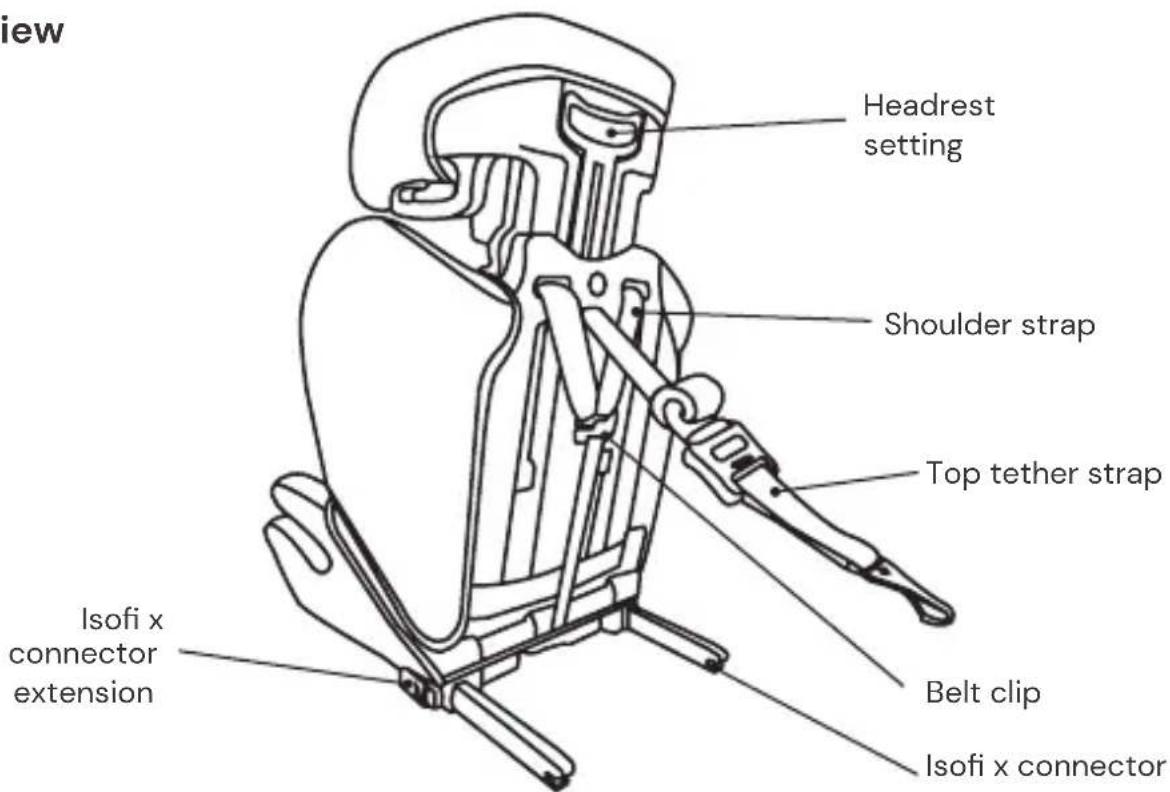
Rear view
USING THE CHILD CAR SEAT
Adjusting the belt
- To loosen the belt, press the belt adjustment button in the seat area with one hand. Hold the belt buckle with the other hand and carefully loosen the attached belts.
- Pull the front adjustment strap to tighten the belts. Ensure that the straps are not twisted.
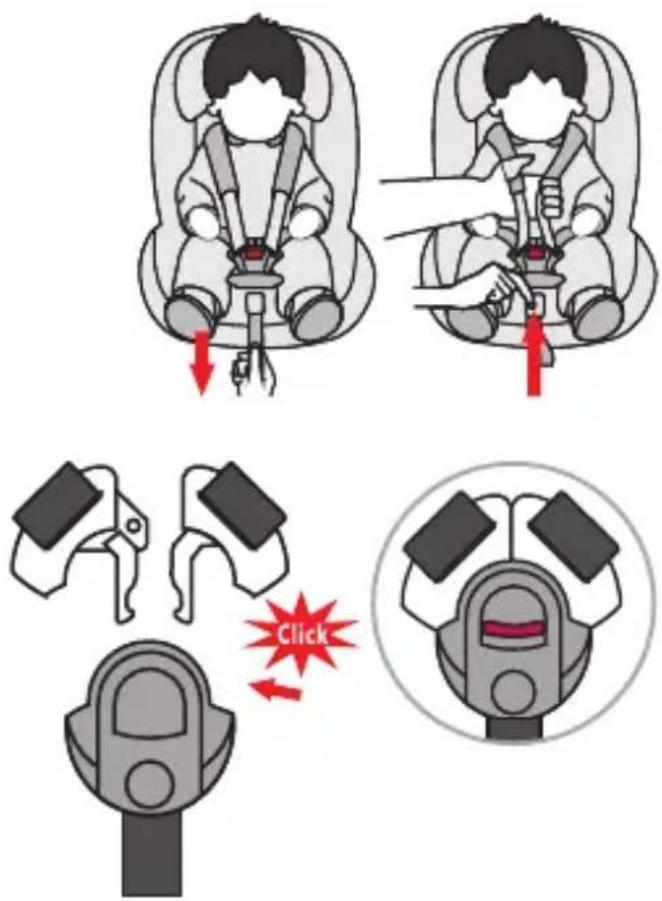
Opening/closing the belt
- To unlock the belt, press the button on the belt buckle, pull out the buckle tongues and separate them.
- To lock the belt, first connect both tongues of the buckle and then insert them together into the belt buckle.
Adjusting the head support
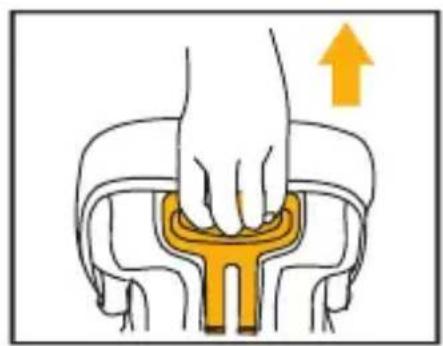
- Release the belt and pull the lever to adjust the headrest on the back of the child car seat. Move the headrest until it engages at the correct height.
- Make sure the shoulder straps are positioned just above your child's shoulders when they come out of the child car seat.
- Release the lever and ensure that the headrest is engaged.
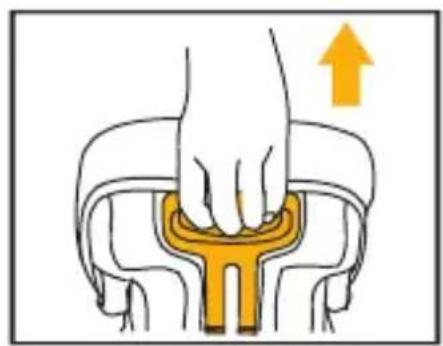
natural_image
Illustration of a hand pressing down on a mechanical component with an upward arrow (no text or symbols)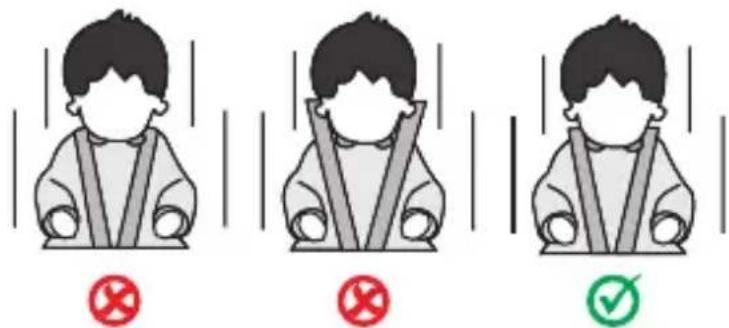
Isofi x connectors
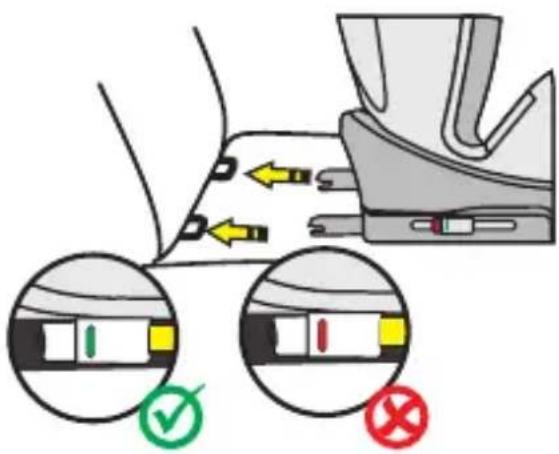
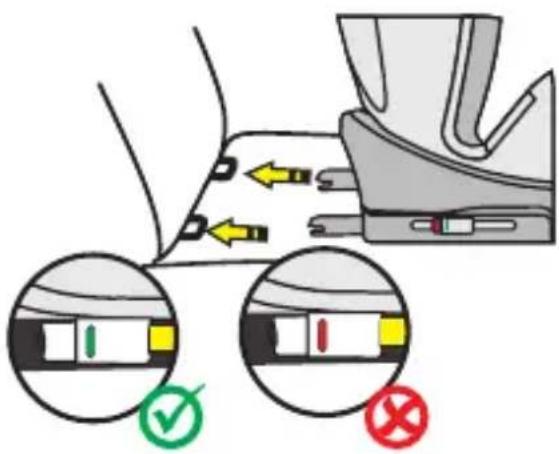
- Press the two side Isofi x connector buttons to extend the length of the Isofi x connectors.
- Guide the Isofi x connectors to the Isofi x anchor points on the car seat and snap them into place.
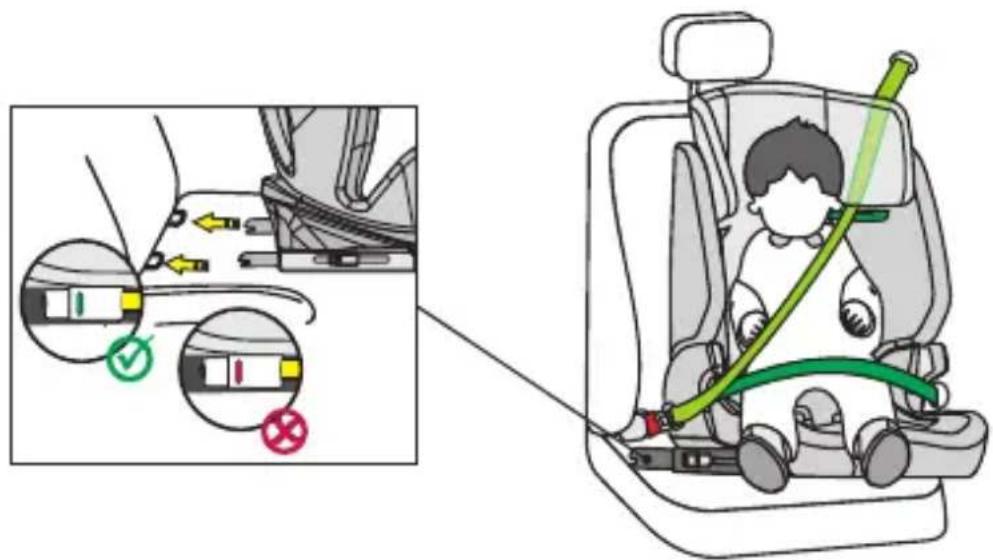
- Push the child car seat in until it rests securely against the backrest of the vehicle seat. Ensure that both Isofi x indicators are showing green.
Top tether for height range 76–105 cm
- Remove the top tether from the storage bag at the back of the child car seat (storage bag depends on variant).
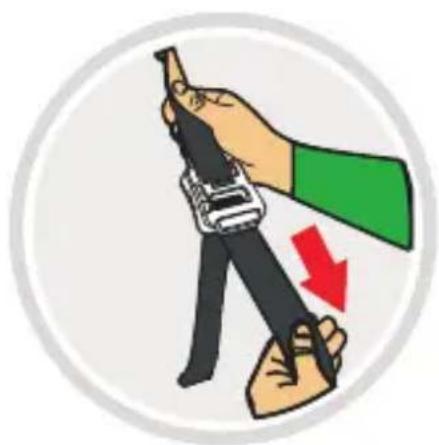
- To release the top tether, press the button with one hand and pull the side of the belt anchor to the required length with the other hand.
- To fix the top tether, clip the anchor to the fixing point on the car seat and pull it as tight as possible. The display does not turn green until the belt is tightened sufficiently.
- The top tether strap is only necessary for the children 76–105 cm in height. In the 100–150 cm size class, the top tether strap is no longer needed.
natural_image
Illustration of a hand using a cable to lift a cable, with a red arrow indicating compression (no text or symbols)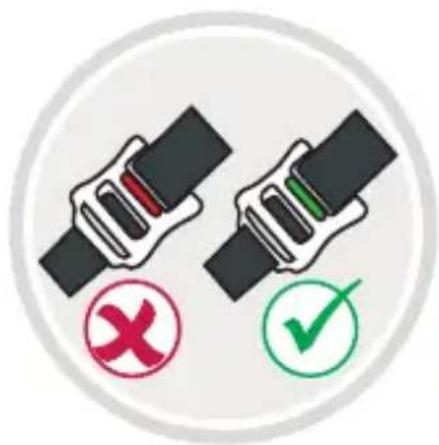
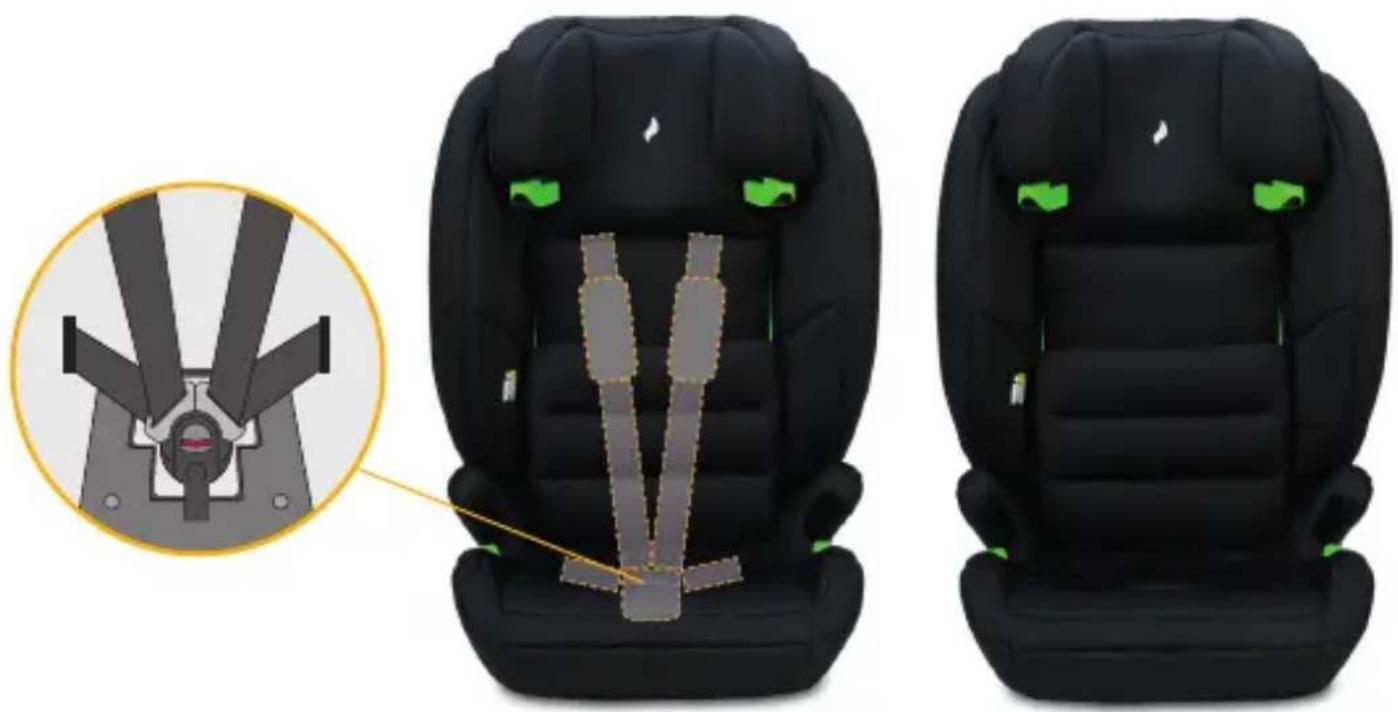
Stowage of the 5-point harness for size class 100–150 cm
- Loosen the harness system to the maximum length.
- Open the harness system and remove the belt buckle pad.
- Carefully pull off the cover in the seat area so that you can pass the seat belt buckle through the opening in the seat cover.
- Open the cover in the back area using the press studs and fold it away forwards.
- Insert the belt buckle tongues into the belt buckle and stow it in the recess in the seat area. To do this, fi rst remove the two pieces of fi lling material from the recess. Then place the thinner piece back on the belt buckle in the recess.
- Now stow the shoulder straps together with the shoulder pads behind the lower part of the headrest cover. The belt buckle pads can also be removed completely. To do this, unhook the retaining straps of the seat belt buckle pads; these are attached to the metal crossbar at the rear of the child car seat. You can then pull the belt buckle pads forwards and remove them completely.
- Now fold back the cover of the back area and close the press studs.
- Ensure that you keep all the parts that are removed in a safe place.
natural_image
Two black car seats with green accent tags, one showing a close-up of the seat assembly (no text or symbols visible)(Sample illustrations)
CLEANING
To guarantee long-term use of your child car seat, do not use any solvents, abrasive cleaners or aggressive cleaning agents to clean the car seat. Check the stability of the fabric and the seams after each wash. When washing the fabric, carefully follow the instructions on the label (see below).

Wash at 30^ C, gentle wash cycle

DO NOT iron

DO NOT bleach

DO NOT dry clean

Tumble dry at low temperature
MAINTENANCE
Check the condition of the product for possible damage at regular intervals. In the event of damage, the child car seat must no longer be used and must be stored out of the reach of children.
In case of any issues, please contact
Osann customer service on +49 (0)7731 970077.
INSTALLING THE CHILD CAR SEAT
1) Size class 76–105 cm, min. 15 months, max. 23 kg, forward facing

ATTENTION: USE ONLY FROM THE AGE OF 15 MONTHS.
- Place the child car seat forward facing on your car seat.
- Press the two side Isofi x connector buttons to extend the length of the Isofi x connectors.
- Guide the Isofi x connectors to the Isofi x anchor points on the car seat and snap them into place.
- Push the child car seat in until it rests securely against the backrest of the vehicle seat. Ensure that both Isofi x indicators have turned green.
- Take the top tether from its storage pocket and extend it to the maximum length.
- Clip the top tether onto the hook provided in your car (e.g. on the back of the car seat or in the boot. Please consult your car manual for this).
- Tighten the top tether until the display on the top tether turns green.
- Unfasten the belt buckle on the child car seat and place the belts over the outside of the seat.
- Put your child in the child car seat.
- Adjust the height of the headrest as described above.
- Fasten the belt buckle again until you hear a click.
- Pull the front adjustment strap to tighten the belts. Ensure that the straps are not twisted.
2) Size class 100–150 cm, forward-facing
- The 5-point harness of the child car seat and the top-tether strap must be stowed as previously described. These are not needed for children of this height.
- Press the two side Isofi x connector buttons to extend the length of the Isofi x connectors.
- Guide the Isofi x connectors to the Isofi x anchor points on the car seat and snap them into place.
- Push the child car seat in until it rests securely against the backrest of the vehicle seat. Ensure that both Isofi x indicators have turned green.
- Thread the diagonal belt of the 3-point seat belt in the car through the diagonal belt guide on the headrest of the child car seat.
- Put your child in the child car seat.
- Adjust the height of the headrest so that the child's head is fully in the headrest and the diagonal belt comes out through the belt guide at the level of the child's shoulders.
- Fasten the belt buckle of the 3-point seat belt until you hear a click.
- Make sure that both the diagonal belt and the lap belt run along the second lap belt guide (below the armrest) on the child car seat, which faces the car's seat belt buckle.
10 . Pull on the diagonal strap to tighten it. Make sure that the straps are not twisted.
Installation without Isofi x:
Alternatively, the child car seat can also be fitted with the 3-point car seat belt only for children 100–150 cm in height. Attaching the seat with the Isofi x connectors is not absolutely essential but is recommended.
natural_image
Illustration of a child in a car seat being lifted, showing two different states of the same seat (no text or symbols present)natural_image
Illustration of a hand pressing down on a mechanical component with an upward arrow (no text or symbols)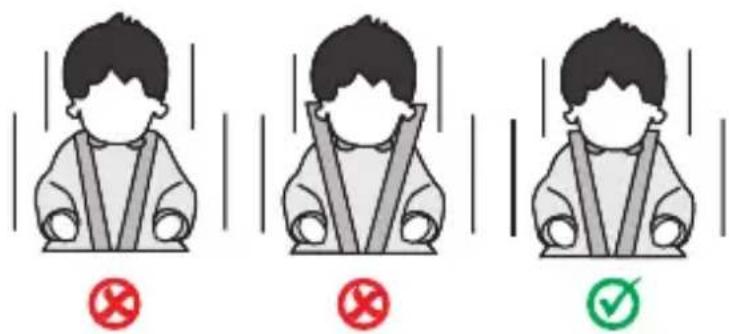
Connecteurs Isofi x
natural_image
Illustration of a hand using a cable to lift a cable, with a red arrow indicating compression (no text or symbols)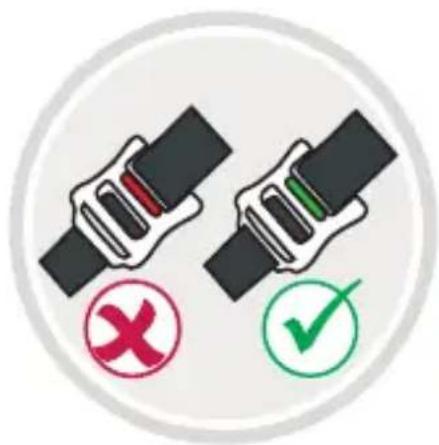
natural_image
Two black car seat covers with green accent tags, one showing a close-up of the seat assembly (no text or symbols visible)ATTENTION : UTILISER UNIQUEMENT À PARTIR DE 15 MOIS.
natural_image
Illustration of a child in a car seat being lifted, showing two different states of the same seat (no text or symbols present)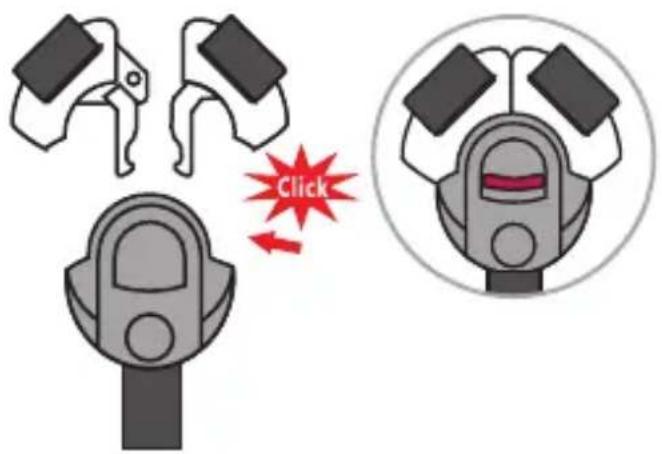
natural_image
Illustration of a hand pressing down on a mechanical component with an upward arrow (no text or symbols)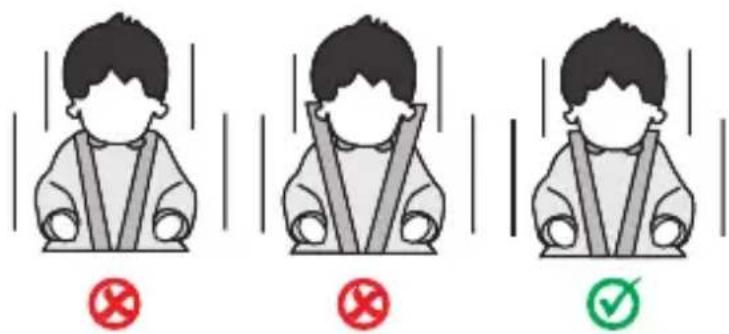
Connettori Isofi x
natural_image
Illustration of a hand using a cable to lift a cable, with a red arrow indicating compression (no text or symbols)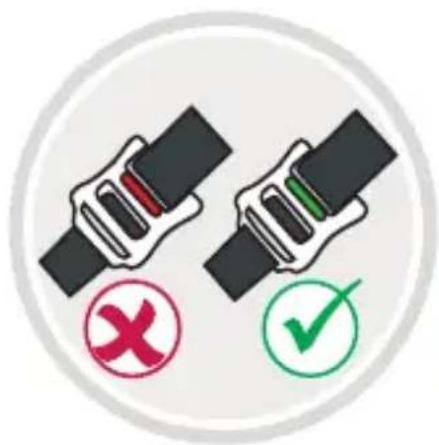
natural_image
Two black car seats with green accent tags, one showing a close-up of the seat assembly (no text or symbols visible)(Figure esemplifi cative)
PULIZIA
ATTENZIONE: UTILIZZARE SOLO A PARTIRE DAI 15 MESI DI ETÀ.
natural_image
Illustration of a hand pressing down on a mechanical component with an upward arrow (no text or symbols)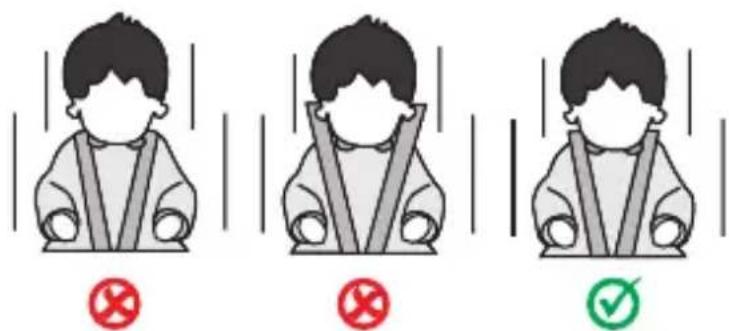
Isofi x-connectoren
natural_image
Illustration of a hand using a cable to lift a cable, with a red arrow indicating compression (no text or symbols)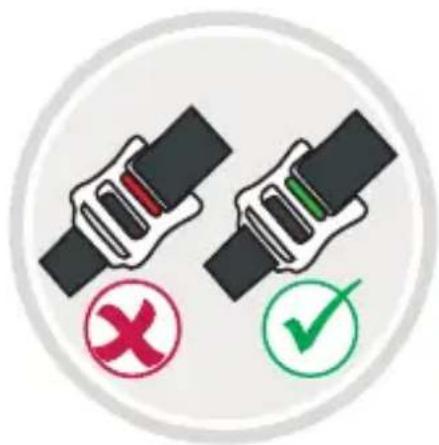
natural_image
Two black car seats with green-labeled buttons, one showing a close-up of the seat assembly (no text or symbols visible)(Voorbeelden)
REINIGING
LET OP: PAS TE GEBRUIKEN VANAF EEN LEEFTIJD VAN 15 MAANDEN.
natural_image
Illustration of a hand pressing down on a mechanical component with an upward arrow (no text or symbols)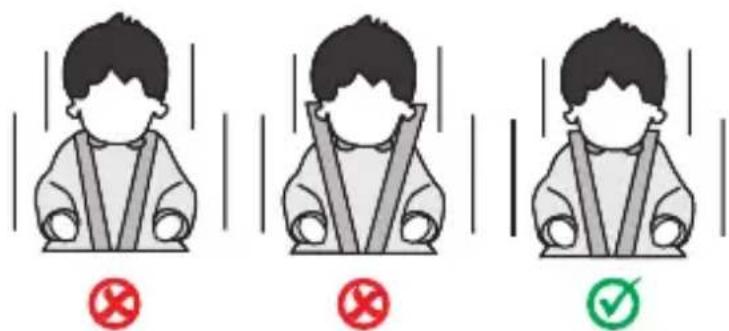
Conectores Isofi x
natural_image
Illustration of a hand using a cable to lift a cable, with a red arrow indicating compression (no text or symbols)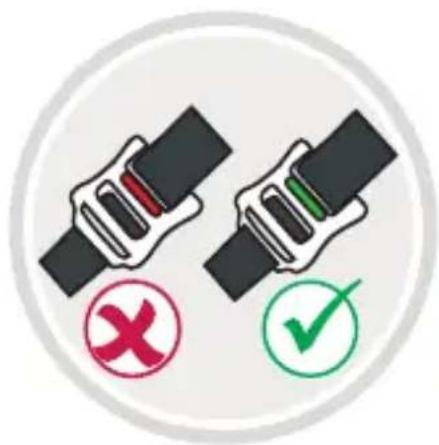
natural_image
Two black car seats with green accent tags, one showing a close-up of the seat assembly (no text or symbols visible)POZNÁMKA (76–105 cm):
natural_image
Illustration of a hand pressing down on a mechanical component with an upward arrow (no text or symbols)
Konektory Isofi x
natural_image
Illustration of a hand using a cable to lift a cable, with a red arrow indicating compression (no text or symbols)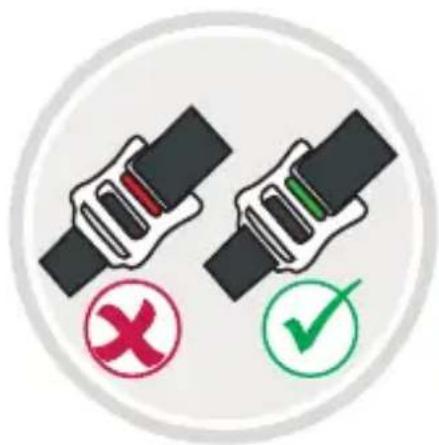
natural_image
Two black car seats with green accent tags, one showing a close-up of the seat assembly (no text or symbols visible)POZOR: POUŽÍVEJTE POUZE PRO DĚTI VE VĚKU OD 15 MĚSÍCŮ.
1. i 2. miejsce:
Regulacja zagłówka
natural_image
Illustration of a hand pressing down on a mechanical component with an upward arrow (no text or symbols)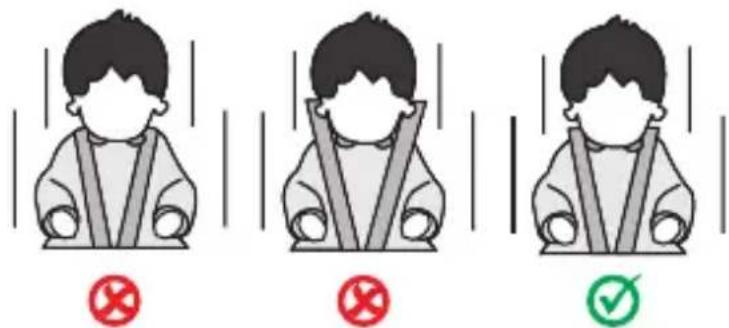
Łączniki ISOFIX
natural_image
Illustration of a hand using a cable to lift a cable, with a red arrow indicating compression (no text or symbols)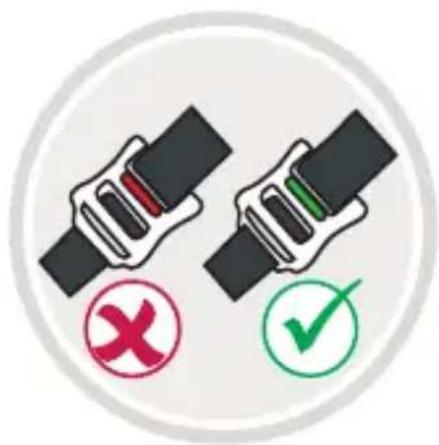
natural_image
Two black car seats with green accent tags, one showing a close-up of the seat assembly (no text or symbols visible)UWAGA: STOSOWAĆ WYŁĄCZNIE DLA DZIECI W WIEKU POWYŻEJ 15 MIESIĘCY.
- a 2.:
natural_image
Illustration of a hand pressing down on a mechanical component with an upward arrow (no text or symbols)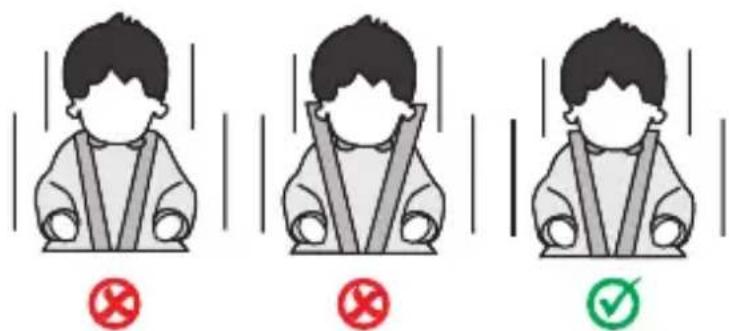
Konektory Isofi x
- Stlačte obe postranné tlačidlá konektorov Isofi x, aby sa konektory Isofi x vysunuli do dĺžky.
- Zaved'te konektory Isofi x do držiakov Isofi x na sedadle auta a zacvaknite ich.
- Posuňte detskú autosedačku pevne na chrbtovú opierku sedadla auta. Dbajte na to, aby oba ukazovatele Isofi x ukazovali zelenú farbu.
natural_image
Illustration of a hand using a cable to lift a cable, with a red arrow indicating compression (no text or symbols)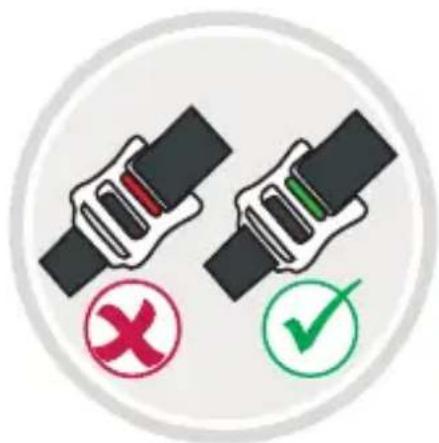
natural_image
Two black car seats with green accent tags, one showing a close-up of the seat assembly (no text or symbols visible)(názorné obrázky)
ČISTENIE
POZOR: POUŽÍVAJTE AŽ OD VEKU DIEŤAŤA VYŠE 15 MESIACOV.
natural_image
Illustration of a hand pressing down on a mechanical component with an upward arrow (no text or symbols)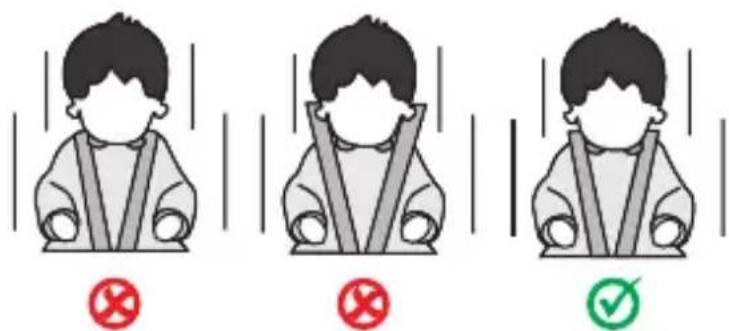
Isofi x priključci
Top Tether za razred veličine 76 – 105 cm
natural_image
Illustration of a hand using a cable to lift a cable, with a red arrow indicating compression (no text or symbols)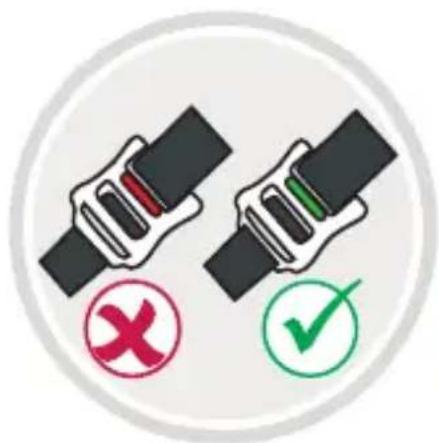
Pohranjivanje pojasa s 5 točaka za razred veličine 100 – 150 cm
natural_image
Two black car seats with green accent tags, one showing a close-up of the seat assembly (no text or symbols visible)POZOR: UPOTREBA SAMO ZA DJECU KOJA SU NAVRŠILA 15. MJESEC ŽIVOTA.
- in 2.:
76-105 cm: Samo će so na voljo priključki Isofi x in kavelj za pritrditev pasu Top-Tether.
natural_image
Illustration of a hand pressing down on a mechanical component with an upward arrow (no text or symbols)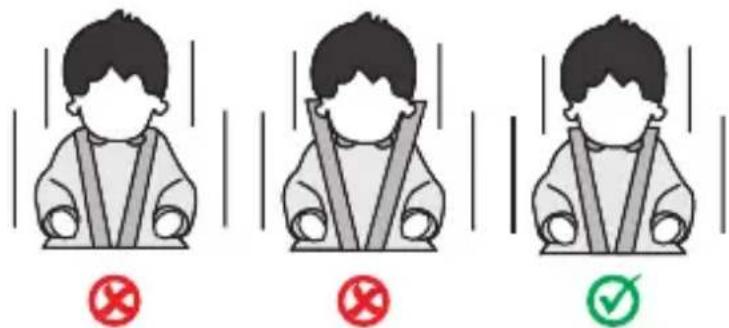
Priključki Isofi x
natural_image
Illustration of a hand using a cable to lift a cable, with a red arrow indicating compression (no text or symbols)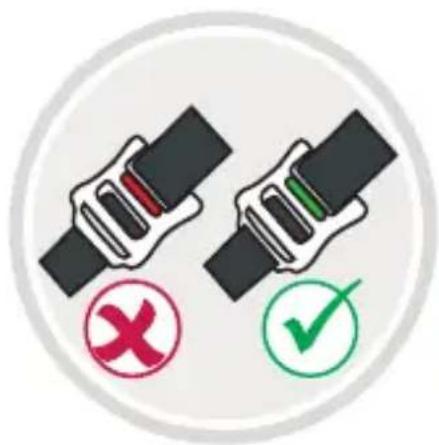
natural_image
Two black car seats with green accent labels, one showing a close-up of the seat assembly (no text or symbols visible)(vzorčne slike)
ČIŠČENJE
POZOR: UPORABLJAJTE ŠELE OD 15. MESECA STAROSTI NAPREJ.
FONTOS TUDNIVALÓ (76–105 cm):
natural_image
Illustration of a hand pressing down on a mechanical component with an upward arrow (no text or symbols)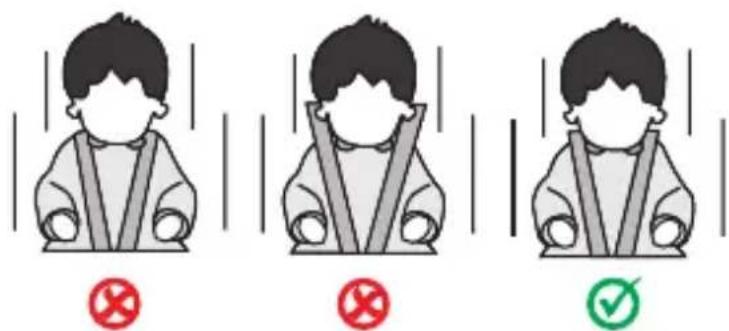
Isofi x-csatlakozók
natural_image
Illustration of a hand using a cable to lift a cable, with a red arrow indicating compression (no text or symbols)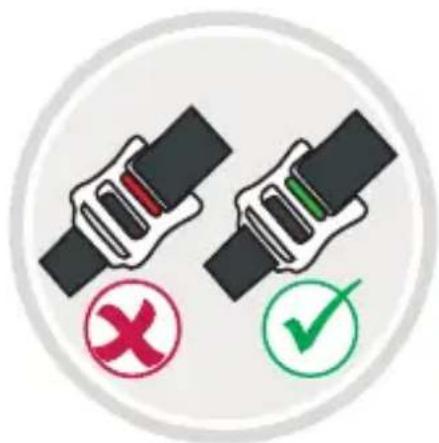
natural_image
Two black car seats with green accent tags, one showing a close-up of the seat assembly (no text or symbols visible)(Példaábrák)
TISZTÍTÁS
FIGYELEM: CSAK 15 HÓNAPOS KORTÓL HASZNÁLHATÓ.

- Isofi x-Konnektoren
- USE
- ATTENTION
- PLEASE NOTE
- NOTE (76–105 cm):
- NOTE (100 - 150 cm):
- WARNING
- SEAT PARTS
- Front view
- Rear view
- USING THE CHILD CAR SEAT
- Adjusting the belt
- Opening/closing the belt
- Adjusting the head support
- Isofi x connectors
- Top tether for height range 76–105 cm
- Stowage of the 5-point harness for size class 100–150 cm
- CLEANING
- MAINTENANCE
- INSTALLING THE CHILD CAR SEAT
- ATTENTION: USE ONLY FROM THE AGE OF 15 MONTHS.
- Installation without Isofi x:
- Connecteurs Isofi x
- ATTENTION : UTILISER UNIQUEMENT À PARTIR DE 15 MOIS.
- Connettori Isofi x
- PULIZIA
- ATTENZIONE: UTILIZZARE SOLO A PARTIRE DAI 15 MESI DI ETÀ.
- Isofi x-connectoren
- REINIGING
- Conectores Isofi x
- Konektory Isofi x
- POZOR: POUŽÍVEJTE POUZE PRO DĚTI VE VĚKU OD 15 MĚSÍCŮ.
- i 2. miejsce:
- Regulacja zagłówka
- Łączniki ISOFIX
- ČISTENIE
- POZOR: POUŽÍVAJTE AŽ OD VEKU DIEŤAŤA VYŠE 15 MESIACOV.
- Isofi x priključci
- Top Tether za razred veličine 76 – 105 cm
- Pohranjivanje pojasa s 5 točaka za razred veličine 100 – 150 cm
- POZOR: UPOTREBA SAMO ZA DJECU KOJA SU NAVRŠILA 15. MJESEC ŽIVOTA.
- Priključki Isofi x
- ČIŠČENJE
- POZOR: UPORABLJAJTE ŠELE OD 15. MESECA STAROSTI NAPREJ.
- Isofi x-csatlakozók
- TISZTÍTÁS
- FIGYELEM: CSAK 15 HÓNAPOS KORTÓL HASZNÁLHATÓ.
Brand : Osann
Model : Lupo 2 Isofix
Category : Child car seat