
Vivaldi - Baby bed BabyGO - Free user manual and instructions
Find the device manual for free Vivaldi BabyGO in PDF.


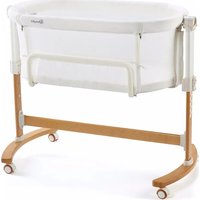
| Product Type | Convertible baby bed (cradle, standalone bed, co-sleeper) |
| Brand | BabyGO |
| Model | Vivaldi |
| Materials | Metal, plastic, fabric (mesh) |
| Height adjustment | 6 positions |
| Tilting | Possible (max difference of 2 positions between feet) |
| Cradle mode | Yes (by flipping the foot ends) |
| Co-sleeping mode | Yes (open side with attachment system to adult bed) |
| Wheels | Yes (2 front wheels for moving) |
| Anti-slip pads | Yes |
| Mattress dimensions (minimum thickness) | 200 mm (vertical height from top of mattress to upper edge of side) |
| Use until | Child can sit, kneel, or pull themselves up |
| Cleaning | Sponge with warm water and mild detergent, dry gently |
| Spare parts | Contact supplier, use only approved parts |
| Warranty / Support | BabyGO Baby Products GmbH, Germany |
| Safety | Do not use near cords, heat sources, or if parts missing; securely attach to adult bed |
Frequently Asked Questions - Vivaldi BabyGO
User questions about Vivaldi BabyGO
0 question about this device. Answer the ones you know or ask your own.
Ask a new question about this device
Download the instructions for your Baby bed in PDF format for free! Find your manual Vivaldi - BabyGO and take your electronic device back in hand. On this page are published all the documents necessary for the use of your device. Vivaldi by BabyGO.
USER MANUAL Vivaldi BabyGO
natural_image
Line drawing of a baby bathtub with adjustable legs and wheels (no text or symbols)BEDIENUNGSANLEITUNG
Liebe Eltern:
natural_image
Two technical diagrams showing front and side views of a rectangular frame with horizontal shading and diagonal cross lines (no text or symbols)WARNUNG!
Abb. 7
natural_image
Line drawing of a folding table frame with grid pattern and support legs (no text or symbols)natural_image
Mechanical diagram showing a lever mechanism with two opposing arrows indicating rotational motion (no text or symbols)Abb. 11
natural_image
Technical line drawing of a mechanical assembly with no visible text or symbolsnatural_image
Technical line drawing of a boat hull with handle and side supports, no text or symbols presentnatural_image
Five black-and-white line drawings of symbols: crown, crossed-out square, crossed-out triangle, crossed-out cross, and crossed-out bracket (no text or labels)natural_image
Line drawing of a baby bathtub with adjustable legs and wheels (no text or symbols)Instruction manual
Dear Parents:
Thank you for purchasing the Side Crib.
Please read and follow all instructions before using the Side Crib.
WARNING!
INSTRUCTIONS FOR BED SIDE CRIB
IMPORTANT: READ CAREFULLY AND RETAIN FOR FUTURE REFERENCE
This product complies with EN 1130:2019.
- Do not use this product without reading the instructions for use first.
- Stop using the product as soon as the child can sit or kneel or pull itself up.
- Placing additional items in the product may cause suffocation.
- Do not place the product close to another product, which could present a danger of suffocation or strangulation, e.g. strings, blind/curtain cords, etc..
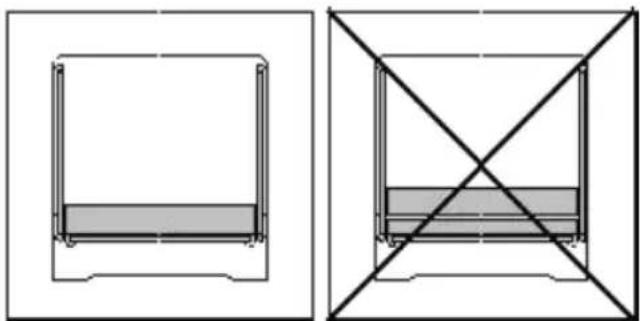
- Do not use more than one mattress in the product.
- The product should be placed on a horizontal floor.
- Young children should not be allowed to play unsupervised in the vicinity of the crib.
- The crib should be locked in the fixed position when the child is left unattended.
- All assembly fittings should always be tightened properly and that care should be taken that no screws are loose, because a child could trap parts of the body or clothing (e.g. strings, necklaces, ribbons for babies' dummies, etc.), which would pose a risk of strangulation.
- Be aware of the risk of burning cigarettes, open fires and other sources of strong heat, such as electric bar fires, gas fires, etc. in the near vicinity of the crib.
- DO NOT use crib if any parts are missing, damaged, or broken. Contact your supplier for replacement parts and instructional literature if needed. DO NOT substitute parts.
- Use only accessories or spare parts sold or approved by the manufacturer.
- Only use the mattress sold with this crib, do not add a second mattress on this one, suffocation hazards. The thickness of the mattress must be such that the vertical height (upper surface of the mattress until the upper edge of the product's sides) is at least 200mm.
natural_image
Two technical diagrams showing a rectangular frame with a shaded base and an X-shaped cross-section, no text or symbols present.WARNINGS:
- DO NOT use bedside sleeper if any parts are missing, damaged, or broken. Contact your supplier for replacement parts and instructional literature if needed. DO NOT substitute parts.
- To prevent a suffocation hazard from entrapment, the bedside sleeper shall be properly secured to the adult bed using the attachment system.
- Check the tightness of the attachment system before each use by pulling the bedside sleeper in a direction away from adult bed.
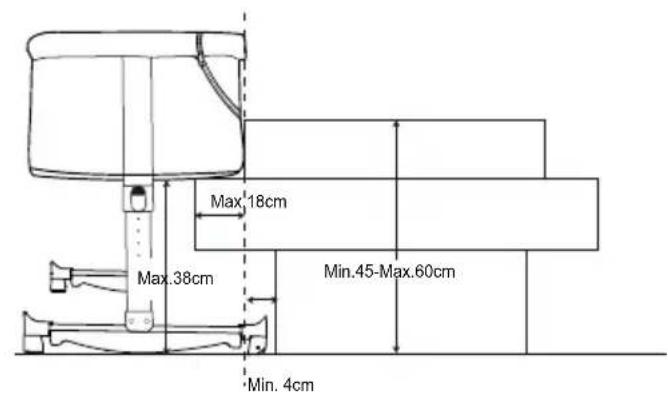
- If there is any gap between the bedside sleeper and the adult bed DO NOT use product.
- Gaps should not be filled with pillows, blankets or other items.
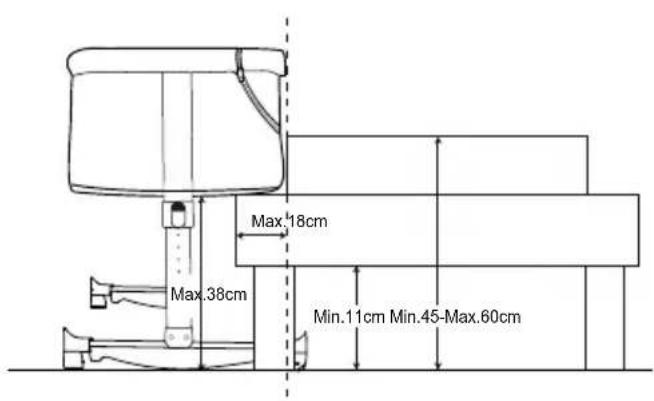
- To avoid hazards from the child's neck being caught on the top rail on the side that is next to the adult bed, the top rail must not be higher than the adult bed mattress.
- To avoid the risk of your child being strangled the attachment system to the adult's bed shall always be kept away from and out of the crib.
- The attachment system shall be provided and the user shall not use other attachment system.
• The bedside sleepers shall never be used in an inclined position - THIS BEDSIDE SLEEPER MUST BE ONLY USED WITH STANDARD TYPE ADULT BEDS. DO NOT USE the bedise sleeper with atypical shape beds.
- The height from the floor of the adult bed on which the bedside sleeper may be installed shall be between 45 and 60~cm .
Components
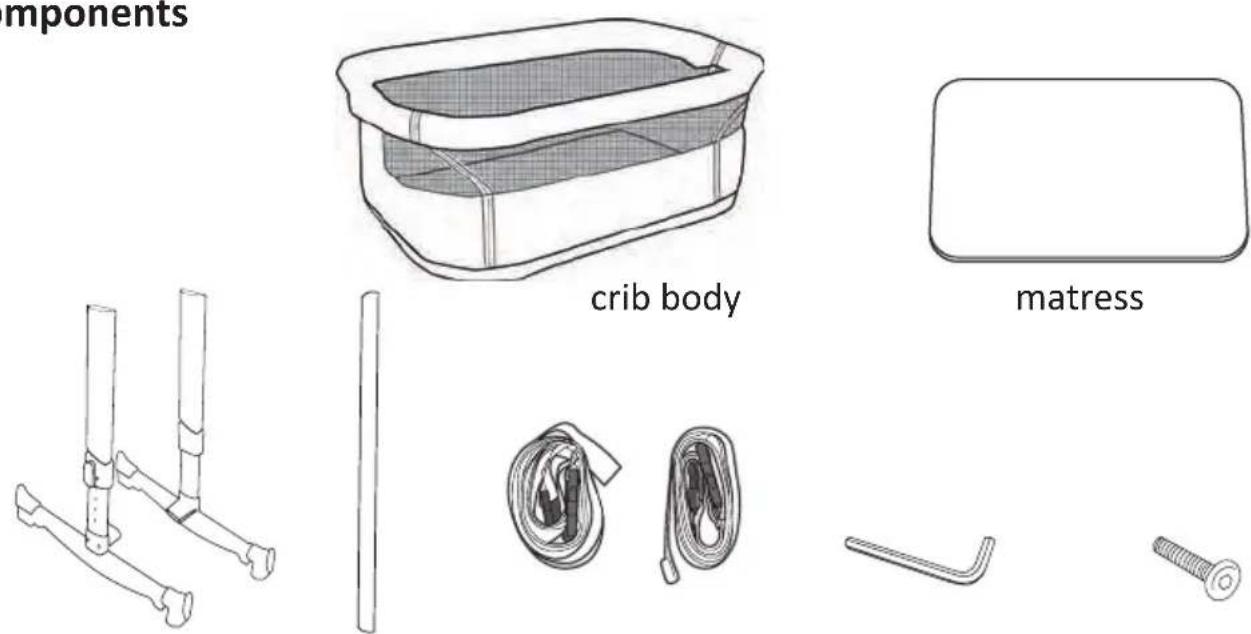
side frame stand support bar a pair of strap allen wrench 4x screw
Instruction for Assembly
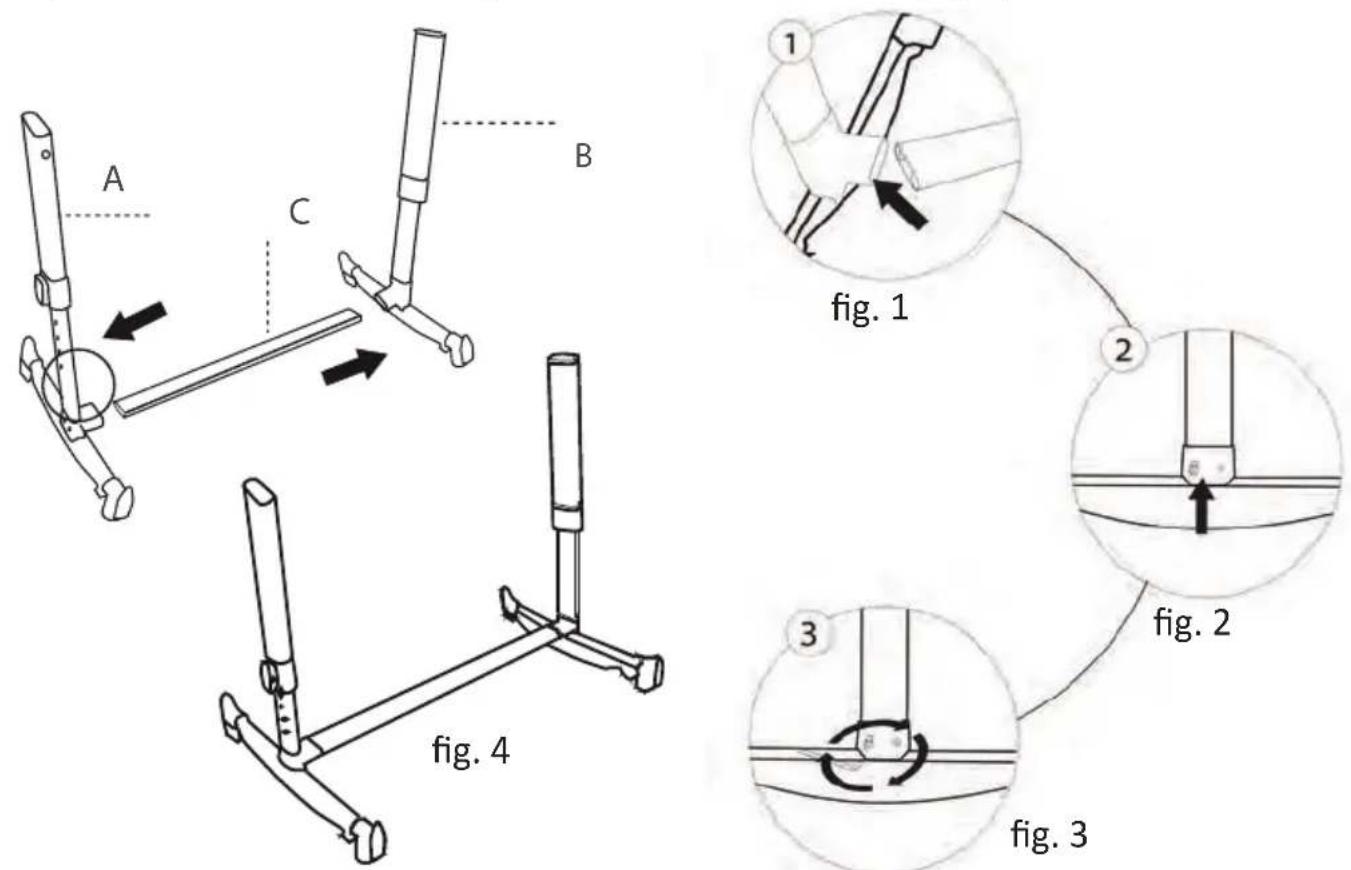
- Insert support bar "C" to left side frame stand "A"(fig 1) and secure with 2 screws (fig 2).
Use the allen wrench to tighten screws in clockwise direction (fig 3).
Repeat the same for the right side frame stand "B"(fig 4).
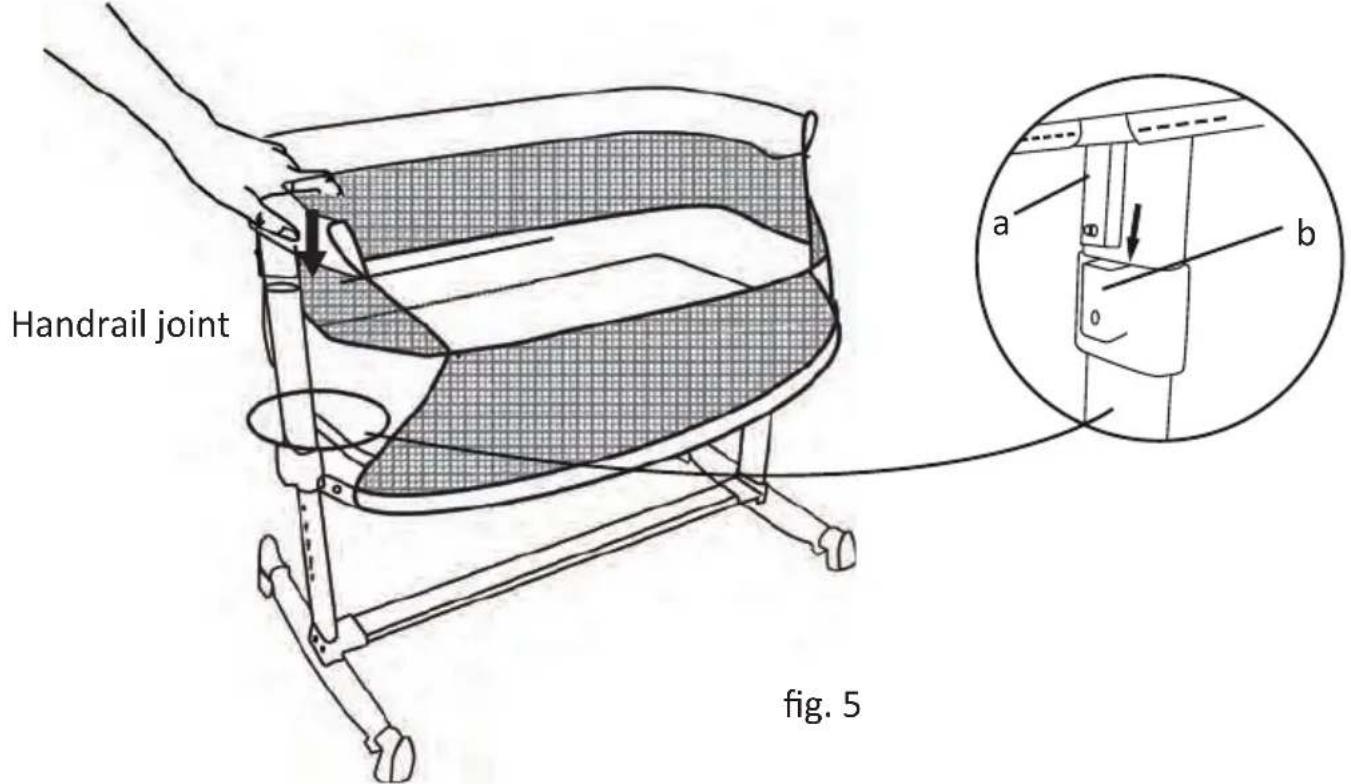
- Attach the handrail joint to the top of the frame stand tubing, insert bolt(a) into (b) as illustrated. The spring pin will click into place once secure.
Repeat for the right side of frame.
Insert mattress into the crib.
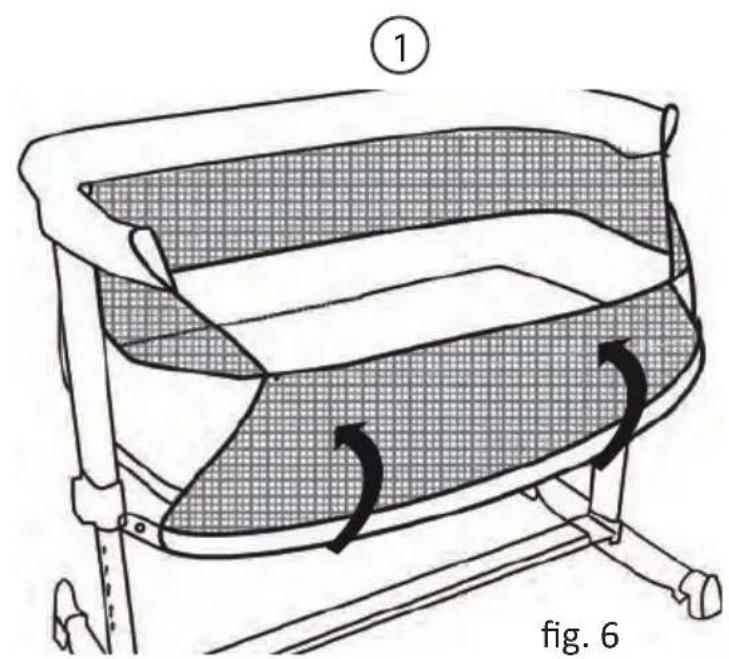
- To close the crib side panel; lift up the side of the crib and attach the tubing to the tubing of the crib body. Attach the studs on the tubing to secure (fig 7).
natural_image
Diagram of a baby seat with shaded interior and curved arrows indicating motion, labeled 'fig. 6' (no text or symbols on diagram itself)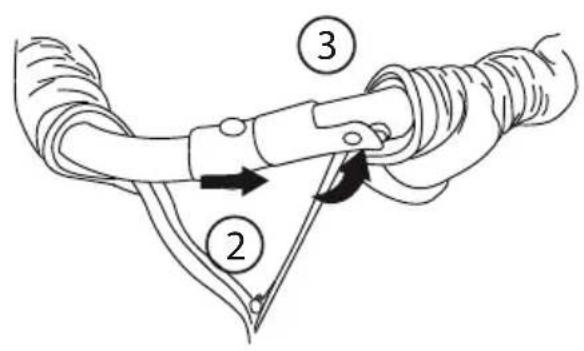
fig. 7
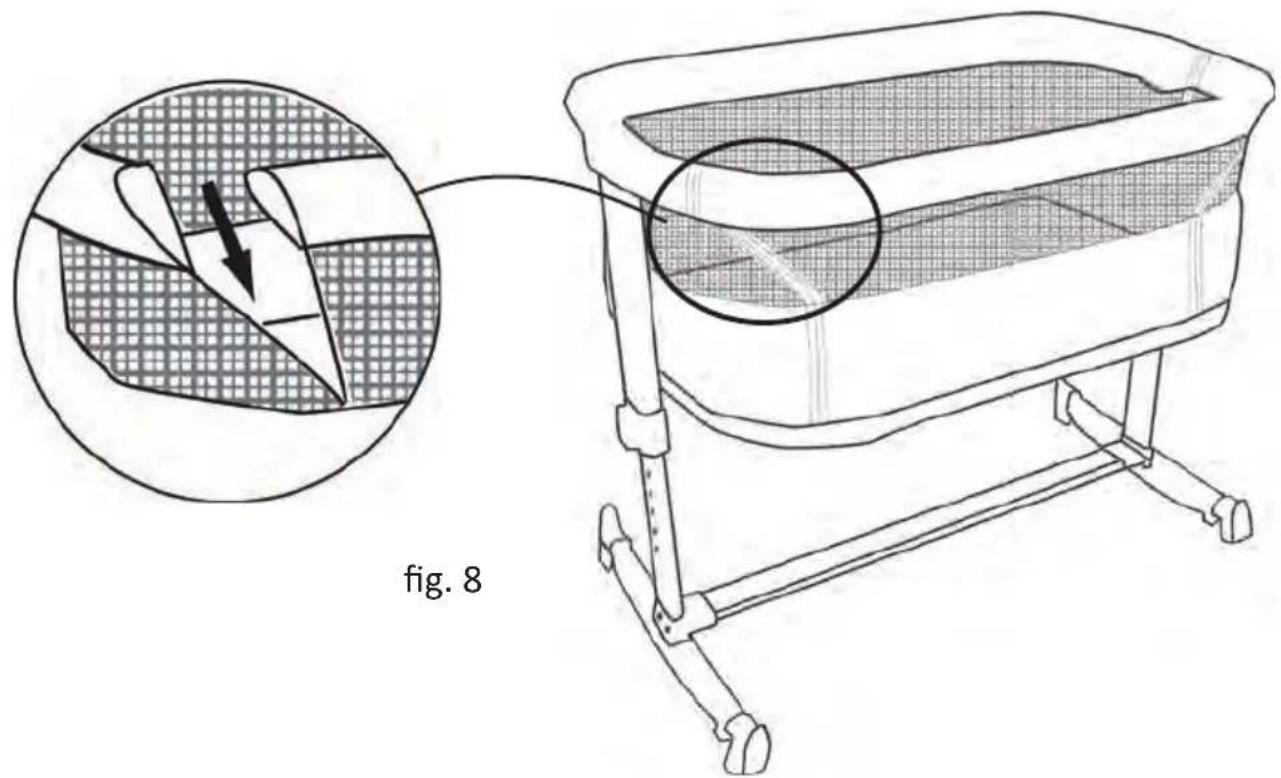
- Fasten the side of the crib with the mesh window using the side zips and close them completely (fig 8). Your crib is now ready to be used as a stand alone crib.
Instruction for Wheels, Leg & Height adjustment
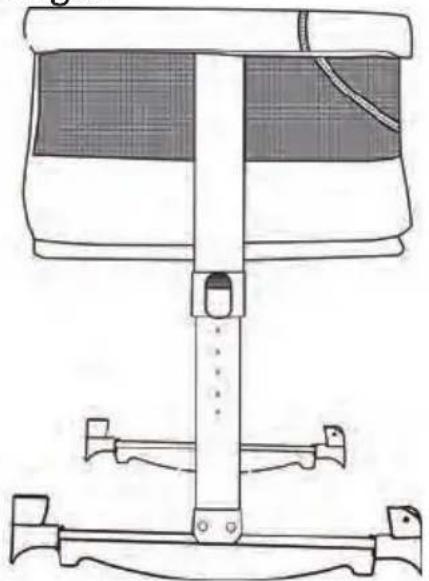
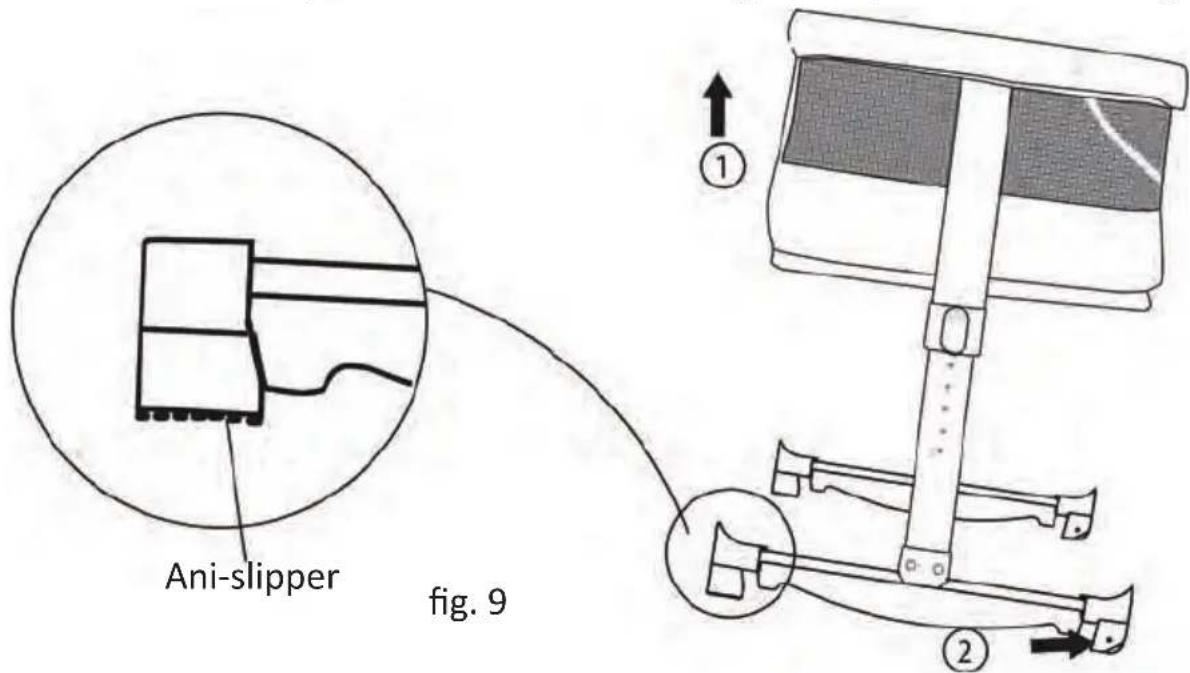
- There are wheels located on the front of the frame legs for easy moving. To access wheels, hold the crib rear long handrail and lift up. Simultaneously push the crib forward or backwards (fig 9). There is an anti-slipper at the bottom of leg to stop the crib moving.
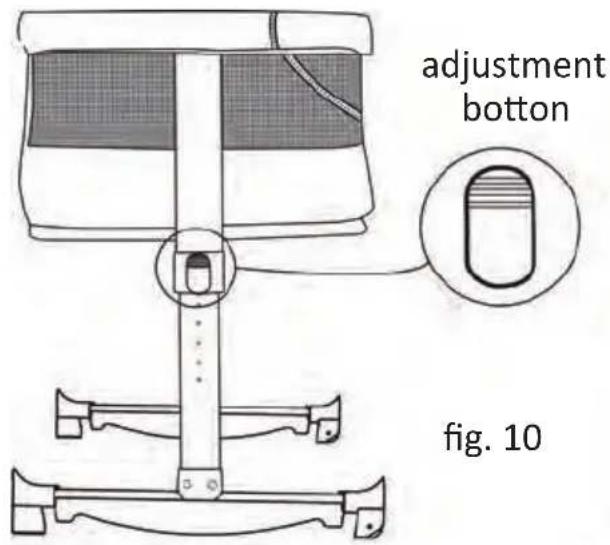
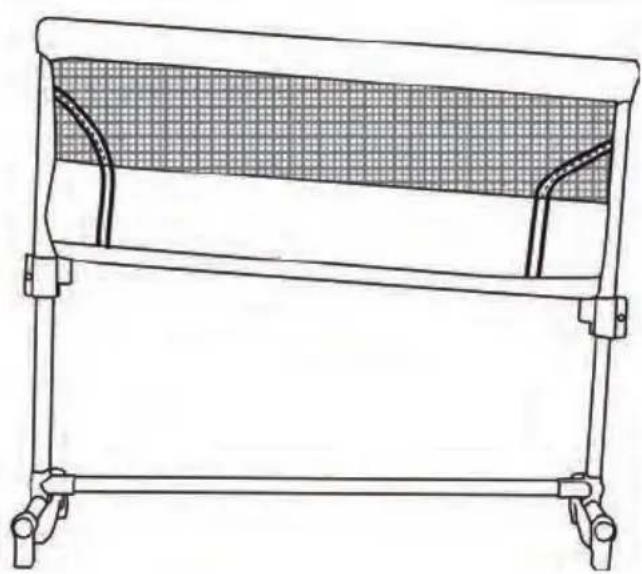
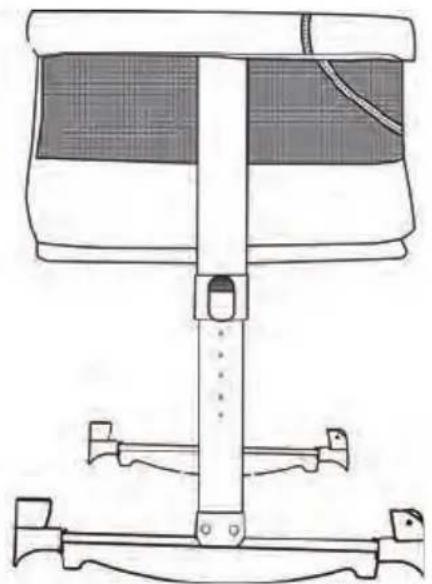
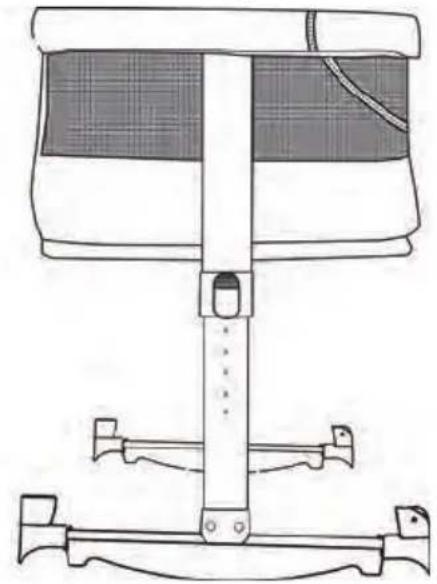
- The crib can be adjusted to 6 different height positions. In order to adjust the height, press the top of the adjustment button down and adjust the crib to the desired position (fig 10). Repeat this operation on the opposite side. The base of the crib can be inclined slightly by adjusting the two legs to different heights.
WARNING! The crib can be inclined with a maximum variance of 2 positions between one leg and the other (e.g. the right leg in position 1 and the left leg in position 3).
WARNING! The head of the child should always be positioned on the highest side.
natural_image
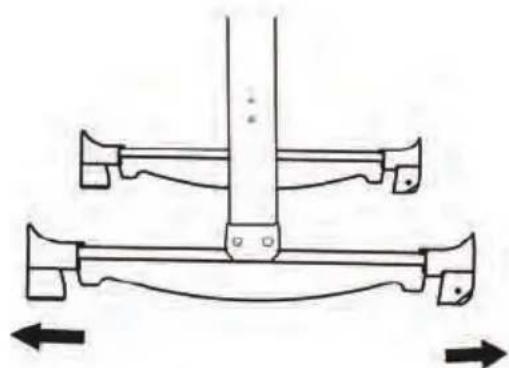
Line drawing of a folding table frame with grid pattern and support legs (no text or symbols)- The two ends of the frame leg could be revolved. Put them out and revolve to upward. Repeat the same for the order frame leg. WARNING! Use the ends of the legs upward in cradle mode only. Rock the cradle slightly when a child in it.
natural_image
Technical diagram of a mechanical assembly with two shafts and directional arrows indicating motion (no text or labels)fig. 11
natural_image
Technical line drawing of a mechanical support system with no visible text or symbolsInstruction for fixing to parents' bed
- Open the side of the crib with the mesh window using the side zips. Open them completely.
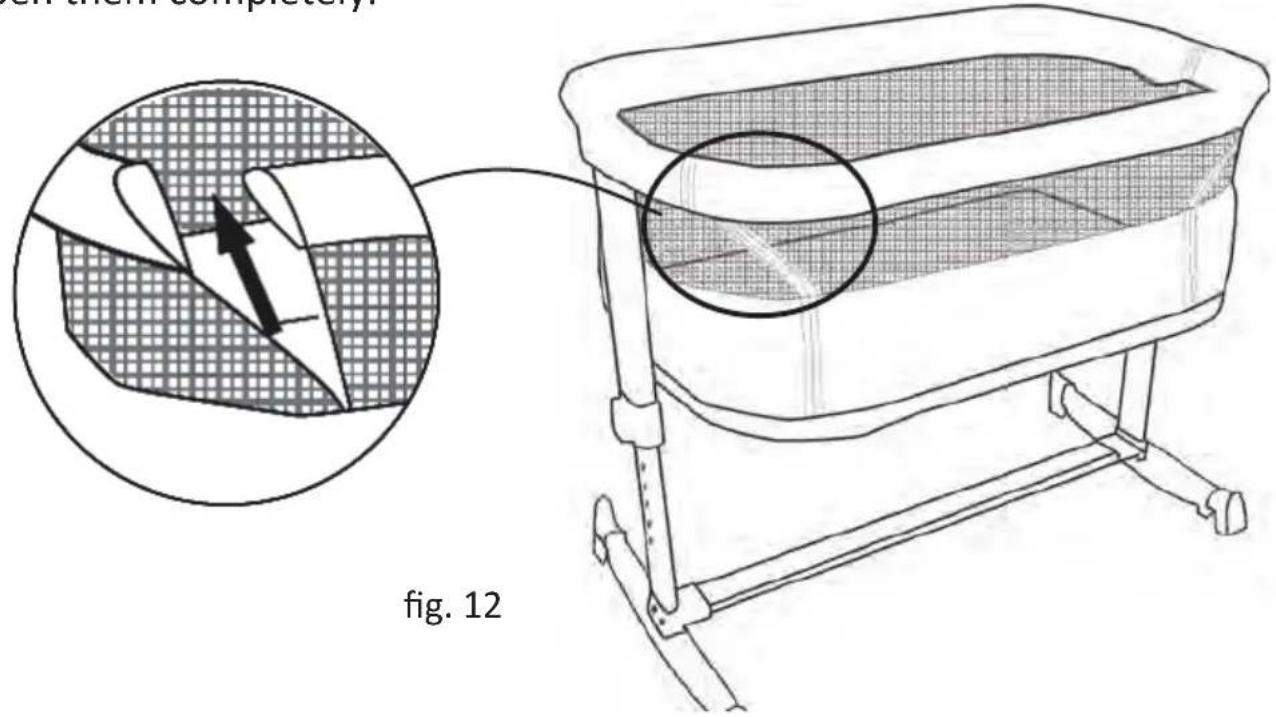
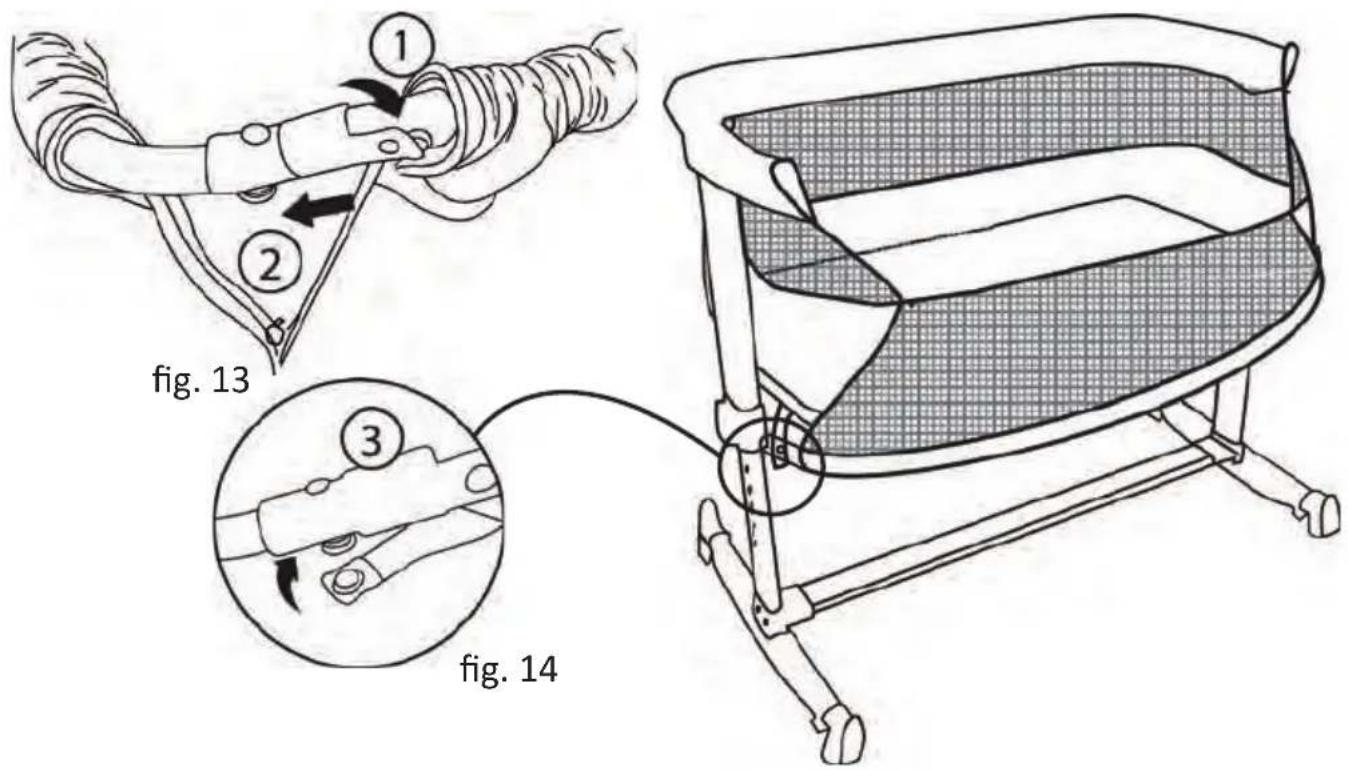
- Release the studs from the tubing (fig 13) and partially remove the tubes. Once this operation has been performed on both sides, lower the crib side panel and fit it to the base of the crib main body using press studs (fig 14). WARNING! Use the crib with the tube lowered in co-sleeping mode only.
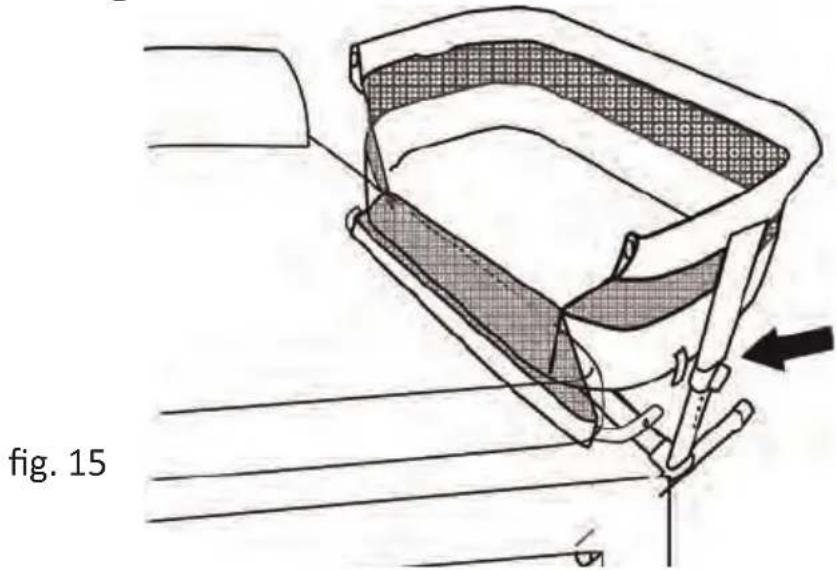
- Move the crib close to the parents bed and check the height of the crib compared with the mattress of the bed (fig 15).
WARNING! The mattress of parent's bed shall be aligned to or over the height of the drop side in the lowest position.
WARNING! In co-sleeping mode the 2 legs of the crib should always be adjusted to the same height.
natural_image
Technical line drawing of a mechanical component with cross-hatched fill and directional arrow, labeled 'fig. 15' (no text or symbols on the diagram itself)- Use the pair of straps provided to fix the crib to the parents bed. fasten the buckles to the inner side of both frame stands (fig 16), Next, fix the straps around the structure / slats of the parent's bed, from the bottom towards the top and fasten the buckles below the crib to finish (fig 17).
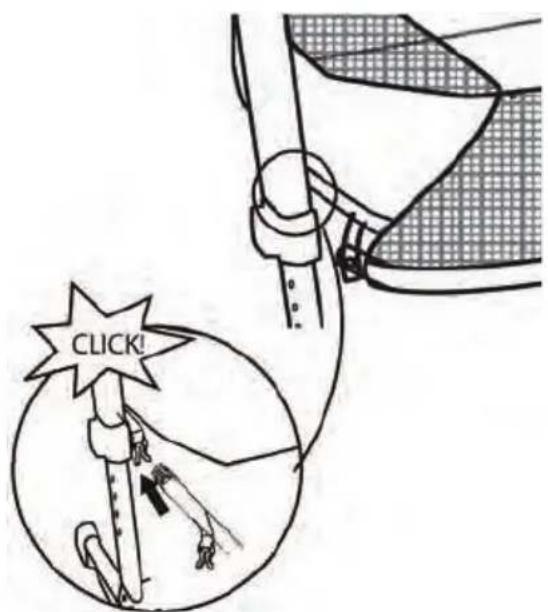
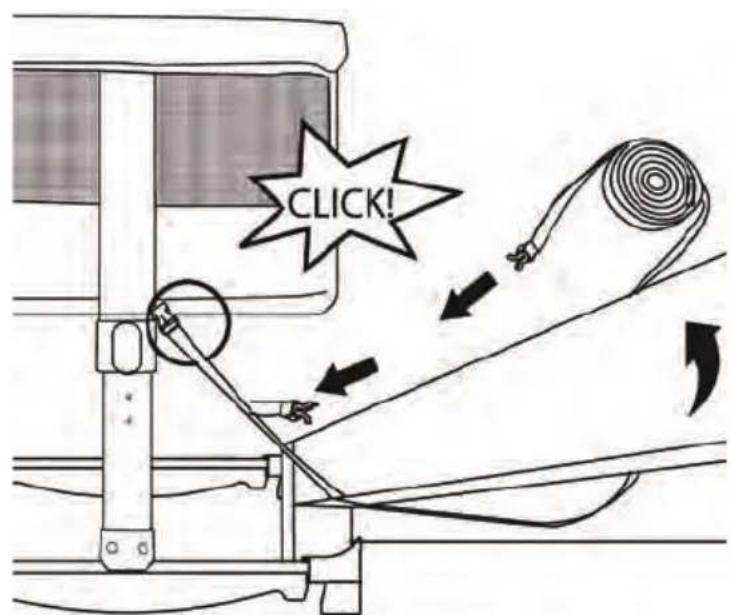
fig. 16 fig. 17
- Tighten the loop of the strap. Move the crib as close as possible to the parents bed.
WARNING! – There shall never be a gap between the lowered side of the bedside sleeper and the mattress of the adult's bed (fig 18, fig 19).
The mattress of the adult's bed shall be aligned to or over the height of the dropped side in the lowest position.
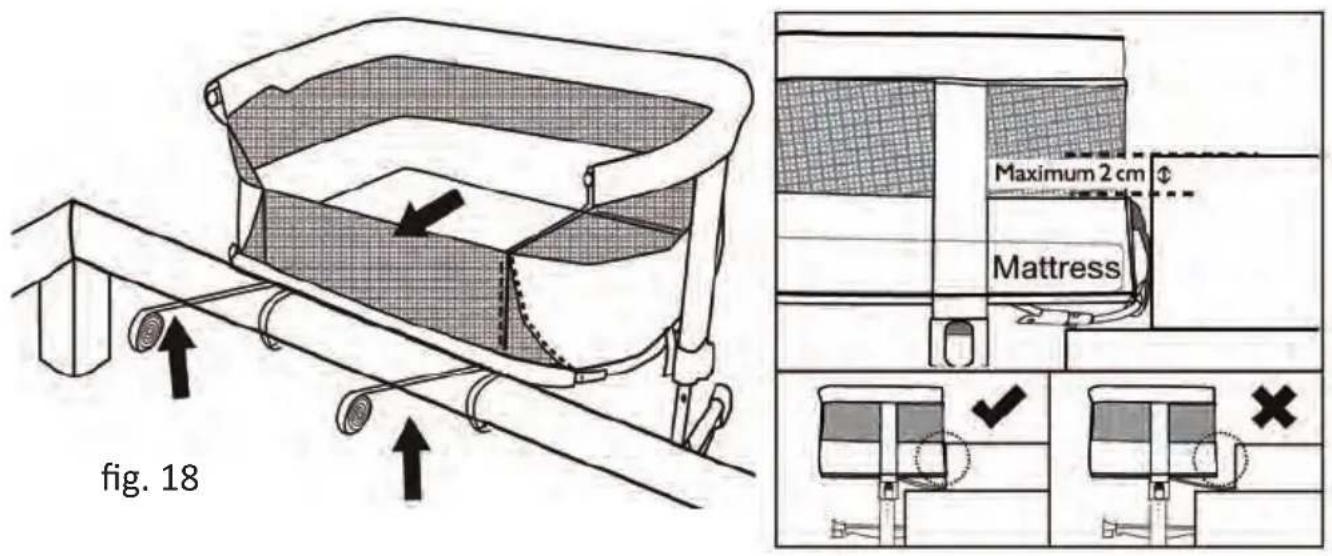
fig. 19
Care Instructions
Plastic and metal parts may be sponged lightly using warm water and a mild detergent. Dry thoroughly before storing.
Never clean any part of the product with abrasive, ammonia based, bleach based or spirit type cleaners.
Do not twist; do not spin-dry; do not iron. WARNING!

natural_image
Five black-and-white line drawings of symbols: crown, crossed-out square, crossed-out triangle, crossed-out cross, and crossed-out triangle (no text or labels)During the removal and / or application of the mattress cover, handle the fabric carefully in order to avoid accidental damage or tears.
natural_image
Line drawing of a baby bathtub with adjustable legs and wheels (no text or symbols)
natural_image
Two technical diagrams showing front and side views of a rectangular frame with horizontal shading and diagonal cross lines (no text or symbols)AVERTISSEMENT!
natural_image
Diagram of a baby crib with mesh pattern and directional arrows indicating movement (no text or symbols)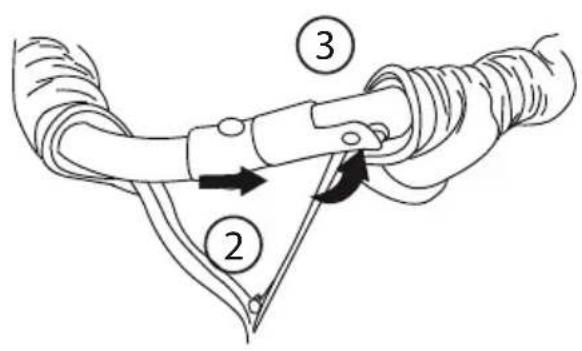
fig. 7
natural_image
Line drawing of a small boat with mesh pattern and a magnified inset showing internal structure (no text or symbols)natural_image
Line drawing of a folding table with a mesh back panel and wheels (no text or symbols)natural_image
Mechanical diagram showing a lever mechanism with two opposing arrows indicating rotational motion (no text or symbols)fig. 11
natural_image
Technical line drawing of a mechanical assembly with no visible text or symbolsnatural_image
Technical line drawing of a mechanical component with no visible text or symbolsfig. 15



- BEDIENUNGSANLEITUNG
- Liebe Eltern:
- WARNUNG!
- Instruction manual
- Dear Parents:
- WARNING!
- INSTRUCTIONS FOR BED SIDE CRIB
- IMPORTANT: READ CAREFULLY AND RETAIN FOR FUTURE REFERENCE
- This product complies with EN 1130:2019.
- WARNINGS:
- Instruction for Assembly
- Instruction for Wheels, Leg & Height adjustment
- Instruction for fixing to parents' bed
- Care Instructions
- AVERTISSEMENT!
Brand : BabyGO
Model : Vivaldi
Category : Baby bed