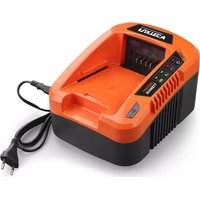
EC20 - Battery Fuxtec - Free user manual and instructions
Find the device manual for free EC20 Fuxtec in PDF.

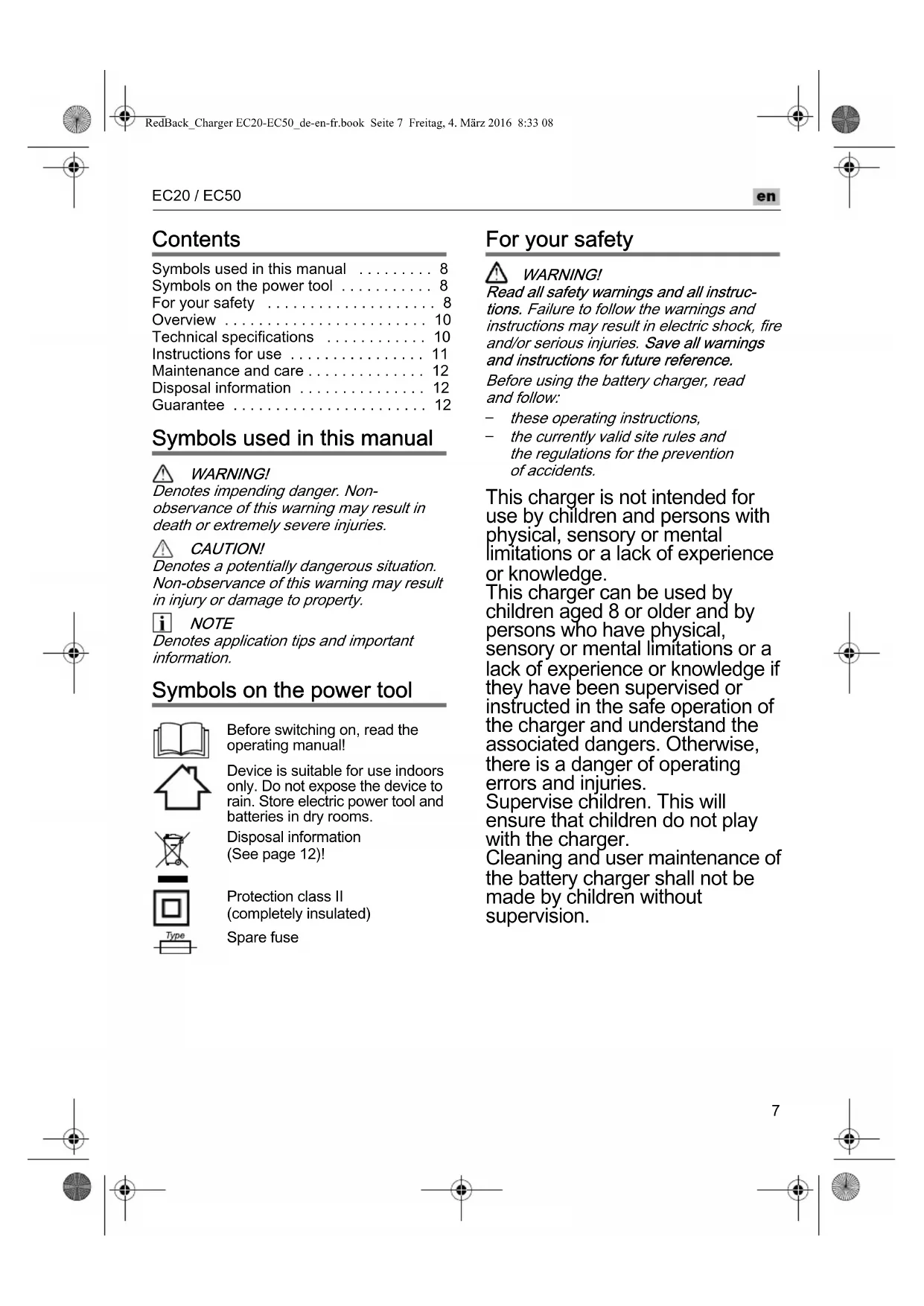


| Product type | Battery charger |
| Brand | Fuxtec |
| Model | EC20 |
| Input voltage | 100-240 V~ |
| Frequency | 50-60 Hz |
| Rated current | 1 A |
| Rated power | 100 W |
| Charging voltage | 40 V== |
| Charging current | 2 A |
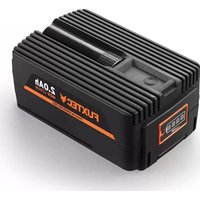
| Charging time (EP20 2.0 Ah) | 70 min |
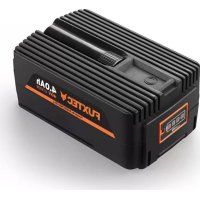
| Charging time (EP40 4.0 Ah) | 135 min |
| Charging time (EP60 6.0 Ah) | 200 min |
| Operating temperature | 0 °C to 40 °C |
| Weight (without battery) | 0.9 kg |
| Protection class | II (double insulation) |
| LED indicators | Solid red (ready), flashing green (charging), solid green (charging complete), flashing red (error) |
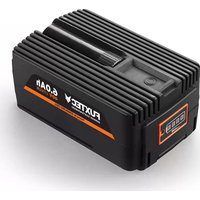
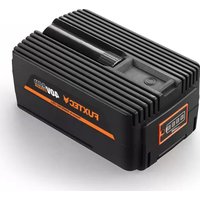
| Compatible battery types | EP20 (40 V/2.0 Ah), EP40 (40 V/4.0 Ah), EP60 (40 V/6.0 Ah) |
| Maintenance | Clean with a brush or dry cloth; do not use water |
| Warranty | 24 months |
| Safety functions | Overheat protection, shutdown in case of battery fault |
| Recommended storage | Dry place, frost-free (10-25 °C), battery and charger separate |
Frequently Asked Questions - EC20 Fuxtec
User questions about EC20 Fuxtec
0 question about this device. Answer the ones you know or ask your own.
Ask a new question about this device
Download the instructions for your Battery in PDF format for free! Find your manual EC20 - Fuxtec and take your electronic device back in hand. On this page are published all the documents necessary for the use of your device. EC20 by Fuxtec.
USER MANUAL EC20 Fuxtec
natural_image
Illustration of a 3D printer with internal circuitry and ventilation slots (no text or symbols)EC20 / EC50
Rev02
- EP60 (40 V/6,0 Ah).
natural_image
Line drawing of a device with an attached cable and internal components (no text or symbols)Symbols used in this manual 8
Symbols on the power tool 8
For your safety 8
Overview 10
Technical specifications 10
Instructions for use 11
Maintenance and care 12
Disposal information 12
Guarantee 12
Symbols used in this manual
WARNING!
Denotes impending danger. Non-observance of this warning may result in death or extremely severe injuries.
CAUTION!
Denotes a potentially dangerous situation. Non-observance of this warning may result in injury or damage to property.
i NOTE
Denotes application tips and important information.
Symbols on the power tool





Before switching on, read the operating manual!
Device is suitable for use indoors only. Do not expose the device to rain. Store electric power tool and batteries in dry rooms.
Disposal information (See page 12)!
Protection class II (completely insulated)
Spare fuse
For your safety
WARNING!
Read all safety warnings and all instructions. Failure to follow the warnings and instructions may result in electric shock, fire and/or serious injuries. Save all warnings and instructions for future reference.
Before using the battery charger, read and follow:
– these operating instructions,
– the currently valid site rules and the regulations for the prevention of accidents.
This charger is not intended for use by children and persons with physical, sensory or mental limitations or a lack of experience or knowledge.
This charger can be used by children aged 8 or older and by persons who have physical, sensory or mental limitations or a lack of experience or knowledge if they have been supervised or instructed in the safe operation of the charger and understand the associated dangers. Otherwise, there is a danger of operating errors and injuries.
Supervise children. This will ensure that children do not play with the charger.
Cleaning and user maintenance of the battery charger shall not be made by children without supervision.
en
EC20 / EC50
Intended use
The battery charger EC20 / EC50 is designed for charging batteries of types
- EP20 (40 V/2.0 Ah),
- EP40 (40 V/4.0 Ah),
- EP60 (40 V/6.0 Ah).
Safety instructions for the battery charger
- Keep the battery charger away from rain or moisture. Penetration of water in the battery charger increases the risk of an electric shock.
- Keep the battery charger clean.
Contamination can lead to danger of an electric shock.
■ Before each use, check the battery charger, cable and plug. If damage is detected, do not use the battery charger. Never open the battery charger yourself. Have repairs performed only by a qualified technician and only using original spare parts. Damaged battery chargers, cables and plugs increase the risk of an electric shock.
■ Do not place any objects on the battery charger and do not place the battery charger on soft surfaces. There is a risk of fire.
■ Always check that the mains voltage matches the voltage indicated on the rating plate of the battery charger.
■ Never use the charger if cable, plug or the unit itself has been damaged by external influences. Take the charger to the nearest service centre.
■ Never open the battery charger. If the battery charger is defective, take it to a service centre.
Safety instructions for Li-ion batteries
■ Do not open the battery.
There is a risk of a short-circuit.
■ Protect the battery from heat, e.g. from continuous exposure to sunlight, fire, water and humidity.
There is a risk of explosion.
In case of damage and improper use of the battery, vapours may be emitted. Ventilate the area and seek medical help in case of complaints. The vapours can irritate the respiratory system.
■ Under abusive conditions, liquid may be ejected from the battery; avoid contact. If contact accidentally occurs, flush with water. If liquid contacts eyes, additionally seek medical help.
Liquid ejected from the battery may cause irritation or burns.
■ Use only original batteries with the voltage indicated on the rating plate of your electric power tool. If other batteries are used, e.g. imitations, reconditioned batteries or third-party products, there is a risk of injuries as well as damage caused by exploding batteries.
■ The battery voltage must match the battery charging voltage of the battery charger. Otherwise there is a risk of fire and explosion.
■ Recharge only with the charger specified by the manufacturer. A charger that is suitable for one type of battery pack may create a risk of fire when used with another battery pack.
- Pointed objects, such as nails or screw-drivers, or external forces may damage the battery. This may cause an internal short-circuit and the battery to burn, smoke, explode or overheat.
EC20 / EC50
en
Overview
Different chargers are described in these instructions.
The illustrated charger may differ in detail from the one which you purchased.
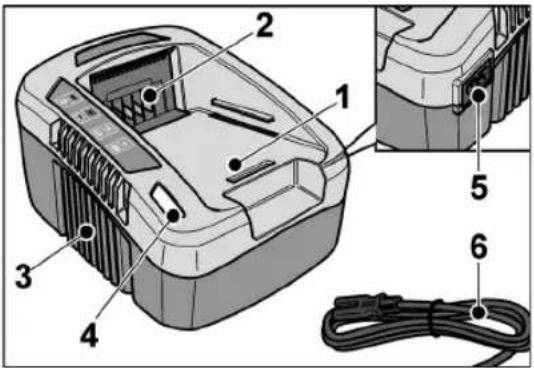
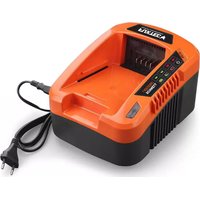
1 Slot for battery
2 Contacts
3 Ventilation slots
4 LED (charge status/fault messages)
5 Socket
6 Power cord
Displays of LED:
(4)

lights red Charger is ready to use.

flashes green Battery is charging.

lights green Charging process finished. Maintenance charging.
See "Charging process".

flashes red – Battery is too hot or too cold. – Battery or charger is faulty.
See "Fault messages".
Technical specifications
| Device Battery charger | |||||
| Type EC20 EC50 | |||||
| Input voltage | V~ | 100-240 1 | 00-130 200-240 | ||
| Mains frequency Hz 50-60 50-60 50-60 | |||||
| Rated current A 1 3 3 | |||||
| Rated power | W | 100 | 250 | 250 | |
| Charging voltage | V= | 40 | 40 | 40 | |
| Charging current | A 2 5 | 5 | |||
| Charging time (depending on charge state) | EP20 | min | 70 | 30 | 30 |
| EP40 | min | 135 | 60 | 60 | |
| EP60 | min | 200 | 90 | 90 | |
| Operating temperature | °C | 0-40 | |||
| Weight (without battery) | kg | 0.9 | 1.2 | ||
| Protection class | II / ☐ | ||||
en
EC20 / EC50
Instructions for use

CAUTION!
- Never charge batteries at temperatures below 0 °C or above 40 °C.
- Do not charge batteries in an environment which has high air humidity or at a high ambient temperature.
- Do not cover batteries and/or the battery charger during the charging process.
Charging process

CAUTION!
Use only original batteries in the supplied battery charger.

NOTE
Battery and charger heat up during the charging process. This is perfectly normal!
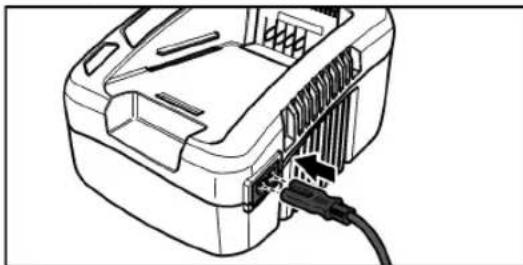
■ Plug the power cord in the socket on the charger.
natural_image
Line drawing of a device with an attached cable and internal components (no text or symbols)■ Insert the mains plug. The LED is solid red.
■ Insert battery into the charger as far as stop.
The LED flashes green and the battery is charged.
When the battery is fully charged, the LED lights green.
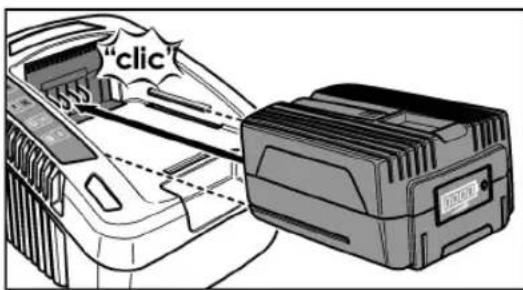
■ To remove, press the release button (1.) and pull out the battery (2.).
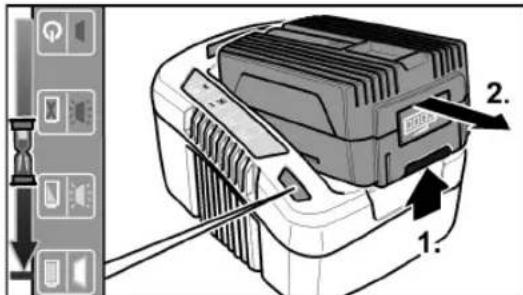
■ Pull out the mains plug.
Fault messages
If the LED flashes red after the battery is inserted into the charger, there is an fault with the battery or charger.
- The battery is too hot or too cold.
The charging process starts when the battery reaches the charging temperature (0 °C...40 °C). - If after some time the LED still flashes red:
Remove battery from the charger. Check contacts at charger and battery for contamination and clean if necessary. Reinsert battery. The battery is faulty if the same display appears again. Replace battery or have it checked in a professional workshop. - If this fault message is also displayed with a different battery, then there is a fault with the charger. Have the charger checked by a professional workshop.
Information to ensure a long battery service life
Lithium ion batteries do not exhibit the well known "memory effect". Nevertheless, before a battery is recharged, it should be fully discharged and the charging process always run to the end.
If the batteries are not used for a prolonged period, store batteries partially charged and in a cool location (10–25 °C).
i NOTE
Reduced operating times after recharging indicates that the battery is worn out. The battery must be replaced.
Maintenance and care

WARNING!
Before performing any work, pull out the mains plug. Do not use water or liquid detergents.
Cleaning
■ Remove dirt and dust from the housing with a paint brush or dry cloth.
Storage
■ Store the charger in a dry and frost-free place (10-25 °C).
■ Store the battery and the charger separately.
Repairs
Repairs may be carried out by an authorised customer service centre only.
Disposal information

WARNING!
Render redundant power tools unusable:
- mains operated power tool by removing the power cord,
- battery operated power tool by removing the battery.

EU countries only:
Do not throw electric power tools into the household waste! In accordance with the European Directive 2012/19/EC on Waste Electrical and Electronic Equipment and transposition into national law used electric power tools must be collected separately and recycled in an environmentally friendly manner.

Recycling raw materials instead of waste disposal.
Device, accessories and packaging should be recycled in an environmentally friendly manner. Plastic parts are identified for recycling according to material type.

WARNING!
Do not throw accumulators/batteries into the household waste, fire or water. Do not open disused batteries.
Accumulators/batteries should be collected, recycled or disposed of in an environmentally friendly manner.
EU countries only:
In accordance with Directive 2006/66/EC defective or used batteries must be recycled.

NOTE
Please ask your dealer about disposal options!
Guarantee
This product has been manufactured to the highest quality standards. When a new product is purchased, it is guaranteed a 24-month manufacturer's warranty which comes into force on the date the product was purchased. The guarantee covers only defects which can be attributed to a material and/or production fault as well as non-performance of warranted characteristics. When making a claim under the guarantee, enclose the original sales receipt with purchase date. Repairs under the guarantee may be carried out only by workshops or service centres authorised by the manufacturer. A claim may be made under the guarantee only if the power tool has been used as intended.
This warranty is invalid where defects are caused by or result from:
– misuse, abuse or neglect;
– commercial use (industry, craft, rental)
– repairs attempted by unauthorized repair centers
– damage caused by external effects, foreign objects, substances or accidents.
fr
EC20 / EC50
Table des matières
- EP60 (40 V/6,0 Ah).
natural_image
Line drawing of a device with an attached cable and internal components (no text or symbols)Declaration of Conformity
We hereby declare, that the following product in its design and construction put by us into circulation is in accordance with the appropriate basic safety and health requirements of the following directives (see item 4).
This declaration relates exclusively to the machinery in the state in which it was placed on the market, and excludes components which are added and/or operations carried out subsequently by the final user.
- Description:
Battery charger
- Type:
EC20/EC50
-
Serial number: changed according to different orders
-
Applicable EC Directives:
2006/42/EC
- Used harmonized standards:
EN 60335-2-29: 2004 + A2: 2010 to be used in conjunction
with EN 60335-1: 2012 + A11:2014 and EN 62233: 2008
the Low Voltage Directive 2014/35/EU
Tian Gumpreck
2020-11 /No liability for printing errors. Subject to technical modifications.
FUXTEC GmbH - Kappstrasse 69 - 71083 Herrenberg - Germany
- Symbols used in this manual
- WARNING!
- CAUTION!
- i NOTE
- Symbols on the power tool
- For your safety
- en
- Intended use
- Safety instructions for the battery charger
- Safety instructions for Li-ion batteries
- Overview
- Technical specifications
- Instructions for use
- Charging process
- NOTE
- Fault messages
- Information to ensure a long battery service life
- Maintenance and care
- Cleaning
- Storage
- Repairs
- Disposal information
- EU countries only:
- Recycling raw materials instead of waste disposal.
- Guarantee
- fr
- Table des matières
- Declaration of Conformity
Brand : Fuxtec
Model : EC20
Category : Battery