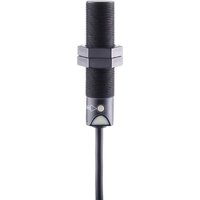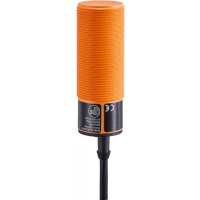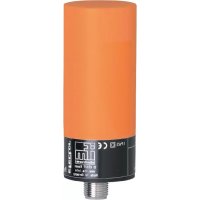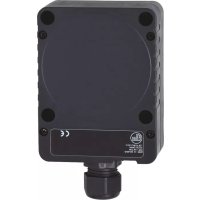
KG0006 - Capacitive proximity sensor IFM - Free user manual and instructions
Find the device manual for free KG0006 IFM in PDF.


User questions about KG0006 IFM
0 question about this device. Answer the ones you know or ask your own.
Ask a new question about this device
Download the instructions for your Capacitive proximity sensor in PDF format for free! Find your manual KG0006 - IFM and take your electronic device back in hand. On this page are published all the documents necessary for the use of your device. KG0006 by IFM.
USER MANUAL KG0006 IFM
natural_image
Technical line drawing of a mechanical component with no visible text or symbolsFunction and features
This proximity switch detects metals, almost all plastics, glass, ceramics, wood, paper, oils, greases, water and all hydrous materials without contact and indicates their presence by providing a switched signal.
- Nominal sensing range (Sn) 8 mm (measured on an earthed metal plate and water; a shorter sensing range for other materials).
• Automatic adjustment to the medium to be detected.
Installation
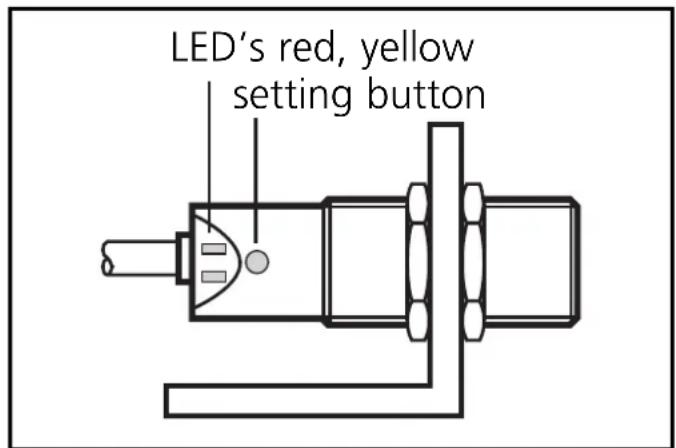
Mount the unit by means of a mounting device. Secure it by means of the nuts provided so that it cannot work loose. Non-flush installation.
text_image
LED's red, yellow setting buttonOpen space around the sensing face:

text_image
3 x Sₙ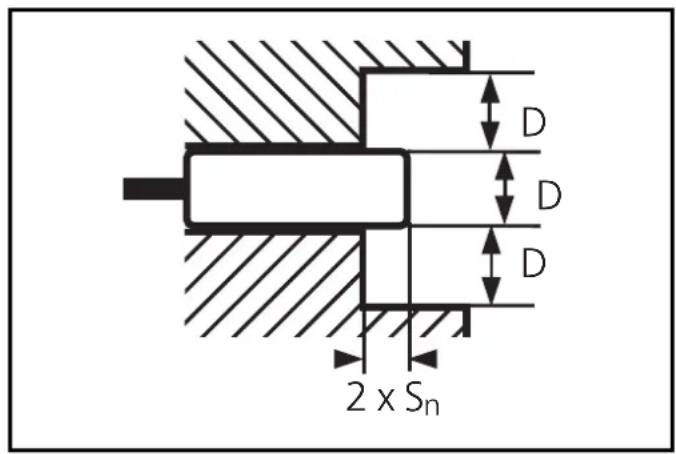
text_image
D D D 2 x SnMinimum distance when several switches of the same type are mounted:

text_image
3x Sₙ
text_image
D D DElectrical connection

Disconnect power before connecting the proximity switch. Connection strictly to the indications on the type label.
Core colours: BN = brown, BU = blue.
Adjustment
The unit detects the "damped" state (= medium present) and the "undamped" state (= no medium present) and sets the optimum switch point.
| 1 |  Press for 5s. Press for 5s. |   | The yellow LED flashes at 1 Hz (= unit is in the programming mode). |
| 2 | 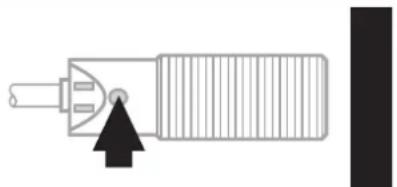 Place the medium into the detection area of the sensor and press the button briefly. Place the medium into the detection area of the sensor and press the button briefly. |  - - | The yellow LED goes out briefly, then flashes at 2 Hz;In addition, the red LED flashes at 1 Hz |
| 3 |  Remove the medium and increase the distance between the medium and the unit until the red LED goes out. Remove the medium and increase the distance between the medium and the unit until the red LED goes out. |   | The yellow LED continues to flash at 2 Hz.The red LED goes out. |
If the red LED flashes at 8 Hz, the interval between the "damped" and the "undamped" signals is too short.
Press the setting button twice. The unit passes into the operating mode with the switch point being unchanged.
| 4 |  Press briefly. Press briefly. |   | The yellow LED goes out briefly (= unit is in the operating mode). |
Steps 2 and 3 can also be taken in reverse order: first align the unit without the medium being present and then place the medium into the detection area until the red LED goes out.

If the setting of the switch point is not possible (the signals for damped/undamped follow too close), the red LED flashes after step 4 (= adjustment error). Press the setting button once. The unit then passes into the operating mode with the switch point being unchanged.
Locking / Unlocking
The unit can be electronically locked to prevent unwanted adjustment of the set parameters:
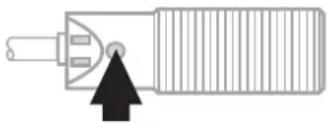
 Press for 10s. Press for 10s. |  | The yellow LED flashes at 1 Hz;after 10s the LEDs go out, the unit is locked. |
natural_image
Pure electrical circuit lines without any symbols
Operation
Check the safe functioning of the switch.
The operation of the proximity switch is maintenance-free. For perfect functioning make sure that:
- the sensing face and the open space are kept free of deposits and foreign bodies, particularly for installation with the sensing face facing upwards.
LED display:
| LED yellow lights output is switched. | |
| LED red flashes at 1 Hz uncertain working range. | |
| LED red flashes at 8 Hz internal malfunction, adjustment error. |