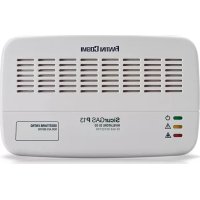
Sicurgas P13 - Gas detector Fantini Cosmi - Free user manual and instructions
Find the device manual for free Sicurgas P13 Fantini Cosmi in PDF.



| Product type | Carbon monoxide (CO) detector |
| Brand | Fantini Cosmi |
| Model | Sicurgas P13 |
| Power supply | 230 V AC 50 Hz |
| Consumption | 4 VA |
| Sensor type | Electrochemical cell |
| Alarm thresholds (CO concentration) | 50 ppm (60-90 min), 100 ppm (10-40 min), 300 ppm (3 min) |
| Indicator lights | Green LED (power on), Yellow LED (fault), Red LED (alarm) |
| Audible alarm | Yes, internal |
| Control relay | Yes, contacts 6(2)A 250 V AC, for valve or fan |
| Protection rating | IP42 |
| Operating temperature | -10 to 40 °C |
| Operating humidity | Max. 90% RH |
| Dimensions (approx.) | 80 x 80 x 30 mm |
| Weight (approx.) | 200 g |
| Reference standard | EN 50291 |
| Installation | Wall mounting on flush-mounted box 3 modules or round box, height 0.8-1.2 m from floor |
| Maintenance | Clean with soft cloth, without detergents or solvents |
| Safety | Do not tamper with the device; installation by qualified personnel |
| Disposal | Selective collection (do not dispose of with household waste) |
| Main functions | CO detection, visual and audible alarm, control of valve or fan |
Frequently Asked Questions - Sicurgas P13 Fantini Cosmi
User questions about Sicurgas P13 Fantini Cosmi
0 question about this device. Answer the ones you know or ask your own.
Ask a new question about this device
Download the instructions for your Gas detector in PDF format for free! Find your manual Sicurgas P13 - Fantini Cosmi and take your electronic device back in hand. On this page are published all the documents necessary for the use of your device. Sicurgas P13 by Fantini Cosmi.
USER MANUAL Sicurgas P13 Fantini Cosmi
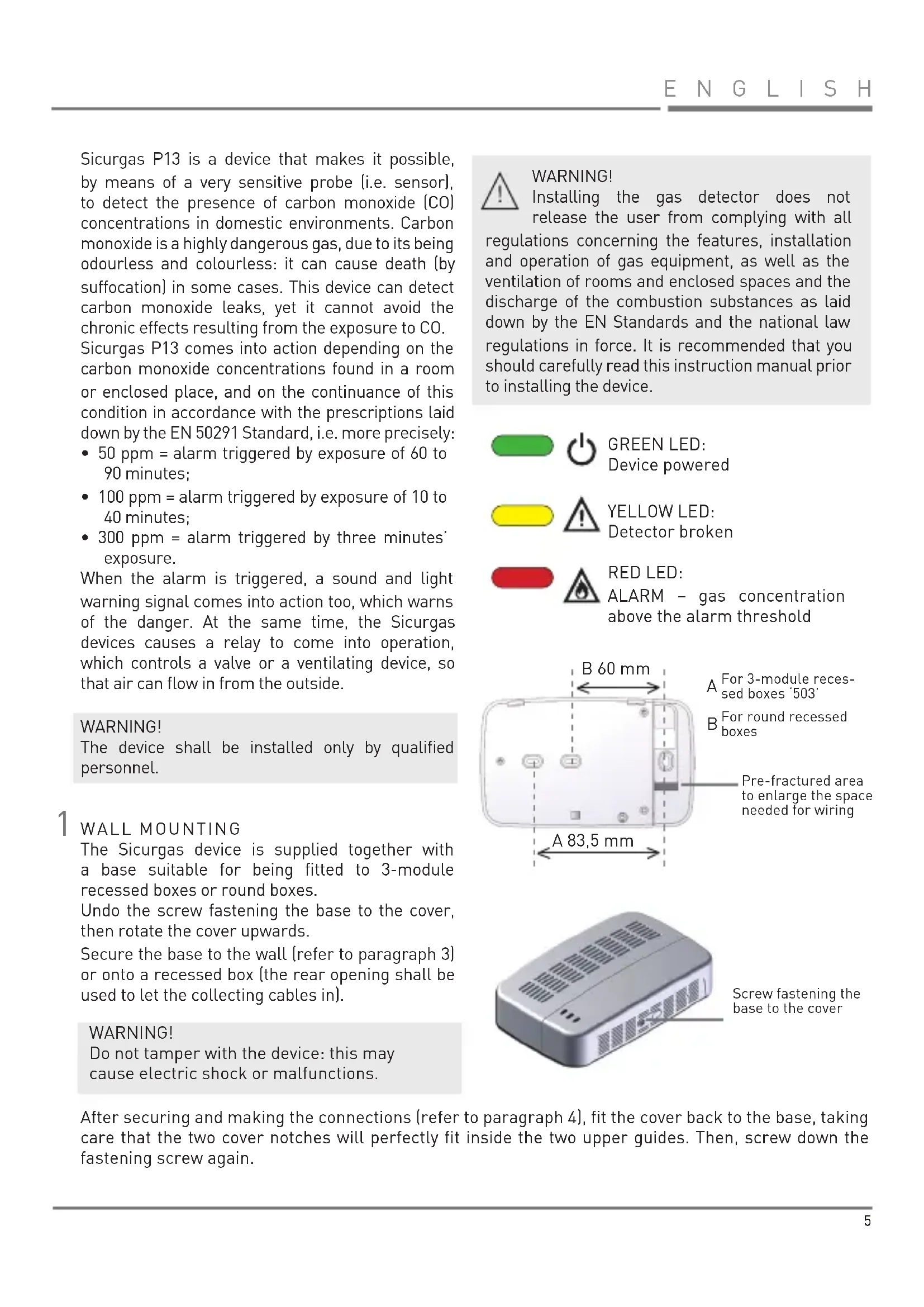
Sicurgas P13 is a device that makes it possible, by means of a very sensitive probe (i.e. sensor), to detect the presence of carbon monoxide [CO] concentrations in domestic environments. Carbon monoxide is a highly dangerous gas, due to its being odourless and colourless: it can cause death (by suffocation) in some cases. This device can detect carbon monoxide leaks, yet it cannot avoid the chronic effects resulting from the exposure to CO. Sicurgas P13 comes into action depending on the carbon monoxide concentrations found in a room or enclosed place, and on the continuance of this condition in accordance with the prescriptions laid down by the EN 50291 Standard, i.e. more precisely:
- 50 ppm = alarm triggered by exposure of 60 to 90 minutes;
- 100 ppm = alarm triggered by exposure of 10 to 40 minutes;
- 300 ppm = alarm triggered by three minutes' exposure.
When the alarm is triggered, a sound and light warning signal comes into action too, which warns of the danger. At the same time, the Sicurgas devices causes a relay to come into operation, which controls a valve or a ventilating device, so that air can flow in from the outside.
WARNING!
The device shall be installed only by qualified personnel.
1 WALL MOUNTING
The Sicurgas device is supplied together with a base suitable for being fitted to 3-module recessed boxes or round boxes.
Undo the screw fastening the base to the cover, then rotate the cover upwards.
Secure the base to the wall (refer to paragraph 3) or onto a recessed box (the rear opening shall be used to let the collecting cables in).
WARNING!
Do not tamper with the device: this may cause electric shock or malfunctions.
WARNING! Installing the gas detector does not release the user from complying with all regulations concerning the features, installation and operation of gas equipment, as well as the ventilation of rooms and enclosed spaces and the discharge of the combustion substances as laid down by the EN Standards and the national law regulations in force. It is recommended that you should carefully read this instruction manual prior to installing the device.


GREENLED:
Device powered

YELLOW LED:
Detector broken


REDLED:
ALARM - gas concentration
above the alarm threshold
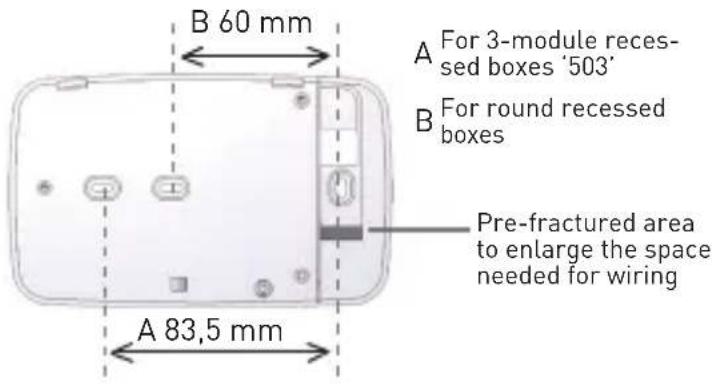
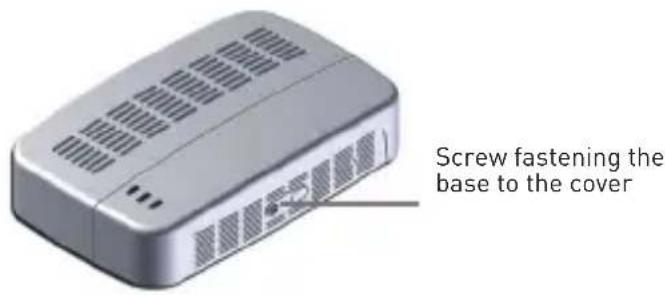
After securing and making the connections (refer to paragraph 4), fit the cover back to the base, taking care that the two cover notches will perfectly fit inside the two upper guides. Then, screw down the fastening screw again.
2 SICURGAS INSTALLATION POSITION
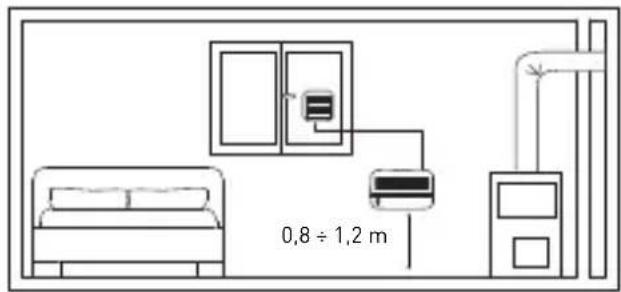
The Sicurgas P13 device, to be installed in bedrooms or rooms where the occupants spend most time, shall be placed quite near the occupants' breathing area, 0.8 to 1.2m above the floor, at a point where the air flow will not be obstructed by pieces of furniture. Refer to the UNI 11522 installation standard.
3 ELECTRIC CONNECTIONS
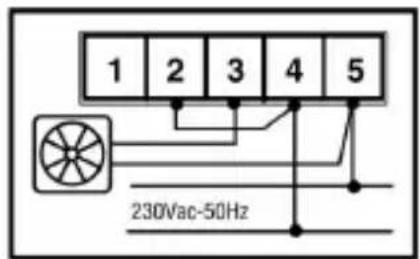
The Sicurgas P13 device comes with two internal alarms: a light alarm and a sound alarm. You just need to connect the 230 VAC / 50 Hz line to terminals 4 and 5 to guarantee that the presence of gas in a room or enclosed space will be signalled. This device is able to control a ventilator for air exchange in the controlled room or enclosed space where carbon monoxide is detected, as well as a normally closed (N.C.) valve to shut off fuel gas (if any). As regards the correct wiring, reference shall be made to the diagram on the side.

WARNING!
DO NOT place the device behind or under wall cabinets or shelves that may obstruct the air flow inside the room or enclosed space.
DO NOT place the device next to ventilators (minimum distance: 2 m).
DO NOT place the device along the vertical axis of hobs and steam sources, at points that might be hit by squirts of water, next to washbasins, etc.
DO NOT place the device at places where the ambient conditions differ from the ones specified for proper operation.
OPERATION
4 CONNECT THE SUPPLY VOLTAGE (230 Vac / 50 HZ).
Upon the first power-on - and also following any mains voltage disconnection - the Sicurgas device will be set to the preheating and sensor stabilization mode that will last 3 minutes at the most. During this time, the red and green LEDs will blink alternately, to indicate that the device is not yet ready to operate (i.e. to detect gas). After this time has elapsed, only the green lamp will be ON.
5 CHECKING THE SYSTEM
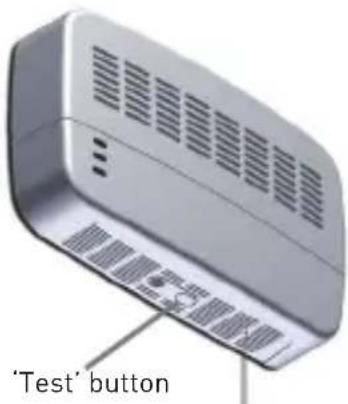
The Sicurgas device is equipped with a 'TEST' button that allows you to check the system. This button can be actuated by means of a push-button placed below the device body. To test the system, keep the button pressed down until the buzzer comes into action continuously (during this phase, the yellow and red LEDs will blink alternately, whereas the green LED will be ON steadily). Thus, a procedure for testing the system components will be activated. After 10 minutes, the P13 device's normal operation will be restored. SOME SUBSTANCES COMMONLY USED MAY CAUSE FALSE ALARMS:
The Sicurgas sensor is very selective, just like any sensor available in the market; yet, it may come into action even when other substances are detected (e.g. alcohol, deodorants, stain removers, thinners, hair spray, trichloroethylene, etc.). Therefore, you should avoid making use of these substances next to the Sicurgas P13 device).
6 MAINTENANCE AND CLEANING
Pay attention to very high or very low temperature or humidity values.
The detector shall be powered continuously so as to guarantee top safety.
As regards the device's routine and extraordinary maintenance and decommissioning, it is recommended that you should contact qualified technicians.
Check the correct operation of the device regularly, by means of the special button available or by using test gas.
OTHER TEST METHODS MAY CAUSE DAMAGE TO THE DEVICE.
To clean the device, use a soft cloth - never use detergents or thinners!

WARNING! In case of alarm:
- Immediately ventilate the room or enclosed space, by causing air to flow through.
- Immediately switch off all combustion devices (e.g. burners, boilers, heaters, etc.).
- Try to identify and remove the cause that gave rise to the alarm.
- If the cause cannot be identified, leave the room or enclosed space and contact a qualified technician or expert.
TECHNICAL FEATURES
Device type 'A'.
Case made of insulating, shock-proof material.
Degree of protection: IP42.
Operation ambient temperature / humidity: -10 to
40^ , relative humidity: 90% (max.).
Power supply: 230 VAC, 50 Hz.
Power consumption: 4 VA.
Sealed relay, to avoid sparks when switching.
Contact capacity: 6(2)A 250 VAC.
Electrochemical cell sensor for gas detection.
Internal light and sound alarms.
Compliant to the EN 50291 Standard.

FOLLOWING INFORMATION IS ONLY FOR EU-MEMBER STATES
Disposal of Products
The crossed out wheeled dust bin symbol indicates that products must be collected and disposed of separately from household waste. Integrated batteries and accumulators can be disposed of with the product. They will be separated at the recycling centres.
The black bar indicates that the product was placed on the market after August 13, 2005.
By participating in separate collection of products and batteries, you will help to assure the proper disposal of products and batteries and thus help to prevent potential negative consequences for the environment and human health.
For more detailed information about the collection and recycling programmes available in your country, please contact your local city office or the shop where you purchased the product.
6TEXHnueCKOE OBCJnyKINBAHNE I OuNCTKA
06paTte BnMaHne Ha Hn3Kne 3NaeHn TempeaTypb N BnaXHOCTN.
YTo6bI ObecneuHb MaKcImaJIbHyIO 6e3OJaCHocTb Heo6xOJMo HnpepbIBHO ObecneuBaTb DeTeKTOp 3JeKTPoNTaHHeM.
I pyreynapno n cneunabnoro oocnykubnna, a taokne npn BbIXoJe n3 cTpor 6loka, noxaynta, CBAKNTecb co cneunaJIYCTOM.
Peyraepno npoBepaTe npabnIbHocTb paObIc nmoUbcoOTBeTCTByuOe KhoKINnn npo6Horo ra3a. DpyrNE METOdbI NCblITAHNMAOTy PIPBECTN K NOBPEXDEHNIO OOBpyOBAHnA.
ДяочNTКУСТРОИСТВА ИСПОЛБ3УТЕ МЯКУTO TKAнБ 6eЗ XIMMHeCKIN OUHCTHTeJIEN IIN PACTBOPITeJIe.

BHIMAHNE! BCJUYAE CNHAGA TPEBOI:
- HemeIeHNO npOBeTpntb NOMEueHne, CO3daBaJcKBO3HJaK.
- Noracntb BCE ouarn OTKpbItoro nnaMeHN (KOTJI, neu n T.D.).
- Heo6xoJIMO BbIaBnTb npuHny n npHnTb MepbI eeyCTpaHeHHa.
- Ecnn cnrrn TpeBOrn coxpaHReTcR, n npuHa yTeKn He naJeHa nn He ycTaPHeHa, ocbo6oNDte NomeeHne, n o6paTntEcB b aBapnHyO cnyk6y
TEXHNUECKNEXAPAKTEPNCIKN
Pn6op Tuna A.
Kopnyc n3 n30npyuioe npotuBoyapHoro MaTePnaJa.
CTeHb 3aunTbIP42.
TemnepaTypa/BnaXHoctb pa6oey cpebl ot-10 do
40^ ,OTHOCHTeJIbHaB BJaXHOCTb MaKc.90 UR%.
Питане 230В - 50Ф.
IopTe6JIeHne 4 BA.
3aneaataHHbpeJeBueJx npedTbpaueHnNcKpbI.
NapameTpbi KOHTaKToB:6(2)A/250B nep.T.
3NeKtpoxmMueckn DaTynk Dn8 o6hApxKeHna ra3a.
BHyTpeneHHra CBETOBaI 3ByKOBa CnHaJIIN3aUna.
CoOTBeTcTByeT cTaHdapTy EN 50291.

N3IOXeHHa daJIee HhOpMaun aKTyAJIbHa ToJIbKO B cTpahx-HeHax EC YTNIN3aUNn 13denn
CnMBoJ B VnDE nepeuepkHyToro MycOpHoro 6aka Ha KOJecax yka3bIbaeT Ha To, YTO n3dJIyra Heo6xOIMco6ipatb N yTuINn3InpOBaBt OTJeNbHO OT 6bITOBbIX OTXoID. BmecTe c DaHHbIM n3dJIeNEm MOxHO yTuINn3InpOBaTb
6aTapeu n akKymyIaTopbI. OHI 6dyUT OTdeneHb Ipyr OT dpyra B ceHTpax nepepa60TK OTxOIOB. YepHaonoca yka3bIbAeT Ha To, TTO daHHoe N3dEne 6blNO BbIEdeHO Ha pbIHOK nocne 13 abrycTa 2005 r.YuaCTBya B
pa3dJIbHOM c6ope n3dennn H 6aTapei, Bbl cnooc6CTByeTe nx HaJnxaaeey TnIIN3aunn N TeM cMbIM NOMORAe TpeDToBpATnTB NOTeHuaNbHbIe HeraTnBHbIe NocneDCTBnIg OkpykaIOuei CpeBIs I3DopOBbI JIODei. YTO6bl noLyntb NoDpo6Hyu INΦopMaUIO O npoBODmBix B BaSeI CTpaHe nporpaMMax
c6opa Otpa6oTaBunx n3deJnI INX BTOpHNo nepepa6oTKn 6paTntecb OTBeTCTBeHHyU MyHnucnabHyIO cnyK6y nnB TOproBy IO ToKy, B KOtOpO 6blno npno6peTeHO daHHoe n3deJIne
Date of installation Place of installation
Date of manufacture - identifying CODE
(this code is shown inside the cover)
Date of sensor replacement
(date of replacement, shown on the label put on the device front)
INSTALLER'S STAMP AND SIGNATURE
FRANÇAIS

- WARNING!
- WALL MOUNTING
- SICURGAS INSTALLATION POSITION
- ELECTRIC CONNECTIONS
- OPERATION
- CONNECT THE SUPPLY VOLTAGE (230 Vac / 50 HZ).
- CHECKING THE SYSTEM
- MAINTENANCE AND CLEANING
- WARNING! In case of alarm:
- TECHNICAL FEATURES
- FOLLOWING INFORMATION IS ONLY FOR EU-MEMBER STATES
- Disposal of Products
- 6TEXHnueCKOE OBCJnyKINBAHNE I OuNCTKA
- BHIMAHNE! BCJUYAE CNHAGA TPEBOI:
- TEXHNUECKNEXAPAKTEPNCIKN
- N3IOXeHHa daJIee HhOpMaun aKTyAJIbHa ToJIbKO B cTpahx-HeHax EC YTNIN3aUNn 13denn
- INSTALLER'S STAMP AND SIGNATURE
- FRANÇAIS
Brand : Fantini Cosmi
Model : Sicurgas P13
Category : Gas detector