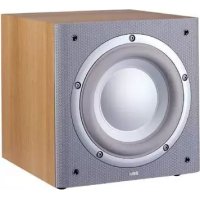
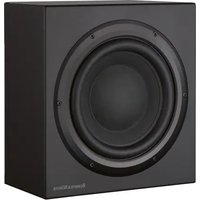
ASW 675 - Subwoofer BOWERS & WILKINS - Free user manual and instructions
Find the device manual for free ASW 675 BOWERS & WILKINS in PDF.


| Product Type | Active subwoofer |
| Brand | Bowers & Wilkins |
| Model | ASW 675 |
| Speaker Type | Subwoofer with woofer |
| Speaker Diameter | 250 mm (10 inches) |
| Amplifier Power | 200 W RMS |
| Frequency Response | 30 Hz – 140 Hz (adjustable) |
| Adjustable Crossover Frequency | Yes, 40 – 140 Hz |
| Controls | Volume, phase (0/180°), EQ (A/B), low-pass filter (IN/OUT) |
| Inputs | RCA line input, 4 mm binding posts (amplifier input) |
| Outputs | RCA (link out), 4 mm binding posts (for satellites) |
| Power Supply | 100 – 230 V, 50/60 Hz |
| Power Consumption | Standby < 1 W, active up to 400 W |
| Dimensions (W x H x D) | 330 x 533 x 460 mm |
| Weight | 16.4 kg |
| Auto Standby Function | Yes, after 5 minutes of inactivity |
| Protection | Fuse, thermal and overload protection |
| Warranty | 5 years (except electronic components: 2 years) |
| Supplied Accessories | 4 rubber feet, 4 decoupling spikes, 4 nuts, user manual, warranty card |
| Maintenance | Clean with a soft, dry cloth; dust grille with a soft brush |
Frequently Asked Questions - ASW 675 BOWERS & WILKINS
User questions about ASW 675 BOWERS & WILKINS
0 question about this device. Answer the ones you know or ask your own.
Ask a new question about this device
Download the instructions for your Subwoofer in PDF format for free! Find your manual ASW 675 - BOWERS & WILKINS and take your electronic device back in hand. On this page are published all the documents necessary for the use of your device. ASW 675 by BOWERS & WILKINS.
USER MANUAL ASW 675 BOWERS & WILKINS
Limited Warranty.....2
Owner's Manual.....2
Français
Garantie limitée. 6
This product has been designed and manufactured to the highest quality standards. However, if something does go wrong with this product, B&W
Loudspeakers and its national distributors warrant free of charge labour (exclusion may apply) and replacement parts in any country served by an official B&W distributor.
This limited warranty is valid for a period of five years from the date of purchase or two years for electronics including amplified loudspeakers.
Terms and Conditions
1 The warranty is limited to the repair of the equipment. Neither transportation, nor any other costs, nor any risk for removal, transportation and installation of products is covered by this warranty.
2 This warranty is only valid for the original owner. It is not transferable.
3 This warranty will not be applicable in cases other than defects in materials and/or workmanship at the time of purchase and will not be applicable:
a for damages caused by incorrect installation, connection or packing,
b for damages caused by any use other than correct use described in the user manual, negligence, modifications, or use of parts that are not made or authorised by B&W,
c for damages caused by faulty or unsuitable ancillary equipment,
d for damages caused by accidents, lightning, water, fire heat, war, public disturbances or any other cause beyond the reasonable control of B&W and its appointed distributors.
e for products whose serial number has been altered, deleted, removed or made illegible,
f if repairs or modifications have been executed by an unauthorised person.
4 This guarantee complements any national/regional law obligations of dealers or national distributors and does not affect your statutory rights as a customer.
How to claim repairs under warranty
Should service be required, please follow the following procedure:
1 If the equipment is being used in the country of purchase, you should contact the B&W authorised dealer from whom the equipment was purchased.
2 If the equipment is being used outside the country of purchase, you should contact B&W national distributor in the country of residence who will advise
where the equipment can be serviced. You can call B&W in the UK or visit our web site to get the contact details of your local distributor.
To validate your warranty, you will need to produce this warranty booklet completed and stamped by your dealer on the date of purchase. Alternatively, you will need the original sales invoice or other proof of ownership and date of purchase.
Owner's manual
IMPORTANT SAFETY INSTRUCTIONS
CAUTION RISK OF ELECTRIC SHOCK DO NOT OPEN

Caution:
To reduce the risk of electric shock, do not remove the back panel and do not expose the apparatus to rain or moisture. No user-serviceable parts inside. Refer servicing to qualified personnel.
Explanation of Graphical Symbols:
The lightning flash within an equilateral triangle is intended to alert you to the presence of uninsulated "dangerous voltage" within the product's enclosure that may be of sufficient magnitude to constitute an electric shock to persons.

The exclamation point within an equilateral triangle is intended to alert you to the presence of important operating and maintenance (servicing) instructions in the literature accompanying the appliance.
WARNING:
1 Read Instructions - All the safety and operating instructions should be read before the appliance is operated.
2 Retain Instructions - The safety and operating instructions should be retained for future reference.
3 HeedWarnings-All warnings on the appliance and in the operating instructions should be adhered to.
4 Follow Instructions - All operating and use instructions should be followed.
5 Installation - Install in accordance with the manufacturer's instructions.
6 Power Sources - This product should be operated only from the type of power source indicated by the marking situated on the rear panel. If you are not sure of the type of power supply to your home, consult your product dealer or local power company.
7 Grounding or Polarisation - The appliance is not required to be grounded. Ensure the plug is fully inserted into the wall outlet or extension cord receptacle to prevent blade or pin exposure. Some versions of the product are equipped with a power cord fitted with a polarised alternating line plug (a plug having one blade wider than the other). This plug will fit onto the power outlet only one way. This is a safety feature. If you are unable to insert the plug fully into the outlet, try reversing the plug. If the plug should still fail to fit, contact your electrician to replace your obsolete outlet. Do not defeat the safety purpose of the polarised plug. When using an extension power-supply cord or a power-supply cord other than that supplied with the appliance, it should be fitted with the appropriate moulded-on plugs and carry safety approval appropriate to the country of use.
8 Power Cord Protection - Power-supply cords should be routed so that they are not likely to be walked on or pinched by items placed on or against them, paying particular attention to cords at plugs, convenience receptacles and the point where they exit from the appliance.
9 Overloading - Do not overload wall outlets, extension cords or integral convenience receptacles, as this can result in a risk of fire or electric shock.
10 Ventilation - The amplifier panel at the rear of the product forms part of the cooling mechanism and must not be obscured by placing the product on a bed, sofa, rug, or other similar surface. Do not cover the amplifier panel with any items such as tablecloths, newspapers, etc. Ensure the heat sink fins are aligned vertically to ensure proper cooling. There should be a clear gap of at least 50mm (2-in) between the back of the product and any wall or partition. If the product is placed in a built-in installation, such as a rack, bookcase or cabinet, proper provision for air to circulate must be provided, either by a) 12mm (1/2-in) clear gap round the top, sides and bottom of the product venting into the room or b) two ducts of 150sqcm (24 sq in) minimum cross section from the room leading to slots 300mm (12-in) wide × 50mm (2-in) deep at top and bottom of the compartment, in line with the gap behind the product.
11 Heat - The product should be situated away from heat sources such as radiators, heat registers, stoves, or other products (including amplifiers) that produce heat. No naked flame sources, such as lighted candles, should be placed on the apparatus.
12 Wall or Ceiling Mounting - The product should be mounted to a wall or ceiling only as recommended by the manufacturer.
13 Water and Moisture - To reduce the risk of fire or electric shock, do not
expose the product to rain or excessive moisture such as in a sauna or bathroom. Do not use this product near water - for example, near a balhtub, washbowl, kitchen sink, laundry tub, in a wet basement, or near a swimming pool and the like.
14 Object and Liquid Entry - Never push objects of any kind into this product through openings, as they may touch dangerous voltage points or short out parts that could result in a fire or electric shock. Never spill liquid of any kind on the product. Do not place any object containing liquid on top of the product.
15 Cleaning - Unplug the product from the wall outlet before cleaning. The cabinet of the subwoofer may be cleaned by dusting with a dry cloth. If you wish to use an aerosol cleaning spray, do not spray directly on the cabinet; spray onto the cloth. Remove the grille first so that the cloth does not become stained, but be careful not to disturb the drive unit. The grille itself may be cleaned using a soft brush.
16 Attachments - Do not use attachments not recommended by the product manufacturer, as they may cause hazards.
17 Accessories - Do not place this product on an unstable cart, stand, tripod, bracket or table. The product may fall, causing serious injury to a child or adult, and serious damage to the product. Use only with a cart, stand, tripod, bracket or table recommended by the manufacturer or sold with the product. Any mounting of the product should follow the manufacturer's instructions and should use a mounting accessory recommended by the manufacturer.
18 Moving the appliance - A product and cart combination should be moved
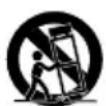
with care. Quick stops, excessive force and uneven surfaces may cause the product and cart combination to
overturn. Check that there are no cables under the carpet that may be damaged by the spike feet. Do not walk the product on the spike feel as this may cause them to become detached from the cabinet and cause damage. Take care not to impale yourself with the spike feet.
19 Non-use Periods - The power cord of the appliance should be unplugged from the outlet during lightning storms or when the apparatus is left unused for a long period of time.
20 Servicing - Do not attempt to service this product yourself, as opening or removing covers may expose you to dangerous voltage or other hazards. Refer all servicing to qualified service personnel.
21 Damage Requiring Service - Unplug this product from the wall outlet and refer servicing to qualified personnel under the following conditions:
a When the power-supply cord or plug has been damaged.
b If liquid has been spilled or objects have fallen into the appliance.
c If the product has been exposed to rain or water.
d If the product does not operate normally by following the operating instructions. Adjust only those controls that are covered by the operating instructions, as an improper adjustment of other controls may result in damage and will often require extensive work by a qualified technician to restore the product to its normal operation.
e If the product has been dropped, or damaged in any way.
f When the product exhibits a distinct change in performance - this indicates a need for service.
22 Replacement Parts - When replacement parts are required, be sure the service technician has used replacement parts specified by the manufacturer or have the same characteristics as the original part. Unauthorised substitutions may result in fire, electric shock or other hazards.

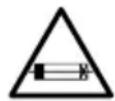
23 Mains Fuses - For continued protection against fire hazard, use fuses only of the correct type and rating. The amplifier is designed to operate with nominal mains supplies in the range 100V to 230V AC, but different types of fuse are used, dependent on the mains voltage. The correct fuse specification for each voltage range is marked on the product.
24 Safety Check - Upon completion of any service or repairs to this product, ask the service technician to perform safety checks to determine that the product is in proper operating condition.
25 Magnetic Fields - the product creates a stray static magnetic field. Do not place any object that may be damaged by this magnetic field (eg cathode ray tube televisions or computer monitors, audio and video tapes and swipe cards) within 0.5m (2 feet) of the appliance. The appliance may cause distortion of cathode ray tube images beyond this distance.
Introduction
Thank you for purchasing a B&W ASW Active Subwoofer.
Since its foundation in 1966, the continuing philosophy of B&W has been the quest for perfect sound reproduction. Inspired by the company's founder, the late John Bowers, this quest has entailed not only high investment in audio technology and innovation but also an abiding appreciation of music and the demands of film sound to
ensure that the technology is put to maximum effect.
This subwoofer has been designed for Home Theatre installations and to augment the bass performance of full-range speakers in 2-channel audio use. Adding the subwoofer to your system not only extends the bass to lower frequencies, it improves the midrange clarity by reducing the low-frequency demands on your existing speakers.
Please read through this manual fully before using the subwoofer. All sound installations require some planning and experimentation if you are to get the best out of the products used and this manual will guide you in this process.
As the subwoofer is connected to the electricity power supply, it is important that you familiarise yourself with the safety instructions and heed all warnings.
Keep this manual in a safe place for future reference.
B&W products are distributed to over 60 countries worldwide and we maintain an international network of carefully chosen and dedicated distributors. If you have a problem, which your dealer cannot resolve, our distributors will be more than willing to assist you.
Unpacking
(figure 1)
The easiest way to unpack the subwoofer and avoid damage is as follows:
- Open the carton flaps right back and invert the carton and contents.
- Lift the carton away from the product.
We recommend that you retain the packaging for future use.
In addition to this manual, the carton should contain:
1 Subwoofer
1 Accessory pack containing:
4 Rubber feet
4 Spike feet
4 Lock nuts
1 International warranty document
A tour of the subwoofer (figure 2)
1 Power/Standby indicator
2 VOLUME control
3 LOW-PASS FREQUENCY control
4 MODE On/Auto/Standby switch
5 Equalisation switch
6 LOW-PASS FILTER defeat switch
7 Phase switch
8 LINE IN
9 LINE OUT
10 LINK OUT
11 Fuse holder
12 Power input socket
13 POWER on/off switch
Positioning the subwoofer
Because the subwoofer produces only low-frequency sounds, positioning is less critical in some respects compared to full-range speakers. Directional information is much less precise and you have more choice where to place the speakers to good effect. This said, best results are obtained if the subwoofer is placed between the satellite speakers or in the vicinity of one of them. If you use two subwoofer, it is best to put one near each satellite speaker.
Placing the subwoofer behind the listeners, even in surround sound installations, generally gives inferior imaging, but may be an acceptable compromise if domestic considerations dictate.
As with all speakers, the proximity of room boundaries affects the sound. Bass is generally increased as more surfaces come into close proximity with the speakers. Unlike full-range speakers, however, you can always restore the correct overall system balance by adjusting the volume level of the subwoofer. The more boost you get from the room, the less hard the speaker has to work; but there is a down side. Corner positions often excite more low-frequency room resonances, making the bass more uneven with frequency. There is no substitute for experiment as all rooms behave differently, so try the subwoofer in a variety of positions before making a final decision. A piece of music with a bass line ascending or descending the musical scale is useful for assessing the smoothness of the bass response. Listen for exaggerated or quiet notes. Having a separate subwoofer does enable you to optimise for room resonances independently from sitting the satellite speakers for best imaging.
If the subwoofer is to be used in a confined space (eg in custom furniture), the space must be ventilated to allow sufficient air to circulate and cool the unit. Ask your dealer for advice.
The subwoofer is supplied with four spike feet. The spikes pierce through carpet pile, giving a firm support directly to the floor surface without crushing the pile.
If the unit is to be placed on a vulnerable surface, such as a wooden floor, either place a protective disc under each spike or fit the four rubber feet in place of the spikes.
When fitting either the rubber feet or the spike feet, first screw the lock nuts fully onto the thread and then screw the feet fully onto the threaded inserts in the base of the cabinet. If the unit rocks, loosen the relevant two opposing feet until the support is firm, then re-tighten the lock nuts to the inserts.
Check that there are no cables under the carpet that may be damaged by the spike feet.
Do not walk the product on the spike feet as this may cause them to become detached from the cabinet and cause damage.
Take care not to impale yourself with the spike feet when moving the product.
Electrical connections
Disconnect all sound system equipment from the power supply until the signal connections have been made and checked. This avoids the risk of damage whilst connections are made or broken.
The function of the subwoofer is to receive signals from the amplification chain and, where necessary for 2-channel audio, split the signal into low bass and higher frequencies and feed the latter back out to the satellite speakers. Left and right channel inputs may be combined into a single mono low bass feed to the subwoofer drive unit if required.
The subwoofer will input and output line-level signals via the RCA Phono sockets located on the back panel.
Use the following table to select the correct wiring method for your installation:
Application: Home Theatre
The subwoofer may be used with any decoder that has a line-level subwoofer output (normally from an RCA Phono socket). Most decoders with integral power amplifiers still output the subwoofer or Low-Frequency Effects (LFE) signal at line level.
- Decoder with one or more subwoofoers - fig. 3
Application: 2-channel audio
Separate pre- & power amplifiers:
a One or more subwoofoers with output combined into a single mono signal - fig. 4
b Two subwoofoers with separate left and right signal - fig. 5
The subwoofer is not suitable for use with 2-channel integrated pre/power amplifiers.
Using more than one subwoofer
Using more than one unit in a single installation can improve performance in the following ways:
- Maintain stereo separation to the lowest frequencies.
- Cope with larger listening rooms.
- Enable greater maximum sound output - often useful for effectively reproducing special effects in Home Theatre applications.
- Smooth out the effects of low-frequency room resonances.
If you are using two subwooers for 2-channel audio, separation is improved if each channel has its own subwoofer, providing each one is placed close to the relevant satellite speaker. Only use the mono connection of figure 4 if you cannot place each subwoofer close to its satellite speaker.
Double-check the connections
Before auditioning the sound quality of your new installation and fine-tuning it, double-check the connections. All too often, users complain that they cannot get a decent sound however they set the controls, only
to discover something has been wrongly connected. Make sure that:
- The phasing is correct - there should be no positive to negative connections to the satellite speakers. If something is out of phase you may gel a fuzzy sound with an imprecise and floating image, a lack of bass or a combination of the two.
- There are no left to right mix-ups - this can result, for example, in the orchestra being the wrong way round or, more disastrously, sounds on your Home Theatre going in the opposite direction to the action on the screen.
Switching on and off
We recommend that you switch the subwoofer on before any power amplifiers receiving signals from the subwoofer. Similarly, when switching off, switch the subwoofer off last.
The MODE standby/auto/on switch (4) does not isolate the amplifier completely from the power supply. It maintains a low-power input to an auxiliary sensing circuit.
The switch (4) operates as follows:
On:
With the switch in this position, the amplifier remains permanently on, and the light (1) glows green.
Auto:
On first switching the subwoofer to Auto, the amplifier becomes fully active and the light (1) glows green. After a period of about 5 minutes without an input signal, the amplifier automatically reverts to standby mode, and the light glows red. When an input signal is detected, the amplifier automatically becomes fully active and the light glows green.
Standby:
In this position, the amplifier is in permanent standby, and the light glows red.
If the subwoofer is to be out of use for an extended period of time, we recommend you isolate it from the power supply, either by using the POWER switch (11) or by removing the plug from the power socket.
Setting the controls
There are 5 controls to consider:
The VOLUME control (2)
The LOW-PASS FREQUENCY control (3)
The PHASE switch (7)
The LOW-PASS FILTER switch (6)
The EQ (equalisation) switch (5)
The optimum settings depend on the other equipment used with the subwoofer. If using more than one subwoofer, ensure the controls on each one are set the same.
Use with home theatre decoders
The B&W ASW Active Subwoofer is not a THX® licensed component, but may be used with a THX® controller if desired.
- Set the VOLUME control initially to the half way (12 o'clock) position.
The setting of the LOW-PASS FREQUENCY control is irrelevant. - Set the PHASE switch initially to 0^ .
- Set the LOW-PASS FILTER switch to OUT.
- Set the EQ switch initially to position A.
See also the section "Fine tuning".
If you have a THX® controller, ensure that the subwoofer function is enabled. When so configured it incorporates all the filtering and level setting required for the subwoofer in all modes. For level calibration, the internal test noise and channel level controls in the THX® controller should be used. In all cases the levels should be set to obtain 75dB SPL (C-weighted) at the listening position from the controller's internal noise test signal.
With other decoders, configure the front and surround speakers to "large" or "small" as appropriate before setting the levels. Use the internal noise test signal and volume controls of the decoder to set the levels of all the speakers. Only change the VOLUME control on the subwoofer if there is not enough range in the decoder to achieve the correct levels.
Inexpensive sound level meters are readily available from electronics stores and should be used to calibrate the levels. Refer to your decoder manual for further details on how to set the levels.
Use for 2-channel audio
- Set the VOLUME control initially to the half way (12 o'clock) position.
- Set the LOW-PASS FREQUENCY initially to 80Hz .
- Set the LOW-PASS FILTER switch to IN.
- Set the EQ switch initially to position A.
- Set the PHASE switch initially to 0^ .
See also the section "Fine tuning".
Fine-tuning
There are two settings of the EQ switch. Position B is optimised to allow the subwoofer to provide the highest listening levels, while position A gives greater bass extension coupled with a tighter sound.
2-channel audio
The optimum settings of the PHASE switch and the LOW-PASS FREQUENCY control are inter-related and also dependent on the low-frequency cut-off characteristic of the satellite speakers and the relative positions of all the speakers in the installation.
Set the system up in the preferred position and play some programme with a steady bass content. The optimum setting for the LOW-PASS FREQUENCY depends on several variables; the bass performance and power handling of the satellite speakers, the number of subwoofoers used and their position relative to the satellite speakers. The range 80 - 90Hz is a good starting point for the LOW-PASS frequency.
Unless two subwoofoers are used to preserve separate right and left channel information and are sited close to the relevant satellite speakers, using a higher cut-off frequency may compromise the stereo image and should only be considered if the bass performance of the satellite speakers is particularly limited.
At each setting of the cut-off frequency, listen with the phase switch in both positions. The correct one is that which gives the fullest bass and that will depend on the bass characteristics of your satellite speakers and the relative distances of the subwoofer(s) and the satellite speakers to the listeners. When using more than one subwoofer, ensure that each one has its cut-off frequency and phase switch set the same way.
Set the loudness of the subwoofer relative to the satellite systems to your liking. Use a wide variety of programme material to get an average setting. One that sounds impressive on one piece may sound overpowering on another. Listen at realistic levels as the perception of balance varies with sound level.
Home theatre
The situation with home theatre is somewhat different from 2-channel audio. The subwoofer (LFE) signal is a separate channel rather than an extension of the signal to the satellite speakers. The LOW-PASS filter is switched out, because the decoder provides all the filtering for any speakers set to "small". However, the position of the phase switch must still be assessed. Normally the phase will be set to 0^ , but if the subwoofer is positioned at a distance significantly different from the other speakers, or the power amplifier driving the other speakers happens to invert the signal, the 180^ position may be preferable. Listen with the switch in both positions and choose the one that gives the fullest sound. If there is little difference, leave the switch at 0^ .
Decoders normally have a calibrated noise signal that can be used to set the relative levels of all the speakers, making the task somewhat more straightforward than for 2-channel audio. However, do not be afraid to alter the settings to your personal preference. It is all too easy to get carried away with the capabilities of the subwoofer, especially with some special low-frequency effects. Often a more realistic portrayal, and one more satisfying in the long term, is to be had by setting the subwoofer level lower that the standard calibration level.
All applications
If you get problems with lumpy bass - if certain bass notes are exaggerated more than others - then you probably have a room interface problem and it is worth experimenting with the placement of the subwoofer. What may seem like small changes in position - 15cm (6in) or so - can have a profound effect on the sound. Try raising the subwoofer clear of the floor as well as lateral movement. The use of multiple subwooers can smooth the effects of room resonances, as each subwoofer will tend to excite resonances at different
frequencies. If you alter the relative distances from the subwoofer(s) and satellite speakers to the listeners appreciably, reassess the phase switch setting. You should also check the level setting of the subwoofer (using either the decoder output levels or the volume control on the subwoofer amplifier as appropriate), but only after setting the phase correctly.
Taking care of the subwoofer
The cabinet of the subwoofer may be cleaned by dusting with a dry cloth. If you wish to use an aerosol cleaning spray, do not spray directly on the cabinet; spray onto the cloth. Remove the grille first so that the cloth does not become stained, but be careful not to disturb the drive unit. The grille itself may be cleaned using a soft brush.
Do not use the subwoofer as a table. When in use, objects left on top of the subwoofer are liable to rattle. In particular, avoid the risk of liquids being spilled (eg from drinks or vases of flowers).
If the system is taken out of use for a long period, disconnect the subwoofer from the power supply.
Note: The subwoofer will automatically shut down if driven excessively. If this occurs, re-set the subwoofer by turning it off then on again, using the power on/off switch on the amplifier panel.
Français
Garantie limitee
Cher Client,
Bienvenue à B&W.
Si utilizes other types of derivatization strategies. In the case of "peccas" (grandes), there are several options for using these strategies. For example, the use of "peccas" in the name of a game can be used to distinguish between the two types of derivatization strategies.
BAKHbIE INHCTPYKcNn PO E3OpACHOCTN
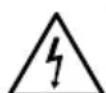
BHIMAHN
ONACHOCTb IOPAXEHH
3NEKTPUUECKM TOKOM
HEOTKPGBATG

BHHMaHHe:
Ia CHXeHn OAnchOCTn NopaxHeHn
3JeKTPnueckm TOKOM He ChMaJTe
3aHIOIO NaHbN He NOBepraTe
annapaT Bo3DeHCTBNO DOxKdN INN BnAIn.
BHyTpHET 3NeMeHTOB, Heo6xOIMbIX
nonb3OBaTeIO.IpeoocTabBe
TexHnueckoe 06cnyKbAHne
KBaHnΦuNPoBaHHomY nepcoHaNoy.
O6bAChHeHne rpaΦnuecknx CmB0JOB:
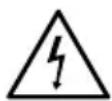
N3o6paKeHne MoHnB B paBHocToPOHHem TpeYOrbHNke npEynpExKaTe OHaJIuHn BHyTpN KOpNyCa annapaTa HEn3OJnPoBaHHoro HAnpRJaEHn,BeINuHa KOtOPO MOKeT Co3DaBaTb ONaCHOCb NopaeHnue YeNoBeka 3JIeKTPnueCKm TOKOM.

N3o6paKeHne BOCKnUcaTeIbHoT 3HaKa B paBHOCTOpOHem TpeyroJbHnke npEduPexJaetO TOM,TO B COpBODoITeHNo DOKyMeHTaCn Ha annpaT MeKToCA BaXhHe IHCTpyKuynn NO 3KcNPyataCm IN TexHNueCKOMy O6CnykBaHIO.
PNEpyPEXKDEHNA:
1PouHTte HNCTpyKun -Pepe nauanom 3Kcnpnyataun annapata Heo6xOIMn npOeCTb BCE INCTpyKUn NO TEXHKe 6e3onacnoctn 3Kcnpnyataun.
2 CoxpaHnTe HnctpyKuIN - HnctpyKuIN NO TexNke 6e3oNaChOCTn N3cKnIyatauIN Heo6XoDmO coxpaHaTb dNn nocneDuOnix CnpaBok.
3 O6paaTe BnHMaHne Ha npedocTepeXeHN - HeoXoDnMo yuTbIBaTB BCE npedocTepeXeHN, yKa3aHHbHe Ha annapate n B HnctpyKuaX no erO 3KnPyatauM.
4 CneIyTe HNCTpyKUHM - Heo6xoDMIO CNEIOBaT BCEM INHCTpyKUIM NO 3KcnPiyaTaun.
5 Hctanlaun- nHctannpyntaannapat B COOTBETCTBUN CnHCTpykUAMN N3ROTOBUTEN.
6 NctouHnKn nTahn - Annapat CneDyET NOcOeHNrTb K NCTOCHNky nTahn TOJbKO TOro Tnna, KOTOpbI yka3An Ha 3aDHei NaHeJI. EcIn Bbl He 3Haete NapametpOB 3JeKtpocEt n B BaWeM Dome, ObaPntecb K BaWeMy dIlepy nnB MeCTHyO 3NeKtpueeCKyIO KOMpaHIO.
73a3eMJIeHne ncoBIOHeHne noIrpHOCTn - 3TOT annapaT He Tpe6yeT 3a3eMJIeHn. Y6eINTeCb, yTO BUNKa NOnHOCTbIO BCTaBNeHa B CTeHHyIO po3ETKy IIN B PO3eTKy yDNHNHTEN, DnI PpeODTPBaUeHn NopaxEHN 3JeKTpUeCKHM TOKOM. EcIN Bbl NOb3yeTeCb yDNHNHTENm IIN SHypom NITaHn, HE BXoDAuIM B KOMNKeT annapaTa, npocneNTe, yTO6bl OH bbl O6OpYDoBaN NTbIM BNkAMN COOTBeTCTBOaN npHHrTbIM BAWei CTpaHepoMaM 3NeKTpo6eOzONachOCTn.
83aunTaHypOBnTaHnI -HypbI nHTaHnI DOJXhblPOKNaDbIBaTbC TaKIM O6pa3OM, YTO6bl Ha HNX He
Hactynan He 3aebaln KaKIMNI6o npedMetam; o6paauTeOC06oe BHNMaHne Ha MeCTa B6N3BbIOK, WTeNCeIbHbIX pa3beMOB bByOda uHypa n3 Kopnyca aannapata.
9 Neperp3ka - He neperpkaTe po3eTKn 3JekTpocTe n ydInHntEn, TAK KAK 3TO MOKeT npBecTu K BO3ropaHHIO INIIN nopaxeHHO 3JIeKTPueeCKIM TOKOM.
10 BeHTnIaIy -PaHEnI yCInIeTJI B 3aHHe Yactn annapata ABnIeTc HacTbIO CnCTembl OxnaXKeHIN He DOJXHa 3aropaxNBaTbcN, PO3OMy He pa3MeaIte N3dEIne Ha KpOaTI, cOe, KoBe INn noo6HOm MAnKoN NOBepxHocTn. He NaKpbIbAitne naHEn ly CnIITeN cKaTePbIg, RaTeToN T.n. Y6eDInTeCb, YTO pe6pa pAdnATopa OpiHENTnpoBaHb I BepTKaJIbHO dJa ObecneHEN DOnJHXORO OxJAXDeHN. MeKdy 3aHHe YactbIo annapaT a CTehO JOnJHX OCTaBaTbcR He MeHee 50 MM CBO6OHDoro npoctpaHCTBa. Ecnn annapat BCTpanBaETCB B CToKy, PONKy, RUnK n T.I., DOnJKeH 6bITb ObecneH e npitOK Bo3dyxa K 3aHHe NpaHEni B BVde: a) 12-MM 3a3Opa CBepxY, CHN3y n C 60KOB annapata, KOtOpBn COo6uaetcR c KomHato; Li6o 6) DByx Tpy6 (Kopo6OB) CeHHeM MINHMym 150 KB.CM., BeUyux N3 KOMHaTb K OTBepCTnM 300 MM (WnpHa) x 50 MM (rny6Ha) CBepxu n CHN3y RUnka; B OboNX CNYaIX CNeDuyeT o6ecneHTb 3aOp nO3a nn annapata.
11 NcToCHNK TeNna - AnnapaT cneDyet pa3MeaaTb BdaJIOn OT nCTOCHKOB TeNna, TAKIN KAK paDANaTOpbl, TENoBbIe 3aBeCbI, Neu nn Dpyrne np6Opbl (BKIOUaY ycInlTeJI), KOToPbIe BbIDeJnOT TeNIO. HeIb3r CTaBNTb Ha annapaT nCTOCHNK OTKpbIToro ORH, HAnpIMep, ropAunie CBeH.
12 HaTeHHb moHTax Knn KpenJeHne K nToIky - Annapa Cne dyet MOHTnPOBaTb Ha CTHe Nn Ha NOTOJIke TOJbKO B COOTBeTCTBn C peKoMeHdaUrMn N3ROTOBtEnA.
13 Boda n Bnara - He ncnoIb3yIte annapat B6IINs BODbl - Hapnimep, pIaOM C BaHHO, paKOBHIO, KxOHHO MOKO, CTpaNbHO MauHHO; B NOBaIax C NObIweHHO BlaXHOCTbIO INI PRAOM C PJIaBaTeJbHbIM 6acceHOM I.T.I.
14 Nona da Hne BHTpb npdeMeTOB n KnKocTe- HnkOrda He BCTabJIaTe KaKHe-Nb60 npdeMeTb BYTp b Annapata Ype3 OTBepCTra, TaK KaO Hm MoryT KOCHyTBc TOneK NOd ONaChbIM HaNpKaHEm ININ Bbl3BaTb KOpOTKoe 3AmbKaHNe, YTO MOxET npNBecTN K Bo3rOpAHIO INI NopaaKeHHo 3JKeTPnueckm TOKOM. HnkOrda He npolnaBae Te KaKyo-Nb60 KnKocTb Ha annapat.
15 OuNTka -IpeoI ouNtKoB bHbTe BnIKy uHypa nHTaHH annapata n3 po3eKn 3neKtpocetn. CtnpaTb nbnc bC Kopnyca ca6Byepa moKHO kyckom
cyxohTKaHn.PnpnoB3oBaHnn a3po30JbHbIMN NCTAUNMcpeCTbAMnIX cJeDyET paCnbIJIaTb He npMaHO KaPnyc,aHa TKaHb.Chauna CHMNTE KeOpaTHBHyopeWtky,TO6bI He 3aNaKaTbe ee, Ondako 6yDbTe octopoxHbI Hne nobPeJeITe dHAmNK.PweTky MOXHO YNCTNTb MMRKOn tKOIN
16 PnncnocobJeHr -He noIb3yItecb npncnocobEnHm, He peKoMeHDoBaHHbIMn 3rOToBnteJem, TAK KaK 3TO MoKeT npBecTn K ONaCHbIM CNTyaQnM.
17 PnHaJnxHocTn - He pa3meuaIte annapat Ha HeycToHBOI TeLeXKe, cToIke, kPoHtEne Hnn CTone. Annapat MoKet ynaCTb, HaneCer cepbe3HyIO TpaBMy pe6eHky IIN B3pOcLOMy n Cam NOnyUHTb NOBpeKJDeHn. NcNoJIb3yIte TOhko peKoMeHNDoBAHHBe N3rTOBNTeLEM IIN BXODaUNe B KOMNKeT Annapata cToIKu NT.IIbOBo MONTax annapata CnDeyET npOBoITb TohKO B COOTBeTCTBN C NHCTpyKUmaM N3rTOBNTeRA, a MOHTaKHbIe npNCnocO6NeHn DOJXHbI 6bITb peKoMeHNDoBAHbI N3rTOBNTeLEM.
18 NepemeeHne -TeJekky c yctahOBJIeHHbIM aannapatom cneIyET nepemeeaTb ocToPOxHo. Pe3Kne ocTaHOBKn, npInIOKeHne n3nIuHNX

yCNnN HepOBHbI nO1
MOrTy PnBBeCTn K
ONpOKnDbBaHIO
TeLeXKn. Y6eDntEcB,
YTO NOK KOBPOM He
npoxoT 3JNEKTPonpoB0da, KOTopbIe MOryT 6bITb NOBpeXdeHb IUnNoBbIMn ONopamn annapata. He Taunite annapat BOLOKOM, TAK KAK WInNoBbIE ONOpbl MOrY OTNOMtBCr OT Kopnya N Bb3BaTb NOBpeXdeHn. Co6JIaJaTe octopoxHocTb, YTO6bl He npuHHb Ce6e TpaMy WInNoBbIMn ONopamn.
19 NpepebBb B nCnoJb3ObaHn - Bo Bpemr rpo3b, a TaKke ecIn annapat npednonaraetc dOnro He nCNoJb3ObaTb, BbHbTe BNky uHypa nHTaHn H3 po3ETKn 3NeKtpocTei.
20 O6cnyxnbAHne - He nbTaItecb
O6cnyxNBaTb daHbI aannapat
camocToaTeNbHO, TaK KaK npi
OTKpblBaHN INM cHTn KpbIeK Bbl
MOKeTe nonactb NOd ONaCHOe dN
Xu3Hn HAnpJKeHne N NOBepraete
ce6b IpyrIM ONaCHOCTM.
PpeoctabBe texHueckoe
O6cnyxNBaHne
KBaINΦnUPOBaHHomy nepcoHany.
21 NOBpeKdHn, Tpe6yUoune TexHueckoro 06cnykBaHnB - BbHbTe Bnky uHpy nHTaHn annapata n3 po3eTKn 3NeKtpocetu n 6paTntecb K KaBnΦnIpOBAHHOM My Mactepy B CneDyUOxN CnyuaX:
a NopexKeHbI uHy p nItaHn nn BnIka.
6BHytpb annapata nonann PpeDMtblnn KxNkOcTb.
BAnnapat noDBeprcBa 03deIcTBIO DOXDAHIN BOIDJI.
r Annapat He oecneuBaet HopMaIbHyO pa60Tu npB BbIOJIHeHIM INcTpKcIIN NO 3KcNpyataun. Nolb3yTeCb TOIbKO yKa3aHHbIMN B INcTpyKcIIN NO 3KcNpyataun OPraHAMn YnpaBLeHn, TAK KAc HEnpaBnIbHoe nPoBeDeHne npOuyx peYpOBOK MOKeT pNBecTN K NobpeXdEHm, ycTaPAnHne KOtOpbIX NOTpe6byET CNOxKHO peMOHTa c npNBeeHnEM BbICOKBaJIuΦnupoBaHHoro nepcoHaJa.
Annapat yponn nn OH mMeT pyrne noBpeKdeHna.
ePon3oWn 3aMeTHbIe N3MeHeHHBpa6Ote aannapata-3TOyKa3bBAeT Ha Heo6XoDMocTbnpOBeHnTeXnueckoro06cnyJWBAHn.
22 3aMeHa DeTalei - KOrda Tpe6yeTcra 3aMeHa DeTalei, y6eInTeCb B TOM, YTO MacTeP ycTaHaBnBaet DeTaN, peKOMeHDoBaHHbe N3rOToBnTEJIeM, ININ INMeUoIe XapakTePncTNI, aHAnorNCHbeOpunHnAHLbHM DeTaNAM. HeaBtOpn3oBaHHa3aMeHa DeTalei MoXeT npBcEtn K BO3rOpAHnIO, nopaxKeHNIO 3NEKTPuueckm TOKOM nDpyTNM ONachbIM CNTyaUNAM.

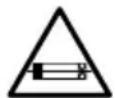
23 CeTeBbIe npdeoxpaHntEn -ДnI NCKIOUHeHb BO3MOXHOCTN BO3rOpaHnH, HcONb3yHTe npdeoxpaaHNTeTOLbKO HaJIeJxauEro TINa I HOMHaHaJa. YcInHbIbPacCHHTaH pa6oTy C HOMHaJIbHbIM HapJxehnEM cETn OT 100 Bdo230B nepemEHoro TOka, HO,B3aBNCUMOCTN OT HApJxehnA ceTn, INcONb3yOTcpa3HbIe TINbl npdeoxpaaHNTeN. IpaMaTePbI npdeoxpaHntEn dNkKaKdOro HApJxehnYka3aHbIHa annapate.
24 NpOBepka 6e3oNaChocn -Nocne 3aBepueHnIIObOro 06cnyKuBaHNn nn peMOHTa 3TOro annapaTa nonpocnte MacTepe npOBecTu npOBepky 6e3oNaChocn, yTo6bl y6eINTbcB TOM, 7TO annapaT noDrotOBJIe K 3KcIIpyatau.
25 MarHHTbIe noJI - 3ToT annapaT co3daet cTaTnueckoe MaHHTHOe none paccenHHa. He pa3MeaJte npedMeTbI, Ha KOtOpBle MOKeT NOBnHTb MaHHTHOe NOJe (HaNPmep, TeJIeBn3OpBbIM MoHHTOpBc C 3JIeKTPoHHO-JyueBbIMn Tpy6kAmu, ayINO N BuDeo KAcceTbI, MaHHTbIe KapTbI) 6Lnke 0, M ot annapaTa. Ha MANOM pacCTOAn annapat cnOCo6EH Bb3BaTb NCKAXHeHne N3o6paXeHNr, nepeDaBaEMoro 3JIeKTPoHHO-JyueBoi Tpy6KoN.
BbeHeHne
Blaorapm 3a npno6pehenne aKTHBHoroc6Byepa (Hn3KoactOTHO
akyctueckoCnCTembl) ASW npOn3BODCTBa KOMnaHm B&W.
CoBpemHOnCObaHnB1966roNy, KOMNaHn Bowers & Wilkins Bcerda CTabHa cBoe ueIbO 6e3ynpueHoe Bocpon3BeDeHne 3Byka. BoodyweBnEmaB aTOM cTppeHn CBOm OCHoBaTeIeM, HbHe NOKoHBIM JxohOM Bay3pcom, KomNaHn BKnAbIBana 60JIwne cpeDCTBa He ToNko B pa3pa6tky HObeuX aydno TEXHOJr, Ho n B NOCToRHHoe N3yHeHne OC6eHHOCTei COpemEHNO My3bIKn KINHO, YTObI NCNoB3OBaTb 3TN TexHOJrMaKcImaJIbHO 3ΦΦeKTNBHO.
3TOT ca6Byepe 6bl pa3pa60taH nIaNCNoIb3OBAHnB KauEcTBeakCTUeCKo CNTEmbl (AC) DOMaHHeTeTaPa, a TaKke DN TOrO, YTO6bIOBbICITb yPOBEh b 6aca BDBYXKaHaJIbHOI NOnHOuNAna3OHHOayDIOcNCTMe. Do6AbKa ca6Byepea KaBaWe ayDIOcNCTMe NO3BOJNeT HeToIbKO paCUnPHTb 6acOBbI dNAna3OHdoHan6Oone Hn3kXqACTOT, HO I CDenAtbUHSe 3ByuHHe cpeHero DnAna3OHa,CHxKae Hn3KoVAcTOTHyU Harpy3ky HaBaWN KOONKn.
IoxayncTa,BnMaTeNbHo npOHTte daHHoe pyKOoDCTBO nepei nCNoIb3OBaHHeM ca6Bypepa.HacTpoKa IIObO aayNOCNTMebl Tpe6yET PAnHPOBaHN H3KcnepmEnHa dIa DOCTNXeHn HaJIyUwero pe3yIbTata, n daHHoe pyKOoDCTBO NOMoKet Bam B 3TOM.
IIO NOKJIIOUeHn Ca6Bycpepa K 3JIeKTPocetTu HeoXOdmo O3HaKOMTbca CO BCEMN INCTpyKuINMn IO 6e3oNaCHOCTu IN ppeDynpexKeHNMa.
IOMeCTnTe 3To pyKOBODCTBO BHaIeXHoE MeCTO nH6yDyuNX CnpaBOK.
Akyctnueckne nCTembl KOMnHaHb B&W NOCTaBnIOTCB 60onee yem 60 cTpaH no BCemy Mnpy, HnHaJ KaOMnHaH NIOdEepKnaeMxDyHapOHyo CeTb TuaTeNbHO OTo6paHHbIX N BbICOKKBaINΦuNpOBaHHbIX DnCTpn6bIoTOPBo. EcnY Bac Bo3nKhet npobMa, C KOtOpoe He moKeT CnpaBnTcB DaJIeP, HaNI DnCTpn6bIoTOpBi OxOTHO npdyT Bam Ha NOMOuB.
Pacnakobka
(pnc.1)
Hnke onncan npocTeuin cnoc6 pacnakobkn ca6byepa 6e3 noBpeKdenn:
- OToHnTe BepXnHe KnaaHaBb Kopo6Kn N nepeBepHnTe eE BmecTe C CopeKIMblM.
- CHIMITE Kopo6ky cannapata.
Mb pekomehdyem coxpaHb ynaKOBky dI INCnObl30BaHnB 6yduem.
ПOMМо ДНHorO руКOBОДСТВа, КОРБКа ДОЛЖнaco coDEрЖатБ:
1 Ca6Bypep
1 KomPnKeT npHaJdIeXHocTei, BKIOUOIOUI:
4pe3nHObIe HOKKn
4 WINOBBIE HOKKN
4 KOHTpraiKu
1dkymentcMeKdyHapOdHOn rapaHTnei
3nementbica6byepa (pnc.2)
- INHINKaTOp NITaHIN/pe3epBHorOp peKIMa
- Perynatop rpoMkoCTn (VOLUME)
- Peryntop rapanuHou acTobHc HUnIbTp a (LOW-PASS FREQUENCY)
4.ПepeKJIIOUaTeIb BKn/ABTo/ΓoTobHOcTb (MODE On/Auto/Standby)
5.ПepeknIOuATEnbYacToTHoN KoppeKunn (EQ) - BbiknouateIb Hc pfnbtpa (LOWPASS FILTER)
- IpeeknoateIb pa3bl (PHASE)
- LiNeHbI BxOd (LINE IN)
- JINHeHbI BbIXoΦnIbTpObaHHoro BcHana (LINE OUT)
- JInHeHbB BbIXoD CnHaJa DnI npOaHn Ha BToPOn ca6Bypep (LINK OUT)
- NaTPOH npeOxoPahNTeJIa
- Pazbem shhypa nHTAHn
- BbiklnoyateIb nHTaHn (POwER)
Pa3meueHne ca6Byfepa
H3-3a TORO, YTO c6Byfepe n3daet TOnbko Hn3KOaCTOTHbE 3ByKn, ero pa3MeueHne He TaK KpTUNHO, KaK pa3MeueHne
NoHNOHaNA3OHbIX KOLOHOK.
OpndenHe MeTOUHKa 3ByKa ropa3do
MeHee ToUHO, y BAc Ecbb Bo3MOxHOCTb
WIPPOKO BB6Opa npa3MeueHnn
c6ByFepe dIa DOCTNKeHn HauNyUwero
eΦeKtA. OJnako, LyuWe pe3yIbTaTbI
DOCTNAtoTc, ecn b6ByFepe pa3MeueH
MExdy KOLOHNAM-CaTeNITAMm NIN
B6Nn3N ODNHO n3 HNX. Pn
NCONb3OBAHm DByX c6ByFepeOB Lyuwe BCero NOMeCTNb KaKdbn I3 HNX pRDOM CO CBOeN KOLOHKO.
Pa3meuenie c6bvyepa no3aun cnyuataene dake B cncTeMax okpykaouero 3Byka 06buHNO yxuwaet fOpMnPOBaHne 3ByKOBoro 6pa3a, oHaKO MoKeT 6bIb npHemMeO, ecnn ycNoBn KOMHaTb He dOnyckaIoT dpYnx BapnaHTOB.
PacCTOAHHe NO CTeH KOMHaTbI BnIReT Ha 3ByaHHe cAbByΦepa, KaK N IIO60I dpyroKoONOHKn. Yem 6oJIbSe 6bn3ko pacNoJoxKeHHbIX K KOJOnHKam NOBepXHOCTeI, TEM CINbHee, KaK npABInO, 3ByuHT 6ac. OdHako, B OTJInuYe OT ONJHOINa3OHbIX KONOHOK, YpOBeHb rPOMKOcTN cAbByΦepa MoKHO OTpeYInPOBaTb N TAKIM O6pa3OM BOCCTaHOBtB KoppeKTbI ToHaNbHbI B6aANHC BcE NCTeMb. Yem CINbHee OTPaxHeHne 3Byka B KOMHATE, TEM JERHe paBOta KOnOHOK, HO 3Dec bEcTb N 6bPAthA CTOPOHa. YCTaHOBKa KOJOnKH B yRrNy Aacto PnIBoDNT K yCINHeHIO HN3KOaCTOTbIX Pe3OHaHCOB KOMHaTbI
delaOuix 6ac HepaBHOmepHbIM no
yactote.Bce nomeueHnraOBlaaOT
pa3nUHbIMn akyCTnueCKMn
CBOICTBAMn,PO3OMy HEnb3r O6oHTncB
6e3 ekcnepmuHtA. NOnpO6yIte
ycTahOBnTB Ca6Byfep B pa3hBIX MeCTax
KOMHaTbI, PpeXJe CEm PnHArTb
OKOHuaTeJIbHOe peSeHne.
PocnyuBaHHe My3bIkaNbHx
pon3BeDeHm C BOCXoJaUMn I
HNCXoJaUMn 6acOBbIMn NaccaxKaMn
nomoraet OnpeDenItb, HAcKobko rnaJka
H3KoYactOTHa XapakTePnCTNa.
PincNyuaTecb K 3ByaHnIO oc6o npKO
BbpaXeHHbx nnn KteNXnHot.
OblaaHaHne OTdeNbHM C6Byfepom
no3BoJraT Bam ONTHm3npoBaTb erO
pa3MeueHne C Tockn 3peHnR
pe3OHaHCoB, He3aBNCmIO O p43MeueHnR
catenlntOB, NaeeneHHoro Ha lyuWee
fOpMnpoBaHne 3BykOBoro o6pa3a.
Ecni ca6Byep Heo6xOIMO pa3MeCTnTb B 3aMKHyTOM npocTpaHCTBe (HaNPUMep, B NOcTPOeHHo Ha 3aKa3 Me6Eni),TO 3TO npocTpaHCTBO DOJnxHO 6bITb Xopo0o BEHTINIPyEmo DnOxNaXDeHnA annapata. IocOBetyItecb 06 3Tom co CBOIM dInepom.
B KOMNNEKT ca6Byepa BxOJrT YeTbIpe WnOBbIe HOKKn. WnBt npOTbKaHOT KOBep n o6ecneuBaIOT npOHyIO onopy ca6Byepa O non 6es nobpeXdEHHBOPca KOBpa.
Ecnn npnxOoNTca p3MeaTa b ca6Bypep Ha yraBmOIOBepxHOCTn, BPOde DepeBaHHoro nona, noINoXHTe NOI uNbI 3aunTHbI pOKJaKn IIN 3aMeHITe UINbI pe3HOBblIM HOKKAMN.
Дя пикpenнгшиновix Ип pe3HOBbIX HOXeK Chaayana NOHOCtBIO HABHTNTe KOHTprAikn Ha pe3b6y HOxEK, 3aTeM NLOTHO BBNHTNTe HOXKN B OTBepCTN B KOPnyce ca6Byfepa.Εcni ca6Byfepe wataetc, OtperynUpyte BICOTy DBYx nPoTNUBOCTOuXH OHXEK, nOKa c6Byfepe He 6ydeT npOHO ycTaHOBneH, a NOTOM 3aHOBo 3aTAHInTe KOHTprAikn.
Y6eIntecb, yTO NOKOBpOM He npoxoJr3NEKTPoPBOIDA, KOTOpBIE MOryT 6bITbNOBpeXJeHbI WInNoBbIMN ONopAMn annapata.
He Taunte annapat BOLOKOM, TAK KAK WINOBbIe ONopbl MOrYT OTNOMITbCAOT KOpNyCa N Bbl3BaTb NOBpexKeHnA.
Pn nepeBnxKeHn annapata coNIOaIte octopoxKHOCTb, YTo6bI He NOBpeNTb CBOH HOrn ERO WINOBbIMn onopAMn.
3neKtpnueckne coeHHeHH
Bo n36eKaHne nobpeKdEHH oTcoeHNHTe nHTaHne BCero ayDnO 0bOpYDoBaHH Ha Bpemr OcyuEcTBHeHH n npOBepKn NOcOeDHNHeHH.
3a4a ca6bypepa coCTONB npme cnHana OT ycunntenI n, npn Heo6xOAnMocTn, B DByXKaHaNbHbIX cnCTeMaX, pa3DeJeHHn CnHana Ha Hn3Kne 6acobbie n 60nee BblcOKne YactOTb I NOcbInke BblcOKoayctOTHOrO cnHana daJeE Ha KONOHN-CaTeNtbl. Ecn Tpe6yctra, CnHana JleBOrnpaBoro KAHAIOB MOrTy 6blTb CBeDeHbIB
eINHbMOHOPOHnueckn HN3KOaCToTHbCnHaI,NOdaBaembHa dInHaMVK ca6Bydpepa.
Ca6Byep BBOINT N BBIOINT CNHAnblI INHeHOrO yPOBnI NOpeCTBOM pa3bEMOB TnA RCA, paCNoJoxeHHbIX Ha 3aDHe IaHeN.
BbIbpaCnOc6 coeINHeHnBaSei ayDIOscTeMb, BOCNoIb3yntEc bJeYIOUIMN peKOMeHdaunm:
PpimHeHHe: DomaHn TeaTp
Ca6Byfepe MoXHO nCnOJIb3OBaTb C IIObIM DEKOdepOM, IMEIOUIM Ca6ByFeepHb BbIXoD INHeHOro yPoBHr (06bIuHO ha pa3bEme Tuna RCA). BoJbSInHCTBO DeKOdepOB co BCTPOeHHbIMN ycINHTeJIaMn BCE Jc E bIBoADT CNHAn Ca6Byfepa INn CNrHAn Hn3KoAcToTHbX 3ΦΦeKTOB (LFE) Ha IINHeHOM yPoBHe.
-ДeКoДерсоДМин HeCKOЛьКИМu ca6BypepaMn (pnc.3).
PpImeHHe: 2-kaHaJIbHaaydnoocntema
COTdEnbHbIMNpEdyCNNTeEM uCNNTeEM MOuHOCTn:
aOHHHHeckoBko ca6bypepoB npn BbIXOe,ObbeHNHeHOM BeINhMoHOFOHueCKn CnHaI (pnc.4).
6Да ca6Byepepa npa pa3deNbHbIX leBOM n npabOM kaHaJax (pnc.5)
Ca6byep He npedHa3haeHdnaNCNoIb3OBAHNcDByXKaHaJIbHbIMNHTerpnpoBaHHbIMN(npedCnIITeB+ycnIITeMoUHOCTn)ycnIITeJAMN.
NcnoJb3ObaHne HeCKoJIbKnx ca6ByΦepOB
NcnoB3OBAHne 6oone, yem Ondoro c6Byepa B ONDHO ayuocntMe MoKet ynyuHTb BOCpOn3BeJeHne 3Byka cnedyoummn Cnocobam:
-Подержka pa3delenHЯ cTepeo KaHaNoB Do cambIX Hn3Knx YactOT.
Cnoc6hOCTb CNTeMbI KpaB0Te B 60nbux NOMEueHnax.
- OoctnHexHe 60nbWe MaKcMaJIbHO MoUHOCTN 3ByKa, YTO yNyUwaeT BOCpOn3BeDeHne 3ByKOBbIX 3ΦΦeKToB B DomaHem KINHOTEaTe.
- MeHbWeHHe BnHn Hn3KoYactOThOrpe3oHaHc nOmeueHn.
B2-kaHaIbHou ayDIOscCTeMe
pa3deneHne cTepeo KaHaIOB
yLyUwaeTc npu ycNoBm, yTO KaKdbI
KaHaI OChaueH CBOUM ca6Byfepeom,
pacnoJoxKeHHbIM pAdOM co CBOeN
koHOKO-HcATEnnITOM. Ecn BHe
MOKeTe oBeCneHTb TaKoe
pacnoJoxKeHne, cNe dyET HcNoB3OBaTb
MOHO CoeHNHeHne, nOKa3aHHO Ha pnc.4.
PpOBepKa npaBnIbHocTn NOdkJIoueHn
Ipeep npoBepko KaueCTBa 3ByuHnHOBOI ayDIOOCCTEmI eTOHoi
HacTpoKoN, DBaJxDbl npOBepbTe npabInlbHoCTb BcEx coEaHHeHn. IOnb3ObateNt cacto XaanyOToC, YTO He MOryT Do6ntbcN xopoWero 3ByuHaHn CnCTeMb BHe 3aBNCmIOCTn OT epeRyInpOBKn. 3To, KaK npabINO, BbI3BaHO HnPaBnJIbHbIM NODKNIouHeHem. Y6eINTecb B TOM, YTO:
Bce cnocobnCnoJb3ObaHna
EcIn Bbl OuyuaeTe HepaBHomepHoctb
6aca, T.e. HeKOTOpbIe 6acOBbIe ToHa
3Byut 60nee NODyepKHyTo, YEM
OCTaIbHbIe, TO npUHHoN 3TOrO MoKET
6bItb pe3oHaHC NOMEueHn I CNeJyEt
No3KcnePmeHTnpOBaTb C
paCnoLoXeHnem Ca6Bypepa. Daxe
He6oJIbUoe,-OKO15CM,-
NepemeueHne MoKet cyueCTBeHHO
IOBnIaTb Ha KaueCTBO 3Byka.
Nonpo6yTe He TOnbKO nepeDnRaTb
ca6Bypep,Ho n npinOndTa ero Ha
NoIOM. NcNoIb3ObaHne HeCKoIbKnIX
ca6BypepOB MoKet CrnaIITb pe3oHaHC,
T.K. KaXdbi Ca6Bypep 6yDet Bb3IBaTb
pe3oHaHC Ha pa3HbIX qactTox. PnI
CyueCTBeHHOM 3MeHEnn pacCTOHH
OT ca6Bypepa (nnn c6BypepoB) n
caTeIINTOB DO CnyaTeJe Heo6xOIM0 3aHOBO npOBepuTb NOIOKeHne nepeKIOUcATEJIa Pa3bl. TaKHe, npOBepbTe yPOBeHb rPOMKOCTn Ca6Bycpepa (npn NOMOUI BixOHOrO CNHaJa DeKOepe nII peryIaTOPa rPOMKOTn Ca6Bycpepa, no CNTyaUm), HO cNepBa Heo6xOIMO npabINbHO HAcTPOThp a3y.
Yxo3a ca6ByΦepom
CTnpaTb nbIb c KOpnyca ca6Bypepa MoXHO KYCKOM cyxOuTKaHn. PnINoNb3OBaHN a9pO30JIbHbIMN uCTRAUMCpeCTBaMn ux CneJyET pacNbIaTb He npMa HO KOpNc, a HA TKaHb. ChaJaNA CHMNTE DeKopATNBHyO peWetKy, YTO6bl He 3anaKaTb ee, OdHaKO 6yDtE OCTOPOXHbI H He NOBpeNTe DInHaMK PeWetKY MoXHO uCTNTb MfKoI uETKoI.
He nCnoIb3yIte ca6ByfepeB KaueCTBe cToIka. PnB KblIOUeHnn Ca6Bypepa npdeMeTb, IeKaIe Ha Hem, 6yDyT dpe6e3XaTb. B Ooc6eHHOCTu, N36eraTe CTaBHTb Ha ca6ByfepeBa3bl C UBeTaMn, CTaKaHbIC HAINTKaMn T.I., TaK KaP npONITxNKOcTB MOKeT bbl3BaT nobpeJxNKOcTB MoKET bbl3BaT nobpeJxNKOeHH Annapata. Ecnn CnCTema DOJrro He nCNoIb3yETcR, OTcoEINHtete ca6ByfepeOT 3JeKTPocetn.
PnmueyHne: B cnuyae neperpy3kn ca6byep abTomatueckn npekpatnt pa60ty. Ecn 3To npou3oJIo, c6pocbTe ynpablaIOUe cxembl ca6byfepa, BIKJIIOuHB IN CHOBA BKIIIOuHB NITaHHe BIKJIIOUaTeIeM Ha 3aJHeN naHEn.
Norsk
Tidsbegrenset garanti
Description Active closed-box subwoofer system
Drive units 250mm (10 in) composite aluminium/paper/Kevlar@ cone
System frequency range -6dB at 17Hz and 40/140Hz adjustable (EQ at A)
System frequency response -3dB 22Hz - 31/110Hz adjustable (EQ at A)
Amplifier Power output: 500W continuous
Input impedance: 33k
Signal/noise: >90dB
Functions: Input level
Low-pass filter frequency
Low-pass filter bypass
Bass roll-off alignment
Auto sense on/standby
Phase switch
Inputs: Line In (RCA Phono)
Outputs: Line Out (RCA Phono) high-passed
Link Out (RCA Phono))
Low-Pass Filter Active 2nd-order, variable cut-off frequency
High-Pass Filter Line level: Active 3rd-order -6dB at 80Hz
Dimensions Height: 340mm (13.4 in) not including spike feet
Width: 340mm (13.4 in)
Depth: 411mm (16.2 in) including grille and controls
Net Weight 25.5kg (56.1 lb)
B&W Bowers & Wilkins
B&W Loudspeakers Ltd
Dale Road
Worthing West Sussex
BN11 2BH England
T+44(0)1903221800
F+44(0)1903221801
info@bwspeakers.com
www.bwspeakers.com
UK Sales Enquiries and Service
T +44 1903 221 500
E uksales@bwspeakers.com
B&W Loudspeakers of America
T +1 978 664 2870
E marketing@bwaudio.com
B&W Loudspeakers (Asia) Ltd
T +852 2 790 8903
E bwahome@bwspeakerasia.c
Kevlar is a registered trademark of Dupont. Nautilus is trademark of B&W Loudspeakers Ltd. Copyright © B&W Loudspeakers Ltd. E&OE Design by Thomas Manss & Company. Printed in Spain.


- Français
- Terms and Conditions
- How to claim repairs under warranty
- Owner's manual
- IMPORTANT SAFETY INSTRUCTIONS
- Caution:
- Explanation of Graphical Symbols:
- WARNING:
- Introduction
- Unpacking
- A tour of the subwoofer (figure 2)
- Positioning the subwoofer
- Electrical connections
- Application: Home Theatre
- Application: 2-channel audio
- Using more than one subwoofer
- Double-check the connections
- Switching on and off
- On:
- Auto:
- Standby:
- Setting the controls
- Use with home theatre decoders
- See also the section "Fine tuning".
- Use for 2-channel audio
- Fine-tuning
- 2-channel audio
- Home theatre
- All applications
- Taking care of the subwoofer
- Garantie limitee
- BAKHbIE INHCTPYKcNn PO E3OpACHOCTN
- BHHMaHHe:
- O6bAChHeHne rpaΦnuecknx CmB0JOB:
- PNEpyPEXKDEHNA:
- BbeHeHne
- Pacnakobka
- 3nementbica6byepa (pnc.2)
- Pa3meueHne ca6Byfepa
- 3neKtpnueckne coeHHeHH
- PpimHeHHe: DomaHn TeaTp
- PpImeHHe: 2-kaHaJIbHaaydnoocntema
- NcnoJb3ObaHne HeCKoJIbKnx ca6ByΦepOB
- PpOBepKa npaBnIbHocTn NOdkJIoueHn
- Bce cnocobnCnoJb3ObaHna
- Yxo3a ca6ByΦepom
- Norsk
- Tidsbegrenset garanti
- B&W Bowers & Wilkins
Brand : BOWERS & WILKINS
Model : ASW 675
Category : Subwoofer