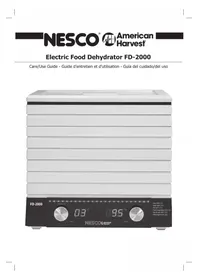
Digital Square FD2000 - Electric food dehydrator Nesco - Free user manual and instructions
Find the device manual for free Digital Square FD2000 Nesco in PDF.


| Features | Details |
|---|---|
| Device type | Digital food dehydrator |
| Dimensions | Square dimensions for easy storage |
| Capacity | Multi-level to dehydrate several foods simultaneously |
| Adjustable temperature | Adjustable temperature range for different types of food |
| Digital display | LCD screen for easy control of temperature and time |
| Materials | BPA-free plastic trays |
| Usage | Ideal for dehydrating fruits, vegetables, meats, and herbs |
| Cleaning | Removable and dishwasher-safe components |
| Warranty | Manufacturer limited warranty |
| Safety | Overheat protection |
| Energy consumption | Low energy consumption |
| Included accessories | Dehydration racks and user manual |
Frequently Asked Questions - Digital Square FD2000 Nesco
User questions about Digital Square FD2000 Nesco
0 question about this device. Answer the ones you know or ask your own.
Ask a new question about this device
Download the instructions for your Electric food dehydrator in PDF format for free! Find your manual Digital Square FD2000 - Nesco and take your electronic device back in hand. On this page are published all the documents necessary for the use of your device. Digital Square FD2000 by Nesco.
USER MANUAL Digital Square FD2000 Nesco
NESCO American Harvest
Electric Food Dehydrator FD-2000
Care/Use Guide - Guide d'entretien et d'utilisation - Guía del cuidado/del uso
Technical Specifications:
Model FD-2000
Power input - 120V, 60 Hz
Watts - 530W
TABLE OF CONTENTS
IMPORTANT SAFEGUARDS 1
FEATURES 2
FUNCTIONS 3
CARE AND CLEANING 3
OPERATING INSTRUCTIONS 4
PRECAUTIONS 4
GENERAL DRYING GUIDELINES 5
DRYING FRUITS 7
FRUIT DRYING GUIDE 8
DRYINGVEGETABLES 10
VEGETABLE DRYING GUIDE 11
DRYING JERKY 13
DRYING HERBS 16
HERB DRYING GUIDE 18
PETTREATS 20
ONE YEAR LIMITED WARRANTY 22
MESURES DE PROTECTION IMPORTANTES 23
CHARACTERISTIQUES 24
FONCTIONS 25
ENTRETIEN ET NETTOYAGE 25
INSTRUCTIONS D'UTILISATION 26
PRECAUTION 26
DIRECTIVES GENÉRALES DE SECHAGE 27
SECHAGE DES FRUITS 30
GUIDE DE SECHAGE DES FRUITS 31
SECHAGE DES LEGUMES 34
GUIDE DE SECHAGE DES LEGUMES 35
SECHAGE DE LA VIANDE 37
SECHAGES DES FINES HERBES 40
GUIDE DE SECHAGE DES FINES HERBES. 42
FRIANDISESPOURANIMAUX 44
GARANTIE LIMITEE D'UN (1) AN 47
- This product is designed for household use only -
When using electrical appliances, basic safety precautions should always be followed, including the following:
-
READ ALL INSTRUCTIONS BEFORE USING THIS APPLIANCE.
-
The appliance is designed for household use only. It is not intended for commercial use.
- To protect against electric shock, do not immerse the appliance, including cord and plug, in water or other liquid.
- Close supervision is necessary when appliance is used near children. This appliance is not recommended for use by children.
- Unplug appliance from power outlet when not in use, before assembly or disassembly of parts, and before cleaning.
- Do not operate any appliance with damaged cord or plug or after appliance malfunctions, or has been damaged in any manner. Return the appliance to NESCO®/American Harvest® Factory Service Department for examination, repair or adjustment.
- Do not place appliance on or near a hot gas or electric burner, or heated oven.
- Only use accessory attachments recommended by the manufacturer.
- Do not use appliance outdoors or for other than intended use.
- Do not let the cord hang over the edge of a table or touch hot surfaces.
- To reduce risk of injury and damage to appliance keep hands, hair, clothing and utensils away from parts during operation.
- Place appliance on flat and steady support surface when ready for use.
SAVE THESE INSTRUCTIONS
Polarized Plug: This appliance has a polarized plug (one blade is wider than the other). To reduce risk of electric shock, plug is intended to fit into polarized outlet only one way. If the plug does not fit fully into the outlet, reverse the plug. If it still does not fit, contact a qualified electrician. Do not try to modify the plug in any way.
Short Cord Instructions: A short power supply cord is provided to reduce the risk resulting from becoming entangled in or tripping over a longer cord. Extension cords may be used if care is exercised in their use. If an extension cord is used, the marked electrical rating of the cord should be at least as great as the electrical rating of the appliance. The longer cord should be arranged so that it will not drape over the tabletop where it can be pulled on by children or tripped over unintentionally.
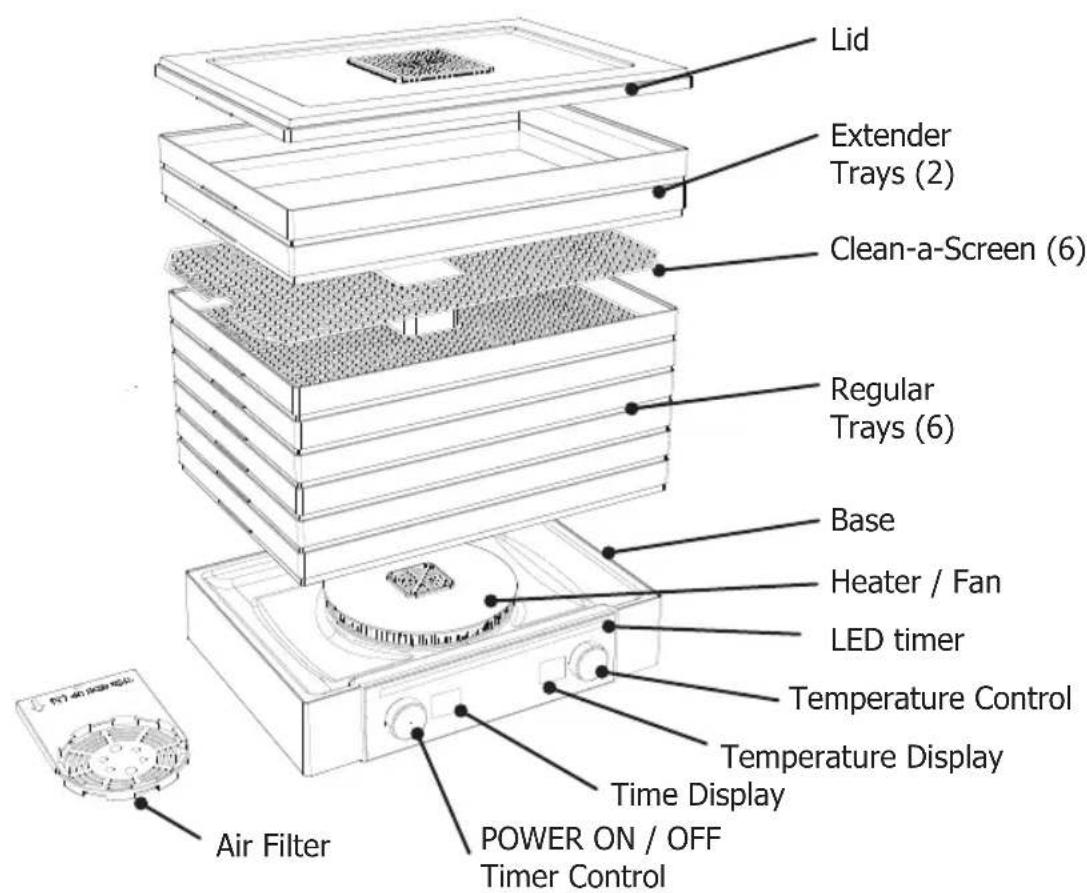
FEATURES
Available Accessories
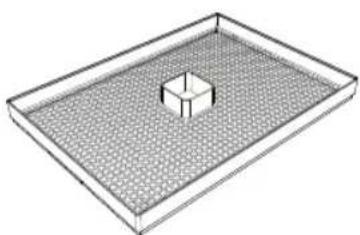
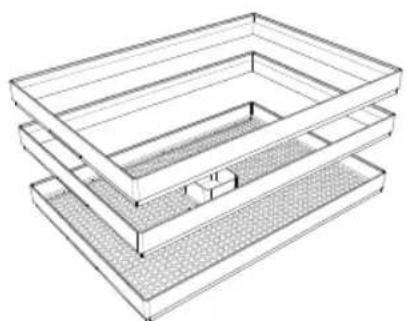
Regular Tray
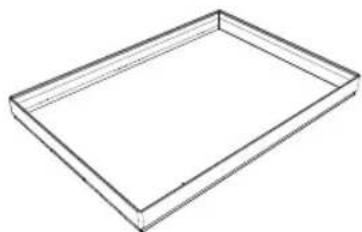
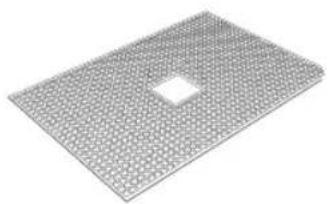
Expander Tray Clean-A-Screen

Use Expander trays to increase the height of regular trays for taller foods and crafts.
FUNCTIONS
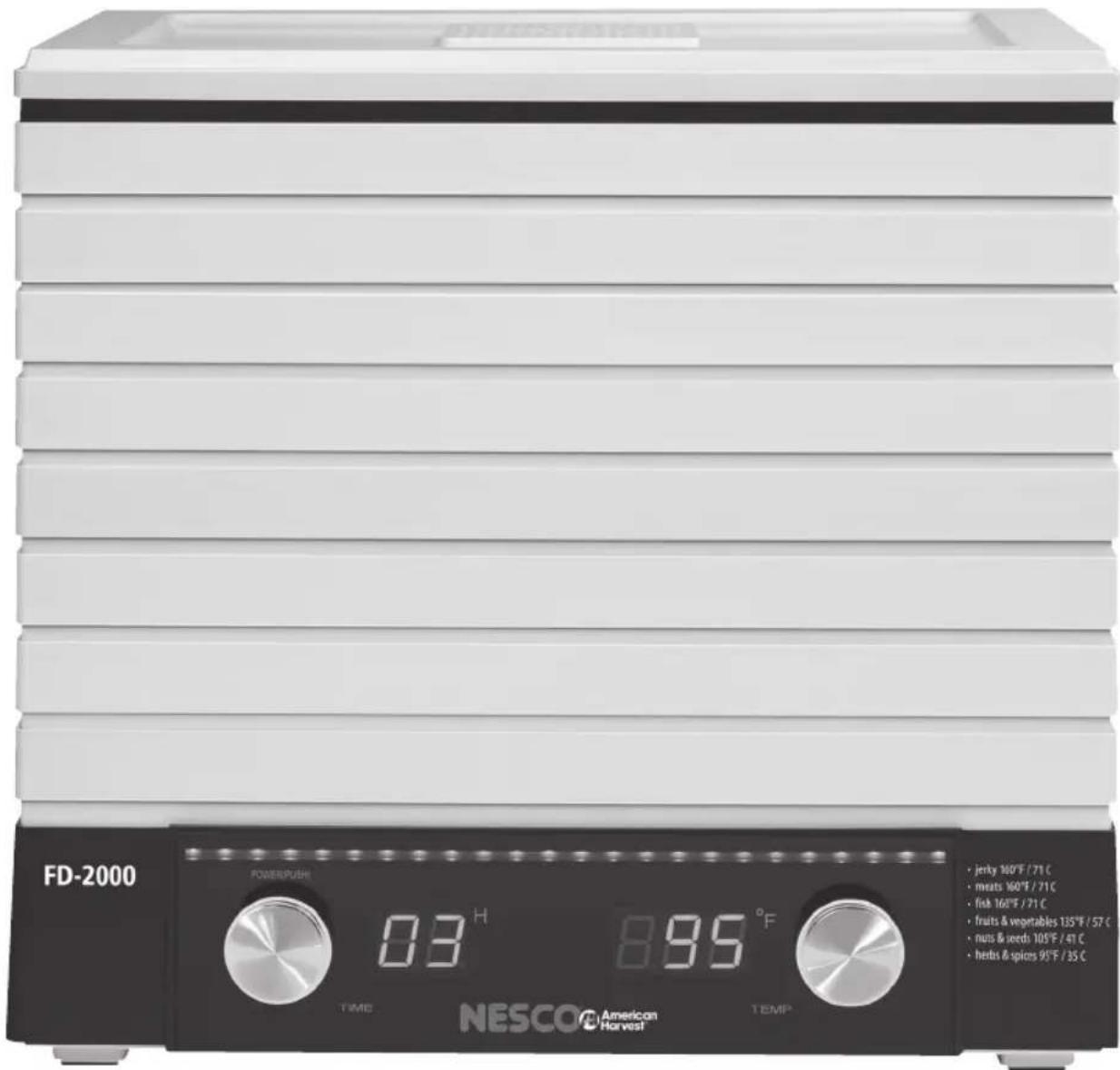
- Air Filter - Located in back of the base. Intake air, is filtered, keeping base free of debris. Requires frequent inspections and cleaning.
- POWER Control - Press to turn ON / OFF appliance.
- Time Control - Turn to set Time in hours (1 - 24). Time will countdown from desired setting.
- Time Display - Indicates drying time setting remaining in large digits for easy reference.
- Temperature Control - Turn to set drying temperature (95^ - 160^)
- Temperature Display - Indicates drying temperature setting in degrees Fahrenheit.
- LED Timer - Indicates, by percentage of setting time, remaining on drying cycle.
- Base unit - Contains the motor, heater, controls and filter. DO NOT IMMERSE IN WATER OR OTHER LIQUIDS! Wipe with clean, soft, damp dish towel or sponge with light cleaning solution.
- Regular Tray - Durable ABS material, BPA free. Over 1.25 sq. ft. drying area.
- Clean-A-Screen - BPA free flexible mesh for smaller foods like Herbs and Spices or foods that tend to stick.
- Extender Trays - Durable ABS, BPA free. Open bottom to increase regular tray height for taller foods and crafts.
- Lid - Durable ABS, BPA free.
CARE AND CLEANING
Appliance Base:
Use a damp soft cloth or towel to remove any dried food residue from the power head unit. Avoid dripping any water or other liquid into electrical parts. CAUTION: DO NOT IMMERSE POWER UNIT IN WATER OR OTHER LIQUID! Do NOT remove any parts from the power head unit!
CAUTION: Be sure power head unit is unplugged before cleaning.
Trays (including extender trays, lid and Clean-A-Screen):
Your dehydrator trays are easy to clean. Simply soak in warm water with a mild detergent for several minutes. A soft-bristle brush will loosen food particles that resist softening by soaking. Don't clean any parts with scouring pads, abrasive cleaners, or sharp utensils, as they tend to damage the surface. Trays/base can be washed on the top rack of your dishwasher if you remove them before the drying cycle.
Service
- Should you experience any problems with your dehydrator, please call Customer Satisfaction at NESCO® /American Harvest® at 1-800-288-4545.
OPERATING INSTRUCTIONS
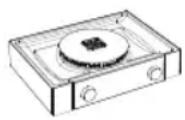
Step 1 - Place base on flat, dry and stable surface. Six inches away from walls an other electronic devices.
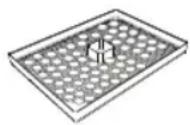
Step 2 - Prepare foods or crafts and load to trays. Keep items from center air hole and space between items for best results. For taller items use Extender trays. For smaller items like herbs and spices use Clean-A-Screen mesh liner.
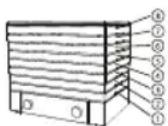
Step 3: Stack loaded trays onto base keeping edges of trays properly aligned. Place lid on top tray.
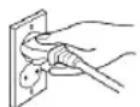
Step 4: With dry hands, plug power cord into 120V, 15A, 60Hz electrical outlet.
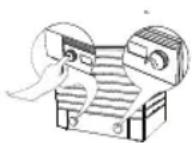
Step 5: Press Power ON / OFF button and set drying time using timer control dial. Then set drying temperature using temperature control dial. Refer to Care/Use guide or chart on appliance front.
PRECAUTIONS
- Wash hands thoroughly prior to handling food.
- Clean all utensils and containers with a mild solution of detergent, bleach and water before using.
- Make sure all countertops and cutting boards are thoroughly cleaned in the manner above before using. Wooden or plastic cutting boards should be thoroughly disinfected.
- Keep foods in the refrigerator before preparing for drying. Store dried foods in refrigerator or freezer.
- After opening sealed containers of dried food, use food as soon as possible.
- Store opened containers of dried food tightly sealed in the refrigerator to maintain freshness and quality.
- Do not spray vegetable oil directly onto surface of trays.
- Do not dehydrate foods that have been prepared with or marinated in alcohol.
- Trays are only intended to be used with your NESCO® /American Harvest® Food Dehydrator. Do not use trays either in a conventional oven or with any other appliance.
GENERAL DRYING GUIDELINES
Certain varieties of produce, the humidity in the air, and even methods of food handling make quite a difference in the drying time and quality of the dried product.
-
Experiment with different drying temperatures, thickness of food, pre-treatment versus no pre-treatment and different re-hydration methods.
-
To save nutrients and produce a quality product, it is necessary to work fast preparing foods to dry. When placed in your dehydrator, they need to dry continuously at the recommended temperatures and times. Do not turn off your dehydrator or leave partially dried food on the trays as it may spoil or develop "off" flavors.
-
Spread all foods evenly to dry in single layers. If slices overlap, the areas that are overlapped will take twice as long to dry.
-
Do not add fresh produce to a partially dried batch. It will slow the rate of drying for both products. It is possible, however, to combine partially dried foods on to fewer trays.
-
Many people have more than one NESCO^® /American Harvest dehydrator. If you have two, it's easy to combine a load from both dehydrators after a few hours and start a new batch in your second dehydrator using the remaining trays.
Selecting Foods To Dry
- Select the best quality produce at the peak of ripeness and flavor.
- Wash carefully to remove debris, dust and insects.
- Cut away bruised or damaged sections.
Loading Trays
- Lay food pieces evenly on trays.
- Don't overlap food pieces, as this will inhibit drying time. As each tray is loaded, place it on the dehydrator to begin drying.
Drying Time
- Drying times may vary, depending on the type and amount of food, thickness and evenness of the slices, percentage of water in the food, humidity, temperature of air, altitude and the model of NESCO®/American Harvest® dehydrator you are using.
- Drying times may also vary greatly from one area to another and from day to day, depending on the climatic conditions. Keep records to help you predict drying times for specific foods.
Drying Temperature
- Fruits, fruit rolls and vegetables should be dried at 130^ to 140^ (55C to 60C). By drying foods in this temperature range you will minimize the loss of heat-sensitive vitamins A and C.
- All foods sweat when they begin to dry, the temperature may be set higher than 140^ (60C) during the first couple of hours of drying. The actual temperature of the food will remain 15^ to 20^ (6C to 8C) lower than the air temperature for the first couple of hours.
-
Meats and fish should be dried on the highest temperature setting of your dehydrator. These temperatures keep bacteria and other micro-organisms, common to meat and fish, to a minimum during the first stages of drying.
-
Nuts and seeds are high in oil, and if higher temperatures are used, they will tend to become rancid, developing off flavors. The best temperature is from 95^ to 105^ (35C to 41C).
- Herbs and spices are most flavorful when they first open and should be harvested while very fresh, before they begin to blossom. Because the aromatic oils are very sensitive, temperatures should be 95^ to 105^ (35C to 41C) for drying. Take care not to load trays too heavily as this will prolong the drying time.
- Dried flowers, herbs and spices used for potpourri should be dried at temperatures ranging from 95^ to 105^ (35C to 41C) to maintain aroma and color.
Packaging
- Some pieces may dry in a shorter time than others. The dried food should be removed and placed in an airtight container while allowing the rest of the pieces to remain in the dehydrator until sufficiently dry.
- Package all dried foods promptly to prevent contamination and to prevent stickiness and re-hydration caused by humidity. Store dried foods in airtight, moisture proof containers.
Home vacuum packaging devices are ideal for packaging dried foods. They extend the shelf life of dried foods 3 to 4 times. - Since most packaging materials are transparent, store packaged dried foods in a plastic or metal container that will not allow the light to penetrate. Do not store fruits and vegetables together in the same storage container because flavor and moisture may transfer.
- Fruit rolls are best if removed while still warm. Wrap in plastic wrap and place in airtight moisture-proof containers for storage.
- Onions and tomatoes are especially prone to absorb moisture from the air and should be packaged immediately after removing from the dehydrator.
Testing for Dryness
- Food must be monitored during the final stages of dehydrating to prevent overdrying. Over-dried foods lose quality in texture, nutrition and taste. To test for dryness, remove a piece of food, let it cool and feel with your fingers for dryness.
- Fruits are pliable and leathery with no spots of moisture. Tear in half, pinch and watch for moisture drops along tear. If no moisture then it is sufficiently dry for long term storage.
- Jerky should be tough, but not brittle.
- Dried fish should be tough, but not brittle. If the fish is high in fat it may appear moist due to the high oil content.
Vegetables should be tough or crisp. - If foods are insufficiently dried, or are exposed to moisture from faulty packaging, they can lose quality and nutrition, and can even mold during storage.
Storage
- The storage area should be cool, dry and as dark as possible. The darker and cooler the storage area, the longer the dried foods will last with good quality and nutritive value.
- The ideal storage temperature for dehydrated food is 60^ (15C) to below freezing.
- The ideal storage place is your freezer or refrigerator, particularly for storing low acid foods such as meats, fish and vegetables.
DRYING FRUITS
Fruits are ideal to dry because they have a natural high sugar content. They are high in acid (and consequently less prone to spoilage and micro-organisms), and taste delicious!
Seasonally, fruit can be obtained in bulk from orchards or farms for considerably lower prices than you may find in the supermarket.
Selection
Fruits picked at their prime have the highest natural sugar content and the best nutritional value. For the best quality product, choose only fresh, ripe unblemished fruits.
Preparation
Wash fruit thoroughly and remove any imperfections. Remove skins (if desired), stems and seeds. Halve or slice in 1/4'' to 1/2'' circles or slices (a food processor or slicer will speed the slicing and ensure uniform slices, which will allow fruits to dry at the same rate.) Some fruits have a natural protective wax coating such as figs, prunes, grapes, blueberries, cranberries, etc. If you want to dry these fruits whole, dip into boiling water for 1 to 2 minutes (the amount of time needed depends on the thickness and toughness of the skin) to speed dehydration. This makes the skin more porous by removing the natural wax coating and thereby speeds up the drying time. This process is called 'checking.' Small lines appear on the fruit skin allowing moisture to escape but may be too fine to be visible. Many fruits can be dried in halves with the pits removed. If they are dried with the skins on, be sure to place them skin-side down to prevent fruit and pulp from dripping down through the trays. Check frequently near the end of the drying process and remove pieces as they become dry. To peel or not to peel is a decision only you can make (if the fruit has been artificially waxed, it should definitely be peeled to remove the wax). The skin has nutritional value, but skins tend to be very tough when dried and fruits take longer to dry with the skins on. Try fruits both ways - peeled and unpeeled - then decide for yourself. Pre-treat if desired and place the fruit into the dehydrator to dry at 135^ (57C).
Pre-Treatment
Pre-treatment minimizes oxidation, and gives you a superior quality, better tasting product with less vitamin loss. Apples, pears, peaches and apricots are better when pre-treated. They are more appetizing, have a longer shelf life and higher nutritional value. Place cut fruits that tend to brown in a holding solution of ascorbic acid to reduce browning during preparation. Do not keep cut fruit in a holding solution for more than one hour. Pre-treatment can vary from soaking in fruit juice, ascorbic acid mixtures, syrup blanching, steaming, to sulfating. The results of these methods also vary. Experiment and decide for yourself which one you like best.
Natural Pre-Treatment:
Fruit juices containing ascorbic acid may be used as a natural pre-treatment to reduce browning. Although there will be some loss of color, pineapple, orange, lemon, or lime juice can be used. Ascorbic acid mixtures, available from your supermarket, can also be used. Follow the directions on the package. Slice fruit directly into juice or ascorbic acid mixture. Soak 5 minutes and place on trays. Fruits can also be dipped in honey or a honey/juice mixture.
| FRUIT DRYING GUIDE | |||
| Food Preparation | Drying Time Uses | ||
| Apples Pare, core, | cut in 3/8" Pre-treat | 4-10 hours | Applesauce, pies, rings, snacks, breads and cookies |
| Apricots Cut in half | half, remove pit and cut in quarters. Pre-treat | 8-16 hours | Desserts, muesli, meat dishes, pies and sauscs |
| Bananas Peel, cut | in 3/8" slices or divide lengthwise | 6-12 hours | Snacks, baby food, granola, cookies, and banana bread |
| Blueberries Wash | and remove stems. Dip in boiling water until skins crack | 10-18 hours | Breads, baked goods, snacks, ice cream, yogurt |
| Canned Fruit Drain | well. If small, place on mesh screen | 6-12 hours | Snacks, breads, granola |
| Cherries Wash, re | move stems and pit | 18-26 hours | Breads, baked goods and snacks |
| Citrus Fruits Peel, | if desired. Slice 3/8" thick | 6-12 hours | Flavorings when powdered |
| Cranberries Wash | and remove stems. Dip in boiling water until skins crack | 10-18 hours | Breads, baked goods, snacks ice cream, yogurt |
| Coconut Remove dark outer skin, slice 3/8" thick | 3-8 hours | Cakes, cookies, desserts and granola | |
| Figs | Remove stems | 8-15 hours | Fillings, cakes, halve puddings, breads and cookies |
| Grapes | Leave whole, remove stems (if blanched) | 10-36 hours | Raisins; use in baked goods, cereals and snacks |
| Kiwi | Peel, slice 3/8" to 1/2" thick | 6-10 hours. | 5-12 hours Snacks |
| Lemon Powder | Zest of Rind | 8-12 hours | Seasoning rubs and marinade |
| Mangos | Remove skin, slice 3/8" thick | 6-16 hours | Snacks, cereals and baked goods |
| Melons | Remove skin & seeds. Cut 1/2" thick | 8-20 hours | Snacks |
| Food Preparation | Drying Time Uses | ||
| Nectarines Quarter | or slice 3/8" to 1/2" thick Pre-treat | 6-16 hours Snacks, snacks, desserts and baked goods | |
| Oranges, Limes, Lemons | Slice 1/4" thick 2-12 hours | Crafts, snacks, and baking | |
| Peaches Peel if desired, Halve or quarter Pre-treat | 6-16 hours Snacks, breads, cobblers, cookies and granola | ||
| Pears Peel, core, and slice 3/8" thick. Pre-treat | 6-16 hours Snacks, breads, cookies, fritters and granola | ||
| Pineapple Peel, core, slice 3/8" to 1/2" thick | 6-12 hours Snacks, baked goods and granola | ||
| Plums, Prunes Halve or quarter and remove pit | 8-16 hours Snacks, cookies, muffins, bread and granola | ||
| Rhubarb Slice in 1" lengths. Steam until tender | 6-14 hours Pies, tarts and other desserts | ||
| Strawberries Halve or slice 1/2" thick 6-12 hours | Snacks, cereals, and baked goods | ||
DRYINGVEGETABLES
Some vegetables are quite good dried. Others lose their appeal and are better frozen or fresh. Some vegetables are far better frozen than dried, if you must preserve them. Vegetables have a low acid and sugar content that makes them more subject to spoilage, and tend to have far shorter shelf life than dried fruits. Packaging and ideal storage conditions are key elements to producing dried vegetables which will taste as good in December as they did from your Summer garden!
Selection
Choose fresh, crisp vegetables for a high quality dehydrated product. Just like fruits, vegetables should be picked ripe and dried as soon as possible to minimize loss.
Preparation
Wash vegetables thoroughly and remove any blemishes. Peel, trim, core, and/or slice vegetables.
Blanching
Most vegetables must be blanched, either steaming over boiling water or in the microwave oven to slow the enzyme action which will continue during drying and storage.
Note: Blanching softens the cell structure, allowing the moisture to escape more easily and also allows vegetables to rehydrate faster. There is no need to blanch onions, garlic, peppers, and mushrooms. Herbs also are not blanched. Water blanching is not recommended because of the loss of water-soluble vitamins and minerals.
Steam Blanching
Use a commercial steamer or a pan with a tight fitting lid and a steaming rack. Bring about 1 inch of water to a brisk boil and drop in sliced vegetables. Cover. Steam until vegetables are heated completely through, but not cooked. This is usually about 1/3 of the time required to cook the vegetable. Vegetables should still be crunchy. Drain in steamer rack and place immediately on dryer trays.
Microwave Blanching
A microwave oven is ideal for blanching vegetables. Prepare them in the same manner as for steam blanching. Place them in a microwave-safe dish, cover and cook on high for about 1/2 of the time required to completely cook the fresh vegetable. Depending on the age and design of your microwave, you may want to stop the cooking half-way through and stir the vegetable to achieve a more even blanching.
Drying
Load blanched vegetables onto drying trays, making sure that air can move freely between the pieces. For vegetables, such as corn or peas, that tend to clump together, stir occasionally to allow air to reach all of the pieces. Vegetables are dried until they are crisp, tough, or brittle. Package immediately after drying to prevent absorption of moisture from the air. Usual drying temperature for vegetables is 130^ to 145^ (55C to 63C).
VEGETABLE DRYING GUIDE
Vegetables will also vary in their drying times. Blanching decreases drying times, but not all vegetables are blanched. Again, the average drying times in the following table are general and depend on different variables.
| Food Preparation Drying Time Uses | ||
| Artichoke Cut hearts into 1/8" strips. Blanch | 6-12 hours Marinate or dip in batter and fry | |
| Asparagus Wash and cut into 1" pieces. Blanch | 3-10 hours Rehydrate, serve in cream sauce | |
| Beans: Green/Wax Remove ends, cut into 1" pieces. Blanch | 6-12 hours Stews, soups and casseroles | |
| Beets Steam until tender. Cool and peel. Cut to 1/2" | 3-10 hours Soups and stews | |
| Broccoli Wash, cut as for serving. Blanch | 4-10 hours Soups, quiche or souffles, cream or cheese sauce | |
| Carrots Peel, cut ends, slice in 3/8" thick or shred. Blanch | 6-12 hours Salads, soups, stews and carrot cake | |
| Cauliflower Wash, cut as for serving. Blanch | 6-14 hours Soups and stew | |
| Celery Trim, wash and cut for 1/2" slices. Blanch in celery salt (add equal parts solution of 1/2 t baking soda and salt) to 1 cup water | 3-10 hours Soups, stews and celery powder | |
| Corn Husk, remove silk and blanch. Remove from cob | 6-12 hours Fritters, soups, stews or grind for cornmeal | |
| Eggplant Slice 1/4" thick. Peel, Blanch | 4-14 hours Cream sauces, casseroles, dip in batter and fry | |
| Garlic Separate and peel cloves | 6-12 hours Powder for seasoning | |
| Mushrooms* Clean with soft brush, don't wash | 4-10 hours Rehydrate for soups, salads, omelets or frying |
| Food Preparation | Drying Time Uses | ||
| Onions Remove skins, tops, and root ends. Slice 3/8" thick | 6-12 hours Soups | 6-12 hours Soups | stews and sauscs. Powder for seasoning salt. Package immediately |
| Peas Shell, wash and blanch 5-14 hours Soups, stews and mixed vegetables. | |||
| Peppers Remove stem & seeds. Cut into 1/2" pieces | 5-12 hours Soups | 5-12 hours Soups | stews, stews, pizza, meat dishes and seasoning |
| Peppers (hot) Wash, slice or cut in half. Remove seeds if you desire a milder pepper | 3-20 hours Soups | 3-20 hours Soups | stews, pizza, and seasoning |
| Potatoes** Use white potatoes | Peel and slice 3/8" thick Blanch. Rinse and dry | 6-12 hours Stews | sows, soups and casseroles |
| Tomatoes Wash and slice 3/8" thick or dip in boiling water to loosen skins, then halve or quarter | 6-12 hours Soups | 6-12 hours Soups | stews and stews. Powder in blender and add water for paste or sauce. Dry in roll-up form for pizza sauce |
| Zucchini or Squash | Wash, remove ends and slice 3/8" thick or grate Steam if you plan to rehydrate | 5-10 hours Bread | chips with dip, soups and casserole. (1 week shelf life) |
- Dry at 90^ F for 2 to 3 hrs.,then increase temperature to 125^ F and dry for remaining time.
** Blanch for 5 minutes or until translucent. If not steamed long enough, they will turn black during drying and storage.
DRYING JERKY
Jerky is a favorite snack for school, lunch, on the trail or just about anywhere! It is made by seasoning lean, raw meat in a salt mixture, then drying it without cooking. The finished product is a protein-rich exercise in chewing and ever so delicious! Jerky also makes a savory broth base for soups and stews.
Meat Jerky
Homemade jerky is much less expensive than jerky slices or sticks purchased at a grocery or convenience store. Most lean meats will yield about 1 pound of jerky for 3 pounds of fresh meat.
Drying Meat
Jerky may be made from a variety of wild game meats, fish and poultry. Use files of fish and the breast of chicken. When purchasing meats for jerky, choose lean meats with minimal marbling (fat), as fat tends to get rancid during storage. A lean cut of flank steak or round steak makes excellent jerky.
You can make delicious jerky from ground meat, using the NESCO®/American Harvest® Jerky Works™ kit. It's best to use ground round or lean (or extra lean) meat. Season with NESCO®/ American Harvest® Jerky seasoning mixes.
When making jerky from pork, chicken or turkey, use precooked and processed meat. Be sure to dry it at the highest temperature setting. After drying, heat it in our oven at a minimum temperature of 165^ (74C) for at least 30 minutes as a precaution against the risk of salmonella. When you are jerking game meats, freeze the meats for at least 60 days at 0^ (-18C) before drying as a precaution against any diseases the animal might be carrying. Then thaw meat, add seasonings and press into strips or sticks, and place on trays to dry.
Preparation
With a sharp knife, remove all fat, gristle, membranes and connecting tissue. Cut into strips 1/4'' to 3/8'' thick and 5'' to 6'' long. It is easier to slice partially frozen meat for jerky. Cut meat in uniform thickness so it will dry in the same amount of time. Cut strips across the grain to produce jerky that is easier to break apart and chew.
Marinate cut meats in store-bought or your own recipe marinade for 4 to 8 hours in the refrigerator before drying. NESCO^® /American Harvest Jerky seasonings can also be used to marinate by mixing one package of cure, one package of spice/seasoning and 1/4 to 1/2 cup of water per pound of meat. Marinating adds flavor as well as tenderizes. The longer the meat marinates, the more flavorful the jerky. If you use your own recipe, be sure to use a curing spice combination that includes Salt, Sodium Nitrite to prevent bacterial growth during the initial stages of drying. Cure packs can be obtained by calling our Customer Satisfaction at 800-288-4545.
To make jerky from ground meat, choose 85% to 90% lean meat. Beef, venison, buffalo and turkey are the most popular choices. Ground meat jerky is easier to make, dries faster, and is less expensive and easier to chew than jerky slices. Add one package each of jerky seasoning mix and cure per pound of ground meat. Mix well and form into strips by using our Jerky Works™ Kit or a cookie press. Place on trays and dry.
BEEF JERKY MARINADE
Note: Use this recipe for beef, venison or other game meats.
1 Lb. sliced meat
4 Tbsp. soy sauce
4 Tbsp. worcestershire sauce
1 Tbsp. tomato sauce
1 Tbsp. grated ginger root (optional)
1/4 tsp. black pepper
(cayenne pepper for hotter jerky)
1 Tbsp. curry powder (optional)
2 Cloves garlic
OR;
1 Packet NESCO®/American Harvest® Original jerky seasoning.
1 Packet jerky cure
1/4 Cup water
Marinate the meat for 4 to 6 hours, then drain. Place on trays to dry.
Easy Homemade Jerky from Lean Ground Meat using the Jerky Works™ Accessory Mix in spice and cure. Fill Jerky Works™ Jerky gun and extrude meat on tray ENJOY!
TERIYAKI MARINADE
1 Lb. sliced meat
1 Cup teriyaki sauce
1 tsp. minced garlic
OR;
1 Packet NESCO®/American Harvest® Teriyaki jerky seasoning.
1 Packet jerky cure
1/4 Cup water
In bowl, mix all ingredients except meat. Add slices and marinate at least four hours in refrigerator. Remove slices from marinade and let excess drip off, then place on Clean-A-Screen® sheets on dehydrator trays. Be sure strips do not overlap. Dry.
Drying Meat
Meats should be dried at 160^ (71C). Depending on how thick the meat is cut, how heavily the dryer is loaded, and the humidity, jerky takes from 4 to 15 hours to dry. Pat jerky with clean paper towels several times as it dries, to remove the oil that accumulates on the top of the jerky.
When removing jerky from dehydrator trays, wrap it in paper towels and let it stand for a couple hours prior to packaging. Excess fat will be absorbed in the paper towels and the shelf life will be extended.
Storage
Beef jerky that is stored un-refrigerated will start to go rancid at room temperature after 3 to 4 weeks. Refrigerate or freeze for longer storage or until your are ready to go on a trip or camping. If any ice crystals have formed inside bag, re-package in a dry container. If jerky is dried thoroughly, it will last for several weeks in the outdoors or while traveling. All types of jerky must be dried sufficiently to avoid mold. If mold is found inside a storage bag of jerky, the whole container must be thrown away.
Drying Cooked Meats
If you are drying meats for other purposes than jerky such as for stew, sandwich spreads or stroganoff, the meat should be tender and choice. It must be cooked so it will not be tough and chewy when reconstituted. Using the remainder of a dinner roast or leftover steak saves the step of precooking the meat. Dehydrate those leftovers for snacks, backpacking and camping meals.
The shelf life of dried, cooked meats is 2 to 3 weeks at room temperature. Store in refrigerator or freezer to maintain the best quality until ready for use for backpacking or camping. They will stay fresh and tasty for up to 6 months in the freezer.
Drying Fish
Lean fish can be used for jerky. You can also dry fat fish, but it will not keep at room temperature more than a week. Fish jerky should contain about 15% moisture when it is completely dry. It will be pliable and firm. If there is any doubt about the dryness, store in refrigerator or freezer to avoid the risk of spoilage.
Cooked fish may also be dried, although it has different taste than fish jerky. It still makes a nice snack. Re-hydrating cooked fish is not recommended because the resulting product isn't very good.
Selection
Choose fresh fish to dry. If you catch the fish, clean it promptly and keep on ice until you are ready to dehydrate. If you are purchasing fish, make sure it is fresh and not previously frozen. Frozen fish can still be made into jerky, but be aware that the quality is inferior to fresh.
Preparation
Cut fish into 1/4 to 3/8 inch thick strips. Marinate in your own favorite marinade. When using your own recipe, be sure to include at least 1-1/2 to 2 teaspoons salt per pound of fresh fish. Salt slows the growth of surface bacteria during the initial stages of drying. Marinate for at least 4 to 8 hours in refrigerator so fish will absorb salt and seasonings.
Drying
Dry fish jerky at 130^ to 140^ (55C to 60C) until they feel firm and dry, but don't crumble. There should be no moist spots.
Packaging and Storage
Follow guidelines for Packaging and Storage on page 9 and 10. Store dried fish jerky in freezer if it will not be consumed within 2 to 3 weeks.
DRYING HERBS
Fresh herbs and spices have a stronger aroma and flavor than commercial dried herbs and spices. They are prized by food lovers and gourmet cooks.
Dried herbs and spices are used more often than fresh because they are more readily available and convenient to use. Although some flavor is lost when they are dried, it becomes more concentrated because so much moisture is removed. Most herbs contain from 70 to 85 percent water. Eight ounces of fresh herbs will yield about one ounce dried
Gathering Herbs
The flower, seeds, leaves and stems of herbs can all be used for seasoning. Leaves and stems should be gathered early in the morning before the heat of the sun dissipates the flavoring oils.
Leaves should be harvested before plant begins to flower and while still tender. Snip stems at base, taking care to leave sufficient foliage for plant to continue growing. The new leaves at tip of plant have the most concentrated flavor.
Plants usually survive three or four major harvests and, depending on climate, may produce all year round. Cold frames extend growing season and a sunny kitchen window will allow potted herbs to produce all year long.
When plants have begun to flower, a bitter taste develops and leaves are not as aromatic because the energy has gone into producing buds.
The flowers of some herbs may be used for seasoning. They should be harvested when they first open and while still very fresh. Seeds, such as caraway or mustard, are harvested when they are fully mature and have changed from brown to gray.
Preparation
Leaves and stems should be lightly washed under cold running water to remove any dust or insects. Remove any dead or discolored portions.
To dry large-leafed herbs, such as basil and sage, strip leaves from stem, cut in half across the leaf and place on a Clean-A-Screen® lined tray. Cutting allows dry air to get inside the stem and will shorten drying time.
To dry small-leafed herbs, like thyme, place on a Clean-A-Screen® lined tray. This helps keep dried herbs from falling through tray. As small herbs dry, they may fly around inside dehydrator. If this happens, place another screen over drying herbs to keep them in place.
If flowers are to be used in teas, dry them whole. Wash and separate petals, and remove any tough or discolored parts. When seedpods have dried, their outer covering may be removed. Rub seeds between palms of your hands while blowing to remove husks. Place larger seeds on a Clean-A-Screen sheet. Dehydrate until there is no moisture evident. If seeds are to be used for planting, dry at room temperature to maintain germination ability.
Testing for Dryness
Herbs are dry when they snap and crumble easily. Stems should be brittle and break when bent. Seeds should be brittle and usually need additional drying after they are removed from the seed pods.
To be certain that herbs are sufficiently dry, place in an airtight container for several days. If condensation appears on inside of container, they need further drying.
Packaging
Dark colored jars with airtight lids are ideal for storing herbs. They don't allow light in, which tends to fade and weaken herbs. You can use other containers as long as they exclude air, light and moisture. Air and light result in flavor loss; moisture results in caking and color loss or insect infestation.
Storage
As with other dried foods, dried herbs and seeds should be stored in the coolest place available, preferably below 60^ (15C), to maintain best flavor. Do not crush or grind until ready to use. Crushing exposes more surfaces to the air, resulting in flavor loss. With proper packaging and good storage conditions, dried herbs, seeds and spices should keep well for 6 - 12 months.
Using Dried Herbs & Spices
Since herbs and spices are usually 3 to 4 times stronger than their fresh counterparts, use conservatively. Their taste should be subtle and not overpowering. The zest of dried herbs is dependent upon storage condition and length of time stored. Sharpness of flavor deteriorates with age. Some herbs, such as mint or basil, lose their flavor more rapidly than others when dried. It may take nearly an equal volume of some dried herbs to replace the amount of fresh called for in the recipe.
HERB DRYING GUIDE
Most herbs may be dried in your NESCO®/American Harvest® dehydrator right on the plant stalk and stem. Seeds and leaves are easily stripped from the plant when dry. Drying temperature should not exceed 90^ to 105^ (35C to 41C). Do not dry herbs with fruits and vegetables. Store in glass containers in a cool, dark place to reduce flavor loss. Label clearly before storage because they are difficult to recognize when dry. Do not powder leaves until you are ready to use.
| Food Preparation | Drying Time Uses | ||
| Anise Leaves Rinse | in cold water, and pat dry | 1-3 hours Soups | stews, sauscs, vegetable and fruit salads |
| Anise Seeds Rinse | in hot water, pat dry | 2-5 hours Rehydrate, serve in cream sauce | |
| Basil Leaves (break veins, and stems to aid drying) | Clip leaves 3 to 4 inches from top of plant just as first buds appear, pat dry | 20-24 hours Italian and Mediterranean tomato meat dishes, salads, soups, fish, poultry and egg dishes | |
| Caraway Clip entire plant. Dip in boiling water, pat dry | 2-5 hours Pork | sauerkraut, rye bread, cheese, vegetables, cookies | |
| Chili Peppers Rinse and dice, pat dry 5-12 hours | 20-24 hours Mild onion flavor, use in moist recipes | ||
| Chives Leaves Chop, rinse in cold water, pat dry | 15-18 hours M | Mexican, Chinese and Mediterranean dishes | |
| Cilantro Leaves Clip with stems. Rinse in cold water, pat dry | |||
| Coriander Clip entire plant. Dip in boiling water, pat dry | 2-5 hours Sausage, pickling spices, Seeds apple, and pear dishes | ||
| Cumin Seeds Rinse in cold water, pat dry | 2-5 hours Currres and chili dishes | ||
| Dill Leaves | Rinse in cold water, pat dry | 1-3 hours Salads, vegetables, potatoes and fish | |
| Fennel | Rinse in cold water, pat dry | 1-3 hours Salads, soups or stews | |
| Garlic Clove | Cut in half lengthwise, pat dry | 6-12 hours Salt, powder, recipes | |
| Ginger Root Rinse | ,slice 3/8" or grate, pat dry | 2-5 hours Meat | dishes, vegetables, cookies and desserts |
| Ginger Leaves Rinse in cold water, pat dry | 1-3 hours Soups | ||
| Marjoram Leaves | Rinse in cold water, pat dry | 1-3 hours Italian | meat, fish, egg and poultry dishes |
| Mint Leaves Rinse in cold water, pat dry | 20-24 hours Saues, mint jelly and lamb dishes | ||
| Mustard Seeds Rinse in cold water, pat dry | 2-5 hours Corned beef, sauerkraut, salad dressings and cabbage | ||
| Oregano Leaves Rinse in cold water, pat dry | 15-18 hours Italian | Greek, Mexican and tomato dishes | |
| Parsley Leaves/stems | Rinse in cold water, pat dry. | 20-24 hours Powder, use leaves for flakes | |
| Rosemary Leaves | Rinse in cold water, pat dry | 20-24 hours Barbecue sauces, poultry, meats, egg dishes, lamb and vegetables | |
| Sage Leaves/stems | Rinse in cold water, pat dry | 20-24 hours Poultry, pork, lamb, veal and fish dishes | |
| Tarragon Leaves | Rinse in cold water, pat dry | 20-24 hours Sauses, salads, fish and poultry | |
| Thyme Leaves | Rinse in cold water, pat dry | 1-3 hours Meat | fish, poultry dishes, green beans, beets, carrots and potatoes |
Rehydrating Dried Food
Rehydrate by placing dried foods in a container (with enough water to cover food) and soaking for 30 minutes to 2 hours. Boiling water rehydrates foods more quickly than cold water. Fruits or vegetables may also be rehydrated in liquids other than water, including fruit juices, cider, vegetable juices, milk, consomme, etc. Refrigerate these foods while they are soaking to reduce any risk of spoilage. Do not add seasonings, especially salt or sugar, during rehydration because they slow the rehydration process.
Cooking with Dried Food
After rehydrating food, cook it as you would normally. If foods are cooked before they are fully rehydrated, they will cook in a shriveled state and will not be plump.
Most fruits and vegetables will rehydrate to about 80% of their fresh state.
Consequently, they are a littlemore chewy than a fresh or frozen fruit or vegetable, even when rehydrated. Dried food used in cooking will absorb additional liquid, so adjust the recipe accordingly by adding more water.
Vegetables - add one additional cup of water for one cup dried food.
- Stewed fruits — add 2 additional cups of water for each cup of fruit, allow to stand for 1 hour and simmer until tender.
- Pies or fillings — use 1 additional cup of water per 1 cup of fruit – less, if you desire a thicker consistency.
Note: When using fruits in baking or for ice cream, they may be softened by covering with boiling water and allowing them to stand for 5 minutes. Then chop or blend, depending on use.
PET TREATS
TURKEY & SWEET POTATO TREATS FOR DOGS
This recipe can be served at any time of the year but they make wonderful treats at Thanksgiving so you can include your dog in the festivities. They are also attractive treats and packaged with clear cellophane and a ribbon, will make great gifts for friends with dogs.
Makes about 3 dozen treats, depending upon the size of the treats.
2 cups of turkey, cooked
1 cup water
1 cup sweet potato, cooked until soft
1 tablespoon molasses
1- 1/2 cups oatmeal, dry, uncooked
3 dozen cranberries, fresh or frozen
Shred or chop the cooked turkey so that it's in small pieces. Put the turkey and water into the food processor or blender until a thick paste. There should be no meat chunks. Add the sweet potato and molasses to the meat and puree until a thick paste. Pour or spoon the mixture into a large bowl. Add the oatmeal and mix well.
The dough should not be too wet or runny; if it is, add a little more oatmeal. Spoon the dough onto the dehydrator rack by teaspoonful. Place a cranberry on top of each treat, pressing it in slightly so that the berry stays on the treat. Leave treats in the dehydrator for four to five hours or until thoroughly dry but not crispy.
Store in an airtight container in the refrigerator. Treats will be good for about three weeks. To give as a gift, place the treats (cranberry side up) on a decorative holiday paper plate. Wrap in clear or holiday colored cellophane and gather the cellophane at the top of the plate. Tie the gathered cellophane with a holiday colored ribbon.
Variations: Use fresh or frozen blueberries instead of cranberries. Use cooked potatoes instead of sweet potatoes.
PET TREATS (continued)
KEALY'S FAVORITE FOR DOGS
Kealy is a tiny Pomeranian with a fluffy, golden coat. Kealy really likes this recipe and when I have some in my training treats bag, she follows me around, sitting pretty in front of me, in hopes that I will give her more!
Makes about three dozen treats, depending upon the size of the treats you make. 2 cups chicken, cooked, chopped into small pieces or finely shredded 1/2 cup applesauce, unsweetened, no cinnamon 1/2 cup spinach, fresh, finely chopped 1/2 banana
Put all the ingredients in a blender or food processor and puree until a thick paste. Drop by teaspoonful onto dehydrator racks. (Smaller spoonfuls for small dogs and larger spoonfuls for bigger dogs) Treats will need 3 to 5 hours in the dehydrator depending upon the size of the treat. (The outside of the treat will be dry and the inside soft.) When done, let treats cool on the rack. Store in an airtight container. Treats should be refrigerated if not fed to the dog within several days. They will be fine in the refrigerator for a couple of weeks. Excess treats can be frozen. Two to three treats for a small dog; four to five for a larger dog. Variations: Any of these substitutions will work just as well in this recipe and your dog will be just as enthusiastic about it. I grew the spinach, green beans, zucchini and summer squash in my garden so while making these treats, I just use what is ready to be picked. If you don't have a garden, check at your local farmer's market for what's fresh.
- Substitute turkey for the chicken.
- Substitute green beans, cooked, finely chopped, for the spinach.
- Substitute grated fresh zucchini for the spinach.
- Substitute grated fresh summer squash for the spinach.
TINY SHRIMP TREATS FOR CATS
This very simple recipe was a favorite with many of our taste test cats. Havoc, a huge, 13 year old Russian Blue, ate this with gusto and he's usually very picky! Makes as many treats as there are shrimp in the can; usually at least two dozen. 1 four ounce can small peeled shrimp. 1/3 cup catnip flowers, fresh. Open the can of shrimp and pour out the water the shrimp were packed in. Put the shrimp in a small bowl. Chop the catnip flowers into 1/4 inch pieces. Although some leaves are fine, discard any stems. Add the flowers to the shrimp and mix, taking care not to break up the shrimp. Some of the flowers will stick to the shrimp; others will not and that's fine. Put the shrimp and flowers onto the dehydrator rack. The shrimp and flowers should remain in the dehydrator for about two hours or until thoroughly dry. Remove shrimp and flowers from the rack and store in an airtight container in the refrigerator. One or two shrimp and a pinch of flowers makes a good treat for most cats. Variation: If you can't find any fresh catnip flowers, you can use dehydrated or dried catnip, just add it to the dehydrated shrimp as you serve your cat a treat.
ONE YEAR LIMITED WARRANTY
This appliance is warranted for one year from date of original purchase against defects in material and workmanship. This warranty does not cover transportation damage, misuse, accident or similar incident. This warranty gives you specific legal rights and you may have other rights, which vary from state to state. This product is intended for household use only, not for commercial use. Warranty does not cover commercial use.
Your new NESCO®/American Harvest® appliance comes equipped with numerous safety features. Any attempt to interfere with the operation of these safety features makes this warranty null and void. In the event we receive an appliance for service that has been tampered with, we reserve the right to restore it to its original state and charge for the repair.
For service in warranty - Defective products may be returned, postage prepaid, with a description of the defect to: The Metal Ware Corporation, 1700 Monroe Street, Two Rivers, Wisconsin 54241, for no-charge repair or replacement at our option. Must include proof of purchase or copy of original bill of sale when returning product for warranty service.
Please call Customer Satisfaction at 1-800-288-4545 to obtain a Return Authorization before shipping.
- For service in warranty, follow instructions set forth in warranty. When ordering new parts, make sure that you always mention the model number of the product.
- Call us on our toll free number, 1-800-288-4545 and tell us about your problem.
- If we instruct you to send all or part of your appliance to us for repair or replacement, our Customer Satisfaction representative will provide a Return Authorization number (this number notifies our receiving department to expedite your repair). Pack your unit carefully in a sturdy carton with sufficient padding to prevent damage because any damage caused in shipping is not covered by the warranty.
- Print your name, address and Return Authorization number on the carton.
- Write a letter explaining the problem. Include the following: your name, address and telephone number and a copy of the original bill of sale.
- Attach the sealed envelope containing the letter inside the carton. Insure the package for the value of the NESCO^ /American Harvest® appliance and ship prepaid to:
Attn: Factory Service Dept.
The Metal Ware Corporation
1700 Monroe Street
Two Rivers, WI 54241
MESURES DE PROTECTION IMPORTANTES
MINUSCULES FRIANDISES AUX CREVETTES POUR CHATS
Attn: Factory Service Dept.
The Metal Ware Corporation
1700 Monroe Street
Two Rivers, WI 54241
Attn: Factory Service Dept.
The Metal Ware Corporation
1700 Monroe Street
Two Rivers, WI 54241, USA
Thank you for choosing NESCO / American Harvest.

1-800-288-4545
For other available products, please call our Customer Satisfaction helpline 1-800-288-4545.

FOR ACCESSORIES AND
ADDITIONAL PRODUCTS
nesco.com
NESCO® American Harvest®
"NESCO®/American Harvest" is a registered trademark of The Metal Ware Corporation.
The Metal Ware Corporation, 1700 Monroe St., P.O. Box 237
Two Rivers, WI 54241-0237 Phone: 1 (800) 288-4545
©2014 The Metal Ware Corporation
All Rights reserved, including the right of reproduction in whole or part
Instructional manual part number - 67463