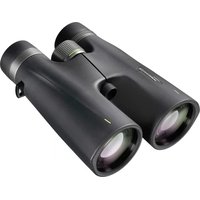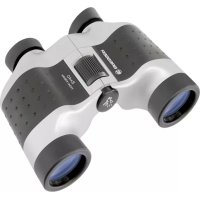
Junior 8X40 - Binoculars BRESSER - Free user manual and instructions
Find the device manual for free Junior 8X40 BRESSER in PDF.


Frequently Asked Questions - Junior 8X40 BRESSER
User questions about Junior 8X40 BRESSER
0 question about this device. Answer the ones you know or ask your own.
Ask a new question about this device
Download the instructions for your Binoculars in PDF format for free! Find your manual Junior 8X40 - BRESSER and take your electronic device back in hand. On this page are published all the documents necessary for the use of your device. Junior 8X40 by BRESSER.
USER MANUAL Junior 8X40 BRESSER
Never look through this device directly at or near the sun. There is a risk of BLINDING YOURSELF!
Children should only use this device under supervision. Keep packaging materials (plastic bags, rubber bands, etc.) away from children. There is a risk of SUFFOCATION.
Fire/Burning RISK!
Never subject the device - especially the lenses - to direct sunlight. Light ray concentration can cause fire and/or burns.
RISK of material damage!
Never take the device apart. Please consult your dealer if there are any defects. The dealer will contact our service centre and send the device in for repair if needed.
Do not subject the device to temperatures exceeding 60 C.
TIPS on cleaning
Clean the lens (objective and eyepiece) only with the cloth supplied or some other soft lint-free cloth (e.g. micro-fi bre). Do not use excessive pressure - this may scratch the lens.
Dampen the cleaning cloth with a spectacle cleaning fluid and use it on very dirty lenses.
Protect the device against dirt and dust. Leave it to dry properly after use at room temperature. Then put the dust caps on and store the device in the case provided.
RESPECT privacy!
This device is meant for private use. Respect others' privacy - do not use the device to look into other people's homes, for example.
DISPOSAL

Dispose of the packaging material/s as legally required. Consult the local authority on matter if necessary.
Your binoculars comprises the following parts
1 Focussing knob (centre)
2 Folding eye protection (eyepieces)
3 Eyepiece lens
4 Optical compensation ring (dioptre ring)
5 Carrying strap/loop ring
6 Binocular support (main tube)
7 Binocular axis, folding
8 End lenses (objective lens)
9 Binocular bridge
10 Carrying strap / loop
11 Binocular case (nylon)
How to focus
Eye spacing
Eye spacing is different in every child. It's therefore essential this be correctly set for you.
Take the binoculars in both hands as in illustration D and hold them to your eyes. Fold them so that you see a single circle when looking though them with both eyes (see illustration E).
Focussing
Find an object over ten meters away. Close the right eye, or hold a finger over it. Turn the focussing wheel (illustration A. 1) to focus correctly for your left eye.
Then repeat the process with the other eye using the vision compensation ring (illustration A.4). Once you have both focussed correctly you'll be able to see any object in focus with both eyes.
If you wear glasses
The eyepieces on the lenses fold (illustration A.2). Fold them back if you wear glasses to see in focus (illustration F).
Now your adventure can begin.
Have fun!
Make sure your binoculars serve you well for a long time.
Clean the lenses (eyepiece and/or objective lenses) only with the cleaning cloth provided or some other soft lint-free cloth (e.g. micro-fi bre). Do not press hard when doing so as the lenses are very delicate and could get scratched.
If your binoculars are very dirty ask you parents for help. dampen the cleaning cloth with a little cleansing fluid and use it to clean very dirty lenses.
Make sure your binoculars are always well protected against dust and damp. Leave them in a warm dry room for a while after use so that any residual moisture can dry. Store them in the case provided.