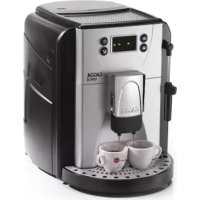
Unica - Coffee machine GAGGIA - Free user manual and instructions
Find the device manual for free Unica GAGGIA in PDF.


User questions about Unica GAGGIA
0 question about this device. Answer the ones you know or ask your own.
Ask a new question about this device
Download the instructions for your Coffee machine in PDF format for free! Find your manual Unica - GAGGIA and take your electronic device back in hand. On this page are published all the documents necessary for the use of your device. Unica by GAGGIA.
USER MANUAL Unica GAGGIA
natural_image
Line drawing of a modern coffee maker with control panel and side door (no text or symbols)ISTRUZIONI PER L'USO OPERATING INSTRUCTIONS BEDIENUNGSANLEITUNG MODE D'EMPLOI
CE
LEGGERE ATTENTAMENTE QUESTE ISTRUZIONI D'USO PRIMA DI UTILIZZARE LA MACCHINA.
READ THESE OPERATING INSTRUCTIONS CAREFULLY BEFORE USING THE MACHINE.
natural_image
Line drawing of a laboratory instrument with ports and base (no text or symbols)GENERALITÀ
natural_image
Line drawing of a portable device with a door open, showing internal components and a directional arrow (no text or symbols)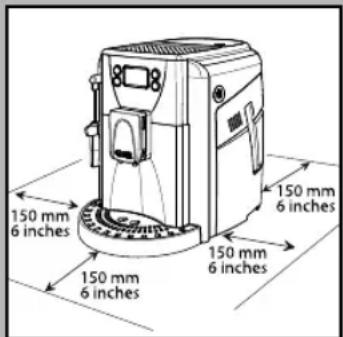
text_image
150 mm 6 inches 150 mm 6 inches 150 mm 6 inches 150 mm 6 inchesnatural_image
Technical line drawing of a mechanical device with no visible text or symbols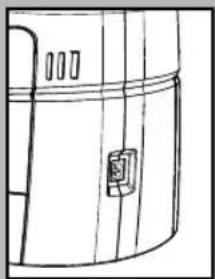
natural_image
Line drawing of a door with a handle and ventilation slots (no text or symbols)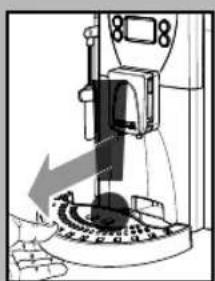
natural_image
Mechanical device with a downward arrow indicating motion or force, no visible text or symbolsINSTALLAZIONE
natural_image
Illustration of a hand inserting a plug into a device (no text or symbols visible)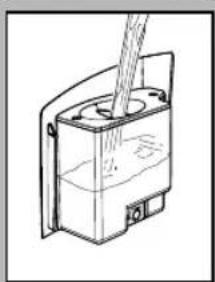
natural_image
Line drawing of a mechanical device with a lever and internal components (no text or symbols)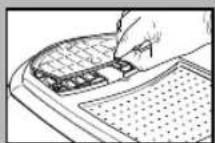
natural_image
Hand holding a small electrical switch with a power cord, no text or symbols visible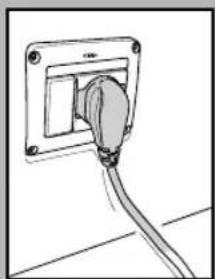
natural_image
Simple line drawing of an electrical outlet with a plug inserted (no text or symbols)natural_image
Diagram of a mechanical device with directional arrows indicating movement or force (no text or symbols)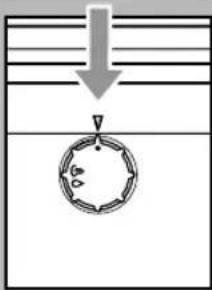
natural_image
Simple diagram showing a downward arrow pointing to a circular object with internal patterns, no text or symbols present.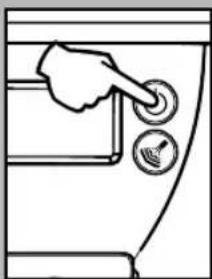
natural_image
Line drawing of a hand pressing a button on a curved surface with a sensor icon (no text or symbols)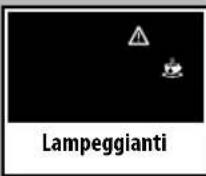
natural_image
Line drawing of a hand using a kitchen mixer to handle a bowl (no text or symbols)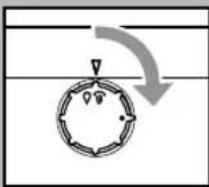
natural_image
Simple diagram showing a circular object with a downward arrow, no text or symbols present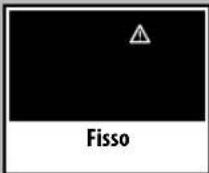
natural_image
Simple line drawing of a circular object with a downward arrow, no text or symbols present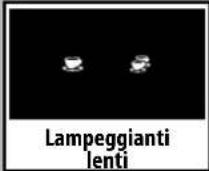
Caricamento circuito
natural_image
Line drawing of a coffee maker using a cup on a saucer (no text or symbols)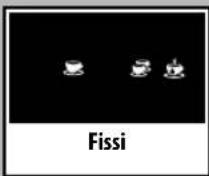
natural_image
Line drawing of a hand pressing down on a door panel with buttons (no text or symbols)
natural_image
Line drawing of a hand using a tool to clean or prepare food from a machine (no text or symbols)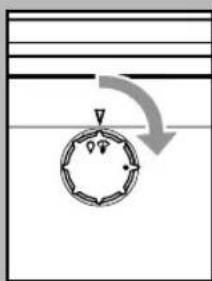
natural_image
Simple diagram showing a circular object with directional arrows, no text or symbols presentnatural_image
Simple line drawing of a circular object with an arrow indicating rotation or movement (no text or symbols)natural_image
Line drawing of hands inserting a small object into a container (no text or symbols)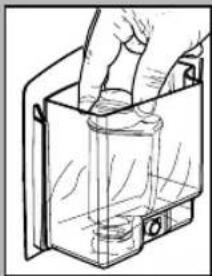
natural_image
Hand placing a glass container into a rectangular container (no text or symbols visible)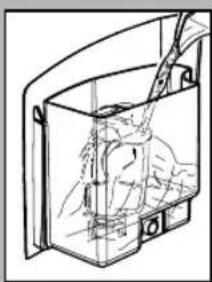
natural_image
Technical line drawing of a mechanical assembly or housing with internal components (no text or symbols)B = Acqua media (standard)
C = Acqua dura
natural_image
Illustration of a hand using a tool to adjust or install a mechanical component (no text or symbols visible)natural_image
Illustration of a hand using a tool to press or install a component on a car grille (no text or symbols visible)text_image
Technical diagram showing a mechanical assembly with labeled parts 1 and 2natural_image
Illustration of a coffee maker using a cup on a tray, with no visible text or symbolsnatural_image
Line drawing of a hand pressing down on a door panel with buttons (no text or symbols)natural_image
Line drawing of a hand pressing down on a door with circular buttons (no text or symbols)OFF-Mode
natural_image
Illustration of a hand holding a device with an arrow indicating upward motion (no text or symbols present)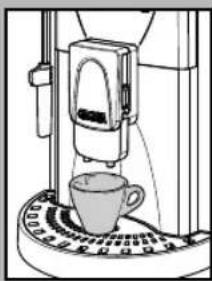
natural_image
Line drawing of a coffee machine with a cup on a tray (no text or symbols)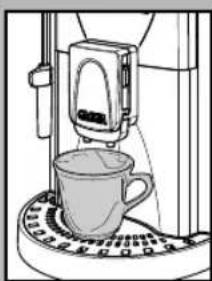
natural_image
Line drawing of a coffee maker using a cup on a tray (no text or symbols)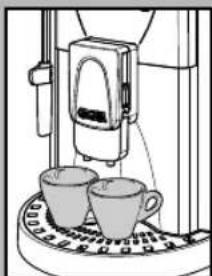
natural_image
Line drawing of a coffee machine with two cups on a tray (no text or symbols)natural_image
Simple diagram showing a circular object with internal structures, no text or symbols present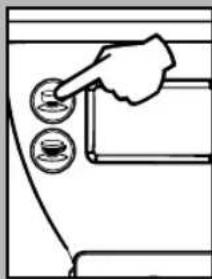
natural_image
Line drawing of a hand pressing down on a control panel with buttons (no text or symbols)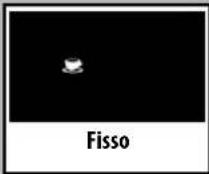
EROGAZIONE CAFFÉ
natural_image
Line drawing of a hand using a tool to clean or wash a container (no text or symbols visible)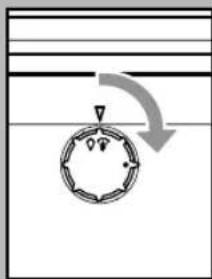
natural_image
Simple diagram of a circular object with a downward arrow, no text or symbols present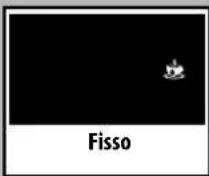
natural_image
Simple line drawing of a circular object with an arrow indicating rotation or movement (no text or symbols)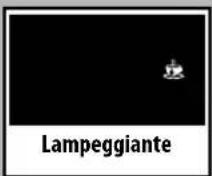
natural_image
Line drawing of a hand pressing a button on a device panel (no text or symbols)
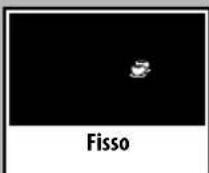
Lampeggiante
Fisso
natural_image
Line drawing of a hand using a microwel to clean food from a kitchen machine (no text or symbols)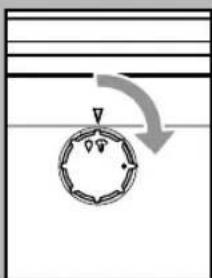
natural_image
Simple diagram showing a circular object with arrows indicating direction, no text or symbols present.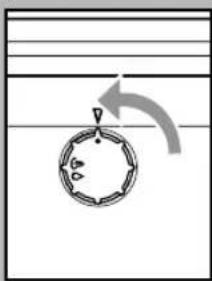
natural_image
Simple line drawing of a circular object with an arrow indicating rotation, no text or symbols present.natural_image
Illustration of a hand using a tool to press or inspect a container (no text or symbols visible)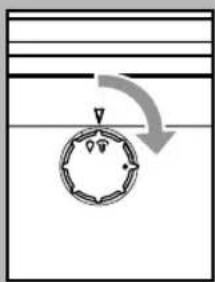
natural_image
Simple diagram showing a circular object with directional arrows, no text or symbols present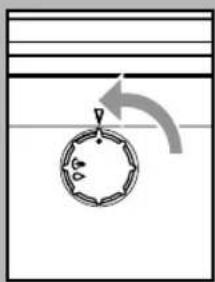
natural_image
Simple line drawing of a circular object with an arrow indicating rotation or movement (no text or symbols)natural_image
Line drawing of a hand using a microwel to clean food from a kitchen appliance (no text or symbols)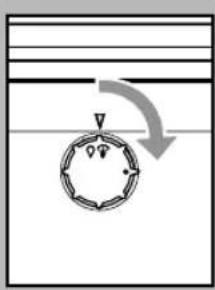
natural_image
Simple diagram showing a circular object with arrows indicating direction, no text or symbols present.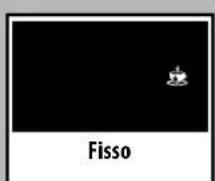
text_image
Fisso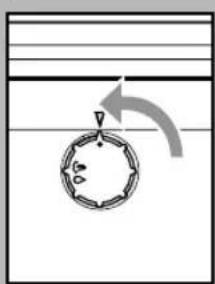
natural_image
Simple line drawing of a circular object with an arrow indicating rotation or movement (no text or symbols)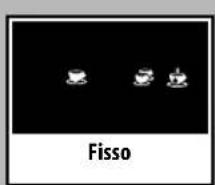
text_image
Fissonatural_image
Illustration of a person opening a door with a large arrow pointing to the door (no text or symbols present)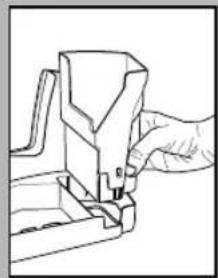
natural_image
Line drawing of a hand using a tool to press or install a mechanical component (no text or symbols present)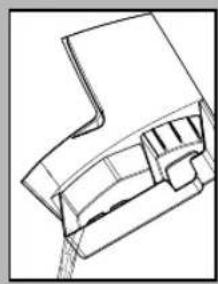
natural_image
Technical line drawing of a mechanical component or bracket (no text or symbols)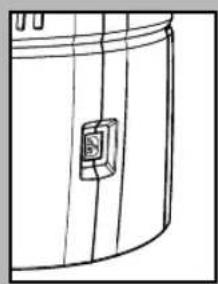
natural_image
Line drawing of a cylindrical container with a handle and label (no text or symbols)natural_image
Hand using a screwdriver to adjust or install a component (no text or symbols visible)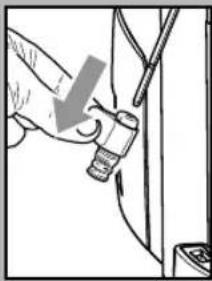
natural_image
Illustration of a hand holding a small mechanical component with a downward arrow, next to a vertical line (no text or symbols)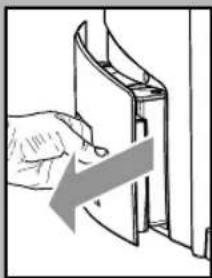
natural_image
Illustration of a hand inserting a component into a door panel (no text or symbols)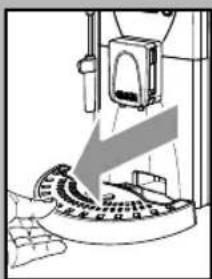
natural_image
Diagram of a mechanical device with a gear and base, showing motion or force direction (no text or symbols)natural_image
Line drawing of a hand inserting a card into a device (no text or symbols visible)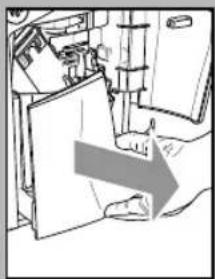
natural_image
Diagram of a hand operating a device with a gray arrow indicating direction (no text or symbols present)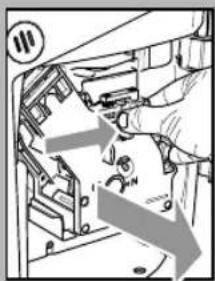
natural_image
Diagram of a mechanical assembly with arrows indicating motion or force direction (no text or symbols)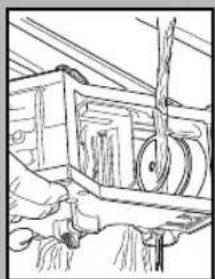
natural_image
Line drawing of a hand using a tool on a mechanical device (no text or symbols)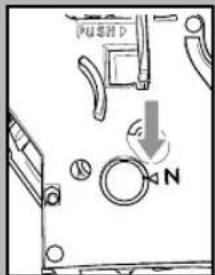
text_image
PUSH D N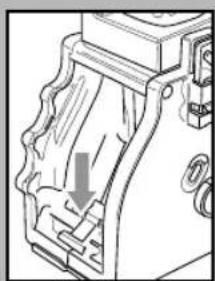
natural_image
Technical line drawing of a mechanical component with a downward arrow indicating a cut or assembly (no text or symbols present)Gruppo caff è
natural_image
Mechanical assembly diagram showing a hand inserting a component into a vehicle chassis (no text or symbols visible)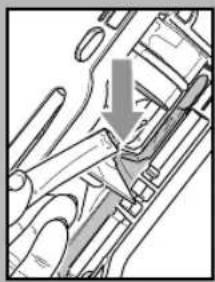
natural_image
Mechanical assembly diagram showing a valve or connector with a downward arrow indicating motion (no text or symbols present)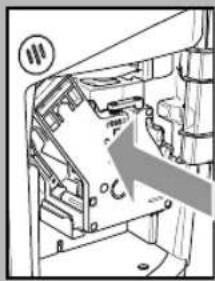
natural_image
Technical diagram of a mechanical assembly with no visible text or symbolstext_image
GAGGIA Compound 100% Molecule: 250 mg Product: 250 mg Manufacturer: 250 mg Product: 250 mg Product: 250 mg Product: 250 mg Product: 250 mgDECALCIFICAZIONE
natural_image
Illustration of a hand using a tool to adjust or install a component, with no visible text or symbols.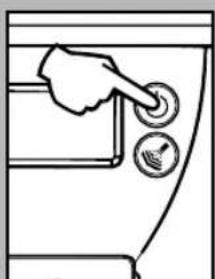
natural_image
Line drawing of a hand pressing down on a curved door with two circular buttons (no text or symbols)natural_image
Line drawing of a mechanical device with a lever and internal components (no text or symbols)natural_image
Illustration of a hand pouring liquid into a bowl using a spatula (no text or symbols)natural_image
Simple diagram showing a circular object with a downward arrow, no text or symbols presentnatural_image
Simple diagram showing a circular object with internal features and an arrow indicating rotation (no text or symbols)natural_image
Line drawing of a mechanical device with a lever and internal components (no text or symbols)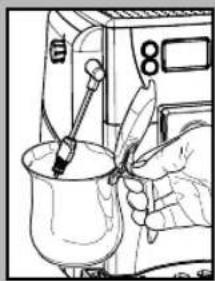
natural_image
Illustration of a hand pouring liquid into a beaker with a stirring rod (no text or symbols)natural_image
Simple diagram showing a circular object with a downward arrow, no text or symbols presentnatural_image
Simple diagram showing a circular object with internal features and an arrow indicating rotation (no text or symbols)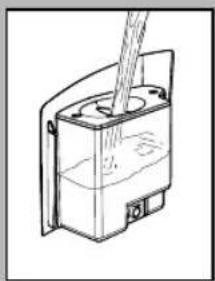
natural_image
Line drawing of a mechanical device with a lever and internal components (no text or symbols)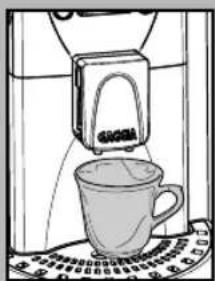
natural_image
Line drawing of a coffee maker using a cup on a keyboard (no text or symbols)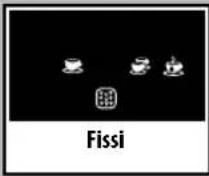
natural_image
Line drawing of a hand pressing a button on a device (no text or symbols)natural_image
Hand pressing a button on a device panel with power and control buttons (no text or symbols visible)natural_image
Illustration of a hand holding a screwdriver with an upward arrow indicating motion (no text or symbols)When using electrical appliances, basic safety precautions should always be followed, including the following:
- Read all instructions.
- Do not touch hot surfaces. Use handles or knobs.
- To protect against fire, electric shock and injury to persons do not immerse cord, plugs, or appliance in water or other liquid.
- Close supervision is necessary when the appliance is used by or near children.
- Unplug from outlet when not in use and before cleaning. Allow to cool before putting on or taking off parts, and before cleaning the appliance.
- Do not operate any appliance with a damaged cord or plug or after the appliance malfunctions, or has been damaged in any manner. Return appliance to the nearest authorized service facility for examination, repair or adjustment.
- The use of accessory attachments not recommended by the appliance manufacturer may result in fire, electric shock or injury to persons.
- Do not use outdoors.
- Do not let cord hang over edge of table or counter, or touch hot surfaces.
- Do not place on or near a hot gas or electric burner, or in a heated oven.
- Always attach plug to appliance first, then plug cord into wall outlet. To disconnect, turn any control to "off", then remove plug from wall outlet.
- Do not use appliance for other than intended use.
- Save these instructions.
SAVE THESE INSTRUCTIONS
CAUTION
This appliance is for household use only. Any servicing, other than cleaning and user maintenance, should be performed by an authorized service center. Do not immerse machine in water. To reduce the risk of fire or electric shock, do not disassemble the machine. There are no parts inside the machine serviceable by the user. Repair should be done by authorized service personnel only.
- Check voltage to be sure that the voltage indicated on the nameplate corresponds with your voltage.
- Never use warm or hot water to fill the water tank. Use cold water only.
- Keep your hands and the cord away from hot parts of the appliance during operation.
- Never clean with scrubbing powders or harsh cleaners. Simply use a soft cloth dampened with water.
- For optimal taste of your coffee, use purified or bottled water. Periodic descaling is still recommended every 2-3 months.
- Do not use caramelized or flavored coffee beans.
INSTRUCTIONS FOR THE POWER SUPPLY CORD
A. A short power-supply cord (or detachable power-supply cord) is to be provided to reduce risks resulting from becoming entangled in or tripping over a longer cord.
B. Longer detachable power-supply cords or extension cords are available and may used if care is exercised in their use.
C. If a long detachable power-supply cord or extension cord is used,
-
The marked electrical rating of the detachable power-supply cord or extension cord should be at least as great as the electrical rating of the appliance
-
If the appliance is of the grounded type, the extension cord should be a grounding-type 3-wire cord, and
-
The longer cord should be arranged so that it will not drape over the counter top or table top where it can be pulled on by children or tripped over.
natural_image
Line drawing of a laboratory instrument with ports and base (no text or symbols)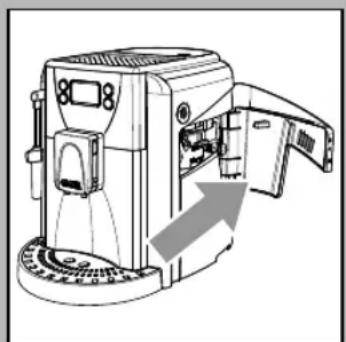
natural_image
Line drawing of a mechanical device with an arrow indicating direction, no text or symbols presentGENERAL INFORMATION
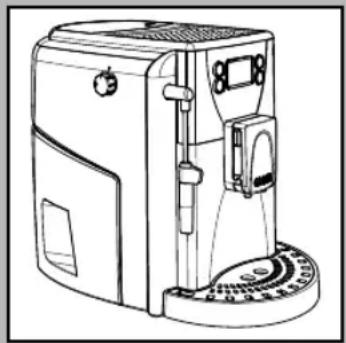
The coff ee machine is suitable for preparing espresso coff ees using coff ee beans; it is equipped with a device to dispense steam and hot water. The structure of the machine with its elegant housing has been designed for domestic use only and is not suitable for continuous professional-type operation.
Keep these operating instructions in a safe place and make them available to anyone who may use the coffee machine.
For further information or in case of problems that are not included or not completely explained in these instructions, please contact the authorised service centres.

Warning. No liability is held for damage caused by:
- Incorrect use not in accordance with the intended purposes;
• Repairs not carried out by authorised service centres;
• Tampering with the power cord;
• Tampering with any parts of the machine; - Storage or use of the machine at a temperature outside the operating temperature range (+15°C / +45°C);
- The use of non-original spare parts and accessories.
In these cases, the warranty is not valid.
SAFETY REGULATIONS

Never allow water to come into contact with any of the electrical parts of the machine. Danger of short circuit! Steam and hot water may cause scalding!
Do not direct the steam or hot water jet towards body parts. Carefully handle the steam/hot water spout by its grip: Danger of scalding!
Intended Use
The coff ee machine is intended for domestic use only. Do not make any technical changes or use the machine for unauthorised purposes since this would create serious hazards! The appliance is not to be used by persons (including children) with reduced physical, mental or sensory abilities or with scarce experience and/or expertise, unless they are supervised by a person responsible for their safety, or they are instructed by this person on how to properly use the machine.
Power Supply - Power Cord
Only connect the coffee machine to a suitable socket.
The voltage must correspond to that indicated on the machine label located on the inside of the service door.
Never use the coff ee machine if the power cord is defective or damaged.
If damaged, the power cord must be replaced by the manufacturer or an authorised service centre. Do not pass the power cord around corners, over sharp edges or over hot objects and keep it away from oil. Do not use the power cord to carry or pull the coffee machine.
Do not pull out the plug by the power cord or touch it with wet hands. Do not let the power cord hang freely from tables or shelves.
For the Safety of Others
Prevent children from playing with the machine. Children are not aware of the risks related to electric household appliances. Do not leave the machine packaging materials within the reach of children.
text_image
150 mm 6 inches 150 mm 6 inches 150 mm 6 inches 150 mm 6 inchesDanger of Burns
Never direct the jet of hot steam and/or hot water towards yourself or others. Danger of scalding! Always use the handles or knobs provided.
Machine Location - Suitable Location for Operation and Maintenance
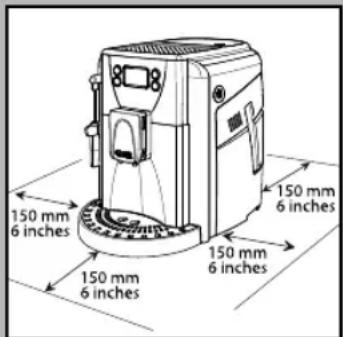
For best use, it is recommended to:
- Choose a safe, level surface, where there will be no danger of overturning it or being injured;
- Choose a location that is sufficiently well-lit, clean and near an easily reachable socket;
- Provide for a minimum distance from the sides of the machine as shown in the illustration;
- During machine turning on/off, it is recommended to place an empty glass under the dispensing spout.
Do not keep the machine at temperatures below 0^ C. Frost may damage the machine. Do not use the coffee machine outdoors. In order to prevent its housing from melting or being damaged, do not place the machine on very hot surfaces and close to open flames.
Storing the Machine - Cleaning
Before cleaning the machine, turn it off by pressing the "ON/OFF" button, then remove the plug from the socket.
Wait for the machine to cool down.
Never immerse the machine in water!
It is strictly forbidden to tamper with the internal parts of the machine.
Water left in the tank for several days should not be used for food purposes. Wash the tank and fill it with fresh drinking water.
If the machine will not be used for a long time, dispense water from the steam wand, and carefully clean the Pannarello (if supplied), then turn it off and unplug it. Store it in a dry place, out of the reach of children. Keep it protected from dust and dirt.
Repairs / Maintenance
In case of failure, problems or a suspected fault resulting from the falling of the machine, immediately remove the plug from the socket. Never attempt to operate a faulty machine.
Servicing and repairs may only be carried out by Authorised Service Centres. All liability for damages resulting from work not carried out by professionals is declined.
Fire Safety Precautions
In case of fi re, use carbon dioxide (CQ) extinguishers. Do not use water or dry powder extinguishers.
natural_image
Line drawing of a mechanical assembly with gears and a handle (no text or symbols)Grinder adjustment pin
text_image
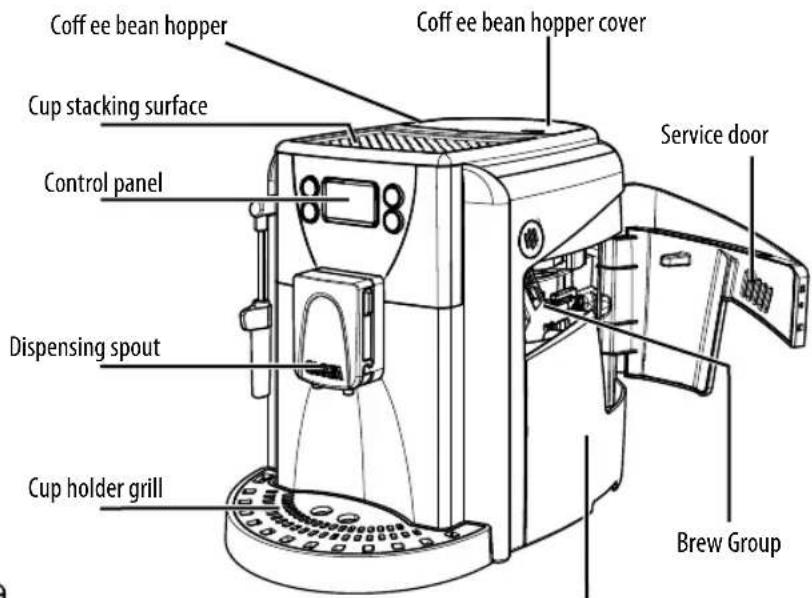
Coff ee bean hopper Cuff ee bean hopper cover Cup stacking surface Control panel Service door Dispensing spout Cup holder grill Brew GroupCoff ee grounds drawer
text_image
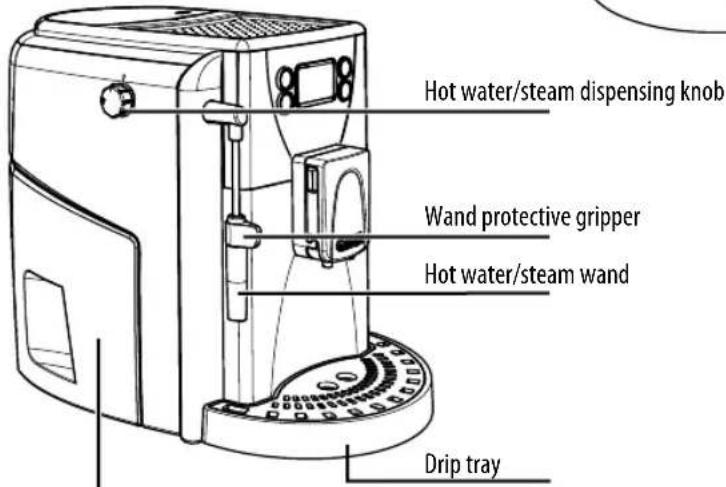
Hot water/steam dispensing knob Wand protective gripper Hot water/steam wand Drip trayWater Tank
text_image
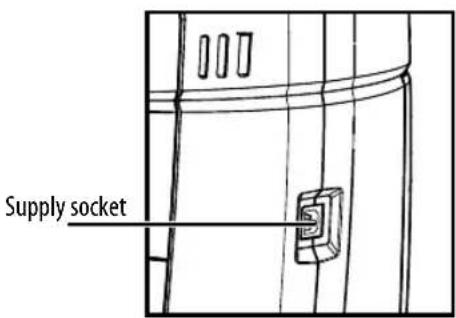
Supply socket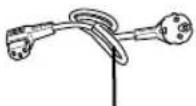
Power cord
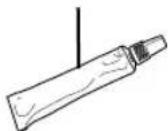
Grease for the Brew Group
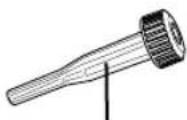
Grinder adjustment key
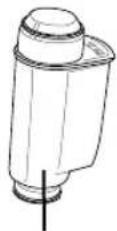
Intenza water fi Iter
(Optional)
text_image
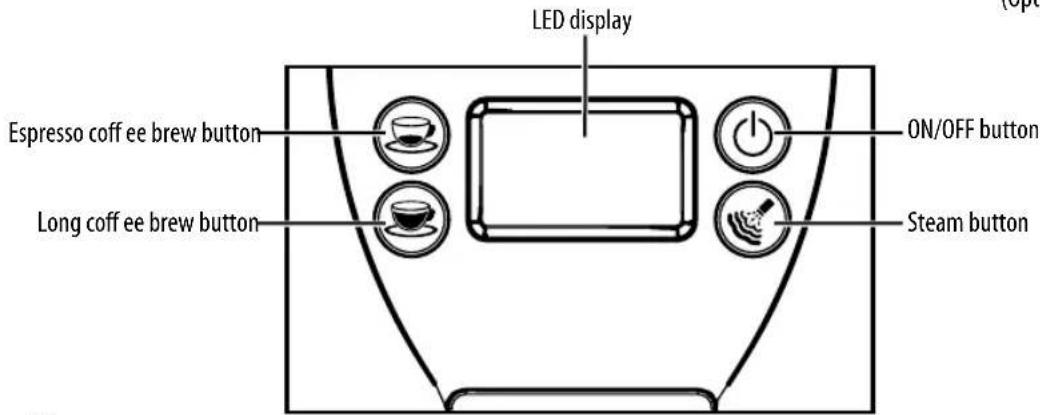
LED display Espresso coff ee brew button Long coff ee brew button ON/OFF button Steam button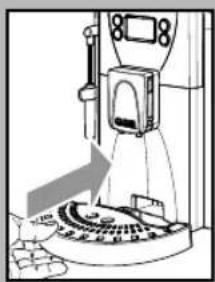
natural_image
Technical line drawing of a mechanical device with no visible text or symbols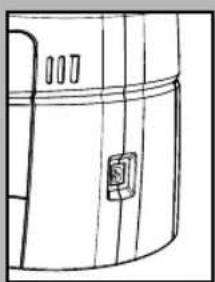
natural_image
Line drawing of a door with a handle and ventilation slots (no text or symbols)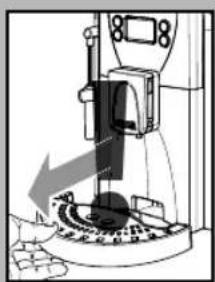
natural_image
Mechanical device with a rotating knob and mechanical components, no visible text or symbolsINSTALLATION
For your safety and the safety of others, carefully follow the instructions provided in the "Safety Regulations" section.
Packaging
The original packaging has been designed and constructed to protect the machine during transport. We recommend keeping the packaging material for possible future transport.
Preliminary Operations
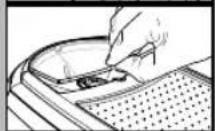
- Remove the drip tray with grill from the packaging.
- Remove the coff ee machine from the packaging and position it in a place that meets the requirements described in the safety regulations.
- Place the drip tray with grill into its appropriate seat on the machine. Make sure it is fully inserted to its limit stop.
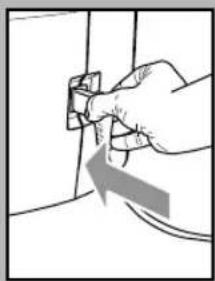
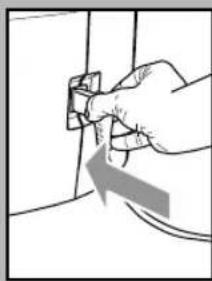
Note: Insert the plug into the socket on the back of the machine.
i Important Note: Carefully read the explanatory descriptions of all the warnings the machine displays to the user via the lights on the control panel display (see section "Display Warnings").
Before removing the drip tray, wait a couple of minutes after turning on/off, as the machine will be carrying out a rinse/self-cleaning cycle (see section "Rinse/Self-cleaning Cycle").
natural_image
Illustration of a hand inserting a plug into a device (no text or symbols visible)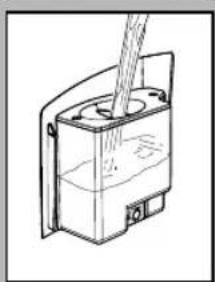
natural_image
Line drawing of a mechanical device with a lever and internal components (no text or symbols)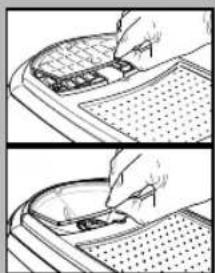
natural_image
Two-step illustration showing a hand using a tool to clean or adjust a textured surface (no text or symbols present)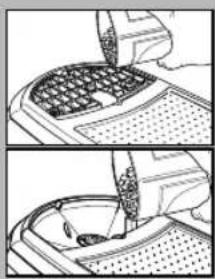
natural_image
Two-step illustration showing a shoe being processed with a tool, no text or symbols present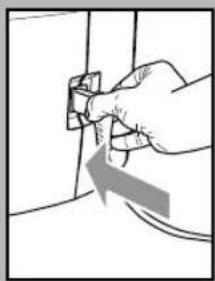
natural_image
Hand holding a small electrical switch with a power cord, no text or symbols visible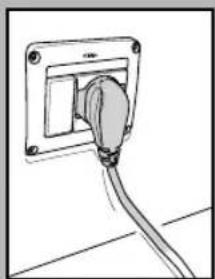
natural_image
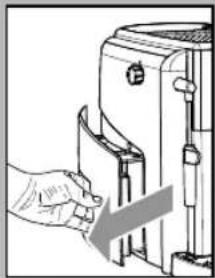
Simple line drawing of a plug inserted into an outlet (no text or symbols)- Remove the water tank from its place.
- Rinse and fi II it with fresh water making sure that it is not fi Iled exceeding the (MAX) level indicated in the tank. Put the tank back in its place.
Fill the tank only with fresh, non-sparkling water. Hot water or any other liquid may damage the tank and/or the machine. Do not operate the machine if water is not present: Make sure there is enough water in the tank.
- Remove the coff ee bean hopper cover.
Note: The hopper may be provided with different safety features according to the regulations of the country of use of the machine.
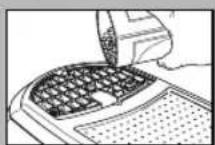
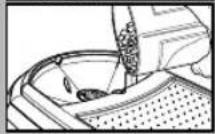
- Slowly pour the coff ee beans into the hopper.
Only coffee beans must be put into the coff ee bean hopper. Ground coff ee, instant coff ee or any other object may damage the machine.
- Replace the coffee bean hopper cover.
- Insert the plug into the socket on the back of the machine.
- Insert the plug of the other end of the cable into a wall socket with suitable power voltage.
natural_image
Diagram of a mechanical device with directional arrows indicating movement or force (no text or symbols present)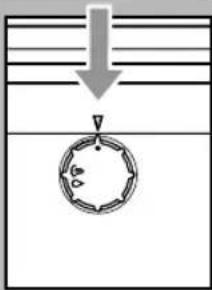
natural_image
Simple diagram showing a downward arrow pointing to a circular object with internal lines, no text or symbols present.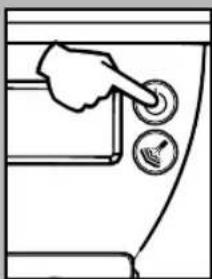
natural_image
Line drawing of a hand pressing a button on a curved surface with a sensor icon (no text or symbols)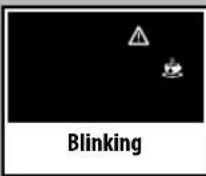
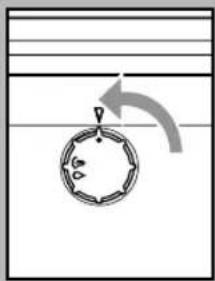
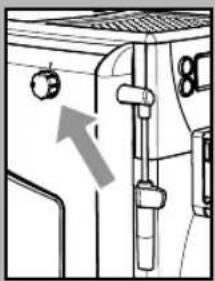
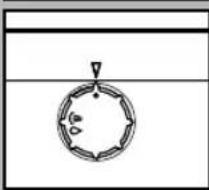
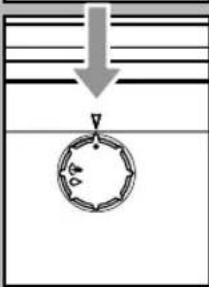
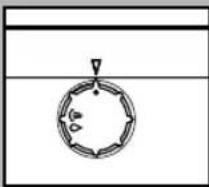
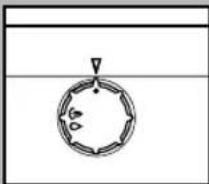
- Make sure the knob switch is on " " position; if necessary, turn it to the indicated position.
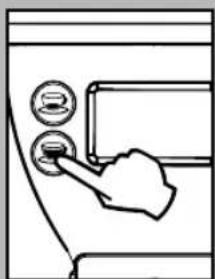
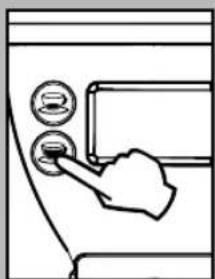
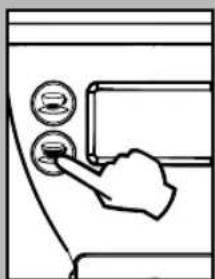
- To turn the machine on simply press the "ON/OFF" button.
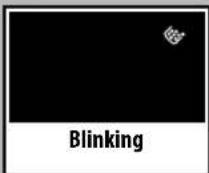
- The blinking icons shown in the picture warn that the circuit must be primed.
Note: Before starting the machine for the first time, and after long periods of inactivity, prime the water circuit.
natural_image
Line drawing of a hand using a kitchen mixer to handle a bowl (no text or symbols)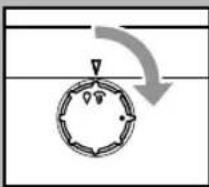
natural_image
Simple diagram showing a circular object with a downward arrow, no text or symbols present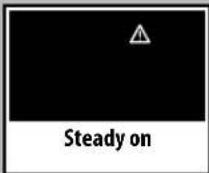
natural_image
Simple line drawing of a circular object with internal segments and a small triangular mark, no text or symbols present.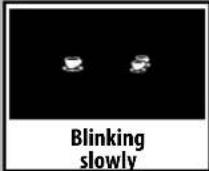
Circuit Priming
- To prime the water circuit, place a container under the steam wand (Pannarello, if supplied);
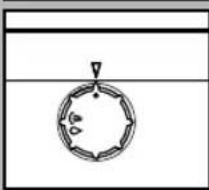
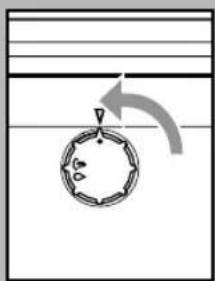
- Turn the knob clockwise and set it to the " 🔊" position. The machine starts the automatic priming of the circuit by letting out a preset quantity of water through the Pannarello.
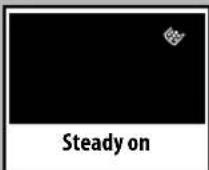
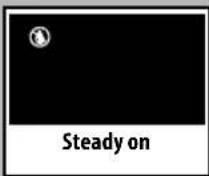
Once the circuit has been primed, the icon on the display - shown in the figure - turns on and remains lit.
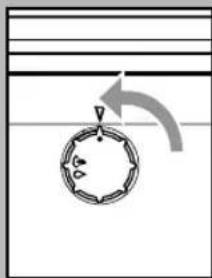
Turn the knon counter-clockwise in the "●" position.
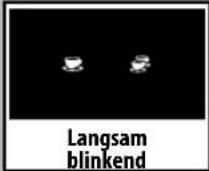
- The icons displayed blink slowly to show that the machine is warming up.
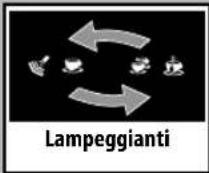
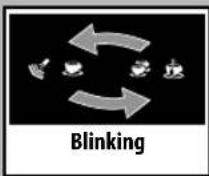
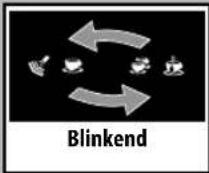
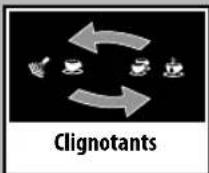
When warm-up is complete, the machine performs a rinse cycle of the internal circuits. During this phase, the icons displayed will blink in sequence.
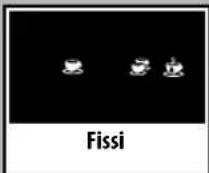
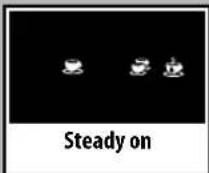
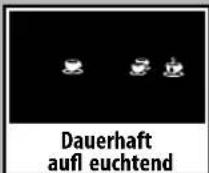
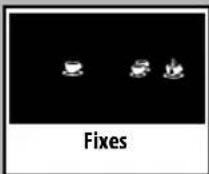
- When the operations described above are completed, the icons on the display will illuminate.
The machine is then ready to brew beverages.
• To brew coffee, dispense hot water or steam, and for a proper use of the machine, carefully follow the instructions provided.
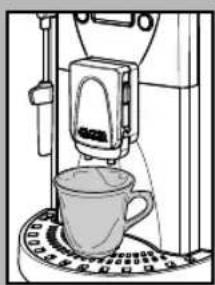
natural_image
Line drawing of a coffee maker using a cup on a saucer (no text or symbols)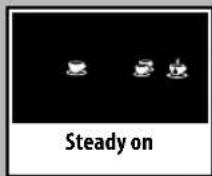
natural_image
Line drawing of a hand pressing down on a door panel with buttons (no text or symbols)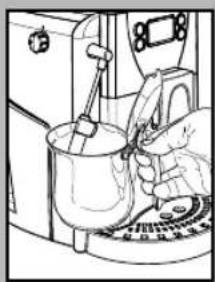
natural_image
Line drawing of a hand using a spatula to handle a bowl of food from a kitchen appliance (no text or symbols)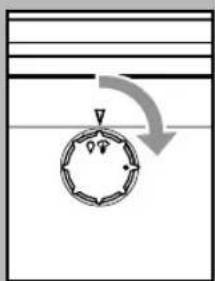
natural_image
Simple diagram showing a circular object with arrow indicating rotation or movement, no text or symbols present.Using the machine for the first time or after a long period of inactivity.
These simple operations will make it possible to always brew excellent coffee.
They have to be performed:
A) At first start-up.
B) When the machine remains inactive for a long time (more than 2 weeks).
i Dispensed water must be emptied into an adequate drain. It is not suitable for food use.
1 Place a large container under the dispensing spout.
2 Before starting the procedure, check that the following icons are displayed.
3 Brew one coffee. Press and release the "button." The machine starts brewing coffee.
4 Wait until brewing is complete and remove the container.
5 Place a container under the steam wand (Pannarello, if supplied).
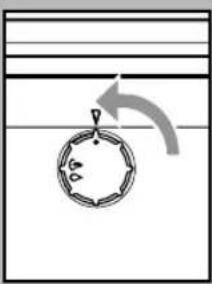
6 Turn the knob clockwise and set it to the "💡" position.
natural_image
Simple line drawing of a circular object with an arrow indicating rotation or movement (no text or symbols)7 Dispense water until the no water signal appears, then rotate the selector switch counter-clockwise until it is back into the “●” position.
8 At the end, fill the water tank again. Then the products can be brewed as described in the following sections.
Rinse/Self-cleaning Cycle
This cycle allows rinsing the coffee circuits with fresh water.
The cycle is carried out:
- At machine start (with cold boiler)
• After priming the circuit (with cold boiler) - During the Stand-by preparation phase (if a coffee product has been brewed)
- During the phase of activating the stand-by mode after pressing the "ON/OFF" button (if a coffee product has been brewed).
A small amount of water will be dispensed to rinse and heat all the machine components; during this phase the icons blink in sequence.
Wait for the cycle to finish automatically. You can stop dispensing as well, by pressing either coffee button.

natural_image
Line drawing of hands inserting a small object into a container (no text or symbols)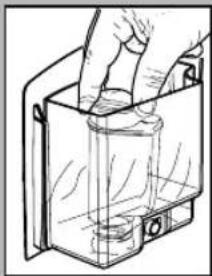
natural_image
Hand inserting a container into a rectangular container (no text or symbols visible)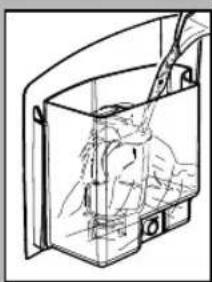
natural_image
Technical line drawing of a mechanical assembly or housing with internal components (no text or symbols)"INTENZA" water filter (optional)
To improve the quality of the used water, it is advisable to install the water filter.
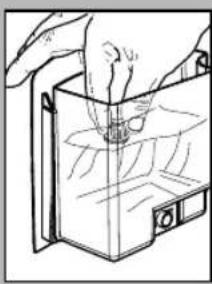
Remove the water fi Iter from its packaging, immerse it vertically (with the opening positioned upwards) in cold water and delicately press the sides so as to let the air bubbles out.
Remove the small white filter from the tank and store it in a dry place sheltered from dust.
Set the Intenza Aroma System as specified on the box.
A = Soft water
B = Medium water (standard)
C=Hard water
Insert the filter into the empty tank. Press it until its limit stop.
Fill the tank with fresh drinking water and reinsert it into the machine.
Dispense the water in the tank by using the hot water function (see section "Hot water dispensing").
Fill the water tank again. The machine is now ready to be used.
Note: If there is no Intenza water fi Iter, insert the previously-removed small white fi Iter into the water tank.
ADJUSTMENTS
The machine that you have bought allows for certain adjustments that will permit you to use it to its full potential.
Gaggia Adapting System
Coffee is a natural product and its characteristics may change according to its origin, blend and roast. The Gaggia coffee machine is equipped with a self-adjusting system that allows the use of all types of coffee beans available on the market (non caramelized).
- The machine automatically adjusts itself in order to optimise the extraction of the coffee, ensuring perfect compression of the tablet to obtain a creamy espresso coff ee that will release all the aromas, regardless of the type of coff ee used.
- The optimisation process is a learning process that requires the brewing of a certain number of coffees to allow the machine to adjust the compactness of the ground coffee.
- Attention should be given to special blends, which require grinder adjustments in order to optimise the extraction of the coff ee - (see section Coff ee Grinder Adjustment).
natural_image
Illustration of a hand using a tool to adjust or install a mechanical component (no text or symbols visible)Coff ee Grinder Adjustment
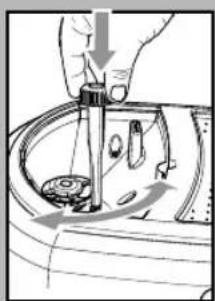
Warning! The grinder adjustment knob, inside the coff ee bean hopper, must be turned only when the grinder is working. Do not pour ground and/or instant coffee into the coff ee bean hopper.
Do not insert any material other than coff ee beans into the hopper. The grinder contains moving parts that may be dangerous. Therefore, do not insert fingers and/or other objects. Only grind setting by means of the appropriate key is permitted. Turn off the machine by pressing the ON/OFF button and remove the plug from the socket before carrying out any type of operation inside the coff ee bean hopper, due to reasons other than the adjustment
text_image
Technical diagram showing a mechanical component with labeled parts 1 and 2using a key. Do not pour coff ee beans when the coff ee grinder is working.
The machine lets you make slight adjustments to the coffee grinder to adapt it to the kind of coffee used.
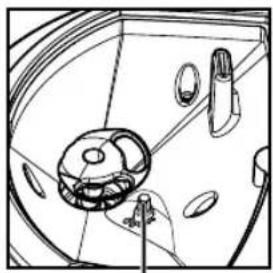
This adjustment should be carried out by adjusting the pin on the inside of the coffee bean hopper; this pin must be pressed and turned only with the key provided with the coffee machine.
Press and turn the pin one notch at a time and brew 2-3 cups of coffee; this is the only way to notice differences in grind.
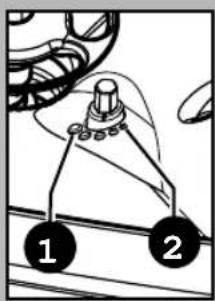
The reference marks inside the coffee bean hopper indicate the grind setting. There are 5 different grind settings to choose from with the following references:
1 - Coarse Grind
2 - Fine Grind
Adjusting the Coff ee Length
The machine allows you to adjust the amount of brewed coffee according to your taste and/or the size of your cups.
Each time the "3" or "buttons" are pressed and released, the machine brews a pre-set amount of coffee, as per factory settings. This amount may be reprogrammed to your taste. Each button may be individually programmed for a specific brew setting.
natural_image
Illustration of a coffee maker using a cup on a tray, with no visible text or symbolsAs an example, the following procedure describes the programming of the "☐" button, which is normally associated with espresso coffee.
- Place a cup under the dispensing spout.
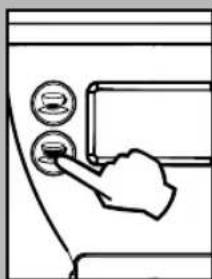
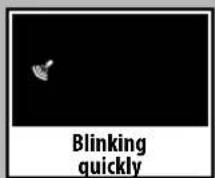
- Hold the "button pressed for 5 seconds to enter the programming mode; the "icon will blink quickly and the coffee will start to be brewed; the icon will flash during the whole coffee brewing cycle.
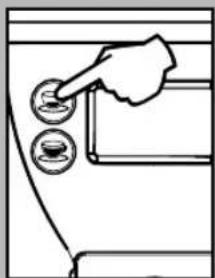
natural_image
Simple line drawing of a hand pressing down on a control panel with buttons (no text or symbols)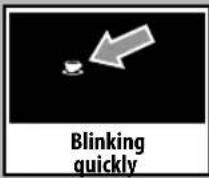
- Press the "button again when the amount of coffee in the cup reaches the desired level.
At this point, the "☐" button is programmed; each time it is pressed and released, the machine will brew the same amount of coffee that has just been programmed.
The same operation can be repeated for the "button. When the "button is pressed twice to brew coffee, the machine will brew double the stored quantity.
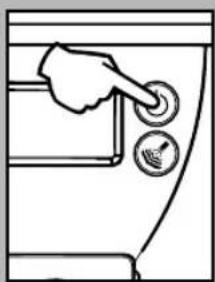
natural_image
Line drawing of a hand pressing a button on a curved surface with circular buttons (no text or symbols)OFF-Mode
The machine is designed for energy saving. The machine automatically turns off after 60 minutes of inactivity.
Note: During the turning off phase, the machine performs a rinse cycle, if a coffee product has been brewed.
Warning: When the power cord is inserted, the machine is in OFF-Mode.
To turn the machine on again simply press the ON/OFF button; in this case the machine will go through the rinse cycle only if the boiler is cold.

natural_image
Illustration of a hand holding a device with an arrow indicating upward motion (no text or symbols present)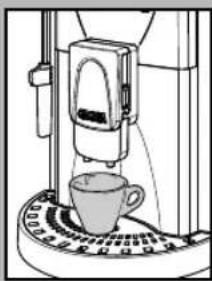
natural_image
Line drawing of a coffee machine with a cup on a tray (no text or symbols)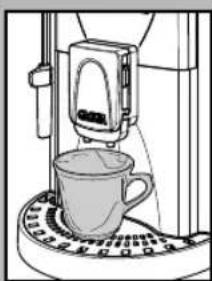
natural_image
Line drawing of a coffee maker machine with a cup on a tray (no text or symbols)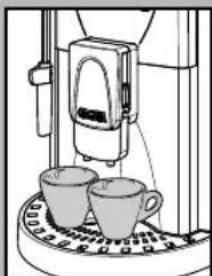
natural_image
Line drawing of a coffee machine with two cups on a tray (no text or symbols)Dispensing Spout Adjustment
Most cups on the market can be used with this coffee machine.
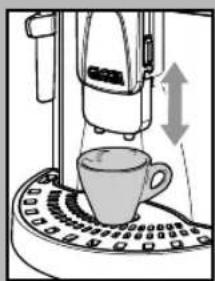
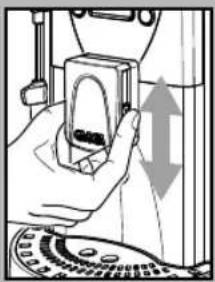
The height of the dispensing spout may be adjusted to better fit the dimensions of the cups that you wish to use.
Manually move the dispensing spout up or down to adjust its height by placing your fingers as shown in the figure.
The recommended positions are: For the use of small cups;
For the use of large cups.
- Two cups/mugs can be placed under the dispensing spout for brewing two coffees at the same time.
natural_image
Simple diagram showing a circular object with internal structures, no text or symbols present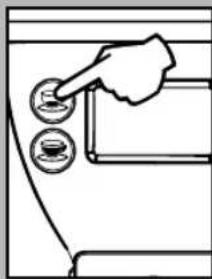
natural_image
Line drawing of a hand pressing down on a control panel with buttons (no text or symbols)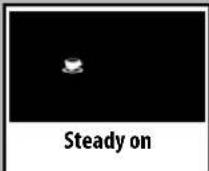
COFFEE BREWING
Note: Should the machine not brew coffee, make sure that the water tank contains water.
Before brewing coffee check the lights on the display and make sure the water tank and coffee bean hopper are full.
Leave the knob on the "●" position during the brewing phase.
Before brewing coffee, adjust the height of the dispensing spout according to your needs.
Using Coff ee Beans
- To brew coffee, press and release: the "button for an espresso coffee; the "button for a long coffee.
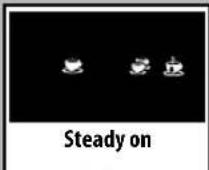
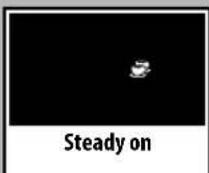
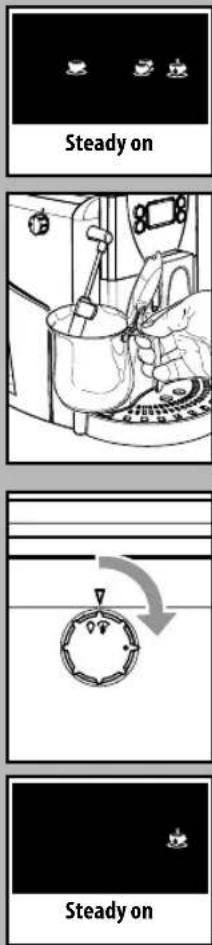
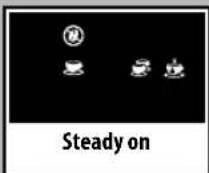
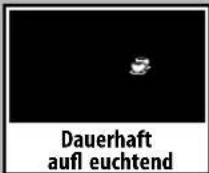
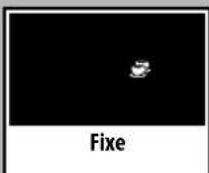
- The brewing cycle then starts: To brew 1 cup of coffee, press the "button" or "button once. This icon will be displayed. To brew 2 cups of coffee, press the "button" or "button twice. The display will show this icon.
To brew 2 coffees, the machine automatically grinds and doses the correct amount of coffee. Brewing two coffees requires two grinding cycles and two brewing cycles, which the machine carries out automatically.
• After the pre-dispensing cycle, coff ee begins to come out of the dispensing spout.
text_image
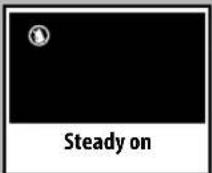
Steady on Steady on- Coffee brewing stops automatically when the pre-programmed level is reached; however, it is possible to interrupt coffee brewing by pressing the button initially pressed.
The machine is adjusted to brew a true Italian espresso coffee. This feature may slightly lengthen the dispensing time, allowing the intense flavour of the coffee to develop fully.
HOT WATER DISPENSING
Warning: At the beginning, short spurts of hot water may come out. Danger of scalding. The hot water wand may reach high temperatures. Do not touch it directly with bare hands.
- Before dispensing hot water, check that the following icons are displayed.
When the machine is ready, proceed as follows:
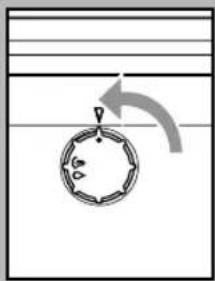
- Place a container under the steam wand (Pannarello, if supplied);
- Turn the knob clockwise and set it to the "💡" position.
- Only the following icon will be displayed steady on.
natural_image
Simple line drawing of a circular object with an arrow indicating rotation or movement (no text or symbols)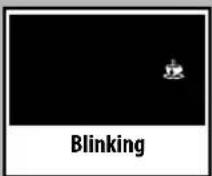
- Pour the desired amount of hot water. To stop hot water dispensing, turn the knob counter-clockwise until it is set to the “●” position. The machine returns to the normal operating mode.
It may happen that, even though the knob has been turned, hot water does not come out and the icon will start blinking. Simply wait until the end of the warm-up phase so that hot water can be dispensed from the Pannarello.
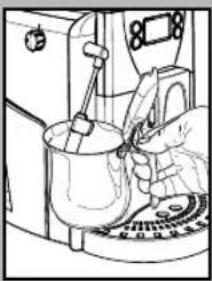
STEAM DISPENSING / PREPARING A CAPPUCCINO
Steam may be used to froth milk for a cappuccino, as well as to reheat other beverages.
Danger of scalding! Dispensing may be preceded by small jets of hot water. The steam wand may reach high temperatures. Do not touch it directly with bare hands.
i Important Note: I immediately after using the steam to froth the milk, clean the steam wand (or Pannarello when provided). When the machine is ready, brew a small amount of hot water in a glass and clean the steam wand (or Pannarello when provided) externally. In this way, all parts will be perfectly cleaned and free of any milk residue.
To prepare your cappuccino, we recommend discharging the water in the steam wand.

natural_image
Line drawing of a hand pressing a button on a device panel (no text or symbols)
Blinking
Steady on
natural_image
Line drawing of a hand using a microwel to clean food from a kitchen appliance (no text or symbols)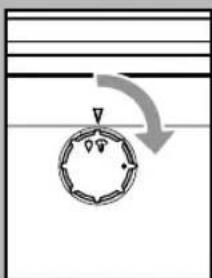
natural_image
Simple diagram showing a circular object with arrows indicating direction, no text or symbols present.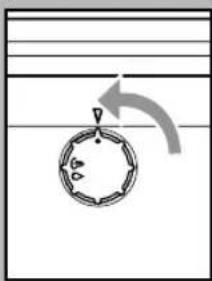
natural_image
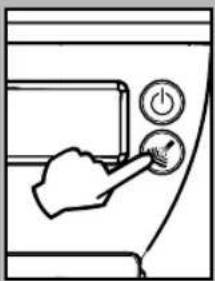
Simple line drawing of a circular object with an arrow indicating rotation or movement, no text or symbols present.- When the machine is ready to brew coffee, press the button "we" to select the steam option.
- The icon blinks during the preheating time required by the machine.
- When the symbol gets steady, the machine is ready to dispense steam.
- To discharge the water in the steam wand, place a container under the steam wand, (Pannarello, if supplied).
- Turn the knob clockwise and set it to the "💡" position.
- Brew until only steam is dispensed. Then, turn the knob counter-clockwise and set it back to the “●” position to stop dispensing.
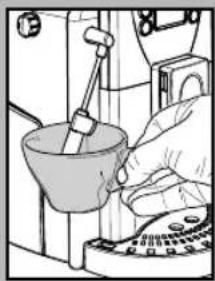
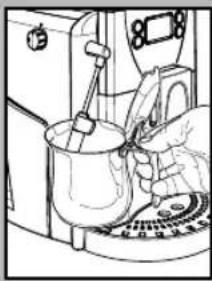
- Fill 1/3 of the container you wish to use to prepare cappuccino with cold milk.
To ensure better results when preparing a cappuccino, use cold milk straight from the fridge.
natural_image
Illustration of a hand using a tool to press or inspect a mechanical component (no text or symbols visible)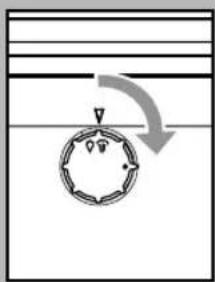
natural_image
Simple diagram showing a circular object with directional arrows, no text or symbols present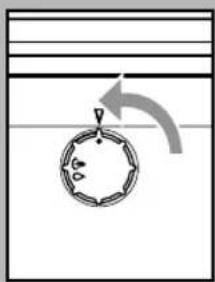
natural_image
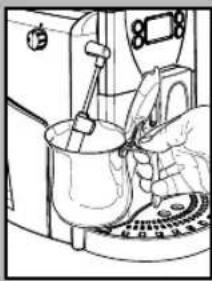
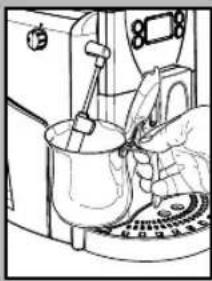
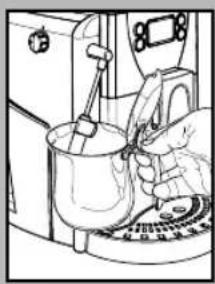
Simple line drawing of a circular object with an arrow indicating rotation or movement (no text or symbols)- If you want to heat up the milk directly in the cup, immerse the steam wand (Pannarello, if supplied) in the milk to heat up.
- Turn the knob clockwise and set it to the "💡" position.
Rotate the container and move it gently up and down to obtain uniform foam.
- After dispensing steam for the desired time, turn the knob counter-clockwise and set it back to the "●" position to stop dispensing steam.
• The same procedure can be used to heat other beverages.
After using the steam wand (Pannarello, if supplied), wash it as described in the "Cleaning and Maintenance" section.
After using steam, to prepare a beverage the machine has to be brought back to the right temperature. Perform the operations indicated in the following section.
natural_image
Line drawing of a hand using a microwel to clean food from a kitchen appliance (no text or symbols)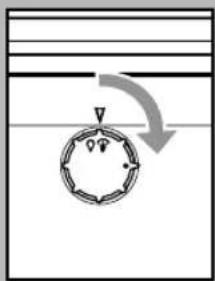
natural_image
Simple diagram showing a circular object with a downward arrow, no text or symbols present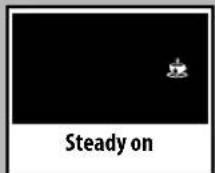
natural_image
Simple line drawing of a circular object with an arrow indicating rotation or movement (no text or symbols)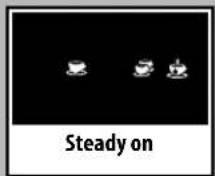
Steam/Coff ee Switchover
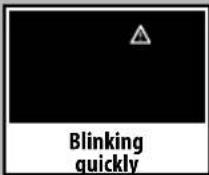
- After dispensing steam, press the "button to brew coffee; the symbol blinks quickly to show that the machine is overheated and cannot brew coffee.
• To brew coffee, first drain a small amount of water. Place a container under the steam wand (Pannarello, if supplied).
- Turn the selector clockwise and set it to the "💡" position.
- Wait until the light remains steady on.
Then turn the selector switch counterclockwise and set it back to the "●" position to stop dispensing. Remove the container.
- Now follow the procedure described in the "Coff ee Brewing" section to brew coff ee.
natural_image
Illustration of a person opening a door with a large arrow pointing to the door (no text or symbols present)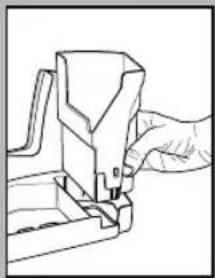
natural_image
Line drawing of a hand using a tool to press or install a mechanical component (no text or symbols present)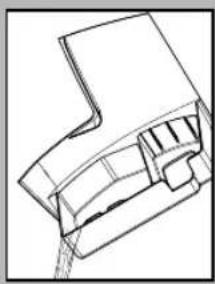
natural_image
Technical line drawing of a mechanical component or bracket (no text or symbols)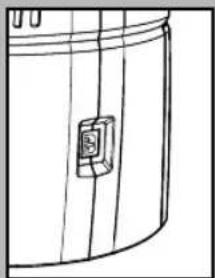
natural_image
Line drawing of a cylindrical container with a small rectangular object on top (no text or symbols)CLEANING AND MAINTENANCE
General Cleaning
• Empty and clean the coffee grounds drawer daily, with the machine turned on.

Note: We recommend emptying the container if the machine is not going to be used for some days.
• After having removed the coffee grounds drawer, remove the liquids from the tray placed under the brew group.
- Maintenance and cleaning operations can only be carried out when the machine is cold and disconnected from the power supply.
- Do not immerse the machine in water.
- Do not wash any of its parts in the dishwasher.
- Do not use sharp objects or harsh chemical products (solvents) for cleaning.
- Use a soft, dampened cloth to clean the machine.
- Do not dry the machine and/or its components using a microwave and/or standard oven.
After brewing milk beverages, dispense hot water from the steam wand (Pannarello, if supplied) to obtain a thorough cleaning.
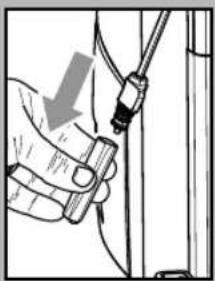
natural_image
Hand holding a tool with a downward arrow, next to a pipe or tube (no text or symbols visible)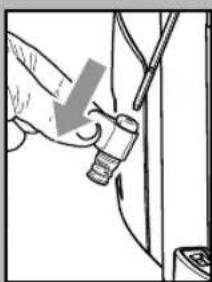
natural_image
Hand holding a mechanical component with a downward arrow indicating force or direction (no text or symbols)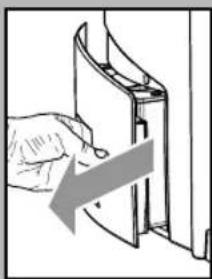
natural_image
Hand inserting a component into a door panel, showing a gray arrow indicating direction (no text or symbols)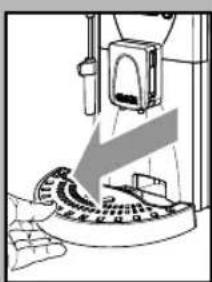
natural_image
Diagram of a machine tool interacting with a gear (no text or symbols visible)- Every day, after heating the milk, remove the external part of the Pannarello (if supplied) and wash it with fresh drinking water.
- Clean the steam wand weekly. To do this, the following operations have to be performed:
- Remove the external part of the Pannarello (for standard cleaning);
- Remove the upper part of the Pannarello from the steam wand;
- Wash the upper part of the Pan-narello with fresh drinking water;
- Wash the steam wand with a wet cloth and remove any milk residues;
- Replace the upper part in the steam wand (make sure it is completely inserted).
Reassemble the external part of the Pannarello.
- It is recommended to clean the water tank daily. For an easier removal of the water tank, move the steam wand / Pannarello upwards:
- Remove the small white fi Iter in the water tank and wash it under running drinking water.
- Reposition the small white filter in its housing by gently pressing and turning it at the same time.
- Fill the tank with fresh drinking water.
• Empty and clean the drip tray daily. Perform this operation also when the float is raised.
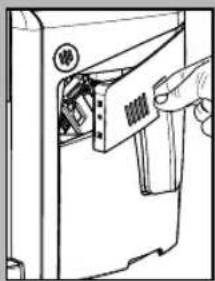
natural_image
Line drawing of a hand inserting a device into a machine (no text or symbols visible)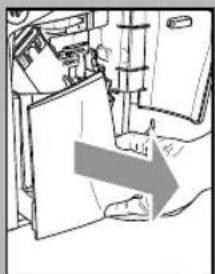
natural_image
Hand inserting a card into a folder, showing a gray arrow pointing to the card (no text or symbols present)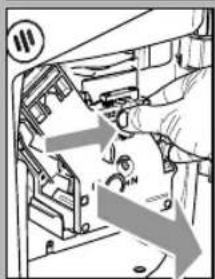
natural_image
Diagram of a hand operating a mechanical device with arrows indicating motion or force (no text or symbols present)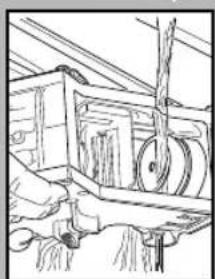
natural_image
Line drawing of a hand using a tool to adjust or install a mechanical component (no text or symbols visible)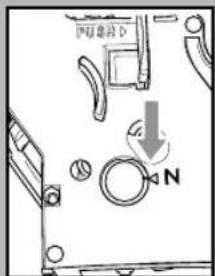
text_image
D N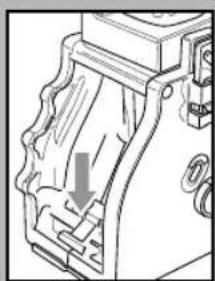
natural_image
Technical line drawing of a mechanical component with a downward arrow indicating a process (no text or symbols present)Brew Group
- The Brew Group should be cleaned every time the coffee bean hopper is filled or at least once a week.
- Turn off the machine by pressing the "ON/OFF" button and remove the plug from the socket.
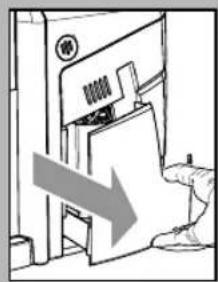
- Remove the coffee grounds drawer. Open the service door.
- To remove the Brew Group, pull it by the handle and press the «PUSH» button. The Brew Group must be washed only with lukewarm water with no detergent/soap.
- Wash the Brew Group with lukewarm water and carefully clean the upper filter.
• Thoroughly wash and dry all the parts of the Brew Group.
• Thoroughly clean the inside of the machine.
• Make sure that the two reference signs match up.
- Make sure that the lever is in contact with the Brew Group. Press the "PUSH" button to make sure that the Brew Group is in the correct position.
natural_image
Mechanical assembly diagram showing a hand inserting a component into a motor (no text or symbols visible)
natural_image
Mechanical assembly diagram showing a valve or actuator component with no visible text or symbols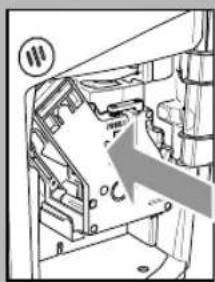
natural_image
Diagram of a mechanical device with an arrow pointing to a component, no visible text or symbolsi Lubricate the Brew Group after approximately 500 brewing cycles. The grease to lubricate the Brew Group may be purchased at authorised service centres.
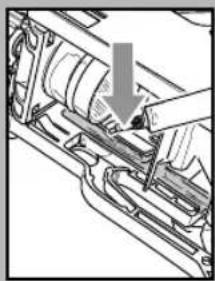
- Lubricate the brew group guides using the supplied grease only.
- Apply the grease evenly on both side guides.
- Insert the Brew Group in its seat until it locks into place WITHOUT pressing the "PUSH" button.
- Insert the coff ee grounds drawer. Close the service door.
text_image
Steady onDESCALING
Limescale normally builds up with the use of the appliance.
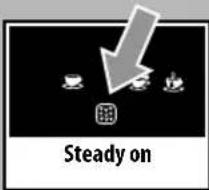
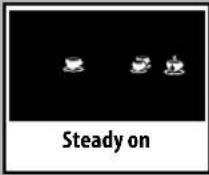
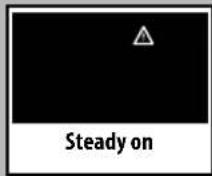
The machine must be descaled when the icon appears on the display.
i Important Note: It is recommended to refer to the next section, "Remarks on Descaling", for some tips about keeping the machine in perfect working order.
Do not switch off the machine during the descaling procedure.
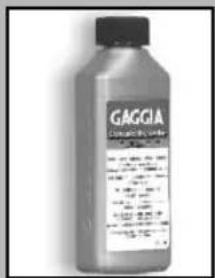
Only use the GAGGIA descaling solution. Its formula has been designed to ensure better machine performance and operation for its whole operating life. If correctly used, it also avoids alterations in the brewed product.
Warning! Never drink the descaling solution or any products dispensed until the cycle has been carried out to the end. Never use vinegar as a descaling solution.
Before descaling, remove the Pannarello (if supplied) from the steam wand as described in the "Cleaning and Maintenance" section.
- Turn the machine on by pressing the ON/OFF button. Wait for the machine to finish its rinse and warm-up process.
text_image
GAGGIA Chemical Formula: 2000-2010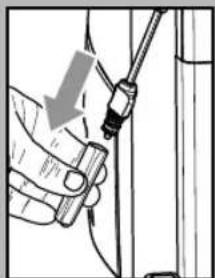
natural_image
Illustration of a hand using a tool to adjust or install a component, with no visible text or symbols.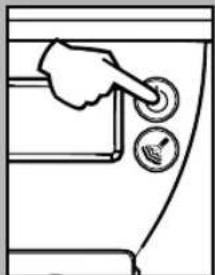
natural_image
Line drawing of a hand pressing a button on a curved surface with a circular button (no text or symbols)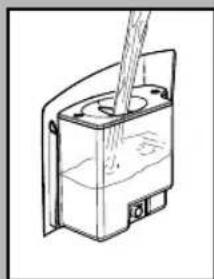
natural_image
Simple line drawing of a container with liquid and a rod inserted, no text or symbols presentWarning! Remove the "Intenza" fi Iter before adding the descaling solution.
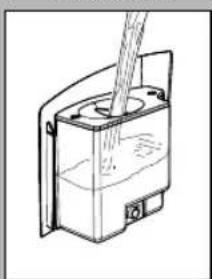
- Pour the entire content of the GAGGIA concentrated descaling solution into the water tank, and then fi ll the tank with fresh drinking water up to the MAX level. Place the tank back into the machine.
natural_image
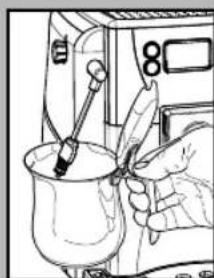
Illustration of a hand using a tool to clean or prepare a bowl with a brush (no text or symbols visible)1 Place a container under the steam wand.
Use a container of at least 1 litre capacity. If you do not have a container of this capacity, once it is filled close the knob, empty the container and then place it again under the wand and repeat the procedure.
natural_image
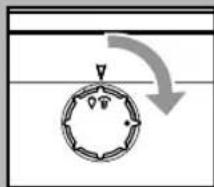
Simple diagram showing a circular object with a downward arrow, no text or symbols present2 Only after adding the descaling solution in the tank, turn the knob clockwise to the "💡" position and dispense 2-3 cups of water (approx. 150 ml).
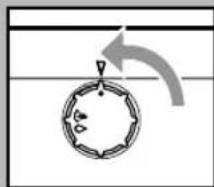
3 Stop dispensing by turning the knob back to its position “●”.
natural_image
Simple diagram showing a circular object with an arrow indicating rotation or movement (no text or symbols)4 Let the descaling solution take effect for 10 minutes.
5 Repeat steps 2 and 3 at intervals of 3 minutes, until there is no descaling solution left in the water tank.
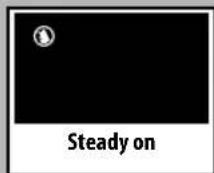
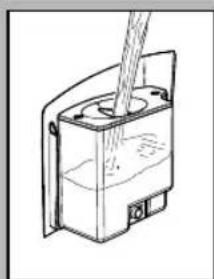
6 When the icon is displayed, rinse the water tank thoroughly and refill it with fresh drinking water.
natural_image
Line drawing of a mechanical device with a lever and internal components (no text or symbols)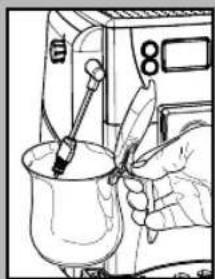
natural_image
Line drawing of a hand pouring liquid into a container with a tool, next to a machine (no text or symbols)7 Empty the container used to collect the liquid dispensed by the machine and place it under the steam wand.
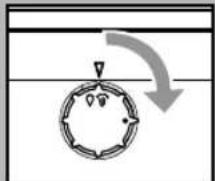
natural_image
Simple diagram showing a circular object with a downward arrow, no text or symbols present8 Turn the knob clockwise and set it to the "💡" position. The machine starts the rinse cycle.
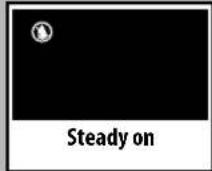
9 When the water in the tank is finished, the icon on the side is displayed to indicate that the knob must be brought back to the "●" position.
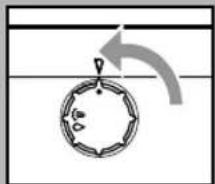
natural_image
Simple diagram showing a circular object with a curved arrow indicating rotation or movement (no text or symbols)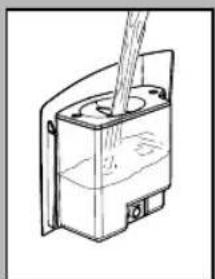
natural_image
Line drawing of a mechanical device with a lever and internal components (no text or symbols)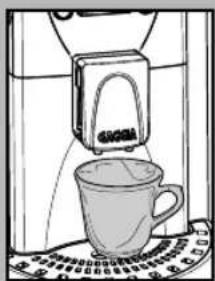
natural_image
Line drawing of a coffee maker using a cup (no text or symbols)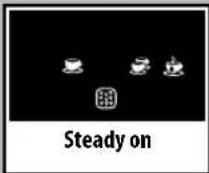
10 Rinse the water tank thoroughly and refi ll it with fresh drinking water.
11 Empty the container used to collect the liquid dispensed by the machine.
12 Place a large container under the dispensing spout.
13 Before starting the procedure, check that the following icons are displayed.
natural_image
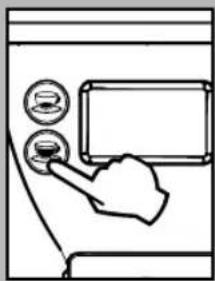
Line drawing of a hand pressing a button on a device (no text or symbols)14 Brew one coffee. Press and release the "button." The machine starts brewing coffee.
15 Wait until brewing is complete and remove the container.
16 Then repeat operations from step 7 to step 11 until the second water tank is empty.
The descaling cycle is complete. Then, the products can be brewed.
natural_image
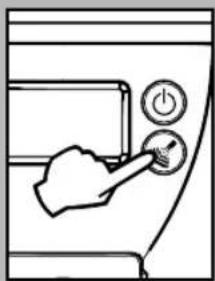
Line drawing of a hand pressing a button on a device panel (no text or symbols)Hold the "button pressed for 6 seconds to reset the machine and cancel the descaling alarm signal.
Reassemble the external part of the Pan-narello.
If the machine is switched off during the descaling cycle, next time the machine is switched on the cycle must be repeated from the beginning.
The descaling solution must be disposed of according to the manufacturer's instructions and/or regulations in force in the country of use.
natural_image
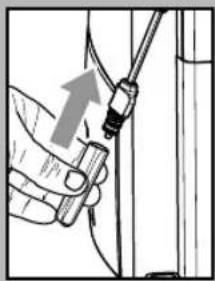
Hand holding a tool with an arrow indicating upward motion (no text or symbols present)After completing the descaling cycle, wash the brew group as described in the "Brew Group" section in the "Cleaning and Maintenance" section.
Remarks on Descaling
The previous section explains the correct operations to perform to descale the machine.
The machine you have purchased is equipped with advanced software to check the quantity of used water in order to provide reliable information about the right time to carry out descaling operations.
This software has been programmed for standard water hardness.
In case of especially hard water (high calcium content), descaling cycles might have to be carried out more frequently, even if the machine does not display warning signals.
Even if the machine is not used often (e.g. 1 coff ee per day), it is recommended to perform descaling cycles more frequently.
In these specific cases, it is recommended to perform descaling cycles every 1-2 months, even if the machine does not signal it.
CONTROL PANEL DIS-PLAY
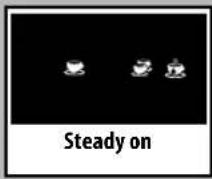
Ready Signals
• The machine is ready for brewing coffee from bean and hot water dispensing.
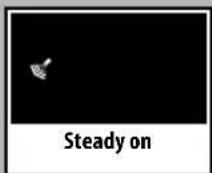
• The machine is in the steam dispensing phase.
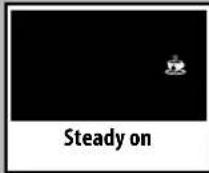
- The machine is in the hot water dispensing phase.
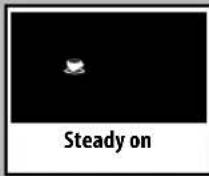
• The machine is brewing 1 espresso coffee or a long coffee.
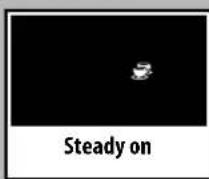
• The machine is brewing 2 espresso coffees or 2 long coffees.
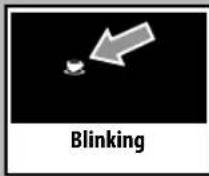
- The machine is programming the amount of coffee to be brewed each time the "## or "## button is pressed.
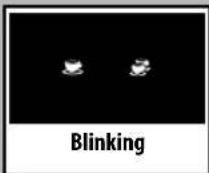
Warning Signals
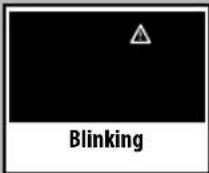
• The machine is warming up to brew coffee and dispense hot water and steam.
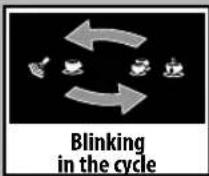
- The machine is performing the rinse cycle. Wait until the machine stops the operation.
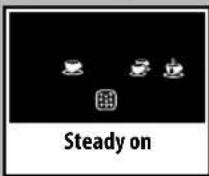
• The machine needs a descaling cycle.
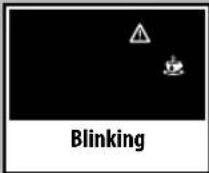
• The machine needs water circuit priming.
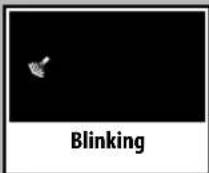
- The machine is warming up to dispense steam.
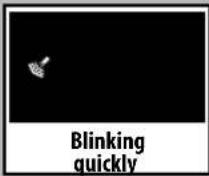
- The machine is overheated. Brew water to bring the machine to a normal temperature to brew coffee and dispense hot water.
Alarm Signals
- Return the hot water / steam knob to its proper position.
- Insert the Brew Group in the machine. - Close the service door.
- Turn off the machine and clean the brew group thoroughly as described in the manual. If the error persists, contact the service centre.
- Empty the coffee grounds drawer. - Empty the tray placed under the brew group.
- Insert the coffee grounds drawer.
- No coff ee beans in the coff ee bean hopper. After refi lling the hopper, the cycle can be restarted.
- Fill the water tank.
TROUBLESHOOTING
Machine Actions Causes Solutions
| The machine does not turn on. The machine is not connected to the electric net-work. | Connect the machine to the electrical network. | |
| The coff ee is not hot enough. The cups are cold. Preheat the cups with hot water. | ||
| No hot water or steam is dispensed. The hole of the steam wand is clogged. Clean the hole of the steam wand using a pin.Make sure that the machine is turned off and has cooled before performing this operation. | ||
| Pannarello is dirty (if supplied). Clean the Pannarello. | ||
| The coff ee has not enough crema.(See note) | The coffee blend is unsuitable, the coffee is not freshly roasted or the grind is too coarse. | Change coff ee blend or adjust the grind as explained in section "Coff ee Grinder Adjustment". |
| The machine takes a long time to warm up or the amount of water dispensed from the wand is too little. | The machine circuit is clogged by limescale. Descale the machine. | |
| The brew group cannot be removed. | The brew group is out of place. | Turn on the machine. Close the service door. The brew group automatically returns to the correct position. |
| The coffee grounds drawer is inserted. | Remove the coffee grounds drawer before removing the brew group. | |
| The machine grinds the coff ee beans but no coff ee comes out.(See note) | There is no water. | Fill the water tank and prime the circuit (section "Using the Machine for the First Time"). |
| The brew group is dirty. | Clean the brew group ("Brew Group" section). | |
| The circuit is not primed. | Prime the circuit (section "Using the Machine for the First Time"). | |
| Rare event that occurs when the machine is automatically adjusting the dose. | Brew a few coffees as described in section "Gaggia Adapting System". | |
| The dispensing spout is dirty. | Clean the dispensing spout. | |
| The coff ee is too weak.(See note) | Rare event that occurs when the machine is automatically adjusting the dose. | Brew a few coffees as described in section "Gaggia Adapting System". |
| Coff ee is brewed slowly.(See note) | The coffee grind is too fine. | Change coffee blend or adjust the grind as explained in section "Coff ee Grinder Adjustment". |
| The circuit is not primed. | Prime the circuit (section "Using the Machine for the First Time"). | |
| The brew group is dirty. | Clean the brew group ("Brew Group" section). | |
| Coffee leaks out of the dispensing spout. | The dispensing spout is clogged. | Clean the dispensing spout and its holes. |
Note: These problems can be considered normal if the coffee blend has been changed or the machine is being installed for the first time. In this case wait until the machine performs a self-adjusting operation as described in section "Gaggia Adapting System".
Please contact the customer service for any problems not covered in the above table or when the suggested solutions do not solve the problem.
TECHNICAL SPECIFICATIONS
The manufacturer reserves the right to make changes to the technical specifications of the product.
Nominal Voltage - Power Rating - Power Supply .... See label on the inside of the service door
Housing Material .... Thermoplastic material
Size (w x h x d) (mm) 320 x 372 x 461
Weight 9 kg
Power Cord Length 1.2 m
Control Panel.... Front side
Pannarello (only available for certain models) .... Special for cappuccinos
Water Tank 1.7 litres – Removable
Coffee Bean Hopper Capacity (g)....250
Coffee Grounds Drawer Capacity 14
Pump Pressure 15 bar
Boiler .... Stainless steel type
Safety Devices .... Safety thermostats
MACHINE DISPOSAL
- The packing materials can be recycled.
- Appliance: Unplug the appliance and cut the power cord.
- Deliver the appliance and power cord to a service center or public waste disposal facility.
This product complies with eu directive 2002/96/ec.

The symbol ■ on the product or on its packaging indicates that this product may not be treated as household waste. Instead it shall be handed over to the applicable collection point for the recycling of electrical and electronic equipment.
By ensuring this product is disposed of correctly, you will help prevent potential negative consequences for the environment and human health, which could otherwise be caused by inappropriate waste handling of this product. For more detailed information about recycling of this product, please contact your local city office, your household waste disposal service or the shop where you purchased the product.
EC DECLARATION OF CONFORMITY
YEAR 09
EC 2006/95, EC 2004/108.
GAGGIA S.P.A.
20087 Robeco sul Naviglio (MI) Italy
we declare under our sole responsibility that the following product:
AUTOMATIC COFFEE MACHINE
SUP 035G
to which this declaration relates is compliant with the following directives:
- Specification for safety of household and similar electrical appliances - General requirements
EN 60335-1 (2002) + A1(2004) + A2(2006) + A11(2004) + A12(2006) + A13(2008) - Specification for safety of household and similar electrical appliances - Part 2-15
Particular requirements for appliances for heating liquids EN 60335-2-15 (2002) + A1(2005) + A2 (2008). - Safety of household and similar appliances. Electromagnetic fi elds Methods for evaluation and measurement - EN 62233 (2008).
- Specification for safety of household and similar electrical appliances - Part 2-14 Particular requirements for pulverisers and coffee grinders EN 60335-2-14 (2006) + A1 (2008).
- Limits and methods of measurement of radio interference characteristics of electric motor operated and thermal household appliances, portable tools and similar electrical apparatus - EN 55014-1 (2006).
- Electromagnetic compatibility (EMC) Part 3 Limits - Section 2:
Limits for harmonic current emissions (equipment input current ≤ 16A per phase) - EN 61000-3-2 (2006)
- Electromagnetic compatibility (EMC) Part 3 Limits - Section 3:
Limitation of voltage fluctuations and fl icker in low-voltage supply systems for equipment with rated current ≤ 16A.
EN 61000-3-3 (1995) + current (1997) + A1(2001) + A2 (2005).
- Immunity requirements for household appliances, tools and similar apparatus. Product family standard EN 55014-2 (1997) + A1 (2001).
according to the provisions of the directives: EC 2006/95, EC 2004/108.
Robeco sul Naviglio
28.04.2009
R & D Manager
Eng. Andrea Castellani
Macquill
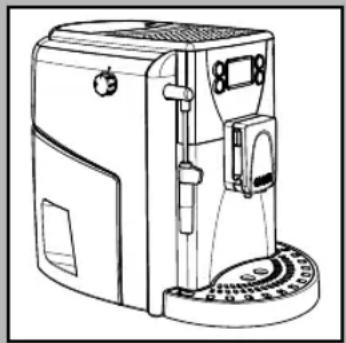
natural_image
Line drawing of a portable industrial machine with control panel and fan (no text or symbols)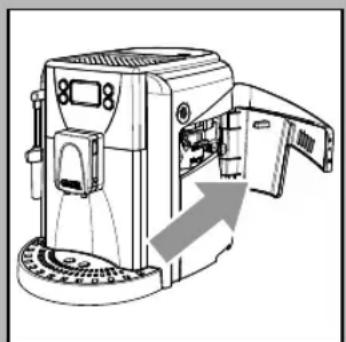
natural_image
Line drawing of a portable water dispenser with an open door and control panel (no text or symbols)ALLGEMEINES
natural_image
Diagram of a mechanical assembly with gears and clamps, no text or symbols presentnatural_image
Pure technical line drawing of a door or cabinet with no text, numbers, or symbols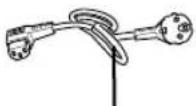
Netzkabel
natural_image
Diagram of a mechanical device with a lever and base, showing no text or symbols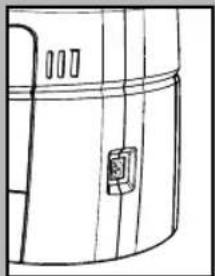
natural_image
Line drawing of a door with a handle and ventilation slots (no text or symbols)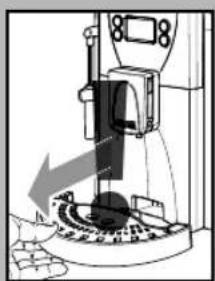
natural_image
Mechanical device with a circular base and mechanical component, no visible text or symbolsINSTALLATION
natural_image
Illustration of a hand inserting a plug into a device (no text or symbols visible)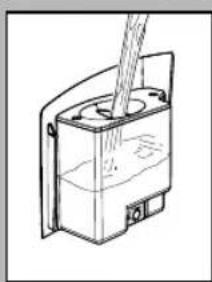
natural_image
Line drawing of a mechanical device with a lever and internal components (no text or symbols)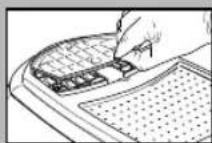
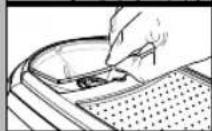
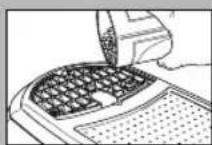
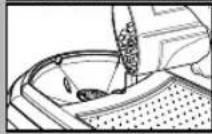
natural_image
Hand holding a small component with an arrow indicating direction (no text or symbols)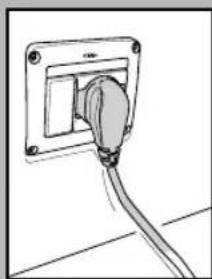
natural_image
Simple line drawing of a plug inserted into an electrical outlet (no text or symbols)natural_image
Diagram of a mechanical device with directional arrows indicating movement or force (no text or symbols)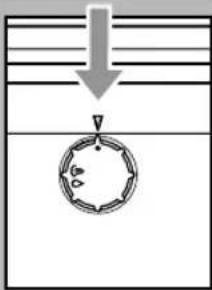
natural_image
Simple diagram showing a downward arrow pointing to a circular object with internal lines, no text or symbols present.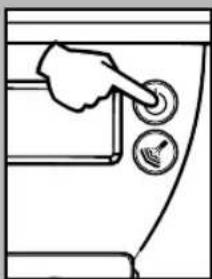
natural_image
Line drawing of a hand pressing a button on a curved surface with a sensor icon (no text or symbols)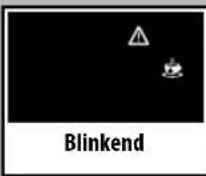
natural_image
Line drawing of a hand using a kitchen mixer to handle a bowl (no text or symbols)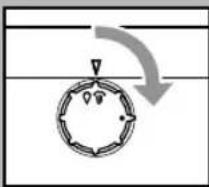
natural_image
Simple diagram showing a circular object with a downward arrow, no text or symbols present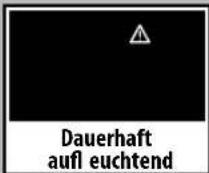
natural_image
Line drawing of a coffee maker using a cup on a saucer (no text or symbols)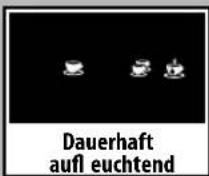
natural_image
Simple line drawing of a hand pressing down on a door panel with buttons (no text or symbols)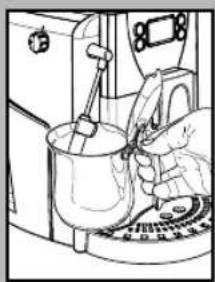
natural_image
Line drawing of a kitchen appliance with a hand using a tool to handle a bowl (no text or symbols)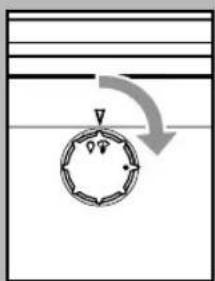
natural_image
Simple diagram showing a circular object with arrow indicating rotation or movement, no text or symbols present.natural_image
Simple line drawing of a circular object with an arrow indicating rotation or movement (no text or symbols)natural_image
Line drawing of hands inserting a small object into a container (no text or symbols)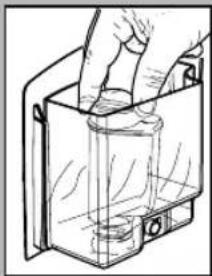
natural_image
Hand placing a glass container into a rectangular container (no text or symbols visible)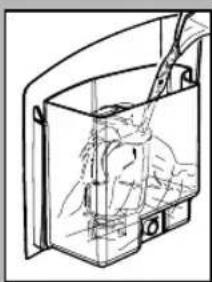
natural_image
Diagram of a mechanical or electrical component with internal structure and mounting brackets (no text or symbols)Wasserfi Iter "INTENZA" (optional)
natural_image
Illustration of a hand using a tool to adjust or install a mechanical component (no text or symbols visible)Mahlwerkeinstellung
natural_image
Illustration of a hand using a tool to press or install a component on a car intake tray (no text or symbols visible)text_image
Technical diagram showing a mechanical assembly with labeled parts 1 and 2, likely illustrating a linkage or assembly.natural_image
Illustration of a coffee machine with a cup on a tray, showing a double-headed arrow indicating compression or lifting (no text or symbols present)natural_image
Line drawing of a hand pressing down on a door panel with buttons (no text or symbols)natural_image
Line drawing of a hand pressing a button on a curved surface with a circular icon (no text or symbols)natural_image
Illustration of a hand holding a device with an arrow indicating upward motion (no text or symbols present)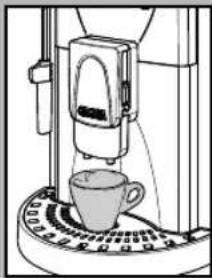
natural_image
Line drawing of a coffee maker using a cup on a tray (no text or symbols)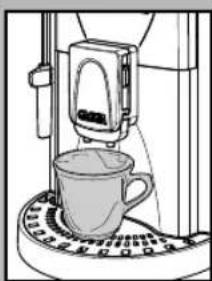
natural_image
Line drawing of a coffee maker using a cup on a tray (no text or symbols)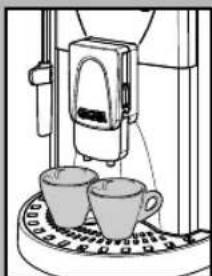
natural_image
Line drawing of a coffee machine with two cups on a tray (no text or symbols)Einstellung Auslauf
natural_image
Simple diagram showing a circular object with internal structure and a downward arrow, no text or symbols present.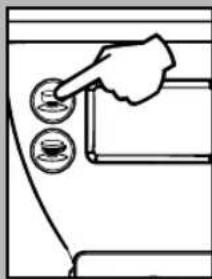
natural_image
Line drawing of a hand pressing down on a control panel with buttons (no text or symbols)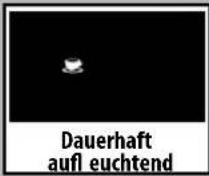
KAFFEEAUSGABE
natural_image
Simple line drawing of a circular object with an arrow indicating rotation or movement (no text or symbols)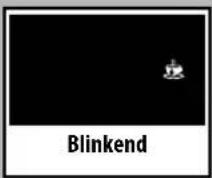
natural_image
Line drawing of a hand pressing a button on a device panel (no text or symbols)
Blinkend
natural_image
Line drawing of a hand using a tool to clean or operate a kitchen appliance (no text or symbols visible)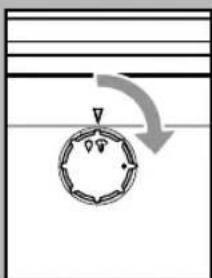
natural_image
Simple diagram showing a circular object with arrows indicating direction, no text or symbols present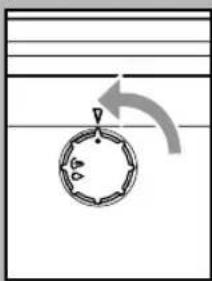
natural_image
Simple line drawing of a circular object with an arrow indicating rotation, no text or symbols present.natural_image
Illustration of a hand using a tool to press a bowl into a container (no text or symbols visible)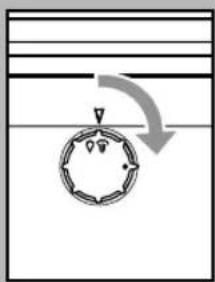
natural_image
Simple diagram showing a circular object with directional arrows, no text or symbols present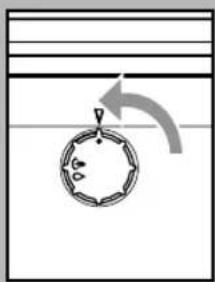
natural_image
Simple line drawing of a circular object with an arrow indicating rotation or movement (no text or symbols)natural_image
Line drawing of a hand using a tool to clean or operate a kitchen appliance (no text or symbols visible)natural_image
Simple diagram showing a circular object with arrow indicating rotation or movement, no text or symbols present.natural_image
Simple diagram showing a circular object with internal features and an arrow indicating rotation (no text or symbols)natural_image
Illustration of a hand inserting a card into a storage cabinet with a large arrow indicating direction (no text or symbols)natural_image
Line drawing of a hand using a tool to press or install a mechanical component (no text or symbols present)natural_image
Technical line drawing of a mechanical component or bracket (no text or symbols)natural_image
Line drawing of a cylindrical container with a handle and internal structure (no text or symbols)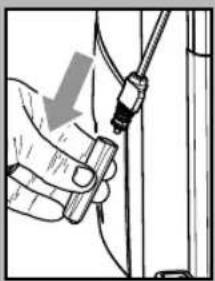
natural_image
Hand holding a tool with a downward arrow, next to a pipe or tube (no text or symbols visible)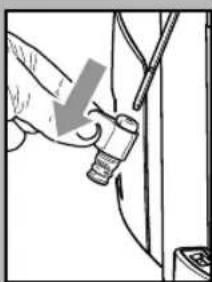
natural_image
Illustration of a hand holding a small mechanical component with a downward arrow, next to a pipe or cable (no text or symbols)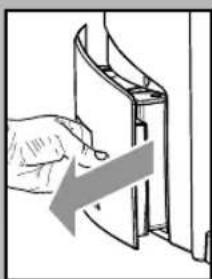
natural_image
Hand inserting a card into a door panel (no text or symbols visible)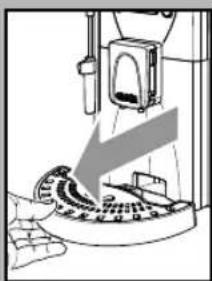
natural_image
Diagram of a mechanical device with a downward arrow indicating motion or force, showing no text or symbols.natural_image
Line drawing of a hand inserting a device into a machine (no text or symbols visible)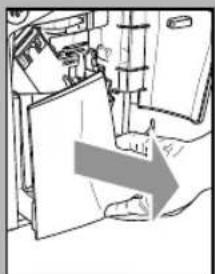
natural_image
Line drawing of a hand inserting a card into a device (no text or symbols visible)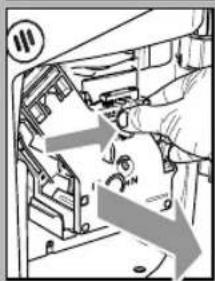
natural_image
Mechanical assembly diagram showing hands operating a component with no visible text or symbols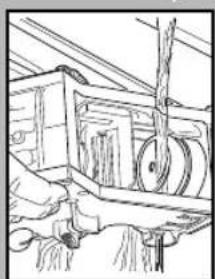
natural_image
Line drawing of a hand using a tool to adjust or install a mechanical component (no text or symbols visible)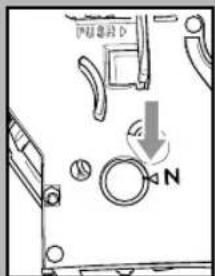
text_image
伊犁息路D N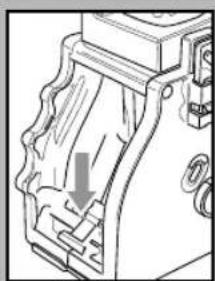
natural_image
Technical line drawing of a mechanical component with a downward arrow indicating a cut or assembly (no text or symbols present)Brühgruppe
natural_image
Mechanical assembly diagram showing a hand inserting a component into a motor (no text or symbols visible)natural_image
Technical diagram of a mechanical assembly with no visible text or symbolsnatural_image
Mechanical assembly diagram showing a component with a highlighted section (no text or symbols visible)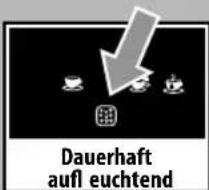
text_image
GAGGIA Chemicals & Compounds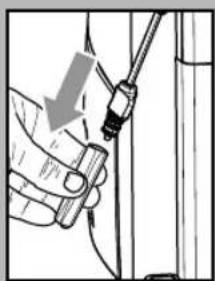
natural_image
Illustration of a hand using a tool to adjust or install a component, with no visible text or symbols.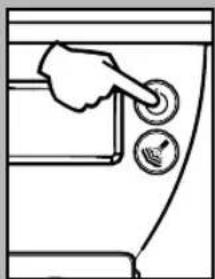
natural_image
Line drawing of a hand pressing a button on a curved surface with two circular buttons (no text or symbols)ENTKALKUNG
natural_image
Line drawing of a mechanical device with a lever and internal components (no text or symbols)natural_image
Illustration of a hand pouring liquid into a bowl using a spatula (no text or symbols)natural_image
Simple diagram showing a circular object with a downward arrow, no text or symbols presentnatural_image
Simple circular diagram with arrow indicating rotation or direction (no text or symbols)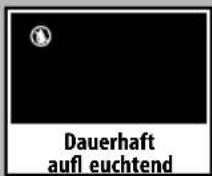
natural_image
Line drawing of a mechanical device with a lever and internal components (no text or symbols)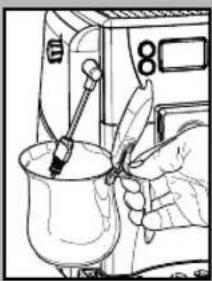
natural_image
Illustration of a hand pouring liquid into a beaker with a tool, next to a control panel (no text or symbols visible)natural_image
Simple diagram showing a circular object with a downward arrow, no text or symbols presentnatural_image
Simple line drawing of a circular object with an arrow indicating rotation or movement (no text or symbols)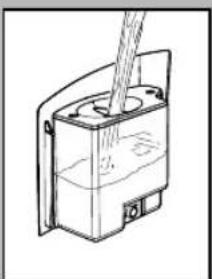
natural_image
Line drawing of a mechanical device with a lever and internal components (no text or symbols)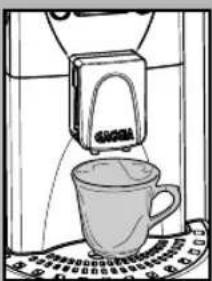
natural_image
Line drawing of a coffee maker using a cup (no text or symbols)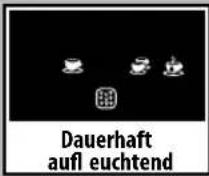
natural_image
Line drawing of a hand pressing down on a device with circular buttons and a screen (no text or symbols)natural_image
Hand pressing a button on a device panel with power and control buttons (no text or symbols visible)natural_image
Hand holding a tool with an upward arrow, no visible text or symbols2006/95/EG, 2004/108/EG.
GAGGIA S.P.A.
20087 Robeco sul Naviglio (MI) Italien
natural_image
Line drawing of a laboratory filtration device with no visible text or symbols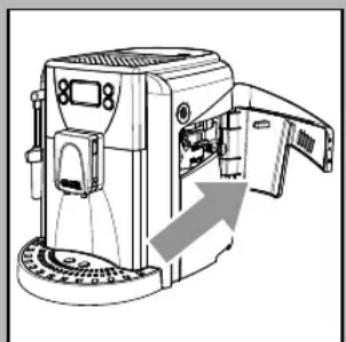
natural_image
Line drawing of a device with an arrow indicating direction, no text or symbols presentGÉNÉRALITÉS
natural_image
Technical line drawing of a mechanical device with no visible text or symbols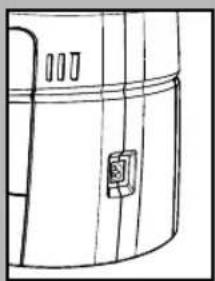
natural_image
Line drawing of a door with a handle and ventilation slots (no text or symbols)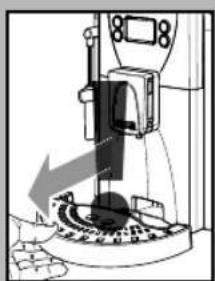
natural_image
Mechanical device with a gray arrow pointing to a circular component (no visible text or symbols)MISE EN PLACE
natural_image
Illustration of a hand inserting a plug into a device (no text or symbols visible)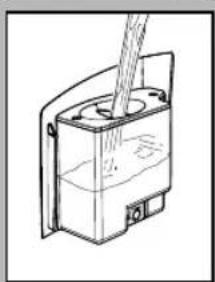
natural_image
Line drawing of a mechanical device with a lever and internal components (no text or symbols)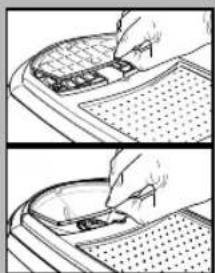
natural_image
Two-step illustration showing hand using a tool to adjust or install a component on a textured surface (no text or symbols)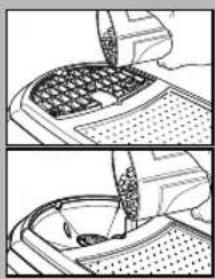
natural_image
Two-step illustration showing a shoe being processed with a tool, no text or symbols present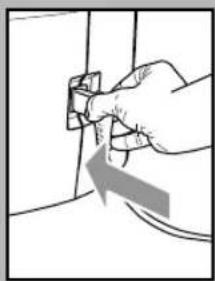
natural_image
Hand holding a small object with an arrow indicating direction (no text or symbols)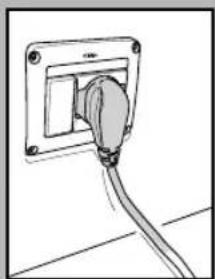
natural_image
Simple line drawing of an electrical outlet with a plug inserted (no text or symbols)natural_image
Diagram of a device handle with arrows indicating movement or force (no text or symbols)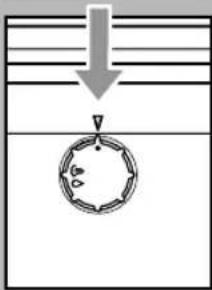
natural_image
Simple diagram showing a downward arrow pointing to a circular object with internal patterns, no text or symbols present.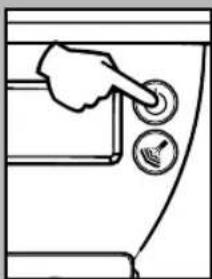
natural_image
Line drawing of a hand pressing a button on a curved surface with a sensor icon (no text or symbols)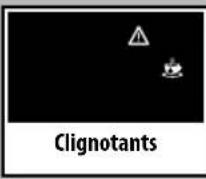
natural_image
Line drawing of a kitchen appliance with a hand using a tool to handle a bowl (no text or symbols)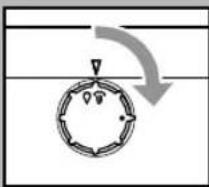
natural_image
Simple diagram showing a circular object with a downward arrow, no text or symbols present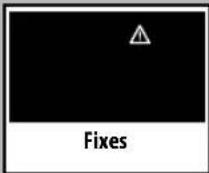
natural_image
Simple line drawing of a circular object with internal features, no text or symbols present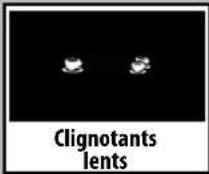
Amorçage du circuit
natural_image
Line drawing of a coffee maker using a cup on a saucer (no text or symbols)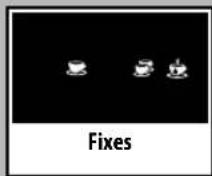
natural_image
Line drawing of a hand pressing down on a door panel with buttons (no text or symbols)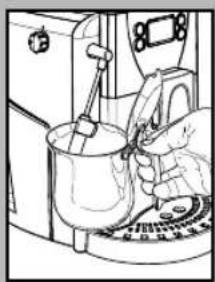
natural_image
Line drawing of a kitchen appliance with a hand using a tool to handle a bowl (no text or symbols)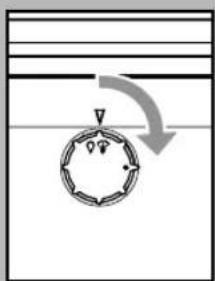
natural_image
Simple diagram showing a circular object with arrow indicating rotation or movement, no text or symbols present.natural_image
Simple line drawing of a circular object with an arrow indicating rotation or movement (no text or symbols)natural_image
Line drawing of hands inserting a small object into a container (no text or symbols)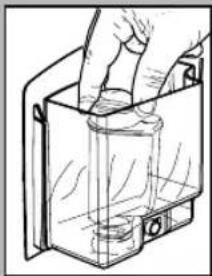
natural_image
Hand placing a glass container into a rectangular container (no text or symbols visible)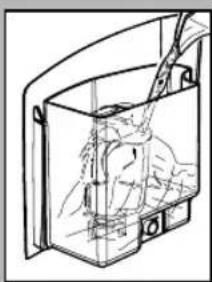
natural_image
Diagram of a mechanical or electrical component with internal structure and mounting brackets (no text or symbols)natural_image
Illustration of a hand using a tool to adjust or install a mechanical component (no text or symbols visible)natural_image
Illustration of a hand using a tool to press or install a component on a car grille (no text or symbols visible)text_image
Technical diagram showing a mechanical assembly with labeled parts 1 and 2, likely illustrating a linkage or tool path.natural_image
Illustration of a coffee maker using a cup on a tray, with no visible text or symbolsnatural_image
Line drawing of a hand pressing down on a control panel with buttons (no text or symbols)natural_image
Line drawing of a hand pressing a button on a curved surface with circular buttons (no text or symbols)natural_image
Illustration of a hand holding a device with an arrow indicating upward motion (no text or symbols present)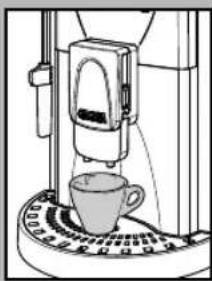
natural_image
Line drawing of a coffee maker using a cup on a tray (no text or symbols)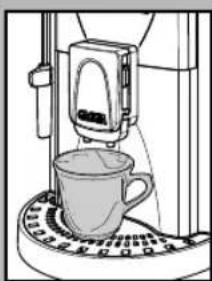
natural_image
Line drawing of a coffee maker machine with a cup on a tray (no text or symbols)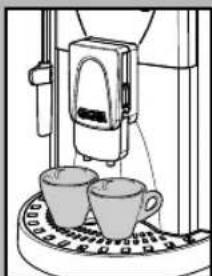
natural_image
Line drawing of a coffee machine with two cups on a tray (no text or symbols)natural_image
Diagram showing a circular object with internal structures and a downward arrow, no text or symbols present.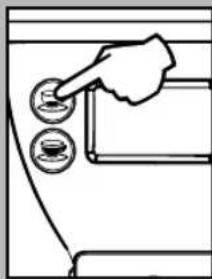
natural_image
Line drawing of a hand pressing down on a control panel with buttons (no text or symbols)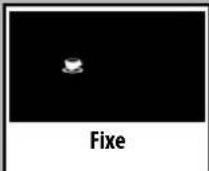
DISTRIBUTION DE CAFÉ

natural_image
Simple line drawing of a circular object with an arrow indicating rotation or movement (no text or symbols)
natural_image
Line drawing of a hand pressing a button on a device panel (no text or symbols)
Clignotant
Fixe
natural_image
Line drawing of a hand using a kitchen mixer with a pot and stand (no text or symbols)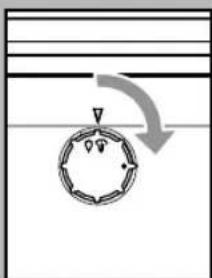
natural_image
Simple diagram showing a circular object with arrows indicating direction, no text or symbols present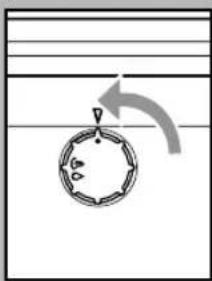
natural_image
Simple diagram showing a circular object with an arrow indicating rotation or movement, no text or symbols present.natural_image
Illustration of a hand using a tool to press or inspect a conical object on a mechanical device (no text or symbols visible)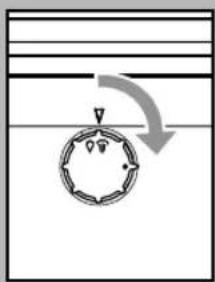
natural_image
Simple diagram showing a circular object with arrows indicating direction, no text or symbols present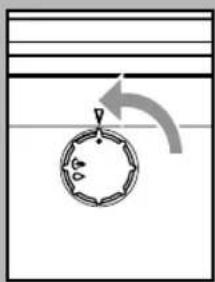
natural_image
Simple line drawing of a circular object with an arrow indicating rotation or movement (no text or symbols)natural_image
Line drawing of a hand using a micrometer to clean food from a kitchen appliance (no text or symbols)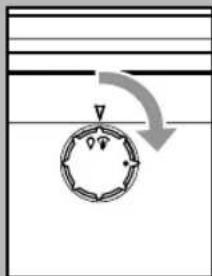
natural_image
Simple diagram showing a circular object with arrows indicating direction, no text or symbols present.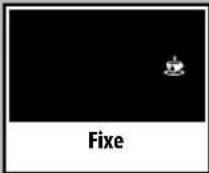
natural_image
Simple diagram showing a circular object with internal features and an arrow indicating rotation (no text or symbols)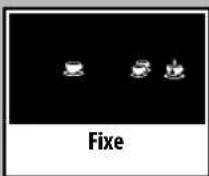
natural_image
Illustration of a person opening a door with a large arrow pointing to the door (no text or symbols present)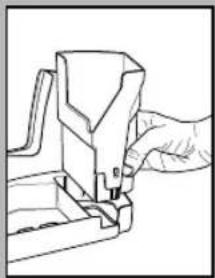
natural_image
Line drawing of a hand using a tool to press or install a mechanical component (no text or symbols present)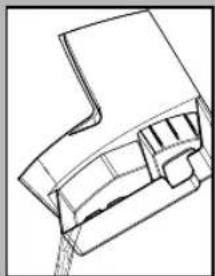
natural_image
Technical line drawing of a mechanical component or bracket (no text or symbols)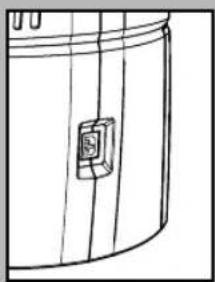
natural_image
Line drawing of a cylindrical container with a small rectangular object on top (no text or symbols)NETTOYAGE ET ENTRE- TIEN
Nettoyage général
natural_image
Hand holding a tool with a downward arrow, next to a pipe or tube (no text or symbols visible)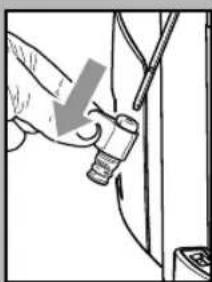
natural_image
Illustration of a hand holding a small mechanical component with a downward arrow, next to a pipe or cable (no text or symbols)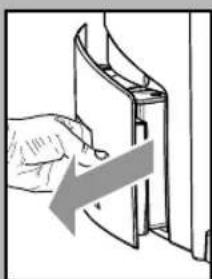
natural_image
Hand inserting a card into a door panel (no text or symbols visible)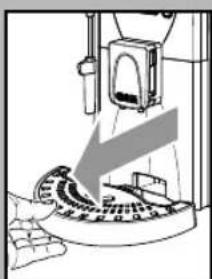
natural_image
Diagram of a robotic arm operating a conveyor belt system (no text or symbols visible)natural_image
Line drawing of a hand inserting a device into a machine (no text or symbols visible)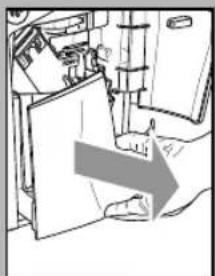
natural_image
Hand inserting a card into a device (no text or symbols visible)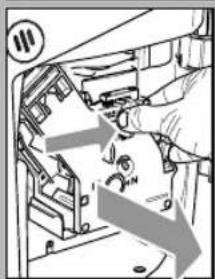
natural_image
Mechanical assembly diagram showing hands operating a component with arrows indicating motion (no text or symbols)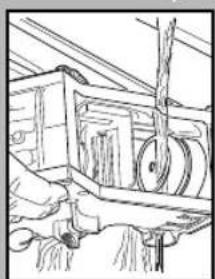
natural_image
Line drawing of a hand using a tool to adjust or install a mechanical component (no text or symbols visible)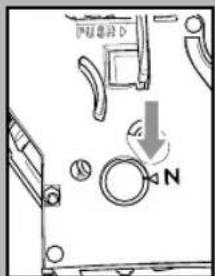
text_image
P N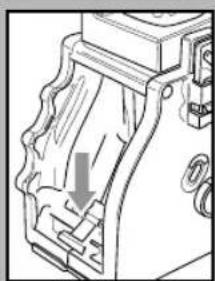
natural_image
Technical line drawing of a mechanical component with a downward arrow indicating a cut or assembly (no text or symbols present)natural_image
Mechanical assembly diagram showing a hand inserting a component into a motor (no text or symbols visible)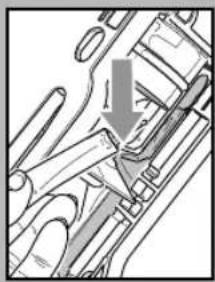
natural_image
Mechanical assembly diagram showing a valve or actuator component with no visible text or symbols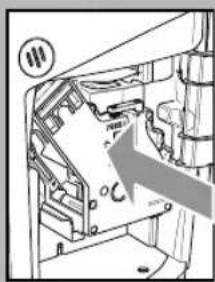
natural_image
Technical diagram of a mechanical assembly with no visible text or symbolstext_image
GAGGIA Chemicals and Products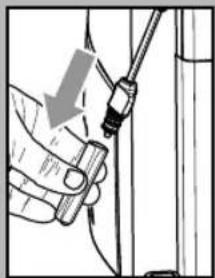
natural_image
Illustration of a hand holding a tool with a downward arrow indicating a process (no text or symbols present)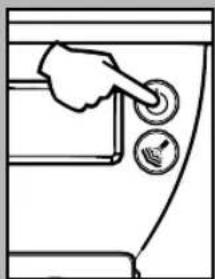
natural_image
Line drawing of a hand pressing a button on a curved surface with circular buttons (no text or symbols)DÉTARTRAGE
natural_image
Line drawing of a mechanical device with a lever and internal components (no text or symbols)natural_image
Illustration of a hand pouring liquid into a bowl using a spatula (no text or symbols)natural_image
Simple diagram showing a circular object with a downward arrow, no text or symbols presentnatural_image
Simple diagram showing a circular object with an arrow indicating rotation or movement (no text or symbols)natural_image
Line drawing of a mechanical device with a lever and internal components (no text or symbols)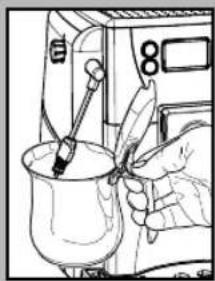
natural_image
Illustration of a hand pouring liquid into a beaker with a stirring rod (no text or symbols)natural_image
Simple diagram showing a circular object with a downward arrow, no text or symbols presentnatural_image
Simple diagram showing a circular object with internal features and an arrow indicating rotation (no text or symbols)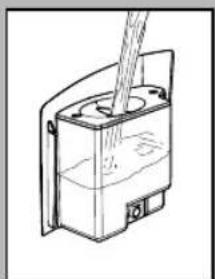
natural_image
Line drawing of a mechanical device with a lever and internal components (no text or symbols)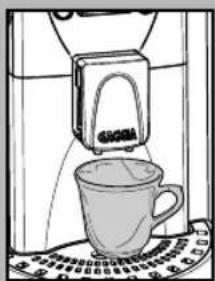
natural_image
Line drawing of a coffee maker using a cup on a keyboard (no text or symbols)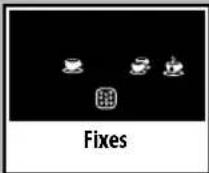
natural_image
Line drawing of a hand pressing a button on a device (no text or symbols)natural_image
Line drawing of a hand pressing a button on a device panel (no text or symbols)natural_image
Hand holding a tool with an upward arrow, no visible text or symbolsDÉCLARATION CE DE CONFORMITÉ
ANNÉE 09
2006/95/CE, 2004/108/CE.
GAGGIA S.P.A.
20087 Robeco sul Naviglio (MI) Italie
The manufacturer reserves the right to change the features of the product without prior notice.