AGB 655/DP - INSTRUCTION FOR USE - Cooker WHIRLPOOL - Free user manual and instructions
Find the device manual for free AGB 655/DP - INSTRUCTION FOR USE WHIRLPOOL in PDF.



| Product type | Professional dishwasher for communities |
| Brand | Whirlpool |
| Model | AGB 655/DP |
| Dimensions (W x D x H) | 600 x 600 x 850 mm (estimated) |
| Net weight | 64 kg |
| Supply voltage | 400V 3+N / 230V 1 ~ |
| Frequency | 50 Hz |
| Maximum power consumption | 4.9 kW |
| Boiler capacity | 7 L |
| Tank capacity | 26 L |
| Water consumption per cycle (rinse) | 2.4 L |
| Standard cycle duration (at 50 °C) | 120 s |
| Noise level | 66 dB(A) |
| Protection degree | IPX4 |
| Water supply pressure | 200 - 400 kPa |
| Recommended water supply temperature | 50 - 60 °C |
| Maximum water hardness | 12 °dF |
| Wash programs | Short cycle (120 s), Medium cycle (120/180 s) |
| Regeneration function (integrated softener) | Yes, on models with softener (water supply 15-30 °C) |
| Maintenance and cleaning | Daily cleaning of filters, periodic cleaning of spray arms |
| Safety | Compliance with CEI-EN-IEC 60335-2-58/61770, automatic stop when door opens |
| Spare parts and repairability | Available from Whirlpool after-sales service |
Frequently Asked Questions - AGB 655/DP - INSTRUCTION FOR USE WHIRLPOOL
User questions about AGB 655/DP - INSTRUCTION FOR USE WHIRLPOOL
0 question about this device. Answer the ones you know or ask your own.
Ask a new question about this device
Download the instructions for your Cooker in PDF format for free! Find your manual AGB 655/DP - INSTRUCTION FOR USE - WHIRLPOOL and take your electronic device back in hand. On this page are published all the documents necessary for the use of your device. AGB 655/DP - INSTRUCTION FOR USE by WHIRLPOOL.
USER MANUAL AGB 655/DP - INSTRUCTION FOR USE WHIRLPOOL
natural_image
Exterior view of a stainless steel kitchen appliance with 'Waterspool' branding (no other text or symbols visible)LAVASTOVIGLIE PROFESSIONALI PROFESSIONAL DISHWASHERS LAVE-VAISSELLE A USAGE COLLECTIF PROFESSIONELLER GESCHIRRSPÜLER LAVAVAJILLAS PROFESIONAL MÁQUINA DE LAVAR LOUÇA PROFISSIONAL
MANUALE D' USO ED INSTALLAZIONE MANUAL FOR USE AND INSTALLATION MANUEL D' EMPLOI ET MISE EN PLACE GEBRAUCHSANWEISUNG UND INSTALLATION MANUAL DE INSTALACIÓN DE USO MANUAL DE INSTALAÇO USO
MODELS - MODELES - MODELLE - MODELLI - MODELOS
| AGB 648/WP | AGB 649/WP |
| AGB 650/WP | AGB 650/DP |
| AGB 651/WP | AGB 651/DP |
| AGB 652/WP | AGB 652/DP |
| AGB 653/WP | AGB 653/DP |
| AGB 654/WP | AGB 654/DP |
| AGB 655/WP | AGB 655/DP |
| AGB 656/WP | AGB 657/WP |
| AGB 658/WP | AGB 661/WP |
| AGB 662/WP | AGB 662/DP |
| AGB 663/WP | |
| ADN 408 | ADN 409 |
natural_image
Diagram of two electrical meters with directional arrows indicating movement or force (no text or symbols)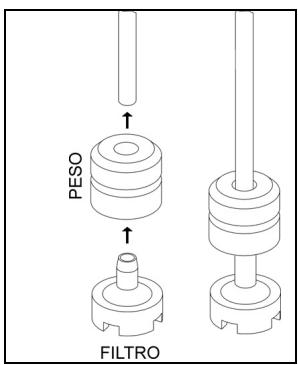

natural_image
Three simple icons: a camera, a lens, and a battery symbol (no text or labels)AGB 649/WP- AGB 651/DP- AGB 651/WP- AGB 655/DP- AGB 658/WP- AGS 654/WP- AGB 662/DP- AGB 662/WP


AGB 653/DP- AGB 653/WP


flowchart
graph TD
    A[" "] --> B["5"]
    C[" "] --> D["1"]
    E[" "] --> F["2"]
    G[" "] --> H["3"]
AGB 652/DP- AGB 652/WP


flowchart
graph TD
    A[" "] --> B["S"]
    C[" "] --> D[" "]
    E[" "] --> F[" "]
    G[" "] --> H[" "]
    I[" "] --> J[" "]
    K[" "] --> L[" "]
ADN408


ADN409



natural_image
Two technical illustrations of cylindrical storage units in different material layouts (no text or symbols)Bicchieri
flowchart
graph TD
    A["Step 1: Hand icon"] --> B["Step 2: Circle icon with plus sign"]
    B --> C["Step 3: Circle icon with butterfly symbol"]
    C --> D["Step 4: Circle icon with shield symbol"]
    D --> E["Step 5: Circle icon with circle symbol"]
    E --> F["Step 6: Circle icon with plus symbol"]
    F --> G["Step 7: Circle icon with cross symbol"]
natural_image
Technical line drawing of a mechanical assembly with a cylindrical component and a multi-layered housing (no text or symbols)1 Usage and safety warnings
2 Technical characteristics
3 Installation and positioning
4 Installer instructions
5 First startup
6 Mechanical model user instructions
7 Maintenance and cleaning (user)
8 Problems and anomalies (user)
Thank you for having chosen this product.
We recommend that all of the instructions contained in the manual be read carefully in order to fully understand the most suitable conditions for proper use of the dishwasher.
TECHNICAL INSTRUCTIONS:
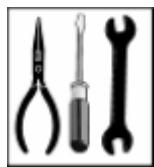
Are intended for qualified personnel who shall perform installation, activation, testing and eventual assistance interventions.
USER INSTRUCTIONS:

Indicate suggestions for use, description of commands and proper dishwasher cleaning and maintenance.
1 USAGE AND SAFETY WARNINGS

THIS MANUAL CONSTITUTES AND INTEGRAL PART OF THE DISHWASHER; IT MUST ALWAYS BE PRESERVED INTACT, TOGETHER WITH THE MACHINE.

POSITIONING, CONNECTIONS, ACTIVATION AND TROUBLESHOOTING, AND SUBSTITUTION OF THE POWER CABLE MUST BE PERFORMED BY QUALIFIED PERSONNEL.
THE DISHWASHER IS INTENDED EXCLUSIVELY FOR PROFESSIONAL USE AND MUST BE USED BY AUTHORIZED PERSONNEL. IT IS DESIGNED TO WASH DISHES (PLATES, CUPS, BOWLS, TRAYS, SILVERWARE) AND SIMILAR ITEMS USED IN GASTRONOMIC SECTORS AS WELL AS IN THE PUBLIC CATERING BRANCH, AND IN CONFORMITY TO THE INTERNATIONAL ELECTRICAL AND MECHANICAL SAFETY (CEI-EN-IEC 60335-2-58/61770) AND ELECTROMAGNETIC COMPATIBILITY (CEI-IEC-EN 55014-1/-2, 61000-3;4, 50366) NORMS.
THE MANUFACTURER DECLINES ANY RESPONSIBILITY FOR DAMAGE TO PERSONS OR THINGS CAUSED BY FAILURE TO OBSERVE THE INSTRUCTIONS PRESENT IN THE MANUAL, INCORRECT USE, TAMPERING, EVEN WITH A SINGLE PART OF THE MACHINE, AND THE USE OF NON-ORIGINAL SPARE PARTS.

THE GROUNDING CONNECTION, IN CONFORMITY TO THE METHODS PRESCRIBED BY THE ELECTRICAL SYSTEM'S SAFETY NORMS, IS OBLIGATORY.
THIS MACHINE IS MARKED IN CONFORMITY TO THE EUROPEAN DIRECTIVE 2002/96/EC, WASTE ELECTRICAL AND ELECTRONIC EQUIPMENT (WEE).
ENSURING THAT THIS PRODUCT BE DISPOSED OF IN A PROPER MANNER CONTRIBUTES TO THE PREVENTION OF POTENTIAL NEGATIVE HEALTH AND ENVIRONMENTAL CONSEQUENCES.
THE SYMBOL UPON THE PRODUCT, OR UPON ITS ACCOMPANYING DOCUMENTATION, INDICATES THAT THIS PRODUCT MAY NOT BE TREATED AS DOMESTIC WASTE, BUT RATHER MUST BE TAKEN TO A COLLECTION FACILITY WHICH IS SUITABLE FOR THE RECYCLING OF ELECTRIC AND ELECTRONIC EQUIPMENT.
DISCARD THIS PRODUCT IN CONFORMITY TO THE LOCAL NORMS REGARDING WASTE DISPOSAL. FOR MORE INFORMATION REGARDING THE TREATMENT, SALVAGE AND RECYCLING OF THIS PRODUCT, CONTACT YOUR COMPETENT LOCAL OFFICES, YOUR LOCAL WASTE COLLECTION SERVICE PROVIDER OR THE POINT OF SALE IN WHICH THE PRODUCT WAS PURCHASED.

DO NOT INSERT SOLVENTS SUCH AS ALCOHOL OR TURPENTINE INTO THE MACHINE, AS THEY COULD CAUSE AN EXPLOSION. DO NOT INSERT DISHES WITH ASH, WAX OR VARNISH RESIDUES INTO THE MACHINE.

NEVER USE THE DISHWASHER OR ITS PARTS AS A STEPLADDER OR SUPPORT FOR PERSONS, THINGS OR ANIMALS.
LEANING OR SITTING UPON THE DISHWASHER'S OPEN DOOR COULD CAUSE IT TO TIP AND POSE A DANGER TO PEOPLE IN THE VICINITY.
IN ORDER TO AVOID TRIPPING UPON IT, DO NOT LEAVE THE DISHWASHER DOOR OPEN.

DO NOT DRINK THE RESIDUAL WATER WHICH MAY BE PRESENT WITHIN THE DISHES OR THE DISHWASHER ITSELF AFTER A WASH CYCLE.

THE MACHINE IS NOT SUITABLE TO BE USED BY MINORS, AND BY PEOPLE WITH REDUCED PHYSICAL, SENSORIAL OR MENTAL CAPABILITIES, WHO LACK THE NECESSARY EXPERIENCE AND KNOWLEDGE FOR ITS PROPER OPERATION. USE OF THE MACHINE IS PERMITTED TO THESE PEOPLE EXCLUSIVELY UNDER THE SUPERVISION OF A PERSON IN CHARGE OF THEIR SAFETY.
2 TECHNICAL CHARACTERISTICS
| ADN408-ADN409 | AGB648-AGB649-AGB650-AGB651-AGB652-AGB653-AGB654-AGB655-AGB656 | AGB657-AGB658-AGB661-AGB662-AGB663-AGB653-AGB654 | ||
| Power supply | V | 400V/3+N230V/1 | 400V/3+N230V/1 | 400V/3+N230V/1 |
| Frequency | Hz | 50 | 50 | 50 |
| Max. power consumed | kW | 4,9 | 4,9 | 5,1 - 6,6 |
| Boiler element power | kW | 4,5 | 4,5 | 4,5 - 6 |
| Tank element power | kW | 2,5 | 2,5 | 2 |
| Wash pump power | kW | 0,4 | 0,4 | 0,6 |
| Water supply pressure | kPa | 200-400 | 200-400 | 200-400 |
| Water supply temperature | °C | 50 - 60 | 50 - 60 | 50 - 60 |
| Version “A” water supply temperature (incorporated water softener) | °C | 15 - 30 | 15 - 30 | 15 - 30 |
| Water supply hardness | °dF | 7 - 12 | 7 - 12 | 7 - 12 |
| Water consumption per rinse | I | 2,4 | 2,4 | 2,4 |
| Boiler capacity | I | 7 | 7 | 7 |
| Tank capacity | I | 26 | 26 | 14,5 |
| Standard cycle duration with water supply at 50°C | s | 120 | 120/180 | 120/180 |
| Noise level | dB(A) | 66 | 66 | 66 |
| Protection rating | IPX | 4 | 4 | 4 |
| Net Weight | kg | 64 | 64 | 66 |
| Power cable type | ◀HAR▶ | H05VV-F | H05VV-F | H05VV-F |
3 INSTALLATION AND POSITIONING
INSTALLATION AND POSITIONING
Bring the dishwasher to its installation location, remove its packaging and verify the integrity of the apparatus and of its components. If damaged, written notification must be sent to the transporter.
The packaging elements (plastic bags, polystyrene foam, nails, etc) must not be left within reach of children and domestic animals as they are a potential source of danger.
All of the materials used for packaging are compatible with the environment. They may be safely preserved, or may be disposed of at an appropriate waste disposal facility.
The components in plastic material subject to eventual disposal through recycling are marked in the following manner:
PE polyethylene: external wrapping, instructions bag, protection bags.
PP polypropylene: straps.
PS polystyrene foam: protective corners, packaging cover.
The wood and cardboard components can be disposed of by respecting the norms in vigor.
When disposing of the product, do not abandon it in the environment; its disposal must respect the norms in vigor. All of the metallic parts are in stainless steel and are detachable.
The plastic parts are marked with the symbol of the relative material.
POSITIONING:

Warning: the internal system and the locations in which communal apparatus are to be installed, must answer to the norms in vigor.
The manufacturer declines any responsibility for direct damages to persons of things deriving from lack of respect for the said norms.
Prior to installation, verify that objects and materials which could be damaged by aqueous vapor or by spray from washing solutions are not in the vicinity, or are adequately protected.
Position the dishwasher in the desired position and remove the protective wrapping.
Level the dishwasher (with the help of a level) on its four feet, regulating them in such a way so as to guarantee stability; any alternate solution must be approved by the manufacturer.
4 INSTALLER INSTRUCTIONS
WATER AND DRAIN CONNECTION:
The water tubes and the electrical power cable stick out from the back of the machine. Connect the water supply tube to a 34 " threaded gas outlet.
Use only new tubes for the connection to the water supply; old or used tubes must not be utilized.
The dynamic supply pressure must be between 2 and 4 bar; if the pressure is higher, a pressure reducer must be installed.
A general faucet must be installed upon the water supply input tubing; the faucet must be accessible after installation has been completed. Do not install the faucet behind the dishwasher.
The declared cycle durations refer to a 50^ hot water supply.
Should a cold water supply be used, the duration of the cycle could increase in relation to the input water temperature, since the dishwasher is equipped with a constant temperature and pressure rinse system.
DRAIN:
Every dishwasher comes equipped with a drain connection tube; this tube is intended to be installed at floor level, with a trap drain.

Caution: make sure that the supply and drain tubes are not bent, restricted or crushed after installation.

4.1 Electrical connection
The dishwasher's electrical connection, and that of eventual supplementary apparatus, is to be entrusted to authorized and qualified personnel, with respect to the norms in vigor; the technical regulations for the connections are also to be observed.
The total power installed is given upon the apparatus' technical data label.
Other apparatus must not be protected together with the dishwasher.
The user must provide for the installation, according to the norms in vigor, of a main electrical power switch and of a differential switch compatible with the machine's characteristics.
These switches must be installed near the dishwasher, be easily accessible after installation and guarantee complete disconnection from the electrical supply in category III over voltage conditions.

Caution!!!
The dishwasher is free of electrical current only when the main switch is off.
- Connect the apparatus to the usage equalizer. The ▼ clamp for the connection is located at the lower back of the machine.
- The protection conductor (PE) is yellow-green in color, the neutral conductor (N) is blue and the phase conductors (L1, L2, L3) are black, gray and brown.
5 FIRST STARTUP ( Installer )
FIRST STARTUP
The electrical protection system must be subjected to a functional test before use. The installation must be performed and/or verified by the authorized reseller who will be responsible for the first startup and for the instructions relative to the dishwasher's operation.
PREPARATION FOR USE
Important:
The rinse-aid metering unit comes equipped in all models while the detergent metering unit comes equipped in only some models.
If both metering units are present, position the external detergent and rinse-aid containers and insert their respective suction tubes located at the back of the machine.
Red tube: detergent
Transparent tube: rinse-aid
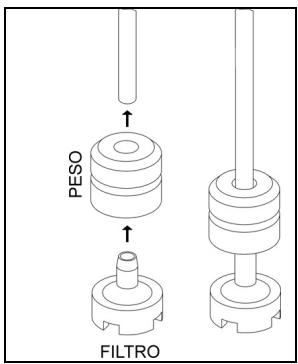
Before inserting the tubes into the containers, apply the weights (necessary to keep the tubes at the bottom of the container) and the filters as indicated in the diagram.
natural_image
Diagram of a dual-chamber electronic component with directional arrows indicating flow or movement (no text or symbols)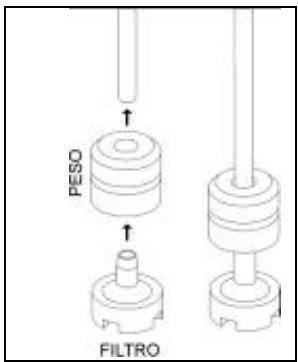
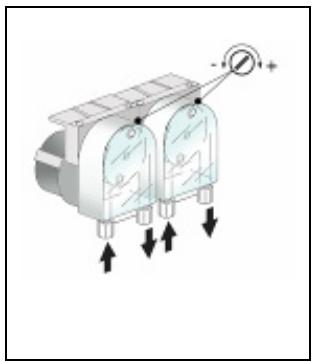
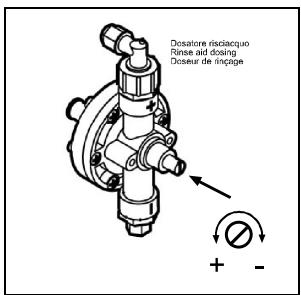
For adjustments, use the adjustment screws indicated in the diagram. It is recommended that adjustments be performed by personnel from the companies who have supplied the detergent products.
If the detergent metering unit did not come pre-installed, it can be installed at a later time by ordering the relative KIT.
Alternatively, an external metering unit can be connected by means of an electrical connection with a 2x0.5 mm type H05 RN-F cable. This cable must be inserted through the passage indicated in the TECHNICAL CHARACTERISTICS scheme and connected in accordance with the electrical scheme furnished with the dishwasher.
The metering unit must be 230V/50Hz with a maximum absorbed power of 15W.
Connect the external detergent metering unit to the dishwasher through the red tube cited above.
6 MECHANICAL MODEL USER INSTRUCTIONS
 | on/off button symbol |  | Led indicator light functions | ||
 | Wash cycle button symbol |  | Drain pump button symbol | ||
 | Regeneration button symbol |  | Boiler rinse led indicator light symbol | ||
 | Short wash cycle symbol |  | Medium wash cycle symbol |
6.1 Before washing
Use only detergents and rinse-aids for industrial dishwashers.
Do not use detergents intended for hand washing.
It is recommended to use products which were designed especially for this dishwasher.

During the loading of the tanks, be careful not to switch products as this could provoke dishwasher malfunction and damage.
Do not mix different detergents together as this could damage the metering unit.
Detergents for industrial dishwashers can cause serious irritations. Take care to respect the instructions provided by the detergent manufacturer on the packaging.
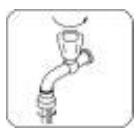
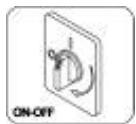
| Open the water supply faucet (usage). | Verify: | Turn off the main switch (usage), “OFF” appears on the display. | |
| The levels of detergent and rinse-aid in the containers. | The correct positioning of the filters, the rotation of the sprinklers, the absence of foreign objects within the dishwasher. | ||
 |  |  | |
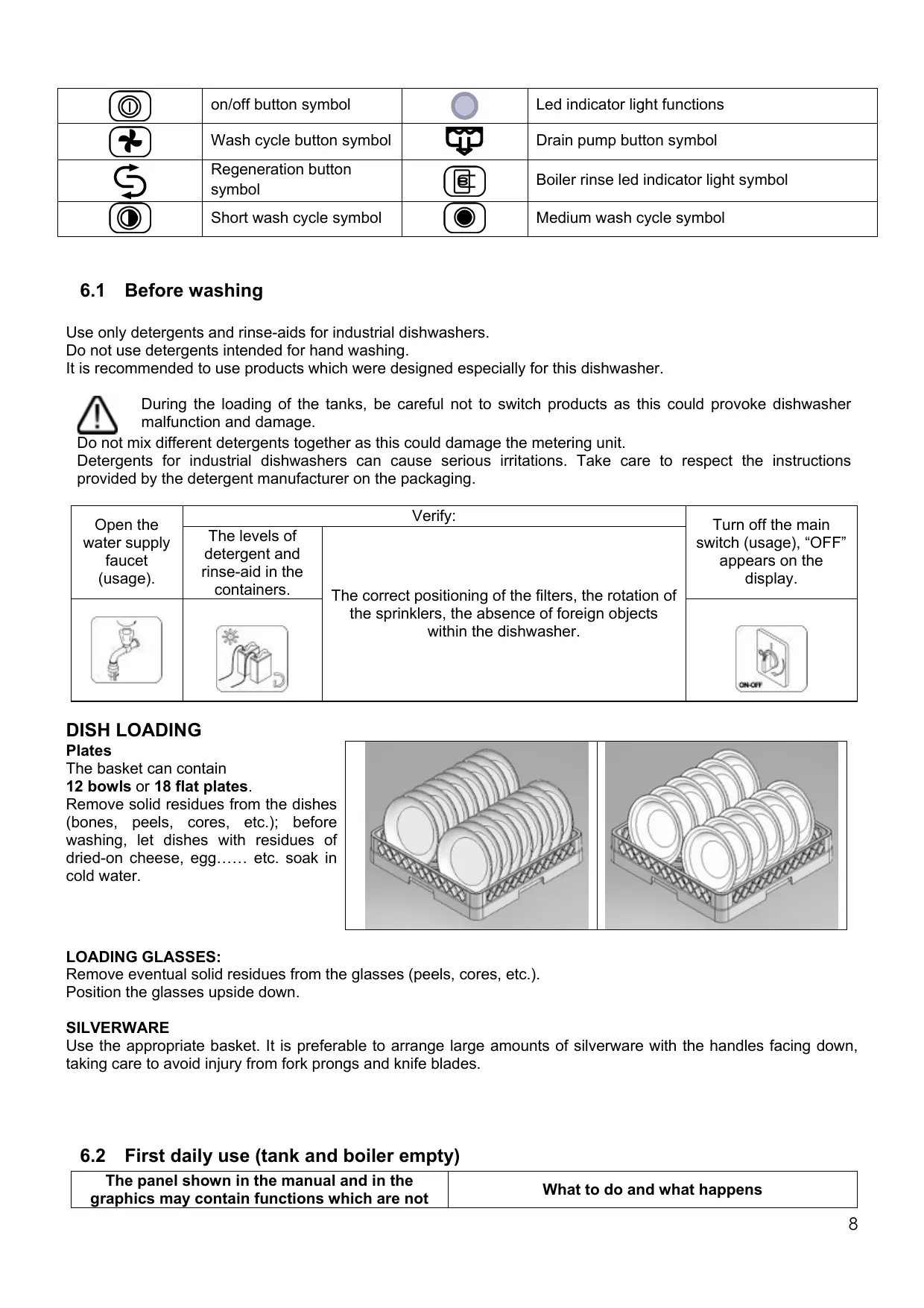
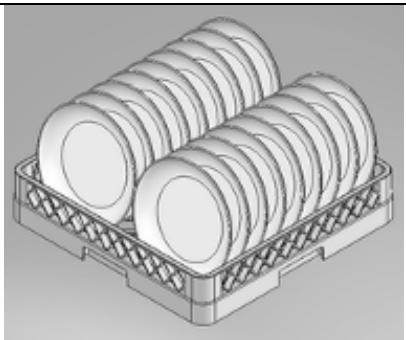
DISH LOADING
Plates
The basket can contain
12 bowls or 18 flat plates.
Remove solid residues from the dishes (bones, peels, cores, etc.); before washing, let dishes with residues of dried-on cheese, egg..... etc. soak in cold water.
natural_image
3D rendering of a mechanical component with cylindrical cavities arranged in a grid pattern (no text or symbols visible)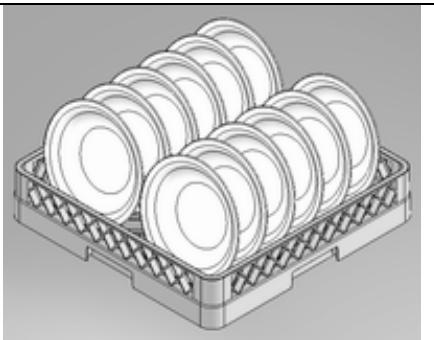
natural_image
3D rendering of a plastic tray with multiple circular compartments (no text or symbols visible)LOADING GLASSES:
Remove eventual solid residues from the glasses (peels, cores, etc.).
Position the glasses upside down.
SILVERWARE
Use the appropriate basket. It is preferable to arrange large amounts of silverware with the handles facing down, taking care to avoid injury from fork prongs and knife blades.
6.2 First daily use (tank and boiler empty)
| The panel shown in the manual and in the graphics may contain functions which are not | What to do and what happens |
| present on your machine. | |
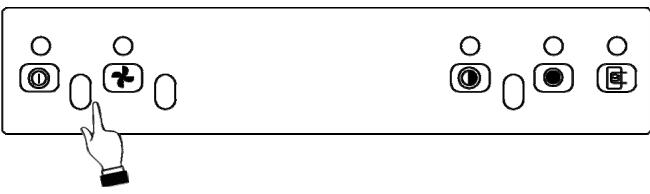 | Activate the wall switch, open the door, insert the overflow and close the door:Press theon/offbutton. The boiler and tank water-loading led indicator light turns on. Once the boiler and tank have been loaded, the boiler led indicator lightturns on. |
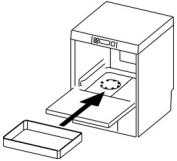 | Insert the rack |
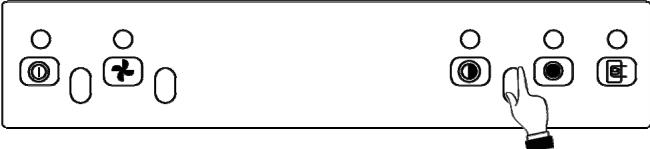 | Select the desired program by pressing:short cycle ormedium cycle |
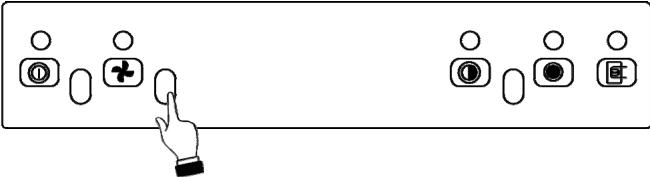 | Wait for the boiler led indicator lightto turn offTo start the wash cycle, press thecycle button |
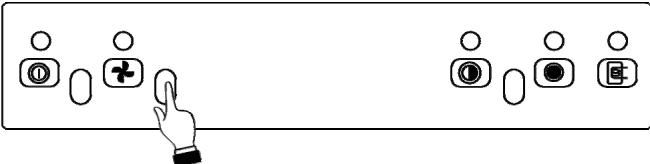 | Once the cycle has started, the wash cycle led indicator light turns on. If the door is opened during the cycle, the program stops. Once the door has been closed again, the program resets itself; to restart the cycle, press thecycle button. |
 | Once the program has finished, the wash cycle led indicator light turns off and the boiler led indicator lightturns on. |
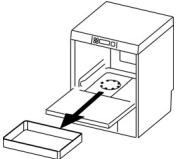 | Remove the rack |
6.3 Resin cycle (only for models equipped with water softeners)
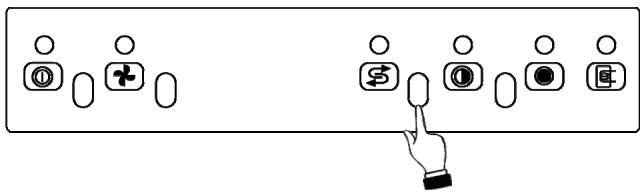 | With the machine off, open the door and remove the overflow in order to empty the tank; once the tank has been emptied, replace the overflow and close the door. Press the ⏚ button: the led indicator light turns on and the regeneration cycle starts. After about 20 minutes, the regeneration cycle finishes and the machine shuts off. Open the door, verify that the regeneration water is in the tank and remove the overflow to empty the tank; once the tank has been emptied, replace the overflow and close the door. Deactivate the general wall switch. |
During the execution of the regeneration cycle, it will not be possible to perform any operations. This cycle must always be performed with the tank empty.
Refilling the supply of regenerating salt (for models equipped with water softeners)
Perform the salt refill when there is no water in the tank in order to keep wash water from entering the water softener device; always unplug the power cable from the socket before performing the operation. Remember to plug the power cable back into the socket after having performed the operation.
Caution: Use only specific salt. Do not use table salt.
The salt tank has a capacity of about 1 kg of granulated salt.
The salt tank is situated at the bottom of the wash tank. After having extracted the rack, unscrew the cap and pour the salt through the provided funnel. Before screwing the cap back in place, remove any eventual salt residues in proximity to the opening.
6.4 Total drainage at the end of the day
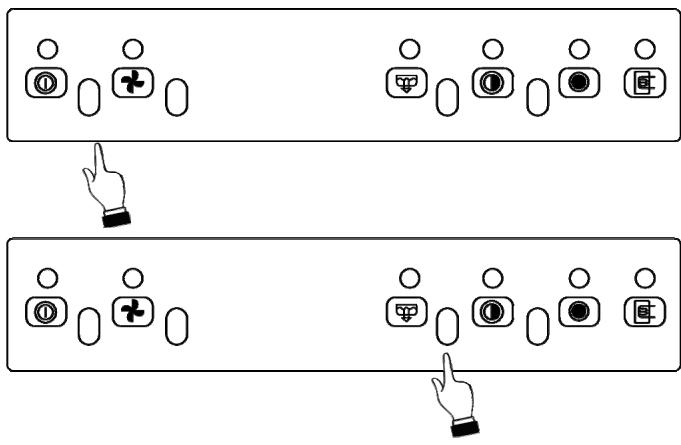 | Total drainage at the end of the day (models with drain pump)Turn the machine off by pressing theon/offbutton, open the door, remove the overflow and hold down the drain pump buttonuntil the tank has been emptied.In order to reactivate the machine it is therefore necessary to place the overflow back into the tank, close the door and press theon/offbutton. Otherwise, if finished using the machine, deactivate the general wall switch.Total drainage at the end of the day (models without drain pump)Turn the machine off by pressing theon/offbutton, open the door, remove the overflow and wait for the tank to empty. Place the overflow back into the tank and close the door. Deactivate the general wall switch. |

Do not turn off the dishwasher while water is still in the tank. Always drain it first. When finished using the machine, after having performed the final drainage and eventual regeneration, turn the machine off
by pressing the on/off ① button, deactivate the wall switch and turn off the water interception faucet. Do not leave the machine on, inactive and unutilized for long periods of time.
7 MAINTENANCE AND CLEANING
Although special, programmed maintenance is not required, we recommend having the dishwasher checked by a specialized technician twice a year.
Note: intentional damage or that derived from carelessness, negligence, lack of respect for the regulations, instructions and norms or erred connections are not to be considered the responsibility of the manufacturer.
7.1 Daily cleaning
The dishwasher has an IPX4 protection rating, but the use of direct streams of water for its cleaning is forbidden.
CLEANING OF THE FILTER DURING THE DAY
In case of particularly heavy usage it is recommended to perform a cleaning of the filter every 30-40 wash cycles in order to maintain the machine in operative condition; Use “partial tank draining” in order to perform these cleanings.
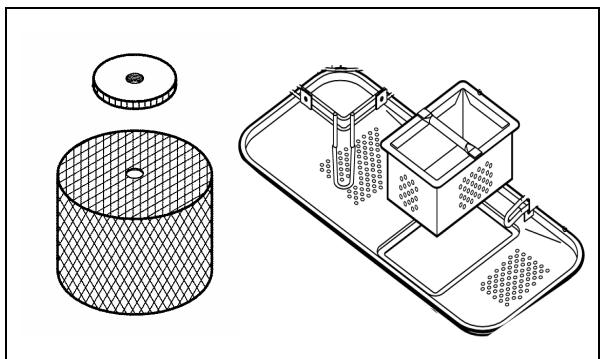
Remove the filters (it is sufficient to lift them out of their lodgings as shown in the figure), making sure that greasy residues do not fall into the opening underneath the filters. Clean away the residues and rinse the filters abundantly before correctly reinserting them; Do not utilize pointy or sharp objects for cleaning.
Be sure to remove eventual hardened calcium deposits in order to avoid their accumulation;
- Clean the surfaces well and frequently with a damp rag; use neutral, non-abrasive detergents which do not contain chlorine-based substances or products which can corrode and damage stainless steel.
natural_image
Technical line drawing of a mechanical assembly with cross-section and top views (no text or symbols)In order to avoid drops or vapors damaging the steel surfaces, do not even use the above-indicated products for the cleaning of the flooring beneath or around the dishwasher.
7.2 Periodic checks
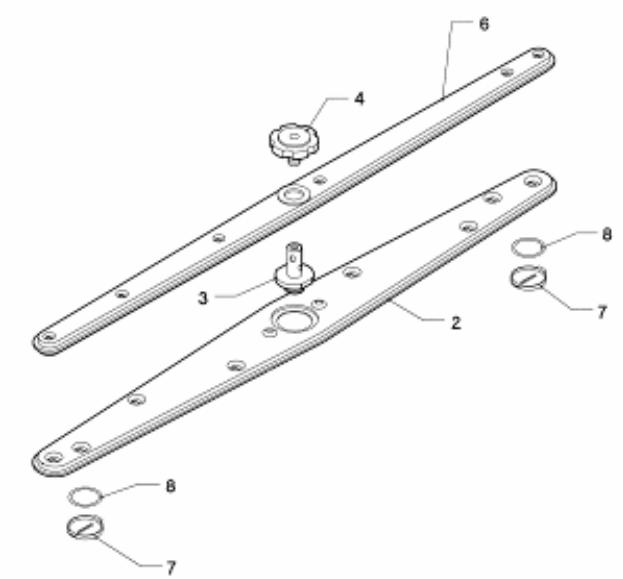
Disassemble the sprinklers (lower and upper 2-4) by removing the central screw (4); unscrew the caps at the two far ends of the rinsing sprinklers (7).
Clean the holes and the nozzles under a stream of clean water. Do not use utensils which could cause damage. Carefully reassemble the sprinklers.
Clean the outside of the machine with neutral soap and a damp cloth. Rinse and dry with care.
7.3 Prolonged disuse
If the use of the dishwasher is not foreseen for a relatively long period of time, it is necessary to drain the detergent and rinse-aid dispenser in order to avoid crystallization and pump damage: Remove the suction tubes from the detergent and rinse-aid containers and emerge them in a container filled with clean water. Perform a few wash cycles and drain the machine completely.
Finally, turn off the main switch and close the water supply faucet. The detergent and rinse-aid suction tubes will be placed back in the containers when the machine is ready to be put back in use, taking care so as not to invert the tubes (red tube = detergent; transparent tube = rinse-aid).
Do not leave the device on, inactive and unutilized for long periods of time.

8 PROBLEMS AND ANOMALIES (USER)

| PROBLEM | POSSIBLE CAUSE | POSSIBLE REMEDY |
| THE LINE LED INDICATOR DOES NOT TURN ON | There is no electrical current | Verify the electrical current connection. |
| THE WASH PROGRAM DOES NOT START | The dishwasher has not finished loading | Wait for the boiler led indicator light to turn on. |
| POOR WASHING RESULTS | Sprinkler wash holes are clogged or encrusted | Disassemble and clean the sprinklers (10.2 Periodic checks) |
| Detergent or rinse-aid insufficient or not adequate | Verify detergent type and quantity. | |
| Plates / glasses poorly positioned | Arrange plates / glasses accordingly. | |
| Low wash temperature | Verify the temperature shown on the display, if below 50°C call Assistance. | |
| Inadequate cycle setting | Increase the duration of the wash cycle, particularly if dishes are very dirty or contain partially dried residues. | |
| RINSE INSUFFICIENT | Sprinkler nozzles clogged Calcium encrustations in the boiler | Verify the cleanliness of the nozzles and the correct function of any installed water softeners. |
| GLASSES AND SILVERWARE ARE STAINED | Rinse-aid inadequate or not dispensed correctly.Water is of a hardness level above 12°dF or contains many dissolved salts | Verify the rinse-aid container and ensure its adequacy for use with the water supply. If the problem persists contact assistance. |
| WATER IS PRESENT IN THE TANK AFTER DRAINING | Drainage tube is positioned poorly or is partially blocked | Verify that the dishwasher's tube and drain are not blocked and that the drain is not in too high of a position; see the connection diagram. |
natural_image
Diagram of a dual-chamber electronic component with directional arrows indicating flow or movement (no text or symbols)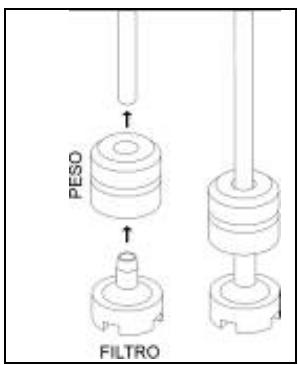
natural_image
3D rendering of a plastic crate filled with cylindrical objects, no text or symbols visible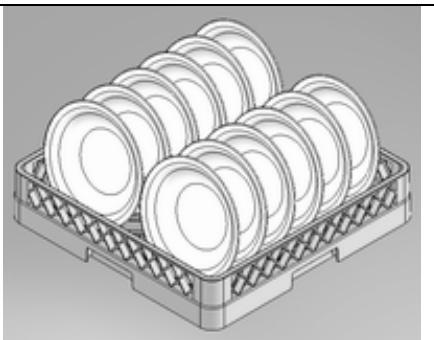
natural_image
3D rendering of a plastic tray with multiple circular compartments (no text or symbols visible)CHARGEMENT DES VERRES
natural_image
Technical line drawing of a mechanical assembly with cross-section and top views (no text or symbols)natural_image
Diagram of a dual-chamber electronic component with directional arrows indicating flow or movement (no text or symbols)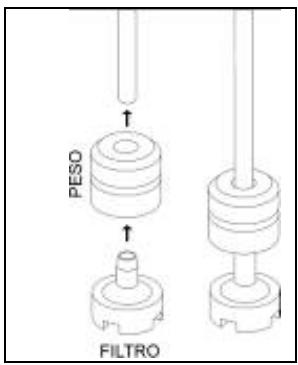
natural_image
3D rendering of a mechanical assembly with cylindrical components arranged in a grid pattern (no text or symbols visible)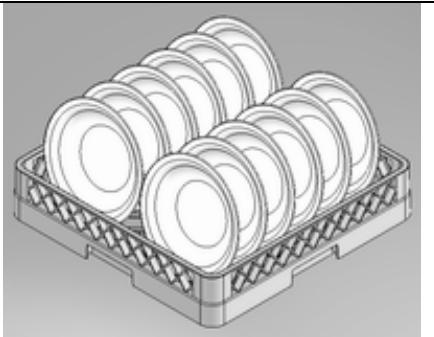
natural_image
3D rendering of a plastic tray with multiple circular cavities (no text or symbols)GLÄSER EINRÄUMEN:
natural_image
Technical line drawing of a mechanical assembly with cross-section and top views (no text or symbols)natural_image
Diagram of two identical electronic components with directional arrows indicating movement or force (no text or symbols)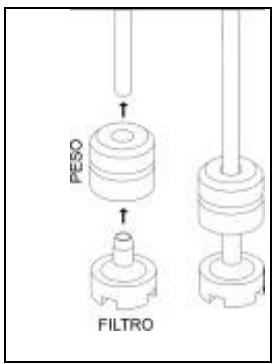
natural_image
3D rendering of a plastic tray with three cylindrical objects arranged in a row (no text or symbols visible)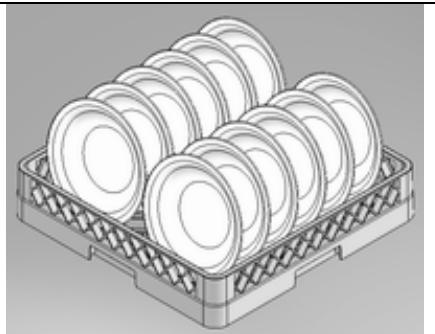
natural_image
Illustration of a plastic tray with multiple circular compartments (no text or symbols)CARGA DE LOS VASOS
natural_image
Technical line drawing of a mechanical assembly with a cylindrical component and a tray (no text or symbols)natural_image
Diagram of two electronic components with directional arrows indicating movement or force, no text or symbols present.