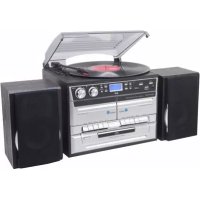
MCD5500 - Hi-fi system Soundmaster - Free user manual and instructions
Find the device manual for free MCD5500 Soundmaster in PDF.

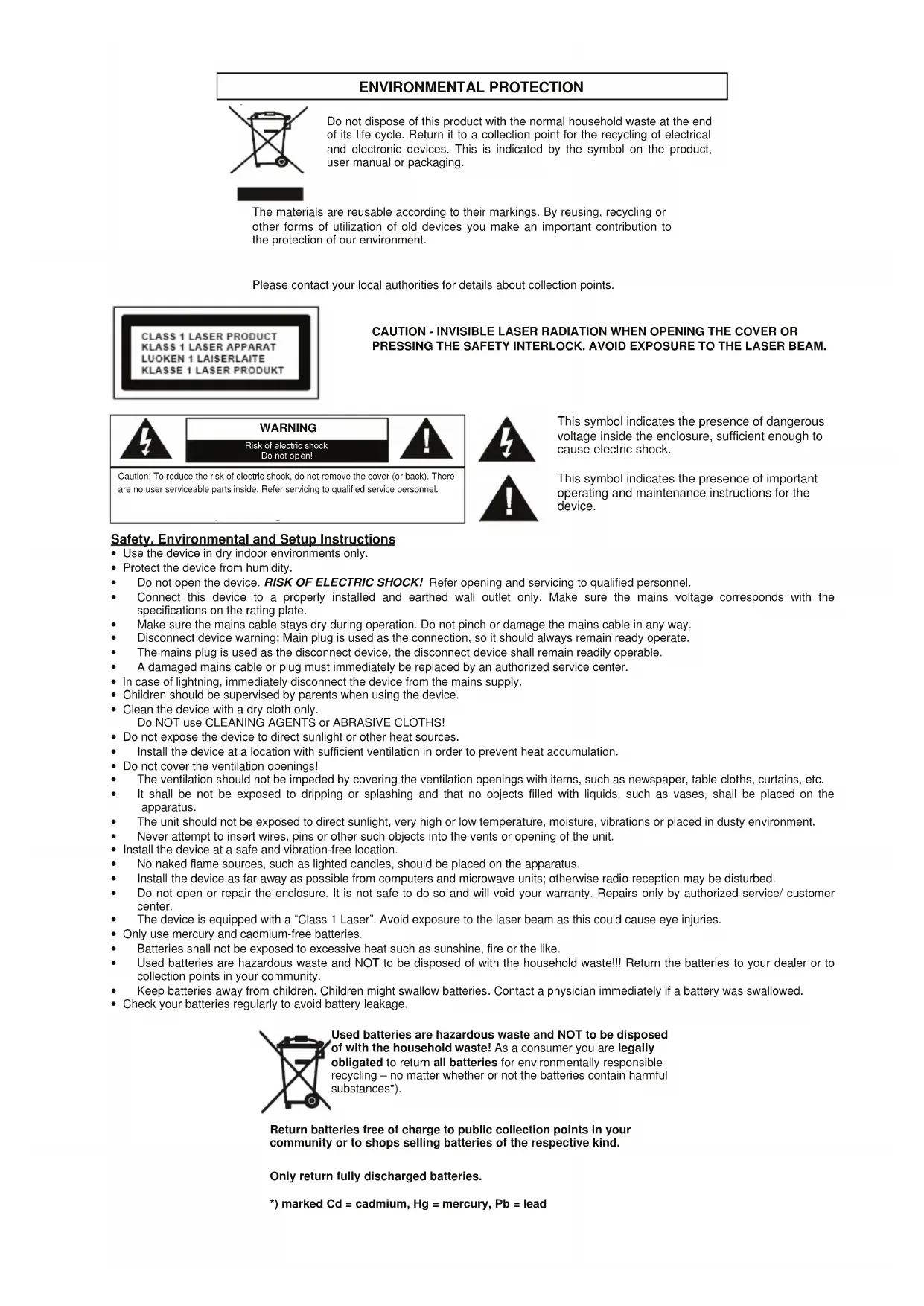


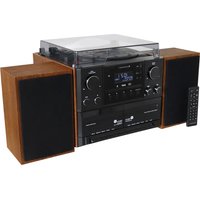
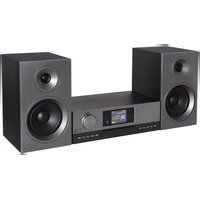
| Product type | Hi-fi system with CD player, FM/DAB radio, cassette deck, turntable, USB/SD port |
| Brand | Soundmaster |
| Model | MCD5500 |
| Power supply | 230 V AC ~ 50 Hz |
| Power consumption | 20 W |
| Radio frequency ranges | FM: 87.5-108 MHz; DAB Band III: 174.92-239.2 MHz |
| Supported audio formats | Audio CD, MP3 CD, MP3 files on USB/SD |
| Turntable speeds | 33 1/3 and 45 RPM |
| Cassette type | Double cassette deck |
| Connections | Headphone jack (6.35 mm), USB connector, SD card slot, auxiliary input (line-out), speaker terminals |
| Special functions | MP3 recording (CD/Tuner/Cassette/Phono to USB/SD), sleep timer, alarm, preset equalizer (Flat, Classical, Rock, Pop, Jazz) |
| Display | Backlit LCD screen |
| Remote control | Yes, AAA batteries not included |
| Laser class | Class 1 |
| Care and cleaning | Clean with a dry cloth only; do not use detergents or abrasive products |
| Safety | Do not open the device (risk of electric shock); have servicing done by qualified personnel; avoid exposure to laser radiation |
| Environmental protection | Do not dispose of with household waste; recycle at a WEEE collection point |
| Used batteries | Do not dispose of with household waste; take to collection points |
Frequently Asked Questions - MCD5500 Soundmaster
User questions about MCD5500 Soundmaster
0 question about this device. Answer the ones you know or ask your own.
Ask a new question about this device
Download the instructions for your Hi-fi system in PDF format for free! Find your manual MCD5500 - Soundmaster and take your electronic device back in hand. On this page are published all the documents necessary for the use of your device. MCD5500 by Soundmaster.
USER MANUAL MCD5500 Soundmaster
natural_image
Black-and-white photo of a vintage portable vinyl record with open lid, two speakers, and CD/CD-ROMs (no visible text or symbols)DEUTSCH
NEDERLANDS
NORSK
ČEŠTINA
ENGLISH
FRANCAIS
ITALANIO
Hersteller
Wörlein GmbH
Gewerbestrasse 12
D 90556 Cadolzburg
GERMANY
Tel.: +49
Fax.: +49 9103/716712
Email. info@woerlein.com
VORSICHT:
Radio data system (RDS)
natural_image
Diagram of a printer front panel with control buttons and a mouse (no text or symbols)Bemerkung:
Copyright by Wörlein GmbH, Germany.
Importeur
Wörlein GmbH
Tel.: +49 9103 7167 - 0
Gewerbestrasse 12
Fax: +49 9103 7167 - 12 😊
D 90556 Cadolzburg
Email: service@woerlein.com
GERMANY
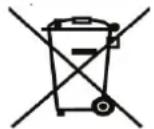
Do not dispose of this product with the normal household waste at the end of its life cycle. Return it to a collection point for the recycling of electrical and electronic devices. This is indicated by the symbol on the product, user manual or packaging.
The materials are reusable according to their markings. By reusing, recycling or other forms of utilization of old devices you make an important contribution to the protection of our environment.
Please contact your local authorities for details about collection points.
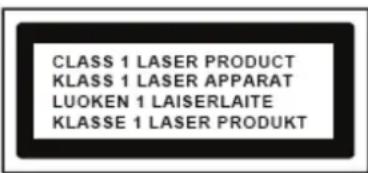
CAUTION - INVISIBLE LASER RADIATION WHEN OPENING THE COVER OR PRESSING THE SAFETY INTERLOCK. AVOID EXPOSURE TO THE LASER BEAM.
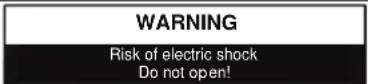
Caution: To reduce the risk of electric shock, do not remove the cover (or back). There are no user serviceable parts inside. Refer servicing to qualified service personnel.
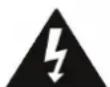
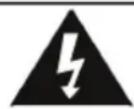
This symbol indicates the presence of dangerous voltage inside the enclosure, sufficient enough to cause electric shock.

This symbol indicates the presence of important operating and maintenance instructions for the device.
Safety, Environmental and Setup Instructions
- Use the device in dry indoor environments only.
- Protect the device from humidity.
• Do not open the device. RISK OF ELECTRIC SHOCK! Refer opening and servicing to qualified personnel. - Connect this device to a properly installed and earthed wall outlet only. Make sure the mains voltage corresponds with the specifications on the rating plate.
• Make sure the mains cable stays dry during operation. Do not pinch or damage the mains cable in any way. - Disconnect device warning: Main plug is used as the connection, so it should always remain ready operate.
• The mains plug is used as the disconnect device, the disconnect device shall remain readily operable.
• A damaged mains cable or plug must immediately be replaced by an authorized service center. - In case of lightning, immediately disconnect the device from the mains supply.
- Children should be supervised by parents when using the device.
- Clean the device with a dry cloth only.
Do NOT use CLEANING AGENTS or ABRASIVE CLOTHS!
- Do not expose the device to direct sunlight or other heat sources.
• Install the device at a location with sufficient ventilation in order to prevent heat accumulation. - Do not cover the ventilation openings!
• The ventilation should not be impeded by covering the ventilation openings with items, such as newspaper, table-cloths, curtains, etc. - It shall be not be exposed to dripping or splashing and that no objects filled with liquids, such as vases, shall be placed on the apparatus.
• The unit should not be exposed to direct sunlight, very high or low temperature, moisture, vibrations or placed in dusty environment.
• Never attempt to insert wires, pins or other such objects into the vents or opening of the unit.
• Install the device at a safe and vibration-free location.
• No naked flame sources, such as lighted candles, should be placed on the apparatus.
• Install the device as far away as possible from computers and microwave units; otherwise radio reception may be disturbed. - Do not open or repair the enclosure. It is not safe to do so and will void your warranty. Repairs only by authorized service/ customer center.
- The device is equipped with a "Class 1 Laser". Avoid exposure to the laser beam as this could cause eye injuries.
- Only use mercury and cadmium-free batteries.
- Batteries shall not be exposed to excessive heat such as sunshine, fire or the like.
- Used batteries are hazardous waste and NOT to be disposed of with the household waste!!! Return the batteries to your dealer or to collection points in your community.
- Keep batteries away from children. Children might swallow batteries. Contact a physician immediately if a battery was swallowed.
- Check your batteries regularly to avoid battery leakage.
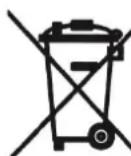
Used batteries are hazardous waste and NOT to be disposed of with the household waste! As a consumer you are legally obligated to return all batteries for environmentally responsible recycling – no matter whether or not the batteries contain harmful substances*).
Return batteries free of charge to public collection points in your community or to shops selling batteries of the respective kind.
Only return fully discharged batteries.
*) marked Cd = cadmium, Hg = mercury, Pb = lead
BATTERY INSTALLATION
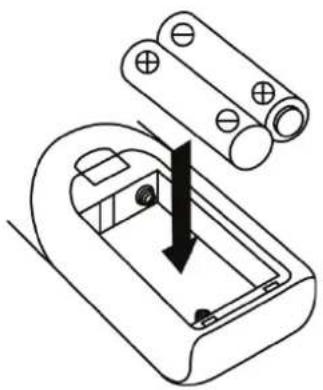
The battery compartment is located on the back of the remote control.
- Remove the battery compartment door by pressing in on the tab and lifting it off.
- Insert two (2) AAA size batteries (not included) into the battery compartment following the polarity markings inside the battery compartment.
- Replace the battery compartment door.
natural_image
Diagram of a battery pack with an arrow indicating direction, showing internal components and battery casing (no text or symbols)LOCATION OF CONTROLS
Caution:
Usage of controls or adjustments or performance of procedures other than those specified herein may result in hazardous radiation exposure.
This unit should not be adjusted or repaired by anyone except qualified service personnel.
Important:
Since movement of the CD mechanism and the sensitive circuitry may cause interference to the radio tuner nearby, switch this unit off while operating other radio devices
Precautions for use
Installation
• Unpack all parts and remove protective material.
- Do not connect the unit to the mains before checking the main voltage and before all other connections have been made.
- Do not cover any vents and make sure that there is a space of several centimeters around the unit for ventilation.
Connection
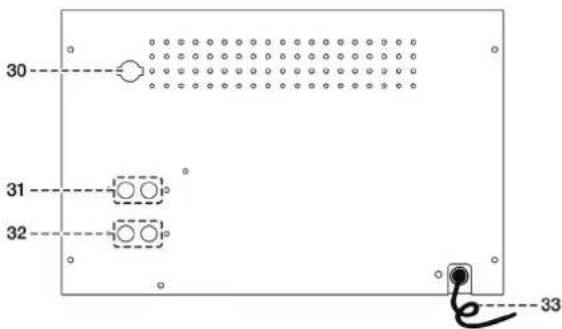
- Plug in the AC cord (33) to the AC outlet. The unit will go to standby mode and the LCD display (2) will dim light up.
- Turn on the unit (6), if the LCD display (2) is on with backlighting, it means the power supply is normal. Now your system is ready to play the music.
Setting the clock
- Set unit in standby mode.
- Press and hold the "Mem/Clk-Adj" button (12) until display will flash "24HR". press the Skip Up ▶▶I or Skip Down ◀◀ button (23/13) to select the clock format between 12 or 24Hour. Then press the "Mem/Clk-Adj" button (12).
- The first digit of "0:00" is flashing on the LCD display (2). Press Skip Up ▶▶ or Skip Down ◀◀ button (23/13) to set the correct hour. Press "Mem/Clk-Adj" button (12) to store the correct hour.
- The third & fourth digit of "00" is flashing; press the Skip Up ▶▶ or Skip Down ◀◀ button (23/13) to set the correct minutes. Then press "Preset/Clk-Adj" button (12) to store the correct minute.
The clock setting mode will automatically quit if no button is being pressed in a period of about 5 seconds after pressing the "Mem/Clk-Adj" button.
The pre-set time will be re-set completely if dis-connecting the main power supply except backup battery installed. You are recommended to switch the system into standby mode for convenience usage.
Listening to FM radio
Manual tuning
- Plug in the provided DAB/FM tuner antenna to the antenna socket (30) then switch on the unit by On/Standby button (6), then press Function button (10) to select "DAB" mode then press Band button (16) to select FM mode.
- Tune to the required station by pressing the Tuning Up or Down button (23/13).
- Turn the Volume knob (19) to the desired volume level.
Auto tuning (on the remote control only)
- Set the unit to FM mode.
- Press the Scan button once on the remote control; unit will start to scan at tuning up direct until radio station received. Press and hold the Scan button on the remote control for a second, the unit will scan to tuning down direction. If the radio data system (RDS) broadcasting signal received, the unit will set the actual time automatically.
- Turn the Volume knob (19) to the desired volume level.
Radio data system (RDS)
This is the features to display the information which released from the radio broadcast and will show on LCD display step by step as below by pressing the Info button (on the remote control) continuously.
Radio text → program type → signal strength → date/time → frequency → mono/stereo
Digital audio broadcasting (DAB) radio
- Set the unit to "DAB" mode by Function button (10).
- Press the Scan button on the remote control once; unit will start to full scan from range 11b-12d one time within around 2 seconds. Then press Tune up/down button (23/13) to select your desired DAB channel.
- Press the Info button continuously to check the below info released by DAB.
Group name → frequency → transfer rate → signal strength → date/time → program type → scrolling text - Press the Volume knob (19) to the desired volume level.
Preset stations
You can store up to total of 40 radio stations in the memory (20-FM/20-DAB).
- Set to FM/DAB mode
- Turn to the desired radio station by "manual" or "auto" tuning method.
- Press and hold the Mem/Clock-Adjust button (12) around four seconds to enable memory state, the preset station will flash on LCD display.
- Preset the Folder/ Pre up button (22) to select the desired station memory for storage.
- Press Mem/Clock-Adjust button (12) to confirm the preset memory.
- Repeat step 2 to 5 to store other stations.
Recall preset stations
- Press the Mem/Clock-Adjust button (12) once to enable recall state
- Press Folder/ Pre up button (22) to select the desired memory station.
- Press Memory/Clock-Adjust button (12) to confirm the recall memory station.
The pre-set memories will be cancelled completely if dis-connecting the main power supply and back up battery did not installed. You are recommended to switch the system into standby mode for convenience usage.
There are 3 seconds for program state, after 3 sec, this state would resume to normal tuner mode automatically.
You can overwrite a present station by storing another frequency in its place.
FM-Stereo reception
- Press the "Enter" knob (3) repeatedly; the FM programs are receiving in mono and stereo mode repeatedly. In particular when stereo signals are weak, it is preferable to receive the program in Mono.
- If stereo signal is being received, the stereo indicator "ST" appear on LCD display (2) to show FM Stereo program is now receiving.
Hints for best reception:-
- FM : the receiver work with detachable DAB/FM wire antenna, made sure the antenna had plugged into the antenna socket (30) and place it on proper location for the best reception.
Playing Compact Disc
- Getting start
- Press Function button (10) to select "CD" mode.
- Push the CD tray open (25) to open the CD tray.
- Place a CD with the printed side facing up and then close the CD tray.
- Focus search will perform and the LCD display (2) will show the total number of tracks & total playing time. Then, the unit will start automatically.
- Turn Volume knob (19) to the desired volume level.
- Play/Pause mode ▶II
- To interrupt, press the "Play/Pause ▶II" button (16) once; "PAUES" will show on the LCD display (2). Press again to resume normal playback.
- Stop mode
- If "Stop button (3) is pressed during play or pause mode, system will go to stop mode.
- Skip mode (skip up ▶I/skip down I◀)
- During play or pause mode, if "skip up ▶▶I" button (23) is pressed. It will go to next track and display the track no. and then remain the play or pause mode.
- During play or pause mode, if "skip down ◀◀" button (13) is pressed. It will go to the previous track, original track no. is display and remains the play or pause mode.
- For MP3 Disc
- After focus search is performing, the total number of track and album will be shown on the LCD display (2). The unit will start to plat directly.
- Turn "Folder/Pre up ▲/down▼" knob on the remote control to select the folder number.
- Press "Skip Up▶▶I or Skip Down ◀◀◀" button (23/13) to select the track number.
ID3/Display function (on remote control only)
Press the "Info" button repeatedly, the LCD display (2) show "file" during playback of MP3 file, the song file/album/song/artist name is being displayed few seconds in sequence. Then will change back to current clock time.
Remark:-
- In that case of no name or not supportive languages had been assigned for the track, LCD display will blank (2) when press the Info button.
- No Title/Album name can be recognized if the input format on the Disc is not supporting by the system.
- The system support only English and Arabic number for ID3 function.
MP3 track format requirement:-
- Bit rate : 32 kbps\~320kbps, sampling rate: 32khz, 44.1khz and 48 kHz decodable
- The performance of playing MP3 Disc is various from the quality of recording disc and the method of recording. Furthermore, the searching lead-time for MP3-CD is longer than normal CD due to difference format.
- Repeat/Random mode (on remote control only)
Press the "Play Mode" button on the remote control during playback to select repeat and random function, a single track, all the tracks repeat or folder repeat (MP3 only) and random can be played in difference mode as follow:-
For CD

flowchart
graph LR
    A["(1) repeat 1"] --> B["(2) repeat all track"]
    B --> C["(3) random"]
    C --> D["(4) off mode"]
Play mode Indicator on LCD display
Repeat track Rep1
Repeat all Rep A
Random Rand
Off mode ----
For MP3 Disc

flowchart
graph TD
    A["(1) repeat 1"] --> B["(2) repeat 1 folder"]
    B --> C["(3) repeat all tracks"]
    C --> D["(4) random"]
    D --> E["(5) off mode"]
Play mode Indicator on LCD display
Repeat track Rep1
Repeat folder Rep F
Repeat all Rep A
Random Rand
Off mode ----
- Repeat play
You can listen to the desired track, folder (for MP3 only) or whole disc repeat by this function.
- Random play
You can listen to all the tracks in a random order by this function.
CD programming
Up to 20 tracks can be programmed for disc play in any order. Before use, be sure to press the "stop ■" button (3).
- Set in CD mode & stop the CD playback.
- Press the "Mem/Clk-Adj" button (12) and "MEM" will appear on LCD display (2).
- Select a desired track by pressing skip up ▶▶| or down ◀◀ button (23/13).
- Press the "Mem/Clk-Adj" button (12) to store the track into memory.
- Repeat steps 3 and 4 to enter additional tracks into the memory if necessary.
-
When all the desired tracks have been programmed, press "Play/Pause ▶" button (16) to play the disc in assigned order.
-
Press "Stop ■" button (3) to stop playback; press Stop button again to clear all stored memory.
The programming mode will automatically stop if no button is being pressed in a period of about 10 seconds after pressing the "Mem/Clk-Adj" button.
Playback of MP3 song via USB storage media or memory card
Connecting
The system is able to decode and playback all MP3 file which stored in the memory media with USB connecting port or SD/MMC memory card.
-
Set the system at standby mode first or other function except SD or USB mode.
-
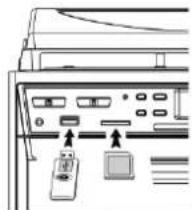
Plug-in the USB pen-drive with the face up & make sure it going into completely or insert the memory card in the direction of the arrow as shown in the label on the underside of the memory card slot. Insert straight without bending.
natural_image
Diagram of a printer front panel with ports and a hanging device (no text or symbols visible)- Connecting the USB upside down or backwards could damage the audio system or the storage media (USB thumb drive / SD/MMC card). Check to be sure the direction is correct before connection.
-
Set Function button (10) to SD/MMC card or USB mode.
-
The system will start reading the storage media automatically after connecting, and LCD display (2) will show the total number of MP3 files being detected.
-
Repeat the same playback procedure and programming as playing CD disc as above.
Remark
- The system can detect and read the file under MP3 format only at USB/SD mode but no other music file format.
- If connect the system to MP3 player via the USB socket, due to variances in MP3 encoding format, some MP3 player may not be able to play via the USB socket. This is not a malfunction of the system.
- USB port does not support connection with USB extension cable and is not designed for communication with computer directly
Removing of USB/memory card
To remove the USB/memory card, turn off the power or switch the function mode to either CD, aux or tuner first. For USB port – un-plug it by pulling out the USB socket directly, for memory card – pull out the SD/MMC card straightly without bending.
Encoding into MP3 file
The system is able to encode normal CD/Tuner/Phono or cassette tape file to MP3 format and recording at memory media with USB connecting port or SD/MMC card and below explanation was encode to USB port and same procedure if encode to SD/MMC card. The system will create a music folder name – “RIP” for CD-DA encode, “REC” for Tuner, Aux, Cassette encode and “FROMCD” for CD-MP3 disc copy and encode bitrate default at 128kbps.
A) CD encoding
I) encoding 1 track / 1 disc at 1x speed
- Perform normal playback of the CD track you want to encode & record,
- Press " " Button (4) during the playback of the desire track and the display will show "REC" and "USB" flashing.
- Press " " Litter(4) again the display will show "REC" and "ONE" flashing.
-
Press " " button (4) again, the system will flashing with "REC USB" icon. Encoding is performing now.
-
After completing of recording, unit will stop playback automatically.
-
Press "stop" button (3) to interrupt the recording mode anytime.
-
For encode whole CD track, please stay CD in stop mode then press " " button(4) three times until the display flashing "REC USB", then system will start to playback CD and encoding whole disc.
Remark:-
- The recording speed is 1:1 and according to the actual plying time of the CD track
- The recording format is preset at - MP3 bit rate: 128 kbps, sampling rate: 44.1khz
- Press "stop" button (3) to interrupt the recording mode at any time.
B) Copying of MP3 file
If putting a MP3 disc instead of a CD-disc, the system will copy the files to the USB if press the “● REC” button (4). The operation procedures is same as CD encoding as stipulate on above, and the system will switch to copying mode only if MP3 file being read.
C) DAB encoding
- Operate tuner mode refer above listening to radio section to receive the station you would like to encode.
- Press the "● REC" button twice (4) until the unit will display flashing with "REC USB" icon. Encoding is now performing.
- After finish of recoding, press "stop" Button (3) until the symbol "REC USB" disappear.
D) Cassette/Phono encoding
1) Plug in the USB pen drive or SD/MMC card for recording (make sure it had enough empty space).
2) Set the unit to your desired encoding mode by function button (10) such as "tape" mode or phono...etc and then start to playback the track would like to encode, then press the "button (4) twice.
3) The LCD display (2) will flash with "REC USB" icon. Now the system is starting the encoding mode.
4) Start playback of cassette tape or your external Aux device which the track you prepare to encoding to MP3 format.
5) After finishing of recoding, press "stop" button (3) until the symbol "USB" & "REC USB" disappear.
E) track separation (On remote control only)
You can divide the recording music from tape or DAB...etc in to USB track by track during encoding. Every time when press the "T6" (track separation) button (on remote control) once during encoding from tape or Aux in, the system will generate a new track and continuous the recording. The text "SAVE" at LCD display will flash one time, it mean the unit is creating a new track successfully.
F) Copying of MP3 file
If putting a MP3 disc instead of a CD-disc, the system will copy the files to the USB if press the “● REC” button (3). The operation procedures is same as CD encoding as stipulate on above, and the system will switch to copying mode only if MP3 file being read.
File delete at USB / SD card (by remote control)
The system is able to erase the file stored inside the USB pen drive by following:-
1 · Insert the media storage and set at "USB" mode.
2 · Press the "delete" button and the LCD display (2) will show (del ---001)
3 · Press skip forward ▶▶ or skip backward ◀◀ button to select the file going to delete
4 · Press the "delete" button to enter "yes/no" mode and then press skip forward ▶▶ or skip backward ◀◀ to select "yes" or "no".
5. Press the "delete" button again to confirm the setting.
Remark:
- Press "stop" button once at remote handset to quite delete mode
Phono
Noted:
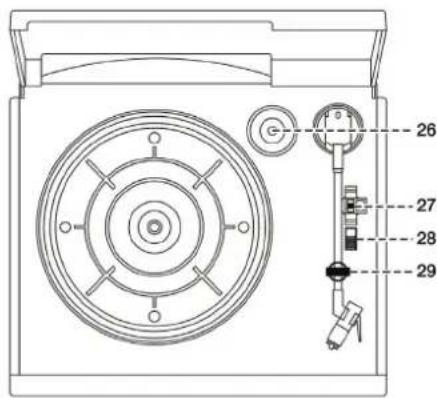
- Remove the stylus protector.
- Be sure that the tone arm is being detached from the tone arm rest before operating and re-secured again afterwards.
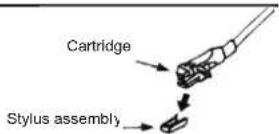
- Select to "Phono" function (10).
- Set the speed selector (27) to the proper position depending on the record to be played.
- Place the record on the platter (use the spindle adaptor (26) if required).
-
Lift the tone arm from the rest and slowly move it to the record side. The platter will start to rotate.
-
Place the tone arm to the desired position of the record.
-
Adjust the volume to the desired level (19).
-
At the end of record, the platter will automatically stop rotating. Lift the tone arm from the record and return it to the rest.
-
To stop manually, lift the tone arm from the record and return it to the rest.
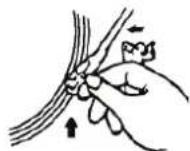
Remark: as some kind of record the auto-stop area was out of the unit setting, so it will stop before the last rack finish. In this case, select the auto-stop switch to "off" position, then it will run to the end of the record but will not stop automatically (turn off the power button or switch back the auto-stop switch (28) to "on" position to stop the platter rotate). Then put back the tone arm to the rest position.
Listing to tape
General operation
Stop/eject key press to stop all deck operation. Press again to open the cassette door.
Fast forward key & Fast press to start rapid tape winding in either forward or reverse direction. Press stop / fast rewind key rewind key eject keys when the cassette spools stop turning.
Play key press to start playing tape.
Pause key press to stop tape operation temporarily. Press again to resume play.
Playback
- Select "tape" function (10).
- Put in the cassette tape.
- Press play key to active playback
- Adjust the volume control (14/24) to the desire level.
- Use pause key when you want to stop playback temporarily.
- Press stop/eject key when finished.
Remark:
It is possible to play both cassette players one after the other. If you press the button "pause" and "play" at deck 1 and button "play" at deck 2, than the tape of deck 1 will be start to play automatically after the tape of deck 2 is finished.
More features
A. Sleep function (on remote control only)
- Press "Sleep" button on remote control, "SLP-120" will be shown on the LCD display (6).
- Keep pressing the button to adjust the sleep timer in the order of 120>90>60>45>....15 minutes respectively and sleep icon "Z" indicate on LCD.
- System will stop and go to standby mode automatically after running the selected time.
- To cancel the sleep mode, press "Sleep" button until "SLP-off" is displayed and the "zzz" indicator disappear on LCD display.
B. Timer clock setting (on remote control only)
This function allows the system to turn on automatically and wake you up by CD, DAB, FM Radio, USB/SD mode respectively.
First, set the unit at standby mode and then press & hold the "Timer" button on the remote control to enter the setting mode, the LCD display will show "SET TIMER"; then change to "SELECT SOURCE" and timer "💡" icon will flash on display :-
1) Wake up source press the "Function" button repeatedly to select the source from "CD" -- "FM" -- "DAB" -- "USB" -- "SD". Press "Timer" button to confirm the selected source.
2) Wake up volume press the Skip up /down1 button to adjust the wake up volume level then press "Timer" button to confirm the wake up level.
3) Wake up time press Skip up /down button to set the hour & then press "Timer" button to enter the hours. Press Skip up down button to set minutes and press "Timer" button to store the memory.
Remark
If there is no music source being detected (such as USB/CD) when the preset time is reached, system will default to FM mode automatically.
For FM or DAB radio wake up, the system will preset at the latest radio frequency being listened before switching off.
➢ Please switch off the system manually during alarm wake up mode as the system will not turn off automatically after alarm on mode.
● Active/de-active timer function
- To active the timer, press once the "Timer" button on remote handset until the timer indicator "💡" is shown on LCD display (2).
- To cancel timer function by press once again "Timer" button until the timer indicator "💡" disappear.
C. Pre-set EQ function
This unit provides 4 differences sound mode to enhance your listening experience. You can select the desired effect by pressing the "Preset EQ" button (22) repeatedly at following sequence:-

flowchart
graph LR
    A["FLAT"] --> B["CLASSIC"]
    B --> C["ROCK"]
    C --> D["POP"]
    D --> E["JAZZ"]
Remote control transmitter
Control functions
Battery installation (battery not provided)
The infra-red transmitter require 2 pc "AAA" size battery for operation
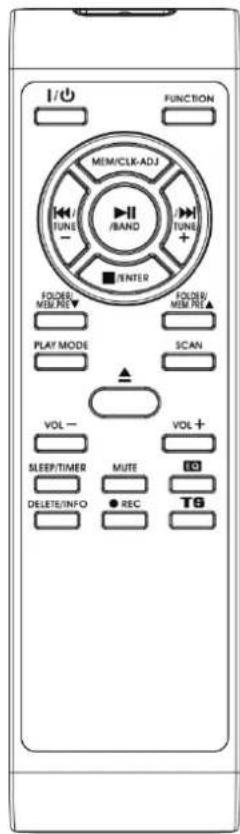
Button description
On/standby Press to power on/standby the system
Play/pause Band In CD/USB mode: press to start playback/pause mode
In DAB mode, press to select DAB/FM
Skip up/down / Tune+/-
Press to select previous / next tracks at CD/USB mode
Press to step up/down of radio frequency at tuner mode
Stop Enter In CD/USB mode: press to stop the playback
In Tuner mode: select stereo/mono mode
Folder/Pre Up-Down
In Tuner mode: press to select preset memory up/down
In USB mode: press to select folder up/down
Play mode In CD mode: press to active random/repeat function
Open/close Press to open/close the CD tray
Volume -/+ Press to adjust volume level up/down
Sleep/Timer In power on mode: press to active sleep function In standby mode: press and hold to enter timer set up mode and press once to active/de-active timer function
Del/info In USB mode: press to delete the file in the USB/SD memory
In MP3 playback mode: press to active ID3 function
In DAB/FM mode, press to see the broadcast information
Rec Press to active encoding/Mp3 file copy function
Function Press to select the function
Mem/Clk-adj In standby mode : press & hold to adjust clock
In CD/USD/SD/Tuner mode: press to preset memory
Scan In FM/DAB mode, press to search the station
Preset EQ Press to select difference EQ mode for enjoyment
T9 In encoding mode: press to active track separation function
Mute Press to cut the sound temporarily
Specification
| UKW/FM: | 87.5-108 MHz |
| DAB: Band III: | 174.92-239.2 MHz |
| Power Supply: | AC230V~50Hz |
| Power consumption: | 20W |
Remark
Due to ErP stage two requirements and protect the environment. The unit will switch to standby mode automatically once no any music playing over 15 minutes.
PROTECTION DE L'ENVIRONNEMENT
natural_image
Diagram of a battery pack with an arrow indicating downward motion (no text or symbols present)EMPLACEMENT DES BOUTONS
Radio data system (RDS)
- Fonctions de lecture/pause ▶II
natural_image
Diagram of a printer front panel with labeled ports and devices (no text or symbols present)natural_image
Simple black horizontal line with an upward arrow at the top-left end (no text or symbols)Télécommande
natural_image
Symbolic illustration of a person using a ladder to lift a flag, enclosed in a circular frame (no text or symbols)natural_image
Diagram of a battery pack with an arrow indicating downward motion (no text or symbols present)Radio Data System (RDS)
Radio Digital Audio broadcasting (DAB)
natural_image
Diagram of a printer front panel with ports and a USB flash, no text or symbols presentnatural_image
Diagram of a battery pack with an arrow indicating downward motion (no text or symbols present)PLAATS VAN DE BEDIENINGSORGANEN
Digitale audiobroadcast (DAB) radio
natural_image
Diagram of a printer front panel with internal compartments and a device (no text or labels)FORSIKTIG! DET OPPSTÅR USYNLIG LASERSTRÅLING NÅR DEKSLET ÅPNES ELLER SIKKERHETSFORRIGLINGEN TRYKKES. UNNGÅ EKSPONERING FOR LASERSTRÅLEN.
ADVARSEL
natural_image
Diagram of a battery pack with an arrow indicating downward motion (no text or symbols present)KONTROLLENES BELIGGENHET
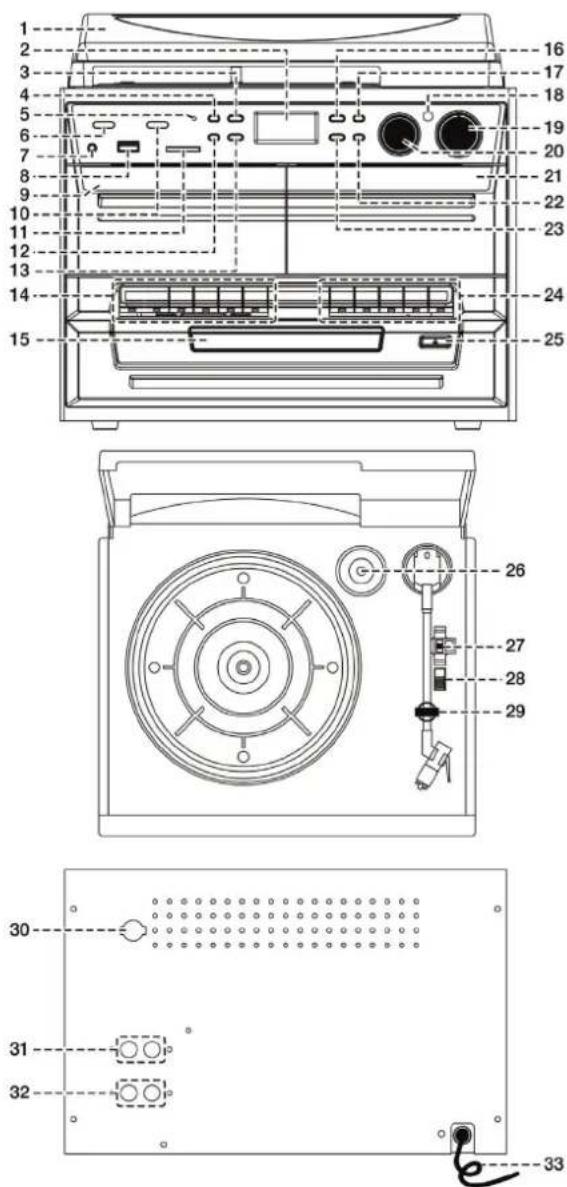
1) Platespillerdeksel
2) LCD-Display
3) Stopp/Enter-knapp
4) Ta opp-knapp
5) Standby-indikatorlys
6) På/standby-knapp
7) Hodetelefonutgang
8) USB-kontakt
9) Kassettluke (1)
10) Funksjon-knapp
11) SD-kortspor
12) Mem/klokkejustering-knapp
13) Gå ned/Tuning ned-knapp
14) Kontrolltast kassett 1
15) CD-skuff
16) Spill av/Pause/Bänd-knapp ▶II
17) Forhåndsinnstill EQ-knapp
18) Fjernkontrollsensor
19) Volumknott
20) Tonekontrollknapp
21) Kassettluke (2)
22) Mappe/Forhåndsinnstilling-knapp
23) Gå opp/Tuning opp-knapp ▶▶
24) Kontrolltast kassett 2
25) CD-skuffens åpne/lukke-knapp
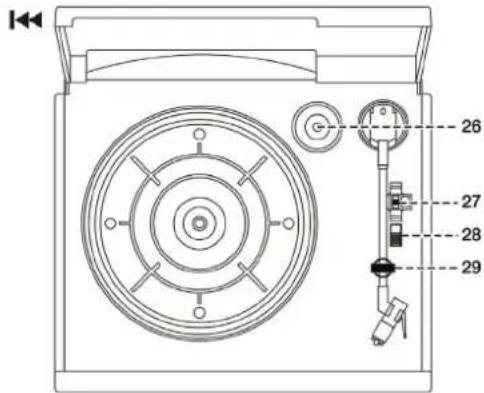
26) Spindeladapter
27) Platespillers hastighetsvelger
28) Autobryter
29) Pick-up-holder
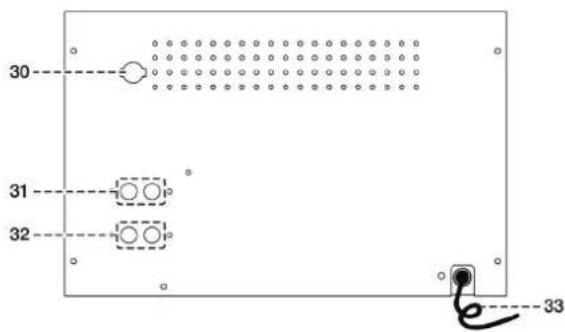
30) Antenne socket
31) Linjeutgang
32) Høyttalerkontakt
33) Strømkabel
Forsiktig:
Radio data system (RDS)
natural_image
Line drawing of a room interior with electronic devices and a control panel (no text or symbols)- Hvis du setter inn USB-kontakten opp ned eller baklengs kan det skade lydsystemet eller lagringsmediet (USB-minnepinnen / SD/MMC-kortet). Kontroller for å sikre at retningen er korrekt før det tilkobles.
UPOZORNĚNÍ – PŘI OTEVŘENÍ KRYTU NEBO STISKNUTÍ BEZPEČNOSTNÍHO ODPOJOVAČE DOCHÁZÍ K NEVIDITELNÉMU LASEROVÉMU ZÁŘENÍ. NEVYSTAVUJTE SE LASEROVÉMU PAPRSKU.

natural_image
Diagram of a battery pack with an arrow indicating downward motion (no text or symbols present)UMÍSTĚNÍ OVLÁDACÍCH PRVKŮ
Upozornění:
natural_image
Diagram of a printer front panel with internal components and a device inside (no text or labels)
- VORSICHT:
- Radio data system (RDS)
- Bemerkung:
- CAUTION - INVISIBLE LASER RADIATION WHEN OPENING THE COVER OR PRESSING THE SAFETY INTERLOCK. AVOID EXPOSURE TO THE LASER BEAM.
- Safety, Environmental and Setup Instructions
- BATTERY INSTALLATION
- LOCATION OF CONTROLS
- Caution:
- Important:
- Precautions for use
- Installation
- Connection
- Setting the clock
- Listening to FM radio
- Manual tuning
- Auto tuning (on the remote control only)
- Digital audio broadcasting (DAB) radio
- Preset stations
- Recall preset stations
- FM-Stereo reception
- Hints for best reception:-
- Playing Compact Disc
- - Getting start
- - Play/Pause mode ▶II
- - Stop mode
- - Skip mode (skip up ▶I/skip down I◀)
- - For MP3 Disc
- ID3/Display function (on remote control only)
- Remark:-
- MP3 track format requirement:-
- - Repeat/Random mode (on remote control only)
- For CD
- For MP3 Disc
- - Repeat play
- - Random play
- CD programming
- Playback of MP3 song via USB storage media or memory card
- Connecting
- Remark
- Removing of USB/memory card
- Encoding into MP3 file
- A) CD encoding
- B) Copying of MP3 file
- C) DAB encoding
- D) Cassette/Phono encoding
- E) track separation (On remote control only)
- F) Copying of MP3 file
- File delete at USB / SD card (by remote control)
- Remark:
- Phono
- Noted:
- Listing to tape
- General operation
- Playback
- More features
- Sleep function (on remote control only)
- Timer clock setting (on remote control only)
- ● Active/de-active timer function
- Pre-set EQ function
- Remote control transmitter
- Control functions
- Button description
- PROTECTION DE L'ENVIRONNEMENT
- EMPLACEMENT DES BOUTONS
- - Fonctions de lecture/pause ▶II
- Télécommande
- Radio Digital Audio broadcasting (DAB)
- PLAATS VAN DE BEDIENINGSORGANEN
- Digitale audiobroadcast (DAB) radio
- FORSIKTIG! DET OPPSTÅR USYNLIG LASERSTRÅLING NÅR DEKSLET ÅPNES ELLER SIKKERHETSFORRIGLINGEN TRYKKES. UNNGÅ EKSPONERING FOR LASERSTRÅLEN.
- ADVARSEL
- KONTROLLENES BELIGGENHET
- Forsiktig:
- UMÍSTĚNÍ OVLÁDACÍCH PRVKŮ
- Upozornění:
Brand : Soundmaster
Model : MCD5500
Category : Hi-fi system