FBM2307 - Baby monitors FOSCAM - Free user manual and instructions
Find the device manual for free FBM2307 FOSCAM in PDF.



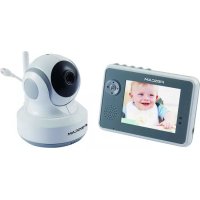
| Product type | Baby monitor with camera and touchscreen |
| Brand | Foscam |
| Model | FBM2307 |
| Camera power | 6V DC power adapter (included) |
| Monitor power | 3.7V 700mAh Li-ion battery (included) or 6V DC power adapter |
| Night vision | 8 high-intensity infrared LEDs |
| Monitor screen | Touchscreen LCD |
| VOX function | Automatic screen activation upon sound |
| Maximum range | Approximately 300 meters in direct line of sight |
| Nightlight | Integrated, adjustable color and brightness |
| Audio communication | Built-in microphone and speaker |
| Pairing | Multi-camera possible (up to 4 cameras) |
| Alarms | Out of range, low battery, temperature |
| Settings | Brightness, volume, white balance, video flip |
| Maintenance and cleaning | Clean the lens with a soft, dry cloth; keep dry |
| Safety | Keep the power cord at least 1 meter away from the baby |
| Operating temperature | Avoid extreme temperatures (hot/cold) |
| Box contents | Camera, monitor, 2 adapters, battery, clips, screws, manual |
Frequently Asked Questions - FBM2307 FOSCAM
User questions about FBM2307 FOSCAM
0 question about this device. Answer the ones you know or ask your own.
Ask a new question about this device
Download the instructions for your Baby monitors in PDF format for free! Find your manual FBM2307 - FOSCAM and take your electronic device back in hand. On this page are published all the documents necessary for the use of your device. FBM2307 by FOSCAM.
USER MANUAL FBM2307 FOSCAM
2.4 " Touch-Screen Wireless Video Baby Monitor
User's Manual Manuel de l'utilisateur Manual del Usuario Bedienungsanleitung Manuale d'uso
natural_image
Line drawings of two electronic devices: a portable phone and a digital camera, both shown without any text or symbols.text_image
Diagram of a mobile phone with labeled parts including front panel, screen, and keypad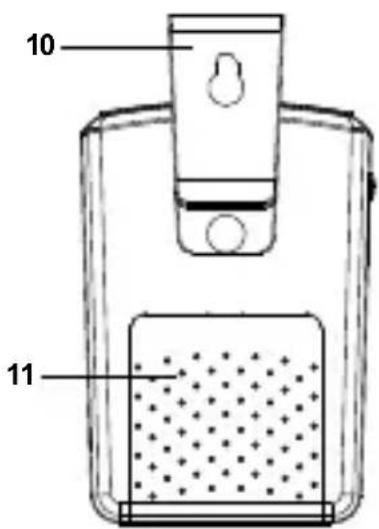
text_image
10 11Fig. 2
Setup / Installation / Configuración / Einrichtung / Installazione
1 Camera Setup/Installation de la caméra/Configuración de la cámara /Kameraeinrichtung/Installazione della telecamera
1.1 Power Supply - Using AC Power Alimentation - Avec alimentation secteur Fuente de alimentación - Utilizar la alimentación de CA Stromversorgung – über Netzstrom Alimentazione - Uso dell'alimentazione CA
text_image
Diagram showing a device connected to an electrical outlet via cable, with labeled parts and directional arrows.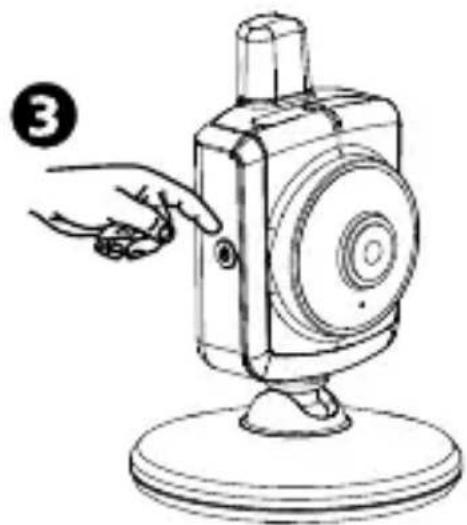
natural_image
Line drawing of a hand operating a vintage camera on a stand (no text or symbols)Fig. 3
1.2 Fine Tuning / Réglages précis / Enfoque / Feineinstellung / Regolazione
natural_image
Line drawing of a camera with rotating buttons and a base, no text or symbols presentFig. 4
2 Monitor Setup/Installation du moniteur/Configuración del monitor /Monitoreinrichtung/Installazione del monitor
2.1 Power Supply/Alimentation/Fuente de alimentación/Stromversorgung/Alimentazione
Loading the Battery/Installation de la batterie/Insertar las pilas /Akku einlegen/Inserimento delle batterie
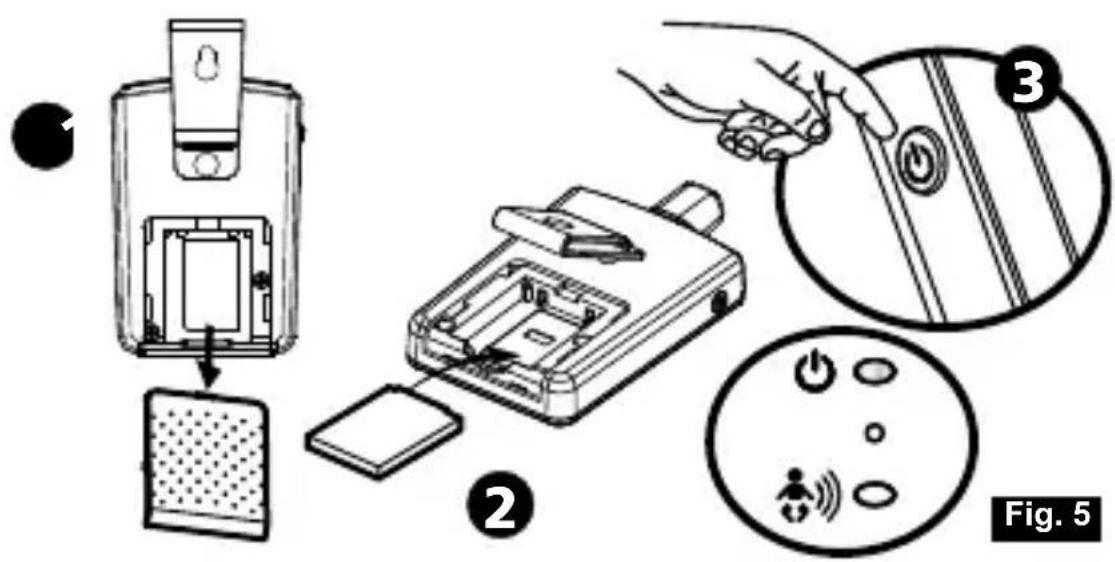
text_image
Diagram illustrating the installation steps of a device, showing components from battery to screen and control panel with icons.Using AC Power/Utilisation de l'alimentation secteur /Uso de la alimentación de CA/Netzstrom verwenden /Uso dell'alimentazione CA
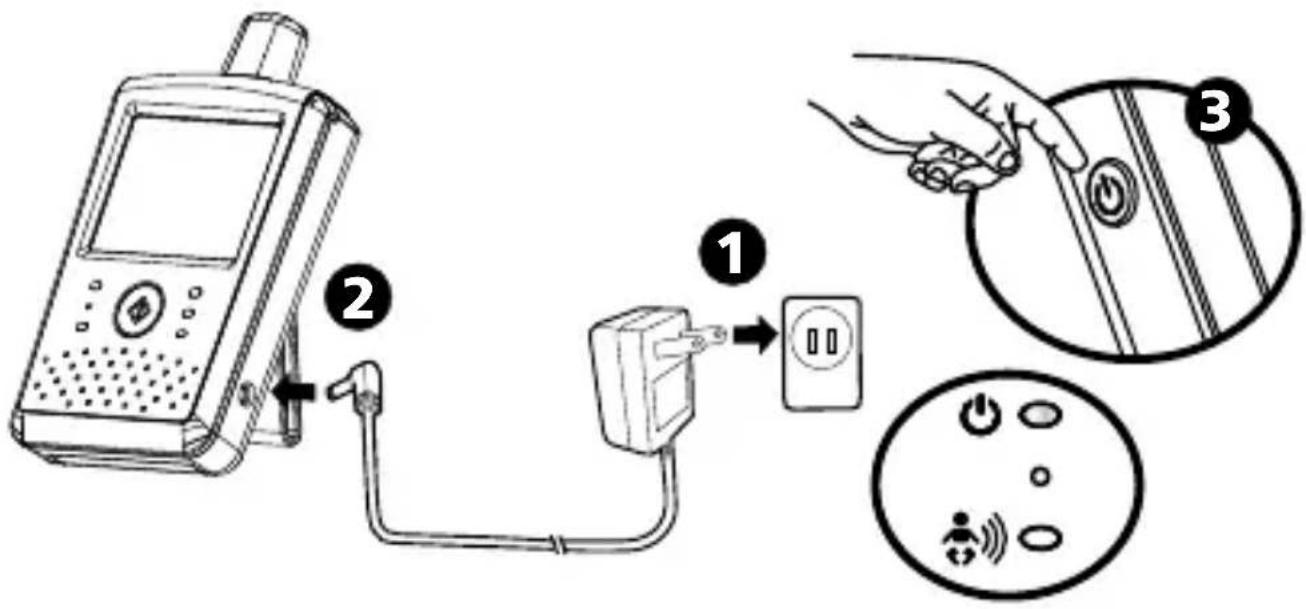
text_image
Diagram showing a device connected to a power outlet, with three labeled steps indicating the process.Fig. 6
3 Menu Options/Options du menu/Opciones del menú /Menüoptionen/Opzioni del menu
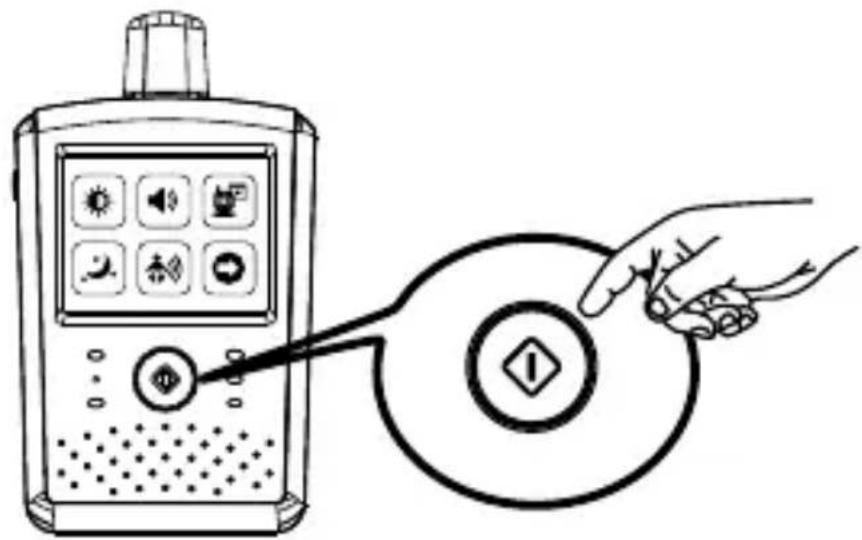
text_image
Diagram showing a hand interacting with a device displaying a control panel and a circular button labeled 'I'.Fig. 7
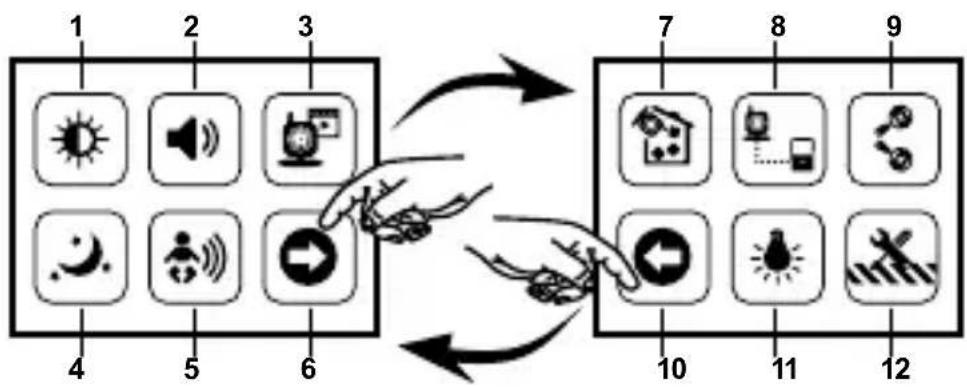
flowchart
graph TD
    A["1: Screen icon"] --> B["2: Audio icon"]
    B --> C["3: Display icon"]
    C --> D["4: Sun icon"]
    D --> E["5: Sound icon"]
    E --> F["6: Update icon"]
    F --> G["7: Home icon"]
    G --> H["8: Computer icon"]
    H --> I["9: Link icon"]
    I --> J["10: Left hand icon"]
    J --> K["11: Lightbulb icon"]
    K --> L["12: Right hand icon"]
Fig. 8
3.1 Brightness Setting / Réglage de la luminosité / Configuración del brillo / Helligkeitseinstellung / Impostazione della luminosità
natural_image
Line drawing of a portable electronic device with control panel and indicator lights (no text or symbols)Fig. 9
3.2 Volume Setting/Réglage du volume
natural_image
Line drawing of a portable electronic device with control panel and indicator lights (no text or symbols)Fig. 10
3.3 Camera Selection / Sélection de la caméra / Selección de la cámara / Kameraauswahl / Selezione telecamera
natural_image
Line drawing of a portable electronic device with control panel and buttons (no text or symbols)Fig. 11
text_image
Diagram of a medical or scientific device with labeled buttons and display screen showing icons like sun, moon, and star.Fig. 12
3.5 VOX (Voice-Operated Transmission) Function / Fonction TCV (Transmission de Commande Vocale) / Función VOX (transmisión de activación por voz) / VOX-Funktion (geräuschaktivierte Übertragung) Funzione VOX (trasmissione attivata a voce)
text_image
Fig. 133.6 Delete Camera / supprimer une caméra / quitar cámara / Kamera hinzufügen / Elimina telecamera
text_image
Fig. 143.7 ADD Camera / Ajouter caméra / Añadir cámara / Kamera löschen / Aggiungi telecamera
text_image
Fig. 15 Fig. 17F3.8 Flip Function / Fonction Retourner / Función de volteo/ Umdrehfunktion / Funzione Flip (Capovolgi)
natural_image
Line drawing of a portable electronic device with control panel and buttons (no text or symbols)Fig. 18
3.9 Display Frequency and White Balance Setting / Paramètres d'affichage et de balance des blancs / Parámetros Frecuencia de visualización y Balance de blanco / Einstellung der Anzeigefrequenz und des Weißabgleichs / Frequenza di visualizzazione e impostazione del bilanciamento del bianco
text_image
60HzFig. 19
3.10 Restore Default / Restaurer défaut Restaurar los valores predeterminados /Werkseinstellungen wiederherstellen / Ripristino predefiniti

natural_image
Line drawing of a portable electronic device with a screen displaying checkmarks and an 'X' symbol, no readable text or labels present.Fig. 20
4 Status Information/Informations de statut / Información de estado Statusinformationen / Informazioni di stato
text_image
1 2 1 3 1 2 3Fig. 21
Package Contents
One Camera
One Monitor
• Two Power Adapters
• One Battery for Monitor (3.7V 700mAh Li-ion)
- Two Cable Clips
• Two Screws and Two Wall Anchors
• This User's Manual
Product Layout
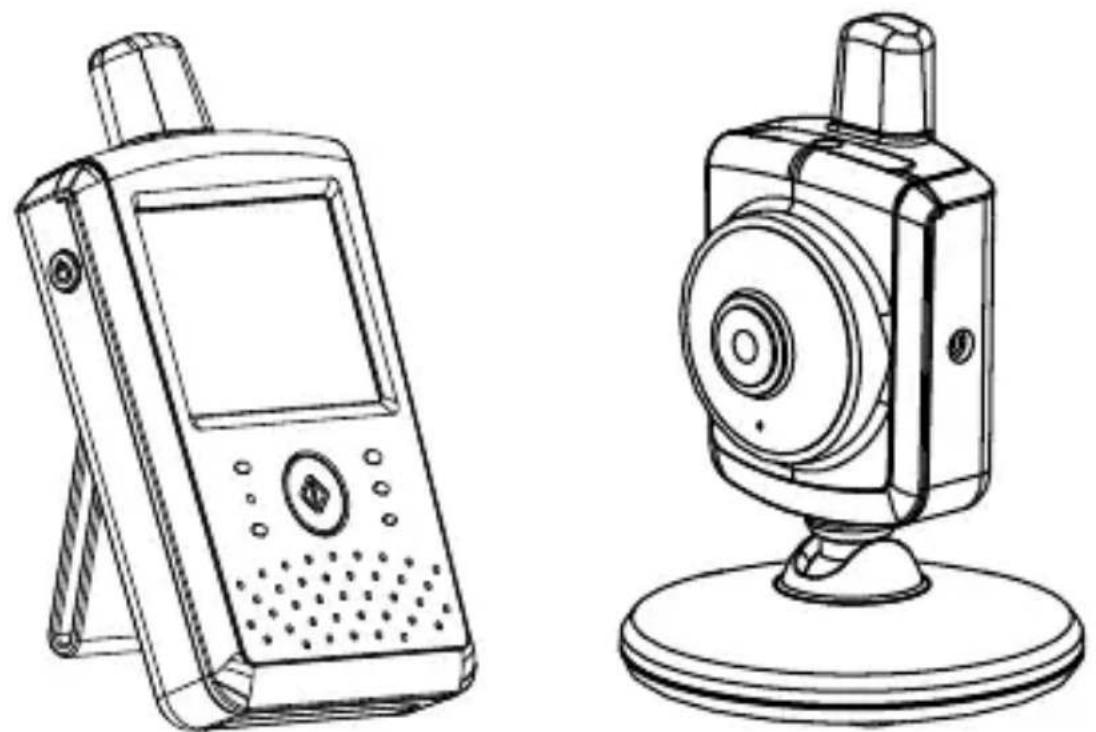
Camera (Fig. 1)
- Night Light
- Power indicator LED
- Lens
- Microphone
- Power adapter plug
- Antenna
- Light sensor
- Power/Pairing button
- Infrared LEDs
Monitor (Fig. 2)
- Power button
- Power indicator LED
- VOX indicator LED
- Volume indicator LEDs
- Speaker
- Antenna
- LCD screen (Touch panel)
- Menu button
- Power adapter plug
- Holder
- Battery compartment
Setup
1 Camera Setup
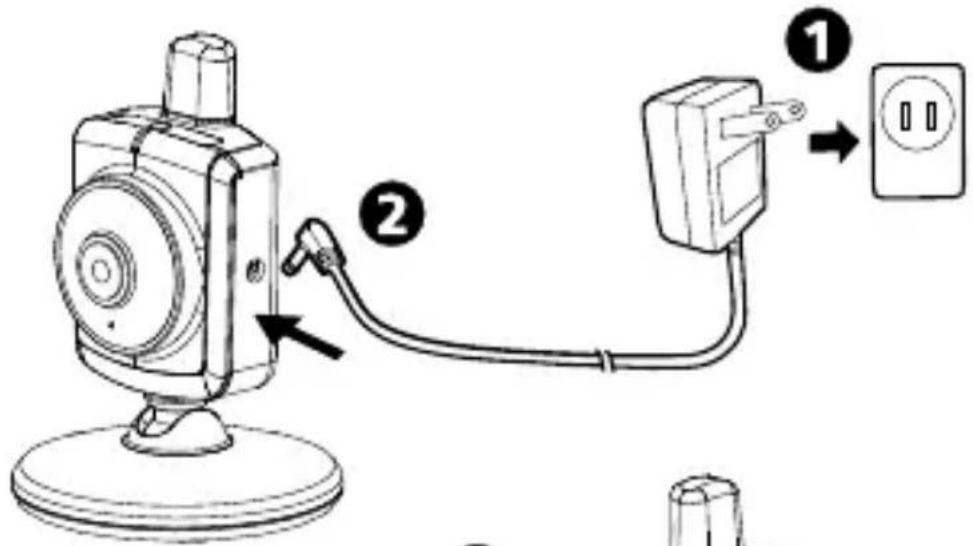
1.1 Power Supply - Using AC Power
Plug one end of the provided power adapter into a wall outlet and the other end into the back of the camera. See Fig. 3.
Note 1: Use the adapter labeled OUTPUT: 6V DC with the camera.
Note 2: Press and hold the Power button over two seconds to turn off the camera.
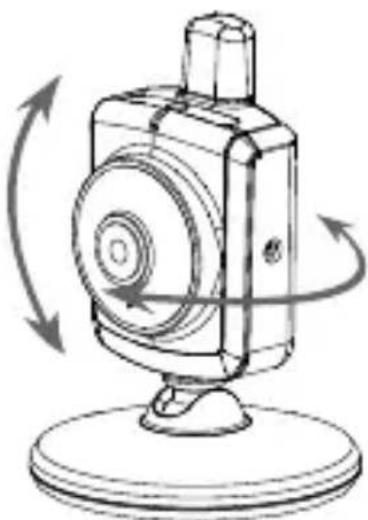
1.2 Fine Tuning
Place the camera in a convenient location, point the lens toward the observation area. See Fig. 4.
1.3 Night Vision
The camera has eight high-intensity LEDs for picking up clear images in the dark. When the light sensor detects low ambient light levels, the LEDs will be automatically activated.
1.4 Pairing
The system comes with a camera unit that has already been paired with the monitor unit. The pairing function gives each camera unit a separate channel on the monitor unit. This is necessary for configuring additional camera units.
- Press and hold power button over 3 seconds on camera. The power LED will light up (red light) and night light will start blinking (orange light). This will turn on the power of camera and camera will wait for pairing.
- Press the Power button to turn on the monitor and the power LED will light up (green).
- In the submenu (8. Add Camera see Fig. 8.) on monitor.
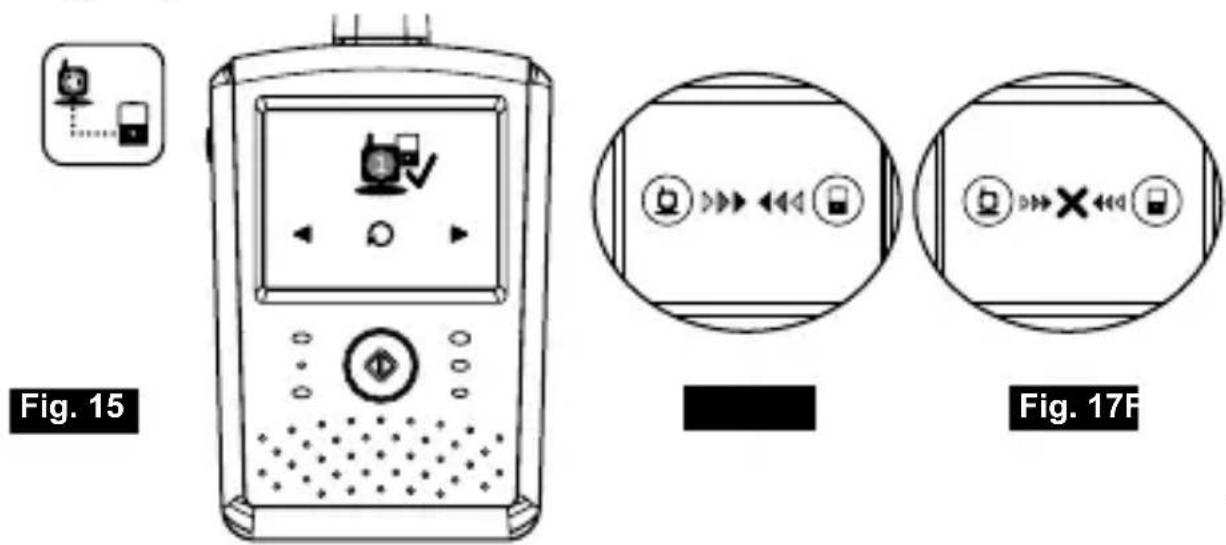
- Please choose which number of cameras you want to add, and then press the icon. See Fig. 15.
- Pairing is completed, it will show " " on the monitor.
- Pairing is failed, it will show the picture on the monitor. See Fig. 17.
Note : Make sure the camera and the monitor are within range of each other. If there is out of range, the picture (Fig. 17.) will be displayed on the LCD screen and the warning sound will be emitted from the monitor unit if the monitor exceeds the range (unlink). The warning sound will be emitted from the monitor until you press any button to stop.
2 Monitor Setup
2.1 Power Supply
The monitor uses 3.7V 700mAh (Li-ion) battery or the household AC power current.
Loading the Battery
- Open the battery compartment cover on the rear of the monitor. See Fig. 5.
- Insert the battery with the metal facing the battery compartment. See Fig. 5.
- Close the battery compartment cover, and make sure it is locked securely.
- Press the POWER button to turn on the monitor. See Fig. 5.
Note 1: When power is sufficient, the "Power" LED will light up (green light).
Note 2: Press and hold the Power button over two seconds to turn off the monitor.
Note 3: Remove the battery from the monitor if you do not plan to use it for a prolonged period of time.
Using AC Power
- Plug one end of the provided power adapter into a wall outlet and the other end into the monitor, the "Power" LED will appear red. See Fig. 6.
Note : Use the adapter labeled OUTPUT: 6V DC with the monitor.
- Press the POWER button to turn on the monitor. See Fig. 6.
Note 1: When power on the monitor, "Power" LED will appear orange
Note 2: Press and hold the Power button over two seconds to turn off the monitor.
Note 3: When power on and charging starts, and battery status will appear
☐ ☐ ☐ ☐ ☐ ☐ . If charging is finished (fully charged) the battery status will appear ☐ ☐ . When power off and charging starts, and "Power" LED will appear red. If charging is finished (fully charged) the "Power" LED will turn green.
3 Menu Options
- Press the menu button ⏻ on the monitor unit to display the main menu on the screen (touch panel). See Fig. 7.
- There are two main menus. See Fig. 8.
(1) Brightness Setting
(2) Volume Setting
(3) Camera Selection
(4) Night Light Setting
(5) VOX Function
(6) Next Page
(7) Delete Camera
(8) Add Camera
(9) Flip Function
(10) Last Page
(11) Display Frequency and White Balance Setting
(12) Restore Default
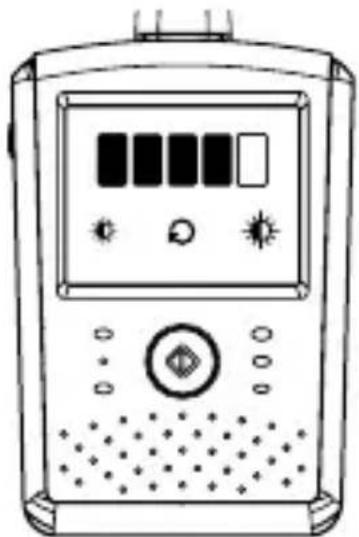
3.1 Brightness Setting (Brightness)
In this submenu you can adjust brightness of the screen. See Fig. 9.
3.2 Volume Setting
In this submenu you can adjust volume level on monitor side. See Fig. 10.
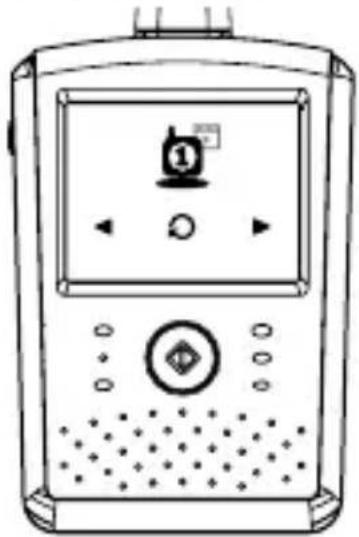
3.3 Camera Selection ( Camera Select )
In this submenu you can select which camera that you want to display on the screen. See Fig. 11.
3.4 Night Light Setting
- When you enable the auto mode, the icon will light up. You can choose the sensitivity level. With the level set to high, the light will detect higher light. See Fig. 12.
- When the light from the camera reaches the set level, the night light will turn on as setting.
- When you enable the manual mode light as setting. You can turn ON/OFF the night
- Press the icon you can change the color of night light. There are three colors of night light (yellow, green, orange).
- Press the icon *you can change the level of brightness. There are four levels of brightness.
3.5 VOX (Voice-Operated Transmission) Function
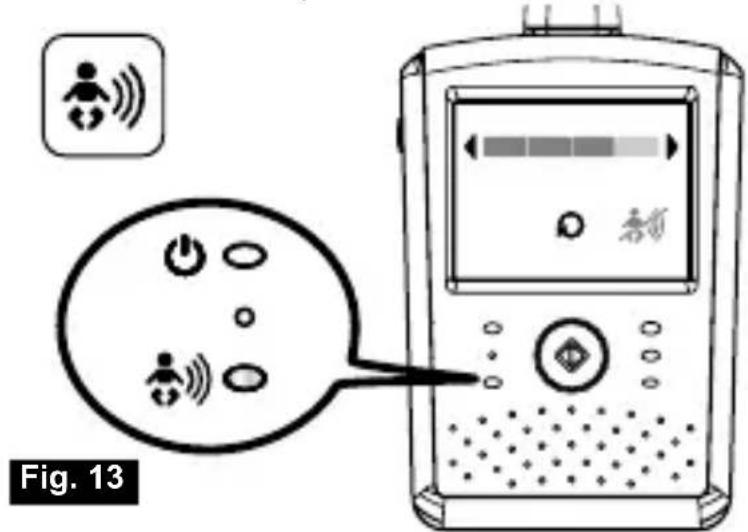
- This submenu lets you choose the VOX sensitivity level. With the level set to high, the microphone will detect lower sounds. See Fig. 13.
- When you enable the VOX on the monitor unit, the icon will light up. Press the menu button to back to display screen for complete setting and the VOX LED will remain ON (blue light).
- This will turn off the screen within 10 seconds and enter power saving mode.
- When the sound from the camera reaches the set level, the screen will turn on automatically and a warning sound will be emitted from the monitor unit.
3.6 Delete Camera
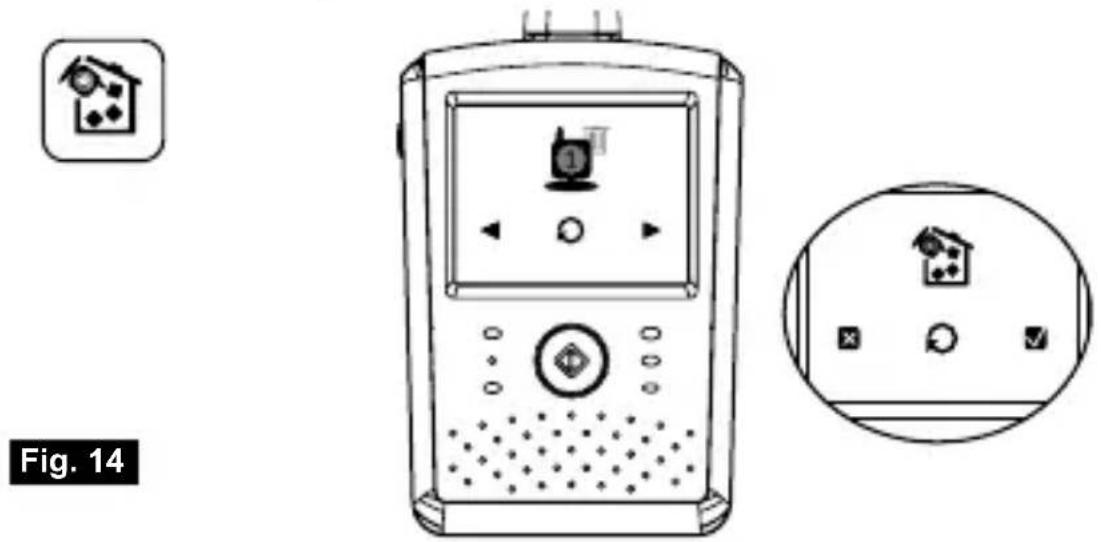
In this submenu you can delete a paired camera.
- Please press which number of cameras you want to delete. See Fig. 14.
- Press to delete.
3.7 Add Camera
The system comes with a camera unit that has already been paired with the monitor unit. The pairing function gives each camera unit a separate channel on the monitor unit. This is necessary for configuring additional camera units.
- In this submenu you can add a new camera. See Fig. 15.
- Please choose which number of cameras you want to add, and then press the icon.
- The monitor will wait for pairing and then please also press the pairing button over three seconds on camera side. You don't need to turn on the power of camera.
- Pairing is completed, it will show " √" on the monitor.
- Pairing is failed, it will show the picture on the monitor. See Fig. 17.
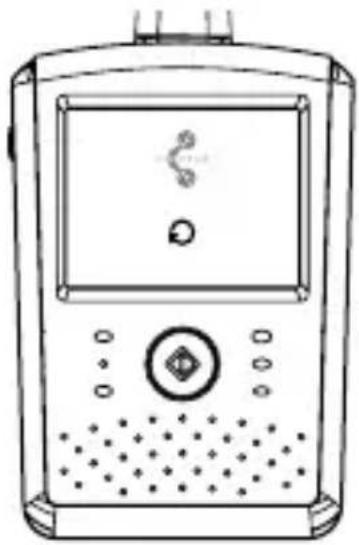
3.8 Flip Function
In this submenu you can flip the video horizontally when mounting the camera on the ceiling. See Fig. 18.
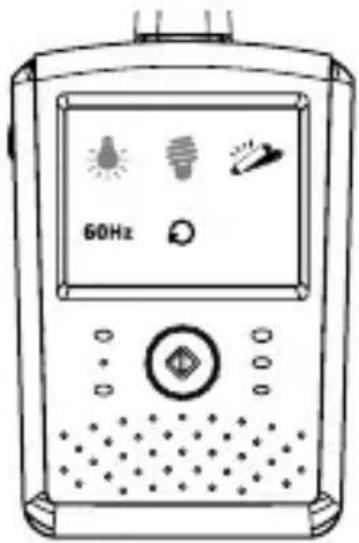
3.9 Display Frequency and White Balance Setting
- In this submenu you can choose what frequency and color temperature are better on the monitor. See Fig. 19.
- There are three types of color temperature and two frequencies (50Hz or 60Hz).
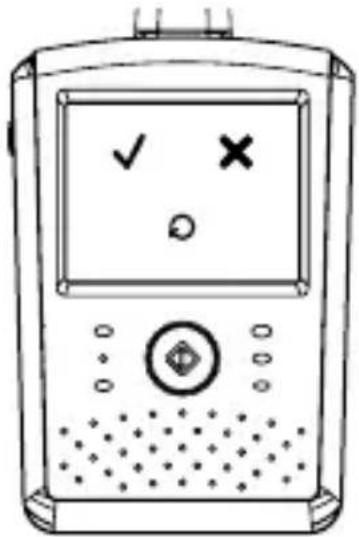
In this submenu you can reset the system to default. ✉ Press √ to make sure. See Fig. 20.
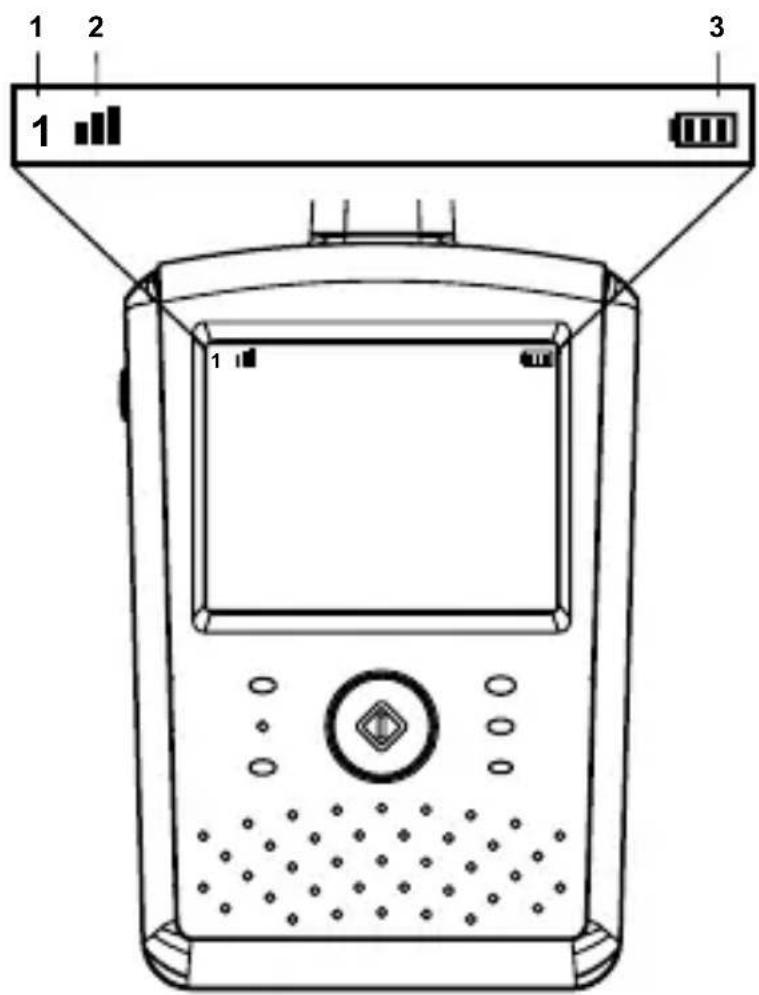
4 Status Information
4.1 Status Bar
The status bar will be displayed on the top of the screen. See Fig. 21.
- Camera number indicator
- Signal strength indicator
- Battery status / Charging indicator
4.2 Warning Alarm
The warning sound will be emitted from the monitor unit in the following cases.
| Status Indication Action | ||
| Out of rangeLost connection | Continuous beepsfor one minute | Move the monitor closer to the camera. Check the power of camera. |
| VOX alarm 3 consecutive beeps Disable VOX function(See Setup 3.5) | ||
| Low battery | 2 consecutive beeps andon the screenblinking | Connect the monitor unit to the AC adapter.(See Setup 2.1) |
Note : You can press any key of monitor stop the alarm.
Troubleshooting
You are not getting any signal at all
• Make sure the camera and the monitor are turned on.
• Make sure the power plugs are pushed all the way in.
If the signal is poor, or there is interference
- If there is a microwave oven in use in the path between the camera and monitor, remove the microwave oven or turn it off.
• Make sure the camera and the monitor are within range of each other (range of approximately 984 feet; 300 meters in a clear line of sight).
Care and Maintenance
- Keep all parts and accessories out of children's reach.
- Fingerprints or dirt on the lens surface can adversely affect camera performances. Avoid touching the lens surface with your fingers.
- Should the lens become dirty, use a blower to blow off dirt and dust, or a soft, dry cloth to wipe off the lens.
- Keep the camera dry. Precipitation, humidity, and other liquids contain minerals will corrode electronic circuits.
• Do not use or store in dusty, dirty areas. - Do not store in hot areas. High temperatures can shorten the life of electronic devices and warp or melt certain plastics.
- Do not store in very cold areas. When the system warms up (to its normal temperature), moisture can form inside the case, which may damage electronic circuit boards.
- Do not attempt to open the case. Non-expert handling of the device may damage the system.
- Avoid dropping or strong shocks.
- Operate this product using only with the power supply included or provided as an accessory.
- Do not overload electrical outlets or extension cords this can result in fire or electric shocks.
- Do remember that you are using public airwaves when you use the system and that sound and video may be broadcast to other 2.4 GHz receiving devices. Conversations, even from rooms near the camera, may be broadcast. To protect the privacy of your home, always turn the camera off when not in use.
FCC Statement
This equipment has been tested and found to comply with the limits for a Class B digital device, pursuant to Part 15 of the FCC Rules. These limits are designed to provide reasonable protection against harmful interference in a residential installation. This equipment generates, uses and can radiate radio frequency energy and, if not installed and used in accordance with the instructions, may cause harmful interference to radio communications. However, there is no guarantee that interference will not occur in a particular installation. If this equipment does cause harmful interference to radio or television reception, which can be determined by turning the equipment off and on, the user is encouraged to try to correct the interference by one or more of the following measures:
• Reorient or relocate the receiving antenna
- Increase the separation between the equipment and receiver
- Connect the equipment into an outlet on a circuit different from that to which the receiver is connected
- Consult the dealer or an experienced radio/TV technician for help
This device complies with Part 15 of the FCC Rules. Operation is subject to the following two conditions: (1) this device may not cause harmful interference, and (2) this device must accept any interference received, including interference that may cause undesired operation.
Caution
- To comply with FCC RF exposure compliance requirements, a separation distance of at least 20 cm must be maintained between the antenna of this device and all persons.
This Transmitter must not be co-located or operating in conjunction with any other antenna or transmitter.
Changes or modifications to this unit not expressly approved by the party responsible for compliance could void the user authority to operate the equipment.
Following the safety tips
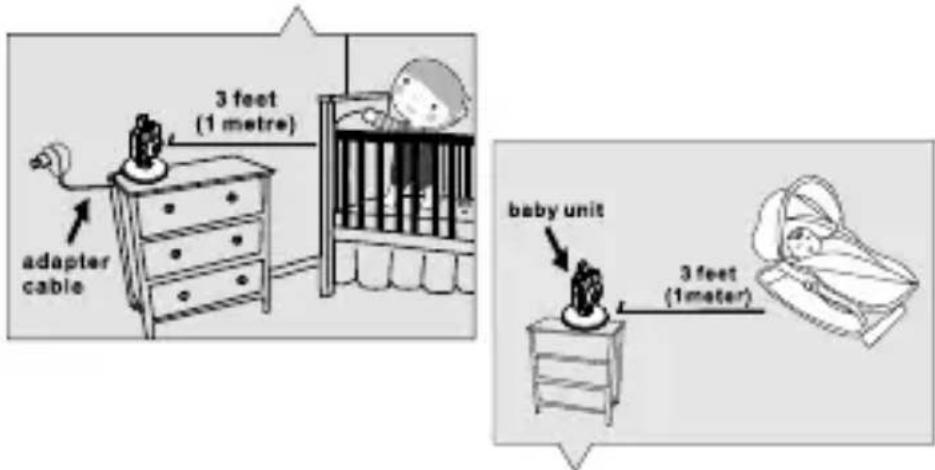
To prevent deaths and injuries associated with baby monitor cords:
- Make sure the baby unit and AC adapter cords are always out of reach of the baby at least 3 feet (1 meter) away.
Note: It's important even if your baby is not yet standing or mobile.
text_image
3 feet (1 metre) adapter cable baby unit 3 feet (1 meter)• Use a wireless baby monitor to avoid risk of strangulation.
- Never use extension cords with AC adapters. Only use the AC adapters provided.
Specifications
| Camera | Monitor | ||
| Frequency | 2.4 GHz | Frequency | 2.4 GHz |
| Antenna | Monopole antenna | Antenna | Monopole antenna |
| Transmission distance | 300m (LoS) | LCD screen size | Touch panel 2.4-inch |
| Modulation | GFSK | Number of color | Full-color |
| Date rate | 4M | Dimensions | 69.4(W) x 122.5(H) x 32.2(D) mm |
| Image sensor | Color CMOS | Weight | 104g (with battery) |
| Effective pixels | 320H x 240V pixels | Power | DC 6V, 800mA, Li-ion battery |
| Lens | f 3.0mm, F2.4 | Operating temperature | 0°C~40°C (32 F ~ 104 F) |
| Viewing angle | Horizontally 300°, Vertically 80° | ||
| Dimensions | 80(W) x 117.2(H) x 80(D) mm | ||
| Power | DC 6V, 800mA | ||
| Operating temperature | 0°C~40°C (32 F ~ 104 F) | ||
Specifications subject to change without notice
This item is in compliance with the essential requirements and other relevant provisions of Directive 1999/5/EC.