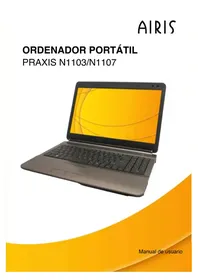
Praxis N1103 - Laptop AIRIS - Free user manual and instructions
Find the device manual for free Praxis N1103 AIRIS in PDF.



| Product type | Laptop |
| Brand | AIRIS |
| Model | Praxis N1103 |
| Weight | Approximately 2.5 kg (estimate) |
| Dimensions (W x D x H) | Approximately 370 x 250 x 30 mm (estimate) |
| Power supply | AC power adapter (DC output) and internal Lithium-Ion battery |
| Battery | Rechargeable Lithium-Ion, removable |
| Battery life | Varies depending on usage and configuration (not specified in the manual) |
| Display | Color LCD with backlight (size not specified) |
| Processor | Depending on configuration (not specified in the manual) |
| RAM | Up to 8 GB (SODIMM modules) |
| Hard drive | Internal, capacity varies by configuration |
| Ports | 2 USB 2.0 ports, 1 combo e-SATA/USB port, 1 HDMI port, 1 VGA port, 1 RJ-45 LAN port, 1 RJ-11 modem port, headphone jack, microphone jack, memory card reader, PC Express slot |
| Network | Wi-Fi (depending on configuration), Bluetooth (depending on configuration), 10/100/1000 LAN |
| Maintenance | Clean with a soft, dry cloth; avoid corrosive products; do not block ventilation openings |
| Security | Kensington lock slot; avoid magnetic fields, extreme temperatures, and shocks |
| Spare parts | Lithium-Ion battery, power adapter, power cable |
| Repairability | Memory expansion possible via SODIMM module; access to internal components via screwed compartments |
| Warranty | Not specified in the manual |
Frequently Asked Questions - Praxis N1103 AIRIS
User questions about Praxis N1103 AIRIS
0 question about this device. Answer the ones you know or ask your own.
Ask a new question about this device
Download the instructions for your Laptop in PDF format for free! Find your manual Praxis N1103 - AIRIS and take your electronic device back in hand. On this page are published all the documents necessary for the use of your device. Praxis N1103 by AIRIS.
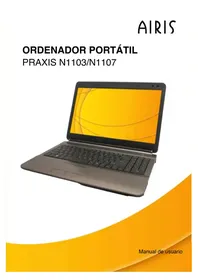
USER MANUAL Praxis N1103 AIRIS
Familiarize yourself with the computer 6
Make sure you have everything 5
OPENING THE DISPLAY PANEL 6
FRONT OVERVIEW 7
LEFT SIDE OVERVIEW 9
RIGHT SIDE OVERVIEW 10
BACK OVERVIEW 11
BOTTOM OVERVIEW 12
GETTING STARTED 13
Power Sources 13
CONNECTING THE POWER ADAPTERS 13
RECHARGING THE BATTERY 14
Starting Your Notebook 15
POWER ON 15
Status Indicators 16
Using Function Keys 18
Using the TouchPad 19
Memory Module Upgrade 20
TROUBLESHOOTING 21
Identifying the Problem 21
TAKING CARE OF YOUR NOTEBOOK PC
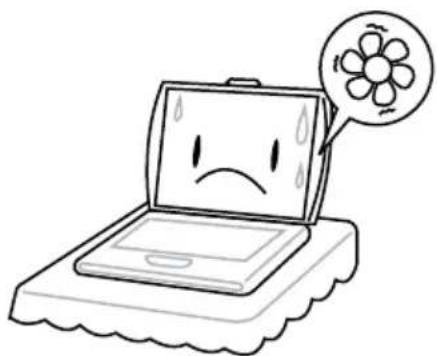
To prevent possible overheating of the computer's processor, make sure you don't block the openings provided for ventilation.
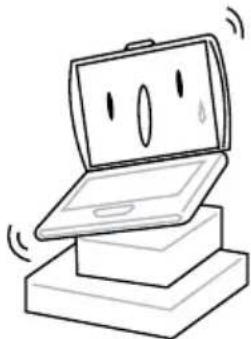
DO NOT place on uneven or unstable work surfaces.
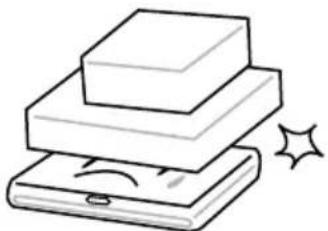
DO NOT place or drop objects on the computer and DO NOT apply heavy pressure on it.
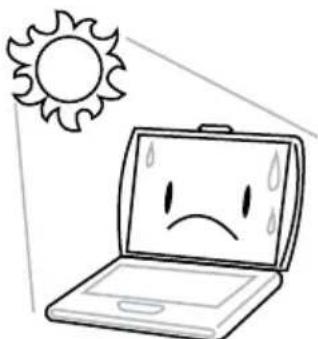
DO NOT expose to direct sunlight.
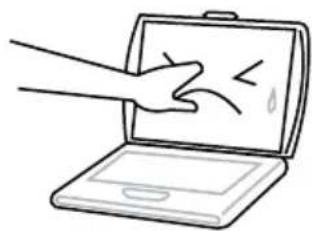
DO NOT press or touch the display panel.
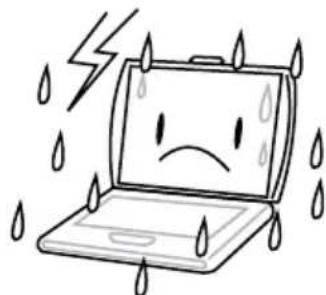
DO NOT use your notebook computer under harsh conditions.
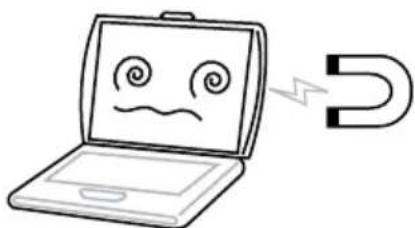
DO NOT subject the computer to magnetic fields.

DO NOT use or store in extreme temperatures.
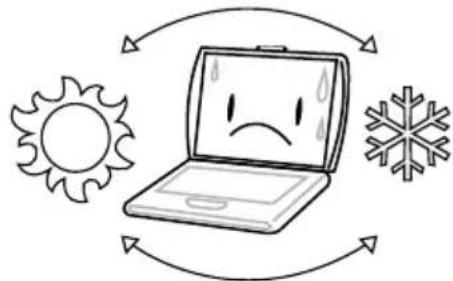
Avoid sudden changes in temperature or humidity by keeping it away from A/C and heating vents.
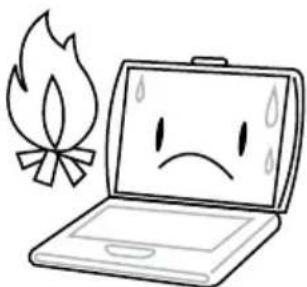
DO NOT place near fire or other sources of heat.

DO NOT expose to dust and/or corrosive chemicals.
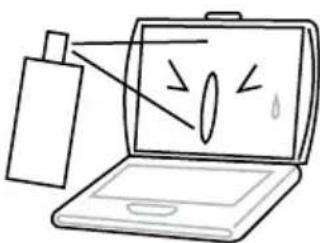
DO NOT spray water or any other cleaning fluids directly on the display.

DO NOT expose the computer to rain or moisture.
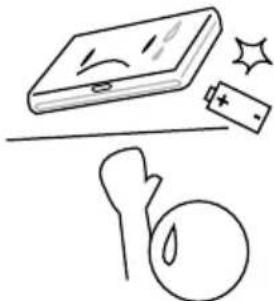
DO NOT tamper with the batteries. Keep them away from children.
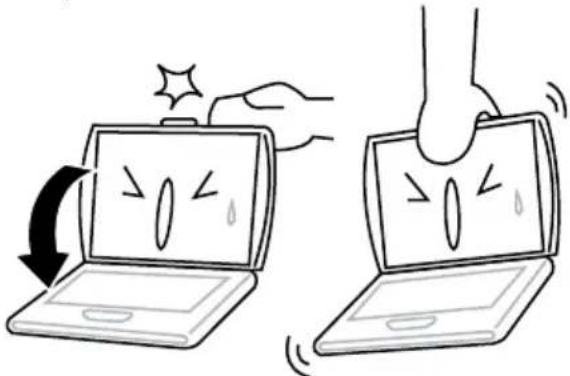
DO NOT slam your notebook shut and never pick up or hold your notebook by the display.
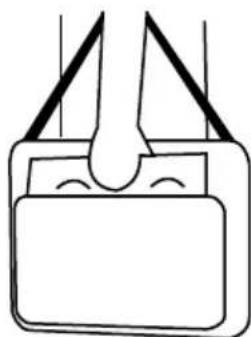
If you are traveling with your computer, remember to carry it as hand luggage. Do not check it in as baggage.
BEFORE YOU START
Make sure you have everything
When you receive your notebook PC, unpack it carefully, and check to make sure you have all the items listed below. For a pre-configured model you should have the following:
Notebook Computer
Lithium-Ion battery
- AC adapter with power cord
- Driver and Applications CD
- Quick Start Guide or User Guide
Depending upon the configuration of your notebook, you may also need the following items:
DVD/CD-RW Combo Application CD
- Dual DVD+/-RW Application CD
Super Multi DVD RW Application CD
Once you have checked and confirmed that your notebook system is complete, read through the following pages to learn about all of your notebook components.
Depending on the model you purchased, the actual appearance of your notebook may vary from that shown in this manual.
Familiarize yourself with the computer
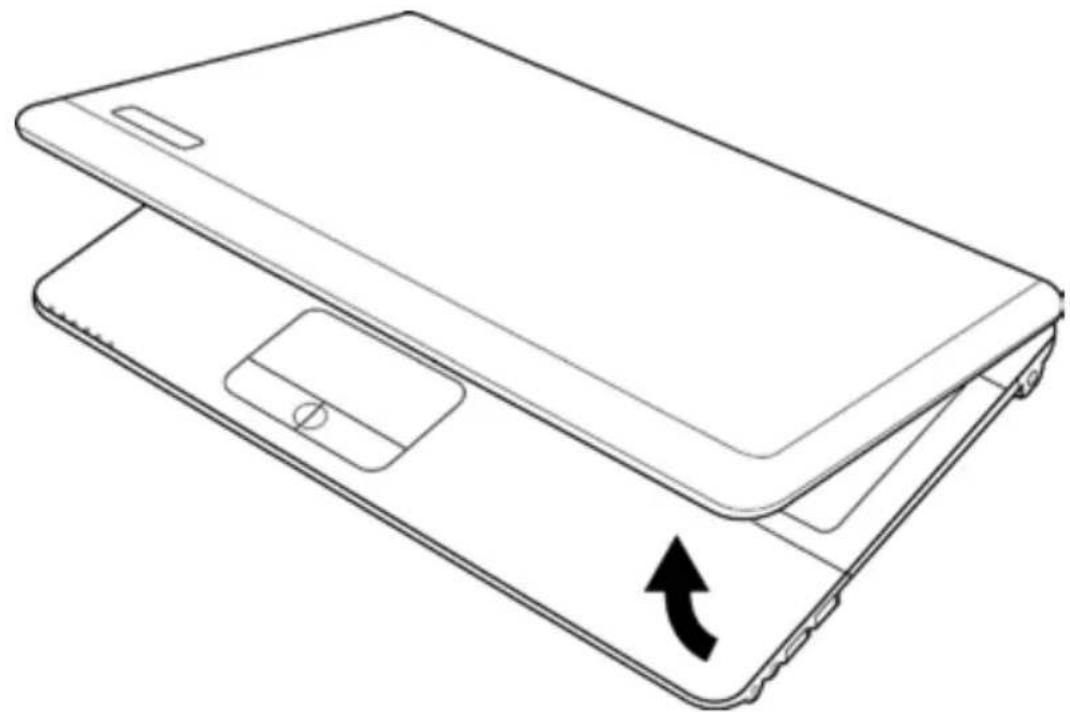
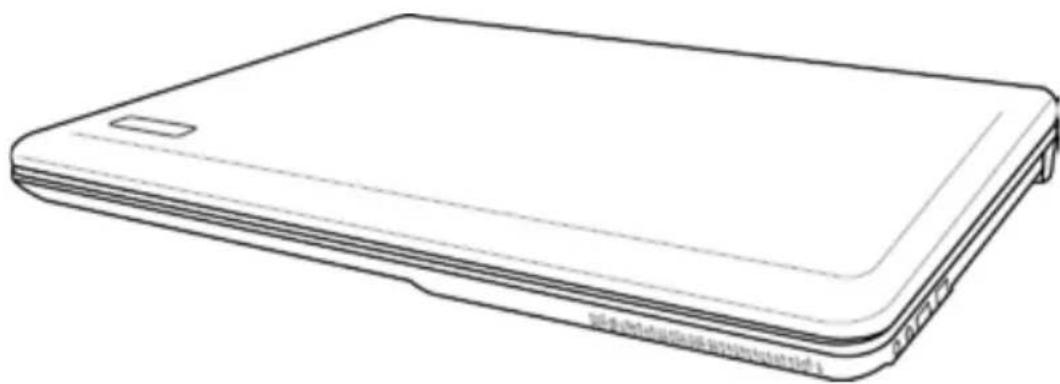
OPENING THE DISPLAY PANEL
To open the display panel, simply lift the lid up.
When closing it, be sure not to slam it shut.
FRONT OVERVIEW
The following is an overview of the front of the notebook.
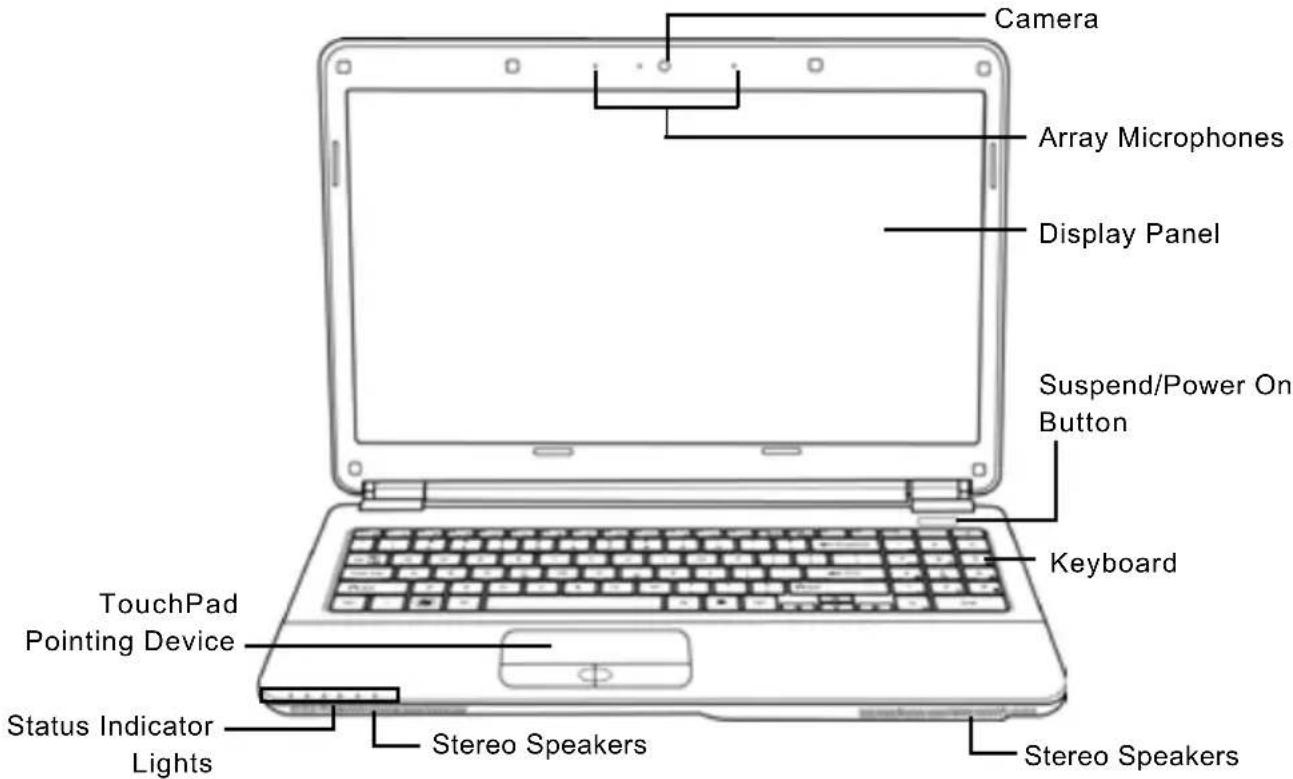
Array Microphones
The built-in array microphones are omni-directional audio input devices. They allow for the stereo reception and transmission of voice and/or other audio data to any program capable of accepting such input.
Camera
The built-in 0.3 or 1.3 megapixel camera (1 or 2 digital microphones) allows you to snap a photo or create a video chat or video conference with just a click. (Not available in all configurations.)
Display Panel
The display panel is a color LCD panel with back lighting for the display of text and graphics.
Suspend/PowerOnButton
This button turns your notebook on and off or puts it to sleep. (See Suspend/Power On Button in the Power On section for more information.)
Stereo Speakers
The built-in dual speakers allow for stereo sound.
Keyboard
A full-size keyboard with dedicated Windows® keys.
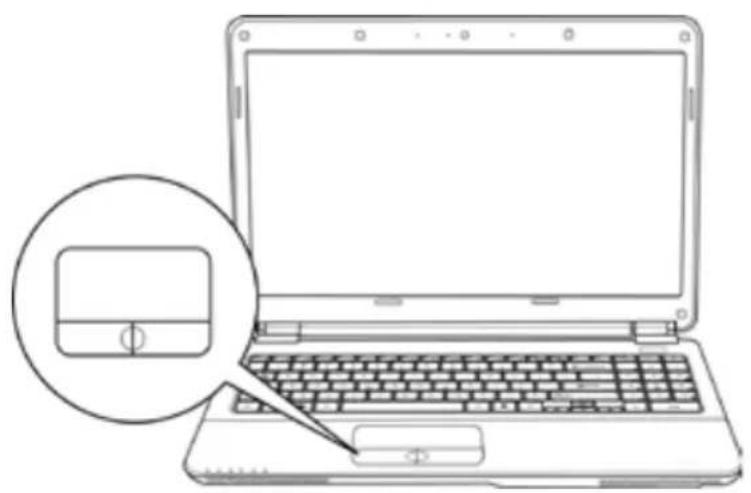
TouchPad Pointing Device
The TouchPad pointing device is a mouse-like cursor control with two buttons and a touch sensitive movement pad.
Status Indicator Lights
The Status indicator lights correspond to specific operating modes. These modes are: Power on/ Suspend status, battery/AC adapter status, hard drive activity (HDD), Num Lock, Caps Lock, and Wireless LAN activity.
LEFT SIDE OVERVIEW
The following is a brief description of the left side of the notebook.
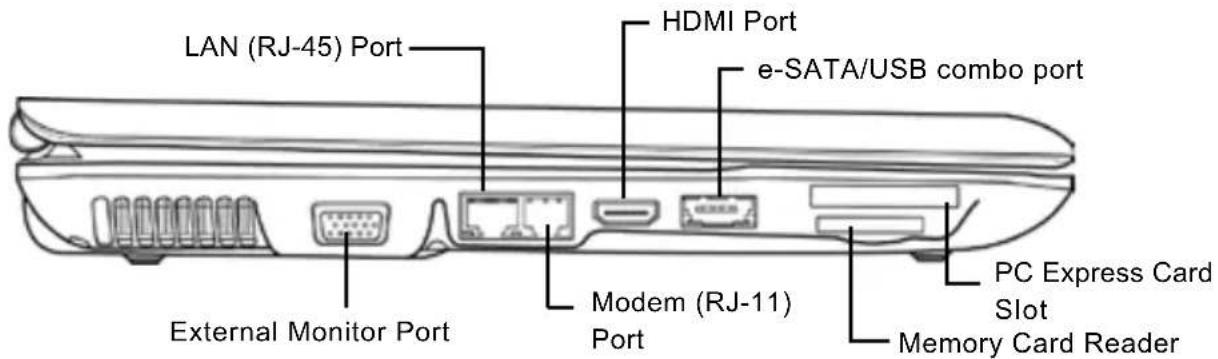
External Monitor Port
The external monitor port allows you to connect an external monitor.
LAN (RJ-45) Port
The LAN port is designed to support a 10/100/1000 Base-T standard RJ-45 plug.
Modem (RJ-11) Port
The modem (RJ-11) port is used to attach a telephone line to the internal 56k modem. (Not available in all configurations.)
HDMI Port
The HDMI port allows you to connect a video device such as a television, a projector, or a VCR to your computer.
e-SATA/USB combo port
The e-SATA/USB combo port allows you to connect an external device such as an external hard disk drive or optical drive.
PC Express Card Slot
The PC Express Card Slot allows you to install one Type-II PC Express Card.
Memory Card Reader
The memory card reader offers the fastest and most convenient method to transfer pictures, music and data between your notebook and flash compatible devices such as digital cameras, MP3 players, mobile phones, and PDAs.
RIGHT SIDE OVERVIEW
The following is a brief description of the right side of the notebook.
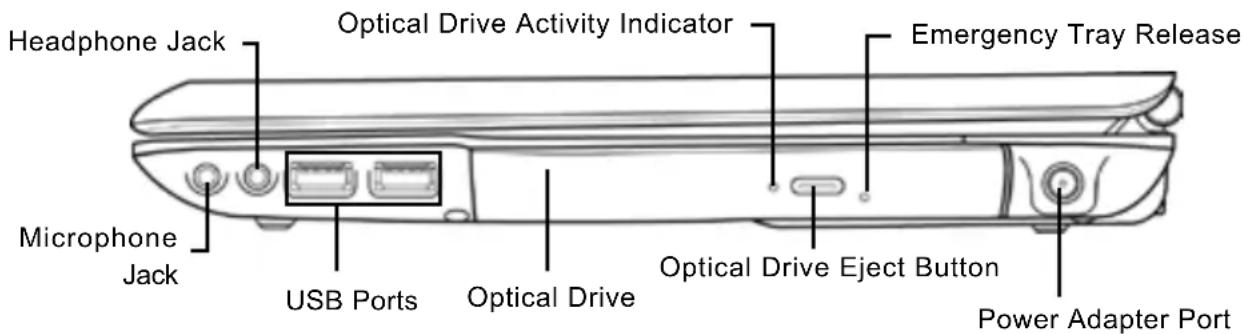
Microphone Jack
The microphone jack allows you to connect an external mono microphone.
Headphone Jack
The headphone jack allows you to connect headphones or external speakers and amplifiers.
USB Ports
The USB ports allow you to connect Universal Serial Bus devices. They support v2.0 of the USB standard, which allows data exchange rates as high as 480Mb / s .
Optical Drive
The optical drive allows you to play back media discs such as CDs and DVDs. Depending on the configuration of your notebook, it may also allow you to burn CDs and DVDs.
Optical Drive Activity Indicator
This light flickers to indicate activity when the ODD is playing a media disc or is being accessed by the operating system.
Optical Drive Eject Button
The optical drive eject Button allows you to open the optical drive tray to remove or insert a DVD or CD.
Emergency Tray Release
The emergency tray release allows you to open the optical drive tray without powering on your notebook.
Power Adapter Port
The power adapter port allows you to plug in the AC adapter to power your notebook and charge the internal Lithium-Ion battery.
BACK OVERVIEW
The following is an overview of the back of the notebook.

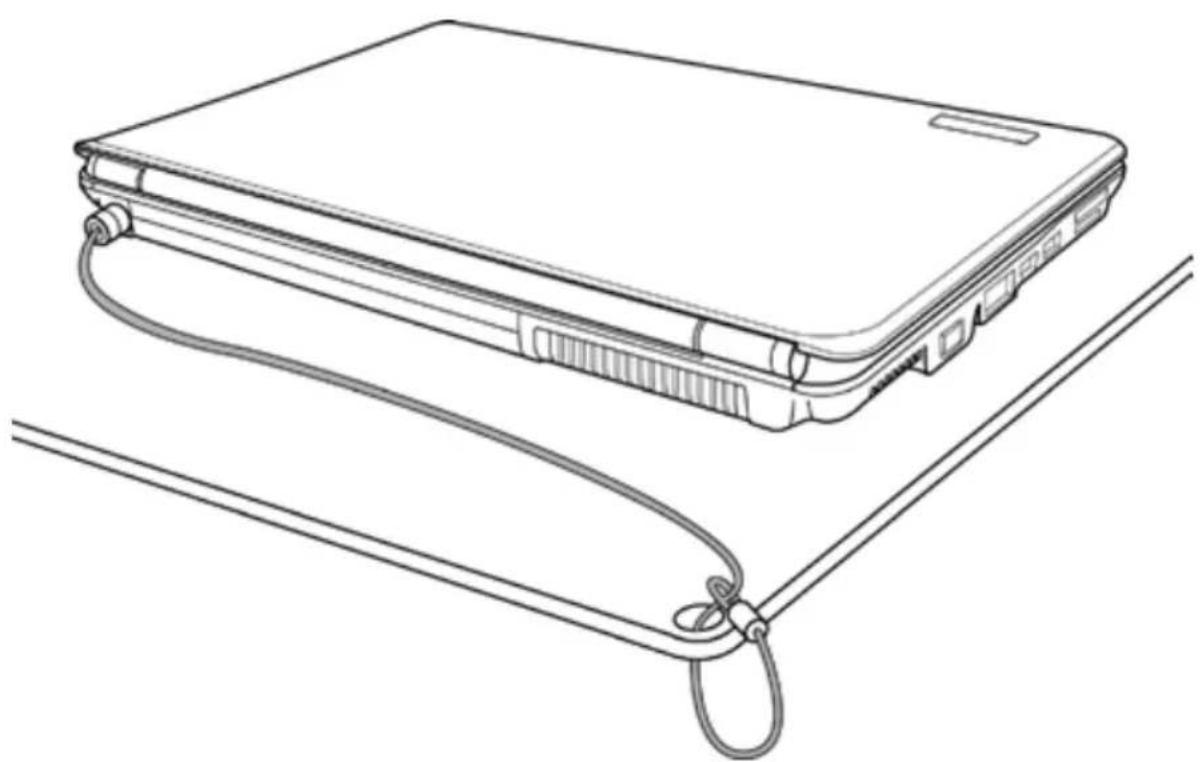
Kensington Lock Slot
Kensington Lock Slot
The Kensington lock slot allows you to secure your notebook to an immovable object with an optional security cable.
BOTTOM OVERVIEW
The following is an overview of the bottom of the notebook.
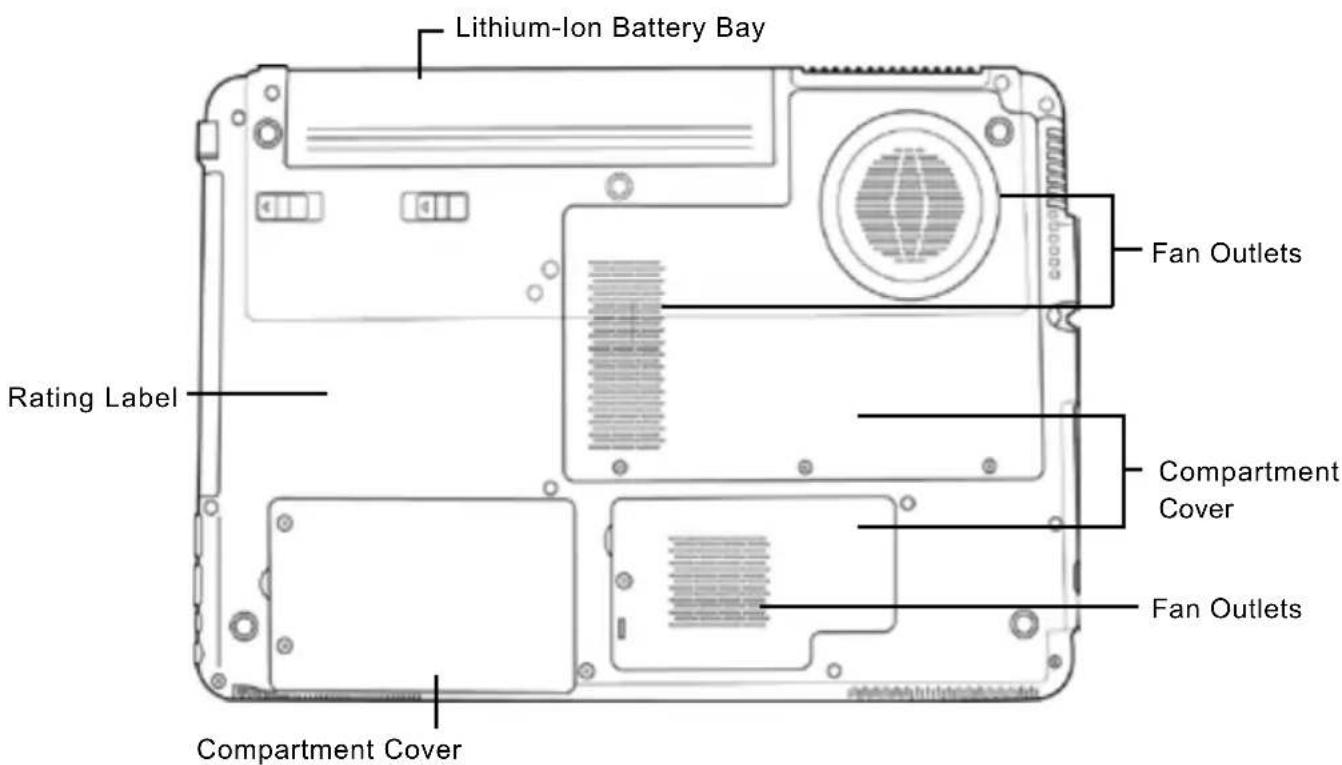
Lithium-Ion Battery Bay
The battery bay contains the internal Lithium-Ion battery. It can be opened for the removal of the battery when stored over a long period of time or for swapping a discharged battery with a charged Lithium-Ion battery.
Fan Outlets
These are open ports for the fan to dissipate heat from the computer's internal components. Do not block or place the computer in such a position that you inadvertently allow the outlets to become blocked.
Compartment Covers
The Wi-Fi compartment contains the Wireless LAN card (Not available in all configurations). The memory compartment contains the computer's memory modules. The internal hard disk drive is accessible through the hard disk drive bay. The CPU sits in the CPU bay.
Rating Label
The label shows the model number and other information about your notebook.
GETTING STARTED
Power Sources
Your computer has two types of power source: a Lithium-Ion battery or an AC adapter.
CONNECTING THE POWER ADAPTERS
The AC adapter provides power for operating your notebook PC and charging the battery.
Connecting the AC Adapter
- Plug the DC output cable into the DC power jack of your notebook PC.
- Plug the AC adapter into an AC electrical outlet.
Switching from AC Adapter Power to Battery Power
- Be sure that you have at least one charged battery installed.
- Remove the AC adapter. Your notebook will automatically switch from DC power to battery power.
The Lithium-Ion battery is not charged upon purchase. Initially, you will need to connect the AC adapter to use your notebook PC.
RECHARGING THE BATTERY
The Lithium-Ion battery is recharged internally using the AC adapter. To recharge the battery, make sure the battery is installed and the computer is connected to the AC.
There is no "memory effect" in Lithium-Ion batteries; therefore you do not need to discharge the battery completely before recharging. The charge times will be significantly longer if your notebook PC is in use while the battery is charging. If you want to charge the battery more quickly, put your computer into Suspend mode, or turn it off while the adapter is charging the battery.
Low Battery State
When the battery charge is low, a notification message appears. If you do not respond to the low battery message, the battery continues to discharge until it is too low to operate. When this happens, your notebook PC goes into Suspend mode. There is no guarantee your data will be saved once the notebook reaches this point.

To protect your computer from damage, use only the power adapter that came with it because each power adapter has its own power output rating.
Once your note computer goes into Suspend mode as a result of a dead battery you will be unable to resume operation until you provide a source of power either from an adapter, or a charged battery. Once you have provided power, you can press the Suspend/Resume button to resume operation. In Suspend mode, your data is maintained for some time, but if a power source is not provided promptly, the Power indicator stops flashing and the goes out, in which case you have lost the data that was not saved. Once you provide power, you can continue to use your computer while an adapter charges the battery.
Battery Replacement
There is danger of explosion if an incorrect battery type is used for replacement. For computers equipped with a replaceable lithium-ion battery pack, the following applies:
- if the battery is placed in an OPERATOR ACCESS AREA, there shall be a marking close to the battery, or a statement in both the operating and the servicing instructions;
- if the battery is placed elsewhere in the computer, there shall be a marking close to the battery or a statement in the servicing instructions.
The marking or statement shall include the following or similar text:
Risk of explosion if battery is replaced with an incorrect type. Dispose of used batteries according to the instructions.
Starting Your Notebook
POWER ON
Suspend/Power On Button
The suspend/power on switch is used to turn on your notebook from its off state. Once you have connected your AC adapter or charged the internal Lithium-Ion battery, you can power on your notebook by pressing the suspend/power on button located above the keyboard. If you need to take an extended break press the button again to turn it off.

Do not carry your notebook around with the power on or subject it to shocks or vibration, as you risk damaging the hard disk.
When you power on your notebook, it will perform a Power On Self Test (POST) to check the internal parts and configuration for correct functionality. If a fault is found, your computer emits an audio warning and or displays and error message.
Depending on the nature of the problem, you may be able to continue by starting the operating system or by entering the BIOS setup utility and revising the settings.
After satisfactory completion of the Power On Self Test (POST), your notebook loads the installed operating system.

Never turn off your notebook during the Power On Self Test (POST), or an unrecoverable error may occur.
Status Indicators
The status indicator lights correspond to specific operating modes. These modes are: Power on/ Suspend status, Battery/AC Adapter status, hard drive activity (HDD), Num Lock, Caps Lock, and Wireless LAN activity.
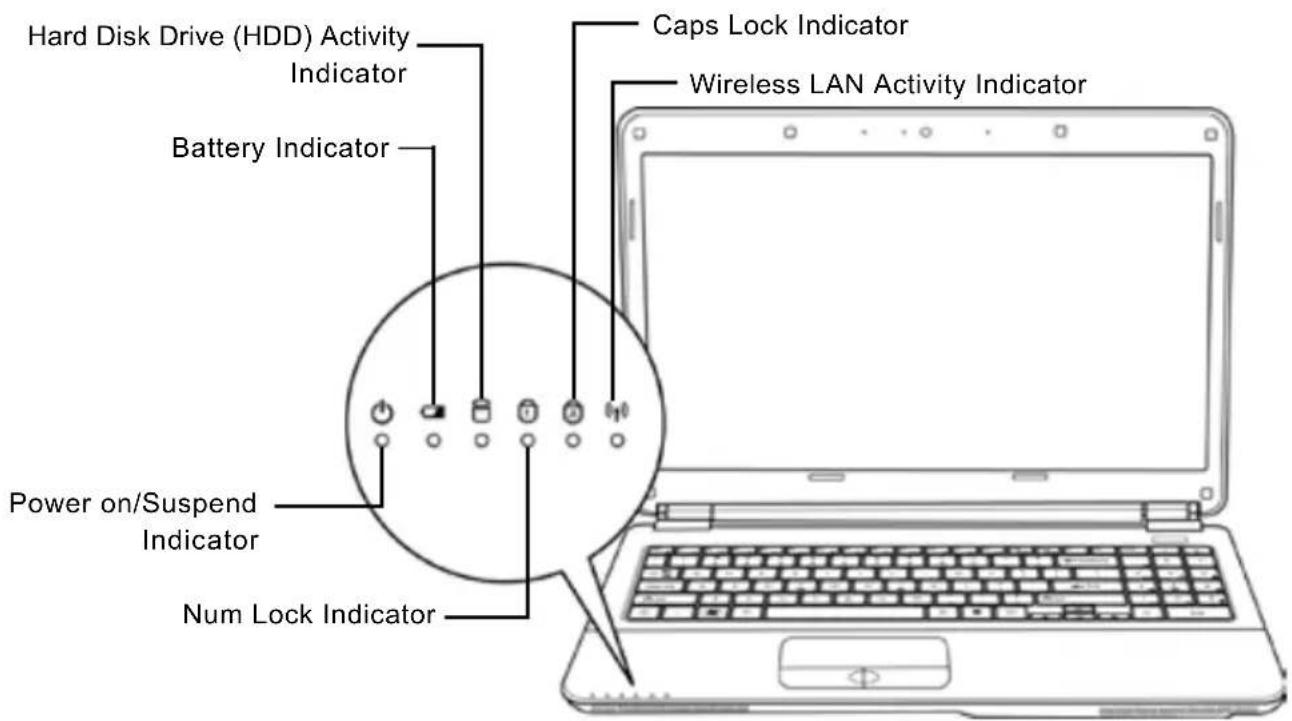
Power On Indicator
This light on the power button illuminates when the computer is powered on.
Suspend Status Indicator
This light flashes when the computer is in the Suspend mode.
Battery Indicator
The Battery indicator tells you whether the Lithium-Ion battery is charging or is already fully charged.
- If you are charging your battery, the Battery indicator remains on even if your notebook is shut off.
- If there is no battery activity, the power adapters are not connected, or the power switch is Off, the Battery indicator will also be off.
- Batteries subjected to shocks, vibrations or extreme temperatures can be permanently damaged.
Hard Disk Drive (HDD) Activity Indicator
The Hard Disk Drive (HDD) Activity indicator tells you whether your internal hard drive is being accessed and, if so, how fast.
The Num Lock Indicator
This indicator shows when the internal keyboard is in ten-key numeric keypad mode.
The Caps Lock Indicator
This indicator tells you that the keyboard is set to type in all capital letters.
Wireless LAN Activity Indicator
The Wireless LAN Activity indicator tells you whether your computer is connected to a wireless network or not.
Using Function Keys
Your computer has 12 function keys, F1 through F12. The functions assigned to these keys differ for each application. You should refer to your software documentation to find out how these keys are used.
The [FN] key provides extended functions for the notebook and is always used in conjunction with another key.
- FN+F1: Places the notebook in Suspend mode. Pressing the Power button returns it to active mode.
- FN+F2: Enables or disables the wireless network connection.
- FN+F3: Allows you to change your selection of where to send your display video. Each time you press the combination of keys you will step to the next choice. The choices, in order, are: built-in display panel only, both built-in display panel and external monitor, or external monitor only.
- FN+F4: Decreases the screen Brightness.
- FN+F5: Increases the screen Brightness.
- FN+F6: Mutes the computer's volume.
- [FN + F7] : Decreases the computer's volume.
- [FN + F8] : Increases the computer's volume.
- FN+F9: Plays or pauses the current multimedia track.
- FN+F10: Stops the current multimedia track.
- FN+F11: Goes to the previous multimedia track.
- FN+F12: Goes to the next multimedia track.
- FN+Esc: Enables or disables the Bluetooth function.
Using the TouchPad
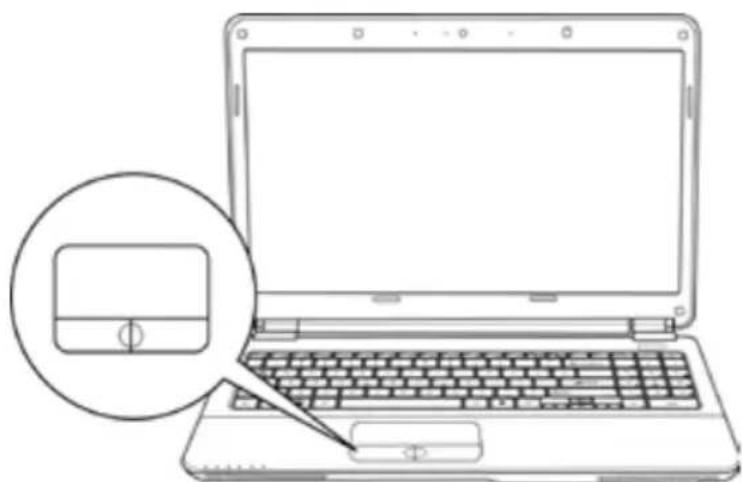
A TouchPad pointing device comes built into your computer. It is used to control the movement of the pointer to select items on your display panel.
The TouchPad consists of a cursor control, a left and right button, and a scroll bar. The cursor control works the same way a mouse does, and moves the cursor around the display. It only requires light pressure from the tip of your finger. The left and right buttons function the same as mouse buttons. The actual functionality of the buttons may vary depending on the application that is being used. Finally, the scroll bar allows you to navigate quickly through pages, without having to use the on-screen cursor to manipulate the up and down scroll bars.
Clicking
Clicking means pushing and releasing a button. To left-click, move the cursor to the item you wish to select, press the left button once, and then immediately release it. To right click, move the mouse cursor to the item you wish to select, press the right button once, and then immediately release it. You also have the option to perform the clicking operation by tapping lightly on the TouchPad once.
Double-Clicking
Double-clicking means pushing and releasing the left button twice in rapid succession. This procedure does not function with the right button. To double-click, move the cursor to the item you wish to select, press the left button twice, and then immediately release it. You also have the option to perform the double-click operation by tapping lightly on the TouchPad twice.
Dragging
Dragging means pressing and holding the left button, while moving the cursor. To drag, move the cursor to the item you wish to move. Press and hold the left button while moving the item to its new location and then release it. Dragging can also be done using the TouchPad. First, tap the TouchPad twice over the item you wish to move making sure to leave your finger on the pad after the final tap. Next, move the object to its new location by moving your finger across the TouchPad, and then release your finger. Using the Scroll bar allows you to navigate through a document quickly without using the window's scroll bars. This is particularly useful when you are navigating through on-line pages.
Memory Module Upgrade
To increase your notebook's memory capacity (up to 8 GB maximum), additional memory modules may be installed. The memory upgrade must be a dual-in-line (DIMM) SDRAM module.
Do not remove any screws from the memory upgrade module compartment except for the ones specifically shown in the directions here.
Installing a Memory Module
The following steps describe how to install a memory upgrade module. We do not recommend that you do this yourself.
- Turn off power to your notebook using the power switch, disconnect the power adapter, and/ or remove the battery pack.
- Place your notebook upside-down on a clean work surface.
- Open the top cover all the way, so that it is lying flat on the work surface.
- Remove the five screws securing the compartment cover.
The memory upgrade module can be severely damaged by electrostatic discharge (ESD). Be sure you are properly grounded when handling and installing the module.
- Align the connector edge of the memory upgrade module, chip side up, with the connector slot in the compartment.
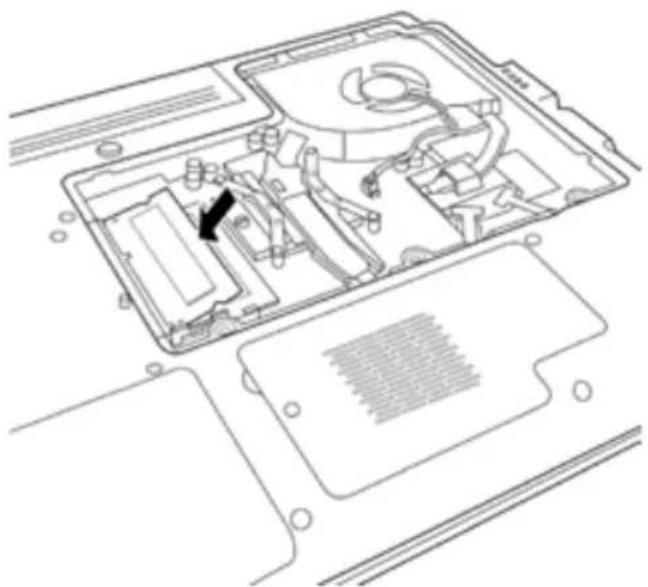
- Insert the memory upgrade module at a 45^ angle and press it firmly onto the connector.
- Press the memory upgrade module down into the compartment until it locks into the retaining clips on either side. You will hear a click when it is properly in place.
- Replace the cover and screws that were removed previously. Installation of the new memory module is now complete.
The memory upgrade module is not something you routinely remove from your notebook PC. Once it is installed, you should leave it in place unless you want to increase system memory capacity.
TROUBLESHOOTING
Your notebook PC is sturdy and subject to few problems in the field. However, you may encounter simple setup or operating problems that you can solve on the spot, or problems with peripheral devices, that you can solve by replacing the device. The information in this section helps you isolate and resolve some of these straightforward problems and identify failures that require service.
Identifying the Problem
If you encounter a problem, go through the following procedure before pursuing complex troubleshooting:
- Turn off your notebook.
- Make sure the AC adapter is plugged into your notebook and to an active AC power source.
- Make sure that any card installed in the PC Card slot is seated properly. You can also remove the card from the slot, thus eliminating it as a possible cause of failure.
- Make sure that any devices connected to the external connectors are plugged in properly. You can also disconnect such devices, thus eliminating them as possible causes of failure.
- Turn on your notebook. Make sure it has been off at least 10 seconds before you turn it on.
- Go through the boot sequence.
- If the problem has not been resolved, contact your support representative.
Before you place the call, you should have the following information ready so that the customer support representative can provide you with the fastest possible solution:
- Product name
Product configuration number - Product serial number
Purchase date - Conditions under which the problem occurred
- Any error messages that have occurred
- Hardware configuration
- Type of device connected, if any
See the Configuration Label on the bottom of your notebook for configuration and serial numbers.
Copyright-protected technology
This product incorporates copyright protection technology that is protected by U.S. patents and other intellectual property rights. Use of this copyright protection technology must be authorized by Macrovision, and is intended for home and other limited viewing uses only unless otherwise authorized by Macrovision. Reverse engineering or disassembly is prohibited.
使用手册
繁體中文
2009年 月
目錄
開始使用前 5
確認應有品項 5
熟悉您的電腦 6
Bouton Suspension/Marche
Bouton Suspension/Marche
Slot PC Card Express
Coperchi compartmento
[BaT]JH 100000000000000000000000000000000000000000000000000000000000000000000000000000
[1] 建國省,2005年,第37頁。
TJI 13 TETI 10, 10, 10, 10, 10, 10, 10, 10, 10, 10, 10, 10, 10, 10, 10, 10, 10, 10, 10, 10, 10, 10, 10, 10, 10, 10.
图
用是,
#
卦申兑用是即期,约,动,动,动,动,动,动,动,动,动,动,动,动,动,动,动,动,动,动,动,动,动,动,动,动,动,动,动,动,动,动,动,动,动,动,动,动,动,动,动,动,动,动,动,动,动,动,动,动,动,动,功,功,功,功,功,功,功,功,功,功,功,功,功,功,功,功,功,功,功,功,功,功,功,功,功,功,功,功,功,功,功,功,功,功,功,功,功,功,功,功,功,功,功,功,功,功,功,功,功,功,
三
i. 1.
Macrovision of the well-being is a good fit to the way of life.
用户手册
简体中文
2009年9月
目录
使用前 5
请确定您已经有了以下物品 5
熟悉您的笔记本电脑 6
This is the first time you see a TV.
電源アダフタの接続
This is a good idea.
ウイヤレス LAN 動作LANP
This can be done by using the following methods. 1. The first part of this paragraph is to describe how the two parts are related. 2. The second part of this paragraph is to describe how the two parts are related. 3. The third part of this paragraph is to describe how the two parts are related.
Fabricante/Manufacturer: INFINITY SYSTEM S.L.
PAIS/Country: ESPANA
Ref. Modelo/ Model reference: AIRIS N1103 - N1107
a) Relatives to the Directive Directive2004/108/EC amended by 73/23/EEC and its amendment 93/68/EEC: EN60950-1 : (2001)
b) Relatives to the Directive 2004/108/EC amended by 89/336/EEC and its amendments 92/31/EEC and 93/68/EEC:
EN55024:1998+A1:2001+A2:2003
EN 55022:2006, Class B
EN 61000-4-2: 2001
EN 61000-3-2: 2006 Class D
EN61000-4-3:2002+A1:2002
EN 61000-3-3:1995+A1:2001+A2:2005
EN 61000-4-4:2004
EN 61000-4-5:2001
EN 61000-4-6:2003:+A1:2004
EN 61000-4-8:2001
EN 61000-4-11:2004
c) Relatives to the Directive 1999/05/EEC
EN 301 489-1 V.1.6.1:2005 EN 301 489-17 V.1.2.1:2002