SALSA 5 RUN - Sport stroller ABC DESIGN - Free user manual and instructions
Find the device manual for free SALSA 5 RUN ABC DESIGN in PDF.



| Product Type | Sport stroller |
| Brand | ABC Design |
| Model | SALSA 5 RUN |
| Recommended age | From 6 to 48 months (up to 22 kg) |
| Maximum child weight | 22 kg |
| Stroller weight | Approx. 12 kg |
| Dimensions (folded) | Approx. 90 x 60 x 80 cm |
| Dimensions (unfolded) | Approx. 90 x 60 x 100 cm |
| Folding system | Compact folding with safety lock |
| Front wheels | Swivel with lock for running |
| Brakes | Rear parking brake |
| Harness | 5-point harness with waist belt and crotch strap |
| Handlebar | Height adjustable |
| Storage basket | Maximum load 5 kg |
| Sporty use | Running, jogging, skating (from 9 months, upright sitting, front wheels locked) |
| Maintenance | Cover machine washable cold; mechanical parts oiled with silicone-free oil |
| Authorized accessories | Only those from the manufacturer |
| Reparability | Authorized spare parts; modifications prohibited |
| Safety standards | Compliant with standards EN1103, EN71-3, AZO requirements |
Frequently Asked Questions - SALSA 5 RUN ABC DESIGN
User questions about SALSA 5 RUN ABC DESIGN
0 question about this device. Answer the ones you know or ask your own.
Ask a new question about this device
Download the instructions for your Sport stroller in PDF format for free! Find your manual SALSA 5 RUN - ABC DESIGN and take your electronic device back in hand. On this page are published all the documents necessary for the use of your device. SALSA 5 RUN by ABC DESIGN.
USER MANUAL SALSA 5 RUN ABC DESIGN
natural_image
Simple line drawing of a balloon inside a circular outline (no text or symbols)ABC DESIGN
SALSA 5 RUN
Instructions for use
Salsa 5 Run ABC.2025.1

natural_image
Simple line drawing of an open book with an information icon on the right page (no text or symbols beyond the icon)
https://www.abc-design.de/adapter
natural_image
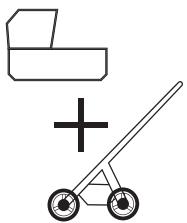
Simple line drawing of a cart with wheels and a plus sign, no text or symbols presentABC Design Tragewanne
ABC Design Carrycot
1
natural_image
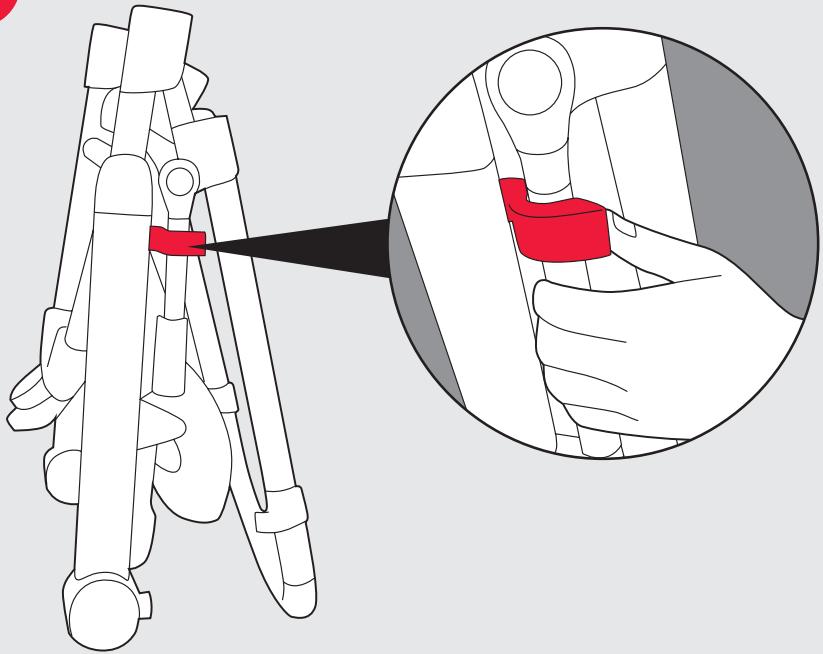
Illustration of a hand using a red tool to adjust or install a component, with an inset showing the close-up of the component (no text or symbols present)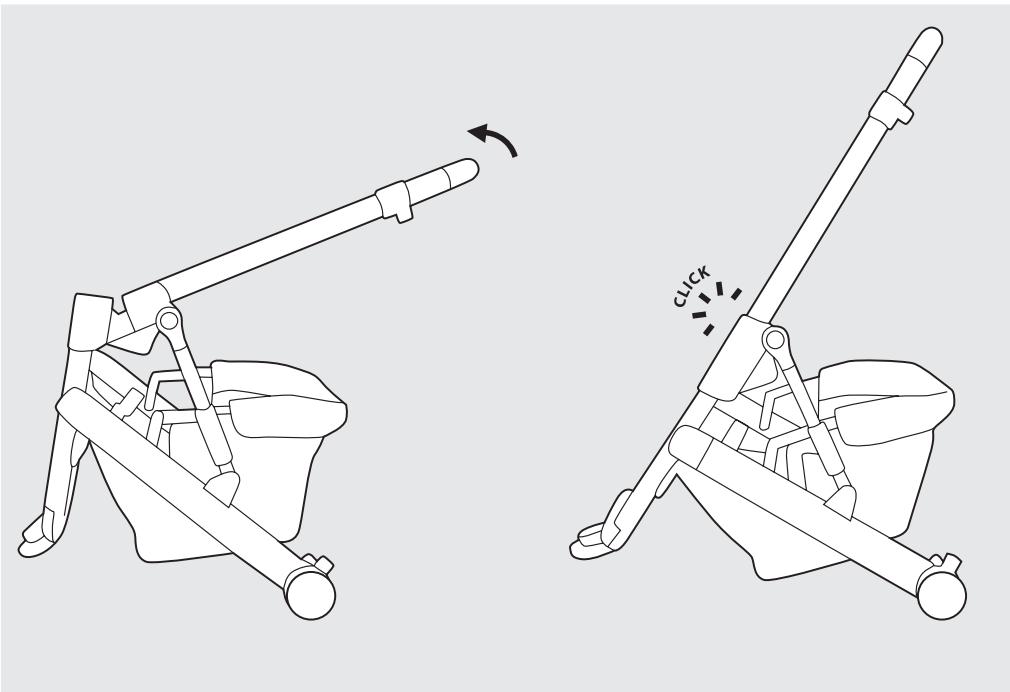
natural_image
Line drawings of two different types of bicycle levers, one with a curved arrow indicating rotation, the other with a click icon (no text or symbols)
natural_image
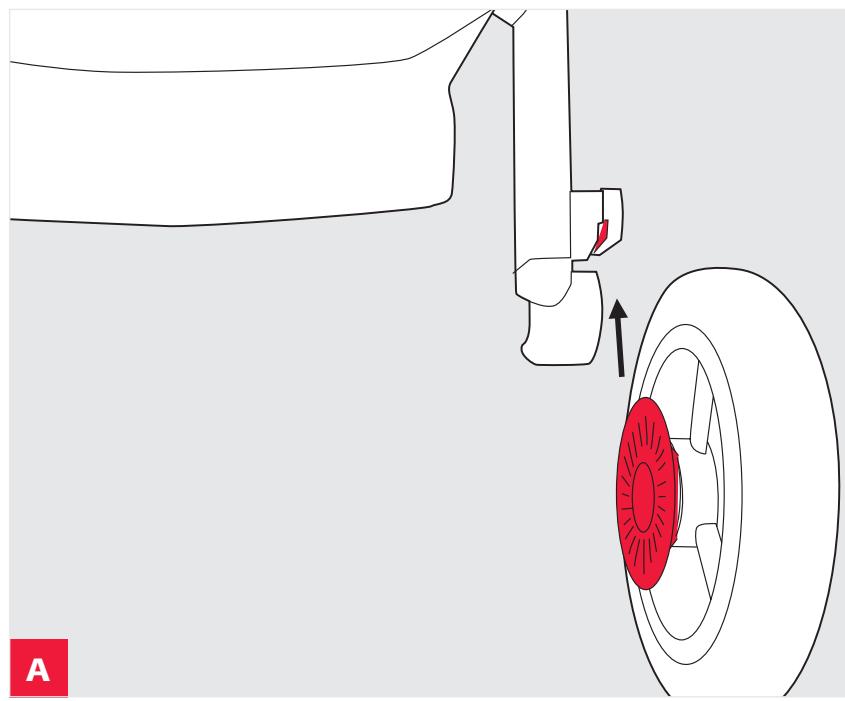
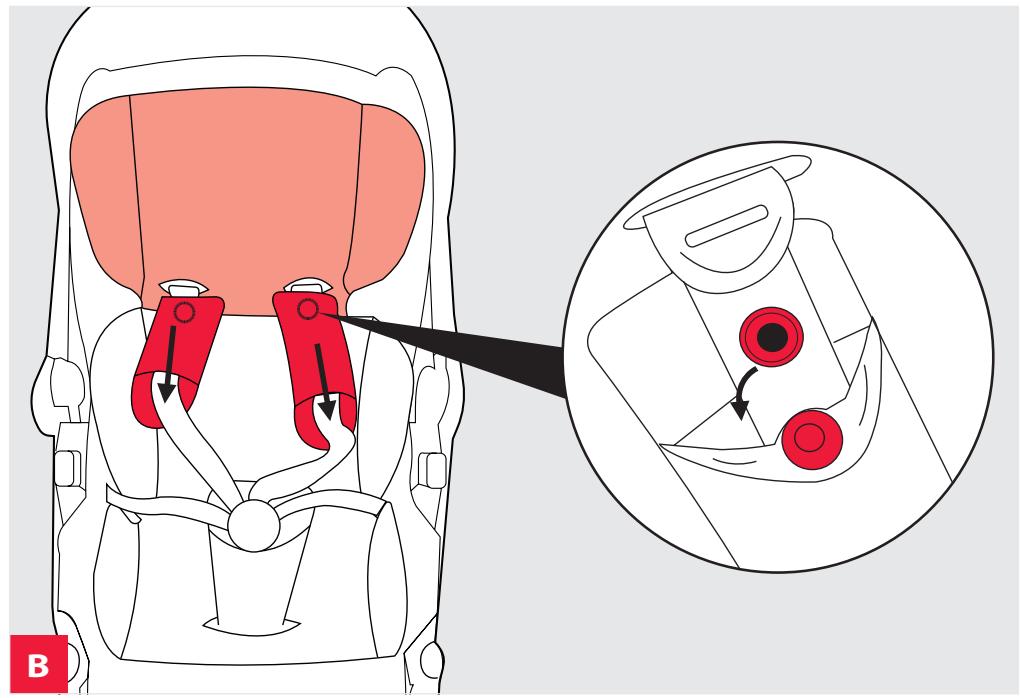
Diagram showing a mechanical assembly with a red circular component and an arrow indicating motion (no text or symbols)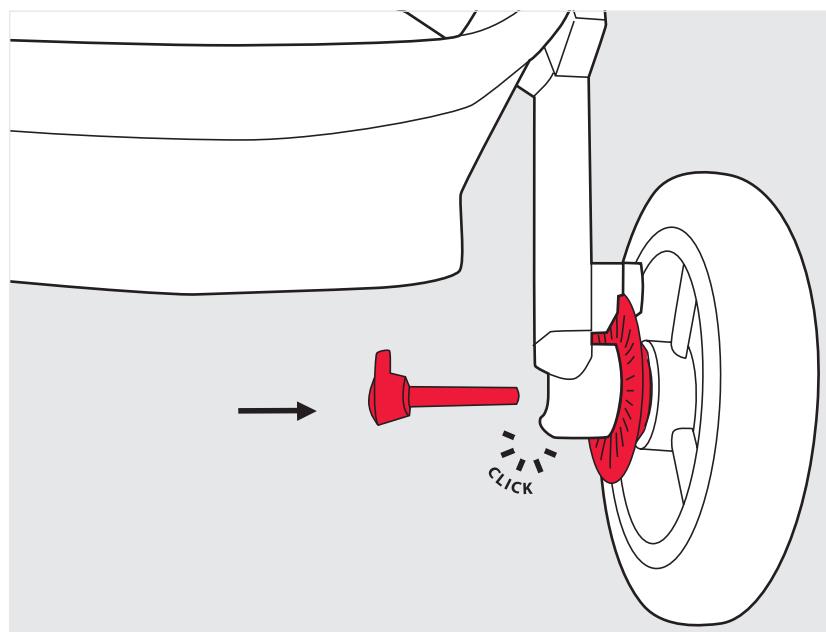
B
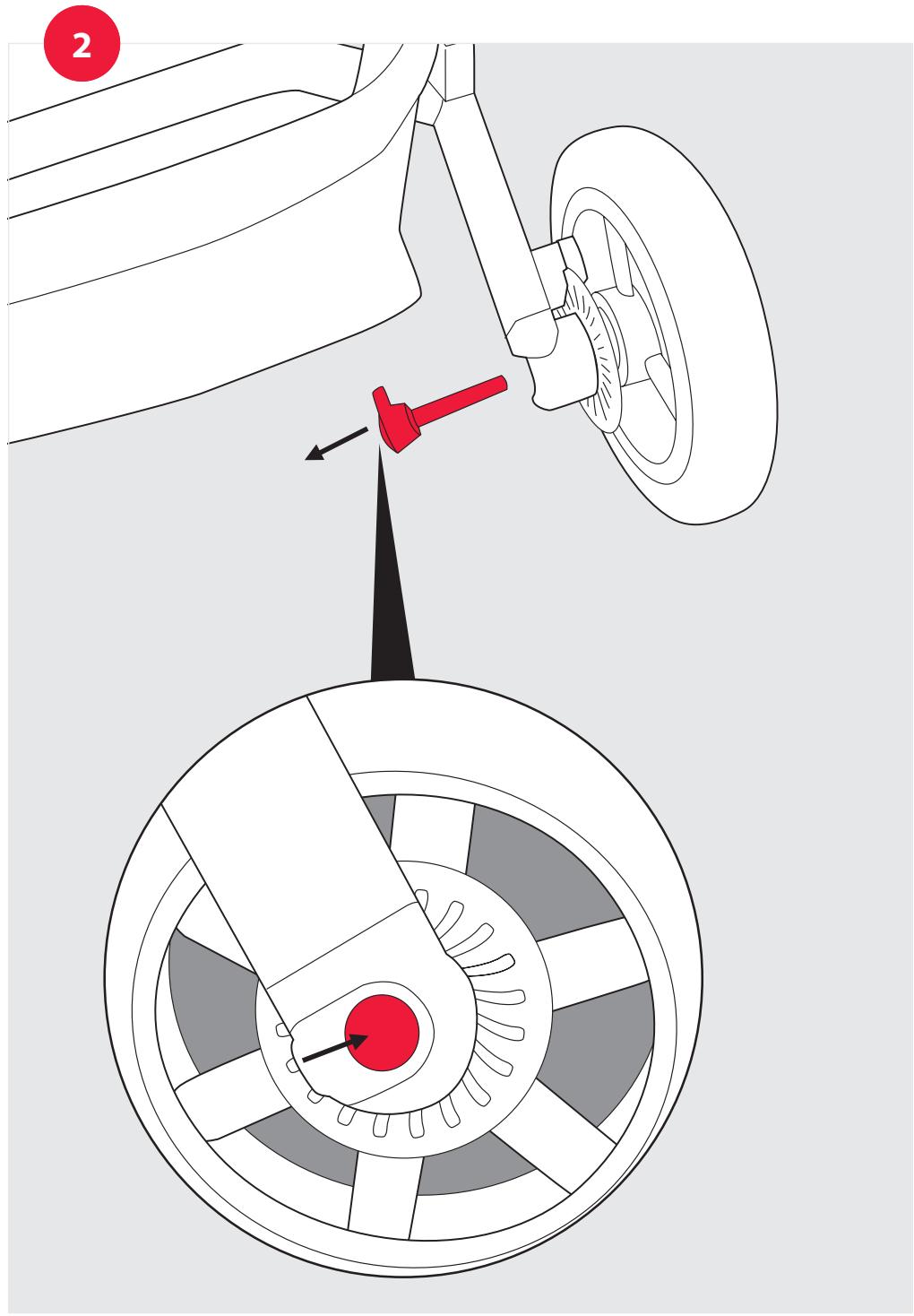


natural_image
Line drawing of a bicycle's seatbelt and wheel assembly, showing a hand pressing down on the wheel (no text or symbols)A
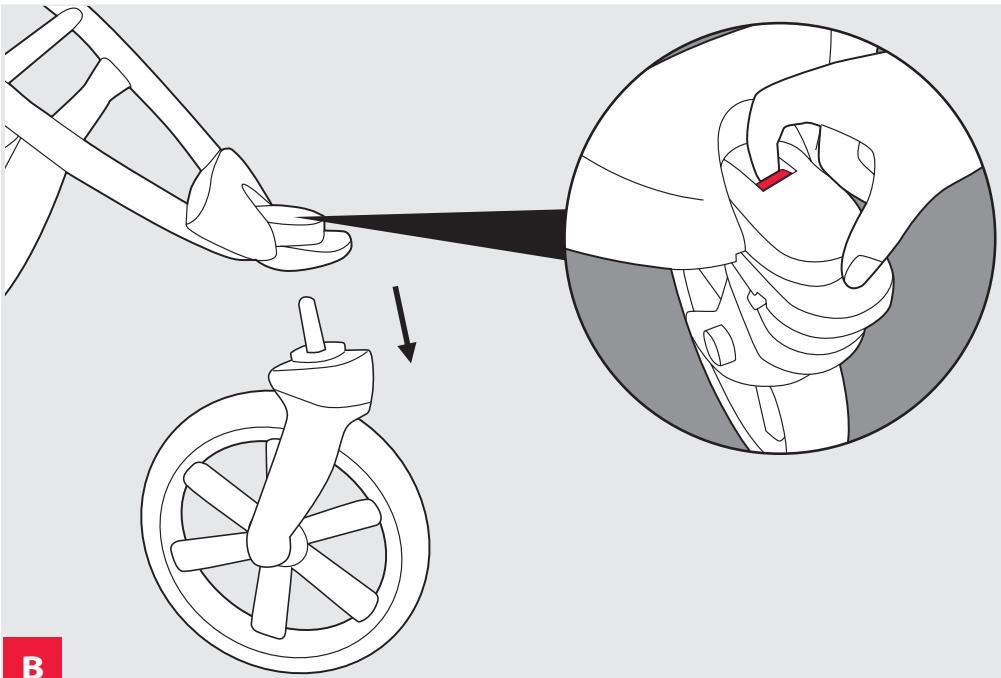
natural_image
Illustration of a hand adjusting a bicycle seatbelt, showing the wheel being adjusted to shift the seatbelt from a left-side inset (no text or symbols present)
A
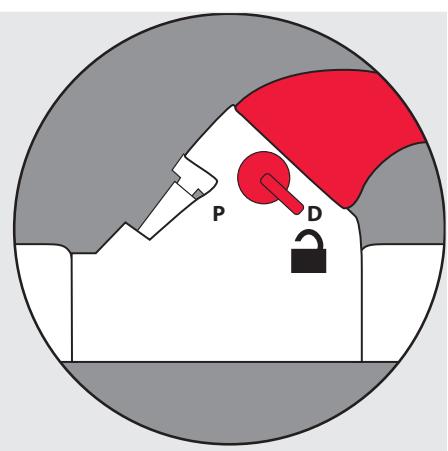
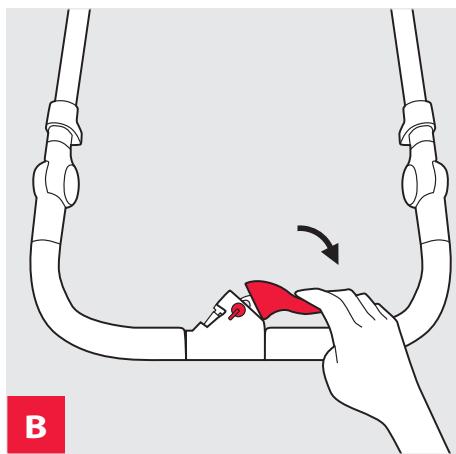
natural_image
Illustration of a hand holding a red object on a curved pipe or tube, with an arrow indicating rotation (no text or symbols)
natural_image
Diagram of a hand gripping a small object with a padlock, no text or symbols presentC
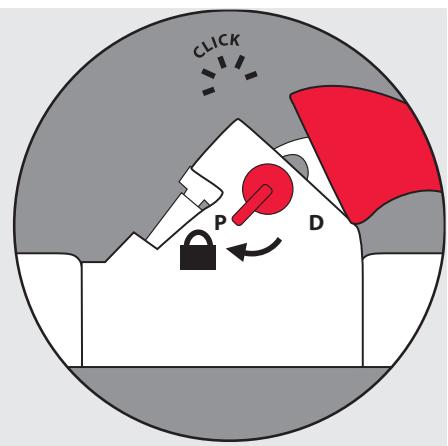
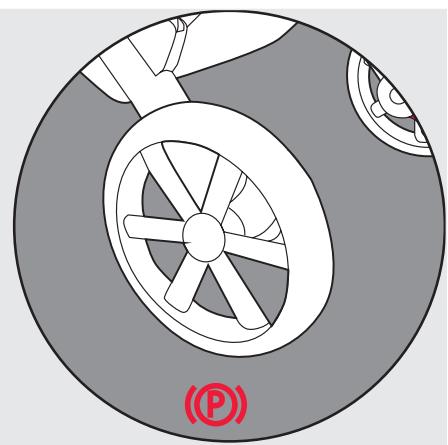
natural_image
Circular diagram showing a car wheel with a parking sign (P) at the bottom, no text or symbols present.4
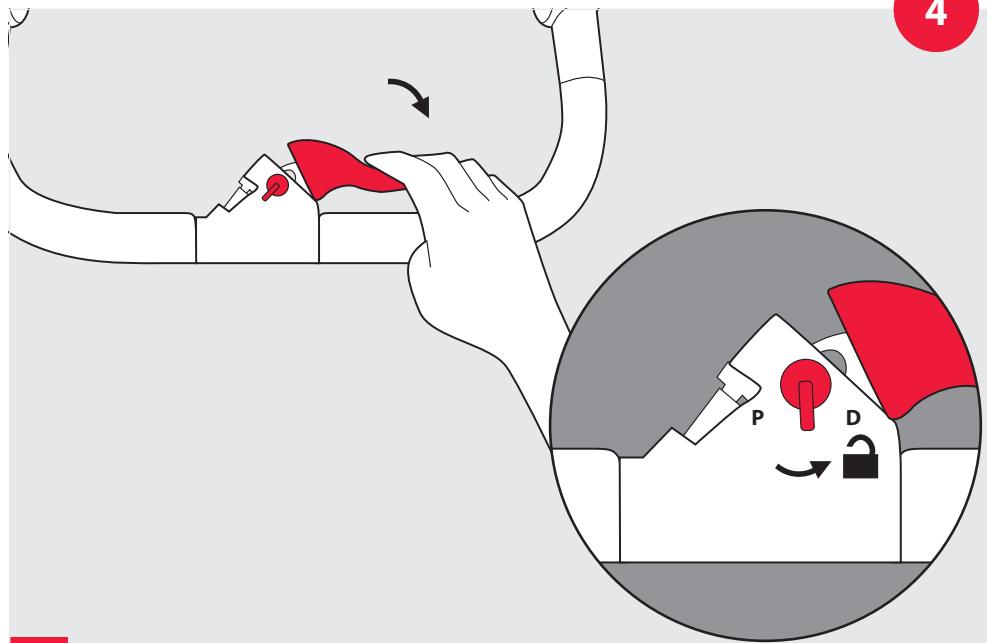
D

F
natural_image
Diagram of a bicycle steering wheel with red grip and blue handle, showing clockwise rotation and lock mechanism (no text or symbols)
natural_image
Technical illustration of a car seatbelt assembly with a close-up view of the component being inserted (no text or symbols present)
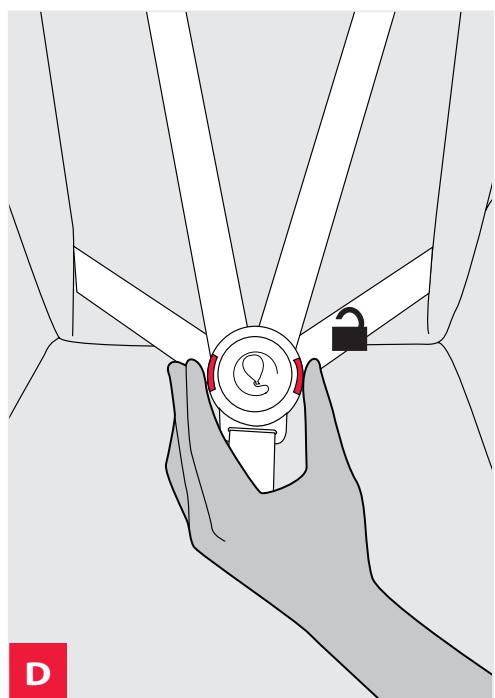
natural_image
Illustration of a hand holding a circular device with a light bulb and lock, no text or symbols present
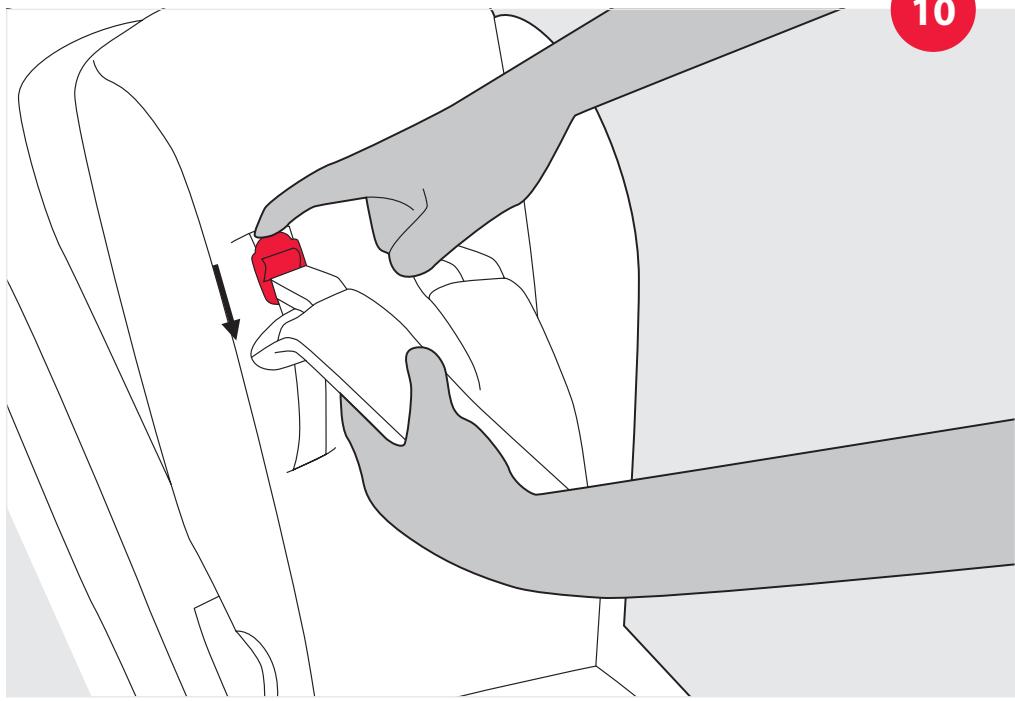
natural_image
Illustration of a hand adjusting a red button on a car seatbelt (no text or symbols)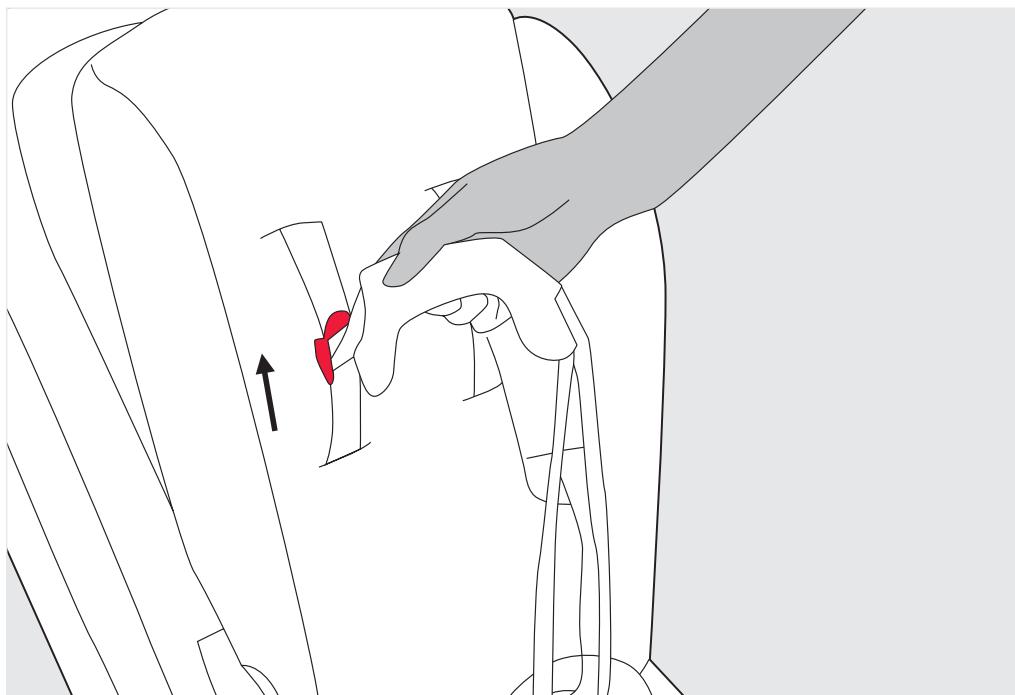
natural_image
Line drawing of a hand pressing down on a chair seat, with a red arrow indicating the motion direction (no text or symbols)11
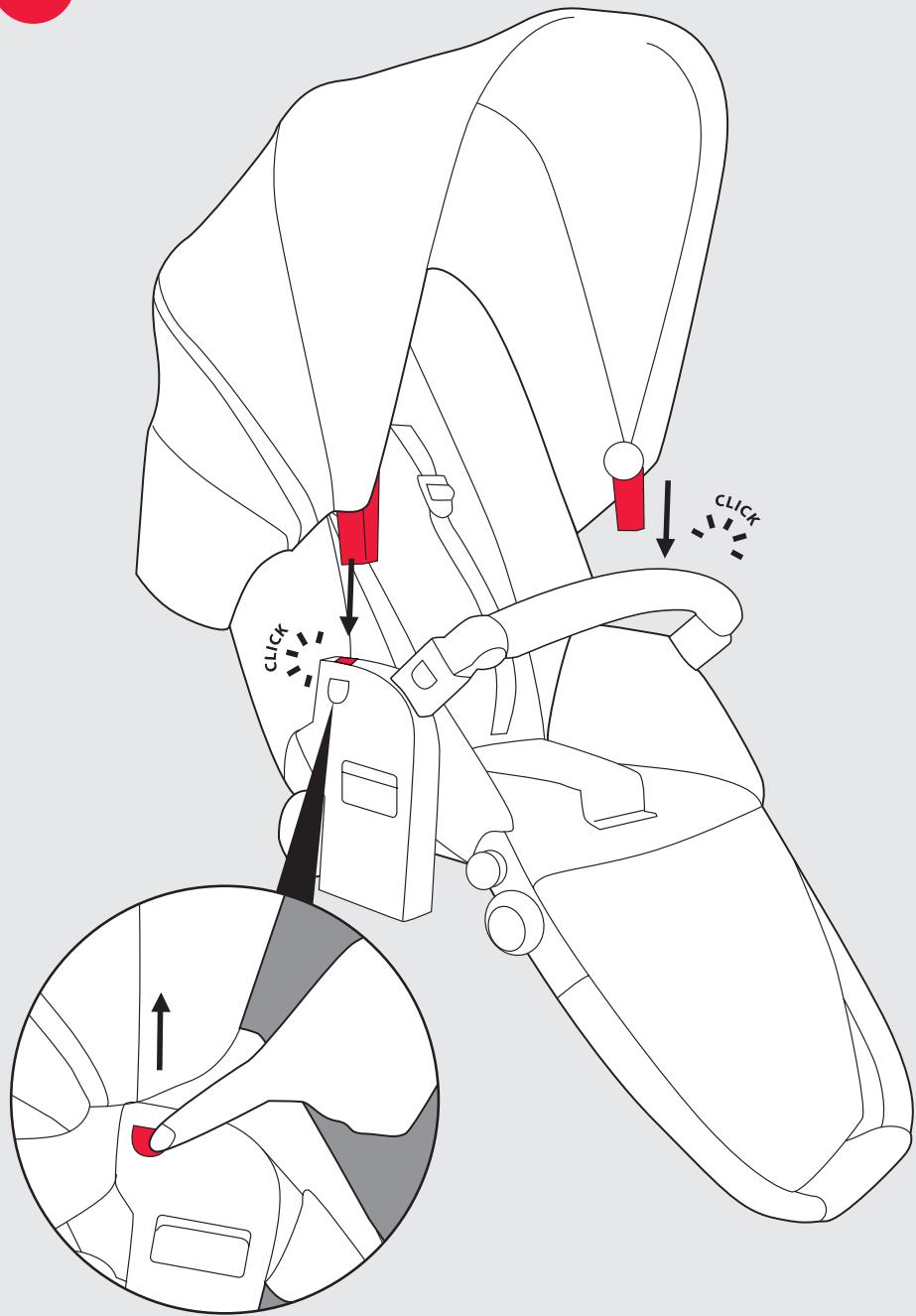
A1
12
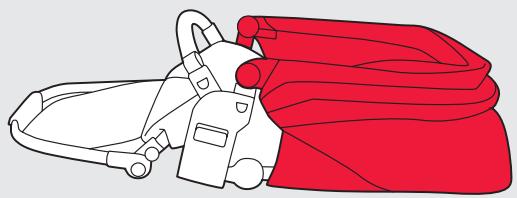
natural_image
Illustration of a pair of metal tools with red cloth, no text or symbols present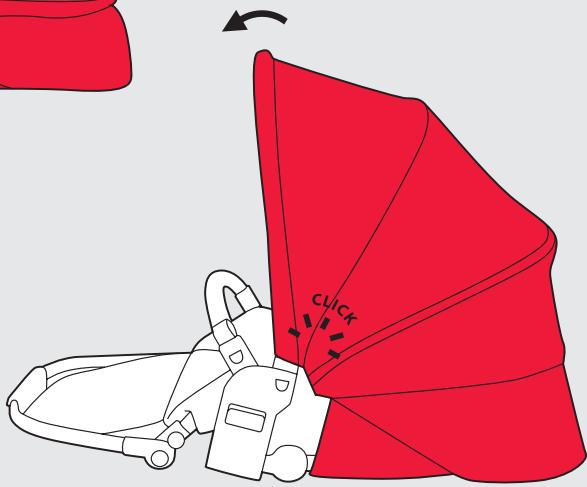
B1
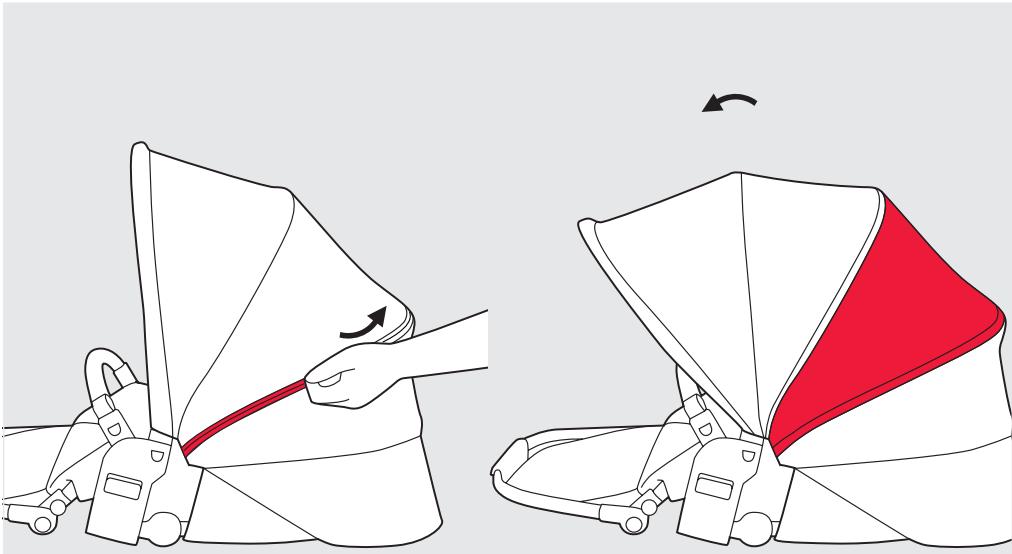
natural_image
Illustration of a person adjusting a seatbelt using a tool, showing two sequential steps (no text or symbols present)B2
13
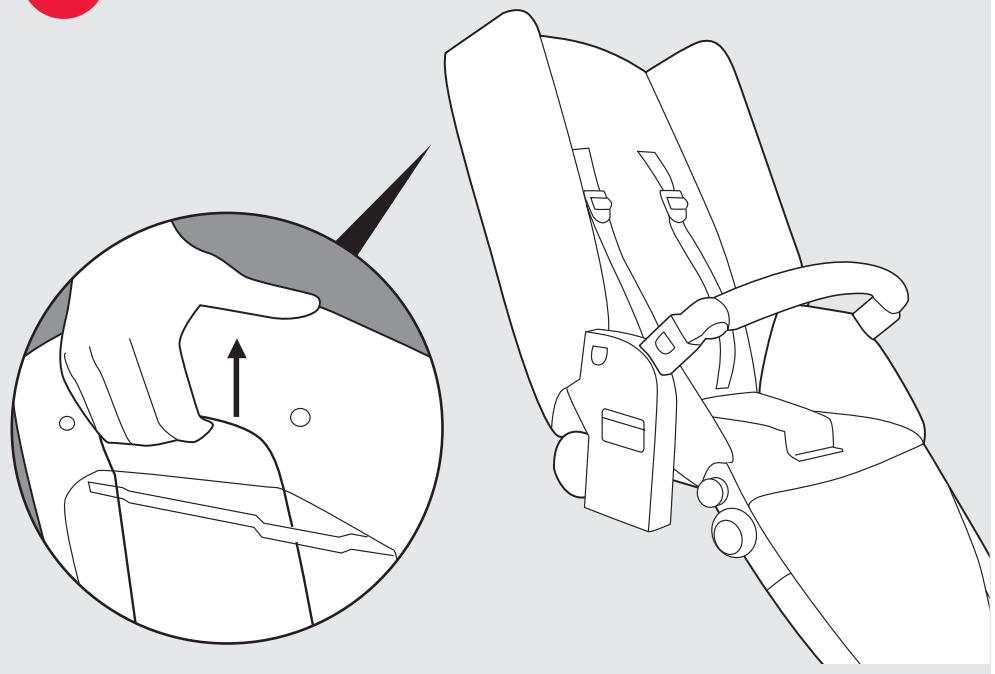
natural_image
Illustration of a hand using a tool to adjust the blade, showing a magnified inset of the blade being inserted (no text or symbols present)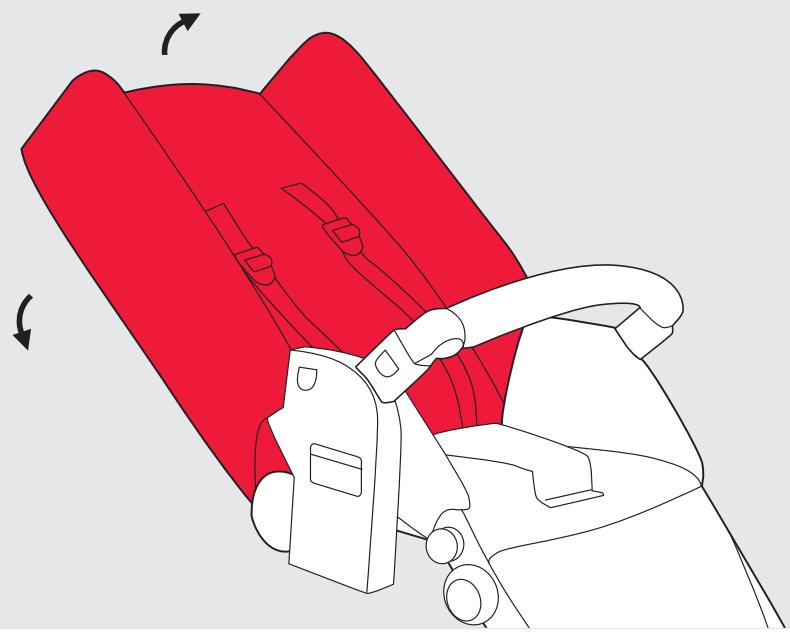
natural_image
Illustration of a red and white object being adjusted by a tool, showing motion arrows (no text or symbols)14
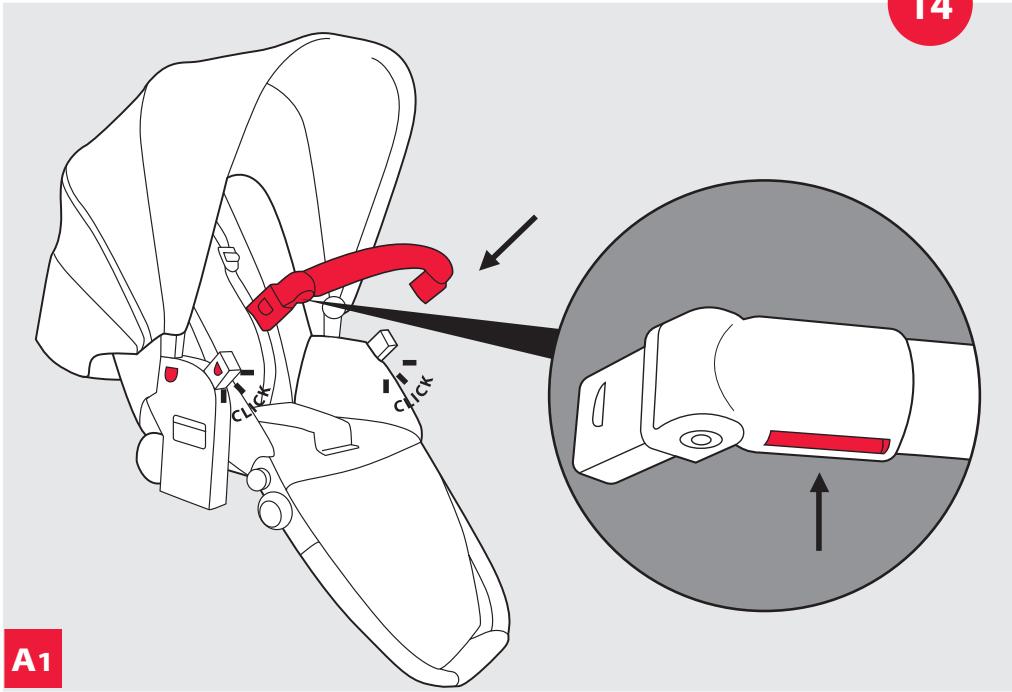
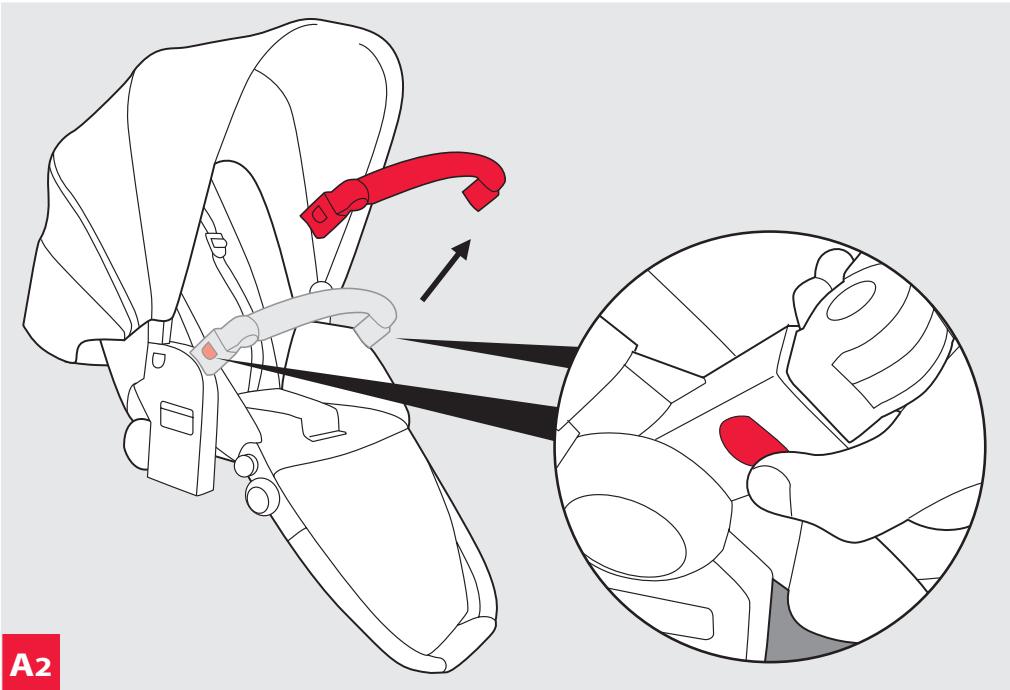
15
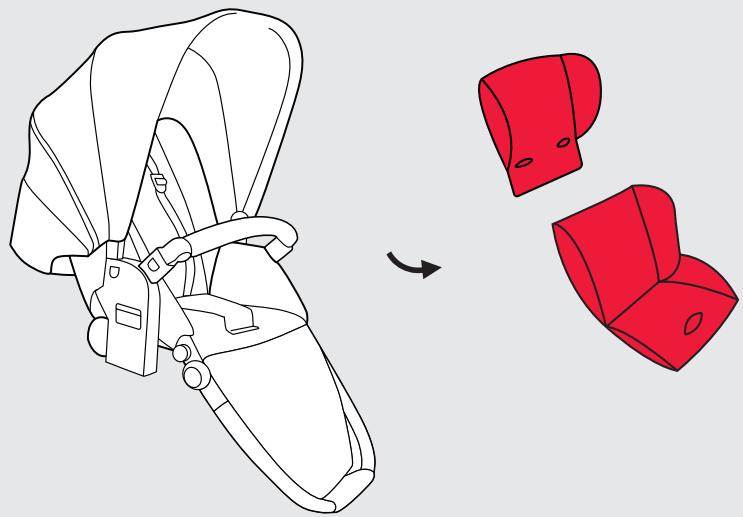
natural_image
Diagram showing a stroller with a red 3D model being folded into a separate red 2D model (no text or symbols present)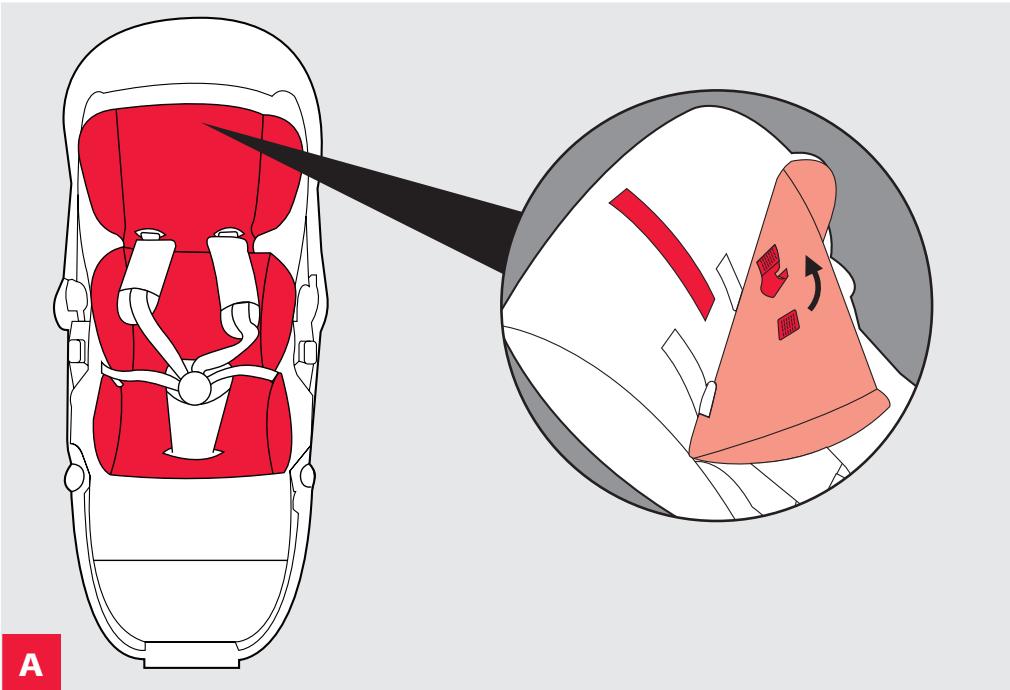
16
natural_image
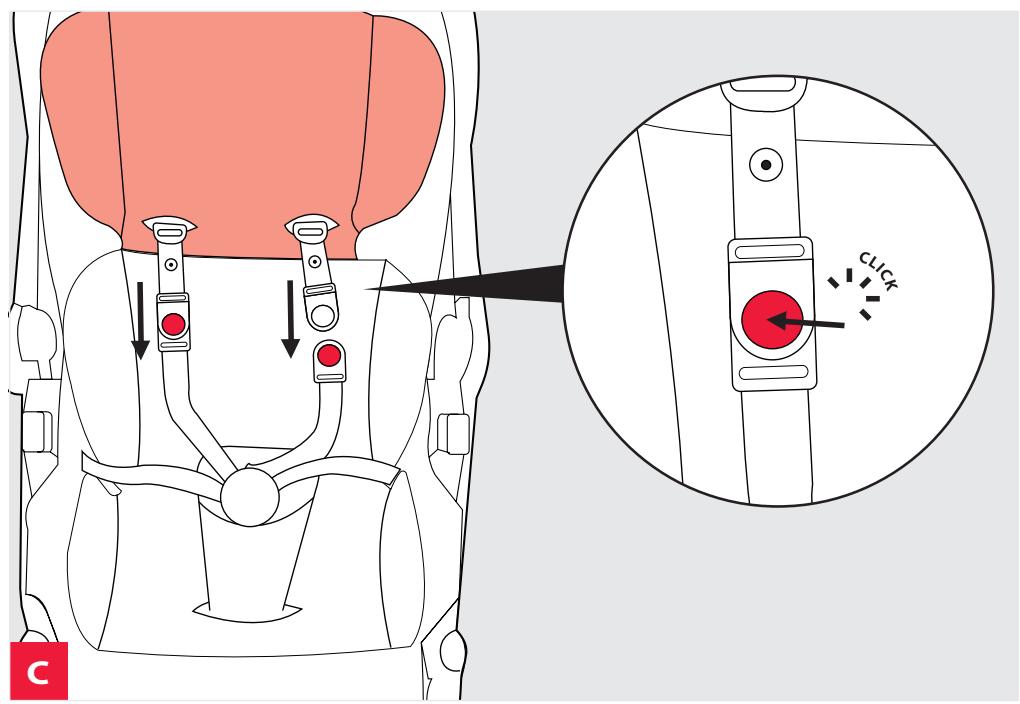
Line drawing of a red and white car seatbelt device with directional arrows indicating movement (no text or symbols)17
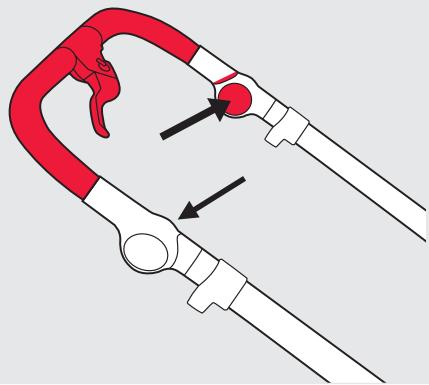
natural_image
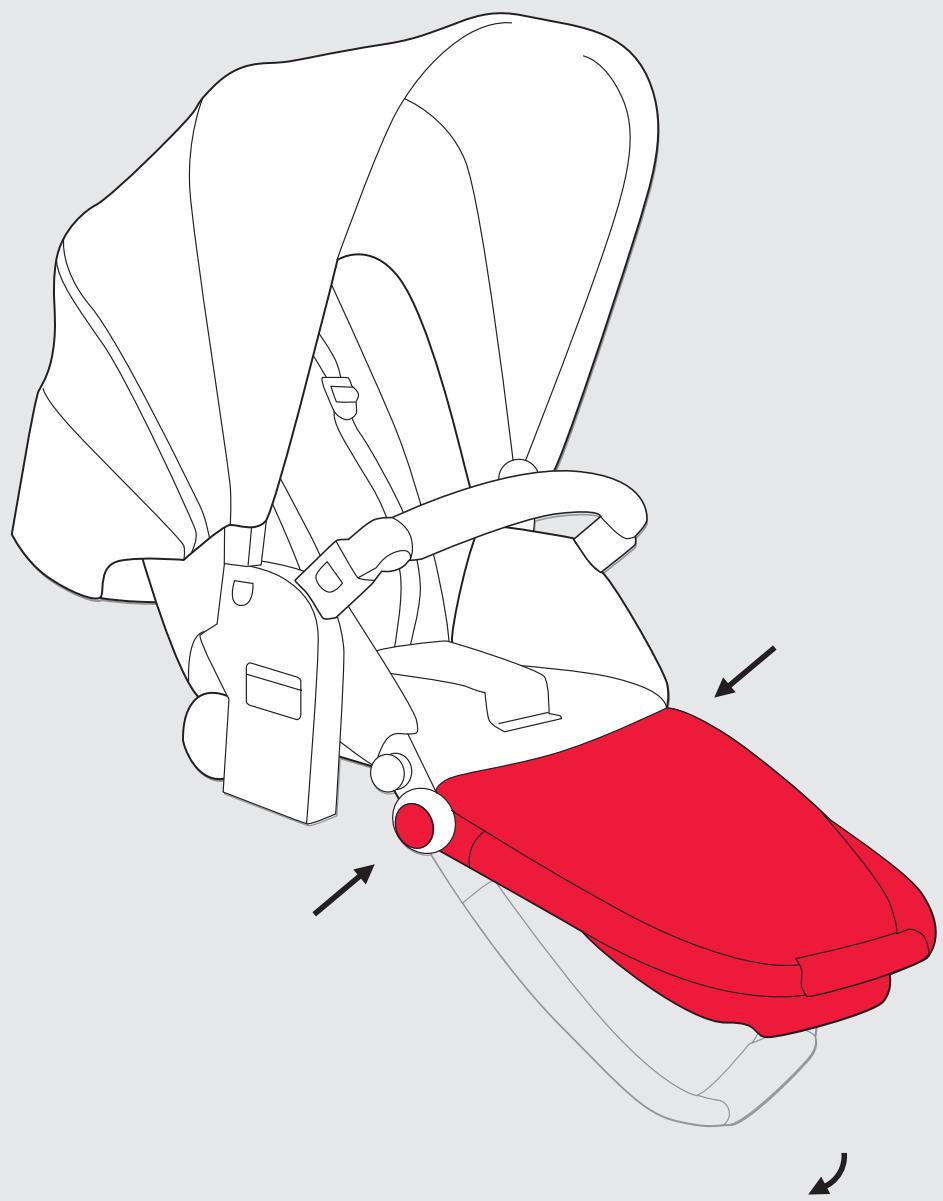
Diagram of a medical or surgical tool with red and white components, showing a handle and arrow indicating movement (no text or symbols)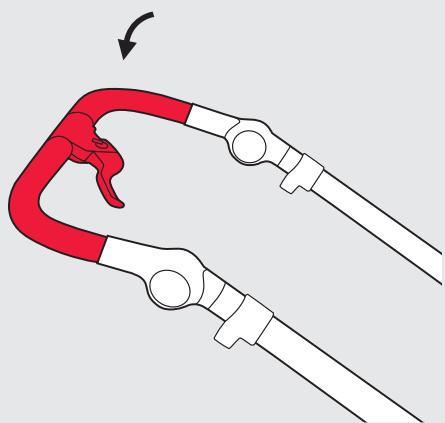
natural_image
Illustration of a red-handled tool with a curved handle and white base, showing a stepwise transformation (no text or symbols)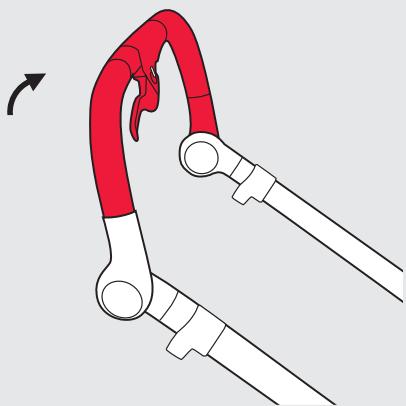
natural_image
Diagram of a mechanical linkage or tool with red and white segments, showing a curved arm and base (no text or symbols)18
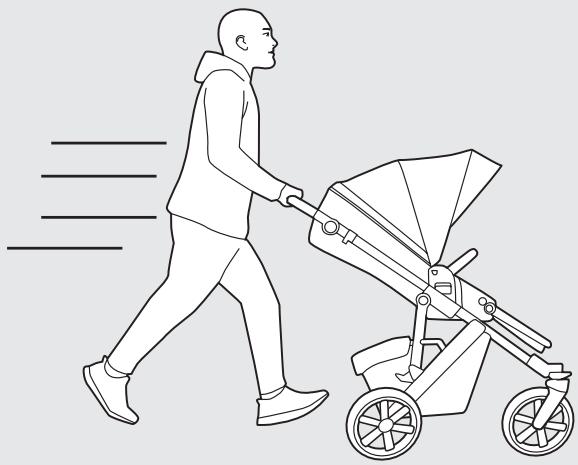
natural_image
Line drawing of a person pushing a stroller with motion lines indicating speed (no text or symbols)

natural_image
Line drawing of a person pushing a stroller with motion lines indicating speed (no text or symbols)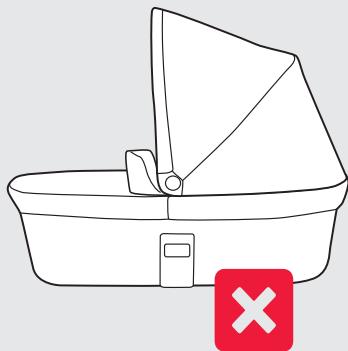
natural_image
Line drawing of a baby bottle with a triangular opening and a red X symbol below (no text or labels)A

19
natural_image
Diagram of a car steering wheel with a magnified inset showing the blade and seat (no text or symbols)B

B
natural_image
Illustration of a stroller with red seat cover and inset showing internal compartmental section (no text or symbols)
21
natural_image
Line drawing of a stroller with two wheels and handlebars, no text or symbols present22
natural_image
Illustration of a red bicycle stroller with attached harness and front-mounted device (no text or symbols)
natural_image
Diagram showing a red container being inserted into a white pipe, with an arrow indicating direction (no text or symbols)
natural_image
Diagram showing a red mechanical component with an arrow indicating direction, enclosed in a gray circular border (no text or symbols)
natural_image
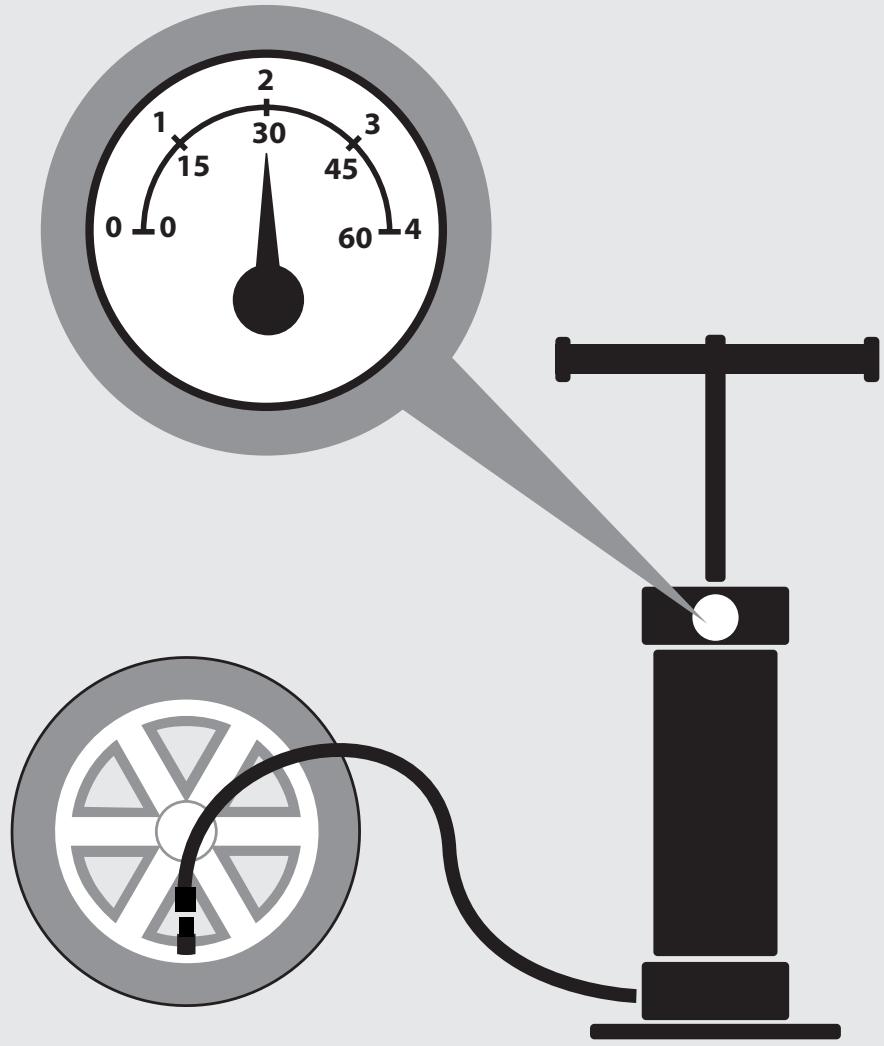
Line drawing of a two-wheeled baby stroller with red buttons and wheels (no text or symbols)MAX 1,8 BAR (26 PSI)
IMPORTANT – READ CAREFULLY AND KEEP FOR FUTURE REFERENCE
WARNING:
- Never leave the child unattended
- Ensure that all the locking devices are engaged before use
- To avoid injury ensure that the child is kept away when unfolding and folding this product
- Do not let the child play with this product
- Use a harness as soon as the child can sit unaided
- This seat unit is not suitable for children under 6 months
• Always use the restraint system - Check that the pram body or seat unit or car seat attachment devices are correctly engaged before use
WARNING when using as a sport stroller
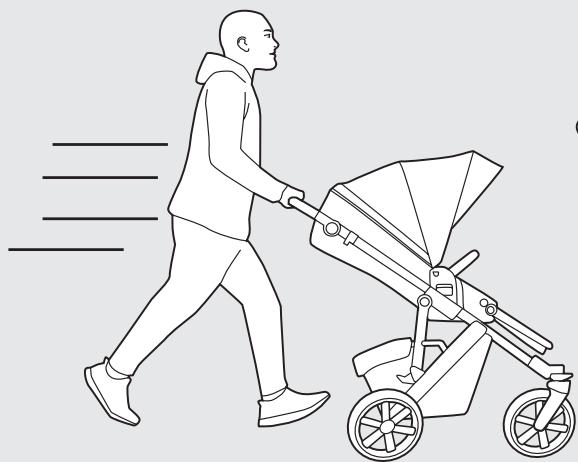
- Running and skating: A child is involved in your sporting activity: Be particularly careful at the kerbside, steps, on uneven ground and at obstacles.
- Do not use the pushchair for running/jogging or skating before the child is 9 months old.
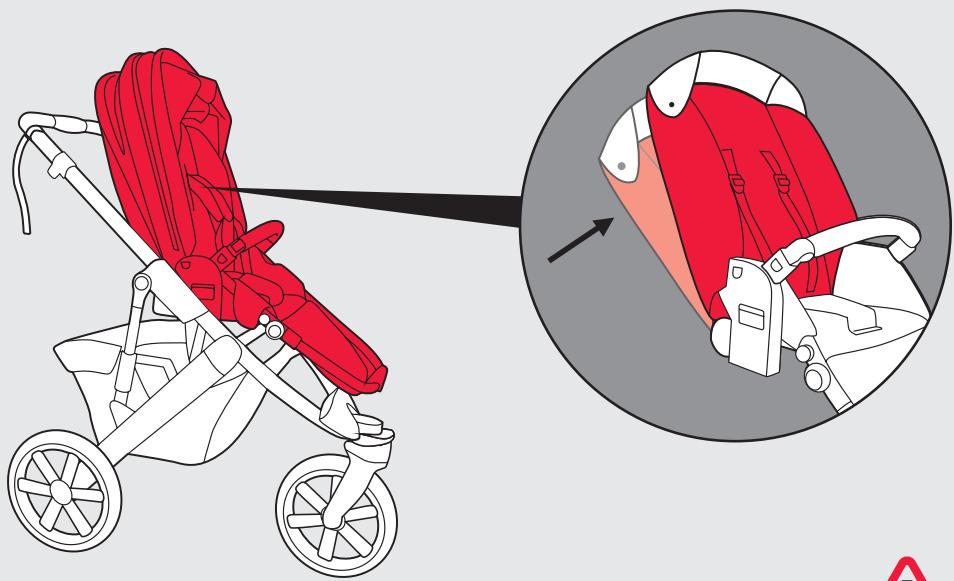
- The seat unit must always be placed fully upright and facing forward when running/jogging or skating.
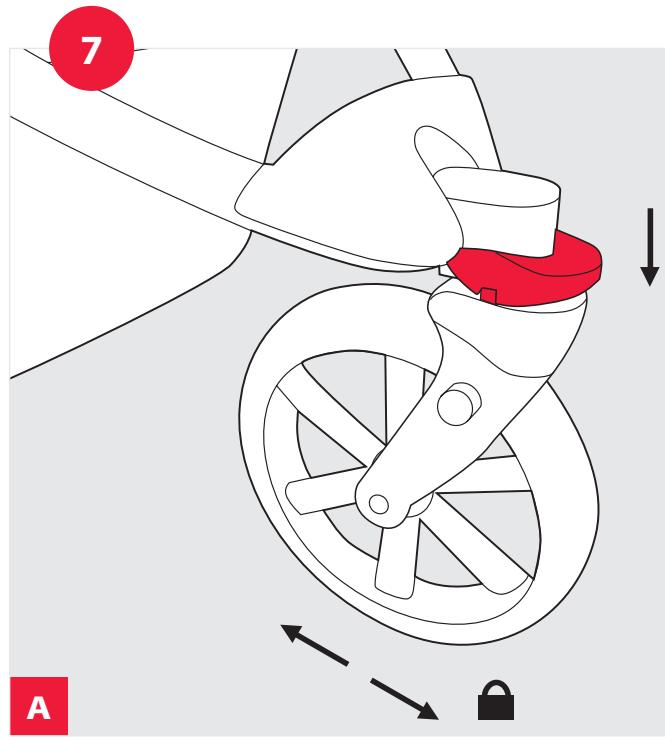
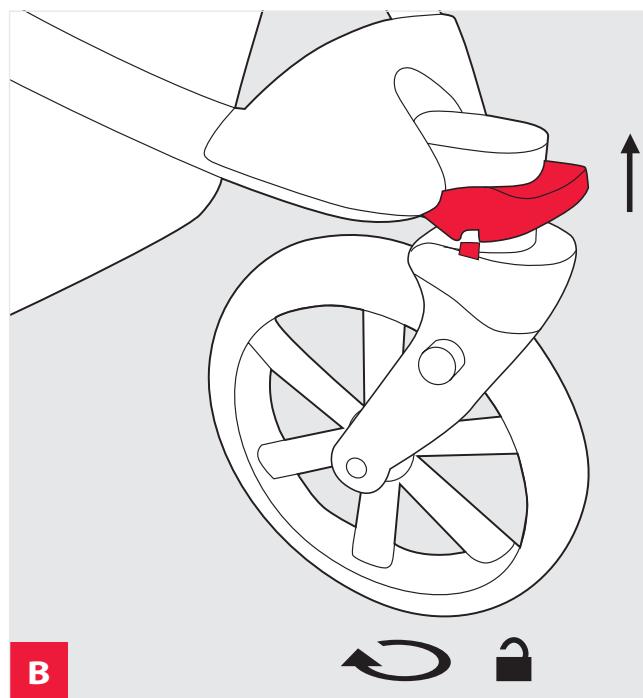
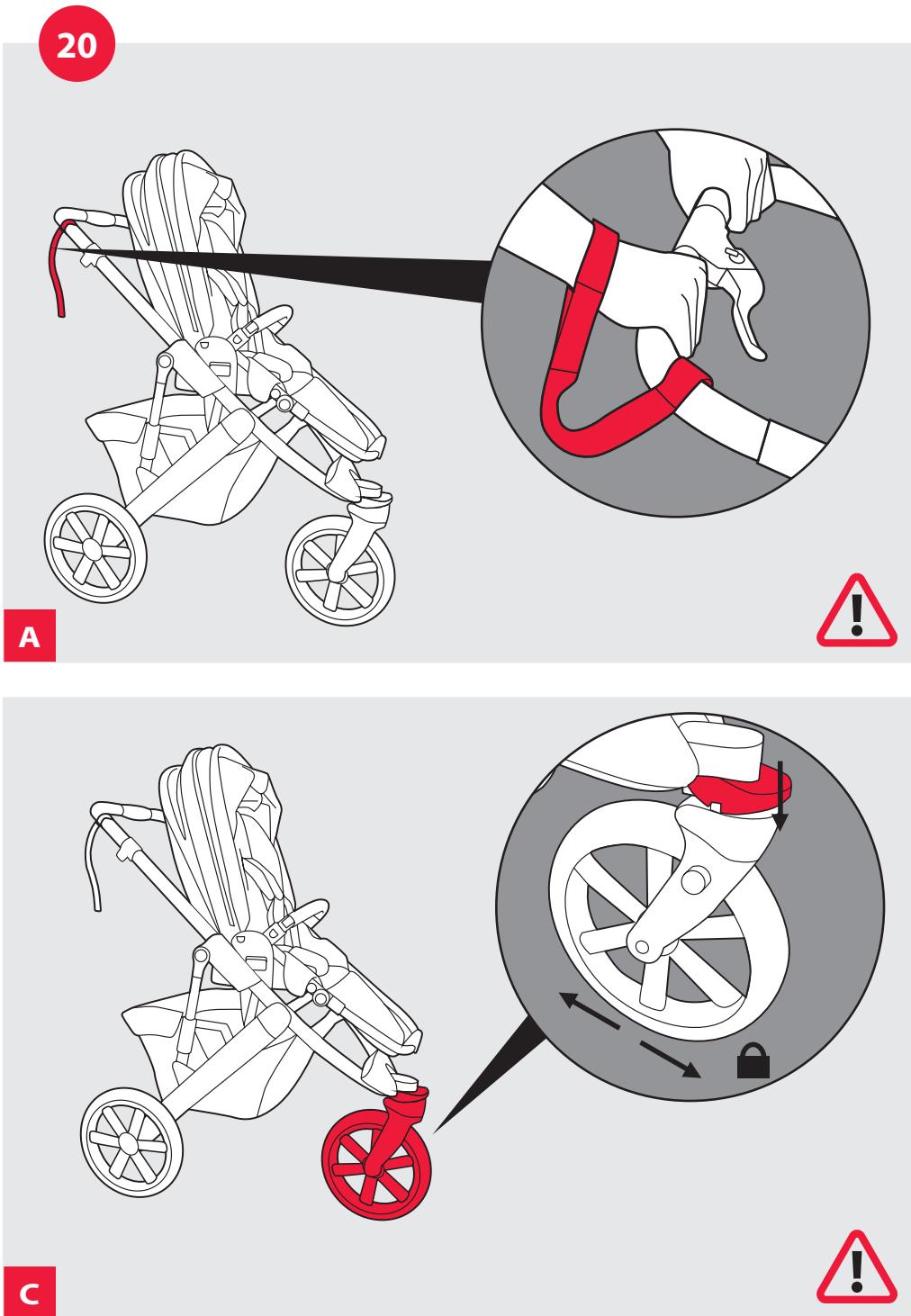
- The swivel function of the front wheel (or the front wheels) must always be locked when running/jogging or skating.
Important information
- This product is designed for children aged 6-48 months or above and weighing up to a maximum of 22 kg.
• This product is designed to transport a child. - The brake must be engaged when lifting the child in and out.
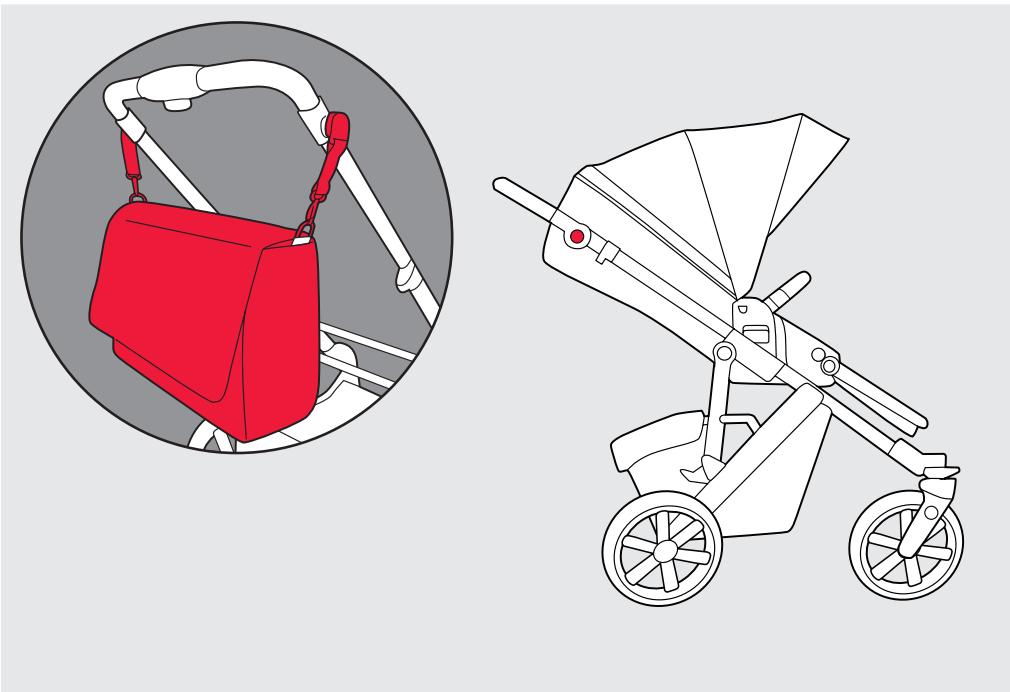
- The net bag can carry up to 5 kg.
- Any loads resting on the pushbar, rear, backrest or sides of the pushchair will affect the stability of the pushchair.
• Always use the crotch strap and the lap restraint together. - Do not use any accessories other than those approved by the manufacturer.
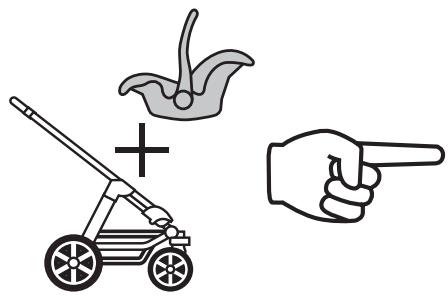
- If you use the frame in conjunction with a car seat, this is not a substitute for a cradle or a cot. When your baby needs to sleep, it should be placed in a suitable pushchair attachment, cradle or cot.
- Do not use any spare parts other than those approved by the manufacturer.
- Do not make any modifications to the product which compromise its safety.
- Keep this product away from fire and other sources of heat.
- You are advised to take your child out of the pushchair as a matter of principle when negotiating steps or flights of stairs or if the pushchair needs to be lifted or carried.
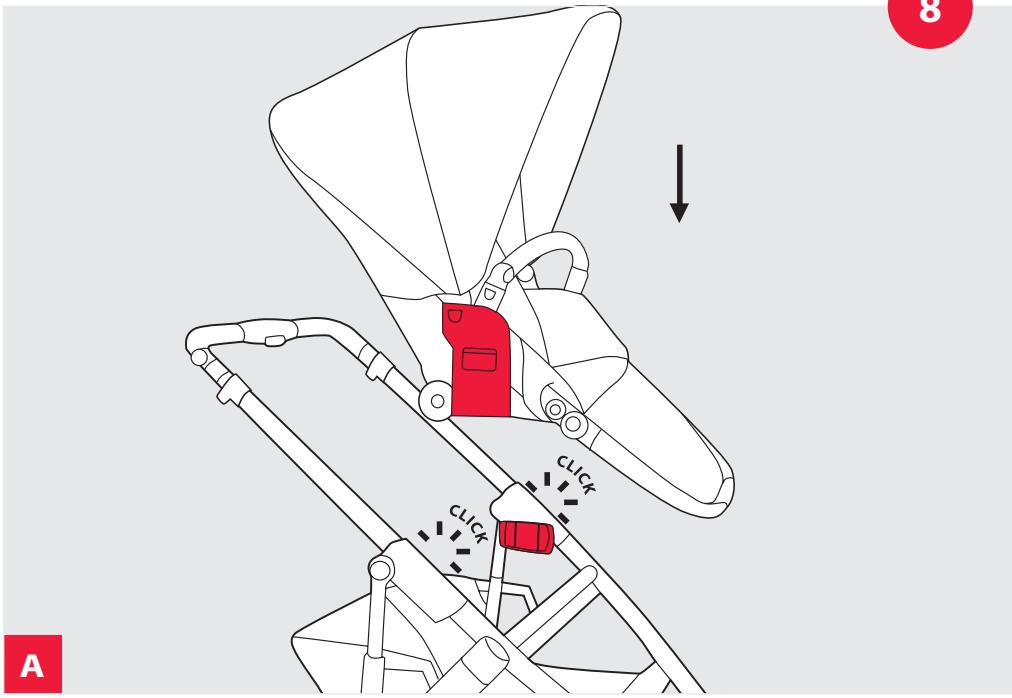
- Before use, check that the pushchair attachment or seat is correctly engaged in position.
Important notes for use as a sport stroller
- Do not use the article for running/jogging or skating if it is fitted with a car seat or a carrycot.
- The child in the pushchair must wear warmer clothing than the user and must be protected against rain and UV radiation.
- Adults are recommended to wear a reflective vest or clothing when running/skating in or close to traffic.
- Running and skating: It is advisable to protect your child with suitable protective equipment (e.g., with a helmet).
- Check all parts of the pushchair for integrity and function before sporting use.
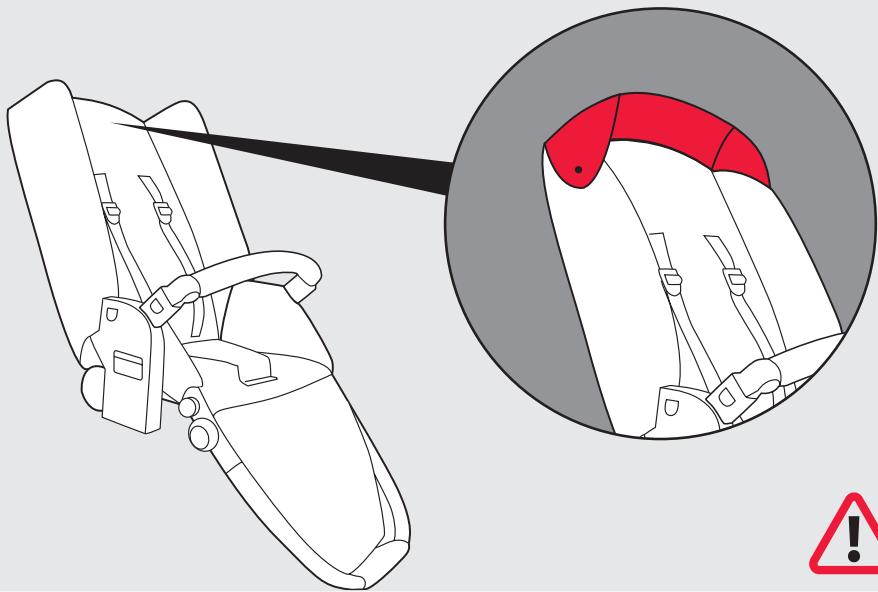
- The pram is not suitable for children under 9 months who are not yet able to sit up without support - risk to the child's health and physical development.
- Loose objects can fall out of the basket.
Care instructions
• The materials used to manufacture our products comply with the AZO requirement, EN1103, EN71-3, and lightfastness and colour fastness standards for textiles. Nevertheless, we advise you not to leave the product exposed to bright sunlight for any length of time. No claims may be made for wear and tear or if the colours bleed or fade when exposed to strong sunlight. The fabric cover on this product is washable. The covers can be washed by hand or on a cold cycle in the washing machine (mild detergent).
- Regular care and upkeep have a major part to play in maintaining the safety and value of your product. Exposure to such things as salt in the air, road-gritting salt or acid rain will encourage the onset of corrosion, as will inappropriate storage of the product.
- The moving and mechanical parts, such as the wheels, brake and pushbar adjustment mechanism, must be cleaned and/or oiled regularly. Use mild and gentle aids for cleaning, such as sponges, soft brushes and lukewarm water. Only use silicone-free oil as a lubricant.
- We recommend regular maintenance of all coated parts. In serious cases of soiling please clean the surface coating immediately.
- Check for loose parts and fastenings from time to time and tighten if necessary.
- Removable covers can generally be washed. Note the washing instructions on the product.
Customer complaints
- If you wish to make a complaint, please contact the stockist where you bought the product.
- Claims may only be made on the warranty subject to proof of purchase.
- No claims may be made for natural wear and tear or for damage caused by undue demands on the product or by exceeding the permissible load.
- No claims may be made for damage caused by improper use.
- No claims may be made for damage caused by incorrect assembly or operation.
- No claims may be made for damage caused by improper modifications to the product.
- Areas of rust may appear through lack of maintenance or improper care and do not constitute a fault with the product.
- Scratch marks are normal signs of wear and do not constitute a fault with the product.
- Mildew is likely to appear on textiles which are not dried out after getting wet and cannot be attributed to shortcomings in production conditions.
- The product may fade if exposed to sunlight, perspiration and detergents, or if subject to abrasion or excessive washing, therefore fading cannot be attributed to a fault with the product.
- No claims may be made for wheels which become worn out as a natural result of wear and tear.