
3LWED4705FW - Washing machine WHIRLPOOL - Free user manual and instructions
Find the device manual for free 3LWED4705FW WHIRLPOOL in PDF.



| Product type | Dryer |
| Brand | Whirlpool |
| Model | 3LWED4705FW |
| Height | 1067 mm (42") |
| Width | 737 mm (29") |
| Depth | 706 mm (27 13/16") |
| Weight | Not specified |
| Rated voltage | 220-240 V 2N~ |
| Rated frequency | 50 Hz |
| Rated current | 20 A |
| Dry laundry capacity (maximum) | 15 kg (33 lb) |
| IEC capacity | 7 kg (15 lb) |
| Drying programs | Automatic (Energy Preferred, More Dry, Very Dry, Less Dry), Timed drying (Heavy Dry, Damp Dry, Fluff Air) |
| Options | Wrinkle Shield™ (wrinkle prevention), Temperature (High, Medium, Low, No Heat), Program end signal |
| Lint filter | Clean before each load; deep clean every 6 months |
| Venting | Rigid metal duct 102 mm (4") in diameter; do not use plastic or metal foil |
| Drum light | 10 W appliance bulb (on some models) |
| Safety | Moisture detection, automatic shutoff, door switch, overheat protection |
| Leveling | 4 adjustable legs |
| Warranty | Not specified |
Frequently Asked Questions - 3LWED4705FW WHIRLPOOL
User questions about 3LWED4705FW WHIRLPOOL
0 question about this device. Answer the ones you know or ask your own.
Ask a new question about this device
Download the instructions for your Washing machine in PDF format for free! Find your manual 3LWED4705FW - WHIRLPOOL and take your electronic device back in hand. On this page are published all the documents necessary for the use of your device. 3LWED4705FW by WHIRLPOOL.
USER MANUAL 3LWED4705FW WHIRLPOOL
Electric or Gas Dryer Use and Care Guide
CHECK YOUR VENT SYSTEM FOR GOOD AIR FLOW. 5
USE AUTOMATIC DRY CYCLES FOR
BETTER FABRIC CARE AND ENERGY SAVINGS. 5
CONTROL PANEL & FEATURES 6
CYCLEGUIDE 7
USING YOUR DRYER 8
DRYER CARE 10
TROUBLESHOOTING 12
Table des matières
SECURITE DU SÉCHE-LINGE 14
CHARACTERISTIQUES 16
VERIFICATION D'UNE CIRCULATION D'AIR
ADEQUATE POUR LE SYSTEME D'EVACUATION 17
UTILISATION DES PROGRAMMES AUTOMATIQUES
POUR UN MEILLEUR SOIN DU TISSU ET DAVANTAGE
D'ÉCONOMIES D'ENERGIE 17
TABLEAU DE COMMANDE ET CARACTERISTIQUES. 18
GUIDE DE PROGRAMMES 19
UTILISATION DU SÉCHE-LINGE 20
ENTRETIEN DU SÉCHE-LINGE 22
Dépannage 24
Índice
SEGURIDAD DE LA SECADEORA 26
ESPECIFICACIONES 28
REVISE QUE EL SISTEMA DE VENTILACION
TENGU UN BUEN FLUJO DE AIRE 29
USE LOS CICLOS SECADO AUTOMÁTICO PARA
Your safety and the safety of others are very important.
We have provided many important safety messages in this manual and on your appliance. Always read and obey all safety messages.

This is the safety alert symbol.
This symbol alerts you to potential hazards that can kill or hurt you and others.
All safety messages will follow the safety alert symbol and either the word "DANGER" or "WARNING."
These words mean:
DANGER
You can be killed or seriously injured if you don't immediately follow instructions.
WARNING
You can be killed or seriously injured if you don't follow instructions.
All safety messages will tell you what the potential hazard is, tell you how to reduce the chance of injury, and tell you what can happen if the instructions are not followed.

WARNING - "Risk of Fire"
- Clothes dryer installation must be performed by a qualified installer.
- Install the clothes dryer according to the manufacturer's instructions and local codes.
- Do not install a clothes dryer with flexible plastic venting materials or flexible metal (foil type) duct. If flexible metal duct is installed, it must be of a specific type identified by the appliance manufacturer as suitable for use with clothes dryers. Flexible venting materials are known to collapse, be easily crushed, and trap lint. These conditions will obstruct clothes dryer airflow and increase the risk of fire.
- To reduce the risk of severe injury or death, follow all installation instructions.
- Save these instructions.
CAUTION - RISK OF FIRE/FLAMMABLE MATERIALS
This is an additional safety alert symbol that alerts you to the risk of fire.

WARNING
Fire Hazard
Failure to follow safety warnings exactly could result in serious injury, death, or property damage.
Do not install a booster fan in the exhaust duct.
Install all clothes dryers in accordance with the installation instructions of the manufacturer of the dryer.
FOR YOUR SAFETY
- DO NOT USE OR STORE PETROL OR OTHER FLammable MATERIALS IN THIS APPLIANCE OR NEAR THIS APPLIANCE.
- DO NOT SPRAY AEROSOLS IN THE VICINITY OF THIS APPLIANCE WHILE IT IS IN OPERATION.
- DO NOT MODIFY THIS APPLIANCE.
IMPORTANT SAFETY INSTRUCTIONS
WARNING: To reduce the risk of fire, electric shock, or injury to persons when using the dryer, follow basic precautions, including the following:
Read all instructions before using the dryer.
- Keep a minimum clearance of 100mm (4 in.) between the rear of the dryer and any wall.
The operation of this appliance may affect the operation of other types of appliances which take their air supply for safe combustion from the same room. There has to be adequate ventilation to replace exhausted air and thus avoid the back-flow of gases into the room from appliances burning other fuels, including open fires, when operating the tumble dryer. If in doubt, consult the appliance manufacturers.
- Do not obstruct the air supply to the dryer (see Installation Instructions for minimum clearances).
- Do not place items exposed to cooking oils in your dryer. Oil-affected items can ignite spontaneously, especially when exposed to heat sources such as in a tumble dryer. The items become warm, causing an oxidation reaction in the oil. Oxidation creates heat. If the heat cannot escape, the items can become hot enough to catch fire. Piling, stacking, or storing oil-affected items can prevent heat from escaping and so create a fire hazard.
If it is unavoidable to dry in the dryer items that have been soiled with substances such as cooking oil, acetone, alcohol, petrol, kerosene, spot removers, turpentine, waxes and wax removers, or that have been contaminated by hair care products, should be washed in hot water with an extra amount of detergent before being dried in the dryer. These items may give off vapours that could ignite or explode. Such washing will reduce, but not eliminate, the hazard.
This appliance is not intended for use by persons (including children under 8 years of age) with reduced physical, sensory, or mental capabilities, or lack of experience and knowledge, unless they have been given supervision or instructions concerning use of the appliance by persons responsible for their safety.
- Cleaning and user maintenance by children must be supervised.
Children should be supervised to ensure that they do not play with the appliance.
Children less than 3 years of age should be kept away from the appliance unless continuously supervised.
The dryer should not be used if industrial chemicals have been used for cleaning.
- Remove all objects from pockets, such as lighters and matches, before placing items in the dryer.
Before the dryer is removed from service or discarded, remove the doors to the drying compartment. - Do not reach into the dryer if the drum is moving. A door switch is fitted for your safety.
- Do not install or store the dryer where it will be exposed to the weather.
Do not tamper with controls. - Do not continue to use this appliance if it appears to be faulty.
- Do not repair or replace any part of the dryer or attempt any maintenance unless specifically recommended in this Use and Care Guide. Repairs and servicing should only be carried out by competent service personnel.
- Do not use fabric softeners or products to eliminate static unless recommended by the manufacturer of the fabric softener or product. Follow their instructions.
Clean dryer lint screen before or after each load. Do not operate dryer without lint screen in place. - Keep area around the exhaust and inlet openings and adjacent surrounding areas free from the accumulation of lint, dust, and dirt.
The interior of the dryer and exhaust vent should be cleaned periodically by qualified service personnel.
See Installation Instructions for earthing instructions.
Do not dry unwashed items in this dryer.
The final part of a tumble dryer cycle occurs without heat (cool down cycle) to ensure that the items are left at a temperature that ensures the items will not be damaged. - Items such as foam rubber (latex foam), shower caps, waterproof textiles, rubber backed articles and clothes or pillows fitted with foam rubber pads must only be dried on a clothesline.
If the supply cord is damaged, it must be replaced by the manufacturer or its service agent or a similarly qualified person in order to avoid a hazard.
WARNING: Never stop a tumble dryer cycle before the end of the drying cycle unless all items are quickly removed and spread out so that the heat is dissipated.
SAVE THESE INSTRUCTIONS
Specifications
These units are sold in multiple regions with different requirements for measuring capacity. Below are a few of the valid forms of measure posted on this product:
Dry Linen Capacity: A weight measure that reflects a maximum load size that can be loaded into the dryer.
IEC Capacity: The capacity measure that represents the maximum capacity of dry linens and textiles which the manufacturer declares can be treated in a specific cycle.
| Models | 3LWED4705FW 3LWED4815FW 3DWED4815FW 3LWED4915FW | 3LWED4730FW 3LWED4830FW | 3DWGD4705FW 3DWGD4815FW | 4KWED4605FW 4KWED4705FW 4KWED4815FW 4KWED4915FW | 4GWGD4705FW 4GWGD4815FW |
| Rated Voltage | 220-240 V 2N~ | 220-240 V 2N~ | 220-240 V 2N~ | 220-240 V 2N~ | 220-240 V 2N~ |
| Rated Frequency | 50 Hz | 50 Hz | 50 Hz | 60 Hz | 60 Hz |
| Rated Current | 20 Amps | 13 Amps | 6 Amps | 20 Amps | 6 Amps |
| Dry Linen Capacity (Maximum) | 15 kg (33 lb) | 15 kg (33 lb) | 15 kg (33 lb) | 15 kg (33 lb) | 15 kg (33 lb) |
| IEC Capacity | 7 kg (15 lb) | 7 kg (15 lb) | 7 kg (15 lb) | 7 kg (15 lb) | 7 kg (15 lb) |
| Height | 1067 mm (42") | 1067 mm (42") | 1067 mm (42") | 1067 mm (42") | 1067 mm (42") |
| Width | 737 mm (29") | 737 mm (29") | 737 mm (29") | 737 mm (29") | 737 mm (29") |
| Depth | 706 mm (2713/16") | 706 mm (2713/16") | 706 mm (2713/16") | 706 mm (2713/16") | 706 mm (2713/16") |
Model 3LWED4830FW0 only:
SANS61121:2015 Energy information
This dryer has an Annual Energy Consumption of 472 kWh.
Consumption per year is based on 160 drying cycles of the Timed Dry cycle at full and partial loads, and the consumption of the low-power modes. Actual energy consumption per cycle will depend on how the appliance is used in Settings for Energy tests.
Full load: 6.0kg - 80 minutes maximum Time setting with High (heavy) Temperature/Fabric setting
Partial load: 3.0kg - 60 minutes Time setting with High (heavy) Temperature/Fabric setting
Energy consumption per cycle is 2.95kWh
Check Your Vent System for Good Air Flow
WARNING
Fire Hazard
Use a heavy metal vent.
Do not use a plastic vent.
Do not use a metal foil vent.
Failure to follow these instructions can result in death or fire.
Good air flow
Along with heat, dryers require good air flow to efficiently dry laundry. Proper venting will reduce your drying times and improve your energy savings. See Installation Instructions.
The venting system attached to the dryer plays a big role in good air flow.
Service calls caused by improper venting are not covered by the warranty and will be paid by the customer, regardless of who installed the dryer.
To maintain good air flow:
Clean your lint screen before each load.
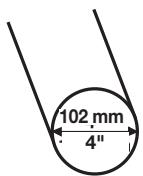
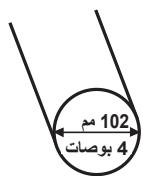
Replace plastic or foil vent material with 102mm (4") diameter heavy, rigid vent material.
Use the shortest length of vent possible.
Use no more than four 90^ elbows in a vent system; each bend and curve reduces air flow.
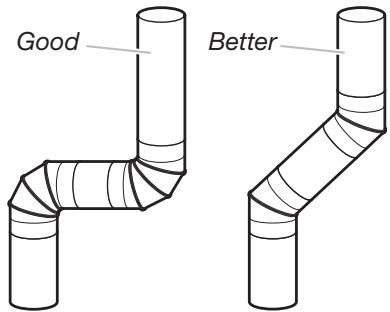
Remove lint and debris from the exhaust hood.
- Remove lint from the entire length of the vent system at least every 2 years. When cleaning is complete, be sure to follow the Installation Instructions supplied with your dryer for final product check.
Clear away items from the front of the dryer.
Use Automatic Dry Cycles for Better Fabric Care and Energy Savings
Use the Automatic Dry cycles to provide the most energy savings and enhanced fabric care from the dryer. During Automatic Dry cycles, drying air temperature or moisture level are sensed in the load. This sensing occurs throughout the drying cycle and the dryer shuts off when the load reaches the selected dryness. The Energy Preferred cycle will provide optimal energy savings.
With Timed Dry, the dryer runs the amount of time set and sometimes results in shrinkage, wrinkling, and static due to over-drying. Use Timed Dry for the occasional damp load that needs a little more drying time or when using the drying rack.
Control Panel & Features
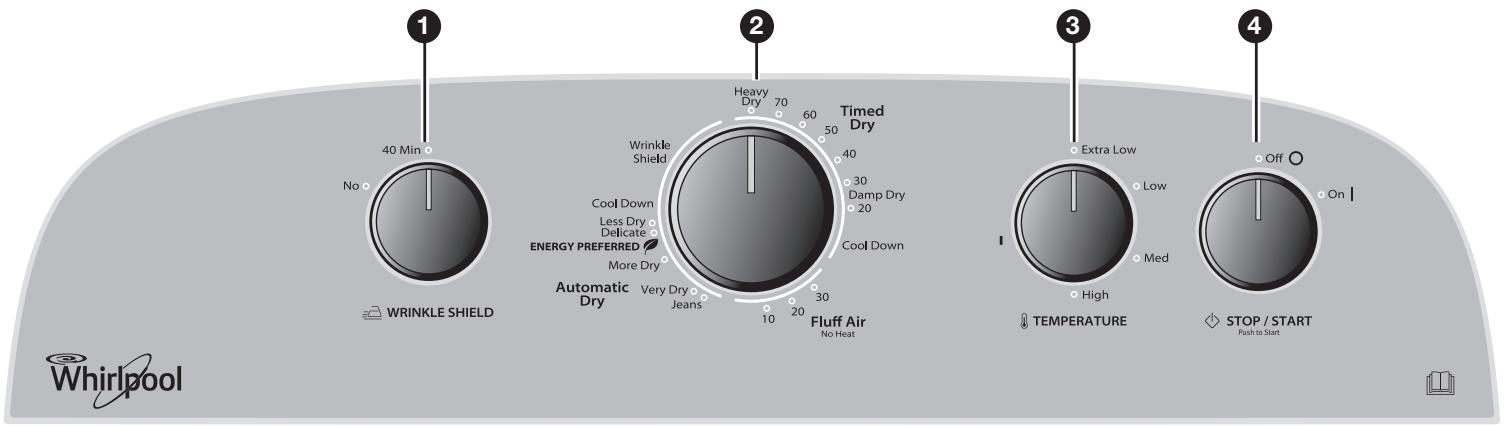
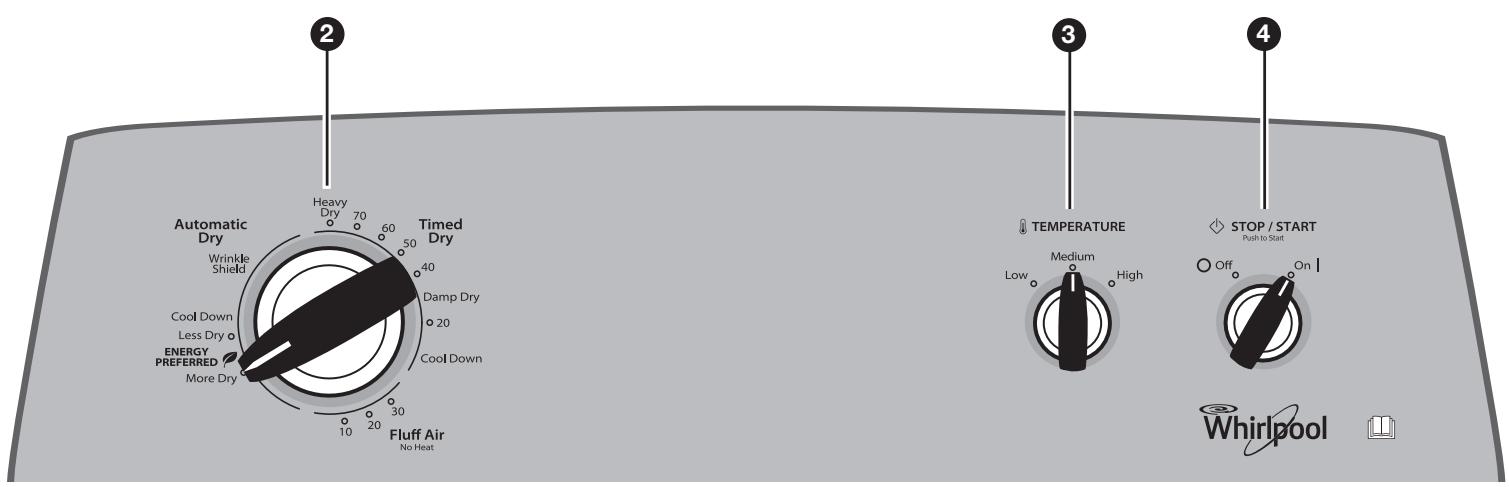
Not all features and options are available on all models. Appearance may vary.
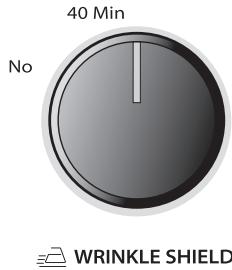
1 WRINKLE SHIELD™ FEATURE (on some models)
When you are unable to remove a load of clothes from the dryer as soon as it stops, wrinkles can form. The Wrinkle Shield™ feature periodically tumbles, rearranges, and fluffs the load to help keep wrinkles from forming.
- Get 40 minutes of heat-free, periodic tumbling at the end of a cycle. Turn the Wrinkle Shield™ knob to on or off at any time before the cycle has ended.
DRYER CYCLE KNOB
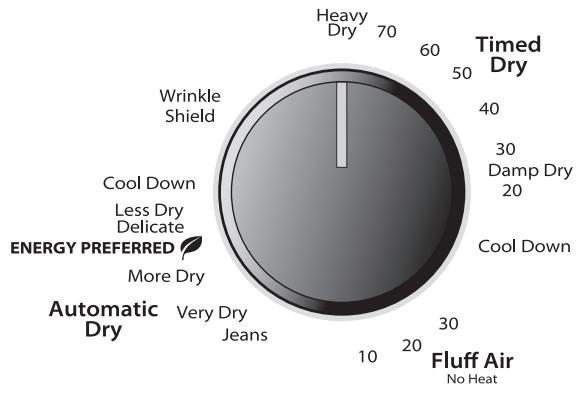
Use your Dryer Cycle Knob to select available cycles on your dryer. Turn the knob to select a cycle for your laundry load. See "Cycle Guide" for detailed descriptions of cycles.
TIMED DRY
Will run the dryer for the specified time on the control. On models with a selectable temperature knob, you may choose a setting based on the fabrics in your load. Drying time and temperature will depend on your dryer model.
AUTOMATIC DRY
Senses moisture in the load or air temperature and shuts off when the load reaches the selected dryness level. Gives the best drying in the shortest time. Drying time will vary based on fabric type, load size, and dryness setting.
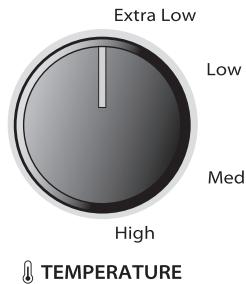
3 TEMPERATURE
Select a drying temperature based on the fabrics in your load. If you are unsure of the temperature to select for a load, select the lower setting rather than the higher setting.
STOP/START
The Cycle Signal produces an audible sound when the drying cycle is finished. Promptly removing clothes at the end of the cycle reduces wrinkling.
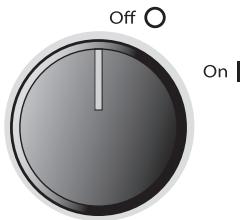
Turn the Stop/Start knob to select the desired setting (On or Off). Press the Stop/Start knob to start the dryer.
NOTE: When the Wrinkle Shield™ setting is selected, the tone will sound every 5 minutes until the clothes are removed or the Wrinkle Shield™ setting ends.
Cycle Guide – Automatic Dry Cycles
Not all cycles and settings are available on all models.
Choose Energy Preferred cycle for optimal energy savings.
| Items to dry: | Cycle: | Temperature: | Available Options: | Cycle Details: |
| Jeans, heavy work clothes, towels | Jeans, More Dry, or Very Dry | High | Wrinkle Shield™ Temperature Cycle Signal | Automatic cycles give the best drying in the shortest time. Drying time varies based on fabric type, load size, and dryness setting. Select a drying temperature based on the fabrics in your load. If you are unsure of the temperature to select for a load, select the lower setting rather than the higher setting. |
| Work clothes, medium weight fabrics, sheets | Energy Preferred | Medium | Wrinkle Shield™ Temperature Cycle Signal | |
| Casual, shirts, pants, lightweight items, synthetics, delicates, athletic wear | Delicate or Less Dry | Low | Wrinkle Shield™ Temperature Cycle Signal |
NOTE: If loads do not seem as dry as you would like, select More Dry or Very Dry next time you dry a similar load. If loads seem drier than you like, select Less Dry next time you dry a similar load.
Cycle Guide – Timed Dry Cycles
Not all cycles and settings are available on all models.
TIMED DRY - Will run the dryer for the specified time on the control.
| Items to dry: | Cycle: | Temperature: | Available Options: | Cycle Details: |
| Large or heavy items such as thick towels or robes | Heavy Dry | Any | Temperature | Choose High to dry large or heavy loads. |
| Any load | Damp Dry | Any | Temperature | Dries items to a damp level or for items that do not require an entire drying cycle. |
| Rubber, plastic, heat-sensitive fabrics | Fluff Air | No Heat | Temperature | No heat drying. |
Setting the Drying Temperature
If your dryer has multiple heat settings:
A High temperature setting may be used for drying heavyweight items such as towels and work clothes.
A Low to Medium temperature setting may be used for drying medium-weight items such as sheets, blouses, dresses, underwear, permanent press fabrics, and some knits.
Use the No Heat setting for foam, rubber, plastic, or heat-sensitive fabrics.
Line-dry bonded or laminated fabrics.
NOTE: If you have questions about drying temperatures for various loads, refer to the care label directions.
WARNING
Explosion Hazard
Keep flammable materials and vapors, such as petrol, away from dryer.
Do not dry anything that has ever had anything flammable on it (even after washing).
Failure to follow these instructions can result in death, explosion, or fire.
WARNING: To reduce the risk of fire, electric shock, or injury to persons, read the IMPORTANT SAFETY INSTRUCTIONS before operating this dryer.
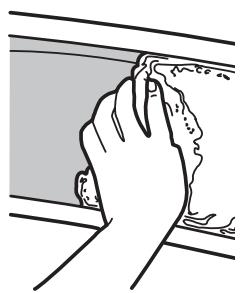
Before using your dryer, wipe the dryer drum with a damp cloth to remove dust from storing and shipping.
1. Clean the lint screen
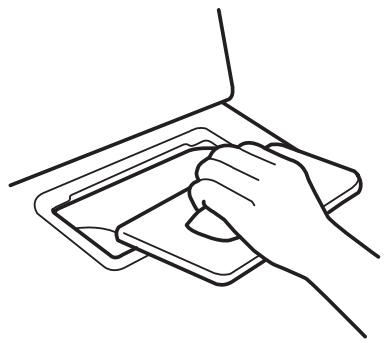
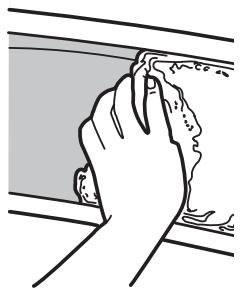
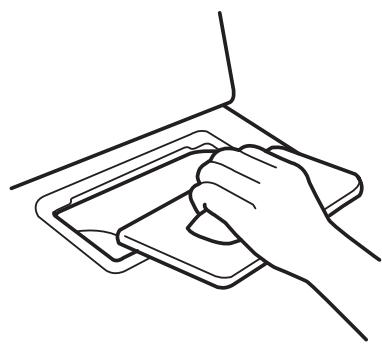
Clean the lint screen before each load. Pull the lint screen out of its holder. Roll lint off the screen with your fingers. Do not rinse or wash screen to remove lint. Push the lint screen firmly back into place.
For additional cleaning information, see "Dryer Care."
WARNING
Fire Hazard
No washer can completely remove oil.
Do not dry anything that has ever had any type of oil on it (including cooking oils).
Items containing foam, rubber, or plastic must be dried on a clothesline or by using an Air Cycle.
Failure to follow these instructions can result in death or fire.
2. Load the dryer
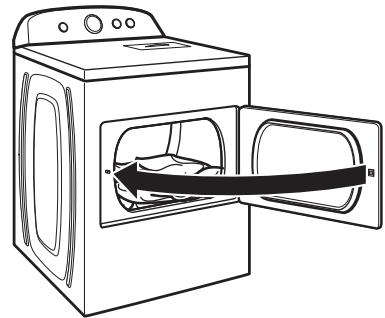
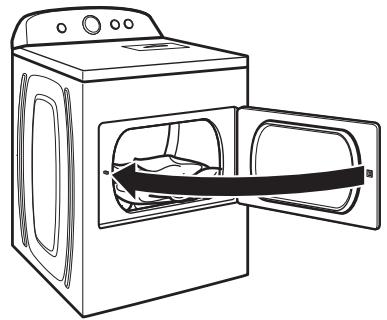
Place laundry in the dryer. Close the door.
NOTE: Your model may have a different door than the one shown. Some models have drop-down doors.
Do not tightly pack the dryer; clothes should be able to tumble freely.
3. Select the desired cycle
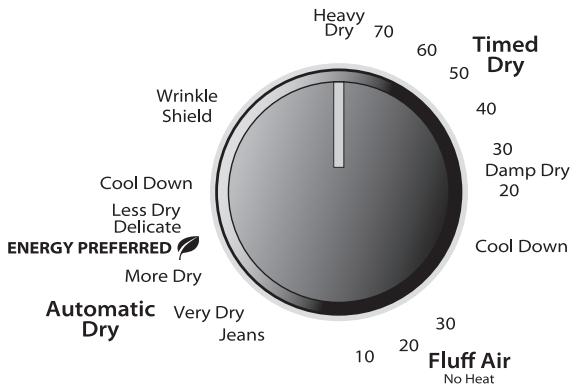
Select the desired cycle for your load. See the "Cycle Guide" for more information about each cycle.
AUTOMATIC DRY Cycles
You can select a different dryness level, depending on your load, by turning the knob to dryness level.
Selecting More Dry or Very Dry, Energy Preferred, or Less Dry automatically adjusts the dryness level at which the dryer will shut off. Once a dry level is set, it cannot be changed without stopping the cycle.
Automatic Dry cycles give the best drying in the shortest time. Drying time varies based on fabric type, load size, and dryness setting.
NOTE: More Dry or Very Dry removes more load moisture. Choose Energy Preferred for optimal energy savings. Less Dry removes less moisture and is used for loads you may want to put on a hanger to complete drying.
4. Set cycle settings and options
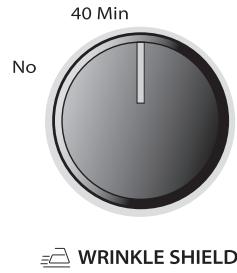
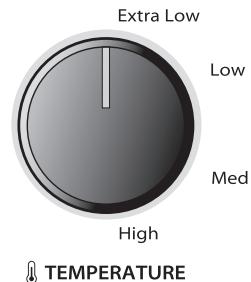
Select cycle settings and options by turning the knob to the desired position.
NOTE: Not all options and settings are available with all cycles.
Temperature
Turn the Temperature knob to change the drying temperature setting. See "Setting the Drying Temperature."
Wrinkle Shield™ feature (on some models)
Get 40 minutes of heat-free, periodic tumbling at the end of a cycle. Turn the Wrinkle Shield™ knob to select NO to turn off at any time before the cycle has ended.
5. Press STOP/START to begin cycle
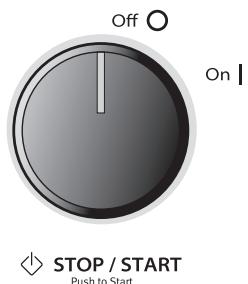
Press and hold the Stop/Start knob to begin the cycle.
To end the cycle early, turn the Stop/Start knob to OFF.
Promptly remove garments after cycle has completed to reduce wrinkling. Use the Wrinkle Shield™ feature to avoid wrinkling when you are unable to remove a load from the dryer as soon as it stops.
Cleaning the dryer location
Keep dryer area clear and free from items that would block the air flow for proper dryer operation. This includes clearing piles of laundry in front of the dryer.
WARNING
Explosion Hazard
Keep flammable materials and vapors, such as petrol, away from dryer.
Place dryer at least 460~mm (18 inches) above the floor for a garage installation.
Failure to do so can result in death, explosion, or fire.
Cleaning the dryer interior
To clean dryer drum
- Apply a liquid, nonflammable household cleaner to the stained area of the drum and rub with a soft cloth until stain is removed.
- Wipe drum thoroughly with a damp cloth.
- Tumble a load of clean cloths or towels to dry the drum.
NOTE: Garments that contain loose dyes, such as denim blue jeans or brightly colored cotton items, may discolor the dryer interior. These stains are not harmful to your dryer and will not stain future loads of clothes. Dry these items inside out to avoid drum staining.
Removing accumulated lint
From inside the dryer cabinet
Lint should be removed every 2 years, or more often, depending on dryer usage. Cleaning should be done by a qualified servicer.
From the exhaust vent
Lint should be removed every 2 years, or more often, depending on dryer usage.
Cleaning the lint screen
Every load cleaning
The lint screen is located in the dryer. A screen blocked by lint can increase drying time.
To clean:
- Pull the lint screen out of its holder. Roll lint off the screen with your fingers. Do not rinse or wash screen to remove lint. Wet lint is hard to remove.
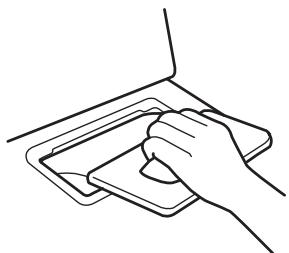
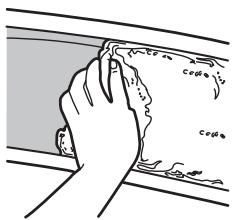
- Push the lint screen firmly back into place.
IMPORTANT:
- Do not run the dryer with the lint screen loose, damaged, blocked, or missing. Doing so can cause overheating and damage to both the dryer and fabrics.
If lint falls off the screen into the dryer during removal, check the exhaust hood and remove the lint. See "Venting Requirements" in the Installation Instructions.
Clean space where lint screen is located, as needed. Using a vacuum, gently remove any lint that has accumulated outside of the lint screen.
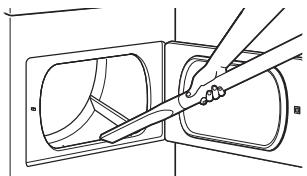
As-needed cleaning
Laundry detergent and fabric softener residue can build up on the lint screen. This buildup can cause longer drying times for your clothes or cause the dryer to stop before your load is completely dry. The screen is probably clogged if lint falls off while the screen is in the dryer.
Clean the lint screen with a nylon brush every 6 months, or more frequently, if it becomes clogged due to a residue buildup.
To wash:
- Roll lint off the screen with your fingers.
- Wet both sides of lint screen with hot water.
- Wet a nylon brush with hot water and liquid detergent. Scrub lint screen with the brush to remove residue buildup.
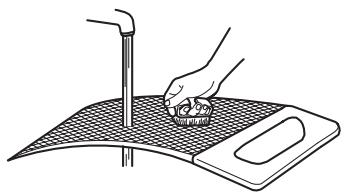
- Rinse screen with hot water.
- Thoroughly dry lint screen with a clean towel. Reinstall screen in dryer.
Vacation, storage, and moving care
Non-Use or Storage Care
Operate your dryer only when you are at home. If you will be on vacation or not using your dryer for an extended period of time, you should:
- Unplug dryer or disconnect power.
- (For gas dryers only): Close shut-off valve to gas supply line.
- Clean lint screen. See "Cleaning the lint screen."
Moving Care
For power supply cord-connected dryers:
- Unplug the power supply cord.
- Make sure leveling legs are secure in dryer base.
- Use tape to secure dryer door.
WARNING
Electrical Shock Hazard
Disconnect power before servicing.
Replace all parts and panels before operating.
Failure to do so can result in death or electrical shock.
For direct-wired dryers:
- Turn off power at fuse or breaker box.
- Disconnect wiring.
- Make sure leveling legs are secure in dryer base.
- Use tape to secure dryer door.
For gas dryers:
- Unplug or disconnect power to dryer.
- Close shut-off valve in gas supply line.
- Disconnect gas supply line pipe and remove fittings attached to dryer pipe.
- Cap the open fuel supply line.
- Make sure leveling legs are secure in dryer base.
- Use tape to secure dryer door.
Reinstalling the Dryer
Follow the Installation Instructions to locate, level, and connect the dryer.
Changing the drum light (on some models)
- Unplug dryer or disconnect power.
- Open the dryer door. Locate the light bulb cover on the back wall of the dryer. Using a Phillips-head screwdriver, remove the screw located in the lower right-hand corner of the cover. Remove the cover.
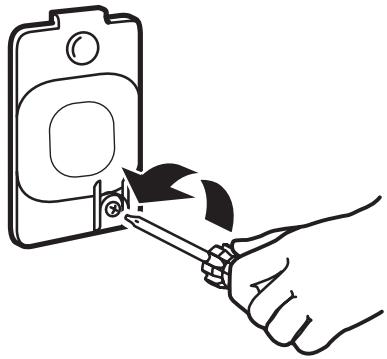
- Turn bulb counterclockwise. Replace the bulb with a 10-watt appliance bulb only. Replace the cover and secure with the screw.
- Plug into a grounded outlet or reconnect power.
Troubleshooting
| First try the solutions suggested here to possibly avoid the cost of a service call. | ||
| If you experience | Possible Causes | Solution |
| Clothes are not drying satisfactorily, drying times are too long | Lint screen or lint screen housing is clogged with lint. | Clean lint screen before each load. Clean space where lint screen is located, as needed. Using a vacuum, gently remove any lint that has accumulated outside of the lint screen. |
| The Fluff Air cycle or No Heat temperature setting has been selected. | Select the right cycle for the types of garments being dried. See "Cycle Guide." | |
| Load too large and heavy to dry quickly. | Separate the load to tumble freely. | |
| Exhaust vent or outside exhaust hood clogged with lint, restricting air movement. | Run the dryer for 5-10 minutes. Hold your hand under the outside exhaust hood to check air movement. If you do not feel air movement, clean exhaust system of lint or replace exhaust vent with heavy metal or flexible metal vent. Make sure vent is not crushed or kinked. See Installation Instructions. | |
| Fabric softener sheets blocking the grill. | Use only one fabric softener sheet and use it only once. | |
| Exhaust vent not the correct length. | Check that the exhaust vent is not too long or has too many turns. Long venting will increase drying times. Make sure vent is not crushed or kinked. See Installation Instructions. | |
| Exhaust vent diameter not the correct size. | Use 102 mm (4") diameter vent material. | |
| Dryer located in a room with temperature below 7°C (45°F). | Proper operation of dryer cycles requires temperatures above 7°C (45°F). | |
| Dryer located in a closet without adequate opening. | Closet doors must have ventilation openings at the top and bottom of the door. The front of the dryer requires a minimum of 25 mm (1") of airspace and, for most installations, the rear of the dryer requires 127 mm (5"). See Installation Instructions. | |
| Dryer will not run | Door not closed completely. | Make sure the dryer door is closed completely. |
| Stop/Start knob not turned to On setting. | Turn Stop/Start knob to On setting. | |
| Stop/Start knob not pressed firmly or held long enough. | Press and hold the Stop/Start knob until you hear the dryer drum moving. | |
| Household fuse is blown or circuit breaker has tripped. | Electric dryers use 2 household fuses or circuit breakers. The drum may be turning, but you may not have heat. Replace both fuses or reset the circuit breaker. If the problem continues, call an electrician. | |
| Incorrect power supply. | Electric dryers require 240-volt power supply. Check with a qualified electrician. | |
| Wrong type of fuse. | Use a time-delay fuse. | |
| Unusual sounds | Dryer had a period of non-use. | If the dryer hasn't been used for awhile, there may be a thumping sound during the first few minutes of operation. |
| A coin, button, or paper clip is caught between the drum and front or rear of the dryer. | Check the front and rear edges of the drum for small objects. Clean out pockets before laundering. | |
| It is a gas dryer. | The gas valve clicking is a normal operating sound. | |
| The 4 legs are not installed or the dryer is not level front to back and side to side. | The dryer may vibrate if not properly installed. See Installation Instructions. | |
| Clothing knotted or balled up. | When balled up, the load will bounce, causing the dryer to vibrate. Separate the load items and restart the dryer. | |
| No heat | Household fuse is blown or circuit breaker has tripped. | The drum may be turning, but you may not have heat. Electric dryers use 2 household fuses or circuit breakers. Replace both fuses or reset the circuit breaker. If the problem continues, call an electrician. |
| Supply line valve not open. | For gas dryers, make sure the supply line valve is open. | |
| Incorrect power supply. | Electric dryers require 240-volt power supply. Check with a qualified electrician. | |
Troubleshooting
| First try the solutions suggested here to possibly avoid the cost of a service call. | ||
| If you experience | Possible Causes | Solution |
| Cycle time too short | Automatic cycle ending early. | The load may not be contacting the sensor strips. Level the dryer. Use Timed Dry for very small loads. Change the Dry Level setting on Automatic Dry cycles. Increasing or decreasing the Dry Level setting will change the amount of drying time in a cycle. |
| Lint on load | Lint screen clogged. | Lint screen should be cleaned before each load. |
| Stains on load or drum | Dryer fabric softener not properly used. | Add dryer fabric softener sheets at the beginning of the cycle. Fabric softener sheets added to a partially dried load can stain your garments. Drum stains are caused by dyes in clothing (usually blue jeans). These will not transfer to other clothing. |
| Loads are wrinkled | Load not removed from dryer at the end of the cycle. | Select Wrinkle Shield™ feature to tumble the load without heat to avoid wrinkling. |
| Dryer tightly packed. | Dry smaller loads that can tumble freely to reduce the chance of wrinkles forming. | |
| Odors | You have recently been painting, staining, or varnishing in the area where your dryer is located. | If so, ventilate the area. When the odors or fumes are gone from the area, rewash and dry the clothing. |
| The electric dryer is being used for the first time. | The new electric heating element may have an odor. The odor will be gone after the first cycle. | |
| Load is too hot | Laundry items removed from the dryer before the end of the cycle. | Allow Cool Down cycle to finish before removing laundry from dryer. All cycles are cooled slowly to reduce wrinkling and make it easier to handle. Items removed before Cool Down may feel very warm. |
| A high temperature cycle was used, or a separate temperature control was set on High. | Select a lower temperature and use an automatic drying cycle. These cycles sense the temperature or the moisture level in the load and shut off when the load reaches the selected dryness. This reduces overdrying. | |
Latin America Service
For other countries in Latin America, see our Warranty Card Latin America and visit our Whirlpool Latinoamerica website www.whirlpool-latam.com.
Heavy Dry (sechage intense)
Damp Dry (sechage humide)

STOP / START
Push to Start

STOP / START
Push to Start

STOP / START
Push to Start
2 TROCKENPROGRAMMKNOPF

STOP/START
Push to Start
gdi jdlglge gylglll lal 12.2
aill sll gall jall all jbi aaii
.1111
Aew o jgclwauu cuaaull uulw, acwl w jie oolw uSe cuaaull.3
Jauuulal 1y jg uill g, 10
ailll j 1 j 1 1 1 1 1 1 1 1 4 .4
y
y j 1 p 1 1
i 1
a. 1
jellal jolal jolal plaa 1: (joll jll lai) .2
"Jj jai jai jai jai jai jai .3
yjll 1
alall 1jL alallll
.1
a 2
aill 1y jai yai ai .3
#
a 1
Aaalal 1 Jd AaBll
Jusuui jiu gilso ciu gillg j
a aal all gall algall algall
jalal jalal jilj jilj 1
eall gai jia jia jia jia jia jia jia jia jia jia jia jia jia jia jia jia jia jia jia jia jia jia jia jia jia jia jia jia jia jia jia jia jia jia jia jia jia jia jia jia jia jia jia jia jia jia jia jia

jbj
aai 100 460 aai 100
g j g j g j g j g j g j g j g j g j
J 1
i
a jil g aill jn axaiall aibial g Jiauui Ujla jg jia uio cio 1. 4aii all j pii Gao ci Lai
alilooaiaea Jsslllall 2
aill aaiil aiail 1 1 1 1 1 1 1 1 1 3.3
j j j j j j j j j j j j j j j j j j j j j j j j j j j j j j j j j j j j j j j j j j j j j j j j j j j j j j j j j j j j j j j j j j j j j j j j j j j j j j j j j j j j j j j j j j j j j j j j j
#
aaiall o jdo
j j j j j j j j j j j j j j j j j j j j j j j j j j j j j j j j j j j j j j j j j j j j j j j j j j j j j j j j
pall
aal
5
STOP/START Push to Start
.1 11111111111111111111111111111 1 1 1 1 1 1 1 1 1 1 1 1 1 1 1 1 1 1 1 1 1 1 1 1 1 1 1 1 1 1 1 1 1
a jj aai iuii. uicill jn nn dll oii laiis yss sall ie wiyy all jy pa Loll ciai jn ae jgao ai jn jn kai y laie uicill Wrinkle Shield TM .
3
Jg 100000000000000000000000000000000000000000000000000
"AUTOMATIC DRY"
Jy Jn Jn Jn Jn Jn Jn Jn Jn Jn Jn Jn Jn Jn Jn Jn Jn Jn Jn Jn Jn Jn Jn
alall alll sina 1
Jalilat Jai "Jai cai" j "aiaaiai aiaii" j "daiai" j "jai i
y alalol g jinnn nn nnnn nn nnnn nn nnnn nn nnnn nn nnnn nn nnnn nn nnnn nn nnnn nn nnnn nn nnnn nn nnnn nn nnnn nn nnnn nn nnnn nn nnnn nn nnnn nn nnnn nn nnnn nn nnnn nn nnnn nn nnnn nn nnnn nn
.0000
Lg, g, g, g, g, g, g, g, g, g, g, g, g, g, g, g, g, g, g, g, g, g, g, g, g, g, g, g
a a a a a a a a a
a 1
i j 1j j. gai aalll cui jie Jgannll "aiaai aiil" o
JusuLy cieLaiIg le Iaio g i j 1i Jil Jia 1i j"Jai
a1 = 2,an + 1 = n1 + an
4
a
1
a
j 1
"
(2) WINKLE SHIELD
a 40 15
.
#
Lalai cyj jil allj j Jauw s j gaiu
y j 1
(204)
jglgduuulxglbua gge jglggs
gagal glll aalaaal oegel pae jn
#
jbj
e 1
g 1 g
(1)
g j 1 g i g aal l l l al
aagaaalj 2
gaiy gaiy
A
AaJn Jnnn nn nnnnnnnnnnnnnnnnnnnnnnnnnnnnnnnnnnnnnnnnnnnnnnnnnnnnnnnnnnnnnnnnnnnnnnnnnnnnnnnnnnnnnnnnnnnnnnnnnnnnnnnnnnnnnnn
1
a 4y aalalall jalal jala cawl. Jauu cs Jaal jala aai y aal jalal jalal all jalal jali jali jali jali jali jali jali jali
AilS
"diyaiy iill" a jilil 1iil Ug yilil Ugl 1uall
| الإستعمال dlدودة | الإستعمال dlدودة | الإستعمال dlدودة | الإستعمال dlدودة | الإستعمال dlدودة |
| الإستعمال dlدودة | "الإستعمال dlدودة | "High" "الإستعمال | "More Dry" "Dry" "Dry" "Dry" "Dry" "Dry" "Dry" "Dry" "Dry" "Dry" "Dry" "Dry" "Dry" "Dry" "Dry" "Dry" "Dry" "Dry" "Dry" "Dry" "Dry" "Dry" "Dry" "Dry" "Dry" "Dry" "Dry" "Dry" "Dry" "Dry" "Dry" "Dry" "Dry" "Dry" "Dry | "الإستعمال dlدودة" "الإستعمال dlدودة" |
| الإستعمال dlدودة | "ال,en" "Wrinkle ShieldTM "ال,en" "Dry" "Dry" "Dry" "Dry" "Dry" "Dry" "Dry" "Dry" "Dry" "Dry" "Dry" "Dry" "Dry" "Dry" "Dry" "Dry" "Dry" "Dry" "Dry" "Dry" "Dry" "Dry" "Dry" "Dry" "Dry" "Dry" "Dry" "Dry" "Dry" "Dry" "Dry" "Dry" "Dry' "Dry" "Dry" "Dry" "Dry" "Dry" "Dry" "Dry" "Dry" "Dry" "Dry" "Dry" "Dry" "Dry" "Dry" "Dry" "Dry" "Dry" "Dry" "Dry" "Dry" "Dry" "Dry" "Dry" "Dry" "Dry" "Dry" "Dry" "Dry" "Dry" "Dry" "Dry" "Dry" "Dry" | "Medium" "Medium" "Medium" "Medium" "Medium" "Medium" "Medium" "Medium" "Medium" "Medium" "Medium" "Medium" "Medium" "Medium" "Medium" "Medium" "Medium" "Medium" "Medium" "Medium" "Medium" "Medium" "Medium" "Medium" "Medium" "Medium" "Medium" "Medium" "Medium" "Medium" "Medium" "Medium" "Medium" "Medium" "medium" "medium" "medium" "medium" "medium" "medium" "medium" "medium" "medium" "medium" "medium" "medium" "medium" "medium" "medium" "medium" "medium" "medium" "medium" "medium" "medium" "medium" "medium" "medium" "medium" "medium" "medium" "medium" "medium" "medium" "medium" "medium" "medium" "medium" "Low" "Low" "Low" "Low" "Low" "Low" "Low" "Low" "Low" "Low" "Low" "Low" "Low" "Low" "Low" "Low" "Low" "Low" "Low" "Low" "Low" "Low" "Low" "Low" "Low" "Low" "Low" "Low" "Low" "Low" "Low" "Low" "Low" "Low" "low" "low" "low" "low" "low" "low" "low" "low" "low" "low" "low" "low" "low" "low" "low" "low" "low" "low" "low" "low" "low" "low" "low" "low" "low" "low" "low" "low" "low" "low" "low" "low" "low" "low' "low' "low' "low' "low' "low' "low' "low' "low' "low' "low' "low' "low' "low' "low' "low' "low' "low' "low' "low' "low' "low' "low' "low' "low' "low' "low' "low' "low' "low' "low' "low' "low' "low' | "ال,en" "Wrinkle ShieldTM "ال,en" "Dry" "Dry" "Dry" "Dry" "Dry" "Dry" "Dry" "Dry" "Dry" "Dry" "Dry" "Dry" "Dry" "Dry" "Dry" "Dry" "Dry" "Dry" "Dry" "Dry" "Dry" "Dry" "Dry" "Dry" "Dry" "Dry" "Dry" "Dry" “Dry” "Dry" "Dry" "Dry" "Dry" "Dry" "Dry" "Dry" "Dry" "Dry" "Dry" "Dry" "Dry" "Dry" "Dry" "Dry" "Dry" "Dry" "Dry" "Dry" "Dry" "Dry" "Dry" "Dry" "Dry" "Dry" "Dry" "Dry" "Dry" "Dry" "Dry" "Dry" "Dry" "Dry" “Dry” "Dry" "Dry" "Dry" "Dry” "Dry" "Dry" "Dry" "Dry" "Dry" "Dry" "Dry" "Dry" "Dry" "Dry" "Dry" "Dry" "Dry" "Dry" "Dry" "Dry" "Dry" "Dry" "Dry" "Dry" "Dry" "Dry" "Dry" "Dry" "Dry" "Dry" "Dry" "Dry" "Dry" "Dry" "Dry" "Dry" " Dry" "Dry" "Dry" "Dry" "Dry" "Dry" "Dry" "Dry" "Dry" "Dry" "Dry" "Dry" "Dry" "Dry" "Dry" "Dry" "Dry" "Dry" "Dry" "Dry" "Dry" "Dry" "Dry" "Dry" "Dry" "Dry" "Dry" "Dry" "Dry" "Dry" "Dry" "Dry" "Dry" " Dry" | "ال,en" "Wrinkle ShieldTM "ال,en" "Dry" "Dry" "Dry" "Dry" "Dry" "Dry" "Dry" "Dry" "Dry" "Dry" "Dry" "Dry" "Dry" "Dry" "Dry" "Dry" "Dry" "Dry" "Dry" "Dry" "Dry" "Dry" "Dry" "Dry" "Dry" "Dry" "Dry" "Dry" ' ' ' ' ' ' ' ' ' ' ' ' ' ' ' ' ' ' ' ' ' ' ' ' ' ' ' ' ' ' ' ' ' ' ' ' ' ' ' ' ' ' ' ' ' ' ' ' ' ' ' ' ' ' ' ' ' ' ' ' ' ' ' ' ' ' ' ' ' ' ' ' ' ' ' ' ' ' ' ' ' ' ' ' ' ' ' ' ' ' ' ' ' ' ' ' ' ' ' ' (2015) |
Jlal 11 11 11 11 11 11 11 11 11 11 11 11 11 11 11 11
a aalaae aee eae aee aee aee aee aee
#
y
aill aol oall oall 0al gall oia
J 5
J 1
J 2
J 3
J 4
J 5
J 6
J 7
J 8
J 9
J 10
J 11
J 12
J 13
J 14
J 15
J 16
J 17
J 18
J 19
J 20
J 21
J 22
J 23
J 24
J 25
J 26
J 27
J 28
J 29
J 30
J 31
J 32
J 33
J 34
J 35
J 36
J 37
J 38
J 39
J 40
J 41
J 42
J 43
J 44
J 45
J 46
J 47
J 48
J 49
J 50
gill gall gge aagl oal lll oall ool gll gll gll gll gll gll gll gll gll gll gll gll gll gll gll gll gll gll gll gll gll gll gll gll gll gll gll gll gll gll gll gll gll gll gll gll gll gll gll gll gll gll gll gll gll gll gll gll gll gll gell
"AUTOMATIC DRY"
Jg 1 1 1 1 1 1 1 1 1 1 1 1 1 1 1 1 1 1 1 1 1 1 1 1 1 1 1
1 1
Jus Jus Jus Jus Jus Jus Jus Jus
a a a a a a a a a a a a a a a a a a a a a a a a
(1) 4) 102
a. a. a. a. a. a. a. a. a. a. a. a. a. a. a. a. a. a. a. a. a. a. a. a. a. a. a. a. a. a. a. a. a. a. a. a. a. a. a. a. a.
Kai. aegill lai jai gai 90 aiyjy jy jy y la
e 1
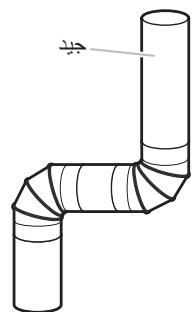
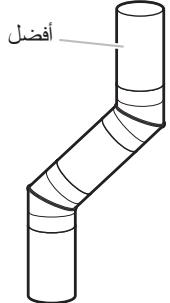
aallll lccj no palllllllll
a a a a a a a a a a a a a a a a a a a a a a a a a
aill o
y
Jaaal Jai aai jai jai Jai So aai jai ji ai jai Jai
gilllll lllllllllllllllllllllll
gai jia jia jia jia jia jia jia jia jia jia jia jia jia jia jia jia jia jia jia jia jia jia jia jia jia jia jia jia jia jia jia jia jia jia jia jia jia jia jia jia jia jia jia
asall
jellai
aiee eae
()
ylll jay. yolal lall g yall yj yj yj yj yj yj yj yj yj yj yj yj yj yj yj yj yj yj yj yj yj
yj j 1
jia jia jia jia jia jia jia jia jia jia jia jia jia jia jia jia jia jia jia jia jia jia jia jia jia jia jia jia jia jia jia jia jia jia jia jia jia jia jia jia jia jia jia jia jia jia jia jia jia jia jia
0j 1
Aii j 145i. jbbll i 120000000000000000000000000000000000000000000
Jibly ll (ay) Jalaiy Jia jao auiuuiuui uuaaie jie jiei li
aJaa aJaa aJaa aJaa aJaa aJaa aJaa aJaa aJaa aJaa aJaa aJaa aJaa aJaa aJaa aJaa aJaa aJaa aJaa aJaa aJaa aJaa aJaa aJaa aJaa aJaa aJaa aJaa aJaa aJaa aJaa aJaa aJaa aJaa a
42g j g j 11111111111111111111111111111
aiee e 2 1 1 1 1 1 1 1 1 1 1 1 1
auiuiei iuee aiee eae
jie 1
a a a a a a a a a a a a a a a a a a a a a a a a a a
.
aillll aieeall aieeessll al gall plssw p 11 11
Culal 0i:
1.24 1000
g 10000000000000000000000000000000000000000000000000
.
aLwJI aJoo g01
a 1
"g" g" 15 g aL
i:

a a a a a a a a a a a a a a a a a a a a a a a a a a a a
jlll jlll llll jlll jlll jlll jlll
Jg
-
12.
- 5.