
RBBS100N - Fridge ROSIERES - Free user manual and instructions
Find the device manual for free RBBS100N ROSIERES in PDF.



| Product type | Refrigerator |
| Brand | ROSIERES |
| Model | RBBS100N |
| Climate class | SN, N, ST, T |
| Refrigerant | R600a (isobutane) |
| Insulating gas | Cyclopentane |
| Power supply | 220-240 V ~ 50 Hz |
| Control panel | Temperature level keys and LED |
| Interior lighting | LED |
| Refrigerator defrosting | Automatic |
| Freezer defrosting | Manual (defrost when frost >3 mm) |
| Open door alarm | Yes, after 90 seconds |
| Door reversibility | Yes, by a qualified technician |
| Interior fan | Yes, manually activatable |
| Maximum freezing temperature | See rating plate |
| Freezing capacity | See rating plate |
| Available spare parts | Thermostats, sensors, boards, LED (7 years); handles, hinges, shelves, bins (7 years); door seals (10 years) |
| Warranty (EU) | 2 years |
| Installation | Built-in or freestanding |
| Energy class | Refer to the provided energy label |
Frequently Asked Questions - RBBS100N ROSIERES
User questions about RBBS100N ROSIERES
0 question about this device. Answer the ones you know or ask your own.
Ask a new question about this device
Download the instructions for your Fridge in PDF format for free! Find your manual RBBS100N - ROSIERES and take your electronic device back in hand. On this page are published all the documents necessary for the use of your device. RBBS100N by ROSIERES.
USER MANUAL RBBS100N ROSIERES
GUIDA RAPIDA DI MANUTEZZIONE E D'USO IT
MAINTENANCE AND USER'S GUIDE EN
MANUEL D'ENTRETIEN ET D'UTILISATION FR
GUIA RAPIDA DE USO Y MANTENIMIENTO ES
BEDIENUNGS- UND INSTALLATIONSANLEITUNG DE
GUIARAPIDO DE MANUTENCAOE USO PT
HANDLEIDING VOOR ONDERHOUD EN GEBRUIK NL
ΓPΓΟΡΟΣ OΔΗΓΟΣ ΣYNTHΡΗΣΗΚΑΙ XΡΗΣΗ
KROTKA INSTRUKCJA KONSERWACJI I UZYTKOWANIA PL
STRUÇNÁVOD PROPOUŽITÍA UDRŽBU CZ
INHCTPYKUN3A EKCPIIOATAUN 6T
COMBINE FRIGORIFICE MANUAL DE UTILIZARE RO
NAVODILA ZA UPORABO SL
ITALIANO
pag. 1--10
Congratulations on purchasing this fridge, which has been designed using the latest technologies for an easy-to-use, environmentally friendly appliance.
We recommend you read this guide and the technical datasheet carefully to find out everything you need to know about your new fridge.
FRANÇAIS
page 21--30
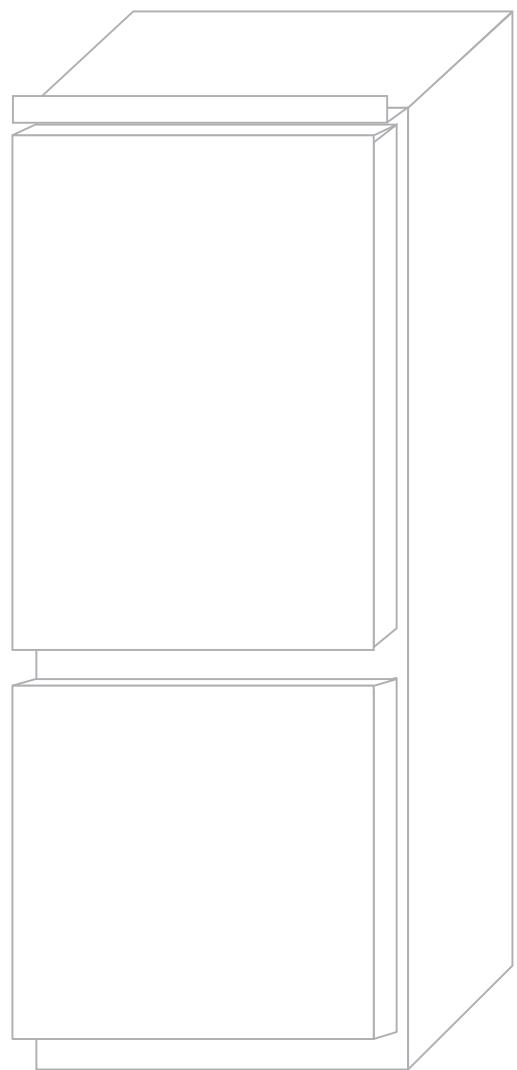
PRODUCT DIMENSION AND BUILT-IN COMPARTMENT.. 17--18
INSTALLATION OF THE APPLIANCE IN THE COLUMN.... 18--18
COPLING OF THE PANELS OF THE BUILT-IN COLUMN
OF THE APPLIANCE DOORS 19--19
PRECAUTIONS FOR THE CORRECT OPERATION 19--19
SUSPENDING USE OF THE APPLIANCE 19--19
TROUBLESHOOTING 20--20
Thank you for purchasing this product.
Before using your refrigerator, please carefully read this instruction manual in order to maximize its performance. Store all documentation for subsequent use or for other owners. This product is intended solely for household use or similar applications such as:
-
the kitchen area for personnel in shops, offi ces and other working environments
-
on farms, by clientele of hotels, motels and other environments of a residential type
-
at bed and breakfasts (B & B)
-
for catering services and similar applications not for retail sale.
This appliance must be used only for purposes of storage of food, any other use is considered dangerous and the manufacturer will not be responsible for any omissions. Also, it is recommended that you take note of the warranty conditions.
SAFET INFORMATION
The refrigerator contains a refrigerant gas (R600a: isobutane) and insulating gas (cyclopentane), with high compatibility with the environment, that are, however, inflammable.
We recommend that you follow the following regulations so as to avoid situations dangerous to you:
-
Before performing any operation, unplug the power cord from the power socket.
-
The refrigeration system positioned behind and inside the refrigerator contains refrigerant. Therefore, avoid damaging the tubes.
-
If in the refrigeration system a leak is noted, do not touch the wall outlet and do not use open flames. Open the window and let air into the room. Then call a service centre to ask for repair.
-
Do not scrape with a knife or sharp object to remove frost or ice that occurs. With these, the refrigerant circuit can be damaged, the spill from which can cause a fire or damage your eyes.
-
Do not install the appliance in humid, oily or dusty places, nor expose it to direct sunlight and to water.
-
Do not install the appliance near heaters or inflammable materials.
-
Do not use extension cords or adapters.
-
Do not excessively pull or fold the power cord or touch the plug with wet hands.
-
Do not damage the plug and/or the power cord; this could cause electrical shocks or fires.
-
It is recommended to keep the plug clean, any excessive dust residues on the plug can be the cause fire.
-
Do not use mechanical devices or other equipment to hasten the defrosting process.
-
Absolutely avoid the use of open flame or electrical equipment, such as heaters, steam cleaners, candles, oil lamps and the like in order to speed up the defrosting phase.
-
Do not use or store inflammable sprays, such as spray paint, near the refrigerator. It could cause an explosion or fire.
-
Do not use electrical appliances inside the food storage compartments, unless they are of the type recommended by the manufacturer.
-
Do not place or store inflammable and highly volatile materials such as ether, petrol, LPG, propane gas, aerosol spray cans, adhesives, pure alcohol, etc. These materials may cause an explosion.
-
Do not store medicine or research materials in the refrigerator. When the material that requires a strict control of storage temperatures is to be stored, it is possible that it will deteriorate or an uncontrolled reaction may occur that can cause risks.
-
Maintain the ventilation openings in the appliance enclosure or in the built-in structure, free of obstruction.
-
Do not place objects and/or containers filled with water on the top of the appliance.
-
Do not perform repairs on this refrigerator. All interventions must be performed solely by qualified personnel.
-
This appliance can be used by children aged from 8 years and above and by persons with reduced physical, sensory or mental capabilities or with a lack of experience and knowledge, provided that they have been given adequate supervision or instruction concerning how to use the appliance in a safe way and understand the hazards involved.
Children should not play with the appliance. Cleaning and user maintenance should not be made by children without supervision.
Turning the knob fully counterclockwise, you will hear a click which corresponds to the switch-off of the product.
When the appliance is installed, the electrical cord and the current socket must be easily reached.
The socket is compatible with the plug of the appliance. If not, request replacement of the plug by an authorized technician; do not use extension cords and/or multiple connectors.
Do not touch the internal parts or frozen food with moist or wet hands as it can cause burns.
This appliance is marked according to the European directive 2012/19/EU on Waste Electrical and Electronic Equipment (WEEE). WEEE contains both polluting substances (which can cause negative consequences for the environment) and basic components (which can be re-used). It is important to have WEEE subjected to specific treatments, in order to remove and dispose properly all pollutants, and recover and recycle all materials. Individuals can play an important role in ensuring that WEEE does not become an environmental issue; it is essential to follow some basic rules:
- WEEE should not be treated as household waste;
- WEEE should be handed over to the relevant collection points managed by the municipality or by registered companies. In many countries, for large WEEE, home collection could be present.
In many countries, when you buy a new appliance, the old one may be returned to the retailer who has to collect it free of charge on a one-to-one basis, as long as the equipment is of equivalent type and has the same functions as the supplied equipment.
Conformity
By placing the C E mark on this product, we are confirming compliance to all relevant European safety, health and environmental requirements which are applicable in legislation for this product.
INSTALLATION
WARNING:
- Do not install the appliance in a damp or wet location as this could compromise the insulation and result in leakage.
Furthermore, on the exterior of the same, condensate could accumulate - Do not place the appliance in locations outside or near sources of heat or exposed to direct sunlight.
The appliance operates properly within the range of environmental temperatures indicated:
+10 +32°C for the climatic class SN
+16 +32°C for the climatic class N
+16 +38°C for the climatic class ST
+16 +43°C for the climatic class T
(See the nameplate of the product)
- Do not place containers with liquids on top of the appliance.
- Wait at least 3 hours after final placement before placing the appliance in operation.
Electrical connection
After shipping, place the appliance vertically and wait at least 2 - 3 hours before connecting it to the electrical system. Before inserting the plug into the electrical socket, make sure that:
- The socket is earthed and in compliance with the law.
- The socket can withstand the maximum power load of the appliance, as indicated on the nameplate of the refrigerator.
- The power supply voltage is within the amounts indicated on the nameplate of the refrigerator.
- The cord must not be folded or compressed.
- The cord must be checked regularly and replaced solely by authorized technicians.
- The manufacturer declines any liability whenever these safety measures are not respected.
Appliance start-up
Remove all wrapping/packaging present inside the appliance and clean with water and baking soda or neutral soap.
After the installation, wait 2 - 3 hours to allow time for the refrigerator/ freezer to stabilize at normal working temperature, before placing fresh or frozen foods inside.
If the power cord becomes disconnected, wait at least five minutes before restarting the refrigerator/ freezer. At this point, the appliance is ready for use.
OPERATION
Turning On/Off
Control panel

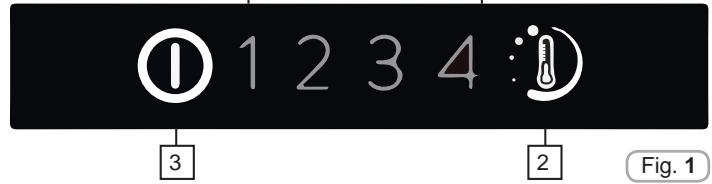
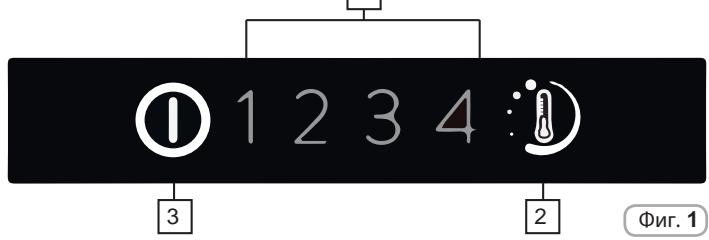
- Temperature indicator LED
- Temperature control
- ON/OFF button
Turning the appliance ON:
Plug the appliance in, if all the temperature indicators LEDs are off, press ON/OFF (3) for 1 second. When you release the ON/OFF button (3) a temperature light will come on and the appliance will beep.
Turning the appliance OFF:
Press the ON/OFF button (3) for 1 second, when you release it, the temperature light will go out and the appliance will beep. In the event of a power failure, when the power comes back on, the appliance will run using the last saved setting.
Setting the temperature
Press the button for setting the temperature until you reach the level you want where level 1 is the warmest and level 4 is the coldest. Under normal operating conditions, we recommend using an intermediate setting (level 2)
On/Off 1 2 3 4
Press button (2) for less than 2 seconds to change the temperature level.
On/Off 1 2 3 4
Advanced settings menu:
Use this menu to set an intermediate level.
On/Off 1 2 3 4
Press button (2) for more than 2 seconds. When you release it, LED 2 will flash
On/Off 1 2 3 4
The next time you press button (2) for less than 2 seconds, the intermediate level will be set. This operation works in cycles every time you press the button.
On/Off 1 2 3 4
On/Off 1 2 3 4
If you do not press the button (2) for more than 5 seconds, the settings will be saved.
The temperature levels in advanced settings are set from warmest to coldest e.g. 2/2.1/2.3/2.4 which means there are 4 sub-levels for every main level.
Door open alarm
If the door is left open for longer than 90 seconds, an alarm is sounded. To turn it off, simply close the door or press button 2.
| Position | Conditions |
| 1-2 | Summer or ambient temperature between 25-35 °C |
| 2-3 | Spring, autumn or ambient temperature between 15-25 °C |
| 3-4 | Winter, or ambient temperature between 5-15 °C |
Refrigerator Compartment Fan (if present)
The fan is preset to OFF.
To activate, press the switch (Fig. 2).
To optimize energy consumption, it is recommended that you turn the fan on only when the ambient air temperature exceeds 28 to 30^ .
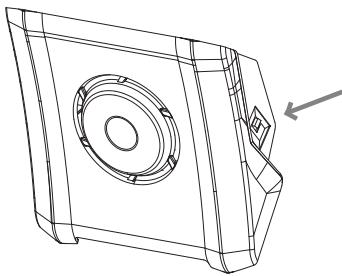
Fig. 2
CONSERVATION
- To maintain the best flavour, nourishment and freshness of foods, it is advisable to store them in the refrigerator compartment as shown in Fig. 5 below, making sure to wrap them in aluminium or plastic sheets or in appropriate covered containers to avoid cross-contamination.
Refrigerator zone
Fruit / Vegetables
- To decrease fruit and vegetable moisture losses they must be wrapped in plastic materials such as, for example, films or bags and then inserted in the fruit/vegetable zone. In this way rapid deterioration is avoided.
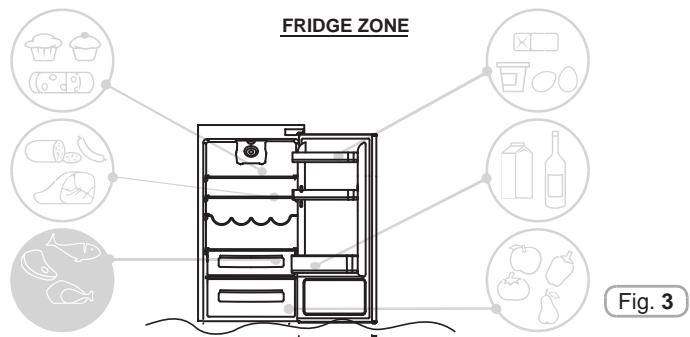
Refrigerated section fresh zone
(not all models)
The zone shown below is recommended for meat, fish, poultry, etc.; do not store fruit and vegetables because they can freeze;
Indicator of the temperature in the coldest zone
(not all models)
Some models are equipped with an indicator of the temperature in the refrigerator compartment in the coldest zone, for you to be able to control the average temperature.
This symbol indicates the coldest zone of the refrigerator (Fig. 4).
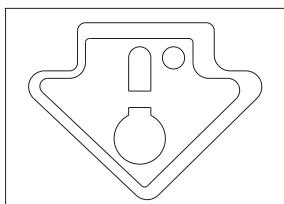
Fig. 4
Check that on the indicator of the temperature, the word OK is clearly shown (Fig. 5). If the word does not appear, this means that the temperature is too high: adjust the temperature to a cooler setting and wait for about 10 hours.
Recheck the indicator: if necessary, proceed with a new adjustment.
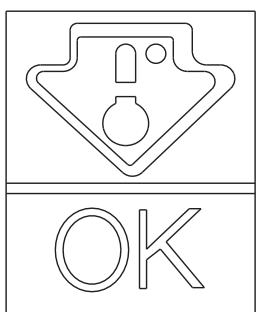

Fig. 5
NOTE:
If large quantities of food are inserted or the refrigerator door frequently opened, it is normal for the indicator fails to show OK. Wait for at least 10 hours before setting the temperature at its coldest levels (3,4).
Freezer zone
Use the table below for the compartments
Freezing process can only occur in the compartments

2-3 MONTHS


4-6 MONTHS


6-8 MONTHS


10-12 MONTHS


Practical recommendations
Place food on the shelves in a homogeneous manner to allow air to circulate properly and to cool it.
- Avoid contact between the food and the far end walls of the refrigerator compartment.
- Do not introduce hot foods as they can cause deterioration of existing ones and increase energy consumption.
- Remove the wrappings of foods before inserting them.
- Do not put in dishes or other containers unless previously washed.
- Do not obstruct the cold air ventilator openings with food.
- Do not cover the glass shelf of the vegetable bin to allow for proper air circulation.
- Do not store bottles in the freezer compartment as they can burst when frozen.
- In the case of prolonged power outage, keep the doors closed so that foods remain cold as long as possible.
- The installation of the appliance in a hot and humid location, with frequent door openings and storing large amounts of vegetables can cause the formation of condensate and affect the performance of the unit itself.
-
To prevent excessive energy consumption, the frequent or prolonged opening of the doors is not recommended.
-
Foods must be fresh.
- Freeze small amounts of food at a time in order to freeze quickly. Never exceed the maximum amount indicated on the rating label.
- During freezing, do not open the freezer door.
- Food must be sealed, airtight.
- Separate food to be frozen by those already frozen.
- Label bags or containers to keep an inventory of frozen foods.
- Once defrosted, do not ever refreeze foods and consume them promptly.
NOTE:
The temperature doesn't usually need to be adjusted.
Only in case you find excessive cooling of the products contained in the refrigerator compartment, gently set the warmest temperature levels (1,2).
On completion of freezing, set the warmest temperature levels (1,2).
Defrosting the refrigerator compartment
During normal functioning, the refrigerator is automatically defrosted. There is no need to dry the drops of water present on the rear wall or to eliminate the frost (depending on functioning). The water is conveyed to the rear part through the drain hole found there and the heat of the compressor causes it to evaporate.
- Keep the drainage pipe (Fig. 6) clean in the refrigerator compartment to keep it free of water.
The rating plate states the maximum quantity of foods that can be frozen, (see Figure 6).
Defrosting of the fridge compartment occurs automatically in this product.
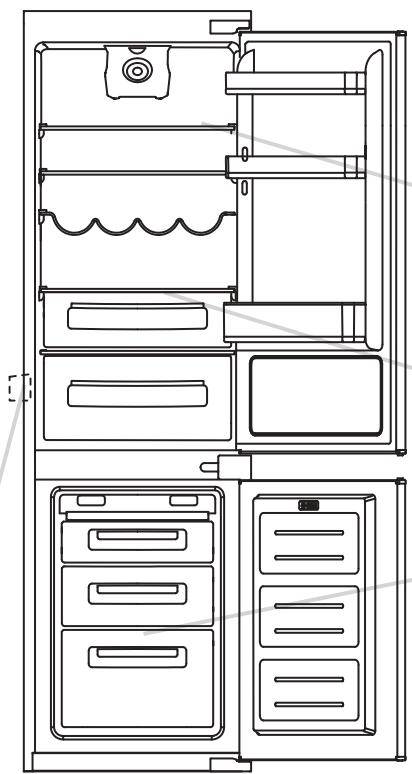
(Figure 6)
A small amount of frost or drops of water on the back of the fridge compartment when the fridge is working is normal.
Make sure the water outlet is always clean and make sure foods do not touch the back or sides of the freezer compartment.
We recommend you defrost the freezer area when the layer of frost is more than 3mm thick.
N.B. Here you will find your appliance rating plate: it includes all the data to be transmitted to the Customer Service should a fault arise.
Important: if your ambient temperature is high, the appliance may operate continuously, thus building up excessive frost on the inner wall of the fridge. Set the warmest temperature levels (1,2).
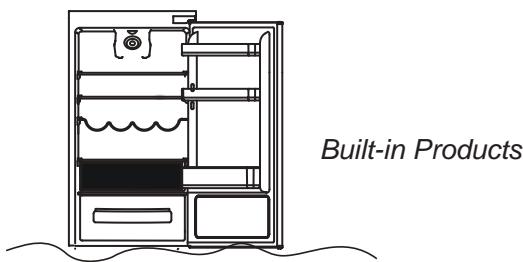
The most energy-saving configuration requires drawers, food box and shelves to be positioned in the product, please refer to the above pictures
Defrosting the freezer compartment
(static products without NO-FROST technology)
When the layer of frost present in the freezer compartment exceeds 3mm , it is recommended to proceed with the defrosting as it increases energy consumption.
1) Press the ON/OFF button (3) for 1 second.
2) Disconnect the power cord.
3) Remove the frozen food and temporarily place them in a cool place.
4) Leave the freezer door open to speed defrosting.
5) Collect the water on the bottom of the product.
6) Dry the freezer.
7) Reconnect the power cord and set the desired values.
8) Wait a moment and reintroduce the frozen foods.
WARNING:
Absolutely avoid the use of open flames or electrical appliances, such as heaters, steam cleaners, candles, oil lamps and the like to accelerate the defrosting phase.
Do not scrape with a knife or sharp object to remove frost or ice present. These can damage the refrigerant circuit, the leakage of which can cause a fire or damage your eyes.d.
Defrosting the freezer compartment
(NO-FROST products)
Defrosting is automatic.
MAINTENANCE AND CLEANING
Lighting
LED lighting
The p roduct is equipped with LED lights, please contact the Technical Assistance Service in case of replacement.
Compared to traditional light bulbs, the LEDs last longer and are environmentally friendly.
Cleaning
NOTICE:
- Before each operation, remove the refrigerator plug from the power socket to prevent electric shocks.
- Do not pour water directly on the outside or inside of the refrigerator itself. This could lead to oxidation and damaging of the electrical insulation.
IMPORTANT:
To prevent cracking of the inside surfaces and plastic parts, follow these suggestions:
- Wipe away any food oils adhered to plastic components.
- The internal parts, gaskets and external parts can be cleaned with a cloth with warm water and baking soda or a neutral soap. Do not use solvents, ammonia, bleach or abrasives.
- Remove the accessories, for example, the shelves, from the refrigerator and from the door. Wash in hot soapy water. Rinse and thoroughly dry.
- The back of the appliance tends to accumulate dust which can be eliminated with the use of a vacuum cleaner, after having switched off and disconnected the appliance from the electrical outlet. This provides greater energy efficiency.
ENERGY SAVINGS
For better energy savings, we suggest:
- Installing the appliance away from heat sources and not exposed to direct sunlight and in a well ventilated room.
- Avoid putting hot food into the refrigerator to avoid increasing the internal temperature and therefore causing continuous functioning of the compressor.
- Do not excessively stuff foods so as to ensure proper air circulation.
- Defrost the appliance in case there is ice (see DEFROSTING) to facilitate the transfer of cold.
- In case of absence of electrical energy, it is advisable to keep the refrigerator door closed.
- Open or keep the doors of the appliance open as little as possible
- Avoid adjusting the thermostat to temperatures too cold.
- Remove dust present on the rear of the appliance (see CLEANING).
AVOIDING NOISES
During its operation, the refrigerator emits some absolutely normal noises, such as:
HUMMING, the compressor is running.
- RUMBLINGS, RUSTLINGS and HISSING, the refrigerant is flowing through the tubes.
- TICKS and Clicks, the operation shutdown of the compressor.
Small measures to reduce the vibration nois es:
- Containers touch each other: Avoid contact between containers and glass recipients.
- Drawers, shelves, bins vibrate: Check the proper installation of internal accessories.
NOTE:
The refrigerant gas produces noise even when the compressor is off; it is not a defect, it is normal.
If you hear a clicking sound inside the appliance, it is normal as due to expansion of the various materials.
REVERSIBILITY OF THE DOOR
The doors of the appliance can be reversed so as to allow the opening to the right or left according to exigency.
NOTE:
- Inversion of the doors must be performed by qualified technical personnel.
- Inversion of the doors is not covered by the warranty.
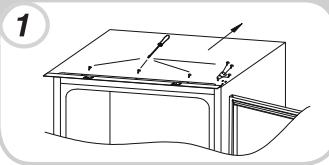
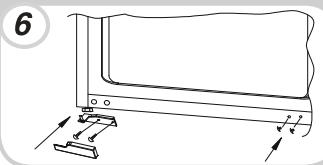
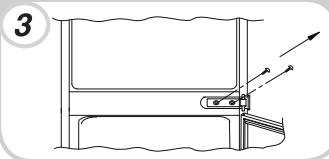
Remove the upper plate and hinge by screw driver.
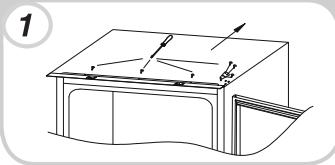
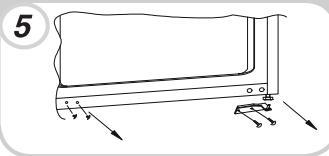
Remove the right bottom hinge and left plastic plugs, and refit them onto the opposite side.
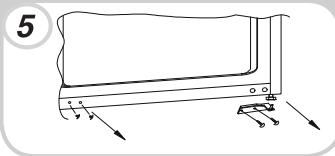
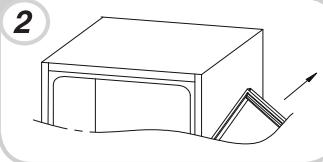
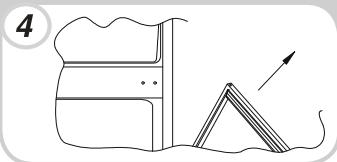
Remove the upper door.
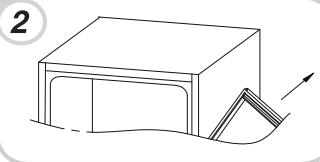
Use the opposite hinge and cover and fit into the left bottom.

Remove the middle hinge and its connecting pin underneath.
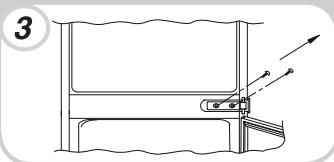
Reassemble the doors and hinges.
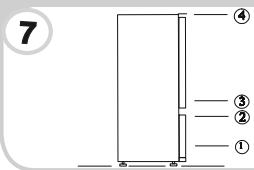
workings from bottom to top, from 1-4.
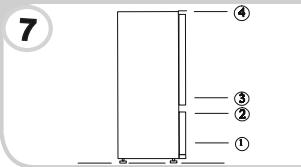
Remove the bottom door.
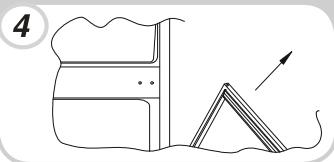
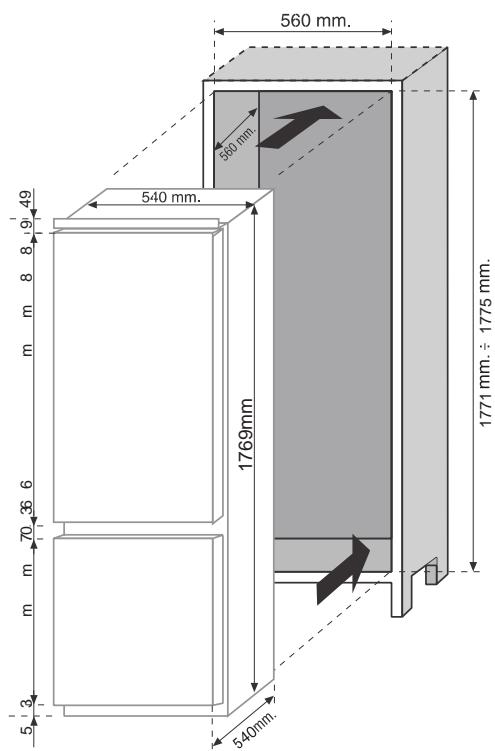
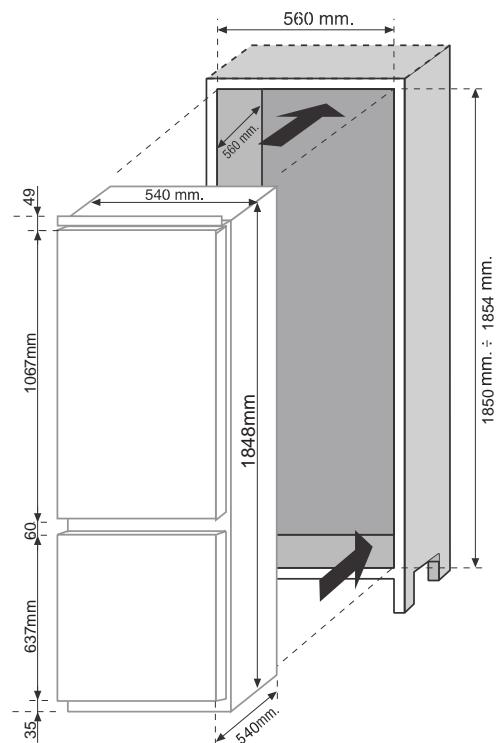
PRODUCT DIMENSIONS AND BUILT-IN COMPARTMENT
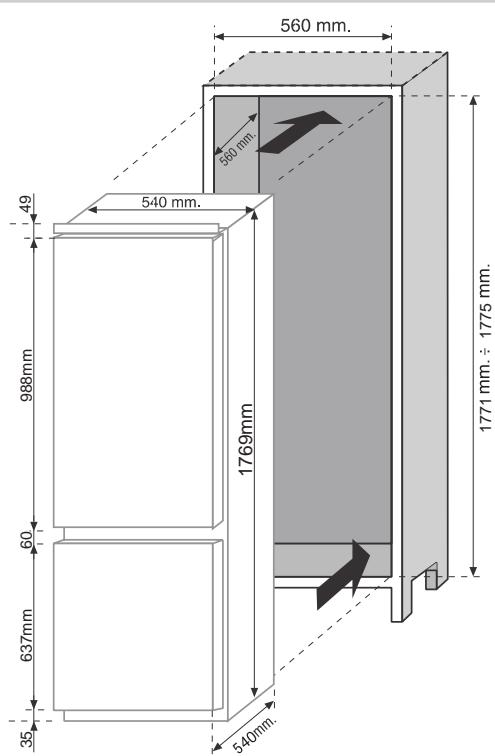
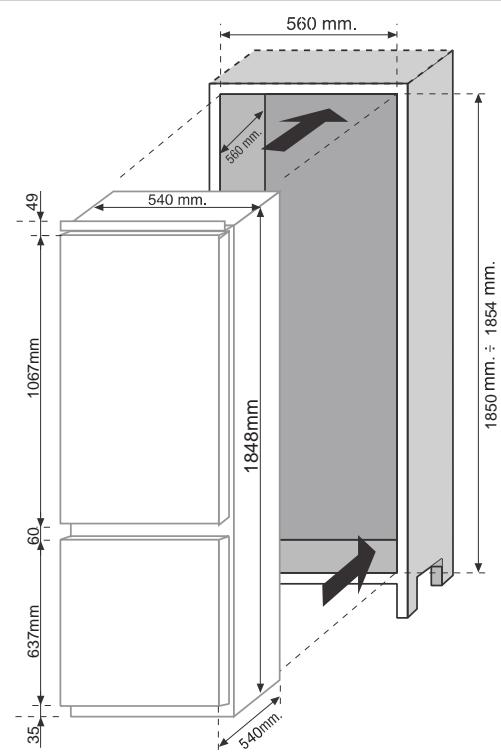
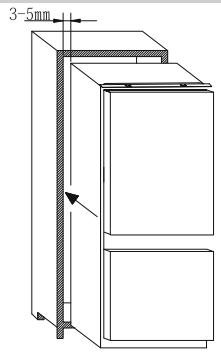
Insert the appliance into the column, placing it on the opposite site of the hinges, and make sure 3-5 mm distance gap.
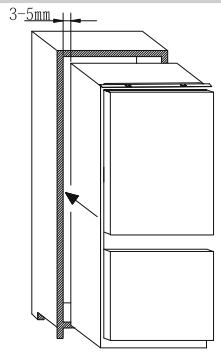
1
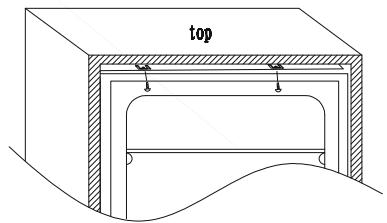
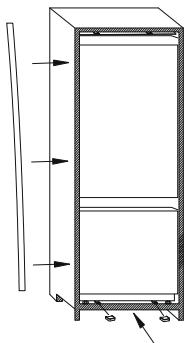
After ensuring the match between appliance door and column door, then screw the appliance upper part to the cabinet
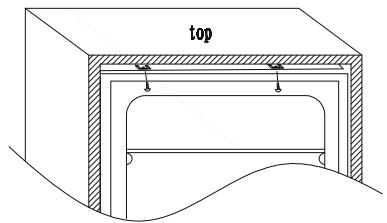
2
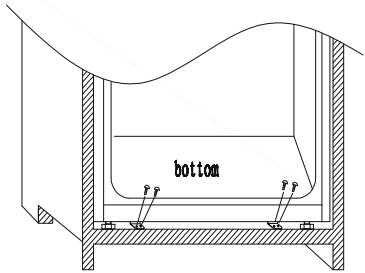
Screw the appliance lower part.
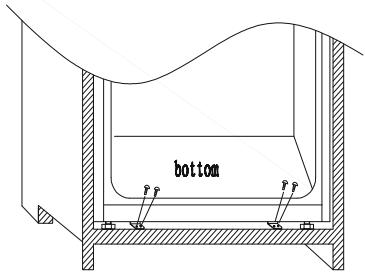
3
Fit the seal to the appliance, cut off the excessive part if necessary. Fit the bottom parts with plastic covers.
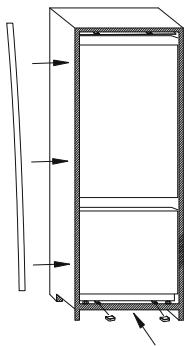
4
Use a cross-screwdriver to loosen the connecting pin underneath the right middle hinge, and adjust to screw onto the right cabinet wall.
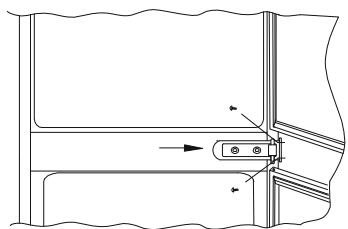
5
COUPLING OF THE PANELS OF THE BUILT-IN COLUMN OF THE APPLIANCE DOORS
The appliance is equipped with coupling devices for the appliance doors with the column panels (loader slide).
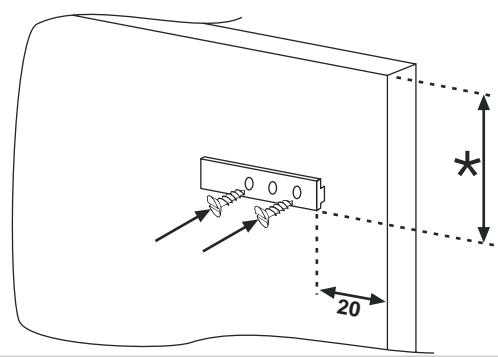
Secure the slide in the inner part of the panel of the built-in column at the desired height and at approx. 20mm . From the outer wire of the door.
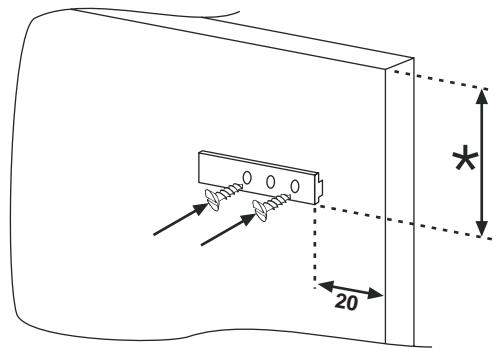
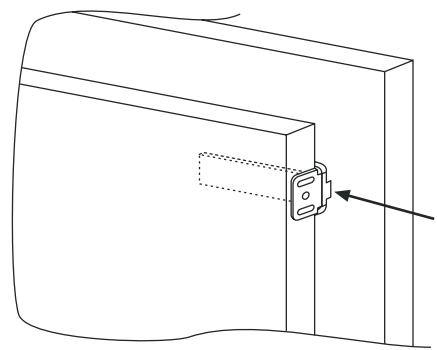
Open the doors of the built-in column and the fridge. Position the built-in loader in the slide, then fit it into the fridge door.
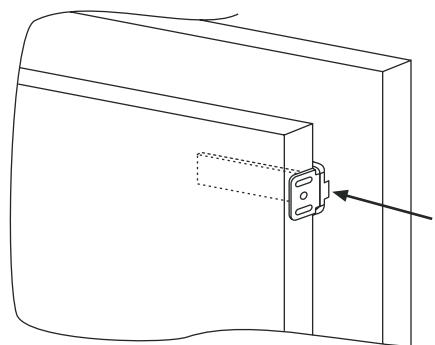
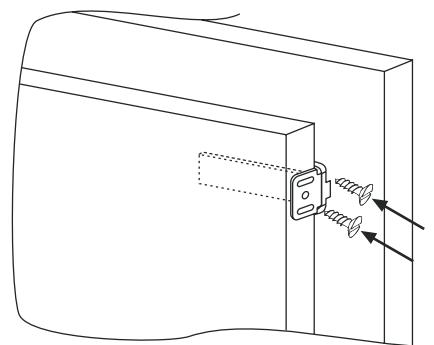
Mark the fixing points for the screws and drill with a bit of a diameter of 2.5mm.
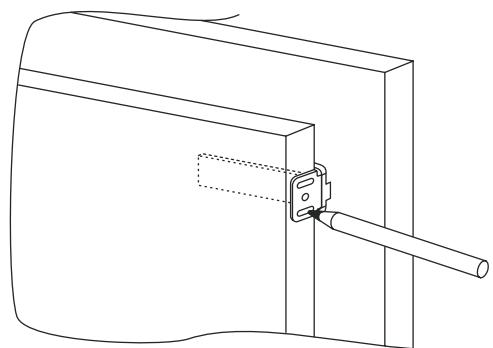
Connect the appliance door to the cabinet panel keeping the loader slots as guidelines.
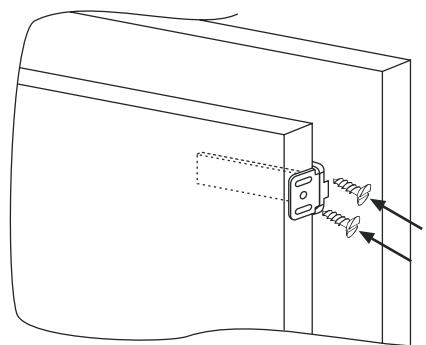
PRECAUTIONS FOR THE CORRECT OPERATION
Once the product has been embedded, place the rear part of the column in contact with the wall so as to prevent access to the compressor compartment.
For the product to operate correctly it is essential to allow adequate air circulation so as to cool down the condenser located in the rear part of the appliance.
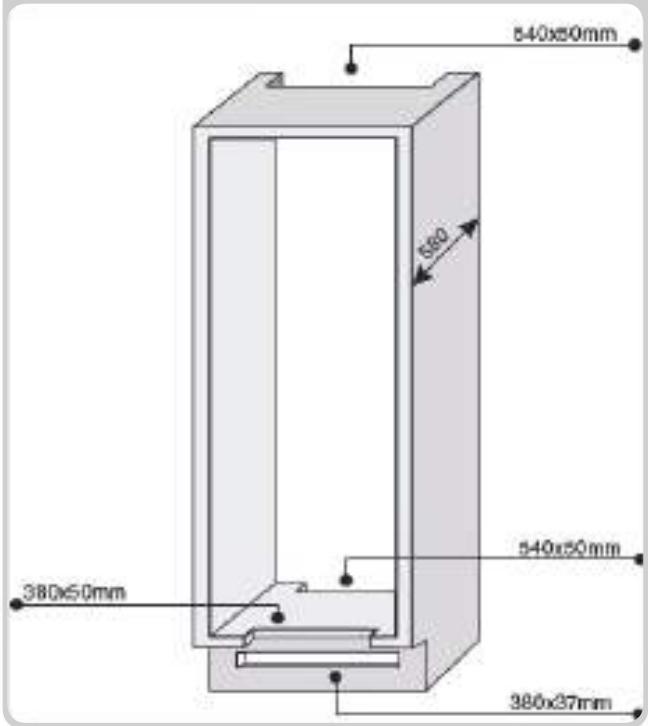
For this reason, the column must be equipped with a rear chimney, whose upper opening must not be blocked and with a front slot which will be covered with a ventilation grill.
Size of the unit cut outs.
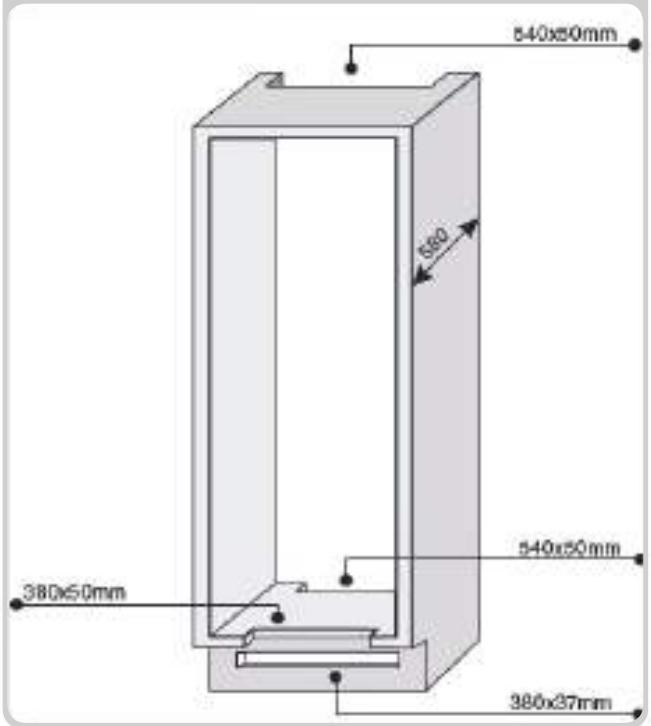
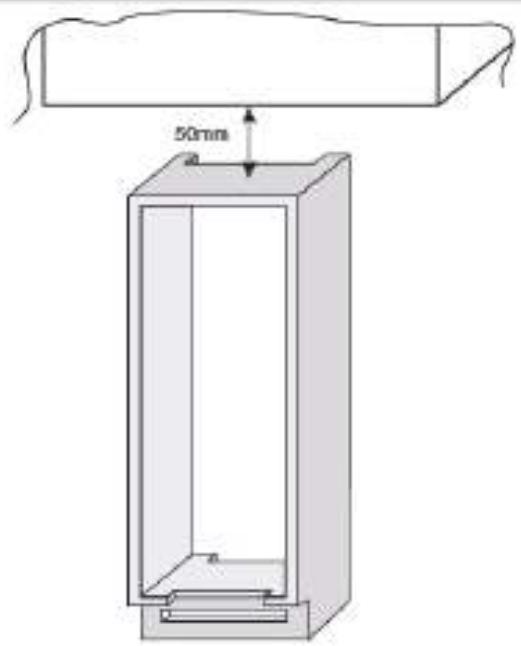
Room to leave between the unit and ceiling.
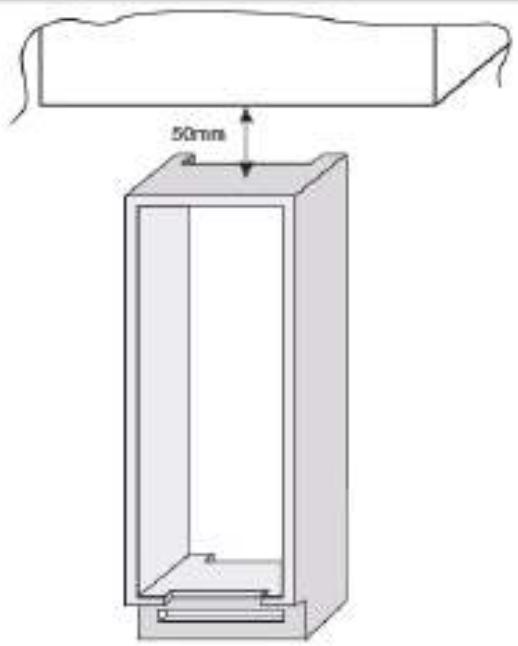
SUSPENDING USE OF THE APPLIANCE
If the appliance is not to be used for a long time:
1) Turn the appliance OFF (see Operation).
2) Extract the plug or remove the safety device.
3) Clean the appliance
4) Leave the doors of the appliance open.
TROUBLESHOOTING
| PROBLEM | CAUSE | REMEDY |
| The inside illumination light bulb does not turn on. | ·Electricity absence. | ·The power cord is not properly plugged in. ·Check whether the appliance is switched off. (see Temperature Adjustment). ·Ensure that there is a current in the house. ·Check that it is active. |
| The refrigerator and freezer do not sufficiently cool. | ·The doors are not closed. ·The doors are frequently opened ·Erroneous setting of the temperature. ·The refrigerator and freezer have been excessively filled. ·Surrounding temperature is too low. ·No electrical power. | ·Check that the door and gaskets close properly. ·Avoid unnecessary opening of the doors for a period of time. ·Check the temperature setting and, if it is possible, cool even more (see Temperature adjustment) ·Wait for the stabilization of the temperature of the refrigerator or freezer. ·Check that the ambient temperature is in accordance with what is indicated on the nameplate (see Installation). ·The power cord is not properly plugged in. ·Check whether the appliance is switched off (see Temperature adjustment) ·Ensure that in the home there is current. |
| The food in the refrigerator freezes. | ·Erroneous setting of the temperature. ·Food in contact with the back wall. ·The freezing of too much fresh food causes a lowering of the temperature of the refrigerator | ·Check the temperature setting (see Temperature Adjustment) and, if possible, decrease temperature setting. ·Separate the food from the back wall of the refrigerator. ·Do not exceed the maximum amount to be frozen (see Freezing). |
| The bottom of the refrigerator compartment is wet or droplets are present. | The drain tube could be clogged. | ·Clean the drain tube with a stick or the like to allow the discharge of water. |
| Presence of drops or water on the back wall of the refrigerator. | ·Normal operation of the refrigerator. | ·It is not a defect (see Defrosting). |
| Presence of water in the vegetable drawer. | ·Lack of air circulation. ·Vegetables and fruits with too much moisture. | ·Verify that your glass shelf tray vegetables are not put foods that prevent air circulation. ·Wrap the fruit and vegetable materials plastic such as, for example, films, bags or containers. |
| The motor runs continuously. | ·The doors are not closed. ·The doors are opened frequently. ·Ambient temperature is very high. ·Thickness of frost than 3mm. | ·Make sure the doors are closed and if the seals close properly. ·Avoid unnecessary open ports for a certain period. ·Verify that the ambient temperature is in accordance with the specifications on the nameplate (see Installation). ·Set the display/thermostat a warmer temperature. ·Defrost the unit (see Defrosting). |
| The frozen food is thawing. | ·The ambient temperature range below climate class of the product. The compressor starts rarely ·The freezer door is not closed. | ·Move the unit to a warmer or heat the room. ·Make sure the door is closed and that the gasket is sealing properly. |
| WI-FI light flashes 3 sec on - 1 sec off. | ·Router off. ·Lacking connection. | ·Switch the router on. ·Reset the product (see WI-FI) |
IF YOU ARE NOT SOLVED THE PROBLEM, CONTACT THE SERVICE CENTER, PLEASE GIVE THE TYPE OF FAULT AND THE INFORMATION ON THE PLATE OF THIS APPARATUS TO INSIDE THE REFRIGERATOR COMPARTMENT:
The model of equipment.
The number of series.
CONTENU
FR
INFORMATIONS SUR LA SECURITE 22--22
INSTALLATION 23--23
FONCTIONNEMENT 23--23
CONSERVATION 24--24
CONGELATION 25--25
DEGIVRAGE 25--25
MAINTENANCE ET NETTOYAGE 26--26
ECONOMIES D'ENERGIE 26--26
DIMENSIONS DU PRODUIT ET COMPARTIMENT
ENCASTRE 27--28
INSTALLATION DE L'APPAREIL DANS LA COLONNE .... 28--28
ASSEMBLAGE DES PANNEAUX DE LA COLONNE
ENCASTREMENT DES PORTES DE L'APPAREIL 29--29
PRECAUTIONS RELATIVES AU FONCTIONNEMENT
CORRECT 29--29
SUSPENDRE L'UTILISATION DE L'APPAREIL 29--29
DEPANNAGE 30--30
DIMENSIONS DU PRODUIT ET COMPARTIMENT ENCASTRE
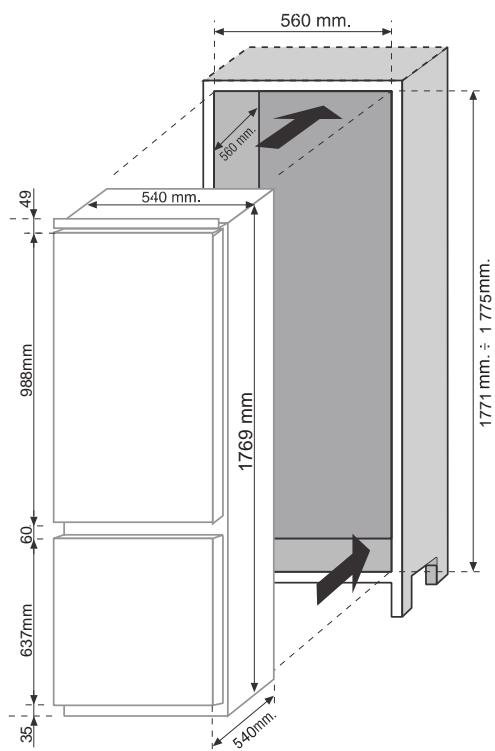
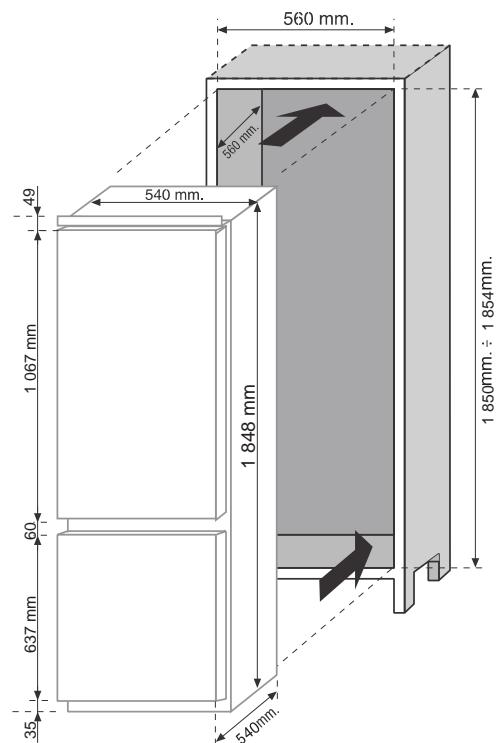

m = 311
ACOPLAMENTO DOS PAINEIS NA COLUNA EMBUTIDA
DAS PORTAS DO APARELHO 59--59
PAINÉIS DE ACOPLAMENTO DA COLUNA INCLUDEA NAS PORTAS DO APARELHO

2-3 MESICE
4-6 MESICE


6-8 MESICE


10-12 MÉSICE


Praktická doporučné
BkIIOUBaHe/U3KIOUBaHe
KoHTpOJIeN nAHeI
- ИndикатOP LED 3a НВО на TemпepаТура
- PerynatoP Ha HNBOTo HA TempepaTpa
- ByToH ON/OFF
BkIouBaHe:
IocTaBete 7eCenBa KOnTakTa, aKo BCnUckn LED uHnDnKaToPn 3a HNBoTo Ha TempePaTypa Ca n3KJIOueHnHaTncHeTe 6yToHa ON/OFF (3) 3a 1 cekyHda. Korato OTnycHeTe 6yToHa ON/OFF (3) BKnIOuBaHoTe e nocneDbAo n IOTBbPeHO OT aKtNBpuAHeTo Ha eHNO HNBO Ha TempePaTypa n ot aKtNBpuAHeTo Ha 3ByKOvCBnHaJ.
N3KJIIOUyBaHe:
HaTnSchTe 6yToHa ON / OFF (3) 3a 1 cekuHda, npn ocbo6oxdaBaHeTo Ha 6yToHa ON/OFF (3) n3KnIOUbaHeTo e nocLeDaHO n oTbPdEHO ot n3KnIOUbaHeTo HA LED nIINkaTOPute 3a HO BO h Tempepatya n O T aKTHBpuHaTo Ha 3ByKOBNA CnHaN. B Cnuyah Ha n PpeKbCBAHe Ha 3axpaHbAHeTo npn NobTOpho BKIOUbaHe, npOdyKTbT ue ce BbPhe KbM nocJeHaTa 3ana3eHa HAcTpoJa.
HactpoJaHa TemnepaTypata
HaTusheTe 6yToHa 3a peruHpaHe Ha HNBO TemnepaTypa Do DocTuHa He CaBOTBeTHOTo HNBO, HNBO 1 No-TOJIa HAcTpoKa, HNBO 4 No-CTUdeHa HAcTPOka, PnH HopMaIHN yCIOBna, Ce npenOpbUba Da ce n3PON3Ba eHn MaKdINHn HaCTpOka (HnBO 2)
On/Off 1 2 3 4
HaTnCKaHTo Ha 6yToH (2) 3a No-MaJIko OT 2 cek., ce npOMeHr HbOTO Ha TEMN.
On/Off 1 2 3 4
MehIO Ha pa3wnpeHn HacTpoiKn:
Toba MeHIO N03BOLIbA eHa Na HAcTpoIka Ha MeKdINHIO HnBO MeKdY pa3JIuHInTe HnBa.
On/Off 1 2 3 4
HaTnCKaHTo Ha 6yToN (2) 3a NOBue ot 2 cek, npn OTnyckaHe Ha 6yToHa, INDnKaTopbT led 2 mura.
On/Off 1 2 3 4
Пи сдьшоTO haNTSCaHe Ha 6yToHa (2) 3a no-MaIko OT 2 cek, ce aktNBupa MEXDHNO HINBO I TAKA LKJNUH0 3a BCRAKO HAITSCaHe.
On/Off 1 2 3 4
On/Off 2 3 4
B clyaHa Iunca Ha HATnCKaHe Ha 6yToHa (2) 3a noBeue ot 5 ceK., NaCTPOIKNTE ce 3ana3BaT.
HnBaTa Ha TempePatpaTb Pa3uPepHnTe HactpoKn Ca B peO t NaH-ToNtIoTo Do NaH-CTyHeHTo, KaKTo B npImep 2/2,1/2,3/2,4, Koeto N03BOJIABa perynipaHTo Ha 4 NOd-HnBa 3a BCaKO OCHOBHO HnBO.
Anapma OTBopeha Bpata:
3a da npedotbpaTne HanyKBaHe Ha BbTpseHnTe NOBbpxHOCTN INPAACTMACOBU YactN, CNEBaHTe Te3N CbBETN:
- 136bpseTe BCNUKn pa3neTm Ma3HHNOT IJIaCTamACOBNTe YaCTN
BbtpeunHte yactn,ynIbTHEnHATA n BbHNHTe NOBbpXHOCTn,MOaT da ce nouchCTBaT c Kbpna C TOnla BOda n CoDa 3a XnI6 nIn HeyTpaleh canyn. He n3nON3BaIte pa3TBOpnten, amOHk, 6eINHa nIn a6pa3NBn. - Maxhete akcecoapnte, Hanpimep, pafoBeTe ot xnaunnHa n ot bpaTata. ɪzmnɪte c tonla canyHeHa BOa. ɪznnakHete n noDcyuTe.
- Ha 3aHaTa yacT ha UpeDa o6nKHOBeHNO ce HATpyNb npax, KOITo MoKe da 6bJe n3uHCTeH c npaxOCMyKaUka, npi n3KJIoueh OT KOHTaKtxaJadInHk. ToB e do6pe 3a NOBnShaBaHe Ha eheprnHaTa efeKTNBHOCT.
ИКOHOMЯ HA EHEPTЯ
3a da IKOHOMUcaTe eHepn, BN npenOpbUBaMe:
- Инстампайтоурадя далочи на торлес, 6e3 празкacblчheBa CBetlnha nВ doбpe npobetpno NOMEseHne.
- ɪЗɜːrɪbaɪte ᵠ cʌlɑræte Tɔŋla xpaɪha B xlaɪdɪnɪhɪka. Tɔba ʒe noɒbɪsɪn
- Vbɪtpɛwɪhata TempepaTyaɪ n ʒe iðoBéde do HænpɛkʰcHATA pa6Ota hɑkmɪpècapoa
- He Hataynbaite Mhoro xpaHa, 3a da ocunrgpnte do6pa cipkyanaia Ha b3dyxa
- Pa3Mpa3RBAHe Na ypeBa B cnuya, Ye mHa JeIe (BnK PA3MPA3RABAHE) 3a Da rapaHTnpaTe Do6pna PpeHoc Ha cydeHnHa
BcnyaHa npkekbcaHe Ha en. eHepnTa npenOpbVbMe Da He OTBaPte BpataHa XlaJINHnka.
-ДрьжтБразаТОВоpeHA3aMaKcIMaJIHNoKpaTkoВрeme - He 3aBpTaIe TepMoCTaTa KbM IpeKaJIeHO CTyDeHO.
-ПпeмaxbaIte npaxa CB6paH Na Tb6aHa ypeda(BnK ПОчИСТBAHE)
LIYMOBE
По Врeme Ha CbOЯ Ta pa6Ota,В xlaДиИнka Иma HяКоI a6cOЛOTHO HopMaJIHn IyMObE, KaTO HanpIMep:
- BPbMYeHE - komppecopa pa6oTu
- UYMONEHE, CbCKAHE - xnaadinHnIa reHT ce npdBnKBa Btp6uTe
- PA3TPNCAHINuIcKaHINr - npn u3KnIOUbaHe Na KOMnpecopa MoKe Da Ce B3emAT MaKn MepKn 3a HamaJBaHe aH Bu6BaunTe
- CbdoBe ce DoKocBaT eDIN Do npyr: N36aRbaTe KOHTaTaHa OTDeJIHInTe CbdoBe
- YeKMeJxKeTa, paΦToBe, KoUxTe Ba6pRuPat: ПрOBepe TдДи са npaBnIHO MOnTnpaHn AkceCoapuTe 3A6EJIEXKA:
XlaIaIIHnI aReHT npOn3BExJda 7uM, IopN KOraTO KOMnPecOpa e n3KJIouChE; TOBa He e DeΦeKT N e HOpMaJIHo.
Ako yyeTe 3bKaa3 28yK B XlaIINHnKa, TOBa MoKe 6n Ce IblJxN Ha pa3wnpaBaHe Ha pa3NIuHN MaTepnaIn n e HopMaHNO
OBPbUaHE HABPATATA
BpataHa ypea MoKeJa ce MOHTnpa Taka Que da ce OTbapra Ha JIABO nIHa DaCHO Cnopei BaunTe PneDNoUHTAHNIA
3A6EJIeKKA
- 06pbuanaheTo Ha BpaTata, Tp86Ba da ce n3Bbpyin OT KbaIuΦnupaH cneuaJIncT
- 06pbuaneHaBpaTneHeceNOKpNbOaTrapaHcIyTa.
Maxhete rohpata nlaHka n naHTa COTBepTka
CbaIeTe JraChata DoJHa naHTa I neBnTe 3aNyUbaun TaII IN IM pa3MeHeTe MeCTata
Maxhete rohpata BpTa
IocTabeTe nHaTata N kanaQKnTe DONYBIABO
IpeMaxBaHeHa cpeHaTa NaHTa n Cbpb3BaU uΦT OToN0y.
Crlno6eTe naHTnte n BpATne, KaTO cnEaBte CtbnKn ot 1 do 4
Maxhete DonHaTa Bpata
PA3MEPN HA IPOДУКТА И HИШАТА 3A BГРАЖДАНЕ
BkapaIte ypeDa B KOLOHaT, NOCTABeTe ro Ha npOTbONOJXHATA qACT Ha naHTnte nCe y6eTeYe mHa pa3CToRHe N0He 3-5 MM
1
Hanachete BpataHa ypeDa KbM Me6eHnata Bpata N 3abInTe rohpata YaCT Ha ypeDa
2
3aBnIte donHaTa qCT Ha ypeDa
3
Iocabete ynlbTneHmEtOn Ha ypea, kaTo oTpexete n3nshHa t aact aKe o Heo6xOIMO. Iocabete doJy nlaTactamCobnte kanaukN
4
3aKpenete PnAnKaTa Ha BbTpEeHaTata cact Ha Me6EnHaTbPaTa Ha JeNaHATA BnCOuHa H a OKoNo 20 MM OT BbHnHnPB6.
OToBopTe BpTaIte Ha XlaDnHnKa Na HsKaΦa NrNoCTaBeTe nHaNkata Ha BpTaTaN Ta3n Ha Me6eHnTa Yact.
MapKntaTe MeCTaHa OTBOpHTe n pa3npo6nTe CbC CBpeJIO 2,5MM
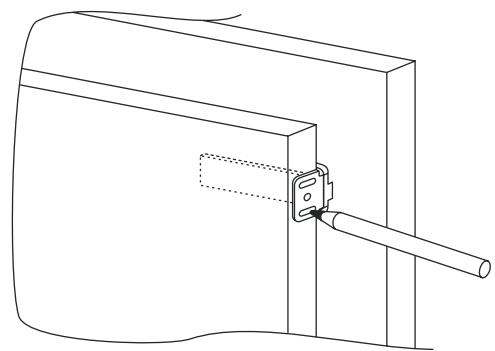
3aBnTe PnAhkata Na BpaTata NocTabe T B PnAhkata Ha Me6eHaTa BpTa 3a Da MoRat da Ce PnB3rAt eHa KbM dpyra
ПРавиJA 3A ПРавиЛHA PABOTA
Clek kato ypea e Brpaen, onpeTe 3aHaTa cTeHa Ha Me6eHnna ShkaΦ pIbTHO B CteHaTa, Taka Ye da Ce npedOTBpaTn DoCTbNa do OTdeneHneTo c KOMnpecopa
3a da fyuHKUHOHpa npaBnHOp ypea, e ot CbIeCTBeHo 3naueHne, da ce daJe Bb3MOXHOCT Ha aKeBbTaHa cIPKpylauHa Hb3dyxa, 3a da CE OXlaNi KOHNHeH3aTopa HAMpuaIc Ce b 3aHaHaTa Yact
3aTOBA KOJOnHTa TpA6Ba Da e O6OpyDbHa C BcHTnlaZIOHn OTBOPn B 3aJHaTa CN Yact, KOnTO He TpA6Ba Da 6bDat 6IoKnpaHn i C ppeDeH OTBOP, H KaTo Ce NocTbA BcHTnlaZIOHnHaTe peWetKa
Pa3mepn Ha BeHTnlaZIOHnTe OTbOpN
Pa3ctoHnE mKny Modyna n TabaHa
ИЗКЛЮУBAHE HA YPEДА
Ako ypeda hma da 6bde n3non3BaH nbIro BpeMe:
1)Изклочeteуpeda(BиЖЕКПЛОATALIЯ)
2) N3KNIOUeTe ΣeNcena OTKaKTa
3)Почисте урEDA
4) Octabete BpaTne OTBopeHn
OTCTPAHBAHE HA HEN3ПРABHOCTN
| ПОНБЛЕМ | ПРИСИHA | OTCTPAHЯBAHE |
| He se bknioчba вьтrewно осветлие ну урEDA | • Нма зхсановаhe | • He e bknioчeh зуханвачи кабел • Викte далу не e nizknioчeh урда (ppropebete положеню на термocatinga) • Yerbete ce чь в женицем за укдп. • Yбадуce ce чь клioча e aktnibent |
| • БлорICAL e klnoça ha bparata | • Yerbete ce чь bpratite и ул'thenягота ce 3atbaret doxbpe • Избогаite ду otварite bpratite 3a дыл; пreliod ot brelme • Пpropebete настroyката 3a tempepatура и akо e btsmoxho уberuichete steenteta ha nodabahne ha stydeneha | |
| Xlaadnilnka и Фризера he прoinbveckdat дocta'tbvyno stydenviha | • Bpratite He ca 3aTbopereni | • Yerbete ce chy bpratite и ул'thenягота ce 3atbaret doxbpe • Избогаite ду otварite bpratite 3a дыл; пreliod ot brelme • Пpropebete настroyката 3a tempepatура и akо e btsmoxho уberuichete steenteta ha nodabahne Ha STydeneha |
| • Bpratite ce OTbparayt checto | ||
| • Погrucho Na hactropoika ha tempepatурata. | • Ичakayite 3a Stcbilinizipanhe tempepatурata na xlaadnilnka i phprzepa | |
| • Xlaadnilnka i Фризера ca 6dyl mHoro нлллнehi | • Yerbete ce, chy tempepatурata ha okolnata cpeda e B ctsbretctbme c toba, koet o ukazahno ha (bvinke Ikhstaniparate). | |
| • Bbshnata tempepatуpe a Tbpyde Hncka | • 3axpanbaasni kabel ne e nprabimho bknioyen. • Пpropebete daliy yperdb t e nizknioyen (ppropebete noIokhenieto ha termoctata ) • Yerbete ce chy B xliniuzeTo IMa Tok | |
| • Hama en. 3axpanbahe | ||
| ХранATAВхlaadnilnkaЗampb3Ba. | • Погrucho Na hactropoika ha tempepatурata. | • Погoberte hactropoikata 3a tempepatурata akо e BbmaOxHOBYberuichete steenteta ha noIodabahne ha STydeneha |
| • Xpanata e donpnaHa do 3aDnata Stena | • Pazdanelyeche xpaHata ot 3aDnata Stena Ha xlaadnilnka | |
| • 3amprazraBaHETo ha Tbpyde MHO rpechny xpani noHnKaba Tempepaturpata B xlaadnilnka | • Ду che 3amprazraBa no roJlamo KoliuchestBO xpana ot neoxdoMOTO | |
| В дьнOTO hab xlaadnilnka Има blya ra li kanuichi Boda | Дрenvachata trpb6 mooke da e zanyusha | • Почистете deprenaxhata trpb6, за дMay, da anstua cboobdo BoData |
| Hailuwoe na Bnara ilni kankn Boda na 3aandnata Stena Ha xlaadnilnka | • Toba e Hopmalno 3a xlaadnilnka | • Toba ne e defekt (Bixk PA3MPA3RABAHE) |
| Hailuwoe na Boda b vekmedjeto 3a zelenchuyu. | • Плонса на црkuplacry Ha bbydux | • Yerbete ce chy ha StcbIeNhta pOlonuHa che ca noctabenii proodyknti pruceeui Ha zicpkUplacritya |
| • Плodoveи zelenchuyu c prpekalieno mHoro Bnara. | • ИзOLPЯITE prloodoteи zelenchuyute, katOri yBwite BBy φolino iin noCTabite B Topbvn | |
| Motobyt pa60t6 be3 ppekbcbane | • Bpratite He ca 3aTbopereni | • Yerbete ce chy bpratiteи ул'thenягота ce 3atbaret doxbpe |
| • Bpratite ce OTbparayt checto | • Избогаite da OTbparite bpratite 3a dbyl; пreliod ot brelme | |
| • Tempepatура hab okolnata cpeda e MHoro Bvscoka. | • Yerbete ce, chy Tempepatурata hab okolnata cpeda e B ctsbretctbNe le cbs cneuФи Kaunite Ha Ta6el KATA (Bixk INCTAN ipahe). • Habtro ITE hab dinlneY/terpoctata ta noBvncoka Tempepaturp a | |
| • De6eHInnata Ha leda e Naid 3 MM | • Pa3mpa 3ete yperda | |
| 3amprazhenata xpana 3aNouchBa da ce pa3mpa3raBa | • Tempepatурни duana3oh Na okolnata cpeda e podklmaTnueH Knac ha npodukta. Komnpescobt p6boto pRidko | •Прemonstete ур deda Na no-ontno loи latotlenete cstarya |
| • Bpatar Na phpi3epnataЧаft He e ZaTboperha | • Yerbete ce chy bpratiteи ул'thenягота ce 3atbaret doxbpe | |
| WI-FI lcbetnilnata mira 3 cekbkn - 1 sec 3kkn | • Руpersa e nizknoyen | • Влковete руtersa |
| • Hama bprbka | • Pecrtaprraine produkta (Bixk WI-FI) |
Ako He cte peuHn npo6nema, moJI CbBpKTe CbC cepBn3nIy cIeTbp. IocOe Te Bua Ha nobpeDa t HNphiOpMaunra,Ha pernctpaunOHnHa Ta6ena Ha yCTpoJCTBOTo HA BbTpeHnA taCt Ha xJaUNHOTo OTdJeHne:
- Moja ha ypea
CepinHnH Homep
CUPRINS
RO
MÁSURI PRIVIND SIGURANTA 112--112
INSTALARE 113-113
FUNCTIONARE 113--113
CONSERVAREA ALIMENTELOR. 114--114
CONGELARE 115--215
DECONGELARE 115--115
INTRETINERE SICURATARE 116--116
REDUCEREA CONSUMULUI DE ENERGIE 116--116
ZGOMOTE PRODUSE DE APARAT 116--116
MODIFICAREA SENSULUI DE DESCIDERE A USII... 116--117
DIMENSIUNI ALE PRODUSULUI SIALE SPATIULUI
DE INCORPORARE 117-118
INSTALAREA APARATULUI IN CORP DE MOBILIER TIP COLOANÄ 118--118
FIXAREA PANOURILOR DE MOBILIER PE U\$ILE APARATULUI 119--119
MÁSURI DE SIGURANTA PENTRU O FUNCTIONARE CORECTA A APARATULUI 119--119
PERIOADE INDELUNGATE DE NEUTILIZARE. 119--119
PROBLEM IN FUNCTIONARE 120--120
NAVODILA ZA VARNO UPORABO
FOR appliances without a 4-star compartment: this refrigerating appliance is not suitable for freezing foodstuffs
FOR a free standing appliance: this refrigerating appliance is not intended to be used as a built-in appliance
FOR Wine Coolers: this appliance is intended to be used exclusively for the storage of wine
FOOD STORAGE
Position different food in different compartments according to be below table
| Refrigerator compartment | Type of food |
| Door or balconies of fridge compartment | ·Foods with natural preservatives, such as jams, juices, drinks, condiments. ·Do not store perishable foods |
| Crisper drawers (salad drawer) | ·Fruits, herbs and vegetables should be placed separately in the crisper bin ·Do not store bananas, onions, potatoes, garlic in the refrigerator |
| Fridge shelf – middle | ·Dairy products, eggs |
| Fridge shelf – top | ·Foods that do no need coocking, such as ready-to-eat foods, deli meats, leftovers. |
| Freezer drawer(s)/tray | ·Foods for long-term storage ·Bottom drawer for raw meet, poultry, fish ·Middle drawer for frozen vegetables, chips. ·Top tray for ice cream, frozen fruit, frozen baked goods. |
It's suggested to set the temperature at 4^ in the fridge compartment, and, whether possible, at -18^ in the freezer compartment.
- For most food categories, the longest storage time in the fridge compartment is achieved with colder temperatures. Since some particular products (as fresh fruits and vegetables) may be damaged with colder temperatures, it is suggested to keep them in the crisper drawers, whenever present. If not present, maintain an average setting of the thermostat.
- For frozen food, refer to the storage time written on the food packaging. This storage time is achieved whenever the setting respects the reference temperatures of the compartment (one-star -6^ , two stars -12^ , three stars -18^
POSITIONING
Install the appliance at a location where the ambient temperature corresponds to the climate class indicated on the rating plate of the appliance:
- Extended temperate (SN): 'this refrigerating appliance is intended to be used at ambient temperatures ranging from 10^ to 32^
- Temperate (N): 'this refrigerating appliance is intended to be used at ambient temperatures ranging from 16^ to 32^
-
Subtropical (ST): 'this refrigerating appliance is intended to be used at ambient temperatures ranging from 16^ to 38^
-
Tropical (T): 'this refrigerating appliance is intended to be used at ambient temperatures ranging from 16^ to 43^
AVAILABILITY OF SPARE PARTS
"Thermostats, temperature sensors, printed circuit boards and light sources are available for a minimum period of seven years after placing the last unit of the model on the market.
Door handles, door hinges, trays and baskets for a minimum period of seven years and door gaskets for a minimum period of 10 year, after placing the last unit of the model on the market".
GUARANTEE
Minimum guarantee is: 2 years for EU Countries, 3 years for Turkey, 1 year for UK, 1 year for Russia, 3 years for Sweden, 2 years for Serbia, 5 years for Norway, 1 year for Morocco, 6 months for Algeria, Tunisia no legal warranty required.
TECHNICAL ASSISTANCE
To contact the technical assistance, visit our website: https://corporate.haier-europe.com/en/ Under the section "website", choose the brand of your product and your country. You will be redirected to the specific website where you can find the telephone number and form to contact the technical assistance
For further information about the product, please consult https://eprel.ec.europa.eu/ or scan the QR on the energy label supplied with the appliance
BG
3a oxIaIHTeJIHTe 3a BnHO: ,To3H ypeI e IpeIHa3HaueH Ja ce H3IOJI3Ba eIHHCtBeHO 3a cbXpaHbAHe Ha BnHO"
3a cbo6oHocToIypeI:To3nXJIAINHe ypeI He e IpEHa3NaueH 3a BrpaKaJaHe
3a ypeiH 6e3 oTJIeHHe 4 3Be3I: ,TO3H XJIaIHJIeH ypeI He e IIOxOJaII 3a 3aMPa3BaHe Ha xpaHHTeJHH IPOyKTH
CKJIAD3AXPAHA
IocTabraIte pa3JIuHHTe xpaHH B pa3JIuHHTe oTJeIeHHa, KaKTo e IIOcoUeHO T a6JIuIaTa IIO-JIoJy.
- ITALIANO
- FRANÇAIS
- SAFET INFORMATION
- Conformity
- INSTALLATION
- WARNING:
- Electrical connection
- Appliance start-up
- OPERATION
- Turning On/Off
- Turning the appliance ON:
- Turning the appliance OFF:
- Setting the temperature
- Advanced settings menu:
- Door open alarm
- Refrigerator Compartment Fan (if present)
- CONSERVATION
- Refrigerator zone
- Fruit / Vegetables
- Refrigerated section fresh zone
- Indicator of the temperature in the coldest zone
- NOTE:
- Freezer zone
- Practical recommendations
- Defrosting the refrigerator compartment
- Defrosting the freezer compartment
- MAINTENANCE AND CLEANING
- Lighting
- LED lighting
- Cleaning
- NOTICE:
- IMPORTANT:
- ENERGY SAVINGS
- For better energy savings, we suggest:
- AVOIDING NOISES
- REVERSIBILITY OF THE DOOR
- PRODUCT DIMENSIONS AND BUILT-IN COMPARTMENT
- COUPLING OF THE PANELS OF THE BUILT-IN COLUMN OF THE APPLIANCE DOORS
- PRECAUTIONS FOR THE CORRECT OPERATION
- SUSPENDING USE OF THE APPLIANCE
- TROUBLESHOOTING
- CONTENU
- FR
- DIMENSIONS DU PRODUIT ET COMPARTIMENT ENCASTRE
- PAINÉIS DE ACOPLAMENTO DA COLUNA INCLUDEA NAS PORTAS DO APARELHO
- Praktická doporučné
- BkIIOUBaHe/U3KIOUBaHe
- BkIouBaHe:
- N3KJIIOUyBaHe:
- HactpoJaHa TemnepaTypata
- MehIO Ha pa3wnpeHn HacTpoiKn:
- Anapma OTBopeha Bpata:
- ИКOHOMЯ HA EHEPTЯ
- LIYMOBE
- OBPbUaHE HABPATATA
- 3A6EJIeKKA
- PA3MEPN HA IPOДУКТА И HИШАТА 3A BГРАЖДАНЕ
- ПРавиJA 3A ПРавиЛHA PABOTA
- ИЗКЛЮУBAHE HA YPEДА
- OTCTPAHBAHE HA HEN3ПРABHOCTN
- CUPRINS
- RO
- NAVODILA ZA VARNO UPORABO
- FOOD STORAGE
- POSITIONING
- AVAILABILITY OF SPARE PARTS
- GUARANTEE
- TECHNICAL ASSISTANCE
- BG
- CKJIAD3AXPAHA
Brand : ROSIERES
Model : RBBS100N
Category : Fridge