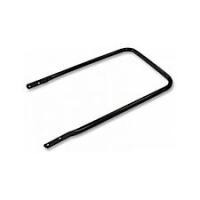
ES 534 TR-E - Lawn mower WINNY - Free user manual and instructions
Find the device manual for free ES 534 TR-E WINNY in PDF.



User questions about ES 534 TR-E WINNY
0 question about this device. Answer the ones you know or ask your own.
Ask a new question about this device
Download the instructions for your Lawn mower in PDF format for free! Find your manual ES 534 TR-E - WINNY and take your electronic device back in hand. On this page are published all the documents necessary for the use of your device. ES 534 TR-E by WINNY.
USER MANUAL ES 534 TR-E WINNY
- Acoustic power level according to directive 2000/14/EC
- Conformity mark according to directive 98/37/EEC (2006/42/EC from 29/12/2009)
- Year of manufacture
- Type of lawnmower
- Serial number
- Name and address of Manufacturer
- Article Code
As soon as you have purchased the machine, do not forget to write the identification numbers (3 - 5 - 6) in the spaces on the last page of the manual.
- Chassis 12. Engine 13. Blade (Blade) 14. Stone-guard
- Grass-catcher 16. Handle 17. Throttle trigger 18. Engine brake lever
- Drive engagement lever
DESCRIPTION OF SYMBOLS ON CONTROLS (where applicable)
- Slow 22. Fast 23. Choke
- Engine stop 25. Drive on
- Idle 27. Engine ignition
SAFETY REQUIREMENTS - Your lawnmower should be used with due care and attention. Symbols have therefore been placed on various parts of the machine to remind you of the main precautions to be taken. Their meaning is explained below. You are also asked to carefully read the safety regulations in the applicable chapter of this handbook.
- Warning: Read the instruction manual before using the machine.
- Beware of thrown objects. Keep other people at a safe distance whilst working.
- Beware of cutting. Moving blades. Do not put hands or feet near the blades.
- Only for electric lawnmowers
- Warning: The blade will continue to rotate for a while after you have switched off the lawnmower.
- Warning: Disconnect the spark plug cap before carrying out any repairs or maintenance.
- Only for electric lawnmowers.
Maximum noise and vibration levels
| For model | 414 | 464 | 534 |
| Operator ear noise pressure level (according to regulation 81/1051/EEC) | db(A) | 78,4 | 79,6 |
| - Measurement uncertainty (2006/42/EC - EN 27574) | db(A) | 0,7 | 0,6 |
| Measured acoustic output level (according to directive 2000/14/EC, 2005/88/EC) | db(A) | 94,0 | 94,9 |
| - Measurement uncertainty (2006/42/EC - EN 27574) | db(A) | 0,2 | 0,2 |
| Guaranteed acoustic output level (according to directive 2000/14/EC, 2005/88/EC) | db(A) | 96 | 96 |
| Vibration level (according to the standard EN 1033) | m/s2 | 12,6 | 4,07 |
| - Measurement uncertainty (2006/42/EC - EN 12096) | m/s2 | 0,4 | 0,4 |
DE
MaKcIMaJIH CTOINHOCT H Na YM N Bn6paJIH
| 3a.MoJoI. | 414 | 464 | 534 |
| HnBo Ha akyctuHb HauJaRaHe B yXOTo Ha onepatopr (b'3 OsOBHa Ha HOpMa 81/1051/ENO) | 78,4 | 79,6 | 80,3 |
| - HecnirpHocT Ha n3MepBaHe (2006/42/CE - EN 27574) .. db(A) | 0,7 | 0,6 | 0,7 |
| n3MepeHO HnBO Ha akyctuHb MoUHocCT (b'3 oChOBa Ha dIpeKtmba 2000/14/EO, 2005/88/EO) | 94,0 | 94,9 | 96,3 |
| - HecnirpHocT Ha n3MepBaHe (2006/42/CE - EN 27574) .. db(A) | 0,2 | 0,2 | 0,2 |
| ГараNTpaHO HnBO Ha akyctuHb MoUHocCT (b'3 OChOBa Ha dIpeKtmba 2000/14/EO, 2005/88/EO) | 96 | 96 | 98 |
| HnBO Ha bN6paJria (b'3 OsOBa Ha HOpMa EN 1033) ....m/s2 | 12,6 | 4,07 | 5,23 |
| - HecnirpHocT Ha n3MepBaHe (2006/42/CE - EN 12096) .... m/s2 | 0,4 | 0,4 | 0,4 |
ET
MARKERKLEEBIS JA MASINA KOMPONENDID
1) Read the instructions carefully. Get familiar with the controls and proper use of the equipment. Learn how to stop the engine quickly.
2) Only use the lawnmower for the purpose for which it was designed, i.e. for cutting and collecting grass. Any other use can be hazardous, causing damage to the machine. Examples of improper use may include, but are not limited to:
- transport of people, children or animals on the machine;
- being transported by the machine;
- using the machine to tow or push loads;
- using the machine for leaf or debris collection;
- using the machine to trim hedges, or for cutting vegetation other than grass;
- use of the machine by more than one person;
- using the blade on surfaces other than grass.
3) Never allow children or people unfamiliar with these instructions to use the lawnmower. Local regulations may restrict the age of the operator.
4) Never use the lawnmower:
- When people, especially children, or pets are nearby.
- If the operator has taken medicine or substances that can affect his ability to react and concentrate.
5) Remember that the operator or user is responsible for accidents or hazards occurring to other people or their property.
B) PREPARATION
1) While mowing, always wear sturdy footwear and long trousers. Do not operate the equipment when barefoot or wearing open sandals.
2) Thoroughly inspect the area where the equipment is to be used and remove all objects which may be thrown by the machine or damage the cutter assembly and the engine (stones, sticks, metal wire, bones, etc.)
3) WARNING: DANGER! Engine fuel is highly flammable:
- Store fuel in containers specifically designed for this purpose.
- Refuel using a funnel and outdoors only. Do not smoke while refuelling or whenever handling the fuel.
- Add fuel before starting the engine. Never remove the cap of the fuel tank or add fuel while the engine is running or when the engine is hot.
- If fuel is spilled, do not attempt to start the engine but move the machine away from the area of spillage and avoid creating any source of ignition until the fuel has evaporated and the vapour dispersed.
- Replace all fuel tanks and containers caps securely. 4) Substitute faulty silencers.
5) Before use, always inspect the machine, especially the condition of the blades, and check that the screws and cutting assembly are not worn or damaged. Replace worn or damaged blades and screws in sets to preserve balance.
6) Before mowing, attach the discharge opening guards (grass-catcher or stone-guard).
C) OPERATION
1) Do not operate the engine in a confined space where dangerous carbon monoxide fumes can collect.
2) Mow only in daylight or good artificial light.
3) If possible, avoid operating the equipment in wet grass.
4) Always be sure of your footing on slopes.
5) Walk, never run and do not allow yourself to be pulled along by the lawnmower.
6) Mow across the face of slopes, never up and down.
7) Exercise extreme caution when changing direction on slopes.
8) Do not mow on slopes of more than 20^ .
9) Exercise extreme caution when pulling the lawnmower towards you.
10) Stop the blade if the lawnmower has to be tilted for transportation when crossing surfaces other than grass, and when transporting the lawnmower to and from the area to be mowed.
11) Never operate the lawnmower with defective guards, or without safety devices, such as the stone-guard and/or grass-catcher, in place.
12) Do not change the engine governor settings or overspeed the engine.
13) On power-driven models, disengage the drive clutch before starting the engine.
14) Start the engine carefully, following the instructions and keeping feet well away from the blade.
15) Do not tilt the lawnmower when starting the engine. Start the engine on a flat surface that is free of obstacles and tall grass.
16) Do not put hands or feet near or under rotating parts. Keep clear of the discharge opening at all times.
17) Never pick up or carry a lawnmower while the engine is running.
18) Stop the engine and disconnect the spark plug wire:
- Before carrying out any work underneath the cutting deck or before unclogging the chute;
- Before checking, cleaning or working on lawnmower;
- After striking a foreign object. Inspect the lawnmower for damage and make repairs before restarting and operating the lawnmower;
- If the lawnmower begins to abnormally vibrate (Immediate look for the cause of the vibrations and take for necessary controls at a Specialised Centre).
19) Stop the engine:
- Whenever you leave the lawnmower unattended. Remove the key from models with electric starters.
- Before refuelling.
- Every time you remove or replace the grass-catcher.
- Before adjusting the grass cutting height.
20) Reduce the throttle before turning off the engine and turn the fuel off when you have finished mowing, following the instructions in the engine handbook.
21) When mowing, always keep to a safe distance from the rotating blade. This distance is the length of the handle.
1) Keep all nuts, bolts and screws tight to be sure the equipment is in safe working condition. Regular maintenance is essential for safety and performance.
2) Never store the equipment with fuel in the tank inside a building where vapour may reach a flame or a spark or a source of extreme heat.
3) Allow the engine to cool before storing in an enclosed space.
4) To reduce the fire hazard, keep the engine, exhaust silencer, battery compartment and fuel storage area free of grass, leaves, or excessive grease. Do not leave containers with grass cuttings in rooms.
5) Check the stone-guard and grass-catcher frequently for wear and deterioration.
6) If the fuel tank has to be drained, this should be done outdoors and when the engine is cool.
7) Wear strong work gloves when removing and reassembling the blade.
8) Keep the blade balanced during sharpening. All operations on the blade (dismantling, sharpening, balancing, remounting and/or replacing) require a certain familiarity and special tools. For safety reasons, these jobs are best carried out at a specialized centre.
9) For safety reasons, never use the machine when it has worn or damaged parts. Parts are to be replaced and not repaired. Use genuine spare parts. Parts that are not of the same quality can damage the equipment and impair your safety.
E) TRANSPORTATION AND HANDLING
1) Whenever the machine is to be handled, raised, transported or tilted you must:
- wear strong working gloves;
- grasp the machine at the points that offer a safe grip, taking account of the weight and its distribution.
- use an appropriate number of people for the weight of the machine and the characteristics of the vehicle or the place where it has to be placed or collected.
2) During transport, fasten the machine securely with ropes or chains.
EN STANDARDS OF USE
For instructions regarding the engine and the battery (if supplied), read the relevant manuals.
NOTE - The number which precedes each paragraph links the references in the text to the respective figures (listed on the pages 2 - 3).
1. COMPLETE ASSEMBLY
NOTE - The machine can be supplied with some parts already assembled.
WARNING - Unpacking and completing the assembly should be done on a flat and stable surface, with enough space for machine handling and its packaging, always making use of suitable equipment.
Disposal of the packaging should be done in accordance with the local regulations in force.
1.1a "I" type handle - without height adjustment - Attach the bottom of the handle (1) to the holes on the side of the chassis. Secure it using the nuts and bolts supplied (2). Fit the top of the handle (3) using the nuts and bolts (4) provided, ensuring that the spiral (5) of the starter cable is positioned correctly.
On some models: connect the engine brake cable (6) by attaching the wire terminal (7) to the hole on the control lever (8). Fasten the cable support (6a) to the handle using the nuts and bolts (9) as shown.
Attach the control cables using the clamps (10).
1.1b "ll" type handle - with height adjustment -
Return the bottom of the fitted handle (1) to its working position and lock it in place using the bottom knobs (2). Make sure that the two pins (3) stay inside their holes (4).
Fit the top of the handle (5) using the nuts and bolts (6) provided, ensuring that the spiral (7) of the starter cable is positioned correctly.
On some models: connect the engine brake cable (8) by attaching the wire terminal (9) to the hole on the control lever (10). Fasten the cable support (8a) to the handle using the nuts and bolts (11) as shown.
Attach the control cables using the clamps (12).
By loosening the knobs (2) the handle can be set at two different heights.
1.2a For a rigid grass-catcher:
Carefully detach the plate (1) and washers (2) from the top of the grass-catcher (3). Eliminate the washers (2) and fit the plate (1) onto the top of the grass-catcher (3) so that it clicks into place. Assemble the two parts of the grass-catcher (3) and (4), making sure that the hooks are fully locked into place and fasten them using the screws supplied (5).
1.2b For a plastic and cloth grass-catcher:
Insert the frame (15) in the grass-catcher (17) and attach the plastic bars (18) using a screwdriver, as shown in the drawing. Fit the edge of the cloth (19) right into the groove of the plastic part (13), starting 5-7 mm from the ends.
1.3 On models with an electric starter, connect the battery cable to the lawnmower's general cable connection.
2.DESCRIPTION OF CONTROLS
2.1 The throttle (where fitted) is controlled by the lever (1) and positioned as shown on the relative plate. Some models have a fixed speed, and therefore no need of a throttle.
2.2 The blade brake is controlled by the lever (1), which should be held against the handle when starting and using the lawnmower. The engine stops when the lever is released.
2.3 In the power-driven models, pull the lever (1) towards the handle for forward movement. The lawn-mower stops moving forward when the lever is released.
2.4 The cutting height is adjusted using the levers (1). On some models, remove the brake cover (2) and unscrew the pin (3) using the wrench (4) provided; fit the wheels into the required hole (5) and fully tighten the pin (3) using the wrench (4). The four wheels must be at the same height. MAKE THIS ADJUSTMENT ONLY WHEN THE BLADE IS STOPPED.
3. GRASS CUTTING
3.1 Lift the stone-guard and attach the grass-catcher (1) correctly as shown in the drawing.
3.2 To start, follow the instructions in the engine manual, pull the blade brake lever (1) against the handle and firmly pull the starter cable knob (2).
If the model has electric ignition pull the blade brake lever (1) against the handle and turn the starter key (3).
3.3 The lawn will look better if it is always cut to the same height and in alternate directions.
LAWN CARE RECOMENDATIONS
Each type of grass has different features and may thus require different ways to care for the lawn; always read the instructions on seed boxes for mowing height for the growth conditions in the work area.
Keep in mind that most grass is made up of a stem and one or more leaves. If leaves are fully cut, the lawn is damaged and growth is more difficult.
The following indications generally apply:
- too low a cut causes grass tears and uprooting, with a "spotted" aspect;
- in the summer, cutting must be higher to avoid the ground from drying;
- do not cut wet grass; this could reduce blade efficiency due to sticky grass and tear the lawn;
- for particularly high grass, initially mow at maximum admitted machine height followed by a second mow after two or three days.
3.4 When you have finishing mowing, release the brake lever (1) and disconnect the spark plug cap (2). Remove the starter key (3) (where fitted). WAIT FOR THE BLADE TO STOP before carrying out any type of work on the machine.
4. ROUTINE MAINTENANCE
IMPORTANT - Regular, careful maintenance is essential for keeping the safety level and original performance of the machine unchanged in time.
Store the lawnmower in a dry place.
1) Wear strong working gloves during any cleaning, maintenance or adjustment operation on the machine.
2) Carefully clean the machines with water after each cut; remove the grass debris and mud accumulated inside the chassis to avoid their drying and thus making the next start-up difficult.
3) The paintwork on the inside of the chassis may peel off in time due to the abrasive action of the cut grass; in this case,
intervene promptly by touching up the paintwork using a rustproof paint to prevent the formation of rust that would lead to corrosion of the metal.
4) Should it be necessary to access the lower part, only tilt the machine from the side shown in the engine handbook; following the relative instructions.
5) Do not drip petrol onto the plastic parts of the motor or the machine to prevent damaging them and remove all traces of spilt petrol immediately. The warranty does not cover damage to plastic parts caused by petrol.
4.1 Each intervention on the blade is best if conducted at a specialised Centre that has the most appropriate tools.
Only blades with the following codes must be used on this machine:
81004360/3 (for model 41)
81004365/3 (for model 46)
81004381/1 (for model 53)
Blades must always be marked . Given the product evolution, the above mentioned blade may be replaced in time by others, with similar interchangeable and operating safety characteristics.
Reassemble the blade (2) with the code and markings facing the ground, following the order indicated in the illustration.
Tighten the central screw (1) using a torque wrench set to 35-40 Nm.
4.2 To recharge a flat battery, connect to the battery charger (1) following the instructions in the battery maintenance handbook.
Do not connect the battery charger directly to the engine terminal. It is not possible to start the engine using the battery charger as a power source, as it may get damaged.
If the machine is to remain inactive for a long period, disconnect the battery leads after making sure that the battery is fully charged.
5. ENVIRONMENTAL PROTECTION
Environmental protection should be a priority of considerable importance when using the machine, for the benefit of both social coexistence and the environment in which we live.
- Try not to cause any disturbance to the surrounding area.
- Scrupulously comply with local regulations and provisions for the disposal of waste materials after cutting.
- Scrupulously comply with local regulations and provisions for the disposal of pakagings, oils, petrol, batteries, filters, damaged parts or any elements which have a strong impact on the environment; this waste must not be disposed of as normal waste, it must be separated and taken to specified waste disposal centres where the material will be recycled.
- At the time of decommissioning, do not pollute the environment with the machine, hand it over to a disposal centre, in accordance with the local laws in force.
6. ACCESSORIES
WARNING: For your safety it is strictly prohibited to fit any other accessory other than those included in the following list, they have been exclusively designed for the model and type of machine you are using.
6.1 Kit "Mulching" (if not supplied)
It finely chops the grass cuttings and leaves them on the lawn, instead of collecting them in the grass-catcher.
Should you have any doubts or problems, do not hesitate to contact your nearest Service Centre or your Dealer.
D) MANUTENSION Y ALMACENAJE
1.1a Tijovi tufou "I" - xwpic puOpion uous
TOnoBETnOte to KAtw TmuJa Tou Tioviou (1) Otic nAeupikc TpuNC tou PAnoiou kai OTepeWOTe TO e TIC BiEcs (2) Tou EOrnAiaou.
TOnoBtntoe To naww Tujna (3) xnpauonoiowvtac tic BiEc (4) Tou eXonlaiouu, etai oTe va TOnoBtNBei oOta o Odyoc (5) Tou oxauov EkkivnoC.
3.3 TpeBnKOT Ke n3rIeJa noy6aBo aKO TpeBaTa cekorau Ce Kocu Ha NCTA BUCOuHa N CO HAn3MeHnUHO MeHyBaHe Ha npabeQT Ha KOceHe.
Cobetn 3a TpeTmaH Ha TpeBHNKOT
Cekoj BnHa npncyTha TpeBa mHa pa3nnHn KapakTepcntKn Moke da bapa pa3nnHn pexmHa KocSeHe Ha TpeBnKOT. PpOuHTajTe rN CeKOraaw ynatCTbata wTO ce codpxaHn Ha naKyBaHTo HA cemTo BO Ondoc HbNCnHa Ta npenopauHo KocSeBe BO Ondoc Ha ycNoBITE Ha pacteHe BO npedeJot Kae e nocaDeHa.
Tpeba da ce Tpydnte norolemnOT den od Tpebata da e o nd BnD n co eHNO INN ONEKe BNDOBINNBNUBa.AKO INBNUBaTa ce NOKOCAT CEIOCHO,ce OWTeYbA TpeBHNKOT INIHDOTO KOCEHe Ke 6bnDE MHORY TEUKO.
Tenepanho, BpeDn da ce cneDaT cneDnHTe ynatCTBa:
- MHOY HNCKO KOCHe NpeD3BKNyBa KOPHeNe I npoPepTcYBaHBe HA TPEBHATA NOpBpHNA CO uO TCTAOYBAaT "FONI MeCTA"
- Na JeTo, KocHeTo Tpe6a Da e HajBnCOKO 3a Da ce N36erHe NCyUyBaHBe Ha TepeHOT,
- He KoceteJa TpeBaTa KORA e HABODHyBaHa.Toa Moze da ja HaMaHn eOpKacHocTa Ha ceyHbA Bp3 TpeBaTa 6nJejKn Ke JeIeNnKe npdN3BNa 3aRnabyBaHe Na CNoJ Ond TpeBa,
- BO CNYaj Ha DeJyMHO I3PachATA TPEBA, HajiDobpo e Da npBO Da ce NCKOHa HajroNema BVCINU To J da 02OBoVA MaUNHaTa, nPOCNEDEHO CO BTOPO KOCHebe NO DBA INI TPN DEOBH.
3.4 Kora Ke 3aBpuHte Co KoCeHbETo, OTnyuTete ja paKaKata Ha KOHNuCATA (1) uNCKnUyTe ro KaBenot od CBeKnUkata (2). N3BaDEte Ro KnyOt (3) od CTApTePO (Ha MoDEnIte KO r O Maat). IpeDa 3aOnUyHeTe co 6blo KaKBn Pa60Tu Ha KocauKaTa IOUEKAJT EHOKOT NOTTIOHO DA 3AIPPE.
4. PVTINHCKO ODPKXYBAHc
BAXKHO - PerynapHOTn rpnKnIbO yBaHbe e HeonXoJIO 3a da ce coyBaat CTeNEHOT Ha CnrypHOCT n OPMnHaNHOCTa HtpeBOKocAqkata.
TpeBokocaukata oJnarajte ja Ha cyBO mecTo.
1) Tpe6a da ce hocat uBrcn pakaBun 3a paBota nped cekoe YnCTeHe, yBaHe nIn perynipaHe Ha TpeBOKocaKaTata.
2) BHNMaTeHNO MmJTe ja TpeBOKocKaTc a Co BOa n o CeKoe ceHee:OTCTpaHete rN OCTaTOUte OJ KAI n TpeBKn HataLoKeHH BO BHaTpeuHocTa Ha WacnJa tA da N36BerHeTe NCUyBaHa He NaCTHe KOJ MOxTa da npEiN3BvKaat NOTEuKOTMBO HapeDHOTO KOpNCHee.
3) Ima3ypata BO BHaTpeuHocTa Ha uacnJaTMOKe Da ce ODBON Co TEK HA BPeme Nopadn abpa3nBn DejeCTBnja Ha nceueHata TpeBa; BO ToJ cnuyaj, INTEpBeHnpajTe HA BPeme NnonpaBajKn Ja rna3ypata CO cpeCTBO IpOTNB pFOCyBaHe, 3a Da CNpeHnTe CO3daBaHe Ha pfa Koja MOKe Da DOBeDe Do Kopo3nJa Ha METALOT.
4) Bo cnuyaj da Tpe6a da ce npnstan do donnata CTpaHa, HabeHene ja TpeBOKocakata Camo Ha cTpaHaT a HabeDeHa BO npnpaHNVKOT 3a MOTOPOT, CNEdeKei n HabeDEHNT He NCTpykUn.
5) Da ce o6berHyBa nctypahe Ha 6eH3nH Bp3 PnactuHnTe DeNoBn OJ MOTOPOT INI HA MaunHaTAt, 3a Da ce o6berHe HnBO OwTeTyBaHe N BeDnaHs Da Ce NcUCTn CeKaBA Tpara ODe EBeHTyAIno NCTypeHnOT 6eH3nH. IpaHnJaTata He rN pOKPnBa WTeTInTe Ha nIacTnHnTE DeNoBn, npEIN3BnKAHN OJ 6eH3nH.
4.1 Cekoja INHTepBHeuZiJa BP3 HOXeBnTE MOpa Da ce I3BpUyBa BO CneuijAnIImiupan CepBmC Kaide IMa NocOoDbETHa ONpeMa.
3a Obaa MaunHa Ce npedBnDeHn HOKeBn KOn To Hocat 3HaKoT:
81004360/3 (3a moen 414)
81004365/3 (3a moJe 464)
81004381/1 (3a moJeI 534)
HoxeBnte Tpe6a cekoraw da ce obeIexaHn co 3hakot 3apaHn pao3B0jT aoPno3B0DT, ropeHabeJeHnTe CeeHbA Tpe6a CO BpMe Da ca 3aMeHaT Co Dpyr n CO OoDBETHn KapaKTEpNCTIKN 3a 3aMeHa ndyHKUIOHaHa 6e3EHNCT.
Iocbete ro CeMboto OJHOBO (2) co 3NaKOT N o6eXyBaHeto CBPTEN KOH TepeHOT CneJejKn rO nOCouEHnOT peoocJeed Ha cnKNAkata.
3aawpafeTe ja zentpalaHata NaBpTKa (1) co dInHAMOMeTpueH knyc co kaIbpauija od 35-40 Nm.
4.2 3a da ro HanonHnTe Ncnpa3HETnOT akymyNatOp, npNKnyte ro Ha noHauch (1) cneJeKn ryn ynatCTBaT aO npnpaunKOT ha akymyNatOpT.
He NOBp3yBaJte ro nonHeBeTo ha 6aTepeNiJa TaIneKTHo 3a Klemite Ha MOTOP. He e MoXHO da ce BkLnyu MOTOPOr CO NOMO HA nonHeBeTo Ha 6aTepeNiJa KaKO n3BOp Ha HAnOjYBaHe 6nEjKn Obaa NoCTanKa MoKe Da npEdn3BnKa rONem OwTETyBaHa.
Ako kocaukata Hema da ce yonotpbeyba nooŋr nepno, Toraaw ocnryperte ce deka akymynatopot e noH, n Kcnyte r Ka6nTe OD hero.
5.3AWTNTA HA XMBOTHATA CPEINHA
3auiTnta HxJNBOHTATA cpeHnA trpe6a da ce n3BpyBa nepeBAHTHO npi yNtpe6a Ha mauHnATa BO KOpCT HA rpaFAhCKNTe NOROHDCHn H a NPoCTOPOT BO KO] XJBVEEe.
- N36berHyBajte noctoEhe Ha eIeMentn Ha HapuyBaHe BO HeNocepndHTo ONkpyKvBaHe.
- CnédeTe rI ToUH IOKaHnIte 3aKoHn 3a φpnaHe Ha MaTePjajnIte KOn Ke ce pe3yIaTHa CeYeHeto.
-
DocneHNO cneDeTe rN IOKaJIHnTe 3aKoHN 3a φpNaHe Ha am6aJaxata, Macnata, 6eH3nHOT, AkymyNatopOT, fInTpnte, DeIOBn BO paCnaraBe HIN KAKBn 6bNo ENEMETN COIteTHO BInJaHne BP3 XInBToHata CpeDnHa. ObNe OTnAOnu He Cmee da ce φpNaAT BO ry6pe TykU TpeBa da ceKeNTKuaP aU n OdHeCat BO COODBeTHN CO6bHn UeHTPN KO PeUNKlnpaat MATEPiJaan.
-
Pnncpnae oynotpe6a, He octabajte ja MaunHata Kaide 6bnlo BO npnpotaTAYKny pejate ja BO coBupen ceHTap BO cornahocCT CO BAXEYKITE JOKAJIN 3aOHN.
6.ДОПОЛНТЕЛHA ONPEMA
BHIMAHNE: 3apaDi Bawa LiuHa 6e36eHnOCT, n3peHNO e 3a6paHTo MOHTIpaHe Ha KAKBa 6nIO NOIOnHNIteHNa ONPema 7TO HE CE HabeJeHn BO CInEHNOT CNICOK KOI CE DaEHN COoBETHO 3a MoJcNt N TINOT HA BaWata MaMUnHa.
6.1 KomnJIeT 3a"ДрбeБe"(aKo He e JIoCTaBeHo)
Ja Iro6n CHTHO NOKOceHata TpeBa n ja pacnpedeNyBa Bp3 TpeBHNKOT, uTO e aNTepHaTnBa 3a KocSeHe BO BpeKa.
A) OPPLAERING
D) VEDLIKEHOLD OG LAGRING
4. RUTINEVEDLIKEHOLD
2. SÄÄDINTEN SELITYS
81004360/3 (pro model 414)
81004365/3 (pro model 464)
81004381/1 (pro model 534)
E) IPEPEBO3KA IN IPEPEMEUHNE
1)Kajdbi pa3, KOrJa Tp6yTc npDbHHyTb, NOHnTb, nPB3TN HnHaKJHOHTb MaunHy, CnDyT:
- NaDbA Tb NIOThbI pa6Ou pyKaBnUcbI;
NIDHMMTA B MaIIINY, YXbABT B TaKHX TOCHK, YTObI O H A H BICKONB3HNYA, YUHTbIBaB BC N OOCBOHHCTO KOHCTPYKUN;
- pInBnBJ KOnJIvCTBO JIOJ, COOTBTCTBYUOu CBy MaIHHbI X npAkapTPIcTNkam TpAnCNOPTHO R CPdCTBa NIM MCTa, B KOTOPOM HObxOIMO VCTAHOBtB, NIN ONTKyDa CNDY 3a6PbTa.
2) Bo vBpMa TpAHCNOPTIOBKM 3aKApEiNTb MaHInHy pIIN NOMOJI COOTBEETBTOUIXm TPOCOB INI IeNII.
HnOpMaIO O DnIraTeN aKKyMnyTOpE (eCIN OH npeyCMOTpeH) MOxHO HAIITN B COOTBETCTBYOUX pyKOBOCTBax.
PIMMEYAHHE - COOTBETCTBNE CcblIOK, coedepkaunxcra B TeKeTne, u COOTBETCTBYOuHx pncyHKOB (paCNOJoxeHNbIX Ha cTpaHnuaX 2-3) DOCTaERTaCR npn NOMOu NiOppbI, PpeJeWcTeByUoeu HsBaHHIO KaxdOra naparpaHa.
1. 3ABEPUINb CBOPKY
IPVIMEYAHVE - Maunha MOKET 6bItb NoCTabJIeHa C HeKOtOpbIMN KOMTOHENTAMM, yXe YcTaHOBJIeHHbIMN Ha H.
BHIMAHHE-Pacnakobka n 3aBepueHne MOHTaxa doJXhbl BbIIOJIYbCS H a TBEpO N POBOH NOBEPXHOCTN, C PACSTORHNEM, DOCTaTOOHm IIN NEpeMeueHMAuHHb N eeyNAKOBKn, BCERda NOIb3yBC COOTBCTBYOUWMH IMHCTDYMHTAMn.
06pa6otka B OTXOdbI ynaKOBKn DOJNXHa pOn3BODHTbcra B COOTBTCTBm C DeNCTBYOUIMM MEcTHbIMH HOPMAMN.
1.1a PPyka Tnna "I" - 6e3 perynpObKn no BbIOte - BCTabBe HIXKHOU qacTb pyKn (1) B60KobIe OTBepCTNaACC, 3aKpeINIB ee BXoJIMB KOMPJIeKT kpenXeON (2).CMONTIPyIe BepXHOU qAcTb (3) BXoJIMB KOMPJIeKT kpenXeON (4), cIeIa 3a npabNlbHM pa3MeueHem HnpabNlKeT cnPiApA (5) nyckOBO rTOca.
Ha HeKOTopbIX MoTeJX: CoeDInHnTe TpOc TpMO3a DnIraTeJ (6), 3aueJIyN HakoHeuNHK (7) TpOca 3a CneUaJIbHOe OTBepCTne pIyara YnpaBLeHnE (8), 3aTe mPnKpeNITE ONOpY TpOca (6a) KpyKe npi NOMoU KpeNEXA (9), KAK NOKa3aHO.
3aKpeINTe TpOcIKn OpraHOB ynpabJeHnXOMyTamn (10).
1.1bPyka Tnna "II" - c perynipobko no Bbcote - Choba yctaHOBtBeBa paoee noloxKeHne HxNHIIOO Yactb pyuKn (1), npDeBaIantEnbHO C6oepHHy, n 3a6NOKpyte E ee PnnpOMOni HNHNKHYPKOAKTO (2), o6paarbaBHMaHHe Na TO, YTObbl DBA UTMbTA (3) npdoJHKaHn HaxOHTBCB a COOTBCTByUHXN OTBePCTNX (4). CMOTHPyIe BepXHOO Yactb (5) BxOJaIMB KOMJIeKT KpeJeKOM (6), cIeDa 3a npBnblbHM pa3MeueHem HappaBIAIOe CNpApA (7) NcKOBORTO TPOCA.
Ha HeKOTopbIX MoJEnX: CoeHInHe TpOc TpMO3a DnIraTeIa (8), 3aTeJIEN HAKoHeuNk (9) TpoCA 3aCneUaJIbHOe OTBepCTne pBuAra YnpabLeHn (10), 3aTe npKKepeIte OOnpy TpOca (8a) K pyUke npn NOMou n KpeNexKa (11), KaNokazao.
3aKpEnne KAben/TPocmKn OpranOB UnpaBHeHn XOMyTAMn (12). OcnaJbny pyoAeTKn (2), MOKHO oTppeynIpObaT bpyKHa dBa pa3NlHuIe 3aHcyHn BbcOTb.
1.2a Ipn HauHmH XeCTKoro MeiKa:
BhimaTeNo OTdJeNte PnactHky (1) n 7aib6b2 (2) OT BepxHei qactn Meuka (3). YdaIne Dbe 7aib6b2 (2) n yctahOBnBe pnaCTHky (1) Ha BepXHOo Cactb Meuka (3), 3aueJIknBaB ee Ha MeCTe. Coebpe NTb Dacnt Meuka (3) (4), ObaPsaar BhmAmHe Ha To, TtOb6 bCTabNT do yNopa KpEnJIHmB rHE3Ja, BNJOTb do oJeJIHka, n 3aKpEnTne IN BXoDAyUmm B KOMPiJEKT BHTAMM (5).
1.2b B cnuyae nCIOJIb3OBAHnM M6Uka nIINACTMnK uTKaH:
Bctabte Kapkac (15) B mewoK (17) n 3aueNTE BCE nlaactMaccoBbIe npoDn (18),ncnoJIb3yra OTBepTKY, kak noka3aHO Ha pucyHke. Bctabte Do ynpa KpOMky nepmEtpa (19) n3 TkaHn B na3 nlaTmaccoBOJ qactn (13), hauHaJa DeIcTBoBaTb 3a 5-7MM ot KOHca.
1.3 B MoeJx C 3JIeKtpnueckm 3aIyckom IoDCoeHINtB Ka6ebb aKKyMylrTopa K O6bEmy pa3bemy npBOdkn ra3OHOKOJIKN.
2.ОПИСАнUE OPGAHOB YIPABJIЕнЯ
2.1 Akcenepatop (ecn OH ecb) ynpabJraTc npHaarom (1).
PtooJoxheny PbUaRa Yka3aHb Ha Ta6mUe. IJra HeKOTopBx MoJeI npEycMaTpBaETcB DbrAtenb C NOCTOHHbIM peKHMMo paOToIb, He HYZdaOniUsbc B AckCepeIaTeOpTe.
2.2 TopMo3 HoJa ynpabJIaeTcR pbIarom (1); erO HJxHOp npKIMaTb KpyKOJrKe pRn 3anyCke I pa6Ote raoHOKoCNKn.Ipn OTNcyKaHm PbIaRa DnIraTeIb OCTaHaBImBaTcR.
2.3 MoDJIcN C TROBbIM arperaTOM DnBraIOTc BnpeEd, CMeueaRpbYar (1) KpyKoTKe. PpH OTnyckAHm pbYar aRaOHOKocINKa nepeCTaET npOdBnraTbcBnepeEd.
2.4 BbICOTy cKaaUBaHnIpeRyIpyIO TcEuaJIbHbIMbIyAraMn (1).Ha HeKOTOpBIX MoDEJx YdaIITe KOJINaK JDCsCA (2) N OTBnHTInTe naneu (3) BXoJaUM B KOMPJIeKT KJIyoCM (4); yCTaHOBITE KONECA B OTBepCTME (5), COOTBETCTByUOJeE Heo6XoDMoB BbICOTe CkaaUBaHnI, n Tyro 3aTaNHe Tne Naue (3) KJIouCM (4).BceYteIpe KONEa DoJXHb bItb OTPyIPOBaHb HaOnHy TU Ye BcICOTy. ONIEPALIIO BblIOJIHIAIOT C OCTAHOBJIEHHbIM HOXOM.
3. CKAUINBAHNE TPABBi
3.1 POnHmNte 3aunTy OT KAMHei npabInbHo 3akpeHnTe JcEeKtKm MeoK (1) ININ TkaHbI (2), KpOKa3Ao Ha COOTBeTCTByIOxPcCyHKax.
3.2 ДялзусякыВьиононтуУka3ан,在ОпиcaнььБбpoшiopeИнсчукши поЗксн�атацmДвигateTЯ,daneeNotrayTbTopmo3HOnpbHarHOXa(1)npOTnBpyuKnNpe3koNotryHtbypykOТКТPOCa3anycska(2).
B MoDJIaX, OCHAaIeHNbIX 3JIeKTPoPnIBOdOM, NOTaHyt b3 aTOptMO3- HOB pBuHaR HOJa (1) npOTNb pyuKN I NOBePhyT KoHTaKTHbIKIOH (3).
3.3 Ra30H 6ydt NmTeb 6Oooe AkkypaTHbI BnD, ecnn TpaBy CkaaNtBaT BcERda Ha OOnHaKOBoB Bbcote NNoOchepeHNO B DByX HappaBHeHHx.
CobetbI no yxody 3a rasoHOM
KaJdbTIN TpaBbIMeET pa3NmHbIe XapaKTepnCTMk N, CNEoBaTeBbHO, MOKET TpeOBaTB pa3NJHbIE CNOcOsbI yXoJa 3a rA3OHOM; BcERda BHMaTeBbHO YNTaTB yka3AniC, COpeRJaUmeCe B yNaKobKAX cEMeB B OTHoHEHM bBCOTI cKaUmbAHn, PnBODMbE B COOTHOHeHN K yCIOBnMPOCTa TpaBb B KaJDoKOHKeTHO3He.
Heo6xOJIMO yUHTbIbTaB, YTO 60JIbIaIy IaCTb TpaBbI COCTOn I3 CTe6JIa N ODHOrO NII BooIE JNCTBeB. EcNI OTpe3aTb NICTbI NOHOCtIO, 3TO HAHeCET BPeI Ra3OHy, IN HOBJe IINCTbY bdyT pACTn B Oooie TyDhIbx YcNOBInX.
B OCHOBHOM MOKETe CNEOBAbT CNeDyUOIM Yka3aHnM:
- CINIUKOM HN3KOE CKaUNBaHHe NpNBODNT Kpa3pbBAM IN pOpeJKNBAHNO TpaBraHOro NOKPOBa, COZdaBae 3000eKT "TnTHAmN";
- JETOM CKAUINBaHHe DQNKHO 6bITb 60Jee BBICOKM BO N36ExKaHne BblcIXAHNIOuBbI;
- He CkaIaIIBaTb BlaaKHyIO TpaBy; 3TO MOKeT IOHMaIb TbΦΦeKTHB HBOCTb HOxA N3-3a TpaBb, KoTopAbyed HaJIINaTb Ha Hero, PnIBOaR KaP3pbIbAM TpabHOrO NOKpbTlMIA;
- B CNYae OCO6O BbICOKO TpaBbl peKOMeHdyeTc npOn3BecTn NEBOE CKAUNBAHHe Ha MaKcIMaJIbHO N03BOJEHHo BbCOTe MaIINHbI, BblIOJIHrA 3aTEM BTOPOE CKAUNBAHHe CNYCTa DBa IIN TpN DnR.
3.4 ПО OKOHaHIM pa6Otbl OTNcTb TOpMO3HOb pyIur (1) nOTcoeHNHT bKoJIpaOK cBeu (2). BbIHyTB KIIIOU 3aXKURAHnA (3) BTex MOeJAX, rDe OH eCtB. IOJKINTECb IIOJIHO OCTAHOBKN HOXA nepeD bIInONHeHem JIObO onepaUM c ra3OHOKoIKoI.
4. TEKYUEE TEXOBCJYKUBAHNE
BAKHO -ДяТOrO,чTo6bI NaDoTRO 06eCneHtB 6e3oNaChyIO paObTy u CoXpaHnTb NepBOHaUHbIbe paOcHYe XapaKTpePCTHKn MaAHHbI, Heo6xOdmo PeryLnaHPO TuaTeJIbHO pPoBoDnTb TeXObCJyXnBAHBe.
XpaHnTe ra3OHOKOcJky B cyxOM MecTe.
1) Pēpeq npoBeDeHnem IIO60I onepaunno OOHCtKe, TexO6CJnyKKBnU HINI peryIynOpBke MaunHbI Heo6xOdmo HApBeBaT bIPOTHbI paOohye pyKaBauMbI.
2) TsqateIbHo npombIaIte MaunHy BDOJ nocJe kaxdoRO hNcNoJIb3OBAHnY, ydaJIaIe OCTaTKn TpAblI INPRAy, cKONIIbUHneCByBHTnIaCCn, TaKaK, 3acoXHyB, OHN MOryT 3aTpDuHNb NocJeDyoUmI pyCK.
3) CoBpEmHcNkPacKNa BHyTpHeHcYactnIaCCmMOKeT COINIOB03eJCTbEMCKOSeHNO TpaBb;BETOM CInyae HADCOEBPemHHOHaHeCTN CNoI PnOTINBOKOP03IOHOKNKpAcK, YTObI N36ExaTb NOBJIeHnPxAaBHybl,KOTOpA pNBeTeK KOPPO3M METaJIa.
4) EcnB Bam Heo6xOJIMO npOBecn KaKNe-Im6o DeiCTBnB HnKHeJ uactn MaunHbI, NaKHOJrTe MaunHy TOJbKO Ha TOT 6OK, KOtOpBn yKa3aH B PyKoBOcTBe, nPnIOXeHHom K DBrAteJIIO, n CneDuYTe COOTBeTCTByIOUIM Yka3aHnM, N3IOXeHHbIM B PyKoBOcTBe.
5) He donyckaiTe nonaDaHne 6eH3nHa Ha nIpaCTMaCCOBbIe qacTn DBInrataJIe NII MaUINHbI, YTObIe He NoPBeJxDatb Ix, H MeEInHeHO yCtpaHIne BCE cIeBb 6eH3nHa B Cnyuae erO yTeKn. TapaHTNHe NoPcMbIaET NoPBeXdHnPiactMaCCOBbx DetaleN, Bbl3BaHHbIe 6eH3mHOM.
4.1 BbInonHeHne KkJdoN Opeaun Ha HOKe yMeCTHO npOn3BOdntb B CnueuaIIN3IOBaoHOM CEHTpe, paCnOlaRouzIM cambIM NOxODaUm DJIr 3TOrO o6OpyOBAHnEM.
Ha 3ToM MaunHe PpeDyCMOTpeH O pImMeHHe Hoxe, ImeUxKoI:
81004360/3 (Для модал 414)
6.1 Ha6op "MylbHnpoBaHne" (eCn OH He BXoJIT B KOMJIeK-TaIIO)
TOHKO N3MeIbUaE tCKoWeHHyIO TpaBy I OCTaBnAe ee Ha ra3OHe BmecTo TORO, YTObBi CO6uPaTb ee B MeWOK.
A) OSPOSOBLJAVANJE
SK POKNY NA POUZITIE
SR SIGURNOSNA PRAVILA KOJIH SE TREBA STROGO PRIDRžAVATI
A) OBUKA
1) Pazljivo pročitati uputstva. Upoznati se sa komandama i sa pravilinm korišćenjem kosilice. Naučite da brzo zaustavljate motor.
2) Koristiti kosilicu isključivo za namene za koje predviden-na, tj. za košenje i skupljanje trave. Svako drugo korišćanje moze biti opasno i moze prouzrokovati ostćenje masne.
Obuhvataju neprimereno korisćenje (na primer, ali ne i samo):
- prevozenje na masini osoba, dece iliŽivotinja;
- voznja na masini;
-koriscenje masine za vucu ili guranje tovara;
- koriśćenje masine za skupljanje lišca ili oppadaka;
- korišćenje masne za potkresivanježivih ochra ili za rezanje netravnate vegetcjce;
- korišćenje masine od strane više osoba istovremeno;
-Pokretanje sečiva na netravnatim povrsinama.
3) Nikako ne dozvoliti da kosilicu koriste deca ili osobe koje nisu dobro upoznate sa uputstvom za korišcenje. Lokalni zakoni mogu da odreduju donju granicu godista koje treba da ima korisnik.
4) Kosilicu ne koristiti nikada:
- kada su osobe, narocito deca, ili zivotinje u blizini;
- aka je korisnik uzeo lekove ili supstance koje mogu štetno uticati na njegove reflekse i na njegovu pažnju.
5) Imati na umu da je radnik ili korisnik kosilice odgovoran za nezgode i nepredvidene sluceaje koji se mogu desiti drugim licima ili njivoj imovini.
B) PRELIMINARNE RADNJE
1) Tokom košenja, uvek nositi tvrdu obúću i duge pantalone. Ne ukljucivati kosilicu bosi ili sa otvorenim sandalama.
2) Dobro pregledati celu radnu povrsin i ukloniti sve ono sto bi moglo da masina izbaci ili sto bi moglo da osetei deo za secenje i motor (kamanje, grane, celične ziče, kosti, itd.).
3) PAZNJA: OPASNOST! Benzin je visoko zapaljiv.
držati gorivo u odgovarajućim posudama;
- napuniti gorivom do kraja, koristeci se levkom, isključovna otvorenom i ne pusiti tokom vršenja ove operacije i svaki put kada se rukuje gorivom;
- napuniti gorivom pre Ngo sto se pokrene motor; ne dodavati benzin i ne skidatiPokopac kada je motor u radu ili dok je iostopao;
- ako izlazi benzin, nePokretati motor već udaljiti kosilicu od područja u kojem je benzin prosut i izbegavati stvaranje mogucnosti za izbijana požara sve dok benzin ne ispari i para benzina se nije raspršila.
- uvek staviti nazadPoklopac rezerovoara i posude za drzanje benzina i dobro ga zatvoriti;
4) Zameniti oštećene prigušivač.
5) Pre korišćenja, napraviti jegan opsti pregled i to narčito pregledati secîva, i proveriti da li su šrafovi i deo za sećenje istrošeni ili ostćeni. Zameniti u komadu oštecenia ili istrošena secîva i šrafove kako bi se odžala ravnoteža.
6) PreNgu sho se počne sa radom, staviti zaštite na izlazni deo (vrecu ili štitnik za kamenčiće).
C) TOKOM KORISCENJA
1) Ne uključivati motor u zatvorenim prostorijama gde se mogu nakupiti opasni dimovi ugljen monoksida.
2) Raditi samo uz dnevnu svetlost i sa dobrim veštačkim osvetlijenium.
3) Åko je moğuce, izbegavati rad na vlažnoj travi.
4) Uvek biti sigurni u svoje osloniste na terenima sa nizbrdicom.
5) Nikada ne trčati, vec hodati; izbegavati da vas kosilica vuče.
6) Kositi uvek poprećno u odnosu na nizbrdicu a nikada gore dole.
7) Dobro paziti kod menjanja pravca na nizbrdici.
8) Ne kositi na terenima ciji je nagib visi od 20^ .
9) Dobro paziti kada vučete kosilicu ka vama.
10) Zaustaviti secivo ako se kosilica mora magnuti zbog transporte, kod prelaza povrsina bez thrave i kada se kosilica prenosi si la ka povrsini koja treba da se kosi.
11) Nikada ne uključivati kosilicu ako su zašite oštećene, ili bez