
MV 4500 - Industrial vacuum cleaner NILFISK - Free user manual and instructions
Find the device manual for free MV 4500 NILFISK in PDF.


| Brand | NILFISK |
| Model | MV 4500 |
| Product type | Industrial vacuum cleaner / Multifunctional sweeper |
| Length (sweeper version) | 4,930 mm |
| Width (sweeper version) | 1,300 mm |
| Height (without beacon) | 1,980 mm |
| Weight (sweeper version) | 2,600 kg |
| Engine | Diesel IVECO SOFIM 8140.43E, 4 cylinders, 2,800 cm³ |
| Maximum power | 83 kW at 3,100 rpm |
| Fuel tank capacity | 72 L |
| Waste container capacity | 2,200 L |
| Dust suppression water tank capacity | 210 L |
| Maximum working speed | 19 km/h |
| Cleaning width (with brushes) | 1,900 mm |
| Cleaning width (with third brush) | 2,500 mm |
| Suction system | Suction turbine |
| Transmission | Hydrostatic, 4-wheel drive |
| Service brake | Hydraulic on all wheels |
| Parking brake | Mechanical on front wheels |
| Steering | Articulated steering with power steering |
| Tires | 215/75 R16, pressure 5.0 bar |
| Sound level at seat | 79 dB(A) |
| Autonomy | 12 hours |
| Electrical system voltage | 12 V, battery 100 Ah |
| Included documents | User manual, parts catalog, diesel engine manual |
Frequently Asked Questions - MV 4500 NILFISK
User questions about MV 4500 NILFISK
0 question about this device. Answer the ones you know or ask your own.
Ask a new question about this device
Download the instructions for your Industrial vacuum cleaner in PDF format for free! Find your manual MV 4500 - NILFISK and take your electronic device back in hand. On this page are published all the documents necessary for the use of your device. MV 4500 by NILFISK.
USER MANUAL MV 4500 NILFISK
Conformity certificate
Iiotottoiinko aumipoppwons
The undersigned certify that the above mentioned model is produced in accordance with the following directives and standards.

O Karbiu umoyevapuoyov matoiostoi on n triayuyuyn tuo povaovpeBvrov noVteAou yiveita oumuva uic taakoubeod oBlyie kai prototya.

Authorized signatory: Franco Mazzini, General Mgr
Date: Signature:
GERÄT ABSCHLEPPEN 22
CONSERVATION DU MANUEL 3
DECLARATION DE CONFORMITE 3
DONNEES D'IDENTIFICATION 3
ACCESSIONS / OPTIONS 15
UTILISATION 16
AVANT LA MISE EN MARCHE 16
DEMARRAGE ET ARRET DU MOTEUR DIESEL 16
UTILISATION DE LA MACHINE 17
UTILISATION DU TABLEAU DE BORD 18
UTILISATION DE L'ESSUIE-GLACE 18
UTILISATION DU CHAUFFAGE DANS LA CABINE DE CONDUITE 19
UTILISATION DU CLIMATISEUR DANS LA CABINE DE CONDUITE 19
FONCTIONNEMENT DU SYSTEME D'ECLAIRAGE 19
ACTIONNEMENT DES FEUX DE DETRESSE 19
REEMPLACEMENT DES ROUES 21
MOUVEMENT DE LA MACHINE PAR REMORQUAGE 22
APRES L'UTILISATION DE LA MACHINE 22
TRANSPORT/DEPLACEMENT 22
INACTIVITE PROLONGEE DE LA MACHINE 22
PREMIERE PERIODE D'UTILISATION 22
UTILISATION DE L'ÉQUIPEMENT 23
BALAYEUSE 23
TROISIÈME BALAI 25
SYSTEME D'EPANDAGE DE SEL 26
SYSTÉME DE DÉNEIGEMENT À BROSSE 27
SYSTEME DE DENEIGEMENT A LAME 27
RAMPE DE LAVAGE LAVEUSE VOIRIE 28
REEMPLACEMENT DES BALAIS 34
REPLACEMENT DU JOINT DU TUBE DE JONCTION 35
REEMPLACEMENT DE L'HUILDE DU MOTEUR DIESEL 35
REEMPLACEMENT DU FILTRE A HUILE DU MOTEUR DIESEL 35
REEMPLACEMENT DU FILTRE A AIR DU MOTEUR DIESEL 36
REEMPLACEMENT DU LIQUIDE DE REFROIDISSEMENT DU MOTEUR DIESEL 36
REEMPLACEMENT DU FILTRE CARBURANT DU MOTEUR DIESEL 37
REEMPLACEMENT DU PREFILTRE CARBURANT DU MOTEUR DIESEL 37
REEMPLACEMENT DU FILTRE A AIR DE LA CABINE 37
NETTOYAGE/REPLACEMENT DES CARTOUCHES DES FiltRES A EAU 38
NETTOYAGE / REMPLACEMENT DES GICLEURS DE LA RAMPE DE LAVAGE DE LA LAVEUSE VOIRIE 38
REEMPLACEMENT DES FUSIBLES 38
ENTRETIEN D'HIVER 39
FONCTIONS DE SECURITE 40
AVERTISSEUR SONORE DE MARCHE ARRIERE 40
CAPEUR POUR LE BLOCAGE DU DEMARRAGE DU MOTEUR DIESEL AVEC SELECTEUR
DE MARCHE ENCLENCHE 40
CAPTEUR POUR LE BLOCAGE DU DEMARRAGE DE LA MACHINE SANS OPERATUR ASSIS 40
MISE A LA FERRAILLE 40
INTRODUCTION

REMARQUE
CONSERVATION DU MANUEL
ACCESSIONS / OPTIONS
REEMPLACEMENT DES ROUES
TRANSPORT / DEPLACEMENT
REEMPLACEMENT DES BALAIS
MANUAL PURPOSE AND CONTENTS 3
TARGET 3
HOW TO KEEP THIS MANUAL 3
DECLARATION OF CONFORMITY 3
IDENTIFICATION DATA. 3
OTHER REFERENCE MANUALS 3
SPARE PARTS AND MAINTENANCE 3
CHANGES AND IMPROVEMENTS 4
SAFETY 4
SYMBOLS 4
GENERAL INSTRUCTIONS 4
UNPACKING/DELIVERY 6
MACHINE DESCRIPTION 6
ACCESSORIES/OPTIONS 15
USE 16
BEFORE START-UP. 16
DIESEL ENGINE START AND STOP 16
USING THE MACHINE 17
USING THE DASHBOARD 18
USING THE WINDSCREEN WIPER 18
USING THE CAB HEATING 19
USING THE CAB CLIMATE CONTROL SYSTEM 19
WHEEL REPLACEMENT 21
TOWING THE MACHINE 22
AFTER USING THE MACHINE 22
TRANSPORTING BY TRAILER 22
MACHINE STORAGE 22
FIRST PERIOD OF USE 22
USING THE EQUIPMENT 23
ROAD SWEeper 23
3RD BROOM 25
SALT SPREADER 26
SNOW BRUSH 27
SNOW BLADE 27
ROAD WASHER SYSTEM SQUEEGEE 28
USING THE ACCESSORIES 28
CAMERA 28
MAINTENANCE 29
SCHEDULED MAINTENANCE TABLE 29
ROUTINE MAINTENANCE 31
HOPPER CLEANING 31
HYDRAULIC SYSTEM OIL LEVEL CHECK 31
COMBINED RADIATOR FIN CLEANING CHECK 31
BATTERY FLUID LEVEL CHECK 31
MOVING PART LUBRICATION 32
MANUAL SUCTION HOSE NOZZLE CLEANING/REPLACEMENT 33
BROOM NOZZLE CLEANING/REPLACEMENT 33
SUCTION INLET NOZZLE CLEANING/REPLACEMENT 33
HYDRAULIC SYSTEM OIL AND FILTER REPLACEMENT 34
SUCTION INLET SKIRT REPLACEMENT 34
BROOM REPLACEMENT 34
BRANCH PIPE GASKET REPLACEMENT 35
ENGINE OIL CHANGE 35
ENGINE OIL FILTER REPLACEMENT 35
ENGINE AIR FILTER REPLACEMENT 36
ENGINE COOLANT CHANGE 36
FUEL FILTER REPLACEMENT 37
FUEL PRE-FILTER REPLACEMENT 37
CAB AIR FILTER REPLACEMENT 37
WATER FILTER ELEMENT CLEANING/REPLACEMENT 38
ROAD WASHER SYSTEM SQUEEGEE NOZZLE CLEANING/REPLACEMENT 38
FUSE REPLACEMENT 38
The numbers in brackets refer to the components shown in Machine Description chapter.
MANUAL PURPOSE AND CONTENTS
The purpose of this Manual is to provide the operator with all necessary information to use the machine properly, in a safe and autonomous way. It contains information about technical data, safety, operation, storage, maintenance, spare parts and disposal. Before performing any procedure on the machine, the operators and qualified technicians must read this Manual carefully. Contact Nilfisk in case of doubts concerning the interpretation of the instructions and for any further information.
TARGET
This Manual is intended for operators and technicians qualified to perform the machine maintenance.
The operators must not perform procedures reserved for qualified technicians. Nilfisk will not be responsible for damages coming from failure to follow these instructions.
HOW TO KEEP THIS MANUAL
The User Manual must be kept near the machine, inside an adequate case, away from liquids and other substances that can cause damage to it.
DECLARATION OF CONFORMITY
The Declaration of Conformity (Fig. A), supplied with the machine, certifies the machine conformity with the law in force.

NOTE
One copy of the original Declaration of Conformity is provided together with the machine documentation.

NOTE
If the machine is approved to be used on public roads, the machine is supplied with a special Certification of Conformity.
IDENTIFICATION DATA
The machine model and serial number are marked on the identification plate (1, Fig. A).
The machine model year is written in the Declaration of Conformity and it is also indicated by the first two figures of the machine serial number.
This information is useful when requiring machine spare parts. Use the following table to write down the machine identification data.
MACHINE model
MACHINE serial number

CAUTION!
The machine serial number is also printed on the machine frame (25, Fig. E).
OTHER REFERENCE MANUALS
- Spare Parts List (supplied with the machine): 33016726
Service Manual (that can be consulted at Nilfisk Service Centers): 33016728
Wiring diagram (CD supplied with the machine): 33017836
SPARE PARTS AND MAINTENANCE
All necessary operating, maintenance and repair procedures must be performed by qualified personnel or by Nilfisk Service Centers. Only original spare parts and accessories must be used.
Call Nilfisk for service or to order spare parts and accessories, specifying the machine model and serial number.
CHANGES AND IMPROVEMENTS
Nilfisk constantly improves its products and reserves the right to make changes and improvements at its discretion without being obliged to apply such benefits to the machines that were previously sold.
Any change and/or addition of accessory must be approved and performed by Nilfisk.
SAFETY
The following symbols indicate potentially dangerous situations. Always read this information carefully and take all necessary precautions to safeguard people and property.
The operator's cooperation is essential in order to prevent injury. No accident prevention program is effective without the total cooperation of the person responsible for the machine operation. Most of the accidents that may occur while working or moving around are caused by failure to comply with the simplest rules for exercising prudence. A careful and prudent operator is the best guarantee against accidents and is essential for successful completion of any prevention program.
SYMBOLS

DANGER!
It indicates a dangerous situation with risk of death for the operator.

WARNING!
It indicates a potential risk of injury for people.

CAUTION!
It indicates a caution or a remark related to important or useful functions.
Pay careful attention to the paragraphs marked by this symbol.

NOTE
It indicates a remark related to important or useful functions.

CONSULTATION
It indicates that it is necessary to consult the User Manual before performing any procedure.
GENERAL INSTRUCTIONS
Specific warnings and cautions to inform about potential damages to people and machine are shown below.

DANGER!
- Be of full age
- Have a driving license
- Be in normal psycho-physical conditions
- Not be under the effect of substances that alters the nervous system (alcohol, psycpharmaceuticals, drugs, etc.)
This machine must be used by properly trained and authorised personnel only. Moreover, the operator must:
- Remove the ignition key before performing any maintenance/repair procedure.
- This machine must be used by properly trained and authorised personnel only. Children or disabled people cannot use this machine.
- Do not wear jewels when working near moving parts.
- Do not work under the lifted machine without supporting it with safety stands.
- Do not operate the machine near toxic, dangerous, flammable and/or explosive powders, liquids or vapours.
- Be careful, fuel is highly flammable.
- Do not smoke or bring naked flames in the area where the machine is refuelled or where the fuel is stored.
- Refuel outdoors or in a well-ventilated area, with the engine off.
- Do not fill the fuel tank to the top, but leave at least 4 cm from the filler neck to allow the fuel to expand.
- After refuelling, check that the filler cap is tightly closed.
- If any fuel is spilled while refuelling, clean up the affected area and allow the vapours to dissipate before starting the engine.
- Avoid contact with skin and do not breathe in fuel vapours. Keep out of reach of children.
Before performing any maintenance/repair procedure remove the ignition key, engage the parking brake and disconnect the battery.

DANGER!
- When working under open hoods/lids, make sure that they cannot be closed by accident.
- When performing maintenance procedures with the lifted cargo box/hopper/water tank, fix it with the support rod.
- During machine transportation, the fuel tank must not be full.
- Diesel engine exhaust gases contain carbon monoxide, an extremely poisonous, colourless, and odourless gas. Do not inhale. Do not keep the engine running in a closed area.
- Do not lay any object on the engine.
- Before working on the engine turn it off. To prevent the engine from starting accidentally, disconnect the battery negative terminal.
See also the SAFETY RULES in the Diesel Engine Manual, which is to be considered an integral part of this Manual.

WARNING!
- To drive on public roads, the machine must follow local licensing requirements.
- Do not use the machine for purposes different from the ones for which it has been designed.
- While using this machine, take care not to cause damage to people and property.
- Do not leave the machine unattended with the parking brake disengaged.
- Do not bump into shelves or scaffoldings, particularly where there is a risk of falling objects.
- Pay careful attention when lifting and emptying the cargo box/hopper.
Empty the cargo box/hopper on a solid and level ground. - Adjust the operation speed to suit the ground conditions.
- Carefully read all the instructions before performing any maintenance/repair procedure.
Take all necessary precautions to prevent hair, jewels and loose clothes from being caught by the machine moving parts. - Protect body parts (eyes, hair, hands, etc.) properly, when performing cleaning procedures using compressed air or water gun.
- Avoid contact with battery acid, do not touch hot parts.
- Do not allow the brooms to operate while the machine is stationary to avoid damaging the ground.
In case of fire, use a powder fire extinguisher, not a water one. - Do not wash the machine with corrosive substances.
- Do not use the machine in particularly dusty areas.
- Do not tamper with the machine safety guards and follow the ordinary maintenance instructions scrupulously.
- Do not remove or modify the plates affixed to the machine.
In case of machine malfunctions, ensure that these are not due to lack of maintenance. Otherwise, request assistance from the authorised personnel or from an authorised Service Center.
In case of part replacement, order ORIGINAL spare parts from an authorised Dealer or Retailer.
To ensure the proper and safe operation of the machine, have the scheduled maintenance, detailed in the relevant chapter of this Manual, performed by the authorised personnel or an authorised Service Center. - The machine must be disposed of properly, because of the presence of toxic-harmful materials (oils, batteries, plastics, etc.), which are subject to standards that require disposal in special centres (see Scrapping chapter).
- If the machine is used according to the instructions, the vibrations are not dangerous. Vibration level at the operator's body is 0.31 m/s^2 (ISO 2631-1) at maximum working speed (1,850 rpm).
- While the engine is running the silencer heats up. Do not touch the silencer to avoid serious scalding or fire.
- Do not run the engine if the oil level is low, to avoid damaging it seriously. Check the oil level with the engine off and the machine on a level surface.
- Do not run the engine if the air filter is not installed, to avoid damaging it.
- The engine coolant lines are under pressure. Perform any check when the engine is off and after having allowed it to cool down. Even when the engine is cool, pay careful attention when opening the expansion tank.
- The engine is equipped with a fan; do not stand near the engine when it is hot, because the fan can start operating even if the machine is off.

WARNING!
- All diesel engine servicing procedures should be performed by an authorised Dealer.
- Only use original spare parts or parts of matching quality for the diesel engine. Using spare parts of lower quality can seriously damage the engine.
See also the SAFETY RULES in the Diesel Engine Manual, which is to be considered an integral part of this Manual.

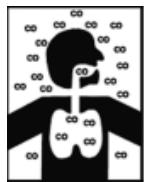
WARNING!
Carbon monoxide (CO) can cause brain damage or death. The internal combustion engine of this machine can emit carbon monoxide. Do not inhale exhaust gas fumes.
Only use indoors when adequate ventilation is provided, and when an assistant has been instructed to look after you.
UNPACKING/DELIVERY
Upon delivery, check that the packing and the machine were not damaged during transportation. In case of visible damages, keep the packing and have it checked by the carrier that delivered it. Call the carrier immediately to fill in a damage claim.
Check that the machine is equipped as follows:
Technical documents:
- Sweeper User Manual
- Sweeper Spare Parts List
Diesel Engine Manual
MACHINE DESCRIPTION
This machine has been designed and built as a multipurpose vehicle, to be used by a qualified operator to perform maintenance operations in urban environments by using proper equipment, under safe operation conditions.
CONVENTIONS
Forward, backward, front, rear, left or right are intended with reference to the operator's position, while on the driver's seat (41, Fig. C).
DESCRIPTION
Description of standard control panel
(See Fig. B)
- Armrest mounting knob
- Throttle lever
- Parking brake
- Brake pedal
- Accelerator pedal
- Ignition key
- Speaker prefitting
- Left/right broom dust control system nozzle valve
- 3rd broom dust control system nozzle valve
- Suction inlet dust control system nozzle valve
- Forward/reverse gear selector
- Cigarette lighter
- Audio unit housing (prefitting)
- Ceiling light
- Can holder
- Electrical panel (*)
- Quick coupler control switch
- Brake fluid tank
- Joystick
-
Skirt opening push-button
-
Hazard warning light switch
- Combination switch (^**)
- Cab air flow control knob
- Climate control system activation and temperature control knob
- Heating temperature control knob
- Driver's seat
- Passenger's folding seat
- Seat horizontal position control lever
- Seat springing control knob
- Seatback control lever
- Salt spreader control panel housing
- Tool box
- Drive system electronic board control potentiometer
- Seat height control lever
- Vent
- Armrest
- Identification plate
Description of standard control panel (See Fig. C)
- Left side turn signal indicator light
- Coolant temperature warning light
- Parking brake warning light
- Engine oil pressure warning light
- Clogged air filter warning light
- High beam indicator light
- Glow plug pre-heating warning light
- Lifted cargo box/hopper/water tank warning light
- Charged battery indicator light
- Clogged oil filter warning light
- Water-in-fuel warning light
- Broom pressure adjuster
- Broom speed adjuster (***)
- Quick coupler pressure adjuster
- Road washer system side nozzle switch
- Cab rear light switch
- Running light/low beam switch
- Dashboard
- Differential lock switch
- Steering wheel position locking lever
- Broom widening switch
- Quick coupler fine adjustment enabling switch
- Display switch
- Cargo box/hopper/water tank lifting switch
- Front working light switch
- Check engine warning light
- Leaf spring height control switch
- Water pump switch
- Suction inlet lowering and broom rotation switch
- Hydraulic system oil temperature warning light
- Hydraulic system and suction turbine enabling switch
- Door lock switch
- Right side turn signal indicator light
- Display (^**)
- Analogue speedometer
- Coolant temperature analogue indicator
- Fuel level analogue indicator
- Low fuel warning light
- Running light indicator light
- Dust control system tank water level warning light
- Steering wheel
- Sun visor
(^) See the electrical panel components below.
(^) See the combination switch functions below.
() Salt spreader, snow brush or road washer system pump speed adjustment (if equipped).
(**) See the display functions below.
Electrical panel functions:
F3: Fuse box (see Electrical Fuses paragraph)
F4: Fuse box (see Electrical Fuses paragraph)
F6: Fuse box (see Electrical Fuses paragraph)
K1.1: Hydraulic system enabling switch power supply relay
K1.2: Working light power supply relay
K1.3: Forward/reverse gear selector power supply relay
K1.4: Windscreen washer return relay
K2: Cab accessory power supply relay
K6: Working light relay
K8: Line relay
K185: Hydraulic system disabling relay
P7: Quick coupler control electronic board
P8: Function-accessory electronic board
P10: Engine accessory electronic board
P11: Drive system electronic board
X9: Headlight switching control unit
X41: Windscreen wiper intermittence
Combination switch functions:
High beam on by pressing the lever (1, Fig. D) downward, or by turning the switch (17, Fig. C) to the second position.
High beam temporarily on by pressing and holding the lever (1, Fig. D) upward.
- Right turn signal on by bringing the lever (1, Fig. D) forward.
- Left turn signal on by bringing the lever (1, Fig. D) backward.
- Horn sounding by pressing the push-button (6, Fig. D) on the top of the lever (1).
- Windscreen washer on by pressing the push-button (2, Fig. D) on the top of the lever (1).
- Windscreen wiper intermittence with mark (3, Fig. D) at the symbol "I" (4).
- Windscreen wiper on with mark (3, Fig. D) at the symbol "II" (5).
Display functions:
Machine condition display:
- On the first line the following information appear:
- Hour counter
- Odometer km
- Tripmeter trip
Press the switch (23, Fig. C) to show the required information.
The second line shows the speedometer km/h.
Machine layout description (See Fig. E)
- Fuel tank
- Right front water tank
- Right rear water tank
- Steering cylinder
- Right rear drive wheel
- Right front drive wheel
- Climate control system filter
- Right side water tank drain plug
- Fuel tank filler cap
- Engine air filter
- Drive system pump
- Turbine pump
- Accessory pump
- Cab air filter
- Condenser electric fan
- Right front water tank lower fastener
- Right front water tank upper fastener
- Battery
- Hydraulic system oil tank drain plug
- Hand pump lever
- Compressor
- Coolant drain hose
- Dust control system pump filter
- Climate control system condenser
- Frame number
Machine layout description (See Fig. F)
- Cab
- Quick coupler
- Hydraulic system oil level indicator
- Hydraulic system oil tank
- Left front water tank
- Left rear water tank
- Left rear drive wheel
- Left front drive wheel
- Left side water tank drain plug
- Left front water tank filler plug
- Right front water tank filler plug
- Left rear water tank filler plug
- Right rear water tank filler plug
- Hydraulic system oil tank filler plug
- Combined radiator
- Windscreen wiper fluid tank
- Fuel float
- Drain filter
- Drain filter
- Diesel engine
- Engine oil top up plug
- Expansion tank
- Rear light
- Back-up light
- Lower headlight
- Flashing light
- Windscreen wiper motor
- Towing hook
- Right rearview mirror
- Left rearview mirror
- F7 fuse
- Electrical component box
- F2 fuse
- F5 fuse
- F6.9 fuse
- Hand pump
- Battery release switch
- Left front water tank lower fastener
- Left front water tank upper fastener
- Filler hose
- F6.3 fuse
- F6.17 fuse
- Fuel pre-filter
- Fuel pump
- Fuel filter
- Engine oil filter
- Dust control system tank filters
- Front working light
- Rear working light
- Upper low beam headlights
- Upper high beam headlights
TECHNICAL DATA
| Dimensions and weights | Values |
| Machine length, cargo box version | 4,570 mm |
| Machine length, road sweeper version | 4,930 mm |
| Machine length, road washer version | 5,560 mm |
| Salt spreader equipment length | 660 mm |
| Snow blade length | 420 mm |
| Snow brush length | 910 mm |
| 3rd broom length | 670 mm |
| Machine width, cargo box version | 1,130 mm |
| Machine width, road sweeper version | 1,300 mm |
| Machine width, road washer version | 1,650 mm |
| Salt spreader equipment width | 1,530 mm |
| Snow blade width | 1,530 mm |
| Snow brush width | 1,540 mm |
| Distance between front and rear wheels | 2,290 mm |
| Front/rear wheel base | 930 mm |
| Machine height (without flashing light) | 1,980 mm |
| Machine height (with flashing light) | 2,200 mm |
| Minimum distance from the ground (skirts not included) | 190 mm |
| Maximum dumping height | 800 mm |
| Front/rear tyres | 215 - 75 - R16 |
| Tyre pressure | 5.0 Bar |
| Left/right broom diameter | 740 mm |
| 3rd broom size | 740 mm |
| Machine weight, cargo box version | 2,260 kg |
| Machine weight, road sweeper version | 2,600 kg |
| Machine weight, road washer version | 2,480 kg |
| Salt spreader equipment weight | 200 kg |
| Snow blade weight | 100 kg |
| Snow brush weight | 200 kg |
| 3rd broom weight | 25 kg |
| Performance data | Values |
| Maximum forward speed (for transport only) | 32 km/h |
| Maximum working speed | 19 km/h |
| Gradeability without load | 25% |
| Gradeability at full load | 18% |
| Minimum inner turning radius | 2,200 mm |
| Front leaf spring lifting | 70 mm |
| Rear leaf spring lifting | 100 mm |
| Left/right broom speed | 0 - 200 rpm |
| 3rd broom speed | 0 - 200 rpm |
| Snow brush speed | 215 rpm |
| Collection system | Suction |
| Cleaning width with left/right broom | 1,900 mm |
| Cleaning width with left/right broom and 3rd broom | 2,500 mm |
| Clearance width with snow blade | 1,500 mm |
| Clearance width with snow brush | 1,300 mm |
| Filtering system | Metallic net |
| Sound pressure level at workstation (ISO/EN3744) at maximum working speed | 79 dB(A) |
| Certified sound power (2000/14/EC) at maximum working speed | 108 dB(A) |
| Hopper capacity | 2,200 litres |
| Road washer system tank capacity | 1,700 litres |
| Hopper maximum load | 1,800 kg |
| Dust control | By water |
| Dust control system water tank capacity | 210 litres |
| Lighting and signalling system | Road type |
| Transmission | Hydrostatic with differential on four drive wheels |
| Steering system | Tractor and semitrailer with power steering |
| Brake | Hydraulic, on all wheels |
| Parking brake | Mechanic, on front wheels |
| Controls | Electrohydraulic |
| Autonomy | 12 hours |
| IVECO diesel engine data (*) | Values |
| Make | Iveco |
| Type | SOFIM 8140.43E |
| Cylinders | 4 |
| Maximum working speed | 1,850 rpm |
| Maximum transport speed | 3,100 rpm |
| Maximum power at 3,100 rpm | 83 kW |
| Maximum power at 1,850 rpm | 56 kW |
| Idle speed | 800 rpm |
| Engine coolant | 50% of antifreeze and 50% of water |
| Antifreeze type | AGIP Antifreeze Extra (*** ) |
| Cooling system capacity | 16 litres |
| Displacement | 2,800 cc |
| Consumption while operating at 1,800 rpm | 6 litres/hour |
| Consumption during transport at 3,000 rpm | 6 litres/hour |
| Engine oil type | AGIP Sigma Turbo 15W40 (**) |
| Lubricating system capacity (pan, filter and hoses) | 6.3 litres |
| Engine oil pan capacity | 5.2 litres |
() For other diesel engine data/values, see the relevant Manual.
() See the engine oil technical data and reference data tables below.
(^*) See the coolant technical data and reference data tables below.
| AGIP ANTIFREEZE EXTRA SPECIFICATIONS | ||
| Boiling point | °C | 170 |
| Boiling point in solution with 50% water | °C | 110 |
| Freezing point in solution with 50% water | °C | -38 |
| Colour | / | Turquoise blue |
| Density at 15°C | kg/l | 1.13 |
| AGIP SIGMA TURBO 15W40 SPECIFICATIONS | ||
| SAE QUALITY | / | 15W40 |
| Viscosity at 100°C | mm²/s | 13.7 |
| Viscosity at 40°C | mm²/s | 100 |
| Viscosity at -15°C | mm²/s | 3,300 |
| Viscosity index | / | 138 |
| Flash point COC | °C | 230 |
| Pour point | °C | -27 |
| Density at 15°C | kg/l | 0.885 |
| Approvals and specifications: |
| CUNA NC 956-16 97 |
| FF.SS cat. 002/132 |
| ASTM D 1384 |
| Approvals and specifications: |
| ACEA E3-96 |
| API Service CG-4/SG |
| CCMC D5, PD-2 |
| US Department of the Army MIL-L-2104 E |
| US Department of the Army MIL-L-46152 E |
| MACK EO-L |
| MAN M 3275 |
| Mercedes Benz 228.3 |
| VOLVO VDS2 |
| MTU typ 2 |
| Refuelling data | Values |
| Fuel tank capacity | 72 litres |
| Hydraulic system oil tank capacity | 80 litres |
| Hydraulic system data | Values |
| Total hydraulic system oil capacity | 101 litres |
| Maximum drive system pressure | 350 Bar |
| Maximum accessory system pressure | 170 Bar |
| Maximum turbine system pressure | 110 Bar |
| Maximum steering system pressure | 120 Bar |
| Hydraulic system oil type | AGIP ARNICA 46 (*)(**) |
| Dust control system pump oil type | SAE 30W |
| Electrical system data | Values |
| System voltage | 12 V |
| Starting battery | 12 V – 100 Ah |
() If the machine is to be used at ambient temperatures below +10^ , the oil should be replaced with equivalent oil having a viscosity of 32 cSt. For temperatures below 0^ , use oil with lower viscosity.
(**) See the hydraulic system oil technical data and reference data tables below.
| AGIP ARNICA 46/32 SPECIFICATIONS | |||
| 46 | 32 | ||
| Viscosity at 100°C | mm²/s | 45 | 32 |
| Viscosity at 40°C | mm²/s | 7.97 | 6.40 |
| Viscosity index | / | 150 | 157 |
| Flash point COC | °C | 215 | 202 |
| Pour point | °C | -36 | -36 |
| Density at 15°C | kg/l | 0.87 | 0.865 |
| Approvals and specifications: |
| ISO-L-HV |
| ISO 11158 |
| AFNOR NF E 48603 HV |
| AISE 127 |
| ATOS Tab. P 002-0/I |
| BS 4231 HSE |
| CETOP RP 91 H HV |
| COMMERCIAL HYDRAULICS |
| Danieli Standard 0.000.001 (AGIP ARNICA 22,46,68) |
| EATON VICKERS I-286-S3 |
| EATON VICKERS M-2950 |
| DIN 51524 t.3 HVLP |
| LAMB LANDIS-CINCINNATI P 68, P69, P70 |
| LINDE |
| PARKER HANNIFIN (DENISON) HF-0 |
| REXROTH RE 90220-1/11.02 |
| SAUER-DANFOSS 520L0463 |
| Climate control system data | Values |
| Gas type | Reclin 134A |
| Gas quantity | 0.8 kg |
HYDRAULIC DIAGRAM
(See Fig. BL)
- Right rear drive wheel
- Left rear drive wheel
- Differential lock
- Right front drive wheel
- Left front drive wheel
- Drive system pump
- Diesel engine
- Suction fan motor
- Hydraulic system oil cooler
- Accessory tandem pump
- Suction fan distributor
- Hydraulic system oil filter
- Hydraulic system oil filter (control unit)
- Priority valve
- Hand pump
- Power steering
- Steering cylinder
- Pressure reducer
- Right door lifting cylinder
- Left door lifting cylinder
- Right door locking cylinder
- Left door locking cylinder
- Hopper water recirculation cylinder
- Rear door locking valve
- Hopper lifting cylinder
- Hydraulic system oil tank
- Hydraulic system oil level indicator
- Hydraulic system oil tank draining
- Hydraulic system oil tank filling
- Quick coupler lifting cylinder
- Quick coupler locking valve
- Snow blade/brush tilting cylinder
- Road washer system tilting cylinder
- Right broom widening cylinder
- Left broom widening cylinder
- Suction inlet right lifting cylinder
- Suction inlet left lifting cylinder
- Right broom lifting cylinder
- Left broom lifting cylinder
- Road washer system right squeezegee tilting cylinder
- Road washer system left squeezegee tilting cylinder
- 3rd broom tilting cylinder
- 3rd broom widening cylinder
- Accessory electrodistributor
- Front leaf spring
- Rear leaf spring
- Main electrodistributor
- Skirt cylinder
- Broom solenoid valve
- Suction inlet solenoid valve
- Right side broom motor
- Left side broom motor
- 3rd broom motor
- Snow brush motor
- High-pressure water pump
- 5-way distributor
ROAD SWEeper HYDRAULIC DIAGRAM
(See Fig. BM)
- Water tanks
- Hydrant
- Filling system filter
- Water pump filter
- Water pump
- Valve
- Water gun quick coupling
- Water gun
- Manual hose nozzle
- 4-way distributor
- Left/right broom nozzle valve
- 3rd broom nozzle valve
- Suction inlet nozzle valve
- Right broom nozzle
- Left broom nozzle
- 3rd broom nozzle
- Suction inlet nozzles
- 6-way distributor
- Reel
- Manual suction hose nozzle valve
ROAD WASHER HYDRAULIC DIAGRAM
(See Fig.BN)
- Water tanks
- Hydrant
- Filling system filter
- Water pump filter
- Road washer system squeegee water pump
- Drain valve
- Water gun quick coupling
- Water gun
- Road washer system squeegee control solenoid valve
- Road washer system squeegee
- Right side nozzle
- Left side nozzle
- Road washer system squeezegee quick couplings
- Pump drive motor
- Reel
ELECTRICAL FUSES
The machine is equipped with three fuse boxes (F3, F4 and F6) in the cab and three maxi fuses inside the electrical box (46, Fig. B). Here below there is a list of the circuits protected by the above-mentioned fuses.
F2: Cab and engine start fuse (40 A) (47, Fig. C)
16-way fuse box "F3" (16, Fig. B)
F3.1: Horn fuse (10 A)
F3.2: Ceiling light, running light switch, +30 combination switch fuse (25 A)
- F3.3: +30 hazard warning light switch and audio unit fuse (15 A)
- F3.4: Running lights, licence plate light, control panel, switch lighting on right door, audio unit lighting and warning buzzer fuse (7.5 A)
- F3.5: Trailer right running light, right rear running light, cigarette lighter lighting, broom widening switch lighting, broom selection switch lighting, cargo box/hopper/water tank dumping switch lighting, door locking switch lighting, hydraulic system switch lighting, broom rotation switch lighting, dust control system switch lighting, suction inlet switch lighting, machine lifting switch lighting, diagnostic switch lighting, working light switch lighting, differential lock switch lighting, rear working light switch lighting, running light switch lighting, running light indicator and dashboard lighting fuse (7.5 A)
- F3.6: Low beam fuse (10 A)
F3.7: High beam indicator light, high beam fuse (10 A)
F3.8: Free fuse (10 A)
F3.9: Free fuse (10 A)
F3.10: +15 hazard warning light switch fuse (10 A)
F3.11: Flashing light power supply fuse (10 A)
- F3.12: K1-3, K185 relay, machine start enabling, dashboard power supply, combination switch control unit power supply fuse (7.5A)
F3.13: Differential lock switch power supply fuse (10 A)
F3.14: Control panel, +15 audio unit, monitor power supply fuse (10 A)
F3.15: Working light relay fuse (10 A)
F3.16: Free fuse (10 A)
16-way fuse box "F4" (16, Fig. B)
F4.1: Free fuse (5 A)
F4.2: Reduced speed fuse (5 A)
F4.3: Free fuse (10 A)
F4.4: Brake light relay fuse (15 A)
- F4.5: Windscreen wiper motor, combination switch, windscreen wiper relay power supply fuse (15 A)
F4.6: Air flow solenoid valve fuse (20 A)
F4.7: Free fuse (20 A)
- F4.8: Brake fluid level bulb, brake light microswitch, switch (P), fuel float, headlight switching control unit power supply fuse (7.5 A)
F4.9: Working light relay fuse (20 A)
F4.10: Leaf spring height control switch power supply and speed safety relay fuse (7.5 A)
- F4.11: Cab air flow control knob and climate control system condenser fan power supply fuse (25 A)
F4.12: K1.1 relay and hydraulic system enabling switch fuse (5 A)
F4.13: Rear working light relay fuse (15 A)
F4.14: Front working light relay fuse (10 A)
F4.15: Free fuse
F4.16: Free fuse
F5: Glow plug fuse (50 A) (34, Fig. F)
16-way fuse box "F6" (16, Fig. B)
F6.1: Cigarette lighter fuse (20 A)
F6.2: Fuel pump fuse (7.5 A)
F6.3: Fuel heating filter fuse (15 A) (41, Fig. F)
F6.4: Compressor fuse (15 A)
F6.5:Thermostarter fuse (7.5 A)
F6.6: Diagnostic socket power supply fuse (5 A)
F6.7: EDC protection relay fuse (5 A)
- F6.8: Free fuse
F6.9: EDC fuse (30 A) (35, Fig. F)
F6.10: Cab line fan fuse (20 A)
- F6.11: EDC control unit enabling relay and water-in-fuel sensor power supply fuse (5 A)
- F6.12: Speed sensor, cargo box/hopper/water tank microswitch and display switch power supply fuse (7.5 A)
F6.13: Rear equipment power supply, water tank line and water level check fuse (7.5 A)
- F6.14: Broom selection switch, joystick, quick coupler control switch and program selection control unit power supply fuse (10 A)
- F6.15: 3rd broom tilting and broom widening switch power supply fuse (10 A)
- F6.16: Door lock switch, suction inlet lowering and left/right broom rotation switch, cargo box/hopper/water tank lifting switch and water pump switch power supply fuse (10 A)
F6.17: Thermostarter relay fuse (10 A) (42, Fig. F)
F7: Accessory power supply fuse (ignition key circuit) (60 A) (52, Fig. F)
ACCESSORIES/OPTIONS
In addition to the standard components, the machine can be equipped with the following accessories/equipment, according to the machine specific use:
-
Road sweeper version:
-
Left/right brooms(*)
- Suction inlet
- Hopper
- Manual suction hose
- 3rd broom(*) (optional)
-
Camera(*) (optional)
-
Snow removal equipment:
-
Snow brush or snow blade
- Camera(*) (optional)
Salt spreader version:
Rear salt spreader assembly
- Cargo box
- Camera(*) (optional)
- Road washer version:
Road washer system squeegee
Water tank
- Camera(*) (optional)
Cargo box version:
- Cargo box
- Camera(*) (optional)
(*) Brooms with harder or softer bristles are available, according to the ground conditions.
USE

WARNING!
On some points of the machine there are some adhesive plates indicating:
DANGER
WARNING
- CAUTION
CONSULTATION

WARNING!
Do not cover these plates for any reason and immediately replace them if they are damaged.
BEFORE START-UP
- If necessary, refuel through the filler cap (9, Fig. E).

CAUTION!
Do not fill the fuel tank to the top, but leave at least 4 cm from the filler neck to allow the fuel to expand.

CAUTION!
Use diesel fuel only; do not use bio-diesel.
- Check that there are no open lids/hoods and that the machine is in normal operating conditions.
DIESEL ENGINE START AND STOP
Diesel engine start
- Sit on the driver's seat (26, Fig. B) and check that the parking brake (3) is engaged.
- With the levers (28, 29, 30 and 35, Fig. B), adjust the seat for a comfortable position.
- Release the lever (20, Fig. C) and adjust the steering wheel position if necessary.
- Adjust the rearview mirrors to easily see rear wheels.
- Adjust the height of the armrest (37, Fig. B) with the knobs (1).
- Turn the throttle lever (2, Fig. B) to 0.
- Turn the forward/reverse gear selector (11, Fig. B) to neutral position (centre).

WARNING!
Ensure that the hydraulic system enabling switch (31, Fig. C) is disabled (completely pressed on the upper part).
-
Insert the ignition key (6, Fig. B), turn it clockwise and hold it in the first position. The following warning lights and indicators turn on:
-
Diesel engine glow plug pre-heating warning light (7, Fig. C)
- Battery warning light (9, Fig. C)
- Engine oil pressure warning light (4, Fig. C)
-
Parking brake warning light (3, Fig. C)
-
When the glow plug pre-heating warning light (7, Fig. C) turns off, turn the ignition key clockwise, to the end of stroke, and then release it when the diesel engine starts.

CAUTION!
When starting the engine, do not keep the ignition key in cranking position too long (maximum 20 seconds) to avoid damaging the starter. If the engine does not start, wait a minute before trying again.
Before trying to start the engine again, turn the ignition key counterclockwise, to the initial position.
If the engine does not start after two attempts, do not persist, ask for help from the person responsible for the machine.
- Make sure that all the warning lights are off when the engine is running.
- Let the engine run for a few minutes to allow it to warm up, especially when the air temperature is low.
Diesel engine stop
- Let the machine running at idle for a few minutes to stabilize the system.
- Turn the ignition key (6, Fig. B) counterclockwise, to the end of stroke, then remove it.
- Engage the parking brake (3, Fig. B).

WARNING!
Ensure that the hydraulic system enabling switch (31, Fig. C) is disabled (completely pressed on the upper part).
USING THE MACHINE
The machine base version (without any optional equipment) can be used for transport only. For optional equipment installation and use, see Using the Equipment chapter.
To transport the machine (without sweeping), perform the following procedure:
- It is safe to lock the position of the quick coupler (2, Fig. F) by turning the locking valve lever (1, Fig. BF) for 90^ .
- Start the engine as shown in the Diesel Engine Start paragraph.
- Check that the cargo box/hopper/water tank is lowered by pressing the lower part of the switch (24, Fig. C).

NOTE
The cargo box/hopper/water tank lifting and lowering is signalled by a buzzer.

CAUTION!
When the cargo box/hopper/water tank is lifted, the machine maximum speed is 5km / h . In this condition, the accelerator pedal feel is very poor, which signifies that the machine is not being used properly.
- Fasten the suction inlet by decreasing the length of the chain (1, Fig. AV) by releasing the end ring (2) and engaging one of the next rings (3) to the spring catch (4).

NOTE
In this way, the suction inlet will not lay on the ground in case the hydraulic system fails.
- Bring the throttle lever (2, Fig. B) forward until the display (34, Fig. C) shows 1,300 rpm.
- Turn the forward/reverse gear selector (11, Fig. B) forward to move forward, and rearward to move in reverse. When moving in reverse, the reverse gear buzzer will sound.
- Disengage the parking brake (3, Fig. B).
- Press the accelerator pedal (5, Fig. B) gradually.
- Start to transport the machine, by keeping the hands on the steering wheel (41, Fig. C).
- The drive speed can be adjusted from zero to maximum speed by increasing the pressure on the pedal.

WARNING!
When using the machine do not forget that this is a tractor and semitrailer type machine.

WARNING!
When using the machine, be sure that there are no people near the pivoting area of the machine.
- Use the machine according to the equipment installed, by following the instructions shown in Using the Equipment chapter.
-
To slow down the machine there are three options:
-
Release the accelerator pedal slowly (engine brake on all four wheels).
- Press the brake pedal (service brake on all four wheels).
-
Engage the parking brake (emergency brake on front wheels).
-
To stop the machine, perform the procedures shown in Diesel Engine Start And Stop paragraph.
USING THE DASHBOARD
1. Display (34, Fig. C)
Machine condition display:
- On the first line the following information appear: hour counter , odometer and tripmeter . Press the switch (23, Fig. C) to show the required information.
The second line shows the speedometer [] .
2. Warning lights
Battery warning light (9, Fig. C)
- Engine oil pressure warning light (4, Fig. C)
Clogged oil filter warning light (10, Fig. C)
Clogged air filter warning light (5, Fig. C)
Diesel engine glow plug pre-heating warning light (7, Fig. C)
- Parking brake warning light (3, Fig. C)
Hydraulic system oil temperature warning light (30, Fig. C)
- Check engine warning light (26, Fig. C)
The warning light stays on or flashes to signal one or more faults. The fault is signalled by a blink code. This code consists of a number of slow and fast blinks of the warning light which are shown by pressing the switch (23, Fig. C). For example, blink code "6.4" indicates that there has been "6" slow blinks and "4" fast blinks. To decipher the blink code, contact a Nilfisk Service Center.
- Dust control system tank water level warning light (40, Fig. C)
Running light indicator light (39, Fig. C)
High beam indicator light (6, Fig. C) - Low fuel warning light (38, Fig. C)
Water-in-fuel warning light (11, Fig. C)

WARNING!
If this warning light turns on, stop the engine immediately to prevent damages to the electric system. To have the problem solved, contact a Nilfisk Service Center.
- Lifted cargo box/hopper/water tank warning light (8, Fig. C)
When this warning light is on, the machine maximum speed is 5km / h . To resume machine operation the cargo box/hopper/ water tank must be fully lowered, as shown in Using the Machine paragraph.
Coolant temperature warning light (2, Fig. C) - Left side turn signal indicator light (1, Fig. C)
-
Right side turn signal indicator light (33, Fig. C)
-
Speedometer (35, Fig. C)
- Fuel level analogue indicator (37, Fig. C)
- Coolant temperature analogue indicator (36, Fig. C)
USING THE WINDSCREEN WIPER
To turn on the windscreen wiper use the combination switch (22, Fig. B), having the functions shown in Machine Description chapter.
USING THE CAB HEATING
- Adjust the air temperature by using the control knob (25, Fig. B). Turn the knob clockwise to increase the air temperature.
- Adjust the air flow by using the control knob (23, Fig. B). Three speeds can be chosen.

WARNING!
Do not clog the vent air flow (36, Fig. B).

NOTE
There are five vents in the cab.
USING THE CAB CLIMATE CONTROL SYSTEM
- To turn on the climate control system turn the knob (24, Fig. B) to the first position by turning it clockwise.
- Adjust the temperature by using the control knob (24, Fig. B). Turn the knob clockwise to decrease the air temperature.
- Adjust the air flow by using the control knob (23, Fig. B). Three speeds can be chosen.
- To turn off the climate control system, turn the knob (24, Fig. B) to the original position.

WARNING!
Do not clog the vent air flow (36, Fig. B).

NOTE
There are five vents in the cab.
- To turn on the lighting and signalling system, use the switch (17, Fig. C). On the first position, the running lights turns on, on the second position the low beams turn on. To turn on the high beams use the combination switch (22, Fig. B), having the functions shown in Machine Description chapter.

NOTE
The lower headlights turn on for machines in base version or road sweeper version; when the optional equipment is installed upper headlights turn on.

WARNING!
When installing equipment which do not need electrical connections, connect the supplied connector in the relevant socket.
- To turn on the front lighting and signalling system, use the switch (25, Fig. C). On the first position, the suction inlet lower lights turn on, on the second position the front working lights turn on.
- To turn on the rear lighting and signalling system, use the switch (16, Fig. C).
- Turn off the lights before stopping the engine. The machine is equipped with a warning buzzer that sounds when the engine is stopped and the lights are still turned on.
- Turn on the hazard warning lights with the switch (21, Fig. B).
DRIVER'S SEAT ADJUSTMENT
- To adjust the driver's seat (26, Fig B) horizontally, turn the lever (28) outwards until a comfortable position is reached, then release the lever.
- To adjust the springing of the seat (26, Fig. B) turn the knob (29). To increase the springing turn the knob counter-clockwise, to decrease the springing turn the knob clockwise (see the silk-screen printing on the knob).
- To adjust the tilting of the seatback (26, Fig B), turn the lever (30) upwards until a comfortable position is reached, then release the lever.
- To adjust the height of the seat (26, Fig. B) turn the lever (35).
LIFTED CARGO BOX/HOPPER/WATER TANK SUPPORT ROD INSTALLATION
When it is required to work under the cargo box/hopper/water tank, lift it completely by pressing the upper part of the cargo box/ hopper/water tank lifting switch (24, Fig. C), then install the support rod (1, Fig. AG) in the relevant housing (2). To remove the support rod form its seat (3, Fig. AG) move it towards the cab (4).
CARGO BOX/HOPPER/WATER TANK MANUAL LIFTING
To lift/lower the cargo box/hopper/water tank manually (when the diesel engine, or the hydraulic system is faulty, etc.) perform the following procedure.
Cargo box/hopper/water tank manual lifting
Drive the machine on a solid and level ground.
- If the cargo box/hopper/water tank is full, dump it manually.
- If the engine is on, tun it off by turning the ignition key (6, Fig. B) counterclockwise, to the end of stroke, then remove it.
- Engage the parking brake (3, Fig. B).
- Open the right front water tank (2, Fig. E) by releasing the fasteners (16 and 17) with an Allen wrench d.8.
- Remove the lever (20, Fig. E) of the hand pump (1, Fig. G).
- Place the lever (2, Fig. G) in the hand pump housing (3).
- Carefully activate the pump (1, Fig. G) with the lever (2) and lift the cargo box/hopper/water tank enough to install the support rod (1, Fig. AG).
Cargo box/hopper/water tank manual lowering
- Remove the support rod (1, Fig. AG) and place it in its seat.
- The cargo box/hopper/water tank can be lowered by pressing the lower part of the switch (24, Fig. C) if the dashboard (43) is power supplied.
- In case of general failure (dashboard not power supplied), the cargo box/hopper/water tank can be lowered by loosening the unlocking screw (4, Fig. G) on the lower part of the hand pump (1). To loosen the locknut use a socket wrench d.10 and loosen the screw with an Allen wrench d.3.
- When the cargo box/hopper/water tank is lowered, tighten the screw and the locknut.
The machine is equipped with a high-pressure water system to be used for washing the machine or other purposes. This system is fed by the dust control system water tanks.
The following procedure refers to the high-pressure water gun use.
- Start the engine as shown in the Diesel Engine Start and Stop paragraph.
- Adjust the engine speed by using the throttle lever (2, Fig. B). The maximum speed allowed is 1,850 rpm.

CAUTION!
If 1,850 rpm are exceeded, all machine accessories are disabled.
- Draw the water gun (1, Fig. I) from behind the seats.
- Connect the water gun hose (2, Fig. 1) to the intake on the rear side of the machine (3).
- Turn the valve (4, Fig. 1) for 90^ to send the water flow towards the high-pressure pump.
- Turn on the water pump by pressing and releasing the lower part of the switch (28, Fig. C).

WARNING!
Protect body parts (eyes, hair, hands, etc.) properly, when performing cleaning procedures using compressed air or water gun.

NOTE
Ensure that the tanks (2 and 3, Fig. E) and (5 and 6, Fig. F) are not empty.
- Use the water gun by pressing the relevant trigger (5, Fig. I).
- After using the water gun, perform steps 1 to 6 in the reverse order.
DUST CONTROL SYSTEM WATER TANK FILLING/EMPTYING
When necessary, empty the dust control system water tanks (2 and 3, Fig. E) and (5 and 6, Fig. F) as shown below.
- Engage the parking brake (3, Fig. B).
- Turn off the engine, by turning the ignition key (6, Fig. B) counterclockwise, to the end of stroke, then remove it.
-
When near an hydrant, proceed as follows:
-
Draw the filler hose (40, Fig. F) from the relevant housing.
- Connect the hose end (1, Fig. AE) to the hydrant (4) and the other hose end (2) to the intake (3) in the rear side of the machine.
- Open the hydrant valve and fill the tanks.
-
Disconnect both ends and place the filler hose in the relevant housing.
-
When near a water plug, use a hose and fill the tanks through the filler plugs (10, 11, 12, 13, Fig. F).
-
If the tanks (2 and 3, Fig. E) and (5 and 6, Fig. F) must be emptied, use the drain plugs (8, Fig. E) and (9, Fig. F).

NOTE
The tanks are connected.
DIFFERENTIAL LOCK
In case of wheel skidding caused by mud, ice, etc., lock the differential by pressing the upper part of the switch (19, Fig. C).

NOTE
The differential lock remains effective until a maximum speed of 6km / h
WHEEL REPLACEMENT
- Check that the machine is on a solid and level ground, especially if the cargo box/hopper/water tank is full.
- Turn off the engine, by turning the ignition key (6, Fig. B) counterclockwise, to the end of stroke, then remove it.
- Engage the parking brake (3, Fig. B).
- Check that the machine cannot move with one wheel lifted (the parking brake operates only on the front wheels). If necessary keep the machine stationary by placing wedges on the wheels contacting the ground.
- Use an hydraulic jack with a minimum lifting capacity of 3 tons.
Rear wheel removal/installation
- Place the jack (1, Fig L) (not equipped) under the relevant housing (2) marked by a label, under the rear frame (3), as shown in the figure.
- Activate the jack (1, Fig. L) carefully by using the lever (9) and lift the wheel (4) until it is slightly detached from the ground.
- Remove the mounting nuts, then remove and replace the wheel.
- Install the wheel by performing steps 6 to 8 in the reverse order. Wheel mounting nut tightening torque: 200N· m
Front wheel removal/installation
- Place the jack (5, Fig L) (not equipped) under the relevant housing (6) marked by a label, under the front frame (7), as shown in the figure.
- Activate the jack (5, Fig. L) carefully by using the lever (10) and lift the wheel (8) until it is slightly detached from the ground.
- Remove the mounting nuts, then remove and replace the wheel.
- Install the wheel by performing steps 10 to 12 in the reverse order. Wheel mounting nut tightening torque: 200N· m
TOWING THE MACHINE
To tow the machine, proceed as follows.
- Empty the cargo box/hopper/water tank. If it contains a small quantity of material, it is not necessary to empty it.
- Disengage the parking brake (3, Fig. B).
- Turn off the engine, by turning the ignition key (6, Fig. B) counterclockwise, to the end of stroke, then remove it.
- Tow the machine by fastening it to the towing hook (28, Fig. F) marked by the proper label.

CAUTION
Proceed at very low speed when towing.
AFTER USING THE MACHINE
After using the machine, store it as follows:
- The cargo box/hopper/water tank must be lowered (see Using The Machine paragraph).
- The engine must be off (see Diesel Engine Start and Stop paragraph).
- The lights must be turned off.
- The parking brake must be engaged.
- The ignition key must be removed.
To transport the machine, place suitable bands on the machine anchors to firmly fasten the machine to the means of transport.

WARNING!
Machine anchorage must be performed by qualified personnel.
Fastening the machine on the trailer bed
To anchor the machine in case of transport by trailer, proceed as follows:
- Set the machine to transport mode (see the procedure in the relevant paragraph).
- Remove the ignition key (6, Fig. B).
- Engage the parking brake (3, Fig. B).
- Close all lids, hoods, etc.
- Fasten the machine to the trailer bed by using suitable bands (1, Fig. BH) as shown in Fig. BH.
- Lock the wheels by using the wedges (2, Fig. BH).
Moving the machine on the trailer bed
To move the machine on the trailer bed, perform the following procedures:
- Use a lift truck having a suitable lifting capacity (35/40 quintals).
- Place the lift truck on the trailer bed marked points.

CAUTION
If the lift truck is placed on different points, the machine can get unbalanced.
MACHINE STORAGE
If the machine is not going to be used for more than 30 days, proceed as follows:
- Prepare the machine, as shown in the After Machine Use paragraph.
-
Store the machine indoor, in a clean and dry place, protected from bad weather conditions and with the following values:
-
Temperature: +1^ C to +50^ C
-
Humidity: maximum 95%
-
Disconnect the battery negative connector.
- Handle the diesel engine as shown in the relevant Manual.
FIRST PERIOD OF USE
After the first period of use (first 8 hours) it is necessary to perform the following procedures:
- Check the fastening and connecting elements for proper tightening. Check the visible parts for integrity and leaks.
- Always perform checks and replacements shown in the Scheduled Maintenance Table.
USING THE EQUIPMENT

CAUTION!
When installing any equipment, clean the quick couplings before performing the hydraulic connections.
ROAD SWEEPER
Suction inlet installation
To install the suction inlet a suitable hoisting system is required. For the relevant procedure, see the Service Manual.

NOTE
Suction inlet installation is very difficult, so it is recommended not to remove it while using other equipment.
Left/right broom installation
- Drive the machine on a solid and level ground.
- Turn off the engine, by turning the ignition key (6, Fig. B) counterclockwise, to the end of stroke, then remove it.
- Engage the parking brake (3, Fig. B).
- Fasten the plate with pin (1, Fig. M) to the frame (2) with the supplied screws (3). Perform the same procedure on both sides.
- Install the two supplied pins (4, Fig. M) on the frame (2) in the holes M12.
- Install the broom assembly (5, Fig. M) in the plate pin (1), then fasten it with the screw (6). Perform the same procedure on both sides.
- Insert the tie rod (7, Fig. M) in the pin (4) and fasten it with the cotter pin (8). Perform the same procedure on both sides.
- Connect the hoses as shown in Fig. N.
- After connecting the hoses (E, Fig. N) fasten them by installing a coupling joint in one slot of the plate (1).
- Start the engine as shown in the Diesel Engine Start paragraph.
- Lower the suction inlet by pressing the lower part of the switch (29, Fig. C). At the same time, the brooms turn on.
- Lower the left/right brooms by pressing the lower part of the switch (17, Fig. B) to the second position.
- Let the brooms turn on the ground for a few seconds, then perform again steps 9 to 11.
- Check that the right broom touches the ground along a circle arc ranging from "11 o'clock" and "4 o'clock" and that the left broom touches the ground along a circle arc ranging from "8 o'clock" and "1 o'clock". See Fig. N.
- If the print is not within specifications, adjust the broom tilting by using the tie rods (7, Fig. M).
Hopper installation
- Drive the machine on a solid and level ground.
- Remove the cylinder locking pin (1, Fig. O) from the hopper.
- Remove the safety pins (2, Fig. O) of the guides (3), to release the guides. Perform the procedure on both guides.
- Park the machine so that its rear side is under the hopper (4, Fig. O) placed on the safety stands (5 and 12) until the hopper hinges (6) lay on the machine guides (3).
- Engage the parking brake (3, Fig. B).
- Move the lifting cylinder (13, Fig. O) to the left in order to not interfere with the fan motor.
- Enable the hydraulic system by pressing the lower part of the switch (31, Fig. C) to the first position.
- Press the upper part of the switch (27, Fig. C) to lift the machine until the guide-hole matching holes align.
- Install the safety pins (2, Fig. O) in the guides and fasten them with the cotter pin (7). Perform the procedure on both guides.
- Check that the sensors detecting the presence of the pin (8, Fig. O) and the sensor detecting the presence of the hopper (9) are reading (the led should be lit).

CAUTION!
If one of the three sensors is not reading, the hopper can be lowered only.
- Place the lifting cylinder (13, Fig. O) in its housing (10), install the locking pin (1) by fastening it with the cotter pin (11).
-
Hoses and cables connected to the hopper must be routed as shown in Fig. P. Be sure that they pass over the right pin (2, Fig. O).
-
Connect them as shown in Fig. P.
- Slightly lift the hopper by pressing the upper part of the switch (24, Fig. C) to lighten and then remove the front safety stands (5, Fig. O).
- Fully lower the hopper by pressing the lower part of the switch (24, Fig. C) to lighten and then remove the rear safety stands (12, Fig. O).
- Lower the machine by pressing the lower part of the switch (27, Fig. C).

CAUTION!
Before removing the cargo box/hopper/water tank check that it is empty. Then remove the cargo box/hopper/ water tank in the reverse order of installation. When the cargo box/hopper/water tank is placed on the safety stands and it is stored indoors, lock the safety stand wheels in order to prevent any accidental movement.

NOTE
The hopper is equipped with an identification plate (1, Fig. P).
Using the left/right broom
- Start the engine as shown in the Diesel Engine Start paragraph.
- Bring the throttle lever (2, Fig. B) forward until the display (34, Fig. C) shows 1,300 rpm.
- Turn on the suction turbine by pressing the lower part of the switch (31, Fig. C) to the second position.
- Turn on the water pump by pressing and releasing the lower part of the switch (28, Fig. C).
- Open the valve (10, Fig. B) to feed the suction inlet nozzles.
- Open the valve (8, Fig. B) to feed the broom nozzles.
- Lower the suction inlet by pressing the lower part of the switch (29, Fig. C). At the same time, the brooms turn on.
- If the suction inlet must be kept lifted, use the chain (1, Fig. AV).
- To adjust the height, decrease the chain length by releasing the end ring (2, Fig. AV) and engaging one of the next rings (3) to the spring catch (4). Chose the ring according to the desired height.

NOTE
If the adjuster (13, Fig. C) is set to zero the brooms do not turn on.
- Remove the safety pin (9, Fig. M) of the broom arm, by removing the cotter pin (10) to allow for lowering with the relevant control.

CAUTION!
When the working cycle is completed and during transport, install the safety pin (9, Fig. M) in both broom arms.
- Adjust the broom width by pressing the switch (21, Fig. C) as necessary.
- Lower the left/right brooms by pressing the lower part of the switch (17, Fig. B) to the second position.
- Adjust the left/right broom pressure with the adjuster (12, Fig. C).
- Adjust the left/right broom speed with the adjuster (13, Fig. C).
- Start the machine by pushing the forward/reverse gear selector (11, Fig. B) forward and by pressing the accelerator pedal (5).

CAUTION!
In case of bulky debris, open the skirt by pressing the switch (20, Fig. B). When the bulky debris has been collected, release the switch.
- When the working cycle is completed, lock the rear door by closing the valve (1, Fig. Q).
- Approach the dumping area, unlock the rear door by opening the valve (1, Fig. Q), lift the hopper by pressing the upper part of the switch (24, Fig. C), then dump the hopper.

WARNING!
Empty the hopper on a solid and level ground, under safe stability conditions.

CAUTION!
When emptying the hopper, if the rear door opens anomalously, check the locking cylinders (1, Fig. BG) by removing the inspection lids (2). The procedure can be performed on both sides.
- Lower the hopper by pressing the lower part of the switch (24, Fig. C).
- Lock the rear door by pressing the upper part of the switch (32, Fig. C).
- Lock the rear door by closing the valve (1, Fig. Q).

CAUTION!
When performing this procedure, ensure that the rear door is really closed.
Using the manual suction hose
- Lock the rear door by closing the valve (1, Fig. Q).
- Start the engine as shown in the Diesel Engine Start paragraph.
- Bring the throttle lever (2, Fig. B) forward until the display (34, Fig. C) shows 1,300 rpm.
- Enable the hydraulic system by pressing the lower part of the switch (31, Fig. C) to the first position.
- Lift the hopper by pressing the upper part of the switch (24, Fig. C).
- Install the reduction (1, Fig. R) (which is inside the cab) on the branch pipe (2) between the suction inlet and the hopper.
- Lower the hopper by pressing the lower part of the switch (24, Fig.
- Turn on the suction turbine by pressing the lower part of the switch (31, Fig. C) to the second position.
- Turn the valve (4, Fig. 1) for 90^ to send the water flow towards the high-pressure pump.
- Turn on the water pump by pressing and releasing the lower part of the switch (28, Fig. C).
- Draw the hose from the relevant housing and collect dust and debris.
- If necessary, open the ball valve (H, Fig. P) to deliver water from the rear hose nozzle.
- Open the valve (1, Fig. Q) before dumping the hopper.
3RD BROOM
3rd broom installation
- Drive the machine on a solid and level ground.
- Enable the hydraulic system by pressing the lower part of the switch (31, Fig. C) to the first position.
- Lower the quick coupler by pressing the lower part of the switch (17, Fig. B) to the second position.
- Engage the parking brake (3, Fig. B).
- Place the 3rd broom assembly (1, Fig. S) on the quick coupler (2) and fasten it with the knob (3).
- Disconnect the hose (H, Fig. N) and connect it to the hose (D, Fig. S).
- Fasten the hose by using one slot of the plate (1, Fig. N).
- Disconnect the hose (E, Fig. N) and connect it to the hose (E, Fig. S).
- Fasten the hose by using one slot of the plate (1, Fig. N).
- Connect the other hoses as shown in Fig. S.
Using the 3rd broom
- The 3rd broom must be used together with the left/right brooms.
- Remove the safety pin (4, Fig. S) of the 3rd broom arm, by removing the cotter pin (5) to allow the 3rd broom movement with the relevant control.

CAUTION!
When the working cycle is completed and during transport, install the safety pin (4, Fig. S) on the 3rd broom arm.
- Lower the 3rd broom by pressing the lower part of the switch (17, Fig. B) to the second position.
- When the required height is reached, stop the 3rd broom lowering by turning the switch (17, Fig. B) to the intermediate position. To change the broom distance from the ground press the lower part of the switch (17, Fig. B) to the second position, then press the lower part of the switch (22, Fig. C) and adjust the 3rd broom height with the adjuster (14).
-
Control the 3rd broom with the joystick (19, Fig. B) as shown below:
-
Joystick forward: the 3rd broom arm opens
Joystick backward: the 3rd broom arm closes - Joystick to the right side: the 3rd broom tilts to the right
-
Joystick to the left side: the 3rd broom tilts to the left
-
Adjust the 3rd broom speed with the adjuster (13, Fig. C). In this way the left/right broom speed is adjusted too.
- If necessary turn on the dust control system by using the relevant valve (9, Fig. B).
SALT SPREADER
Cargo box installation
- To install the cargo box proceed as shown in Hopper Installation paragraph.

NOTE
The cargo box is equipped with an identification plate (13, Fig. T).
Salt spreader installation
- Remove the cargo box rear side board (1, Fig. T).
- Remove the cargo box right side board (2, Fig. T) and left side board (3).
- Remove the left pin (5, Fig. T) and the right pin (6) from the salt spreader (7).
- Place the salt spreader on the rear side of the cargo box (8, Fig. T) and adjust its height with the winches (4).
- Align the salt spreader hinge holes with those of the cargo box, then install the right pin (6, Fig. T) and the left pin (5).
- Install the side boards to prevent the pins from coming out.
- Install the salt spreader lower mounting arm (9, Fig. T) at the right rear wheelhouse, by installing the pin (10) and fastening it with the cotter pin (11).
- Connect hydraulic and electric components as shown in Fig. U.
- Withdraw the safety stand feet (12, Fig. T) with the winches (4) and then remove the safety stands.
- In the cab, remove the salt spreader control panel hosing cover (31, Fig. B).
- Connect the control panel (1, Fig. V) by connecting the salt spreader control panel with the connector inside the salt spreader control panel housing (31, Fig. B).
- When the cables have been connected, install the control panel in the housing.
Using the salt spreader
- Fill the cargo box with salt; use homogenous and pure salt, if possible.
- Cover the cargo box with the supplied tarpaulin cover.
- Start the engine as shown in the Diesel Engine Start paragraph.
- Enable the hydraulic system by pressing the lower part of the switch (31, Fig. C) to the first position.
- Check that the lever (1, Fig. U) is lifted, which means that the skirt is closed.
- Lift the cargo box by pressing the upper part of the switch (34, Fig. C), then fill the salt spreader.
- When the salt spreader is full, lower the cargo box by pressing the lower part of the switch (24, Fig. C).
- If the feedback must be emptied, open the salt spreader skirt by lowering the lever (1, Fig. U).
- Turn on the salt spreader control panel (7, Fig. V) by turning the switch (1) to "1".
- Turn on the salt spreader plate by pressing the switch (5, Fig. V). Adjust the salt flow with the control knob (6, Fig. V).
- Adjust the salt spreader parameters as necessary. Press the upper part of the switch (2, Fig. V) to use the manual adjustment system. In this way the salt quantity can be changed by using the switch (4, Fig. V). The salt quantity can be set from 1 to 9 as shown on the display (8, Fig. V). Press the lower part of the switch (2, Fig. V) to use the automatic adjustment system. In this case, the salt quantity is adjusted automatically according to the machine speed.

CAUTION!
When the salt spreader feedbox is empty, the warning light (3, Fig. V) turns on.

CAUTION!
In case of electric controls failure, there is an hydraulic control panel (2, Fig. U) in the rear side of the salt spreader: the left adjuster (3, Fig. U) changes the salt quantity; the right adjuster (4) changes the salt flow.
- Start the machine by pushing the forward/reverse gear selector (11, Fig. B) forward and by pressing the accelerator pedal (5).
- After each working cycle, lift the lever (1, Fig. U) and thoroughly wash the machine, the cargo box and the equipment with water.
SNOW BRUSH
Snow brush installation
- Drive the machine on a solid and level ground.
- Enable the hydraulic system by pressing the lower part of the switch (31, Fig. C) to the first position.
- Lower the quick coupler by pressing the lower part of the switch (17, Fig. B).
- Engage the parking brake (3, Fig. B).
- Install the snow brush assembly (1, Fig. Z) on the quick coupler (2) and fasten it with the knob (3).
- Lift the quick coupler by pressing the upper part of the switch (17, Fig. B) and remove the safety stand (1, Fig. AA) by loosening the knob (2).
- Connect the hoses as shown in Fig. Z.
Using the snow brush

CAUTION!
If the equipment is used with the suction inlet installed on the machine, the suction inlet must be lifted as shown in steps 8 and 9 of Using the Left/Right Broom paragraph.
- Start the engine as shown in the Diesel Engine Start paragraph.
- Bring the throttle lever (2, Fig. B) forward until the display (34, Fig. C) shows 1,300 rpm.
- Enable the hydraulic system by pressing the lower part of the switch (31, Fig. C) to the first position.
- Lower the snow brush by pressing the lower part of the switch (17, Fig. B) to the second position.
- When the required height is reached, stop the snow brush lowering by turning the switch (17, Fig. B) to the intermediate position. To change the snow brush distance from the ground press the lower part of the switch (17, Fig. B) to the second position, then press the lower part of the switch (22, Fig. C) and adjust the snow brush height with the adjuster (14).
- Tilt the bar by shifting the joystick (19, Fig. B) to the right or to the left.
- The snow brush speed can be adjusted with the adjuster (13, Fig. C).
- Start the machine by pushing the forward/reverse gear selector (11, Fig. B) forward and by pressing the accelerator pedal (5).
SNOW BLADE
Snowblade installation
- Drive the machine on a solid and level ground.
- Enable the hydraulic system by pressing the lower part of the switch (31, Fig. C) to the first position.
- Lower the quick coupler by pressing the lower part of the switch (17, Fig. B).
- Engage the parking brake (3, Fig. B).
- Install the snow blade assembly (1, Fig. AB) on the quick coupler (2) and fasten it with the knob (3).
- Lift the quick coupler by pressing the upper part of the switch (17, Fig. B) and lift the support rod (4, Fig. AB) by removing and re-placing the cotter pin (5).
- Connect the cylinder hoses as shown in Fig. AB.
Using the snow blade

CAUTION!
If the equipment is used with the suction inlet installed on the machine, the suction inlet must be lifted as shown in steps 8 and 9 of Using the Left/Right Broom paragraph.
- Start the engine as shown in the Diesel Engine Start paragraph.
- Turn on the hydraulic system by pressing the switch (31, Fig. C).
- Lower the snow blade by pressing the lower part of the switch (17, Fig. B) to the second position.
- When the required height is reached, stop the snow blade lowering by turning the switch (17, Fig. B) to the intermediate position. To change the snow blade distance from the ground press the lower part of the switch (17, Fig. B) to the second position, then press the lower part of the switch (22, Fig. C) and adjust the snow blade height with the adjuster (14).
- Tilt the bar by shifting the joystick (19, Fig. B) to the right or to the left.
- Start the machine by pushing the forward/reverse gear selector (11, Fig. B) forward and by pressing the accelerator pedal (5).
ROAD WASHER SYSTEM SQUEEGEE
Road washer system squeezegee installation
- Drive the machine on a solid and level ground.
- Enable the hydraulic system by pressing the lower part of the switch (31, Fig. C) to the first position.
- Lower the quick coupler by pressing the lower part of the switch (17, Fig. B).
- Engage the parking brake (3, Fig. B).
- Install the road washer system squeegee (1, Fig. AC) on the quick coupler (2) and fasten it with the knob (3).
- Lift the quick coupler by pressing the upper part of the switch (17, Fig. B) and remove the three support rod (4, Fig. AC).
- Connect hydraulic and electric components as shown in Fig. AC.
Road washer system water tank installation
- To install the road washer system water tank proceed as shown in Hopper Installation paragraph.
- Connect hydraulic and electric components as shown in Fig. AD.
- Fill the water tank by connecting the filler hose (C, Fig. AD) to an hydrant. When the water tank is full and the warning stage is exceeded, the water comes out of the drain hose; then disconnect the filler hose from the hydrant.

CAUTION!
When the water tank is full, it cannot be lifted.

NOTE
The road washer system water tank is equipped with an identification plate (2, Fig. AD).
To drain the water tank open the valve (1, Fig. AD).
Using the road washer system squeegee

CAUTION!
If the equipment is used with the suction inlet installed on the machine, the suction inlet must be lifted as shown in steps 8 and 9 of Using the Left/Right Broom paragraph.
- Start the engine as shown in the Diesel Engine Start paragraph.
- Bring the throttle lever (2, Fig. B) forward until the display (34, Fig. C) shows 1,300 rpm.
- Enable the hydraulic system by pressing the lower part of the switch (31, Fig. C) to the first position.
- Lower the road washer system squeezegee by pressing the lower part of the switch (17, Fig. B) to the second position. When the required height is reached, turn the switch to the intermediate position.
- Lift the road washer system squeezegee by pressing the upper part of the switch (17, Fig. B) to the second position. When the required height is reached, turn the switch to the intermediate position.
- The height can be adjusted also with the adjuster (14, Fig. C) by pressing the lower part of the switch (17, Fig. B) to the second position and the lower part of the switch (22, Fig. C).
- To turn on the water flow, press the lower part of the switch (29, Fig. C).
- Turn on the water pump by pressing the upper part of the switch (28, Fig. C).
- Turn on the road washer system squeezegee by pressing the lower part of the switch (28, Fig. C).
- To adjust the water flow pressure use the adjuster (13, Fig. C).
- If necessary, to use the outer side nozzles (5, Fig. AC) turn them to horizontal position by shifting the joystick (19, Fig. B) forward or backward.

NOTE
The side nozzle operates only when in horizontal position.
- Tilt the bar by shifting the joystick (19, Fig. B) to the right or to the left.
- If necessary, use the inner side nozzles (6, Fig. AC) too, by pressing the lower part (left nozzle) or upper part (right nozzle) of the switch (15, Fig. C).
- If more pressure is required from the nozzles, turn off the road washer system squeegee by turning the switch (28, Fig. C) to the intermediate position.
- If necessary, use the high-pressure washing system water gun which is inside the cab.
USING THE ACCESSORIES
CAMERA
The machine can be equipped (when required) with a camera kit, which allows to monitor the rear side of the machine and the area under the cab.
The camera kit consists of a front camera (3, Fig. Bl), a rear camera (5) and a display (1) inside the cab.
To turn on the display (1, Fig. BI) press the ON/OFF switch (2), then adjust the display position with the knobs (3).
For other functions, refer to the display Manual supplied with the machine.
MAINTENANCE
The lifespan of the machine and its maximum operating safety are ensured by correct and regular maintenance.
The following table provides the scheduled maintenance. The intervals shown may vary according to particular working conditions, which are to be defined by the person in charge of the maintenance.

WARNING!
To perform maintenance procedures turn off the machine (remove the ignition key) and turn the battery release switch (37, Fig. F) to OFF (see Fig. AF).
Moreover, read carefully the instructions in Safety chapter before performing any maintenance procedure.

WARNING!
When performing maintenance procedures which require cargo box/hopper/water tank lifting must be performed with the support rod (1, Fig. AG) placed in its housing (2). To remove the support rod form its seat (3, Fig. AG) move it towards the cab (4).

CAUTION!
Do not perform maintenance procedures when the machine lifting device is activated (leaf springs at the end of stroke).

NOTE
When performing maintenance procedures, use only original spare parts.
All scheduled or extraordinary maintenance procedures must be performed by qualified personnel, or by an authorised Service Center.
This Manual contains the Scheduled Maintenance Table and describes only the easiest and most common maintenance procedures.
For other maintenance procedures contained in the Scheduled Maintenance Table or for extraordinary maintenance procedures see the Service Manual that can be consulted at any Service Center.
SCHEDULED MAINTENANCE TABLE
| Maintenance | Long periods | After every use | Every 40 hours | Every 100 hours | Every 150 hours | Every 200 hours | Every 400 hours | Every 600 hours | Every 800 hours | Every 1,600 hours | Every 1,800 hours |
| Engine oil level check | |||||||||||
| Brake fluid level check | |||||||||||
| Hydraulic system oil level check | |||||||||||
| Engine coolant level check | |||||||||||
| Engine air filter cleaning | |||||||||||
| Engine air filter replacement | |||||||||||
| Combined radiator check and cleaning | |||||||||||
| Glow plug check | (6) | (6) | (6) | (6) | (6) | (6) | |||||
| Glow plug replacement | (2) | ||||||||||
| Fuel filter replacement | |||||||||||
| Alternator belt replacement | (6) | ||||||||||
| Timing belt replacement | (2) | ||||||||||
| Engine coolant replacement | |||||||||||
| Fuel pump filter cleaning | |||||||||||
| Fuel pump filter replacement | |||||||||||
| Engine oil replacement | |||||||||||
| Diesel engine oil filter replacement | |||||||||||
| Fan belt replacement | (6) | ||||||||||
| Hose gasket check | |||||||||||
| Brake fluid replacement | (4) (6) | ||||||||||
| Drive system pump oil filter check | |||||||||||
| Hydraulic system oil filter replacement | |||||||||||
| Hydraulic system oil change | |||||||||||
| Leaf spring axle lubrication | |||||||||||
| Pivot joint lubrication | |||||||||||
| Jack ball joint lubrication | |||||||||||
| Climate control system belt replacement | (6) | (6) | |||||||||
| Cab air filter replacement | |||||||||||
| Refrigerant gas pressure check | (9) | (6) | |||||||||
| Refrigerant gas change | (3) (9) | ||||||||||
| Refrigerant gas bottle replacement | (3) (9) | ||||||||||
| Lighting system check | |||||||||||
| Recycling system cleaning | |||||||||||
| Tyre pressure check | |||||||||||
| Water filter cleaning | |||||||||||
| Tank water filter replacement | |||||||||||
| Pump water filter replacement | |||||||||||
| Nozzle cleaning | |||||||||||
| Dust control system pump oil level check | |||||||||||
| Dust control system pump oil change | (6) | (6) | |||||||||
| Gasket, joint, and valve replacement | (1)(6) | ||||||||||
| Water pump belt replacement | (6) | (6) | |||||||||
| Broom replacement | |||||||||||
| Suction inlet lower skirt gasket replacement | |||||||||||
| Suction inlet upper skirt gasket replacement | |||||||||||
| Suction inlet side gasket replacement | |||||||||||
| Skirt gasket replacement | |||||||||||
| Side gasket replacement | |||||||||||
| Rear door gasket replacement | |||||||||||
| Branch pipe gasket replacement | |||||||||||
| Optional equipment cleaning | |||||||||||
| Optional equipment hose fitting check | |||||||||||
| Optional equipment moving part lubrication | (8) | ||||||||||
| Optional equipment painting repair | (8) | ||||||||||
| Optional equipment hose and bolt condition check | (8) | ||||||||||
| Battery fluid check | |||||||||||
| Battery terminal check |
(1) After 1,000 hours
(2) Maintenance to be performed by IVECO authorised Service Center
(3) Every 2 years
(4) After 2,500 hours
(5) After 10,000 hours
(6) For the relevant procedure see the Service Manual, at any Nilfisk Service Center.
(7) After 200 hours
(8) Every year
(9) Contact qualified personnel
ROUTINE MAINTENANCE
HOPPER CLEANING

WARNING!
Protect body parts (eyes, hair, hands, etc.) properly, when performing cleaning procedures using compressed air or water gun.
Empty the hopper, drive the machine to the appointed cleaning/washing area, then perform the following procedure:
- Engage the parking brake (3, Fig. B).
- Lift and open the hopper as shown in the relevant paragraph.
- Install the support rod (1, Fig. AG).
- Clean the hopper with pressurised water. If using the machine high-pressure washing system, follow the instructions shown in the relevant paragraph.
- Disconnect the hose (C, Fig. P) from the intake (C, Fig. P) and check that the water comes out of the hose. If the hose is clogged, clean it.
- Route the water flow in the intake (C, Fig. P) and check that the water comes out of the suction inlet.
- If the duct is clogged, clean it.
HYDRAULIC SYSTEM OIL LEVEL CHECK
- Engage the parking brake (3, Fig. B).
- The indicator (3, Fig. F) must show that the hydraulic system oil tank is full.
- If necessary, remove the plug (14, Fig. F) and top up. For the types of oil to be used, see Technical Data chapter.

NOTE
Top up by using the same type of oil that is in the tank.
COMBINED RADIATOR FIN CLEANING CHECK

WARNING!
Protect body parts (eyes, hair, hands, etc.) properly, when performing cleaning procedures using compressed air or water gun.
- Drive the machine on a solid and level ground, then engage the parking brake (3, Fig. B).
- Lift the cargo box/hopper/water tank as shown in Using the Machine paragraph.
- Turn off the engine, by turning the ignition key (6, Fig. B) counterclockwise, to the end of stroke, then remove it.
- Install the support rod (1, Fig. AG).
- Clean the combined radiator fins (15, Fig. F) with compressed air (maximum 6 Bar). If necessary, point the compressed air in the opposite direction of the cooling air.
- Inside the radiator (15, Fig. F), check that the fan turns freely.
- Perform steps 3 to 6 in the reverse order.
BATTERY FLUID LEVEL CHECK

WARNING!
Protect body parts (eyes, hair, hands, etc.) properly, when performing battery check and cleaning procedures.
- Engage the parking brake (3, Fig. B).
- Lift the cargo box/hopper/water tank as shown in Using the Machine paragraph.
- Turn off the engine, by turning the ignition key (6, Fig. B) counterclockwise, to the end of stroke, then remove it.
- Install the support rod (1, Fig. AG).
- Check the electrolyte level in the battery (18, Fig. E) and, if necessary, top up with distilled water.
- If necessary, clean the battery.
- Check the battery terminals for proper tightening and oxidation.
- Remove the support rod (1, Fig. AG) and lower the cargo box/hopper/water tank as shown in Using the Machine paragraph.
- Engage the parking brake (3, Fig. B).
- Turn off the engine, by turning the ignition key (6, Fig. B) counterclockwise, to the end of stroke, then remove it.
- Check that the fluid level in the tank (18, Fig. B) is between the DANGER and MAX marks. If necessary, top up using the same type of fluid that is in the line.
- Type of fluid used: DOT4.
- Oil quantity: 0.7 litres
- Check that, when the machine moves in reverse, the relevant buzzer sounds.
TYRE PRESSURE CHECK
- Engage the parking brake (3, Fig. B).
- Turn off the engine, by turning the ignition key (6, Fig. B) counterclockwise, to the end of stroke, then remove it.
-
The tyre pressure should be as follows:
-
Front tyres: 5.0 Bar
- Rear tyres: 5.0 Bar

WARNING!
Please respect the recommended tyre pressure as stated in the relevant decals.
The manufacturer rating is based on standard drive speed and standard load rating, different from the actual machine application.
ENGINE OIL LEVEL CHECK
- Engage the parking brake (3, Fig. B).
- Turn off the engine, by turning the ignition key (6, Fig. B) counterclockwise, to the end of stroke, then remove it.
- Let the engine cool down.
- Open the left front water tank (5, Fig. F) by disengaging the upper and lower fasteners (39 and 38, Fig. F) with an Allen wrench d.8.
- Remove the dipstick (1, Fig. AL) and check that the oil level in the tank is at the MAX mark, or between the MIN and MAX marks.
- If necessary, remove the plug (21, Fig. F) and top up. See Technical Data chapter.
DIESEL ENGINE COOLANT LEVEL CHECK
- Engage the parking brake (3, Fig. B).
- Turn off the engine, by turning the ignition key (6, Fig. B) counterclockwise, to the end of stroke, then remove it.
- Check that the coolant level in the expansion tank (22, Fig. F) is between the MIN and MAX marks.
- If necessary, top up using the same type of coolant. See Technical Data chapter.
MOVING PART LUBRICATION
Lubricate the moving parts by using the grease nipples marked by the relevant labels.
Grease quantity to be applied:
4-5 pumping, in case of a manual pump.
15 - 20 seconds of injection, in case of an air pump.
The lubricating points are:
- Right and left side front leaf springs (1, Fig. AP)
Right and left side rear leaf springs (2, Fig. AP)
Pivot joint (3 and 4, Fig. AP) - Steering cylinder end (5, Fig. AP)
- Quick coupler tie rod end (6, Fig. AP)
- Engage the parking brake (3, Fig. B).
- Turn off the engine, by turning the ignition key (6, Fig. B) counterclockwise, to the end of stroke, then remove it.
- Open the left front water tank (5, Fig. F) by disengaging the upper and lower fasteners (39 and 38, Fig. F) with an Allen wrench d.8.
- Use the level indicator (1, Fig. AQ) to check that oil inside the dust control system pump (2) is nearly at the maximum level.
- If necessary, remove the plug (3, Fig. AQ) and top up. See Technical Data chapter.
ROAD WASHER SYSTEM PUMP OIL LEVEL CHECK
- Engage the parking brake (3, Fig. B).
- Turn off the engine, by turning the ignition key (6, Fig. B) counterclockwise, to the end of stroke, then remove it.
- Open the rear door of the road washer system water tank with an Allen wrench d.8.
- Use the level indicator (1, Fig. AR) to check that oil inside the pump (2) is nearly at the maximum level.
- If necessary, remove the plug (3, Fig. AR) and top up. See Technical Data chapter.
MANUAL SUCTION HOSE NOZZLE CLEANING/REPLACEMENT
- Engage the parking brake (3, Fig. B).
- Turn off the engine, by turning the ignition key (6, Fig. B) counterclockwise, to the end of stroke, then remove it.
- Unscrew the hose (1, Fig. AS) from the fitting (2).
- Unscrew the fitting (2, Fig. AS) from the handle (3).
- Unscrew the nozzle (4, Fig. AS) from the fitting (2).
- Clean the nozzle (4, Fig. AS) with compressed air or replace it.
BROOM NOZZLE CLEANING/REPLACEMENT
- Engage the parking brake (3, Fig. B).
- Turn off the engine, by turning the ignition key (6, Fig. B) counterclockwise, to the end of stroke, then remove it.
- Lift the left/right brooms by pressing the upper part of the switch (17, Fig. B).
- Unscrew the ring nut (1, Fig. AT).
- Clean the nozzle (2, Fig. AT) and the filter (3) with compressed air, then remove calcium deposits, or replace the filter (3) and/ or the nozzle (2) if necessary.
- Install the filter (3, Fig. AT) and the nozzle (2), then fasten them with the ring nut (1).
- Perform the procedure on both brooms.
SUCTION INLET NOZZLE CLEANING/REPLACEMENT
- Engage the parking brake (3, Fig. B).
- Turn off the engine, by turning the ignition key (6, Fig. B) counterclockwise, to the end of stroke, then remove it.
- Lower the suction inlet by pressing the lower part of the switch (29, Fig. C).
- Remove the fitting (1, Fig. AU) and the hose from the housing on the suction inlet (2).
- Unscrew the nozzle (3, Fig. AU) from the fitting (1).
- Clean the nozzle (3, Fig. AU) with compressed air or replace it.
HYDRAULIC SYSTEM OIL AND FILTER REPLACEMENT

WARNING!
Hydraulic system oil is highly corrosive, wear rubber gloves.
- Engage the parking brake (3, Fig. B).
- Lift the cargo box/hopper/water tank as shown in Using the Machine paragraph.
- Turn off the engine, by turning the ignition key (6, Fig. B) counterclockwise, to the end of stroke, then remove it.
- Install the support rod (1, Fig. AG).
- Open the right front water tank (2, Fig. E) by disengaging the upper and lower fasteners (17 and 16, Fig. E) with an Allen wrench d.8.
- Place a container, which is suitable to collect oil, on the machine right side so that it is flush with the hydraulic system oil drain pug (19, Fig. E).
- Unscrew and remove the drain plug (19, Fig. E), then drain the oil from the hydraulic system completely.
- When draining is completed, screw down the plug (19, Fig. E).
- Remove the oil tank plug (14, Fig. F).
- Remove the drain filter cover (18, Fig. F).
- Remove the filter element assembly (1, Fig. AH).
- Remove the filter cap (2, Fig. AH) from the filter element (3) and replace it.
- Perform steps 9 to 11 in the reverse order.
- Remove the drain filter cover (19, Fig. F).
- Remove the filter element assembly (1, Fig. AI).
- Separate the spring (2, Fig. Al) from the filter element assembly (3).
- Remove the filter element (4, Fig. AI) from the case (5) and replace it.
- Perform steps 13 to 16 in the reverse order.
- Fill the hydraulic system oil tank (4, Fig, F) through the filler plug (14). For the types of oil to be used, see Technical Data chapter.

WARNING!
The oil and filters should be disposed of properly according to the environmental laws in force.
SUCTION INLET SKIRT REPLACEMENT
When the skirts are torn or worn, replace them as shown below:
- Start the engine as shown in the relevant paragraph.
- Lift the suction inlet by pressing the upper part of the switch (29, Fig. C).
- Engage the parking brake (3, Fig. B).
- Turn off the engine, by turning the ignition key (6, Fig. B) counterclockwise, to the end of stroke, then remove it.
- Remove the 4 screws (2, Fig. AM) and the plate (3). Replace the gasket (1, Fig. AM), then install the components.
- Remove the 2 screws (4, Fig. AM) and the plate (5). Replace the gasket (6, Fig. AM), then install the components.
- Remove the 4 screws (7, Fig. AM) and the plate (8). Replace the gasket (9, Fig. AM), then install the components.
- Remove the 2 nuts (10, Fig. AM) while holding steady the 2 screws (11) inside the suction inlet. Remove the plate (12, Fig. AM), replace the gasket (13), then install the components.
- Remove the 4 nuts (14, Fig. AM) and the plate (15). Replace the gasket (16, Fig. AM), then install the components.
BROOM REPLACEMENT
When the brooms are worn, replace them as shown below:
- Start the engine as shown in the relevant paragraph.
- Lift the brooms by pressing the upper part of the switch (17, Fig. B).
- Engage the parking brake (3, Fig. B).
- Turn off the engine, by turning the ignition key (6, Fig. B) counterclockwise, to the end of stroke, then remove it.
- Remove the screw (1, Fig. AN) to separate the broom assembly from the motor shaft (2). To separate the broom (5, Fig. AN), remove the 3 nuts (3) while holding steady the 3 screws (4).
- Replace the broom (5, Fig. AN).
- Perform the procedures described in step 5 in the reverse order.
BRANCH PIPE GASKET REPLACEMENT
When the suction hose gasket is worn, replace it as shown below:
- Start the engine as shown in the relevant paragraph.
- Engage the parking brake (3, Fig. B).
- Lift the cargo box/hopper/water tank as shown in Using the Machine paragraph.
- Turn off the engine, by turning the ignition key (6, Fig. B) counterclockwise, to the end of stroke, then remove it.
- Install the support rod (1, Fig. AG).
- Remove the gasket (1, Fig. AO).
- Clean the hose edge (2, Fig. AO) thoroughly and apply a layer of bonding agent (silicone).
- Install the new gasket and seal both gasket ends together with bonding agent.
- Remove the support rod (1, Fig. AG) and lower the cargo box/hopper/water tank as shown in Using the Machine paragraph.
ENGINE OIL CHANGE
- Drive the machine on a solid and level ground.
- Turn off the engine, by turning the ignition key (6, Fig. B) counterclockwise, to the end of stroke, then remove it.
- Engage the parking brake (3, Fig. B).
- Place a container, which is suitable to collect oil, under the diesel engine (20, Fig. F) so that it is flush with the oil pan drain pug (1, Fig. AZ) which is on the engine base.
- Unscrew the drain plug (1, Fig. AZ) with an Allen wrench d.10 and remove it, then drain the oil from the engine lubricating system completely.
- When draining is completed, screw down the plug (1, Fig. AZ).
- Pour oil into the diesel engine (20, Fig. F) by using the top up plug (21, Fig. C).

NOTE
Use the same type of oil that is in the engine. See Diesel Engine Data in Technical Data chapter.

WARNING!
The oil and filters should be disposed of properly according to the environmental laws in force.
ENGINE OIL FILTER REPLACEMENT
- Drive the machine on a solid and level ground.
- Turn off the engine, by turning the ignition key (6, Fig. B) counterclockwise, to the end of stroke, then remove it.
- Engage the parking brake (3, Fig. B).
- Open the left front water tank (5, Fig. F) by disengaging the upper and lower fasteners (39 and 38, Fig. F) with an Allen wrench d.8.
- Place a container, which is suitable to collect oil near the area where the oil filter (46, Fig. F) is to be replaced.
- Unscrew (by hand or with a suitable wrench) the oil filter (46, Fig. F) and replace it.
- Install the new filter by following the instructions coming with the original spare part.

NOTE
Always use original spare parts.

WARNING!
The oil and filters should be disposed of properly according to the environmental laws in force.
- Close the left front water tank (5, Fig. F) and engage the upper and lower fasteners (39 and 38, Fig. F).
ENGINE AIR FILTER REPLACEMENT

WARNING!
Protect body parts (eyes, hair, hands, etc.) properly, when performing cleaning procedures using compressed air or water gun.
- Drive the machine on a solid and level ground.
- Turn off the engine, by turning the ignition key (6, Fig. B) counterclockwise, to the end of stroke, then remove it.
- Engage the parking brake (3, Fig. B).
- Open the right front water tank (2, Fig. E) by disengaging the upper and lower fasteners (17 and 16, Fig. E) with an Allen wrench d.8.
- Lift the cargo box/hopper/water tank as shown in Using the Machine paragraph.
- Turn off the engine, by turning the ignition key (6, Fig. B) counterclockwise, to the end of stroke, then remove it.
- Install the support rod (1, Fig. AG).
- Remove the engine air filter cover (1, Fig. BA) by releasing the fasteners (2).
- Remove the air filter element (3, Fig. BA).
- Remove the air filter safety element (4, Fig. BA).
- Clean (replace if necessary) and install the elements.
- Perform steps 2 to 8 in the reverse order.
ENGINE COOLANT CHANGE
- Drive the machine on a solid and level ground, then engage the parking brake (3, Fig. B).
- Lift the cargo box/hopper/water tank as shown in Using the Machine paragraph.
- Turn off the engine, by turning the ignition key (6, Fig. B) counterclockwise, to the end of stroke, then remove it.
- Install the support rod (1, Fig. AG).

WARNING!
The coolant line is pressurised; do not perform any check until the engine has cooled down and, even if the engine is cold, the expansion tank plug (22, Fig. F) must be opened with extreme care.

CAUTION!
The coolant should be disposed of properly according to the environmental Laws in force.
- Place a container, which is suitable to collect engine coolant, under the machine so that it is flush with the drain pug (22, Fig. E).
- Drain the coolant from the radiator (15, Fig. F) by disconnecting the drain hose (22, Fig. E).
- When draining is completed, connect the drain hose (22, Fig. E) to the T-fitting.
- Fill the system with the appropriate coolant.
-
Coolant components:
-
50% of AGIP antifreeze (see Diesel Engine Data in Technical Data chapter)
-
50% of water
-
Top up until the coolant level in the expansion tank (22, Fig. F) is between the MIN and MAX marks.
- After top up, tighten the expansion tank plug.
- Start the engine as shown in the Diesel Engine Start and Stop paragraph, then check the coolant level.
- Remove the support rod (1, Fig. AG) and lower the cargo box/hopper/water tank as shown in Using the Machine paragraph.
FUEL FILTER REPLACEMENT
- Drive the machine on a solid and level ground.
- Turn off the engine, by turning the ignition key (6, Fig. B) counterclockwise, to the end of stroke, then remove it.
- Engage the parking brake (3, Fig. B).
- Open the left front water tank (5, Fig. F) by disengaging the upper and lower fasteners (39 and 38, Fig. F) with an Allen wrench d.8.
- Unscrew (by hand or with a suitable wrench) the fuel filter (45, Fig. F) and replace it.
- Install the new filter by following the instructions coming with the original spare part.

NOTE
Always use original spare parts.

WARNING!
The filter should be disposed of properly according to the environmental Laws in force.
- Close the left front water tank (5, Fig. F) and engage the upper and lower fasteners (39 and 38, Fig. F).
FUEL PRE-FILTER REPLACEMENT
- Drive the machine on a solid and level ground.
- Turn off the engine, by turning the ignition key (17, Fig. B) counterclockwise, to the end of stroke, then remove it.
- Engage the parking brake (14, Fig. B).
- Open the left front water tank (5, Fig. F) by disengaging the upper and lower fasteners (39 and 38, Fig. F) with an Allen wrench d.8.
- Cut the two clamps (4, Fig. BB) and remove the pre-filter (2).
- Remove the two hoses (1, Fig. BB) from the pre-filter fittings (2) by loosening the two clamps (3).
- There can be fuel leakage from the removed hoses, so keep at hand a suitable container.
- Perform steps 5 and 6 in the reverse order.

NOTE
Always use original spare parts.

WARNING!
The filter should be disposed of properly according to the environmental Laws in force.
- Close the left front water tank (5, Fig. F) and engage the upper and lower fasteners (39 and 38, Fig. F).
CAB AIR FILTER REPLACEMENT
- Turn off the engine, by turning the ignition key (6, Fig. B) counterclockwise, to the end of stroke, then remove it.
- Engage the parking brake (3, Fig. B).
- Remove the 4 screws (2, Fig. BC), then remove the left rear case (1).
- Remove the filter (3, Fig. BC) and replace it.
- Perform steps 3 and 4 in the reverse order.
WATER FILTER ELEMENT CLEANING/REPLACEMENT
- Drive the machine on a solid and level ground.
- Turn off the engine, by turning the ignition key (6, Fig. B) counterclockwise, to the end of stroke, then remove it.
- Engage the parking brake (3, Fig. B).
- Remove the drain plugs (8, Fig. E) and (9, Fig. F), and drain the water tanks (2 and 3, Fig. E) and (5 and 6, Fig. F).
- If the road washer equipment is installed, empty the water tank as shown in Road Washer System Squeegee paragraph.
- Unscrew the water filter cover (1, Fig. BD) and remove it together with the filter.
- Separate the cover (1, Fig. BD) from the filter (2), then wash and clean them.
If necessary, replace the filter.
- Install the filter and the cover.
-
The water filters installed on the machine are:
-
Dust control system tank filters (47, Fig. F)
- Dust control system pump filters (23, Fig. E)
- Road washer system water tank filter (3, Fig. BD)
- Road washer system pump drain filter (4, Fig. BD)
ROAD WASHER SYSTEM SQUEEGEE NOZZLE CLEANING/REPLACEMENT

NOTE
Perform this procedure when the nozzles are partially clogged.
- Engage the parking brake (3, Fig. B).
- Turn off the engine, by turning the ignition key (6, Fig. B) counterclockwise, to the end of stroke, then remove it.
- Lift the road washer system squeegee by pressing the upper part of the switch (17, Fig. B).
- Unscrew the nozzles (1, Fig. BE).
- Clean with compressed air or replace the nozzle (1, Fig. BE).
- Perform this procedure on all the road washer system squeezegee nozzles.
FUSE REPLACEMENT
- Engage the parking brake (3, Fig. B).
- Turn the ignition key (6, Fig. B) counterclockwise, to the end of stroke, then remove it.
- Turn the battery release switch (37, Fig. F) to OFF. See Maintenance chapter.
- To identify the position of the fuse to be replaced, check the functions of the fuses in Electrical Fuses paragraph. The fuses have to housings (16, Fig. B - 32, Fig. F).
- Remove the fuse box protection and replace the relevant fuse. For fuse values, see Electrical Fuses paragraph.
- Install the fuse box protection.
- Turn the battery release switch (37, Fig. F) to ON. See Maintenance chapter.
- If the problem persists, contact a Nilfisk Service Center.
WINTER MAINTENANCE
In winter, perform the following maintenance procedures carefully.
Use commercially-available winter fuel.
Keep the fuel tank as full as possible.
Procedures for storage of machines working at less than 0^
- Drain the water tanks.
- Drain and clean/replace the water filter.
- Pour antifreeze in the water tanks (check the specified quantity on the antifreeze packaging).
- Start the engine as shown in the relevant paragraph.
- Turn on the high-pressure washing system pump (see the procedure in the relevant paragraphs) and let the antifreeze flow through the high-pressure washing system until it comes out of the water gun. When the antifreeze comes out, stop the pump.
Procedures to perform when the machine has been stored for two months
- Replace the engine oil and oil filter (see the relevant paragraphs).
- Fill the fuel tank (see the relevant paragraph).
- Lubricate the machine.
- Charge the battery.
- Check the tyre pressure (see the relevant paragraph).
Procedures to perform when the machine has been stored for three months
- Perform the same procedures of the second month.
- Each month connect a battery charger and keep the battery charged for 12/24 hours.
SAFETY FUNCTIONS
The machine is equipped with the following safety functions:
REVERSE GEAR BUZZER
The machine is equipped with a sensor and a buzzer to indicate that the machine is moving in reverse.
SENSOR FOR ENGINE START-UP INHIBITION WHEN FORWARD/REVERSE GEAR SELECTOR IS ENGAGED
The machine is equipped with a sensor that do not allow for engine start up when the forward/reverse gear selector is out of neutral position (centre).
SENSOR FOR MACHINE START-UP INHIBITION WHEN THE OPERATOR IS NOT ON THE DRIVER'S SEAT
The machine is equipped with a sensor that do not allow for machine start up when the operator is not on the driver's seat.

NOTE
The machine is in neutral position but the hydraulic system is operating.
SCRAPPING
Have the machine scrapped by a qualified scrapper.
Before scrapping the machine, remove and separate the following materials, which must be disposed of properly according to the law in force:
Brooms
Engine oil
Engine oil filter
Hydraulic system oil
Hydraulic system oil filters
- Plastic components
- Electrical and electronic components

NOTE
Refer to the nearest Nilfisk Center especially when scrapping electrical and electronic components.
INHOUDSOPGAVE
INLEIDING 3
DOEL EN INHOUD VAN DEZE HANDLEIDING 3
BETREFFENDE PERSONEN 3
OPBERGEN VAN DE HANDLEIDING 3
CONFORMITEITSVERKLARING 3
IDENTIFICATIEGEGEVENS 3
ANDERE GEBRUKERSHANDLEIDENGIN 3
VERVANGINGSONDERDELEN EN ONDERHOUD 3
MODIFICATIES EN VERBETERINGEN 4
VEILIGHEID 4
GEBRUIKTE SYMBOLEN 4
ALGEMENE INSTRUCTIONS 4
VERPAKKING VERWIJDEREN/AFLEVERING 6
BESCHRIJVING VAN DE MACHINE 6
BEDRIJFSCAPACITEIT 6
ALGEMENE OPMERKINGEN 6
BESCHRIJVING 6
ACCESSORIES / OPTIES 15
GEBRUIK 16
VOOR HET STARTEN 16
STARTEN EN STOPPEN VAN DE DIESELMOTOR 16
GEBRUK VAN DE MACHINE 17
GEBRUIK VAN HET DASHBOARD 18
GEBRUK VAN DE RUITENWISSER 18
GEBRUK VAN DE VERWARMING VAN DE STUURCABINE 19
GEBRUK VAN DE KLIMAATREGELAAR VAN DE STUURCABINE 19
WERKING VAN HET VERLICHTINGSSYSTEEM 19
INSCHAKELING VAN DE NOODLICHTEM 19
AFSTELLING VAN DE BESTUURDERSSTOEL 19
INSCHAKELING VAN DE BLOKKEERSTANG VAN DE MATERIAL-/AFVAL-/WATERCONTAINER VAN DE
STRAATVEEGUITRUSTING 19
HANDMATIG OMHOOG ZETTEN VAN DE MATERIALIAL-/AFVAL-/WATERCONTAINER VOOR DE
STRAATVEEGUITRUSTING 20
GEBRUK VAN DE REINIGINGSINSTALLATIE ONDER HOGE DRUK 20
DE WATERTANKS VAN HET STOFBESTRIJDINGSSYSTEEM VULLEN/LEGEN 21
DIFFERENTIEELVERGRENDELING 21
VERVANGING VAN DE BANDEN 21
TREKBEWEGING VAN DE MACHINE 22
NA GEBRUIK VAN DE MACHINE 22
VERVOER/BEWEGING 22
LANGE PERIODE VAN STILLSTAND 22
EERSTE GEBRUIKSPERIODE 22
GEBRUK VAN DE UITRUSTING 23
VEEGUITRUSTING 23
DERDE BORSTEL 25
ZOUTSTROOI-UITRUSTING 26
SNEEUWRUIMERUITRUSTING MET BORSTEL 27
SNEEUWRUIMUITRUSTING MET BLAD 27
STANG STRAATVEEGUITRUSTING 28
GEBRUK VAN DE ACCESSOIRES 28
CAMERA 28
ONDERHOUD 29
ONDERHOUDSSCHEMA 29
GEWONE ONDERHOUDSWERKZAAMHEDEN 31
DE AFVALCONTAINER REINIGEN 31
CONTROLE VAN HET OLIEPEIL VAN HET HYDRAULISCHE SYSTEEM 31
CONTROLE VAN DE REINIGING VAN DE KOELRIBBEN VAN DE GECOMBINEERDE RADIATEUR 31
CONTROLE VAN HET VLOEISTOFPEIL VAN DE ACCU. 31
CONTROLE VAN HET REMOLIEPEIL 32
CONTROLE VAN DE WERKING VAN HET GELUIDSSIGNAAL VAN DE ACHTERUIT 32
CONTROLE VAN DE BANDENSPANNING 32
CONTROLE VAN HET OLIEPEIL VAN DE DIESELMOTOR 32
CONTROLE VAN HET KOELVLOEISTOFPEIL VAN DE DIESELMOTOR 32
SMERING VAN DE BEWEGENDE ONDERDELEN 32
CONTROLE VAN HET OLIEPEIL IN DE POMP VAN HET STOFBESTRIJDINGSSYSTEEM 33
CONTROLE VAN HET OLIEPEIL VAN DE POMP VAN HET STRAATVEEGSYSTEEM 33
REINIGING/ERVANGING VAN DE SPUITMOND VAN DE HANDMATIGE AANZUGSLANG 33
REINIGING/ERVANGING VAN DE SPUITMONDEN VAN DE BORSTELS 33
REINIGING/ERVANGING VAN DE SPUITMONDEN VAN DE AANZUIGMOND 33
BUITENGEWONE ONDERHOUDSWERKZAAMHEDEN 34
VERVERSING VAN DE OLIE EN VERVANGING VAN DE FILTERS VAN HET HYDRAULISCH SYSTEEM 34
VERVANGING VAN DE FLAPS VAN DE AANZUIGMOND 34
VERVANGING VAN DE BORSTELS 34
VERVANGING VAN DE PAKKING VAN DE VERBINDINGSSLANG 35
VERVERSING VAN DE OLIE VAN DE DIESELMOTOR 35
VERVANGING VAN DE OLIEFILTER VAN DE DIESELMOTOR 35
DE LUCHTFILTER VAN DE DIESELMOTOR VERVANGEN 36
VERVERSING VAN DE KOELVLOEISTOF VAN DE DIESELMOTOR 36
DE BRANDSTOFLUCHTFILTER VAN DE DIESELMOTOR VERVANGEN 37
VERVANGING VAN DE BRANDSTOFLUCHTFILTER VAN DE DIESELMOTOR 37
VERVANGING VAN DE LUCHTFILTER VAN DE CABINE 37
REINIGING/VERVANGING VAN DE HODERS VAN DE WATERFILTERS 38
REINIGING/VERVANGING VAN DE SPUITMONDEN VAN DE STANG VAN DE STRAATVEEGUITRUSTING 38
VERVANGING VAN DE ZEKERINGEN 38
ONDERHOUD IN DE WINTER 39
VEILIGHEIDSFUNCTIES 40
GELUIDSSIGNAAL VAN DE ACHTERUIT 40
BEGRENZINGSSENSOR VOOR STARTEN VAN DE DIESELMOTOR BIJ GEACTIVEERDE RIJHENDEL 40
BEGRENZINGSSENSOR VOOR STARTEN VAN DE MACHINE WANNEER DE BEDIENER NIET OP DE STOEL ZIT. 40
VERWIJDERING 40
INLEIDING

OPMERKING
ZOUTSTROOI-UITRUSTING
- ACCESSIONS / OPTIONS 15
- UTILISATION 16
- UTILISATION DE L'ÉQUIPEMENT 23
- INTRODUCTION
- REMARQUE
- CONSERVATION DU MANUEL
- ACCESSIONS / OPTIONS
- REEMPLACEMENT DES ROUES
- TRANSPORT / DEPLACEMENT
- REEMPLACEMENT DES BALAIS
- SAFETY 4
- UNPACKING/DELIVERY 6
- MACHINE DESCRIPTION 6
- ACCESSORIES/OPTIONS 15
- USE 16
- USING THE EQUIPMENT 23
- MANUAL PURPOSE AND CONTENTS
- TARGET
- HOW TO KEEP THIS MANUAL
- DECLARATION OF CONFORMITY
- NOTE
- IDENTIFICATION DATA
- CAUTION!
- OTHER REFERENCE MANUALS
- SPARE PARTS AND MAINTENANCE
- CHANGES AND IMPROVEMENTS
- SAFETY
- SYMBOLS
- DANGER!
- WARNING!
- CONSULTATION
- GENERAL INSTRUCTIONS
- UNPACKING/DELIVERY
- MACHINE DESCRIPTION
- CONVENTIONS
- DESCRIPTION
- Description of standard control panel
- Description of standard control panel (See Fig. C)
- Electrical panel functions:
- Combination switch functions:
- Display functions:
- Machine layout description (See Fig. E)
- Machine layout description (See Fig. F)
- HYDRAULIC DIAGRAM
- (See Fig. BL)
- ROAD SWEeper HYDRAULIC DIAGRAM
- (See Fig. BM)
- ROAD WASHER HYDRAULIC DIAGRAM
- (See Fig.BN)
- ELECTRICAL FUSES
- 16-way fuse box "F3" (16, Fig. B)
- 16-way fuse box "F4" (16, Fig. B)
- 16-way fuse box "F6" (16, Fig. B)
- ACCESSORIES/OPTIONS
- USE
- BEFORE START-UP
- DIESEL ENGINE START AND STOP
- Diesel engine start
- Diesel engine stop
- USING THE MACHINE
- To transport the machine (without sweeping), perform the following procedure:
- USING THE DASHBOARD
- Display (34, Fig. C)
- Warning lights
- USING THE WINDSCREEN WIPER
- USING THE CAB HEATING
- USING THE CAB CLIMATE CONTROL SYSTEM
- DRIVER'S SEAT ADJUSTMENT
- LIFTED CARGO BOX/HOPPER/WATER TANK SUPPORT ROD INSTALLATION
- CARGO BOX/HOPPER/WATER TANK MANUAL LIFTING
- Cargo box/hopper/water tank manual lowering
- DUST CONTROL SYSTEM WATER TANK FILLING/EMPTYING
- DIFFERENTIAL LOCK
- WHEEL REPLACEMENT
- Rear wheel removal/installation
- Front wheel removal/installation
- TOWING THE MACHINE
- AFTER USING THE MACHINE
- Fastening the machine on the trailer bed
- Moving the machine on the trailer bed
- MACHINE STORAGE
- FIRST PERIOD OF USE
- USING THE EQUIPMENT
- ROAD SWEEPER
- Suction inlet installation
- Left/right broom installation
- Hopper installation
- Using the left/right broom
- Using the manual suction hose
- 3RD BROOM
- 3rd broom installation
- Using the 3rd broom
- SALT SPREADER
- Cargo box installation
- Salt spreader installation
- Using the salt spreader
- SNOW BRUSH
- Snow brush installation
- Using the snow brush
- SNOW BLADE
- Snowblade installation
- Using the snow blade
- ROAD WASHER SYSTEM SQUEEGEE
- Road washer system squeezegee installation
- Road washer system water tank installation
- Using the road washer system squeegee
- USING THE ACCESSORIES
- CAMERA
- MAINTENANCE
- ROUTINE MAINTENANCE
- HOPPER CLEANING
- HYDRAULIC SYSTEM OIL LEVEL CHECK
- COMBINED RADIATOR FIN CLEANING CHECK
- BATTERY FLUID LEVEL CHECK
- TYRE PRESSURE CHECK
- ENGINE OIL LEVEL CHECK
- DIESEL ENGINE COOLANT LEVEL CHECK
- MOVING PART LUBRICATION
- ROAD WASHER SYSTEM PUMP OIL LEVEL CHECK
- MANUAL SUCTION HOSE NOZZLE CLEANING/REPLACEMENT
- BROOM NOZZLE CLEANING/REPLACEMENT
- SUCTION INLET NOZZLE CLEANING/REPLACEMENT
- HYDRAULIC SYSTEM OIL AND FILTER REPLACEMENT
- SUCTION INLET SKIRT REPLACEMENT
- BROOM REPLACEMENT
- BRANCH PIPE GASKET REPLACEMENT
- ENGINE OIL CHANGE
- ENGINE OIL FILTER REPLACEMENT
- ENGINE AIR FILTER REPLACEMENT
- ENGINE COOLANT CHANGE
- FUEL FILTER REPLACEMENT
- FUEL PRE-FILTER REPLACEMENT
- CAB AIR FILTER REPLACEMENT
- WATER FILTER ELEMENT CLEANING/REPLACEMENT
- ROAD WASHER SYSTEM SQUEEGEE NOZZLE CLEANING/REPLACEMENT
- FUSE REPLACEMENT
- WINTER MAINTENANCE
- Procedures for storage of machines working at less than 0°C
- Procedures to perform when the machine has been stored for two months
- Procedures to perform when the machine has been stored for three months
- SAFETY FUNCTIONS
- REVERSE GEAR BUZZER
- SENSOR FOR ENGINE START-UP INHIBITION WHEN FORWARD/REVERSE GEAR SELECTOR IS ENGAGED
- SENSOR FOR MACHINE START-UP INHIBITION WHEN THE OPERATOR IS NOT ON THE DRIVER'S SEAT
- SCRAPPING
- INHOUDSOPGAVE
- INLEIDING 3
- VEILIGHEID 4
- VERPAKKING VERWIJDEREN/AFLEVERING 6
- BESCHRIJVING VAN DE MACHINE 6
- ACCESSORIES / OPTIES 15
- GEBRUIK 16
- GEBRUK VAN DE UITRUSTING 23
- GEBRUK VAN DE ACCESSOIRES 28
- ONDERHOUD 29
- GEWONE ONDERHOUDSWERKZAAMHEDEN 31
- BUITENGEWONE ONDERHOUDSWERKZAAMHEDEN 34
- ONDERHOUD IN DE WINTER 39
- VEILIGHEIDSFUNCTIES 40
- VERWIJDERING 40
- INLEIDING
- ZOUTSTROOI-UITRUSTING
Brand : NILFISK
Model : MV 4500
Category : Industrial vacuum cleaner