
GADH 254 P - Plane GUDE - Free user manual and instructions
Find the device manual for free GADH 254 P GUDE in PDF.


| Product type | Thickness planer (jointer-planer) |
| Brand | Güde |
| Model | GADH 254 P |
| Maximum planing width | 254 mm |
| Maximum cutting depth | 3 mm |
| Feed speed | 6 m/min |
| Number of knives | 2 steel knives |
| Power supply | 230 V / 50 Hz |
| Motor power | 1500 W |
| Net weight | 31 kg |
| Dimensions (L × W × H) | 480 × 350 × 410 mm |
| Adjustable outfeed table | Yes, with graduation |
| Chip extraction system | Connection for vacuum cleaner (Ø 100 mm) |
| Main functions | Thickness planing, jointing |
| Safety | Emergency stop, overload protection, protective cover |
| Maintenance and cleaning | Regular chip cleaning, sharpening or replacement of knives |
| Spare parts and repairability | Available from the manufacturer, standard knives |
| General information | Instruction manual included, 2-year warranty |
Frequently Asked Questions - GADH 254 P GUDE
User questions about GADH 254 P GUDE
0 question about this device. Answer the ones you know or ask your own.
Ask a new question about this device
Download the instructions for your Plane in PDF format for free! Find your manual GADH 254 P - GUDE and take your electronic device back in hand. On this page are published all the documents necessary for the use of your device. GADH 254 P by GUDE.
USER MANUAL GADH 254 P GUDE
natural_image
Industrial machine with a flat base and metal frame, labeled '254 P' at the bottom (no other text or symbols visible)GADH 254 P
55056

natural_image
Industrial machine with mechanical components and a flat top (no visible text or symbols)GADH 204
55098
GÜDE GmbH & Co. KG
Birkichstrasse 6
74549 Wolpertshausen
Deutschland
CE


®

ENGLISH Please read the instructions carefully before starting the machine.
D Mikroschalter
GB Microswitch
GB The microswitch must be activated in order to start the machine.
D Dickenhobeln
GB Thicknessing
F Raboter
natural_image
Technical diagram of a mechanical assembly with no visible text or symbolsD Montage
GB Assembly
F Assemblage
Montaggio
NL Montage
cz Montáž
SK Montáž
H Szerelés
SLO Montaža
HR Montaža
BG Монтаж
RO Montaj
BIH Montaža

A

natural_image
Top-down view of a GAM 204 industrial machine component (no visible text or symbols)


natural_image
3D rendering of a gray robotic device on a white table (no text or symbols visible)


Not included in standard equipment.
natural_image
Pure mechanical components without any text, numbers, or symbols

 | D | Betrieb | SLO | Delovanje |
| GB | Operation | HR | Rad | |
| F | Fonctionnement | BG | Pábota | |
| I | Esercizio | RO | Functionare | |
| NL | Gebruik | BIH | Rad | |
| CZ | Provoz | |||
| SK | Prevádzka | |||
| H | Üzemeltetés |

| D MikroschalterGB Microswitch | ||||
| F | Micro-interrupteur | |||
| I | Microinterruttore | |||
| NL | Microschakelaar | |||
| CZ | Mikrospínač | |||
| SK | Mikrospínač | |||
| H | Mikrokapcsoló | |||
| SLO | Mikro stikalo | |||
| HR | Mikro prekidač | |||
| BG | Микропревключвател | |||
| RO | Microcomutator | |||
| BIH | Mikro prekidač | |||
| START | STOP1 | |
 |  |  |
| STOP2 |  |  |
 | ||
 |
| D | Überlastungsschutz | SLO | Zaščita proti preobremenitvi |
| GB | Engine protection | HR | Zaštita od preopterećenja |
| F | Protection contre la surcharge | BG | Защита против претоварване |
| I | Protezione contro i sovraccarichi | RO | Protectie impotriva suprasolicitării |
| NL | Overbelastingsbeveiliging | BIH | Zaštita od preopterećenja |
| CZ | Ochrana proti přetížení | ||
| SK | Ochrana proti preťaženiu | ||
| H | Túlterhelés elleni védelem |




 | D | Abrichthobeln | SLO | Izravnalno skobljanje |
| GB | Surfacing | HR | Ravnačko blanjanje | |
| F | Dégauchir | BG | Рендосване с абрихт | |
| I | Piallare a fi lo | RO | Rindeluire de îndreptare | |
| NL | Vlakschaven | BIH | Ravnačko blanjanje | |
| CZ | Srovnávání | |||
| SK | Zrovnávanie | |||
| H | Egyengető gyalulás |

GADH 204 P 55098
natural_image
Close-up of a poolside machine with visible branding and equipment (no readable text or symbols)

natural_image
Mechanical device with a handle and internal components, no visible text or symbols

natural_image
Hand holding a camera frame with a paper cutout, no visible text or symbols
natural_image
Exterior view of a mechanical device with internal components and a labeled page number 5 (no text or symbols on the device itself)
natural_image
Interior view of a mechanical device with a handle and internal structure, no visible text or symbols
D Mikroschalter
GB Microswitch
F Micro-interrupteur
Microinterruttore
NL Microschakelaar
CZ Mikrospínač
SK Mikrospínač
H Mikrokapcsoló
SLO Mikro stikalo
HR Mikro prekidač
BG Микропревключвател
RO Microcomutator
BIH Mikro prekidač
D Abrichthobeln
GB Surfacing
F Dégauchir
Piallare a fi lo
NL Vlakschaven
cz Srovnávání
SK Zrovnávanie

GADH 254 P 55056

natural_image
Industrial machine with workers and equipment, no visible text or symbols on main components
natural_image
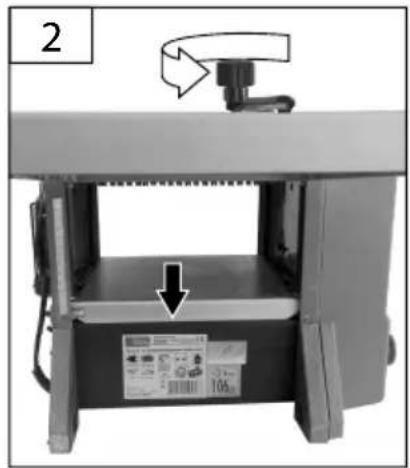
Mechanical device with a paper holder and mechanical arm, showing a 106-unit label (no readable text or symbols)

natural_image
Hand inserting a black plastic component into a machine (no text or symbols visible)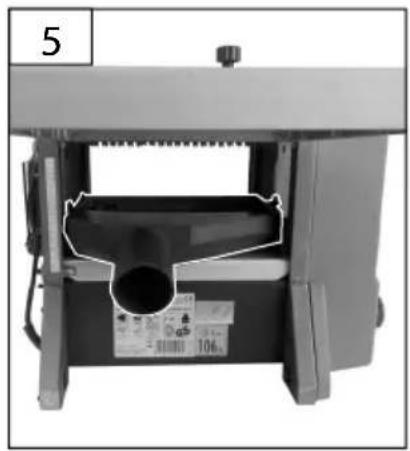
natural_image
Interior view of a mechanical device with a central pipe and labeled parts (no readable text or symbols)
natural_image
Mechanical device with internal components and a labeled arrow indicating motion (no readable text or symbols)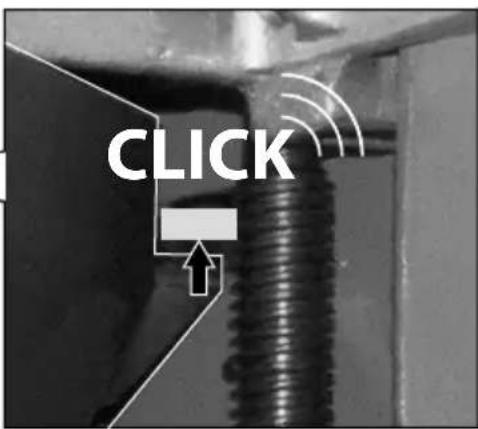
D Mikroschalter
GB Microswitch
F Micro-interrupteur
Microinterruttore
NL Microschakelaar
CZ Mikrospínač
SK Mikrospínač
H Mikrokapcsoló
SLO Mikro stikalo
HR Mikro prekidač
BG Микропревключвател
RO Microcomutator
BIH Mikro prekidač
 | D | Abrichthobeln | H | Egyengető gyalulás |
| GB | Surfacing | SLO | Izravnalno skobljanje | |
| F | Dégauchir | HR | Ravnačko blanjanje | |
| I | Piallare a fi lo | BG | Рендосване с абрихт | |
| NL | Vlakschaven | RO | Rindeluire de îndreptare | |
| CZ | Srovnávání | BIH | Ravnačko blanjanje | |
| SK | Zrovnávanie |
natural_image
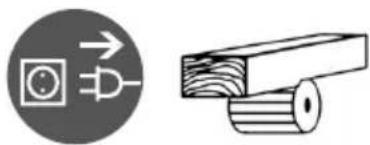
Two technical diagrams: a circular icon with a power button and an arrow pointing to a wooden block, and a separate line drawing of stacked logs (no text or symbols)
natural_image
Diagram showing a pipe fitting with an upward arrow and a black rod, no text or symbols present

natural_image
Product photo of a Gude industrial machine with coiled tubing and a white cloth cover (no visible text or symbols)

natural_image
Industrial machine with a striped cable inserted, no visible text or symbols on the device itself.D Abrichthobeln
GB Surfacing
F Dégauchir
Piallare a fi lo
NL Vlakschaven
cz Srovnávání
SK Zrovnávanie
natural_image
Industrial machine component with mechanical arms and a handle (no visible text or symbols)8

9
10

11


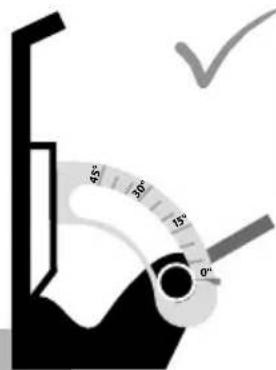
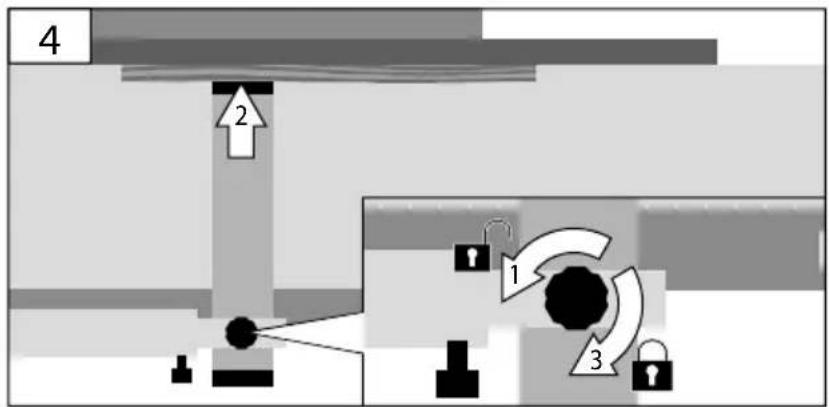
GB Adjusting the plane thickness
natural_image
Abstract geometric diagram with a central black rectangle and gray rectangles on a white background, no text or symbols present. | D | Abrichthobeln | H | Egyengető gyalulás |
| GB | Surfacing | SLO | Izravnalno skobljanje | |
| F | Dégauchir | HR | Ravnačko blanjanje | |
| I | Piallare a fi lo | BG | Рендосване с абрихт | |
| NL | Vlakschaven | RO | Rindeluire de îndreptare | |
| CZ | Srovnávání | BIH | Ravnačko blanjanje | |
| SK | Zrovnávanie |


flowchart
graph TD
    A["Path 1"] --> B["Car"]
    C["Path 2"] --> B
    B --> D["End"]

D Abrichthobeln
GB Surfacing
F Dégauchir
Piallare a fi lo
NL Vlakschaven
CZ Srovnávání
SK Zrovnávanie

flowchart
graph TD
    A["Step 2"] --> B["Step 1"]
    B --> C["Step 3"]
    C --> D["End"]

 | D | Abrichthobeln | H | Egyengető gyalulás |
| GB | Surfacing | SLO | Izravnalno skobljanje | |
| F | Dégauchir | HR | Ravnačko blanjanje | |
| I | Piallare a fi lo | BG | Рендосване с абрихт | |
| NL | Vlakschaven | RO | Rindeluire de îndreptare | |
| CZ | Srovnávání | BIH | Ravnačko blanjanje | |
| SK | Zrovnávanie |

natural_image
Five safety symbols and objects: head/shoulder, helmet, foot/foot, no tool, and wooden log (no text or labels)

flowchart
graph TD
    A["Step 2"] --> B["Step 1"]
    B --> C["Step 3"]
D Dickenhobeln
GB Thicknessing
F Raboter
Piallare a spessore
NL Vandikteschaven
cz Tloušťkování
SK Hrúbkovanie
natural_image
Industrial machine component with mechanical arms and a handle (no visible text or symbols)


 | D | Dickenhobeln | SLO | Debelinsko skobljanje |
| GB | Thicknessing | HR | Debljinsko blanjanje | |
| F | Raboter | BG | Рендосване с щрайхмус | |
| I | Piallare a spessore | RO | Rindeluire la grosime | |
| NL | Vandikteschaven | BIH | Debljinsko blanjanje | |
| CZ | Tlouštkování | |||
| SK | Hrúbkovanie | |||
| H | Vastagoló gyalulás |

natural_image
Five safety symbols: head protection, helmet, gear, no tool, and wooden log (no text or labels)


GB Adjusting the plane thickness
natural_image
Diagram of a mechanical device with a striped handle and directional arrow (no text or symbols)START

natural_image
Pure mechanical diagram showing a lever and shaft assembly without any text, numbers, or symbolsnatural_image
Close-up of a mechanical component with warning symbol and label (no readable text or symbols)
natural_image
Diagram of mechanical components with directional arrows and a 2x multiplier label (no readable text or symbols)
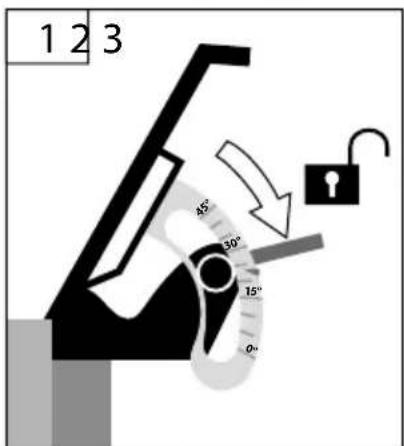
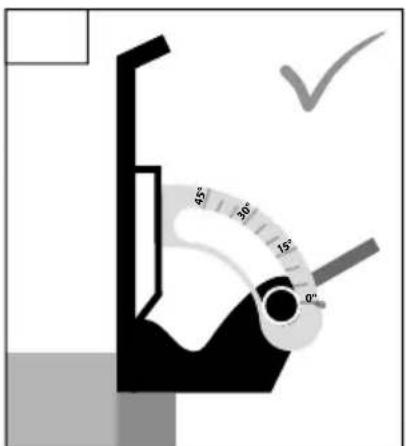

| 3 | D | Messer wechseln und einstellen | SLO | Zamenjava rezila in nastavitev |
| GB | Replacing and adjusting the blades | HR | Zamjena i namještanje noževa | |
| F | Remplacer et régler les couteaux | BG | Смяна и настройка на ножовете | |
| I | Sostituire e regolare i coltelli | RO | Schimbarea și reglarea cuțitelor | |
| NL | Messen vervangen en instellen | BIH | Zamjena i podešavanje noževa | |
| CZ | Výměna a nastavení nože | |||
| SK | Výmena a nastavenie noža | |||
| H | A kések cseréje és beállítása |


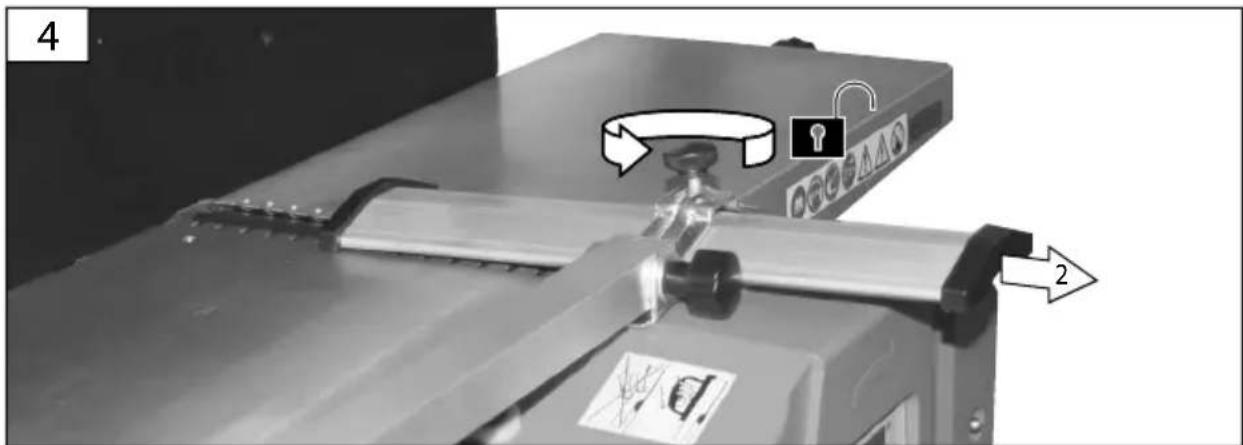
natural_image
Diagram showing a mechanical assembly with an arrow pointing to a circular symbol (no text or labels present)
 | D | Transport | SLO | Transport |
| GB | transport | HR | Prijevoz | |
| F | Transport | BG | Транспортиране | |
| I | Trasporto | RO | Transport | |
| NL | Transport | BIH | Prevoz | |
| CZ | Přeprava | |||
| SK | Transport | |||
| H | Szállítás |


natural_image
Diagram of a mechanical device with a tool and cable, showing a curved arrow indicating motion (no text or symbols present)
natural_image
Simple diagram of a device with a power plug and a central control panel (no text or symbols)
natural_image
Silhouette of a person using a cart to lift a machine, no text or symbols present
natural_image
Two figures assembling a robotic device with a checkmark above (no text or symbols)Technische Daten
Messer Typ....HSS....HSS
Messer Abmessung 210 x 16 x 1,5 mm 261 x 16 x 1,5 mm
Surfacer and thicknesser GADH 204 GADH 254 P
Art. No 55098 55056
Service connection....230 V \~ 50 Hz....230 V \~ 50 Hz
Max. Power 1500 W 1500 W
Max., feed speed....6 m/min....6 m/min
^min Idle speed....9000 min ^-1 ....9000 min ^-1
Max. plane thickness....204 mm....254 mm
Plane thickness ....5 - 120 mm....5 - 120 mm
Chip removal Thicknessing....0 - 2 mm....0 - 2 mm
Chip removal Surfacing....0 - 3 mm....0 - 3 mm
Blade Number....2....2
Blade Type....HSS....HSS
Blade Dimensions 210 x 16 x 1,5 mm 261 x 16 x 1,5 mm
Size Surfacing bench....745 x 210 mm....964 x 263 mm
Size Surfacer bench 270 x 200 mm 270 x 303 mm
Stop suitability 0°-45° 0°-45°
Weight....26,4 kg....34,3 kg
Protection class....I....I
Degree of protection IP 20 IP 20

Noise details
Sound pressure level L_pA^* 92,9 dB (A) 92,9 dB (A)
Uncertainty K = 3 dB (A) 3 dB (A)
Sound power level L_WA^* 106 dB (A) 106 dB (A)
Uncertainty K = 3 dB (A) 3 dB (A)
Wear ear protectors!
* Measured according to EN 61029-1
WARNING The vibration emission level will vary because of the ways in which a power tool can be used and may increase above the level given in this information sheet.
The vibration emission level may be used to compare one tool with another.
It may be used for a preliminary assessment of exposure.
An accurate estimate of the vibratory load should also take into account the times when the tool is shut down or when it is running but not actually in use. This may significantly reduce the vibratory load over the total working period.


Read and understand the operating instructions before using the appliance. Familiarise with the
control elements and how to use the appliance properly. Abide by all the safety measures stated in the service manual. Act responsibly toward third parties.
The operator is responsible for accidents or risks to third parties.
In case of any doubts about connection and operation refer please to our customer center
Specified Conditions Of Use
The surfacer and thicknesser is only designed for DIY and hobby use.
The machine is only designed for planing wooden materials. The wooden materials must be free of foreign substances (nails, other metal parts, cables, ropes, cords and the like).

WARNING!
The following work must not be carried out:
- Insert work (in other words any work which does not extend over the full length of the workpiece)
• Recesses, tenons or cut-outs - Planing highly warped timber in which there is inadequate contact with the feed bench.
The protective equipment on the appliance is strictly prohibited to be disassembled, changed, used in conflict with the designation and it is prohibited to attach any protective equipment of other manufacturers.
The bridge guard must not be removed during machining. The unused part of the blade shaft must be covered.
Not observing general regulations in force and instructions from this manual does not make the manufacturer liable for damages.
The current accident prevention rules and regulations must be obeyed.
Requirements for operating staff
The appliance may only be operated and maintained by persons familiarised with it and informed about possible risks.
Never let children work with the appliance. Never let adults work with the appliance unless they have been properly trained.
The operating staff must carefully read the Operating Instructions before using the appliance.
Qualification: Apart from the detailed instructions by a professional, no special qualification is necessary for appliance using.
Minimum age: Persons over 18 years of age can only work on the appliance. An exception includes youngsters trained in order to reach knowledge under supervision of the trainer during occupational education.
Local regulations may stipulate the minimum age of the user.
Training: Using the appliance only requires corresponding training by a professional or the Operating Instructions. No special training is necessary.
Residual risks
Even when the device is used properly and all safety regulations are complied with, there still may be some residual risks.
⚠️ Danger of injury!
- of fingers and hands by contact with the blade shaft at uncovered areas when changing tools. These can also be crushed by opening the guard.
• on the infeed and discharge opening
• by dangerous recoil - Danger from current if the electric cables have not been connected correctly.
- harmful wood duct may be generated if operated without an extractor or chip bag.
- by catapulted parts
- Metal parts in the workpiece can blunt or destroy the blades.
⚠ Hearing damage
A longer stay in the immediate vicinity of the running unit may cause hearing damage. Wear ear protectors!
Despite the observance of the operating instructions there still may be some hidden residual risks.
Emergency procedure
Conduct a first-aid procedure adequate to the injury and summon qualified medical attendance as quickly as possible. Protect the injured person from further harm and calm them down. For the sake of eventual accident, in accordance with DIN 13164, a workplace has to be fitted with a first-aid kit. It is essential to replace any used material in the first-aid kit immediately after it has been used. If you seek help, state the following pieces of information:
- Accident site
- Accident type
- Number of injured persons
- Injury type(s)
Symbols

Read the Operating Instructions

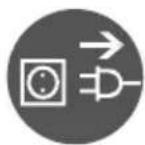
Unplug the machine before any work on it.

Safety gloves to be used!

Wear a respirator!

Wear eye protective goggles!
Wear ear protectors!

Safety shoes to be used

Warning/caution!

Warning against dangerous electric voltage

Caution! Danger of injury from planing blades.

Warning against thrown-off items

Remove all undesirable items, e.g. nails and wire, before working

Do not reach into the danger area of the moving blades.

Always keep children and unauthorised persons out of reach of the appliance.

Do not expose the appliance to rain and do not use it in wet or moisture conditions.


CE marking

Any damaged or disposed electric or electronic devices must be delivered to appropriate collection centres.
Batteries, oil, and similar substances must not enter the environment.

Protect against humidity

This side up
Safety Instructions
WARNING!
When using electric tools the following general safety instructions must be obeyed to protect yourself from electric shocks, injury and fire risks.
Read all these instructions before using this electric tool and keep the safety instruction in a safe place.
Keep your work area clean and tidy. Untidy workplaces and workbenches increase the risk of accidents and injuries.
Do not expose the appliance to rain and do not use it in wet or moisture conditions.
Provide adequate lighting or good lighting conditions when working with the machine.
Do not work with electric tools in conditions with flammable liquids, gases or dust. Electric tools produce sparks able to ignite dust or fumes.
Protect yourself from electric shock.
Avoid body contact with earthed objects (for example pipes, radiators, electric stoves and cooling units). There is an increased risk of electric shock if your body is earthed.
Keep children and bystanders away while operating a power tool. Do not touch the electric tool or the cable. When not concentrated, you may lose control over the machine.
Ensure that you store electric tools in a safe place. Tools which are not in used must be stored in a dry place as high as possible out of the reach of children or in an inaccessible place.
Do not overload the machine. Use appropriate electric tools for your work. Working with appropriate electric tools is better and safer when within the specified power range. They will work better and more safely in the specified power range.
Do not use the electric tool for purposes for which it is not designed. For example, do not use a manual circular saw for cutting branches or logs.
Dress properly. Do not wear loose clothing or jewellery. Keep your hair, clothing and gloves away from moving parts. We recommend that you wear non-slip shoes when working outdoors. Wear a hairnet if you have long hair.
Use protective equipment which fit you. Wear safety goggles and ear protection at all times. A dust mask or respirator is also required. Wear tight-fitting gloves at all times when handling sharp blades and saw blades,
If dust exhausters and catchers are to be installed, make sure they are fitted and used properly. Using a dust exhauster may reduce the exposure to dust.
Do not use the cable in conflict with its designation, to carry or hang electric tools or to pull the plug out of socket. Protect the cable against high temperatures, oil, sharp edges or moving parts of the machine. Damaged or entangled cables increase the risk of electric shock.
Secure the workpiece. Use clamping equipment or a vice to secure the workpiece. This will be safer than holding it in your hand.
Avoid any abnormal body posture. Provide good stability and keep balance at all times. By this, electric tools are better controlled in unexpected situations.
Treat electric tools carefully. Check whether the moving parts work perfectly and do not drag, whether not broken or damaged to such an extent that functioning of electric tools could be affected. Have any damaged parts repaired before using the machine. Poor maintenance of electric tools is a cause of many injuries.
Keep the cutting tools sharp and clean. Carefully treated cutting tools with sharp edges get stuck less often and are easier to guide.
Follow the instructions for lubricating and changing tools.
Check the connection cable on the electric tool at regular intervals and have it replaced by an expert if it is damaged.
Check the extension cables at regular intervals and replace them if they are damaged.
Keep the handles dry, clean and free of oil and grease.
Pull the plug out of the socket and/or remove the battery when the tool is not in use before you make machine settings or change accessories, such as the saw blade, drill bit or cutter. This safety measure prevents unintentional starting of the electric tool.
Before starting any electric tool, remove any adjusting wrenches and screwdrivers. A tool or a wrench present in the rotating part of the machine may lead to injuries.
Prevent the machine from unintentional starting. Before plugging and/or connecting the machine to battery, handling or carrying, make sure the electric tools are switched off. Having a finger on the switch when carrying the electric tool or when the machine is on when plugging it may lead to injuries.
If you wish to work outdoors with an electric tool, only use extension cables which are approved for outdoor use and are marked accordingly. Using an extension cable suitable for outdoor use reduces the risk of electric shock.
Be careful, pay attention to what you are doing and use common sense when working with electric tools. Do not use electric tools when you are tired or under the influence of drugs, alcohol or pharmaceuticals. A moment if inattention when using electric tools may lead to serious injuries.
Check the machine for any damage:. Before using the equipment again, the protective equipment must carefully be checked if safe and working as designated.
Check the moving parts for perfect functioning, if working smoothly and if no parts are damaged. To provide safe operation of the equipment, all parts must be installed properly and meet all conditions.
Damaged protective equipment and parts must be professionally repaired or replaced by a recognised professional workshop, unless otherwise specified in the Operating Instructions.
Do not use electric tools with a defective switch. An electric tool that cannot be switched on or off is dangerous and must be repaired.
WARNING!
The use of other tools and other accessories may pose an injury risk for you.
Have your electric tool repaired by an electrician. This electric tools complies with the relevant safety regulations. Repairs may only be carried out by an electrician using genuine spare parts; otherwise the user may suffer accidents.
Caution!
The machine must be secured to the floor using suitable screws since otherwise there is a risk that it will tip over.
Errors in the machine, including the guard or the blade shafts, must be reported to the person responsible for safety as soon as they are discovered.
Electrical connection
WARNING! Electric shock! There is a risk of an injury caused by electric shock!
Defective cable or plug may cause electric shock.
Avoid body contact with earth parts to protect yourself from electric shocks.
Operation is only allowed with a safety switch against stray current (RCD max. stray current of 30mA).
Insert the plug of the electrical cable in a socket of suitable shape, voltage and frequency complying with current regulations.
Do not pull the service cable to pull the plug out of socket.
The machine meets the EN 61000-3-11 requirements and is subject to special connection conditions. That means that a use on optional points of connection is not allowed.
- The machine may cause temporary voltage fluctuation in adverse conditions.
- The machine has only been designed to be used on points of connection not exceeding the maximum allowable network impedance Z_ = 0.233 .
- As a user, you must make sure, after consultation with your energy provider, if necessary, that your point of connection on which the machine is to be operated meets the requirements above.
Work preparation / operation
Before each use, check the following:
- Proper function of the on and off button, incl. the emergency switch.
- Locked disconnected protective equipment by gradual opening of every separating protective equipment to be able to turn the machine off and checking that the machine cannot be turned on whenever the protective equipment is open.
- Brake
by means of a function test to establish whether the braking process takes place within the specified braking time and, if the machine is fitted with a mechanical brake, that the brake must be tested each time the overload guard is tripped.
- Recoil risk
at least once per shift by a visual inspection to establish that they are in good working order, for example, that the contact surface has not been damaged by impacts and that the grabs fall back without hindrance due to their own weight.
- Planing blades
for signs of damage and to ensure they are positioned correctly.
The machine may only be used if all these conditions are satisfied.
Use only well sharpened and maintained blades. Use only blades that are designed for the machine.
Use pusher wood or sticks which are in perfect condition for machining short workpieces.
Connect the machine to a dust and chip extractor. Check that the stop is secure before starting the machining work.
Ensure that you can maintain your balance at all times. Stand to the side of the machine. Whilst the machine is running keep your hands at a safe distance from the cutting roller and from the point at which the chips are discharged.
Do not start the planing work until the cutting roller has reached the required speed.
Also ensure that the workpiece does not contain any cables, wires, cords or the like. Do not machine any wood which has lots of knots or knot holes.
Secure long workpieces to prevent them tipping over at the end of the planing process. Use roller stands, for example, or similar devices for this purpose.
Removing sawdust and chippings from the machine when running is strictly prohibited.
Switch off the machine immediately it is jams. Pull out the mains plug and remove the jammed workpiece.
Set the smallest cutting size after use to prevent the risk of injury.
Maintenance
⚠️ Unplug the machine before any work on it.
Prior to every use, visually check the machine to rule out any defects, in particular on the power cable and the plug.
The machine must not be used under any circumstances if the machine or the safety devices are damaged.
Repairs and works specified in these Instructions may only be performed by qualified authorised staff.
Use only original accessories and original spare parts.
At all times, keep the machine, ventilation slots, in particular, clean. The sawdust ejection and/or dust exhauster should be cleaned at regular intervals. Never spray water on the machine!
Only a regularly maintained and treated appliance can serve as a satisfactory aid. Insufficient maintenance and care can lead to unforeseen accidents and injuries.
Never clean the machine and its components with solvents, flammable or toxic liquids. Us only a damp cloth making.
Apply environment-friendly oil to all moving parts. If necessary, a list of spare parts can be found at www.guede.com.
Disposal

Any damaged or disposed devices must be delivered to appropriate collection centres.
Transport packaging disposal
The packaging protects the machine against damage during transport. Packaging materials are usually chosen based on environment aspects and waste treatment principles and are therefore recyclable. Returning the packaging into material circulation saves raw materials and reduces waste production. Parts of packagings (e.g. foils, styropor®) can be dangerous for children.
Risk of suffocation!
Keep parts of the packagings out of reach of children and dispose them as soon as possible.
Guarantee
Warranty period of 12 months applies to commercial use and 24 months applies to private use and commences on the day of purchase of the device.
The guarantee solely covers inadequacies caused by material defect or manufacturing defect. Original payment voucher with the sales date needs to be submitted for any claim in the guarantee period.
The guarantee does not cover any unauthorised use such as appliance overloading, use of violence, damage as a result of any unauthorised interference or caused by foreign items. Failing to follow the operating and assembly instructions and common wear are also not included in the guarantee.
Important information for the customer
Please be sure to know that returning the product in or after the warranty period must be made in the original packaging.
Service
Do you have any technical questions? Any claim? Do you need any spare parts or operating instructions? We will quickly help you and without needles bureaucracy at our web pages at www.guede.com in the Servicing part. Please help us be able to help you. In order to identify your device in case of claim we need the serial No., product No. and year of production. All this data can be found on the type label. Please enter it here for future reference:
Serial No.:
Art. No:
Year of production:
Tel.: +49 (0) 79 04 / 700-360
Fax: +49 (0) 79 04 / 700-51999
E-Mail: support@ts.guede.com
Failure removal
⚠️ Before rectifying a fault on the machine, switch off the machine and pull out the mains plug.
| Failures | Causes | Removal |
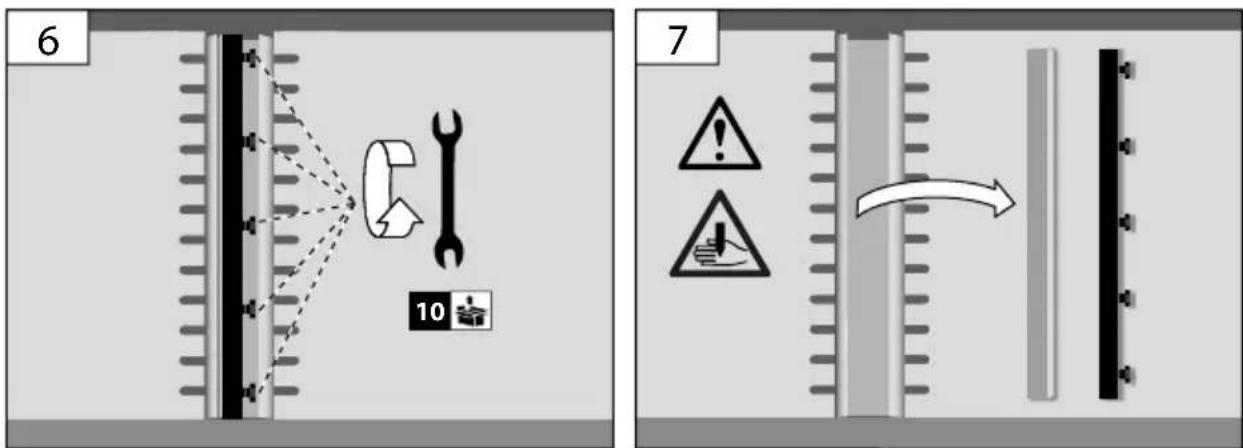
| Machine does not work or stops suddenly | Power cutMotor or switch defectiveCheck microswitch | Check fuse, check overload switch on machine.Have the motor or switch checked by an electrician.Fit the chip extractor hood so that the microswitch is pressed.→6 |
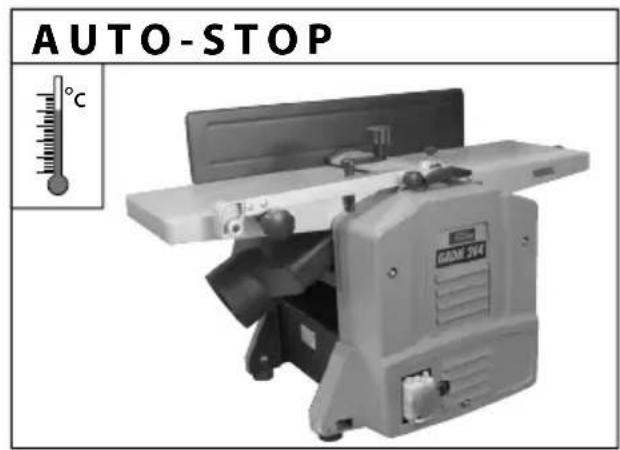
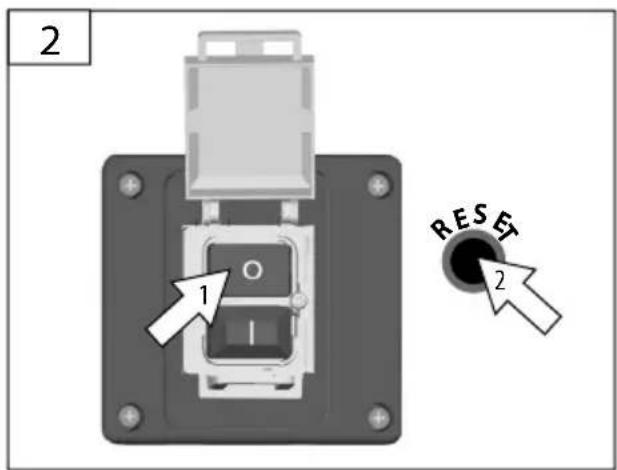
| Machine stops during planing | Planing blade blunt/wornOverload switch has trippedCheck microswitch | Replace or sharpen bladeSwitch on the motor again once it has cooledFit the chip extractor hood or bench lock so that the microswitch is pressed.→6 |
| Workpiece jams during thicknessing | Cutting depth too greatReduce cutting | depth and machine the workpiece in several passes |
| Unsatisfactory surface finish | Planing blade blunt/wornPlaning blade filled with chipsUneven feed | Replace or sharpen bladeRemove chipsFeed the workpiece with constant pressure and at reduced speed |
| Machined surface too rough | Workpiece contains too much moisture | Dry workpiece |
| Machined surface cracked | Workpiece was machined against the grainToo much material planned at one pass | Machine the workpiece from the opposite directionMachine the workpiece in several passes |
| Workpiece speed too low during thicknessing | Workpiece was machined against the grainToo much material planned at one pass | Clean bench top and apply a thin coating of lubricant waxRepair transport rollersSet the lever for the thicknessing setting to the top position |
Enable and check all safety equipment after all troubleshooting work.
Inspection and maintenance plan
| Regular servicing period Before any | start-up | If necessary Once a week | After 6 months | ||
| Check that the planing blade is in perfect condition | Inspection | √ | |||
| Change | √ | √ | |||
| Check the function of the safety equipment | Inspection | √ | |||
| Change | √ | ||||
| Clean dust and chips off the machine | Clean | √ | |||
| Check the drive belt to ensure it has the correct tension and is in good condition or not worn | Inspection | √ | |||
| Change | |||||
| Oil or grease all moving connecting parts | √ | √ | |||
Couteaux Type....HSS....HSS
Couteaux Dimensions ....210 x 16 x 1,5 mm....261 x 16 x 1,5 mm
Incertitude K=....3 dB (A)....3 dB (A)
Incertitude K = 3 dB (A) 3 dB (A)
Nůž Typ....HSS....HSS
Kolísavost K = 3 dB (A) 3 dB (A)
Kolísavost K = 3 dB (A) 3 dB (A)
Kolísavost' K =....3 dB (A)....3 dB (A)
Kolisavost K = 3 dB (A) 3 dB (A)
Nihanje K = 3 dB (A) 3 dB (A)
Akustična zmogljivost L_WA^* 106 dB (A) 106 dB (A)
Nihanje K = 3 dB (A) 3 dB (A)
Nož Tip....HSS....HSS
Nož Dimenzije 210 x 16 x 1,5 mm 261 x 16 x 1,5 mm
Veličina Stol za ravnanje 745 x 210 mm 964 x 263 mm
Veličina Stol za debljinsko blanjanje 270 x 200 mm 270 x 303 mm
Nagib graničnika 0° - 45° 0° - 45°
Masa....26,4 kg....34,3 kg
Nož Tip....HSS....HSS
Nož Dimenzije 210 x 16 x 1,5 mm 261 x 16 x 1,5 mm
Veličina Stol za ravnanje 745 x 210 mm 964 x 263 mm
Veličina Stol za debljinsko blanjanje 270 x 200 mm 270 x 303 mm
Nagib graničnika 0°-45° 0°-45°
Masa....26,4 kg....34,3 kg
Translation of the EC-Declaration of Conformity
We, hereby declare the conception and construction of the below mentioned appliances correspond - at the type of construction being launched - to appropriate basic safety and hygienic requirements of EC Directives.
In case of any change to the appliance not discussed with us the Declaration expires.
2006/95/EC 2004/108/
□2009/105/EC 1907/2006/EC
2011/65/EC ROHS 2009/142/EC
□89/686/EEC (PPE) 1935/2004/EC
2006/42/EC
Annex IV
Notified Body: No:0123 Name:TÜV SÜD Product service GmbH


- GADH 254 P
- GADH 204
- D Mikroschalter
- D Dickenhobeln
- GADH 204 P 55098
- D Abrichthobeln
- GADH 254 P 55056
- Technische Daten
- Surfacer and thicknesser GADH 204 GADH 254 P
- Noise details
- Wear ear protectors!
- Specified Conditions Of Use
- WARNING!
- The following work must not be carried out:
- Requirements for operating staff
- Residual risks
- ⚠️ Danger of injury!
- ⚠ Hearing damage
- Emergency procedure
- Symbols
- Safety Instructions
- Caution!
- Electrical connection
- WARNING! Electric shock! There is a risk of an injury caused by electric shock!
- Operation is only allowed with a safety switch against stray current (RCD max. stray current of 30mA).
- Work preparation / operation
- Before each use, check the following:
- - Brake
- - Recoil risk
- - Planing blades
- Maintenance
- ⚠️ Unplug the machine before any work on it.
- Disposal
- Transport packaging disposal
- Risk of suffocation!
- Guarantee
- Important information for the customer
- Service
- Failure removal
- Translation of the EC-Declaration of Conformity
Brand : GUDE
Model : GADH 254 P
Category : Plane