
F4151CW - Freezer GORENJE - Free user manual and instructions
Find the device manual for free F4151CW GORENJE in PDF.


| Product Type | Upright Freezer |
| Brand | Gorenje |
| Model | F4151CW |
| Width | 660 mm |
| Height | 1080 mm |
| Depth | Approximately 600 mm (standard) |
| Weight | Approximately 50 kg |
| Power Supply | 220-240 V, 50 Hz |
| Climate Class | SN, N, ST, T (10°C to 43°C) |
| Energy Consumption | Standard usage (refer to rating plate) |
| Freezer Capacity | Approximately 200-250 L (typical) |
| Freezing Capacity | As stated on rating plate (typical 10-15 kg/24h) |
| Control Type | Electronic front panel with LED display |
| Functions | Super freezing, ECO mode, Lock, Temperature setting (-16°C to -22°C) |
| Alarms | Door open (after 5 min), High temperature (> -8°C) |
| Defrosting | Manual, when frost layer is 3-5 mm thick |
| Door Reversibility | Yes, instructions provided |
| Adjustable Feet | Yes, two front feet |
| Handle Installation | Provided with screw covers |
| Refrigerant | R600a (isobutane) typical, check rating plate |
| Noise Level | Normal operating sounds (compressor and refrigerant flow) |
| Safety Features | Ventilation slots must be unobstructed; no electrical devices inside; lock safety for child entrapment |
| Maintenance | Clean with lukewarm water and vinegar; avoid abrasive cleaners; keep condenser dust-free |
Frequently Asked Questions - F4151CW GORENJE
User questions about F4151CW GORENJE
0 question about this device. Answer the ones you know or ask your own.
Ask a new question about this device
Download the instructions for your Freezer in PDF format for free! Find your manual F4151CW - GORENJE and take your electronic device back in hand. On this page are published all the documents necessary for the use of your device. F4151CW by GORENJE.
USER MANUAL F4151CW GORENJE
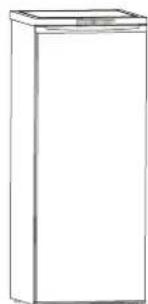
Upright Freezer Chest Freezer Freestanding Freezer Upright Freezer Upright Freezer Upright Freezer Upright Freezer Upright Freezer Upright Freezer Upright Freezer Upright Freezer
Important Notes D
Before first operation GB
- The appliance is manufactured in compliance with all relevant safety standards; however, it is recommended that persons with impaired physical, motional, or mental abilities, or persons with inadequate experience and knowledge, do not use the appliance without due supervision. The same recommendation applies to minors using the appliance.
- Warning: Ventilation slots on the appliance or built-in element should always be kept clean and unobstructed.
- Warning: Do not use any mechanical accessories when thawing the refrigerator, except for those explicitly recommended by the manufacturer.
- Warning: To prevent any pollution be careful not to damage the insulation or refrigeration tubes at the rear wall during the installation, cleaning and disposal of the appliance.
- Warning: Do not use any electrical devices inside the appliance, except for those explicitly recommended by the manufacturer. • After the installation, the appliance mains plug should be accessible!
| D | E | F | G | H | I |
| 660 mm | 1 080 mm | 80 mm | 50 mm | 135°-145° | 900 mm |
Handle Installation
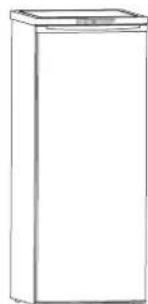
Maintenance and Cleaning
| D | E | F | G | H | I |
| 660mm | 1080mm | 80mm | 50mm | 135°-145° | 900mm |
Handle Installation
Appliance Description
Maintenance and Cleaning
Defrosting the Freezer
| D | E | F | G | H | I |
| 660mm | 1080mm | 80mm | 50mm | 135°-145° | 900mm |
| D | E | F | G | H | I |
| 660 mm | 1080 mm | 80 mm | 50 mm | 135° -/145° | 900 mm |
Handle Installation
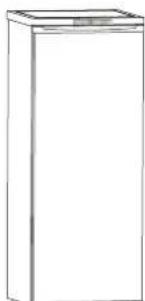
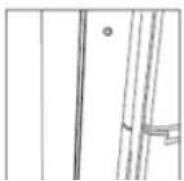
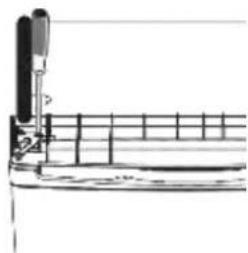
- Remove the protective caps from the door.
| D | E | F | G | H | I |
| 660mm | 1080mm | 80mm | 50mm | 135° -145° | 900mm |
Mounting the handle
Description of the appliance
![graph TD A["Initial Component"] --> B["Assembly Step"] B --> C["Final Assembly"]](/content/2026/05/844083/images/600787ebd857a26bfff461a9df449741ba7c979bb0b15bbd64b66e99bf4ccc53.jpg)
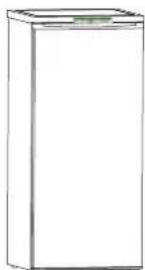
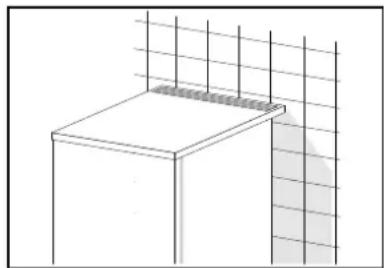
- The appliance is equipped with a ventilation grid, so you can place it closer to the wall. The grid ensures proper air circulation, necessary for the smooth and correct operation of the condenser.
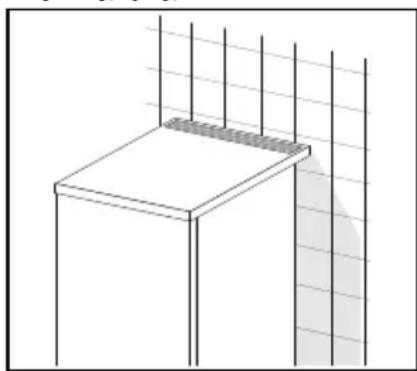

Mounting the handle
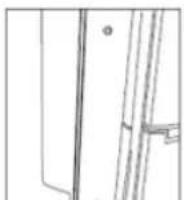
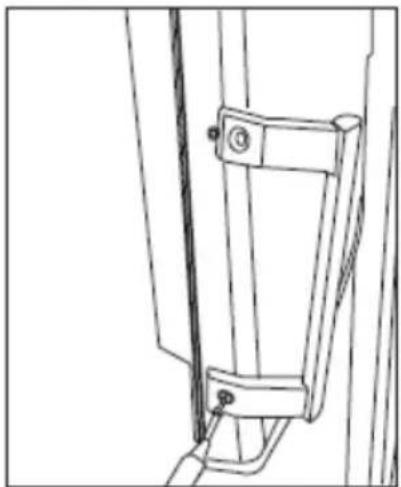
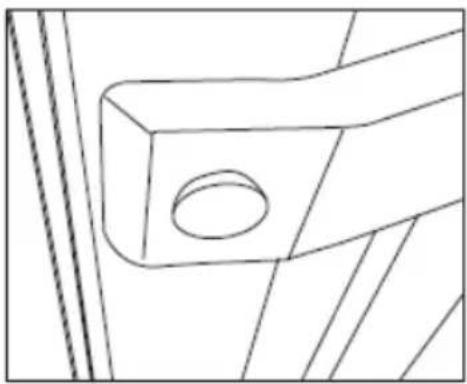
- Remove the screw caps from the door
- Attach the handle using two screws
- Replace the protective screw caps
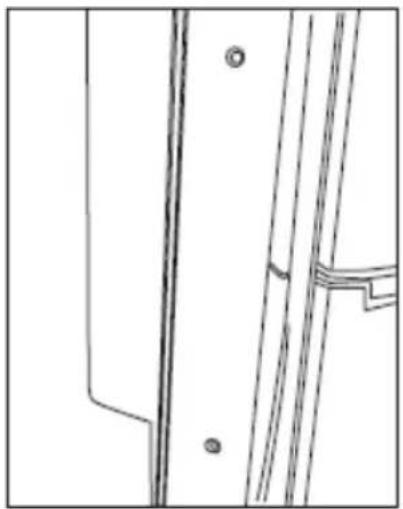
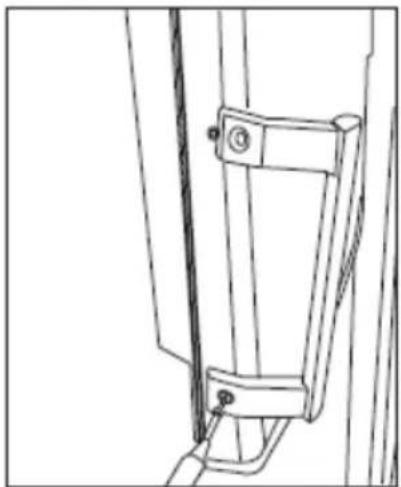
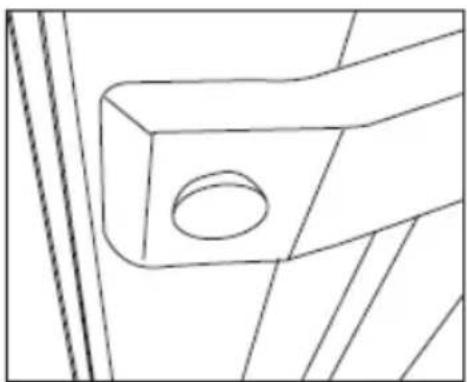
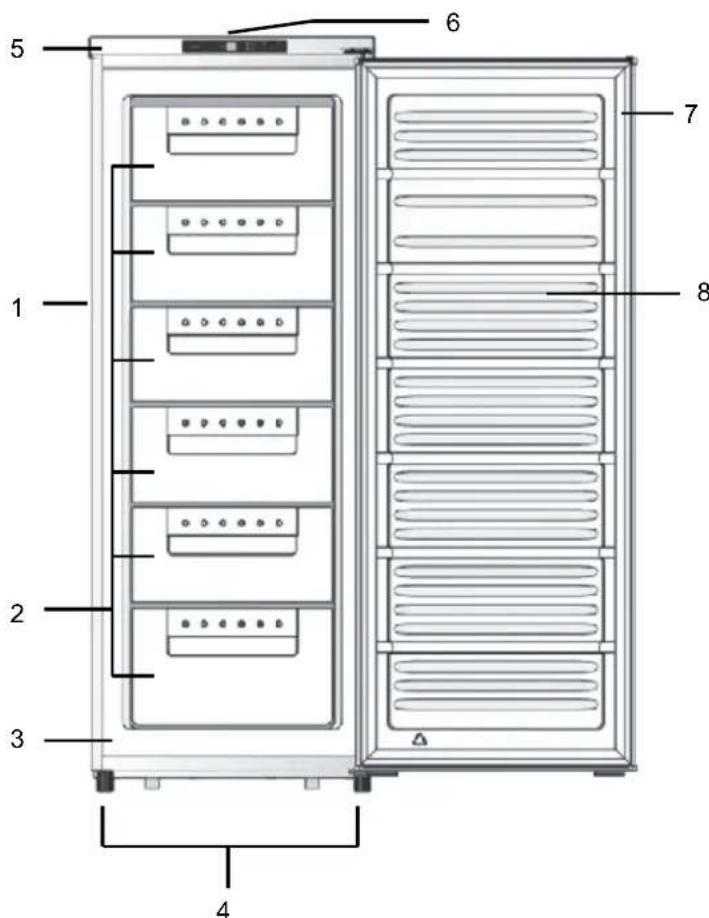
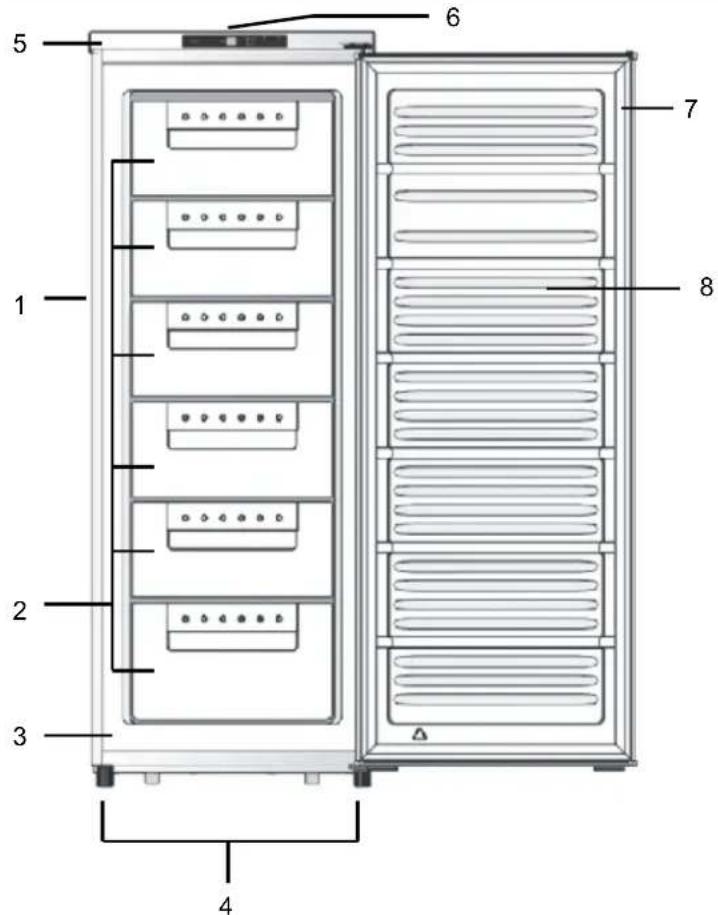
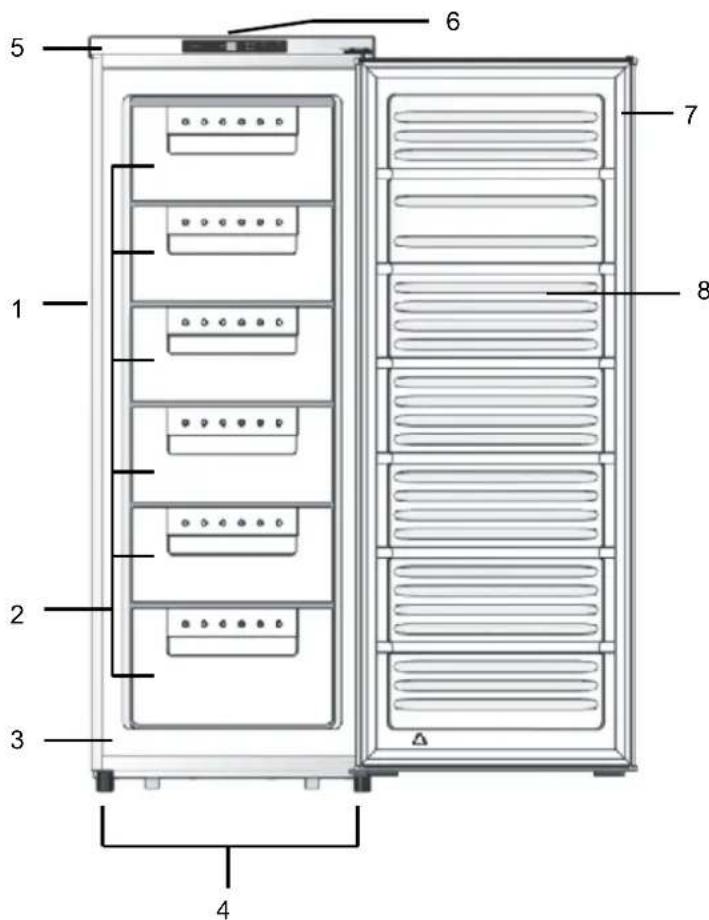
Description of the appliance
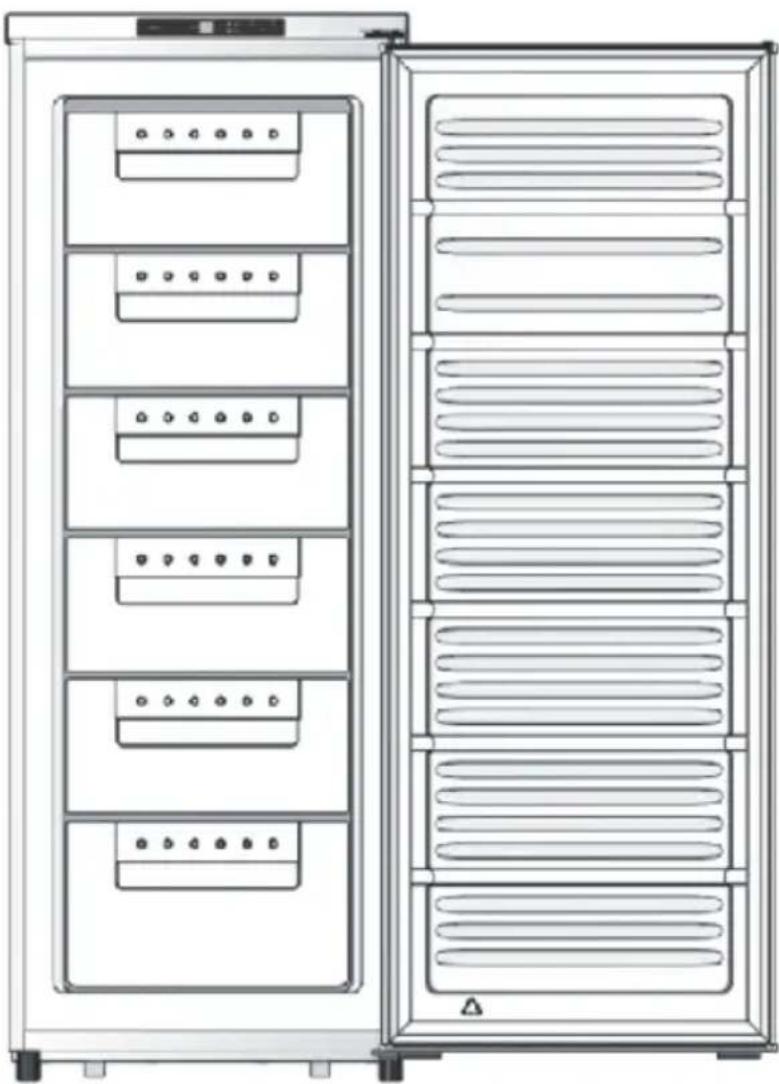
- Cabinet
- Freezer drawers
- Compressor (at the rear of the appliance)
- Adjustable feet
- Work surface
- Electronic control board
- Door gasket
- Door assembly
Operating the appliance
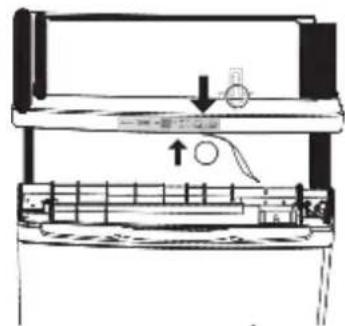
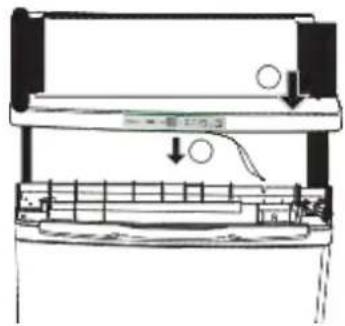
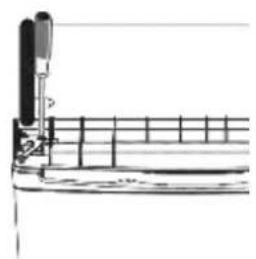
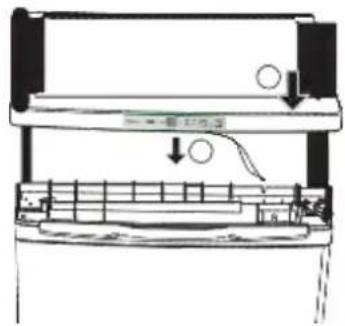
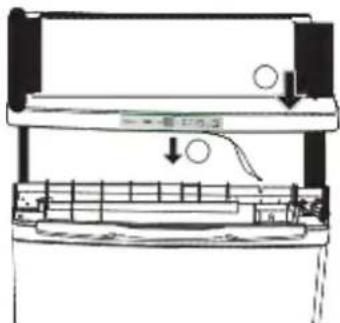
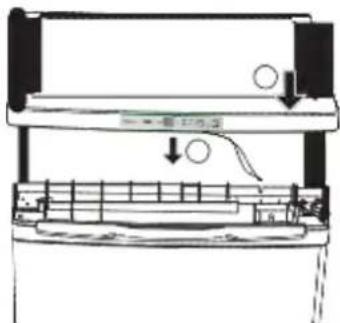
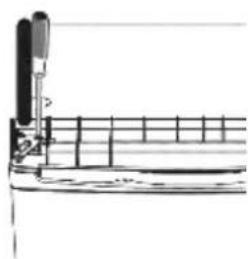
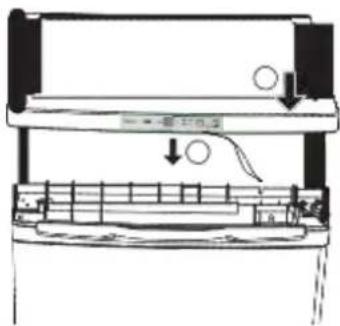
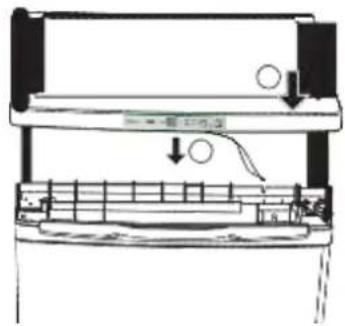
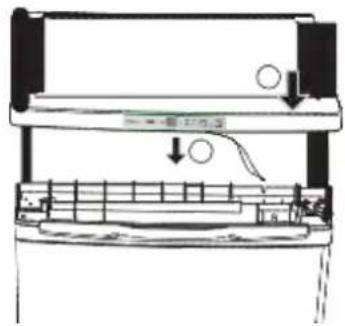
- Carefully lift the top cover by 5 cm, disconnect the electronic connectors, and then remove the cover.
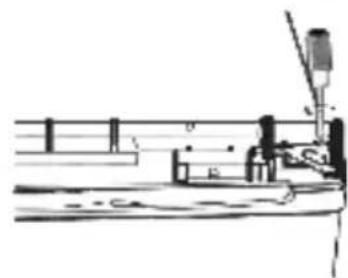
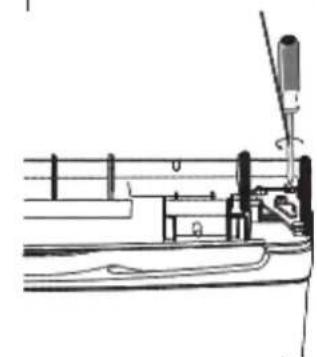
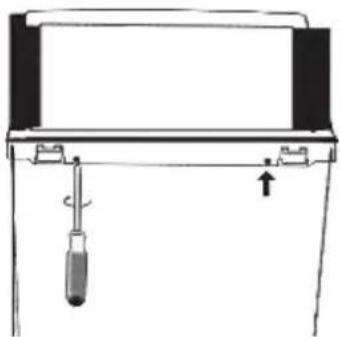
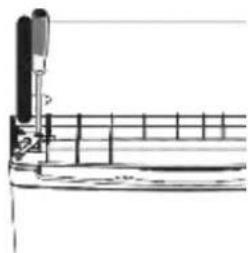
- Unscrew the three screws, then remove the top hinge that holds the door in place. Lift the door and place it on a soft surface, being careful not to scratch it.
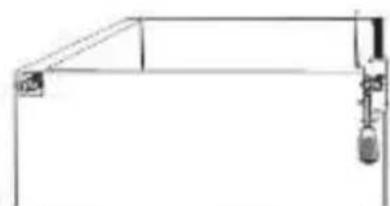
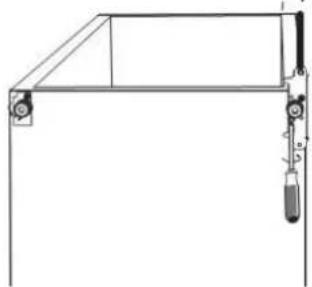
- Unscrew the bottom hinge screws and remove the hinge and adjustable feet.
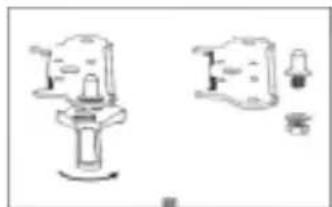
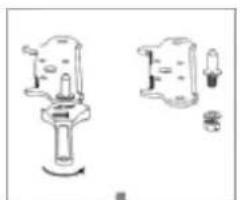
- Unscrew and remove the bottom hinge pin, flip the bracket, and reinstall it.
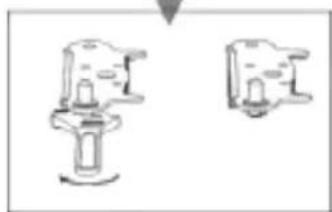
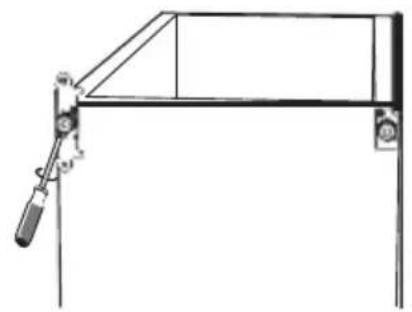
- Attach the bracket to the bottom hinge pin, then reinstall both adjustable feet.
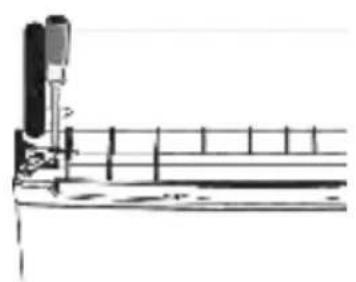
- Wipe the inside of the freezer with a sponge and a clean cloth.
Cleaning the appliance
Before cleaning, disconnect the appliance from the power supply.
Do not use harsh or abrasive cleaning agents, as they may damage the surface. After cleaning, make sure to remove all cleaning agent residues.
- Clean the outside of the appliance with water and liquid detergent.
- Wash the inside of the appliance with lukewarm water to which you have added a little wine vinegar.
Thank you for your trust and for buying this appliance. We hope it will successfully serve the purpose for many years.
The upright freezer for domestic use is intended for freezing fresh food and for long-
term storing of frozen food (up to one year, depending on the kind of food).
Before Putting Into Use 2
Instructions for Use
We Care for the Environment
Tips for Energy Saving
Important 3
Placing and Installation 4
Placing the Appliance
Connection to Power Supply
Description of the Appliance 6
Using the freezer....6
Electronic front control panel.... 7
Use....8
Freezing Fresh Foods
Changing the Direction of Opening the Door10
Maintenance and Cleaning....12
Cleaning the Appliance
Switch Off the Appliance When Not in Use
Trouble Shooting Guide 13
Before Putting Into Use
- Before connecting the appliance to the mains supply, leave it stand for about 2 hours which will reduce the possibility of malfunctions in the cooling system that might have occurred due to transport handling.
- Clean the appliance thoroughly, especially the interior (see Cleaning and Maintenance).
Instructions for Use
These instructions for use were prepared for the user. They describe the appliance and its correct and safe use. They were prepared for various types/models of appliances therefore you might find in it description of some functions and accessories that do not apply to your appliance.
We Care for the Environment
- Our products use environmentally friendly packaging, which can be either recycled or disposed of in an environmentally friendly manner. To this end, individual packaging materials are clearly marked.
- These instructions are printed either on recycled paper or chlorine-free bleached paper.
- When your appliance finally wears out, please try not to burden the environment with it; call your nearest authorized service agent. (See Disposing of the Worn Out Appliance)
Tips for Energy Saving
- Try not to open the door too often, especially when the weather is wet and hot. Once you open the door, mind to close it as soon as possible. This is especially important if you have an upright model.
- Every now and then check if the appliance is sufficiently ventilated (adequate air circulation behind the appliance).
- Turn the thermostat knob from higher to lower setting as soon as possible (depends on how loaded the appliance is, ambient temperature...)
- Never use continuous operation unless unnecessarily required; switch the operation mode selection switch to the setting for automatic operation as soon as possible.
- Before freezing packages of fresh foods, make sure they are cooled to ambient temperature.
- Ice and frost layer increase energy consumption, so do clean the appliance as soon as the layer is 3-5 mm thick.
- If the gasket is damaged or if it turns out that the sealing is poor, the energy consumption is substantially higher. To restore efficiency, replace the gasket.
- The condenser on the rear wall should be always clean, free of dust or any impurities.
- Always consider instructions stated in sections Positioning and Energy Saving Tips, otherwise the energy consumption is substantially higher.

Important
- If you've bought this appliance to replace an old one equipped with a lock that cannot be opened from inside (lock, bolt), make sure that the lock is broken. This will make it impossible for the children to lock themselves in the appliance and suffocate.
- Mind to connect the appliance correctly to the mains supply (see Connection to the Mains Supply).
- Do not touch the cooled surfaces while the appliance operates, especially not with wet hands, because the skin might stick to the cold surfaces.
- Do not freeze bottled drinks, especially not fizzy ones such as mineral water, sparkling wine, beer, cola etc., because liquid expands during freezing and the glass bottle is very likely to blow up.
- Never try to eat frozen food (bread, fruit, vegetables), because you may get frostbites.
- Carefully check the foods for color and smell and if you are in doubt about their quality, throw them away because they may be spoiled and therefore dangerous to eat.
- Disconnect the appliance from the mains before repairing (only a qualified technician should repair it) and before cleaning.
- Do not defrost the appliance with other electric devices (hair dryer etc.) and never scrape the ice or frost layer with sharp tools. Use only enclosed tools or tools recommended by the manufacturer.
- For the sake of environment protection - be careful not to damage the rear wall of the appliance (the condenser unit or the tubes - for example when moving the appliance) or any part of the refrigerating system inside the appliance.
- The refrigerating system of the appliance is filled with refrigerant and oil, so when the appliance is damaged, handle it with care and dispose it of in compliance with environmental protecting precautions. (See We Care for the Environment).
- Heating element incorporated in the appliance, all around the rim, is controlled
by the operation of the compressor and it prevents the door gasket to freeze on to the freezer compartment.
- When activating the "Super" function, the red light may turn on. This is normal condition and there is no need for warning.
- If the supply cord is damaged, it must be replaced by the manufacturer or his service agent or a qualified person in order to avoid hazard.
- The rating plate is in the interior or on the rear wall of the appliance.

The symbol on the product or its packaging indicates that this product may not be treated as household waste. Instead, it shall be handed over to the applicable collection point for the recycling of electrical and electronic equipment. By ensuring this product is disposed of correctly, you will help prevent potential negative consequences for the environment and human health, which could otherwise be caused by inappropriate waste handling of this product. For more detailed information about recycling of this product, please contact your local city office, your household waste disposal service, or the shop where you purchased the product.
Storing Time During Power Supply Interruption
Avoid opening the freezer in case of failure or power supply interruption! In case the interruption is extended over a longer period of time, take food out of the freezer and use it, or make sure it remains well cooled (perhaps you have an extra appliance).
Disposing of the Worn Out Appliance
- When your appliance finally wears out, dispose of it. If the appliance has a lock, break it, in order to prevent eventual accidents (danger of children getting locked inside the appliance).
- The refrigerating system of the appliance is filled with refrigerant and insulating substances which should be separately treated and processed. Call your nearest authorized service agent or specialized servicing center. If you don't find one, contact your local authorities or your distributor. Be careful not to damage the tubes on the rear wall of the appliance (danger of pollution).
Placing and Installation
Choosing the Right Place
Place the appliance in a dry and regularly ventilated room. Allowed ambient temperature depends on the model (class) of the appliance and is stated on the rating plate of the appliance.
Never place the appliance near heat emitting devices (e.g., cooker, radiator, water heater, and similar devices) and do not expose it to direct sunlight.
The appliance should be positioned at least 3 cm away from the electric or gas cooker and at least 30 cm away from the oil or coal stove. If this is not possible, use an appropriate insulation.
Behind the appliance there should be free space at least 200 cm² wide, and above the appliance the high kitchen units should be at least 5 cm away from the appliance in order to assure adequate ventilation of the condenser unit.
| Class | Ambient temperature |
| SN (sub-normal) | from + 10°C to + 32°C |
| N (normal) | from + 16°C to + 32°C |
| ST (sub-tropical) | from + 16°C to + 38°C |
| T (tropical) | from + 16°C to + 43°C |
Placing the Appliance
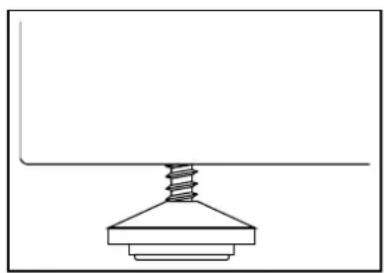
- Place the appliance firmly on a solid base. Level it with the two adjustable feet, located on the front.
- The appliance with ventilation grid may be placed close to the wall. The grid enables sufficient air circulation, required for adequate ventilation of the rear wall.
Connection to Power Supply
Connect the appliance with the cable and plug to the power supply socket outlet with a ground terminal (safety socket).
Required nominal voltage and frequency are indicated in the rating plate. The connection to the mains supply and earthing have to be made according to current standards and regulations. The appliance resists temporary voltage tolerance up to -6 to +6 %.
Installing the appliance
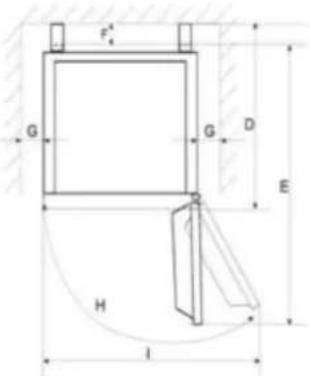
| D | E | F | G | H | I |
| 660mm | 1080mm | 80mm | 50mm | 135°-145° | 900mm |
Handle installation
- Take off screw covers from the door
Description of the Appliance
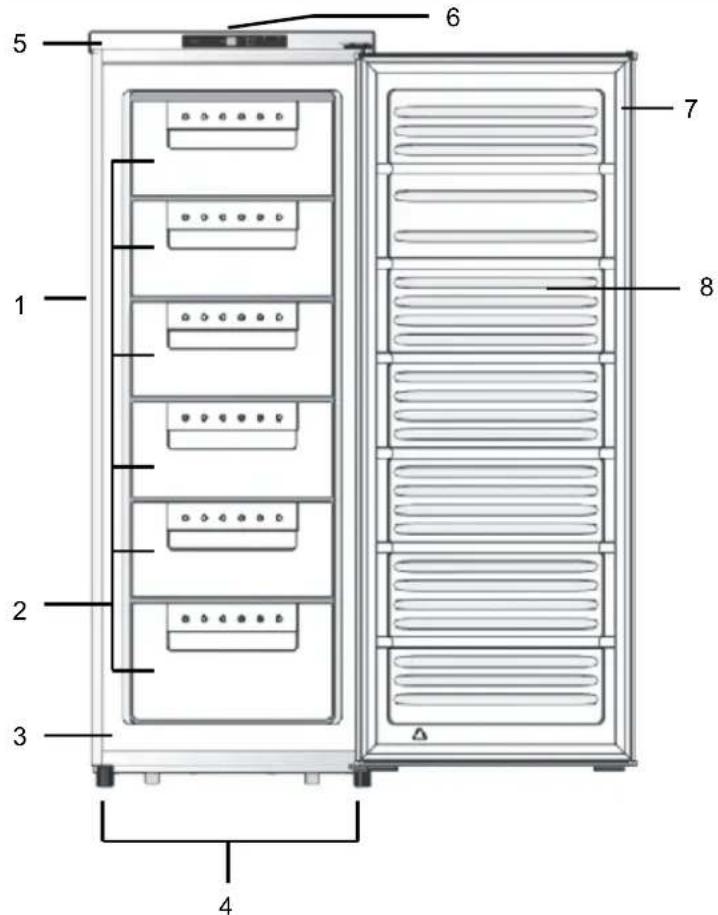
- Cabinet
- Drawers
- Compressor(at the back of cabinet)
- Adjustable Feet
- Worktop
- Electronic front control panel
- Door Gasket
- Door assembly
Using the freezer
This appliance is designed to conserve frozen foods, to freeze fresh food and to make ice-cubes.
Do not freeze a large quantity of food at any one time, as the faster an item is frozen, the more it will keep its qualities. Similarly, make sure that you wrap your foodstuffs before freezing, so that they retain their full flavour and do not spoil the other products.
The conservation time for frozen foods depends on the type of food. Refer to the instructions on the packaging.
Never place hot foods in your freezer. Never place bottles or drinks cans in it either, as they can burst when their contents freeze.
Highly carbonated drinks can even explode! NEVER keep lemonade, fruit juice, beer, wine, champagne, etc. in the freezer compartment.
Electronic front control panel
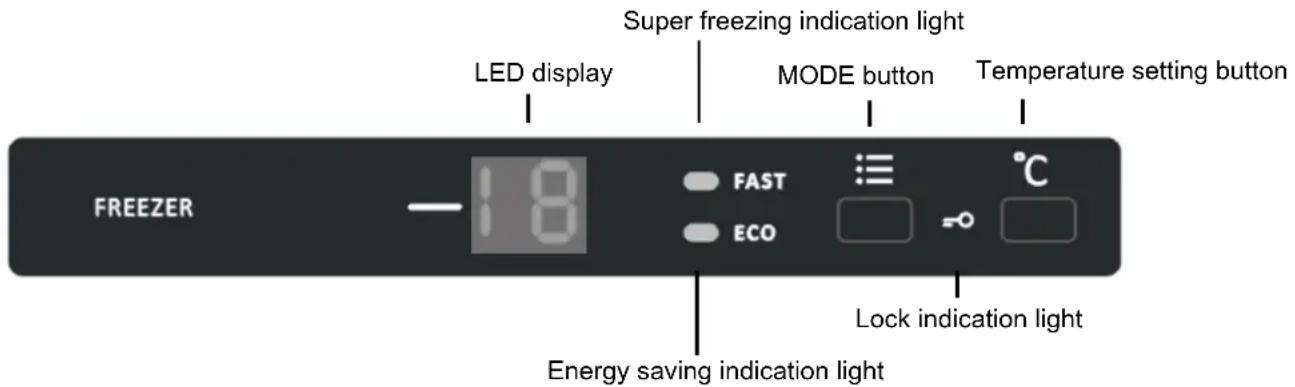
MODE function:
- When firstly push "MODE" button, the lamp of "FAST" is lighted on, appliance would be fast freezing and the LED displays "SF".
- When secondly push "MODE" button, the lamp of "FAST" is blacked down and the lamp "ECO" is lighted on, appliance would go into "ECO" mode. It will run at -16°C and the LED will display "SE".
- Third push makes "ECO" mode black out and the appliance will go back to user setting mode.
TEMPERATURE setting:
- Push "°C" button, the LED number would light so you could adjust the temperature level by pressing "°C" button. The setting cycle runs like following -16 °C, -17 °C, -18 °C, -19 °C, -20 °C, -21 °C, -22 °C. Each temperature level is confirmed after keeping it for 5 seconds.
LOCK option of the buttons:
- Pushing "MODE" button and °C "TEMPERATURE SETTING BUTTON at the same time for 3 seconds makes buttons go into LOCK mode and symbol lights. In order to unlock the buttons, push "MODE" button and °C "TEMPERATURE SETTING BUTTON at the same time for 3 seconds.
DOOR OPEN alarm:
- If the freezer door is opened for more than 5 minutes, the alarm will sound and will stop when the door is closed.
HIGH TEMPERATURE alarm:
- If the inside freezer temperature is higher than -8 °C, the LED display shows "ht" and gives out an alarm sound until any button is pressed or the temperature drops back below -8 °C.
IMPORTANT! The display always shows the set temperature, not the actual one.
Note that the ambient temperature, the temperature of freshly stored food, and how often the door is opened affect the temperature in the freezer compartment. If required, change the temperature setting.
Use
Freezing Fresh Foods
Proper use of the appliance, adequately packed food, correct temperature, and taking into account hygienic precautions will substantially influence the quality of freezing the food or storing the frozen foodstuffs.
- Carefully select food to be frozen: it should be of adequate quality and suitable for freezing.
- Choose correct packaging for each kind of food and pack it correctly.
- The packaging should be air tight and well sealed without leaking, since this could cause substantial vitamin loss and dehydration.
- Foils and bags should be soft enough to tightly wrap around the food.
- Mark packages with the following data: kind and amount of foods and the date of loading.
- It is most important that the food is frozen as quickly as possible. We therefore recommend that the size of the package not be too large and that it be cooled before loading into the freezer.
- The amount of fresh foods that can be loaded in the freezer within 24 hours is stated on the rating plate. If the loaded amount is too large, the quality of freezing is reduced, which affects the quality of frozen foods.
Freezing Procedure
The freezing compartment is used for freezing foodstuffs (see chapter "Description of the Appliance").
- If you want to freeze a larger amount of fresh food, choose Super freezing MODE.
- Don't let the fresh packages touch the frozen ones.
- Some 24 hours after the last load, set the thermostat knob to the position for normal operation.
- There is no need to choose "Super freezing MODE" if you intend to freeze a smaller amount of fresh foods.
Storing Frozen Foods
Packages of frozen foods are stored in baskets. If you remove the baskets, you can store frozen packages directly on the cooling shelves.
Storing Commercially Frozen Foods
The storage time and recommended temperature for storing commercially frozen foods are indicated on the packaging. For storing and use, consider the manufacturer's instructions. When shopping, be careful and choose only packages of foods that are adequately packed, provided with complete data, and stored in freezers where the temperature is not higher than -18°C.
Do not buy packages of food wrapped with frost. This indicates that the package was thawed at least once before.
Take care that packages don't start to thaw. A temperature rise shortens the storage time of commercially frozen foods.
Approximate Storage Time of Frozen Foods
| Food | Storage time (in months) | |||||||||||
| 1 | 2 | 3 | 4 | 5 | 6 | 7 | 8 | 9 | 10 | 11 | 12 | |
| Vegetable | + | + | + | |||||||||
| Fruit | + | + | + | |||||||||
| Bread, pastries | + | |||||||||||
| Milk | + | |||||||||||
| Ready-made meals | + | |||||||||||
| Meat: Beef | + | + | + | |||||||||
| Veal | + | + | + | |||||||||
| Pork | + | + | + | |||||||||
| Poultry | + | + | + | |||||||||
| Game | + | + | + | |||||||||
| Minced meat | + | |||||||||||
| Smoked sausages | + | |||||||||||
| Fish: lean fat | + | |||||||||||
| + | ||||||||||||
| Offal | + | |||||||||||
Defrosting of Frozen Food
Partially thawed or defrosted foods should be used as soon as possible. Cold air preserves the food but it does not destroy microorganisms which rapidly activate themselves after defrosting and make foods perishable.
Partial defrosting reduces the nutritional value of foods, especially of fruits, vegetables and ready-made meals.
Changing the Direction of Opening the Door
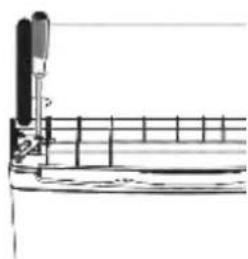
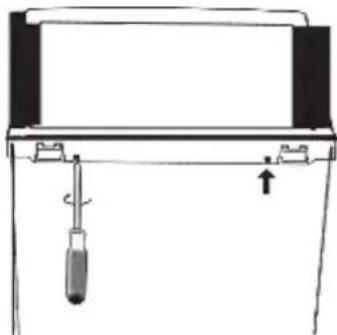
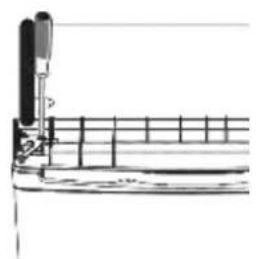
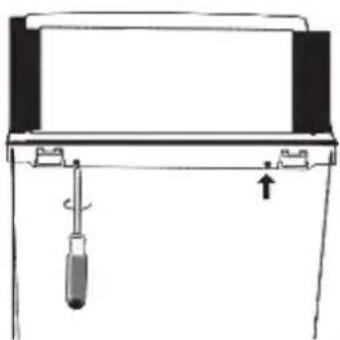
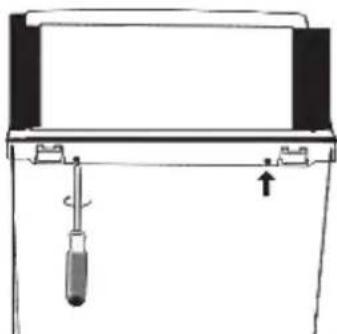
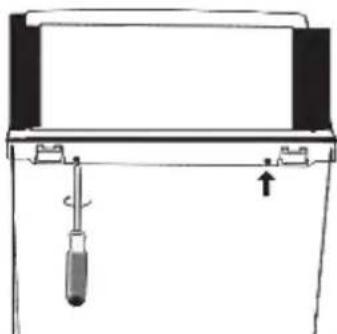
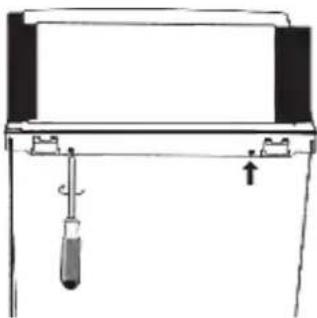
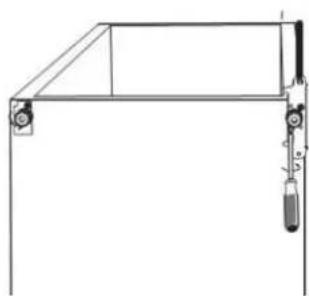
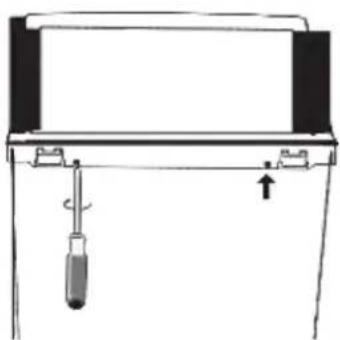
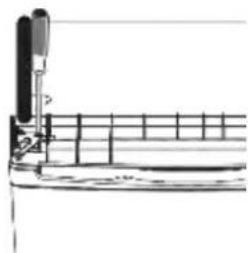
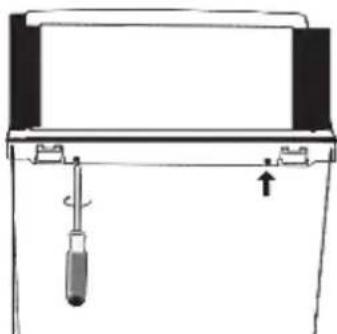
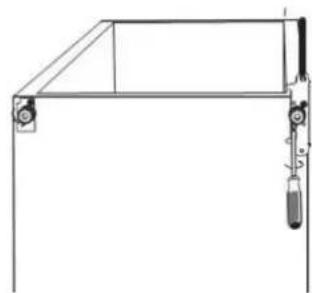
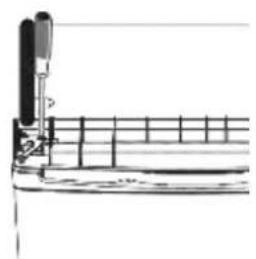
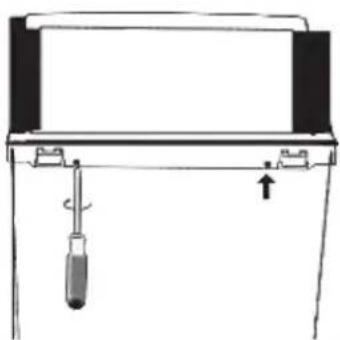
- Remove the 2 screws on the back.
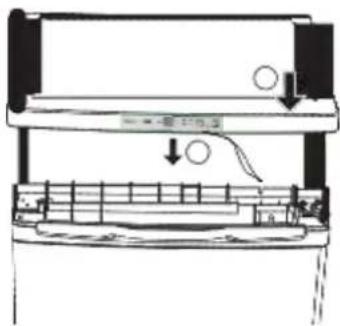
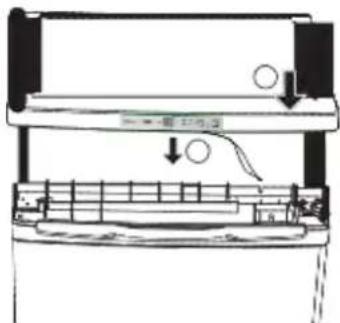
- Carefully lift the top cover 5CM away from the freezer, pull out the wire connector, then remove the top cover away.
- Remove the three screws, then remove the upper hinge that holds the door in place. Lift the door and place it on a padded surface to prevent it from scratching.
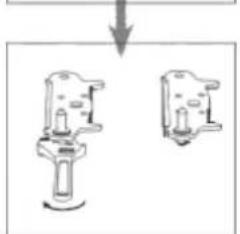
- Remove the screws and bottom hinge, then remove adjustable feet.
- Unscrew and remove the bottom hinge pin, turn the bracket over and replace it.
![graph TD A["Top Panel"] --> B["Shake Window"] B --> C["Shake Bracket"] C --> D["Shake Door"] D --> E["Shake Panel"] E --> F["Shake Window"] F --> G["Shake Window"] G --> H["Shake Window"] H --> I["Shake Window"] I --> J["Shake Window"] J --> K["Shake Window"] K --> L["Shake Window"] L --> M["Shake W…](/content/2026/05/844083/images/9ce2d2123ddc65be9cb9b7472cd1dca1ee7b8fe3860e2b03cd8932929998de48.jpg)
![graph TD A["Top-Down Top-Left"] --> B["Top-Down Top-Right"] B --> C["Bottom-Down Bottom-Left"]](/content/2026/05/844083/images/a83a5bd9fcf1aa037a65c7a995bd165321518e0e75cefda8372e7c7414b279f3.jpg)
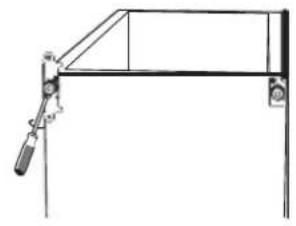
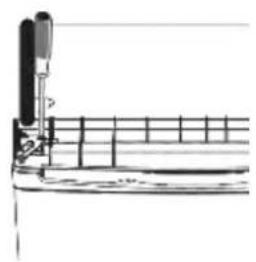
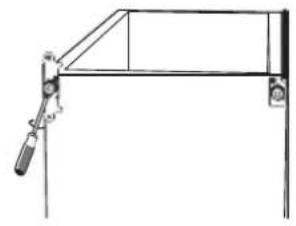
- Reinsert the bracket to the bottom hinge pin. then reinsert both adjustable feet.
- Place the door back on. Ensure the door is aligned horizontally and vertically so that the seals are closed on all sides before finally screw tightening the top hinge.
- Connect the wire connector to the display board, then put back the top cover.
- Screw the 2 screws on the back
- With the door closed, check that the door is aligned horizontally and vertically, and that the seals are closed on all sides before finally tightening the bottom hinge. Re-adjust the leveling of the feet as needed.
Maintenance and Cleaning
Freezer Defrosting
Frost and ice layer, depositing on the inner walls of the freezer should be defrosted when 3-5 mm thick.
- 24 hours before defrosting choose "Super freezing MODE" so that the food packages are well cooled. After that empty the freezer and take care that the packages don't start to thaw.
- Disconnect the appliance from the mains supply.
- Defrosting is accelerated if the door is left open.
- Avoid using defrosting sprays, as they may cause damage to the plastic parts and may be hazardous to health.
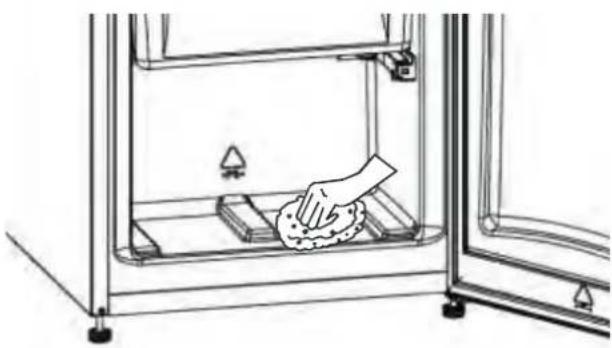
- Dry the inside of the compartment with a sponge or a clean cloth.
Switch Off the Appliance When Not in Use
If you do not intend to use the appliance for a longer period of time, disconnect the power supply, empty the appliance, defrost it and clean it. Leave the door slightly open.
Cleaning the Appliance
Before cleaning the appliance disconnect the cable from the mains supply. Do not use abrasive cleaning agents. Be careful to remove any cleanser agent remaining after cleaning.
- Clean the exterior of the appliances with water and liquid detergent.
- Wash the interior with lukewarm water and some vinegar.
After you have cleaned the appliance, reconnect it to the mains supply and put the food packages back to their place.

Trouble Shooting Guide
During the service, you can come across some troubles that in most cases result from improper handling of the appliance and can easily be eliminated.
improper handling of the appliance and can easily be eliminated.
| Symptom | Solution |
| No power to the appliance | Check there is power at the socket. |
| Check there is not a power cut by checking the household lights. | |
| Check the fuse has not blown. | |
| The temperature in the freezer section is too high | Check the ambient temperature is within appliances operating limits of 16 C to 32 C. Relocate the appliance if necessary. |
| Check the thermostat is turned to the correct Setting relative to ambient conditions. | |
| The freezer door will not open | - Has door just been opened? If so leave for a few minutes to allow the air pressure to equalise. |
| The compressor runs continuously | Adjust the thermostat to give correct temperature control. |
| Check that the door is closed. | |
| Large quantities of food have recently been placed in the cabinet / and or door is frequently opened. | |
| Check that air ventilation is not obstructed. | |
| Excessive frost and ice has built up | Ensure the door is not left open. |
| Check that nothing is preventing the door from closing. | |
| Is the door gasket intact and clean. | |
| Has advised periodic defrosting been carried out. | |
| Noise | Refer to normal operating sounds. |
When you open the door, warm air gets into the appliance, and when it is cooling, the underpressure seals the door. After a few minutes (1-3), the door can easily be opened.
Cooling in refrigerating-freezing appliances is enabled by the cooling system with compressor, which produces noise. How noisy the appliance is depends on where it is placed, how it is used, and how old the appliance is.
Cooling in refrigerating-freezing appliances is enabled by the cooling system with compressor, which produces noise. How noisy the appliance is depends on where it is placed, how it is used and how old the appliance is.
- After starting the appliance, the operation of the compressor and the refrigerant flow may be louder, which does not mean that something is wrong with the appliance and it has no influence on the lifetime of the appliance. Gradually the noise is reduced.
- After starting the appliance, the operation of the compressor and the refrigerant flow may be louder. This does not indicate a malfunction and has no effect on the appliance's lifespan. The noise will gradually decrease.
- Sometimes unusual and stronger noise is heard, which is rather unusual for the appliance. This noise is often a consequence of inadequate placing. (The appliance shall be placed and leveled firmly on a solid base and it should not touch the wall or kitchen units standing next to it.)
Connecting to the socket
| D | E | F | G | H | I |
| 660mm | 1080mm | 80mm | 50mm | 135°-145° | 900mm |
Handle mounting
Connection to the power supply
| D | E | F | G | H | I |
| 660 mm | 1080 mm | 80 mm | 50 mm | 135° - 145° | 900 mm |
Handle installation
- Remove the screw covers from the door.
Description of the Appliance
![graph TD A["Top View"] --> B["Downward Arrow"] B --> C["Bottom View"] style A fill:#f9f,stroke:#333 style B fill:#ccf,stroke:#333 style C fill:#cfc,stroke:#333](/content/2026/05/844083/images/f85eeb8948c9ae259ae543696c3fd3c71642ca85b54c8e19ccce46ae6d0b2efe.jpg)
- Reinsert the bracket onto the pin of the lower hinge, then reinsert both feet.
- Reinstall the door. Before fully tightening the upper hinge, check that the door is aligned horizontally and vertically and that all seals fit tightly on all sides.
- Connect the connector to the display and reinstall the top cover.
- Tighten the two screws on the back.
- With the door closed, check that it is aligned horizontally and vertically and that all seals fit tightly on all sides. Then tighten the lower hinge. If necessary, adjust the height of the feet.
Dry the inside of the freezer compartment with a sponge and a clean cloth.
Switch off the appliance when it is not in use.
Description of the appliance
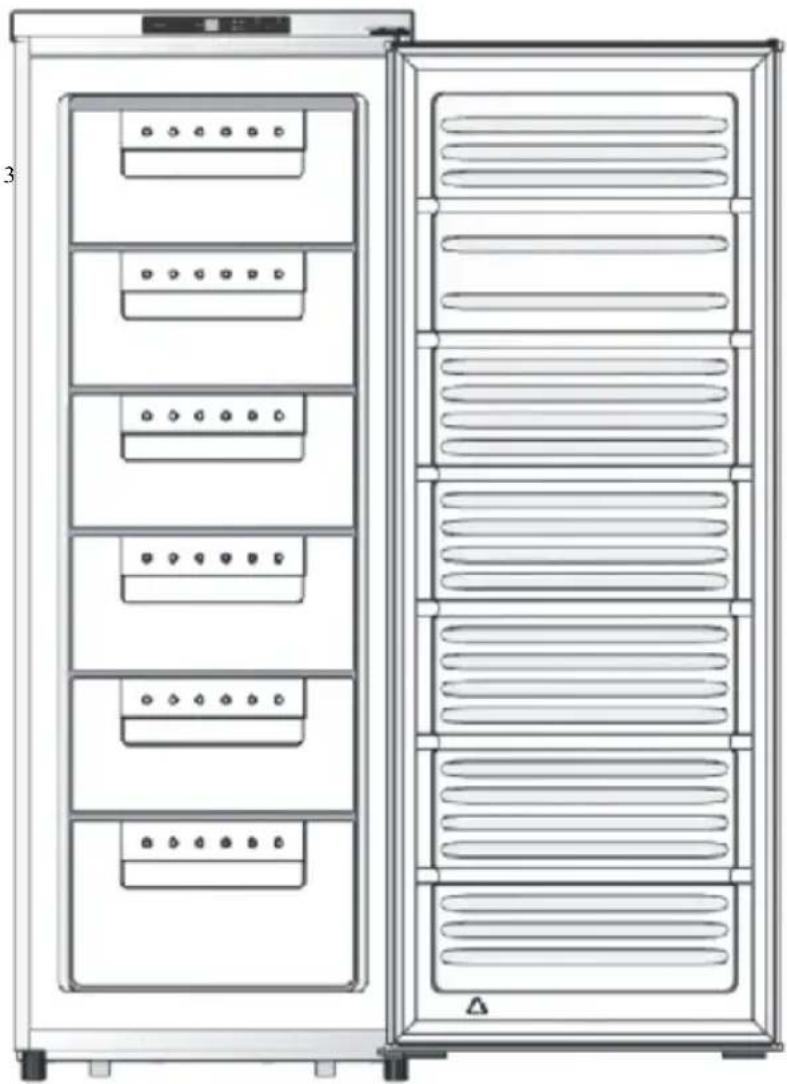
- Appliance housing
- Freezer drawers
- Compressor (at the back of the housing)
- Adjustable feet
- Worktop
- Electronic control panel
- Door gasket
- Door assembly
Operating the appliance
- Attach the bracket to the pin of the lower hinge, then reinstall both adjustable feet.
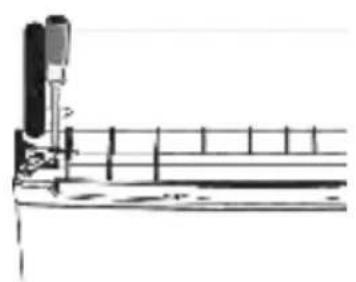
- Put the door back on. Check that the door is properly aligned horizontally and vertically, so that the gaskets fit snugly along the entire frame. Then screw on and secure the upper hinge.
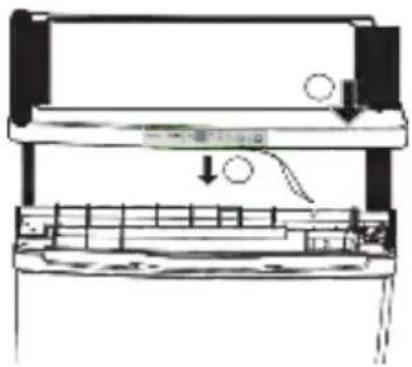
- Reconnect the electronic wiring guides to the control panel and replace the top cover.
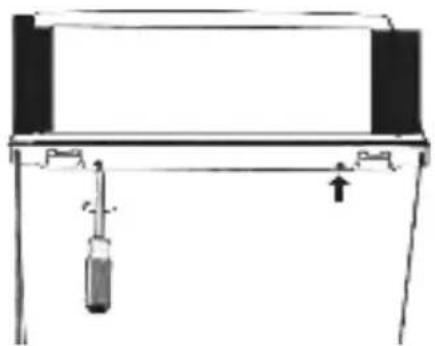
- Screw the two screws into the back of the appliance.
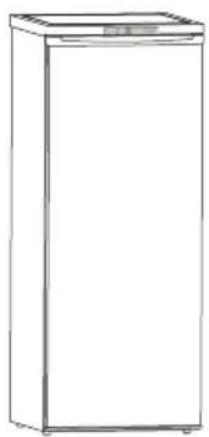
- With the door in the closed position, check the horizontal and vertical alignment of the door, check that the seals close properly on all sides, and finally screw in the bottom hinge. Adjust the position and balance of the leveling feet as needed.
Wipe the inside of the appliance with a sponge or clean cloth.
Cleaning the appliance
Before cleaning, disconnect the appliance from the power supply.
Do not use harsh or abrasive cleaning agents, as they may damage the surface. After cleaning, make sure to remove all residues of the cleaning agent.
- Clean the exterior of the appliance with water and detergent.
- Wash the interior of the appliance with lukewarm water to which you have added some wine vinegar.
After cleaning, reconnect the appliance to the power supply and put the food back.
Switching off the appliance when not in use
If you do not intend to use the appliance for a longer period, disconnect it from the power supply, remove the food, and clean it. Leave the door ajar.
⑦ Troubleshooting instructions
During use of the appliance, malfunctions may occur that are in most cases due to improper use, and you can try to resolve them yourself.
| Pojava | Rješenje |
| Aparat ne radi nakon priključenja na električnu instalaciju. | Proverite dovod napona u utičnicu.Proverite dali je došlo do nestanka struje (upalite neku sijalicu).Proverite dali je pregoreo osigurač. |
| Temperatura u zamrzivaču je previsoka. | Proverite sobnu temperaturu u prostoriji, u kojoj je smešten aparat – raspon mora biti između + 16°C i + 32°C.Po potrebi premestite aparat.Proverite dali je termostat pravilno regulisan obzirom na temperaturne uslove okoline. |
| Vrata zamrzivača ne mogu da se otvore. | Dali ste tik pre toga otvarali vrata? U tom slučaju pričekajte nekoliko momenata da se izjednači vazdušni tlak. |
| Kompresor radi neprekidno. | Dugme termostata pomerite na pravilnu vrednost.Proverite dali su vrata zatvorena.Nedavno ste u unutrašnjost složili veću količinu hrane, ili ste često otvarali vrata.Pobrinite se za neometano kruženje vazduha. |
| Izrazito akumulisanje inja i leda. | Proverite dali su vrata ostala otvorena.Pobrinite se da zatvaranje vrata bude nesmetano.Proverite dali je zaptivač na vratima posve čist i neoštećen.Preporučujemo da aparat povremeno odmrznete. |
| Šumovi | Više o tome u poglavlju o uobičajenim zvukovima i šumovima tokom rada aparata. |
The freezer door is difficult to open

- IMPORTANT NOTES D
- BEFORE FIRST OPERATION GB
- HANDLE INSTALLATION
- MAINTENANCE AND CLEANING
- APPLIANCE DESCRIPTION
- DEFROSTING THE FREEZER
- DESCRIPTION OF THE APPLIANCE
- MOUNTING THE HANDLE
- OPERATING THE APPLIANCE
- CLEANING THE APPLIANCE
- BEFORE PUTTING INTO USE
- IMPORTANT
- PLACING AND INSTALLATION
- USING THE FREEZER
- ELECTRONIC FRONT CONTROL PANEL
- USE
- CHANGING THE DIRECTION OF OPENING THE DOOR
- TROUBLE SHOOTING GUIDE
- INSTRUCTIONS FOR USE
- WE CARE FOR THE ENVIRONMENT
- TIPS FOR ENERGY SAVING
- STORING TIME DURING POWER SUPPLY INTERRUPTION
- DISPOSING OF THE WORN OUT APPLIANCE
- CHOOSING THE RIGHT PLACE
- PLACING THE APPLIANCE
- CONNECTION TO POWER SUPPLY
- INSTALLING THE APPLIANCE
- MODE FUNCTION
- TEMPERATURE SETTING
- LOCK OPTION OF THE BUTTONS
- DOOR OPEN ALARM
- HIGH TEMPERATURE ALARM
- IMPORTANT! THE DISPLAY ALWAYS SHOWS THE SET TEMPERATURE, NOT THE ACTUAL ONE
- FREEZING FRESH FOODS
- FREEZING PROCEDURE
- STORING FROZEN FOODS
- STORING COMMERCIALLY FROZEN FOODS
- DEFROSTING OF FROZEN FOOD
- FREEZER DEFROSTING
- SWITCH OFF THE APPLIANCE WHEN NOT IN USE
- COOLING IN REFRIGERATING-FREEZING APPLIANCES IS ENABLED BY THE COOLING SYSTEM WITH COMPRESSOR, WHICH PRODUCES NOISE. HOW NOISY THE APPLIANCE IS DEPENDS ON WHERE IT IS PLACED, HOW IT IS USED, AND HOW OLD THE APPLIANCE IS
- CONNECTING TO THE SOCKET
- HANDLE MOUNTING
- CONNECTION TO THE POWER SUPPLY
- SWITCH OFF THE APPLIANCE WHEN IT IS NOT IN USE
- SWITCHING OFF THE APPLIANCE WHEN NOT IN USE
- ⑦ TROUBLESHOOTING INSTRUCTIONS
- THE FREEZER DOOR IS DIFFICULT TO OPEN
Brand : GORENJE
Model : F4151CW
Category : Freezer