
YT-82765 - Paint spray Yato - Free user manual and instructions
Find the device manual for free YT-82765 Yato in PDF.


| Product Type | Cordless Electric Spray Gun |
| Brand | Yato |
| Model | YT-82765 |
| Power Source | Li-Ion 18V, 4 Ah battery |
| Charger Input Voltage | 220-240 V ~, 50/60 Hz |
| Charger Power | 50 W |
| Charging Time | ~2 hours |
| Tank Capacity | 1 L |
| Rated Flow Rate | 1 L/min |
| Nozzle Diameter | 2.2 mm |
| Weight | 1.2 kg |
| Sound Level (Acoustic Pressure) | 72.1 dB(A) |
| Sound Level (Acoustic Power) | 83.1 dB(A) |
| Vibration Level | 0.203 m/s² |
| Electrical Protection Class | III |
| Battery Type | Li-Ion |
| Battery Capacity | 4 Ah |
| Recommended Viscosity | 18 s ± 2 s (on viscosity cup) |
| Adjustments | Adjustable flow and spray width |
| Safety | Do not spray flammable liquids, use respiratory protection |
| Maintenance | Clean after each use with suitable thinner, check seals |
| Spare Parts | Nozzle, tank, seals, sponge filter, suction tube |
Frequently Asked Questions - YT-82765 Yato
User questions about YT-82765 Yato
0 question about this device. Answer the ones you know or ask your own.
Ask a new question about this device
Download the instructions for your Paint spray in PDF format for free! Find your manual YT-82765 - Yato and take your electronic device back in hand. On this page are published all the documents necessary for the use of your device. YT-82765 by Yato.
USER MANUAL YT-82765 Yato
NL VERFPISTOOL MET ACCU
natural_image
Technical line drawings of mechanical components, showing front and side views (no text or symbols)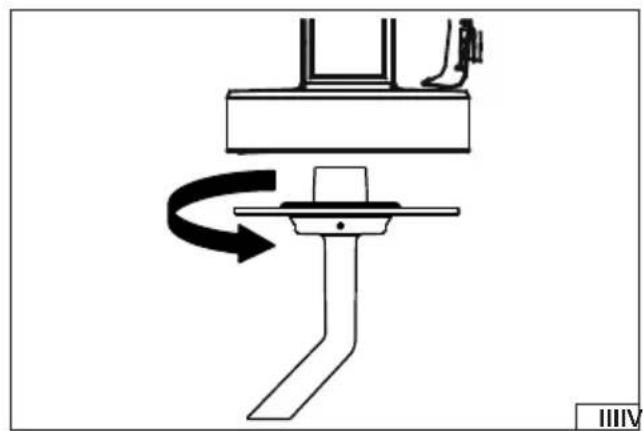
natural_image
Technical diagram of a mechanical assembly with a rotating component and base mount (no text or symbols)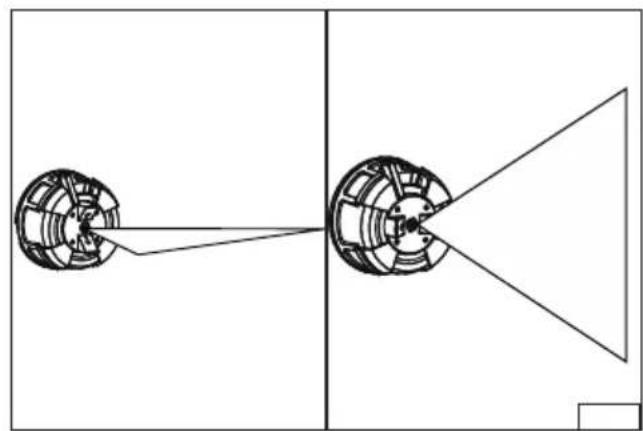
natural_image
Diagram of two mechanical components with connecting lines, no text or symbols present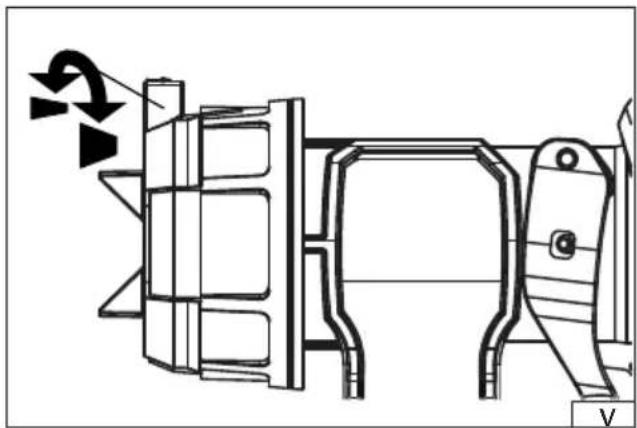
natural_image
Technical line drawing of a mechanical assembly with no visible text or symbols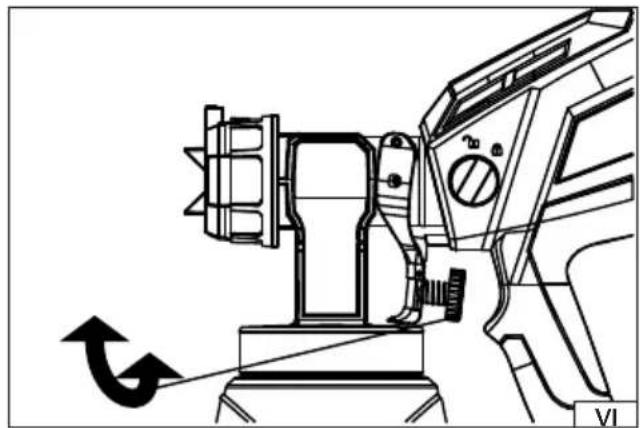
natural_image
Technical line drawing of a mechanical device with no visible text or symbols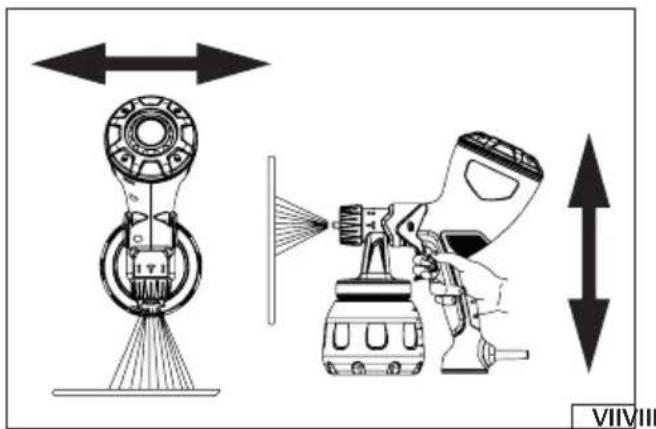
2020
Rok produkcji:
Production year:
Produktionsjahr:
Год выпуска:
Рік випуску:
Pagaminimo metai:
Ražošanas gads:
Rok výroby:
Rok výroby:
Gyártási év:
natural_image
Diagram showing mechanical components with arrows indicating motion or force direction (no text or symbols)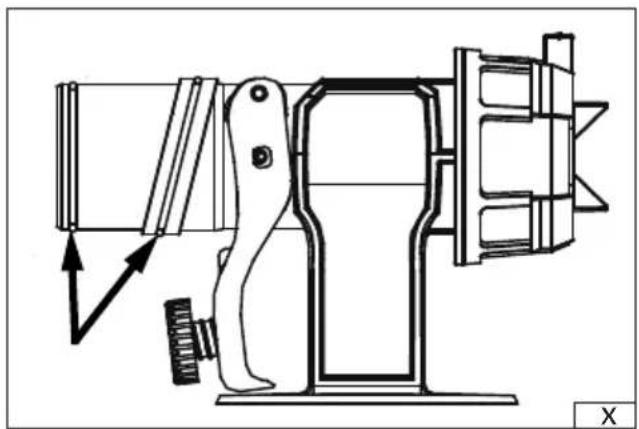
natural_image
Technical line drawing of a mechanical device with no visible text or symbols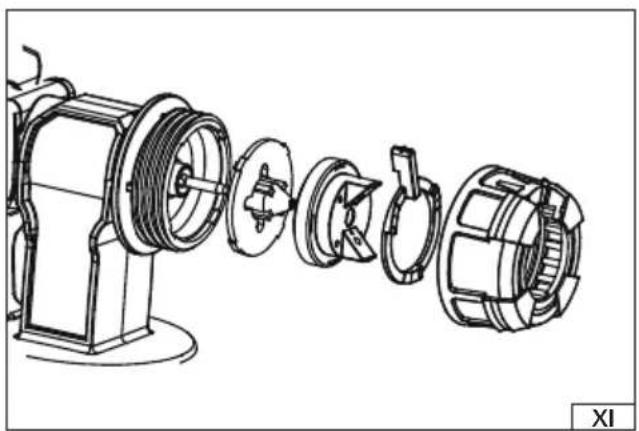
natural_image
Technical line drawing of a mechanical assembly with exploded view of components (no text or symbols)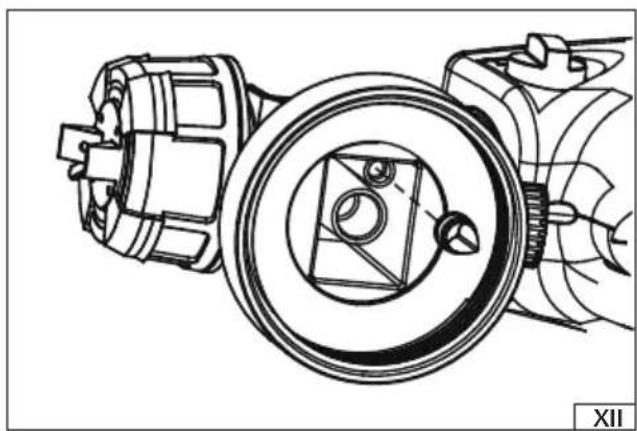
natural_image
Technical line drawing of a mechanical assembly with concentric components and mounting holes (no text or symbols)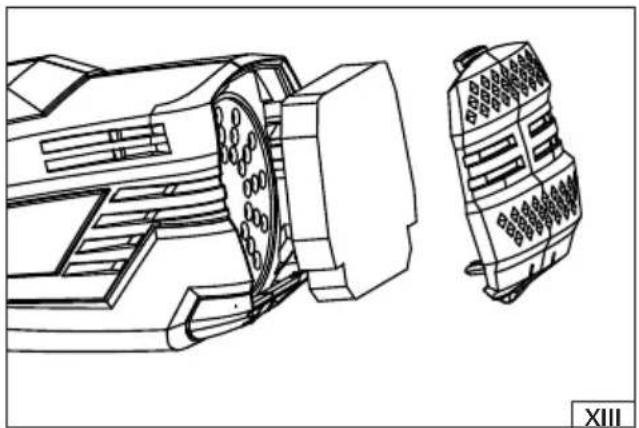
natural_image
Technical line drawing of a mechanical component with two views (top and side), no visible text or symbols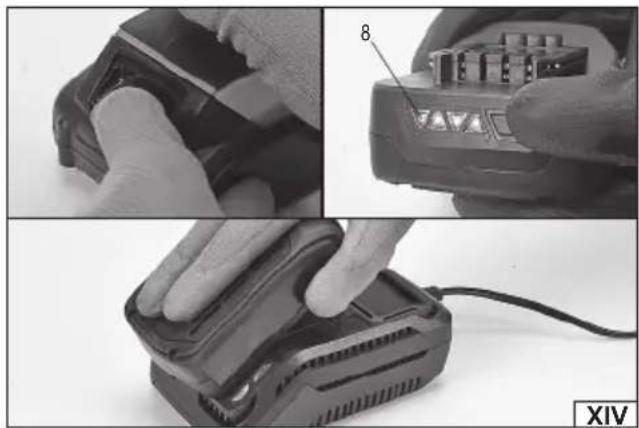
natural_image
Three-panel photo showing hands assembling a battery pack and charging case, with no visible text or symbols.PL
- drive housing
- nozzle assembly
- paint container
- trigger / on/off switch
- air nozzle
- spray nozzle
- charge indicator
- battery charge indicator
- battery charger
- battery
- battery latch
UA
Read the operating instruction
Wear protective goggles
Wear hearing protectors
This symbol indicates that waste electrical and electronic equipment (including batteries and storage cells) cannot be disposed of with other types of waste. Waste equipment should be collected and handed over separately to a collection point for recycling and recovery, in order to reduce the amount of waste and the use of natural resources. Uncontrolled release of hazardous components contained in electrical and electronic equipment may pose a risk to human health and have adverse effects for the environment. The household plays an important role in contributing to reuse and recovery, including recycling of waste equipment. For more information about the appropriate recycling methods, contact your local authority or retailer.
PRODUCT CHARACTERISTICS
The electric paint sprayer gun is an electrical device of II insulation class used for covering the surface with a coating material or lacquer. Thanks to the built-in compressor, the gun does not need an external compressed air supply. Capacious paint container combined with high performance ensure smooth operation. The correct, reliable and safe operation of the tool depends on its proper use, therefore:
Read and keep the entire manual before the first use of the device.
The supplier will not be held liable for any damage resulting from failure to observe the safety regulations and recommendations specified in this manual.
ACCESSORIES
The packaging should include: sprayer gun, paint container, viscometer.
TECHNICAL PARAMETERS
| Parameter Unit Value | ||
| Catalogue No. YT-82765 | ||
| Power supply voltage [V d.c.] 18 | ||
| Electrical protection class III | ||
| Weight [kg] 1,2 | ||
| Container capacity [I] 1 | ||
| Rated capacity [l/min] 1 | ||
| Nozzle diameter | [mm] | 2,2 |
| Noise level | ||
| pressure L_pA | [dB(A)] | 72,1 ± 3,0 |
| power L_wA | [dB(A)] | 83,1 ± 3,0 |
| Vibration level a_h | [m/s2] | 0,203 ± 1,5 |
| Protection rating | IPX0 | |
| Battery type | Li-Ion | |
| Battery capacity | [Ah] | 4 |
| Charger | ||
| Input voltage: | [V~] | 220 - 240 |
| Mains frequency | [Hz] | 50 / 60 |
| Rated power | [W] | 50 |
| Input current: | [A] | 0,8 |
| Output voltage: | [V d.c.] | 21,4 |
| Output current: | [A] | 2,4 |
| Charging time | [h] | ~2 |
GENERAL SAFETY CONDITIONS
NOTE! Get acquainted with all the instructions below. Failure to observe them may lead to an electric shock, fire or injuries. The notion of electric tool used in the instructions applies to all the tools which are powered with electric current, both wire tools and wireless ones.
OBSERVE THE FOLLOWING INSTRUCTIONS
Place of work
The place of work must be properly illuminated and clean. Disorder and poor illumination may be a cause of accidents. Do not work with electric tools in explosive environments, or those which contain inflammable liquids, gases or vapours. Electric tools generate sparks, which may cause a fire in case of contact with inflammable gases or vapours. Do not allow children and outsiders to the place of work. A lack of concentration may result in a loss of control over the tool.
Electric safety
The plug of the power supply cable must fit the mains socket. Do not modify the plug. Do not use any adapters whatsoever in order to adapt the plug to the socket. Unmodified plug which fits the socket reduces the risk of an electric shock. Avoid contact with grounded surfaces, such as pipes, heaters and refrigerators. Grounding of the body increases the risk of an electric shock.
EN
Do not expose electric tools to precipitation or humidity. Water and humidity which gets into the electric tool increases the risk of an electric shock.
Do not overload the power supply cable. Do not use the power supply cable in order to carry the tool or to connect and disconnect the plug from the mains socket. Avoid contact of the power supply cable with heat, oils, sharp tools and moving elements. Damage to the power supply cable increases the risk of an electric shock.
In case work is realised outside closed areas, it is necessary to use extension cords designed for applications outside closed areas. Using a correct extension cord permits to reduce the risk of an electric shock.
If operating a power tool in a damp location is unavoidable, use a residual current device (RDC) protected supply. Use of an RCD reduces the risk of electric shock.
Personal safety
Commence work in good physical and psychological conditions. Pay attention to what you do. Do not work if you are tired or under effects of medicines or alcohol. Even a moment's inattention during work may lead to serious injuries.
Always use individual means of protection. Always wear goggles. Using individual means of protection, such as dust-masks, protective shoes, helmets and hearing protections permits to reduce the risk of serious injuries.
Avoid accidental activation of the tool. Make sure the switch is in the OFF position, before you connect the tool to the mains. Holding the tool with a finger on the switch or connecting an electric tool when the switch is in the ON position may lead to serious injuries.
Before you turn an electric tool on remove all the spanners and other tools, which have been used for adjustments. A spanner left on rotating elements of the tool may lead to serious injuries.
Keep your balance. Maintain an appropriate position. It will permit to control the electric tool in case of unpredicted situations during its operation.
Use protective clothes. Do not wear loose clothes or jewellery. Keep your hair, clothes and gloves away from moving elements of the electric tool. Loose clothes, jewellery or long hair may get caught on moving elements of the tool.
Use dust extractors or dust containers, if the tool is equipped with any. Make sure they are properly connected. Using of dust extractors permits to reduce the risk of serious injuries.
Operation of the electric tool
Do not overload the electric tool. Use a proper tool for the given purpose. A correct selection of the tool for the given work will result in a more efficient and safer work.
Do not use the electric tool if the switch is not functioning properly. A tool which may not be controlled by means of a switch is dangerous and must be repaired.
Disconnect the plug from the mains socket before any adjustment, replacement of accessories or storage of the tool. It will permit to avoid accidental activation of the electric tool.
Store the tool away from children. Do not allow untrained persons to operate the tool. An electric tool may be dangerous in hands of an untrained person.
Make sure the tool is properly maintained. Check the tool in order to detect any unfitting or loose moving elements.
Check whether the elements of the tool are not damaged. In case any damaged elements of the tool are detected, they must be repaired before the electric tool is operated. Many accidents are caused by improper maintenance of tools.
Cutting tools must be sharp and clean. Properly maintained cutting tools are easier to control during work.
Use electric tools and accessories in accordance with the aforementioned instructions. Use the tool in accordance with its purpose, taking into account the kind and conditions of work. Should the tool be used for other applications than the ones it has been designed for, the risk of a dangerous situation increases.
Repairs
The tool may be repaired only by authorised service centres, which must use solely original spare parts. It will guarantee a proper level of safety of operation of the electric tool.
ADDITIONAL SAFETY INSTRUCTIONS
Always observe the safety instructions in the operating manual as well as the other OHS instructions when using the machine.
Children or persons not trained for the use of sprayer guns are not allowed to use them.
Never point the device at people or animals.
Do not use sprayer guns for fl ammable materials.
Do not clean sprayer guns with fl ammable solvents.
Avoid hazards caused by spraying material and check the marking on the container or the information supplied by the manufacturer on spraying material, including the requirements for the use of personal protective equipment.
Do not spray any materials that may cause an unknown hazard.
Caution! A high-pressure jet can cause severe skin damage. Never allow any part of the body to come into contact with the jet.
Protective clothing does not provide sufficient protection against injuries in the form of injections.
In case of injection of high-pressure jet under the skin, immediately consult a physician. Inform the physician about the substance injected.
EN
Do not eat, drink or smoke in the working area.
Always wear a respiratory protective mask to protect against harmful vapours.
Ensure adequate ventilation so that there is no accumulation of flammable vapours in the air of the working space.
Appropriate measures should be taken to prevent hazards caused by the substance being sprayed. Follow the instructions given on the packaging or by the manufacturer of the substance to be sprayed.
Do not spray the substances listed as prohibited in this manual.
Do not spray materials of unknown composition.
Do not use the device without the nozzle cover installed.
Never use the device if any protecting elements or covers have been damaged.
Only use original spare parts and carry out any repairs at an authorised workshop.
Disconnect the unit from the mains before performing any servicing works and when it is not used.
Always check that the actual supply voltage corresponds to the voltage indicated on the unit's nameplate.
PREPARING FOR OPERATION
CAUTION! Only install the accessories if the supply voltage is disconnected. Pull the battery from the tool socket!
Determination of the coating material viscosity
The product is equipped with a viscometer (funnel), which allows to determine whether the viscosity (density) of the paint is appropriate for the gun.
Mix the coating material to be sprayed. The purpose of mixing is to avoid uneven distribution of the coating material density.
Immerse the viscometer until it is below the surface of the liquid.
Raise the viscometer above the liquid surface and measure the time needed to empty the viscometer.
Depending on the type of liquid, the viscometer must empty within 18 s ± 2 s.
The density of the coating material may be reduced by using the diluent specified in the documentation accompanying the coating material.
Gun assembly (II)
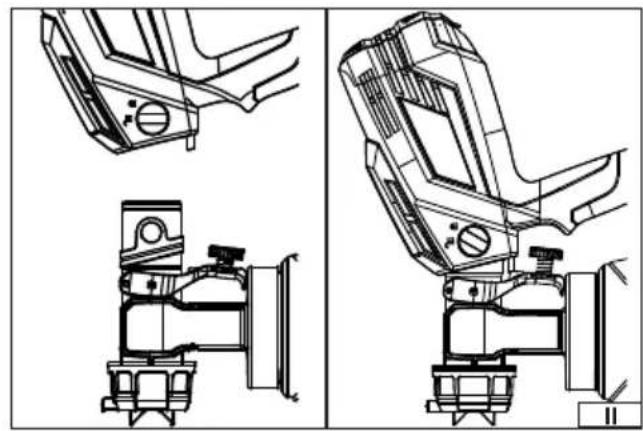
Attach the head with nozzle and container to the drive housing. Make sure the lock knob is set to the open padlock symbol. Push the head as far as it will go into the opening in the drive housing, then press the knob in and rotate it so that it points to the closed padlock symbol. Make sure that the assembly is correct. The correctly assembled head cannot be removed in any other way than rotating the knob so that it points to the open padlock symbol.
Filling and assembly of the paint container
Unscrew the paint container. Push the suction pipe firmly into the mounting opening. The end of the suction pipe is bend to help empty the container more accurately when holding the gun at an angle, e.g. when painting floors or ceilings. When turning the suction pipe, point the bent end of the pipe in the opposite direction to the expected inclination of the gun (III). Fill the container with paint of suitable viscosity. Do not exceed the upper capacity marker of the paint container. Carefully screw the container to the gun and tighten it to seal the connection.
Safety recommendations for battery loading
Attention! Before loading may start make sure the body of the charger, the cable and the plug are not broken or damaged. It is prohibited to use a damaged loading dock and charger! For the purpose of loading batteries only the charging dock and the charger provided may be used. Using another charger may be a cause of fire or damage the tool. Batteries may be charged only in a dry room, protected from unauthorised persons, particularly children. Do not use the charging dock and the charger without permanent supervision of an adult! If it is necessary to leave the room where loading is taking place, it is required to disconnect the charger from the mains, removing the charger from the mains socket. In case when smoke comes out of the charger, or a strange smell is emitted, etc., it is required to immediately remove the plug of the charger from the mains socket!
The drill and automatic return screwdriver is provided with an unloaded battery, so before work may commence, it is required to charge it following the procedure below, using the charger and charging dock provided. Li-ION batteries do not show the so called “memory effect”, so it is allowed to charge them at any moment. However, it is recommended to discharge them during normal work, and then load them to their full capacity. If due to the nature of the task it is not possible to do so each time, then it is required to do it at least from time to time. Under no circumstances is it allowed to discharge the batteries short-circuiting the electrodes, since this would cause irreversible damage! It is also prohibited to check the load of the batteries, short-circuiting the electrodes for sparking.
Storage of the battery
In order to prolong the life of the battery, it is required to provide adequate storage conditions. The batteries can go through approximately 500 „loading - discharging” cycles. The battery must be stored between 0 and 30°C, at the relative humidity of 50%. In order to store the battery for a prolonged period, it is required to charge it to approximately 70% of its capacity. In case of prolonged storage, it is required to recharge the battery once a year. Do not permit excessive discharging of the battery, since this would
EN
reduce its life and may cause irreversible damage.
During storage, the battery will be gradually unloading due to leakage conductance. The process of automatic unloading depends on the temperature of storage, since the higher the temperature, the fastest the process. In case of incorrect storage of batteries, there is a danger of electrolyte leakage. In case of leakage, it is required to protect the leakage with neutralizing agent. In case of contact of electrolyte with the eyes, it is required to rinse the eyes abundantly, and then immediately seek medical assistance. It is prohibited to use a tool with a damaged battery.
In case the battery is completely worn out, it is required to deposit it at a special point dedicated to disposal of such waste.
Transport of the batteries
Lithium-ion batteries are in accordance with legal regulations treated as dangerous waste. The user of the tool may transport the tool with the battery or only batteries by land. Then no additional conditions must be complied with. In transport is realised by third parties (for example dispatch through courier service), then it is required to proceed in accordance with regulations for transport of dangerous materials. Before shipment, contact an authorised person.
It is prohibited to transport damaged batteries. During transport the battery must be removed from the tool, and the exposed contacts protected, e.g. with insulating tape. Protect the batteries so that they do not move inside the package during transport. It is also required comply with the national regulations for transport of dangerous materials.
Charging the battery
Attention! Before charging you should disconnect the charger from the mains by unplugging the power supply plug from the mains. In addition, you should clean the battery and its terminals of dirt and dust with a soft, dry cloth.
The battery has a built-in charge indicator. When you press the button, LEDs will light up (II), the more LEDs will light up, the more fully the battery pack is charged. If the button is pressed and the LEDs are off it means that the battery is discharged.
Disconnect the battery from the tool.
Push the battery in the charger socket (XIV).
Plug the charger into a mains socket.
When the red LED lights up, it means the loading process.
When charging is complete, the red LED goes off, and green LED lights up, indicating a full charge of the battery.
Unplug the charger from the mains outlet.
Remove the battery from the charging station, by pressing the battery latch button.
Attention! If, when the charger is connected to the power supply, the green LED is on, this indicates a fully charged battery. In this case, the charger does not start charging.
GUN OPERATION
The gun is not suitable for spraying the following paints:
High-density paints.
Paints containing abrasives such as red lead.
Coarse-grained paints.
Corrosive and base paints.
All adjustments of the nozzle must be carried out with the power supply disconnected. To do this, unplug the battery from the tool socket.
Spray adjustment
The gun nozzle allows to set the spraying plane and width of the spraying material. The spraying plane can be set by rotating the air nozzles. The air nozzles in a vertical position allow to obtain horizontal spraying plane, and nozzles in a horizontal position allow to obtain vertical spraying plane of the coating material (IV). The width of the jet is set by means of an independent lever which can be set in one of the two positions (V) signed with a symbol of a narrow or wide jet of the coating material. Do not place the adjustment elements in positions other than those described in the manual.
CAUTION! Do not press the spray gun trigger button while adjusting the air nozzles.
Adjustment of the amount of spraying of coating material (VI)
Behind the trigger / on/off switch, there is a control knob that limits the depth of the trigger pull. The deeper the trigger is pressed, the more spray material comes out of the spray gun nozzle. Turning the knob clockwise increases the amount of coating material, turning the knob counterclockwise decreases the amount of coating material. The trigger has a mark to facilitate the adjustment.
Switching on/off
Fill the container with the coating material according to the procedure described above.
Make sure that the voltage on the nameplate corresponds to the mains voltage.
Make sure that the gun trigger is not pressed.
Plug the battery into the tool socket.
EN
Turn the device on with the switch, point the gun at a safe place and press the trigger. Adjust the amount of spray material, if necessary, according to the adjustment procedure.
The switching off is performed by not pressing the trigger.
Painting
It is recommended that the first attempts of spraying the coating material be carried out on the test surface. This will avoid damage to the work area.
Make sure that all surfaces not to be covered are well covered. Make sure that the surface to be covered is clean, dry, degreased and free from dust.
Keep the unit upright so that the nozzle outlet is approximately 20 cm from the surface to be sprayed.
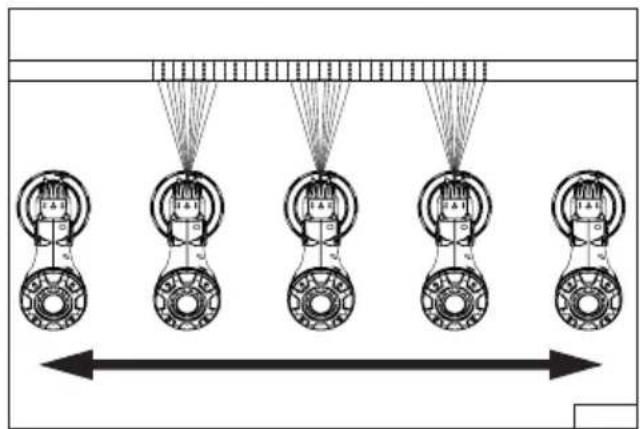
Move the spray gun sideways or up and down so that it is always at a constant distance from the surface to be sprayed (VII). Start moving the gun and only then pull the trigger. Release the pressure on the trigger before completing the movement of the gun (VIII). Moving the spray gun with a steady motion, changing pace or stopping the spray gun during spraying will result in uneven distribution of the coating material.
Avoid tilting the gun both horizontally and vertically (IX). This will result in an uneven distribution of the coating material.
Apply several thin layers of coating material instead of one thick layer. Before applying the next coat, leave the previous one to dry slightly, follow the instructions supplied with the spray agent.
CLEANING AND MAINTENANCE
Warning! Do not use flammable materials for cleaning and maintenance.
Unscrew the container and clean the interior and exterior of the suction pipe using diluent designed for the coating material immediately after finishing work. Then fill the tank with the diluent intended for the coating material and start spraying it onto the test surface. Stop spraying when the clean diluent is coming out of the nozzle.
Stop spraying, unplug the battery from the tool socket, then remove the container, empty the rest of the diluent and dry it. Disassemble the nozzle and drive and check the condition of the gaskets (X). They can be lubricated with a thin layer of silicone grease or technical petroleum jelly. Unscrew the nozzle mounting nut and thoroughly clean all components (XI) with a soft cloth and diluent suitable for the respective coating material. Remove the suction pipe and check for residual coating material and clean it with a soft plastic bristle cleaner if necessary. Check the condition of the container gasket and the air membrane. Remove the membrane (XII) and clean it with a cloth soaked in the diluent intended for the coating material. Do not immerse the membrane in diluent as it may be damaged.
Unscrew the rear panel mounting screw and remove it and the sponge filter underneath (XIII). Clean the filter with a jet of compressed air of not more than 0.3 MPa. If the filter is still dirty after cleaning, replace it. After cleaning the filter, mount the filter and the rear part of the housing in place. Do not use the spray gun without the filter installed, as this may damage the spray gun.
Leaving the spray gun dirty will cause drying out the coating material inside the product. This can lead to irreversible damage to the gun.
Clean the outer parts of the product with a soft, damp cloth and then wipe dry.
Caution! It is forbidden to clean the spray gun by directing a jet at it or immersing it in water, diluent or other liquid. It is forbidden to use sharp objects and/or abrasive cleaning agents to clean the guns.
PRODUKTBESCHREIBUNG
CARACTÉRISTIQUES DU PRODUIT
Transport van accu's
DEKLARACJA ZGODNOŚCI | DECLARATION OF CONFORMITY | DECLARATIE DE CONFORMITATE
0924/YT-82765/EC/2024
We declare and guarantee with full responsibility that the following products:
meet requirements of the following European Standards / Technical Specifications:
Serial number: concern all serials numbers of item(s) mentioned in this declaration
The person authorized to compile the technical file:


