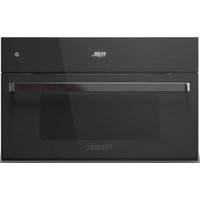
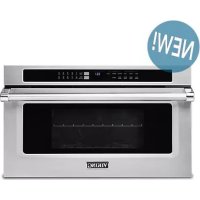
MVMSP6301BG - Microwave Oven VIKING - Free user manual and instructions
Find the device manual for free MVMSP6301BG VIKING in PDF.


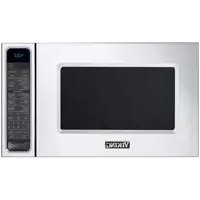
| Product type | Combination microwave with fast cooking and convection |
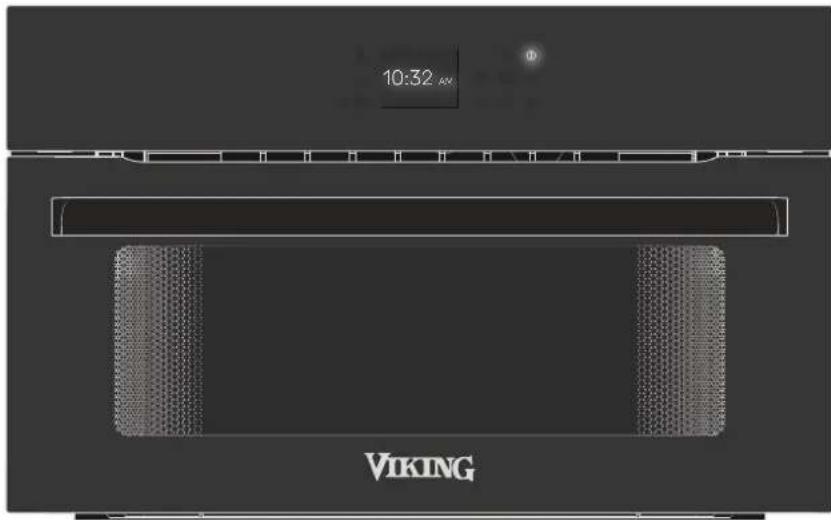
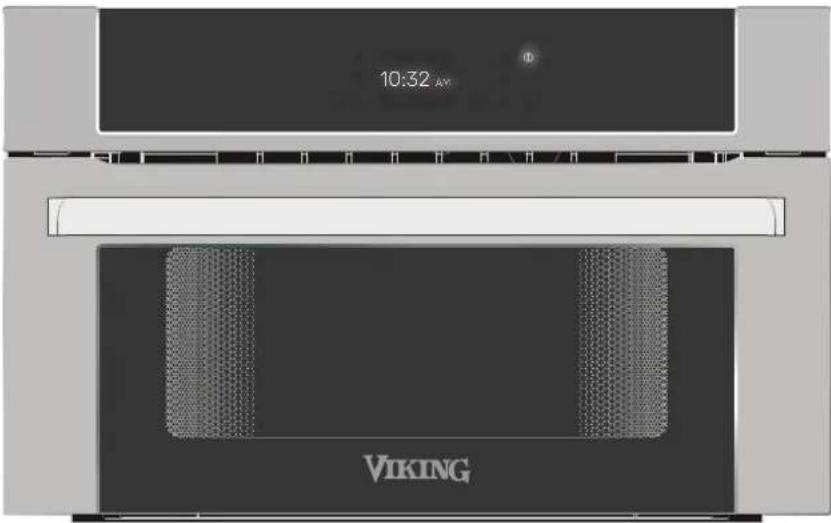
| Brand / Model | Viking / MVMSP6301BG |
| Total width | 757.24 mm (29 13/16 in) |
| Total height | 473.43 mm (18 5/8 in) |
| Total depth | 606.01 mm (23 7/8 in) |
| Interior dimensions (W x H x D) | 402.65 x 211.00 x 339.91 mm |
| Shipping weight | 42 kg (93 lb) |
| Power supply | 240 V, 60 Hz, single-phase, 13.7 A max., 3400 W |
| Microwave power | 900 W |
| Grill power | 1500 W |
| Convection power | 1500 W |
| Microwave frequency | 2450 MHz |
| Cooking modes | Tru Convec, Tru Convec Broil, Convection Broil, Broil, Broil Microwave, Tru Convec Microwave, Microwave, Defrost |
| Control panel | Capacitive touchscreen interface with lock |
| Display | Digital display with brightness adjustment |
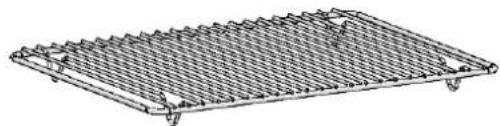
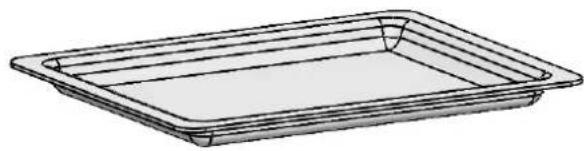
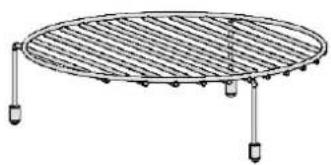
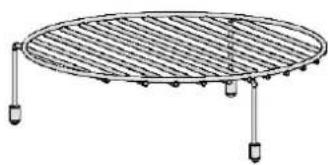
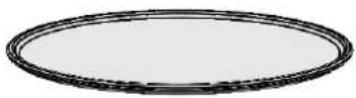
| Included accessories | Grid tray, glass tray, round rack, round turntable, 2 mounting screws |
| Cavity material | High-quality stainless steel |
| Cleaning | Damp cloth, no abrasives or steam cleaners |
| Safety | Door lock, automatic shut-off, fault detection |
| Warranty | Contact Viking Range LLC |
| Repairability | Original parts only, service by qualified technician |
Frequently Asked Questions - MVMSP6301BG VIKING
User questions about MVMSP6301BG VIKING
0 question about this device. Answer the ones you know or ask your own.
Ask a new question about this device
Download the instructions for your Microwave Oven in PDF format for free! Find your manual MVMSP6301BG - VIKING and take your electronic device back in hand. On this page are published all the documents necessary for the use of your device. MVMSP6301BG by VIKING.
USER MANUAL MVMSP6301BG VIKING
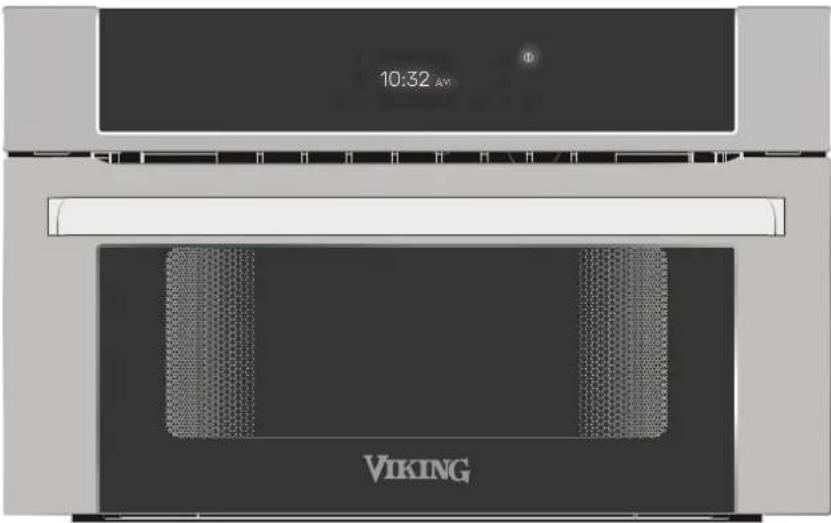
VIKING
Installation + User Guide
RVL - 30" Convection Speed Oven
MVMSP6301BG | MVMSP6301SS
VIKING®
Table of Contents
Important Safety Instructions ..... EN-3
Product Installation ..... EN-8
Installation Preparation. . . . . . . . . . . . . EN-8
Electrical Requirements ..... EN-9
Product Dimensions & Specifications. . . . EN-10
Power Requirements....EN-10
Dimensions EN-11
Cabinetry Specifications - Standalone . . . EN-12
Cabinetry Dimensions .....EN-12
Product Install Dimensions ..... EN-13
Flush Mounted Cabinetry Dimensions .....EN-14
Flush Mounted Product Install Dimensions . . . EN-15
3-Stack Cabinetry Specifications - Single Wall Oven, Steam/Speed Oven & Warming
Drawer EN-16
Standard Install Cabinetry Dimensions. . . . . . EN-16
Standard Install Product Reveals ..... EN-17
Flush Mounted Cabinetry Dimensions .....EN-18
Flush Mounted Install Product Reveals. . . . . . EN-19
Side by Side Cabinetry Specifications - Single Wall Oven, Steam/Speed Oven & Warming
Drawer EN-20
Standard Install Cabinetry Dimensions. . . . EN-20
Standard Install Product Reveals .....EN-21
Flush Mounted Cabinetry Dimensions ..... EN-22
Flush Mounted Product Install Dimensions . . .EN-23
Final Install Checklist....EN-24
Use & Care .....EN-26
Welcome and Thank You. . . . . . . . . . . EN-26
Register Your Product ..... EN-26
Before First Use....EN-26
Features & Accessories ..... EN-27
General Oven Tips ..... EN-28
Preheating the Speed Oven. . . . . . . . . . EN-28
Operational Suggestions ..... EN-28
Suitable Dishware ..... EN-28
Unsuitable Dishware ..... EN-28
Testing Dishware ..... EN-28
Oven Condensation & Temperature ..... EN-28
High Altitude Baking ..... EN-28
Control Panel & Display Icons .....EN-29
Overview of Control Panel. . . . . . . . . . . EN-29
Operating the Speed Oven .....EN-32
Standby Mode . . . . . . . . . . . . . . . . . . . . . . . . . . . . . . . . . . . . . . . . . . . . . . EN-32
Conventional Cooking Operating Cycle . . . . .EN-32
Explanation of Cooking Modes ..... EN-33
General Meat Cooking and Safety Info . . . EN-34
USDA Meat Temperature Chart. . . . . . . . . . EN-34
Cooking Timers ..... EN-35
Using the Racks and Tray ..... EN-36
Recipes. . . . . . . . . . . . . . . . . . . . . . . . EN-37
Using the Recipe Interface . . . . . . . . . . . . . . . . . EN-37
Explanation of Settings Menu ..... EN-38
Explanation of System Menu ..... EN-38
Care & Cleaning. . . . . . . . . . . . . . . . . EN-39
Troubleshooting.....EN-40
Service Information.....EN-42
Important Safety Instructions
Read and Follow!
THIS PRODUCT IS DESIGNED FOR DOMESTIC USE.
THE MANUFACTURER DECLINES ALL RESPONSIBILITY FOR PERSONAL INJURY OR PROPERTY DAMAGE DERIVING FROM INCORRECT INSTALLATION OR IMPROPER, ERRONEOUS OR UNSUITABLE USE.
THE APPLIANCE MUST NOT BE USED BY PEOPLE (INCLUDING CHILDREN) WITH PHYSICAL, SENSORIAL OR MENTAL IMPAIRMENTS, OR BY PEOPLE WITHOUT THE NECESSARY EXPERIENCE OR KNOWLEDGE, UNLESS THEY ARE SUPERVISED OR INSTRUCTED IN THE USE OF THE APPLIANCE BY A PERSON RESPONSIBLE FOR THEIR SAFETY.
CHILDREN MUST BE SUPERVISED TO ENSURE THAT THEY DO NOT PLAY WITH THE APPLIANCE.
DO NOT PLACE ALUMINUM FOIL, POTS OR SIMILAR OBJECTS IN CONTACT WITH THE BASE INSIDE THE OVEN FOR COOKING.
THE APPLIANCE GETS VERY HOT DURING USE.
WARNING: DON'T TOUCH THE HEATING ELEMENTS INSIDE THE OVEN.

WARNING
If the information in this manual is not followed exactly, a fire or explosion may result causing property damage, personal injury or death.
Notice Pacemakers
Most pacemakers are shielded from interference from electronic products, including microwaves.
However, patients with pacemakers may wish to consult their physicians if they have concerns.
Introduction
Please read these instruction COMPLETELY AND CAREFULLY. They will save you time and effort and help to ensure optimum oven performance.
Be sure to observe all WARNINGS.
These installation instructions are intended for use by a qualified installer. In addition to these instructions, the oven shall be installed:
• In the United States, in accordance with the National Electric Code/State and Municipal codes and/or local codes.
- In Canada, in accordance with Canadian Electric Code C22.1- latest edition/Provincial and Municipal codes and/or local codes.
These shall be carefully followed at all times.
NOTE: IF INSTALLING YOUR OVEN IN CANADA PLEASE CHECK TO MAKE SURE THAT YOU HAVE A MODEL WITH THE CANADIAN LISTING

ATTENTION
- If the door or the gasket seals of the door are damaged, the oven may not be used until it is repaired by a qualified service technician.
- This appliance and its internal components, especially electrified parts, may only be repaired, modified or customized by the manufacturer, its service department or similarly qualified persons. Incompetent repairs can cause serious accidents, damage to the appliance and its surroundings.
- Before performing any electrical repairs or maintenance on this appliance, ensure that the power is completely disconnected at the mains or breaker box. This includes tasks such as replacing the internal cooking cavity lamp.
- If the appliance fails to operate or requires repair, contact our service department.
- Use only original replacement parts.
IMPORTANT
- As a safety precaution, before cleaning the oven, always power off the appliance at the mains or breaker box to avoid risks of shock or short circuit.
- In addition, avoid using acid or alkaline substances (such as lemon, vinegar, salt, tomatoes, etc.). Avoid using products containing chlorine, acids or abrasives, especially for cleaning painted parts.
WARNING
PRECAUTIONS TO AVOID POSSIBLE EXPOSURE TO EXCESSIVE MICROWAVE ENERGY
- Do not attempt to operate this microwave oven with the door open since open-door operation can result in harmful exposure to microwave energy. It is important not to defeat or tamper with the safety interlocks.
- Do not place any object between the microwave oven front face and the door or allow dirt or cleaner residue to accumulate on sealing surfaces.
- Do not operate the microwave oven if it is damaged. It is particularly important that the microwave oven door close properly and that there is no damage to the: (1) door (bent), (2) hinges and latches (broken or loosened), (3) door seals and sealing surfaces.
- The microwave oven should not be adjusted or repaired by anyone except properly qualified service personnel.
ATTENTION
Cleaning Safety
- Although the cooking chamber is made of high-quality steel, incorrect maintenance can cause corrosion.
- Do not use rough abrasives or sharp metal scrapers to clean the glass door of the oven because they could scratch the surface and cause the glass to shatter.
- During cleaning, take care that no water enters the control panel of the appliance.
- Use only slightly damp rags.
- Never spray water inside or outside of the appliance.
- Do not use steam devices for cleaning because water that penetrates could cause damage.
Product Safety
- Do not mount this appliance over a sink.
- Use this appliance only for its intended use as described in this manual.
- The appliance must be installed and used in an ambient temperature between 41-95 °F (5-35 °C).
- This appliance must be properly installed and grounded by a qualified technician.
- Do not store this appliance outdoors. Do not use this near a swimming pool, near a sink or in similar locations.
- Do not block any vent openings.
- This oven is specifically designed to heat, dry or cook food, and is not intended for laboratory or industrial use.
- Utensils should be checked to ensure that they are suitable for use in microwave ovens.
- Lamp replacement requires a qualified service person to perform.
- Arcing can occur during both speed cooking and microwave cooking. If you see arcing, press the CANCEL/OFF pad and correct the problem.
Food Safety
- The oven must be cleaned periodically and all food residues must be removed.
- Eggs in their shell and whole hard-boiled eggs shall not be heated in microwave ovens since they may explode.
Personal Safety
- Do not use the appliance for heating or humidifying the room.
- For personal safety, wear proper clothing. Loose fitting or garments with hanging sleeves should never be worn while using this appliance.
- Do not touch elements or interior surfaces of oven.
- The heating elements may be hot even if they are dark in color. The interior surface of an oven become hot enough to cause burns.
- During and after use, do not touch or let clothing or other flammable materials contact the heating elements or the interior surfaces of the oven until they have had sufficient time to cool. Other surfaces of the appliance my become hot enough to cause burns - among these surfaces are oven vent openings and surfaces near these openings, oven doors, and windows of oven doors.
- Take care when opening the door. Open the door slightly to let hot air or steam escape before removing or replacing food.
- Always place oven racks in desired location while oven is cool. If a rack must be moved while oven is hot, do not let pot holder contact the hot heating elements.
- During and after use, do not touch, or let clothing or other flammable materials contact any interior area of the oven; allow sufficient time for cooling first.
Child Safety
- Do not allow children to use this appliance unless closely supervised by an adult. Children and pets should not be left alone or unattended in the area where the appliance is in use. Never allow children to sit or stand on any part of the oven.
- Hot contents can cause severe burns. Do not allow children to use the microwave.
- This appliance is not intended for use by persons (Including children) with reduced physical, sensory or mental capabilities, or lack of experience and knowledge, unless they have been given supervision or instruction concerning use of the appliance by a person responsible for their safety. Children should be supervised to ensure that they do not play with the appliance.
- The contents of feeding bottles and baby food jars are to be stirred or shaken and the temperature is to be checked before consumption, in order to avoid burns.
- Accessible parts may become hot during use. Young children should be kept at a safe distance.
ATTENTION
Fire Safety
- Do not store flammable materials in or near the oven.
- Do not extinguish a grease fire using water. Smother fire or use a dry chemical or foam -type extinguisher.
- Remove wire twist-ties from paper or plastic bags before placing bag in oven.
- Do not overcook food. Carefully attend appliance when paper, plastic, or other combustible materials are placed inside the oven to facilitate cooking.
- If materials inside the oven ignite, keep oven door closed, turn oven off, and shut off power at the fuse or circuit breaker.
- Do not use the oven for storage purposes. Do not leave paper products, cooking utensils, or food in the cavity when not in use.
- If smoke is observed, switch off or turn off at circuit breaker and keep the door closed in order to stifle any flames.
Microwave Safety
- Do not operate the oven without the turntable in place. The turntable must be unrestricted so it can turn.
Arcing is the microwave term for sparks in the oven. Arcing is caused by:
• Metal or foil touching the side of the oven.
- Metal cookware or the wire oven rack used during either speed cooking or microwave cooking.
- Metal, such as twist-ties poultry pins, or gold rimmed dishes in the oven.
• Recycled paper towels containing small metal pieces being used in the oven.
WARNING
Food Preparation
Danger Of Fire!
- Only use the microwave function for the preparation of food to be eaten.
- Any other uses can be dangerous or cause damage. For example: heated slippers or pillows filled with grain or cereals can catch fire even several hours after being heated in the microwave.
Pots And Pans
Danger Of Injury!
- Porcelain and ceramic crockery can have small holes in the handles and cover.
- There can be cavities hidden behind these holes.
- If water gets into these cavities, the crockery could break.
- Do not use crockery that is unsuitable for microwave ovens.
Danger Of Burns!
- The heat of the food can heat the dish. Always use a pot holder to remove dishes and accessories from the cooking chamber.
Danger Of Fire!
- Never set values that are too high for the microwave power or the cooking time. The food could catch fire and damage the appliance. Follow the guidance in these instructions.
Packaging
Danger Of Fire!
- Never heat food in thermal packaging.
- Food in containers made of plastic, paper or other flammable materials must be watched constantly.
Danger Of Burns!
- Air-tight packaging can explode. Follow the instructions shown on the package. Always use a pot holder to remove dishes.
Foods for newborns
Danger Of Burns!
- Never heat baby foods in a covered container.
• Always remove the cover or nipple. - When finished heating, always carefully shake or mix so that the heat is evenly distributed.
- Test the temperature before giving the food to the baby.
Foods with skin or peel
Danger of burns!
- Never cook eggs in the shell. Never heat hard-boiled eggs because they could explode even after the microwave is turned off. This also goes for mollusks and crustaceans.
- In the case of fried eggs, first pierce the yolk. In the case of foods with a hard peel or skin like apples, tomatoes, potatoes or sausage, the food could explode due to the sealed nature of the skin.
- Pierce the peel or skin before cooking.
Beverages
Danger Of Burns!
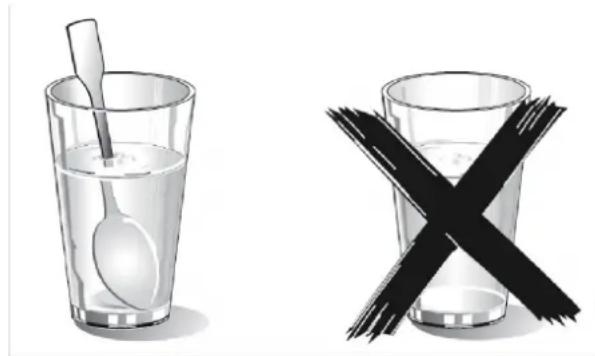
- When heating liquids, boiling can be delayed. This means that the boiling temperature has been reached without forming the typical little steam bubbles. Even a slight knock can cause the sudden overflow of liquid or sprays.
- When heating liquids, always put a spoon in the container to avoid delayed boiling.
natural_image
Two glass cups: one with a spoon inside, the other with a black X symbol crossed out (no text or symbols present)Causes Of Damage To Appliance
Juice Leaking From Fruit
- When preparing desserts or candy containing very juicy fruit, do not overfill the baking dish. Fruit juices that overflow the baking dish can leave indelible stains.
Technical Breakdown
- Never use metallic enameled baking dishes in the microwave because it could cause arching or a technical breakdown.
- Enameled dishes often have a metallic base or trim, or the enamel itself may contain metallic particles.
Cooling With The Door Of The Appliance Open
- The cooking chamber must only be cooled with the door closed. Check that nothing is stuck on the door of the appliance.
- Even if the door is only ajar, nearby cabinets can be damaged over time.
Very Dirty Gasket Seal
- If the gasket seal is very dirty, the door of the appliance will not close correctly during operation.
- The surfaces of nearby cabinets can be damaged.
- Microwaves may escape from the cooking chamber.
• Always keep the gasket seal clean.
Danger Of Explosion!
- Never heat beverages or other types of food in covered containers.
- Never heat alcoholic beverages excessively.
Drying foods
Danger of fire!
- Never dry food using the microwave functions.
- Foods with low water content
Danger of fire!
- Never defrost or heat foods with low water content, like bread, for too long or at an excessive power.
Oil
Danger of fire!
- Never use the microwave to heat just oil.
Using The Door Of The Appliance As A Support Surface
- Do not rest or lean on the open door of the appliance.
- Do not rest dishware or accessories the open door of the appliance.
Using The Microwave Without Food In The Chamber
- Only turn on the microwave after you have put the food in the cooking chamber. Without food inside, the appliance can become overloaded.
- The microwaves need to be absorbed by something.
Moist Foods
- Do not leave moist foods in the cooking chamber for extended periods of time.
PRODUCT INSTALLATION
Installation Preparation
Installers, it is your responsibility to...
- Comply with installation specifications and dimensions.
• Properly install the unit. -
Remove any molding or decorative panels that prevent the unit from being serviced.
-
Make sure that you have the necessary tools and materials on hand to install the unit.
- Provide a properly grounded electrical outlet.
- Any installation not matching the specifications discussed in these instructions will void the manufacturer's warranty.
Design Information
The speed oven may be installed in a cabinet alone, above, below, or next to other Viking RVL appliances such as a warming drawer, wall oven, steam oven, or another speed oven. The speed oven may also be installed side by side, below a countertop, or below specified cooktops. When installing this unit with other units, only install with Viking Range, LLC built-in products.
IMPORTANT: Always refer to individual installation instructions packed with each product for specific installation requirements.
Included Accessories and Parts
- Wire Rack Tray
• 2 Mounting Screws
- Glass Tray
- Round Riser Rack
- Round Turntable Tray
Tools You May Need
• 1/8" Drill Bit and Electric Drill
- Tape measure and straight edge or ruler
- Pencil
• Phillips screwdriver
- Level
- Wire cutters and wire stripper
- Hand or saber saw
- 1" (2.5 cm) Hole saw
• Safety gloves and goggles
Remove Packaging & Accessories Before Installing
- Failure to remove packaging materials could result in damage to the appliance.
- Remove the speed oven from the packaging. Recycle the materials that can be recycled. Dispose of packaging materials in accordance with local regulations on waste disposal. Don't leave packaging around for children to play in.
- Inspect the speed oven for any signs of damage on the exterior, the internal oven cavity, and the door seals. Do not install the speed oven if it has been damaged. If the product is damaged, contact your local dealer.
- Open the speed oven and remove all packing parts, literature pack and accessories from the interior.
- Only remove protective film and labels on the outer door, control panel, and handle once installation is complete.
- Locate the Parts package containing mounting screws.
Prepare Installation Location
- It is the responsibility of the installer to comply with local codes. If no local codes are applicable, wire in accordance with the National Electrical Code, ANSI/NFPA-70 – latest edition.
- Ground unit per applicable electrical codes.
- The speed oven should be located away from strong drafts, but in a convenient location in the kitchen.
- It is recommended that 3/4" or larger material be utilized to create a support platform for this appliance.
- BE SURE that support for this appliance is perpendicular to the front facing of the wall or cabinet before you perform the installation.
Electrical Requirements
natural_image
Diagram of a mechanical or electrical component with four ports and connecting lines, no visible text or symbolsGrounded Neutral
3-Wire branch circuit (for US only)
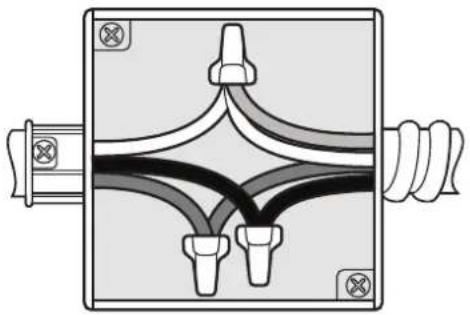
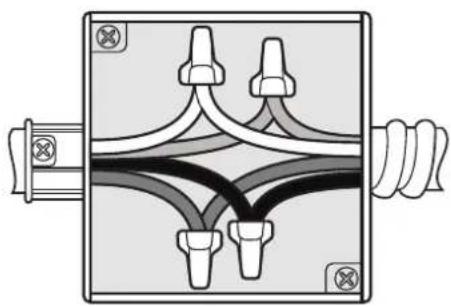
- Where local codes allow the connection of GROUND wire from the appliance to the branch circuit NEUTRAL wire (gray or white colored):
- If local codes permit, connect the green GROUND wire from the oven and the white wire from the oven to the branch circuit NEUTRAL wire (gray or white colored).
- Connect the red and black leads from the appliance to the corresponding wires from the junction box.
natural_image
Diagram of a mechanical or electrical component with multiple ports and connecting lines, no visible text or symbolsUngrounded Neutral
4-Wire branch circuit (for US and CANADA)
- Connect the green GROUND wire from the oven to the GROUND wire in the junction box (bare or green colored wire).
- Connect the red and black leads from the oven to the corresponding wires in the junction box.
- Connect the white wire from the oven to the NEUTRAL (Grey or white colored) wire in the junction box.
Ground through the neutral conductor is prohibited for new branch-circuit installation (1996 NEC), mobile homes, and recreation vehicles, or where local codes prohibit grounding through the neutral conductor. For installations where grounding through the neutral conductor is prohibited:
- Disconnect the ground from the neutral at free end of conduit.
- Use grounding terminal or lead to ground unit.
Power Requirements
- The oven must be supplied with the proper voltage and frequency. The oven is manufactured to be connected to a four-wire, single phase, 240V, 60 Hz AC electrical supply on a separate circuit fused in both sides of the line. A circuit breaker or time delay fuse sized not to exceed the circuit rating of the appliance specified on the rating plate located on the frame behind the door of the oven is recommended.
- The oven must be supplied with copper or aluminum wires. If aluminum wire is provided to connect oven to branch circuit, UL listed connectors for joining copper and aluminum must be used. Follow instructions provided with connectors.
- It is recommended that you have the electrical wiring and hook-up of your oven performed by a qualified electrician. After installation is complete have the electrician show you where the main disconnect is and which of the circuit breakers/fuses are for the oven.
- Wire sizes and connections must conform with the rating of the appliance and to the requirements of the National Electrical Code, ANSI/NFPA-70 – latest edition, or Canadian Electrical Code, CSA C22.1-1982 and C22.2 No. 01982 – latest edition, and all local codes and ordinances.
- Oven must be connected to the proper electrical voltage and frequency as specified on the model/serial rating plate.
Product Dimensions & Specifications
Power Requirements
| Description | Speed Oven - MVMSP6301 |
| Flexible Power Conduit Length | 54" [1371.60mm] |
| Electrical Requirement | Speed Oven requires a four-wire, single phase, 240V, 60 Hz AC electrical supply on a separate circuit fused on both sides of the line. |
| Max Amp Usage | 240 VAC - 13.7 amps, 3.3 kW |
| Power supply 120-240V, 60 Hz | 3400 W |
| Power supply 120-208V, 60 Hz | 2700 W |
| Microwave power | 900 W |
| Grill | 1500 W |
| Convection | 1500 W |
| Microwave frequency | 2450 MHz |
natural_image
Top-down schematic of a microwave oven or oven unit with control panel and vent slots (no text or labels)Serial Plate
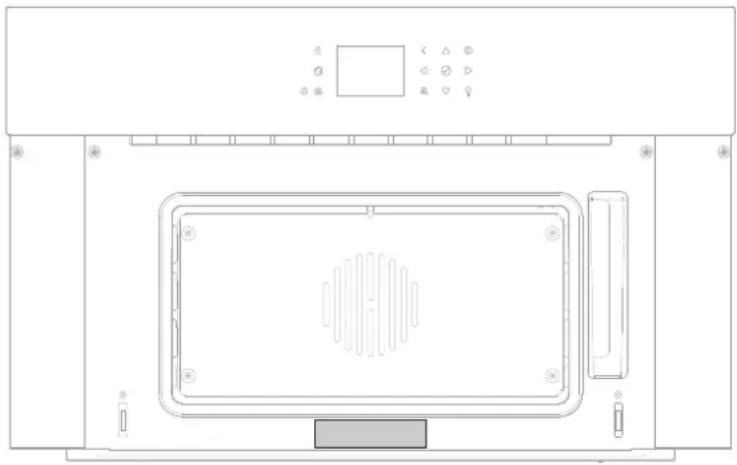
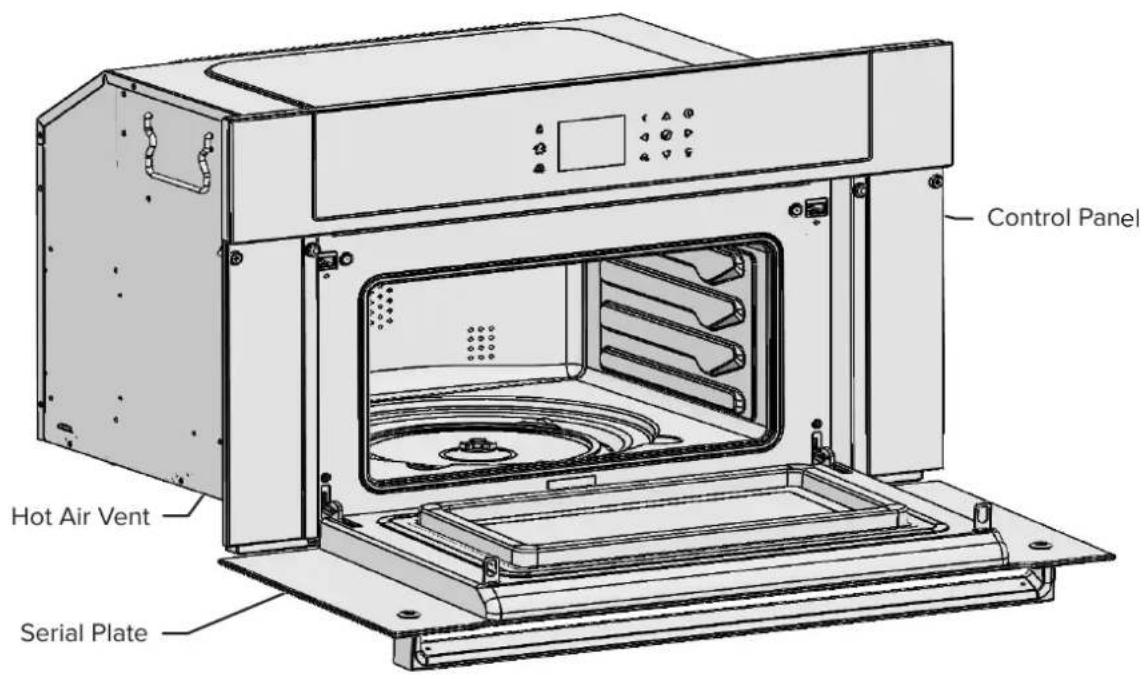
• The speed oven's serial plate is viewable when the door is opened all the way.
- The serial plate contains information regarding power requirements and information for replacement parts.
Dimensions
| Description MVWD6301 | ||
| Width | Overall 29 ^13/16 " [757.24mm] | |
| Width between cabinetry mounting holes 28 ^15/16 " [734.64mm] | ||
| Width of Speed Oven Shell | 21 ^5/16 " [541.20mm] | |
| Height | Overall 18 ^5/8 " [473.43mm] | |
| Front Glass Height 18 ^5/16 " [465.13mm] | ||
| Height of Speed Oven Shell | 17 ^3/16 " [436.63mm] | |
| Depth | Overall 23 ^7/8 " [606.01mm] | |
| Depth of Speed Oven into Cabinetry | 21 ^1/16 " [535.43mm] | |
| With door fully opened | 34" [863.60mm] | |
| Interior | Interior Width 15 ^7/8 " [402.65mm] | |
| Interior Height 8 ^5/16 " | [211.00mm] | |
| Interior Depth 13 ^3/8 " | [339.91mm] | |
| Approximate Shipping Weight | 93 lbs [42 Kg] | |
Dimensions
![29¾/₁₆" [757.24mm] 26½" [673.12mm] Control Panel 5¼" [133.35mm] Overall Height 18 Ⅴ/₈" [473.23mm] Glass Height [465.18mm] 18 Ⅴ/₆" Door Panel [327.03mm] 12/₈" Viking Ⅴ/₁₆" [8.05mm]](/content/2026/04/732667/images/83ef088214ee1b16a5e7735dec4fe6e100b1bd57c08f9a1a6731d7a503890a44.jpg)
![23 7/8" [606.45mm] 21 15/16" [557.40mm] 21 15/16" [534.81mm] 1 1/2" [38.32mm] 1 3/8" [34.77mm] 1 15/16" [49.47mm] 12 1/6" [307.14mm] [436.62mm] 17 3/6"](/content/2026/04/732667/images/93d8faf3ea12bef2a6257a62614c6c0a355424e2251f6bda5564ad6d1c49ed04.jpg)
![Mounting Holes: 2815/16" [734.64mm] Shell: 215/16" [541.20mm] 7/16" [11.42mm] 33/4" [95.51mm] 613/16" [173.27mm]](/content/2026/04/732667/images/01f9647ea9d1b6f530b0c67f54eaffb938c7a9f8c4f4f2d2f6cb798c82184bc2.jpg)
EN-11
Cabinetry Specifications - Standalone
Cabinetry Dimensions
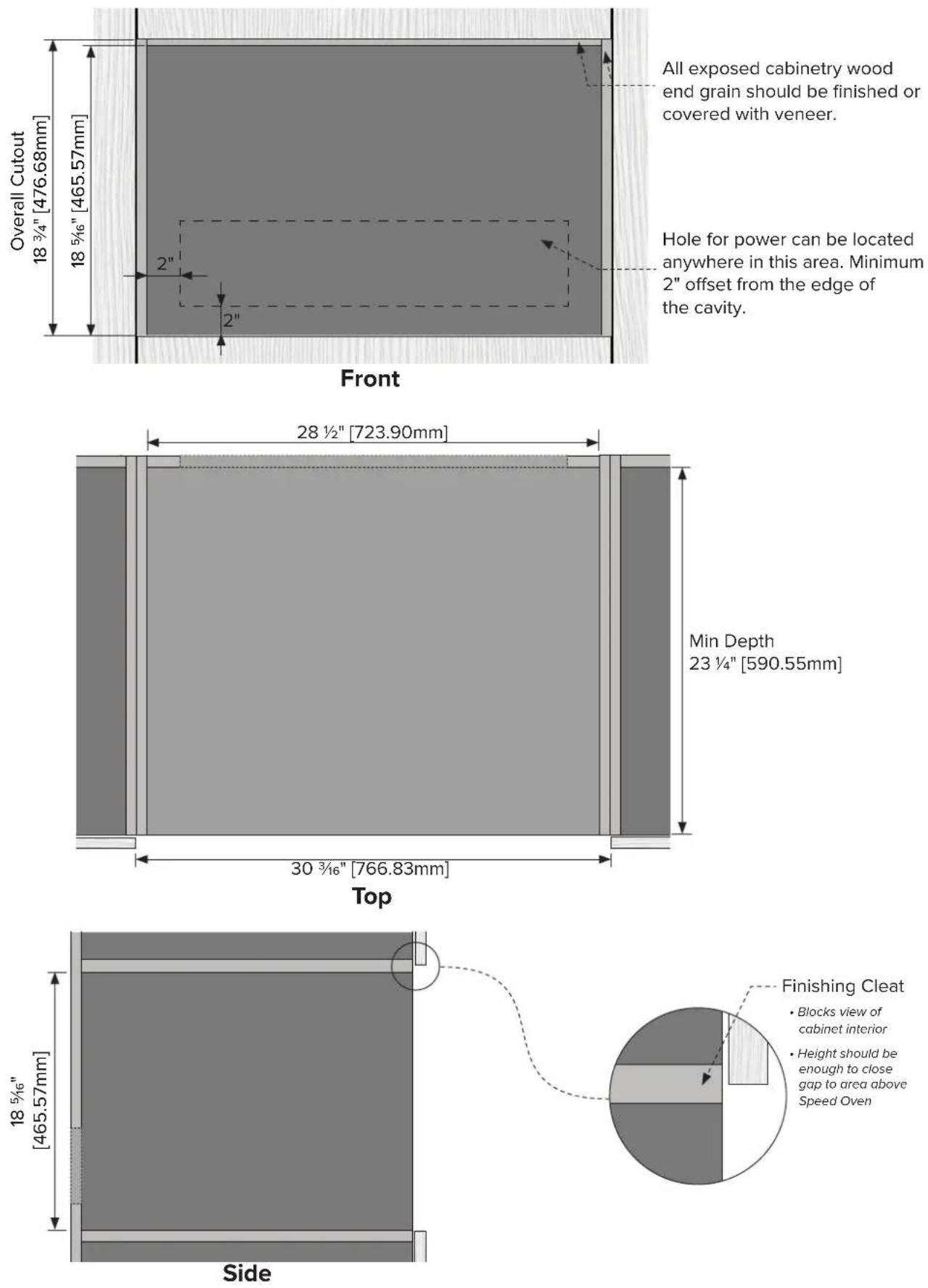
Product Install Dimensions
![Reveal ½" [3.00mm] Minimum Vertical Reveal ¾/₆" [2.38mm] Reveal ¾/₈" [9.53mm] DO NOT LIFT BY HANDLE Viking Front](/content/2026/04/732667/images/81a85e3316ec54c53e9104ba4a2bb805a2683c5db9365015d3032f5f8be0210f.jpg)
![Minimum Vertical Reveal 3/16" [2.38mm] DO NOT LIFT BY HANDLE DO NOT LIFT BY HANDLE Top](/content/2026/04/732667/images/049f4d81609a462a3e9e2a75c5830d93e002bdafa72104e426de5ae3b85169e5.jpg)
![Reveal 1/8" [3.00mm] 1 3/8" [34.80mm] 1 15/16" [49.03mm] Reveal 3/8" [9.53mm] Side](/content/2026/04/732667/images/7673bae082add4672c887e025eea4a2149d67381006bba128a15cde61225e9ef.jpg)
EN-13
Flush Mounted Cabinetry Dimensions
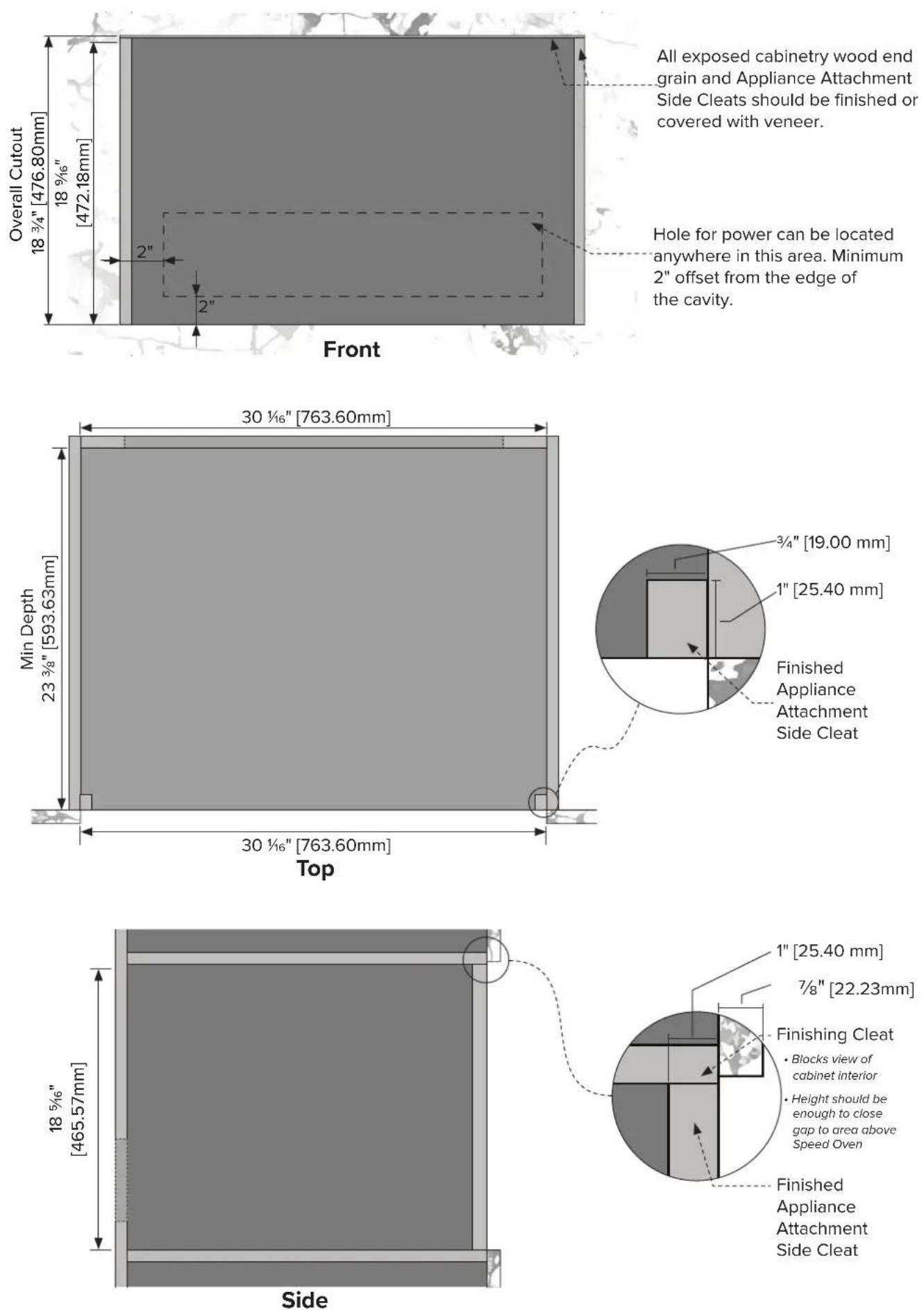
EN-14
Flush Mounted Product Install Dimensions
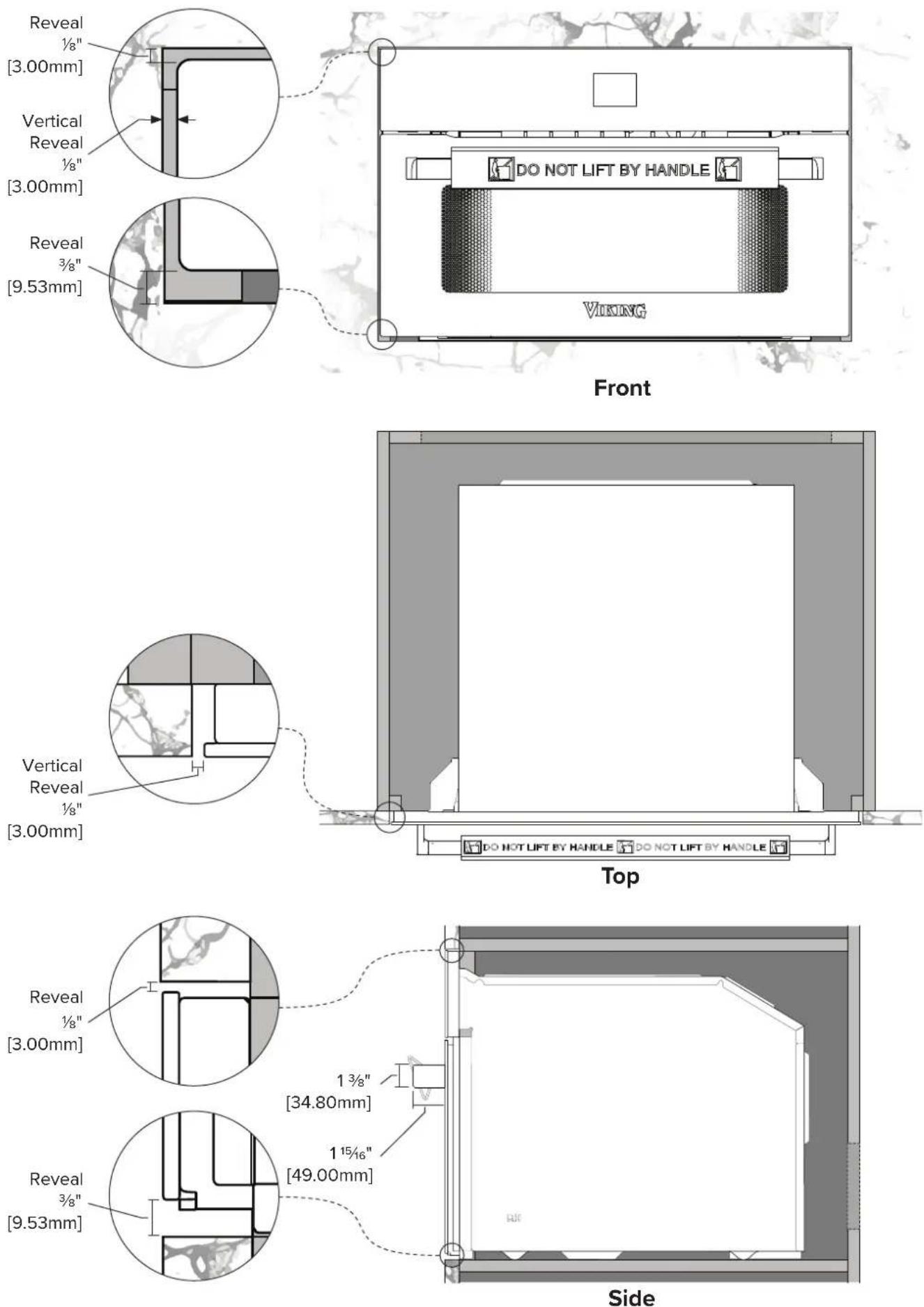
EN-15
3-Stack Cabinetry Specifications - Single Wall Oven, Steam/Speed Oven & Warming Drawer
(MVSOE6301, MVSOC6301/MVMSP6301 & MVWDE6301)
Standard Install Cabinetry Dimensions
![Min Depth 23 ¼" [590 mm] Cutout Width: 28 ½" [724 mm] Opening Between Adjacent Panels 30 ¾/₆" [766 mm] Top Finishing Shelf (Blocks view of cabinet interior) 3/4" [19 mm] Cutout Heights 18 ¾/₈" [467 mm]27 ¼/₈" [700 mm] 57 ¼/₈" [1454 mm] max: 12x12" min: 6x6" 1" min: 6x6" 1" 9 ¾/₆" [233 mm] Front All exposed cabinetry wood end grain should be finished or finished with veneer. Location for power conduit hole. Conduit hole should be at least 6x6", but no more than 12x12". About 1" offset from the edge of the cavity. Shelving: ¾/₄" [19 mm] Minimum 4³/₄" [121 mm] Floor Side](/content/2026/04/732667/images/0533d136d3b329a45c889bde8d0c060b4e5b534d3f5347c63ee040d3802f90d0.jpg)
Standard Install Product Reveals
![Reveal ½" [3 mm] Minimum Vertical Reveal ¾/₆" [5 mm] Minimum Reveal Between Appliances ¾/₈" [10 mm] 1¾/₈" [34 mm] 1½/₆" [49 mm] Handles and Glass should align. Front Side Minimum Vertical Reveal ¾/₆" [5 mm] Minimum Reveal ¾/₈" [10 mm]](/content/2026/04/732667/images/ea134231eb913fc4f08209402fcd64c7f49c47c51de56fee855961615fdc628d.jpg)
Flush Mounted Cabinetry Dimensions
![Min Depth 23 ¼" [590 mm] Cutout Width: 28 ½" [724 mm] Opening Between Adjacent Panels 30 ½" [764 mm] Top Wall Oven Cleats ¾ x 1" [19 mm x 25 mm] Steam/Speed Oven & Warming Drawer Cleats ¾ x ¾" [19 x 19 mm] 1" [25 mm] ¾" [19 mm] 7/8" [22 mm] ¾" [19 mm] 7/8" [22 mm] ¾" [19 mm] 3/4" [19 mm] Finishing Cleat (Blocks view of cabinet interior) Cutout Heights 18 ¾" [467 mm]27 ¾" 57 ¼" [1454 mm] max: 12x12" min: 6x8" 1" min: 6x6" 1" All exposed cabinetry wood end grain should be finished or finished with veneer. Location for power conduit hole. Conduit hole should be at least 6x6", but no more than 12x12". About 1" offset from the edge of the cavity. Shelving: ¾" [19 mm] 9 ¾" [233 mm] Front Minimum 4³/4" [121 mm] Floor Side](/content/2026/04/732667/images/e7996e79d9d4547869086a40f3d68dd3b33c335b3a46d26fa9e3c80676ce3d05.jpg)
Flush Mounted Install Product Reveals
![Reveal ½" [3 mm] Minimum Vertical Reveal ¾/₆" [5 mm] Minimum Reveal Between Appliances ¾/₈" [10 mm] 1¾/₈" [34 mm] 1½/₁₆" [49 mm] Front Side Vertical Reveal ½" [3 mm] Minimum Reveal ¾/₈" [10 mm]](/content/2026/04/732667/images/6d231bcdc748a1391edc5ba9cf0510d01f5dff0f435bc46edf9a467b0bbf91f5.jpg)
Side by Side Cabinetry Specifications - Single Wall Oven, Steam/Speed Oven & Warming Drawer (MVSOE3601, MVSOC6301/MVMSP6301 & MVWDE6301)
Standard Install Cabinetry Dimensions
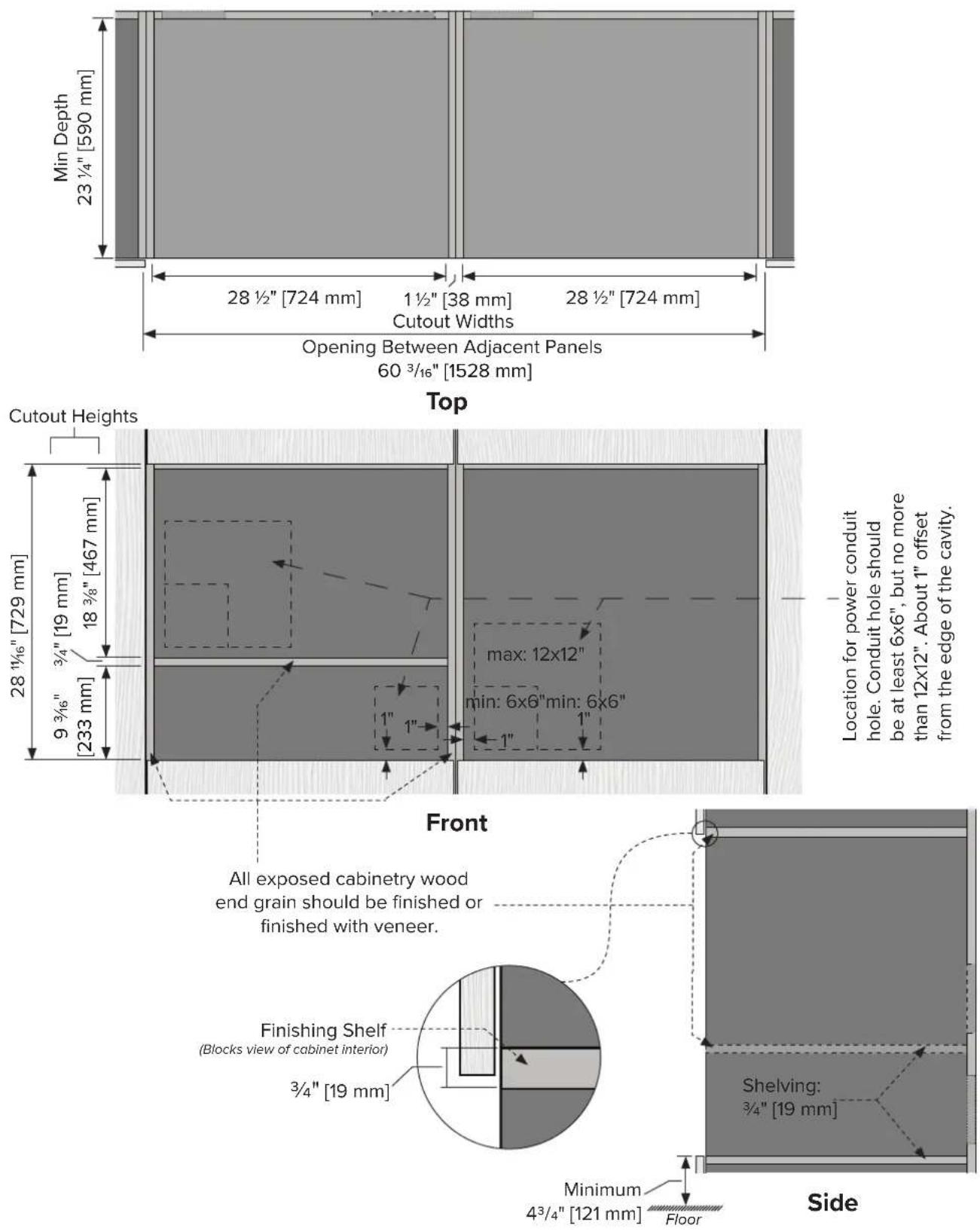
Standard Install Product Reveals
![Reveal ½" [3mm] Minimum Vertical Reveal ¾/₆" [5 mm] Minimum Reveal Between Appliances ¾/₈" [10 mm] DO NOT LIFT BY HANDLE Viking DO NOT LIFT BY HANDLE Viking Front Vertical Reveal Between Appliances ¾/₆" [5 mm] Minimum Reveal ¾/₈" [10 mm] Handles and Glass should align. 1¾/₈" [34 mm] 1¼/₆" [49 mm]](/content/2026/04/732667/images/d2dcdabaab0deeb2fdbe933fbaeb0f7c534cac966b18eaf7561351c05f1b3024.jpg)
Side
EN-21
![Push Mounted Cabinetry Dimensions 1" [25 mm]3/4" [19 mm] Min Depth 23 ¼" [590 mm] 28 ¾" [726 mm] 1 ½" [38 mm] 28 ¾" [726 mm] Cutout Widths Opening Between Adjacent Panels 60 ¾" [1526 mm] Top Cutout Heights Location for power conduit hole. Conduit hole should be at least 6x6", but no more than 12x12". About 1" offset from the edge of the cavity. 28 ¼" [729 mm] 18 ¾" [467 mm] 9 ¾" [233 mm] 3/4" [19 mm] min: 6x6" 1" max: 12x12" min: 6x6" 1" Front All exposed cabinetry wood end grain should be finished or finished with veneer. 7/8" [22 mm] 1" [25 mm] 3/4" [19 mm] Finishing Cleat (Blocks view of cabinet interior) Shelving: 3/4" [19 mm] EN-22 Minimum 4³/4" [121 mm] Floor Side](/content/2026/04/732667/images/03cf269850909e3c25f42cfb7a9a3ee34d2b805a7b9a077378b25e9c48c93833.jpg)
Flush Mounted Product Install Dimensions
![Reveal ½" [3 mm] Vertical Reveal ½" [3 mm] Minimum Reveal Between Appliances ¾" [10 mm] 1 ¾/₈" [34 mm] 1 ¹⁵/₁₆" [49 mm] Front DO NOT LIFT BY HANDLE Viking DO NOT LIFT BY HANDLE Viking Minimum Reveal 3/₈" [10 mm] Handles and Glass should align. Side](/content/2026/04/732667/images/9ed48a69ce1f6a2917891a855c2cf281ce7bb7a3ad7cbd88cc9213f0cf55f41c.jpg)
Final Install Checklist
Read all installation instructions in this manual to make sure the appliance has been correctly installed before use.
Ensure that:
☐ The speed oven is level and securely fitted to the cabinetry.
□ Any internal packaging has been removed from the speed oven.
☐ Oven turntable is operated unrestricted so it can turn.
Test Operation:
- Open the speed oven, and place a non-plastic dish with about 1 inch (25.4 mm) of water onto the microwave turntable. It is important that the speed oven always has something inside it to absorb microwave energy when the microwave is used.
- Press the Ⓐ Sleep/Wake button to wake the speed oven and navigate to the Microwave Tru Convec cooking mode.
- Set a wattage and a temperature for the Microwave Tru Convec cooking mode.
- Observe and make sure that the back convection fan functions.
- Press the ① Sleep/Wake button to cancel the cooking mode and put the speed oven into standby mode.
- Open the speed oven door and check to see if the water was warmed up.
Notes
USE & CARE
Welcome and Thank You
We would like to extend a warm welcome and express our sincere gratitude for your recent purchase of a new speed oven from Viking Range. We are delighted that you have chosen our product to enhance your kitchen experience.
At Viking Range, we take great pride in delivering high-quality appliances that combine innovative technology with exceptional craftsmanship. Our speed ovens are designed to provide you with the utmost convenience and efficiency. Speed ovens combine the quick convenience of microwave technology with the even cooking of a convection oven, allowing you to prepare meals faster without compromising on quality.
In this user manual, you will find detailed instructions on how to make the most of your new speed oven. We have included step-by-step guides, helpful tips, and important safety information to ensure a seamless and enjoyable experience.
Should you have any questions or require assistance, please do not hesitate to reach out to our dedicated customer support team. We are here to help you get the most out of your Viking Range speed oven.
Once again, thank you for choosing Viking Range. We are confident that your new speed oven will exceed your expectations and become an indispensable addition to your culinary endeavors.
Register Your Product
Please visit the Viking Range's website (vikingrange.com/register) to register your product and create a My Viking account to enjoy these benefits:
- Record your purchases with the ability to track your product information online.
- Have immediate access to your serial numbers, installation dates, and Use & Care manuals.
- View and purchase product accessories designed for your registered products.
- Ability to sign up for periodic emails with new product information, exciting new promotions, recipes and more.
Register now at vikingrange.com/register or complete and return the included registration card.
natural_image
Top-down schematic of a microwave oven or oven unit with control panel and tray (no text or symbols)Serial Plate Location
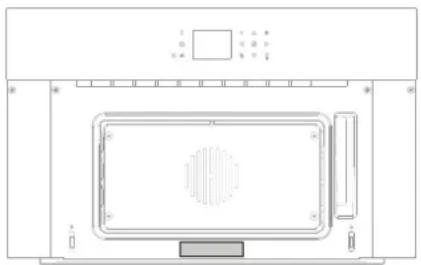
- The speed oven's serial plate is viewable when the door is opened all the way.
- The serial plate contains information regarding power requirements and information for replacement parts.
Before First Use
Clean Oven Cavity & Accessories
- Remove all contents from the oven cavity, including the oven racks and accessories.
- The oven cavity and all included accessories (pans and racks) should be thoroughly cleaned with hot, soapy water and a soft cloth, and carefully rinsed. A dishwasher may be used to wash the oven racks and accessories, however it does not guarantee the complete removal of manufacturing oils that rubbing with a soft cloth would provide.
- To eliminate all remaining residual manufacturing oils from the oven cavity that can cause unpleasant odors during cooking, use the Tru Convec Broil function to heat the oven and all elements for about 30 minutes at the maximum temperature. Make sure to remove all racks, pans, and accessories.
Set Time & Date
- Setting the time and date is necessary for correct error logging should issues arise during use of the speed oven.
• Take this opportunity to also set the Temperature and Weight units, Language, Screen Brightness and Volume.
FEATURES & ACCESSORIES
natural_image
Line drawing of a metal rack with grid pattern and mounting feet (no text or symbols)Wire Rack Tray Insert
natural_image
Line drawing of a rectangular tray or container with rounded edges and a flat top (no text or symbols)Glass Tray
natural_image
Simple line drawing of a circular metal grate with four legs and a central pan, no text or symbols present.Round Riser Rack
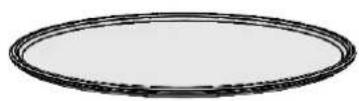
Glass Rotating Plate
General Oven Tips
Preheating the Speed Oven
- Selecting a higher temperature does not shorten the preheat time.
- Preheating is necessary for good results when baking cakes, cookies, pastry and breads.
- Preheating will help to sear roasts and seal in meat juices.
- Place oven racks in their proper position before preheating.
- During preheating, the selected cooking temperature is always displayed.
- A beep will confirm that the oven is preheated.
Operational Suggestions
- Do not set pans on the open oven door.
- Use the interior oven lights to view the food through the oven door window rather than opening the door frequently.
Suitable Dishware
You can use heat-resistant dishware made of glass, glass ceramic, porcelain, ceramic or refractory plastics. These materials are permeable to microwaves. It is also possible to use normal plates. In this way, it won't be necessary to transfer the food.
Dishware with gold or silver decorations can only be used if the manufacture guarantees that they can be used in microwave ovens.
Remember that, when using microwave cooking modes, the dish must be placed on the rotating plate.
When using the oven in combination mode (microwave and convection heat), it is preferable to place the dish to be cooked on the round riser rack placed so that it is centered on the rotating plate.
Unsuitable Dishware
Metal dishware cannot be used. Metal is not permeable to microwaves. Food in metal containers will remain cold.
Warning! Metal components, such as spoons in glasses, must stay at least 2 cm (0.79 in) from the walls of the oven and the door. Sparks caused by metal dishware or cutlery could seriously damage the inside of the glass door.
Testing Dishware
Never turn on the microwave oven before you have put in the food.
The only exception allowed is testing dishware. If you are unsure if your dishware can be used in the microwave oven, we recommend performing the following test:
- Place an empty dish in the appliance for 12 - 1 minute at the maximum power.
- Check the temperature. The dish must be cool or slightly warm to the touch. If it is hot or there are sparks, the pot is not suitable.
Oven Condensation & Temperature
- It is normal for a certain amount of moisture to evaporate from the food during any cooking process. The amount depends on the moisture content of the food. The moisture may condense on any surface cooler than the inside of the oven, such as the control panel.
- Your new oven has an electronic temperature sensor that allows maintaining an accurate temperature.
High Altitude Baking
- When cooking at high altitude, recipes and cooking time will vary from the standard.
Control Panel & Display Icons
Using the Controls
This Speed Oven uses a capacitive touch interface, like your smart phone. No pressure is needed to activate the controls.
To operate, please make sure that your finger is making enough contact with the control icon (button location) and is held long enough to hear a beep.
Please be aware that wet fingers or a wet control interface will likely cause the controls to behave erratically. Please be sure when operating the Speed Oven that both your hands and the control interface are clean and dry.
Beeps
- Beeps confirm that the command has been received after a key press.
- It also indicates that a timer function has been completed (e.g. Timer or Timed Cooking). During the execution of a recipe, an audible signal warns the user that the oven is waiting for operation by the user (e.g., insert the dish or turn it over).
- Beeps also signal an oven fault. (See Troubleshooting Section)
Overview of Control Panel
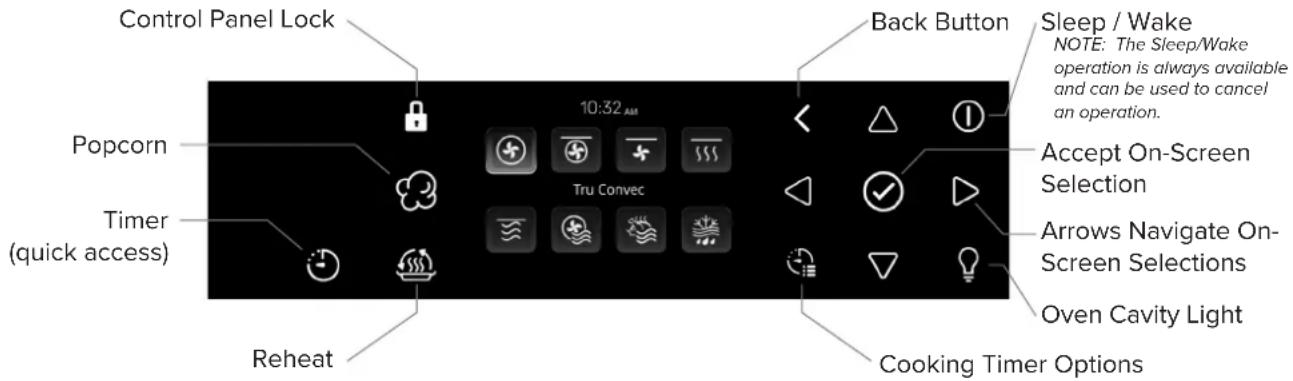
Locking the Control Panel
Hold the Lock button to the left of the screen for 3 seconds. The capacitive buttons are now deactivated, except for the Lock button. The Lock button will stay illuminated. Repeat the same operation to unlock the control panel. This feature is useful when cleaning the control panel to prevent accidental input.
Popcorn Quick Recipe Button
A button to quickly access the Popcorn recipe. Recipe default is setup for a standard bag of popcorn.
Reheat Quick Recipe Button
A button to quickly access the Reheat recipe.
Timer Quick Access Button
A button to quickly access the Timer feature. The timer only counts down and beeps once zero is reached. To cancel the timer, return to the timer function as though creating a new timer. Reset the hours and minutes to zero. To stop the beeps once zero is reached, press the Timer button.
Cooking Timer Options
Cooking Timer Options gives access to the Timer, AutoStart, and AutoStop timer functions.
The Timer is available in all cooking modes. AutoStart, and AutoStop timers are not available in Microwave Cooking modes.
Preheat Display
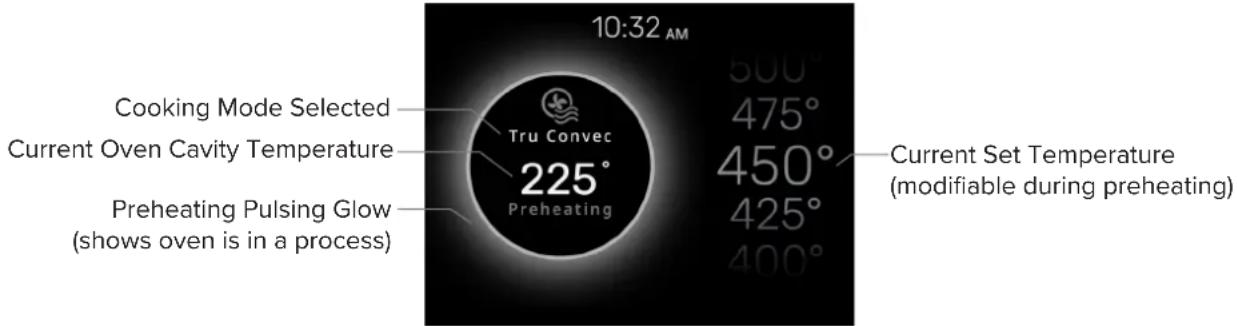
Preheat
Whenever a cooking mode and temperature is set, the preheating of the oven cavity begins. During this time, the current temperature is displayed within a pulsing, glowing circle, along with selected cooking mode. The currently selected temperature is shown on the right side of the screen and may be changed at any time during preheating by using the up and down arrows. When the oven cavity reaches the set temperature, the speed oven will beep and show the Currently Cooking screen
NOTE:
- Selecting a higher temperature does not shorten the preheat time.
-
Preheating is necessary for good results when baking cakes, cookies, pastry and breads.
-
Preheating will help to sear roasts and seal in meat juices.
- Place oven racks in their proper position before preheating.
Currently Cooking Display
Microwave and Convection
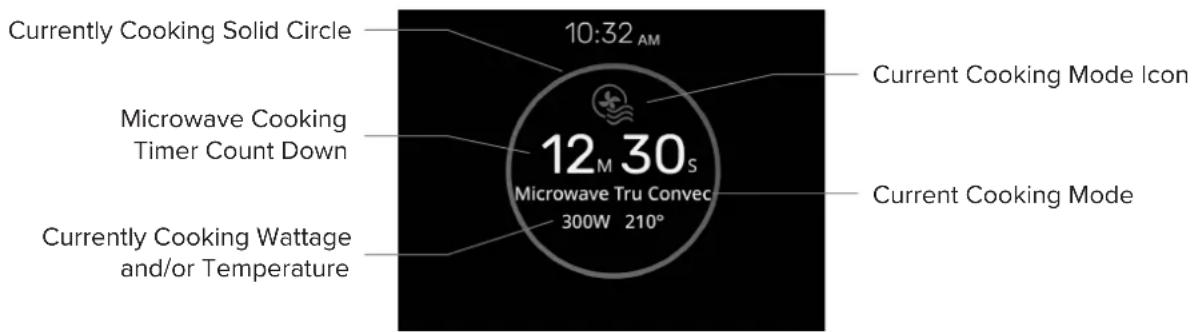
Microwave

Currently Cooking
Once the oven cavity has reached its set temperature, it transitions into the Currently Cooking screen - the pulsing and glowing circle that surrounds the current oven temperature and the selected cooking mode transitions to a solid circle, within which is the set temperature of the selected cooking mode and the selected cooking mode.
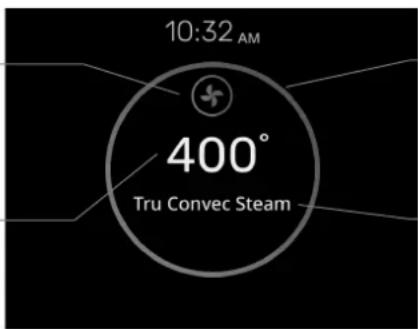
Currently Cooking Solid Circle Currently Coc
Currently Cooking ModeCooking Set Temp
Operational Suggestions
- Do not set pans on the open oven door.
- Use the interior oven lights to view the food through the oven door window rather than opening the door frequently. Opening the door releases the stored heat buildup in the oven cavity.
-
The button will cancel a cooking mode by putting the speed oven to sleep. Wake the speed oven to use a different cooking mode.
-
After putting the speed oven to sleep, the cooling fan will continue to operate until the inner parts of the oven have cooled down.
- High Altitude Baking - When cooking at high altitude, recipes and cooking time will vary from the standard.
Operating the Speed Oven
Standby Mode
• The speed oven automatically powers on into Standby Mode when the power to the breaker is turned on.
- Standby Mode is indicated by the Sleep/Wake button being lit and the display showing a clock.
- Standby Mode is a low power mode that allows the speed oven to quickly resume full functionality for your convenience.
Conventional Cooking Operating Cycle
- Wake Up - Touch the Power button to wake up the speed oven out of Standby Mode.
- Select Cooking Mode - Select desired Cooking Mode by selecting Cooking and then choosing one of the several cooking modes.
- Cooking Settings - Cooking Settings change and are dependent on whether cooking with convection, convection and microwave, or just microwave cooking modes.
- Temperature/Wattage Selection - Once a Cooking Mode is selected, cooking temperature and/or wattage may be selected.
- Set Time - A count down timer must be set for cooking functions that use the microwave.
- Press the Check Mark button to set the selected settings and begin cooking.
-
Preheat (for convection & convection microwave cooking functions) - Once the temperature selection has been made, the oven starts to preheat. This is represented by a glowing and pulsing circle that surrounds the current oven cavity temperature readout, and Cooking Mode selection.
-
Changing the Cooking Mode During Preheat - Press the Back button. This will take you back to the Cooking Modes screen.
- Changing set Temperature during Preheat - While preheating, the set temperature may be changed by pressing the up or down arrows to navigate to the new temperature. There is no need to press the check mark button to confirm change of the temperature. Leave the speed oven to complete preheating.
-
Timer, AutoStart, AutoStop - During preheating, it is possible to set these timers. Turn to the section about the Cooking Options menu to find out more. (AutoStart, AutoStop timer functions are only available in convection cooking modes.)
-
Cooking - Cooking with convection cooking modes will continue until the oven Cooking Mode is canceled by pressing the Sleep/Wake button or by the AutoStop timer running out. With cooking modes that include the microwave, cooking will continue until the set timer runs out.
-
Pause - Opening the Speed Oven door during operation will cause the convection fan, microwave, AutoStart, and AutoStop Timers to pause, however the elements will continue to heat. "Close Door to Continue" will display at the bottom of the display. Close the Speed Oven door to resume operation with convection cooking modes. Microwave cooking functions require pressing the check mark button to resume cooking.
- Change Cooking Mode / Cancel Cooking - To cancel the Speed Oven's cooking operation or to change to a different Cooking Mode, the Speed Oven must be backed out to the Cooking Mode selection screen or put to sleep and awoken again via the Sleep/Wake button.
-
Change Time, Weight, Temperature, or Wattage - These cook settings can be adjusted even while cooking. Simply press the back button, navigate to the desired setting, make your changes, and confirm. The cooking process will continue seamlessly with the new settings.
-
End of AutoStop or Recipe Cooking - Three beeps will sound 10 times every 3 seconds, the screen will show "Cooking Complete" and the time that the cooking completed.
-
Once the Speed Oven returns to its Sleep Mode, it will display the current temperature of the oven cavity until it cools enough.
- Never leave food in the oven for more than one hour before and after cooking. This could deteriorate the properties of the food itself.
Explanation of Cooking Modes

TRU CONVEC
Even dry heat is provided by the convection fan circulating heat provided by the circular heating element next to the convection fan.
No infrared radiant heat is provide in this cooking mode.

TRU CONVEC BROIL
In addition to the even dry heat provided by the Tru Convec system, high radiant heat is provided by the broil element at the top of the cooking cavity.

CONVECTION BROIL
Radiant heat is provided by the broil element at the top of the cooking cavity. Even heating of the air in the cooking cavity is provided by the convection fan.
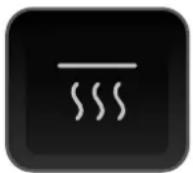
BROIL
This is the traditional boil cooking mode. High radiant heat is provided by the broil element.
This cooking mode is best used for browning food at the end of cooking.
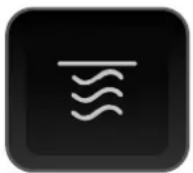
MICROWAVE BROIL
This cooking mode combines the power of microwave energy with broiling to achieve perfectly browned and crispy exteriors while rapidly cooking the interior. The microwave energy ensures quick and even cooking, while the broil function adds a deliciously crisp finish.

MICROWAVE TRU CONVEC
This cooking mode ensures quick and thorough cooking by applying heat from both the outside-in and inside-out. The Tru Convec system delivers consistent dry heat, while microwave energy rapidly cooks the interior of the food.
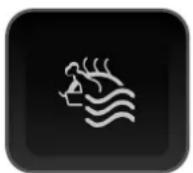
MICROWAVE
This cooking mode uses microwave energy to heat and cook food quickly and efficiently. Ideal for reheating leftovers, defrosting frozen items, or cooking simple meals, it ensures even cooking throughout the dish.

MICROWAVE DEFROST
This mode efficiently defrosts food using microwave energy, offering two convenient options:
- Time Defrost: Uses a standard countdown timer to defrost food evenly and quickly.
- Weight Defrost: Allows the user to select the type of food (Carbs, Vegetables, Meat, or Seafood) and its weight for precise defrosting tailored to the specific item
General Meat Cooking and Safety Info
Using a microwave-based speed oven can help cook roasts, steaks, or poultry to perfection. This method ensures optimal tenderness, aroma, and flavor without overcooking or undercooking your meat. It also helps avoid health and hygiene risks from bacteria that may lurk in raw or undercooked meat, poultry, fish, or eggs. Cooking food thoroughly and safely is crucial, even if it looks done on the outside but is still pink on the inside.
Some bacteria cause food spoilage, while others—like Salmonella, Campylobacter jejuni, Listeria monocytogenes, Escherichia coli, and Staphylococcus aureus—pose significant risks to human health. Bacteria multiply very quickly above a temperature of 40^ F ( 4.4^ C) up to 140^ F ( 60^ C). Mince is particularly at risk from this point of view.
To prevent bacteria from multiplying, it is necessary to take the following measures:
- Do not defrost food at room temperature; always defrost in the fridge or in the microwave using the specific function. In the latter case, cook the food immediately afterward.
- Stuff chicken just before eating it. Never buy uncooked prepackaged stuffed chicken and only buy cooked stuffed chicken when you intend to eat it within 2 hours.
- Marinate food in the refrigerator, not at room temperature.
- Ensure that meat, fish, and poultry are cooked thoroughly if they are more than 2 inches (5 cm) thick, to reach the minimum cooking temperatures.
• The greatest hazards are posed by poorly cooked chicken, which is particularly at risk from Salmonella. - Avoid interrupting the cooking process, i.e., partially cooking food, storing it, and completing the cooking process later. This sequence encourages the growth of bacteria due to the “warm” temperatures reached inside the food.
- Roast meat and poultry in the oven at temperatures of at least 329^ (165°C).
We recommend that you consult the following table taken from the National Food Safety Database (USA).
USDA Meat Temperature Chart
| Food Minimum Internal Temperature | |
| Mince Meat | |
| Hamburger 168°F 71°C | |
| Beef, Veal, Lamb, Pork 165°F 74°C | |
| Chicken, Turkey 165°F 74°C | |
| Beef, Veal, Lamb Roasts & Steaks | |
| Rare | The cooking temperature for rare meat is not indicated by the NFSD as it is unsafe for health reasons. |
| Medium Rare 145°F 63°C | |
| Medium 168°F 71°C | |
| Well Done 171°F 77°C | |
| Pork Chops, Roasts, Ribs | |
| Medium 168°F 71°C | |
| Well Done 171°F 77°C | |
| Fresh Ham | 168°F 71°C |
| Fresh Sausages 168°F 71°C | |
| Poultry | |
| Whole Chicken or Chicken Pieces | 180°F 82°C |
| Duck | 180°F 82°C |
| Whole Turkey (not stuffed) | 180°F 82°C |
| Turkey Breast | 171°F 77°C |
Cooking Timers
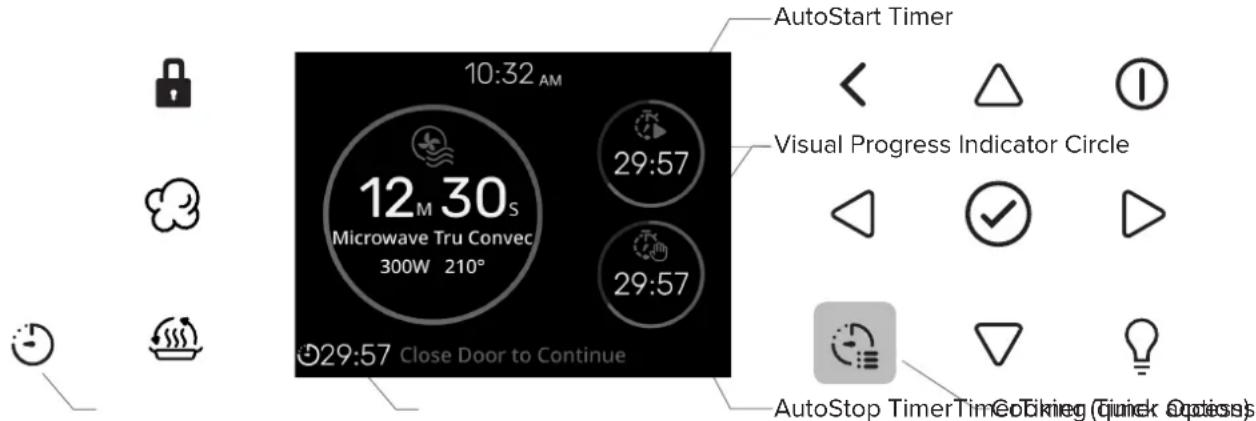
Timer -
This is a standard count down timer. At the end of the set time, the Speed Oven will create an audible beep sound. This timer is identical to the one accessed through the control panel located below the Lock button.

AutoStart -
Use the AutoStart timer function to delay the start of cooking by a certain amount of time. The oven switches on automatically and will continue to cook until manually turned off.
To change the AutoStart timer time when the oven is already operating, navigate to the AutoStart timer and enter a new time.
NOTE: Once the AutoStart timer finishes, the oven will begin the Preheat cycle. It is not recommended to place food in the cooking cavity during this time, as the intense heat of preheating may negatively affect the cooking process and final results.
If food is placed in the oven before the AutoStart timer completes, please be aware that it will not be refrigerated during the delay period, and the total cooking time may differ from typical expectations due to the impact of the Preheat cycle.
For best results, wait until the oven signals that preheating is complete before placing food inside
AutoStop -
Use the AutoStop timer function to set the amount of time the food should cook for and then automatically turn off the Speed Oven.
After cooking, the oven switches off and an audible signal warns that cooking has terminated.
To change the AutoStop timer time when the oven is already operating, navigate to the AutoStop timer and enter a new time.
Setting the Timer
NOTE: The Timer in the Cooking Timer Options menu is the same time available on the control panel.
NOTE: Pressing the Sleep/Wake button does not reset or stop the Timer.
NOTE: Press the timer button again to silence the beeping alarm.
- Press the Timer button and set the desired time using the arrows and confirm with the Check Mark button. To switch the selection between hours and minutes use the arrows
-
The time can be set from 1 minute to 12 hours and 59 minutes and, when set, the remaining time is always visible in the Timer Display Area bottom status bar until the time expires or is reset.
-
To cancel the timer, press and hold the button for a few seconds.
- Timer format is usually HR:MIN, switching into MIN:SEC during the last minute.
- When the time expires, the display shows 00:00 and the buzzer will sound for one minute or until the Timer button is pressed.
Timer Warning: This timer does not turn the appliance on or off, its only purpose is to alert you through the audible beep. When you want to turn off the oven automatically, use the AutoStop timer in the Cooking Options menu during a cooking operation.
Using the Racks and Tray
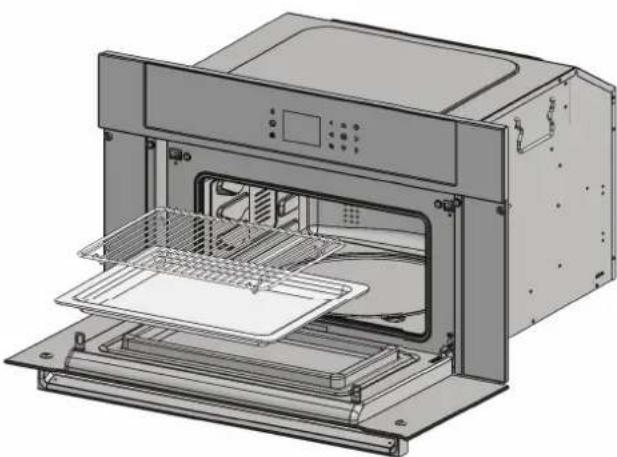
Glass Tray and Wire Rack Insert
The Glass Tray and Wire Rack Insert is designed to elevate food, allowing for better air circulation and more even cooking.
Cooking modes to use with the
Glass Tray and Wire Rack Insert:
- Convection Cooking: The Glass Tray and Wire Rack helps distribute heat evenly around the food, ensuring consistent cooking results.
- Broiling: The riser positions the food closer to the broil element, promoting better browning and crisping.
- Microwave Cooking Functions: DO NOT use with microwave cooking. Due to this microwave design, food is required to rotate to cook properly.
natural_image
3D technical illustration of an open industrial oven with internal compartments and control panel (no text or symbols)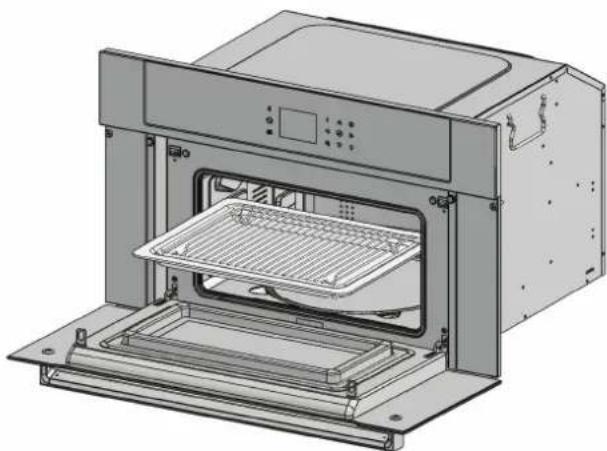
natural_image
Technical line drawing of an oven with internal grating and control panel (no text or symbols)Round Riser Rack
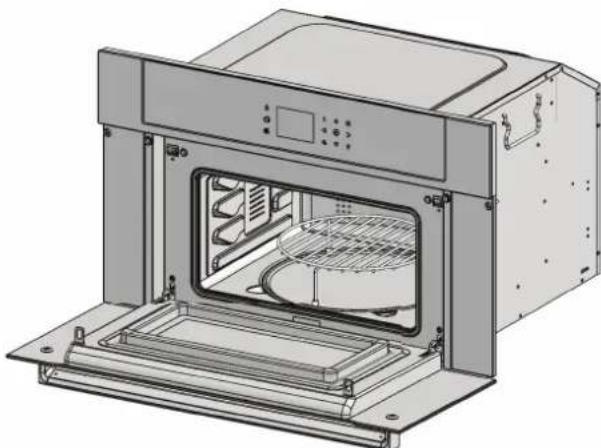
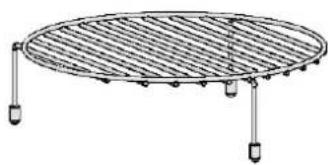
The metal Round Riser Rack is designed to elevate food, allowing for better air circulation and more even cooking.
Cooking Modes to use with the Round Riser Rack:
- Convection Cooking: The riser helps distribute heat evenly around the food, ensuring consistent cooking results.
- Microwave Broil and Microwave Tru Convec: These modes use minimal microwave power, allowing the riser to be used safely to achieve a combination of microwave and convection cooking.
- Broiling: The riser positions the food closer to the broil element, promoting better browning and crisping.
NOTE:
- It is recommended to place the food in a way that does not obstruct the turntable's movement.
- It's important to note that the riser should not be used in standard microwave mode, as it can cause arcing and damage the oven.
natural_image
Technical line drawing of an oven with internal die and ventilation duct (no text or symbols)Recipes
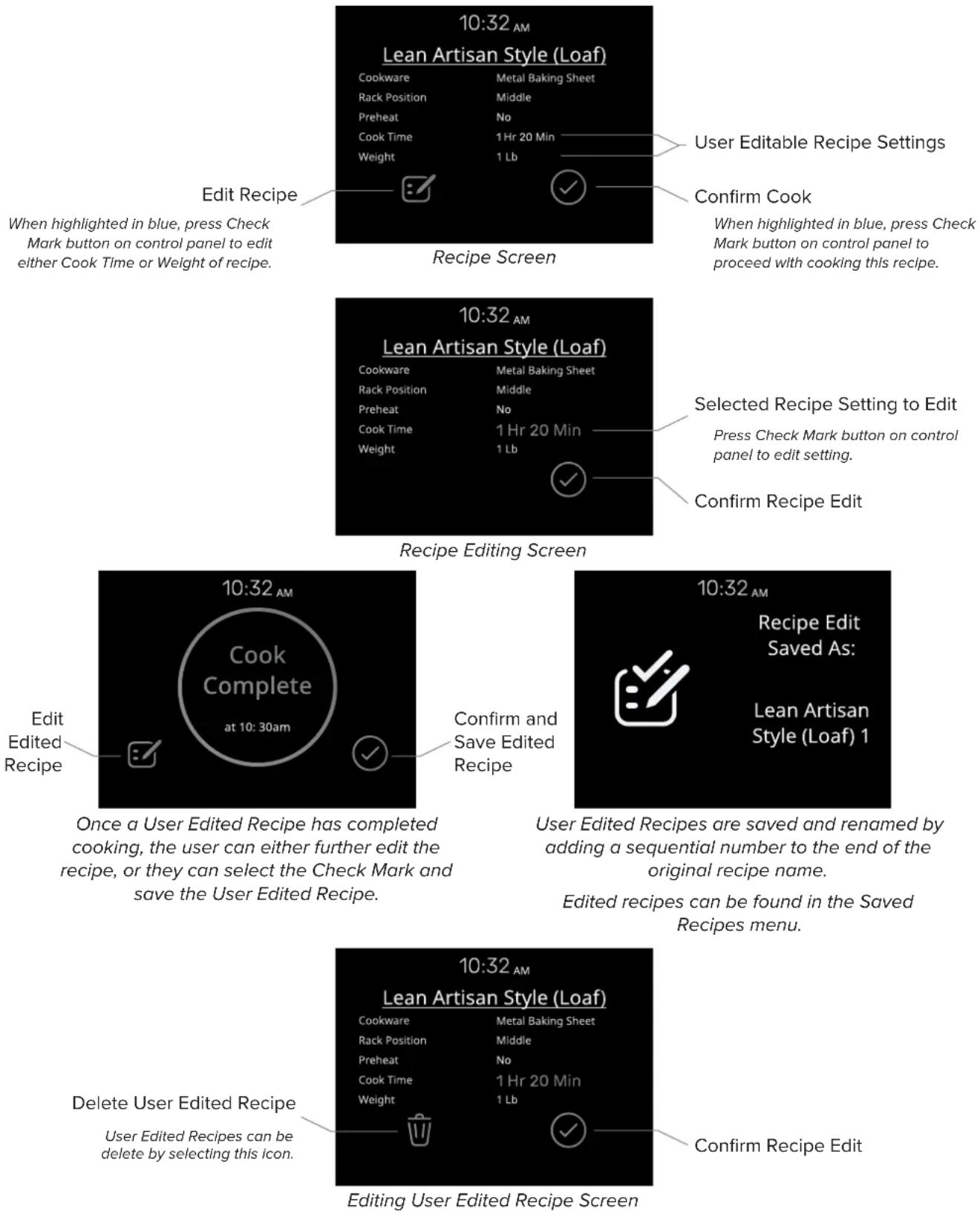
Recipes allow the cooking of food without having to set the oven manually every time. The cooking mode, the temperature and the time are automatically set according to the recipe selected from the menu.
Adjustments to the Recipes may be made before proceeding with a cook. Once a cook is complete, the Speed Oven presents the opportunity to save the adjusted recipe.
Using the Recipe Interface
Explanation of Settings Menu
Language -
Switch between the multiple language translations of the appliance.
Current Language translations: English, French, and Spanish.
Clock -
Set the clock on the appliance to the current time. Allows for both 12-hour and 24-hour clocks.

Screen Brightness -
Set the screen brightness for the display between Low, Medium, and High. Brightness can be separately set for when the Speed Oven is On and for the Standby mode when the Speed Oven is asleep.
Temperature and Weight-
Set the preferred measurement units to be displayed between Fahrenheit or Celsius for temperature, and Pounds or Kilograms for weight.
Date -
Set the appliance to the current date.
NOTE: This setting is important to set for creating accurate error logs, should issues arise.

Volume -
Set the preferred volume for warning sounds, such as at then end of cooking or timers.
Explanation of System Menu
Event Logs -
This is the location where errors will be logged should issues arise.

Demo -
This is where the appliance's demo or showroom mode can be turned on or off. When active DEMO will be shown in the upper right-hand corner of the screen.
- To Turn On: Toggle the On/Off switch to On, press the Sleep/Wake button, and wait 30 seconds.
- To Turn Off: Press and hold the Sleep/Wake button for about 5 seconds or until the appliance beeps. Navigate to the Demo mode setting and toggle the On/Off switch to Off.
- If the Demo mode is not toggled off, then the demo will begin again 30 seconds after the display has gone to sleep.
Care & Cleaning
How to Avoid Damage to Your Appliance
- Do not use objects that can rust in the Speed oven.
- Do not rest dishes on the open door. Always place a dish on the counter on a cooling rack or oven mitts or place on one of the racks within the speed oven.
• To help prevent any possibility of corrosion, allow the speed oven to ventilate after use. - When cleaning the appliance, to prevent water ingress into electrical components, do not pour or spray liquid on or around the appliance. Instead use a damp cloth.
How to Avoid Damage to the Chromed Handle
• Only use very gentle cleaners or water.
- Only use microfiber cloths.
• Using paper towels or rough cloths for cleaning will leave scratches that are very noticeable on chrome finishes.
Locking the Control Panel
Hold the Lock button to the left of the screen for 3 seconds. The capacitive buttons are now deactivated. The Lock button will stay illuminated. Repeat the same operation to unlock the control panel. This feature is useful when cleaning the control panel.
Care
- Do not place metal objects, such as aluminum foil or utensils with metallic trim, inside the microwave, as they can cause sparks and damage.
- Use only containers labeled as microwave-safe; avoid plastics that are not heat-resistant, as they may melt or release harmful chemicals.
• After cooking, leave the microwave door slightly open for a few minutes to allow moisture to escape and reduce condensation. - Close the door gently to avoid damaging the latch or misaligning the seal. Damaging the door or misaligning the seal may cause microwaves to leak, which can be harmful to your health.
- Never operate the microwave when it is empty, as this can overheat and damage internal components.
- Keep the door seal and hinges clean and intact to ensure safe and efficient operation.
Cleaning
- This appliance is made with high-quality steel. However, incorrect maintenance may still cause corrosion.
• The oven must be cleaned periodically and all food residues removed. - Do not clean the oven immediately after the dish has been removed. Residual moisture in the oven cavity is still very hot (danger of burns); check that the display shows a low residual temperature or none.
- During cleaning, take care that no water enters the appliance.
- Use only slightly damp rags.
- Never spray water inside or outside of the appliance. Water ingress could damage electrical components.
- Do not use steam cleaning devices for cleaning. Steam can penetrate, and condense on sensitive electrical components causing corrosion and damage.
- Do not use rough abrasives or sharp metal scrapers to clean the glass door of the oven. They may scratch the glass and cause a potential for the glass to shatter.
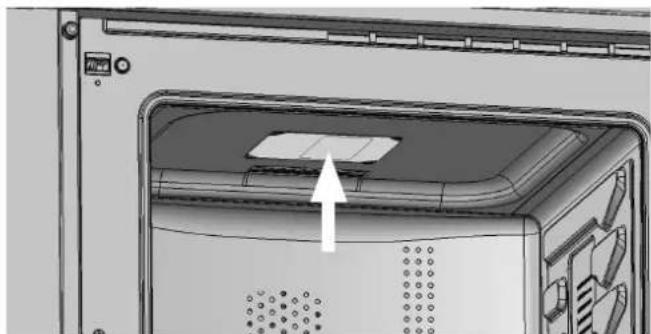
Waveguide Cover
The waveguide cover, located at the top inside of the microwave area, is made from mica and requires special care. To ensure optimal microwave performance, keep the waveguide cover clean. Immediately wipe any food splatters from the cover's surface with a soft, damp cloth. Built-up splashes can overheat, causing smoke or potentially catching fire.
Do not remove the waveguide cover.
natural_image
Interior view of a computer tower with an open door and a paper clip, showing no text or symbols.Troubleshooting
Traditional Baking Issues
With either Bake or Convection Bake, poor results can occur for many reasons other than a malfunction of the oven. Check the chart below for causes of the most common problems. Since the size, shape and material of baking dishes directly affect the baking results, the best solution may be to replace old baking dishes that have darkened and warped with age and use.
| Issue Possible Causes | |
| Food browns unevenly | Oven not preheated |
| Aluminum foil on oven rack or oven bottom | |
| Baking dishes too large for recipe | |
| Pans touching each other or oven walls | |
| Food too brown on bottom | Oven not preheated |
| Using glass, dull or darkened metal pans | |
| Incorrect rack position | |
| Pans touching each other or oven walls | |
| Food is dry or has shrunk excessively | Oven temperature too high |
| Food cooked for too long | |
| Incorrect rack position | |
| Pan size too small | |
| Food is baking or roasting too slowly | Oven temperature too low |
| Oven not preheated | |
| Oven door opened frequently | |
| Tightly sealed with aluminum foil | |
| Pan size too small | |
| Pie crusts do not brown on bottom or have soggy crust | Baking time not long enough |
| Using shiny steel pans | |
| Incorrect rack position | |
| Oven temperature is too low | |
| Cakes pale, flat and may not be done inside | Oven temperature too low |
| Incorrect baking time | |
| Cake tested too soon | |
| Oven door opened too often | |
| Pan size may be too large | |
| Cakes high in middle with crack on top | Baking temperature too high |
| Baking time too long | |
| Pans touching each other or oven walls | |
| Incorrect rack position | |
| Pan size too small | |
| Pie crust edges too brown | Oven temperature too high |
| Edges of crust too thin |
Operational Issues
Before contacting service, check the following to avoid unnecessary service charges
| Issue Remedy | |
| Other F__ Error appears in the display window. | Remove power and turn it back on again after 10 seconds. If condition persists, note the code number (see the EVENT LOG list) and contact service. |
| The oven display stays OFF | Turn off power at the main power supply (fuse or breaker box). Turn breaker back on.If condition persists, call an authorized service. |
| Cooling fan continues to run after oven is turned off | The fan turns off automatically when the electronic components have cooled sufficiently. |
| Oven is not heating | Check the circuit breaker or fuse box to your house.Make sure there is proper electrical power to the oven.Make sure the oven temperature has been selected. |
| Oven is not cooking evenly | Refer to cooking charts for recommended rack position. Always reduce recipe temperature by 25^ ( 15^ ) when baking with Convection Bake mode. |
| Oven light is not working properly | Replace or reinsert the light bulb if loose or defective.Avoid touching the bulb glass with bare fingers as finger oil may cause bulbs to burn out prematurely. |
| Clock and timer are not working properly Make sure there is proper electrical power to the oven. | |
Error Codes
This code appears in the event of the electronic control indicating a fault. When the error appears, the current function is blocked. If the type of error is related to a safety function, the oven becomes unusable and every time a start attempt is made, the same error appears (in which case call in the after-sales service), while if the error relates to a minor fault, after being power cycled the oven can be used for the functions that do not involve the faulty part (e.g., a heating element).
Beeps
Confirms that the command has been received after a key has been pressed.
It also indicates that a time function has been completed (e.g. Timer or Timed Cooking). During the execution of a recipe, an acoustic signal warns the user that the oven is waiting for operation by the user (e.g., insert the dish or turn it over).
Beeps also signal an oven fault.
F Failure Number Codes
These codes are displayed when the electronic control detects a problem in the oven or in the electronics. The error code is recorded in the Error Log in the Setup menu. This error can be communicated to the service technician so they can understand the possible cause of the problem in advance.
Service Information
Only authorized replacement parts may be used in performing service on the appliance.
DO NOT repair or replace any part of the appliance unless specifically recommended in the manual. All other servicing should be referred to a qualified technician.
Contact Viking Range, LLC, 1-888-(845-4641), for the nearest service parts distributor in your area or write to:
Viking Range, LLC
PREFERRED SERVICE
111 Front Street
Greenwood, Mississippi 38930 USA
Make a note of the information below. You'll need it if service is ever required. The serial plate containing the model and serial number of the Speed Oven is located behind the open oven door, below the oven cavity opening. (See the Product Dimensions & Specifications section for location image)
Model no. ____
Serial no. ____
Date of purchase ____
Date installed ____
Dealer's name ____
Address ____
If service requires installation of parts, use only authorized parts to insure protection under the warranty.
These installation instructions should remain with the unit for future reference.
Viking Range, LLC
111 Front Street
Greenwood, Mississippi 38930 USA
(662) 455-1200
For product information, call 1-888-845-4641
or visit our website at vikingrange.com
V I K I N G
RVJ
VIKING
natural_image
Two glass glasses: one with a spoon inside, the other with a black X symbol crossed out (no text or symbols present)natural_image
Diagram of a mechanical or electrical component with four ports and connecting lines, no visible text or symbolsnatural_image
Diagram of a mechanical or electrical component with multiple ports and curved internal channels (no text or symbols)natural_image
Top-down schematic of a microwave oven or oven unit with control panel and ventilation grille (no text or symbols)Placa de serie
natural_image
Top-down schematic of a microwave oven or oven unit with control panel and tray (no text or symbols)natural_image
Line drawing of a metal rack with grid pattern and mounting feet (no text or symbols)natural_image
Line drawing of a rectangular tray or container with rounded edges and a flat top (no text or symbols)Bandeja de cristal
natural_image
Simple line drawing of a round table with four legs and a central pan, no text or symbols present.Rejilla elevadora redonda
Plato giratorio de cristal
natural_image
3D technical illustration of an open oven with internal grating and control panel (no text or symbols)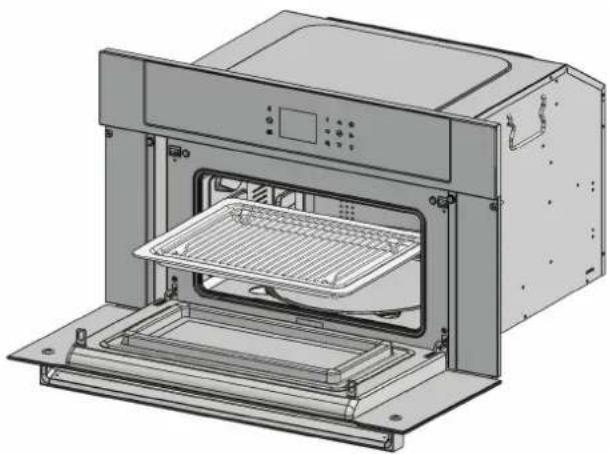
natural_image
Technical line drawing of an oven with internal grating and control panel (no text or symbols)Rejilla elevadora redonda
natural_image
Technical line drawing of an oven with internal cooling unit and ventilation duct (no text or symbols)Recetas
natural_image
Interior view of a computer tower with an open door and ventilation slots (no text or symbols visible)
VIKING
natural_image
Two glassware illustrations: one with a spoon inside, the other with a black X symbol crossed out (no text or symbols present)INSTALLATION DU PRODUIT
natural_image
Diagram of a mechanical or electrical component with four ports and connecting lines, no visible text or symbolsnatural_image
Diagram of a mechanical or electrical component with multiple ports and connecting lines, no visible text or symbolsnatural_image
Top-down schematic of a microwave oven with control panel and tray (no text or labels)Plaque signalétique
natural_image
Top-down schematic of a microwave oven or refrigerator unit with no visible text, labels, or symbolsnatural_image
Line drawing of a metal rack with grid pattern and mounting feet (no text or symbols)natural_image
Line drawing of a rectangular tray or container with rounded edges and a flat top (no text or symbols)Plateau en verre
natural_image
Simple line drawing of a round table with four legs and a central horizontal bar (no text or symbols)Crémaillère ronde
natural_image
3D technical illustration of an open industrial oven with internal compartments and control panel (no text or symbols)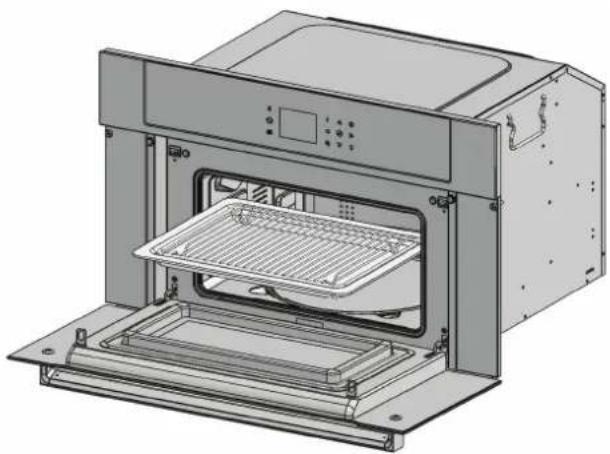
natural_image
Technical line drawing of an oven with internal grating and control panel (no text or symbols)Crémaillère ronde
natural_image
Technical line drawing of an oven with internal cooling unit and ventilation duct (no text or symbols)Recettes
natural_image
Interior view of a computer rack with an open shelf and a white arrow indicating direction (no text or symbols)Dépannage
- Installation + User Guide
- VIKING®
- Table of Contents
- Product Installation ..... EN-8
- Product Dimensions & Specifications. . . . EN-10
- Cabinetry Specifications - Standalone . . . EN-12
- 3-Stack Cabinetry Specifications - Single Wall Oven, Steam/Speed Oven & Warming
- Side by Side Cabinetry Specifications - Single Wall Oven, Steam/Speed Oven & Warming
- Use & Care .....EN-26
- Features & Accessories ..... EN-27
- General Oven Tips ..... EN-28
- Control Panel & Display Icons .....EN-29
- Operating the Speed Oven .....EN-32
- Explanation of Cooking Modes ..... EN-33
- General Meat Cooking and Safety Info . . . EN-34
- Cooking Timers ..... EN-35
- Using the Racks and Tray ..... EN-36
- Recipes. . . . . . . . . . . . . . . . . . . . . . . . EN-37
- Explanation of Settings Menu ..... EN-38
- Explanation of System Menu ..... EN-38
- Care & Cleaning. . . . . . . . . . . . . . . . . EN-39
- Troubleshooting.....EN-40
- Service Information.....EN-42
- Important Safety Instructions
- Read and Follow!
- WARNING
- Notice Pacemakers
- Introduction
- ATTENTION
- IMPORTANT
- PRECAUTIONS TO AVOID POSSIBLE EXPOSURE TO EXCESSIVE MICROWAVE ENERGY
- Cleaning Safety
- Product Safety
- Food Safety
- Personal Safety
- Child Safety
- Fire Safety
- Microwave Safety
- Food Preparation
- Pots And Pans
- Packaging
- Foods for newborns
- Foods with skin or peel
- Beverages
- Causes Of Damage To Appliance
- Juice Leaking From Fruit
- Technical Breakdown
- Cooling With The Door Of The Appliance Open
- Very Dirty Gasket Seal
- Drying foods
- Oil
- Using The Door Of The Appliance As A Support Surface
- Using The Microwave Without Food In The Chamber
- Moist Foods
- PRODUCT INSTALLATION
- Installation Preparation
- Design Information
- Included Accessories and Parts
- Tools You May Need
- Remove Packaging & Accessories Before Installing
- Prepare Installation Location
- Electrical Requirements
- Grounded Neutral
- 3-Wire branch circuit (for US only)
- Ungrounded Neutral
- 4-Wire branch circuit (for US and CANADA)
- Power Requirements
- Product Dimensions & Specifications
- Serial Plate
- Cabinetry Specifications - Standalone
- 3-Stack Cabinetry Specifications - Single Wall Oven, Steam/Speed Oven & Warming Drawer
- Side by Side Cabinetry Specifications - Single Wall Oven, Steam/Speed Oven & Warming Drawer (MVSOE3601, MVSOC6301/MVMSP6301 & MVWDE6301)
- Final Install Checklist
- Ensure that:
- Test Operation:
- Notes
- USE & CARE
- Welcome and Thank You
- Register Your Product
- Serial Plate Location
- Before First Use
- Clean Oven Cavity & Accessories
- Set Time & Date
- General Oven Tips
- Preheating the Speed Oven
- Operational Suggestions
- Suitable Dishware
- Unsuitable Dishware
- Testing Dishware
- Oven Condensation & Temperature
- High Altitude Baking
- Control Panel & Display Icons
- Using the Controls
- Beeps
- Locking the Control Panel
- Popcorn Quick Recipe Button
- Reheat Quick Recipe Button
- Timer Quick Access Button
- Cooking Timer Options
- Preheat
- NOTE:
- Currently Cooking
- Operating the Speed Oven
- Standby Mode
- Conventional Cooking Operating Cycle
- Explanation of Cooking Modes
- TRU CONVEC
- TRU CONVEC BROIL
- CONVECTION BROIL
- BROIL
- MICROWAVE BROIL
- MICROWAVE TRU CONVEC
- MICROWAVE
- MICROWAVE DEFROST
- General Meat Cooking and Safety Info
- Cooking Timers
- Timer -
- AutoStart -
- AutoStop -
- Setting the Timer
- Using the Racks and Tray
- Glass Tray and Wire Rack Insert
- Cooking modes to use with the
- Glass Tray and Wire Rack Insert:
- Round Riser Rack
- Recipes
- Explanation of Settings Menu
- Language -
- Clock -
- Screen Brightness -
- Temperature and Weight-
- Date -
- Volume -
- Explanation of System Menu
- Event Logs -
- Demo -
- Care & Cleaning
- How to Avoid Damage to Your Appliance
- How to Avoid Damage to the Chromed Handle
- Care
- Cleaning
- Waveguide Cover
- Troubleshooting
- Traditional Baking Issues
- Operational Issues
- Error Codes
- F Failure Number Codes
- Service Information
- Placa de serie
- Rejilla elevadora redonda
- Recetas
- INSTALLATION DU PRODUIT
- Plaque signalétique
- Crémaillère ronde
- Recettes
- Dépannage
Brand : VIKING
Model : MVMSP6301BG
Category : Microwave Oven