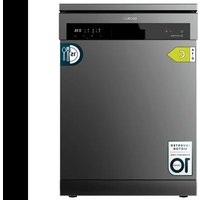
Bolero Aguazero 6500 C - Dishwasher CECOTEC - Free user manual and instructions
Find the device manual for free Bolero Aguazero 6500 C CECOTEC in PDF.


| Product type | Freestanding / built-in dishwasher |
| Brand | Cecotec |
| Model | Bolero Aguazero 6500 C |
| Capacity | 15 place settings |
| Energy class | C |
| Energy consumption (Eco cycle) | 0.757 kWh/cycle |
| Water consumption (Eco cycle) | 11.0 L/cycle |
| Eco cycle duration | 247 min |
| Noise level | 42 dB(A) |
| Voltage / Frequency | 220-240 V AC, 50 Hz |
| Total power | 1850 W |
| Water pressure | 0.04 - 1.0 MPa |
| Dimensions (H x W x D) | 84.5 x 60 x 60 cm |
| Wash programs | Intensive, Eco, Universal, 60 min, Rapid, Rinse/Soak |
| Additional functions | 3 in 1, Automatic door opening, Delay start (up to 24h), Child lock, Upper/lower wash |
| Water softener | Yes, adjustable from H0 to H7 |
| Baskets | Height-adjustable upper basket, folding racks, cutlery drawer |
| Filters | Flat filter, coarse filter, micro filter |
| Wash arms | 2 arms (upper and lower), removable for cleaning |
| Indicators | Salt level, rinse aid, program in progress, child lock |
| Safety | Door closure, auto stop on opening, overflow protection |
| Repairability | Spare parts available up to 10 years after end of commercialization |
Frequently Asked Questions - Bolero Aguazero 6500 C CECOTEC
User questions about Bolero Aguazero 6500 C CECOTEC
0 question about this device. Answer the ones you know or ask your own.
Ask a new question about this device
Download the instructions for your Dishwasher in PDF format for free! Find your manual Bolero Aguazero 6500 C - CECOTEC and take your electronic device back in hand. On this page are published all the documents necessary for the use of your device. Bolero Aguazero 6500 C by CECOTEC.
USER MANUAL Bolero Aguazero 6500 C CECOTEC
natural_image
Exterior view of four white and gray kitchen cabinets with digital display (no visible text or symbols)bolero
Safety instructions 7
-
Parts and components 62
-
Before installation 62
-
Installation 63
-
Before using the dishwasher
-
Loading the dishwasher 71
-
Operation 75
-
Cleaning and maintenance
-
Troubleshooting 82
-
Technical specifications 86
-
Disposal of old electrical
and electronic appliances 88
-
Technical support and warranty 88
-
Copyright 88
INDICE
Read these instructions thoroughly before using the device. Keep this instruction manual for future reference or new users.
- Read these instructions carefully before assembling or using the product. These instructions contain important information that will help you get the best out of your equipment. It is your responsibility to make sure every user is informed about the warnings and precautions stated in this instruction manual.
- This appliance can be used by children aged 8 years and above and persons with reduced physical, sensory, or mental capabilities or lack of experience and knowledge if they have been given supervision or instruction concerning the use of the appliance in a safe way and understand the hazards involved. Children must not play with the appliance. Cleaning and user maintenance should not be carried out by unsupervised children.
- After using the dishwasher, there may be remains in the interior. Keep children away from the machine when it is open.
- WARNING: check the dishwasher and package are not damaged. Never use the dishwasher if it is damaged, immediately contact Cecotec's Technical Support Service.
- Packaging material may be dangerous to children. Remove it and place it out of their reach.
- Choose a suitable and safe place to install the dishwasher.
- Do not install the dishwasher on a surface in which the base cannot air properly, like a carpet.
- Use the provided hoses, do not reuse old hoses.
- Do not plug the dishwasher before installing it. The machine must be unplugged during its installation.
- It is recommended that the dishwasher is installed by authorised personnel.
- Never use an extension cord or a multi-socket connection.
- The socket must be accessible after the dishwasher installation.
- After the installation, the first time you run the dishwasher, do it while it is empty.
- Always use the plug provided with the dishwasher. Do not modify the plug provided with the appliance if it does not match the power socket.
- Check the power cord regularly for visible damage. If the cable is damaged, it must be replaced by the official Cecotec Technical Support Service in order to avoid any type of danger.
- Do not operate the product if its cord, plug, or structure show visible damage, do not operate properly, or have been dropped.
- In case of malfunctioning, repairs must be carried out by Cecotec's Technical Support Service; otherwise, the warranty will be void.
- Before repairing the dishwasher, you must disconnect it from the power supply and close the stopcock.
- To unplug the dishwasher, pull from the socket, never from the cord.
- This device is designed for domestic use only and is not intended for bars, restaurants, farmhouses, hotels, motels, and offices.
- During use, the dishwasher uses less energy and water than washing dishes by hand, provided that the household
dishwasher is used according to these instructions.
- Do not misuse it, do not stand, sit, or place any heavy object on the door or baskets of the dishwasher.
- Do not use the dishwasher if all interior elements are not correctly placed.
- Use only detergents and rinse aids specific for dishwashers.
- Some dishwasher detergents are very alkaline. They may be extremely dangerous if you ingest them. Avoid contact with skin and eyes and keep children away from the dishwasher when the door is open.
- Due to the danger of explosion, do not place chemical solvents in the interior of the machine.
- Do not place articles which are not dishwasher safe in the machine.
- Do not fill the baskets over their capacity.
- Cecotec is not responsible for any deformation produced in the interior of the machine due to misuse.
- Do not open the door while the dishwasher is running, as it could spill hot water. The machine features safety devices which will stop the operation if you open the door.
- Do not leave the door open, as it could cause accidents.
- Place knives and other sharp objects with the blade facing down in the cutlery tray or in the cutlery basket.
- For safety reasons, disconnect the mains plug after the programme has finished.
- To avoid electric shock, do not disconnect the dishwasher with your hands wet.
- The maximum place setting capacity is 15.
- The maximum inlet water pressure is 1 MPa.
- The minimum inlet water pressure is 0.04 MPa.
INSTRUCTIONS DE SÉCURITÉ
- Upper basket
- Spray arms
- Lower basket
- Water softener
- Detergent dispenser
- Rinse aid dispenser
- Cutlery tray
- Cup/mug tray
- Automatic door opening
Control panel. Fig. 2
- Power icon
- Programme selection icon
- ALT icon
- Delay icon
- Start/pause icon
- Programme indicator light
- Rinse aid refill indicator light
- Salt refill indicator light
- 3in1 indicator light
- Upper part washing indicator light
- Auto Open indicator light
- Bottom part washing indicator light
- Digital display
Please note
The graphics in this manual are schematic representations and may not exactly match the appliance.
2. BEFORE INSTALLATION
- This appliance is packaged in a way as to protect it during transport. Take the device out of its box and remove all packaging materials. You can keep the original box and other packaging elements in a safe place. This will help you prevent damage to the device when transporting it in the future. In case the original packaging is disposed of, make sure all
packaging materials are recycled accordingly.
- Make sure all parts and components are included and in good conditions. If there is any piece missing or in bad conditions, contact the official Cecotec Technical Support Service immediately.
Box content
- Dishwasher
- Instruction manual
3. INSTALLATION
- Keep this instruction manual in a safe place for future reference. If you sell, give away or move the appliance, make sure to keep this manual with the appliance, so that the new owner can refer to it at any time.
- Please read this instruction manual carefully: it contains important information on the safe installation, use and maintenance of the appliance.
- If it is necessary to move the appliance at any time, keep it in an upright position; if absolutely necessary, it can be tilted on its back.
Positioning and levelling
- Remove the device from its packaging and check that it has not been damaged during transport. If it is damaged, please contact the official Cecotec Technical Support Service and do not continue with the installation process.
- Check the dishwasher and position it so that its sides or rear panel are in contact with adjacent cabinets or even the wall. This appliance can also be installed under a single worktop.
- Place the dishwasher on a level and sturdy floor. If the floor is uneven, the front legs of the appliance can be adjusted until it reaches a horizontal position (the angle of inclination should not exceed 2 degrees). If the appliance is correctly levelled, it will be more stable and much less likely to move or cause vibration and noise during operation.
Connecting water and electricity supplies
- The connection of the water and electricity supplies must only be carried out by a qualified technician.
- The dishwasher must not be placed on top of the water hoses or the power supply cable.
- The appliance must be connected to the water supply network by means of new pipes. Do not use old hoses.
ENGLISHENGLISH
Connecting the water inlet hose. Fig. 3
- Connect the cold-water supply hose to a 3/4 inch/19 mm threaded connector and make sure it is securely in place.
If the water pipes are new or have not been used for a long period of time, let the water run to ensure that it is clean and free of impurities. If this precaution is not taken, there is a risk that the water inlet will be blocked, and the appliance will be damaged.
Connecting the drain hose. Fig. 4
Insert the drain hose into a drainpipe. When the hose is attached, the height of the outlet is between 0.5-1 metre.
Note
- Please note that the drain hose cannot be disconnected, so the outlet must be fixed and as close as possible to the dishwasher. The drain hose must be at a maximum distance of 1\~1.5 metres from the dishwasher.
In case the distance is longer, this will affect the draining process of the dishwasher, causing too much wastewater to accumulate in the hose, thus affecting the performance of the dishwasher.
Electrical connections
- Before plugging the appliance into the mains, make sure that:
- The plug is earthed and complies with current regulations.
- The socket can withstand the maximum load of the appliance, which is indicated on the rating plate on the inside of the door (see description of the appliance).
- The supply voltage is within the values indicated on the rating plate inside the door.
- The socket is compatible with the plug of the appliance. If not, have the plug replaced by an authorised technician. Do not use an extension cord or multiple sockets.
- Once the appliance has been installed, the power cable and the power socket must be easily accessible.
- The cable must not be bent or compressed.
- If the power cable is damaged, it must be replaced by the manufacturer or the official Cecotec Technical Support Service to avoid any potential risk.
- Cecotec will not be held responsible for any incidents that occur if these rules are not followed.
Advice regarding the first wash cycle
Once the appliance has been installed, just before starting the first wash cycle, fill the rinse aid dispenser completely and add, approximately, 2.0 kg of salt (see below for details on how). Water may overflow: this is normal and not a cause for concern.
- It is also normal for the LOW SALT indicator light to keep flashing for a few cycles after the salt has been loaded.
Positioning the appliance
Position the appliance in the desired location. The back of the dishwasher must rest against the wall behind it, and the sides, in the cabinets or adjacent walls. The dishwasher is equipped with water supply and drain hoses which can be positioned on the right or left for easy installation.
Levelling the device
Once the appliance has been positioned, adjust the feet (screwing them in or out) to adjust the height of the dishwasher and level it. In any case, the appliance must not be tilted by more than 2^ .
NOTE: the maximum height adjustment of the feet is 20 mm.
How to drain excess water from hoses
If the outside drain hose is higher than the lowest point of the dishwasher, it is possible that the wastewater cannot be completely discharged through the drain pump, so it is necessary to remove the hose and place it horizontally on the floor in order to discharge the water from the hose into a container.
Water outlet
Install the drain hose. The drain hose must be correctly placed to prevent water leakage. Make sure the water inlet hose is not twisted or crushed.
Syphon installation
The connection must be between 50 cm (minimum) and 110 cm (maximum) above the bottom of the dishwasher. The drain hose must be secured with a hose clamp.
4. BEFORE USING THE DISHWASHER
Before switching on the appliance, check:
- If the dishwasher is level and fixed.
- If the inlet valve is open.
- If there are leaks in the conductor connections.
- If the cables are properly connected.
- If the power is on.
- If the inlet and drain hoses are screwed on.
- If all packaging material and printed material have been removed from the dishwasher.
Then, before using the dishwasher for the first time:
A. Set the water softener.
B. Pour 500 ml of water into the salt dispenser and then fill it with dishwashing salt.
c. Fill the rinse aid dispenser.
D. Set the detergent.
ENGLISHENGLISH
A. Setting the water softener
The water softener is designed to remove minerals and salts from the water, which would have a detrimental or adverse effect on the operation of the appliance. The higher the content of these minerals and salts, the harder the water is. The amount of water softener must be adjusted according to the water hardness in your region.
Settings
- The amount of salt dispensed can be set from H0 to H7. Salt need not be added if the value is H0.
- Find out about the hardness value of your tap water. Your local water company will provide you with this information.
- The pre-set value can be found in the water hardness table.
- Close the dishwasher door.
- Press the power icon.
- Press and hold the Delay icon and then press the Programme icon for 5 seconds. The appliance beeps and H flashes on the display (the factory setting is H4).
- To change the setting, press the Delay icon. Each time the icon is pressed, the set value increases by one level. When the H7 level is reached, the display goes back to H0 (off). Press the Programme icon to save the settings.
Every cycle with a regeneration operation consumes additional 2.0 litres of water; the energy consumption increases by 0.001 kWh/Wt
Water hardness table
| Water hardness | Mmol/L | Value set on the machine | Water regeneration occurs every "x" programme sequence | |
| °eH (°Clark) | Range | |||
| 0-8 | Smooth | 0-1.1 | H0 | Off |
| 9-10 | Smooth | 1.2-1.4 | H1 | 13 |
| 11-12 | Medium 1 | 5-1.8 | H2 | 9 |
| 13-15 | Medium 1 | 8-2.1 | H3 | 7 |
| 16-20 | Medium 2 | 2-2.9 | H4 | 5 |
| 21-26 | Hard | 3.0-3.7 | H5 | 4 |
| 27-38 | Hard | 3.8-5.4 | H6 | 2 |
| 39-62 | Hard | 5.5-8.9 | H7 | 1 |
B. Adding salt into the water softener
- Water hardness varies from one place to another. If hard water is used in the dishwasher, limescale deposits will form on the dishes and cutlery.
The appliance is equipped with a special water softener that uses salts specifically designed to remove limescale and minerals from the water.
Note
Only use salt special for dishwashers. Any other type of salt not specifically designed for dishwasher use, especially table salt, will damage the water softener. In case of damage caused by the use of unsuitable salt. Cecotec does not give any guarantee and is not liable for any damage caused.
- Only add salt just before starting one of the full washing programmes. This will prevent salt grains or salt water, which may have spilled, from remaining in the bottom of the machine for a certain period of time, which could cause corrosion.
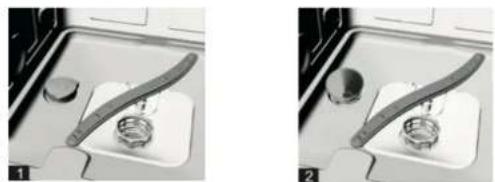
A. The salt dispenser is located under the lower basket and must be filled as follows and as shown in figure 5;
B. Remove the lower basket and, next, unscrew and remove the cap from the salt container.
C. If it is the first time you fill the dispenser, first add about 500 ml of water.
D. Place the end of a funnel into the hole and introduce about 2 kg of dishwasher salt. It is normal for a small amount of water to come out of the salt dispenser.
E. Carefully screw the cap back on.
E. Normally, the low salt warning light will go out 2-6 days after the salt dispenser has been filled with salt.
Notes
- The salt dispenser must be refilled when the low salt warning light on the control panel illuminates. Even if the salt dispenser is sufficiently full, the indicator light may not go out before the salt is completely dissolved.
If the low salt warning light on the control panel does not light up, you can estimate when to fill the salt dispenser by the cycles the dishwasher has run. - If salt residues are present, you can run a soaking programme to remove them.
Warning
If you do not add salt, the tableware will not be cleaned properly and limescale will form.
C. Filling the rinse aid dispenser. Fig. 6.
Warning!
Only use rinse aids for dishwashers. Never refill the rinse aid dispenser with other substances (e.g., dishwasher detergent, liquid detergent). This could damage the dishwasher.
ENGLISHENGLISH
- To open the dispenser, turn the cap towards the open arrow (left) and lift it up.
- Pour the rinse aid in the dispenser, careful not to pour too much.
- Replace the cap by aligning it with the "open" arrow and turning it towards the "close" arrow (right).
When to refill the rinse aid dispenser
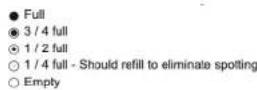
- Unless the rinse aid warning light on the control panel is on, you can always estimate the amount from the colour of the optical level indicator "0" next to the cap. When the dispenser is full, the indicator will darken completely. As the rinse aid diminishes, the light fades too. Never let the rinse aid level fall below 14 of its capacity.
- As the rinse aid is used, the size of the black dot in the rinse aid level indicator will change as shown in figure 7.
- Rinse aid is released during the last rinse to prevent water droplets from forming on the dishes, which can leave stains and marks. It also facilitates drying as it allows water to slide through the dishes. This dishwasher is designed to use liquid rinse aids.
- The rinse aid dispenser is inside the dishwasher door, next to the detergent dispenser.
- Be careful not to overfill the dispenser too much, as this may cause sudsing.
- Do not forget to replace the cap before closing the dishwasher door.
Warning!
Clean the spilled rinse aid with an absorbent cloth to avoid excess foaming during the next wash.
Adjusting the rinse aid dispenser
- Always start with the dispenser set on 4 position. If this results in stains and poor drying, increase the amount of rinse aid dosed. To do so, remove the dispenser lid and turn the knob to the 5 position.
- If the dishes still are not drying properly or are spotted, adjust the knob to the next higher number until your dishes are spot-free. The dose is factory set in position 5.
Please note
Reduce the rinse aid level if there are sticky whitish streaks on the dishes or a bluish layer on glassware or knife blades.
D. Detergent
Detergents are necessary to remove the dirt and expel it out of the dishwasher.
Concentrated detergent
Based on their chemical composition, dishwasher detergents can be split in two basic types: - Conventional alkaline detergents with caustic components.
- Low alkaline concentrated detergents with natural enzymes
- The use of the Eco programme, together with the use of concentrated detergents, reduces pollution and it is good for your dishes. This washing programme is specifically adapted to the soil dissolving properties of the enzymes in the detergent concentrate.
- For this reason, the Eco programme, in which concentrated detergents are used, can achieve the same results that can otherwise only be achieved using the intensive programme.
Detergent tablets
- Detergent tablets of different brands are dissolved at different speeds. For this reason, some detergent tablets cannot be dissolved and use their full cleaning power during short programmes.
- It is recommended that you use long programmes when using detergent tablets to ensure complete dissolution of detergent residues.
Detergent dispenser
- The dispenser must be refilled before each washing cycle following the instructions provided in the Wash cycle table. Your dishwasher uses less detergent and rinse aid than conventional dishwashers.
- Generally, only one tablespoon of detergent is needed for a normal wash load. If the tableware is dirtier, you will need more detergent. Always add the detergent just before starting the dishwasher; otherwise, it could get clamp and would not dissolve properly.
Amount of detergent to use
Please note
-
If the lid is closed, press the open button to open it. The door opens.
-
Always add the detergent just before starting each washing cycle. Only use detergents for washing machines.
Warning
- Dishwasher detergent is corrosive! Be careful to keep it out of the reach children. If the washing powder is not added, the washing effect will be poor, resulting in increased water and electricity consumption.
- Only use detergent aid for dishwashers. Store the detergent in a dry and cool place. Do not fill the dispenser with powder detergent until it is ready to wash the dishes.
Refilling the detergent. Fig. 8
Fill the detergent dispenser with detergent. The marks indicate the dosing levels, as shown below:
- Detergent place in the main washing cycle. MIN equals to approximately 20 g of detergent. Fig. 9
- Detergent place in pre-washing cycle. Equals to approximately 5 g of detergent. Fig. 9
ENGLISHENGLISH
- Follow the manufacturer's dosage and storage recommendations on the detergent packaging.
- Close the lid until it locks in place.
- If the dishes are heavily soiled, add an extra dosage of detergent in the pre-wash detergent dispenser. This detergent will be used during the pre-wash phase.
Use of 3 in 1 detergent tablets
- Before using these products, you should first check that the supplied water hardness is compatible with the use of this type of detergents according to the manufacturer's instructions.
- These products must be used strictly according to the detergent manufacturer's instructions.
- If you experience problems when using the 3-in-1 products for the first time, please contact the customer service of the detergent manufacturer (the telephone number is on the detergent packaging). These products are detergents with integrated and combined detergent, rinse aid and salt functions.
- When combined products are used, the rinse aid and salt indicators stop working. It may be useful to select the lowest possible setting for water hardness.
Selecting the 3 in 1 function
- Press the power icon and activate the 3in1 washing cycle by pressing the ALT icon until the 3in1 indicator flashes.
- The 3 in 1 washing cycle will be activated after pressing the start/pause icon The 3in1 indicator light will light up.
Cancelling the 3 in 1 function
Follow the instructions in "Cancelling an ongoing programme". If you wish to switch to the use of a standard detergent system, it is recommended that:
-
Refill both the salt and rinse aid dispensers.
-
Set the water hardness setting to the highest possible position and run the appliance for three Eco cycles without load.
-
Readjust the water hardness according to the conditions in your region (for more information, please refer to the instruction manual).
Please note
Note: the 3 in 1 wash cycle is an additional function and must be used in conjunction with another wash programme (Intensive, Eco or Light).
Using the "Automatic door opening" function
- In the models with automatic door opening function, at the end of each programme, except in the Pre-wash and Eco programmes, the door opens automatically.
- In the ECO wash programme, the door opens automatically during the drying phase.
Cancelling the "Automatic door opening" function
- You can disable the default automatic door opening function by pressing and holding the Programme and ALT icons at the same time while the appliance is on, until the word UP appears on the display.
- After displaying the message for 6 seconds, the display will return to the default time display. To restore the default automatic door opening function, press and hold the Programme and ALT icons at the same time until the word OP appears on the display.
- The display will return to the default time display after displaying the message for 6 seconds. The rinse temperature will increase in the ECO programme after removing the default automatic door opening function.
Child Lock
The child lock is activated when you press the ALT and Delay icons at the same time for 3 seconds.
To cancel this function, you must repeat the same process again.
Checking the counting function
With the appliance switched off, press, and hold the Power and ALT icons for 3 seconds. The dishwasher will beep and the display will show the number of performed cycles. Press the Power icon again to exit.
5. LOADING THE DISHWASHER
- For best dishwasher performance, follow these loading guidelines. The characteristics and appearance of the cutlery baskets may vary depending on the model.
- Remove any leftover food. It is not necessary to rinse the dishes under running water.
Place the dishes and cutlery in the dishwasher as follows:
-
Items like mugs, cups, pans/pots, etc. must face downwards.
-
Curved items or with holes should be loaded at an incline to allow water to drain out.
-
All items must be stacked securely and in such a way that they cannot tip over.
-
Position the items in such a way that they do not prevent the spray arms from rotating during washing.
-
Very small items should not be washed in the dishwasher as they could easily fall out of the baskets.
-
Dishes and cutlery should not be placed inside each other or cover each other.
-
To avoid damage in glasses, they must not touch each other
-
Place large objects which are more difficult to clean in the lower basket.
-
The upper basket is designed to place the most delicate and light tableware. like cups, coffee, and teacups.
ENGLISHENGLISH
Warning!
- Long-bladed knives placed in an upright position are a potential hazard.
- Long and/or sharp cutlery pieces, such as carving knives, must be placed in a horizontal position in the cutlery tray.
Warning
If tableware placement is not adequate, the washing result will be poor.
Removing the dishes
To prevent water from dripping from the upper basket to the lower basket, it is recommended to unload the lower basket first and then the upper basket.
Loading the upper basket
- The upper basket is designed to place the most delicate and light tableware, like glasses, mugs, and saucers, as well as dishes, small bowls, and shallow pans (as long as they are not too soiled).
- Place the tableware and kitchenware so it does not move because of the water spray.
| Upper basket Fig. 10 | |
| Type | Object |
| A Wineglass | |
| B Glass | |
| C Dish | |
| D | Cup |
| E Dessert bowl | |
| L Glass bowl | |
Adjusting the upper basket. Fig. 11
- If required, the height of the upper basket can be adjusted to create more space in the upper or lower basket, and then put large utensils. The upper basket height can be adjusted by placing its wheels on the different heights of the rails.
- Long objects, serving utensils, salad servers or knives should be placed on the shelf in such a way that they do not obstruct the rotation of the spray arms.
- The shelf can be folded back or removed when not in use.
Loading the lower basket
- It is recommended to place big and difficult to wash items in the lower basket, like pots, pans, lids, serving dishes and bowls, as shown in fig. 12.
- It is advisable to place platters and lids on the sides of the baskets, so they do not block the rotation of the upper spray arm.
- Pans, dishes, etc. should always be placed with the top side down. Deep pots should be slanted to allow water to flow out.
- The lower basket has rows of hinged rods to accommodate larger pots and pans.
| Lower basket Fig. 12 | |
| Type Object | |
| C Dish | |
| E Dessert bowl | |
| H Soup plate | |
| I Shallow dish | |
| J Dessert plate | |
| K Oval plate | |
| F Small bowls | |
| G Oven vessel | |
| M Small dish | |
| N Bowl | |
Folding grids. Fig. 13
- They are designed in order to let you place big items easier as pots, pans, etc. If it is necessary, each part can be folded separately, or all of them can be folded and obtain more space.
- You can use the folding grids by lifting them up or folding them down.
Cutlery tray
- Place the cutlery in the tray as shown in figure 14.
- Cutlery should be placed in such a way that the water can drain off without any problems.
| Cutlery tray Fig. 14 | |
| Type Object | |
| 1 Coffee spoon | |
| 2 Dessert spoon |
ENGLISHENGLISH
| 3 Soup spoon |
| 4 Ladle |
| 5 Serving forks |
| 6 Forks |
| 7 Knives |
| 8 Serving spoons |
- When loading the dishwasher, it is essential to bear in mind that not all cookware is suitable for this process.
The following is general advice: however, it is always crucial to check whether the utensil you plan to wash is dishwasher safe, otherwise it may be damaged.
Not dishwasher safe.
- Cutlery with wooden, horn porcelain or mother of pearl handles
- Plastic objects which are not heatproof.
- Old cutlery with glued parts that are not temperature resistant.
- Cutlery or plates stuck with glue or paste.
- Tin or copper cutlery or tableware.
- Lead crystal glass.
- Steel items that could rust.
- Wooden trays.
- Articles made of synthetic fibre.
The following objects are of limited suitability
Some types of glass can lose their brightness after a great amount of dishwasher washing cycles.
- Silver and aluminium pieces tend to discolour during dishwasher washing.
- Enamelled pieces may fade if they are washed frequently in the dishwasher.
Note
- Do not insert objects that are soiled with cigarette ash, candle wax, lacquer or paint. If you buy new dishes, please make sure that it is dishwasher safe.
Do not overload the dishwasher. There is only space for 15 pieces of cutlery. Do not use dishes that are not dishwasher safe. This is important to get better results and a reasonable energy consumption.
At the end of the wash
- Once the washing cycle has finished, the dishwasher will beep 6 times and then will stop. Switch off the appliance by pressing the power icon, close the water supply and open the dishwasher door.
- Wait for a few minutes before emptying the dishwasher to avoid touching the dishes and utensils when they are still hot and more likely to break. They will also dry better.
6. OPERATION
6.1. Control panel
- Power icon: press this icon to switch on or off the appliance.
- Programme selection icon: press this icon to scroll through the different washing programmes. The indicator light of the corresponding programme will light up to show the selected washing programme.
- ALT icon: press this icon to choose the different additional functions such as Auto Open, 3 in 1, Upper part washing or Bottom part washing. The corresponding indicator lights will flash.
- Delay icon: press this icon to delay the start time of any cycle automatically up to 24 hours.
- Start/pause icon: the dishwasher will start or pause the programmed wash cycle.
- Programme indicator light: when you select a washing programme, the corresponding indicator light lights up.
- Rinse aid refill indicator light: the indicator lights up when it is necessary to refill the rinse aid dispenser.
- Salt refill indicator light: the indicator lights up when it is necessary to refill the water softener.
- 3 in 1 function indicator light: the indicator lights up when the additional function is selected.
- Upper part washing indicator light: the indicator lights up when the upper spray arm is washing.
- Auto Open indicator light: the indicator lights up when the Auto Open additional function is activated.
- Bottom part washing indicator light: the indicator lights up when the bottom spray arm is washing.
- Digital display: it shows the remaining washing time, fault codes, delay start time and the child lock when activated.
ENGLISHENGLISH
6.2. Starting a washing cycle
Washing cycle table
| Programme | Information on the selected cycle | Cycle description | Detergent Length (min) | Energy (kWh) | Water (L) | |
 Intensivo Intensive Intensivo Intensive | For the dirtiest loads, such as pots, pans, casseroles, and dishes that have had dry food on them for some time. | Pre-Wash Main wash (60 °C)Rinse 1Rinse 2Hot rinseDrying | 4/19 g (or 3in1) | 214 | 1.780 | 16.8 |
 Eco Eco | For loads with normal soiling, such as lightly soiled pots, dishes, glasses and pans.Standard daily cycle. | Pre-Wash Main wash (45 °C)RinseHot rinseDrying | 4/19 g (or 3in1) | 247 | 0.757 | 11 |
 Universal Universal | Light washing cycle for delicate and high temperature sensitive items.(Run the cycle immediately after using the tableware). | Pre-Wash Main wash (45 °C)RinseHot rinseDrying | 3/16 g (or 3in1) | 153 | 0.950 | 13 |
 60 minutes 60 minutes | For lightly soiled dishes and pans in daily use. | Pre-Wash Main wash (40 °C)Hot rinseDrying | 3/16 g | 60 | 1.050 | 9.8 |
| Quick | A short wash for lightly soiled loads which do not need drying. | Main wash (40 °C)Hot rinse | 15 g 40 0.600 6.8 | ||
| Aclarado Soak | To rinse dishes that you plan to wash in the dishwasher later. | Pre-Wash / 12 0.0 | 10 3.9 |
- The ECO programme is suitable for cleaning tableware with normal soiling. It is also the most efficient programme in terms of combined energy and water consumption.
- Manual pre-wash of the tableware will lead to higher water and energy consumption; hence, it is not recommended.
- Washing the tableware in a household dishwasher generally consumes less energy and water than manual dishwashing when the dishwasher is used according to the manufacturer instructions.
* EN 60436: this programme is a test cycle. The Information for the comparison test according to EN60436 is as follows: - Capacity: 15 place settings.
- Upper basket position: lower position.
- Rinse aid setting: 6 (or 4 for four-position dispenser).
Starting the dishwasher
To start a washing cycle:
- Take out the upper and lower baskets, load the tableware and push them back inside. It is recommended to load the lower basket first and then the upper basket (see section "Loading the dishwasher"). Pour in the detergent (see section "Salt, detergent and rinse aid").
- Plug the power cord into the outlet.
- Make sure that the water supply is turned on at maximum pressure. Close the door with a little force to ensure that the door is fully closed and press the power icon.
Note
A *click* is heard when the door closes perfectly.
- Press the programme icon to select the desired wash cycle (see section "Washing cycle table").
- When the wash cycle finishes, you can switch off the appliance by pressing the power icon.
ENGLISHENGLISH
Changing the programme
Important
An ongoing cycle can only be modified if it has been running for a short time. Otherwise, the detergent may have already been released and the machine has already drained the wash water. In this case, the detergent dispenser must be refilled (see section 'Refilling detergent').
- Press the power icon to cancel the programme.
- Switch on the dishwasher again and restart a new washing cycle (see section "Starting a washing cycle") or press the programme icon to change the programme.
Note
If you open the door during the washing cycle, the appliance will stop and beep. Moreover, the display will show E1 and flash. After closing the door, the appliance will continue to operate after 10 seconds.
Introducing tableware during the cycle
You can add tableware at any time before the detergent dispenser is activated.
- Open the door slightly to stop the dishwasher.
- When the spray arms have stopped, you can open it completely. Open the door carefully. When opening the door, steam may come out.
- Add the tableware you forgot.
- Close the door and the dishwasher will start after ten seconds.
Warning!
It is dangerous to open the door while washing, as hot water can cause burns.
Switching off the dishwasher
The digital display shows “---”; only in this case the programme is finished.
1. Switch off the dishwasher by pressing the power icon.
2. Close the water supply.
Unloading the dishwasher
- Hot dishes are sensitive to shocks. Therefore, you should let the dishes cool down for 15 minutes before removing them from the appliance.
- Open the dishwasher door, leave it ajar and wait some minutes before removing the dishes. This will make them cooler and facilitate the drying process.
- It is normal for the dishwasher to be damp inside.
- First empty the lower basket and then the upper one. This will prevent water from the upper basket from dripping onto the dishes in the lower basket.
7. CLEANING AND MAINTENANCE
Filtering system
- The filter is used to prevent large debris and other debris from entering the pump. Debris can clog the filter at any time.
- The filter system consists of a coarse filter, a flat filter (main filter) and a microfilter (fine filter). Fig. 15
1. Flat filter
Food and debris will be trapped by a special jet in the lower spray arm.
2. Coarse filter
- Large debris, such as bones and glass, which could clog the drain, will be trapped in the coarse filter.
- To remove an object caught in this filter, gently squeeze the tabs above this filter and lift it out.
3. Microfilter
This filter retains dirt and food debris in the drain area and prevents it from being deposited back into the dishes during a cycle.
- Check the filters for blockages every time the dishwasher is used.
- The filter system can be removed by unscrewing the coarse filter. Remove food debris and clean the filters under running water.
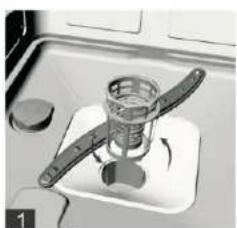
Removing the filtering system Fig. 16
- Step 1: counterrotate the coarse filter and then lift it up.
- Step 2: lift the flat filter.
Note
- To assemble the filtering system, follow the process in reverse.
- For best performance and results, it is necessary to clean the filtering system. The filter effectively removes food particles from the wash water, allowing it to recirculate during the cycle.
- For this reason, it is advisable to remove larger food particles trapped in the filter after each wash cycle. Rinse the semi-circular filter under the tap. To remove all filters, pull the filter handle upwards.
- Filters should be cleaned at least once a week. To clean the coarse filter and the microfilter, use a soft cleaning brush. Then, reassemble the filter parts as shown in the figures 15 and 16 and put the whole assembly back into the dishwasher.
- Put the filter assembly in place and press down. Never use the dishwasher without the filters installed.
ENGLISHENGLISH
- Incorrect filter replacement may adversely affect the performance of the appliance and damage tableware and utensils.
Warning!
Never use the dishwasher without the filters installed. Be careful not to damage them when cleaning.
Otherwise, the filters may become deformed, which may affect the performance of the dishwasher.
Cleaning the spray arms
The arms accumulate chemical products, so it is necessary to clean the spray arms regularly, as the chemicals in the hard water clog the nozzles and spray arm bearings.
- To remove the spray arms, unscrew the nut clockwise to remove the washer on the top of the spray arm and remove the arm.
- Clean the arms with soap and warm water and use a soft brush to clean the holes. Place them back after rinsing them thoroughly.
Care of the dishwasher
- To clean the control panel, use a slightly damp cloth and then dry it thoroughly.
- To clean the exterior, you can use a polishing wax specifically for household appliances. Never use sharp objects, scouring pads or aggressive cleaners on any part of the dishwasher.
Protection against freezing
If you leave your dishwasher in an unheated place during the winter, have a service technician:
-
Switch off the power supply to the dishwasher.
-
Turn off the water supply and disconnect the water inlet tube from the valve.
-
Drain the water from the inlet tube and water valve (use a container to catch the water).
-
Reconnect the water inlet tube to the valve.
-
Remove the filter from the bottom of the dishwasher and use a sponge to absorb the water on the drain.
Cleaning the door
- To clean the edge around the door, just use a soft, warm, damp cloth. To avoid water from entering the door gasket and the electric components, do not use any type of spray cleaning agent.
- Also, never use abrasive cleaners or scouring pads on exterior surfaces because they can scratch the finish. Some kitchen papers may also scratch or leave marks on the surface.
- Follow these steps when there are foreign materials in the dishwasher.
Warning!
- Never use a spray cleaner to clean the control panel, as this may damage the door opening and closing system and electrical components.
- The use of abrasive products or rougher kitchen paper is not recommended, as they could scratch or leave stains on the stainless-steel surface.
Keeping your dishwasher in good condition
After every wash
After every wash, close the device water supply and leave the door slightly open for some minutes so moisture and odours are not trapped in the interior.
Unplug the appliance
- Always remove the mains plug from the socket before cleaning or performing any maintenance. Do not take risks.
- Do not use solvents or abrasive cleaning agents.
- Do not use solvents or abrasive cleaners to clean the exterior and rubber parts of the dishwasher. Only use a cloth with lukewarm water and neutral soap.
- To remove stains from the interior surface, use a cloth dampened with water and a little vinegar, or a cleaning product specifically for dishwashers.
When going on holiday
- When going on holiday, it is recommended to run a wash cycle with the dishwasher empty and then unplug it from the power socket. Turn off the water supply and leave the door slightly ajar.
- This will help preserve the door gaskets for more time and will prevent odours forming inside the device.
Moving the appliance
If you want to move the device, try to do so in an upright position. If it is absolutely necessary, you can place it backwards.
Gaskets
One of the factors that cause odours to form in the dishwasher is food trapped in the gaskets. Regular cleaning with a damp sponge will prevent this from happening.
Note
The installation of tubes and electrical equipment must be carried out by professionals.
Warning
Danger of electric shock. Disconnect the power supply before installing the dishwasher. Failure to do so can result in death or electric shock.
ENGLISHENGLISH
8. TROUBLESHOOTING
Error codes
When some faults occur, the appliance displays error codes to warn you. Contact the official Cecotec Technical Support Service to solve the problem.
| Code Problem Possible causes | ||
| E1 Door open Door opens while operating | ||
| E2 Water inlet | Water inlet failure | |
| E3 Water drainage | Water drainage failure | |
| E4 | Temperature sensor | Failure of the temperature sensor |
| E5 Overflow/leakage | Overflow/leakage of water occurs | |
| E6 Water leakage | Water leakage occurs | |
| E7 | Heating element | Abnormal heating |
Warning!
If an overflow occurs, turn off the main water supply before contacting the Technical Support Service. If there is water in the base tray due to an overflow or a small leak, you must remove the water before restarting the dishwasher.
Spare parts availability
-
Seven years after the last model unit is sold: motor, circulation and drain pump, heaters and heating elements including heat pumps (separately or in batches), piping and related equipment including all hoses, valves, filters and AquaStop water leak detection system, structural and door interior parts (separately or in batches), printed circuit boards, digital displays, pressure switches, thermostats and sensors, software and firmware including reset software.
-
Ten years after the last unit of the model was marketed: door hinge and seals, other seals, spay arms, drainage filters, interior grilles, and plastic peripherals such as baskets and lids.
Before calling technical support service
By reading the following pages you may find the solution to the problem or malfunction, which may save you from having to contact the Technical Support Service.
| Problem Possible causes Possible solution | ||
| The dishwasher does not work | Fuse has blown or circuit breaker has been tripped | Replace the fuse or reset the circuit breaker. Remove any other device sharing the same circuit as the dishwasher. |
| The power supply is not on | Make sure the dishwasher is on and door is properly closed. Make sure that the power cord is plugged into the socket properly. | |
| Water pressure is low | Check that the water supply is connected properly and that the water is turned on. | |
| Drainage pump does not stop Overflow | The system is designed to detect an overflow. When you detect this, switch off the circulation pump and switch on the drain pump. | |
| Noise | Some noises are normal | Sound of detergent dispenser opening. |
| Utensils are not secure in the baskets or something small has fallen out of a basket | Make sure that everything is securely fastened in the dishwasher. | |
| Engine humming The dishwasher has not been used regularly. If you do not use it often, remember to schedule it to fill and empty every week, which will help keep the gasket moist. | ||
| There is foam inside the dishwasher | Unsuitable detergent | Use only detergent special for dishwashers to prevent foam formation. If there is foam forming, open the dishwasher and let it evaporate. Add 4 litres of cold water in the drum. Close and lock the dishwasher, then start the pre-rinse wash cycle to drain the water. Repeat the process if necessary. |
| Spilled rinse aid Always clean spilled rinse aid immediately. | ||
| The interior is stained | Detergent with colouring agent was used | Make sure your detergent does not contain colouring. |
ENGLISHENGLISH
| Dishes and cutlery are not clean | Incorrect programmeIncorrect basket loading | Select a more powerful programme.Make sure that the detergent dispenser and spray arms are not blocked by large dishes. |
| There are stains and layers of dirt on glasses and cutlery | 1. Very hard water2. Low inlet temperature3. Dishwasher overloading4. Inadequate charging5. Old or wet detergent powder6. Empty rinse aid dispenser7. Incorrect detergent dosage | To remove stains from glassware:1. Remove all metal utensils from the dishwasher.2. Do not add detergent.3. Choose the longest cycle.4. Start the dishwasher and let it run for 18 to 22 minutes. The main wash should then be carried out.5. Open the door to pour 2 cups of white vinegar into the bottom of the dishwasher.6. Close the door and let the dishwasher finish the cycle. If vinegar does not work: repeat the above procedure but use 1/4 cup (60 ml) citric acid instead of vinegar. |
| Cloudy glasses Combination of soft water and too much detergent | Use less detergent if you have soft water and select a shorter cycle to wash the items made of glass. | |
| There is a yellow-brown layer on internal surfaces | Tea or coffee stains | Use a solution of 1/2 cup bleach and 3 cups of warm water to remove stains by hand.WARNINGYou have to wait 20 minutes after a cycle to let the heating elements cool down before cleaning the inside, otherwise it will burn. |
| Iron deposits in water can cause a layer to form | You should call a water softening company to fit a special filter. | |
| White layer on the inner surface | Hard | To clean the interior, use a soft and damp cloth with detergent for dishwasher and use rubber gloves. Never use any cleaner other than dishwasher detergent, otherwise foaming may occur. |
| The detergent dispenser lid cannot be closed properly | Detergent residues clog the lip seal. | Clean the detergent from the lip seal. |
| There is still detergent in the dispenser | The dishes block the detergent dispenser | Load the dishes again correctly. |
| There is steam This phenomenon is normal. | Aluminium items have brushed against the tableware | During drying and draining of the water, some steam escapes from the ventilation grille next to the door locking system. |
| There are black or grey marks on the tableware | This is normal A small amount of clean water around the outlet at the bottom of the dishwasher keeps the seal lubricated. | |
| There is standing water in the bottom of the dishwasher | Dispenser overfilling or rinse aid spillage | Be careful not to overfill the rinse aid dispenser.Spilled rinse aid could cause excessive foaming and lead to overflow. Wipe up any spilled rinse aid with a damp cloth. |
| Dishwasher is not level. Make sure that the dishwasher is level. | ||
In case the table above does not solve your problem, please contact the official Cecotec Technical Support Service.
ENGLISHENGLISH
- TECHNICAL SPECIFICATIONS
| Reference | 02778 | 02779 | 02780 | |
| Model | Bolero Aguazero 6500 C | Bolero Aguazero 6500 Inox C | Bolero Aguazero 6500 Dark C | |
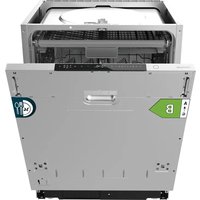
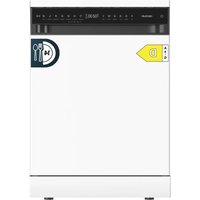
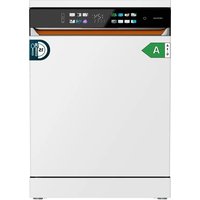
| QR code |  |  |  | |
| Rated voltage | 220-240 V AC, 50 Hz | |||
| Water pressure | Maximum 1.00 MPa Minimum 0.4 MPa | |||
| Total power | 1850 W | |||
| Capacity | 15 cutlery pieces | |||
| IPX | IPX 2 | |||
| Manufacturer | Cecotec Innovaciones SL | |||
| Model | 02778 / 02779 / 02780 | |||
| Model name | Bolero Aguazero 6500 C / Inox C / Dark C | |||
| Number of cutlery pieces | 15 | |||
| Energy efficiency class (1) | C | |||
| SETTING | VALUE | UNIT | ||
| Energy consumption of the ECO programme (EPEC) rounded to the third decimal place | 0.757 | k W h / cycle | ||
| Standard programme energy consumption (SPEC) rounded to the third decimal place | 1.725 | k W h / cycle | ||
| Energy Efficiency Index (EEI) | 43.9 | - | ||
| Water consumption of the Eco programme (EPWC) rounded to one decimal place | 11.0 | L/cycle | ||
| Cleaning performance index (IC) | 1.121 | - | ||
| Drying performance index (DI) | 1.081 | - | ||
| ECD programme duration (T1) rounded to the nearest minute 4:07 | (hmin) | |
| Power consumption in off mode (Po) rounded to two decimal places | 0.49 | W |
| Standby power consumption (Psm) rounded to two decimal places | 0.60 | W |
| Is information displayed in standby mode? No | - | |
| Standby power consumption (Psm) in mains standby conditions (if applicable), rounded to two decimal places | - | W |
| Power consumption in Delay Start (Pds) (if applicable) rounded to two decimal places | 1.00 | W |
| Noise emission class 42 | dB(A) re 1 pMi | |
| Installation Free-standing | ||
| Is it built-in Yes | ||
| Height 84.5 cm | ||
| Width 60 cm | ||
| Depth (with connectors) 60 cm | ||
| Energy consumption 1850 W | ||
| Rated voltage/frequency 220-240 V AC, 50 Hz | ||
| Water pressure (flow pressure) | 0.4-10 bar=0.04-1.0 MPa | |
Note
(1) A (higher efficiency) to C (lower efficiency).
The device complies with the European standards and directives in the version valid at the time of delivery.
Note
The above values have been measured according to the standards under specific operating conditions. The results may vary considerably depending on the amount and soiling of the dishes, the hardness of the water, the amount of detergent, etc.
The instruction manual is based on EU norms and standards.
Technical specifications may change without prior notification to improve product quality. Made in China | Designed in Spain
ENGLISH
FRANÇAIS
10. DISPOSAL OF OLD ELECTRICAL AND ELECTRONIC APPLIANCES

This symbol indicates that, according to the applicable regulations, the product and/or batteries must be disposed of separately from household waste. When this product reaches the end of its shelf life, you should dispose of the cells/batteries/accumulators and take them to a collection point designated by the local authorities.
Consumers must contact their local authorities or retailer for information concerning the correct disposal of old appliances and/or their batteries.
Compliance with the above guidelines will help protecting the environment.
11. TECHNICAL SUPPORT AND WARRANTY
Cecotec shall be liable to the end user or consumer for any lack of conformity that exists at the time of delivery of the product under the terms, conditions, and deadlines established by the applicable regulations.
It is recommended that repairs be carried out by qualified personnel.
If at any moment you detect any problem with your product or have any doubt, do not hesitate to contact the official Cecotec Technical Support Service at +34 96 321 07 28.
12. COPYRIGHT
The intellectual property rights over the texts in this manual belong to CECOTEC INNOVACIONES, S.L. All rights reserved. The contents of this publication may not, in whole or in part, be reproduced, stored in a retrieval system, transmitted, or distributed by any means (electronic, mechanical, photocopying, recording or similar) without the prior authorization of CECOTEC INNOVACIONES, S.L.
1. PIÈCES ET COMPOSANTS
Img.1
8. PROBLEEMOPLOSSING
Foutcodes
Fig./Img./Abb./Afb./Rys.1
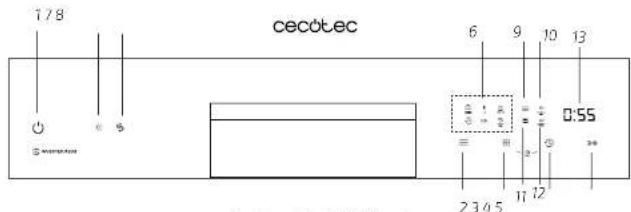
Fig./Img./Abb./Afb./Rys.2
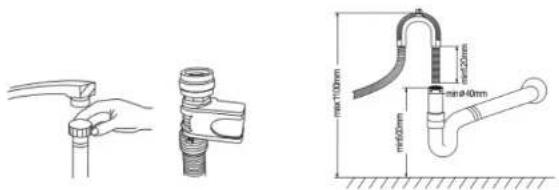
Fig./Img./Abb./Afb./Rys. 3 Fig./Img./Abb./Afb./Rys. 4
natural_image
Two-panel image showing a kitchen appliance with a handle and two circular components, no visible text or symbols.Fig./img./Abb./Afb./Rys.5
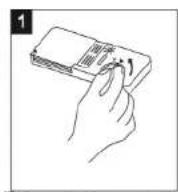
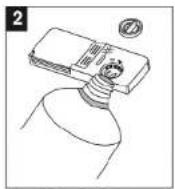
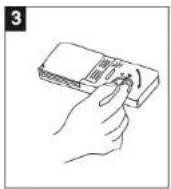
Fig./img./Abb./Afb./Rys.6
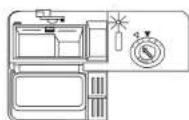
RINSE AID DISPENSER
Fig./Img./Abb./Afb./Rys.7
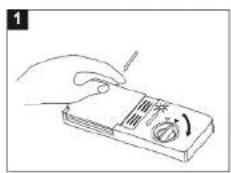
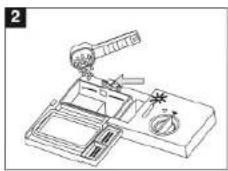
Fig./img./Abb./Afb./Rys.8
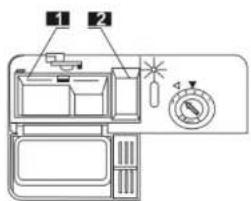
Fig./Img./Abb./Afb/Rys.9
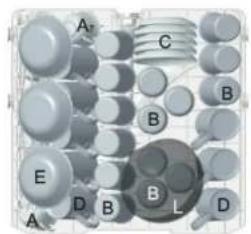
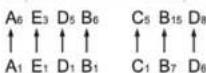
Fig./Img./Abb./Afb./Rys.10
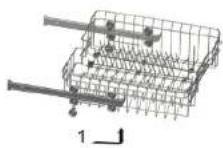
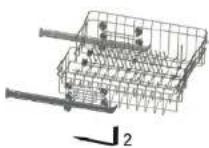
Fig./Img./Abb./Afb./Rys.11
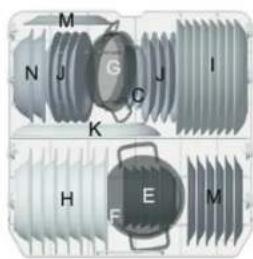
Fig./Img./Abb./Afb./Rys.12
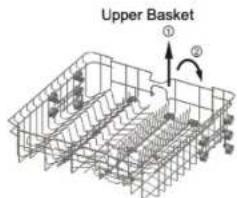
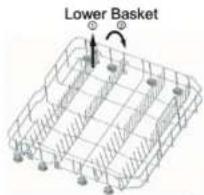
Fig./Img./Abb./Afb./Rys.13
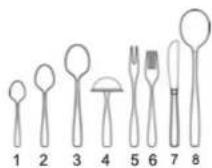
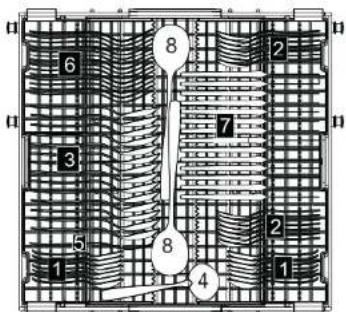
Fig./Img./Abb./Afb./Rys.14
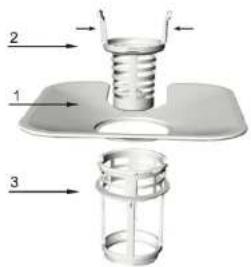
Fig./Img./Abb./Afb./Rys. 15
natural_image
Close-up of a kitchen appliance with a glass pan and lever handle (no visible text or symbols)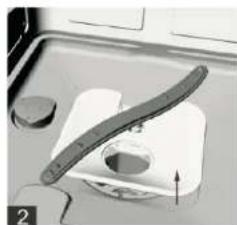
natural_image
Close-up of a mechanical device with a curved blade and circular components, no visible text or symbolsFig./Img./Abb./Afb./Rys. 16
www.cecotec.es
- INDICE
- INSTRUCTIONS DE SÉCURITÉ
- Control panel. Fig. 2
- Please note
- BEFORE INSTALLATION
- Box content
- INSTALLATION
- Positioning and levelling
- Connecting water and electricity supplies
- ENGLISHENGLISH
- Connecting the water inlet hose. Fig. 3
- Connecting the drain hose. Fig. 4
- Note
- Electrical connections
- Advice regarding the first wash cycle
- Positioning the appliance
- Levelling the device
- How to drain excess water from hoses
- Water outlet
- Syphon installation
- BEFORE USING THE DISHWASHER
- Setting the water softener
- Settings
- Adding salt into the water softener
- Notes
- Warning
- Filling the rinse aid dispenser. Fig. 6.
- Warning!
- When to refill the rinse aid dispenser
- Adjusting the rinse aid dispenser
- Detergent
- Concentrated detergent
- Detergent tablets
- Detergent dispenser
- Amount of detergent to use
- Refilling the detergent. Fig. 8
- Use of 3 in 1 detergent tablets
- Selecting the 3 in 1 function
- Cancelling the 3 in 1 function
- Using the "Automatic door opening" function
- Cancelling the "Automatic door opening" function
- Child Lock
- Checking the counting function
- LOADING THE DISHWASHER
- Removing the dishes
- Loading the upper basket
- Adjusting the upper basket. Fig. 11
- Loading the lower basket
- Folding grids. Fig. 13
- Cutlery tray
- Not dishwasher safe.
- The following objects are of limited suitability
- At the end of the wash
- OPERATION
- Control panel
- Starting a washing cycle
- Starting the dishwasher
- Changing the programme
- Introducing tableware during the cycle
- Switching off the dishwasher
- Unloading the dishwasher
- CLEANING AND MAINTENANCE
- Filtering system
- Flat filter
- Coarse filter
- Microfilter
- Removing the filtering system Fig. 16
- Cleaning the spray arms
- Care of the dishwasher
- Protection against freezing
- Cleaning the door
- Keeping your dishwasher in good condition
- After every wash
- Unplug the appliance
- When going on holiday
- Moving the appliance
- Gaskets
- TROUBLESHOOTING
- Error codes
- Spare parts availability
- Before calling technical support service
- DISPOSAL OF OLD ELECTRICAL AND ELECTRONIC APPLIANCES
- TECHNICAL SUPPORT AND WARRANTY
- COPYRIGHT
- PIÈCES ET COMPOSANTS
- PROBLEEMOPLOSSING
- Foutcodes
Brand : CECOTEC
Model : Bolero Aguazero 6500 C
Category : Dishwasher