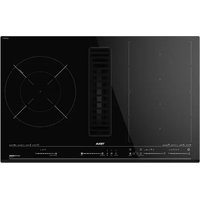
AFC 87628 - Cooker TEKA - Free user manual and instructions
Find the device manual for free AFC 87628 TEKA in PDF.


| Product type | Induction cooktop with integrated hood |
| Brand | Teka |
| Model | AFC 87628 |
| Number of cooking zones | 4 induction zones (including Flex zone) |
| Control type | Touch control with sliding cursor |
| Special functions | Chef (keep warm, melting, simmer, grill, pan frying, deep frying, confit, poaching), Power, Timer, Stop&Go, Child lock, Power management |
| Extraction modes | Aspirating (external evacuation) and Filtering (recirculation with optional odor filter) |
| Extraction levels | 10 levels (0-9) + intensive level (6 min max) |
| Automatic extraction functions | Auto (starts according to cooking), Delay (15 min extension), Fresh (cycle 10 min on / 50 min off for 24h) |
| Power supply | 220-240 V ~ or 380-415 V 2N~ or 380-415 V 3N~, 50/60 Hz (depending on configuration) |
| Total power | Variable depending on connection (up to 7.4 kW typical) |
| Safety | Pan detection, automatic zone shut-off, safety disconnection, child lock, residual heat indicator (H) |
| Maintenance | Ceramic glass surface: specific cleaner and scraper. Washable metal grease filters (30h operation). Odor filter (optional) regenerable in oven or washable depending on type. |
| Filter saturation indicator | F1 (grease filters) after 30h, F2 (odor filter) after 125h |
| Repairability | Spare parts available through TEKA technical service. Installation and repair by qualified professional. |
| Country of manufacture | Not specified (likely European manufacture) |
Frequently Asked Questions - AFC 87628 TEKA
User questions about AFC 87628 TEKA
0 question about this device. Answer the ones you know or ask your own.
Ask a new question about this device
Download the instructions for your Cooker in PDF format for free! Find your manual AFC 87628 - TEKA and take your electronic device back in hand. On this page are published all the documents necessary for the use of your device. AFC 87628 by TEKA.
USER MANUAL AFC 87628 TEKA
natural_image
Modern kitchen interior with minimalist design, featuring dark wood cabinets, ovens, and a modern stainless steel counter (no visible text or symbols)AFF / AFC SERIES
ES FR SK
PT TR RO
EN PL IT
DE CS NL
| ES INSTRUCCIONES PARA LA INSTALACIÓN Y RECOMENDACIONES DE USO Y MANTENIMIENTOENCIMERAS VITROCERÁMICAS TOUCH CONTROL 13 | ||
| FUNCIONAMIENTO DEL MÓDULO DE ASPIRACIÓN 23 | ||
| PT INSTRUÇÕES DE INSTALAÇÃO E RECOMENDAÇÕES PARA A UTILIZAÇÃO E MANUTENÇÃOPLACAS DE COZINHA VITROCERÂMICAS TOUCH CONTROL 26 | ||
| FUNCIONAMENTO DO MÓDULO DE SUCÇÃO 36 | ||
| EN INSTALLATION INSTRUCTIONS AND RECOMMENDATIONS FOR USING AND MAINTAININGCERAMIC HOT PLATES TOUCH CONTROL 38 | ||
| OPERATION OF THE SUCTION MODULE 48 | ||
| DE MONTAGEANLEITUNG UND EMPFEHLUNGEN ZUR VERWENDUNG UND WARTUNGSERAMİK ISITMA PLAKALARI DOKUNMATİK KONTROL 50 | ||
| FUNKTION DES SAUGMODULS 61 | ||
| FR INSTRUCTIONS POUR L'INSTALLATION ET CONSEILS D'UTILISATION ET D'ENTRETIENPLAQUES DE CUISSON VITROCÉRAMQIUE TOUCH CONTROL 63 | ||
| FONCTIONNEMENT DU MODULE D'ASPIRATION | 74 | |
| TR KULLANMA VE MUHAFAZA İÇİN KURULUM TALİMATLARI VE TAVSİYELERİSERAMİK ISITMA PLAKALARI DOKUNMATİK KONTROL 76 | ||
| EMİŞ MODÜLÜNÜN ÇALIŞMASI | 86 | |
| PL INSTRUKCJA OBSŁUGI, MONTAŻU ORAZ WSKAZÓWKI DOTYCZĄCE PIELEĞGNACJICERAMICZNYCH PŁYT KUCHENNYCH TOUCH CONTROL | 88 | |
| DZIAŁANIE MODUŁU SSĄCEGO | 98 | |
| CS NÁVOD K INSTALACI A DOPORUČENÍ K PROVOZU A ÚDRŽBĘSKLOKERAMICKÉ VARNÉ DESKY TOUCH CONTROL | 101 | |
| OBSLUHA SACÍHO MODULU | 110 | |
| SK NÁVOD NA INŠTALÁCIU A ODPORÚČANIA PRE POUŽIVANIE A ÚDRŽBUKERAMICKÝCH VARNÝCH PLATNÍ DOTYKOVÉ OVLÁDANIE | 113 | |
| OBSLUHA SACÍHO MODULU | 122 | |
| RO INSTRUCTIUNI DE INSTALARE ŞI RECOMANDĂRI DE UTILIZARE ŞI ÎNTRETINEREPLITE DE GĂTIT INCORPORABILE VITROCERAMICE TOUCH CONTROL | 125 | |
| PLITE DE GĂTIT INCORPORABILE VITROCERAMICE TOUCH CONTROL | 135 | |
| IT ISTRUZIONI PER L'INSTALLAZIONE E CONSIGLI PER L'USO E LA MANUTENZIONEPIANI DI COTTURA IN VETROCERAMICA TOUCH CONTROL | 137 | |
| FUNZIONAMENTO DEL MODULO DI ASPIRAZIONE | 147 | |
| NL AANWIJZINGEN VOOR DE INSTALLATIE EN RAADGEVINGEN VOOR GEBRUIK EN ONDERHOUDKERAMISCHE KOOKPLATEN TOUCH CONTROL | 150 | |
| WERKING VAN DE ZUIGMODULE | 160 | |
Presentación / Apresentação / Presentation / Präsentation /Présentation / Wprowadzenie/ Provedení / Predstavenie /Prezentare / Presentasjon /Presentazione / Presentatie
AFF 87600 MST BK - AFF 87601 MST BK
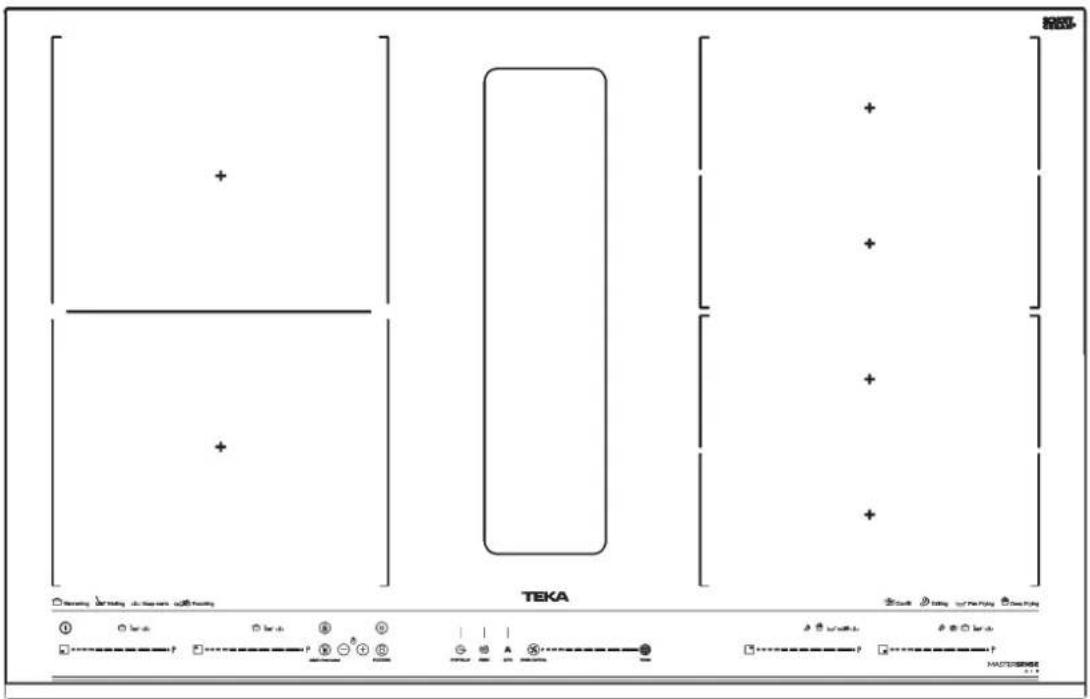
AFC 87628 MST BK
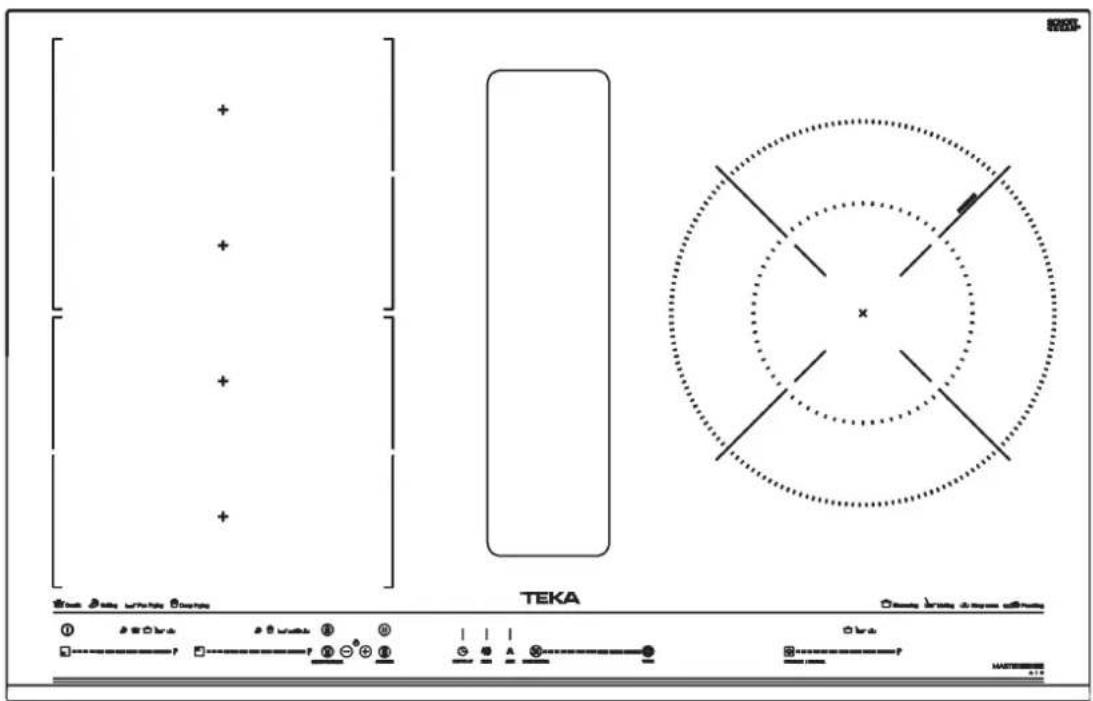
Instalación / Instalação / Installation / Montage / Installation / Kurulum / Montaz / Instalace / Inštalácia / Instalare / Installazione / Installatie
Distancias mínimas / Distâncias mínimas / Minimum distances / Mindestabstände / Distances minimales /Minimum mesafeler / Minimalne odległości / Minimální vzdálenosti / Minimálne vzdialenosti / Distanțe minime/ Distanze minime /Minimumafstanden
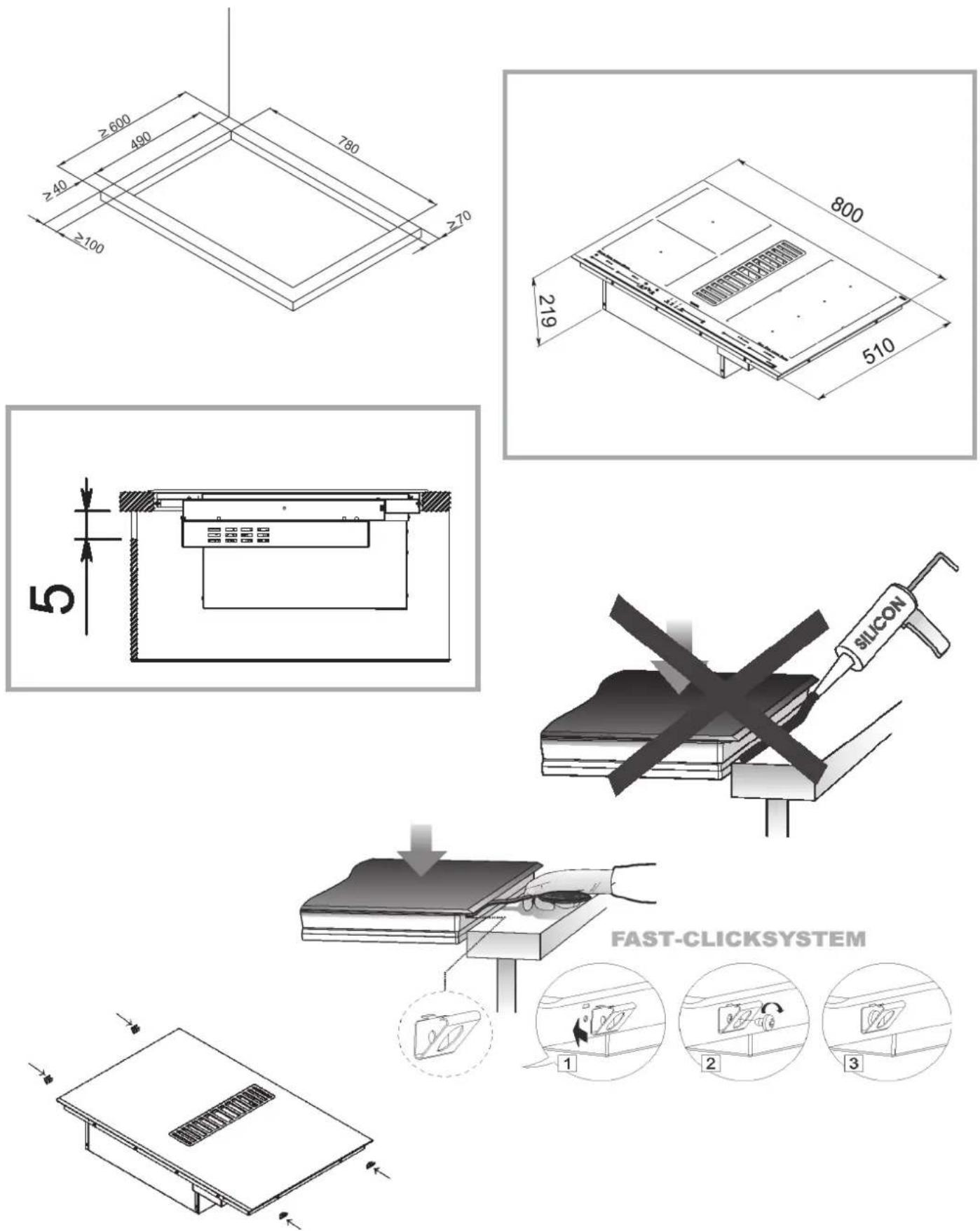
Unidades en mm / Unidades em mm / Units in mm / Einheiten in mm / Unités en mm / mm cinsiden birimler / Wymiary w mm / Jednotky v mm / Jednotky v mm / Unitāti în mm / / Unità in mm / Eenheden in mm
Instalación / Instalação / Installation / Montage / Installation / Kurulum / Montaz / Instalace / Inštalácia / Instalare / Installazione / Installatie
Distancias mínimas / Distâncias mínimas / Minimum distances / Mindestabstände / Distances minimales / Minimum mesafeler / Minimalne odległości / Minimální vzdálenosti / Minimálne vzdialenosti / Distanțe minime/ Distanze minime / Minimumafstanden

CODE: 113290038
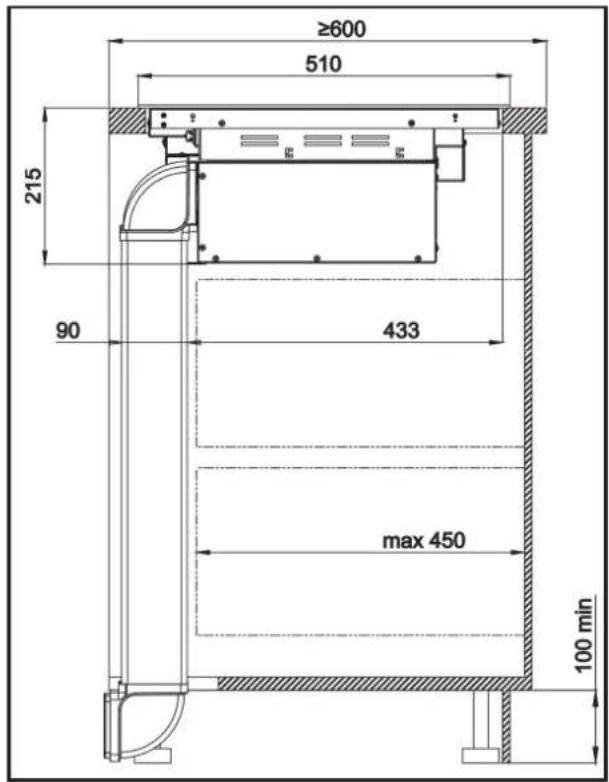
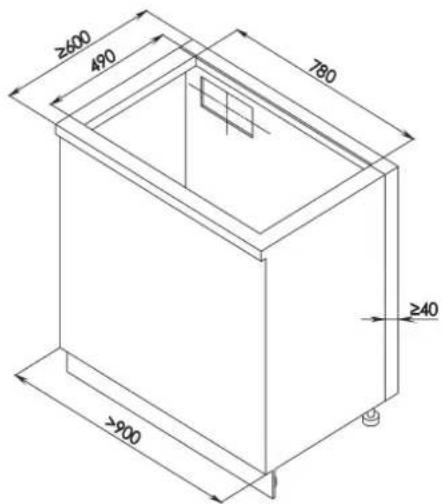
MODO ASPIRANTE - Salida en la pared MODO DE ASPIRAÇÃO - Saída de parede ASPIRATION MODE - Exit through the wall ABSAUGMODUS - Ausgang in der Wand MODE ASPIRANT - Sortie au mur ASPIRATÖR MODU - Duvar çıkışı TRYB ZASYSANIA - Wylot scienny ODSÁVACÍ REŽIM - Výstup do zdi ODSÁVACÍ REŽIM - Výstup na stene MOD DE ASPIRARE - leşire de perete MODALITA' ASPIRANTE - Uscita a muro AFZUIGENDE MODUS - Afvoeropening muur
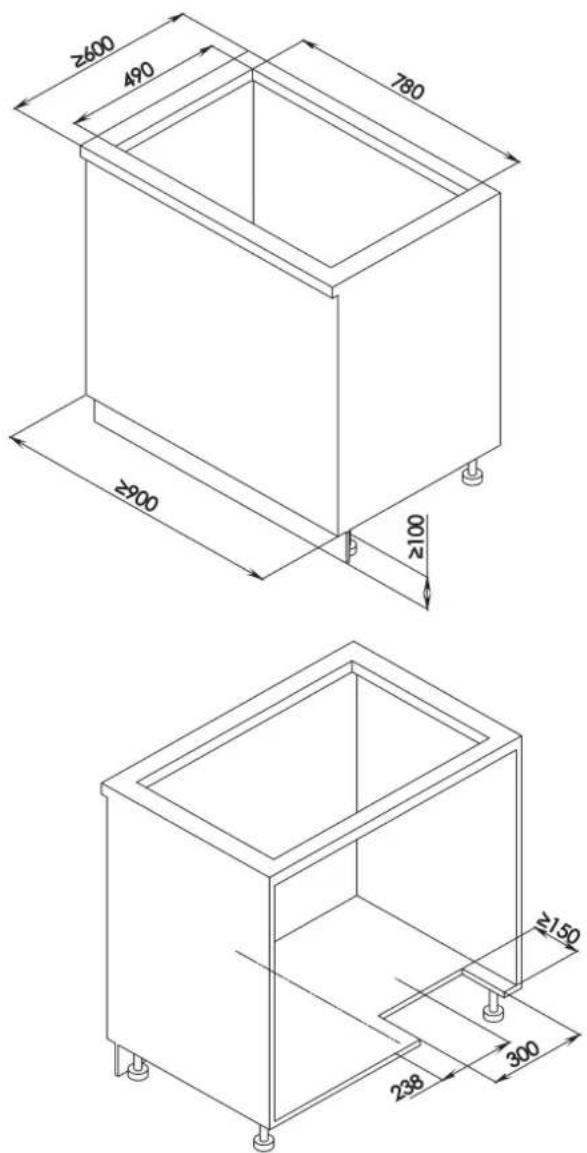
Unidades en mm / Unidades em mm / Units in mm / Einheiten in mm / Unités en mm / mm cinsiden birimler / Wymiary w mm / Jednotky v mm / Jednotky v mm / Unitāṭi în mm / / Unità in mm / Eenheden in mm
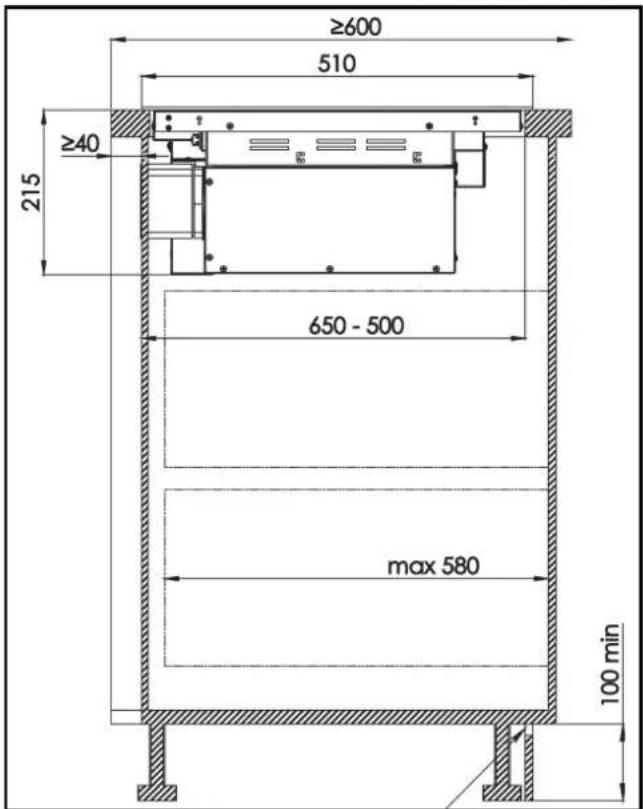
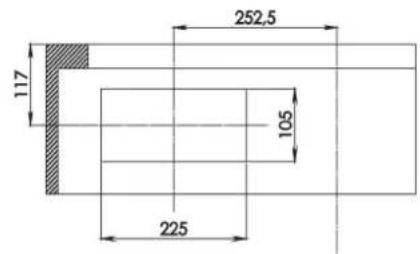
Instalación / Instalação / Installation / Montage / Installation / Kurulum / Montaz / Instalace / Inštalácia / Instalare / Installazione / Installatie
Distancias mínimas / Distâncias mínimas / Minimum distances / Mindestabstände / Distances minimales / Minimum mesafeler / Minimalne odległości / Minimální vzdálenosti / Minimálne vzdialenosti / Distanțe minime/ Distanze minime / Minimumafstanden

CODE: 113290042
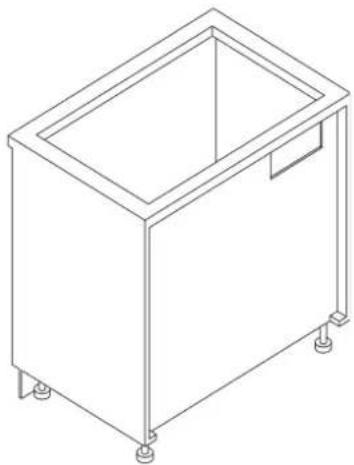
MODO FILTRANTE - Salida directa MODO DE FILTRAGEM - Saída direta FILTERING MODE - Exit direct FILTRATIONSMODUS - Direktausgang MODE FILTRANT - Sortie directe FÍLTRELEME MODU - Doğrudan çıkış TRYB FILTRACYJNY - Wylot bezpośredni FILTRAČNÍ REŽIM - Přímý výstup FILTRAČNÝ REŽIM - Priamy výstup MOD DE FILTRARE - leşire directă MODALITA' FILTRANTE | Uscita diretta FILTRERENDE MODUS - Rechtstreekse uitgan
natural_image
Line drawing of a rectangular industrial container with mounting feet (no text or symbols)A return flow aperture of at least 500 cm ^2 must be provided.
FILTERING MODE - Ducts to the plint
FILTERING MODE - Exit direct
natural_image
Technical line drawing of two rectangular electronic components with ribbed top and side panels labeled X1 (no text or symbols on the components themselves)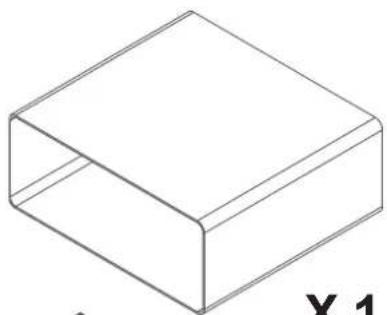
natural_image
Simple line drawing of a 3D rectangular prism (no text or symbols)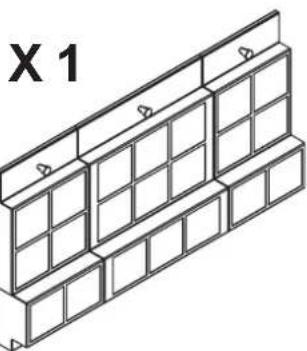
natural_image
Isometric line drawing of a multi-story building facade with windows and a base (no text or symbols)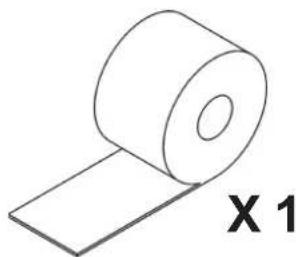
natural_image
Simple line drawing of a rolled rectangular object with a flat base, labeled 'X1' (no text or symbols on the object itself)
CODE: 113290043
natural_image
Technical line drawings of two rectangular components labeled X1 and X2 (no text or symbols on the shapes themselves)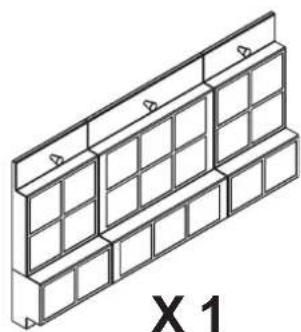
natural_image
Isometric line drawing of a brick wall structure with grid panels and corner brackets (no text or symbols)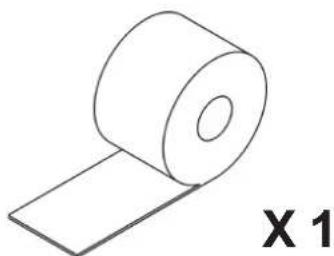
natural_image
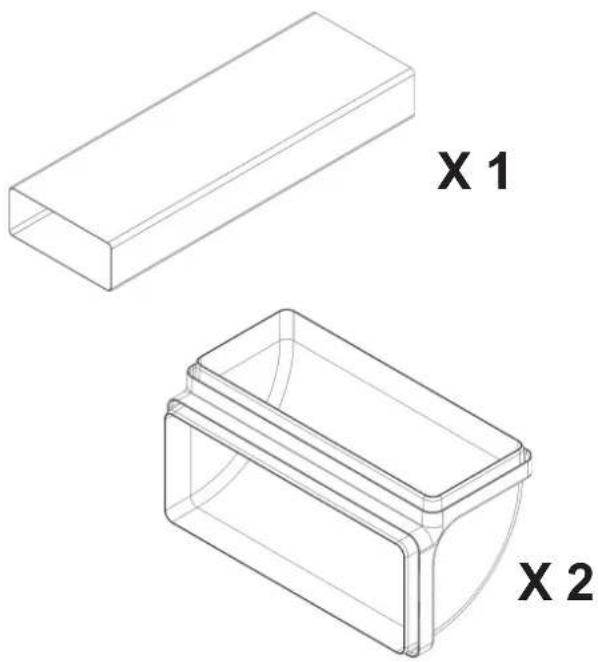
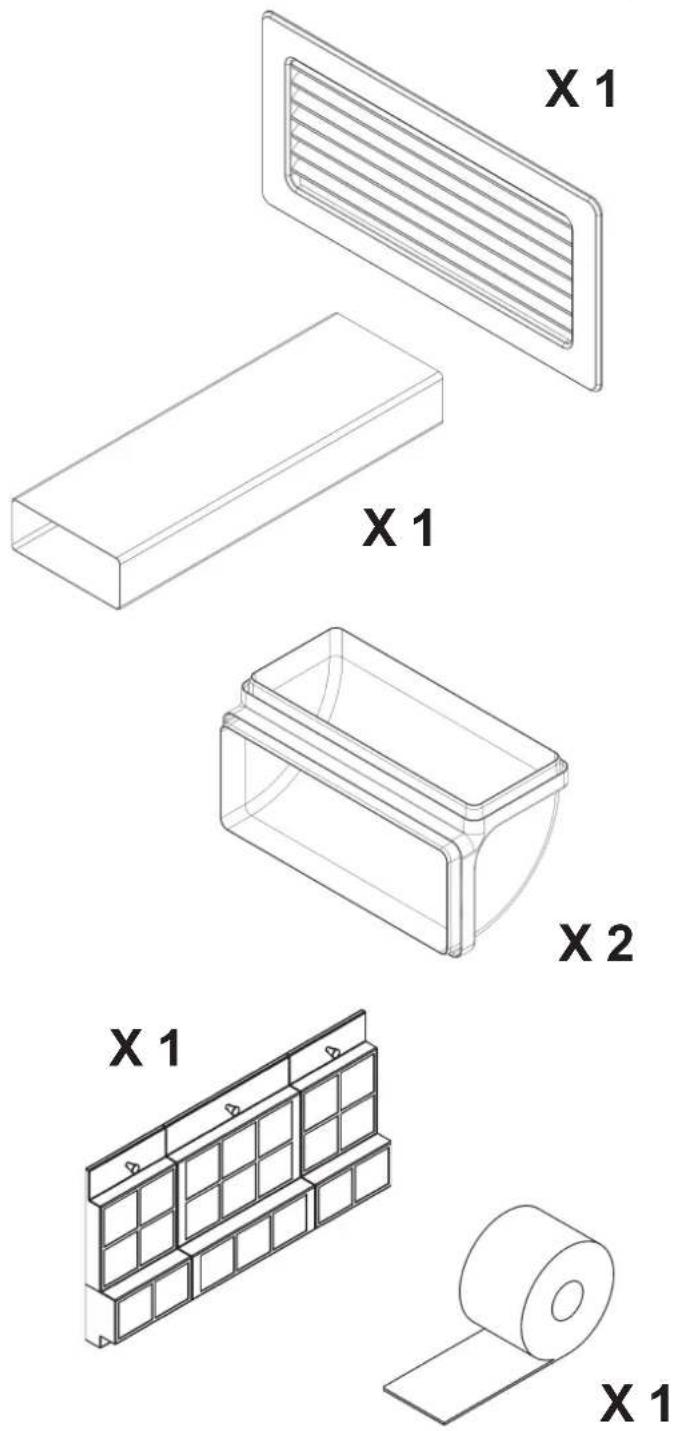
Simple line drawing of a rolled paper or tape with a flat base, labeled 'X1' (no text or symbols on the diagram itself)MODO FILTRANTE - Salida directa en zócalo MODO DE FILTRAGEM - Saída direta de rodapé FILTERING MODE - Ducts to the plint FILTRATIONSMODUS - Direktausgang in der Sockelleiste MODE FILTRANT - Sortie directe dans la plinthe FILTRELEME MODU - Tabana doğrudan çıkis TRYB FILTRACYJNY - Wylot bezpośredni do cokołu FILTRAČNÍ REŽIM - Přímý výstup do podstavce FILTRAČNÝ REŽIM - Priamy výstup na podstavci MOD DE FILTRARE - leşire directă cu suport MODALITA' FILTRANTE | Uscita diretta a zoccolo FILTRERENDE MODUS - Rechtstreekse uitgang naar plint

CODE: 113290044
MODO FILTRANTE - Defl ector en zócalo MODO DE FILTRAGEM - Defletor no rodapé FILTERING MODE - Deflector to the plint FILTRATIONSMODUS - Defl ektor am Sockel MODE FILTRANT - Défl ecteur sur plinthe FILTRELEME MODU - Taban üzeri defl ektör TRYB FILTRACYJNY - Defl ektor na cokol FILTRAČNÍ REŽIM - Defl ektor na podstavci FILTRAČNÝ REŽIM - Defl ektor na podstavci MOD DE FILTRARE - Defl ector pe suport MODALITA' FILTRANTE | Defl ettore su zoccolo FILTRERENDE MODUS - Leischot op plint

CODE: 113290038
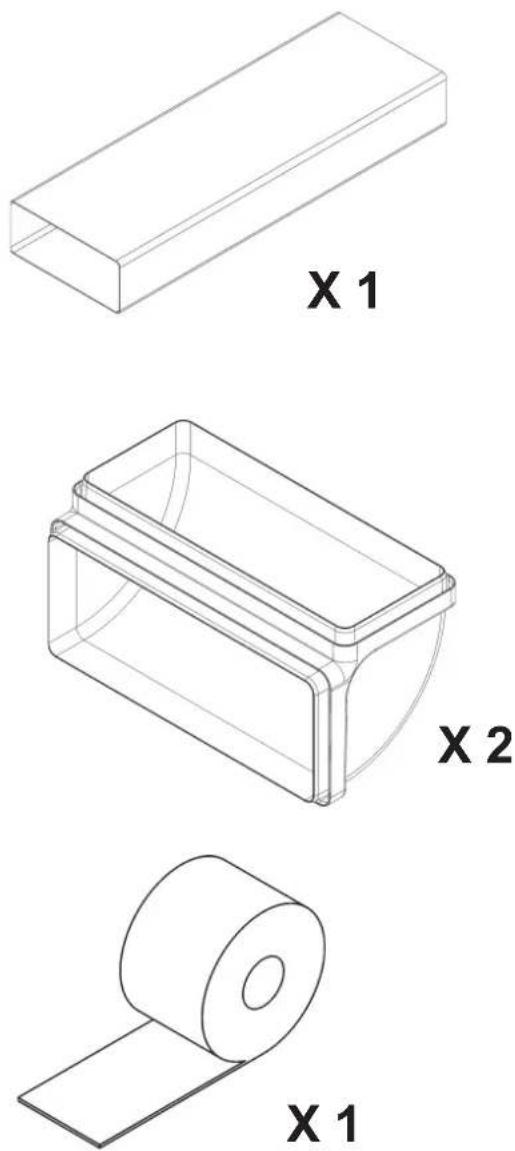
MODO ASPIRANTE - Salida en la pared MODO DE ASPIRAÇÃO - Saída de parede ASPIRATION MODE - Exit through the wall ABSAUGMODUS - Ausgang in der Wand MODE ASPIRANT - Sortie au mur ASPIRATÓR MODU - Duvar çıkışı TRYB ZASYSANIA - Wylot scienny ODSÁVACÍ REŽIM - Výstup do zdi ODSÁVACÍ REŽIM - Výstup na stene MOD DE ASPIRARE - leşire de perete MODALITA' ASPIRANTE - Uscita a muro FZUIGENDE MODUS - Afvoeropening muur
Panel de Control / Control Panel / Die Bedienleiste / Painel de Controle / Le Panneau de Commande / Kontrol Paneli / Panel Sterowania / Ovládací panel / Panoul de Control / Pannello di controllo / Bedieningspaneel
Fig. 1


natural_image
Two black frying panes with visible heat sinks and a metallic lid (no text or symbols)natural_image
Illustration of a stainless steel cooking pan with a handle and two arrows pointing to it (no text or symbols)natural_image
Technical line drawings of two building facade designs with grid patterns and dimension annotations (no text or symbols)natural_image
Two black cooking panes with metallic surfaces, one open and one closed, shown against white background (no text or symbols)natural_image
Three identical cooking pots with checkmark and cross symbols below (no text or labels)Fig. 3

PT
natural_image
Illustration of a stainless steel cooking pan with a handle and two arrows pointing to it (no text or symbols)⚠ Warning. If the ceramic glass breaks or cracks, immediately unplug the stovetop to avoid electric shocks.
⚠ This appliance is not designed to work with an external timer (not built into the appliance) or a separate remote control system.
⚠️Do not steam clean this device.
⚠ Warning. The device and its accessible parts may heat up during operation. Avoid touching the heating elements. Children younger than 8 years old must stay away from the hob unless they are permanently supervised.
⚠ This device may solely be used by children 8 years old or older, people with impaired physical, sensory or mental abilities, or those who lack experience and knowledge, ONLY when supervised or if they have
been given adequate instruction on the use of the device and understand the dangers its use involves. User cleaning and maintenance may not be done by unsupervised children.
⚠️ Children must not play with the device.
⚠ Warning. It is dangerous to cook with fat or oil without being present, as these may catch fi re. NEVER try to extinguish a fi re with water! In this event disconnect the device and cover the fl ames with a lid, a plate o a blanket.
⚠ Do not store any object on the cooking areas of the induction hob. Prevent possible fi re hazards.
⚠ The induction generator complies with current EU legislation We however recommend that anyone fitted with a device such as a pacemaker should refer to their physician, or
if in doubt abstain from using the induction areas.
⚠ Metal object such as knives, forks, spoons and lids may not be placed on the surface of the hob as they may overheat.
⚠️ After use always disconnect the hot plate, do not simply remove the pot or pan. Otherwise a malfunction may occur if inadvertently another pot or pan is placed on it within the detection period. Prevent possible accidents!
⚠️ If the supply cord is damaged, it must be replaced by the manufacturer, its service agent or similarly qualified persons in order to avoid hazard.
⚠ WARNING: Use only stovetop protectors designed by appliance manufacturer or indicated by the manufacturer in the instructions for use as adequate or
stovetop protectors incorporated into the device. The use of inadequate protectors can cause accidents.
⚠ It is necessary to allow the appliance disconnection after installation. Disconnection devices must be incorporated to the fixed electrical installation, according to the installation regulations.
⚠ For a proper cleaning, see cleaning instructions.
⚠️CAUTION: The cooking process has to be supervised. A short term cooking process has to be supervised continuously.
Extractor module general safety
⚠Warnings If the hood is used at the same time as an appliance which burns gas or another fuel, the room must be suffi ciently ventilated (this warning is not applicable to products installed in their fi lter version).
⚠ Observe all local regulations on air exhaust operations.
⚠️ If the product is used in recirculation mode, make sure the exhaust duct is in good condition if it has been left unused for a long period of time.
⚠️ Cooking fl ambé foods with this product is prohibited.
⚠ When the hob is operating, never leave a pot unattended: oil in the pot might overheat and catch fi re.
⚠ When the hob is operating, never leave a pot unattended: oil in
the pot might overheat and catch fi re.
⚠ It is important to carry out proper maintenance and clean the grease fi iters.
⚠ In order to avoid the risk of fi re, clean the hood and surfaces frequently.
⚠️ IMPORTANT! When the hob is operating, the accessible parts of the hood can become hot.
⚠️ Connecting the exhaust to ducts or vents and tubes to ventilate rooms is prohibited.
⚠️ Extracted air must not be conveyed into a hot air circulation duct.
⚠️ Air must not be discharged into a fl ue used for exhaust fumes from electrical appliances which burn gas or another fuel (this warning is not applicable to products installed in their fi lter version).
⚠️ Ensure the room is properly
EN
ventilated if the hood and other appliances not powered by electricity are used at the same time.
⚠ The maximum negative pressure in the room must not exceed 4PA (4x10⁻⁵ bar).
⚠ The room in which the product is to be installed must have an air inlet with a flow rate greater than the hood's exhaust rate (this warning is not applicable to products installed in their filter version).
⚠ This appliance must not be used for gas hobs.
WARNING! The manufacturer will not be liable for any damage caused by the alteration or modification of the product or its components during the installation. The installer will be liable for any damages or faults occurred for the incorrect assembly or installation. For any damages resulting from the installation of the product, please contact the authorized installer.
Electrical connection
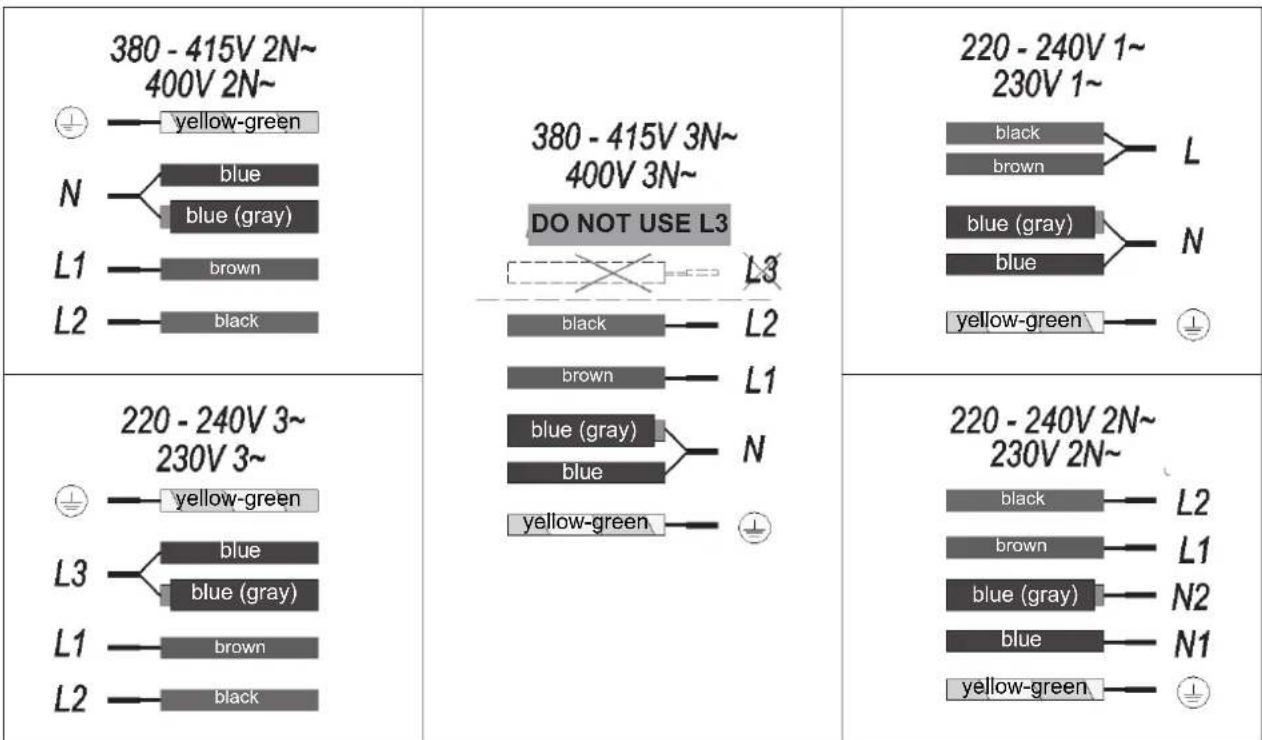
Before you connect the stovetop to the mains, check that the voltage and frequency match those specified on the stovetop nameplate, which is underneath it, and on the Guarantee Sheet, or if applicable on the technical data sheet, which you must keep together with this manual throughout the product's service life.
Ensure that the inlet cable does not come into contact with the induction top housing or the oven housing, if it is installed in the same unit.
Warning:
The electrical connection must be properly grounded, following current legislation, otherwise the induction hob may malfunction.
Unusually high power surges can damage the control system (like with any electrical appliance).
It is advised to refrain from using the induction hob during the pyrolytic cleaning function in the case of pyrolytic ovens, due to the high temperature that this type of device attains.
Only the TEKA official technical service can handle or repair the
appliance, including replacement of the power cable.
Before disconnecting the hob form the mains, we recommend switching off the cutoff switch and waiting for approximately 23 seconds before disconnecting from the mains. This time is required to allow for the complete discharge of the electronic circuitry and thus preclude the possibility of electric shock from the cable terminals.

Keep the Guarantee
Certificate or the technical data sheet together with the instructions manual throughout the product's service life. These contain important technical information.
About induction
Advantages
With an induction hob, the heat is transmitted directly to the pan.
This has a number of advantages:
-Saves time.
-Saves energy.
-Easy to clean as if the food comes into contact with the glass plate, it does not burn easily.
-Improved energy control. The energy is transferred to the pan as soon as the power controls are pressed. In addition, as soon as the pan is removed from the cooking zone, the power supply stops. It is not necessary to switch the power off fi rst.
Pans
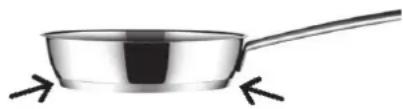
Only ferromagnetic pans are suitable for use with an induction hob.
There are several types:
-cast iron, enameled steel, and stainless steel pans specifically for use with induction hobs.
We do not recommend the use of diffuser plates or materials such as fi ne steel, aluminum, glass, copper, or clay.
Each cooking zone has a minimum pan detection time. This depends on
the material and the ferromagnetic diameter of the base of the pan. Therefore it is essential to use the cooking zone that best matches the diameter of the base of the pan to be used.
If the pan is not detected on the selected cooking zone, try using the next smallest zone.
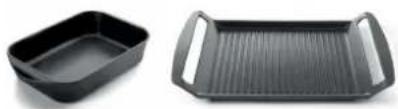
When the Flex Zone is used as a single cooking zone, larger pans suitable for this type of zone can be used (see fig. 3).
Fig. 3
natural_image
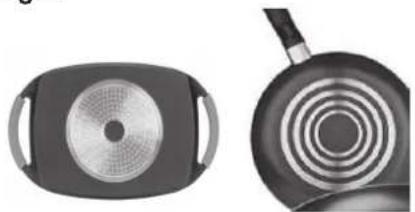
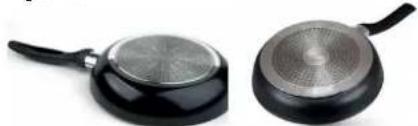
Two black plastic kitchen utensils: a rectangular bowl and a rectangular tray with ribbed contents (no text or symbols visible)Some pans without a complete ferromagnetic base are sold as suitable for induction (see fig.4). In these pans, only the ferromagnetic base is heated. Consequently the heat is not evenly distributed across the base of the pan. This may mean that the non-ferromagnetic part of the base of the pan does not reach the right cooking temperature.
Fig. 4
natural_image
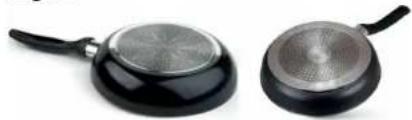
Two views of a cooking pan with a circular vent and lid, shown from top and side (no text or symbols visible)Other pans, with aluminum inserts in the base have a smaller area of ferromagnetic material (see fig.5). In this case, it may be difficult or even impossible to detect the pan. In addition, the power supplied may be lower and, consequently, the pan will not heat up correctly.
Fig. 5
natural_image
Two black frying panes with metallic surfaces, one showing a mesh grille (no text or symbols visible)Influence of the base of the pans
The type of base used on the pan may affect the uniformity and results of the cooking. Pans with a stainless steel "sandwich" base use materials that assist the uniform distribution and diffusion of the heat, resulting in savings in time and energy
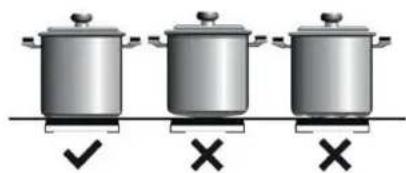
The base of the pan must be completely flat, thus ensuring a uniform power supply (see fi g.6).
Fig. 6

Never heat empty pans, or use with a thin base, as these may up quickly without allowing time the automatic disconnection on of the cooker to come into tion.

IMPORTANT RECOMMENDATIONS:
Use vessels with the same base diameter as that of the cooking zone. In the cooking zones closest to the control panel, always keep the vessels within the cooking marks indicated on the glass surface and use vessels of the same or smaller diameter to these. This will help to prevent overheating in the control zone.
Use the rear cooking zones for intensive use of the appliance. This will help to prevent overheating of the control panel.
Do not allow the vessels to invade the control panel zone, especially during cooking.
Fig. 2
EN
Use and Maintenance
User instructions of the Touch Control
HANDLING ELEMENTS (fi g. 1)
1 General on/off sensor.
2 Cursor slider for controlling power.
3 Power and/or residual heat indicator*.
4 Decimal dot of power and/ of residual heat indicator.
5 Direct access to "Power" function.
6 Activation sensor for "Block" function.
7 Pilot indicator light "Block" function activated*.
8 Activation sensor for "Stop&Go" function.
9 Pilot indicator light "Stop & Go" function activated*.
10 "Minus" sensor for timer.
11 "Plus" sensor for timer.
12 Timer indicator.
13 Decimal dot of the timer.*
14 Activation sensor for "Flex Zone" function.
15 Activation sensor for "Chef" functions.
16 Pilot indicator light "Keep Warm" function activated*.
17 Pilot indicator light" Melting" function activated*.
18 Pilot indicator light "Simmering" functio activated*.
19 Pilot indicator light "Grilling" function activated*.
20 Pilot indicator light "Pan Frying" function activated*.
21 Pilot indicator light "Deep Frying" function activated*.
22 Pilot indicator light "Confi t" function activated*.
23 Pilot indicator light "Poaching" function activated*.
* Only visible while running.
The manoeuvres are done by means of the touch keys. You do not need to exert force on the desired touch key, you only need to touch it with your fingertip to activate the required function
Each action is verified by a beep. Use the cursor slider (2) to adjust power levels (0 - 9) by sliding your finger over it. Sliding towards the right increases the value, whereas sliding towards the left decreases it.
It's also possible to directly select a power level by placing your finger directly on a desired point of the curso slider (2)
In order to select a plate on these models, directly touch the cursor slider (2).
SWITCHING ON THE DEVICE
1 Touch the On touch key (1) for at least one second. The touch control will become active, a beep will be heard and the indicators (3) will light up displaying a “-”. If any cooking area is hot, the related indicator will flash an H.
If you do not take any action in the next 10 seconds the touch control will switch off automatically.
When the touch control is activated, you can disconnect it at any time by touching the touch button①(1), even if it has been locked (lock function activated). The touch button ①(1) always has priority to disconnect the touch control.
ACTIVATING PLATES
Once the Touch Control is activated with sensor Ⓐ(1), any plate can be turned on by following these steps:
1 Slide the finger or touch in any
position of one of the cursors "slider" (2). The zone has been selected and simultaneously the power level will be set between 0 and 9. That power value will be shown on the corresponding power indicator and its decimal dot (4) will keep light up during 10 seconds.
2 Use the cursor slider (2) to choose a new cooking level between 0 and 9.
As long as the plate is selected, in other words, with the decimal (4) dot light up, its power level can be modified.
TURNING OFF A PLATE
Using the touch slider key (2) lower the power to level 0. The hotplate will switch off.
When a hot plate is switched off an H will appear in its power indicator (3), if the glass surface of the related cooking area is hot and there is a risk of burns. When the temperature drops, the indicator (3) switches off (if the hob is disconnected), or otherwise a “-” will light up if the hob is still connected.
TURNING ALL PLATES OFF
All plates can be simultaneously disconnected by using the general on/off sensor① (1). All plate indicators (3) will turn off. If the heating zone turned toff is hot, its indicator shows an H.
Pan detector
Induction cooking zones have a built-in pan detector. This way, the plate will stop working if there is no pan present or if the pan is not suitable.
The power indicator (3) will show a symbol to designate "there is no pan U" if, while the zone is on, no pan is detected or the pan is not suitable
If a pan is taken off the zone while it is running, the plate will automatically stop supplying energy and it will show the symbol for "there is no pan". When a pan is once again placed on the cooking zone, energy supply will resume at the same power level
previously selected.
If a pan is taken off the zone while it is running, the plate will automatically stop supplying energy and it will show the symbol for "there is no pan". When a pan is once again placed on the cooking zone, energy supply will resume at the same power level previously selected.
When fi nished, turn off the cooking zone by using the touch controls. Otherwise an undesired operation could occur if a pan is accidentally placed on the cooking zone during the three minutes. Avoid possible accidents!
Block Function
With the Block Function, you can block the other sensors, except for the on/off sensor①(1), in order to avoid undesired operations. This function is useful as a childproof safety.
To activate this function, touch sensor Ⓗ(6) for at least one second. Once you have done so, the pilot (7) turns on indicating that the control panel is blocked. To deactivate the function, simply touch sensor Ⓗ(6) again.
If the on/off sensor ① (1) is used to turn off the appliance while the block function is activated, it won't be possible to turn the cooktop on again until it unblocks.
Silencer of the beep
When the hob is on, if one presses the touch key (+) (11) and the locking touch key ⏻(6) simultaneously for three seconds, the beep that accompanies each action will be deactivated. The time indicator (12) will display "OF".
This deactivation will not be applied to all the functions, as for example the beep for on/off, the ending of the timer or the locking/unlocking of the touch keys always remain activated.
To once again activate all the beeps that accompany each action, again simultaneously press the touch key (11) and the locking touch key (6) for three seconds. The time indicator
(12) will display "On"
Stop&Go Function
This function puts the cooking process on pause. The timer will also be paused if it is activated.
Activating the Stop function.
Touch the Stop sensor (8) for one second. The pilot (9) lights up and the power indicators will show the symbol // to indicate cooking has been paused.
Deactivating the Stop function
Touch Stop&Go sensor ^⑪ (8) again. The pilot (9) turns off and cooking resumes under the same power and timer settings that were established before the pause.
Power Function
This function supplies “extra” power to the plate, above the nominal value. Said power depends on the size of the plate, with the possibility of reaching the maximum value permitted by the generator.
1 Slide the finger above the corresponding cursor slider (2) until the power indicator (3) shows "9" and keep the finger pressed for one second, or touch directly on "P" and keep pressed the finger for one second.
2 The power level indicator (3) will show the symbol P, and the plate n will start to supply extra power.
The Power function has a maximum duration specified in Table 1. After this time, the power level will automatically adjust to 9. A beep sounds.
On activating the Power function in one hotplate, it is possible that the performance of some of the others
may be affected, reducing its power a lower level, in which case this will be displayed on its indicator (3).
Deactivation of Power Function, before its working time passes, can be done either by means of touching cursor "slider" modifying its power level. or repeating step 3.
Timer Function (countdown clock)
This function facilitates cooking given that you don't have to be present: You can set a timer for a plate, and it will turn off once the desired time is up.
For these mod els, you can simultaneously program each plate for durations ranging from 1 to 99 minutes.
Setting a timer on a plate.
Once the power level is set on the desired zone, and while the decimal dot of the zone keeps on, the zone will be able to be timed.
To that end:
1 Touch sensor ⊖(10) or ⊕(11). Timer Indicator (12) will show "00" and corresponding zone indicator (3) will show the symbol blinking alternately with its current power level.
2 Immediately afterwards set a cooking time between 1 and 99 minutes, using the sensors (10) ó (11) . With the first one the value will start at 60, whereas with the second it will start at 01. By keeping sensors (10) ó (11) pressed, the value will be restored to 00. When there is less than one minute left, the clock will begin to count down in seconds.
3. When the timer indicator (12) stops fl ashing, it will start to count down the time automatically. The indicator (3) relating to the timed hotplate will alternately display the selected power level and the symbol.
Once the selected cooking time has elapsed, the heating zone being timed as turned off and the clock emits a series of beeps for several seconds.
To turn off the audible signal, touch any sensor. The timer indicator (12) will display a flashing 00 beside of the decimal dot (4) of the selected zone. If the heating zone turned off is shot, its power indicator (3) will display
EN
alternately the H symbol and a “-”.
If you wish to time another hotplate at the same time, repeat steps 1 to 3.
If one or more zones are already timed, the timer indicator (12) will show by default the shortest remaining time to finish, showing a "t" on the related zone. Rest of timed zones will show on their corresponding indicator zones the decimal dot blinking. When cursor "slider" of another timed zone is pressed, the timer will show the remaining time of that zone for a few seconds and its indicator will show its power level and the "t" alternately.
the power limiting menu.
1 Press the ⊕ (11) touch key for three seconds. The letter PL will appear on the timer indicator (12)
2 Press the locking touch key (6). The different power values to which the hob can be limited will appear and these can be changed using the + (11) and (10) sensors.
3 Once the value has been selected, once again press the locking touch key ⏻ (6). The hob will be limited to the chosen power value.
obtaining excellent results as the temperature of the pan is controlled continuously by sensors. When the target temperature for the function has been reached, it is automatically maintained without needing to change the power level.
The Chef functions operate correctly with pans with the same ferromagnetic area on the base of the pan as the area of the cooking zone. In addition, for high temperature functions (above 100 °C), pans must have a fl at, even base (preferably ■sandwich■ type) as shown in figure 8.
Fig. 8
Changing the programmed time.
For modifying programmed time, cursor "slider" (2) of timed zone has to be pressed. Then it will be possible to read and modify the time.
Through sensors (10) and (11), you can modify the programmed time.
Disconnecting the clock
If you wish to stop the clock before the programmed time is up, this can be done at any time by simply adjusting its value to ‘--’.
1 Select the desired plate.
2 Adjust the value of the clock to "00" by using the sensor (10). The clock is cancelled. This can also be done more quickly by pushing the "sensors (10) and (11) at the same time.
Power Management function
Some models are equipped with a power limiting function (Power Management). This function allows the total power generated by the hob to be set to different values selected by the user. To do this, for the first minute after having connected the hob to the power supply, it is possible to access
If you want to change the value again, you must unplug the hob and plug it in again after a few seconds. Thus you will again be able to enter the power limiting menu.
Every time the power level of a hotplate is changed, the power limiter will calculate the total power the hob is generating. If you have reached the total power limit, the touch control will not allow you to increase the power level of that hotplate. The hob will beep and the power indicator (3) will blink at the level that cannot be exceeded. If you wish to exceed that value, you must lower the power of the other hotplates. Sometimes it will not be enough to lower another by a single level as this depends on the power of each hotplate and the level it is set at. It is possible that to raise the level of a large hotplate that of several smaller ones must be turned down.
If you use the quick switch-on at maximum power function and the said value is above the value set by the limit, the hotplate will be set to the maximum possible level. The hob will beep and the said power value will blink twice on the indicator (3).
Special functions: CHEF
These functions have pre-allocated power levels to make cooking easier,
natural_image
Illustration of a stainless steel cooking pan with a handle and two arrows pointing to it (no text or symbols)To ensure the correct operation of these functions, it is important that the pan and the cooking zone are not hot at the start of the process.
Further information about suitable pans (saucepans, frying pans, grills, etc.) is given on the Teka web page.
The Touch Control has special features that help the user to cook through the CHEF sensor(15). These functions are available depending on the model.
To activate a special feature on a zone:
1 First it should be selected; and then, the decimal point (4) will be active on the power indicator (3).
2 Now click on the CHEF sensor (15). The sequentially successive presses will go over all the CHEF functions available in each zone one by one. These functions will show the activation with the corresponding leds (16), (17), (18), (19), (20), (21), (22) and (23).
If you want to cancel a special active function at any time, you should touch the "slider" cursor sensor (2) of the related zone to select it. The decimal point (4) of the power indicator (3)
Fig. 7

will light up. Then, touch again the "slider" (2) cursor to set a new power level or to power off the zone, or you can choose a different special function
touching again on the CHEF sensor (15).
KEEP WARM FUNCTION
This function automatically sets an appropriate power level to keep the cooked food hot.
To activate it, select the plate, and press on the CHEF sensor (15) until the led (16) located on the icon lights up. Once the function is activated, the symbol R will appear on the power indicator (3).
You can override the function at any time by turning off the plate, by changing the power level or by choosing a different special function.
MELTING FUNCTION
This function maintains a low temperature in the cooking zone. Ideal for defrosting food or for slowly melting other food types as chocolate butter, etc.
To activate it, select the plate, and press on the CHEF sensor (15) until the led (17) located on the icon lights up. Once the function is activated, the symbol R will appear on the power indicator (3).
You can override the function at any time by turning off the plate, by changing the power level or by choosing a different special function. SIMMERING FUNCTION
This feature allows you to keep simmered.
After the food is boiled, enable the plate by selecting it, and press the CHEF sensor Ⓞ (15) until the led (18) located on the icon ⏱ lights up. Once the function is activated, the symbol R will appear on the power indicator (3).
You can override the function at any time by turning off the plate, by changing the power level or by choosing a different special function.
GRILLING FUNCTION
This function sets an automatic power control suitable for cooking on the grill.
To activate it, select the plate, and press on the CHEF sensor (15), until the led (19) located on the icon lights up. Once the function is activated, on the power indicator (3) a moving segment will appear indicating that the cooking is in the preheating phase of the vessel. Once this phase is finished, the sign will appear on the power indicator (3) and a beep will be heard, indicating to the user that he must add the food.
You can override the function at any time by turning off the plate by changing the power level or by choosing a different special function.
PAN FRYING FUNCTION
This function sets an automatic power control suitable for frying with little oil or sautéing.
To activate it, select the plate, and press on the CHEF sensor (15), until the led (20) located on the icon lights up. Once the function is activated, on the power indicator (3) a moving segment will appear indicating that the cooking is in the preheating phase of the vessel. Once this phase is finished, the sign will appear on the power indicator (3) and a beep will be heard, indicating to the user that he must add the food.
You can override the function at any time by turning off the plate by changing the power level or by choosing a different special function.
FUNCTION DEEP FRYING
This function sets an automatic power control suitable for frying with plenty of oil.
To activate it, select the plate, and press on the CHEF sensor (15), until the led (21) located on the icon
lights up. Once the function is activated, on the power indicator (3) a moving segment will appear indicating that the cooking is in the preheating phase of the vessel. Once this phase is finished, the sign R will appear on the power indicator (3) and a beep will be heard, indicating to the user that he must add the food.
You can override the function at any time by turning off the plate by changing the power level or by choosing a different special function.
CONFIT FUNCTION
This function sets an automatic power control suitable for confi t.
To activate it, select the plate, and press on the CHEF sensor (15), until the led (22) located on the icon lights up. Once the function is activated, on the power indicator (3) a moving segment will appear indicating that the cooking is in the preheating phase of the vessel. Once this phase is finished, the sign will appear on the power indicator (3) and a beep will be heard, indicating to the user that he must be add the food.
You can override the function at any time by turning off the plate by changing the power level or by choosing a different special function.
POACHING FUNCTION
This function sets an automatic power control suitable for frying food at medium temperature. Ideal for frying potatoes, in the preparation of the Spanish omelette.
To activate it, select the hob, and successively press the CHEF sensor (15), until the led (23) above the icon lights up. Once the function is activated, a moving segment will appear on the power indicator (3), indicating that the system is in the preheating phase of the container. Once this phase is finished, a will appear on the power indicator (3) and an acoustic signal will sound indicating that the user must add food. You can override the function at any time by turning off the hob, modifying the power level, or choosing a different special function.
Flex Zone function
Through this function, it is possible to enable two cooking zones work together, and to select a power level and to activate the timer function for both zones.
To activate this function, press the sensor H/4). By doing so, the decimal points (4) of the linked plates will light up and the value "0" will be shown on their power indicators (3). The clock timer indicator (12) will show three segments indicating the activated zones. In case your model has several zones with "Flex Zone", you can select the desired option by pressing the sensor H/14 before assigning the power to the chosen zone. You will have a few seconds to perform the next operation otherwise, the function will be disabled automatically.(see fig 7).
After the "Flex Zone" is selected, you can assign the power by touching any of the "sliders" cursors (2) of one of the linked zone. The power level and its variations are displayed simultaneously on the power indicators* (3) of both zones.
To disable this feature, you should touch the sensor Ⓗ/¶14) again. Also, when the function is disabled, the levels of powers and functions assigned to the related zones are cleared.
Safety switch off function
If due to an error one or several heating zones do not switch off, the appliance will be automatically disconnected after a set amount of time (see table 1).
Table 1
| Selected power level | MAXIMUN OPERATING TIME (in hours) |
| 0 | 0 |
| 1 | 8 |
| 2 | 8 |
| 3 | 5 |
| 4 | 4 |
| 5 | 4 |
| 6 | 3 |
| 7 | 2 |
| 8 | 2 |
| 9 | 1 |
| P | 10 or 5 minutes, readjusts to level 9 (depending on model) |
When the "safety switch off" function has been triggered, a 0is displayed if the glass surface temperature is not dangerous for the user or an H if there is a burn risk.
⚠️ Keep the control panel of the heating areas clean and dry at all times.
In the event of operating problems or incidents not mentioned in this manual, disconnect the appliance and contact the TEKA technical service.
Suggestions and recommendations
Use pots or pans with thick, completely fl at bottoms.
* Do not slide pots and pans over the glass because they could scratch it.
* Although the glass can take knocks from large pots and pans without sharp edges, try not to knock it.
* To avoid damaging the ceramic glass surface, do not drag pots and pans over the glass and keep the undersides of them clean and in good condition.
* Recommended diameters of the pot bottom (see "Technical Data Sheet" supplied with the product).
Try not to spill sugar or products containing sugar on the glass as while the surface is hot these could damage it.
Cleaning and maintenance
To keep the appliance in good condition clean it using suitable products and
implements once it has cooled down. This will make the job easier and avoid the build-up of dirt. Never use harsh cleaning products or tools that could scratch the surface, or steam-operated equipment.
Light dirt not stuck to the surface can be cleaned using a damp cloth and a gentle detergent or warm soapy water. However, for deeper stains or grease use a special cleaner for ceramic hot plates and follow the instructions on the bottle. Dirt that is firmly stuck due to being burned repeatedly can be removed using a scraper with a blade.
Slight tinges of colour are caused by pots and pans with dry grease residue underneath or due to grease between the glass and the pot during cooking.
These can be removed using a nickel scourer with water or a special cleaner for ceramic hot plates. Plastic objects, sugar or food containing a lot of sugar that have melted onto the surface must be removed immediately using a scraper.
Metallic sheens are caused by dragging metal pots and pans over the glass. These can be removed by cleaning thoroughly using a special cleaner for ceramic glass hot plates, although you may need to repeat the cleaning process several times.
Warning:
A pot or pan may become stuck to the glass due to a product having melted between them. Do not try to lift the pot while the heating zone is cold! This could break the glass.
Do not step on the glass or lean on it as it could break and cau-se injury. Do not use the glass as a surface for placing objects.
TEKA INDUSTRIAL S.A. reserves the right to make changes to its manuals on, that it deems necessary or useful,
without aff ecting the product's essential features.
Environmental considerations

The symbol □ on the product or its packaging means that this product cannot be treated like ordinary household waste. This product must be taken to a recycling collection point for electrical and electronic appliances. By ensuring that this product is disposed of correctly, you will avoid harming the environment and public health, which could happen if this product is not handled properly. For more details, information about recycling this product, please contact your local authority, household waste service or the store where you purchased the product. The packaging materials used are environmentally friendly and can be recycled completely. Plastic components are marked >PE<, >LD<, EPS<, etc. Dispose of packaging materials, like household waste, in your local container.
Fulfillment with Energy Efficiency of the appliance: -Appliance has been tested according to standard EN 60350-2 and the obtained value, in Wh/kg, is available in the appliance's rating plate.
Following advices will help you to save energy anytime you cook:
* Use the correct lid for each pot whenever is possible. Cooking without lid uses more energy.
* Use pans with flat bases and appropriate base diameters in o
to match size of the cooking zone. The sound of a fan is heard Pan manufacturers usually provide while cooking, which continues top diameter of the pot that is always even after cooking has ended: larger than base diameter. The induction zones have a fan to keep
* When water is used for cooking, use the electronics cool. This only operates little quantities in order to preserve when the electronic circuits get hot. vitamins and minerals of vegetables stop again when the circuits cool and set the minimum power level whether the hob is turned on or not.
that allows maintaining the cooking. High power level is unnecessary and a waste of energy.
* Use small pots with small quantities of food.
If something does not work
Before calling the technical service, perform the verifications described below.
The appliance does not work:
Ensure that the power cable is plugged in.
The induction zones do not produce heat:
The container is not appropriate (it does not have a ferromagnetic bottom or is too small). Check that the bottom of the container attracts a magnet, or use a larger container.
A humming is heard when starting cook in the induction zones:
With containers which are not very thin or not of one piece, the humming result from the transmission of energy directly to the bottom of the container. The
humming is not a defect, but if you wish to avoid it anyway, reduce the power level slightly or use a container with a thicker bottom, and/or of one piece.
The touch control does not light up despite lighting, does not respond: No heating zone has been selected. B sure to select a heating zone befo-re operating it.
There is humidity on the sensors, and/or your fingers are wet. Keep the touch control surface and/or your fingers clean and dry.
The locking function is activated. Unlock
The symbol will appear on the and power indicator of a hotplate:
The induction system does not find a spot or pan on a hotplate or it is of an unsuited type.
The hotplate will switch off and the message C81 or C82 will appear on the indicators:
Excessive temperature in the electronics or on the glass. Wait for a while for the electronics to cool down or remove the pot or pan so that the glass can cool.
C85 appears on the indicator of one of the hotplates:
The pot or pan used is of an unsuited type. Switch off the hob, switch it on again and try with another pot or pan.
The appliance switches off and the message C90 appears on the power indicators (3):
The touch control detects on/off (1) sensor is covered and doesn't allow switching on the cooktop. Remove the possible objects or liquids keeping the touch control surface, clean and dry until the message disappears.
The appliance switches off and the message C91 appears on the power indicators (3):
The touch control detects Stop&Go sensor (6) is covered and doesn't allow to handle the cooktop. Remove the possible objects or liquids keeping the touch control surface, clean and dry, then press twice Stop&Go (6) sensor for removing the message and return to normal operation.
EN
Mode of operation
This appliance can be used in extractoractivated again mode or filter mode.
Extractor mode
The extracted air is purified through grease filters and conveyed outside via a system of tubes.

Warning: The exhaust air must not be conveyed into a functioning smoke or exhaust gas flue or into an aeration shaft which is used to ventilate rooms in which heating appliances have been installed.
■ If the exhaust air is to be conveyed into a non-functioning smoke or exhaust gas flue, authorisation must be obtained from a specialist technician.
■ If the exhaust air is conveyed through an external wall, a telescopic wall box with non-return valve must be used.
Filter mode

The extracted air is purified through grease fi liters and an anti-odour fi liter and can, therefore, be returned to the kitchen.
Warning: To capture odours in recirculation mode, a ceramic filter needs to be installed.
The various installation options for the appliance with recirculation mode are indicated in the brochure and must be requested from your specialist dealer. The accessories needed are available from specialist dealers, via customer services and from the on-line store.
When installing an anti-odour filter, the operating time control needs to be activated in order to allow the filter to be cleaned properly. This control is activated by simultaneously pressing
the symbols 🔒 and
- during the first minute after having connected the hob to the power supply
The display will read "on".
Note: If the appliance is repaired, the runtime monitoring must be activated again
Activating and deactivating the extractor function
Warnings
■ Always adjust the power to the current conditions. In the event of excessive steam, select a higher extractor level.
■ If no metal grease fi liter is available, Note: depending on the settings the extractor mode cannot be switched selected, the Delay function might on. Insert the metal grease fi liter. The start after turning the appliance off.
1. Press the dedicated pointer on the symbol ⚙️.
Note: depending on the settings selected, the Delay function might start after turning the appliance off.
hob functions are available without a metal grease fi Iter.
■ Do not block the extractor intake.
Do not place anything on the file cover. Otherwise the extractor power will be reduced.
■ If a tall pot is used, optimum extractor performance cannot be guaranteed. Extractor performance can be improved by placing a lid at an angle on the pot.
Activating the extractor function
The extractor system cannot be switched on if the metal grease filter has not been inserted properly. To activate the extractor function, press
the symbol. The extractor function starts at power level 0 and is shown on the dedicated display.
Changing the extractor power level
Slide the dedicated pointer and select the desired power level (0-9). The set power level is displayed.

Intensive level
In particular conditions, the intensive extractor level can be activated.
To activate it, press and hold the
symbol 2 seconds. The power level indicated will display the symbol P. The intensive extractor level will last for a maximum of 6 minutes.
After this time, the extractor power will automatically drop to level 9.
Deactivating the extractor function
To switch the appliance off, press the symbol Ⓐ.
To just switch the extractor function off:
Auto function
When selecting a level for a cooking area, the automatic start of the extractor module is activated.
Automatic start via the cooking levels
The extractor function switches on at a power level which depends on the number of cooking areas activated.
Manual activation of the Auto function
If the function has been deactivated through the basic settings, the Auto function can still be activated during the normal use of the hob.
To activate this function, press the symbol A (26). To deactivate the function, press the symbol A (26) once more or change the extractor power level using the dedicated pointer.

Delay function
Thanks to this function, after switching the hob off, the extractor system will continue to operate for 15 minutes at the current power level, removing any steam still present in the kitchen. After this time, it automatically switches off.
To activate the Delay function, press
the symbol (24). This mode does not function if the Fresh function is activated.
Fresh function
By activating this function the extractor system stays on at level 1 for 10 minutes and then switches off for 50 minutes. This cycle repeats for 24 hours.
Four flashing segments will be displayed and will scroll around the edge of the power digit E.
It is activated by pressing the symbol (25) whilst to deactivate it, press the activation key once more or press the symbol.
Cleaning the extractor module
Warning: Before starting any cleaning or maintenance operation, make sure that the cooking areas are completely cold and that the power supply to the appliance has been cut by turning the hob's power switch off, for example.
Cleaning the metal grease fi Iters
After 30 hours of hood operation, with the hood switched off, the value F1 w/ flash on the power display.
The fi Iters can be cleaned by hand with a degreasing detergent or they can be cleaned in a dishwasher at a maximum temperature of 50°C. Washing in the dishwasher may discolour the fi Iter but its effi ciency will not be aff ected.
After having cleaned the filter, the indicator can be reset by pressing and holding any part of the pointer

for more than 3 seconds.
Cleaning the anti-odour fi Iter
The anti-odour filter is optional and is sold separately. Activate the operation time control by following the instructions in the chapter, Operating modes.
After 125 hours of hood operation, with the hood switched off, the value F2 will
fl ash on the power display.
Filter cleaning should be performed according to the type of filter purchased.
Ceramic fi Iter
The filter can be regenerated by placing it in a preheated oven at 200^ C for 45 minutes. Regeneration allows a maximum filter life of 5 years.
Long-life fi Iter
After 125 hours of operation, the regenerable activated carbon filters (long-life) can be washed in the dishwasher at a maximum temperature of 65 °C (complete washing cycle without dishes) or by hand with neutral non-abrasive detergents. Remove any excess water without damaging the filter and place it in the oven for 10 minutes at 100 °C to dry it off completely. Replace the mat every 3 years or whenever the cloth is damaged.
After having cleaned the filter, the indicator can be reset by pressing and holding any part of the pointer

for more than 3 seconds.
natural_image
Top-down view of a cooking pan with a side panel and top-down view showing concentric rings (no text or symbols)natural_image
Two black frying panes with visible heat sinks and handles, placed side by side (no text or symbols)natural_image
Three identical cooking pots with checkmark and cross symbols below (no text or labels)natural_image
Illustration of a stainless steel cooking pan with a handle and two arrows pointing to it (no text or symbols)DE
natural_image
Two technical line drawings of a modular wall assembly with grid panels and structural elements (no text or symbols)natural_image
Two views of a cooking pan showing top and side views (no text or symbols)
RECOMMANDATIONS IMPORTANTES :
natural_image
Two black frying panes with metallic surfaces, one showing a circular lid and the other a perforated lid (no text or symbols visible)FR
natural_image
Illustration of a stainless steel cooking pan with a handle and two arrows pointing to it (no text or symbols)natural_image
Two black frying panes with metallic surfaces and handles, one showing a mesh grille (no text or symbols visible)natural_image
Three identical cooking pots with checkmark and cross symbols below (no text or labels)
natural_image
Illustration of a stainless steel cooking pan with a handle and two arrows pointing to it (no text or symbols)SICAK TUTMA FONKSİYONU
natural_image
Two technical line drawings of a solar panel array structure, one with grid layout and the other with grid pattern (no text or symbols)natural_image
Two black plastic kitchen utensils: a rectangular bowl and a rectangular tray with ridged handle (no text or symbols visible)Rys. 5
natural_image
Two black frying panes with metallic surfaces, one showing a mesh grille and the other a perforated lid (no text or symbols visible)Garnki
natural_image
Illustration of a stainless steel cooking pan with a handle and two arrows pointing to it (no text or symbols)natural_image
Technical line drawings of two building panel structures with grid layouts (no text or symbols)natural_image
Top-down view of a black cooking pot with a circular vent and side handles (no text or symbols visible)natural_image
Two black frying panes with metallic surfaces, one showing a circular grille and the other a flat surface (no text or symbols visible)
CS
1 Vyberte požadovanou desku.
natural_image
Illustration of a stainless steel cooking pan with a handle and two arrows pointing to it (no text or symbols)natural_image
Two black frying panes with visible heat sinks and side handles, one showing a circular grille (no text or symbols)Vplyv dna panvic
!
natural_image
Illustration of a stainless steel cooking pan with a handle and two arrows pointing to it (no text or symbols)natural_image
Two black plastic kitchen utensils: a rectangular bowl and a rectangular grater with side handles (no text or symbols visible)natural_image
Two views of a cooking pan showing top and side views (no text or symbols)natural_image
Two black frying panes with metallic surfaces, one showing a circular pattern and the other a perforated lid (no text or symbols visible)Infl uenta bazei vaselor

natural_image
Illustration of a stainless steel cooking pan with a handle and two arrows pointing to it (no text or symbols)natural_image
Two technical line drawings of a modular grid structure, one with a grid layout and the other a brick wall pattern (no text or symbols)natural_image
Two black plastic containers: one rectangular and one rectangular, side by side (no text or symbols visible)natural_image
Two views of a cooking pot with a speaker and coiled lid (no text or symbols visible)Vantaggi
natural_image
Two black frying panes with metallic surfaces, one open and one closed, shown against white background (no text or symbols)ACCENSIONE DEL DISPOSITIVO
IT
natural_image
Illustration of a stainless steel cooking pan with a handle and two arrows pointing to it (no text or symbols)natural_image
Two black frying panes with metallic surfaces, one closed and one open, shown against white background (no text or symbols)
natural_image
Two black plastic kitchen utensils: a rectangular bowl and a rectangular tray with ridged handle (no text or symbols visible)natural_image
Two views of a cooking pan showing top and side views (no text or symbols)natural_image
Three identical cooking pots with checkmark and cross symbols below (no text or labels)
HET APPARAAT INSCHAKELEN
natural_image
Illustration of a stainless steel cooking pan with a handle and two arrows pointing to it (no text or symbols)Country Subsidiary Address City Phone
| AustriaKüppersbusch Austria | Eitnergasse, 13 | 1231 Wien | +43 18 668 022 |
| BelgiumKüppersbusch Belgium S.P.R.L. | Doomveld Industrie, Asse 3, No. 11 - Boite 7 | 1731 Zellik | +32 24 668 740 |
| BulgariaTeka Bulgaria EOOD | Blvd. “Tsarigradsko Shosse” 135 | 1784 Sofia | +359 29 768 330 |
| ChileTeka Chile S.A. | Avd El Retiro Parque los Maitenes, 1237. Parque Enea | Pudahuel, Santiago de Chile | + 56 24 386 000 |
| ChinaTeka International Trading (Shanghai) Co. Ltd. | No.1506, Shengyuan Henghua Bldg. No.200 Wending Rd. | Xuhui, Dist. 200030 Shanghai | +86 2 153 076 996 |
| Czech RepublicTeka CZ S.R.O. | V Holesovickách, 593 | 182 00 Praha 8 - Liben | +420 284 691 940 |
| EcuadorTeka Ecuador S.A. | Parque Ind. California 2, Via a Daule Km 12 | Guayaquil | +593 42 100 311 |
| GreeceTeka Hellas A.E. | Thesi Roupaki - Aspropyrgos | 193 00 Athens | +30 2 109 760 283 |
| HungaryTeka Magyarország Zrt. | Terv u. 92 | 9200 Mosonmagyaróvár | +36 96 574 500 |
| IndonesiaPT Teka Buana | Jalan Menteng Raya, Kantor Taman A9 Unit A3 | 12950 Jakarta | +62 215 762 272 |
| MalaysiaTeka Küchentechnik (Malaysia) Sdn Bhd | 10 Jalan Kartunis U1/47, Temasya Park, Off Glenmarie | 40150 Shah Alam, Selangor Darul Ehsan | +60 376 201 600 |
| MexicoTeka Mexicana S.A. de C.V. | Blvd Manuel A. Camacho 126, Piso 3 Col. Chapultepec | 11000 Mexico D.F. | +52 5 551 330 493 |
| MoroccoTeka Maroc S.A. | 73, Bd. Slimane, Depôt 33, Route de Ain Sebaa | Casablanca | +212 22 674 462 |
| PeruTeka Küchentechnik Perú S.A. | Av. El Polo 670 local A 201, CC El polo, Surco | Lima | +51 14 363 078 |
| PolandTeka Polska Sp. ZO.O. | ul. 3-go Maja 8 / A2 | 05-800 Pruszkow | +48 227 383 270 |
| PortugalTeka Portugal S.A. | Estrada da Mota - Apdo 533 | 3834-909 Ilhavo, Aveiro | +35 1 234 329 500 |
| RomaniaS.C. Teka Küchentechnik Romania S.R.L. | Sevastopol str., no 24, 5th floor, of. 15 | 010992 Bucharest Sector 1 | +40 212 334 450 |
| Neverovskogo 9, Office 417, 121170, Moscow, Russia | +7 4 956 450 064 | ||
| SingaporeTeka Singapore PTE Ltd | Clemenceau Avenue, 83, 01-33/34 UE Square | 239920 Singapore | +65 67 342 415 |
| SpainTeka Industrial, S.A. | C/ Cajo,17 | 39011 Santander | +34 942 355 050 |
| ThailandTeka (Thailand) Co. Ltd. | 364/8 Sri-Ayuttaya Road, Phayathai, Ratchatavee | 10400 Bangkok | +66 -26 424 888 |
| TurkeyTeka Teknik Mutfak Aletleri Sanayi Ve Tic A.S. | Apt. No.1 C/32 | 34330 Besiktas, Istanbul | +90 2 122 883 134 |
| UkraineTeka Ukranie LLC | 86-e, Bozhenko Str .2nd floor,4th entrance | 03150 Kyiv | +380 444 960 680 |
| United Arab EmiratesTeka Middle East Fze | Building LOB 16, Office 417 | P.O. Box 18251 Dubai | +971 48 872 912 |
| United Arab EmiratesTeka Küchentechnik U.A.E LLC | Bin Khedia Centre | P.O. Box 35142 Dubai | +971 42 833 047 |
| VenezuelaTeka Andina S.A. | Ctra. Petare-Santa Lucia, km 3 (El Limoncito) | 1070 Caracas | +58 2 122 912 821 |
| VietnamTEKA Vietnam Co., Ltd. | 803, FI 8th, Daiminh Convention Center, 77, Hoang Van | Thai, Tan Phu Ward, District 7, Ho Chi Minh | +84 854 160 646 |
TEKA