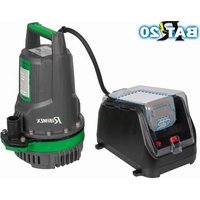
Ribiland PRBAT20/PVCSB - Pump RIBIMEX - Free user manual and instructions
Find the device manual for free Ribiland PRBAT20/PVCSB RIBIMEX in PDF.


User questions about Ribiland PRBAT20/PVCSB RIBIMEX
0 question about this device. Answer the ones you know or ask your own.
Ask a new question about this device
Download the instructions for your Pump in PDF format for free! Find your manual Ribiland PRBAT20/PVCSB - RIBIMEX and take your electronic device back in hand. On this page are published all the documents necessary for the use of your device. Ribiland PRBAT20/PVCSB by RIBIMEX.
USER MANUAL Ribiland PRBAT20/PVCSB RIBIMEX
text_image
RIBILAND® by RIBIMEX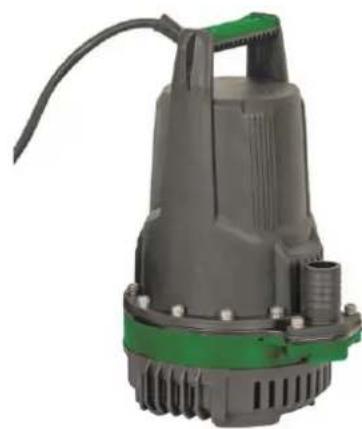
natural_image
Exterior view of a gray and green water pump with a handle and spout (no text or symbols visible)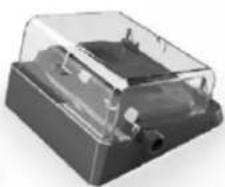
natural_image
Exterior view of a black rectangular electronic device with transparent lid (no visible text or symbols)PRBAT20/PVCSB / 511296

text_image
BAT 20FR
POMPE "VIDE CAVE"
User and maintenance manual
Original instructions
Réf. / Art. No :
PRBAT20/PVCSB / 511296
Imp. par / by: Ribimex S.A. - 56 Route de Paris - RN4 - FR-77340 Pontault-Combault
Carefully read this instruction manual before operating this appliance.
Incorrect operation may cause injury and/or damages.
Please keep this manual for future reference.
Note: Non-contractual information and photos, which may be changed without prior notice. Actual product may differ from illustrative photos.
Subject to technical changes and improvements.

Warning: This pump is not intended for pumping drinking water or any other food liquid.
EN – Original instructions
I. Parts List
II. Characteristics
III. Safety instructions
IV. Getting Started
V. Operation
VI. Maintenance and Storage
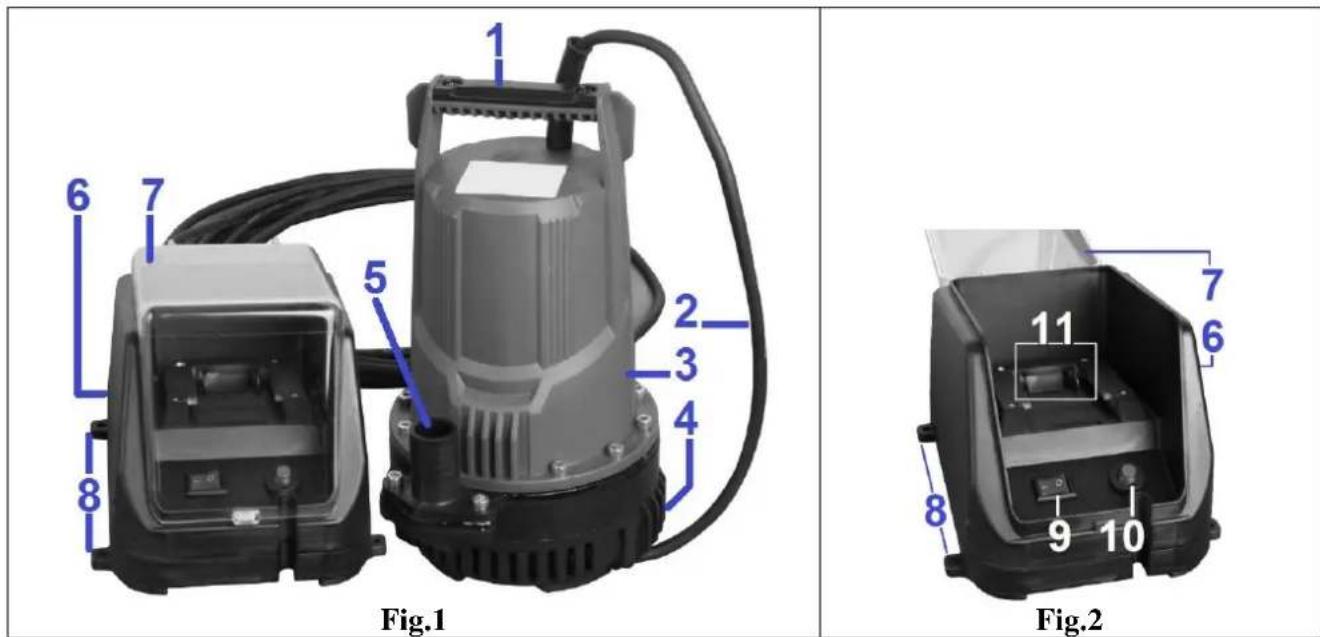
I. PARTS LIST See Fig.1 & 2
II. CHARACTERISTICS See tables
III. SAFETY INSTRUCTIONS

WARNING Read all safety warnings and all instructions.
Failure to follow the warnings and instructions may result in electric shock, fire and/or serious injury.
Save all warnings and instructions for future reference.
Keep this manual handy so that you may refer to it later whenever any questions arise.
Always be sure to include this manual when selling, lending, or otherwise transferring the ownership of this product.

WARNING! This product should only be used by experienced users, who have thoroughly read this instruction manual.
Only persons who have received adequate instructions should use the product.
Never allow children, persons with reduced physical, sensory or mental capabilities or lack of experience and knowledge or persons unfamiliar with these instructions to use the machine.
Local regulations may restrict the age of the operator.
Children shall not play with the appliance.
WARNING! When using electric tools basic safety precautions should always be followed to reduce the risk of fire, electric shock and personal injury.
The term "power tool" in the warnings refers to your mains-operated (corded) power tool or battery-operated (cordless) power tool.
Symbols (Explanation of symbols appearing on the tool, if applicable).
 |  | Warning! Read the instruction manual before operating this tool or prior to carrying any intervention (e.g. cleaning, maintenance, repair ...) on the tool.Follow all warnings and safety precautions to avoid a danger. | |
 | Caution! Risk of injury and/or damage and/or deterioration of product in case of non-compliance to safety requirements. | ||
| Do not expose product to extreme temperatures (too hot or too cold environment).Protect from over exposure to direct sunlight and from freezing temperatures. | |||
 | Keep all parts of your body away from moving parts, especially the pump's suction port. | ||
| Keep persons (esp. children) and animals away from product and working area.Other persons and animals should remain at a safe distance when the machine is being used.The operator is solely responsible for third persons in the working area.Stop tool as soon as someone enters the working area. | |||
 | Tool complies with European directives | ||
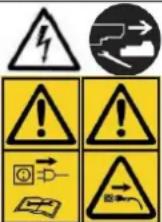 | Warning: Electrical hazard. Presence of electric current.Unplug charger immediately from its power supply if its power cord or the extension cord are damaged. Unplug charger by pulling the plug. Do not pull the cable.Disconnect charger from its power supply and remove the battery before proceeding to any maintenance, cleaning or any intervention on product; before leaving tool unattended or when tool is not used for prolonged periods of time. | ||
 | Do not dispose of this product with household rubbish.Dispose of this product in the nearest recycle centre.Please contact your local authority or local recycle centre for further information for its safe disposal. | ||
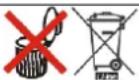 | Battery packs/batteries should be collected, recycled or disposed of in an environmental-friendly manner.Battery packs/batteries contain substances that can pollute the environment. Do not dispose of battery packs/batteries into household waste. Return exhausted batteries to your local collection or nearest recycling point.Please contact your local authority or local recycle centre for further information for its safe disposal. | ||
 | Explosion hazard! Protect batteries against heat and fire.Do not throw into fire. Do not burn. | ||
| Protect the environment: do not throw batteries into water.Do not throw into the environment. | |||
| [BH3H] | Maximum ambient temperature: 45°CAlways charge the battery pack in ambient environment between +10°C to +40°C. | ||
3.1- General power tool safety warnings
1) Work area safety
a) Keep work area clean and well lit. Cluttered or dark areas invite accidents.
b) Do not operate power tools in explosive atmospheres, such as in the presence of flammable liquids, gases or dust. Power tools create sparks which may ignite the dust or fumes.
c) Keep children and bystanders away while operating a power tool. Distractions can cause you to lose control.
Do not let persons, especially children, not involved in the work touch the tool or its power cord or
the extension cord and keep them away from the work area.
Keep the product away from children or from their environment. Never allow children to operate the tool. Children should be supervised to ensure that they do not play with the tool.
2) Electrical safety
a) Power tool plugs must match the outlet. Never modify the plug in any way. Do not use any adapter plugs with earthed (grounded) power tools. Unmodified plugs and matching outlets will reduce risk of electric shock.
b) Avoid body contact with earthed or grounded surfaces, such as pipes, radiators, ranges and refrigerators. There is an increased risk of electric shock if your body is earthed or grounded.
c) Do not expose power tools to rain or wet conditions. Water entering a power tool will increase the risk of electric shock.
d) Do not abuse the cord. Never use the cord for carrying, pulling or unplugging the power tool. Keep cord away from heat, oil, sharp edges or moving parts. Damaged or entangled cords increase the risk of electric shock.
e) When operating a power tool outdoors, use an extension cord suitable for outdoor use. Use of a cord suitable for outdoor use reduces the risk of electric shock.
f) If operating a power tool in a damp location is unavoidable, use a residual current device (RCD) protected supply. Use of an RCD reduces the risk of electric shock.
3) Personal safety
a) Stay alert, watch what you are doing and use common sense when operating a power tool. Do not use a power tool while you are tired or under the influence of drugs, alcohol or medication. A moment of inattention while operating power tools may result in serious personal injury.
b) Use personal protective equipment. Always wear eye protection. Protective equipment such as dust mask, non-skid safety shoes, hard hat, or hearing protection used for appropriate conditions will reduce personal injuries.
c) Prevent unintentional starting. Ensure the switch is in the off-position before connecting to power source and/or battery pack, picking up or carrying the tool. Carrying power tools with your finger on the switch or energising power tools that have the switch on invites accidents.
d) Remove any adjusting key or wrench before turning the power tool on. A wrench or a key left attached to a rotating part of the power tool may result in personal injury.
e) Do not overreach. Keep proper footing and balance at all times. This enables better control of the power tool in unexpected situations.
f) Dress properly. Do not wear loose clothing or jewellery. Keep your hair, clothing and gloves away from moving parts. Loose clothes, jewellery or long hair can be caught in moving parts.
g) If devices are provided for the connection of dust extraction and collection facilities, ensure these are connected and properly used. Use of dust collection can reduce dust-related hazards.
4) Power tool use and care
a) Do not force the power tool. Use the correct power tool for your application. The correct power tool will do the job better and safer at the rate for which it was designed.
b) Do not use the power tool if the switch does not turn it on and off. Any power tool that cannot be controlled with the switch is dangerous and must be repaired.
c) Disconnect the plug from the power source and/or the battery pack from the power tool before making any adjustments, changing accessories, or storing power tools. Such preventive safety measures reduce the risk of starting the power tool accidentally.
d) Store idle power tools out of the reach of children and do not allow persons unfamiliar with the power tool or these instructions to operate the power tool. Power tools are dangerous in the hands of untrained users.
e) Maintain power tools. Check for misalignment or binding of moving parts, breakage of parts
and any other condition that may affect the power tool's operation. If damaged, have the power tool repaired before use. Many accidents are caused by poorly maintained power tools.
f) Keep cutting tools sharp and clean. Properly maintained cutting tools with sharp cutting edges are less likely to bind and are easier to control.
g) Use the power tool, accessories and tool bits etc. in accordance with these instructions, taking into account the working conditions and the work to be performed. Use of the power tool for operations different from those intended could result in a hazardous situation.
5) Service
a) Have your power tool serviced by a qualified repair person using only identical replacement parts. This will ensure that the safety of the power tool is maintained.
b) Have your tool repaired by a qualified person. Any protective guard or other part that is damaged should be properly repaired or replaced by an authorized service centre unless otherwise indicated in this instruction manual.
This electric tool complies with the relevant safety rules. Repairs should only be carried out by qualified persons using original spare parts; otherwise this may result in considerable danger to the user. The use of unauthorized parts or failure to follow the maintenance instructions may result in injury or damage.
c) Maintain tools with care. Keep cutting tools sharp and clean for better and safer performance. Follow instructions for lubricating and changing accessories. Keep handles dry, clean and free from oil and grease.
6) Battery tool use and care
a) Recharge only with the charger specified by the manufacturer. A charger that is suitable for one type of battery pack may create a risk of fire when used with another battery pack.
b) Use power tools only with specifically designated battery packs. Use of any other battery packs may create a risk of injury and fire.
c) When battery pack is not in use, keep it away from other metal objects, like paper clips, coins, keys, nails, screws or other small metal objects, that can make a connection from one terminal to another. Shorting the battery terminals together may cause burns or a fire.
d) Under abusive conditions of use, liquid may be ejected from the battery; avoid contact. If contact accidentally occurs, flush with water. If liquid contacts eyes, additionally seek medical help. Liquid ejected from the battery may cause irritation or burns.
e) Ensure that the switch is in the OFF position before inserting the battery. Inserting the battery into power tools with the switch on invites trouble. Injury hazard.
3.2- Additional safety rules for the pump
- Keep all parts of the body away from the suction inlet.
- Make sure the switch is in the OFF position and battery is removed when clearing jammed material. A moment of inattention while operating the tool may result in serious personal injury.
- Carry the tool by the handle with the function stopped. Proper handling of the tool will reduce possible personal injury. Hold the tool only by the gripping surfaces (handles).
- Never allow children or people who are not familiar with these instructions to use the tool.
- Avoid accidental starting. Ensure the switch is in the OFF position before inserting the battery. Keep your hands and fingers away from the switch while inserting the battery.
3.3- Safety information about the charger and the battery-pack
Before using the charger and the battery, read all the instructions and cautionary markings on charger, battery pack and tool.
1) Charger
a) Do not attempt to open or disassemble the charger. If the charger has been dropped or is damaged in any way, stop using it and do not attempt to repair it. Return the charger for repair to an authorized service center or a qualified person, to avoid any danger to the user; or discard it according to local laws.
b) Protect the charger against any heat source (e.g. direct sunlight exposure, fire, heater...). To prevent any damage to the charger.
c) Do not expose the charger to water, moisture and cold. Electric shock hazard.
d) If the power cord or the plug becomes damaged, stop suing the charger until it has been repaired by a qualified person. If the supply cord is damaged, it must be replaced by the manufacturer or its authorized service center, in order to avoid a hazard. Electric shock hazard.
e) Only use the charger provided with the tool, or a same type or same model charger to charge the battery. The use of other types of charger increases the risk of electric shock, personal injury and damage.
f) Never attempt to recharge non-rechargeable batteries. Batteries may explode
g) Only use the charge at ambient temperatures between +10°C and +40°C. Store charger in a dry location protected from cold where temperature would not exceed +40°C. To prevent any damage to the charger.
h) The charger is intended for indoor use only. Place charger on solid, flat non-flammable surface and away from any flammable materials when re-charging the battery pack.
Do not recharge the battery pack in a wet or humid environment. The charger and battery pack may heat during charging process.
2) Battery
a) Do not attempt to open the battery. If the battery is damaged in any way, stop using it and do not attempt to recharge it. Short-circuit or electric shock or explosion hazard. Discard it according to local laws.
b) Protect the battery pack against any heat source (e.g. direct sunlight exposure, fire, heater...). To prevent any damage or explosion hazard.
c) Do not expose the battery pack to water, moisture and cold. To prevent any damage.
d) In case of damage and improper use of the battery, vapours may be released. Ensure proper ventilation and provide for fresh air to the work area. The vapours can irritate the respiratory system.
e) Only use the battery pack provided with the tool. The use of other types of batteries may increase the risk of electric shock, personal injury and damage.
f) Use only original batteries or recommended by the manufacturer with the voltage matching your tool, as listed on the nameplate. When using other batteries (e.g. reconditioned batteries or other brands), there is risk of explosion causing injury or property damage.
g) Charge battery pack only at ambient temperatures between +10°C and +40°C. Store the battery in a dry location protected from cold where temperature would not exceed +40°C. To prevent any damage to the battery.
h) Do not store or carry a battery in a pocket, toolbox or any other place where it may come into contact with metal objects. The battery pack terminals may be short-circuited causing damage to the battery or burns or a fire. Make sure that no conductive material touches the terminals.
3.4- Special warnings when using the pump
- Become familiar with the controls and the proper use of the equipment.
- The use of this product by children, without adult supervision, is forbidden.
- Only well-instructed adults should operate the product.
This appliance can be used by children aged from 8 years and above and persons with reduced physical, sensory or mental capabilities or lack of experience and knowledge if they have been given supervision or instruction concerning use of the appliance in a safe way and understand the hazards involved. - children shall not play with the appliance.
- cleaning and user maintenance shall not be made by children without supervision from an adult.
- If the electric cable is damaged, it must be replaced by the manufacturer, its after sales service or a person with similar qualification to avoid any danger.
- Take care that electrical connection is made within dry area and protected from flooding.
- If the pump is not in good condition, do not use it. Have it repaired by an authorized centre.
- These pumps can be used in swimming pools (treated with non-corrosive chemicals), garden ponds (e.g. ponds and / or garden pond, fountains ...).
If the pump is used for emptying a swimming pool or pond, it should not be used when people or animals are in the water.
Similarly, to avoid accidents during pump operation, it is strictly forbidden to bathe, to swim, to wash, or to water animals near the pump.
Ensure to remove the pump before allowing people and / or animals to enter the water. - When the pump is immersed, handling should not be carried out using the electric cable but using a device (for ex. a rope) connected to the carrying handle.
- Do not use electric cable for carrying or hanging up the pump. Use the carrying handle.
- Do not abuse the electric cable
Never carry the product by the cable
Keep the cable away from heat, oil and sharp edges.
Inspect product cable periodically and if damaged have it repaired by an authorized service facility.
Inspect extension cords periodically and replace, if damaged. - Do not overreach
Keep proper footing and balance at all times. - Maintain product with care
Keep product clean for better and safer performance. - Remove the battery
When not in use, before servicing and when changing accessories. - Avoid unintentional starting
Ensure switch is off when inserting the battery.
15.- - Stay alert
Watch what you are doing. Use common sense.
Do not operate product when you are tired, under the influence of alcohol, prescription medicines or drugs. - Check damaged parts
Before further use or reuse of the product, it should be carefully checked to determine that it will operate properly and perform its intended function. - Defective switches or other part that is damaged should be properly repaired or replaced by an authorized service centre. Do not use the product if the switch does not turn it on and off.
- Warning
The use of any accessory or attachment, other than those recommended in this instruction manual, may present a risk of injury to persons or animals and may cause damages.
The user and/or operator are responsible for any damages or injury caused to properties and/or persons.
- Have your product repaired by a qualified person
Unless otherwise indicated in this instruction manual, repairs or replacement of any damaged part in an authorized service centre is recommended.
This electric product is in accordance with the relevant safety requirements. Repairs should only be carried out by qualified persons using original spare parts, otherwise this may result in considerable danger to the user.
- Remarks:
The safety precautions and instructions given in this manual are unable to cover in detail all the conditions and situations that may arise.
The operator and/or user must use common sense and caution when operating the product especially for any matters that are not referred in the above
IV. GETTING STARTED
4.1- Unpacking
- Remove product from its packaging.
- Check that tool and accessories are not damaged.
4.2- Assembly
Connecting the evacuation hose (Fig.1)
Wedge the discharge hose on to the pump output (5). Add a fixing collar (hose clamp not supplied) to complete the seal. Check the assembly.
Installation
Note: Before use, clear the outlet line
Observe and respect minimum water level and max delivery height
- The pump must be in a vertical position: ensure that it is stable during operation.
- Hang the pump on the carrying handle with appropriate rope or wire cable or place the pump on the bottom of the well, pond or vessel. Never hang the pump by the electric cable or discharge hose.
- The suction holes must never be obstructed. It is therefore preferable that the pump should never be placed directly on the ground or on the bottom of the well, pond or vessel.
For example, use a brick to support the pump.
Warning: to dry out premises (cellar draining for example) it will be necessary to place the pump below floor level.
- The battery box is fitted with 4 mounting feet (8) to allow permanent mounting on adequate support.
4.3- Battery and charger
NOTE: this model PRBAT20/PVCSB is supplied WITHOUT battery and charger.
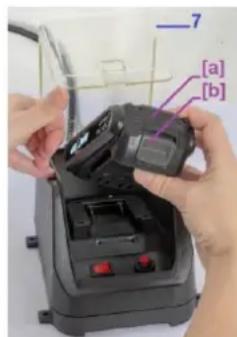
To insert and remove the battery (Fig.3)
a) To insert the battery:
Open the cover (7) and slide the battery [a] into the compartment.
Make sure that the battery is securely locked.
Close the cover (7).
b) To remove the battery:
Open the cover (7).
Press the release button [b] and pull battery out of the compartment.
text_image
[a] [b]Fig.3
Tips to ensure optimal battery life:
- Do not to drop, hit, or damage the battery.
- Recharge the battery before it is completely drained.
When you notice that the pump performance is decreasing, recharge the battery accordingly. - Never charge a fully charged battery. Overloading reduces its life.
- If the battery is hot, allow it to cool down before proceeding with charging.
- When the product is not used, it is recommended to charge the battery every 3 months.
4.4- Starting (Fig.2)
- Switching on: Set the switch (9) to position "I".
- Switching off: Set the switch (9) to position "0".
V. OPERATION
5.1- Intended use
- Cellar draining pump are submersible pumps intended for domestic use.
They should be used only for drying out flooded premises or for pumping water out of wells or cellars or vessels.
- This pump is designed to suck up clear water only with particles in suspension that are less than [see specifications in Table 1] in diameter.
- The pump is fully submersible: the immersion depth must not exceed 5m (refer to the technical characteristics table).
- The pump should not be used for sucking up liquids or materials that are corrosive, combustible or explosive; fats, oils, waste water from toilet, food liquids ...
- The temperature of the liquid sucked up should not exceed 35^ C.
- Any other use, other than that described in the instructions, is likely to damage the pump and to put the user in serious danger.
- The tool is not intended for artisanal, commercial, professional and/or industrial use (for ex.: in public parks...).
5.2- Operation
Ensure that battery is charged, otherwise proceed with charging.
Install the battery.
Set the switch to ON position "I".
Once the pumping is finished, switch off the pump setting the switch to position “0”.
Warning!
Never operate the pump empty (without water).
The pump is not designed for continuous operation! (e.g. continuous water circulating operation).
The submersible pump must be immersed before switching on.
5.3- Advise for users
- if discharge stops although the pump continues to function, switch it off immediately.
Unplug the pump from the mains and check to see what is causing the problem.
Never attempt to remove the turbine when the pump is still connected to the power supply.
- The pump is fitted with a motor protected by a thermal safety.
In the event of overheating, the motor stops automatically. As soon as the temperature returns to normal push the red bottom (10) for reset.
Never place hands anywhere near the turbine during this phase. If remedial action is necessary, always unplug the pump from the power supply first.
- After having inadvertently pumped dirty water, water containing sand or other abrasive material, the pump should be rinsed with clear water.
VI. MAINTENANCE AND STORAGE

Before any intervention on product, switch off tool and remove the battery.
Reminder: Make sure to maintain the machine in good working condition, carry out regular maintenance of the machine after each use and before storage.
Any breach or default of adequate maintenance reduces the life of the machine and increases the risk of breakdowns and accidents.
To preserve the security system throughout the life of the machine, it is important to perform maintenance and proper cleaning, DO NOT use non-compliant replacement parts and do NOT dismantle yourself the machine or change the security features.
6.1- Maintenance
- In winter the pump must be thoroughly drained or kept in "frost free" conditions.
- Regularly rinse out the pump with clean water, including the suction circuit.
- After using the pump in a swimming pool or garden pond/basin, thoroughly rinse it with clean water, including the suction line.
- Avoid pumping liquid containing abrasive materials such as sand.
- Before each re-use, ensure that all parts of the pump are in good working order.
- Clean plastic parts with a soft clean cloth.
- Do not use aggressive cleansers (solvents or abrasive cleansers), or an abrasive sponge.
6.2- Breakdown
Never attempt to dismantle the pump.
If necessary, have it checked and repaired by an authorized centre (consult your dealer).
6.3- Storage
- Clean the pump.
- Keep product, user manual and accessories in the original packaging.
- It is recommended to store the product in a clean, dry location, protected from humidity, frost and dust, and keep it out of children's reach (e.g. high or in a locked-up place).
- Do not store product in temperatures lower than 0°C (32°F)
- Do not place or store any object on top of the product.
6.4- Disposal
- Pump: do not dispose with household garbage. Do not throw into the environment.
Dispose of the product in a collection centre for waste of electrical and electronic equipment, or a waste drop-off centre; or seek advice from your local municipality.
- Proceed with disposal of remnants, the tool, accessories and packaging according to local regulations regarding the protection of the environment.
6.5- Information about the guarantee
The product is guaranteed in accordance with the legislation of the country of sale.
The guarantee starts from the date of purchase (subject to proof of purchase, i.e. Sales receipt with purchase date)
The guarantee only covers defects in materials or workmanship.
Repairs (under the guarantee) can only be performed by an authorized service center.
When making a claim under the guarantee, the original sales receipt (with purchase date) must be submitted.
The guarantee does not apply in the following:
- Normal wear and tear (on the product itself or wear parts).
-
Incorrect use, eg overloading of the device, use of non-approved accessories
-
Abuse or damage to the product, and damage caused by external factors.
- Damage caused by non-compliance with the instructions and guidelines of the manual, e.g. connection to the wrong power source or non-compliance with instructions for assembly or installation.
- Partially or totally disassembled device.
- Partially or fully modified device with parts not recommended by the manufacturer
Special provisions:
A 6 month guarantee is given for rechargeable batteries.
In case of dispute or litigation concerning the product or guarantee, the Melun Commercial Court has exclusive jurisdiction.
Our warranty conditions are available from our STAV department [*] and on our website.
Should you have any repair requests under the warranty, please contact your retailer or our STAV [*] who will inform you on the procedure.
Should you have any parts and/or accessories request, you can contact our STAV [*] to ask for the product exploded view by indicating our reference and the serial number or batch number appearing on the nameplate.
[*] STAV = Technical and After-Sales Service department
STAV contact details: Ribimex, 56 Route de Paris, F-77340 Pontault-Combault.
Tel : 08 92 35 05 77 (0,34€/min ; only in France) ; email : sav@ribimex.fr
Internet Website: www.ribimex.com
6.6- Special condition for battery transport
The lithium-ion batteries contained in the tool are subject to the dangerous goods requirements. When preparing the tool to be shipped, it is mandatory to consult a specialist in hazardous materials. Also observe any national / local regulations which is likely to be more detailed. Tape terminals or mask them and pack the battery so that it does not move in the package.
Figures / Figure / Figures
Photos et illustrations non contractuelles. / Foto e illustrazioni senza valore contrattuale. / Non-contractual photos and illustrations.
text_image
Fig.1 Fig.2| Pos. | FR | IT | EN |
| 1 | Poignée | Maniglia | Carrying handle |
| 2 | Câble électrique | Cavo elettrico | Electric cable |
| 3 | Corps de pompe | Corpo | Pump body |
| 4 | Trou d’aspiration | Fori di aspirazione | Suction base |
| 5 | Raccord(pour tuyau de refoulement) | Raccordo(per tubo di scarico) | Fitting(for pump output hose) |
| 6 | Logement batterie | Alloggio della batteria | Battery box |
| 7 | Couvercle | Coperchio dell’alloggio | Battery box cover |
| 8 | Pieds de fixation | Piedino di montaggio | Mounting feet |
| 9 | Interrupteur | Interruttore | ON / OFF switch |
| 10 | Protection surcharge | Protezione da sovraccarico | Overload protection |
| 11 | Bornes pour la batterie | Terminali per la batteria | Battery terminals |
TABLEAU / TABELLA / TABLE 1
| Description- - | - Descrizione- | - - Description | Pompe submersible Pompa sommergibile Submersible pump |
| Référence | Articolo | Reference | PRBAT20/PVCSB / 511296 [*1] |
| Modèle / Type | Modello | Model / Type | HYSB-125PP |
| Alimentation | Tensione di Alimentazione | Voltage & frequency | 20V === |
| Puissance | Potenza | Power | 120W |
| Autonomie:- Avec batterie 2A- Avec batterie 4A | Autonomia:Con batteria 2ACon batteria 4A | Pump autonomy- with 2A battery- with 4A battery | - ~22min- ~45min |
| Capacité de refoulement maxi | Capacita di scarico | Max Delivery capacity | 3000 l/h (3m3/h) |
| Pression maxi | Pressione max. | Max. pressure | 0,5bar |
| Hauteur de refoulement maxi | Altezza max. di scarico | Max. delivery height | 7m |
| Profondeur d'immersion maxi | Profondita di immersione max. | Max. submersion depth | 5m |
| Hauteur mini de liquide pour l'aspiration | Altezza mini di liquidi per aspirazione | Min. water level for operation | 10cm |
| Diamètre maxi des particules | Diametro max, di particelle | Particle size (max) | 4mm |
| Poids (env.) | Peso (ca.) | Weight (approx.) | 3,0kg |
| Température maxi du liquide | Temperatura max. del liquido | Liquid temperature (max.) | 35°C |
| Diamètre sortie tuyau | Diametro raccordo | Hose connection | 1” |
| Diamètre intérieur du tuyau | Diametro interno dal tubo | Hose internal diameter | ∅ 25mm |
| Classe de protection | Classe di protezione | Protection Class | IPX8 |