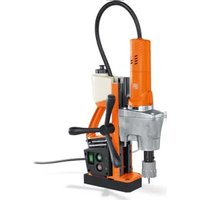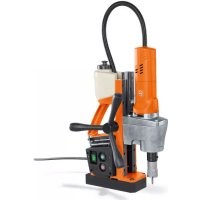
KBE 35 - Drill Fein - Free user manual and instructions
Find the device manual for free KBE 35 Fein in PDF.



User questions about KBE 35 Fein
0 question about this device. Answer the ones you know or ask your own.
Ask a new question about this device
Download the instructions for your Drill in PDF format for free! Find your manual KBE 35 - Fein and take your electronic device back in hand. On this page are published all the documents necessary for the use of your device. KBE 35 by Fein.
USER MANUAL KBE 35 Fein
natural_image
Illustration of two electric drillers with connecting cables, no text or symbols presentKBE 35 (**) 7 270 ... / 7 273 ...
KBE 50-2 (**) 7 270 ... / 7 273 ...
KBE 50-2 M (**) 7 270 ... / 7 273 ...
KBE 65-2 M (**) 7 270 ..
| KBE 35 (**) | KBE 50-2 (**) | KBE 50-2 M (**) | KBE 65-2 M (**) | ||
| 7 270 ... /7 273 ... | 7 270 ... /7 273 ... | 7 270 ... /7 273 ... | 7 270 .. | ||
| P_1 | W 850 1100 1100 1200 | ||||
| P_2 | W 450 650 650 700 | ||||
| n_OR | |||||
| /min, min ^-1 , rpm,r/min 620 365 365 320 | |||||
| /min, min ^-1 , rpm,r/min | - 730 730 730 | ||||
| kg 11,8 / 11,7 12,5 13,5 / 13,7 13,8 | |||||
| HMM Fe 400 | mm | 12–35 | 12–50 | 12–50 | 12–65 |
| HSS Fe 400 | mm | 12–35 | 12–50 | 12–50 | 12–50 |
| HSS Fe 400 | mm | 13 | 16 | 23 | 25 |
| L_pA | dB 85,5 90,0 90,0 | 88,5 | |||
| K_pA | dB | 5 | 5 | 5 | 3 |
| L_wA | dB | 96,8 | 101,0 | 101,0 | 99,5 |
| K_wA | dB | 5 | 5 | 5 | 3 |
| L_pCpeak | dB | 100,4 | 103,9 | 103,9 | 102,5 |
| K_pCpeak | dB | 5 | 5 | 5 | 3 |
| a_h | m/s ^2 | <2,5 | <2,5 | <2,5 | <2,5 |
| K_a | m/s ^2 | 1,5 | 1,5 | 1,5 | 1,5 |
| T_a | °C – 0 ... + 45 – 0 ... + 45 – 0 ... + 45 – 0 ... + 45 | ||||

text_image
de 22 pt 57 hu 89 en 28 el 63 cs 95 fr 33 da 69 sk 100 it 39 no 74 pl 106 nl 45 sv 79 sl 112 es 51 fi 84
text_image
Technical diagram of a drill press with numbered parts and corresponding instructions for each component.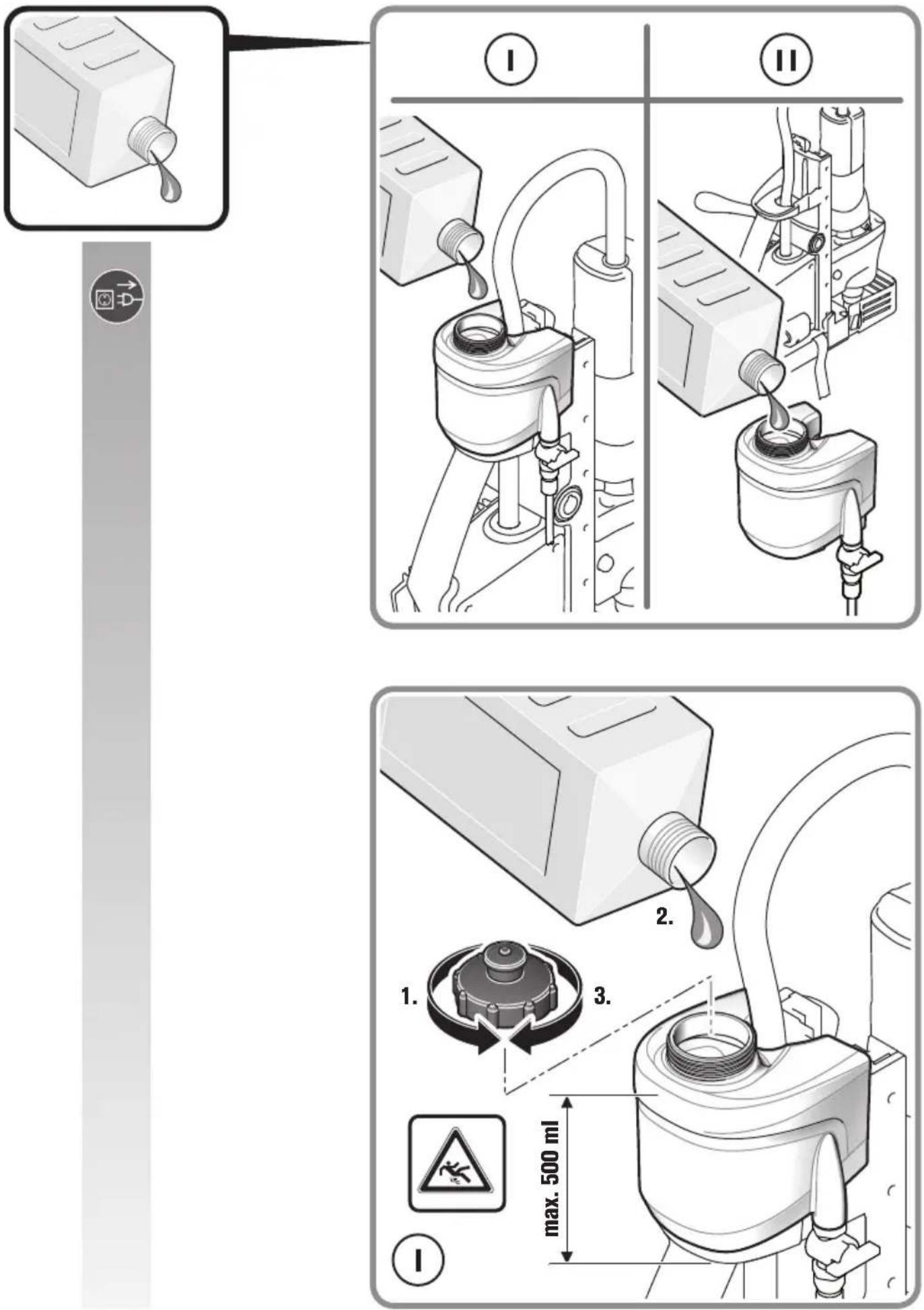
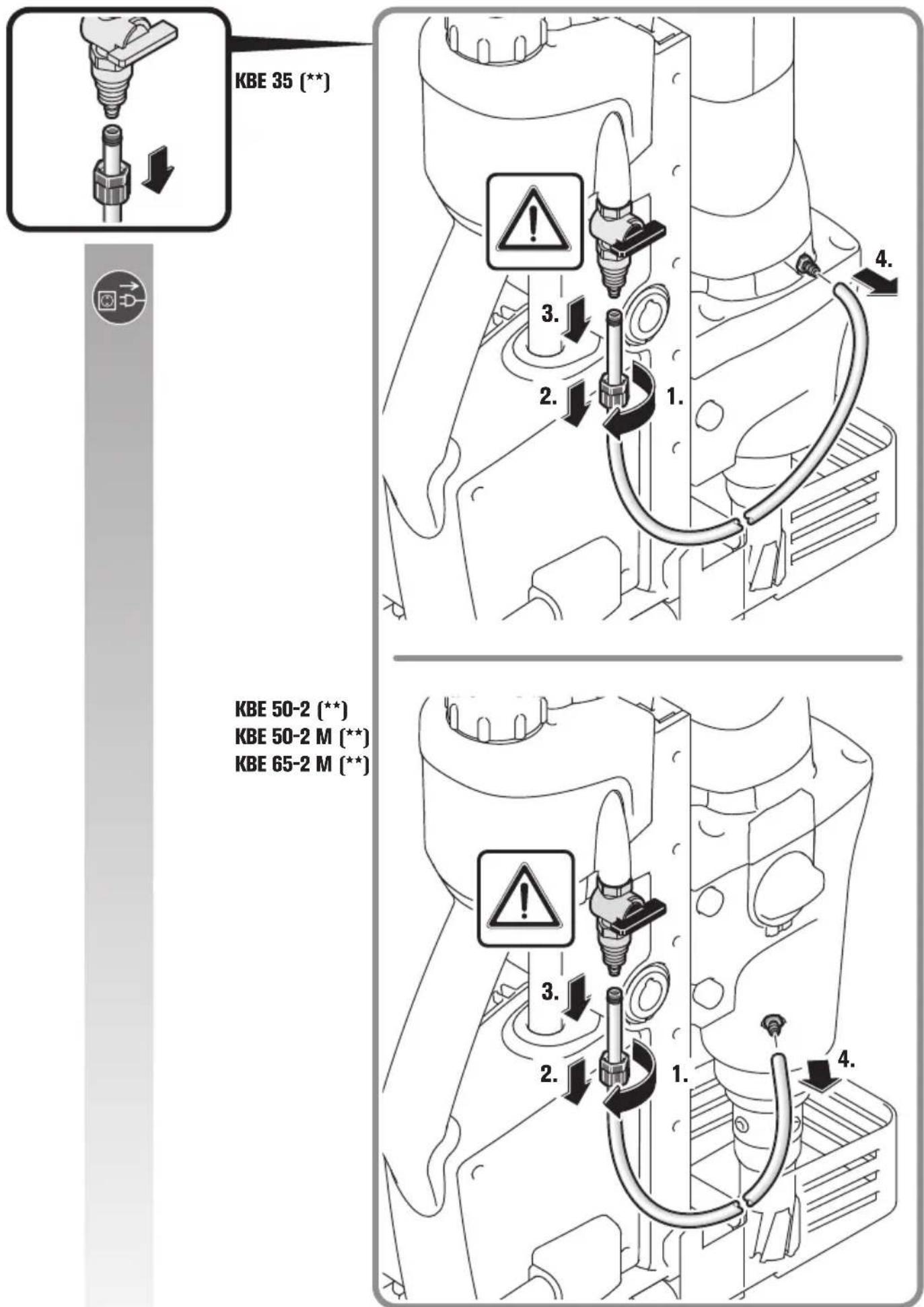
KBE 50-2 (**)
KBE 50-2 M (**)
KBE 65-2 M (**)
KBE 35 (**)
KBE 50-2 (**)
KBE 50-2 M (**)
KBE 65-2 M (**)
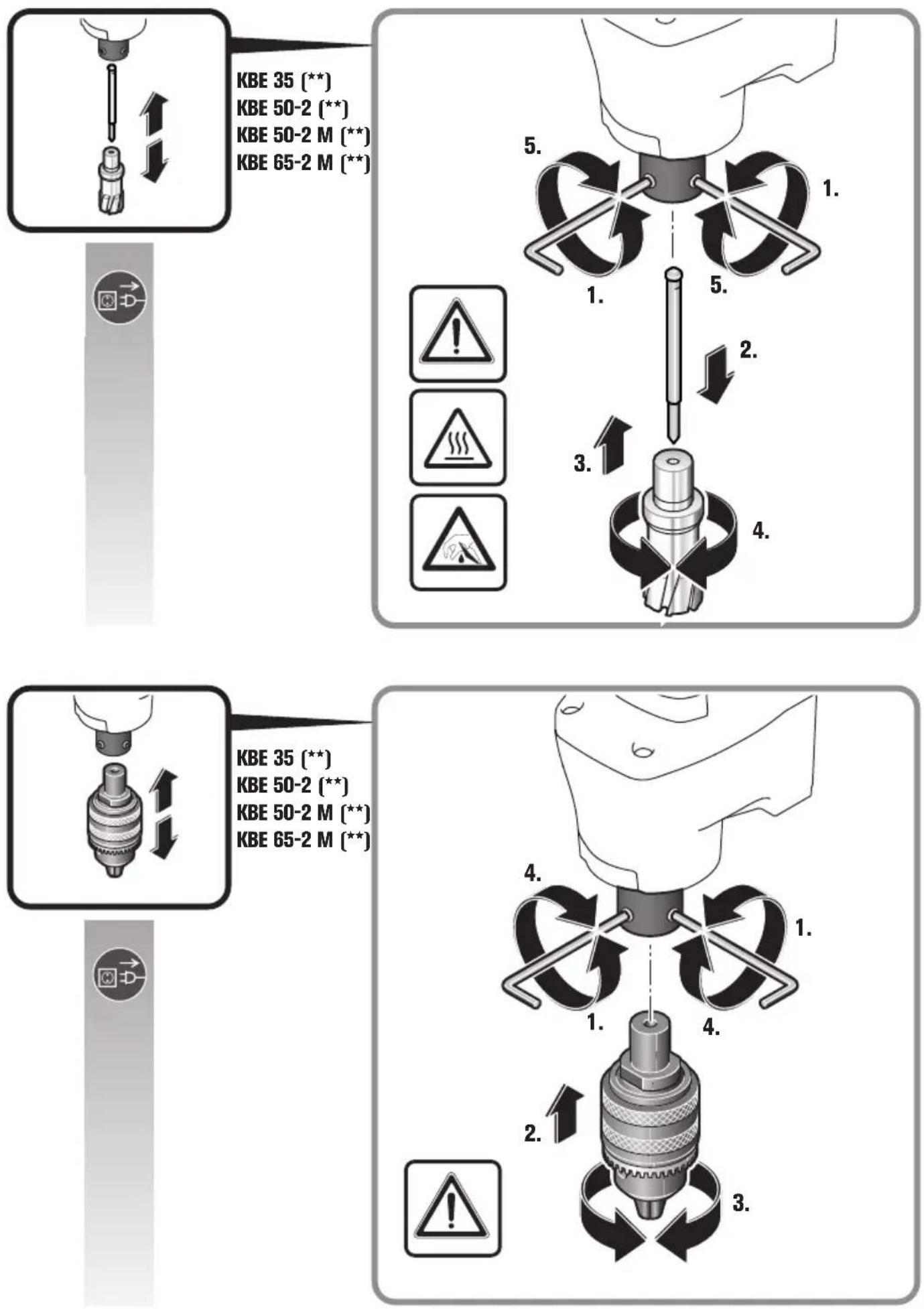
KBE 35 (**)
KBE 50-2 (**)
KBE 50-2 M (**)
KBE 65-2 M (**)
natural_image
Diagram showing a drill bit being inserted into a bulb, with an arrow indicating direction (no text or symbols)KBE 50-2 M (**)
KBE 65-2 M (**)

text_image
Technical diagram illustrating a hairdryer tool with labeled parts and warning symbols
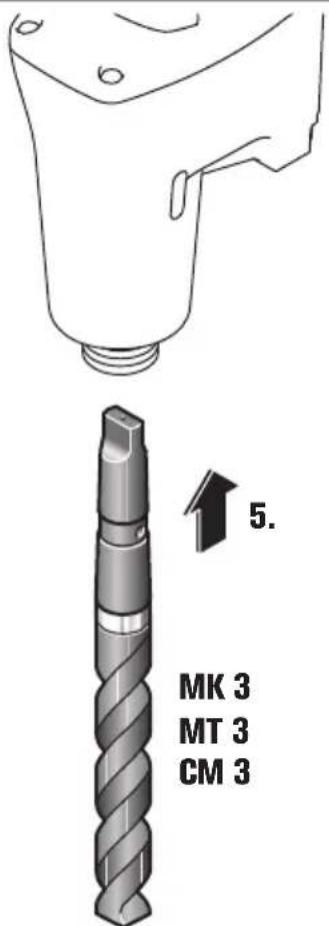
text_image
MK 3 MT 3 CM 3

MK 3
MT 3
CM 3
text_image
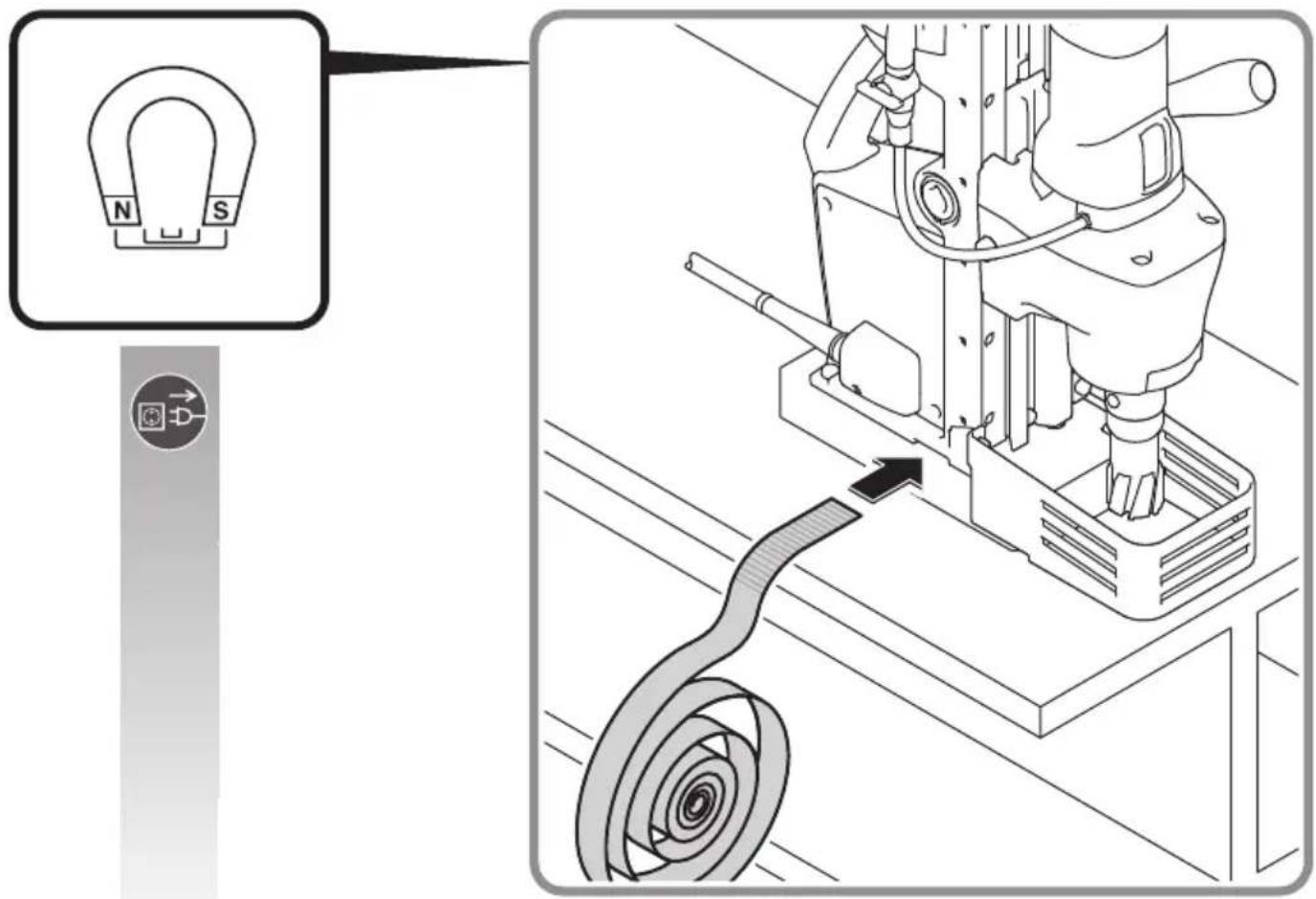
Technical diagram showing a drill machine with labeled components and a compass indicating the magnetic field (N/S)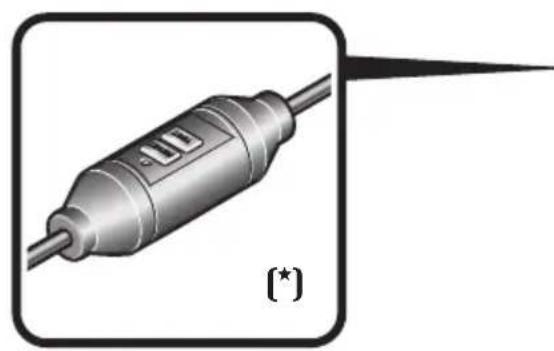
natural_image
Illustration of a cylindrical electronic component with a pointed tip, enclosed in a square frame (no text or symbols)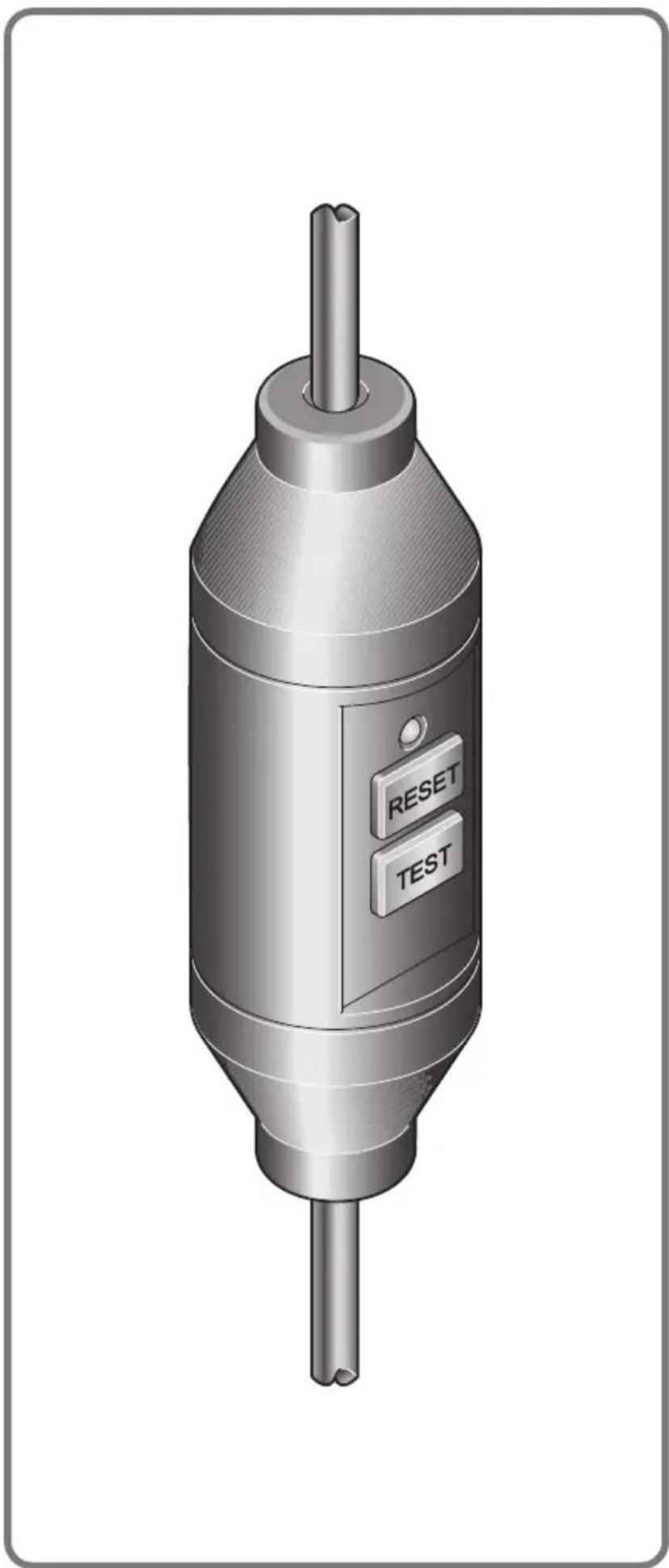
text_image
RESET TEST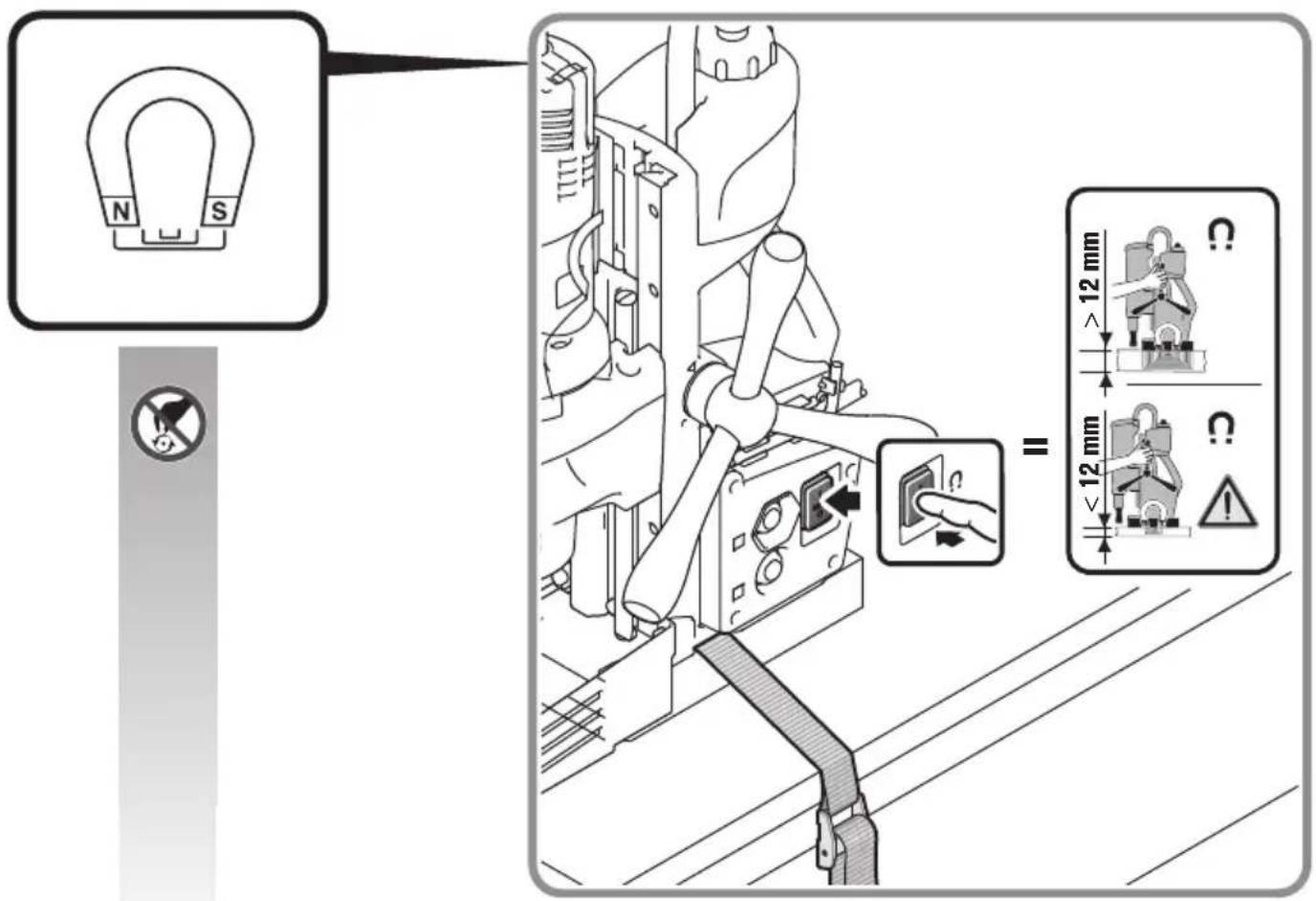
text_image
N S >= > 12 mm < 12 mm ?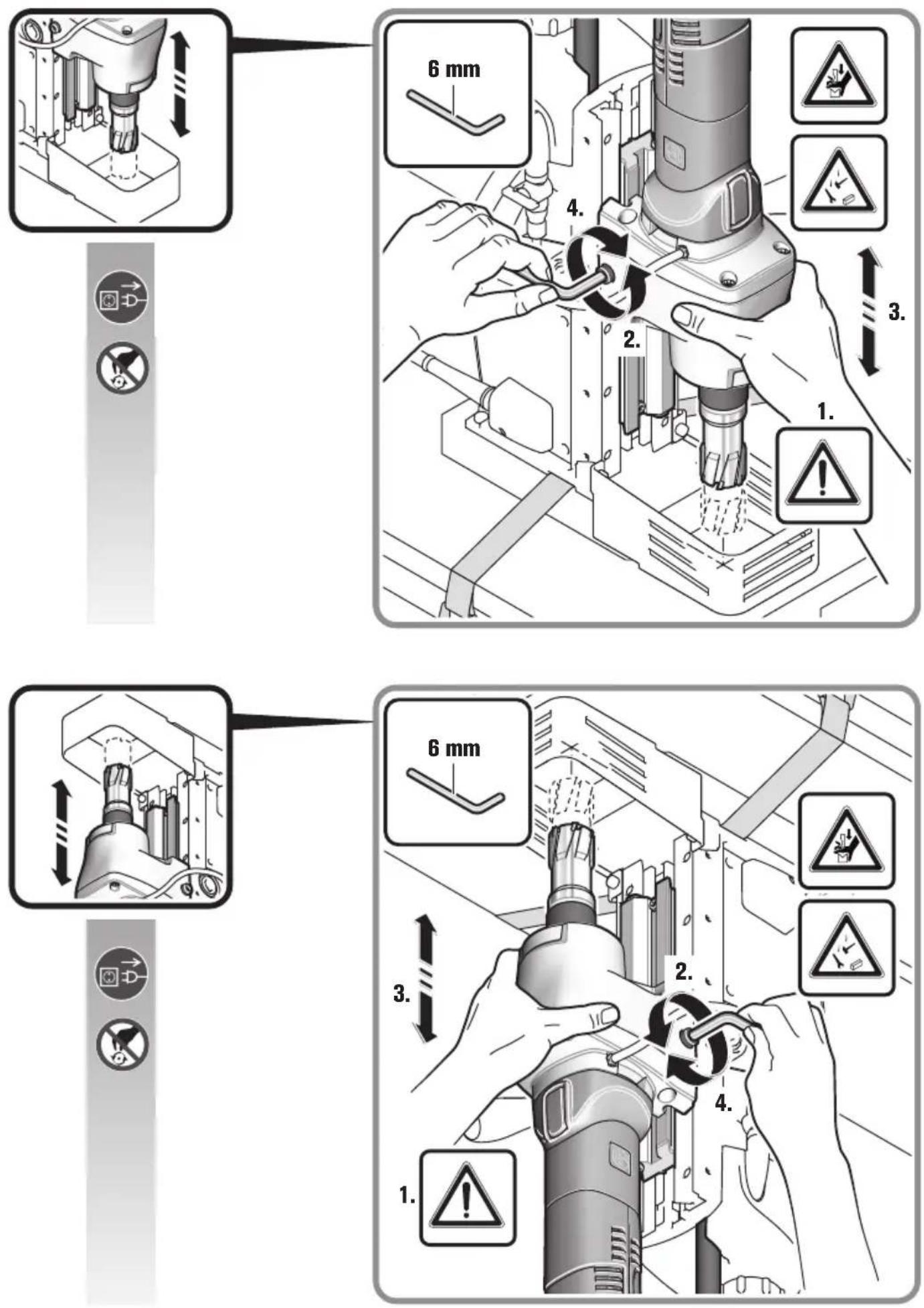
flowchart
graph TD
    A[" bike lane / road"] --> B[" vehicle with driver icon"]
    C["KBE 50-2 (**)"]
    D["KBE 50-2 M (**)"]
    E["KBE 65-2 M (**)"] --> F[" Car with driver icon"]
    G[" Bike icon "] --> H[" Car with driver icon "]
    I[" Bike icon "] --> J[" Car with driver icon "]
    K[" Bike icon "] --> L[" Car with driver icon "]
    M[" Bike icon "] --> N[" Car with driver icon "]
    O[" Bike icon "] --> P[" Car with driver icon "]
    Q[" Bike icon "] --> R[" Car with driver icon "]
    S[" Bike icon "] --> T[" Car with driver icon "]
    U[" Bike icon "] --> V[" Car with driver icon "]
    W[" Bike icon "] --> X[" Car with driver icon "]
    Y[" Bike icon "] --> Z[" Car with driver icon "]
    AA[" Bike icon "] --> AB[" Car with driver icon "]
    AC[" Bike icon "] --> AD[" Car with driver icon "]
    AE[" Bike icon "] --> AF[" Car with driver icon "]
    AG[" Bike icon "] --> AH[" Car with driver icon "]
    AI[" Bike icon "] --> AJ[" Car with driver icon "]
    AK[" Bike icon "] --> AL[" Car with driver icon "]
    AM[" Bike icon "] --> AN[" Car with driver icon "]
    AO[" Bike icon "] --> AP[" Car with driver icon "]
    AQ[" Bike icon "] --> AR[" Car with driver icon "]
    AS[" Bike icon "] --> AT[" Car with driver icon "]
    AU[" Bike icon "] --> AV[" Car with driver icon "]
    AW[" Bike icon "] --> AX[" Car with driver icon "]
    AY[" Bike lane / road"] --> AZ[" Motorcycle diagram"]
    BA[" Bike lane / road"] --> BB[" Motorcycle diagram"]
    BC[" Bike lane / road"] --> BD[" Motorcycle diagram"]
    BE[" Bike lane / road"] --> BF[" Motorcycle diagram"]
    BG[" Bike lane / road"] --> BH[" Motorcycle diagram"]
    BI[" Bike lane / road"] --> BJ[" Motorcycle diagram"]
    BK[" Bike lane / road"] --> BL[" Motorcycle diagram"]
    BM[" Bike lane / road"] --> BN[" Motorcycle diagram"]
    BO[" Bike lane / road"] --> BP[" Motorcycle diagram"]
    BQ[" Bike lane / road"] --> BR[" Motorcycle diagram"]
    BS[" Bike lane / road"] --> BT[" Motorcycle diagram"]
    BU[" Bike lane / road"] --> BV[" Motorcycle diagram"]
    BW[" Bike lane / road"] --> BX[" Motorcycle diagram"]
    BY[" Bike lane / road"] --> BZ[" Motorcycle diagram"]
    CA[" Bike lane / road"] --> CB[" Motorcycle diagram"]
    CC[" Bike lane / road"] --> CD[" Motorcycle diagram"]
    CE[" Bike lane / road"] --> CF[" Motorcycle diagram"]
    DG[" Bike lane / road"] --> DH[" Motorcycle diagram"]
    DI[" Bike lane / road"] --> DJ[" Motorcycle diagram"]
    DK[" Bike lane / road"] --> DL[" Motorcycle diagram"]
    DM[" Bike lane / road"] --> DJ
    DB[" Bike lane / road"] --> DJ
    DC[" Bike lane / road"] --> DJ
    DD[" Bike lane / road"] --> DJ
    DX[" Bike lane / road"] --> DJ
    DXB[" Bike lane / road"] --> DXB
    DXC[" Bike lane / road"] --> DXC
    DXD[" Bike lane / road"] --> DXD
    DXE[" Bike lane / road"] --> DXE
    DXF[" Bike lane / road"] --> DXF
    DXG[" Bike lane / road"] --> DXG
    DXH[" Bike lane / road"] --> DXH
    DXI[" Bike lane / road"] --> DXI
    DXJ[" Bike lane / road"] --> DXJ
    DXK[" Bike lane / road"] --> DXK
    DXL[" Bike lane / road"] --> DXL
    DXM[" Bike lane / road"] --> DXM
    DXN[" Bike lane / road"] --> DXN
    DXO[" Bike lane / road"] --> DXO
    DXP[" Bike lane / road"] --> DXP
    DXQ[" Bike lane / road"] --> DXQ
    DXR[" Bike lane / road"] --> DXR
    DXS[" Bike lane / road"] --> DXS
    DXT[" Bike lane / road"] --> DXT
    DXU[" Bike lane / road"] --> DXU
    DXV[" Bike lane / road"] --> DXV
    DXW[" Bike lane / road"] --> DXW
    DXX[" Bike lane / road"] --> DXX
    DXY[" Bike lane / road"] --> DXY
    DXZ[" Bike lane / road"] --> DXZ
    DXY1[" Bike lane / road"] --> DXY1
    DXY2[" Bike lane / road"] --> DXY2
    DXY3[" Bike lane / road"] --> DXY3
    DXY4[" Bike lane / road"] --> DXY4
    DXY5[" Bike lane / road"] --> DXY5
    DXY6[" Bike lane / road"] --> DXY6
    DXY7[" Bike lane / road"] --> DXY7
    DXY8[" Bike lane / road"] --> DXY8
    DXY9[" Bike lane / road"] --> DXY9
    DXY10[" Bike lane / road"] --> DXY10
    DXY11[" Bike lane / road"] --> DXY11
    DXY12[" Bike lane / road"] --> DXY12
    DXY13[" Bike lane / road"] --> DXY13
    DXY14[" Bike lane / road"] --> DXY14
    DXY15[" Bike lane / road"] --> DXY15
    DXY16[" Bike lane / road"] --> DXY16
    DXY17[" Bike lane / road"] --> DXY17
    DXY18[" Bike lane / road"] --> DXY18
    DXY19[" Bike lane / road"] --> DXY19
    DXY20[" Bike lane / road"] --> DXY20
    DXY21[" Bike lane / road"] --> DXY21
    DXY22[" Bike lane / road"] --> DXY22
    DXY23[" Bike lane / road"] --> DXY23
    DXY24[" Bike lane / road"] --> DXY24
    DXY25[" Bike lane / road"] --> DXY25
    DXY26[" Bike lane / road"] --> DXY26
    DXY27[" Bike lane / road"] --> DXY27
    DXY28[" Bike lane / road"] --> DXY28
    DXY29[" Bike lane / road"] --> DXY29
    DXY30[" Bike lane / road"] --> DXY30
    DXY31[" Bike lane / road"] --> DXY31
    DXY32[" Bike lane / road"] --> DXY32
    DXY33[" Bike lane / road"] --> DXY33
    DXY34[" Bike lane / road"] --> DXY34
    DXY35[" Bike lane / road"] --> DXY35
    DXY36[" Bike lane / road"] --> DXY36
    DXY37[" Bike lane / road"] --> DXY37
    DXY38[" Bike lane / road"] --> DXY38
    DXY39[" Bike lane / road"] --> DXY39
    DXY40[" Bike lane / road"] --> DXY40
    DXY41[" Bike lane / road"] --> DXY41
    DXY42[" Bike lane / road"] --> DXY42
    DXY43[" Bike lane / road"] --> DXY43
    DXY44[" Bike lane / road"] --> DXY44
    DXY45[" Bike lane / road"] --> DXY45
    DXY46[" Bike lane / road"] --> DXY46
    DXY47[" Bike lane / road"] --> DXY47
    DXY48[" Bike lane / road"] --> DXY48
    DXY49[" Bike lane / road"] --> DXY49
    DXY50[" Bike lane / road"] --> DXY50
    DXY51[" Bike lane / road"] --> DXY51
    DXY52[" Bike lane / road"] --> DXY52
    DXY53[" Bike lane / road"] --> DXY53
    DXY54[" Bike lane / road"] --> DXY54
    DXY55[" Bike lane / road"] --> DXY55
    DXY56[" Bike lane / road"] --> DXY56
    DXY57[" Bike lane / road"] --> DXY57
    DXY58[" Bike lane / road"] --> DXY58
    DXY59[" Bike lane / road"] --> DXY59
    DXY60[" Bike lane / road"] --> DXY60
    DXY61[" Bike lane / road"] --> DXY61
    DXY62[" Bike lane / road"] --> DXY62
    DXY63[" Bike lane / road"] --> DXY63
    DXY64[" Bike lane / road"] --> DXY64
    DXY65[" Bike lane / road"] --> DXY65
    DXY66[" Bike lane / road"] --> DXY66
    DXY67[" Bike lane / road"] --> DXY67
    DXY68[" Bike lane / road"] --> DXY68
    DXY69[" Bike lane / road"] --> DXY69
    DXY70[" Bike lane / road"] --> DXY70
    DXY71[" Bike lane / road"] --> DXY71
    DXY72[" Bike lane / road"] --> DXY72
    DXY73[" Bike lane / road"] --> DXY73
    DXY74[" Bike lane / road"] --> DXY74
    DXY75[" Bike lane / road"] --> DXY75
    DXY76[" Bike lane / road"] --> DXY76
    DXY77[" Bike lane / road"] --> DXY77
| Fe 400HM Fe 400HSS | Fe 400HSS | |||||
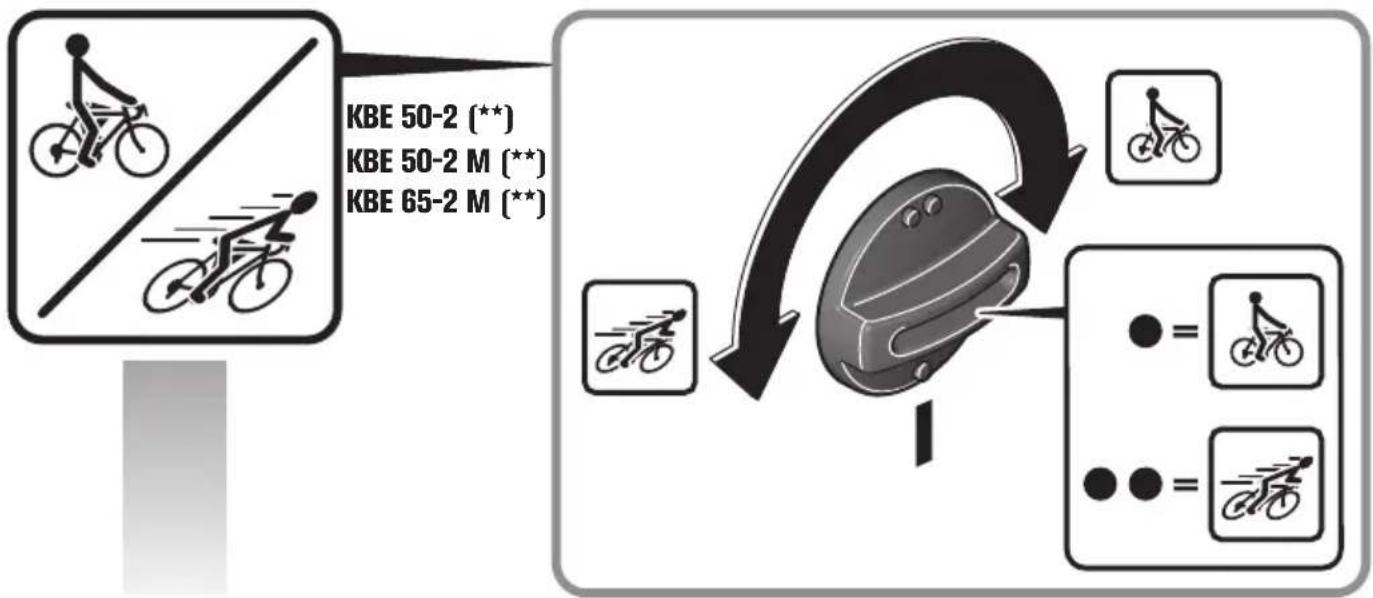
| KBE 35 (**) | ● | 12 35 mm | 12 35 mm | 1,5 43 mm | ||
| KBE 50-2 (**) KBE 50-2 M (**) | ● | 27 50 mm | 21 40 mm | 16 23 mm | ||
| KBE 65-2 M (**) | ● | 27 65 mm | 21 45 mm | 16 25 mm | ||
| KBE 50-2 (**) KBE 50-2 M (**) | ●● | 12 26 mm | 12 20 mm | 1,5-15 mm | ||
| KBE 65-2 M (**) | ||||||
text_image
I O I O
text_image
Diagram illustrating a manual presser operation with warning signs and safety symbols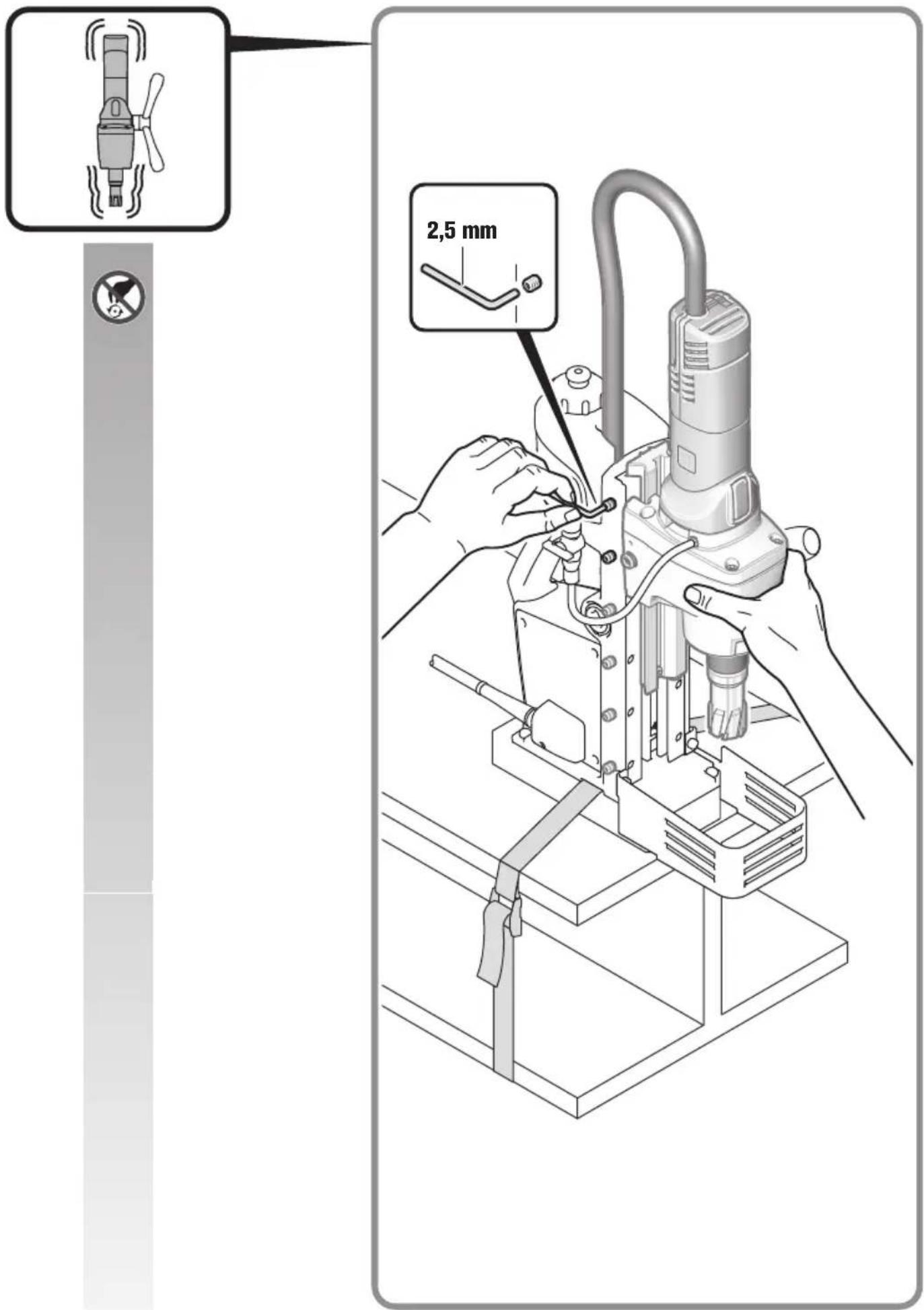
text_image
2,5 mm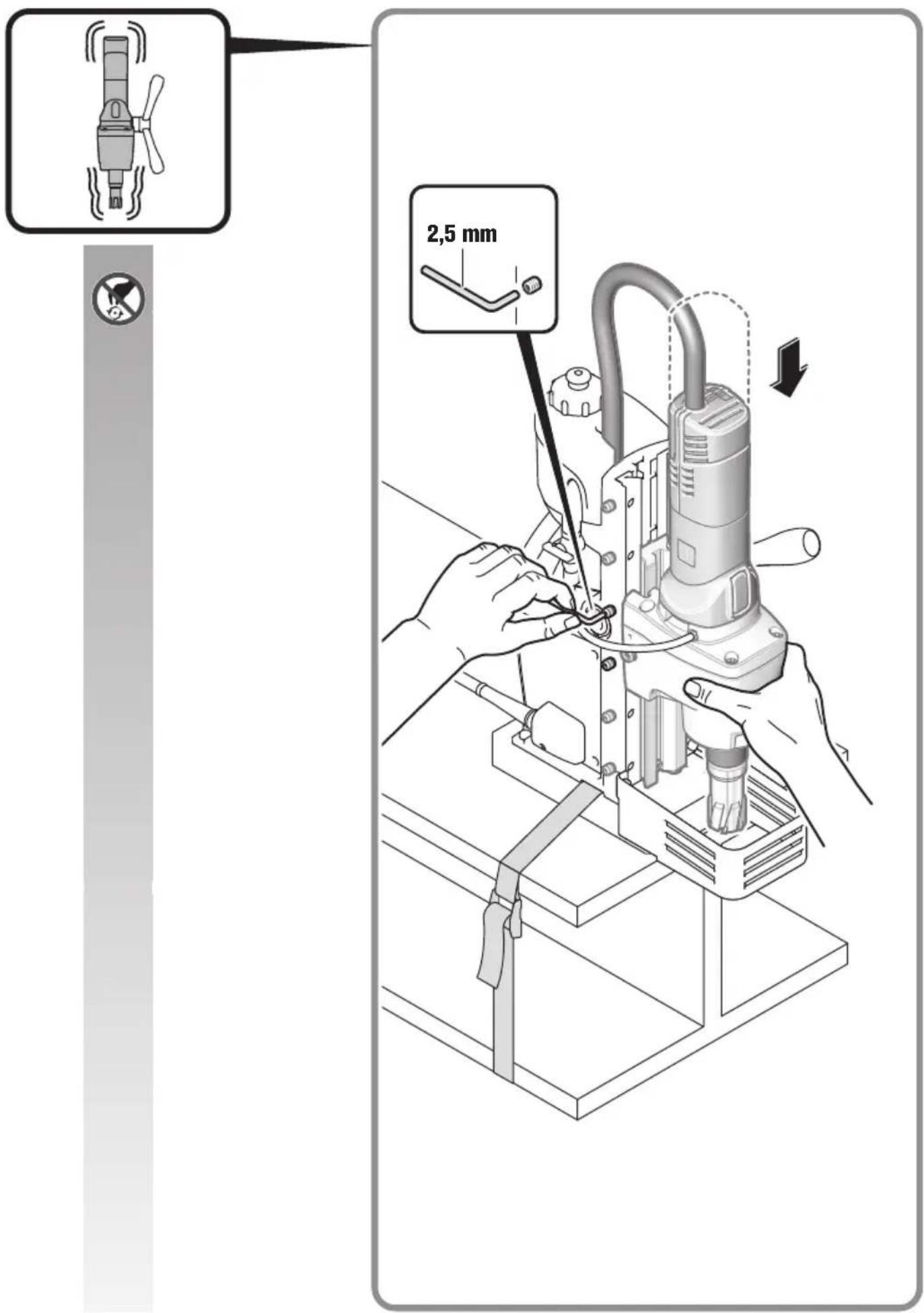
text_image
2,5 mm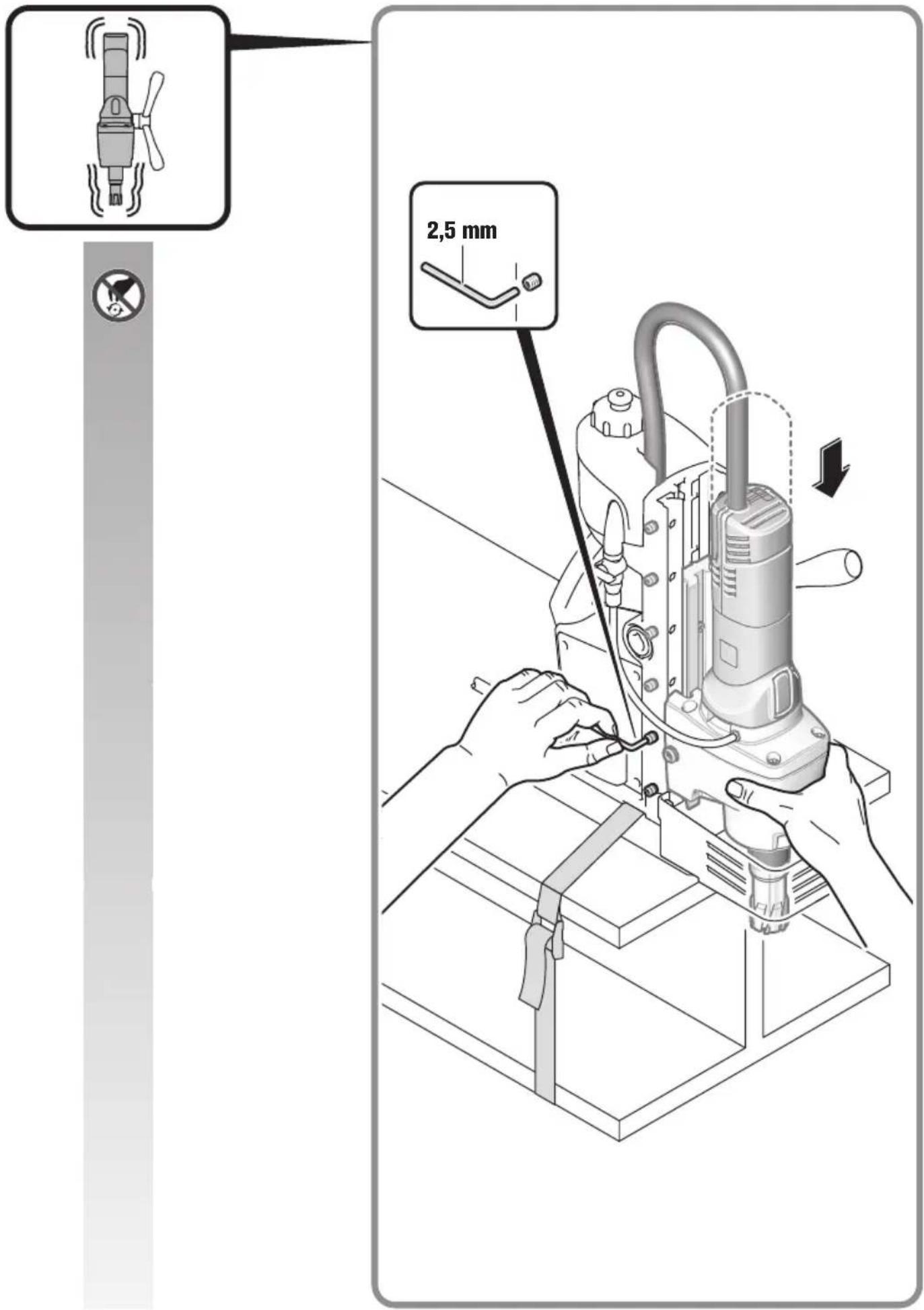
text_image
2,5 mm
natural_image
Diagram of a 3D block with an arrow indicating direction, enclosed in a square frame (no text or symbols)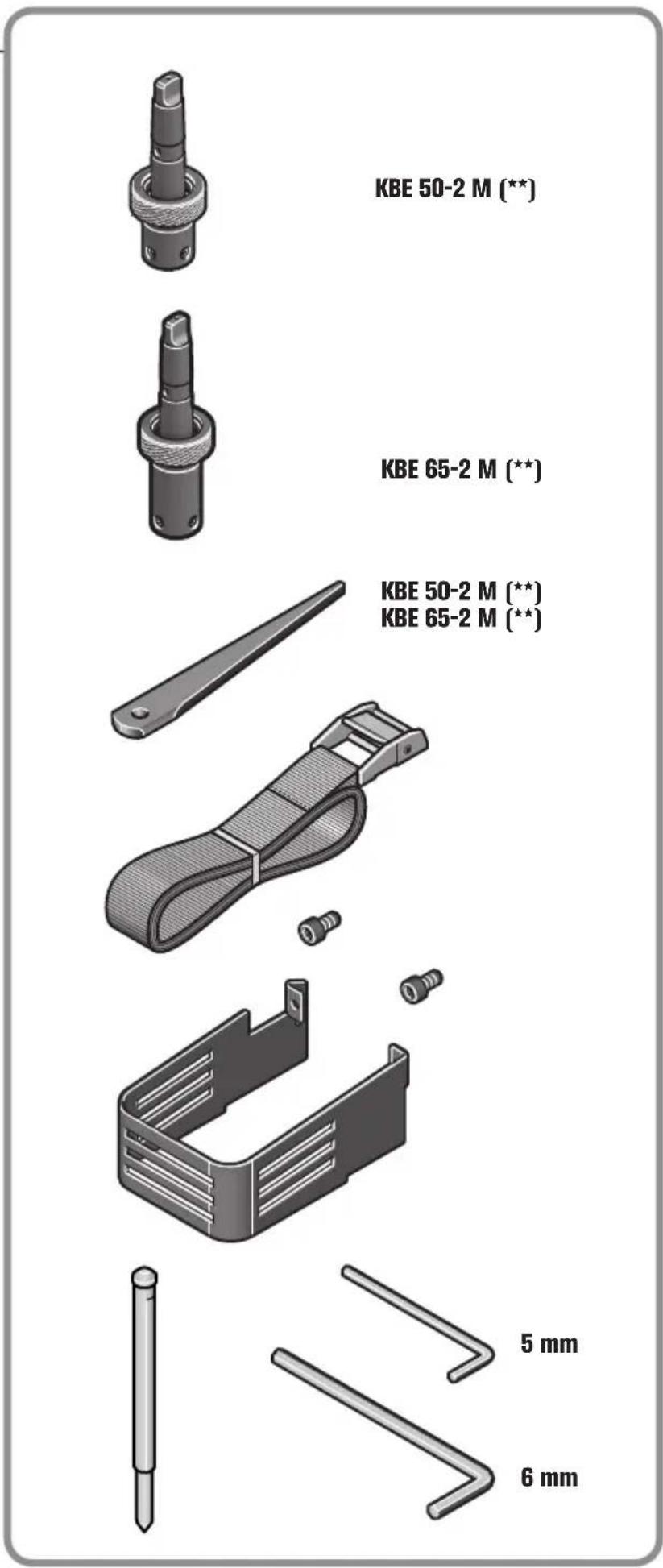
text_image
KBE 50-2 M (**) KBE 65-2 M (**) KBE 50-2 M (**) KBE 65-2 M (**) 5 mm 6 mmThese appliances are not intended for use by persons (including children) with reduced physical, sensory or mental capabilities, or lack of experience and knowledge, unless they have been given supervision or instruction concerning use of the appliance by a person responsible for their safety.
Children should be supervised to ensure that they do not play with the appliance.
Original Instructions.
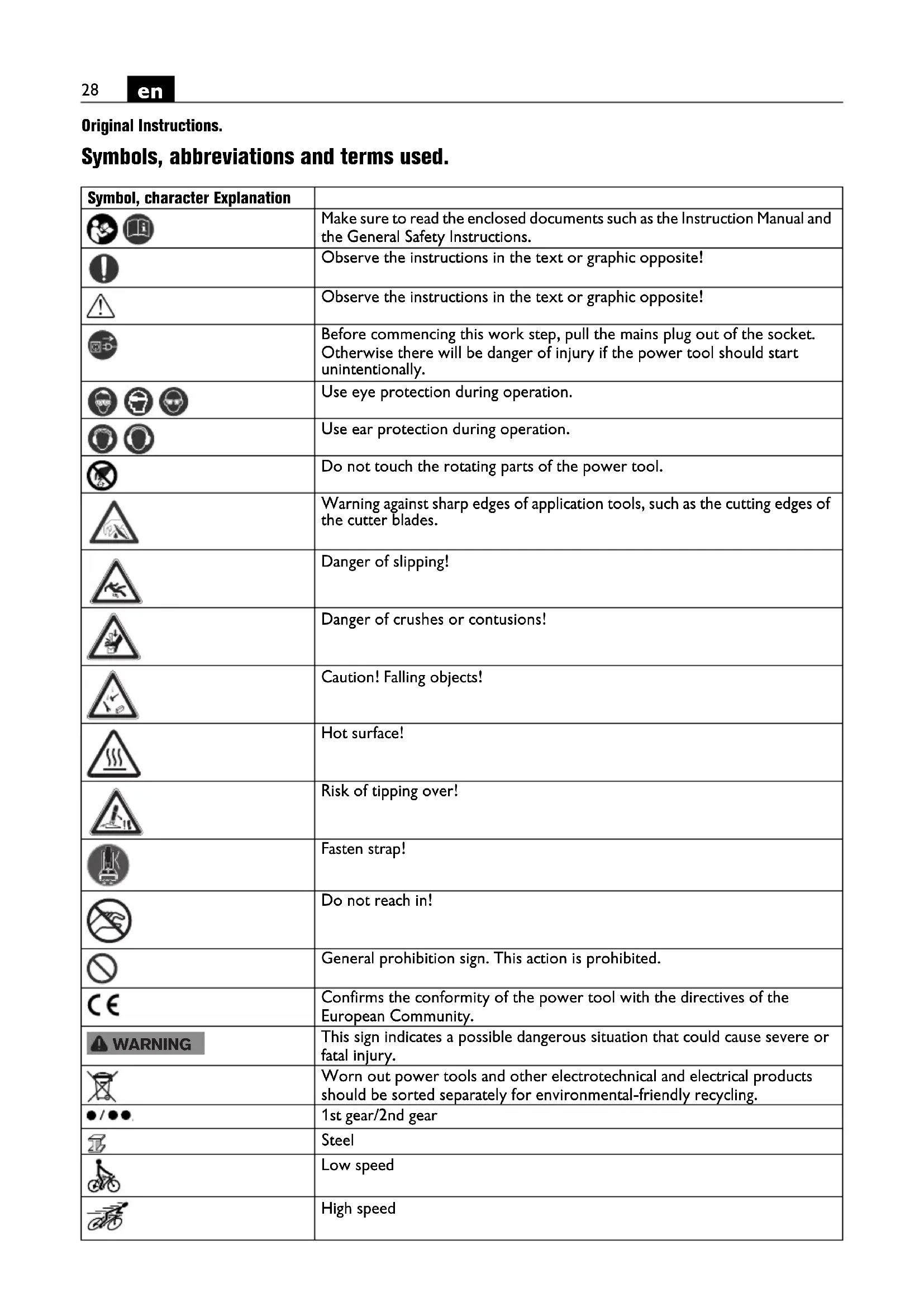
Symbols, abbreviations and terms used.
| Symbol, character Explanation | |||
 |  | Make sure to read the enclosed documents such as the Instruction Manual and the General Safety Instructions. | |
 | Observe the instructions in the text or graphic opposite! | ||
 | Observe the instructions in the text or graphic opposite! | ||
 | Before commencing this work step, pull the mains plug out of the socket. Otherwise there will be danger of injury if the power tool should start unintentionally. | ||
| [S4GY] |  |  | Use eye protection during operation. |
 |  | Use ear protection during operation. | |
 | Do not touch the rotating parts of the power tool. | ||
 | Warning against sharp edges of application tools, such as the cutting edges of the cutter blades. | ||
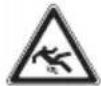 | Danger of slipping! | ||
 | Danger of crushes or contusions! | ||
 | Caution! Falling objects! | ||
 | Hot surface! | ||
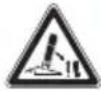 | Risk of tipping over! | ||
 | Fasten strap! | ||
 | Do not reach in! | ||
 | General prohibition sign. This action is prohibited. | ||
 | Confirms the conformity of the power tool with the directives of the European Community. | ||
| [220H] | WARNING | This sign indicates a possible dangerous situation that could cause severe or fatal injury. | |
 | Worn out power tools and other electrotechnical and electrical products should be sorted separately for environmental-friendly recycling. | ||
 | 1st gear/2nd gear | ||
| [1949] | Steel | ||
 | Low speed | ||
 | High speed | ||
WARNING
| Symbol, character Explanation | |||
 | Magnetic holding power, sufficient | ||
 | Magnetic holding power, insufficient | ||
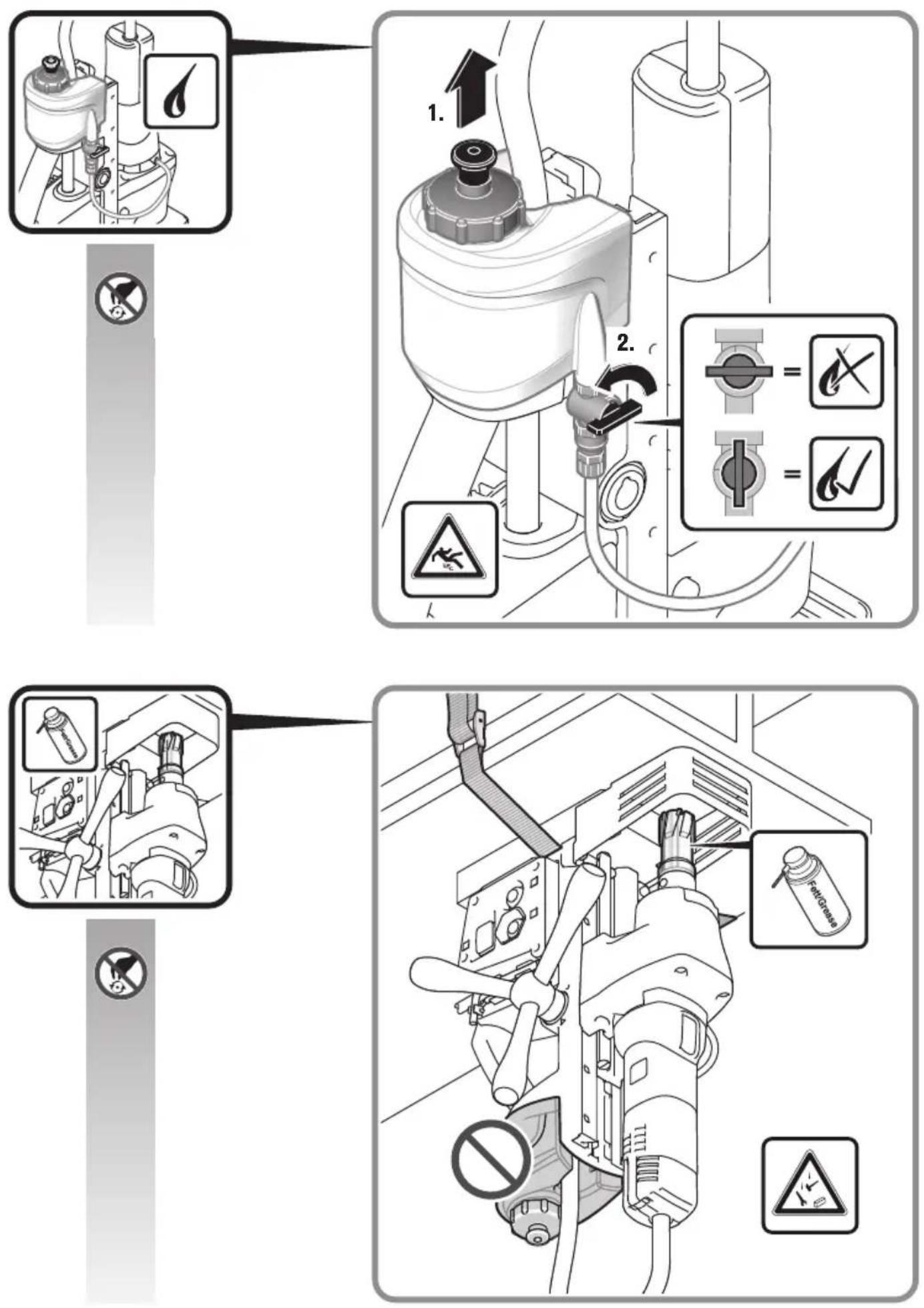
 | Fluid supply open. | ||
 | Fluid supply closed. | ||
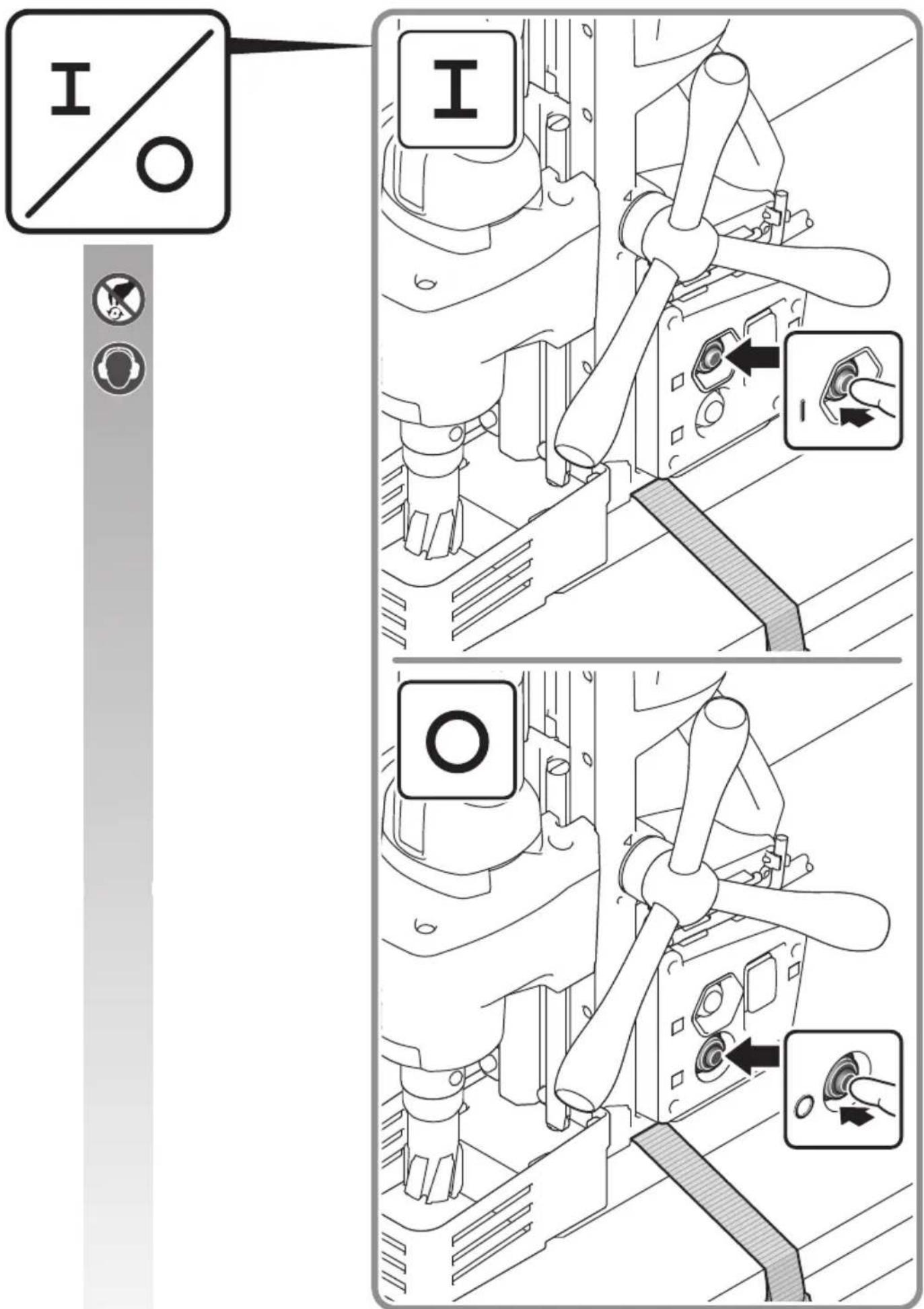
 | Starts the drill motor. Rotation direction: clockwise | ||
 | Stops the motor | ||
 |  | Switches the magnet On/Off | |
 | The PRCD personal protection switch (*) is switched on, the indication light lights up. | ||
 | The PRCD personal protection switch (*) is switched off, the indication light is off. | ||
 | Product with basic insulation plus additional insulation on touchable, conductive parts connected to the protective conductor. | ||
| ( ) | Due to national health and safety regulations or to statutory regulations, the personal protection switch (PRCD) may be present in the country of placing on the market. | ||
| (**) May contain numbers and letters | |||
| (Ax - Zx) Marking for internal purposes | |||
| Character Unit of measurement, international | Unit of measurement, national | Explanation | |
| P_1 | W W Power input | ||
| P_2 | W W Output | ||
| n_OR | /min, min ^-1 , rpm, r/min | rpm No-load speed (clockwise) | |
| in | inch inch Size | ||
| UV V | R | a | t e |
| fHz Hz Frequency | |||
| ∅ | mm | mm | Diameter of a round part |
| HM Fe 400 | mm | mm | Max. capacity in steel with up to 400 N/mm ^2 - TCT (core drill bit) |
| HSS Fe 400 | mm | mm | Max. capacity in steel with up to 400 N/mm ^2 - high speed steel (core drill bit) |
| HSS Fe 400 | mm | mm | Max. capacity in steel with up to 400 N/mm ^2 - high speed steel (twist drill bit) |
| mm | mm | Max. drill chuck capacity | |
| kg | kg | Weight according to EPTA-Procedure 01 | |
| T_a | °C | °C | Allowable ambient temperature |
| L_pA | dB dB | Sound pressure level | |
| L_wA | dB dB | Sound power level | |
| L_pCpeak | dB dB | Peak sound pressure level | |
| K... | Uncertainty | ||
| a | m/s ^2 | m/s ^2 | Vibrational emission value according to EN 62841 (vector sum of three directions) |
| Character Unit of measure-ment, international | Unit of measurement, national | Explanation | |
| P_1 | W W Power input | ||
| P_2 | W W Output | ||
| n_0R | /min, min ^-1 , rpm, r/min | rpm No-load speed (clockwise) | |
| in | inch inch Size | ||
| UV V | R | a | t e |
| fHz Hz Frequency | |||
| ∅ | mm | mm | Diameter of a round part |
| HM Fe 400 | mm | mm | Max. capacity in steel with up to 400 N/mm ^2 – TCT (core drill bit) |
| HSS Fe 400 | mm | mm | Max. capacity in steel with up to 400 N/mm ^2 – high speed steel (core drill bit) |
| HSS Fe 400 | mm | mm | Max. capacity in steel with up to 400 N/mm ^2 – high speed steel (twist drill bit) |
| mm | mm | Max. drill chuck capacity | |
| kg | kg | Weight according to EPTA-Procedure 01 | |
| T_a | °C | °C | Allowable ambient temperature |
| L_pA | dB dB | Sound pressure level | |
| L_wA | dB dB | Sound power level | |
| L_pCpeak | dB dB | Peak sound pressure level | |
| K... | Uncertainty | ||
| a | m/s ^2 | m/s ^2 | Vibrational emission value according to EN 62841 (vector sum of three directions) |
| Character Unit of measurement, international | Unit of measurement, national | Explanation | |
| a_h | m/s2 | m/s2 | Mean vibrational value for core drilling |
| m, s, kg, A, mm, V, W, Hz, N, °C, dB, min, m/s2 | m, s, kg, A, mm, V, W, Hz, N, °C, dB, min, m/s2 | Basic and derived units of measurement from the international system of units SI. | |
For your safety.
WARNING
Read all safety warnings and all instructions. Failure to follow the
warnings and instructions may result in electric shock, fire and/or serious injury.
Save all warnings and instructions for future reference.

Do not use this power tool before you have thoroughly read and completely understood this Instruction Manual and the enclosed "General
Safety Instructions" (document number 3 41 30 465 06 0). The documents mentioned should be kept for later use and enclosed with the power tool, should it be passed on or sold.
Please also observe the relevant national industrial safety regulations.
Intended use of the power tool:
Magnetic core drill unit for drilling with core drill bits and solid drill bits on materials with surfaces suitable for magnets in weather-protected environments using the application tools and accessories recommended by FEIN.
In environments subject to interference, a reduction of the operating quality is possible; this can include temporary failure, temporary reduction of the function or the intended operating behaviour, for the correction of which intervention by the operator is required.
This power tool is also suitable for use with AC generators with sufficient power output that correspond to the Standard ISO 8528, design type G2. This Standard is particularly not complied with when the so-called distortion factor exceeds 10 %. When in doubt, please refer to the generator instruction/specification guide. Observe the operating instructions and the national regulations for the installation and operation of the AC generator.
These appliances are not intended for use by persons (including children) with reduced physical, sensory or mental capabilities, or lack of experience and knowledge, unless they have been given supervision or instruction concerning use of the appliance by a person responsible for their safety.
Children should be supervised to ensure that they do not play with the appliance.
Safety instructions.
When performing drilling that requires the use of a fluid, route the fluid away from the operator's work area or use a fluid collection device. Such precautionary measures keep the operator's work area dry and reduce the risk of electrical shock.
Operate the power tool by the insulated grasping surfaces, when performing an operation where the cutting accessory may contact hidden wiring or its own cord.
Cutting accessory contacting a “live” wire may make exposed metal parts of the power tool “live” and could give the operator an electric shock.
Wear hearing protection when drilling. Exposure to noise can cause hearing loss.
When the core bit is jammed, stop applying downward pressure and turn off the tool. Check the cause of the jam and apply corrective action to eliminate the cause of the jamming application tool.
When restarting a core drill jammed in the workpiece, check that the core bit rotates freely before starting. If the core bit is jammed, it may not start, may overload the power tool, or may cause the core drill to release from the workpiece.
When securing the drill stand with a vacuum plate to the workpiece, install the vacuum plate on a smooth, clean, non-porous surface. Do not secure to laminated surfaces such as tiles and composite coating. If the workpiece is not smooth, flat or well affixed, the vacuum plate may pull away from the workpiece.
Ensure there is sufficient vacuum level before and during drilling. If the vacuum is insufficient, the plate may release from the workpiece.
Never perform overhead and wall drilling with the machine secured by the vacuum plate only. If the vacuum is lost, the vacuum plate will release from the workpiece.
When drilling through walls or ceilings, ensure to protect persons and the work area on the other side. The core bit may extend through the hole or the core may fall out on the other side.
Do not use this tool for overhead drilling with fluid supply. Fluids entering the power tool will increase the risk of electric shock.
Have the protective cable bushing replaced immediately when damaged. A defective protective cable bushing can lead to overheating of the machine.
Special safety instructions.
Wear personal protective equipment. Depending on the application, use a face shield, safety goggles or safety glasses. Wear ear protection. The safety glasses must be capable of protecting against flying particles generated by the various different operations. Prolonged exposure to high intensity noise may cause loss of hearing.
Do not touch the sharp edges of the core drill bit. Danger of injury.
To avoid injuries, check the core drill bits prior to starting the work. Use only undamaged core drill bits that are not deformed. Damaged or deformed core drill bits can cause serious injury.
Before putting into operation: Mount the contact protector to the machine.

Always secure the machine with the supplied safety strap. Especially on inclined or uneven surfaces there is risk of unsecured machines tipping over.
When working overhead, beware of falling objects, such as cores or chips.
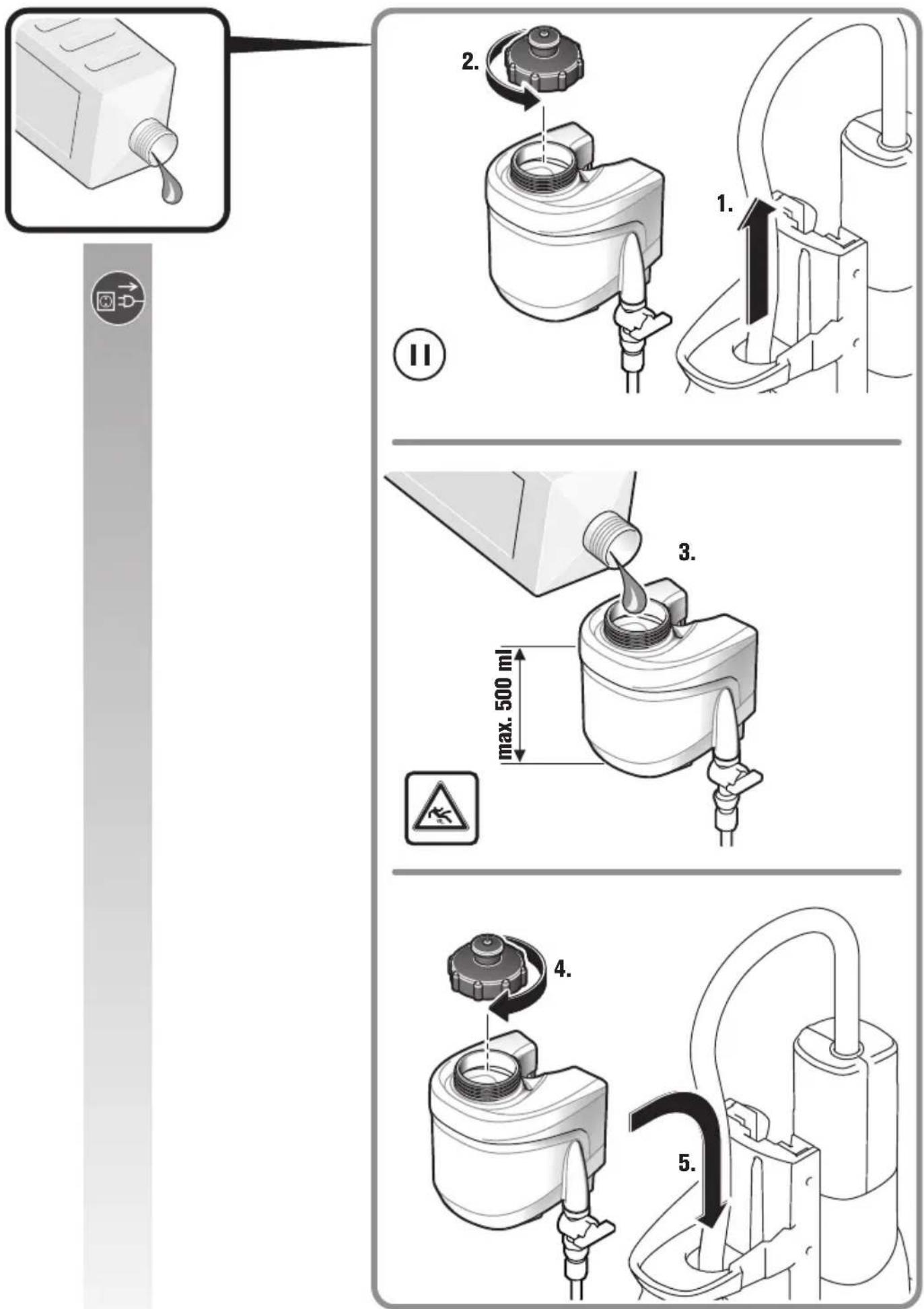
When working overhead or on vertical surfaces, the coolant container must not be used. Use a coolant spray instead. Liquids penetrating your electric power tool may cause electric shock.
Avoid touching the drilled core that is automatically ejected by the centering pin when the working procedure is finished. Contact with the core when it is hot, or if it falls, can cause personal injuries.
Operate the power tool only from grounded sockets that comply with the specifications. Do not use any connection cables that are damaged; use extension cables with a grounding contact that are checked at regular intervals. A ground conductor without continuity can cause an electric shock.
To prevent injuries, always keep your hands, clothing, etc. away from rotating swarf. The swarf can cause injuries. Always use the chip guard.
Do not attempt to remove the cutting tool if it still turns. This can lead to serious injuries.
Beware of any concealed electric cables, gas or water conduits. Check the working area before commencing work, e.g. with a metal detector.
Do not work with materials containing magnesium. Danger of fire.
Do not work with CFRP (carbon-fiber-reinforced polymer) and materials containing asbestos. These materials are considered carcinogenic.
Do not rivet or screw any name-plates or signs onto the power tool. If the insulation is damaged, protection against an electric shock will be ineffective. Adhesive labels are recommended.
Do not overload the power tool or the storage case and do not use it as a ladder or stand. Overloading or standing on the power tool or the storage case can lead to the upward shifting of the centre of gravity of the power tool or the storage case, and its tipping over.
Do not use accessories which are not specifically designed and recommended by the power tool manufacturer. Safe operation is not ensured merely because an accessory fits your power tool.
Clean the ventilation openings on the power tool at regular intervals using non-metal tools. The blower of the motor draws dust into the housing. An excessive accumulation of metallic dust can cause an electrical hazard.
Before storage: Remove the application tool.
Store the power tool only in the case or packaging. Before putting into operation, check the mains connection and the mains plug for damage.
Always operate the power tool with together with a PRCD personal protection switch (*). Before beginning to work, always check the proper functioning of the PRCD personal protection switch (*) (see page 32).
Hand/arm vibrations
The vibration emission level given in this information sheet has been measured in accordance with a standardised test given in EN 62841 and may be used to compare one tool with another. It may be used for a preliminary assessment of exposure.
The declared vibration emission level represents the main applications of the tool. However, if the tool is used for different applications, with different accessories or poorly maintained, the vibration emission may differ. This may significantly increase the exposure level over the total working period.
An estimation of the level of exposure to vibration should also take into account the times when the tool is switched off or when it is running but not actually doing the job. This may significantly reduce the exposure level over the total working period.
Identify additional safety measures to protect the operator from the effects of vibration such as: maintain the tool and the accessories, keep the hands warm, organisation of work patterns.
Operating Instructions.
Only use water-soluble cutting fluids (oil in water) as the cooling agent.
Observe the manufacturer's instructions on coolant.
Pay attention that the set-up surface for the magnetic foot is flat, clean, rust-free and ice-free. Remove varnish, putty/filler layers and other materials. Prevent an air gap between the magnetic foot and the set-up surface. The air gap reduces the magnetic holding power. Do not operate this machine on hot surfaces; it could lead to a permanent reduction of the magnetic holding power.
When working, always use the magnetic foot; pay attention that the magnetic holding power is sufficient. When working non-magnetic materials, suitable FEIN fastening devices, such as vacuum plates or pipe drilling devices, which are available as accessories, must be used. Observe the corresponding operating instructions for these.
When working on steel materials with a material thickness of less than 12 mm, the workpiece must be reinforced with an additional steel plate in order to guarantee the magnetic holding power.
If the magnetic foot is defective, the motor will not start.
In case of overload, the motor automatically stops and must be restarted again.
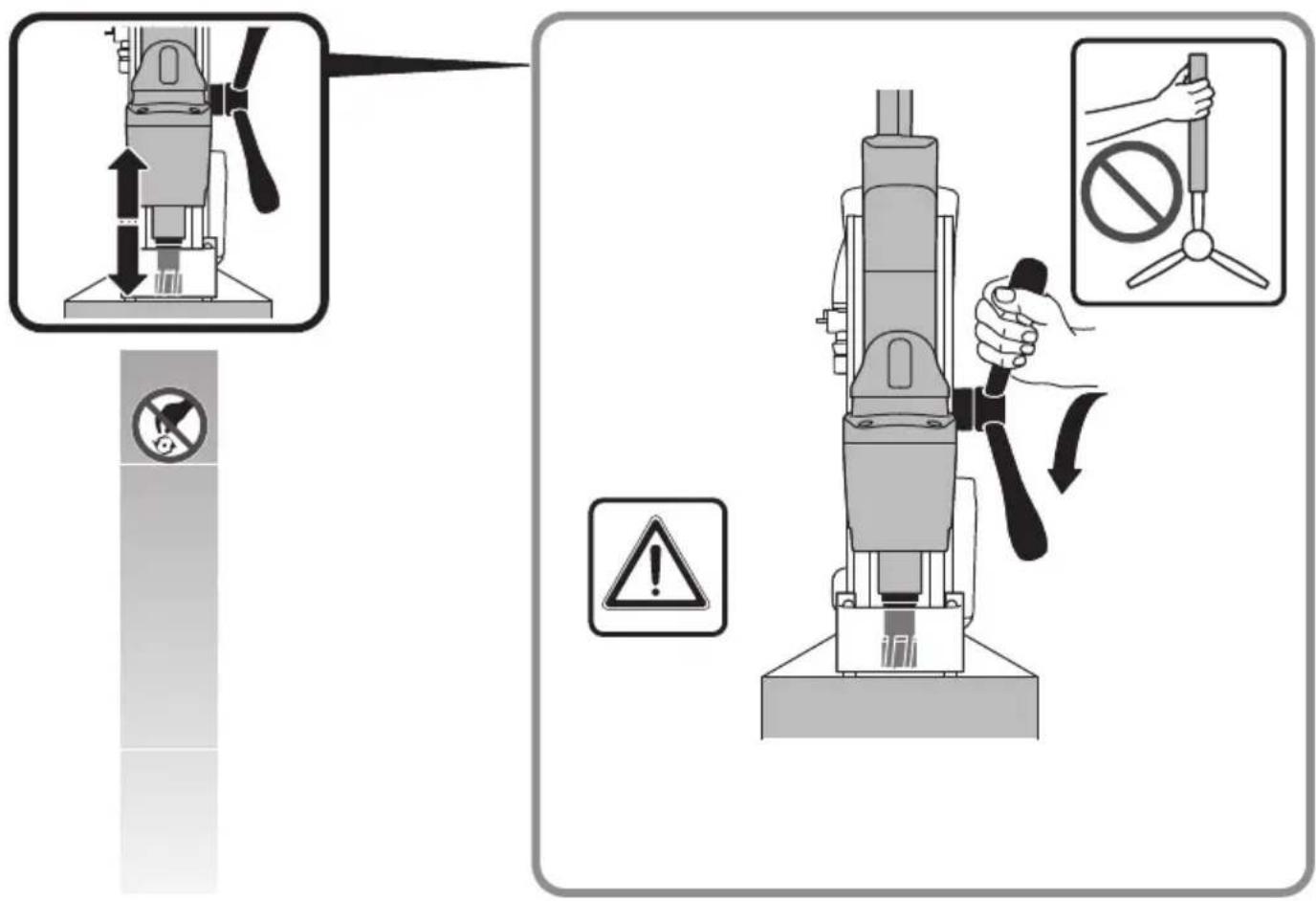
Work only with the absolutely required amount of feed. Excessive feed can lead to breakage of the application tool and loss of the magnetic holding power.
When the power supply is disconnected while the motor is running, a protective circuit prevents automatic restarting of the motor. Restart the motor again.
Adjust the gear setting only when the machine is at a complete stop or when the motor is running down.
Do not stop the drill motor during the drilling procedure.
Only remove the core bit from the drilled hole while the motor is running.
If the core bit should remain stuck in the material, stop the drill motor and carefully turn the core bit out counter-clockwise.
Remove the chips and the drilled core after each drilling process.
Do not touch the chips with your bare hands. Always use a chip hook (6 42 01 001 00 0).
Danger of burning! The surface of the magnet can reach high temperatures. Do not touch the magnet with your bare hands.
When changing a drill bit, pay attention not to damage the cutting edges.
When core drilling layered material, remove the core and the chippings after drilling each layer.
Do not use the magnetic core drill unit when the cooling-lubricant system is defective. Each time before operating, check for tightness against leaks and for cracks in the hoses. Prevent liquids from entering or penetrating electrical components.
The magnetic core drill unit is equipped with a temperature switch. When the motor gets too warm, the magnetic core drill unit switches off.
When the motor has cooled down, the magnetic core drill unit can be switched on again.
To reduce the cool-down period, the motor can be switched on by pressing and holding the ON button. During the cool-down period, the motor will only run while the ON button is pressed.
PRCD personal protection switch (\*) (see page 10)
The PRCD personal protection switch is specifically for your protection; therefore, do not misuse it as on On/Off switch.
If the PRCD personal protection switch is damaged, e.g. due to contact with water, do not use it any more.
The PRCD personal protection switch is indispensable; it is used for protection of the power tool operator against electric shock. Under fault-free operation, the control lamp of the PRCD personal protection switch lights up.
Check the operability of the PRCD personal protection switch before beginning to work:
- Connect the plug of the PRCD personal protection switch with the mains socket outlet.
- Press the RESET-button. The indication light on the PRCD personal protection switch lights up.
- Disconnect the plug from the socket outlet. The indication light goes out.
-
Repeat steps 1. and 2.
-
Press the TEST-button; the indication light goes out. If the indication light does not go out, do not run the machine. In this case, contact the customer service.
- Press the RESET-button; when the indication light lights up, the machine can now be switched on.
Do not use the PRCD personal protection switch for switching the power tool on and off.
Repair and customer service.


When working metal under extreme operating conditions, it is possible for conductive dust to settle in the interior of the power
tool. The total insulation of the power tool can be impaired. Blow out the interior of the power tool via the ventilation slots frequently with dry and oil-free compressed air.
Renew stickers and warning indications on the power tool when aged and worn.
After several hours of operation, the play in the dovetail guide can increase. As a consequence, the drill motor can glide alongside the dove-tail guide by itself. In this case, retighten all set screws of the dove-tail guide correspondingly so that the drilling motor can easily be moved manually, yet does not glide by itself (see page 18).
When the machine's power supply cord is damaged, it must be replaced by the manufacturer or their representative.
Products that have come into contact with asbestos may not be sent in for repair. Dispose of products contaminated with asbestos according to the applicable country-specific regulations for such disposal.
The current spares parts list for this power tool can be found on our website at www.fein.com.
If required, you can change the following parts yourself:
Application tools, coolant container, contact protector
Warranty and liability.
The warranty for the product is valid in accordance with the legal regulations in the country where it is marketed. In addition, FEIN also provides a guarantee in accordance with the FEIN manufacturer's warranty declaration.
The delivery scope of your power tool may include only a part of the accessories described or shown in this Instruction Manual.
Declaration of conformity.
FEIN declares itself solely responsible for this product conforming with the relevant provisions given on the last page of this Instruction Manual.
Technical documents at: C. & E. Fein GmbH, D-73529 Schwäbisch Gmünd
Environmental protection, disposal.
Packaging, worn out power tools and accessories should be sorted for environmental-friendly recycling.
Director of Quality Director of Product
Management Development