A Modo Mio Deséa - Coffee machine Lavazza - Free user manual and instructions
Find the device manual for free A Modo Mio Deséa Lavazza in PDF.



| Product type | Capsule coffee machine |
| Brand | Lavazza |
| Model | A Modo Mio Deséa |
| Dimensions (H x W x D) | 280 x 145 x 380 mm |
| Power supply | 220-240 V / 50-60 Hz |
| Power | 1500 W |
| Water tank capacity | Approximately 1 L (fill to MAX level) |
| Type of capsules used | Lavazza A MODO MIO exclusively |
| Preparation functions | Espresso (30 ml), Long espresso (45 ml), Lungo (90 ml), Free dose, Cappuccino (80 ml), Large cappuccino (130 ml), Latte macchiato (75 ml), Hot/cold frothy milk (175 ml) |
| Dose programming | Yes, customizable for coffee drinks |
| Temperature boost | Yes, for hotter coffee |
| Foam adjustment | Yes, for milk-based drinks |
| Automatic shut-off | After 9 minutes of inactivity |
| Audible signal | Can be activated/deactivated |
| Indicator lights | Water shortage, capsule container full, descaling |
| Cleaning | Dishwasher-safe components (milk jug, lid, capsule container) |
| Descaling | Every 2-3 months with Lavazza descaler |
| Housing material | Thermoplastic |
| Included accessories | Milk jug, whisk, welcome kit (9 capsules), instruction manual, quick guide, warranty |
Frequently Asked Questions - A Modo Mio Deséa Lavazza
User questions about A Modo Mio Deséa Lavazza
0 question about this device. Answer the ones you know or ask your own.
Ask a new question about this device
Download the instructions for your Coffee machine in PDF format for free! Find your manual A Modo Mio Deséa - Lavazza and take your electronic device back in hand. On this page are published all the documents necessary for the use of your device. A Modo Mio Deséa by Lavazza.
USER MANUAL A Modo Mio Deséa Lavazza
natural_image
Illustration of a Lava l'air and coffee maker with control panel and side cups (no text or symbols)
text_image
LAVATZA A MCDO MIO
LEGGERE ATTENTAMENTE LE ISTRUZIONI
READ THE INSTRUCTIONS CAREFULLY
LIRE ATTENTIVEMENT LES INSTRUCTIONS
Dear Customer thank you for purchasing the Lavazza A MODO MIO espresso coffee machine and for choosing our company.
Before operating the machine, we recommend you carefully read the operating instructions that explain how to use, clean and maintain it in perfect working order. We hope you enjoy brewing authentic Italian coffee, thanks to Lavazza!
Félicitations!
natural_image
Illustration of a hand inserting a plug into an electrical outlet (no text or symbols)natural_image
Illustration of a coffee maker with a hand pointing to the control panel (no text or symbols visible)natural_image
Illustration of a LatA 201A coffee maker with control panel and side sink (no text or symbols on device body)natural_image
Illustration of a hand using a coffee maker to press a white cup, no text or symbols presentnatural_image
Illustration of a hand pressing a button on a device control panel (no text or symbols visible)natural_image
Illustration of a hand using a CATAA milk shaver to press a product onto a perforated base (no text or symbols visible)natural_image
Illustration of a hand using a Swiss coffee maker to press a tray (no text or symbols visible)natural_image
Illustration of a Darafia coffee maker with a coffee cup on the side (no text or symbols visible)natural_image
Illustration of a coffee maker with a cup, no visible text or symbolsIT
natural_image
Illustration of a Swiss coffee maker with open lid and control panel (no text or symbols visible)natural_image
Illustration of a glass mug with water being poured into it, next to a metallic faucet (no text or symbols)natural_image
Illustration of a blender being filled with liquid, showing the process from adding liquid to adding a coffee maker (no text or symbols present)natural_image
Illustration of a coffee maker using a glass container with a hand inserting a cup (no text or symbols visible)natural_image
Line drawing of a blender with a finger pointing to the button (no text or symbols)natural_image
Illustration of a hand using a PAPANILA coffee maker to add beverages into a glass (no text or symbols visible)natural_image
Illustration of a hand pressing down on a small electronic device with a paper clip, next to a glass of liquid and a coffee cup (no text or symbols visible)natural_image
Illustration of a hand inserting a small black object into a coffee maker machine, with no visible text or symbols.PREPARAZIONE CAFFÈ
IT
natural_image
Illustration of a hand placing a coffee maker into a coffee cup, with no visible text or symbols on the device itself.natural_image
Illustration of a hand pressing a coffee machine with a mug, no text or symbols presentnatural_image
Illustration of a hand using a coffee maker to press the control panel, with a cup on the side (no text or symbols visible)natural_image
Illustration of a hand using a self-service coffee maker to press a coffee cup, with no visible text or symbols.
natural_image
Illustration of a Swiss coffee maker with a hand inserting a fan into its side (no text or symbols visible)
natural_image
Illustration of a hand pouring liquid into a coffee maker with a cup and lid (no text or symbols)natural_image
Illustration of a hand using a KARDAA coffee maker to press a cup, with no visible text or symbols on the device itself.natural_image
Illustration of a hand mixer in a glass cup with a downward arrow indicating compression (no text or symbols)
natural_image
Illustration of a hand using a DLA brand self-service cream maker to add beverages into a cup (no text or symbols visible)
natural_image
Illustration of a hand using a coffee maker to press or pick a coffee cup (no text or symbols visible)natural_image
Illustration of a hand using a coffee maker to press or install a cup (no text or symbols visible)natural_image
Illustration of a hand pressing down on a coffee maker's side table with control panel (no text or symbols visible)natural_image
Illustration of a coffee maker with a hand pointing to the control panel (no text or symbols visible)natural_image
Illustration of a hand pressing down on a coffee maker's side table with control panel (no text or symbols visible)natural_image
Illustration of a hand pressing down on a coffee maker's side table with control panel (no text or symbols visible)EROGAZIONE LATTE MACCHIATO
natural_image
Illustration of a coffee maker with a hand pointing to the control panel (no text or symbols visible)EROGAZIONE LATTE MONTATO CALDO
natural_image
Illustration of a coffee maker with a hand pointing to the control panel (no text or symbols visible)EROGAZIONE LATTE MONTATO FREDDO
natural_image
Illustration of a hand mixer in a glass mug with liquid, showing mechanical components and a downward arrow (no text or symbols)IT
natural_image
Illustration of a PAVA coffee maker with a hand pressing the control panel (no text or symbols on the device itself)natural_image
Illustration of a hand pressing a button on a coffee maker's air fryer (no text or symbols visible)natural_image
Illustration of a hand using a self-service coffee maker to press a drink into a glass (no text or symbols visible)PULIZIA VASSOIO RACCOGLI GOCCE E CASSETTO RACCOGLI CAPSULE USATE
natural_image
Illustration of a food processing machine with a container filled with food items, showing no text or symbols.natural_image
Diagram showing a 3D mechanical component with internal structure and flow arrows, no text or symbols present.natural_image
Illustration of a blender with a downward arrow indicating compression or disassembly (no text or symbols present)natural_image
3D rendering of a cylindrical container with a lid and internal structure, showing a curved arrow indicating rotation (no text or symbols)text_image
QR code image containing encoded data, no visible human-readable textnatural_image
3D rendering of a small kitchen appliance with a side sink and perforated base (no text or symbols visible)natural_image
Illustration of a hand pouring liquid into a clear glass bottle with a faucet (no text or symbols)natural_image
Two-step illustration of a digital coffee machine: one being filled with liquid, the other being open with a hand inserting a cup (no text or symbols)natural_image
Illustration of a coffee maker with a hand inserting a plug into its side (no text or symbols visible)natural_image
Illustration of a hand pressing down on a coffee maker's side table (no text or symbols visible)natural_image
Illustration of a hand using a KARAN brand coffee maker to add beverages into a glass container (no text or symbols visible)natural_image
Close-up of a mechanical component with circular ports and a central indicator (no visible text or symbols)natural_image
Illustration of a kitchen appliance and a water dispenser with labeled parts (no text or symbols)natural_image
3D rendering of a mechanical device with a cylindrical component and a base, showing internal structure and directional arrows (no text or symbols)natural_image
Illustration of a coffee maker with a hand inserting a cup into the container (no text or symbols visible)natural_image
Illustration of a hand pressing down on a coffee maker's side panel (no text or symbols visible)text_image
QR code image containing encoded data, no visible human-readable textnatural_image
Illustration of a coffee machine with open lid and side view showing internal components (no text or symbols)
natural_image
Illustration of a hand pouring liquid into a clear glass bottle with a faucet (no text or symbols)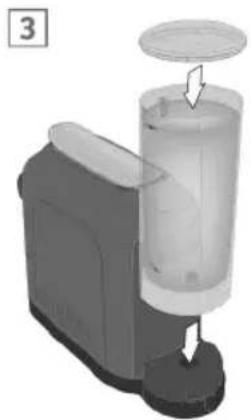
natural_image
3D rendering of a mechanical device with a lid and arrow indicator (no text or symbols)IT
natural_image
Illustration of a hand pouring liquid into a glass (no text or symbols visible)natural_image
Illustration of a hand using a coffee maker to press a cup (no text or symbols visible)natural_image
Close-up of a camera lens with multiple circular adjustment knobs and a central light source (no text or symbols visible)natural_image
Close-up of a mechanical component with circular ports and control knobs (no visible text or symbols)natural_image
Diagram showing a water dispenser with faucet and lid, alongside a hand pump device (no text or symbols present)natural_image
Illustration of a hand pressing a button on a coffee maker's front panel, with a cup on the side (no text or symbols visible)text_image
QR code image containing encoded data, no visible human-readable textnatural_image
Illustration of a coffee maker's side view showing the device being processed with a hand using it (no text or symbols present)natural_image
Illustration of a hand pouring liquid into a clear glass bottle with a faucet (no text or symbols)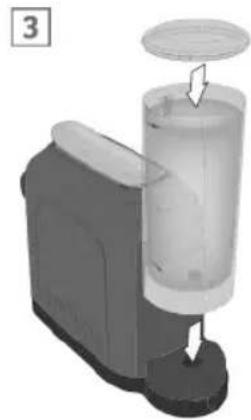
natural_image
3D rendering of a mechanical device with a lid and arrow indicator (no text or symbols)natural_image
Illustration of a hand inserting a cup into a coffee maker (no text or symbols visible)natural_image
Illustration of a hand pressing a button on a coffee maker's side table (no text or symbols visible)natural_image
Close-up of a camera control panel with multiple circular buttons and a central light source (no text or symbols visible)natural_image
3D rendered mechanical component with circular ports and control knobs (no visible text or symbols)natural_image
Two technical illustrations: one showing a faucet with liquid and a lid, the other showing a cylindrical device with a handle (no text or symbols)natural_image
Illustration of a hand pressing a button on a coffee maker's side table (no text or symbols visible)This appliance is intended to be used in household and similar applications such as:
– staff kitchen areas in shops, offices and other working environments;
- farm houses;
– by clients in hotels, motels and other residential type environments;
- bed and breakfast type environments.
The improper use of the machine may cause possible injuries.
It is prohibited to make any technical changes to the machine.
The machine may not be used by children under 8 years of age or persons with physical, sensory or mental impairment, or lacking the necessary experience, unless supervised or after being instructed in the safe use of the machine and understanding the potential dangers.
Do not let children play with the machine. Keep the machine and its mains lead out of the reach of children under 8 years of age.
The necessary cleaning and maintenance meant to be performed by the user must not be carried out by children if not under direct supervision and older than 8 years.
Installation site:
Place the coffee machine in a safe place, where nobody may overturn it or be injured by it. Do not keep the machine at a temperature below 41^ F ( 5^ C) as freezing may damage it. Do not use the coffee machine outdoors.
Do not place the machine on very hot surfaces or close to flames.
The coffee machine shall not be stored inside a cabinet when it's in use.
Power supply:
The coffee machine shall be connected only to adequate power sockets equipped with grounding means.
The voltage must match the one on the appliance identification plate.
Power supply cable:
Do not operate the coffee machine if the power cord is damaged.
If the power cord is damaged, it must be replaced by the manufacturer (or the latter's technical service staff), in order to prevent any risk.
Do not pass the power cable for angles and sharp edges, over very hot objects, and protect it from oil. Do not carry or pull the coffee machine holding it by the power cord. Do not remove the plug by pulling the power cord, do not touch it with wet hands. Power cord should not hang loose from tables or shelves.
Danger of electrocution:
Live parts should never come into touch with water.
Do not immerse the machine.
⚠️ Protect children under 8 years of age:
Prevent children from playing with the machine.
Children are not aware of the risks related to electric household appliances.
Do not leave the machine packaging materials within the reach of children
Danger of burns:
Do not touch the hot parts (cartridge holder group) of the machine immediately after use. While dispensing the drink, pay attention to any possible splashes of hot liquid.
Cleaning:
Before cleaning, unplug the machine and let it cool down.
Do not immerse the machine in water! It is strictly forbidden to tamper with the internal parts of the machine. Change the water in the tank if not used for 3 days.
To prevent damage to the appliance do not use alkaline cleaning agents when cleaning, use a soft cloth and a mild detergent.

Storing the machine:
If the machine remains inactive for a long time, unplug it and store it in a dry place out of reach of children. Keep it protected from dust and dirt.

Servicing / Maintenance:
In case of failure, problems or a suspected fault resulting from falling of the machine, immediately unplug the machine. Do not attempt to operate a faulty machine.
Only the authorized Lavazza Service Centres can carry out the necessary operations and repairs. Lavazza will not be responsible for possible damage resulting from repairs and operations not carried out by them.

Water tank:
Fill the tank only with fresh, non-sparkling, drinking water. Do not operate the machine if the water is not at least above the minimum level indicated on the tank.

capsule compartment:
Only Lavazza A MODO MIO or compatible capsules must be introduced in the capsule-holder; do not put in your fingers or any other object.
The capsules shall be used only once.

Machine disposal at the end of its operational life:
INFORMATION FOR THE USER: the symbol of the crossed-out wheeled bin on the appliance or its packaging indicates that the product must be disposed of separately from other waste at the end of its operational life.
The user must therefore take the appliance to be disposed of to an appropriate separate collection centre for electrical and electronic equipment.
Appropriate separate waste collection, in view of the decommissioned equipment's recycling, processing and environment-friendly disposal, helps avoiding possible adverse effects both on the environment and the public health and, also, promotes the reuse and/or recycling of the materials the machine is made up of. Specific administrative sanctions provided for by current regulations will be applied for illicit disposal of the product by the user.
MACHINE COMPONENTS
EN
PACKAGE CONTENT \*
• DESÉA machine
- Welcome kit consisting of 9 assorted Lavazza acetobromo
Lavazza leaf (included only in some countries)
- Instruction booklet
- Quick guide
- Warranty sheet
text_image
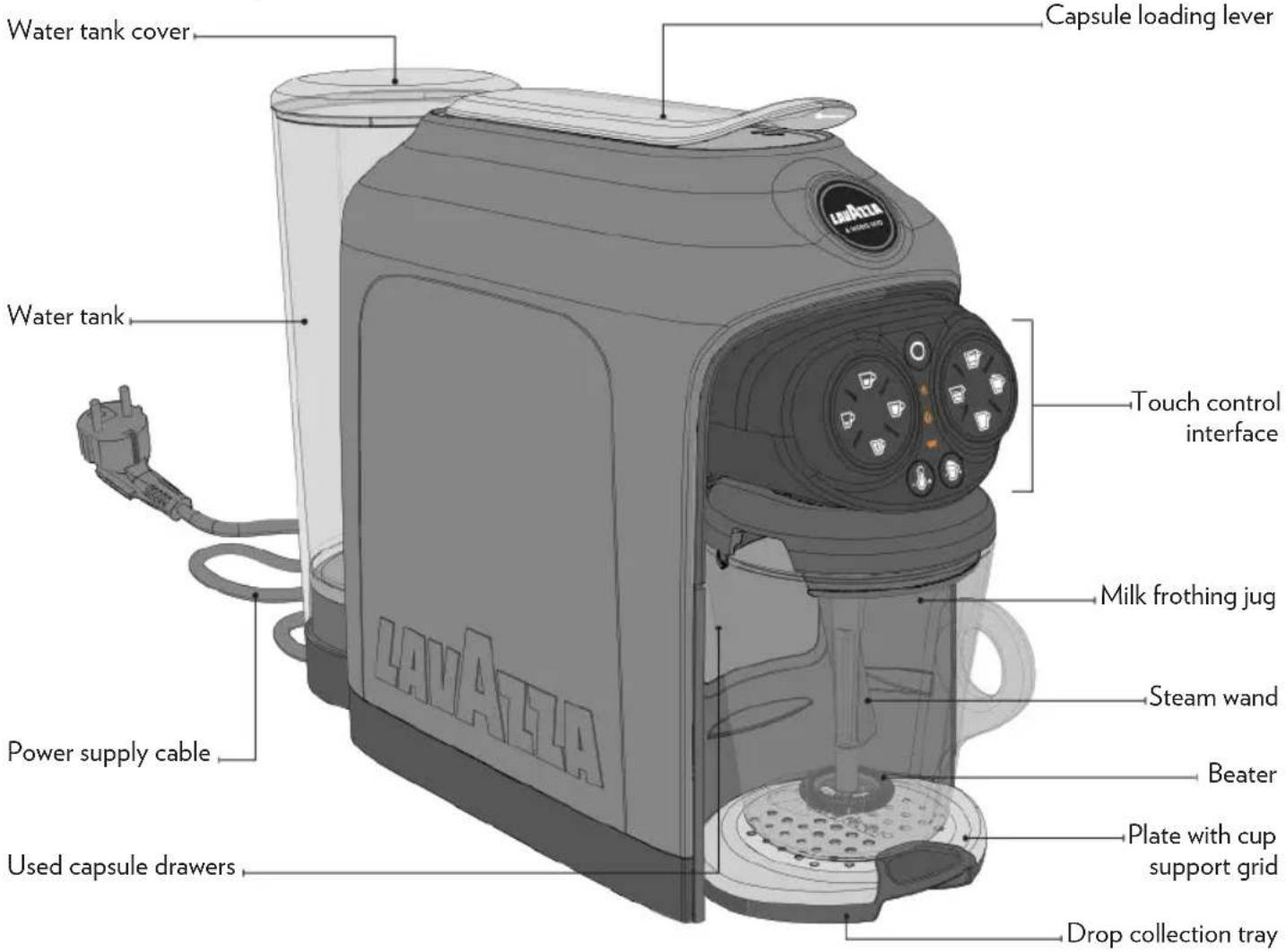
Water tank cover Water tank LAVA ATTA Capsule loading lever Touch control interface Milk frothing jug Steam wand Beater Plate with cup support grid Drop collection tray Power supply cable Used capsule drawers* The characteristics and the package content can vary according to the target market.
text_image
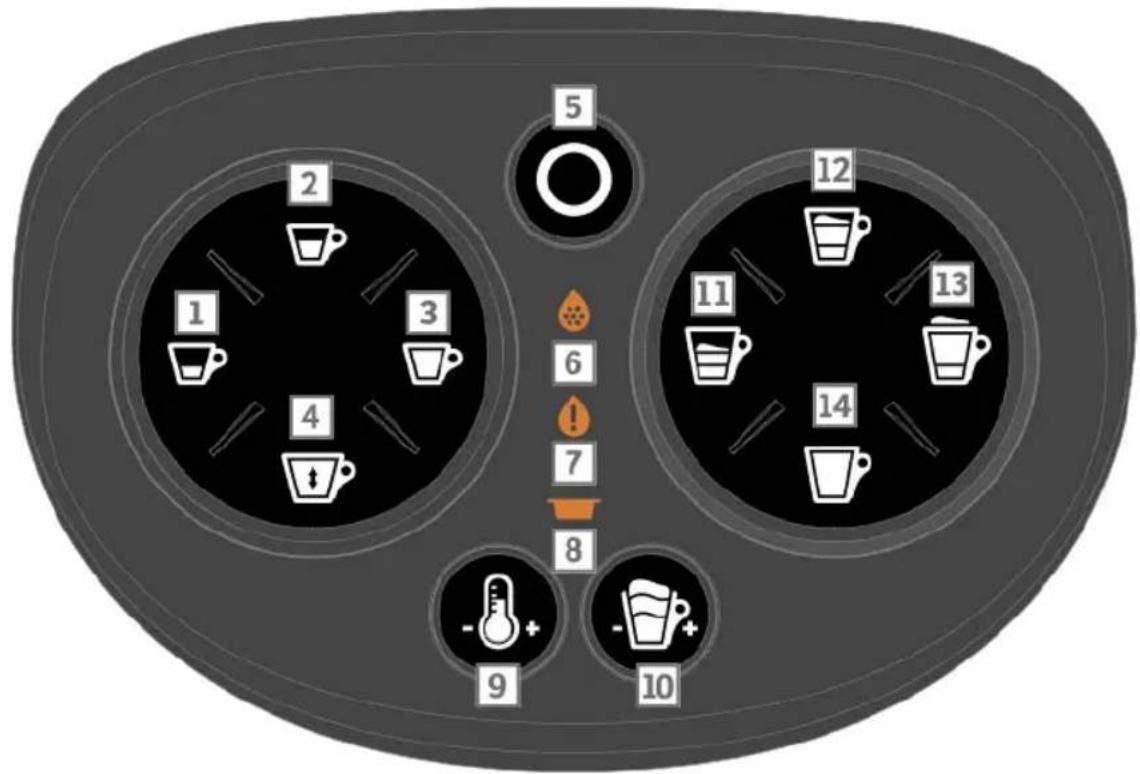
1 2 3 4 5 6 7 8 9 10 11 12 13TOUCH CONTROL INTERFACE
1 ESPRESSO supply button
2 LONG ESPRESSO supply button
3 LONG COFFEE supply button
4 FREE DOSE BEVERAGE supply button
5 ON/OFF button
6 Warning light decalcification
7 Warning light no water
8 Warning light drip tray drawer
9 TEMPERATURE boost button
10 FOAM control button
11 CAPPUCCINO supply button
12 CAPPUCCINO LARGE supply button
13 MILK MACCHIATO supply button
14 HOT / COLD WHIPPED MILK supply button
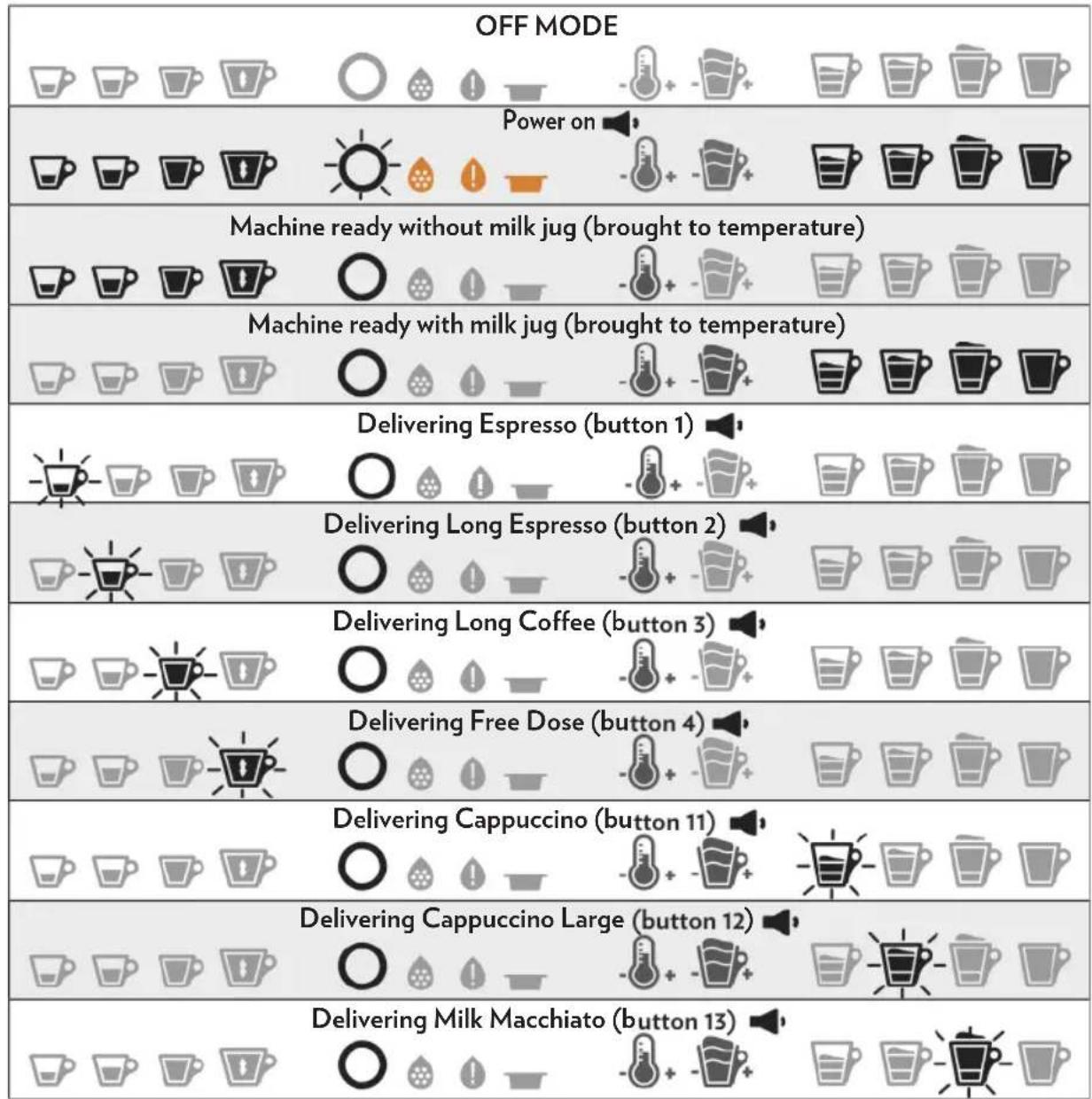
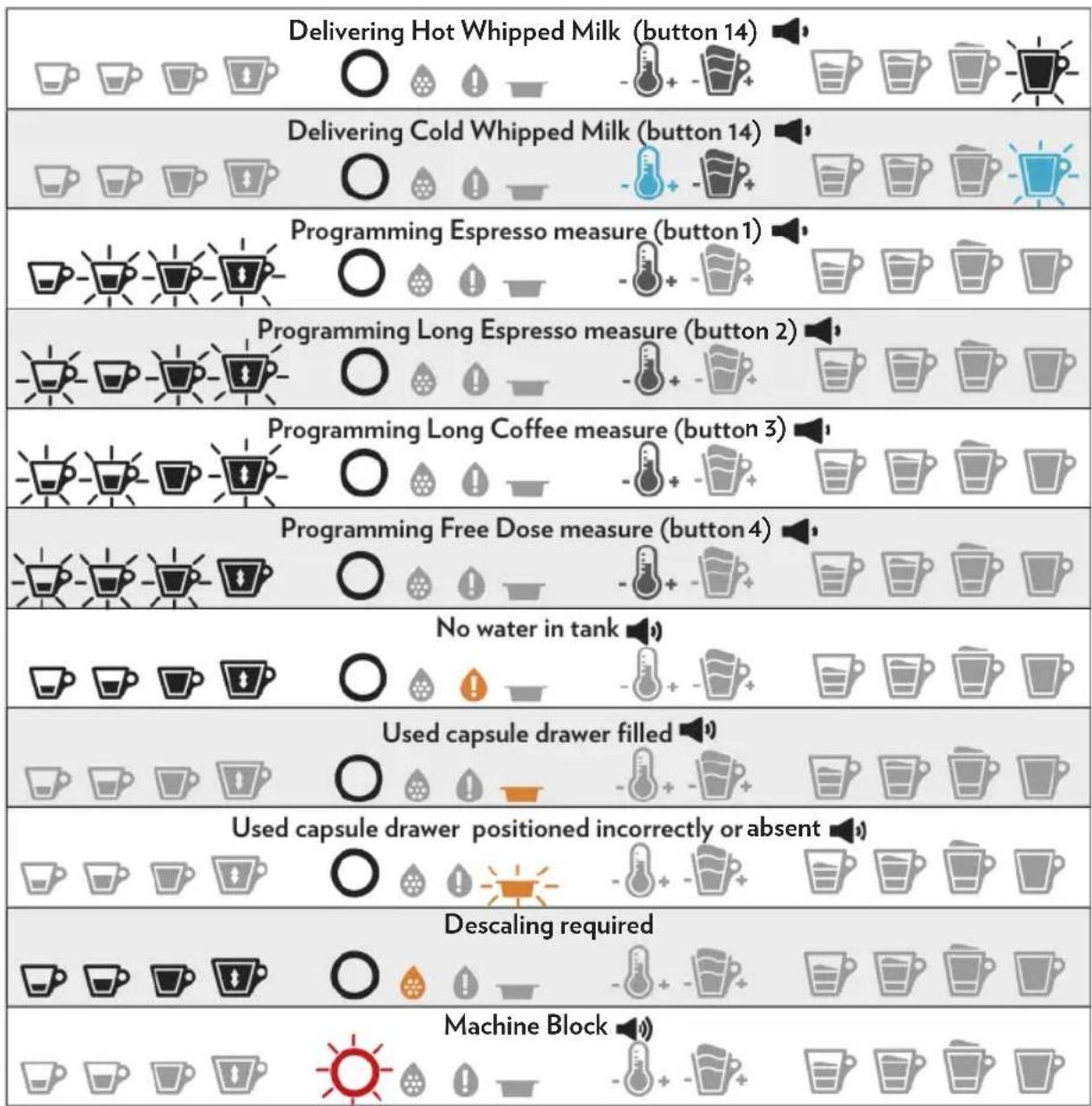
text_image
Delivering Hot Whipped Milk (button 14) Delivering Cold Whipped Milk (button 14) Programming Espresso measure (button 1) Programming Long Espresso measure (button 2) Programming Long Coffee measure (button 3) Programming Free Dose measure (button 4) No water in tank Used capsule drawer filled Used capsule drawer positioned incorrectly or absent Descaling required Machine Block
: Off

= On

= Flashing

coustic feedback

We are not liable for any damages in case of:
- incorrect use and other uses than the intended purposes;
• repairs not carried out at Lavazza authorized service centers; - tampering;
- use of spare parts and accessories which are not original;
- failure to decalcify;
• storage in rooms below 39°F (4°C);
• use below 41°F (5°C);
• use over 104°F (40°C);
• use in places with relative humidity above 95%;
• using non-compatible capsules.
In any of these cases, the warranty is cancelled.
STARTING THE MACHINE

Place the coffee machine on a flat and stable surface, far from water and heat sources. Machine damages due to non-observance of these indications are not covered by warranty.
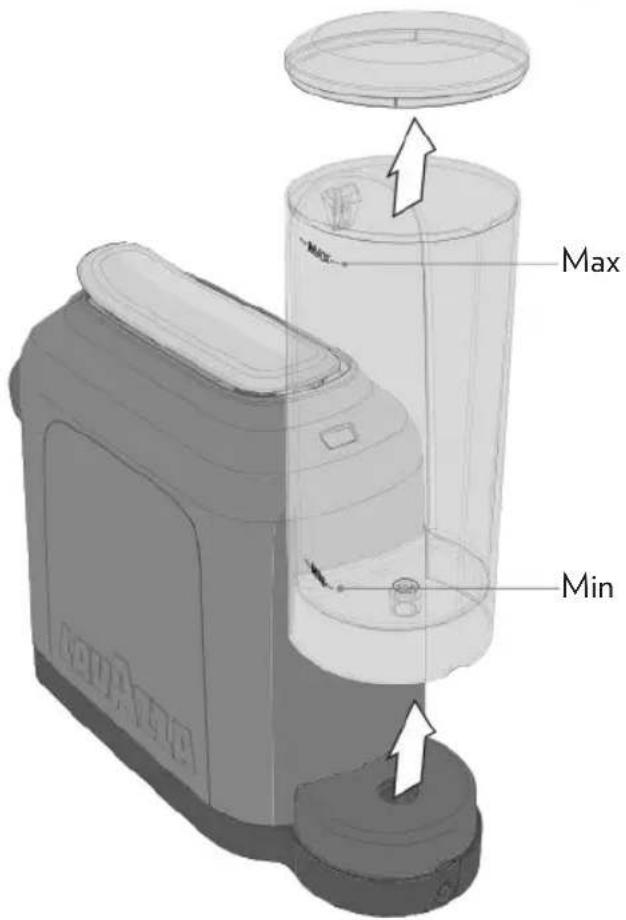
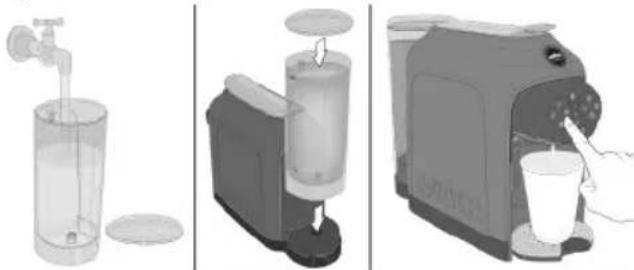
1 Lift and remove the cover, then the water tank itself.
2 Rinse the tank before using it.
3 Fill the water tank up to the MAX level indicated, using only fresh drinking water. Fit the tank back into place, then close by using the cover.
The cover can be lifted to fill the tank directly.
text_image
Max MinThe water level should never exceed the MAX indication.
Only use non-carbonated fresh water. Hot water and other liquids can damage the tank and the machine. Do not operate the machine without water: make sure that there is enough water in the tank.
Make sure that the hands, the machine, the cord and the support surface of the machine are not wet.
EN
MACHINE SETTING
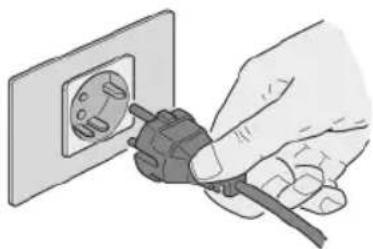
4 Fit the supply plug into the power outlet.
natural_image
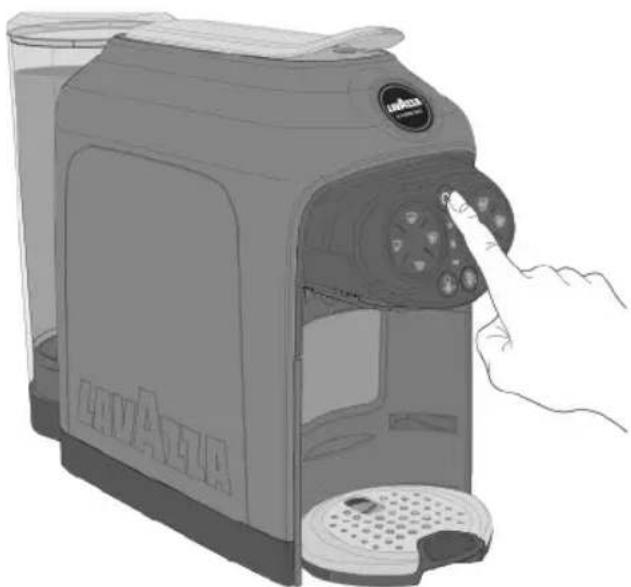
Illustration of a hand inserting a plug into an electrical outlet (no text or symbols)5 Press the button to switch the machine on.
The machine will emit an acoustic signal. All buttons will come on to a steady white light, whereas the alarm warning lamps will come on to a steady orange light over an instant.
natural_image
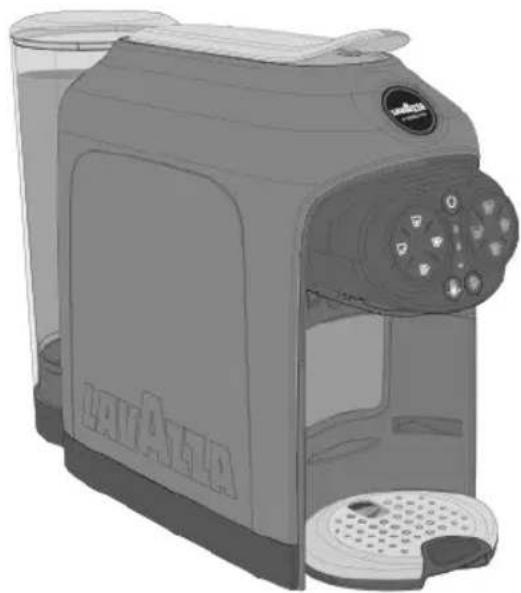
Illustration of a hand interacting with a U-Box coffee maker (no text or symbols visible)6 The coffee machine starts the heating cycle.
The button will start blinking to a light white.
7 The machine will be ready when the stops blinking and the supply button lights are steadily.
When the milk whipping jug is not inserted, the machine will only turn on the coffee supply buttons and the temperature selection button. The milk beverage warning lights will be OFF and the buttons will not work.
natural_image
Illustration of a LatAmia coffee maker with control panel and side grilles (no text or symbols on device body)By pressing one of the supply buttons during the heating cycle, you can reserve the beverage that will be supplied at the end of the heating cycle.
8 Upon the first machine start-up, you shall supply 16.9fl oz (0.5 litres) of water, with no capsule inserted and keeping the lever lowered.
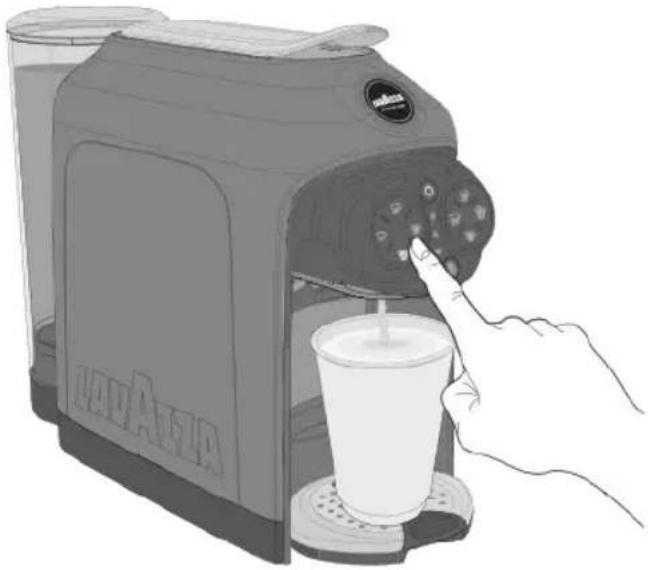
9 Place a cup under the supplying spout.
10 Press the FREE DOSE button and wait for the supply to end.
natural_image
Illustration of a hand using a coffee maker to press a drink into a glass (no text or symbols visible)Open and close the lever before removing and emptying the cup.
11 Empty the cup and supply one more time, by pressing the FREE DOSE button again .
When a supply is selected, the machine will activate the electric water pump over 7 seconds.
If water is found inside the hydraulic circuit, the machine will normally supply.
If no water is found inside the hydraulic circuit, the machine will stop supplying over 5 seconds and will try to supply again up to a maximum of 5 time.
After 5 attempts have been made, the machine will cause the "No water" warning lamp to come on to a steady orange light, to inform that water is missing, and will also emit an acoustic signal.
ACOUSTIC SIGNAL ACTIVATION / DEACTIVATION
1 Switch off the machine, and then hold down both the ESPRESSO 📋/LONG COFFEE 📋buttons for minimum 5 seconds.
The machine will emit a prolonged acoustic signal to notify the acoustic signal deactivation, and two brief acoustic signals to notify the activation.
2 Once the procedure has been completed, the machine will go back to the OFF MODE.
OFF MODE FUNCTION
To guarantee energy saving, the machine switches off automatically after 9 minutes of non-operation.
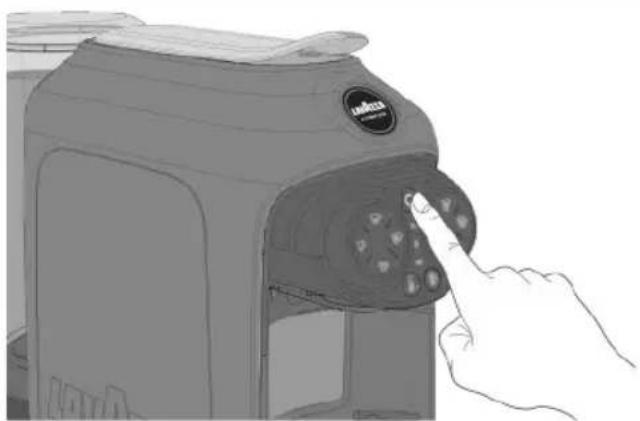
You can switch off the machine manually within 9 minutes by holding the O button, the machine will emit an acoustic signal
In the OFF MODE, the buttons will be OFF, and the button will come on to a less intense light. The machine can be activated again by pressing the button.
The power consumption of the machine when it is switched-off is 0.4 W.
natural_image
Illustration of a hand interacting with a device via a touchscreen display (no text or symbols visible)EN
MACHINE SETTING
PREPARATION FOR COFFEE BREWING
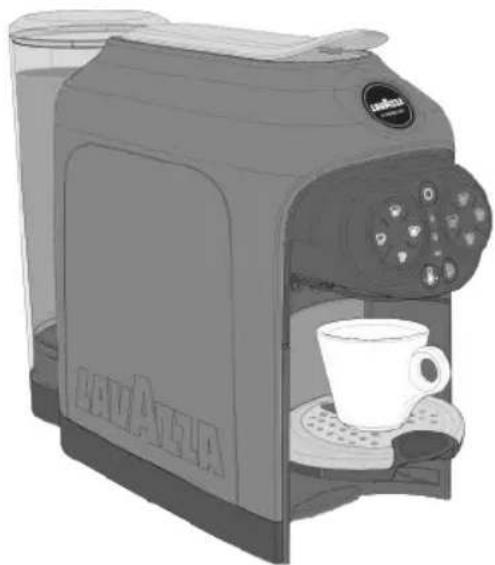
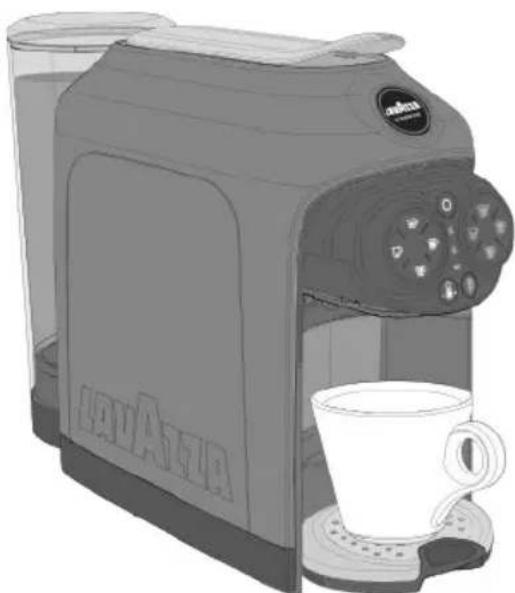
The coffee machine features two positions for preparing the coffee: espresso cup/mug.
To use an espresso coffee cup, remove the cup support plate.
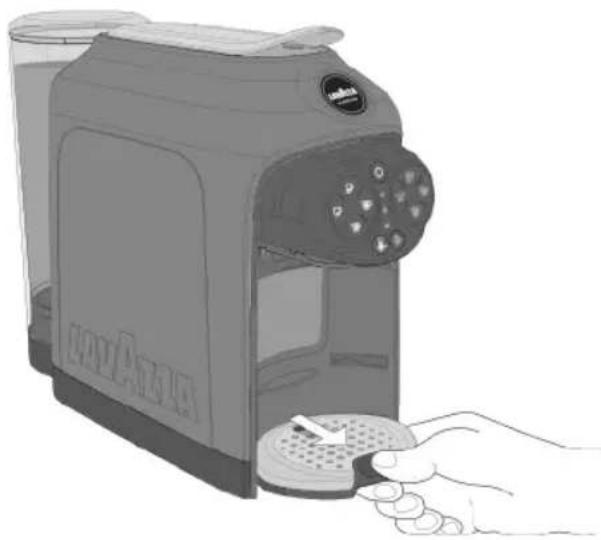
natural_image
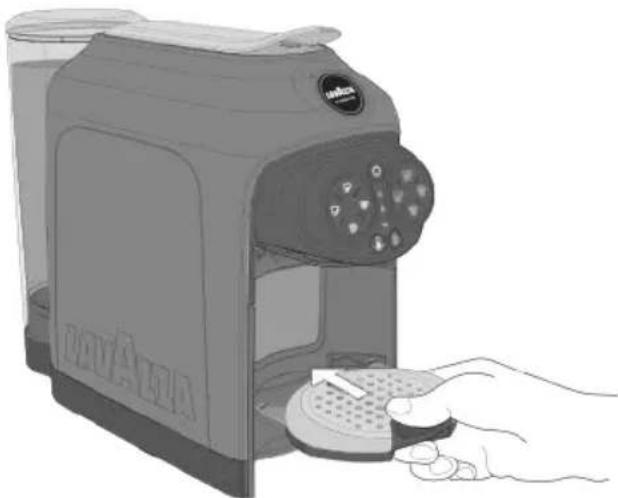
Illustration of a hand using a PTAJA brand self-service cream maker to clean or store it (no text or symbols visible)2 Fit the cup support plate into the slot available at the top.
natural_image
Illustration of a hand using a brand coffee maker with a hand placing it on the cup (no text or symbols visible)3 Place the cup onto the plate.
natural_image
Illustration of a coffee maker with a coffee cup and label 'BARA' (no text or symbols on the device itself)4 To use a big cup, place the cup (or glass) directly onto the plate at the bottom.
natural_image
Illustration of a coffee maker with a cup, no visible text or symbolsMACHINE SETTING
EN
PROVISION FOR PREPARING THE MILK-BASED BEVERAGES

When the milk whipping jug is inserted, the machine will only turn on the milk-based beverage supply buttons, the temperature selection button and the foam control button. The Coffee beverage warning lights will be OFF and the buttons will not work.
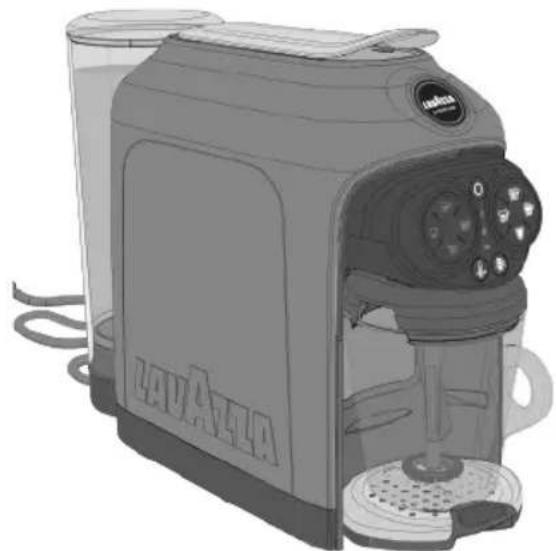
natural_image
Illustration of a Lavaola coffee maker with control panel and side legs (no text or symbols on device)The milk whipping jug features three preparation levels:

JCCINO

UCCINO LARGE

MILK MACCHIATO HIRED MILK

Always follow the levels indicated inside the milk whipping jug.

When using for the first time, carry out a cleaning cycle on the milk frothing jug.
2 Open the milk whipping jug and fill it with fresh, non-carbonated drinking water up to the MILK MACCHIATO/WHIPPED MILK level sign 🎨. 🎨
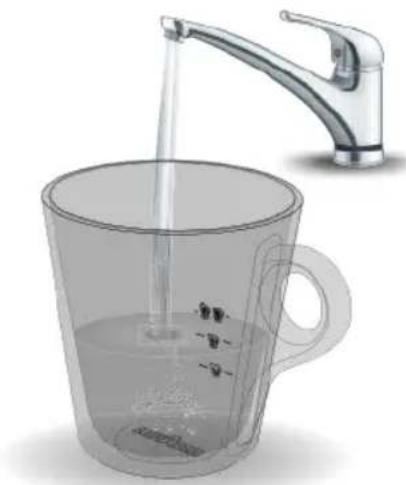
natural_image
Illustration of a glass mug with water being poured into it, next to a metallic faucet (no text or symbols)3 Close the milk whipping jug with the cover and pay attention to the correct position and direction of the cover.
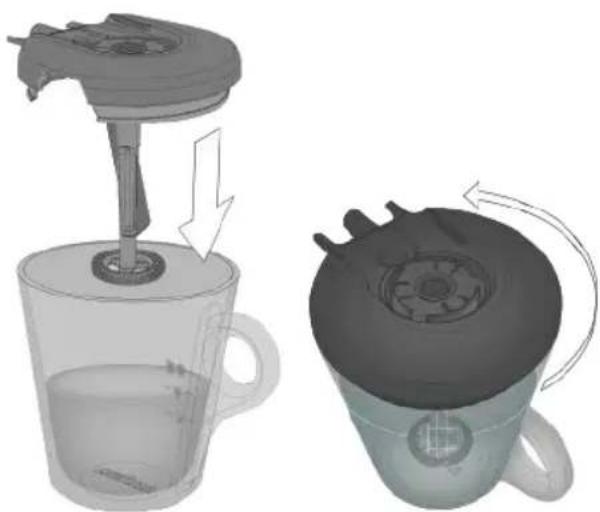
natural_image
Illustration of a blender being filled with liquid, showing the process from mixing to blending (no text or symbols present)EN
MACHINE SETTING
4 Insert the milk whipping jug into the machine.
The machine will emit an acoustic signal to indicate the correct insertion of the milk whipping jug.

natural_image
Illustration of a hand inserting a coffee into a glass container (no text or symbols visible)5 Press the MILK MACCHIATO 📋 button to start the cleaning cycle.
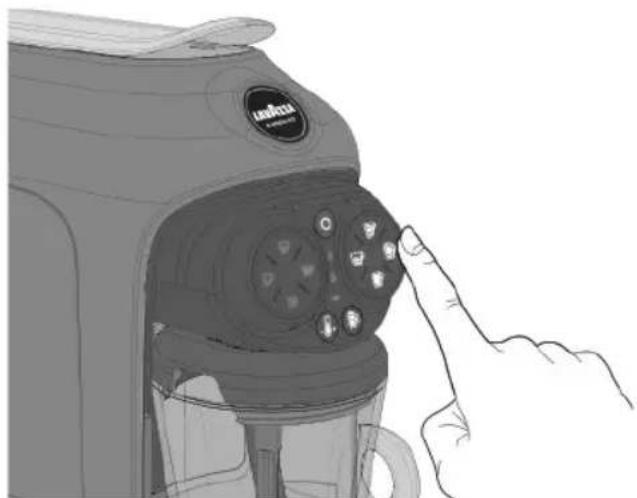
natural_image
Illustration of a hand pointing at the lid of a coffee maker with control panel (no text or symbols visible)6 After cleaning remove the jug from the machine.
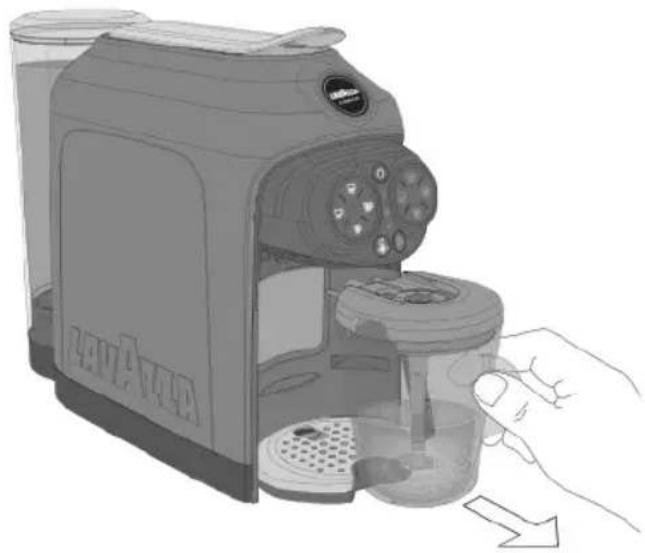
natural_image
Illustration of a hand using a PAPANEA coffee maker to open a glass cup (no text or symbols visible)7 Wash all the components with cold or warm water, then dry them up and fit them back into place correctly.
ESPRESSO / LONG ESPRESSO DELIVERY
Make sure that the coffee supply buttons have come on to a steady white light.
1 Place the mug/cup as shown (see PREPARATION FOR COFFEE BREWING).
2 Lift the capsule loading lever until it locks into position to open the capsule fitting compartment.
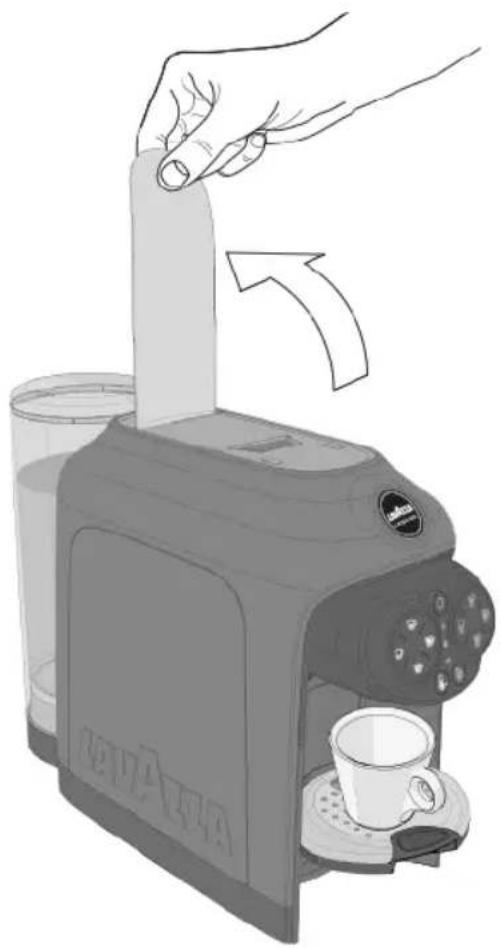
natural_image
Illustration of a hand pressing down on a small tea maker with a coffee cup, showing no text or symbols.Never put fingers or objects in the capsule-holder
Only Lavazza or compatible capsules must be introduced in the capsule-holder.
Single-dose capsules are prepared to dispense one coffee/product.
DO NOT use the capsules more than once.
Inserting two or more capsules can cause the machine to malfunction.
3 Put a Lavazza apodeinto the capsule fitting compartment.
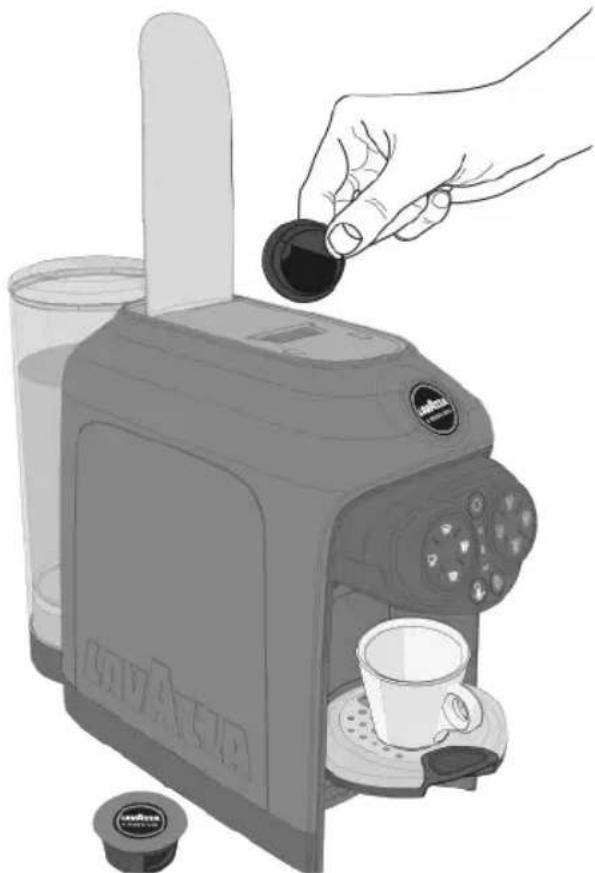
natural_image
Illustration of a hand using a 2017 Al51A self-service coffee maker to add a coffee cup (no text or symbols on the device itself)EN
PREPARING THE COFFEE
4 Lower the capsule loading lever to close the capsule fitting compartment.
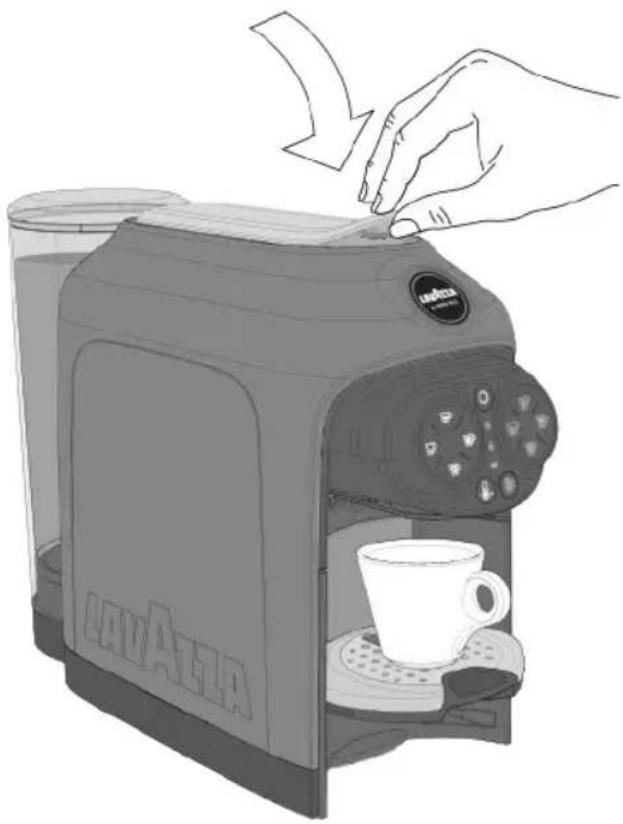
natural_image
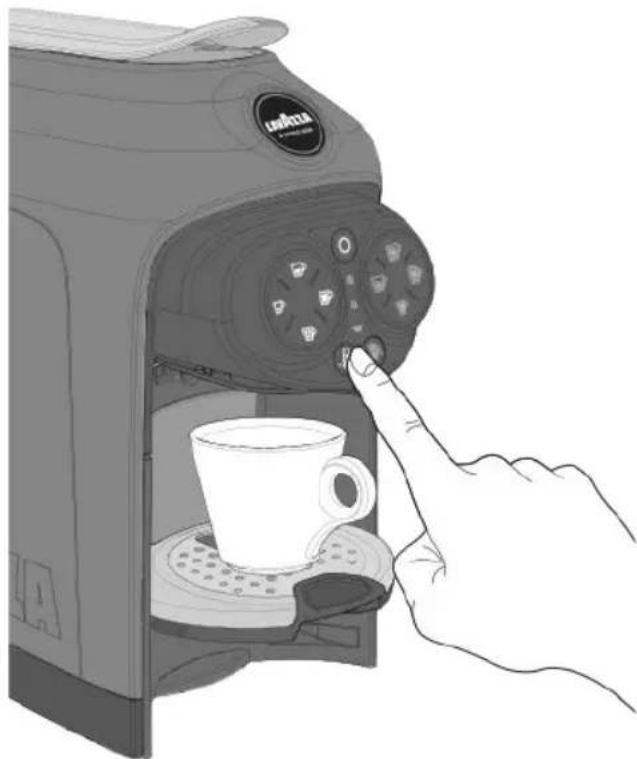
Illustration of a LatAm tea maker with a hand pressing down on its lid, showing its base and coffee cup (no text or symbols present)If you wish a hotter coffee, you can increase the beverage temperature by pressing the "TEMPERATURE boost" button 🔍.
The machine will, when the button is pressed, emit an acoustic signal and the button light will get brighter.
If you wish to go back to the standard temperature, press the "TEMPERATURE boost" button . again.
The machine will, when the button is pressed, emit an acoustic signal ◀ and the button light will get dimmer.
natural_image
Illustration of a hand pressing a coffee machine with a mug, no text or symbols presentThe temperature cannot be changed during the supply phase.
PREPARING THE COFFEE
EN
To start supplying:
press the ESPRESSO (1 fl oz /30 ml) or
press the LONG ESPRESSO (1.5 fl oz/45 ml).
The machine will stop delivery automatically when the programmed measure is reached.
If, during the dispensing cycle power supply is interrupted proceed as follows:
- Restore the power supply.
- Press the button and wait for the button to light up to a steady white light.
- Replace the capsule inside the capsule fitting compartment with a new one.
- Restart the coffee dispensing.
If, during the dispensing cycle water is exhausted within the tank proceed as follows:
- Fill the water tank up to the indicated MAX level.
-Replace the capsule inside the capsule fitting compartment with a new one.
- Restart the coffee dispensing.
Supplying without a capsule the doses may not respect the programmed quantity.
Once supply is over, lift and then lower the capsule loading lever to unload the exhausted capsule.
To supply again, wait until both the supply button and the button come on to a steady white light.
The supply button will light up to a blinking white light when the product is being supplied. You can stop supplying by pressing the supply button again.
EN
PREPARING THE COFFEE
Do steps: 1, and 3 in paragraph ESPRESSO DELIVERY.

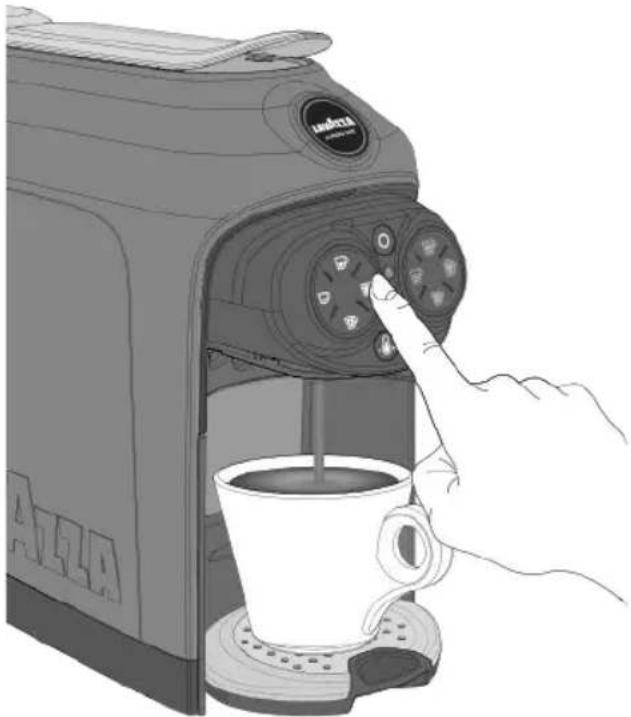
Press the LONG COFFEE 📋 (3 fl oz/90 ml) button to start delivery. The machine will stop delivery automatically when the programmed measure is reached.
natural_image
Illustration of a hand pressing a coffee maker's control panel with a cup (no text or symbols visible)
The supply button will light up to a blinking white light when the product is being supplied. You can stop supplying by pressing the supply button again.

Once supply is over, lift and then lower the capsule loading lever to unload the exhausted capsule.

To supply again, wait until both the supply button and the button come on to a steady white light.
FREE DOSE BEVERAGE DELIVERY

Do steps: 1, and 3 in paragraph ESPRESSO DELIVERY.

In case of soluble capsules, it is recommended that a brief plain (i.e. by using only water) supply should be dispensed before inserting the capsule, so that you can best enjoy the product.

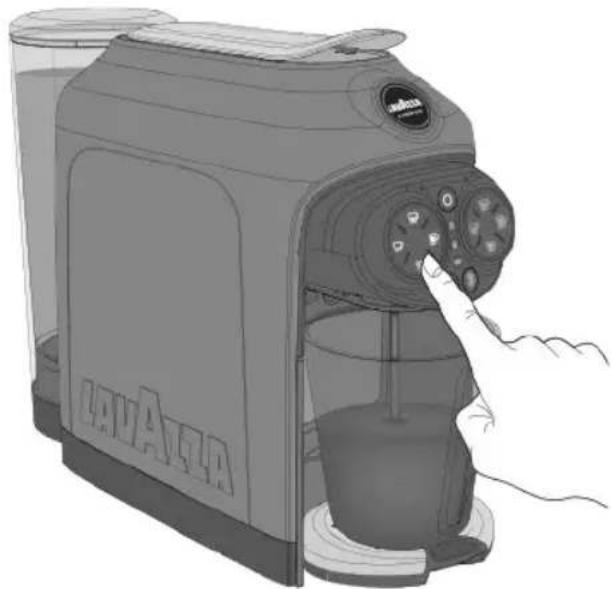
Press the FREE DOSE BEVERAGE 📋 button to start delivery. Once the desired amount of brewed coffee is reached, press the button again to stop brewing.
natural_image
Illustration of a Lavaola coffee maker with a hand pressing the button (no text or symbols on the device itself)
The supply button will light up to a blinking white light when the product is being supplied. You can stop supplying by pressing the supply button again.

Once supply is over, lift and then lower the capsule loading lever to unload the exhausted capsule.

To supply again, wait until both the supply button and the button come on to a steady white light.
PROGRAMMING
EN
COFFEE DOSE PROGRAMMING
i Measures are always programmed using the same button; any action by pressing other buttons will be ignored. The programmed amount of brewed coffee can be changed by repeating the programming.
It is not possible to program the coffee dose in milk-based beverages.
1 Press the button to switch the machine on. The machine will be ready when the button stops blinking and the supply button lights are steadily.
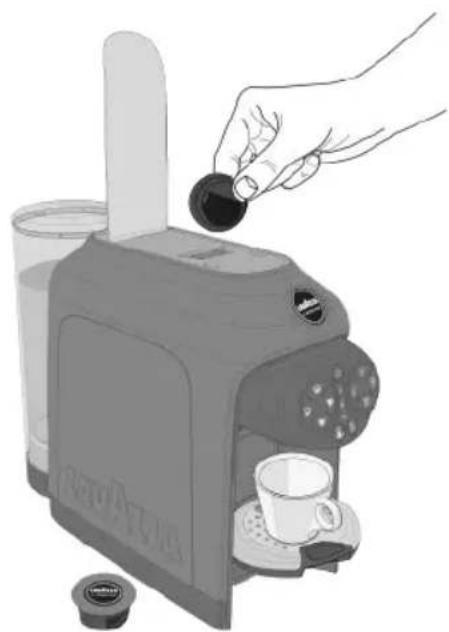
2 Lift the pod loading lever until it locks into position to open the pod fitting compartment.
3 Put a Lavazza capsule into the capsule fitting compartment.
4 Lower the pod loading lever to close the pod fitting compartment. Place the cup onto the plate.
natural_image
Illustration of a hand pouring liquid into a RoFAVIA coffee maker with a cup nearby (no text or symbols)5 Press down the button of the icon you wish to program. The machine will start supplying and, after approximately 3 seconds, the other coffee buttons will start blinking and the machine will beep ▶ indicate that the programming mode has been accessed.
6 Keep the supply button depressed
7 Once the desired amount of coffee has been obtained, stop supply by releasing the button.
The machine will stop and the dose will be programmed

natural_image
Illustration of a hand using a coffee maker to press or feed into a cup (no text or symbols visible)If the programmed measure exceeds the maximum allowed the machine will automatically stop delivery, the delivery button will blink and the last programmed measure will be saved in the memory. If there is a power failure during programming, the last programmed value remains in the memory. If during a dose programming, water lack is indicated, the machine stops the supply and the dose being programmed won't be saved. Once filled the water tank, repeat the dose programming procedure.
EN
PREPARING THE MILK-BASED BEVERAGES
DELIVERING CAPPUCCINO
When the milk whipping jug is inserted, the machine will only turn on the milk-based beverage supply buttons, the temperature selection button and the foam control button. The coffee beverage warning lights will be OFF and the buttons will not work.
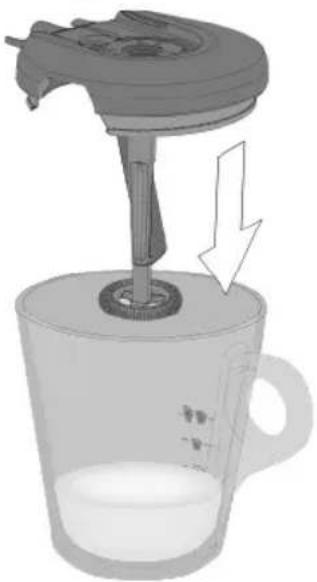
1 Open the milk whipping jug and fill it with milk up to the CAPPUCCINO level sign.
natural_image
Illustration of a hand mixer in a clear glass cup with liquid, showing mechanical components and a downward arrow (no text or symbols)Pour the exact amount of milk indicated on the jug. Do not pour too much milk or too little milk. Otherwise, hot milk may in both cases spill out of the container. Always thoroughly wash the milk frothing jug and the whisk cover between preparations
Use exclusively cold milk at fridge temperature (32 °F (4°C) indicatively). Do not use milk at room temperature. Using plant milk does not guarantee the best results.
Do not use powder soluble products (such as CHOC-OLATE) as the best results of the preparation are not guaranteed and the beater might get blocked.
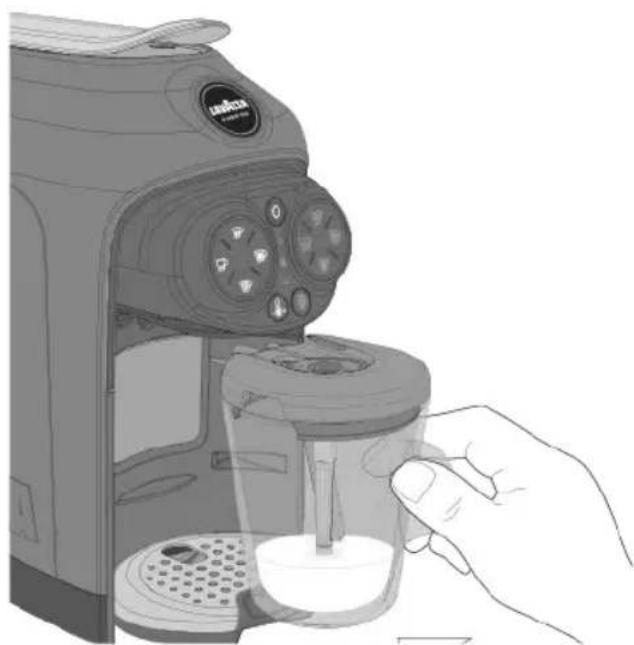
2 Close the milk whipping jug and fit it into the machine.
When the milk frothing jug is correctly positioned, the machine emits a beep.
natural_image
Illustration of a hand using a Swiss coffee maker to add liquid into a glass cup (no text or symbols visible)Make sure that the milk whipping jug has been correctly put in place and, also, that the beverage supply buttons are ON with a steady white light.
3 Put a Lavazza A MODO MIO capsule into the capsule fitting compartment.
Check that a capsule has been inserted. If there is no capsule, the machine will delivery water, not coffee.

natural_image
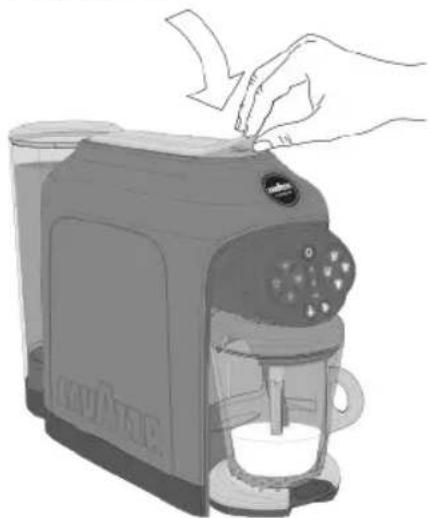
Illustration of a hand pouring liquid into a small machine with a lid, showing no text or symbols.4 Lower the capsule loading lever to close the capsule fitting compartment.
natural_image
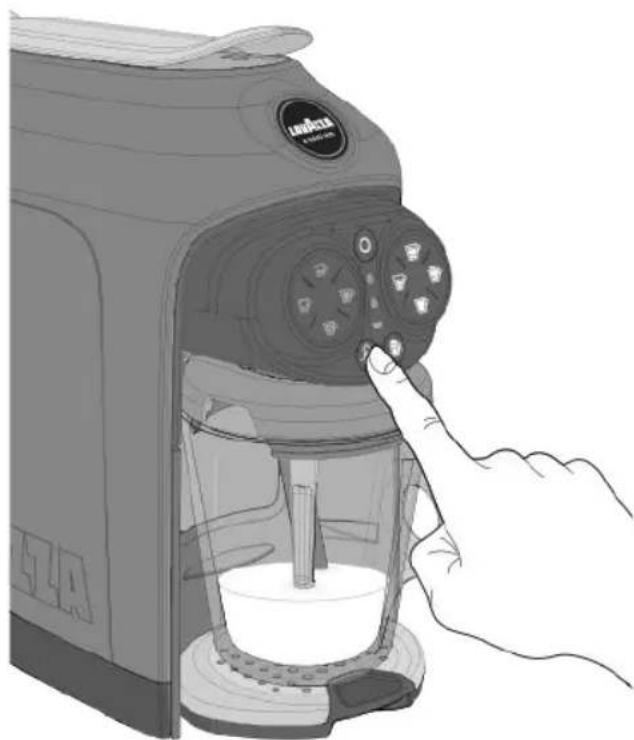
Illustration of a hand using a coffee maker to press or adjust its cup (no text or symbols visible)If you wish a hotter coffee, you can increase the beverage temperature by pressing the "TEMPERATURE boost" button 🔍.
The machine will, when the button is pressed, emit an acoustic signal and the button light will get brighter.
natural_image
Illustration of a hand pressing down on a coffee maker's tray with control panel (no text or symbols visible)If you wish to go back to the standard temperature, press the "TEMPERATURE boost" button again.
The machine will, when the button is pressed, emit an acoustic signal and the button light will get dimmer.
The temperature cannot be changed during the supply phase.
EN
PREPARING THE MILK-BASED BEVERAGES
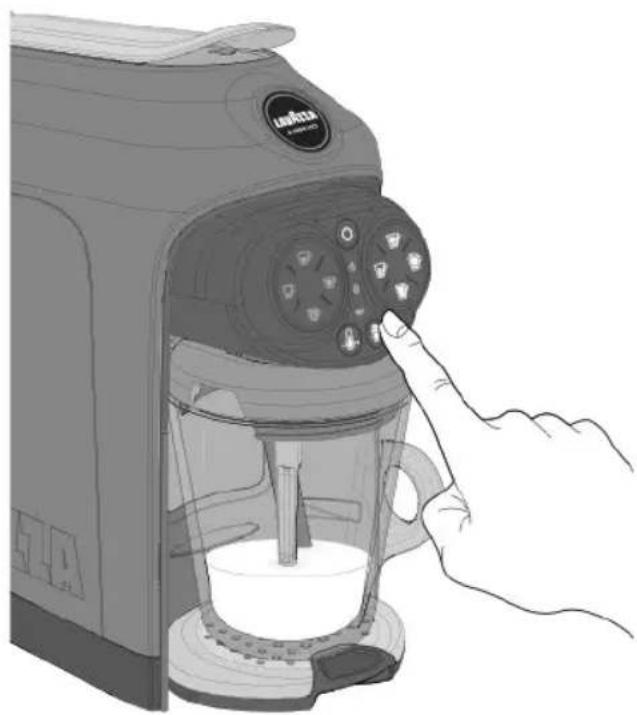
If you wish more foam in the beverage, you can increase the amount of the same by pressing the FOAM control button.
The machine will emit an acoustic signal when the button is pressed.
natural_image
Illustration of a hand pressing a coffee maker's side panel with a finger on the press (no text or symbols visible)If you wish to go back to the normal foam amount, press the FOAM control button again.
The machine will emit an acoustic signal when the button is pressed.
The foam amount cannot be changed when the beverage is being supplied.
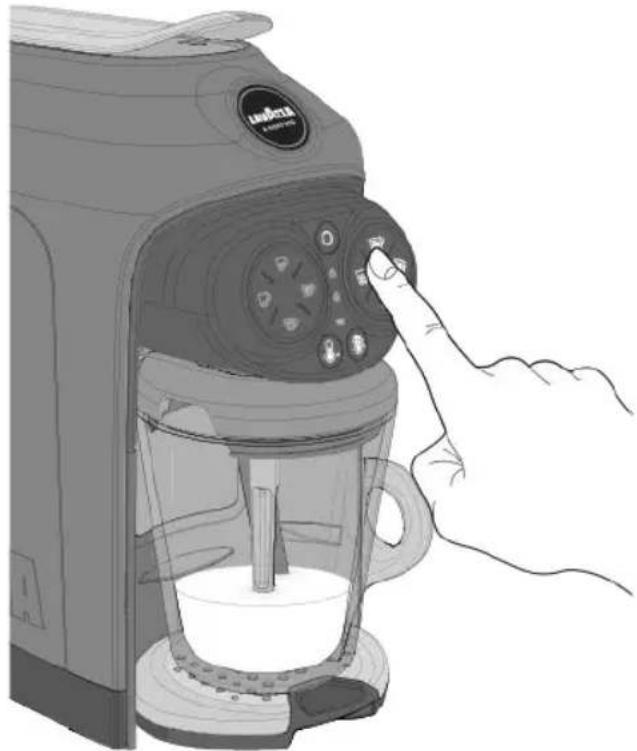
5 Press the CAPPUCCINO 2.8fl oz (80 ml) button to start the machine. After a few seconds the machine will start to warm and froth the milk.
When ready, the machine delivers the measure of coffee in the jug and stops automatically.
natural_image
Illustration of a coffee maker with a hand pointing to the control panel (no text or symbols visible)Do not use the milk frothing jug to conserve the beverages. Always clean the jug thoroughly after each use.
The supply button will light up to a blinking white light when the product is being supplied. You can stop supplying by pressing the supply button again.
Do not make more than 5 consecutive beverages. The machine will be ready to use again after about 10 minutes.
DELIVERING CAPPUCCINO LARGE
1 Open the milk whipping jug and fill it with milk up to the CAPPUCCINO LARGE level sign.
Do steps: 2, 3 and 4 in paragraph CAPPUCCINO DELIVERY.
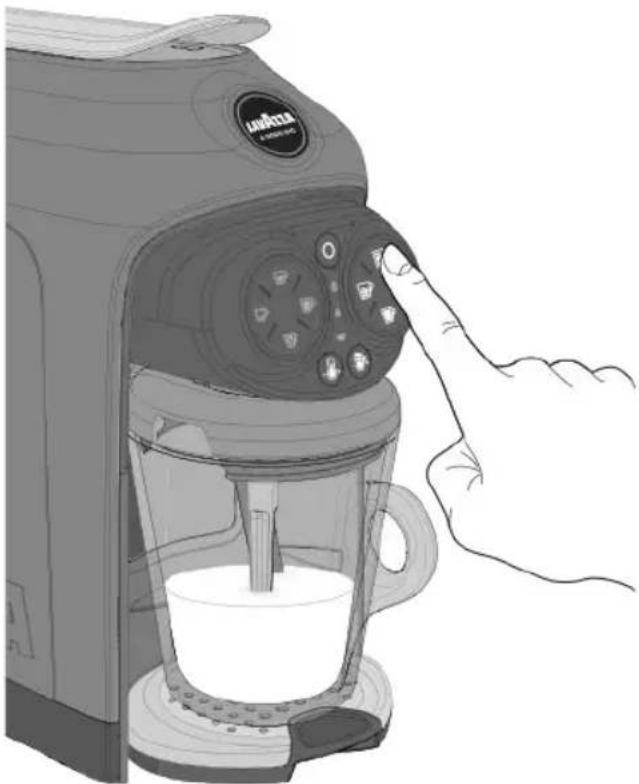
5 Press the CAPPUCCINO LARGE 4.5 fl oz (130 ml) button to start the machine.
After a few seconds the machine will start to warm and froth the milk.
When ready, the machine delivers the measure of coffee in the jug and stops automatically.
natural_image
Illustration of a hand pressing a coffee maker into a cup, with no visible text or symbols on the device itself.DELIVERING MILK MACCHIATO
1 Open the milk whipping jug and fill it with milk up to the MILK MACCHIATO 📋vel sign.
Do steps: 2, 3 and 4 in paragraph CAPPUCCINO DELIVERY.
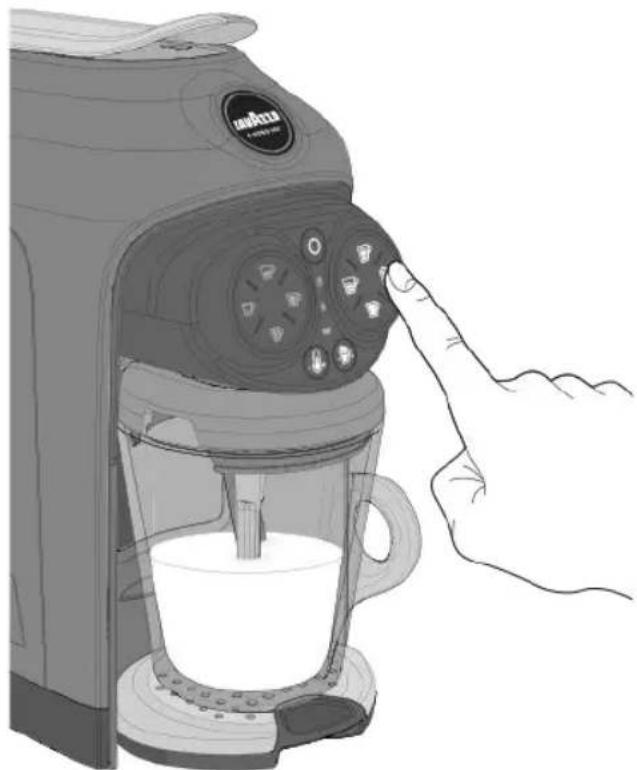
5 Press the MILK MACCHIATO 6.1 fl oz (175 ml) button to start the machine.
After a few seconds the machine will start to warm and froth the milk.
When ready, the machine delivers the measure of coffee in the jug and stops automatically.
natural_image
Illustration of a coffee maker with a hand pointing to its control panel (no text or symbols visible)EN
PREPARING THE MILK-BASED BEVERAGES
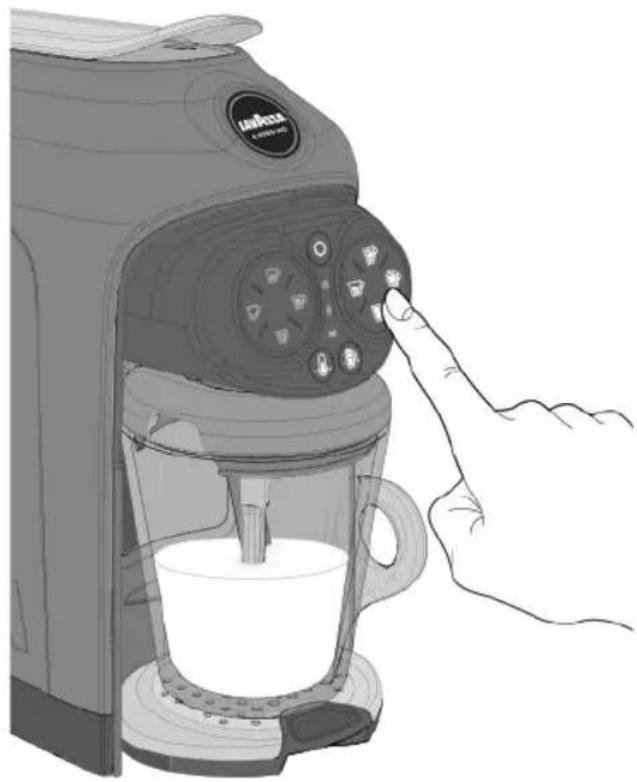
DELIVERING HOT WHIPPED MILK
1 Open the milk whipping jug and fill it with milk up to the MILK MACCHIATO / WHIPPED MILK level sign.
2 Close the milk whipping jug and fit it into the machine.
3 Press the HOT WHIPPED MILK 📋 button 6.1 fl oz (175 ml) to start the preparation.
After a few seconds, the machine will start warming and whipping the milk.
natural_image
Illustration of a milk carton with a hand pointing to the control panel (no text or symbols visible)DELIVERING COLD WHIPPED MILK
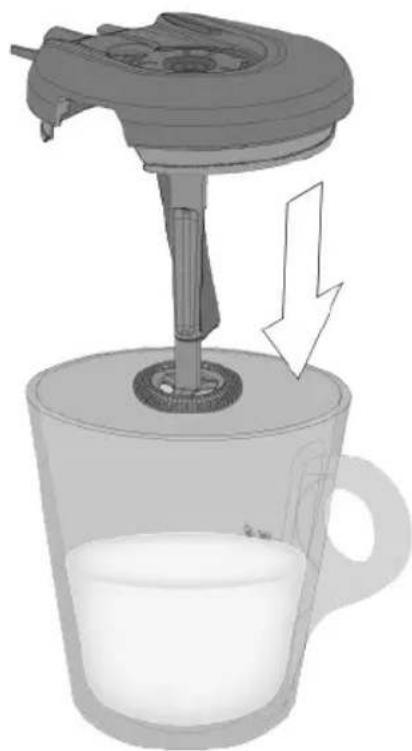
1 Open the milk whipping jug and fill it with milk up to the MILK MACCHIATO / WHIPPED MILK level sign.
Pour the exact amount of milk indicated on the jug. Do not pour too much milk or too little milk. Otherwise, hot milk may in both cases spill out of the container.
Use exclusively cold milk at fridge temperature (32 °F (4°C) indicatively). Do not use milk at room temperature. Using plant milk does not guarantee the best results.
natural_image
Illustration of a hand mixer in a glass mug with liquid, showing mechanical components and a downward arrow (no text or symbols)PREPARING THE MILK-BASED BEVERAGES
EN
2 Close the milk whipping jug and fit it into the machine.
When the milk frothing jug is correctly positioned, the machine emits a beep
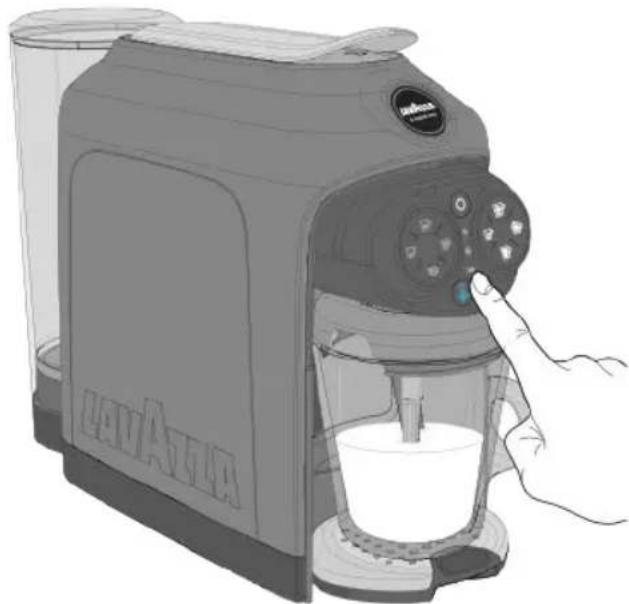
Make sure that the milk whipping jug has been correctly put in place and, also, that the beverage supply buttons are ON with a steady white light.
3 Keep the TEMPERATURE Boost button depressed over at least 3 seconds.
natural_image
Illustration of a Lava Italian coffee maker with a hand pressing the control panel (no text or symbols on the device itself)The machine will emit a double acoustic signal to indicate the shift to the cold beverage preparation.
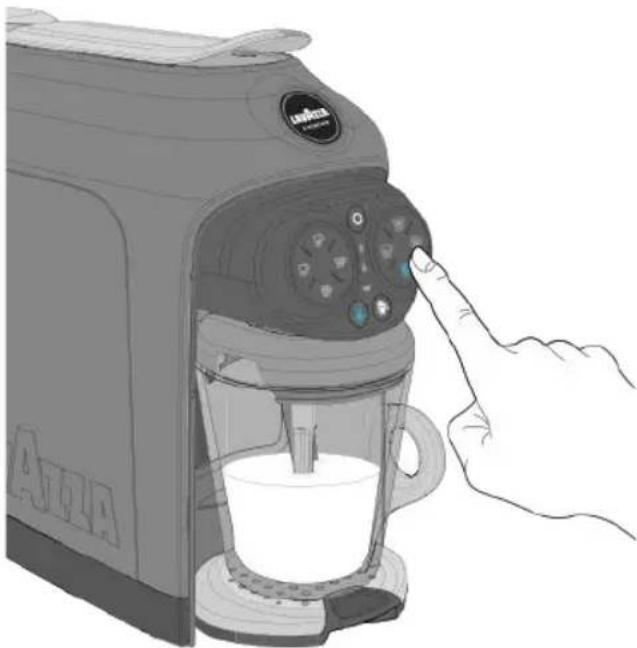
Both the TEMPERATURE Boost button and the COLD WHIPPED MILK icon will turn blue and the machine will only enable the COLD WHIPPED MILK supply button
4 Press the COLD WHIPPED MILK button 6.1 fl oz (175 ml) to start the preparation.
After a few seconds, the machine will start whipping the milk.
natural_image
Illustration of a hand pressing a button on a coffee maker's front panel (no text or symbols visible)Do not use the milk frothing jug to conserve the beverages. Always clean the jug thoroughly after each use.
When the beverage is being supplied, the selected button will be ON with a blinking blue light.
5 To supply again, wait until both the supply button and the button come on to a steady white light.
Do not make more than 5 consecutive beverages. The machine will be ready to use again after about 10 minutes.
EN
MAINTENANCE AND CLEANING
CLEANING THE MACHINE

Never use solvents, alcohol or other aggressive substances or ovens for drying the coffee machine components.
Wash machine components (electric components excluded) with cold/lukewarm water and non-abrasive clothes/sponges.
All removable components can be cleaned by using a dishwasher.
Do not leave water in the tank and water circuit for more than 3 days. If this is the case, drain the tank and circuit, rinse it and refill it with fresh water, then carry out a delivery without capsule before making any coffee or other beverage.
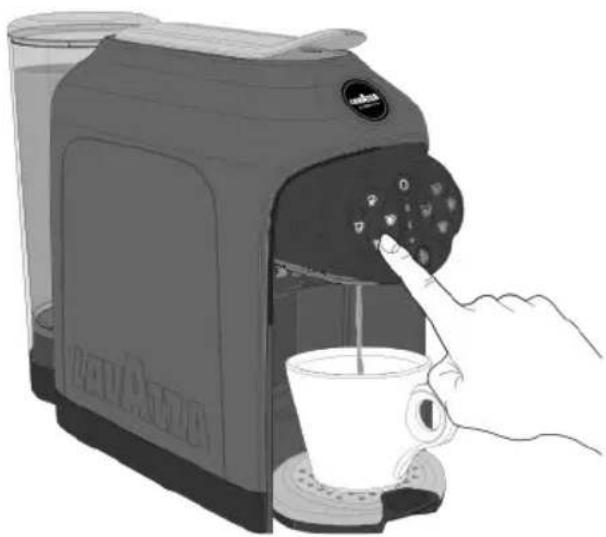
COFFEE DISPENSER CLEANING
To clean the dispenser, perform a weekly COFFEE BREWING procedure without inserting the capsule.
natural_image
Illustration of a hand using a coffee maker to press a cup, with no visible text or symbols on the device or background.CLEANING THE DROP COLLECTION TRAY AND THE USED CAPSULE COLLECTION TRAY
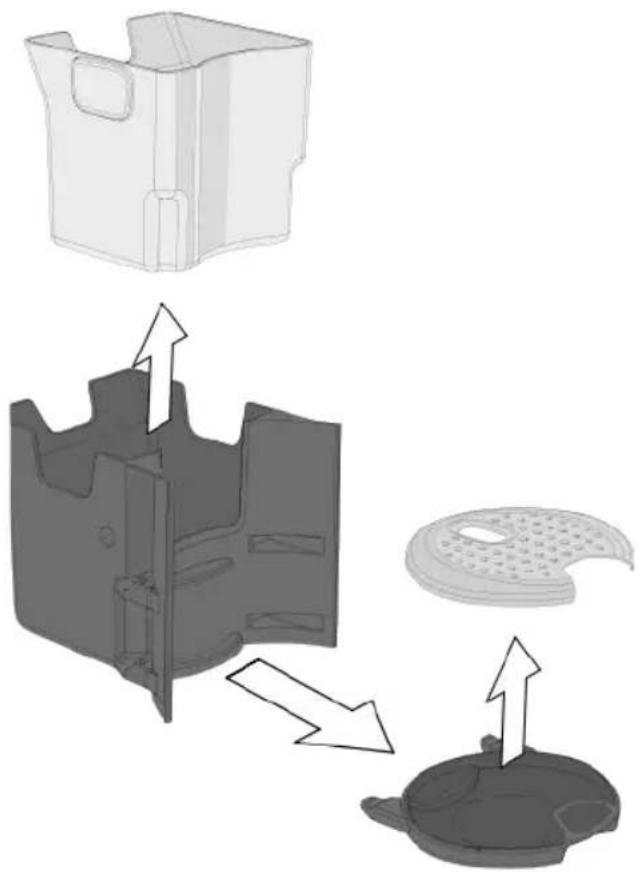
The capsule collection tray warning lamp will come on when the used capsule tray is full and, therefore, has to be emptied and fitted back into place again.
1 Remove the drop collection tray and the used capsule collection tray.
The machine will emit an acoustic signal to inform that the capsule collection tray has been removed.

natural_image
Illustration of a food machine with a side-view view showing its interior components (no text or symbols present)If the drawer is removed for more than 5 seconds, the machine will zero the capsules inserted count.
2 Remove the drop collection tray and the capsule collection tray, then empty the used capsules and the fluids found in the drop collection tray.
natural_image
Diagram showing a 3D mechanical assembly with internal components and directional arrows, no text or symbols present.3 Wash all the components with cold or warm water, or in a dishwasher, then dry them up and fit them back into place correctly.
i Regularly check that the drop collection tray is not full, so as to prevent fluid leakage.
EN
MAINTENANCE AND CLEANING
CLEANING MILK FROTHING JUG
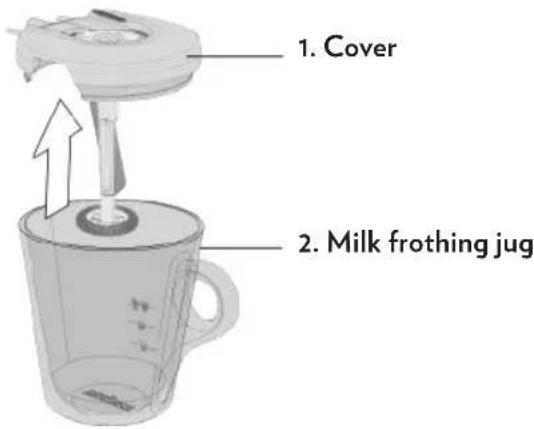
1 Remove the cover from the milk frothing jug and separate the components.
text_image
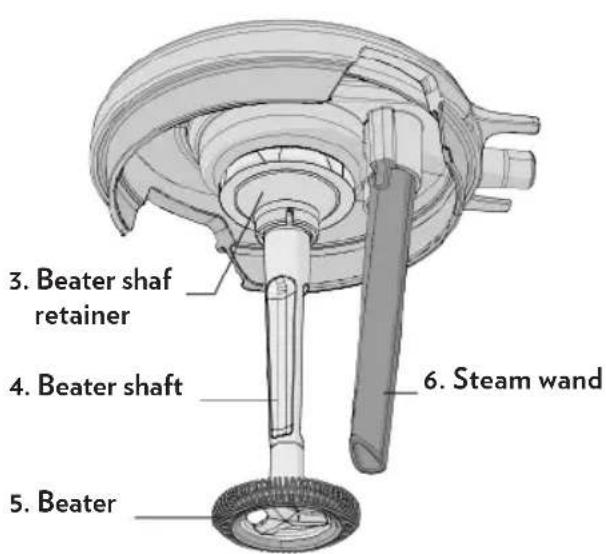
1. Cover 2. Milk frothing jug2 The milk frothing jug (1) is composed of the following components:
text_image
3. Beater shaf retainer 4. Beater shaft 5. Beater 6. Steam wand3 Disassemble the steam wand (6) from the milk frothing jug cover (1).
Wash all components in cold or lukewarm water
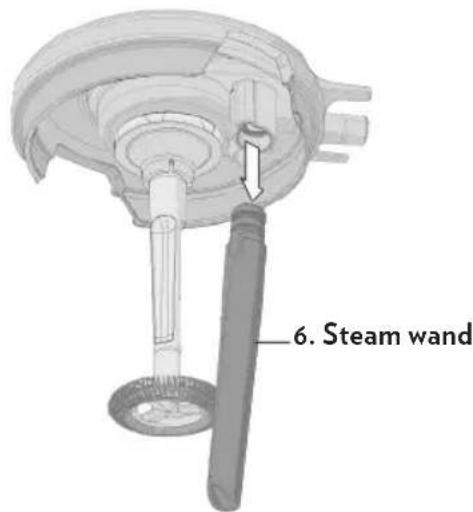
text_image
6. Steam wandi Separating the other parts of the beater cover is not necessary.
- To prevent malfunctioning, avoid disassembling the beater shaft (4) and removing it from its original position.
- The milk frothing jug (2), the beater cover (1) and the steam wand (6) can be washed in cold water or in the dishwasher at low temperature; wash the parts separately
5 Reassemble the steam wand (6) in the milk frothing jug cover (1).
Check correct positioning of the beater (5) in its seats in the beater shaft retainer.
After washing, make sure that all parts are installed correctly; the beater (5), in particular, should be firmly installed and free to rotate.
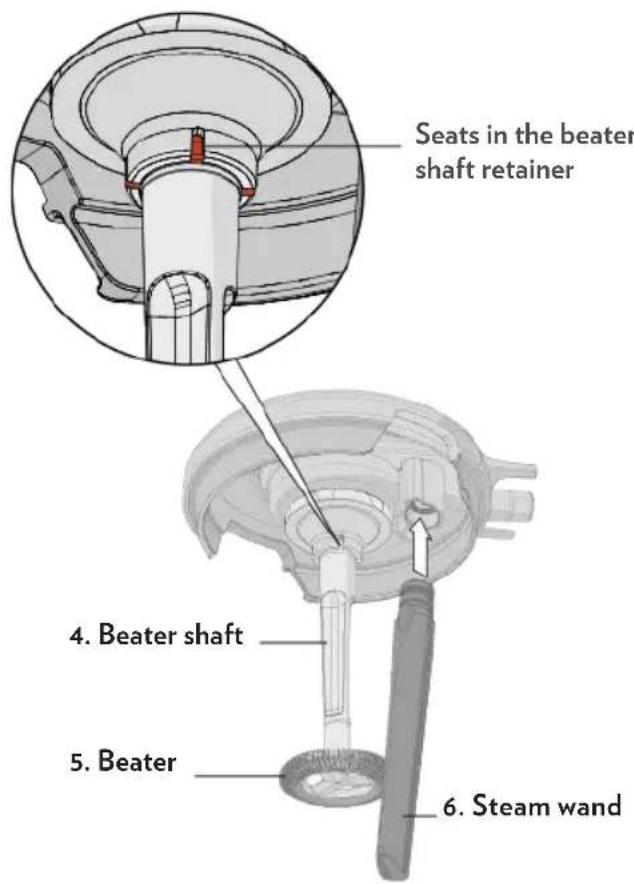
text_image
Seats in the beater shaft retainer 4. Beater shaft 5. Beater 6. Steam wand5 Fit the cover onto the milk whipping jug.
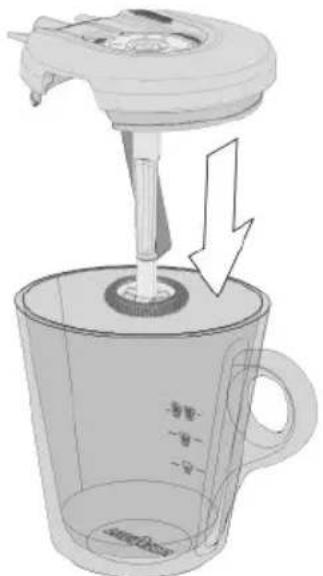
natural_image
Illustration of a blender with a downward arrow indicating compression or disassembly (no text or symbols present)6 Close the milk whipping jug with its cover and pay attention to the correct position and direction of the cover.
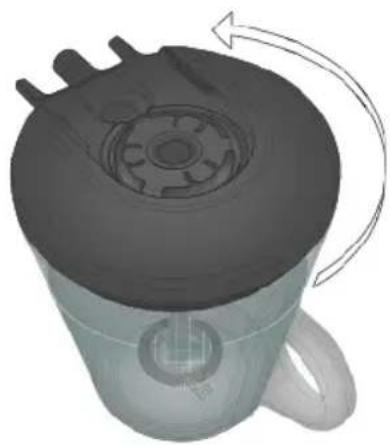
natural_image
3D rendering of a cylindrical container with a lid and internal structure, showing a curved arrow indicating rotation (no text or symbols)Prior to starting the machine, check the machine serial number that is printed under the Bar Code in the label underneath the machine and find the operating instructions in the dedicated section.
Manuals and tutorial videos suitable to all machine serial numbers are available on our website.
DESCALING AS REGARDS MACHINES WITH SERIAL NUMBER
FROM 2231S001116896 TO 2232S001116943
FROM 2244S001120116
Carefully read the descaling instructions.
Scan the QR code to watch the descaling tutorial:
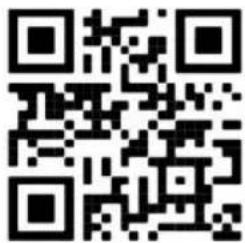
text_image
QR code image containing encoded data, no visible human-readable textLimescale normally builds up with extended use of the appliance; the machine needs descaling every 2 months and/or whenever a reduction in water flow is noticed.
The descaling cycle will be requested by the machine through the switching-on of the special warning lamp available 🤨
Do not switch the machine off when the descaling cycle is under way.
The machine must be monitored during the descaling cycle. The cycle will have, once it has been started, to be performed completely.
Check there is no capsule inside the capsule containing compartment.
The milk frothing jug MUST be inserted during the descaling cycle.
Items needed for descaling:
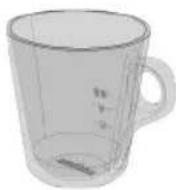
Milk frothing
jug
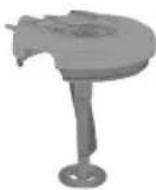
Milk frothing jug
cover
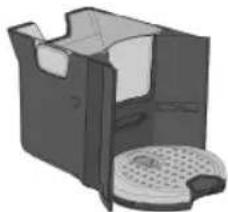
natural_image
3D rendering of a mechanical device with a perforated base and internal cavity (no text or symbols)Capsule tray and drop collection tray
1 Remove and empty the water tank and remove the milk whipping jug.
Do not drink the descaling solution and products dispensed until the completion of the cycle.
Never use vinegar as a descaling solution.
To decalcify the machine, It is recommended that the LAVAZZA DESCALING agent should be used.
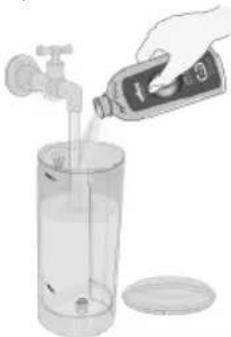
2 Fill the tank with the LAVAZZA DESCALING agent 8.7fl oz (250 ml) and water 8.7fl oz (250 ml).
Fit the tank back into place on the machine
natural_image
Illustration of a hand pouring liquid into a glass bottle with a faucet, accompanied by a lid (no text or symbols)Use a moist cloth to wipe off the squirts or drops, if any.
MAINTENANCE AND CLEANING
EN
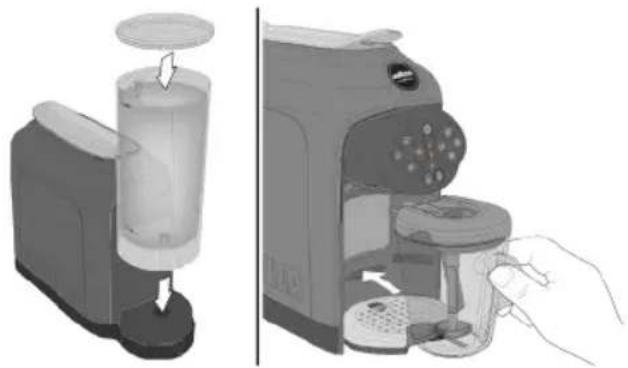
3 Put the tank back in place on the machine.
4 Place the milk frothing jug (complete with its cover) into position on the machine.
natural_image
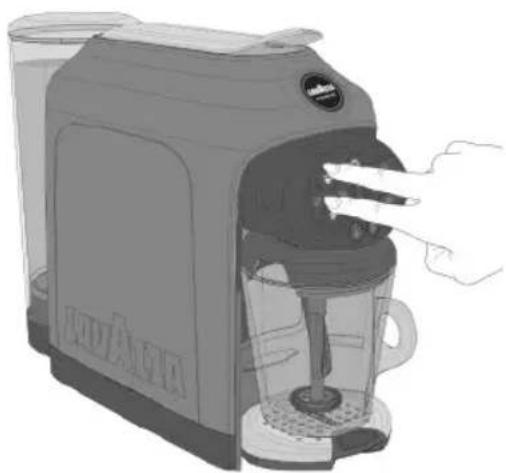
Two-step illustration of a coffee maker's side view showing the device being processed into a smaller container (no text or symbols visible)5 With the machine switched off, hold down both delivery buttons LONG ESPRESSO 📋 and FREE DOSE 🌐 for minimum 3 seconds.
natural_image
Illustration of a coffee maker with hands inserting a cup into the tray (no text or symbols visible)The machine will emit a prolonged acoustic signal then the O button, LONG COFFEE button and the descaling warning lamp will all come on to a steady light
* The acoustic signals will not be emitted if they have been turned OFF.
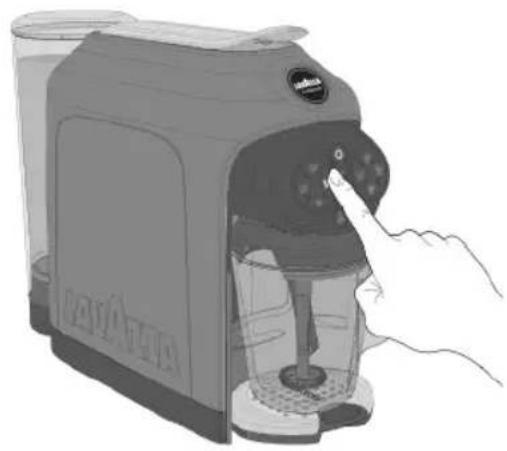
6 Press the LONG COFFEE button 📋 to start the descaling cycle.
natural_image
Illustration of a hand pressing a button on a food blender (no text or symbols visible)If the LONG COFFEE button is not pressed within 9 minutes after the acoustic signal the machine switches off automatically and you should repeat the step of the procedure to start the cycle. In case of power supply interruption, the machine will, upon the first power-on, resume the descaling procedure where it was interrupted: press the LONG COFFEE button restart DESCALING.
EN
MAINTENANCE AND CLEANING
7 The machine will automatically activate the descaling process, after the heating cycle is over.
During the descaling cycle, the LONG COFFEE button will be ON and blinking and the descaling warning lamp will be ON to a steady light.
During the descaling cycle, the machine will automatically perform intermittent supply cycles, to allow the container to be emptied.
natural_image
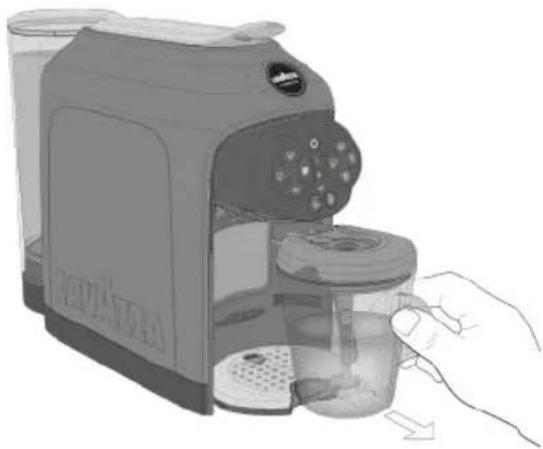
Illustration of a hand inserting a small jar into a coffee maker (no text or symbols visible)The descaling cycle can be temporarily interrupted by pressing either the LONG COFFEE 📋 or ○ button. To start the cycle again, press the LONG COFFEE button 📋
8 The cycle will be temporarily interrupted when the fluid runs out in the machine tank.
DO NOT top up the tank during this phase. You must allow the tank to empty completely.
9 Empty the milk frothing jug used to collect the descaling solution.
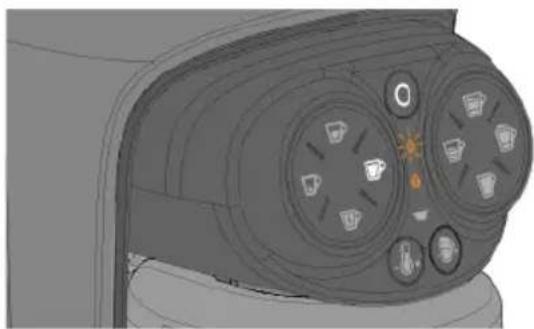
The O button, LONG COFFEE button 📋 and "No water" warning lamp ! will be ON to a steady light. Descaling warning lamp 🌐 will be ON and blinking.
natural_image
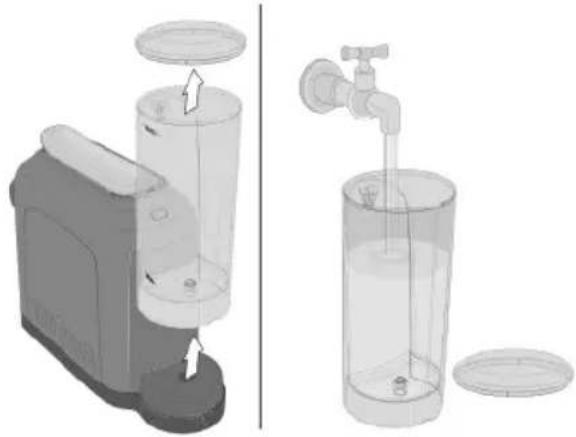
Close-up of a mechanical component with circular ports and control knobs (no visible text or symbols)10 Remove the water tank, rinse and wash it accurately. Fill it with drinking fresh non-carbonated water up to the MAX. level.
natural_image
Illustration of a water dispenser and a water tap in a container (no text or symbols)In case of power supply interruption, the machine will, upon the first power-on, resume the rinse procedure where it was interrupted: press the LONG COFFEE button 📋 to restart RINSING.
MAINTENANCE AND CLEANING
EN
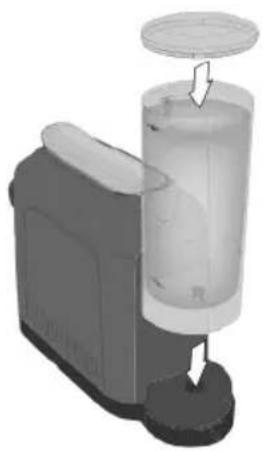
11 Fit the tank with water.
natural_image
3D rendering of a mechanical device with a cylindrical component and a downward arrow indicating motion (no text or symbols)12 Place the milk frothing jug (complete with its cover) back into position on the machine.
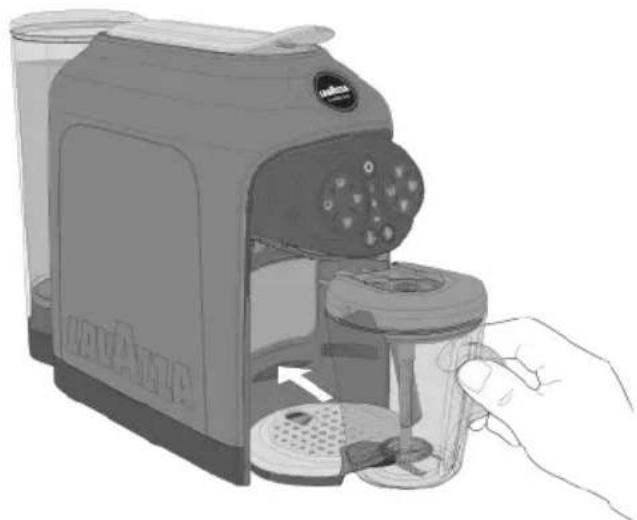
natural_image
Illustration of a coffee maker using a cup, with a hand inserting a cup into the cup (no text or symbols visible)13 Press the LONG COFFEE button 📋 to start the rinsing cycle.
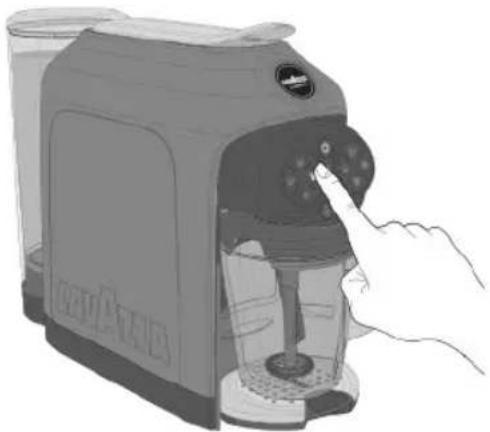
natural_image
Illustration of a hand pressing down on a coffee maker's side panel (no text or symbols visible)14 At the end of the first rinse cycle, refill the water tank and start the second rinse cycle by pressing the LONG COFFEE button 📋
To end the rinse cycle, a minimum amount of water of 67.62 fl oz (2 litres) (approximately 2 tanks) will have to be supplied.
In case of lack of water, the cycle will be temporarily interrupted, the machine will emit a prolonged acoustic signal (if enabled) and the "No water 🔊" warning lamp will come on to a steady light. Top up the tank and press the LONG COFFEE button 📋 again to restart the rinse cycle
15 At rinse end, the descaling warning lamp goes off, which confirms that the procedure has come to an end. Before using the machine, empty and thoroughly rinse the milk frothing jug and its cover, clean it using a soft moist cloth.
DESCALING AS REGARDS MACHINES WITH SERIAL NUMBER:
FROM 1947S001034763 TO 231S001116895 FROM 2242S001116944 TO 2244S001120115

The machine serial number is shown below the barcode on the label put under the machine.

Carefully read the descaling instructions.
Scan the QR code to watch the descaling tutorial:
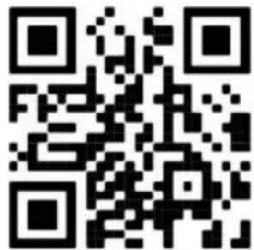
text_image
QR code image containing encoded data, no visible human-readable textLimescale normally builds up with extended use of the appliance; the machine needs descaling every 2-3 months and/or whenever a reduction in water flow is noticed.
The descaling cycle will be requested by the machine through the switching-on of the special warning lamp available 🌐

Do not switch the machine off when the descaling cycle is under way.
The machine must be monitored during the descaling cycle.
The cycle will have, once it has been started, to be performed completely.
Check there is no capsule inside the capsule containing compartment.
1 Remove and empty the water tank and remove the milk whipping jug.
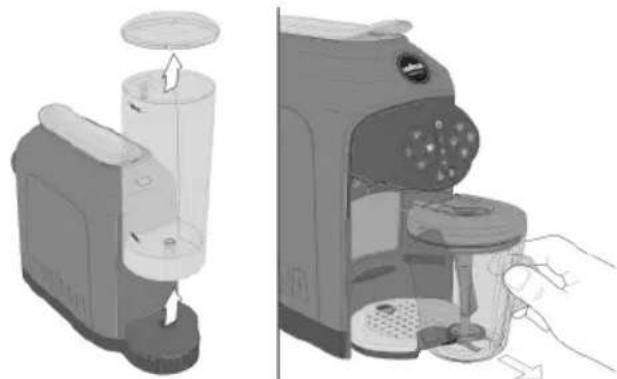
natural_image
Illustration of a coffee maker with a hand inserting a cup into its side (no text or symbols present)
Do not drink the descaling solution and products dispensed. Never use vinegar as a descaling solution.

To decalcify the machine, It is recommended that the LAVAZZA DESCALING agent should be used.

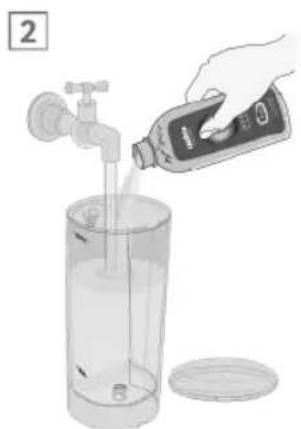
Fill the tank with the LAVAZZA DESCALING agent 8.7fl oz (250 ml) and water 8.7fl oz (250 ml).

Fit the tank back into place on the machine.

Use a moist cloth to wipe off the squirts or drops, if any.
natural_image
Illustration of a hand pouring liquid into a clear glass bottle with a faucet (no text or symbols)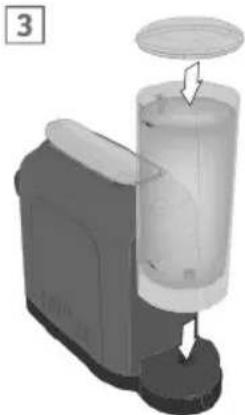
natural_image
3D rendering of a mechanical device with a cylindrical component and an arrow indicating direction (no text or symbols)4 Place a container with a capacity of at least 16.9 fl oz (0.5 L) under the supplying device.
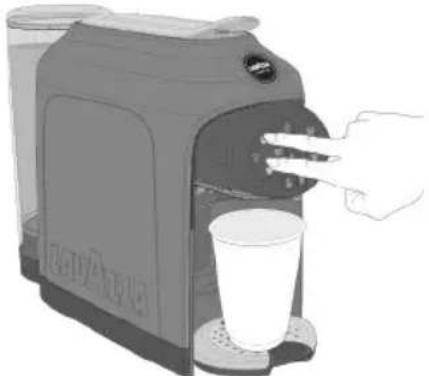
5 With the machine switched off, hold down both delivery buttons LONG ESPRESSO 📋 and FREE DOSE 📋 for minimum 3 seconds.
natural_image
Illustration of a hand pouring liquid into a coffee maker with a cup (no text or symbols visible)The machine will emit a prolonged acoustic signal 📋 then the ○ button, LONG COFFEE button 🌐 and the descaling warning lamp will all come on to a steady light 💬 *The acoustic signals will not be emitted if they have been turned OFF.
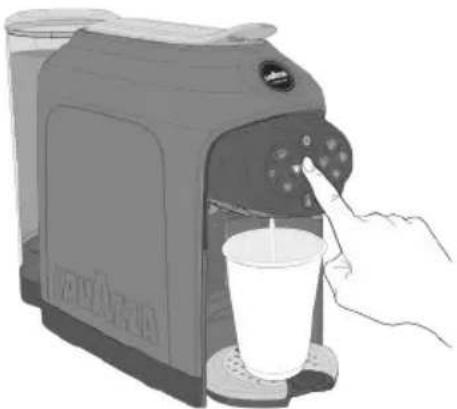
6 Press the LONG COFFEE button 📋 to start the des-caling cycle.
natural_image
Illustration of a hand pressing a button on a coffee maker's side table (no text or symbols visible)If the LONG COFFEE button 📋 is not pressed within 9 minutes after the acoustic signal, the machine switches off automatically and you should repeat the step procedure to start the cycle.
In case of power supply interruption, the machine will, upon the first power-on, resume the descaling procedure where it was interrupted: press the LONG COFFEE button 📋Prestart DESCALING.
7 The machine will automatically activate the descaling process, after the heating cycle is over.
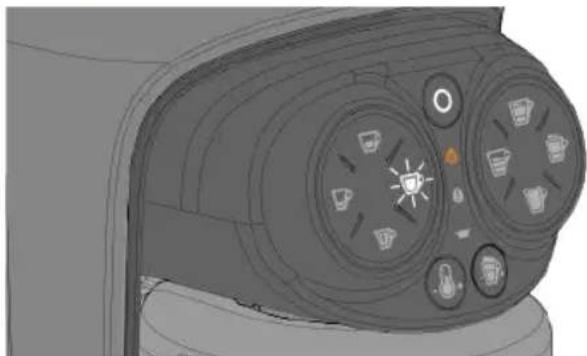
During the descaling cycle, the LONG COFFEE button will be ON and blinking and the descaling warning lamp will be ON to a steady light.
natural_image
Close-up of a mechanical component with circular dial indicators and a central sun-like symbol (no text or labels visible)During the descaling cycle, the machine will automatically perform intermittent supply cycles, to allow the container to be emptied.
The descaling cycle can be temporarily interrupted by pressing either the LONG COFFEE 📋 or ○ button. To start the cycle again, press the LONG COFFEE button 📋
8 The cycle will be temporarily interrupted when the fluid runs out in the machine tank.
DO NOT top up the tank during this phase. You must allow the tank to empty completely.
EN
MAINTENANCE AND CLEANING
9 Empty the container used to collect the solution.
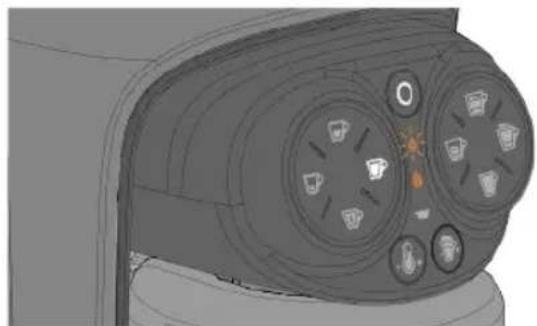
The O button, LONG COFFEE 📋 button and "No water" warning lamp will be ON to a steady light. Descaling warning lamp will be ON and blinking.
natural_image
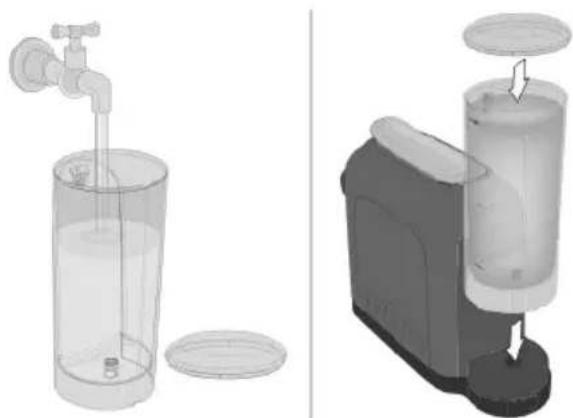
Close-up of a mechanical component with circular ports and mounting holes (no visible text or symbols)10 Remove the water tank, rinse and wash it accurately. Fill it with drinking fresh non-carbonated water up to the MAX. level.
natural_image
Two technical illustrations: one showing a faucet and drain, the other showing a water dispenser with a valve (no text or symbols)In case of power supply interruption, the machine will, upon the first power-on, resume the rinse procedure where it was interrupted: press the LONG COFFEE button 📌 restart RINSING.
11 Fit the tank back into place on the machine. Place a container with a capacity of at least 16.9 fl oz (0.5 L) under the supplying device.
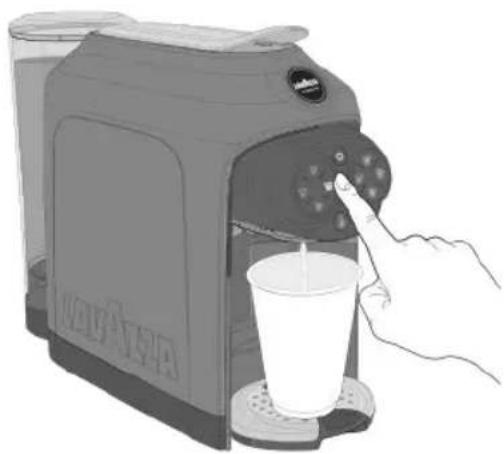
12 Press the LONG COFFEE button 📋 to start he rinsing cycle.
natural_image
Illustration of a hand pressing a button on a coffee maker's side table with a glass cup (no text or symbols visible)To end the rinse cycle, a minimum amount of water of 33.81 fl oz (1 litre) (approximately 1 full tank) will have to be supplied. In case of lack of water, the cycle will be temporarily interrupted, the machine will emit a prolonged acoustic signal (if enabled) and the "No water" warning lamp will come on to a steady light. Top up the tank and press the LONG COFFEE button again to restart the rinse cycle.
13 At rinse end, the descaling warning lamp goes off, which confirms that the procedure has come to an end. Before using the machine, empty and thoroughly rinse the milk frothing jug and its cover, clean it using a soft moist cloth.
DESCALING AS REGARDS MACHINES WITH SERIAL NUMBER UNTIL 1947S001034762
The machine serial number is shown below the barcode on the label put under the machine.
Carefully read the descaling instructions. Scan the QR code to watch the descaling tutorial:
text_image
QR code image containing encoded data, no visible human-readable textLimescale normally builds up with extended use of the appliance; the machine needs descaling every 2-3 months and/or whenever a reduction in water flow is noticed.
The descaling cycle will be requested by the machine through the switching-on of the special warning lamp available 🌐
Do not switch the machine off when the descaling cycle is under way.
The machine must be monitored during the descaling cycle.
The cycle will have, once it has been started, to be performed completely.
Check there is no capsule inside the capsule containing compartment.
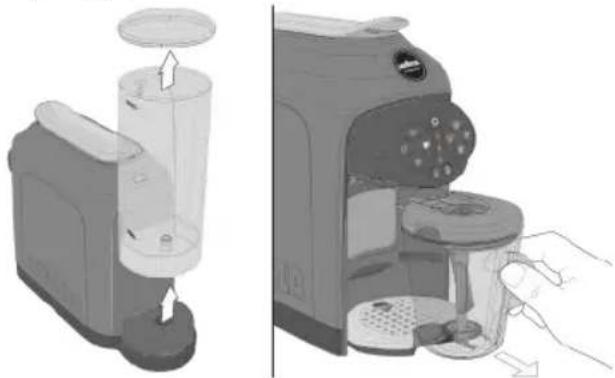
1 Remove and empty the water tank and remove the milk whipping jug.
natural_image
Two-step illustration of a coffee maker's side view showing the front and side views (no text or symbols)Do not drink the descaling solution and products dispensed until the completion of the cycle. Never use vinegar as a descaling solution.
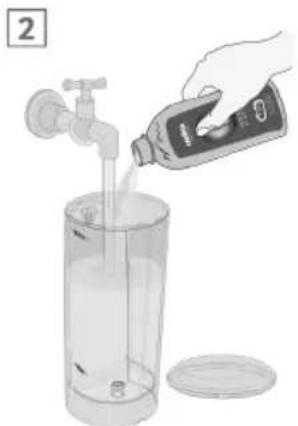
To decalcify the machine, It is recommended that the LAVAZZA DESCALING agent should be used.
2 Fill the tank with the LAVAZZA DESCALING agent 8.7fl oz (250 ml) and water 8.7fl oz (250 ml).
3 Fit the tank back into place on the machine.
Use a moist cloth to wipe off the squirts or drops, if any.
natural_image
Illustration of a hand pouring liquid into a clear glass bottle with a faucet (no text or symbols)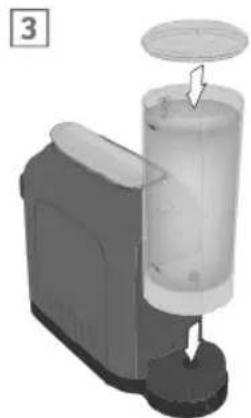
natural_image
3D rendering of a mechanical device with a cylindrical component and a base, showing internal components and an arrow indicating motion (no text or symbols)EN
MAINTENANCE AND CLEANING
4 Place a container with a capacity of at least 16.9 fl oz (0.5 L) under the supplying device.
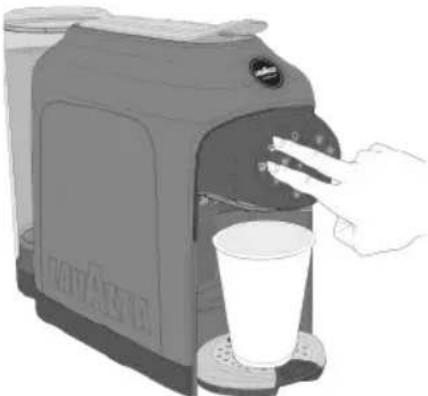
5 With the machine switched off, hold down both delivery buttons ESPRESSO 📋 and LONG ESPRESSO 📋 for minimum 3 seconds.
natural_image
Illustration of a hand using a coffee maker to add beverages into a cup (no text or symbols visible)The machine will emit a prolonged acoustic signal, then the O button, FREE DOSE button and the descaling warning lamp will all come on to a steady light *The acoustic signals will not be emitted if they have been turned OFF.
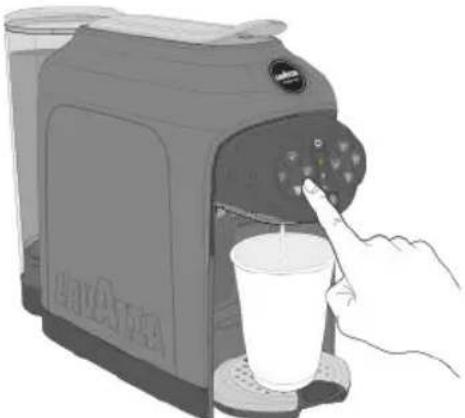
6 Press the FREE DOSE button 📋 to start the descaling cycle.
natural_image
Illustration of a hand pressing a square button on a coffee maker's front panel, with a glass cup nearby (no text or symbols visible)If the FREE DOSE button Button is not pressed within 9 minutes after the acoustic signal, the machine switches off automatically and you should repeat the step of the procedure to start the cycle. In case of power supply interruption, the machine will, upon the first power-on, resume the descaling procedure where it was interrupted: press the FREE DOSE button restart DESCALING.
7 The machine will automatically activate the descaling process, after the heating cycle is over.
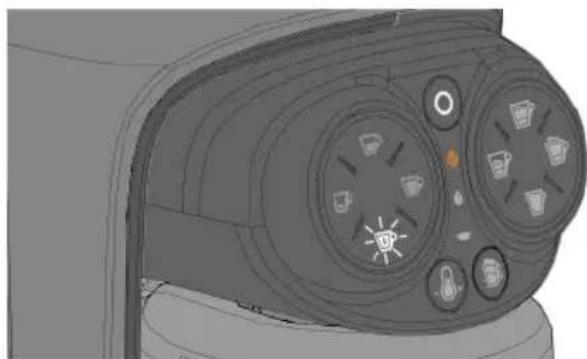
During the descaling cycle, the FREE DOSE button will be ON and blinking and the descaling warning lamp will be ON to a steady light
natural_image
Close-up of a camera lens system with multiple circular adjustment knobs and a central sun icon (no text or symbols visible)During the descaling cycle, the machine will automatically perform intermittent supply cycles, to allow the container to be emptied.
The descaling cycle can be temporarily interrupted by pressing either the FREE DOSE button. To start the cycle again, press the FREE DOSE button
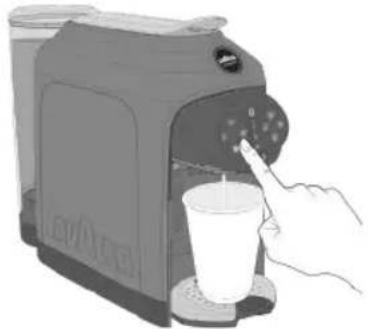
6 Press the FREE DOSE button 📋 to start the descaling cycle.
natural_image
Illustration of a hand using a coffee maker to add beverages into a cup (no text or symbols visible)If the FREE DOSE button button is not pressed within 9 minutes after the acoustic signal, the machine switches off automatically and you should repeat the step of the procedure to start the cycle. In case of power supply interruption, the machine will, upon the first power-on, resume the descaling procedure where it was interrupted: press the FREE DOSE button restart DESCALING.
7 The machine will automatically activate the descaling process, after the heating cycle is over.
During the descaling cycle, the FREE DOSE button will be ON and blinking and the descaling warning lamp will be ON to a steady light
During the descaling cycle, the machine will automatically perform intermittent supply cycles, to allow the container to be emptied.
The descaling cycle can be temporarily interrupted by pressing either the FREE DOSE button. To start the cycle again, press the FREE DOSE button
8 The cycle will be temporarily interrupted when the fluid runs out in the machine tank.
DO NOT top up the tank during this phase. You must allow the tank to empty completely.
9 Empty the container used to collect the solution.
The O button, FREE DOSE button 📋 and "No water" warning lamp will be ON to a steady light. Descaling warning lamp will be ON and blinking.
10 Remove the water tank, rinse and wash it accurately. Fill it with drinking fresh non-carbonated water up to the MAX. level.
In case of power supply interruption, the machine will, upon the first power-on, resume the rinse procedure where it was interrupted: press the FREE DOSE button 📌 restart RINSING.
11 Fit the tank back into place on the machine. Place a container with a capacity of at least 16.9 fl oz (0.5 L) under the supplying device.
12 Press the FREE DOSE button 📋 to start he rinsing cycle.
natural_image
Three grayscale illustrations of different food containers: a water dispenser, a digital brush, and a coffee maker (no text or symbols visible)To end the rinse cycle, a minimum amount of water of 33.81 fl oz (1 litre) (approximately 1 full tank) will have to be supplied.
In case of lack of water, the cycle will be temporarily interrupted, the machine will emit a prolonged acoustic signal 🔥 (if enabled) and the "No water" warning lamp 🔥 will come on to a steady light. Top up the tank and press the FREE DOSE button 📋 again to restart the rinse cycle.
13 At rinse end, the descaling warning lamp goes off, which confirms that the procedure has come to an end. Before using the machine, empty and thoroughly rinse the milk frothing jug and its cover, clean the machine using a soft moist cloth.
EN
TROUBLESHOOTING
| Problem encountered Possible causes Solution | ||
The machine will not switch on after the button is pressed.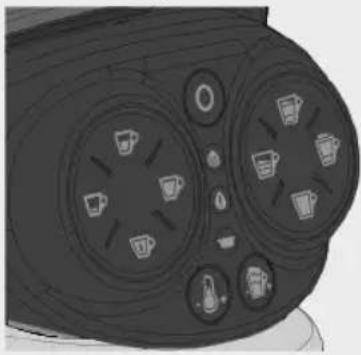 | » Machine is not connected to the power source.» The machine is connect to power strip not working.» Power supply not available in the electric/household mains.» Touch interface fails to respond.» Wrong simultaneous pressure of 2 buttons. | » Connected the machine to the power source.» Connected the machine directly to the power source.» Connect another device to check the power supply.» Verify that the interface surface and the user's hands are clean and dry.» Wait a few seconds, then press the button only.IF THE PROBLEM REMAIN PLEASE CONTACT LAVAZZA CUSTOMER SERVICE. |
| Excessive heating time perceived (i.e. more than 40 seconds). | » Machine storage at low temperatures (e.g.: cellar/garage). | » Keep the machine in a suitable place over at least 1 hour.Then, plug the machine into the mains socket and try to switch it on.IF THE PROBLEM REMAIN PLEASE CONTACT LAVAZZA CUSTOMER SERVICE. |
TROUBLESHOOTING
EN
| Problem encountered Possible causes Solution | ||
| The machine is very noisy. » Machine not is on a flat and stable surface.» Power supply cable incorrectly positioned.» Movable parts not fitted properly.» No water in the tank.» Capsule not present | » Check the surface.» Check the correct position of the cable into the base of the machine.» Fit the movable parts properly.» Top up the tank with fresh drinking water.» Insert Lavazza A MODO MIO capsule or compatible.IF THE PROBLEM REMAIN PLEASE CONTACT LAVAZZA CUSTOMER SERVICE. | |
| Unit ready for use and failing to acknowledge the button press. | » Wrong button press/activation.» Used capsule collection tray not fitted.» Water circuit clogged with scale deposits. | » Press one of the illuminated buttons with your fingertip, then check the availability of the acoustic signal (if activated) and the proper blinking of the selected icon.» Check the correct insertion of the tray, with the resulting alarm warning lamp switch-off. Check for correct supplying.IF THE PROBLEM REMAIN PLEASE CONTACT LAVAZZA CUSTOMER SERVICE. |
| The lever remains closed after the supply. | » Used capsule tray full. » Empty the tray and try to open the lever. | IF THE PROBLEM REMAIN PLEASE CONTACT LAVAZZA CUSTOMER SERVICE. |
| No supply (the machine is switched on, yet it supplies no coffee or water). | » No water in the tank.» Tank not inserted correctly.» Capsule loading lever lifted or not lowered correctly.» No water flow in the hydraulic circuit (no activation).» Capsule not compatible.» Presence of limescale. | » Top the tank up with drinking fresh water, then check for correct supplying.» Correctly fit the tank in, then check for correct supplying.» Lower the capsule loading lever up to the stop, then check for correct supplying.» Disconnect the power cord, wait 10 seconds, then connect the power cord again. Switch the machine on and wait for the heating cycle to be over. Check for correct supplying (the machine will automatically make attempts at filling the hydraulic circuit).» Try again by using another capsule from a different package.» Perform the descaling procedure by means of the Lavazza descaling agent.IFTHEPROBLEMREMAIN PLEASE CONTACT LAVAZZA CUSTOMER SERVICE. |
| Water leaks in the coffee machine. »Tank damaged.» Spent capsule drawer filled.» Capsule stuck.» Capsule not compatible. | » Check for leaks in the tank keeping it separate from the machine.» Empty the spent capsule drawer.» Open and close the lever to drop the capsule. Remove and empty the capsule collection tray.» Use suitable capsules (i.e. Lavazza A MODO MIO capsules or any compatible capsule).IF THE PROBLEM REMAIN PLEASE CONTACT LAVAZZA CUSTOMER SERVICE. | |
TROUBLESHOOTING
EN
| Problem encountered Possible causes Solution | ||
| Button ⬇linking red. | » Inadequate machine storing conditions / Temporary lock. | » Unplug the machine from the power socket and allow it to rest at room temperature enough time (max. 1 hour). Plug the machine in again, then press the switch-on button (make one attempt only).IF THE PROBLEM REMAIN PLEASE CONTACT LAVAZZA CUSTOMER SERVICE. |
| The loading lever does not reach the supply position or requires an excessive closing effort. | » Spent capsule drawer filled.» Capsule stuck. | » Empty the tray and make an attempt at closing the lever.» Open and close the lever to drop the capsule.IF THE PROBLEM REMAIN PLEASE CONTACT LAVAZZA CUSTOMER SERVICE. |
| Coffee is dispensed too fast and, therefore, it is not so creamy. | » A previously used capsule is used.» Capsule not present.» Capsule not compatible. | » Use a new capsule.» Insert the capsule.» Try again by using another capsule from a different package.IF THE PROBLEM REMAIN PLEASE CONTACT LAVAZZA CUSTOMER SERVICE. |
| The coffee is cold. » Slow supplying, hydraulic circuit clogged with limescale. | » Perform the descaling procedure by means of the Lavazza descaling agent.IF THE PROBLEM REMAIN PLEASE CONTACT LAVAZZA CUSTOMER SERVICE. | |
| Problem encountered Possible causes Solution | ||
| The machine emits no sound » Acoustic signal OFF. » Switch off the machine, and thenhold down both the ESPRESSO 📋and LONG COFFEE 🌐buttons depressed over at least 5 seconds.(refer to the “GETTING THE MACHINE READY” section)IF THE PROBLEM REMAIN PLEASE CONTACT LAVAZZA CUSTOMER SERVICE. | ||
| Coffee flows out slowly drop by drop. » Capsule not compatible.» An inadequate pod has been used.» Supplying device clogged.» Hydraulic circuit clogged with limescale. | » Try again by using another capsule from a different package.» Remove the used capsule and use a new capsule.» Clean the coffee dispensing spout (see MAINTENANCE AND CLEANING).» Perform the descaling procedure by means of the Lavazza descaling agent.IF THE PROBLEM REMAIN PLEASE CONTACT LAVAZZA CUSTOMER SERVICE. | |
| The milk-based beverage warning lights are OFF and the buttons won’t work. | » Milk jug missing or inserted wrongly.» Milk cover positioned with the nozzles facing the handle. | » Insert the milk jug. The milk preparation warning lights will be turned on if the jug is inserted correctly» Turn the milk cover so that the nozzle will face the direction opposite the handle. The milk preparation warning lights will be turned on if the jug is inserted correctly.IF THE PROBLEM REMAIN PLEASE CONTACT LAVAZZA CUSTOMER SERVICE. |
TROUBLESHOOTING
EN
| Problem encountered Possible causes Solution | ||
| Milk does not foam. » Milk unsuitable for use.» Too hot milk temperature.» Beater coil not fitted into place.» Water circuit clogged with scale deposits. | » It is recommended that whole milk (pasteurized or UHT treated) and/ or cold skimmed milk from the fridge 39.2 °F (4 °C) should be used.» Use milk at fridge temperature: 39.2°F (4°C) indicatively.» Make sure that the beater coil has been fitted into place correctly.» Perform the descaling procedure by means of the Lavazza descaling agent.IF THE PROBLEM REMAIN PLEASE CONTACT LAVAZZA CUSTOMER SERVICE. | |
| The milk-based beverage temperature is too hot. | » Insufficient amount of milk fed with respect to the selected / desired amount.» Use of hot milk or at ambient temperature.» Hot milk frothing jug and whisk cover.» Made more than 5 consecutive deliveries. | » Add more milk by following the indications of the icons on the milk jug.» Use milk at fridge temperature: 39.2°F (4°C) indicatively.» Always wash the milk frothing jug and the whisk cover between preparations.» Wait 10 minutes for the components to cool down.IF THE PROBLEM REMAIN PLEASE CONTACT LAVAZZA CUSTOMER SERVICE. |
| The milk-based beverage temperature is too cold. | » Excessive amount of milk fed with respect to the selected / desired amount.» Water circuit clogged with scale deposits. | » Decrease the amount of milk by following the indications of the icons on the milk jug.» Perform the descaling procedure by means of the Lavazza descaling agent.IF THE PROBLEM REMAIN PLEASE CONTACT LAVAZZA CUSTOMER SERVICE. |
| OLD WHIPPED MILK beverage preparation hot. | » Wrong access procedure for the COLD WHIPPED MILK beverage. | » Repeat the access procedure by keeping the “Temperature boost” button depressed until the icon turns BLUE (as shown in page 73 of the Manual).IF THE PROBLEM REMAIN PLEASE CONTACT LAVAZZA CUSTOMER SERVICE. |
| The cappuccino maker is noisy during milk preparation. | » Milk frothing beater not correctly installed.» Beater cover components not installed in their correct positions.» Use of soluble products.» Dirt. | » Position the milk frothing beater correctly as shown in the Manual (page 77).» Make sure that the beater shaft retainer is correctly positioned (see page 77).» Do not use powder soluble products (such as CHOCOLATE).» Clean all of the beater cover outer parts.IF THE PROBLEM REMAIN PLEASE CONTACT LAVAZZA CUSTOMER SERVICE. |
| The cappuccino maker is blocked | » Milk frothing beater not correctly installed.» Beater cover components not installed in their correct positions.» Use of soluble products.» Dirt. | » Position the milk frothing beater correctly as shown in the Manual (page 77).» Make sure that the beater shaft retainer is correctly positioned (see page 77).» Do not use powder soluble products (such as CHOCOLATE).» Clean all of the beater cover outer parts.I F THE PROBLEM REMAIN PLEASE CONTACT LAVAZZA CUSTOMER SERVICE. |
TROUBLESHOOTING
EN
| Problem encountered Possible causes Solution | ||
| No coffee available for preparing the cappuccinos and the milk with coffee | » Coffee capsule missing.» Previous coffee capsule not discharged.» Early removal of the milk jug. | » Insert a coffee capsule and prepare the new desired beverage by eliminating the previous one.» Discharge the used capsule, insert a new one and prepare the new desired beverage by eliminating the previous one.» Wait for the acoustic signal at the end of preparing the selected beverage.IF THE PROBLEM REMAIN PLEASE CONTACT LAVAZZA CUSTOMER SERVICE. |
| Milk spilling out of the jug | » Milk jug broken.» Excessive milk jug filling (above the upper notch / icon).» Insufficient milk jug filling (below the selected notch / icon).» Selection of the same beverage used for the previous preparation. | » Check the integrity of the milk jug. In case of breakage, CONTACT THE LAVAZZA CUSTOMER SERVICE.» Fill with the correct amount, as shown by the icons on the jug.» Fill with the correct amount, as shown by the icons on the jug.» Prepare the new desired beverage by eliminating the previous one and by applying one cycle ONLY.IF THE PROBLEM REMAIN PLEASE CONTACT LAVAZZA CUSTOMER SERVICE. |
EN
TROUBLESHOOTING
| Problem encountered | Possible causes | Solution |
| ON/STANDBY button red warning light with acoustic signal emitted when preparing a milk-based beverage. | » Milk frothing beater not correctly installed.» Beater cover components not installed in their correct positions.» Use of soluble products.» Dirt. | » Position the milk frothing beater correctly as shown in the Manual (page 77).» Make sure that the beater shaft retainer is correctly positioned (see page 77).» Do not use powder soluble products (such as CHOCOLATE).» Clean all of the beater cover outer parts.IF THE PROBLEM REMAIN PLEASE CONTACT LAVAZZA CUSTOMER SERVICE. |
Contact Lavazza Customer Service for any problem or failure not included in the above list.
TECHNICAL SPECIFICATIONS
• Power supply: 220-240V / 50-60Hz
- Nominal power: 1500W
- Dimensions: Height Width Depth
280 mm 145 mm 380 mm
11.02 in 5.70 in 14.96 in
• Weight: 4,5 kg (8,81 lb)
• Water tank removable type: 1,1 L (38,71 oz)
• Housing materials: Thermoplastic
• Cable Length: 0,8 m (31.49 in)
⚠ Destination d'usage:
natural_image
Illustration of a hand inserting a plug into an electrical outlet (no text or symbols)natural_image
Illustration of a Javatanza coffee maker with a hand interacting with it (no text or symbols visible)natural_image
Illustration of a JAVALA coffee maker with control panel and side sink (no text or symbols on device)natural_image
Illustration of a hand using a coffee maker to press or feed a drink into a glass (no text or symbols visible)natural_image
Illustration of a hand pressing down on a device control panel (no text or symbols visible)DISPOSITION POUR LA PRÉPARATION DU CAFÉ
natural_image
Illustration of a hand using a PTA/ATTA coffee maker to press or interact with a surface finish (no text or symbols visible)natural_image
Illustration of a hand using a coffee maker with a keyboard and control panel (no text or symbols visible)natural_image
Illustration of a Italian coffee maker with a coffee cup on the tray (no text or symbols visible)natural_image
Illustration of a coffee maker with a cup and side dish, no visible text or symbolsFR
PRÉPARATION DE LA MACHINE
natural_image
Illustration of a LiVAlA coffee maker with control panel and side arm (no text or symbols on device)natural_image
Illustration of a glass mug with water being poured into it, next to a metallic faucet (no text or symbols)natural_image
Illustration of a blender being filled with liquid, showing the process from pressing into a container (no text or symbols present)PRÉPARATION DE LA MACHINE
FR
natural_image
Illustration of a hand pouring liquid into a beverage container using a KARLA brand (no text or symbols visible)natural_image
Line drawing of a blender with a finger pointing to the button (no text or symbols present)natural_image
Illustration of a hand pouring liquid into a glass container using a self-service Lava Na mixer (no text or symbols visible)natural_image
Illustration of a hand using a coffee maker to press or install a piece of tea, with a cup and glass nearby (no text or symbols)natural_image
Illustration of a hand inserting a small black object into a coffee maker machine, with no visible text or symbols.PRÉPARATION DU CAFÉ
FR
natural_image
Illustration of a hand pressing down on a Swiss coffee maker with a coffee cup, no text or symbols present.natural_image
Illustration of a hand inserting a coffee maker into a tray with a mug, no text or symbols presentnatural_image
Illustration of a hand using a coffee maker to press a cup into a machine (no text or symbols visible)natural_image
Illustration of a hand using a self-service coffee maker to press the product from a cup (no text or symbols visible)
natural_image
Illustration of a French Lavailler coffee maker with a hand pressing the button (no text or symbols on the device itself)
natural_image
Illustration of a hand inserting a coffee into a portable tea machine with cups and a lid (no text or symbols)natural_image
Illustration of a hand using a Kappa coffee maker to press a cup, with no visible text or symbols on the device itself.natural_image
Illustration of a hand mixer in a clear cup with a downward arrow indicating compression (no text or symbols)
natural_image
Illustration of a hand using a coffee machine to add beverages from a cup (no text or symbols visible)
natural_image
Illustration of a hand using a coffee maker to press or pick a coffee cup (no text or symbols visible)natural_image
Illustration of a hand pressing down on a coffee maker's side table (no text or symbols visible)natural_image
Illustration of a hand pressing down on a coffee maker's air conditioner (no text or symbols visible)natural_image
Illustration of a coffee maker with a hand pointing to the control panel (no text or symbols visible)natural_image
Illustration of a coffee maker with a hand pointing to the control panel (no text or symbols visible)natural_image
Illustration of a coffee maker with a hand pointing to its control panel (no text or symbols visible)DISTRIBUTION DE LATTE MACCHIATO
natural_image
Illustration of a coffee maker with a hand pointing to the control panel (no text or symbols visible)natural_image
Illustration of a coffee maker with a hand pointing to the control panel (no text or symbols visible)DISTRIBUTION DE LAIT MOUSSEUX FROID
natural_image
Illustration of a hand mixer in progress with a downward arrow indicating compression (no text or symbols)FR
natural_image
Illustration of a coffee maker with a hand pressing the control panel (no text or symbols visible)natural_image
Illustration of a hand pressing a coffee maker's control panel with a finger pointing to the device (no text or symbols visible)natural_image
Illustration of a hand using a coffee maker to press or interact with a coffee cup (no text or symbols visible)NETTOYAGE DU BAC DE COLLECTE DES GOUTTES ET DU TIROIR DE COLLECTE DES CAPSULES USÉES
natural_image
Illustration of a food processor with a tray holding several food items, showing a process from an open container to a closed storage unit (no text or symbols visible)natural_image
Diagram showing a 3D mechanical component with internal structure and flow arrows, no text or symbols present.natural_image
Illustration of a blender with a downward arrow indicating compression or disassembly (no text or symbols present)natural_image
3D rendering of a cylindrical container with a lid and internal structure, showing fluid flow direction (no text or symbols)
text_image
QR code image containing encoded data, no visible human-readable textnatural_image
3D rendering of a modern kitchen appliance with a perforated sink and side panel (no text or symbols visible)natural_image
Illustration of a hand pouring liquid into a glass with a faucet, and another part of a lid partially visible (no text or symbols)natural_image
Illustration of a digital coffee maker with a hand inserting a cup into its base (no text or symbols present)natural_image
Illustration of a coffee maker with hand gesture, no visible text or symbolsnatural_image
Illustration of a hand pressing a button on a coffee maker's side table (no text or symbols visible)natural_image
Illustration of a hand inserting a coffee into a container using a self-service Papua's tea maker (no text or symbols visible)natural_image
Close-up of a mechanical component with circular ports and internal components (no visible text or symbols)natural_image
Illustration of a kitchen appliance with a side view showing internal components and a close-up of the interior sink (no text or symbols)natural_image
3D rendering of a mechanical device with a cylindrical component and a base, showing no text or symbols.natural_image
Illustration of a coffee maker with a hand inserting a cup into the holder (no text or symbols visible)natural_image
Illustration of a hand pressing a button on a coffee maker's side table (no text or symbols visible)text_image
QR code image containing encoded data, no visible human-readable textnatural_image
Illustration of a coffee maker with a lid and side view showing its interior components (no text or symbols)natural_image
Illustration of a hand pouring liquid into a clear glass bottle with a faucet (no text or symbols)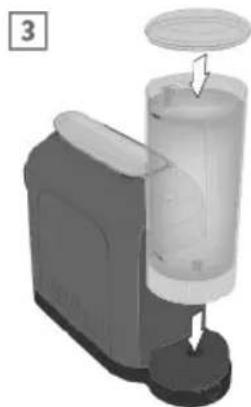
natural_image
3D rendering of a mechanical device with a lid and base, showing internal components and a pointer (no text or symbols)FR
ENTRETIEN ET NETTOYAGE
natural_image
Illustration of a hand pouring liquid into a glass (no text or symbols visible)natural_image
Illustration of a hand using a coffee maker to press a cup (no text or symbols visible)natural_image
Close-up of a camera lens with multiple circular adjustment knobs and a central light source (no text or symbols visible)natural_image
Close-up of a mechanical component with circular ports and a central hub (no visible text or symbols)natural_image
Two technical illustrations of a water dispenser: one showing a faucet and lid, the other showing a pump with a handle and outlet (no text or symbols)natural_image
Illustration of a hand pressing a button on a coffee maker's side table with a glass cup (no text or symbols visible)text_image
QR code image containing encoded data, no visible human-readable textnatural_image
Illustration of a coffee machine being processed, showing the left panel with a lid and the right panel with a hand inserting a cup into a tray (no text or symbols visible)natural_image
Illustration of a hand pouring liquid into a clear glass bottle with a faucet (no text or symbols)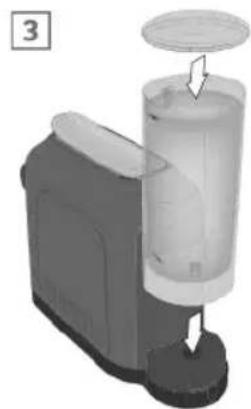
natural_image
3D rendering of a mechanical device with a cylindrical component and a base, showing internal components and a circular top element (no text or symbols)natural_image
Illustration of a coffee maker with a hand inserting a cup into the machine (no text or symbols visible)natural_image
Illustration of a hand pressing a button on a coffee maker's side table with a glass (no text or symbols visible)natural_image
Close-up of a camera lens system with multiple circular adjustment knobs and a central indicator light (no text or symbols visible)natural_image
Close-up of a mechanical component with circular dial and control buttons (no visible text or symbols)natural_image
Two technical illustrations: one showing a faucet and container with liquid, the other showing a cylindrical device with lid and arrow (no text or symbols)natural_image
Illustration of a hand using a coffee maker to press or interact with a cup (no text or symbols visible)natural_image
Illustration of a hand inserting a plug into an electrical outlet (no text or symbols)natural_image
Illustration of a Lavaola coffee maker with a hand pointing to the control panel (no text or symbols on the device itself)natural_image
Illustration of a LiVAla coffee maker with control panel and side sink (no text or symbols on device)natural_image
Illustration of a hand using a PAPANIA coffee maker to press or feed a drink (no text or symbols visible)natural_image
Illustration of a camera module with a hand pointing to the control panel (no text or symbols visible)DE
natural_image
Illustration of a coffee maker with a hand inserting a slot into it (no text or symbols visible)natural_image
Illustration of a hand using a coffee maker with a tray and control panel (no text or symbols visible)natural_image
Illustration of a coffee maker with a cup and digital display (no text or symbols visible)natural_image
Illustration of a coffee maker with a white cup beside it (no text or symbols visible)natural_image
Illustration of a Lavailla coffee maker with open lid and side ports (no text or symbols on device)natural_image
Illustration of a glass mug with water being poured into it, next to a metallic faucet (no text or symbols)natural_image
Illustration of a blender being filled with liquid, showing the process from adding liquid to adding a black lid (no text or symbols present)DE
natural_image
Illustration of a hand pouring liquid into a glass container using a coffee maker (no text or symbols visible)natural_image
Illustration of a hand pouring liquid from a coffee machine into a glass jar (no text or symbols visible)natural_image
Illustration of a hand pressing down on a coffee maker's side panel (no text or symbols visible)natural_image
Illustration of a hand using a BOLTA heater to press or export a piece of tea, with a coffee cup nearby (no text or symbols)natural_image
Illustration of a hand pouring liquid into a Vau Atta machine with a coffee cup nearby (no text or symbols)DE
natural_image
Illustration of a hand placing a coffee maker into a coffee cup, with no visible text or symbols on the device itself.natural_image
Illustration of a hand pressing a coffee machine with a mug, no text or symbols presentnatural_image
Illustration of a hand pressing a coffee machine with a cup, no text or symbols presentnatural_image
Illustration of a hand using a coffee maker to press the control panel, with a mug and coffee cup nearby (no text or symbols visible)
natural_image
Illustration of a hand inserting a coffee machine into a cup, showing the control panel and tray (no text or symbols)
natural_image
Illustration of a hand placing a black circular object into a gray industrial machine with a cup and lid (no text or symbols)natural_image
Illustration of a hand using a coffee maker to press a coffee cup, with no visible text or symbols.natural_image
Illustration of a hand mixer in a clear cup with liquid, showing mechanical components and a downward arrow (no text or symbols)
natural_image
Illustration of a hand using a coffee maker to press or<|rotate_right|> a cup, showing the device's interior and handle (no text or symbols present)
natural_image
Illustration of a hand placing a small black object onto a device, with another container partially visible (no text or symbols)natural_image
Illustration of a hand placing a piece into a coffee maker's side panel (no text or symbols visible)natural_image
Illustration of a hand pressing down on a coffee maker's side table with a control panel (no text or symbols visible)natural_image
Illustration of a hand pressing down on a LEA coffee maker's blender (no text or symbols visible)natural_image
Illustration of a hand pressing down on a food blender with a control panel (no text or symbols visible)natural_image
Illustration of a coffee maker with a hand pointing to the control panel (no text or symbols visible)AUSGABE VON MILCH MIT EINEM SCHUSS KAFFEE
natural_image
Illustration of a coffee maker with a hand pointing to the control panel (no text or symbols visible)DE
natural_image
Illustration of a coffee maker with a hand pointing to the control panel (no text or symbols visible)AUSGABE AUFGESCHÄUMTE MILCH KALT
natural_image
Illustration of a hand mixer in a glass mug with liquid, showing mechanical components and a downward arrow (no text or symbols)natural_image
Illustration of a coffee maker with a hand pressing the control panel (no text or symbols visible)natural_image
Illustration of a hand pressing a coffee maker's control panel with a finger pointing to the device (no text or symbols visible)natural_image
Illustration of a hand using a coffee maker to press coffee into a cup (no text or symbols visible)REINIGUNG DER ABTROPFSCHALE UND BEHÄLTER DER VERBRAUCHTEN KAPSELN
natural_image
Illustration of a coffee maker and its interior storage unit (no text or symbols)natural_image
3D mechanical assembly diagram showing internal components and directional arrows (no text or symbols)natural_image
Illustration of a blender with a downward arrow indicating compression or disassembly (no text or symbols present)natural_image
3D rendering of a mechanical component with a curved arrow indicating rotation or motion (no text or symbols)
text_image
QR code image containing encoded data, no visible human-readable textnatural_image
Simple line drawing of a glass mug with handle and spout (no text or symbols)natural_image
3D rendering of a mechanical device with a perforated base and open door (no text or symbols visible)natural_image
Illustration of a hand pouring liquid from a bottle into a glass with a faucet (no text or symbols)natural_image
Illustration of a hand using a digital brush to clean or prepare a coffee machine (no text or symbols visible)natural_image
Illustration of a coffee maker with hand inserting into the cup (no text or symbols visible)natural_image
Illustration of a hand pressing down on a digital food blender (no text or symbols visible)natural_image
Illustration of a hand inserting a coffee maker into a glass container (no text or symbols visible)natural_image
3D rendering of a mechanical component with circular ports and mounting holes (no text or symbols visible)natural_image
Illustration of a kitchen appliance and its water dispenser, showing internal components and a tap (no text or symbols)natural_image
3D rendering of a mechanical device with a cylindrical component and a base, showing internal components (no text or symbols visible)natural_image
Illustration of a hand inserting a coffee machine into a glass container (no text or symbols visible)natural_image
Illustration of a hand pressing a button on a food blender (no text or symbols visible)text_image
QR code image containing encoded data, no visible human-readable textnatural_image
Illustration of a hand washing a coffee maker into a cup (no text or symbols present)
natural_image
Illustration of a hand pouring liquid into a clear glass bottle with a faucet (no text or symbols)3
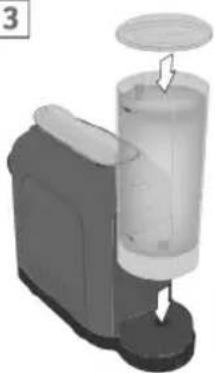
natural_image
3D rendering of a mechanical device with a cylindrical component and a base, no visible text or symbolsnatural_image
Illustration of a hand pouring liquid into a coffee maker with a glass cup (no text or symbols visible)natural_image
Illustration of a hand inserting a cup into a coffee maker's blender (no text or symbols visible)natural_image
Close-up of a camera lens with circular adjustment knobs and a central light source (no text or symbols visible)natural_image
Close-up of a mechanical component with circular ports and control knobs (no visible text or symbols)natural_image
Two technical illustrations: one showing a water tap and container with liquid, the other showing a cylindrical device with lid and handle (no text or symbols)natural_image
Illustration of a hand pressing a button on a coffee maker's front panel, with no visible text or symbols.text_image
QR code image containing encoded data, no visible human-readable textnatural_image
Two-step illustration of a coffee maker's internal processing, showing the top view and side view (no text or symbols)natural_image
Illustration of a hand pouring liquid into a glass bottle with a faucet (no text or symbols)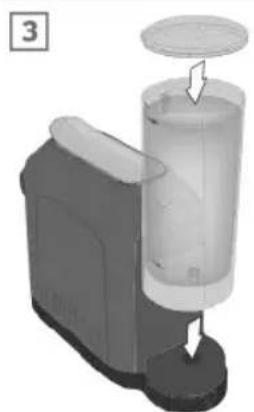
natural_image
3D rendering of a mechanical device with a cylindrical component and an arrow indicating motion (no text or symbols)DE
natural_image
Illustration of a hand using a black and white portable milk cart with a cup (no text or symbols visible)natural_image
Illustration of a hand using a coffee maker to press a cup (no text or symbols visible)natural_image
Close-up of a camera lens with multiple circular adjustment knobs and a central light source (no text or symbols visible)natural_image
3D rendered mechanical component with circular ports and control knob (no text or symbols visible)natural_image
Two technical illustrations: one showing a water tap with liquid inside a transparent cylinder, the other showing a cylindrical device with a lid and arrow indicating flow or movement (no text or symbols present)natural_image
Illustration of a hand using a coffee maker to press or click the cup (no text or symbols visible)natural_image
Illustration of a hand inserting a plug into an electrical outlet (no text or symbols)natural_image
Illustration of a Lavaola coffee maker with a hand pointing to its control panel (no text or symbols on the device itself)natural_image
Illustration of a Swiss coffee maker with label 'RAVATIA' and control panel (no text or symbols on device body)natural_image
Illustration of a hand using a PiTAlFA blender to press a white beverage from a glass (no text or symbols on the device itself)natural_image
Illustration of a hand pressing a button on a device panel (no text or symbols visible)natural_image
Illustration of a hand using a self-service coffee maker to press or install a tray (no text or symbols visible)natural_image
Illustration of a hand using a coffee maker with a tray and control panel (no text or symbols visible)natural_image
Illustration of a coffee maker with a cup and coffee tray, no visible text or symbolsnatural_image
Illustration of a coffee maker with a cup and a sideplate, no visible text or symbolsnatural_image
Illustration of a coffee maker with open lid and control panel (no visible text or symbols)natural_image
Illustration of a glass mug with water being poured into it, next to a metallic faucet (no text or symbols)natural_image
Illustration of a blender with liquid being inserted into a cup, showing the process (no text or symbols)natural_image
Illustration of a hand pouring liquid into a coffee maker using a stand mixer (no text or symbols visible)natural_image
Illustration of a hand pressing a button on a coffee maker's side panel (no text or symbols visible)natural_image
Illustration of a French Lavailla coffee maker pouring liquid into a glass cup (no text or symbols)natural_image
Illustration of a hand using a portable tea maker to press or spread its contents, with a cup and glass nearby (no text or symbols)natural_image
Illustration of a hand pouring liquid into a small Lavaza coffee maker with a cup on the side (no text or symbols)PREPARACIÓN DE CAFÉ
ES
natural_image
Illustration of a coffee maker with a hand pressing down on its lid, showing its control panel and coffee cup (no text or symbols present)natural_image
Illustration of a hand inserting a coffee machine into a tray with a mug, showing the control panel and product icons (no text or symbols present)natural_image
Illustration of a hand pressing a coffee machine with a cup, showing the process (no text or symbols present)natural_image
Illustration of a hand pressing a coffee maker's control panel with a mug (no text or symbols visible)natural_image
Illustration of a hand pressing down on a Lavailler coffee maker's side panel (no text or symbols visible)natural_image
Illustration of a hand placing a small black object into a device with a cup and another container nearby (no text or symbols)natural_image
Illustration of a hand using a coffee maker to press or click the coffee machine (no text or symbols visible)natural_image
Illustration of a hand mixer in a clear cup with liquid, showing mechanical components and a downward arrow (no text or symbols)
natural_image
Illustration of a hand using a coffee maker to add beverages from a glass cup (no text or symbols visible)
natural_image
Illustration of a hand pouring black liquid into a small machine (no text or symbols visible)natural_image
Illustration of a hand using a coffee maker to press or install a coffee machine (no text or symbols visible)natural_image
Illustration of a hand pressing down on a coffee maker's side panel (no text or symbols visible)natural_image
Illustration of a hand pressing a coffee maker's tray with a control panel (no text or symbols visible)natural_image
Illustration of a hand pressing down on a coffee maker's side table with a control panel (no text or symbols visible)natural_image
Illustration of a coffee maker with a hand pointing to its control panel (no text or symbols visible)natural_image
Illustration of a coffee maker with a hand pointing to its control panel (no text or symbols visible)natural_image
Illustration of a coffee maker with a hand pointing to the control panel (no text or symbols visible)natural_image
Illustration of a hand mixer in a glass mug with liquid, showing mechanical components and a downward arrow (no text or symbols)ES
natural_image
Illustration of a hand pressing a coffee maker's tray with a control panel (no text or symbols visible)natural_image
Illustration of a hand pressing a button on a coffee maker's side table (no text or symbols visible)natural_image
Illustration of a coffee maker with a hand inserting a cup into the machine (no text or symbols visible)natural_image
Illustration of a food processing machine with a container filled with five circular objects, showing no text or symbols.
natural_image
Diagram showing a 3D mechanical component with internal structure and flow arrows, no text or symbols present.natural_image
Illustration of a blender with a handle and spout, showing liquid level (no text or symbols)natural_image
3D rendering of a cylindrical device with internal components and a curved arrow indicating rotation (no text or symbols)
text_image
QR code image containing encoded data, no visible human-readable textnatural_image
3D rendering of a mechanical device with a perforated base and internal compartments (no text or symbols)natural_image
Illustration of a hand pouring liquid from a bottle into a clear glass with a faucet (no text or symbols)natural_image
Two-step illustration of a coffee maker's side view showing the process from being into a container (no text or symbols present)natural_image
Illustration of a coffee maker with hand inserting a pencil into the cup (no text or symbols visible)natural_image
Illustration of a hand pressing a button on a coffee maker's side table (no text or symbols visible)natural_image
Illustration of a hand using a Elcroda coffee maker to add beverages into a cup (no text or symbols visible)natural_image
Close-up of a mechanical component with circular control knobs and adjustment knobs (no visible text or symbols)natural_image
Illustration of a kitchen appliance and a water dispenser with faucet (no text or symbols)natural_image
3D rendering of a mechanical device with a cylindrical component and an arrow indicating direction (no text or symbols)natural_image
Illustration of a hand using a coffee maker to add beverages from a cup (no text or symbols visible)natural_image
Illustration of a hand pressing a button on a food machine (no text or symbols visible)text_image
QR code image containing encoded data, no visible human-readable textnatural_image
Illustration of a coffee maker with a side view showing its internal components and a hand inserting a cup into the base (no text or symbols present)natural_image
Illustration of a hand pouring liquid into a clear glass bottle with a faucet (no text or symbols)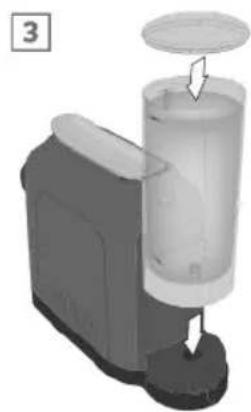
natural_image
3D rendering of a mechanical device with a cylindrical component and a base, showing internal components and a circular top (no text or symbols)ES
natural_image
Illustration of a hand pouring liquid into a coffee maker with a glass on the side (no text or symbols visible)natural_image
Illustration of a hand using a coffee maker to press or feed a cup (no text or symbols visible)natural_image
Close-up of a mechanical component with circular ports and a central indicator light (no text or symbols visible)natural_image
3D rendering of a mechanical component with multiple circular ports and control knobs (no visible text or symbols)natural_image
Diagram showing a water dispenser with faucet and lid, alongside a device with a handle and arrow (no text or symbols)natural_image
Illustration of a hand pressing a coffee maker's control panel with a glass cup (no text or symbols visible)text_image
QR code image containing encoded data, no visible human-readable textnatural_image
Illustration of a hand washing a coffee machine with a side view showing the interior and exterior views (no text or symbols)natural_image
Illustration of a hand pouring liquid into a glass bottle with a faucet, accompanied by a lid (no text or symbols)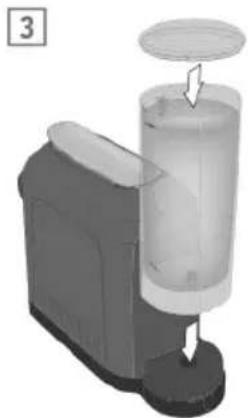
natural_image
3D rendering of a mechanical device with a cylindrical component and a base, showing internal components and an arrow indicating motion (no text or symbols)natural_image
Illustration of a coffee maker with a hand inserting a cup into the machine (no text or symbols visible)natural_image
Illustration of a hand pressing a button on a coffee maker's side table with a glass cup (no text or symbols visible)natural_image
Close-up of a camera lens with adjustment knobs and a light source icon (no text or symbols visible)natural_image
Close-up of a mechanical component with circular ports and control buttons (no visible text or symbols)natural_image
Two technical illustrations of a water dispenser: one showing a faucet and container, the other showing a cylindrical device with lid and outlet (no text or symbols)natural_image
Illustration of a hand pressing a control panel on a coffee maker with a cup (no text or symbols visible)natural_image
Illustration of a hand inserting a plug into an electrical outlet (no text or symbols)natural_image
Illustration of a Latcatka coffee maker with a hand pointing to the control panel (no text or symbols on the device itself)natural_image
Illustration of a Latista coffee maker with control panel and side grilles (no text or symbols visible)natural_image
Illustration of a hand using a BATAFAA coffee maker to press a drink, with no visible text or symbols on the device itself.natural_image
Illustration of a hand pressing a button on a digital camera module (no text or symbols visible)PT
natural_image
Illustration of a hand using a Swiss coffee maker to press or install a tray (no text or symbols visible)2
natural_image
Illustration of a hand using a self-service coffee maker with a digital app (no text or symbols visible)3
Apoiar a xícara sobre a superfície.
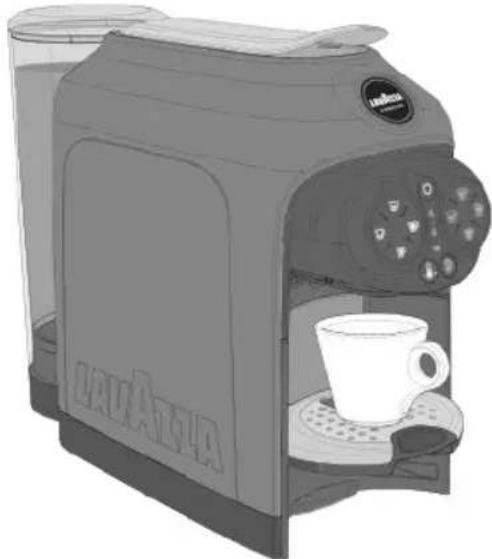
natural_image
Illustration of a coffee maker with a white cup and control panel, no visible text or symbols4
natural_image
Illustration of a coffee maker with a coffee cup and a label 'PADA' on its side (no text or symbols on the device itself)natural_image
Illustration of a Liqalva coffee maker with a glass stand and control panel (no text or symbols visible)natural_image
Illustration of a glass mug with liquid being poured into it, next to a metallic faucet (no text or symbols)natural_image
Illustration of a blender being filled with liquid, showing the process from mixing to packaging (no text or symbols present)PT
natural_image
Illustration of a hand pouring liquid into a coffee maker using a stand mixer (no text or symbols visible)natural_image
Illustration of a coffee maker with a hand pointing to the button (no text or symbols visible)6 No final do ciclo de limpeza, a remover a jarra de montar leite na máquina.
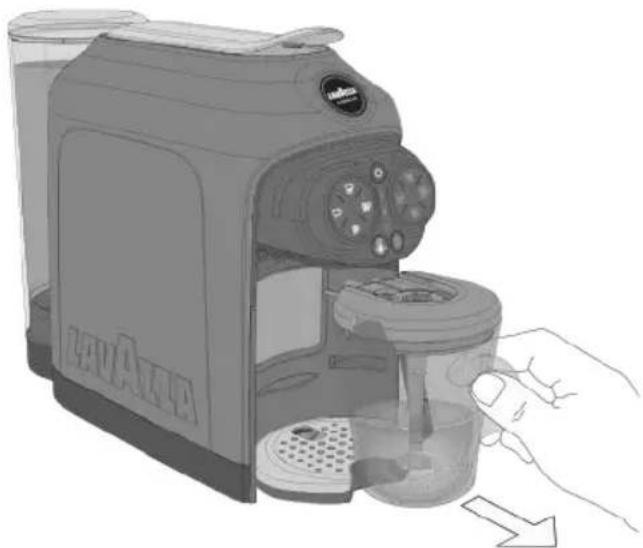
natural_image
Illustration of a hand using a standard coffee machine to add beverages into a glass (no text or symbols visible)natural_image
Illustration of a hand pressing down on a coffee maker's side table with a cup, showing no text or symbols.natural_image
Illustration of a hand placing a small black object into a coffee machine with a cup and lid nearby (no text or symbols)natural_image
Illustration of a Lava Atta SA coffee maker with a hand inserting a packet into it, no text or symbols present.natural_image
Illustration of a hand pressing down on a coffee machine with a mug inside (no text or symbols visible)natural_image
Illustration of a hand pressing a coffee maker's control panel with a cup (no text or symbols visible)natural_image
Illustration of a hand using a Swiss coffee maker to press a coffee cup, no text or symbols presentnatural_image
Illustration of a hand pressing a control panel on a Latalla coffee maker (no text or symbols visible)natural_image
Illustration of a hand pouring liquid into a coffee machine with a cup nearby (no text or symbols)natural_image
Illustration of a hand pressing a coffee machine with a cup, no text or symbols presentnatural_image
Illustration of a hand mixer in a clear glass container with liquid, showing mechanical components and a downward arrow indicating motion (no text or symbols)
natural_image
Illustration of a hand placing a small black object into a coffee machine (no text or symbols visible)natural_image
Illustration of a hand pressing down on a coffee maker's side table (no text or symbols visible)natural_image
Illustration of a hand pressing down on a self-service coffee maker's side table (no text or symbols visible)natural_image
Illustration of a hand pressing a lever on a coffee maker's side table (no text or symbols visible)natural_image
Illustration of a hand pressing down on a coffee maker's side table with control panel (no text or symbols visible)natural_image
Illustration of a coffee maker with a hand pointing to its control panel (no text or symbols visible)LEITE MACCHIATO
natural_image
Illustration of a hand pressing a coffee maker's tray with control panel (no text or symbols visible)PT
PREPARAÇÃO DAS BEBIDAS A BASE DE LEITE
LEITE MONTADO QUENTE
natural_image
Illustration of a coffee maker with a hand pointing to its control panel (no text or symbols visible)LEITE MONTADO FRIO
natural_image
Illustration of a hand mixer in progress with a downward arrow indicating compression or reduction (no text or symbols present)PREPARAÇÃO DAS BEBIDAS A BASE DE LEITE
PT
natural_image
Illustration of a hand pressing a control panel on a coffee maker's side table (no text or symbols visible)natural_image
Illustration of a hand pressing down on a coffee maker's air conditioner (no text or symbols visible)natural_image
Illustration of a hand using a coffee maker to press or feed into a cup (no text or symbols visible)LIMPEZA DA BANDEJA DE COLETA DE GOTAS E DA GAVETA DE COLETA DE CÁPSULAS UTILIZADAS
O acendimento da luz avisadora da gaveta de coleta de cápsulas indica que a gaveta de cápsulas utilizadas esta cheia e ocorre esvazia-la e reintroduzi-la.
1 Extrair a bandeja de coleta de gotas e a gaveta de coleta de cápsulas utilizadas.
A máquina emite um sinal acústico para sinalizar a remoção da gaveta de coleta de cápsulas.
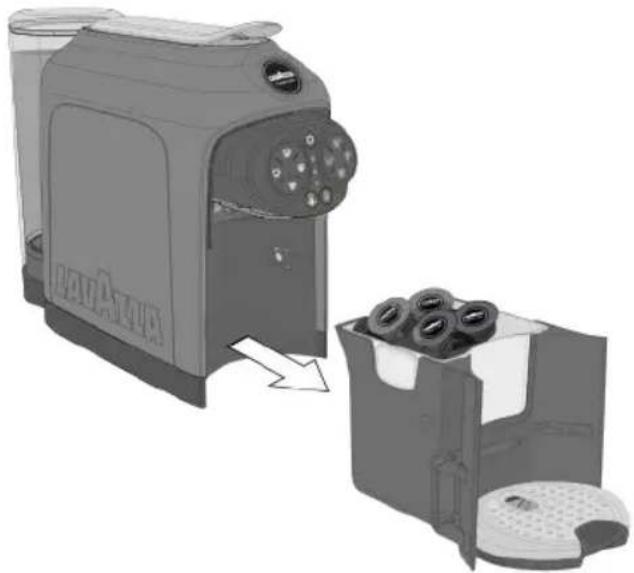
natural_image
Illustration of a food processor with a side-view view showing its internal components (no text or symbols present)natural_image
Illustration of a blender with a downward arrow indicating compression or disassembly (no text or symbols present)natural_image
3D rendering of a mechanical component with a curved arrow indicating rotation or motion (no text or symbols)text_image
QR code image containing encoded data, no visible human-readable textnatural_image
3D rendering of a mechanical device with a curved housing and perforated base (no text or symbols visible)natural_image
Illustration of a hand pouring liquid into a clear glass bottle with a faucet (no text or symbols)natural_image
Two-step illustration of a hand using a coffee maker to clean and add food (no text or symbols present)natural_image
Illustration of a coffee maker with hands inserting a cup into the tray (no text or symbols visible)natural_image
Illustration of a hand pressing a control panel on a food machine (no text or symbols visible)natural_image
Illustration of a hand pouring liquid into a container using a coffee maker (no text or symbols visible)natural_image
Close-up of a mechanical component with circular ports and control knobs (no visible text or symbols)natural_image
Illustration of a small water dispenser with a side view showing its internal components and a close-up of its interior (no text or symbols present)natural_image
3D rendering of a mechanical device with a cylindrical component and a base, showing internal components and arrows indicating motion (no text or symbols)natural_image
Illustration of a hand using a coffee maker to add beverages into a glass cup (no text or symbols visible)natural_image
Illustration of a hand pressing down on a food blender with control panel (no text or symbols visible)text_image
QR code image containing encoded data, no visible human-readable textnatural_image
Two-step illustration of a coffee maker's side view showing the front and side views (no text or symbols)natural_image
Illustration of a hand pouring liquid into a glass bottle with a faucet, no text or symbols present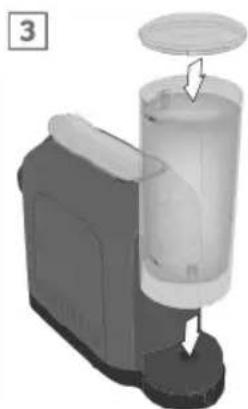
natural_image
3D rendering of a mechanical device with a cylindrical component and an arrow indicating motion (no text or symbols)natural_image
Illustration of a hand pouring liquid into a coffee maker with a glass cup (no text or symbols visible)natural_image
Illustration of a hand pressing a button on a coffee maker's side table (no text or symbols visible)natural_image
Close-up of a camera lens with multiple circular adjustment knobs and a central light source (no text or symbols visible)natural_image
3D rendered mechanical component with circular ports and mounting holes (no visible text or symbols)natural_image
Two grayscale illustrations: one showing a faucet with liquid and a lid, the other showing a water dispenser with a handle (no text or symbols)natural_image
Illustration of a hand pressing a button on a coffee maker's side table (no text or symbols visible)text_image
QR code image containing encoded data, no visible human-readable textnatural_image
Illustration of a hand using a coffee maker to open the cup (no text or symbols visible)natural_image
Illustration of a hand pouring liquid into a clear glass bottle with a faucet (no text or symbols)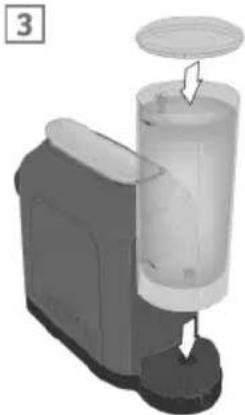
natural_image
3D rendering of a mechanical device with a cylindrical component and an arrow indicating motion (no text or symbols)PT
natural_image
Illustration of a hand using a coffee maker to clean a cup (no text or symbols visible)natural_image
Illustration of a hand pressing a button on a coffee maker's side table with a glass cup (no text or symbols visible)natural_image
Close-up of a camera lens with multiple circular adjustment knobs and a central sun icon (no text or symbols visible)natural_image
Close-up of a mechanical component with circular ports and control buttons (no visible text or symbols)natural_image
Two grayscale illustrations: one showing a faucet inserted into a clear cylinder, the other showing a device with a handle and arrow (no text or symbols)natural_image
Illustration of a hand using a coffee maker to press or pick a drink (no text or symbols visible)The manufacturer reserves the right to make changes without prior notice.