XM1ES - Hi-Fi System SONY - Free user manual and instructions
Find the device manual for free XM1ES SONY in PDF.



| Product type | Mono power amplifier |
| Brand | Sony |
| Model | XM1ES |
| Category | Subwoofer amplifier |
| Amplification technology | Class D with switching power supply |
| Rated power (RMS) | 1,000 W (2 Ω, 100 Hz, THD+N 1.0%) 600 W (4 Ω, 100 Hz, THD+N 1.0%) |
| Maximum power | 1,550 W (2 Ω) |
| Frequency response | 10 Hz – 500 Hz (+0.5 dB) |
| Total harmonic distortion (THD) | 0.05% or less (100 Hz) |
| Speaker impedance | 2 Ω to 8 Ω |
| Low-pass filter (LPF) | 50 Hz – 500 Hz, 24 dB/octave, switchable |
| Subsonic filter | 5 Hz – 50 Hz, 24 dB/octave, switchable |
| Input sensitivity | 0.2 V – 8 V (low level) 3 V – 16 V (high level) |
| Power requirements | Vehicle battery 12 V DC (negative ground) Voltage: 10.5 V – 16 V |
| Current consumption | 90 A (at rated power 2 Ω) 4 mA (remote control input) |
| Fuse | 25 A (built-in) |
| Dimensions (W × H × D) | 270 mm × 60 mm × 215 mm |
| Weight | Approx. 2.9 kg (without accessories) |
| Special features | Dynamic distortion suppressor, active thermal control, protection circuit, remote bass control |
| Inputs | RCA (low level) and high level input (via adapter) |
| Outputs | Speaker terminals and LINE OUT (RCA) for daisy-chaining |
| Power on | Remote (REMOTE) or signal detection (SIGNAL) |
| Maintenance | Clean with a dry cloth; replace fuse with same type |
| Safety | Protection circuit against overheating, short circuit, DC current |
| Spare parts and repairability | Replaceable fuse; for any repair, contact an authorized Sony dealer |
| General information | Made in Thailand; CE and UKCA valid; EU importer: Sony Europe B.V. |
Frequently Asked Questions - XM1ES SONY
User questions about XM1ES SONY
0 question about this device. Answer the ones you know or ask your own.
Ask a new question about this device
Download the instructions for your Hi-Fi System in PDF format for free! Find your manual XM1ES - SONY and take your electronic device back in hand. On this page are published all the documents necessary for the use of your device. XM1ES by SONY.
USER MANUAL XM1ES SONY
Mono Power Amplifier
| Operating Instructions | GB |
| Mode d'emploi | FR |
| Bedienungsanleitung | DE |
| Manual de instrucciones | ES |
| Gebruiksaanwijzing | NL |
| Bruksanvisning | SE |
Owner's Record
The model and serial numbers are located on the bottom of the unit.
Record the serial number in the space provided below.
Refer to these numbers whenever you call upon your Sony dealer regarding this product.
Model No. XM-1ES
Serial No. ____

For your safety, be sure to install this unit inside the trunk (boot) or under the seat. For details, see "Installation and Connection" (page 8).
Made in Thailand
The nameplate indicating operating voltage, etc., is located on the bottom of the chassis.
The validity of the CE marking is restricted to only those countries where it is legally enforced, mainly in the countries EEA (European Economic Area) and Switzerland. The validity of the UKCA marking is restricted to only those countries where it is legally enforced, mainly in the UK.
Notice for customers: the following information is only applicable to equipment sold in countries applying EU directives
This product has been manufactured by or on behalf of Sony Corporation. EU Importer: Sony Europe B.V.
Inquiries to the EU Importer or related to product compliance in Europe should be sent to the manufacturer's authorized representative, Sony Belgium, bijkantoor van Sony Europe B.V., Da Vincilaan 7-D1, 1930 Zaventem, Belgium.
Disposal of waste batteries and electrical and electronic equipment (applicable in the European Union and other countries with separate collection systems)
This symbol on the product, the battery or on the packaging indicates that the product and the battery shall not be treated as household waste. On certain batteries this symbol might be used in combination with a chemical symbol. The chemical symbol for lead (Pb) is added if the battery contains more than 0.004% lead.
By ensuring that these products and batteries are disposed of correctly, you will help to prevent potentially negative consequences for the environment and human health which could be caused by inappropriate waste handling. The recycling of the materials will help to conserve natural resources.
In case of products that for safety, performance or data integrity reasons require a permanent connection with an incorporated battery, this battery should be replaced by qualified service staff only.
To ensure that the battery and the electrical and electronic equipment will be treated properly, hand over these products at end-of-life to the appropriate collection point for the recycling of electrical and electronic equipment. For all other batteries, please view the section on how to remove the battery from the product safely. Hand the battery over to the appropriate collection point for the recycling of waste batteries. For more detailed information about recycling of this product or battery, please contact your local Civic Office, your household waste disposal service or the shop where you purchased the product or battery.
If you have any questions or problems concerning your unit that are not covered in this manual, consult your nearest Sony dealer.
Features
- Rated power output of 600 W (at 4 Ω) and 1,000 W (at 2 Ω).
•Class D Technology*1 - This Power Amplifier is designed to be used with subwoofers only.
•Dynamic Distortion Suppressor*2
•Active Thermal Control*3 - For car audio units without a line output, direct connection (High Level Input Connection) to the speaker output of your car audio unit can be made using a speaker-wire-to-RCA adaptor (not supplied).
- High-level sensing turn-on feature allows this unit to be activated without the need for a REMOTE connection.
•Built-in variable LPF (low-pass filter) and variable subsonic filter circuit.
•Protection circuit and indicator provided. - Two speaker terminals for parallel subwoofer connections.
- Pulse power supply*4 for stable and regulated output power.
\*1 Class D Technology
The Class D Technology is a method to convert and amplify music signals with MOSFETs to high-speed pulse signals. Furthermore, it features high efficiency and low heat generation.
\*2 Dynamic Distortion Suppressor
The Dynamic Distortion Suppressor suppresses distortion that occurs at higher playback levels for clear bass reproduction.
\*3 Active Thermal Control
The Active Thermal Control regulates unit operating temperature for stable, long-term playback at high volume.
\*4 Pulse power supply
This unit has a built-in power regulator which converts the power supplied by the 12 V DC car battery into high-speed pulses using a semiconductor switch. These pulses are stepped up by the built-in pulse transformer and separated into both positive and negative power supplies before being converted into direct current again. This is to regulate fluctuating voltage from the car battery. This lightweight power supply system provides a highly efficient power supply with a low impedance output.
Table of Contents
Features 3
Guide to Parts and Controls
Power Amplifier.... 5
Bass Remote 7
Installation and Connection
Parts for Installation and Connection .... 8
Installation 8
Connection.... 10
Additional Information
Precautions 14
Maintenance....15
Specifications 15
Troubleshooting 16
Support Site.... 17
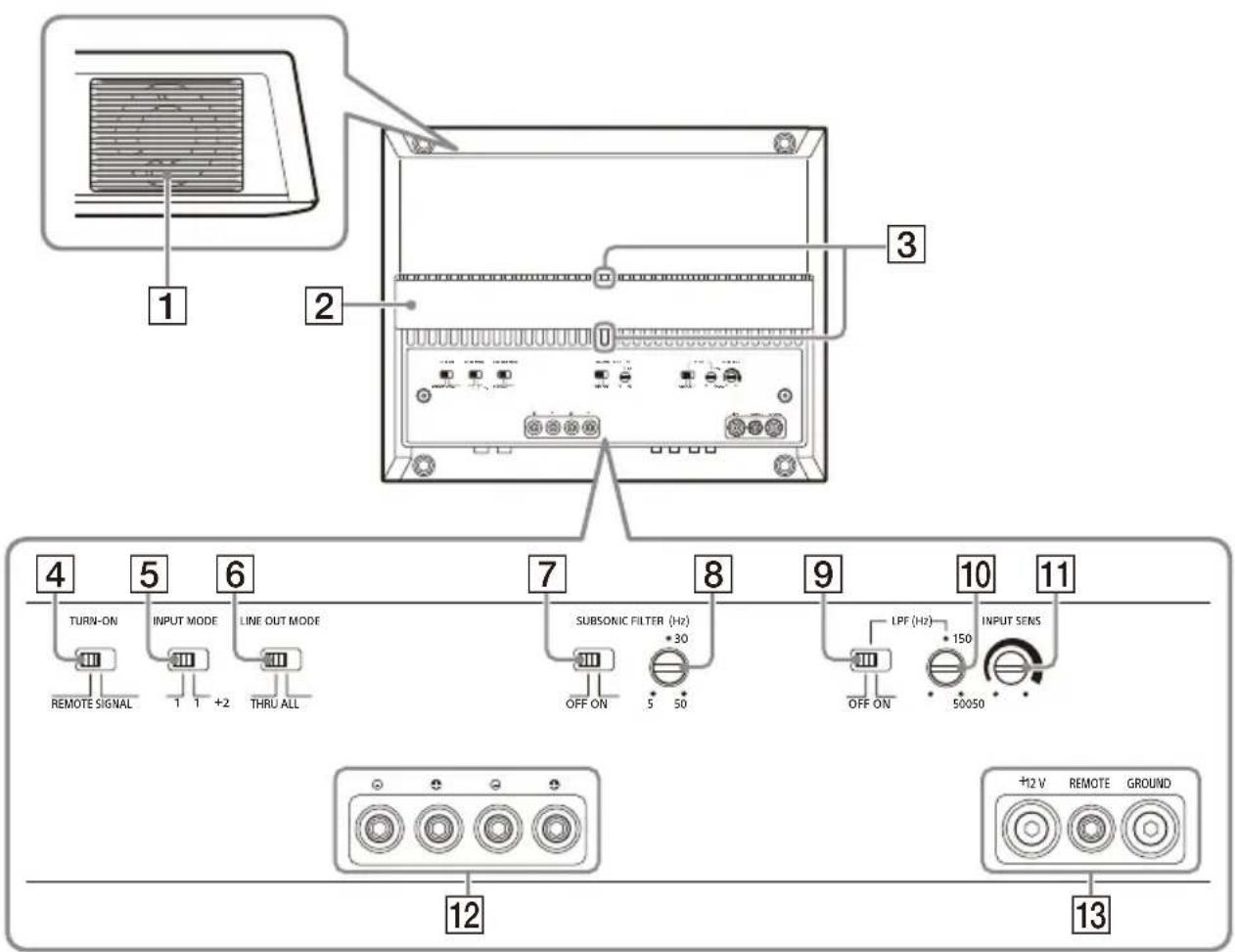
Power Amplifier
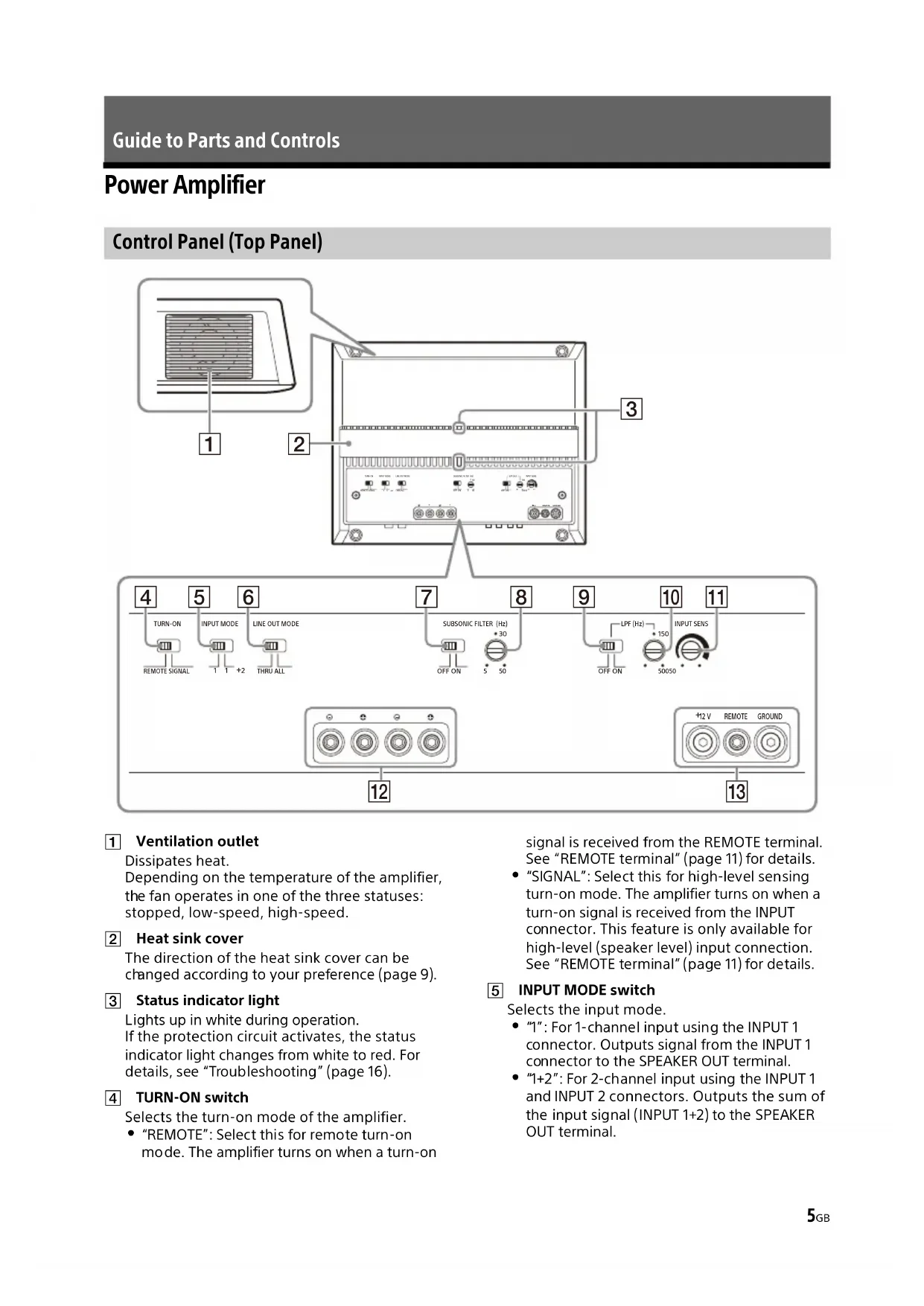
Control Panel (Top Panel)
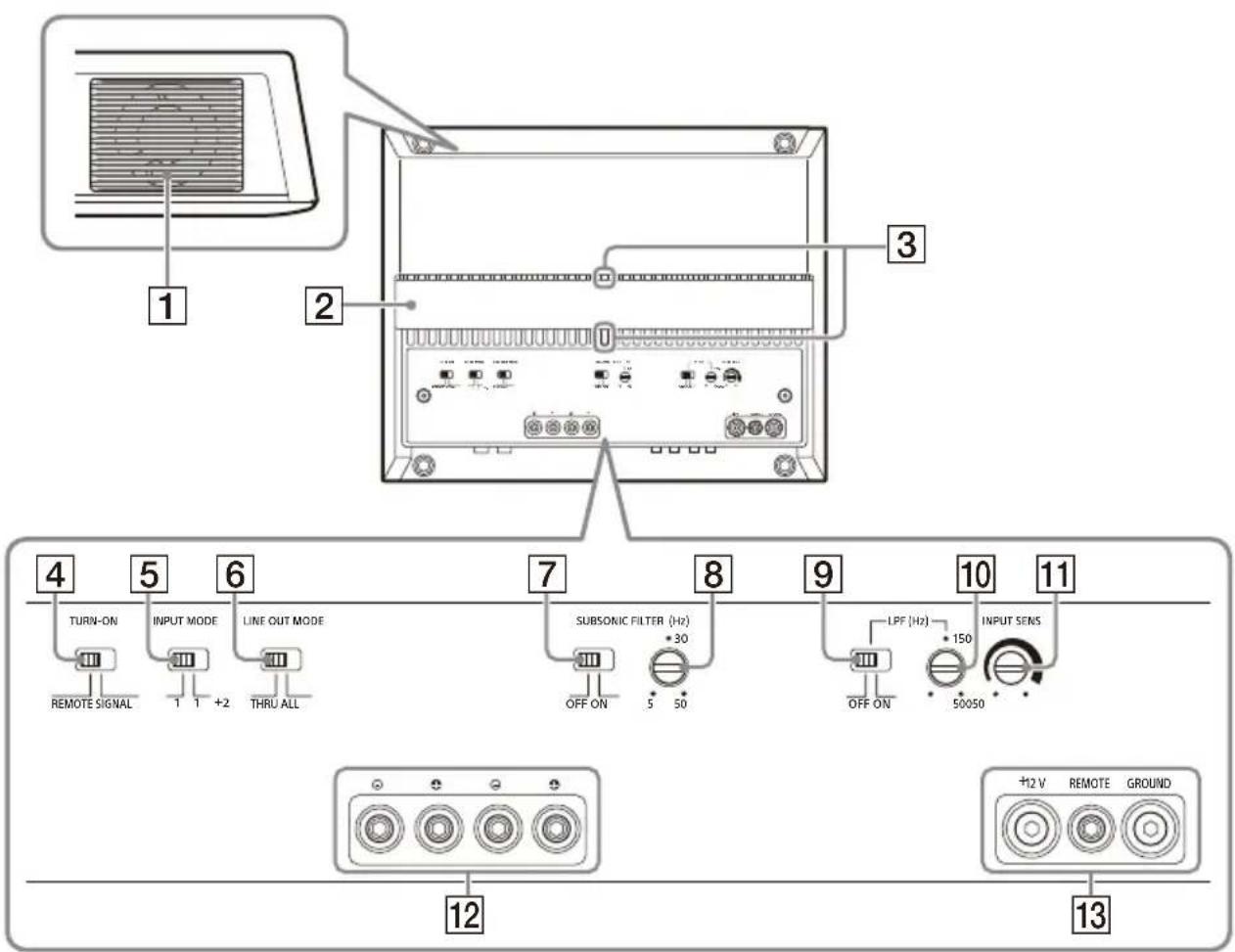
1 Ventilation outlet
Dissipates heat.
Depending on the temperature of the amplifier, the fan operates in one of the three statuses: stopped, low-speed, high-speed.
2 Heat sink cover
The direction of the heat sink cover can be changed according to your preference (page 9).
③ Status indicator light
Lights up in white during operation. If the protection circuit activates, the status indicator light changes from white to red. For details, see "Troubleshooting" (page 16).
4 TURN-ON switch
Selects the turn-on mode of the amplifier.
- "REMOTE": Select this for remote turn-on mode. The amplifier turns on when a turn-on
signal is received from the REMOTE terminal. See "REMOTE terminal" (page 11) for details.
- "SIGNAL": Select this for high-level sensing turn-on mode. The amplifier turns on when a turn-on signal is received from the INPUT connector. This feature is only available for high-level (speaker level) input connection. See "REMOTE terminal" (page 11) for details.
5 INPUT MODE switch
Selects the input mode.
- "1": For 1-channel input using the INPUT 1 connector. Outputs signal from the INPUT 1 connector to the SPEAKER OUT terminal.
- "1+2": For 2-channel input using the INPUT 1 and INPUT 2 connectors. Outputs the sum of the input signal (INPUT 1+2) to the SPEAKER OUT terminal.
6 LINE OUT MODE switch
Sets the mode of signal output to the LINE OUT 1 and 2 connectors. Signal output from the LINE OUT connectors are unfiltered and not affected by any filter settings.
- "THRU": Outputs stereo signal from the INPUT 1 connector to the LINE OUT 1 connector, and from the INPUT 2 connector to the LINE OUT 2 connector.
- "ALL": Outputs the summed mono signal. Sums the input signals (INPUT 1+2) and outputs to the LINE OUT 1 and 2 connectors.
7 SUBSONIC FILTER switch
Turns the subsonic filter on or off.
8 SUBSONIC FILTER control
Adjusts the cutoff frequency (5 Hz – 50 Hz) of the subsonic filter.
9 LPF (low-pass filter) switch
Turns the low-pass filter on or off.
10 LPF (low-pass filter) control
Adjusts the cutoff frequency (50 Hz - 500 Hz) of the low-pass filter.
11 INPUT SENS (input sensitivity) control
Adjusts the input level sensitivity. Turn the knob clockwise when the output level of the connected audio devices is low.
12 SPEAKER OUT terminal screw head
13 +12 V terminal screw head REMOTE terminal screw head GROUND terminal screw head
Connector Panel (Front Panel)
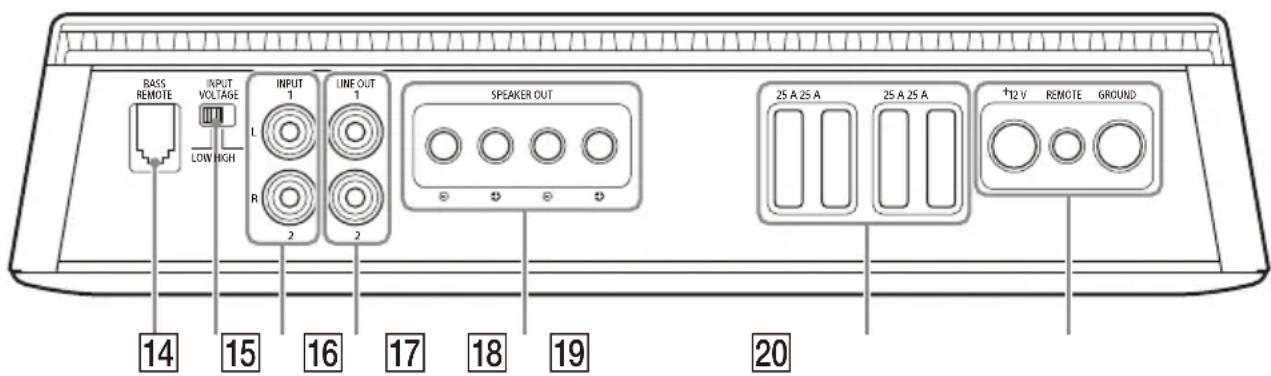
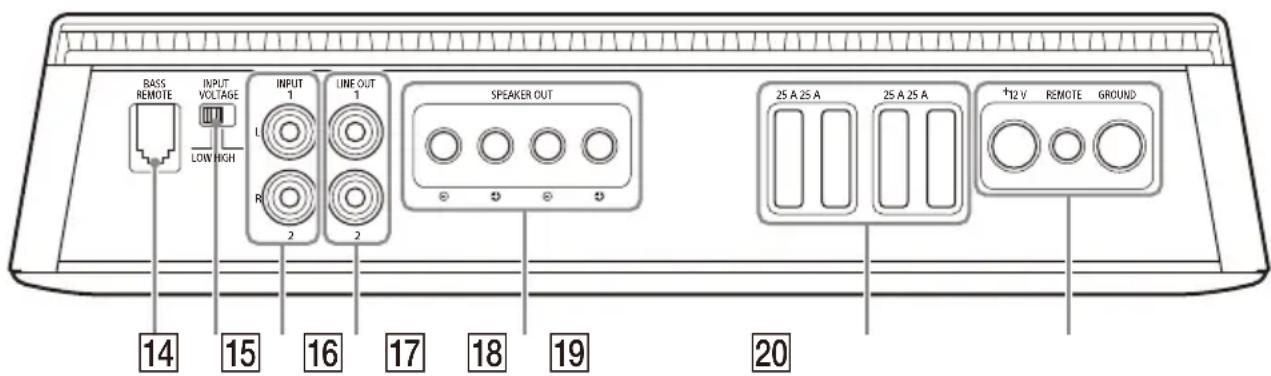
14 BASS REMOTE connector
Connector for the bass remote.
15 INPUT VOLTAGE switch
Selects the type of input connection.
- "LOW": Select this for low-level (line level) input connection using RCA extension cables (not supplied).
- "HIGH": Select this for high-level (speaker level) input connection using a speaker-wire-to-RCA adaptor (not supplied).
16 INPUT connector
For details about the connection, see "Input Connection" (page 12).
17 LINE OUT connector
For details about the connection, see "Output Connection" (page 14).
18 SPEAKER OUT terminal
For details about the connection, see "Speaker Connection" (page 13).
19 Pse (25 A)
20 +12 V terminal REMOTE terminal GROUND terminal
Bass Remote
Bass remote adjusts the bass level output of the amplifier. To use, connect the bass remote's cable to the BASS REMOTE connector 14 on the connector panel (front panel).
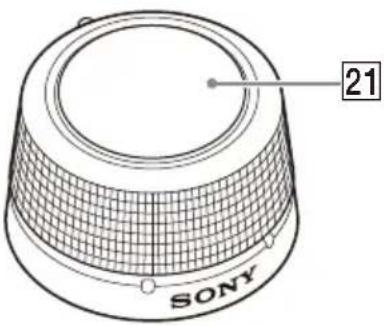
21 Volume control knob
Turn the knob clockwise to increase the volume (gain).
Turn the knob counterclockwise to decrease the volume (gain).
CAUTION
Excessive gain input may cause distortion of the sound produced by the connected subwoofer. Do not increase the gain level excessively on the bass remote. The sound produced by the connected subwoofer may also become distorted if the volume of your car audio unit is set too high.
Installation and Connection
Parts for Installation and Connection
① Mounting screw (5 × 20 mm (7/32 × 13/16 in)) (4)

② Mounting bracket (1)
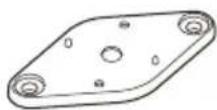
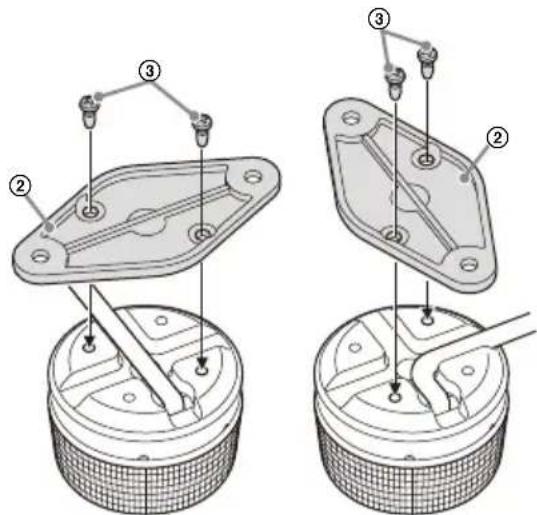
③ Securing screw (2 × 5 mm ( ^3 /32 × 7 /32 in)) (2)

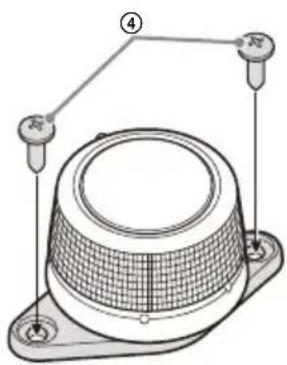
④ Mounting screw (3 × 12 mm (1/8 × 1/2 in)) (2)

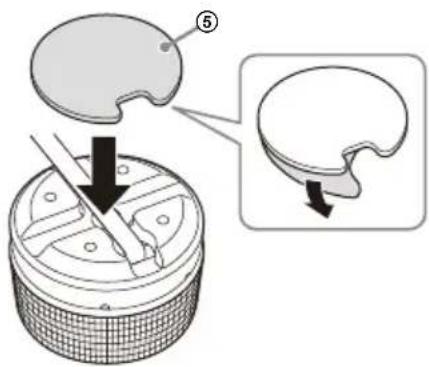
⑤ Double-sided tape (1) ⑥ Hex key (2.5 mm (3/32 in)) (1)
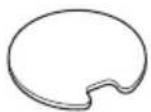
Hex key (2.5 mm (3/32 in)) (1)
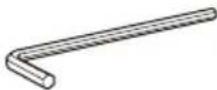
This parts list does not include all the package contents.
Installation
Installing the Amplifier
- Mount the amplifier either inside the trunk (boot) or under a seat.
- For your safety, choose a mounting location that will not interfere with any driving operations.
- Do not install the amplifier near the heater, in areas that get exposed to direct sunlight or subject to high temperature.
- Do not install the amplifier under a floor carpet, where the heat dissipation from the amplifier will be considerably impaired.
- Avoid installing the amplifier in areas subject to rain, moisture, dust and dirt.
Mounting the amplifier
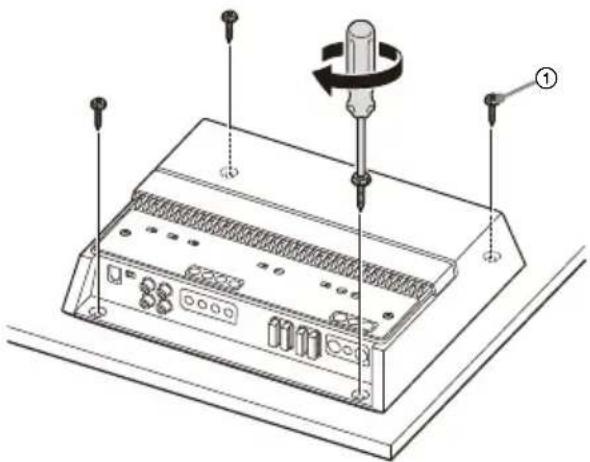
1 Place the amplifier on your selected mounting location, then mark the position of the 4 screw holes on a mounting board (not supplied).
2 Drill a 3 mm (1/8 in) pilot hole at each mark and mount the amplifier onto the board with the mounting screws ①.
The mounting screws ① are 20 mm ( ^13/16 in) long, so make sure that the mounting board is thicker than 20 mm ( ^13/16 in).
natural_image
Diagram of a computer monitor with screwdriver and labeled parts (no text or symbols present)Changing the heat sink cover direction
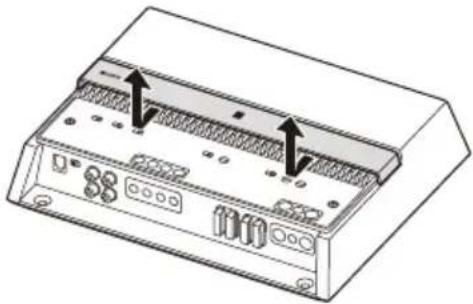
The direction of the heat sink cover can be changed according to your preference.
1 Slide the cover forward, then lift to remove it.
natural_image
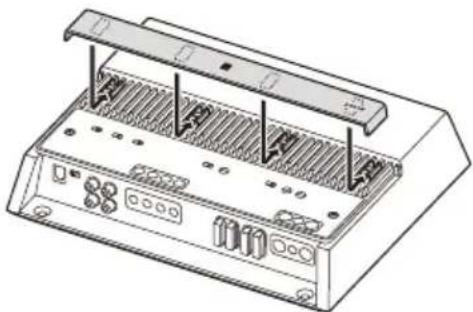
Isometric line drawing of a device rear panel with ports and connectors (no text or symbols)2 Rotate the cover to your desired direction.
3 Align the cover to the catches on the amplifier, then slide the cover back until it clicks into place.
natural_image
Isometric line drawing of a device rear panel with connectors and ports (no text or symbols)Installing the Bass Remote
- Do not install the bass remote near a heater, in areas that get exposed to direct sunlight or in areas subject to high temperature.
- Avoid installing the bass remote in areas subject to dust, dirt or moisture.
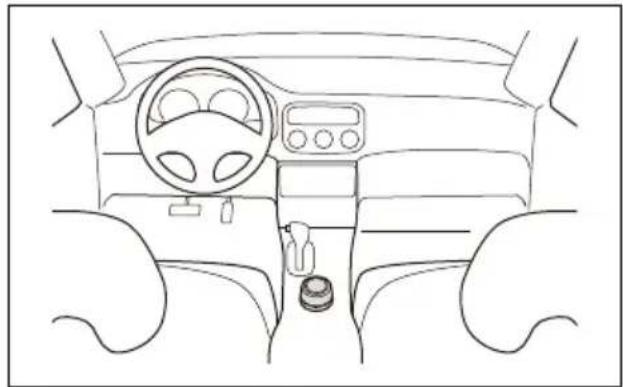
• Install the bass remote in a location where: - There is a flat surface.
- Does not interfere with the driver's movement.
- Does not hinder the operations of the steering wheel, shift lever or the brake pedal.
Mounting example
natural_image
Line drawing of a car interior view showing dashboard, steering wheel, and dashboard controls (no text or symbols)Installing using the mounting bracket
1 Secure the mounting bracket ② to the bass remote using the securing screws ③. You can secure the mounting bracket ② horizontally or vertically to suit your needs.
2 Mount the bass remote to your selected mounting location with the mounting screws ④.
natural_image
Technical diagram of a mechanical component with labeled parts (no text or symbols present)Installing using the double-sided tape
1 Apply the double-sided tape ⑤ to the base of the bass remote.
Match the curve of the double-sided tape ⑤ to that of the bass remote as shown below.
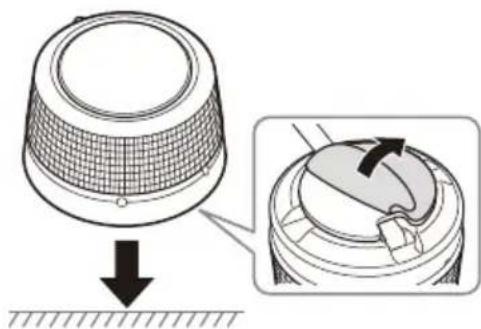
2 Mount the bass remote to a flat surface.
Clean the surface of your selected mounting location with a dry cloth before applying the double-sided tape ⑤.
natural_image
Diagram showing a mechanical component with a downward arrow and an inset close-up of its top view (no text or symbols)Connection
- Before making any connections, disconnect the ground (earth) terminal of the car battery to avoid short circuits. Connect this amplifier to the +12 V power supply lead only after all other leads have been connected.
- This amplifier is designed for negative ground (earth) 12 V DC operation only.
- Do not operate the amplifier on a weak battery as the amplifier requires a good power supply for optimum performance.
- If your car is equipped with a computer system for purposes such as navigation, disconnecting the ground (earth) terminal of the car battery may damage the computer memory. Leave the ground (earth) lead connected and connect this amplifier to the +12 V power supply lead only after all other leads have been connected to prevent short circuits.
- When connecting and installing the input and output cables, keep them away from the +12 V power supply lead. Running them close together may generate interference noise.
Notes on making connections
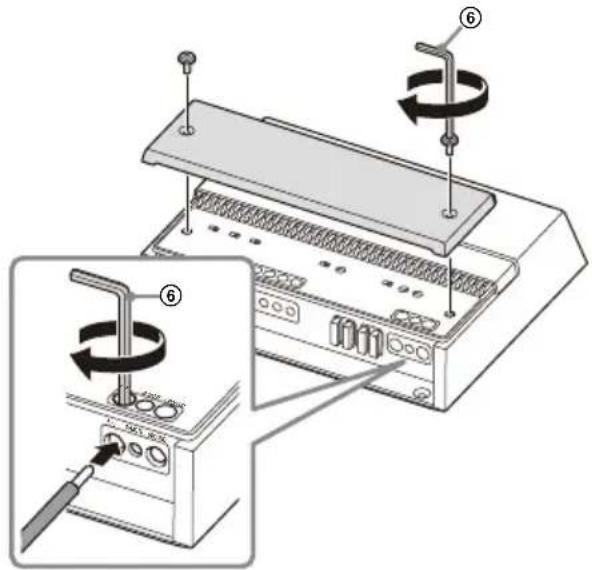
- To connect to the terminals on the connector panel and to adjust various settings, remove the top cover to access the control panel (top panel).
- When you tighten the screw, be careful not to apply too much torque as doing so may damage the terminals or cables.
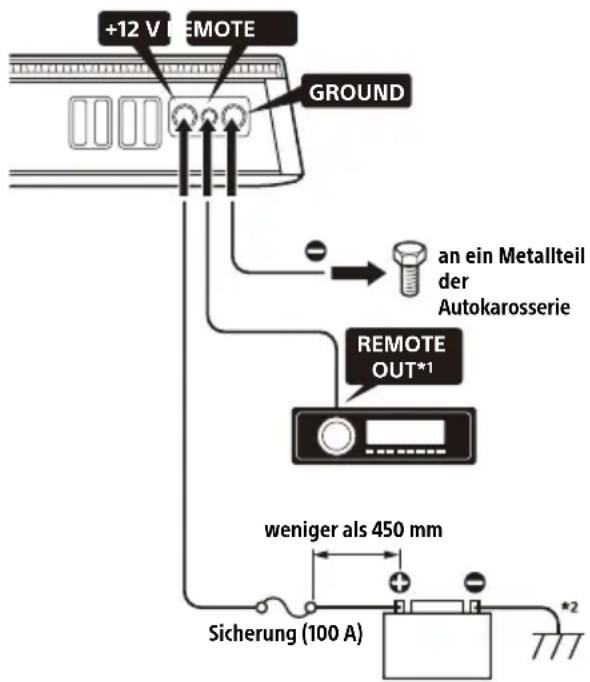
Power Connections
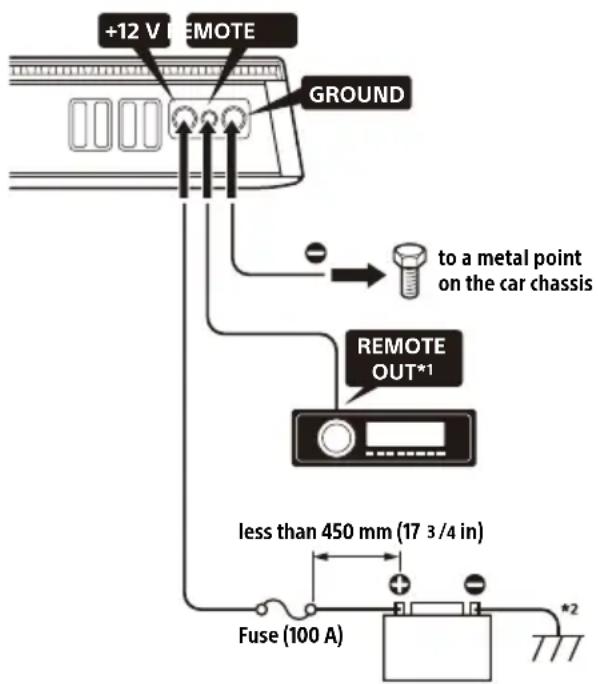
*1 If you have the factory original or some other car audio unit without a remote output for the amplifier, connect the remote input (REMOTE) terminal to the ACC power supply. In high level input connection, the amplifier can also be activated without a need for REMOTE connection. However, this function is not guaranteed for all car audio units.
*2 Ground (earth) to the car chassis.
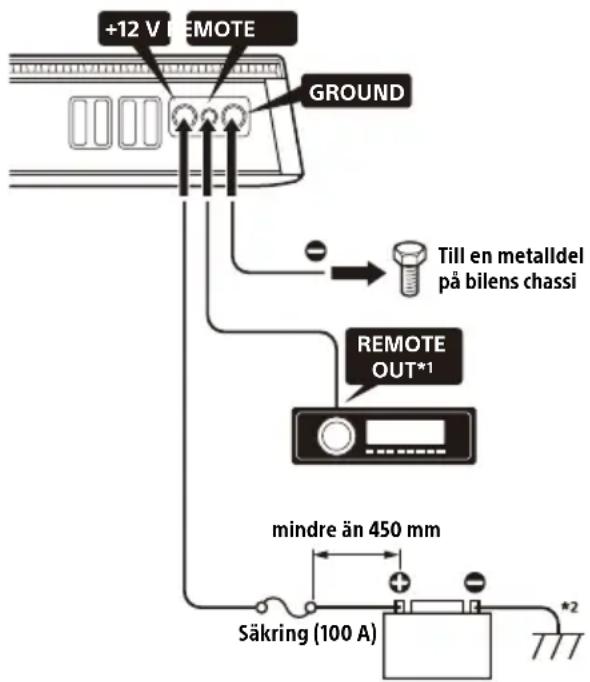
+12 V terminal
- Connect the +12 V power supply lead to the +12 V terminal only after all the other connections have been completed.
- Use a +12 V power supply lead with a 100 A fuse attached.
- During full-power operation, a current of more than 100 A will run through the system. Therefore, make sure the leads to be connected to the +12 V terminal are at least 6-Gauge (AWG-6) or have a sectional area of more than 14mm^2 (19 / 32in^2) .
- All power leads connected to the positive battery post should be fused within 450 mm (17 3/4 in) of the battery post before they pass through any metal.
- Make sure the leads connecting from the car battery to the metal point on the car chassis are at least of a lead gauge equal to that of the +12 V power supply lead connected from the battery to the amplifier.
- Make sure the leads connecting from the car battery to the metal point on the car chassis are not more than 0-Gauge (AWG-1/0) or have a sectional area of 55mm^2 (2^5/16in^2) , and at least of a lead gauge equal to that of the +12V power supply lead connected from the battery to the amplifier.
GROUND terminal
- Be sure to connect the ground (earth) lead securely to a metal point on the car chassis. A loose connection may cause the amplifier to malfunction.
- During full-power operation, a current of more than 100 A will run through the system. Therefore, make sure the leads to be connected to the GROUND terminal are at least 6-Gauge (AWG-6) or have a sectional area of more than 14mm^2 (^19/_32in^2) .
REMOTE terminal
- To turn on the amplifier using a dedicated remote turn-on lead, set the TURN-ON switch to "REMOTE", then connect the remote output (REMOTE OUT) of your car audio unit to the REMOTE terminal.
- When using a car audio unit without a remote output (REMOTE OUT) for the amplifier, connect the REMOTE terminal to the ACC power supply of your car or use the signal sensing turn-on setting instead.
- Use a remote turn-on lead with a thickness from AWG-8 to AWG-18 or a sectional area from 8.4 ~mm^2 (11/32 in²) to 0.82 ~mm^2 (1/16 in²).
Notes on using high-level sensing turn-on settings
- In high level input connection, the amplifier can also be activated without the need for a REMOTE connection. However, this function is not guaranteed for all car audio units.
- By setting the TURN-ON switch to "SIGNAL", the amplifier operates automatically when a turn-on signal is received from the INPUT connector.
Input Connection
The INPUT connector can be used by both low-level input and high-level input.
Making low-level input connection
Set the INPUT VOLTAGE switch to "LOW" and connect the RCA cable (not supplied) from your car audio to the INPUT connector.
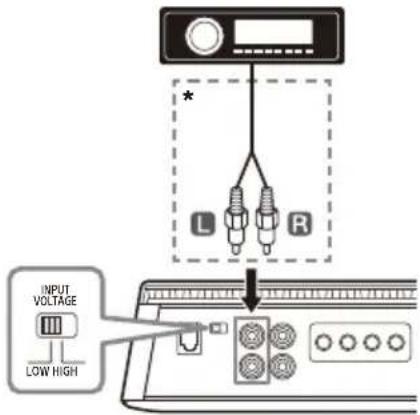
* RCA cable (not supplied)
Making high-level input connection
Set the INPUT VOLTAGE switch to "HIGH" and use a speaker-wire-to-RCA adaptor (not supplied) to connect the speaker wire from your car audio to the INPUT connector.
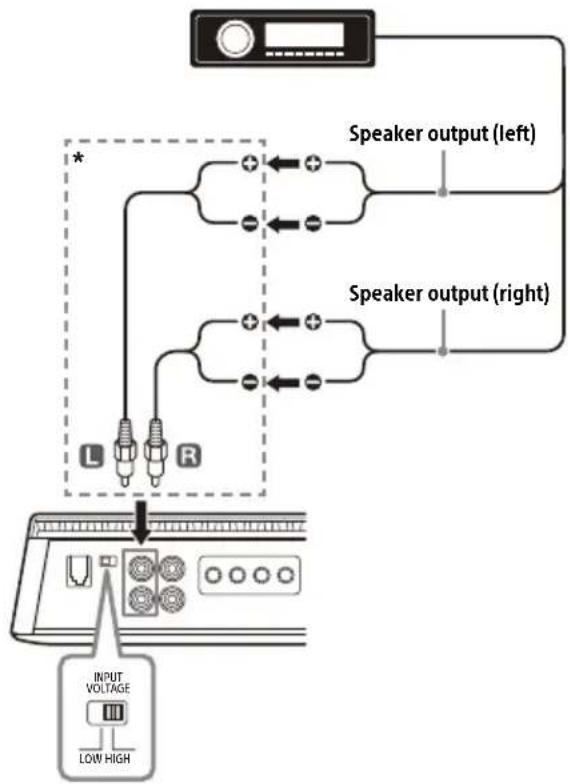
flowchart
graph TD
    A["Input Voltage"] --> B["L"]
    A --> C["R"]
    B --> D["Speaker output (left)"]
    C --> E["Speaker output (right)"]
    D --> F["Output"]
    E --> G["Output"]
    H["Low High"] --> I["Ground"]
* Speaker wire-to-RCA adaptor (not supplied)
The following shows the connection and settings typically used when connecting a car audio unit and this amplifier. Refer to the operating instructions supplied with your car audio for more details about the input connection for your car audio unit.
A Connection for 1-channel input
With "Speaker Connection" (page 13) 1 or 2.
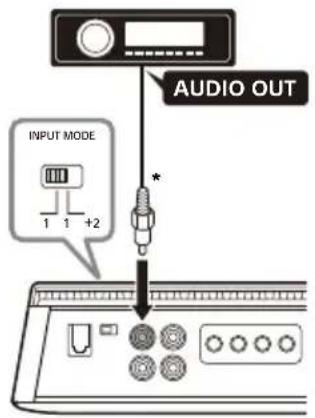
* Use a speaker wire-to-RCA adaptor (not supplied) for high-level input connection.
Note
When making this connection, set the INPUT MODE switch to the "1" position.
B Connection for 2-channel input
With "Speaker Connection" (page 13) 1 or 2.
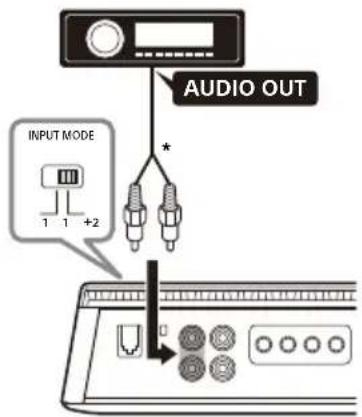
* Use a speaker wire-to-RCA adaptor (not supplied) for high-level input connection.
Note
When making this connection, set the INPUT MODE switch to the "1+2" position.
C Connection for 2-channel input using 2 mono power amplifiers
With "Speaker Connection" (page 13) 3.
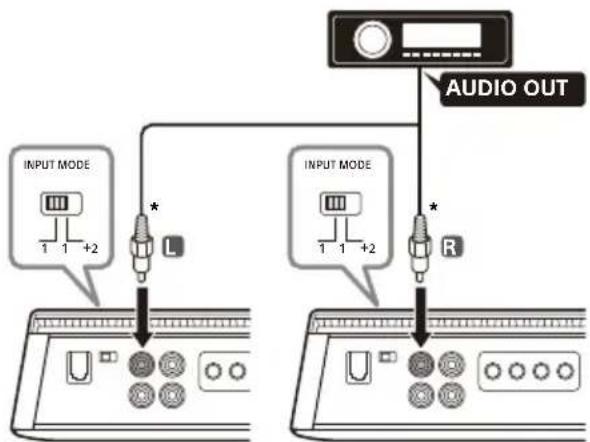
flowchart
graph TD
    A["INPUT MODE 1 1 +2"] --> B["OUTPUT MODE 1 1 +2"]
    C["INPUT MODE 1 1 +2"] --> D["OUTPUT MODE 1 1 +2"]
    E["AUDIO OUT"] --> F["OUTPUT MODE 1 1 +2"]
    G["R"] --> H["OUTPUT MODE 1 1 +2"]
* Use a speaker wire-to-RCA adaptor (not supplied) for high-level input connection.
Notes
- When making this connection, set the INPUT MODE switch to the "1" position.
- It is recommended to use another Sony Mono Power Amplifier XM-1ES for this connection.
Speaker Connection
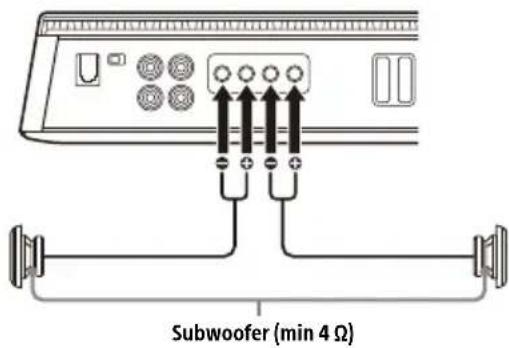
- This amplifier is designed to be used with subwoofers.
- Be sure to use speakers with an adequate power rating. If you use small capacity speakers, they may be damaged.
- Do not connect any active speakers (with built-in amplifiers) to the speaker terminals of the amplifier. Doing so may damage the active speakers.
- Use speakers with an appropriate impedance rating.
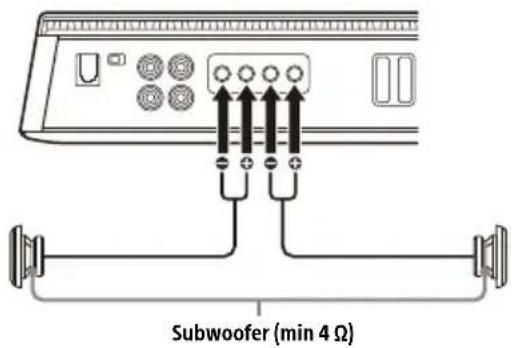
- 2 Ω to 8 Ω for 1-speaker system
- 4 Ω to 8 Ω for 2-speaker system
- Do not connect the terminal of the speaker system to the car chassis, and do not connect the terminal of the right speaker with that of the left speaker.
The following shows the speaker connections typically used to connect this amplifier. Refer to the operating instructions supplied with your car audio and speakers for more details about the speaker connection for your car audio unit.
1 1-subwoofer system (mono sound)
With "Input Connection" (page 12) A or B.
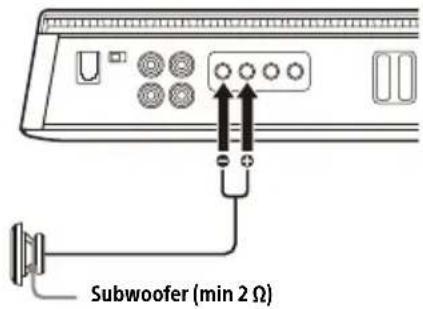
2 2-subwoofer system (mono sound)
With "Input Connection" (page 12) A or B.
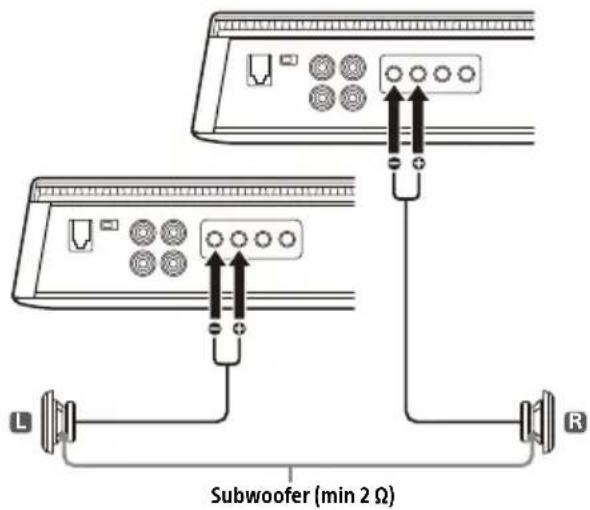
3 2-subwoofer system using 2 mono power amplifiers (stereo sound)
With "Input Connection" (page 12) C.
Output Connection
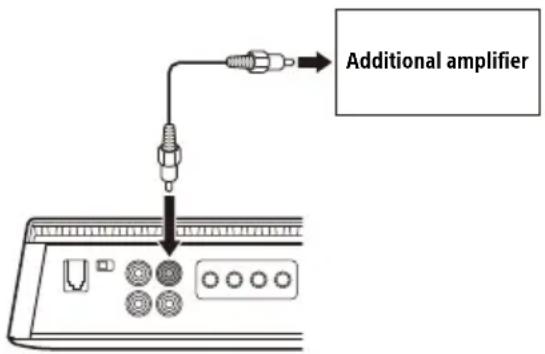
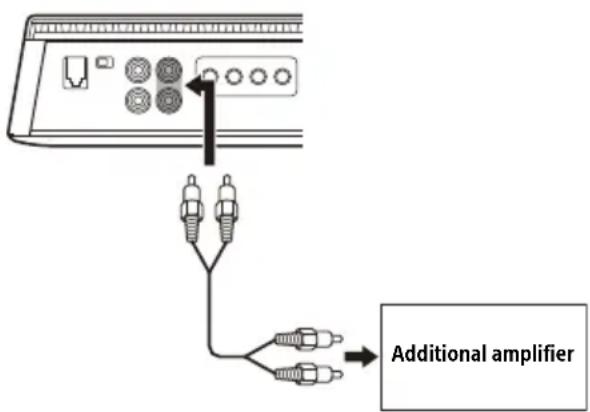
Through the LINE OUT connector, this amplifier can output signals to additional amplifiers. This allows a flexible system connection that utilizes multiple amplifiers.
The following shows the connections and settings typically used to connect this amplifier to additional amplifiers. For more details about system connection using additional amplifiers, refer to the operating instructions supplied with your additional amplifier and speakers.
Note
Audio signals output from LINE OUT connectors are not affected by any signal processing, such as the SUBSONIC FILTER and the LPF settings.
Connection for 1-channel output
- For input connection , set the LINE OUT MODE switch to "THRU" on the control panel.
- For input connection B, set the LINE OUT MODE switch to "ALL" on the control panel.
- Sound output from LINE OUT will be the sum of INPUT 1 (L) and INPUT 2 (R).
Connection for 2-channel output
- For input connection A, set the LINE OUT MODE switch to "ALL" on the control panel.
- The sound from both LINE OUT1 (L) and LINE OUT2 (R) will be the same.
- For input connection , set the LINE OUT MODE switch to "THRU" on the control panel.
flowchart
graph TD
    A["Device Panel"] --> B["Adder"]
    B --> C["Additional amplifier"]
Additional Information
Precautions
- This power amplifier employs a protection circuit* to protect the transistors and speakers if the amplifier malfunctions. Do not attempt to test the protection circuits by covering the heat sink or connecting improper loads.
- If your car is parked in direct sunlight and there is a considerable rise in temperature inside the car, allow the unit to cool down before use.
- For safety, keep the volume of the unit at a moderate level that allows you to sufficiently hear the sound of traffic outside the vehicle.
- Do not splash liquid onto the amplifier.
\* Protection circuit
This amplifier is provided with a protection circuit that operates in the following cases:
- When the unit overheats
- When a DC current is generated
- When the speaker terminals are short-circuited The status indicator light will blink, and this unit will shut down. If this happens, stop the media playback, turn off the connected equipment and determine the cause of the malfunction. If this unit has overheated, wait until it cools down before use.
If you have any questions or problems concerning your unit that are not covered in this Operating Instruction, consult your nearest Sony dealer.
Maintenance
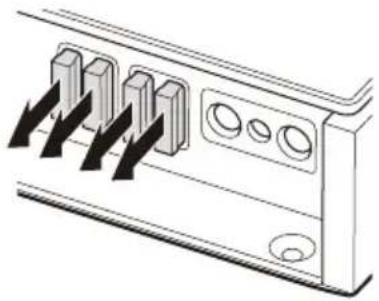
Fuse Replacement
When replacing the fuse, be sure to use one matching the amperage rating stated on the original fuse.
If the fuse blows, check the power connection and replace the fuse.
If the fuse blows again after replacement, there may be an internal malfunction. If this happens, consult your nearest Sony dealer.
natural_image
Diagram of a device rear panel with three ports and directional arrows indicating flow or movement (no text or symbols)Warning
Never use a fuse with an amperage rating exceeding the one supplied with the amplifier as this could damage the amplifier.
Specifications
FOR THE CUSTOMERS IN THE USA. POUR LES CLIENTS AUX ÉTATS-UNIS.
AUDIO POWER SPECIFICATIONS

CTA2006 Standard
Power Output:
600 Watts RMS × 1 Channel at 4 Ohms and ≤ 1% THD+N, 1,000 Watts RMS × 1
Channel at 2 Ohms and ≤1% THD+N
Circuit system:
Class D Technology circuit
Pulse power supply
Inputs:
RCA pin jacks
Input level adjustment range:
0.2 V - 8 V (RCA pin jacks)
3 V - 16 V (high-level input)
Outputs:
Speaker terminals
RCA pin jacks
Speaker impedance:
2 Ω - 8 Ω
Maximum output:
1,550 W (at 2 Ω)
1,000 W (at 4 Ω)
Rated output:
1,000 W RMS (100 Hz 1.0% THD+N, at 2 Ω)
600 W RMS (100 Hz 1.0% THD+N, at 4 Ω)
Frequency response:
10 Hz - 500 Hz ( dB)
THD (total harmonic distortion):
0.05% or less (100 Hz)
Low-pass filter
50 Hz - 500 Hz, 24 dB/oct
Subsonic filter
5 Hz - 50 Hz, 24 dB/oct
Power requirements:
12 V DC car battery (negative ground (earth))
Power supply voltage:
10.5 V - 16 V
Current drain:
At rated output: 90 A (2 Ω, 1,000 W × 1)
Remote input: 4 mA
Dimensions:
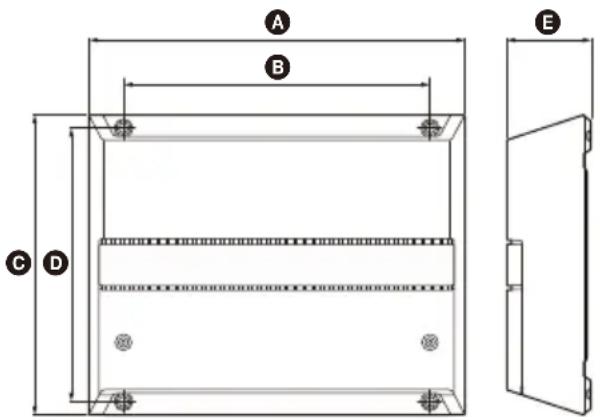
Approx. 270 mm × 60 mm × 215 mm ( 10^3/4 in × 2 3/8 in × 8 1/2 in) (w/h/d)
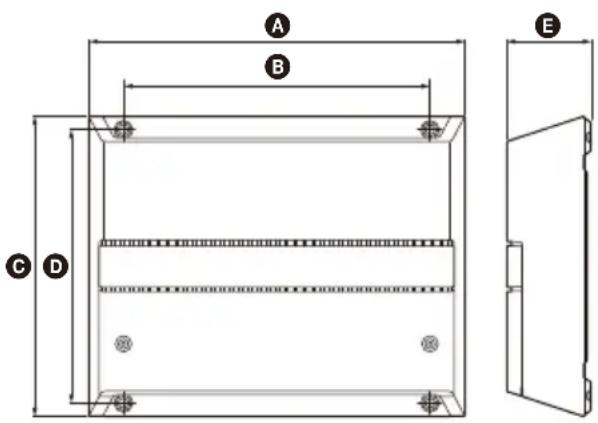
A 270 mm (10 3/4 in)
B 220 mm (8 ^3 /4 in)
© 215 mm (8 1/2 in)
D 196 mm (7 3/4 in)
E 60 mm (2 3/8 in)
Mass:
Approx. 2.9 kg (6 lb 7 oz) not incl. accessories
Package contents:
Main unit (1)
Bass remote (1)
Parts for installation and connection (1 set)
Design and specifications are subject to change without notice.
Troubleshooting
The following checklist will assist in the correction of most of the problems you may encounter with your unit. Please refer to the connection and operating procedures before going through the checklist below.
The status indicator light does not light up.
→ The fuse is blown.
— Replace the fuse with a new one.
→ The ground (earth) lead is not securely connected.
— Fasten the ground (earth) lead securely to a metal point on the car chassis.
→ The voltage going into the remote input (REMOTE) terminal is too low.
— Turn on the car audio unit if it is not turned on.
- Use a relay if the system employs too many amplifiers.
→ Check the battery voltage (10.5 V – 16 V).
The status indicator light changes from white to red.
→ Turn off the amplifier. The speaker outputs have shorted.
— Rectify the cause of the short.
→ Turn off the amplifier. Make sure the speaker lead and ground (earth) lead are securely connected.
The amplifier becomes abnormally hot.
→ The amplifier heats up abnormally.
- Use speakers with suitable impedance: 2 Ω - 8 Ω.
→ Make sure to place the amplifier in a well ventilated location.
The sound is interrupted.
→ The thermal protector has activated.
— Reduce the volume.
Alternator noise is heard.
→ The power connecting leads are installed too close to the RCA pin cables.
— Keep the leads away from the cables.
→ The ground (earth) lead is not securely connected.
— Fasten the ground (earth) lead securely to a metal point of the car.
→ Negative speaker wires are touching the car chassis.
— Keep the wires away from the car chassis.
The sound is too quiet.
→ The INPUT SENS control setting is not appropriate. Turn the INPUT SENS control in the clockwise direction.
If these solutions do not help improve the situation, consult your nearest Sony dealer.
Support Site
If you have any questions for the latest support information on this product, please visit the website below:
Customers in the USA/Canada/Latin America:
https://www.sony.com/am/support
Customers in European countries:
https://www.sony.eu/support
Customers in other countries/regions:
https://www.sony-asia.com/support
natural_image
Diagram of a device panel with three ports and directional arrows indicating flow or movement (no text or symbols)警告
Installation et raccordements
Installation et raccordements
natural_image
Diagram of a computer chassis with screwdriver and labeled parts (no text or symbols)natural_image
Diagram of a device rear panel with ports and connectors, no text or symbols presentnatural_image
Isometric line drawing of a device rear panel with labeled ports and connectors (no text or symbols)natural_image
Line drawing of a car interior showing dashboard, steering wheel, and dashboard controls (no text or symbols)natural_image
Technical diagram of a mechanical component with labeled parts (no readable text or symbols)natural_image
Diagram showing a meshed component being lowered into a circular component, with an arrow indicating the process (no text or symbols present)Raccordement
* Câble RCA (non fourni)
natural_image
Diagram of a device rear panel with four ports and directional arrows indicating flow or movement (no text or symbols)Avertissement
Appareil principal (1)
https://www.sony.com/am/support
https://www.sony.eu/support
https://www.sony-asia.com/support
natural_image
Technical line drawing of a device with screwdriver and labeled parts (no text or symbols)natural_image
Illustration of a computer chassis with ports and connectors (no text or symbols)natural_image
Technical line drawing of a device rear panel with labeled ports and connectors (no text or symbols)natural_image
Line drawing of a car interior showing dashboard, steering wheel, and dashboard controls (no text or symbols)natural_image
Technical diagram of a mechanical component with labeled parts (no readable text or symbols)natural_image
Diagram showing a component being lowered into a surface, with an inset close-up highlighting the drop (no text or symbols present)Anschlüsse
Stromanschlüsse
Ausgangsverbindung
natural_image
Diagram of a device panel with three vertical slots and directional arrows indicating flow or movement (no text or symbols)Warnung
https://www.sony.com/am/support
https://www.sony.eu/support
https://www.sony-asia.com/support
6 Interruptor NE OUT MODE
17 Conector LINE OUT
natural_image
Diagram of a device with screwdriver and labeled parts, no text or symbols presentnatural_image
Illustration of a computer chassis with ports and connectors (no text or symbols)natural_image
Isometric line drawing of a device rear panel with ports and connectors (no text or symbols)natural_image
Line drawing of a car interior view showing dashboard, steering wheel, and dashboard controls (no text or symbols)natural_image
Technical diagram of a mechanical component with labeled parts (no readable text or symbols)natural_image
Diagram showing a mechanical component with a downward arrow and an inset close-up of its top view (no text or symbols)Conexión
* Cable RCA (no suministrado)
natural_image
Diagram of a device panel with three vertical slots and circular ports, no text or symbols presentAdvertencia
1.000 W RMS (100 Hz 1,0 % THD+N, a 2 Ω)
600 W RMS (100 Hz 1,0 % THD+N, a 4 Ω)
https://www.sony.com/am/support
https://www.sony.eu/support
https://www.sony-asia.com/support
Bedieningspaneel (bovenpaneel)
1 Ventilatieopening
natural_image
Diagram of a computer monitor with screwdriver and labeled parts (no text or symbols present)natural_image
Illustration of a device rear panel with ports and connectors (no text or symbols)natural_image
Isometric line drawing of a device rear panel with ports and connectors (no text or symbols)natural_image
Line drawing of a car interior showing dashboard, steering wheel, and dashboard controls (no text or symbols)natural_image
Technical diagram of a mechanical component with labeled parts (no readable text or symbols)natural_image
Diagram showing a meshed cylindrical component with a downward arrow and an inset close-up of its top edge (no text or symbols)Aansluiting
natural_image
Diagram of a device panel with three vertical slots and circular ports, no text or symbols presentWaarschuwing
https://www.sony.com/am/support
https://www.sony.eu/support
https://www.sony-asia.com/support
Anslutningspanel (frontpanel)
14 BASS REMOTE-anslutning
natural_image
Technical line drawing of a device with screwdriver and labeled ports (no text or symbols)natural_image
Isometric line drawing of a device rear panel with ports and connectors (no text or symbols)natural_image
Technical line drawing of a device rear panel with ports and connectors (no text or symbols)Installera basfjärrkontrollen
natural_image
Line drawing of a car interior view showing dashboard, steering wheel, and dashboard controls (no text or symbols)natural_image
Technical diagram of a mechanical component with labeled parts (no readable text or symbols)natural_image
Diagram showing a meshed cylindrical component being cut with a magnified inset showing the internal structure (no text or symbols)Anslutning
Strömanslutningar
2 2-subwoofersystem (monoljud)
Med "Ingångsanslutning" (sidan 12) A eller B.
Utgångsanslutning
natural_image
Diagram of a device panel with three vertical connectors and directional arrows indicating flow or movement (no text or symbols)Varning!
THD (total harmonisk distorsion):
0,05 % eller mindre (100 Hz)
Lågpassfilter
50 Hz - 500 Hz, 24 dB/okt
Subsonicfilter
5 Hz - 50 Hz, 24 dB/okt
Strömförsörjning:
Bilbatteri på 12 V DC (negativ jordning)
Spänning:
10,5 V - 16 V
Läckström:
Vid märkeffekt: 90 A (2 Ω, 1 000 W × 1)
Fjärringång: 4 mA
Mått:
Ca. 270 mm × 60 mm × 215 mm (b/h/d)
A 270 mm
B 220 mm
© 215 mm
D 196 mm
E 60 mm
Vikt:
https://www.sony.com/am/support
Kunder i Europa:
https://www.sony.eu/support
https://www.sony-asia.com/support


- Mono Power Amplifier
- Owner's Record
- Notice for customers: the following information is only applicable to equipment sold in countries applying EU directives
- Disposal of waste batteries and electrical and electronic equipment (applicable in the European Union and other countries with separate collection systems)
- Features
- \*1 Class D Technology
- \*2 Dynamic Distortion Suppressor
- \*3 Active Thermal Control
- \*4 Pulse power supply
- Table of Contents
- Guide to Parts and Controls
- Installation and Connection
- Additional Information
- Power Amplifier
- Control Panel (Top Panel)
- Ventilation outlet
- Heat sink cover
- ③ Status indicator light
- TURN-ON switch
- INPUT MODE switch
- LINE OUT MODE switch
- SUBSONIC FILTER switch
- SUBSONIC FILTER control
- LPF (low-pass filter) control
- INPUT SENS (input sensitivity) control
- SPEAKER OUT terminal screw head
- +12 V terminal screw head REMOTE terminal screw head GROUND terminal screw head
- BASS REMOTE connector
- INPUT VOLTAGE switch
- INPUT connector
- LINE OUT connector
- SPEAKER OUT terminal
- Pse (25 A)
- +12 V terminal REMOTE terminal GROUND terminal
- Bass Remote
- Volume control knob
- CAUTION
- Parts for Installation and Connection
- Installation
- Installing the Amplifier
- Mounting the amplifier
- Changing the heat sink cover direction
- Installing the Bass Remote
- Mounting example
- Installing using the mounting bracket
- Installing using the double-sided tape
- Connection
- Notes on making connections
- Power Connections
- +12 V terminal
- GROUND terminal
- REMOTE terminal
- Notes on using high-level sensing turn-on settings
- Input Connection
- Making low-level input connection
- Making high-level input connection
- A Connection for 1-channel input
- Note
- B Connection for 2-channel input
- C Connection for 2-channel input using 2 mono power amplifiers
- Notes
- Speaker Connection
- 1-subwoofer system (mono sound)
- 2-subwoofer system (mono sound)
- 2-subwoofer system using 2 mono power amplifiers (stereo sound)
- Output Connection
- Connection for 1-channel output
- Connection for 2-channel output
- Precautions
- \* Protection circuit
- Maintenance
- Fuse Replacement
- Warning
- Specifications
- AUDIO POWER SPECIFICATIONS
- Dimensions:
- Mass:
- Package contents:
- Troubleshooting
- The status indicator light does not light up.
- The status indicator light changes from white to red.
- The amplifier becomes abnormally hot.
- The sound is interrupted.
- Alternator noise is heard.
- The sound is too quiet.
- Support Site
- 警告
- Installation et raccordements
- Raccordement
- Avertissement
- Anschlüsse
- Stromanschlüsse
- Ausgangsverbindung
- Warnung
- Interruptor NE OUT MODE
- Conector LINE OUT
- Conexión
- Advertencia
- Bedieningspaneel (bovenpaneel)
- Ventilatieopening
- Aansluiting
- Waarschuwing
- BASS REMOTE-anslutning
- Installera basfjärrkontrollen
- Anslutning
- Strömanslutningar
- 2-subwoofersystem (monoljud)
- Utgångsanslutning
- Varning!
Brand : SONY
Model : XM1ES
Category : Hi-Fi System