KS 405 EC - Saw Güde - Free user manual and instructions
Find the device manual for free KS 405 EC Güde in PDF.



User questions about KS 405 EC Güde
0 question about this device. Answer the ones you know or ask your own.
Ask a new question about this device
Download the instructions for your Saw in PDF format for free! Find your manual KS 405 EC - Güde and take your electronic device back in hand. On this page are published all the documents necessary for the use of your device. KS 405 EC by Güde.
USER MANUAL KS 405 EC Güde
natural_image
Blue and black electric chain-linking tool labeled 'KS 405 EC' (no additional text or symbols visible)95033

text_image
KS 355 EC95031
GÜDE GmbH & Co. KG
Birkichstrasse 6
74549 Wolpertshausen
Deutschland

ENGLISH Please read the instructions carefully before starting the machine.
text_image
Scanned document with a list of items and a blue circular icon, likely a software interface or report.
natural_image
Blue electric shaver with visible power cord and buttons, no text or symbols on the device itself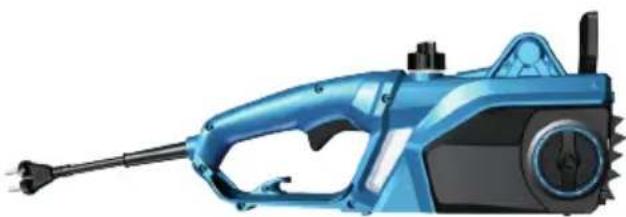
natural_image
Illustration of a blue electric shock absorer with attached power plug (no text or symbols)KS 355 EC | 95031

natural_image
Simple line drawing of a chain with a looped outline, no text or symbols present
natural_image
Metallic electronic component with a metallic handle and mounting holes (no visible text or symbols)
natural_image
Top-down view of a black plastic electronic component with a U-shaped body and internal slots (no text or symbols visible)DE Montage
EN Assembly
FR Assemblage
IT Montaggio
ES Montaje
NL Montage
CZ Montáž
SK Montáž
PL Montaż
HU Szerelés
1
2-4
DE Inbetriebnahme
EN Starting-up the device
FR Mise en service
text_image
Two blue circular icons with white symbols: one with a power plug and arrow, the other with a hand holding a key.
text_image
1 2 1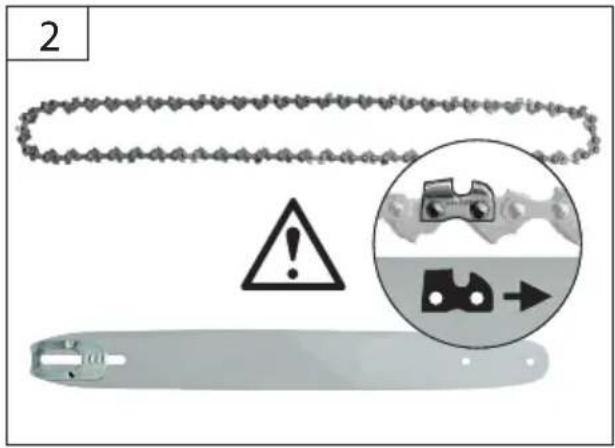
text_image
2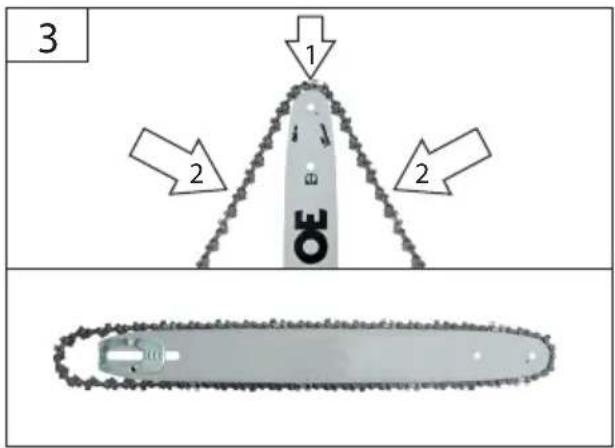
text_image
3 1 2 2 OE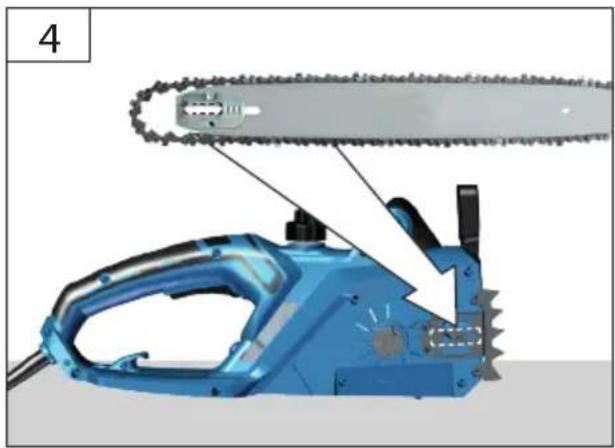
natural_image
Blue chain-linking tool with gear and blade assembly (no text or symbols visible)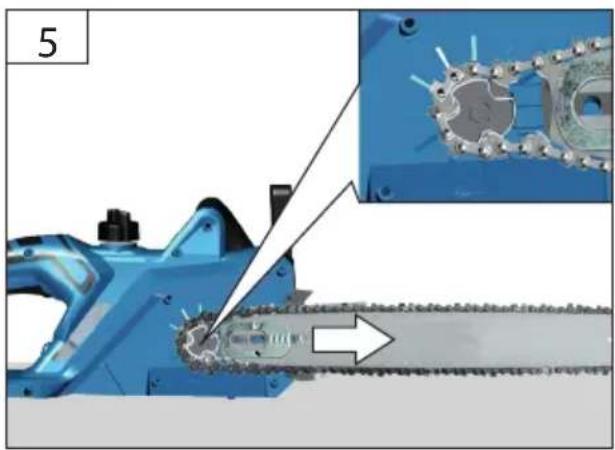
natural_image
Close-up of a blue chain-linking machine with an arrow indicating process direction (no text or symbols visible)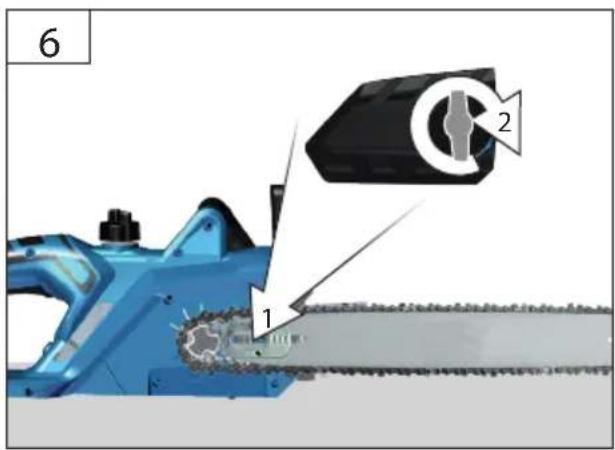
text_image
6 1 2DE Montage
EN Assembly
FR Assemblage
IT Montaggio
ES Montaje
NL Montage
CZ Montáž
SK Montáž
PL Montaż
HU Szerelés


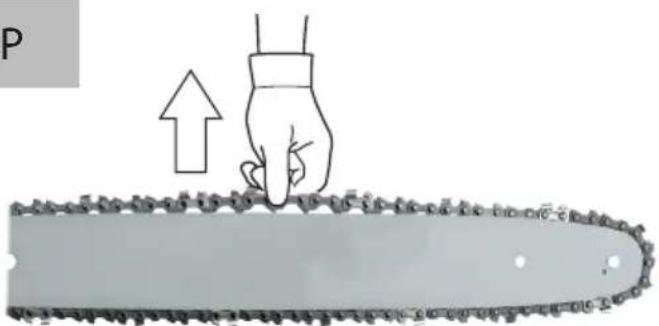
TIP
natural_image
Illustration of a hand pressing down on a chain with an upward arrow indicating motion (no text or symbols)EN Repeat tensioning of new chain after approx. 5 cuts. Check chain tensioning regularly during operation
natural_image
Blue manual power tool with mechanical components and a lock icon, no visible text or symbols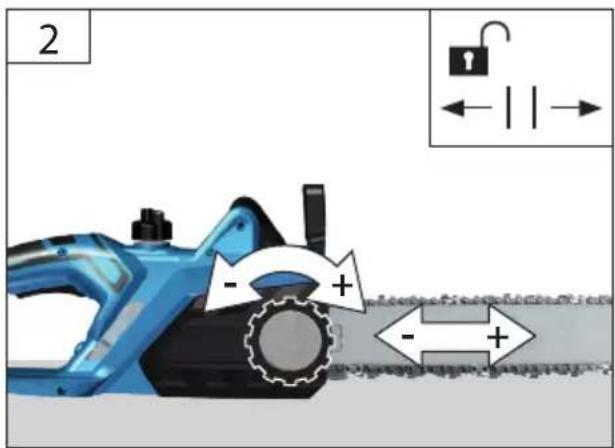
text_image
2 - + - +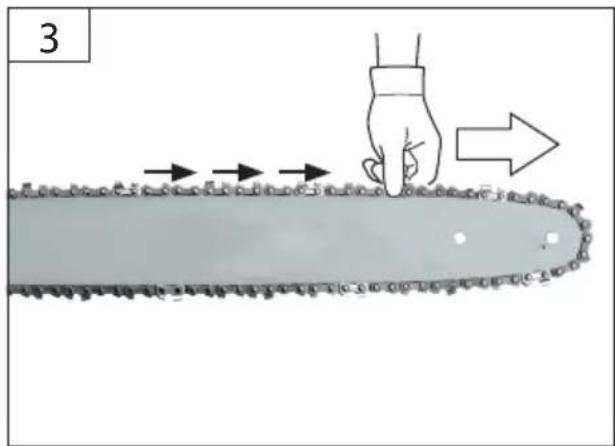
text_image
3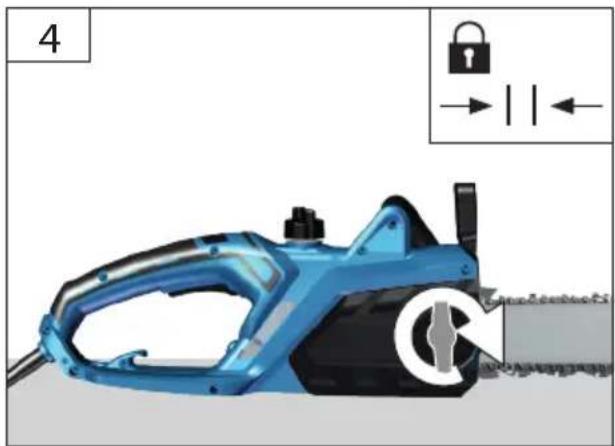
natural_image
Blue-handled manual power tool with a circular button and directional arrows, no visible text or symbolsDE Inbetriebnahme
EN Starting-up the device
FR Mise en service
text_image
2 MAX MIN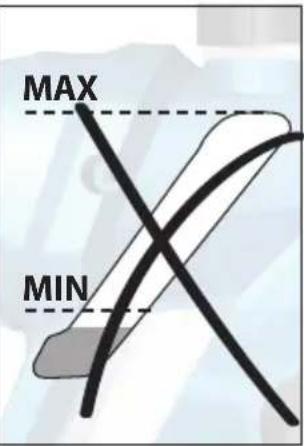
text_image
MAX MIN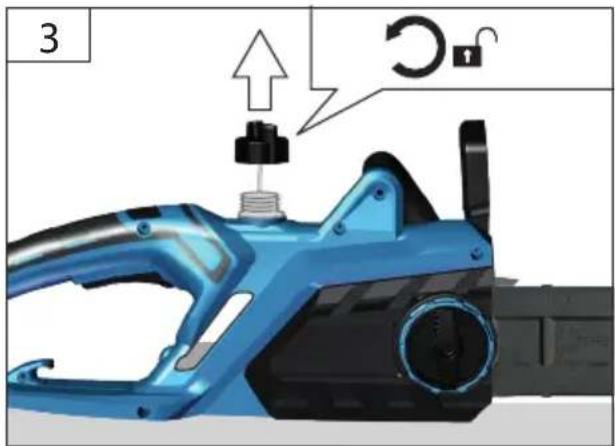
text_image
3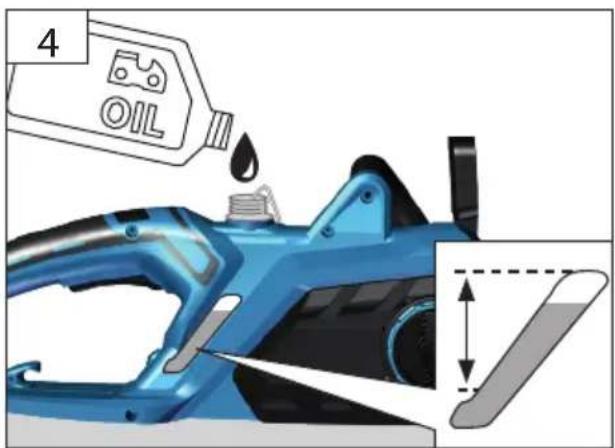
text_image
4 OIL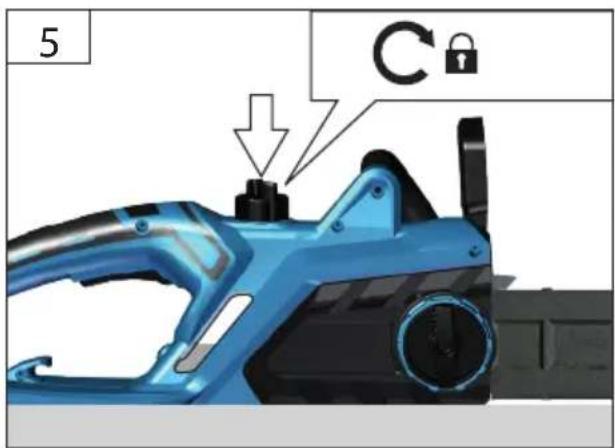
text_image
5 C
text_image
START STOPDE Betrieb
EN Operation
FR Fonctionnement
IT Esercizio
ES Operação
NL Gebruik
CZ Provoz
SK Prevádzka
PL Operacja
HU Üzemeltetés






text_image
1 2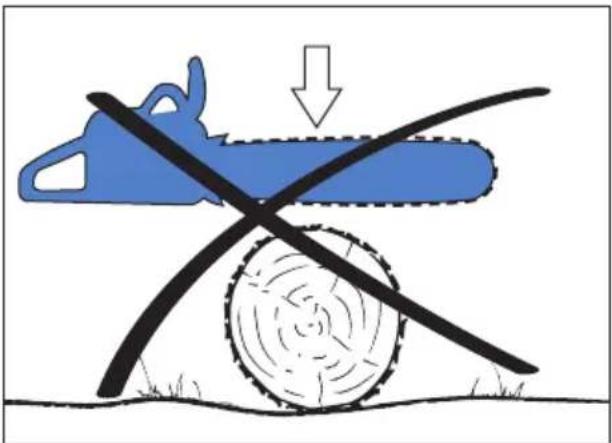
natural_image
Diagram showing a blue saw blade rolling down a circular tire with a black cross, indicating mechanical damage or damage (no text or symbols present)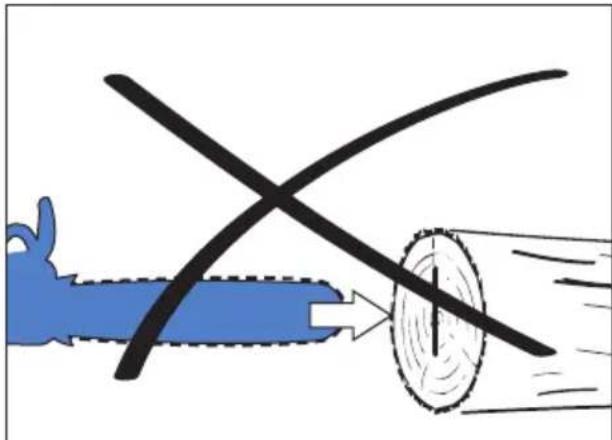
natural_image
Illustration of a blue tool emitting black lines into a circular object, with motion lines indicating speed (no text or symbols)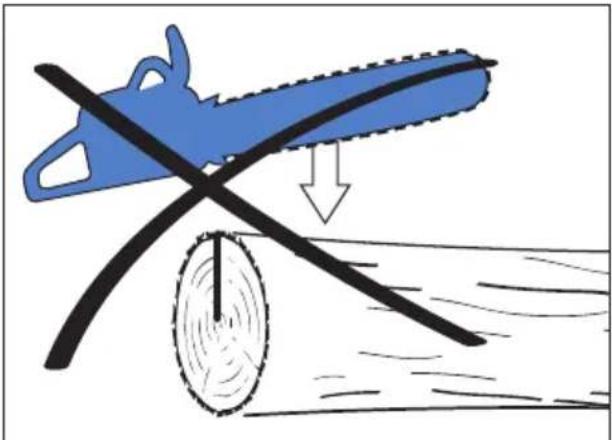
natural_image
Illustration of a blue chainsaw cutting through water with a falling arrow indicating downward motion (no text or symbols)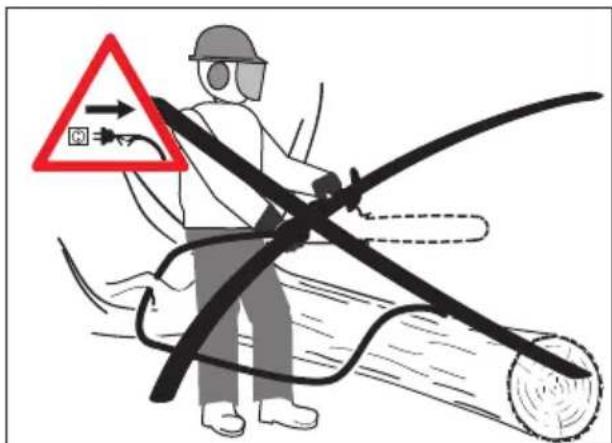
text_image
Diagram illustrating a worker using a power tool to cut wood, with a warning sign indicating hazard and current flow.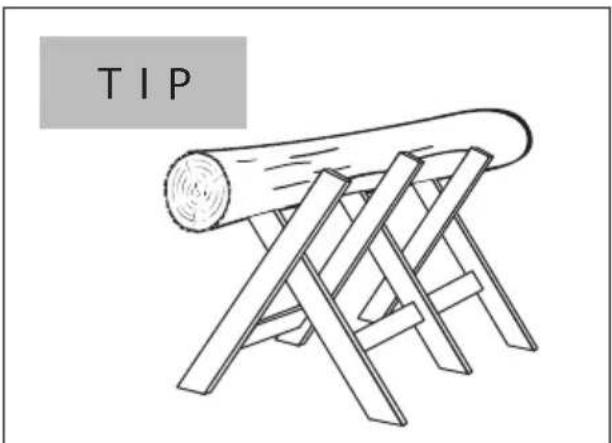
text_image
TIPDE Betrieb
EN Operation
FR Fonctionnement
IT Esercizio
ES Operação
NL Gebruik
CZ Provoz
SK Prevádzka
PL Operacja
HU Üzemeltetés
3







text_image
Safety warning illustration showing hazard symbol, gear path, and mechanical failure with arrows indicating collision or damage.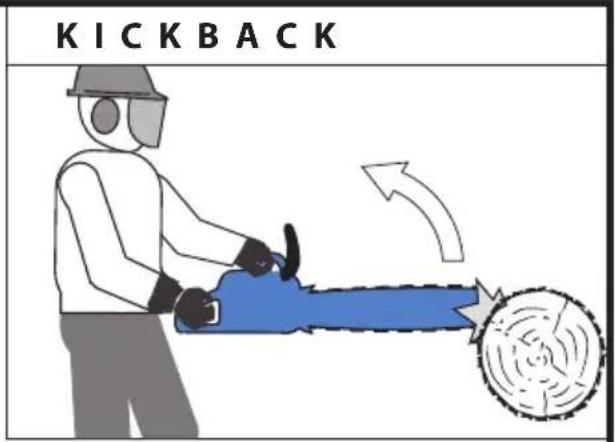
text_image
KICKBACK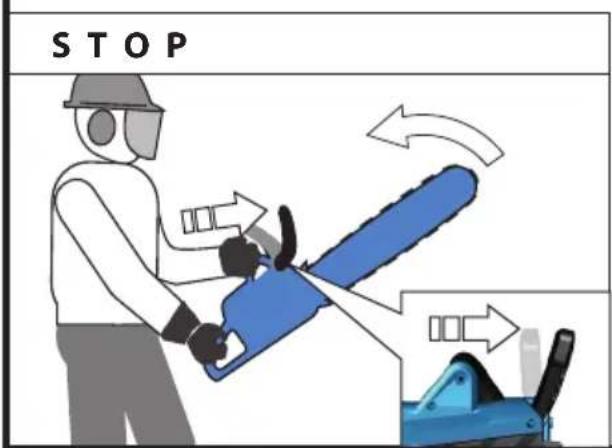
text_image
STOP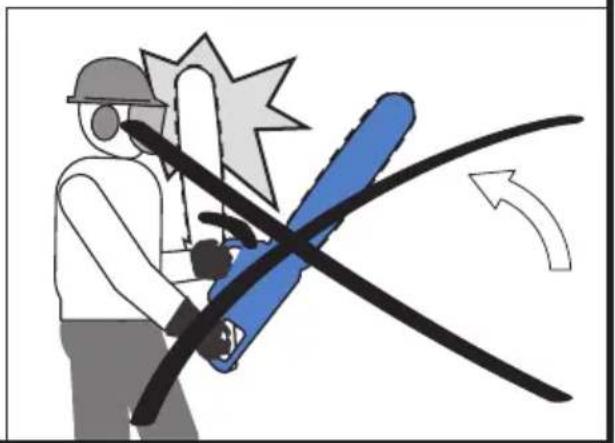
natural_image
Illustration of a person using a blue tool to cut a saw, with motion arrows indicating direction (no text or symbols)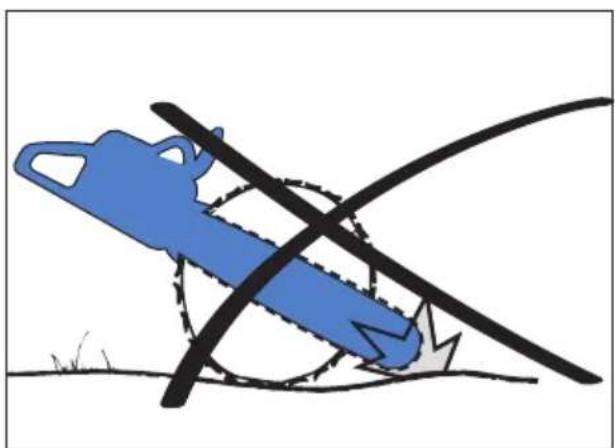
natural_image
Illustration of a blue chain-linking tool with a black cross, set against a grassy background (no text or symbols)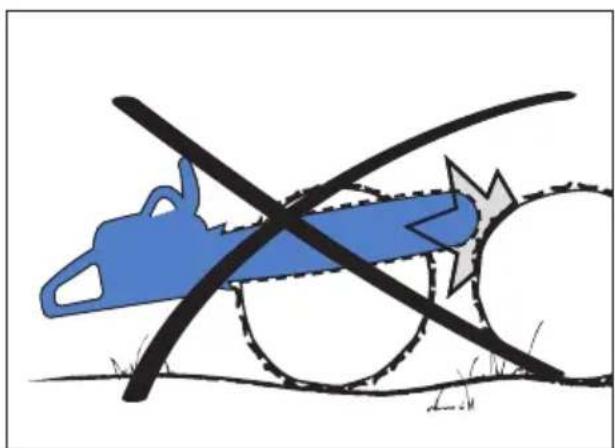
natural_image
Diagram showing a blue gear-like object rolling down a curved black line with arrows, surrounded by white circular objects (no text or symbols)
text_image
3 START STOPDE Betrieb
EN Operation
FR Fonctionnement
IT Esercizio
ES Operação
NL Gebruik
CZ Provoz
SK Prevádzka
PL Operacja
HU Üzemeltetés






text_image
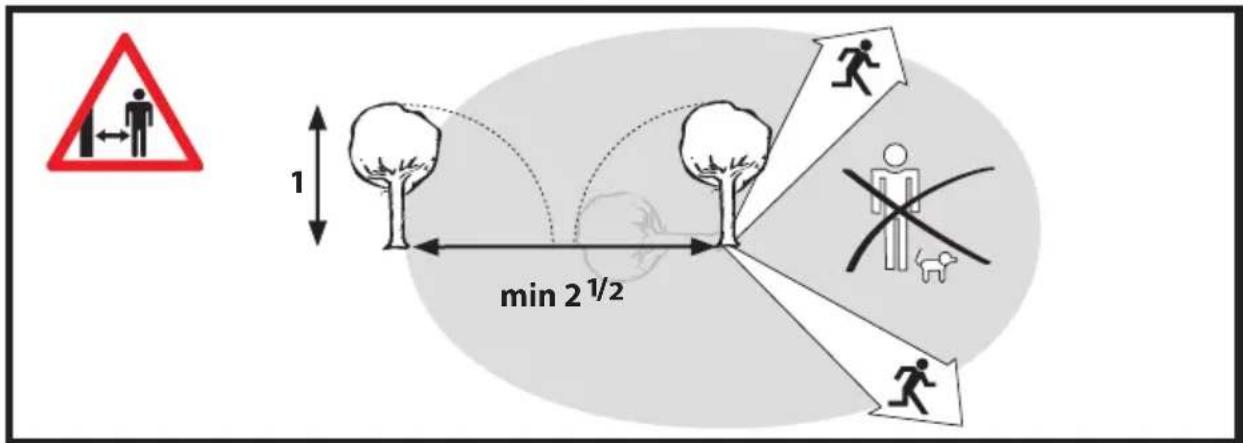
1 min 2^{1/2}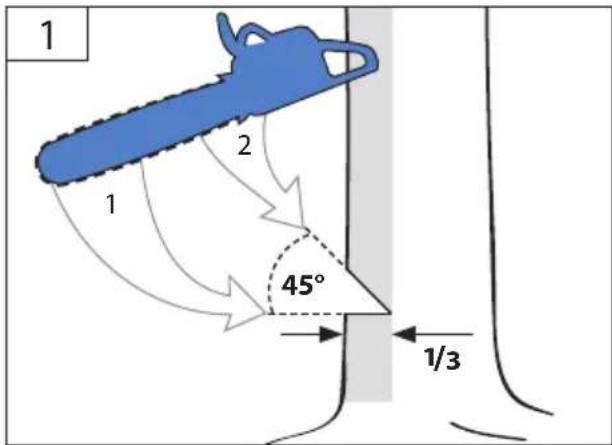
text_image
1 2 1 45° 1/3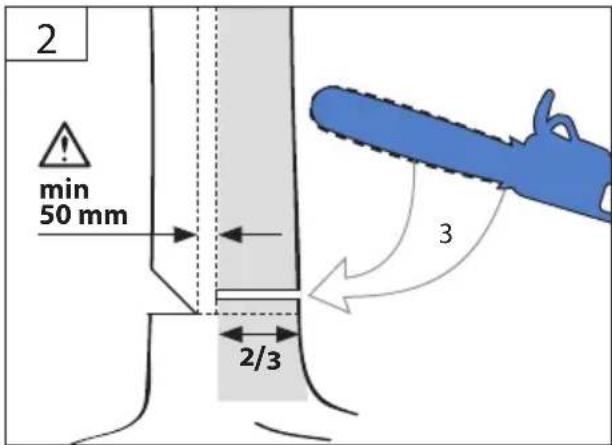
text_image
2 min 50 mm 2/3 3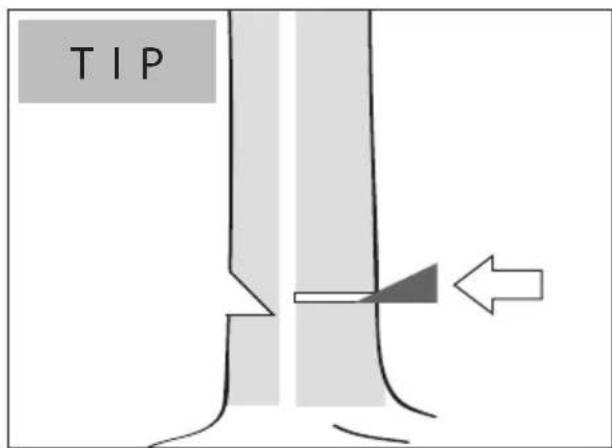
text_image
TIP
text_image
3DE Betrieb
EN Operation
FR Fonctionnement
IT Esercizio
ES Operação
NL Gebruik
CZ Provoz
SK Prevádzka
PL Operacja
HU Üzemeltetés
3






flowchart
graph TD
    A["Step 1: Cutting a chainaw"] --> B["Step 2: Moving tree branches"]
    B --> C["Step 3: Moving tree branches"]
natural_image
Illustration of a blue-handled chain with a black crossbar, showing a dynamic scene with an arrow and wave (no text or symbols)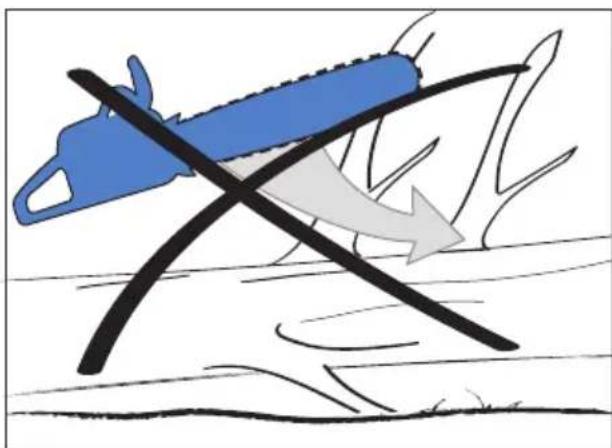
natural_image
Illustration of a blue-handled tool cutting through water with a black cross, showing motion direction (no text or symbols)
text_image
START STOPDE Betrieb
EN Operation
FR Fonctionnement
IT Esercizio
ES Operação
NL Gebruik
CZ Provoz
SK Prevádzka
PL Operacja
HU Üzemeltetés






natural_image
Illustration of a wooden log rolling down with a chainsaw and moving a ball, showing motion direction (no text or symbols)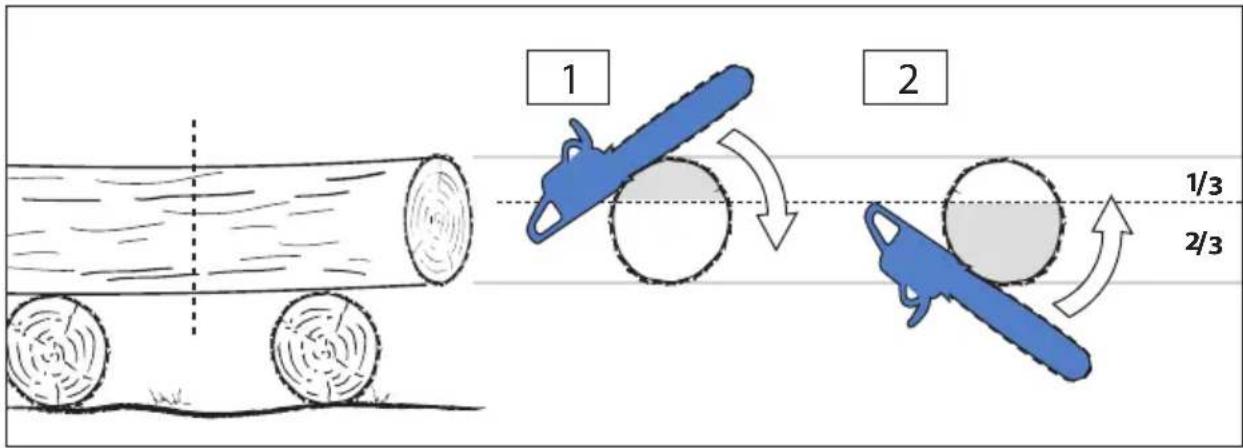
text_image
1 2 1/3 2/3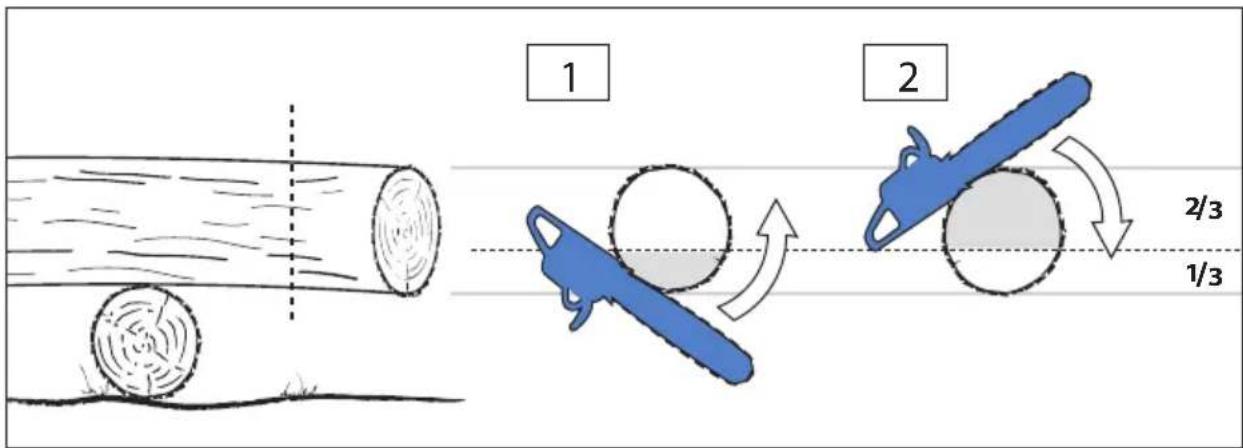
text_image
1 2 2/3 1/3DE Betrieb
EN Operation
FR Fonctionnement
IT Esercizio
ES Operação
NL Gebruik
CZ Provoz
SK Prevádzka
PL Operacja
HU Üzemeltetés
3






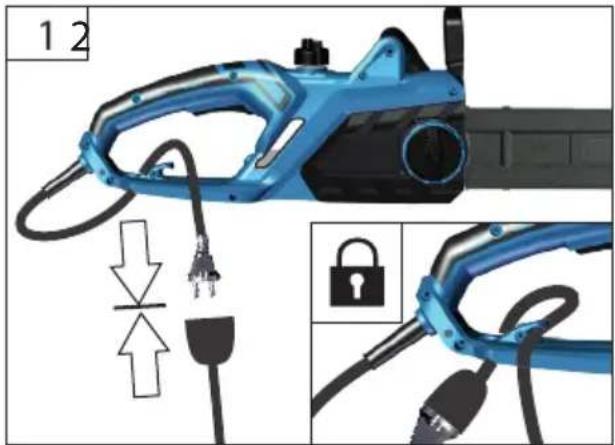
text_image
1 2 ↓ ← ↓ ↓ ↓ Lock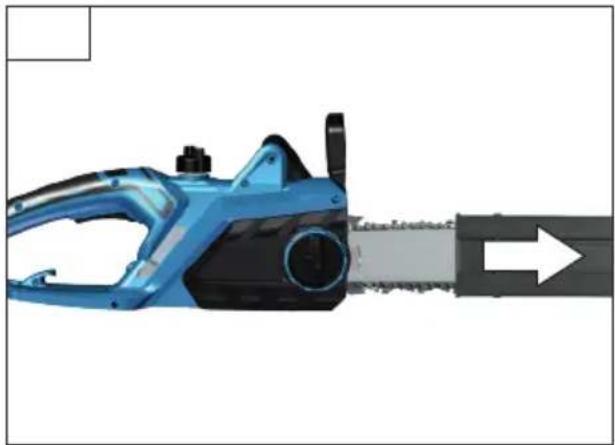
natural_image
Blue industrial chain-linker with arrow indicating flow direction (no text or symbols)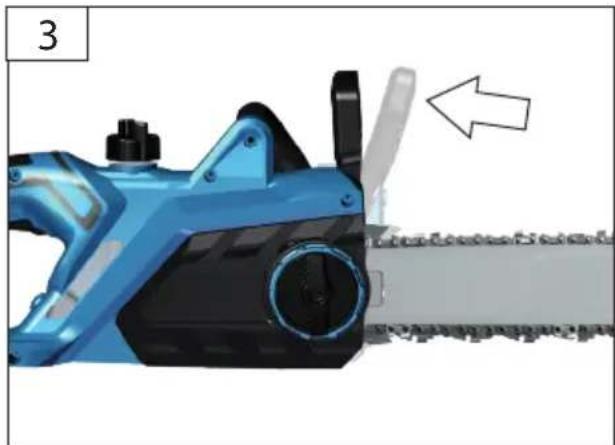
natural_image
Close-up of a blue-handled chain-linking tool with a white tool inserted, showing blade and gear (no text or symbols visible)
text_image
4 | START 1 2
natural_image
Blue electric shaver with black handle and control panel (no visible text or symbols)
text_image
3 START STOPDE Betrieb
EN Operation
FR Fonctionnement
IT Esercizio
ES Operação
NL Gebruik
CZ Provoz
SK Prevádzka
PL Operacja
HU Üzemeltetés
KS 405 EC | 95033





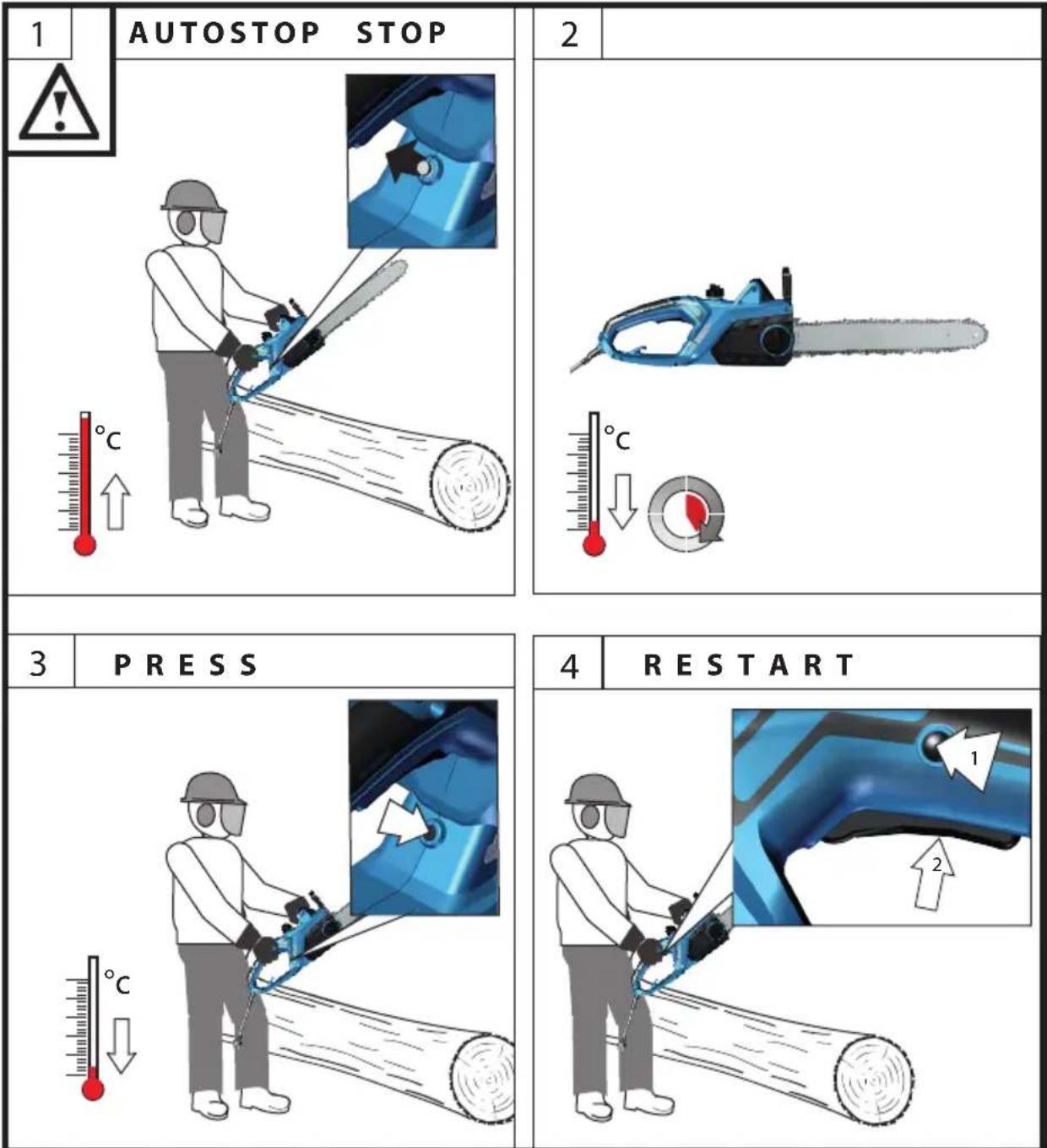
text_image
AUTOSTOP STOP 2 3 PRESS 4 RESTARTDE Betrieb
EN Operation
FR Fonctionnement
IT Esercizio
ES Operação
NL Gebruik
CZ Provoz
SK Prevádzka
PL Operacja
HU Üzemeltetés
3






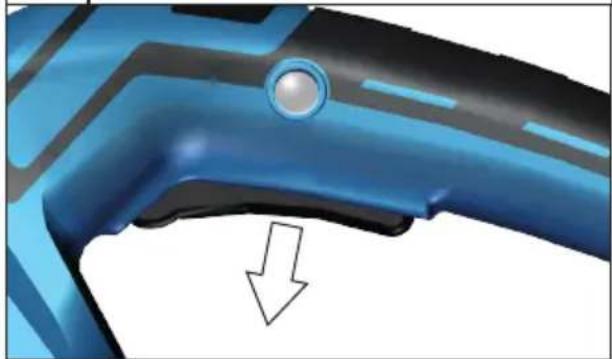
1 | STOP
natural_image
Close-up of a blue ergonomic device handle with a white arrow pointing to a specific area (no text or symbols visible)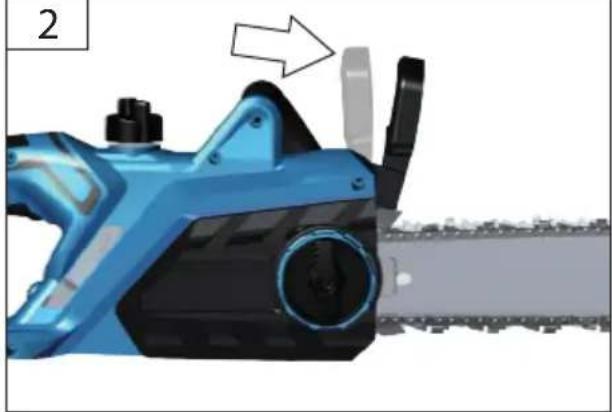
natural_image
Close-up of a blue industrial chain-linking device with a white arrow indicating motion (no text or symbols visible)
natural_image
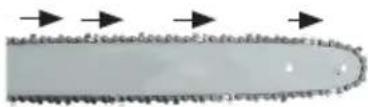
Close-up of a metallic blade with three black arrows pointing outward (no text or symbols)GB Chain runs out briefly after switching off!
natural_image
Close-up of a blue chain-linking tool interacting with a black mechanical component, showing internal gear and shaft (no text or symbols visible)
STOP
natural_image
Illustration of a blue-handled power tool with directional arrows indicating flow or movement (no text or symbols)
DE Wartung
EN Maintenance
FR Entretien
IT Manutenzione
ES Mantenimiento
NL Onderhoud
cz Údržba
SK Údrzba
PL Konserwacja
HU Karbantartás


  |  |  |
| KS 355 EC | 95031#94098, #95025 | KS 355 EC | 95031#94898 | |
| KS 405 EC | 95033#94884, #94100,#94143, #95146,#95021 | KS 405 EC | 95033#94113, #94885 |
TIP
P 2300 A
Art.-Nr. 94135


www.guede.com

natural_image
Blue industrial cutting machine with pink blade and red ball (no visible text or symbols)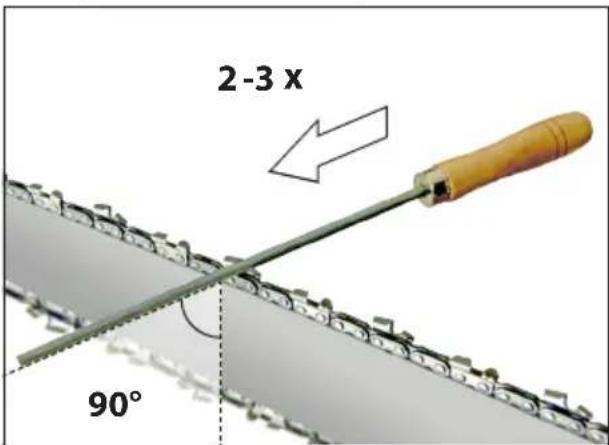
text_image
2-3 x 90°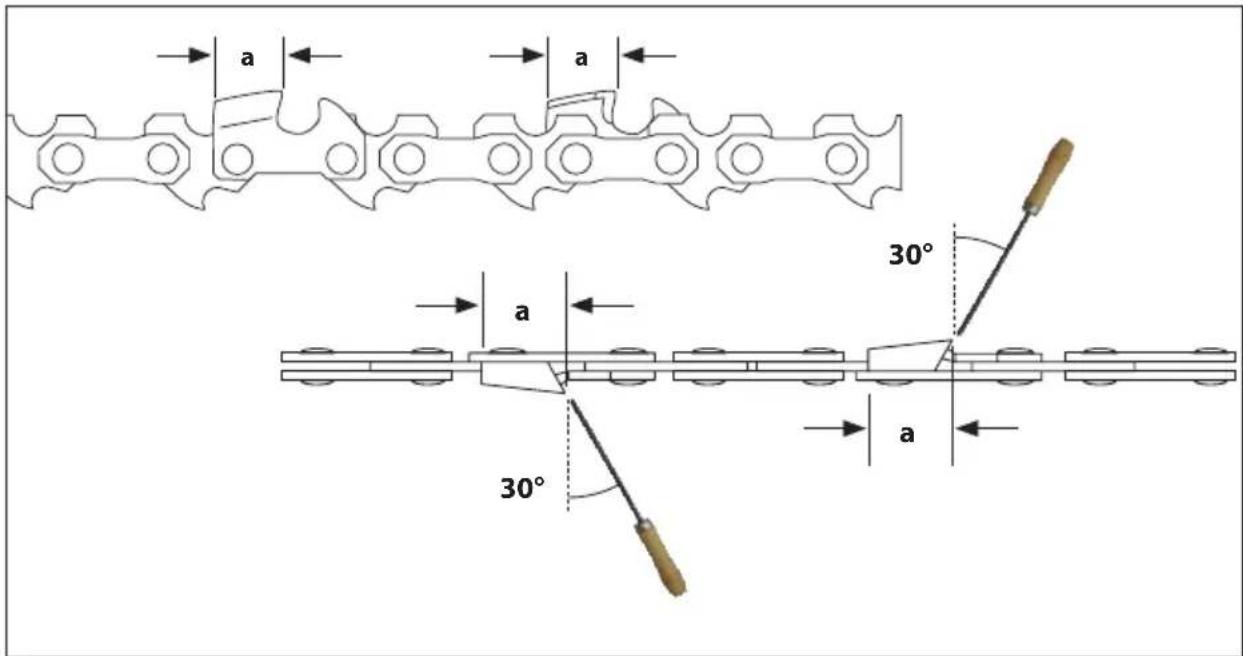
text_image
a a a 30° 30° anatural_image
Illustration of a blue electric chain with a power outlet and plug, no text or symbols present2
text_image
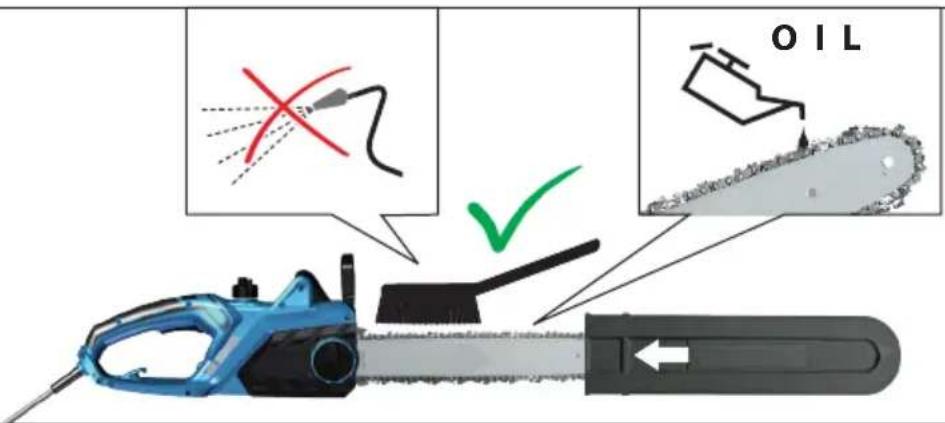
OIL3





natural_image
Blue and gray cleaning tool with handle and blade (no text or symbols visible)Technische Daten
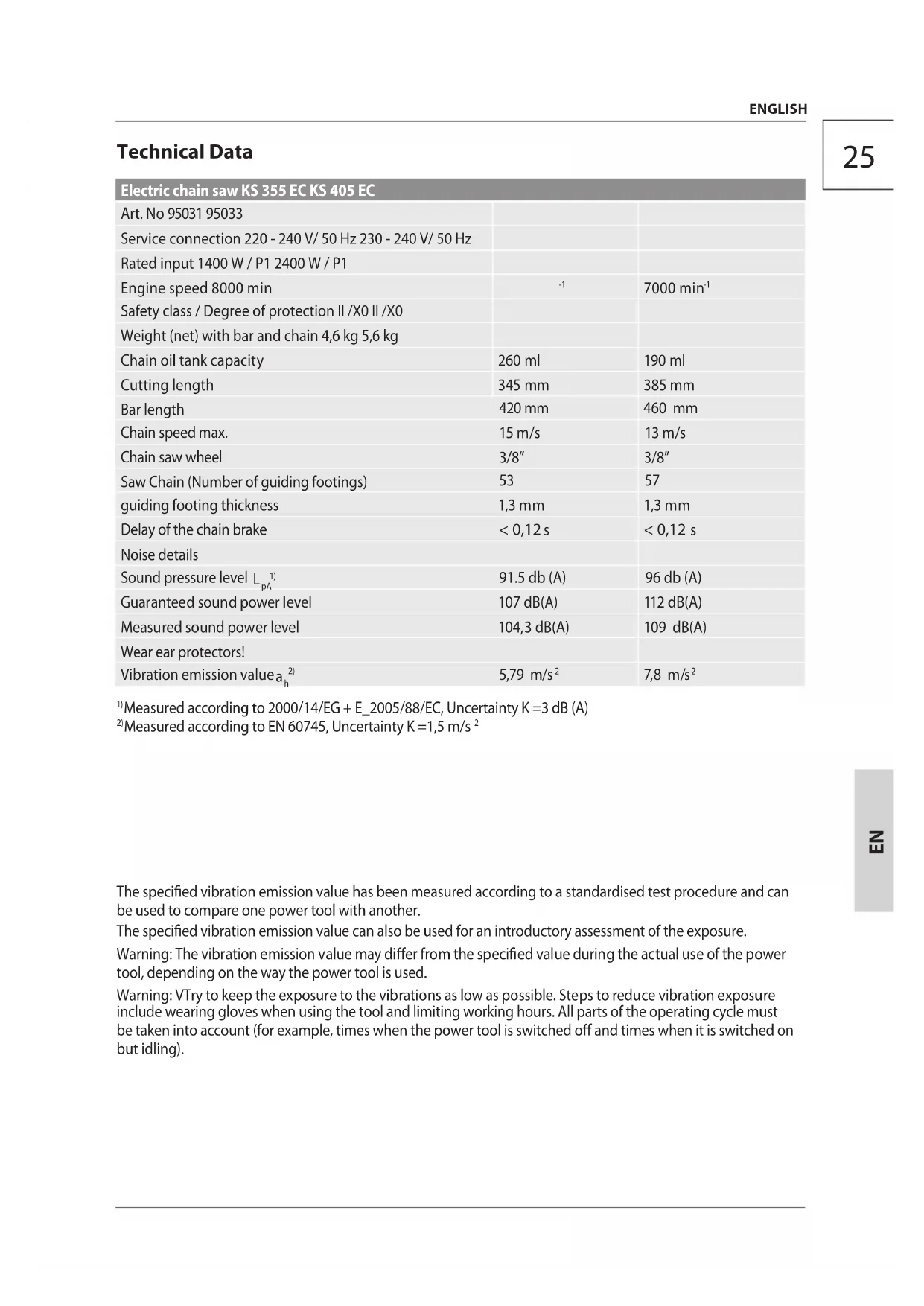
Electric chain saw KS 355 EC KS 405 EC
| Art. No 95031 95033 | ||
| Service connection 220 - 240 V/ 50 Hz 230 - 240 V/ 50 Hz | ||
| Rated input 1400 W / P1 2400 W / P1 | ||
| Engine speed 8000 min | -1 | 7000 min^-1 |
| Safety class / Degree of protection II /X0 II /X0 | ||
| Weight (net) with bar and chain 4,6 kg 5,6 kg | ||
| Chain oil tank capacity | 260 ml | 190 ml |
| Cutting length | 345 mm | 385 mm |
| Bar length | 420 mm | 460 mm |
| Chain speed max. | 15 m/s | 13 m/s |
| Chain saw wheel | 3/8" | 3/8" |
| Saw Chain (Number of guiding footings) | 53 | 57 |
| guiding footing thickness | 1,3 mm | 1,3 mm |
| Delay of the chain brake | < 0,12 s | < 0,12 s |
| Noise details | ||
| Sound pressure level L_pA^1) | 91.5 db (A) | 96 db (A) |
| Guaranteed sound power level | 107 dB(A) | 112 dB(A) |
| Measured sound power level | 104,3 dB(A) | 109 dB(A) |
| Wear ear protectors! | ||
| Vibration emission value a_h^2) | 5,79 m/s^2 | 7,8 m/s^2 |
^1) Measured according to 2000/14/EG + E_2005/88/EC, Uncertainty K =3 dB (A)
^2) Measured according to EN 60745, Uncertainty K=1,5 m/s ^2
The specified vibration emission value has been measured according to a standardised test procedure and can be used to compare one power tool with another.
The specified vibration emission value can also be used for an introductory assessment of the exposure.
Warning: The vibration emission value may differ from the specified value during the actual use of the power tool, depending on the way the power tool is used.
Warning: VTry to keep the exposure to the vibrations as low as possible. Steps to reduce vibration exposure include wearing gloves when using the tool and limiting working hours. All parts of the operating cycle must be taken into account (for example, times when the power tool is switched off and times when it is switched on but idling).
Device description
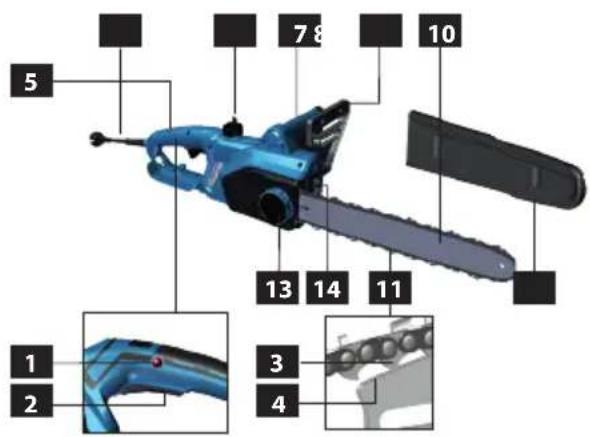
text_image
5 7 8 10 13 14 11 1 2 3 41 Trigger Release
2 On/off Button
3 Chain Drive
4 Bar Groove
5 Rear Handle
6 Mains Connection
7 Front handle
8 Front Hand Guard / Chain brake lever
9 Chain Lubricant Cap
10 Guide Bar
11 Saw Chain
12 Guide Bar Cover
13 Chain tensioner wheel
14 Chain Catcher


Read and understand the operating instructions before using the appliance. Familiarise
the control elements and how to use the appliance properly. Abide by all the safety measures stated in the service manual. Act responsibly toward third parties.
The operator is responsible for accidents or risks to third parties. Persons over 18 years of age can only work on the appliance. An exception includes youngsters trained in order to reach knowledge under supervision of the trainer during occupational education.
In case of any doubts about connection and operation refer please to our customer center
The operating personnel must have received sufficient training in use, setup and maintenance.
Specified Conditions of Use
The electric chain saw may be used only for cutting wood – always across the grain. Respecting technical data and safety precautions.
Do not use this product in any other way as stated for normal use. Not observing general regulations in force and instructions from this manual does not make the manufacturer liable for damages.
Requirements for operating staff
The operating staff must carefully read the Operating Instructions before using the appliance.
Qualification: Apart from the detailed instructions by a professional, no special qualification is necessary for appliance using.
Minimum age: Persons over 18 years of age can only work on the appliance. An exception includes youngsters trained in order to reach knowledge under supervision of the trainer during occupational education.
Training: Using the appliance only requires corresponding training by a professional or the Operating Instructions. No special training is necessary.
The operator is responsible for accidents or risks to third parties.
Observe to keep out of dangerous zone
Residual Risk

Risk of injury
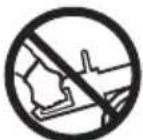
Contact with the saw chain can cause casualties. Never touch moving chain by hands.

Danger of kickback!
Kickback can lead to casualties.

Danger of burns!
Chain and guiding groove warm up in operation.
Emergency procedure
Conduct a first-aid procedure adequate to the injury and summon qualified medical attendance as quickly as possible. Protect the injured person from further harm and calm them down. For the sake of eventual accident, in accordance with DIN 13164, a workplace has to be fitted with a first-aid kit. It is essential to replace any used material in the first-aid kit immediately after it has been used.
If you seek help, state the following pieces of information
- Accident site
- Accident type
- Number of injured persons
- Injury type(s)
Mains Connection
During operation the cable may be hidden in shrubs and can be accidentally cut by the blade. Keep mains lead clear from working range of the machine. Always lead the cable away behind you.
If the connecting cable of the power tool is damaged, it must be replaced by a specially prepared connecting cable, which can be obtained from the service organisation.
Operation is only allowed with a safety switch against stray current (RCD max. stray current of 30mA).
Before putting into operation, a qualified electrician must check whether electric safety measures required are in place. Any national regulations in this regard must be complied with.
Electric connection to a socket.
It is necessary to make sure the connecting socket was not near water and humidity and the plug was pro- tected against humidity. Check the voltage. Technical data given on the type label must correspond with electric network voltage.
Only use splash proof extension cables approved for outdoor purposes.
Check the cable and/or socket for damages before the appliance putting into operation. In case damage let repaired in authorized workshop
To avoid danger, a damaged mains supply pipe must be replaced by the manufacturer.. Do not under any circumstances attempt any repair yourself.
Cable connections to be separated by pulling the plug only. Pulling the cable could damage both the cable and plug. As a result, electric safety would no longer be guaranteed.
The machine meets the EN 61000-3-11 requirements and is subject to special connection conditions. That means that a use on optional points of connection is not allowed. The machine may cause temporary voltage fluctuation in adverse conditions. The machine has only been designed to be used on points of connection not exceeding the maximum allowable network impedance Z_ = 0.233 . As a user, you must make sure, after consultation with your energy provider, if necessary, that your point of connection on which the machine is to be operated meets the requirements above. Read and understand the operating instructions before using the appliance.
Abide by all the safety measures stated in the service manual. Act responsibly toward third parties. In case of any doubts about connection and operation refer please to our customer center
Symbols

Caution!

Please read the instructions carefully before starting the machine.

Always disconnect the plug from the socket before carrying out any work on the machine.

Unplug the mains plug if the cable becomes damaged or tangled.

Warning against dangerous kickback

Keep distance of persons Observe to keep out of dangerous zone

Always use chain saw two-handed

Not use one-handed

Keep dry at all times. Never expose tool to rain.

Keep the machine out of reach of children.

Fire, sparks, naked flames and smoking are forbidden.

Chain lubrication

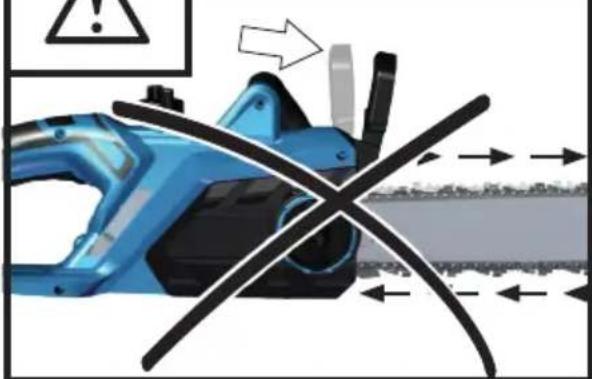
Chain running direction

Weare a protective helmet.

Wear goggles. Wear ear protectors.

Wear protective gloves.

Wear safety cut through resistant shoes with safety sole and steel toe

Wear protective clothing with cut through resistant ply!

Guaranteed sound power level (double insulation

Safety class II

Any damaged or disposed electric or electronic devices must be delivered to appropriate collection centres.
European Conformity Mark
General Power Tool Safety Warnings

Warning
Read all safety warnings and all instructions. Failure to follow the warnings and instructions may result in electric shock, fire and/or serious injury.
Save all warnings and instructions for future reference.
The term "power tool" in the warnings refers to your mains-operated (corded) power tool and battery-operated (cordless) power tool.
1) Work area safety
a) Keep work area clean and well lit. Cluttered or dark areas invite accidents.
b) Do not operate power tools in explosive atmospheres, such as in the presence of flammable liquids, gases or dust. Power tools create sparks which may ignite the dust or fumes.
c) Keep children and bystanders away while operating a power tool. Distractions can cause you to lose control.
2) Electrical safety
a) Power tool plugs must match the outlet. Never modify the plug in any way. Do not use any adapter plugs with earthed (grounded) power tools. Unmodified plugs and matching outlets will reduce risk of electric shock.
b) Avoid body contact with earthed or grounded surfaces, such as pipes, radiators, ranges and refrigerators. There is an increased risk of electric shock if your body is earthed or grounded.
c) Do not expose power tools to rain or wet conditions. Water entering a power tool will increase the risk of electric shock.
d) Do not abuse the cord. Never use the cord for carrying, pulling or unplugging the power tool. Keep cord away from heat, oil, sharp edges or moving parts. Damaged or entangled cords increase the risk of electric shock.
e) When operating a power tool outdoors, use an extension cord suitable for outdoor use. Use of a cord suitable for outdoor use reduces the risk of electric shock.
f) If operating a power tool in a damp location is unavoidable, use a residual current device (RCD) protected supply. Use of an RCD reduces the risk of electric shock.
a) Stay alert, watch what you are doing and use common sense when operating a power tool. Do not use a power tool while you are tired or under the influence of drugs, alcohol or medication. A moment of inattention while operating power tools may result in serious personal injury.
b) Use personal protective equipment. Always wear eye protection. Protective equipment such as dust mask, non-skid safety shoes, hard hat, or hearing protection used for appropriate conditions will reduce personal injuries.
c) Prevent unintentional starting. Ensure the switch is in the off-position before connecting to power source and/or battery pack, picking up or carrying the tool. Carrying power tools with your finger on the switch or energising power tools that have the switch on invites accidents.
d) Remove any adjusting key or wrench before turning the power tool on. A wrench or a key left attached to a rotating part of the power tool may result in personal injury.
e) Do not overreach. Keep proper footing and balance at all times. This enables better control of the power tool in unexpected situations.
f) Dress properly. Do not wear loose clothing or jewellery. Keep your hair, clothing and gloves away from moving parts. Loose clothes, jewellery or long hair can be caught in moving parts.
g) If devices are provided for the connection of dust extraction and collection facilities, ensure these are connected and properly used. Use of dust collection can reduce dust-related hazards.
a) Do not force the power tool. Use the correct power tool for your application. The correct power tool will do the job better and safer at the rate for which it was designed.
b) Do not use the power tool if the switch does not turn it on and off. Any power tool that cannot be
3) Personal safety
4) Power tool use and care
controlled with the switch is dangerous and must be repaired.
c) Disconnect the plug from the power source and/or the battery pack from the power tool before making any adjustments, changing accessories, or storing power tools. Such preventive safety measures reduce the risk of starting the power tool accidentally.
d) Store idle power tools out of the reach of children and do not allow persons unfamiliar with the power tool or these instructions to operate the power tool. Power tools are dangerous in the hands of untrained users.
e) Maintain power tools. Check for misalignment or binding of moving parts, breakage of parts and any other condition that may affect the power tool's operation. If damaged, have the power tool repaired before use. Many accidents are caused by poorly maintained power tools.
f) Keep cutting tools sharp and clean. Properly maintained cutting tools with sharp cutting edges are less likely to bind and are easier to control.
g) Use the power tool, accessories and tool bits etc. in accordance with these instructions, taking into account the working conditions and the work to be performed. Use of the power tool for operations different from those intended could result in a hazardous situation.
5) Service
a) Have your power tool serviced by a qualified repair person using only identical replacement parts. This will ensure that the safety of the power tool is maintained..
Chain saw safety warnings
- Keep all parts of the body away from the saw chain when the chain saw is operating. Before you start the chain saw, make sure the saw chain is not contacting anything. A moment of inattention while operating chain saws may cause entanglement of your clothing or body with the saw chain.
- Always hold the chain saw with your right hand on the rear handle and your left hand on the front handle. Holding the chain saw with a reversed hand configuration increases the risk of personal injury and should never be done.
- Hold the power tool by its insulated grip surfaces, as the saw-chain may accidentally cut into its own power cord.. Contact between the saw-chain and a live wire can put metal parts of the equipment under voltage and lead to an electric shock.
- Wear protective glasses and ear protectors. Further, wearing head, hand and leg protection equipment is recommended. Adequate protective equipment will reduce personal injury from flying debris or accidental contact with the saw chain.
- Do not work on trees with the chainsaw. There is
a risk of injury when working on a tree.
• Always keep proper footing and operate the chain saw only when standing on fixed, secure and level surface. Slippery or unstable surfaces may cause a loss of balance or control of the chain saw.
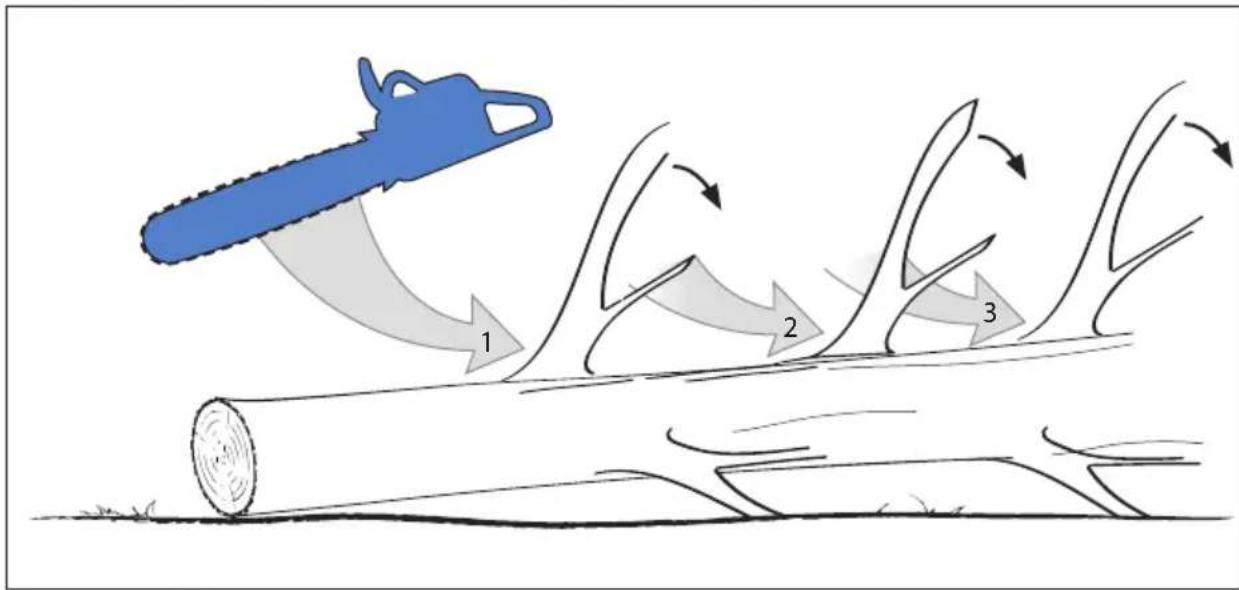
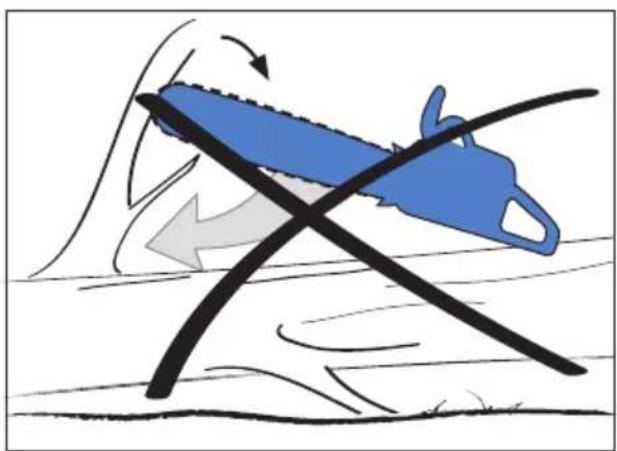
- When cutting a limb that is under tension, be alert for spring back. When the tension in the wood fibres is released the spring loaded limb may strike the operator and /or throw the chain saw out of control.
- Use extreme caution when cutting brush and saplings. The slender material may catch the saw chain and be whipped toward you or pull you off balance.
- Carry the chain saw by the front handle with the chain saw switched off and away from your body. When transporting or storing the chain saw, always fit the guide bar cover. Proper handling of the chain saw will reduce the likelihood of accidental contact with the moving saw chain.
- Follow instructions for lubricating, chain ten - sioning and changing accessories. Improperly tensioned or lubricated chain may either break or increase the chance for kickback.
- Keep handles dry, clean, and free from oil and grease. Greasy, oily handles are slippery causing loss of control.
- Cut wood only. Do not use chain saw for purposes not intended. For example: do not use chain saw for cutting metal, plastic, masonry or non-wood building materials. Use of the chain saw for operations different than intended could result in a hazardous situation.
Causes and operator prevention of kickback:
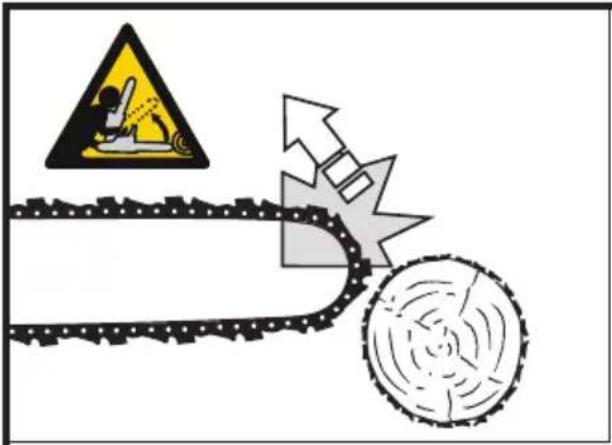
Kickback may occur when the nose or tip of the guide bar touches an object, or when the wood closes in and pinches the saw chain in the cut.
Tip contact in some cases may cause a sudden reverse reaction, kicking the guide bar up and back towards the operator.
Pinching the saw chain along the top of the guide bar may push the guide bar rapidly back towards the operator.
Either of these reactions may cause you to lose control of the saw which could result in serious personal injury. Do not rely solely on the safety devices with which the chain saw is equipped. As a chain saw user, you should take several steps to keep your cutting jobs free from accident or injury.
Kickback is the result of tool misuse and/or incorrect operating procedures or conditions and can be avoided by taking proper precautions as given below:
- Maintain a firm grip, with thumbs and fingers encircling the chain saw handles, with both hands on the saw and position your body and arm to allow you to resist kickback forces. Kickback forces can be controlled by the operator, if proper precautions are taken. Do not let go of the chain saw.
ENGLISH
- Do not overreach and do not cut above shoulder height. This helps prevent unintended tip contact and enables better control of the chain saw in unexpected situations.
- Only use replacement bars and chains specified by the manufacturer. Incorrect replacement guide bars and chains may cause chain breakage and/or kickback.
- Follow the manufacturer's sharpening and maintenance instructions for the saw chain. Decreasing the depth gauge height can lead to increased kickback.
The connecting cable must be laid in such a way that it is not snagged by branches or the like during sawing.
A first-time user is advised at the least to practice cutting logs on a sawhorse or frame.
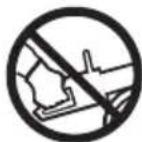
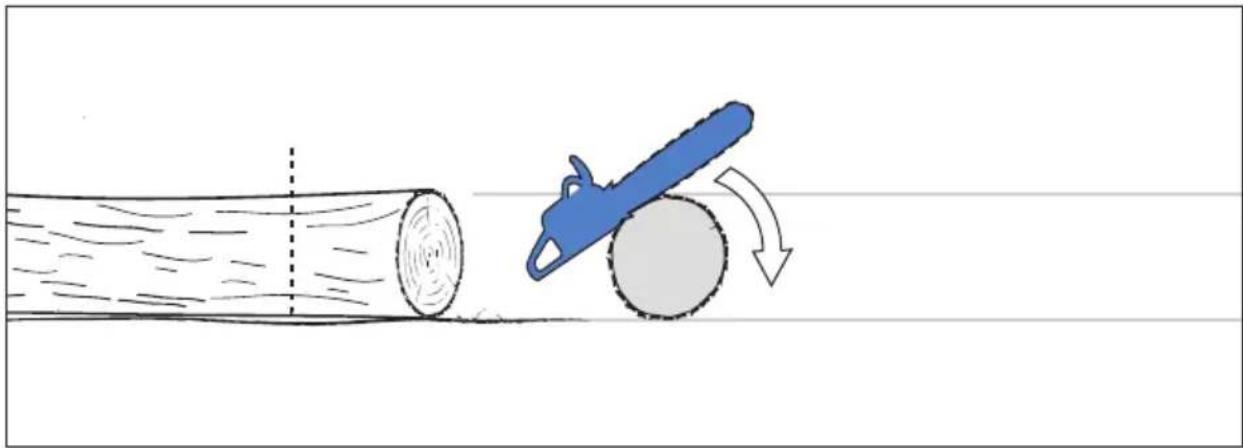
When sawing on a slope, always stand above the tree trunk. To maintain full control at the moment of „sawing through“, nearing the end of the cut reduce the contact pressure without loosening your grip on the chain-saw handles. Make sure that the saw-chain does not touch the ground. After finishing the cut, wait for the saw-chain to stop moving before extracting the chainsaw from the cut. Always switch off the chain saw motor before moving to the next tree.
Spiked Bumper
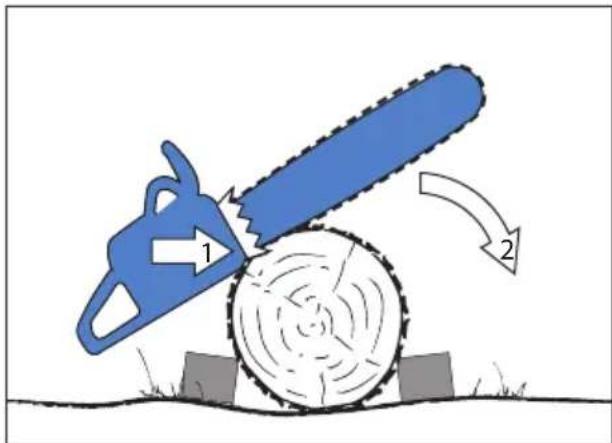
When sawing, press the chain saw forward so that the „claw“ bites into the bark. Lifting the rear handle up or down in the direction of the cut reduces the physical strain during sawing. When making a cut, the claw stop can also be used as a pivot point and is very useful in keeping the body of the chainsaw stable during cutting.
Chain Brake
To reduce the risk of injury, the chain must stop immediately once the chain brake lever is pressed towards the hand, as shown in the images. This can not, however, prevent a rebound. The proper function of the chain brake must be checked each time before the chain saw is used.
Chain Catcher
This prevents the chain from being flung towards the user if it comes loose or breaks.
Maintenance
⚠️ Always disconnect the plug from the socket before carrying out any work on the machine.
Prior to every use, visually check the machine to rule out any defects, in particular on the power cable and the plug.
The appliance must not be used if damaged or safety equipment is defective. Replace any worn-out and damaged parts.
If the device is defective, the repair has to be made exclusively by the customer service. Use only original accessories and original spare parts. Components for which there are no instructions for exchanging should be replaced by the manufacturer only.
Only a regularly maintained and treated appliance can serve as a satisfactory aid. Insufficient maintenance and care can lead to unforeseen accidents and injuries.
Disposal
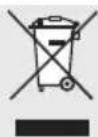
Do not dispose of electrical appliances in household waste.
According to the European Directive 2012/19/EU on waste electrical and electronic equipment and transposition into national law, used electrical equipment must be collected separately and sent for environmentally sound recycling. Recycling alternative to the return request: As an alternative to returning the equipment to the manufacturer, the owner of the electrical equipment must make sure that the equipment is properly disposed of if he no longer wants to keep it. The old equipment can be returned to a suitable collection point that will dispose of the equipment in accordance with the national recycling and waste disposal regulations. This does not apply to any accessories or aids without electrical components supplied with the old equipment.
Guarantee
Warranty period of 12 months applies to commercial use and 24 months applies to private use and commences on the day of purchase of the device.
The guarantee solely covers inadequacies caused by material defect or manufacturing defect. Original payment voucher with the sales date needs to be submitted for any claim in the guarantee period.
The guarantee does not cover any unauthorised use such as appliance overloading, use of violence, damage as a result of any unauthorised interference or caused by foreign items. Failing to follow the operating and assembly instructions and common wear are also not included in the guarantee.
Service
Do you have any technical questions? Any claim? Do you need any spare parts or operating instructions? We will quickly help you and without needles bureaucracy at our web pages at www.guede.com in the Servicing part. Please help us be able to help you. In order to identify your device in case of claim we need the serial No., product No. and year of production. All this data can be found on the type label. To always have these data at hand, please enter them below.
Serial No.:
Art. No:
Year of production:
Inspection and maintenance plan
| Generally Complete saw | Regularly clean the outer partLet regularly checked by authorized workshop | |
| Plastic bodySaw ChainChain saw barChain saw wheelChain Brake | Check for cracks and fissuresLet regularly sharpenClean regularlyClean regularlyRegular functional test | |
| Before any start-up Saw Chain | Chain saw barChain lubricationChain BrakeFollow-up brakeOn/off ButtonPower supply cableOil tank cap | Check for damages and sharpnessCheck the chain tensionFunctional testFunctional testFunctional testFunctional testFunctional testCheck for tightnessLet regularly checked by authorized workshop |
| After every take out of service | Chain saw barBar fixture | Clean the oil top-up openingClean above all guiding oil groove |
| Storage Chain oil tank | Saw Chain / Chain saw barComplete saw | DrainDismount, clean and lubricate slightly by oil Clean the saw guiding grooveStore safely in dry roomLet the chain saw checked by authorized workshop after long term storage (remaining oil can be resinous and clog the oil pump valve) |
Defects searching
| Failures Tracing Causes Abhilfe | |||
| The saw does not work Electric engine is not running | No power supply. Insert the mains plug or check the supply line.Broken cable Have the cable replaced by a specialist workshop or Güde Service.Chain brake activated Release chain brake (see chapter „Operation“)Activated power breaker Check the supply line, visit a specialist workshop. | ||
| Not sufficient output Low dilatability Worn-down carbon | brushes | Have carbon brushes replaced by a specialist workshop. | |
| Missing chain lubrication Chain is not lubricated Empty oil tank, Dirty guiding oil groove | Fill up the oil tank. Clean the oil guide groove on the chain sword. | ||
| Chain Brake Chain does not stop quickly | Worn-down brake belt Visit a specialist workshop immediately. | ||
| Follow-up brake | Saw chain runs out | Worn-down carbon brushes | Have carbon brushes replaced by a specialist workshop. |
Translation of the EC-Declaration of Conformity
We, hereby declare the conception and construction of the below mentioned appliances correspond - at the type of construction being launched - to appropriate basic safety and hygienic requirements of EC Directives.
In case of any change to the appliance not discussed with us the Declaration expires.
97/68/EC &2016/1628/EU
Emission No.:
2000/14/EC_2005/88/EC