ManualGo.com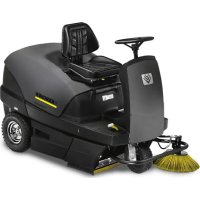
KM 100100 R Bp Pack - Vacuum Cleaner Kärcher - Free user manual and instructions
Find the device manual for free KM 100100 R Bp Pack Kärcher in PDF.



Download the instructions for your Vacuum Cleaner in PDF format for free! Find your manual KM 100100 R Bp Pack - Kärcher and take your electronic device back in hand. On this page are published all the documents necessary for the use of your device. KM 100100 R Bp Pack by Kärcher.
USER MANUAL KM 100100 R Bp Pack Kärcher
Register your product www.kaercher.com/welcome
Angewandtes Konformitätsbewer- tungsverfahren 2000/14/EG: Anhang V Schallleistungspegel dB(A) Gemessen: 92 Garantiert: 94 Chairman of the Board of Management Director Regulatory Affairs & Certification 16 DE- 1 Please read and comply with these original instructions prior to the initial operation of your appliance and store them for later use or subsequent own- ers. Your sales outlet should be informed about any transit damage noted when unpacking the product. – Warning and information plates on the machine provide important directions for safe operation. – In addition to the information contained in the operating instructions, all statuto- ry safety and accident prevention regu- lations must be observed. Danger Risk of injury! Danger of tipping if gradient is too high. – The gradient in the direction of travel should not exceed 18%. Danger of tipping when driving round bends at high speed. – Drive slowly when cornering. Danger of tipping on unstable ground. – Only use the machine on sound surfac- es. Danger of tipping with excessive sideways tilt. – The gradient perpendicular to the direc- tion of travel should not exceed 15%. – It is important to follow all safety instruc- tions, rules and regulations applicable for driving motor vehicles. – The operator must use the appliance properly. He must consider the local conditions and must pay attention to third parties, in particular children, when working with the appliance. – The appliance may only be used by per- sons who have been instructed in han- dling the appliance or have proven qualification and expertise in operating the appliance or have been explicitly assigned the task of handling the appli- ance. – The appliance must not be operated by children, young persons or persons who have not been instructed accord- ingly. – It is strictly prohibited to take co-pas- sengers. – Ride-on appliances may only be started after the operator has occupied the driv- er's seat. Please remove the key, when not in use, to avoid unauthorised use of the appliance. Never leave the machine unattended so long as the engine is running. The operator may leave the appliance only when the engine has come to a stand- still, the appliance has been protected against accidental movement, and the key has been removed. Note: Warranty claims will be entertained only if you use batteries and chargers rec- ommended by Kärcher. – Always follow the instructions of the battery manufacturer and the charger manufacturer. Please follow the statu- tory requirements for handling and dis- posing batteries. – Never leave the batteries in a dis- charged state; recharge them as soon as possible. – Always keep the batteries clean and dry to avoid creep currents. Protect the bat- teries and avoid contact with impurities such as metal dust. – Do not place tools or similar items on the battery. Risk of short-circuit and ex- plosion. – Do not work with open flames, generate sparks or smoke in the vicinity of a bat- tery or a battery charging room. Danger of explosion. – Do not touch hot parts of the machine such as the drive motor (risk of burns). – Be careful while handling battery acid. Follow the respective safety instruc- tions! – Used batteries are to be disposed ac- cording to the EC guideline 91/ 157 EWG in an environment-friendly man- ner. – When installing the battery into the KM 100/100 R Bp, the battery pole fuse must be mounted (see Chapter Mainte- nance). DANGER To avoid risks, all repairs and replacement of spare parts may only be carried out by authorized customer service personnel. – Only use accessories and spare parts which have been approved by the man- ufacturer. The exclusive use of original accessories and original spare parts ensures that the appliance can be oper- ated safely and trouble free. – For additional information about spare parts, please go to the Service section at www.kaercher.com. Safety instructions . . . . . . . EN . . 1 General notes . . . . . . . .
Symbols on the machine
Open/ close device hood
Emergency-stop button.
Turning on the Appliance
Turn off the appliance . .
DANGER Warns about immediate danger which can lead to severe injuries or death. 몇 WARNING Warns about possible danger which could lead to severe injuries or death. CAUTION Points out a possibly dangerous situation which can lead to light injuries or property damage. The sweeper operates using the overthrow principle. – The side brushes (3) clean the corners and edges of the surface, moving dirt and debris into the path of the roller brush. – The rotating roller brush (4) moves the dirt and debris directly into the waste container (5). – The dust raised in the container is sep- arated by the dust filter (2) and the fil- tered clean air is drawn off by the suction fan (1). Use this sweeper only as directed in these operating instructions. The machine with working equipment must be checked to ensure that it is in proper working order and is operating safely prior to use. Otherwise, the appli- ance must not be used. – This sweeper has been designed to sweep dirt and debris from indoor as well as outdoor surfaces. – The machine is not suitable for being driven on public roads. – The machine is not suitable for vacuum- ing dust which endangers health. – The machine may not be modified. – Never vacuum up explosive liquids, combustible gases or undiluted acids and solvents. This includes petrol, paint thinner or heating oil which can gener- ate explosive fumes or mixtures upon contact with the suction air. Acetone, undiluted acids and solvents must also be avoided as they can harm the mate- rials on the machine. – Do not sweep/vacuum up any burning or glowing objects. – The machine is only suitable for use on the types of surfaces specified in the operating instructions. – The machine may only be operated on the surfaces approved by the company or its authorised representatives. – The machine may not be used or stored in hazardous areas. It is not allowed to use the appliance in hazardous loca- tions. – The following applies in general: Keep highly-flammable substances away from the appliance (danger of explo- sion/fire). – Asphalt – Industrial floor – Screed – Concrete – Paving stones –Carpet Notes about the ingredients (REACH) You will find current information about the ingredients at: www.kaercher.com/REACH Symbols on the machine Please do not sweep away any burning substances such as cigarettes, match sticks or similar objects. Risk of being squeezed or hurt at the belts, side-brush- es, containers, machine cover. Symbols in the operating instruc- tions Function Proper use Suitable surfaces Environmental protection The packaging material can be recycled. Please do not throw the packaging material into household waste; please send it for recycling. Old appliances contain valuable materials that can be recycled; these should be sent for recy- cling. Batteries, oil, and similar substances must not enter the environment. Please dispose of your old appliances using appro- priate collection systems. 18 EN- 3 1 Key switch 2 Steering wheel 3 Seat (with seat contact switch) 4 Dust filter 5 Wet/dry flap 6 Cover 7 Rear sealing strip 8 Battery (KM 100/100 R Bp Pack) 9 Charger (under the appliance hood) (KM 100/100 R Bp Pack) 10 Side sealing strip 11 Waste container (both sides) 12 Side panels 13 Roller brush 14 Front sealing strip 15 Bulk waste flap 16 Pedal for raising/lowering bulk waste flap 17 Left side brush (optional) 18 Fastener of the side brush 19 Right side brush 20 Drive pedal 21 Front panel 22 Operator console 1 Programme switch 2 Emergency-stop button 3 Filter dedusting 4Horn 5 Operating hour counter 6 Indicator lamps A Battery charge status (red/yellow/ green) B Overload of the drive motor (red) C Overload of the sweep roller (red) – The operating elements for the cleaning process are yellow. – The controls for the maintenance and service are light gray. DANGER Danger of crushing while closing the ma- chine cover. Hence, lower the machine cover slowly. Open the device hood at the handle slot (pull it upward). Pull the holding bar from the holder. Operating and Functional Elements Operator console Indicator lamps Colour coding Open/ close device hood 19EN- 4 Insert the holder bar into the intake on the suction fan. To close the appliance hood, pull the holder bar out of the intake and lock the holder into the appliance hood. Please observe the following warning notes when handling batteries: Danger Risk of explosion! Do not put tools or similar on the battery, i.e. on the terminal poles and cell connectors. Danger Risk of injury! Ensure that wounds never come into contact with lead. Always clean your hands after having worked with batter- ies. DANGER Risk of fire and explosion! – Smoking and naked flames are strictly prohibited. – Rooms where batteries are charged must have good ventilation because highly explosive gas is emitted during charging. – Batteries must not be stored outside. Danger Danger of causticization! – Rinse thoroughly with lots of clear water if acid gets into the eye or comes in con- tact with the skin. – Then consult a doctor immediately. – Wash off the acid If it comes in contact with the clothes. Note: KM 100/100 R Bp pack contains in- built battery and charger. Open the hood, insert retaining rod. Insert battery in battery mount. Connect pole terminal (red cable) to positive pole (+). Connect pole terminal to negative pole
Note: Check that the battery pole and pole terminals are adequately protected with pole grease. CAUTION Charge the battery before commissioning the machine. DANGER Risk of explosion! Always keep the appli- ance hood open during the charging pro- cess. Danger Risk of injury! Comply with safety regula- tions on the handling of batteries. Observe the directions provided by the manufacturer of the charger. Danger Charge the battery only with an appropriate charger. Note: When the battery is charged, first re- move the charger from the mains and then disconnect it from the battery. Danger Risk of injury! The charger should be used only if the mains connection line is in an un- damaged state. Get the manufacturer, the customer service agent or a qualified per- son to immediately replace a damaged mains connection line. Note: Normally, the machine is equipped with a maintenance-free battery. Open the hood, insert retaining rod. Insert the plug of the charger into the socket. The battery control display shows the pro- gress of the charging process when the plug is inserted: DANGER Charge the battery only with the charger recommended by KÄRCHER (order no. 6.654-107). Add distilled water one hour before the charging process comes to an end; fol- low the correct acid level. There are corresponding indicators on the battery. DANGER Risk of acid burns. Refilling water when the battery is in the discharged state can lead to acid leakage! When handling battery ac- id, use safety goggles and observe regula- tions to prevent injury and destruction of clothing. Immediately rinse off any splashed acid from the skin or clothing us- ing copious amounts of water. CAUTION Risk of damage. Use only distilled or desal- inated water (VDE 0510) for filling the bat- tery. Do not add any substances (so-called performance improving agents), else war- ranty claims will not be entertained. Switch off the charger and remove the plug from the socket. If the machine does not have a built-in charger: Pull the battery cable from the charger cable and connect it to the ap- pliance. Open the hood, insert retaining rod. Disconnect pole terminal to negative pole (-). Disconnect pole terminal to positive pole (+). Remove the battery from the battery holder. Dispose of the used battery according to the local provisions. Before Startup Battery Safety notes regarding the battery Observe the directions on the battery, in the instructions for use and in the vehicle operating instructions! Wear an eye shield! Keep away children from acid and batteries! Risk of explosion! Fire, sparks, open light, and smoking not allowed! Danger of causticization! First aid! Warning note! Disposal! Do not throw the battery in the dustbin! Installing and connecting the battery Charging battery (1) Charging procedure KM 100/100 R Bp Pack Battery is being charged glows yellow Battery is charged glows green Fault glows red (2) Charging procedure KM 100/100 R Bp Low maintenance batteries After charging Remove the battery 20 EN- 5 CAUTION Regularly check the fluid level in acid-filled batteries. – The acid in a fully charged battery has a specific weight of 1.28 kg/l at a temper- ature of 20 °C. – The acid in a partially discharged bat- tery has a specific weight between 1.00 and 1.28 kg/l. – The specific weight of the acid must be uniform in all cells. Unscrew all cell caps. Take a sample from each cell using the acid tester. Put the acid sample back into the same cell. Where fluid level is too low, top up cells to the mark provided with distilled wa- ter. Charge battery. Screw in cell caps. DANGER Risk of injury and damage! Do not use a forklift to unload the appliance. Note: Press the emergency-stop button to immediately deactivate all functions and turn the key switch to the "0" position. To unload the machine, proceed as follows: Cut plastic packing belt and remove foil. Remove the elastic tape fasteners at the stop points. Four indicated floor boards of the pallet are fastened with screws. Unscrew these boards. Place the boards on the edge of the pal- let. Place the boards in such a way that they lie in front of the four wheels of the machine. Fasten the boards with screws. Slide the four support beams included in the packaging under the ramp. Remove the wooden blocks used for ar- resting the wheels and slide them under the ramp. Loosen immobilizing brake (see "move sweep machine"). Slide the machine over the prepared ramp from the pallet. Connect battery (see section on Care and maintenance) Release emergency-stop button by turning. Set programme switch to step 1 (driv- ing). Set main switch to "1". Slowly drive the appliance off the ramp. Set main switch back to "0". Danger Risk of injury! Before releasing the immobi- lizing brake, the machine must be secured to prevent it rolling away. After releasing the immobilizing brake, the machine roles without brakes. Remove the brake level from the wheel and put it in its position. The immobilizing brake is thus deactivated; the machine can now be moved. Park the sweeper on an even surface. Remove the key. Check charging status of battery. Check side brush. Check roller brush. Shake off dust filter. Empty waste container. Check tyre pressure. Note: For description, see section on Care and maintenance. Open the hood, insert retaining rod. Release the wing nuts from the seat rails. Slide the seat into the desired position. Tighten the wing nuts. Note: If this adjustment is not enough, it can be adjusted more. Remove 4 screws on the plate of the seat contact switch. Remove the plate. Swivel the seat to the front. Loosen 4 screws on the seat support. Slide the seat and tighten the screws. Install the plate of the seat contact switch. – Indicator lamp glows green Battery is charged. – Indicator lamp glows yellow Battery is almost discharged. Terminate the sweeping operation and charge the battery. – Indicator lamp blinks red Discharging limit has been reached. Anoth- er 3 minutes of driving operation remain; then the appliance will switch off. The appliance cannot be restarted, the battery must be charged for at least 3 hours. – Indicator lamp glows red Battery is discharged. The control has switched off the sweeping system. Charge battery. Check fluid level in the battery and ad- just if required Unloading (1) Machine without built-in battery (2) Machine with built-in battery Move the sweep machine Start up General notes Inspection and maintenance work Operation Adjusting driver's seat Check charging status of battery 21EN- 6
Danger Danger of accident. The immobilizing brake must always be checked first on an even surface before starting the machine. Take the seating position. Release emergency-stop button by turning. Set programme switch to step 1 (driv- ing). Set main switch to "1". Gently depress drive pedal. You must hear the brake being re- leased. The machine must roll slightly on a plane surface. When the pedal is released, the brake falls in in an audible manner. Switch off the machine and call the aftersales service if the above-men- tioned events do not occur. – The appliance has an emergency OFF switch. If this switch is pressed, the ap- pliance will stop abruptly and the auto- matic emergency brake will be activated. – In order to restart the appliance, first un- lock the emergency OFF switch, then turn the key switch on and off. 1Driving Driving to the Place of Use. 2 Sweeping with sweep roller Roller brush is lowered. The roller brush and the side brush will rotate. 3 Sweeping with right side brush Sweep roller and right side brush are lowered. 4 Sweep using left side brush (optional) Sweep roller and left side brush are lowered. 5 Sweep using both brushes (optional) Sweep roller and both brushes are low- ered. Note:The machine is equipped with a seat contact switch If the driver's seat is vacat- ed, the appliance is switched off and the parking brake is activated automatically. Sit on the driver's seat. Do NOT press the accelerator pedal. Set programme switch to step 1 (driv- ing). Set main switch to "1". DANGER Danger of falling! Do not stand up while driving. Note:If the appliance is switched off via the seat contact switch, the 5 LEDs on the con- trol panel will illuminate. Turn the appliance off using the key switch. Note:If the seat contact switch or the key switch is turned on while the drive pedal is activated, the drive operation is shut off and the side brush, roller brush, the fan as well as the LEDs are switched on (service mode). Remedy: Release the drive pedal. Press accelerator pedal down slowly. DANGER Risk of injury! While reversing, ensure that there is nobody in the way, ask them to move if somebody is around. Press accelerator pedal down slowly. – The accelerator pedal can be used to vary the driving speed infinitely. – In the event of power loss on inclined surfaces, slightly reduce the pressure on the accelerator pedal. Release the accelerator pedal, the ma- chine brakes automatically and stops. Driving over fixed obstacles which are 50 mm high or less: Drive forwards slowly and carefully. Driving over fixed obstacles which are more than 50 mm high: Only drive over these obstacles using a suitable ramp. In order to avoid damage to the drive, the appliance is equipped with an overload in- dicator and a shut-off function. – Once the load of the drive reaches a critical point, the overload indicator will blink. The load can be held for 1 minute and then the control will switch off the appliance. – If the load exceeds the overload limit, the control will switch off the appliance immediately. Turn the main switch to "0" and turn it back to "1". In order to avoid damage to the sweeping system, the appliance is equipped with an overload indicator and a shut-off function. – If the load on the sweeping system ex- ceeds the overload limit, the overload indicator will illuminate and the control will switch off the sweeping system after 4 seconds. Turn the main switch to "0" and turn it back to "1". Danger Risk of injury! If the bulk waste flap is open, stones or gravel may be flung forwards by the roller brush. Make sure that this does not endanger persons, animals or objects. CAUTION Do not sweep up packing strips, wire or similar objects as this may damage the sweeping mechanism. CAUTION To avoid damaging the floor, do not contin- ue to operate the sweeping machine in the same position. Note: To achieve an optimum cleaning re- sult, the driving speed should be adjusted to take specific situations into account. Note: During operation, the waste contain- er should be emptied at regular intervals. Note: When cleaning surfaces, only lower the roller brush. Note: Also lower side brush when cleaning along edges. Set programme switch to step 2. Roller brush is lowered. The roller brush and the side brush will rotate. Check immobilizing brake Emergency-stop button Programme selection
Turning on the Appliance Drive the machine Drive forward Reverse drive Driving method Brakes Driving over obstacles Overlaod of the drive motor Overlaod of the sweep roller Sweeping mode Sweeping with sweep roller 22 EN- 7 Note: The bulk waste flap must be raised briefly to sweep up larger items (up to 60 mm high), e.g. soft drink cans. Raising bulk waste flap: Press the pedal for the bulk waste flap forwards and keep pressed down. To lower it, take foot off pedal. Note: An optimum cleaning result can only be achieved if the bulk waste flap has been lowered completely. Set programme switch to step 3. Side brushes and roller brush are lowered. Note: Roller brush and side brush start op- erating automatically. Note: During operation, the waste contain- er should be emptied at regular intervals. Note: During operation, the dust filter should be shaken off and cleaned at regu- lar intervals. Close wet/dry flap Open wet/dry flap. Note: You can thus prevent the filter sys- tem from getting blocked. Open wet/dry flap. Note: This protects the filter from moisture. – Switch on manual filter shake off. Press Filter shake off button. The filter will be cleaned for 15 seconds. Note: Wait until the filter shaking process is finished and the dust has settled before you open or empty the waste container. Raise the waste container slightly and pull it out. Empty waste container. Push in the waste container and lock it. Empty opposite waste container. Set programme switch to step 1 (driv- ing). The side brush and roller brush are raised. Turn main key to "0" and remove it. Note: Once the machine has been switched off, the dust filter is shaken auto- matically for approx. 15 seconds. Do not open the machine hood during this period. Note: The machine has been fitted with an automatic parking brake that is activated as soon as the engine is switched off and the driver leaves his seat. DANGER Risk of injury and damage! Observe the weight of the appliance when you transport it. Turn main key to "0" and remove it. Secure the wheels of the machine with wheel chocks. Secure the machine with tensioning straps or cables. When transporting in vehicles, secure the appliance according to the guide- lines from slipping and tipping over. Note: Observe markings for fixing points on base frame (chain symbols). When loading or unloading the machine, it may only be operated on gradients of max. 18%. DANGER Risk of injury and damage! Note the weight of the appliance in case of storage. If the sweeper is going to be out of service for a longer time period, observe the follow- ing points: Park the sweeper on an even surface. Set programme switch to step 1 (driv- ing). The roller brush and side brushes are raised to prevent the bristles being damaged. Turn main key to "0" and remove it. Lock the sweeper to ensure that it does not roll off. Clean the inside and outside of the sweeper. Park the machine in a safe and dry place. Disconnect battery. Charge battery and recharge it approx. every 2 months. First switch off the appliance, remove the key and remove the battery plug or disconnect the battery before perform- ing any cleaning or maintenance tasks on the appliance, replacing parts or switching over to another function. Pull out the battery plug or clamp the battery while working on the electrical unit. – Maintenance work may only be carried out by approved customer service out- lets or experts in this field who are famil- iar with the respective safety regulations. – Mobile appliances used for commercial purposes are subject to safety inspec- tions according to VDE 0701. – Use only roller brushes/ side-brushes that are provided with the appliance or specified in the Operations Manual. The use of other roller brushes/ side- brushes can affect the safety of the ap- pliance. CAUTION Risk of damage! Do not clean the appliance with a water hose or high-pressure water jet (danger of short circuits or other dam- age). Danger Risk of injury! Wear dust mask and protec- tive goggles. Open the hood, insert retaining rod. Clean machine with a cloth. Blow through machine with com- pressed air. Close cover. Note: The dust filter can be rinsed with wa- ter. Dry the filter completely before reusing it. Clean the machine with a damp cloth which has been soaked in mild deter- gent. Note: Do not use aggressive cleaning agents. Note: The elapsed-time counter shows the timing of the maintenance intervals. Daily maintenance: Check the sweeping roller and the side brush for wear and wrapped belts. Check tyre pressure. Check function of all operator control el- ements. Weekly maintenance: Check battery acid level. Check for smooth running of the Bowden cables and the moveable parts Check the sealing strips in the sweep- ing area for position and wear. Sweeping with bulk waste flap raised Sweeping with side brushes Sweeping dry floors Sweep in fibrous and dry waste (such as dry grass, hay) Sweeping damp or wet floors Filter dedusting Emptying waste container Turn off the appliance Transport Storage Shutdown Care and maintenance General notes Cleaning Cleaning the inside of the machine External cleaning of the appliance Maintenance intervals Maintenance by the customer 23EN- 8 Check dust filter and clean filter box, if required. Check the vacuum pressure system. Maintenance to be carried out every 100 operating hours: Check function of seat contact switch. Check tension, wear and function of drive belts (V-belt and circular belt). Maintenance following wear: Replace sealing strips. Replace roller brush. Replace side brush. Note: For description, see section on Main- tenance work. Note: Where maintenance is carried out by the customer, all service and maintenance work must be undertaken by a qualified specialist. If required, a specialised Kärch- er dealer may be contacted at any time. Maintenance to be carried out after 8 oper- ating hours: Carry out initial inspection. Maintenance to be carried out after 20 op- erating hours Maintenance to be carried out every 100 operating hours Maintenance to be carried out every 300 operating hours Maintenance to be carried out every 500 operating hours Maintenance to be carried out every 1000 operating hours Maintenance to be carried out every 1500 operating hours Note: In order to safeguard warranty claims, all service and maintenance work during the warranty period must be carried out by the authorised Kärcher Customer Service in accordance with the mainte- nance booklet. Preparation: Park the sweeper on an even surface. Turn main key to "0" and remove it. Press emergency-stop button. DANGER Risk of injury! The engine requires 15 seconds to come to a standstill once it has been switched off. Do not open the appliance hood during that period. Danger Risk of injury! Allow the machine sufficient time to cool down before carrying out any maintenance and repair work. CAUTION Regularly check the fluid level in acid-filled batteries. Unscrew all cell caps. Where fluid level is too low, top up cells to the mark provided with distilled wa- ter. Charge battery. Screw in cell caps. Park the sweeper on an even surface. Connect air pressure testing device to tyre valve. Check air pressure and adjust if re- quired. Set air pressure for the rear tyres to 6 bar. Danger Risk of injury! Park the sweeper on an even surface. Remove the key. When carrying out repairs on public highways, wear warning clothing when working close to passing traffic. Check stability of ground. Also secure the machine with wheel chock(s) to pre- vent it rolling away. Check tyres Check tyre contact face for foreign ob- jects. Remove objects found. Use suitable, commercially available materials to carry out tyre repairs. Note: Observe the manufacturer's recom- mendations. The journey may be resumed providing that the directions supplied by the product manufacturer have been observed. The tyre/wheel change should nonetheless be carried out as soon as possible. Raise slightly the waste container on the appropriate side and pull it out. Loosen the wheel screw. Install the jack. Intake point for the jack (rear wheels) Raise machine using vehicle jack. Remove the wheel screw. Remove wheel. Mount spare wheel. Screw in the wheel screw. Lower machine using vehicle jack. Tighten the wheel screw. Push in the waste container and lock it. Note: Use a suitable commercially availa- ble vehicle jack. – The sweeping system is activated by means of a vacuum pressure system. – If the side brush or the roller brush can- not be lowered, the vacuum pressure sockets must be checked for proper connection of the hoses, connect the appropriate hose if necessary. – If the side brush or the roller brush still cannot be lowered, the vacuum pres- sure system has a leak. In this case, consult Customer Service. Hose connection at the vacuum pressure socket of the side brush lowering system Hose connections at the vacuum pressure sockets of the roller brush lowering system Hose connections at vacuum pressure pump and vacuum pressure socket (accu- mulator) Note: The vacuum pressure pump runs only while the vacuum pressure is built up in the system. If the pump runs continuous- ly, contact Customer Service. Park the sweeper on an even surface. Set programme switch to step 1 (driv- ing). Side brushes lift up. Turn main key to "0" and remove it. Press emergency-stop button. Loosen 3 fastening screws on the un- derside. Remove the worn side brushes. Clip new side brushes on to driver and screw on. Park the sweeper on an even surface. Set programme switch to step 1 (driv- ing). Roller brush is raised. Turn main key to "0" and remove it. Press emergency-stop button. Secure the machine with wheel chock(s) to prevent it from rolling away. Raise slightly the waste containers on both sides and pull them out. Remove belts or cords from roller brush. Maintenance by Customer Service Maintenance Works General notes on safety Check fluid level in the battery and ad- just if required Check the tyre pressure Replacing wheel Check the vacuum pressure system Replacing side brush Checking roller brush 24 EN- 9 Replacement is due if a visible deteriora- tion in sweeping performance caused by bristle wear is evident. Park the sweeper on an even surface. Set programme switch to step 1 (driv- ing). Roller brush is raised. Turn main key to "0" and remove it. Press emergency-stop button. Secure the machine with wheel chock(s) to prevent it from rolling away. Raise slightly the waste containers on both sides and pull them out. Loosen the front attachment screw of the right-hand side panel. Loosen the rear attachment screw on the right-hand side panel. Remove side panel. Loosen the screws. Loosen the attachment screw of the bowden cable and remove the bowden cable. Unscrew the screw on the pivoting point of the roller brush arm. Pull out roller brush swinging arm. Remove the roller brush cover. Pull out roller brush. Installation position of roller brush in direc- tion of travel Push new roller brush into the roller brush housing and onto the drive pin. Note: When installing the new roller brush, ensure correct positioning of the bristle as- sembly. Note: Adjust the bowden cable, so that the roller brush is lifted approx. 10 mm off the floor. Position roller brush cover. Install the roller brush arm. Hook the Bowden cable in. Tighten the fastening screws. Screw on side panel. Push in the waste containers on both the sides and lock them. Set programme switch to step 1 (driv- ing). The side brush and roller brush are raised. Drive sweeper on to a smooth, even surface covered with a visible layer of dust or chalk. Set programme switch to step 2. Roller brush is lowered. Slightly press down on the drive pedal and allow the sweep brush to briefly rotate. Raise roller brush. Press pedal which raises bulk waste flap and keep pressed. Drive machine backwards. The sweeping track should have an even rectangular shape which is between 50 and 70 mm wide. Note: The side brush floating mounting of the roller brush adjusts the sweeping track as the bristles wear down. The roller brush must be replaced if it becomes too worn. Park the sweeper on an even surface. Set programme switch to step 1 (driv- ing). Roller brush is raised. Turn main key to "0" and remove it. Press emergency-stop button. Secure the machine with wheel chock(s) to prevent it from rolling away. Raise slightly the waste containers on both sides and pull them out. Open the fastening screws of the side panels on both sides. Remove side panels. Front sealing strip Slightly loosen retaining nuts for the front sealing strip; to replace, unscrew. Screw on new sealing strip without fully tightening the nuts. Replacing roller brush Check the sweeping mirror of the sweeping roller Adjusting and replacing sealing strips 25EN- 10 Adjust sealing strip. Set the distance of the sealing strip to the floor so that the bottom edge trails behind at a distance of between 35 and 40 mm. Tighten nuts. Rear sealing strip Set the distance between the sealing strip and the floor so that the bottom edge trails behind at a distance of be- tween 5 and 10 mm. If worn, replace. Remove roller brush. Unscrew retaining nuts for rear sealing strip. Screw on new sealing strip. Side sealing strips Slightly loosen retaining nuts for the side sealing strip (to replace, unscrew). Screw on new sealing strip without fully tightening the nuts. To set the floor clearance, insert a sheet with a thickness of between 1 and 2 mm under the sealing strip. Adjust sealing strip. Tighten nuts. Screw on side panels. Push in the waste containers on both the sides and lock them. 몇 WARNING Empty waste container before replacing dust filter. Wear a dust mask when working around the dust filter. Observe safety regu- lations on the handling of fine particulate material. CAUTION Risk of damage! Do not rinse out the dust filter. Turn main key to "0" and remove it. Press emergency-stop button. Open the hood, insert retaining rod. Pull out the filter holder to the maximum possible extent and lock. Remove the lamella filter. Insert new filter. Make sure driver engages with holes on drive side. Lock the handle of the filter cleaner back into place. Note: Make sure when installing the new filter that the fins are not damaged. Lift filter case seal out of groove in the cover. Insert new seal. Turn main key to "0" and remove it. Press emergency-stop button. Open the hood, insert retaining rod. Check tension of drive belt and V-belt of the suction blower, also check for wear or damage. Check tension, wear and damages on the V-belt of the sweep roller drive. Chek the cup seal at the suction blower regularly to see that it sits properly. Loosen screws on both sides of the panel. Replace defective fuses. Replace front panel. Note: Only use fuses with identical safety ratings. Replacing dust filter Replacing filter case seal Checking drive belt Check cup seal Replacing fuses 26 EN- 11 1Nut 2 Battery charging cable 3 Pole fuse 4 Jumper 5Screw Replace defective fuse. Note:A defective pole fuse may only be re- placed by a Kärcher service technician or an authorised expert. The warranty terms published by the rele- vant sales company are applicable in each country. We will repair potential failures of your appliance within the warranty period free of charge, provided that such failure is caused by faulty material or defects in man- ufacturing. In the event of a warranty claim please contact your dealer or the nearest authorized Customer Service center. Please submit the proof of purchase. Danger Risk of injury! Before carrying out any tasks on the machine, set the main key to "0" and remove it. Press emergency-stop button. Pole fuse Accessories Side brushes 6.905-986.0 With standard bristles for indoor and out- door areas. Side-brushes, soft 6.906-133.0 For fine dust on inside surfaces; wetness resistant. Hard side-brushes 6.906-065.0 For removing stubborn dirt in the external area; resistant to moisture. Standard sweep roller 6.906-375.0 Resistant of wear and moisture. Universal bristles for inside and outside cleaning. Roller-brush, soft 6.906-533.0 With natural bristles especially for fine dust sweeping on smooth indoor floors. Not re- sistant to wetness; not for abrasive surfac- es. Roller-brush, hard 6.906-532.0 For removing stubborn dirt in the external area; resistant to moisture. Dust filter 6.414-532.0 Battery set 6.654-112.0 Charger 6.654-143.0 Warranty Troubleshooting Fault Remedy Appliance cannot be started Sit on the driver seat, the seat contact switch gets activated. Release emergency-stop button Set main switch to “1” Check the fuses. Check battery; charge it if required. Inform Kärcher Customer Service. Appliance moves only slowly Check the position of the immobilizing brake Inform Kärcher Customer Service. Machine is not sweeping properly Check roller brush and side brushes for wear, replace if necessary. Check function of bulk waste flap Check sealing strips for wear, adjust or replace as required Check belts of sweeping drive. Check vacuum pressure system to see it is leak-proof. Inform Kärcher Customer Service. Dust gathers in the machine Empty waste container Check suction fan drive belt Check sealing cover on suction fan Check dust filter, clean or replace Do not rinse out the dust filter. Check filter case seal Close wet/dry flap Check sealing strips for wear, adjust or replace as required Inform Kärcher Customer Service. Side brush does not turn Check the fuse. Inform Kärcher Customer Service. Poor cleaning performance at edg-
Replace side brush Check sealing strips for wear, adjust or replace as required Inform Kärcher Customer Service. Side brush or roller brush switch-on operation is not working Check vacuum pressure system to see it is leak-proof. Inform Kärcher Customer Service. 27EN- 12 Insufficient vacuum performance Check filter case seal Check sealing cover on suction fan Check hoses of suction blower for absence of leakness. Insert lamella filter correct; see Changing dust filter Inform Kärcher Customer Service. Roller brush does not turn. Remove belts or cords from roller brush Inform Kärcher Customer Service. Technical specifications KM 100/100 R Bp KM 100/100 R Bp Pack Machine data Length x width x height mm 2006 x 1005 x 1343 2006 x 1005 x 1343 Unladen weight kg 300 300 Transport weight kg 375 375 Permissible overall weight kg 660 660 Driving speed km/h 5,5 5,5 Cleaning speed km/h 5,5 5,5 Climbing capability (max.) % 18 18 Roller brush diameter mm 285 285 Roller brush width mm 710 710 Side brush diameter mm 450 450 Surface cleaning performance with 2 side brushes
/h 7150 7150 Working width without side brushes mm 710 710 Working width with 1 side brushes mm 1000 1000 Working width with 2 side brushes mm 1290 1290 Volume of waste container l 100 100 Protection type, drip-proof -- IPX 3 IPX 3 Motors – Drive motor Type -- DC permanent solenoid motor for front and reverse drive DC permanent solenoid motor for front and reverse drive Type -- Wheel hub motor in front wheel Wheel hub motor in front wheel Voltage V 24 24 Rated current A 37 37 Rated power (mechanical) W 750 750 Type of protection -- IP 44 IP 44 Speed 1/min Phaseless Phaseless – Fan and roller brush motor Type -- DC permanent solenoid motor DC permanent solenoid motor Type -- B14 B14 Voltage V 24 24 Rated current A 35 35 Rated power (mechanical) W 600 600 Type of protection -- IP 20 IP 20 Speed 1/min 3500 3500 – Side brush motor Type -- DC permanent solenoid motor DC permanent solenoid motor Type -- Drive motor (angular drive) Drive motor (angular drive) Voltage V 24 24 Rated current A 5 5 Rated power (mechanical) W 100 100 Type of protection -- IP 44 IP 44 Speed 1/min 70 70 Battery Type -- -- 24V 4 PzS 240 I Capacity Ah -- 240 Charging time for fully discharged battery h -- 10...15 Operating time after frequent charging h -- ca. 2,5 Charger 28 EN- 13 Mains voltage V~ -- 230 Output voltage V -- 24 Output current A -- 30 Fuses Main fuse A 150 150 Side brush motor A 30 30 Filter drive motor A 10 10 Controls A 5 5 Vacuum pump A 3 3 Tyres Size, rear -- 4.00-8 4.00-8 Air pressure, rear bar 6 6 Brake Service brake -- electronic electronic Parking brake -- Disc brake, operated electrically (with spring) Disc brake, operated electrically (with spring) Filter and vacuum system Filter surface area, fine dust filter m
6,0 6,0 Category of use – filter for non-hazardous dust -- U U Nominal vacuum, suction system mbar 12 12 Nominal volume flow, suction system l/s 50 50 Working conditions Temperature °C -5...+40 -5...+40 Air humidity, non-condensing % 20 - 90 20 - 90 Values determined as per EN 60335-2-72 Noise emission Sound pressure level L
0,2 0,2 29EN- 14 We hereby declare that the machine de- scribed below complies with the relevant basic safety and health requirements of the EU Directives, both in its basic design and construction as well as in the version put into circulation by us. This declaration shall cease to be valid if the machine is modified without our prior approval. The signatories act on behalf of and with of the authority of the company management. Documentation supervisor: S. Reiser Alfred Kärcher SE & Co. KG Alfred-Kärcher-Straße 28-40 71364 Winnenden (Germany) Tel.: +49 7195 14-0 Fax: +49 7195 14-2212 Winnenden, 2021/02/01 We hereby declare that the product de- scribed below complies with the relevant provisions of the following UK Regulations, both in its basic design and construction as well as in the version put into circulation by us. This declaration shall cease to be valid if the product is modified without our prior approval. Documentation supervisor: S. Reiser Alfred Kärcher SE & Co. KG Alfred-Kärcher-Straße 28-40 71364 Winnenden (Germany) Tel.: +49 7195 14-0 Fax: +49 7195 14-2212 Winnenden, 2021/02/01 EU Declaration of Conformity Product: Ride-on vacuum sweeper Type: 1.280-xxx Relevant EU Directives 2006/42/EC (+2009/127/EC) 2014/30/EU 2000/14/EC 2014/53/EU (TCU) Applied harmonized standards EN 60335–1 EN 60335-2-29 EN 60335–2–72 EN 55012: 2007 + A1: 2009 EN 55014-1:2006 + A2:2011 EN 55014–2: 1997 + A1: 2001 + A2: 2008 EN 61000–3–2: 2014 EN 61000–3–3: 2013 EN 61000–6–2: 2005 EN 62233: 2008 TCU EN 300 328 V2.2.2 EN 300 330 V2.1.1 EN 300 440 V2.1.1 EN 301 511 V12.5.1 Applied national standards:
Applied conformity evaluation method 2000/14/EC: Appendix V Sound power level dB(A) Measured: 92 Guaranteed: 94 Chairman of the Board of Management Director Regulatory Affairs & Certification Declaration of Conformity Product: Ride-on vacuum sweeper Type: 1.280-xxx Relevant EU Directives S.I. 2008/1597 (as amended) S.I. 2016/1091 (as amended) S.I. 2001/1701 ( as amended) S.I. 2017/1206 (as amended) -TCU Designated standards used EN 60335–1 EN 60335-2-29 EN 60335–2–72 EN 55012: 2007 + A1: 2009 EN 55014-1:2006 + A2:2011 EN 55014–2: 1997 + A1: 2001 + A2: 2008 EN 61000–3–2: 2014 EN 61000–3–3: 2013 EN 61000–6–2: 2005 EN 62233: 2008 TCU EN 300 328 V2.2.2 EN 300 330 V2.1.1 EN 300 440 V2.1.1 EN 301 511 V12.5.1 Applied national standards: